

Table of Contents:
- Why Bathroom Lighting Is More Important Than You Think
- The Secret: Layered Lighting (Not Just One Fixture)
- 1. Recessed Lighting: The Foundation Layer
- 2. Ambient Lighting: The Overall Glow
- 3. Task Lighting: Where Function Really Matters
- 4. Accent Lighting: The Upgrade That Feels High-End
- Fixture Placement: Where Most People Get It Wrong
- Choosing the Right Bulbs (Critical but Overlooked)
- Smart Upgrades That Make a Big Difference
- FAQ: Best Lighting for Bathroom
- Final Thoughts
Lighting is one of the most underestimated elements in bathroom design—yet it’s often the difference between a space that feels dull and one that feels polished, comfortable, and truly functional. After working through countless bathroom upgrades and observing what actually improves daily routines, one thing becomes clear: the best lighting for bathroom spaces isn’t about one fixture—it’s about a layered, intentional system.
Whether you're remodeling a primary bathroom, updating a guest bath, or simply replacing outdated fixtures, this guide will walk you through how to design bathroom lighting that looks great, performs well, and adds real value to your home.
Why Bathroom Lighting Is More Important Than You Think

Bathrooms are high-use, high-function spaces. You’re not just passing through—you’re shaving, applying makeup, styling hair, cleaning, relaxing, and sometimes even winding down after a long day.
Well-designed lighting does several things at once:
- Improves visibility for daily grooming tasks
- Enhances materials like tile, stone, and cabinetry
- Creates a more flattering reflection (which honestly matters more than people admit)
- Adds depth and a more “finished” designer look
- Increases perceived value of your home
Poor lighting, on the other hand, creates shadows, harsh glare, and a space that feels smaller and less inviting.
The Secret: Layered Lighting (Not Just One Fixture)
If you’re searching for the best lighting for bathroom design, the answer is simple: layer your lighting.
Instead of relying on a single ceiling light, you combine multiple types of lighting that each serve a purpose. This creates balance, flexibility, and a more natural feel.
The four essential layers are:
- Recessed (general coverage)
- Ambient (overall illumination)
- Task (functional lighting)
- Accent (design + mood)
Let’s break each one down.
1. Recessed Lighting: The Foundation Layer

Recessed lights (also called can lights) provide even, unobtrusive illumination across the bathroom. They’re especially important in modern homes where clean lines and minimalism matter.
Why it works:
- Distributes light evenly without visual clutter
- Ideal for showers, ceilings, and smaller bathrooms
- Works well with ventilation combos (fan + light)
🔰 Tips
- Use fewer fixtures than you think—over-lighting creates glare
- Always install on a dimmer switch
- Place at least one over the shower and one near the vanity zone
2. Ambient Lighting: The Overall Glow

Ambient lighting fills the room and sets the overall tone. Think of this as your “default” lighting when you walk into the bathroom.
Common ambient fixtures:
- Flush mount ceiling lights
- Semi-flush mounts
- Pendant lights
- Chandeliers (yes—even in bathrooms)
- Skylights (natural ambient lighting)
Designer insight:
Relying only on overhead ambient lighting is one of the biggest mistakes. It flattens the space and creates shadows on your face—especially at the vanity.
3. Task Lighting: Where Function Really Matters

If there’s one area you should not compromise on, it’s task lighting. This is what supports your daily routine—shaving, brushing teeth, skincare, makeup.
Best task lighting options:
- Wall sconces on both sides of the mirror
- Vertical LED light bars
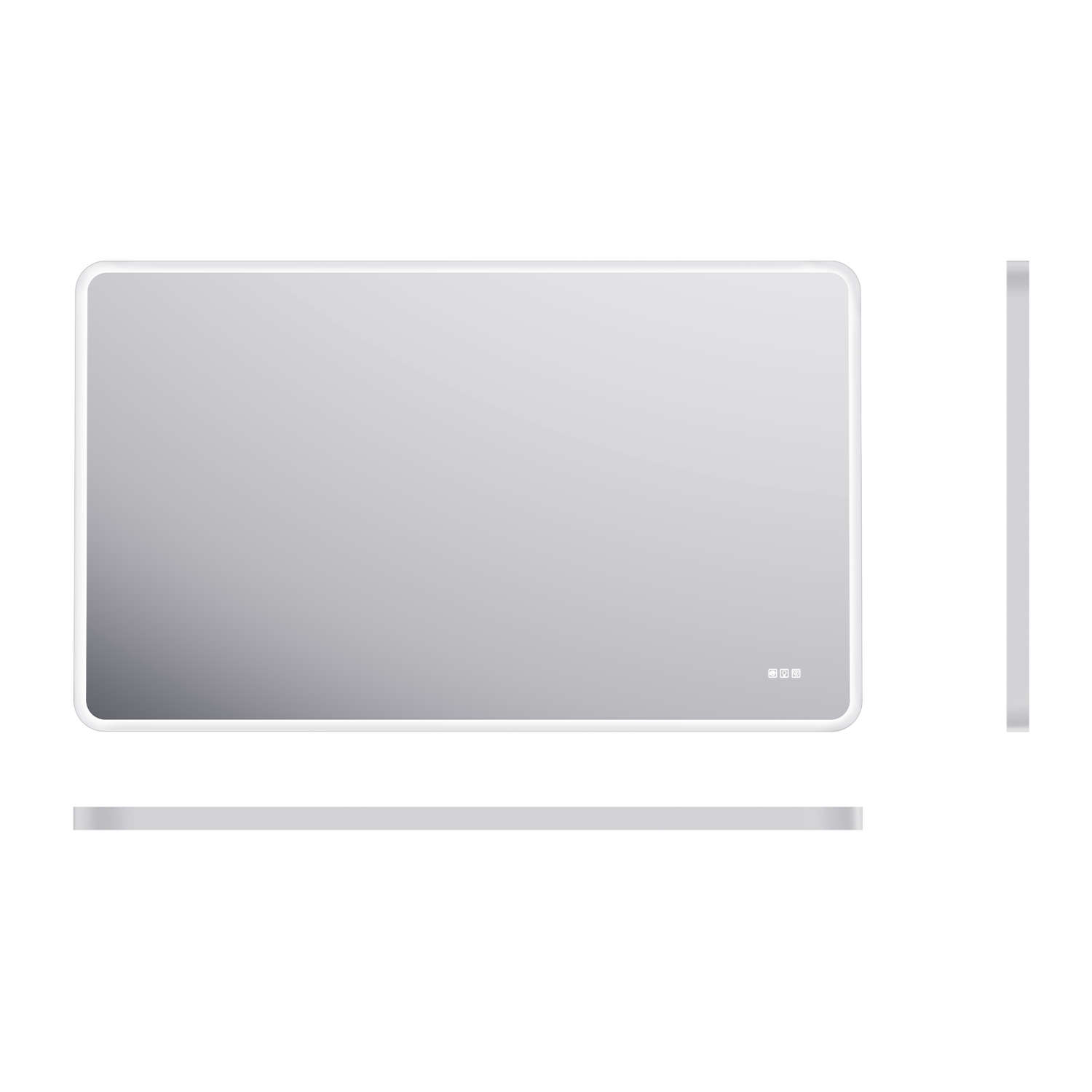
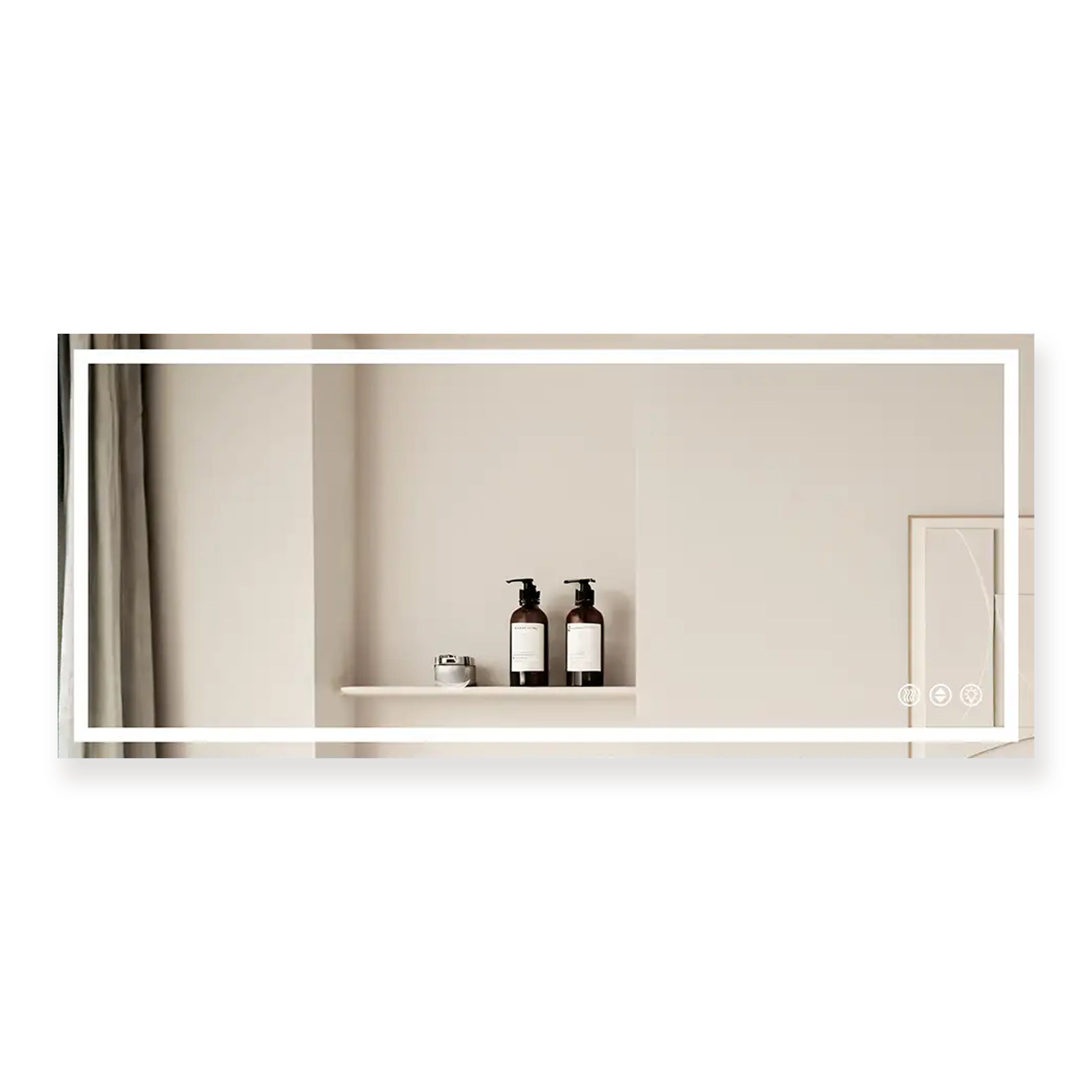
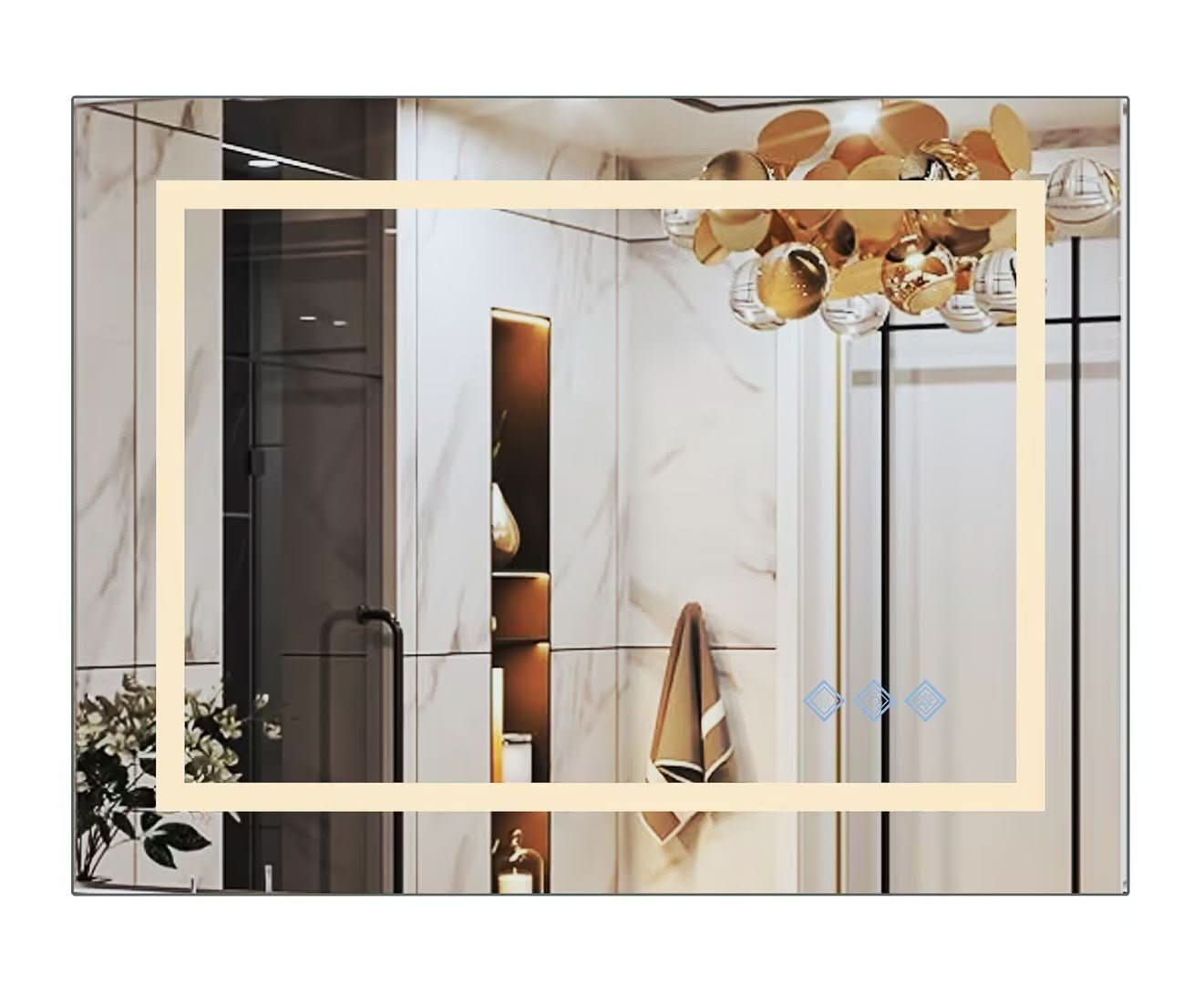
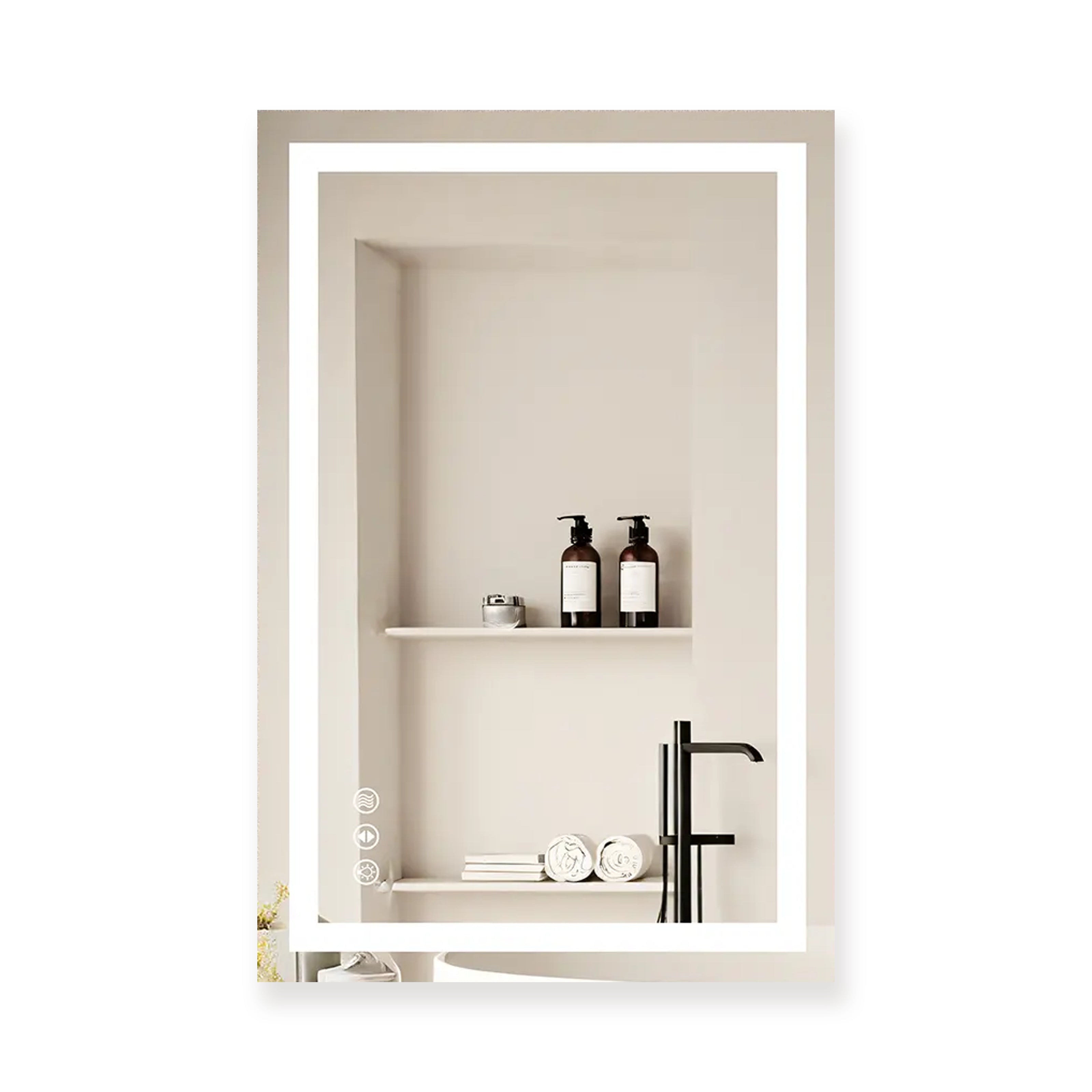
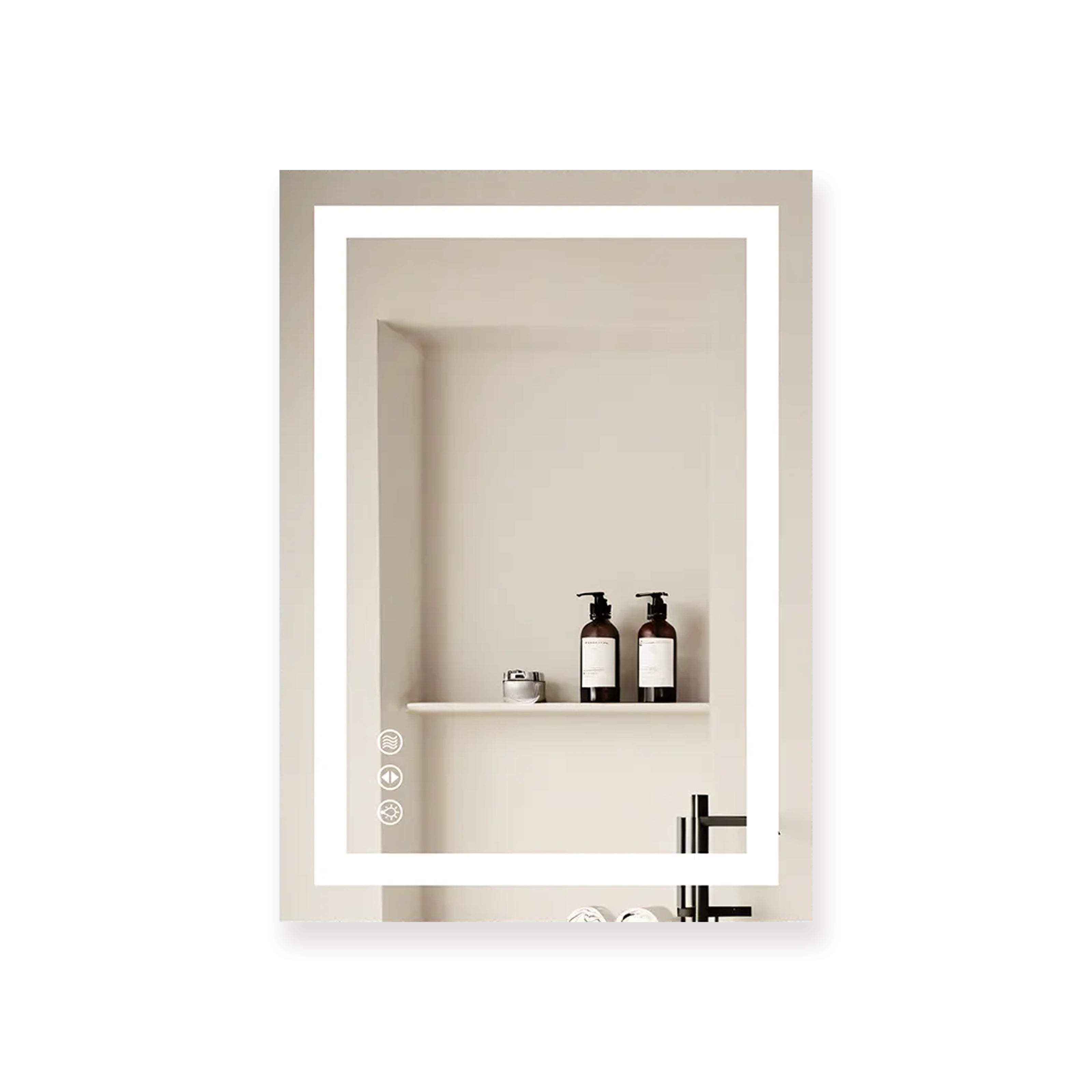
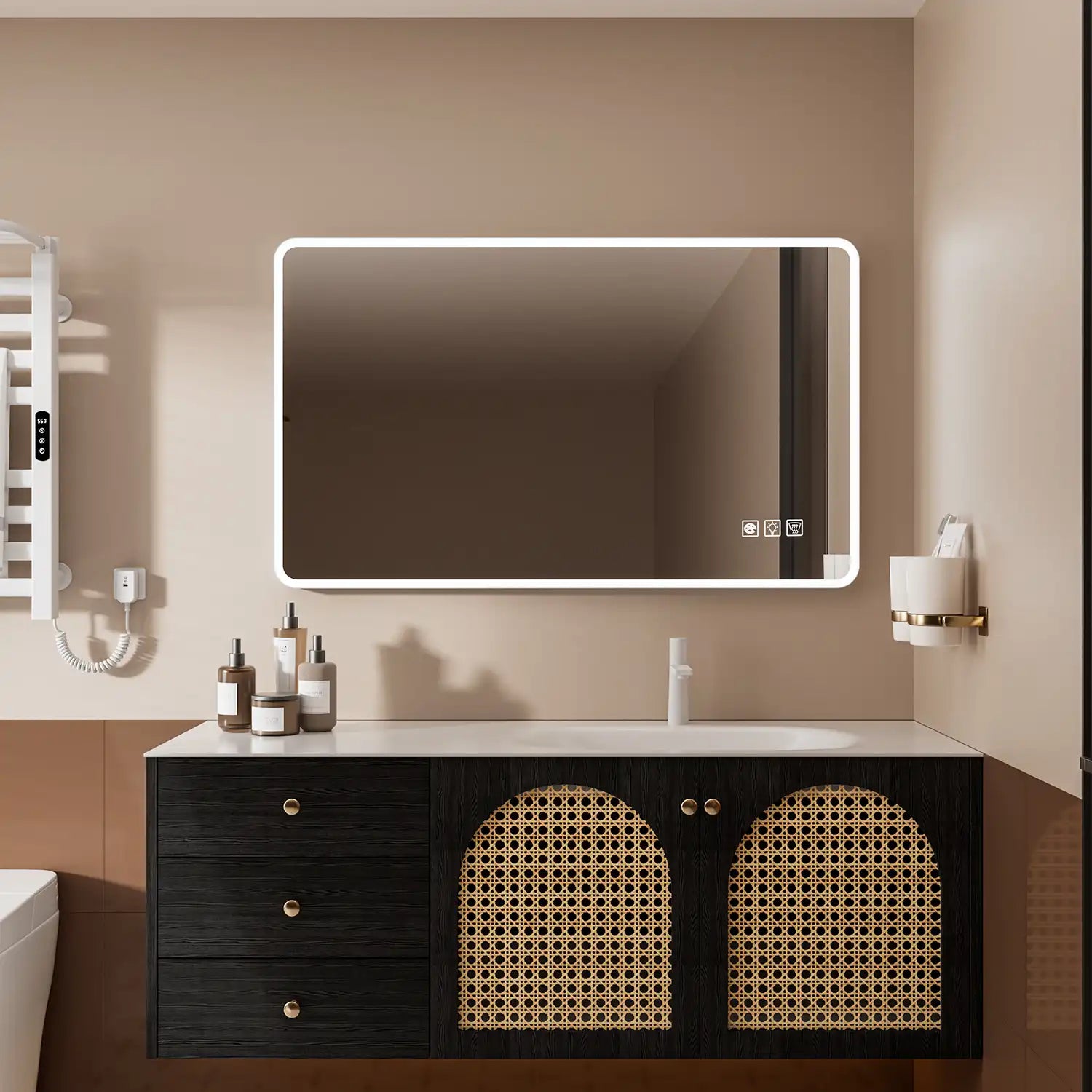
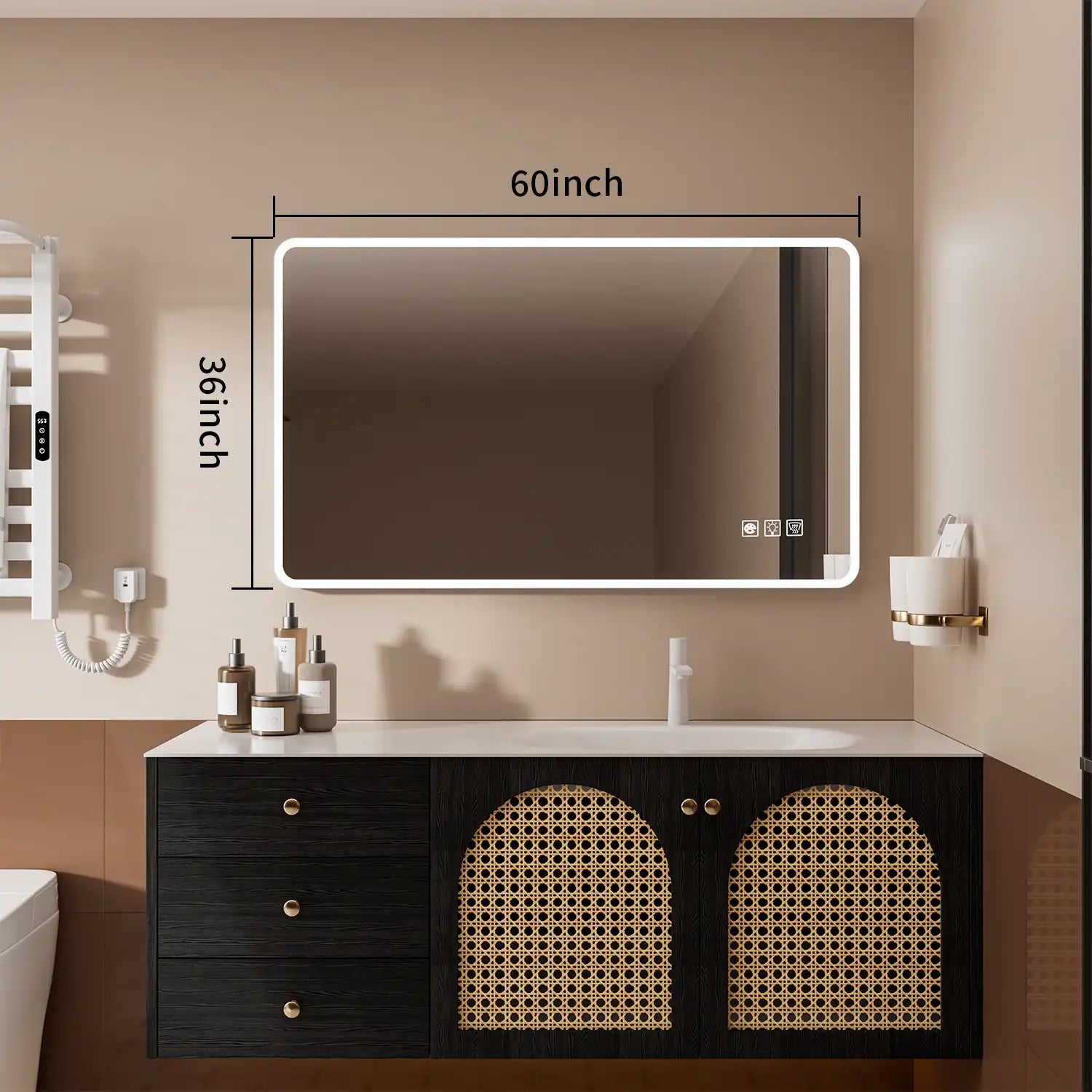
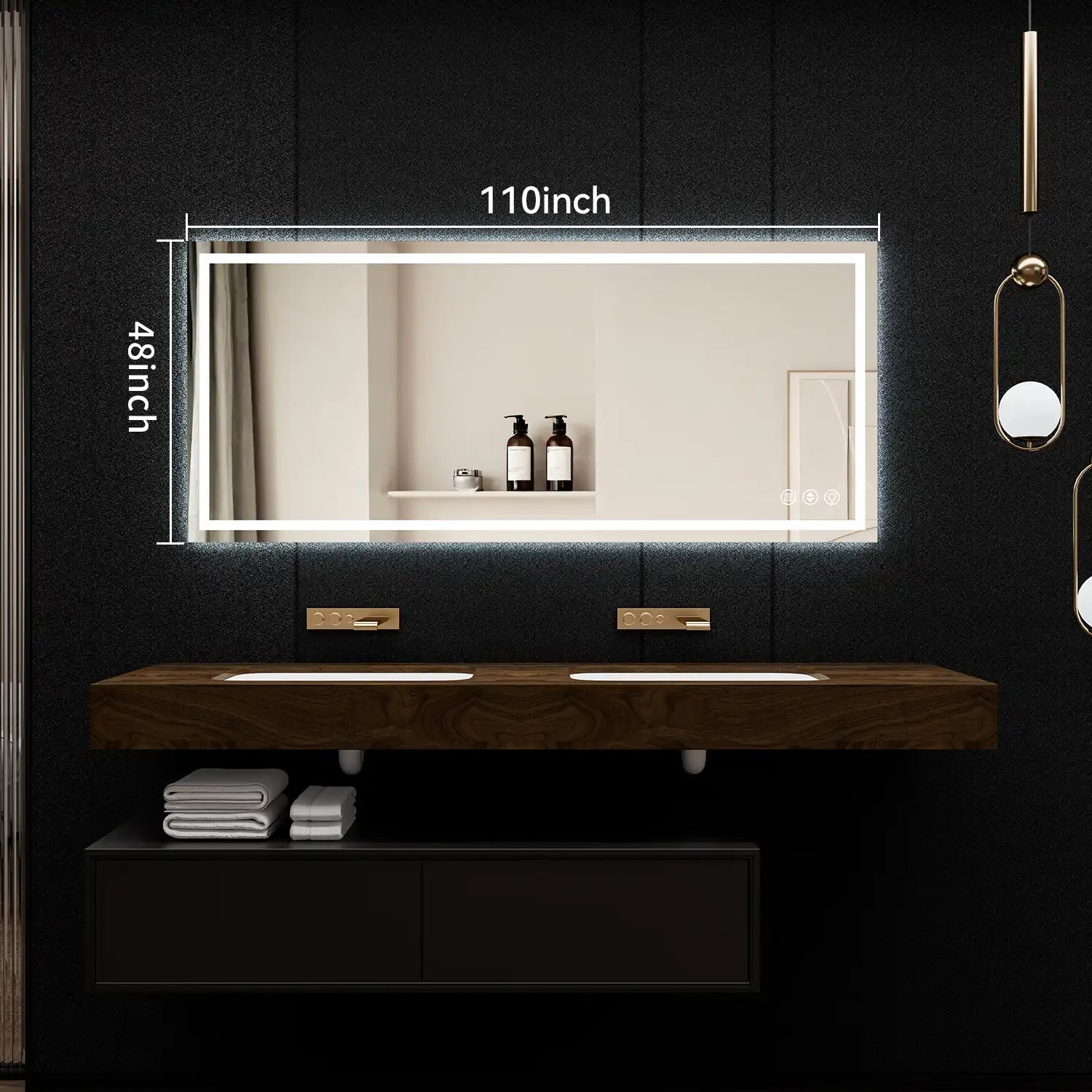
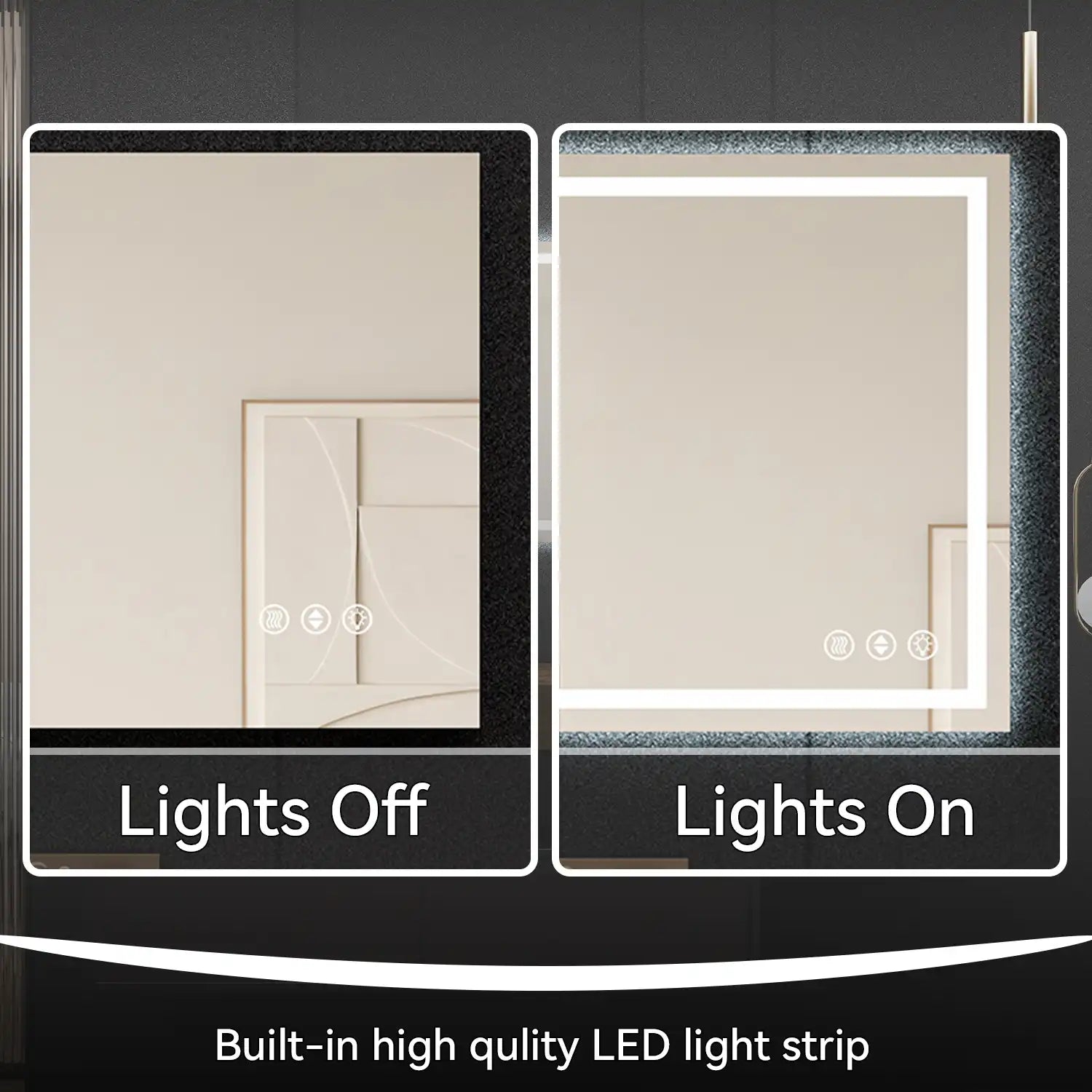
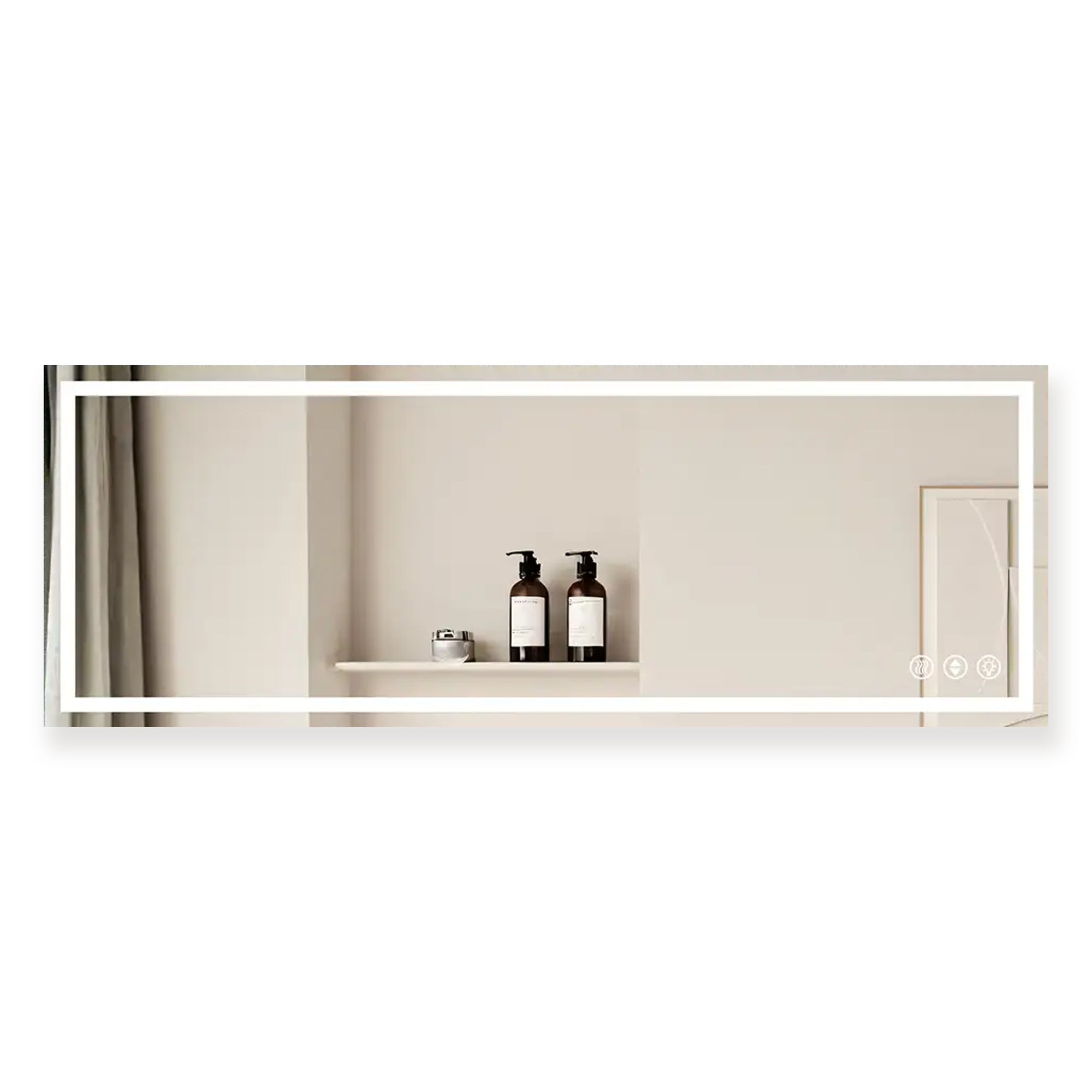
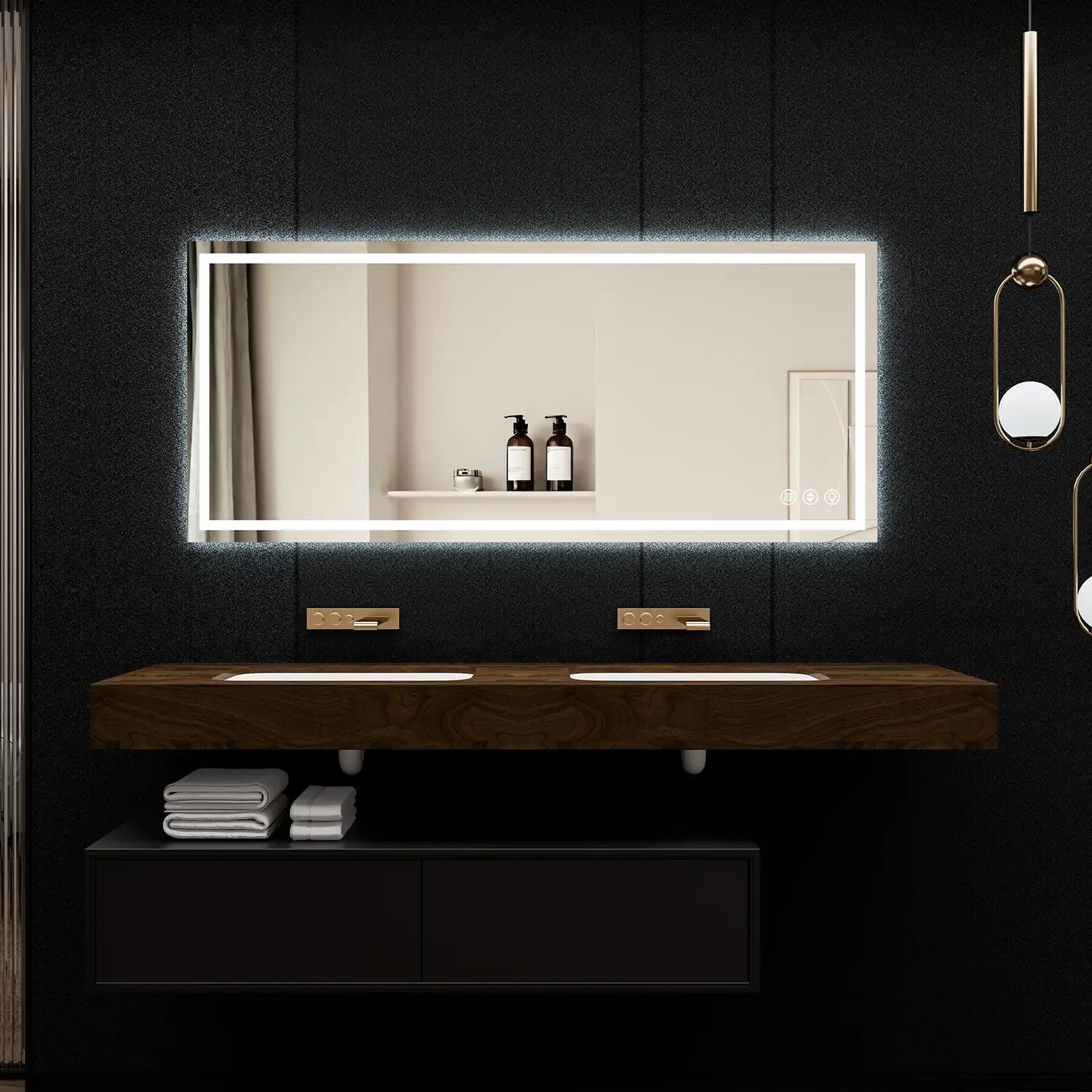
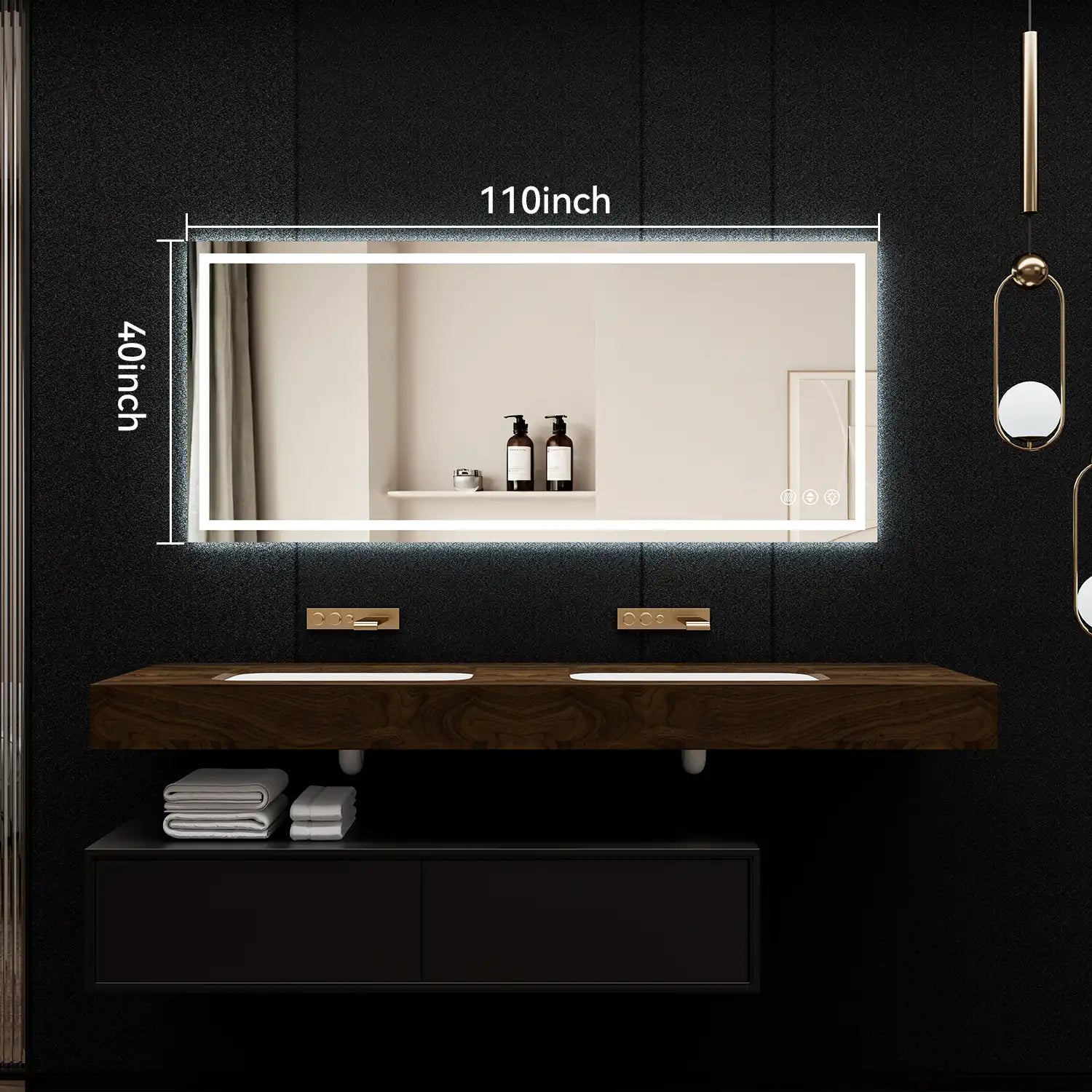
- Backlit mirrors
- Side-mounted pendants (in modern designs)
What to avoid:
- A single light above the mirror
- Harsh downward lighting that creates shadows under eyes and chin
Ideal setup:
Install sconces at eye level on both sides of the mirror. This provides even, shadow-free lighting—the closest thing to natural daylight indoors.
4. Accent Lighting: The Upgrade That Feels High-End
Accent lighting is what takes your bathroom from “functional” to “designed.”
It’s subtle, but incredibly impactful.
Popular accent lighting ideas:
- LED strips under floating vanities (great as night lighting)
- Toe-kick lighting under cabinets
- Small lamps on open shelves
- Lighting above artwork or niches
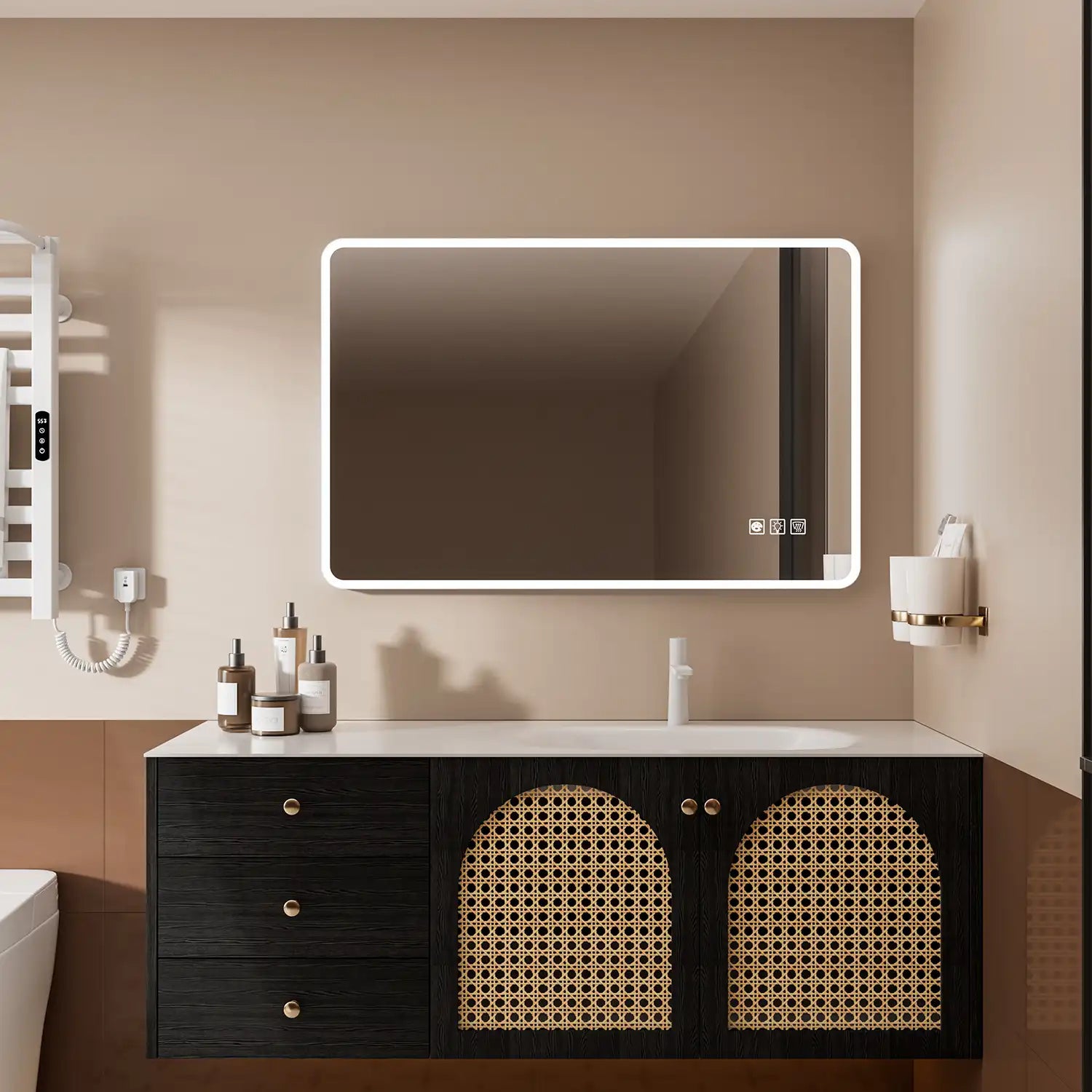
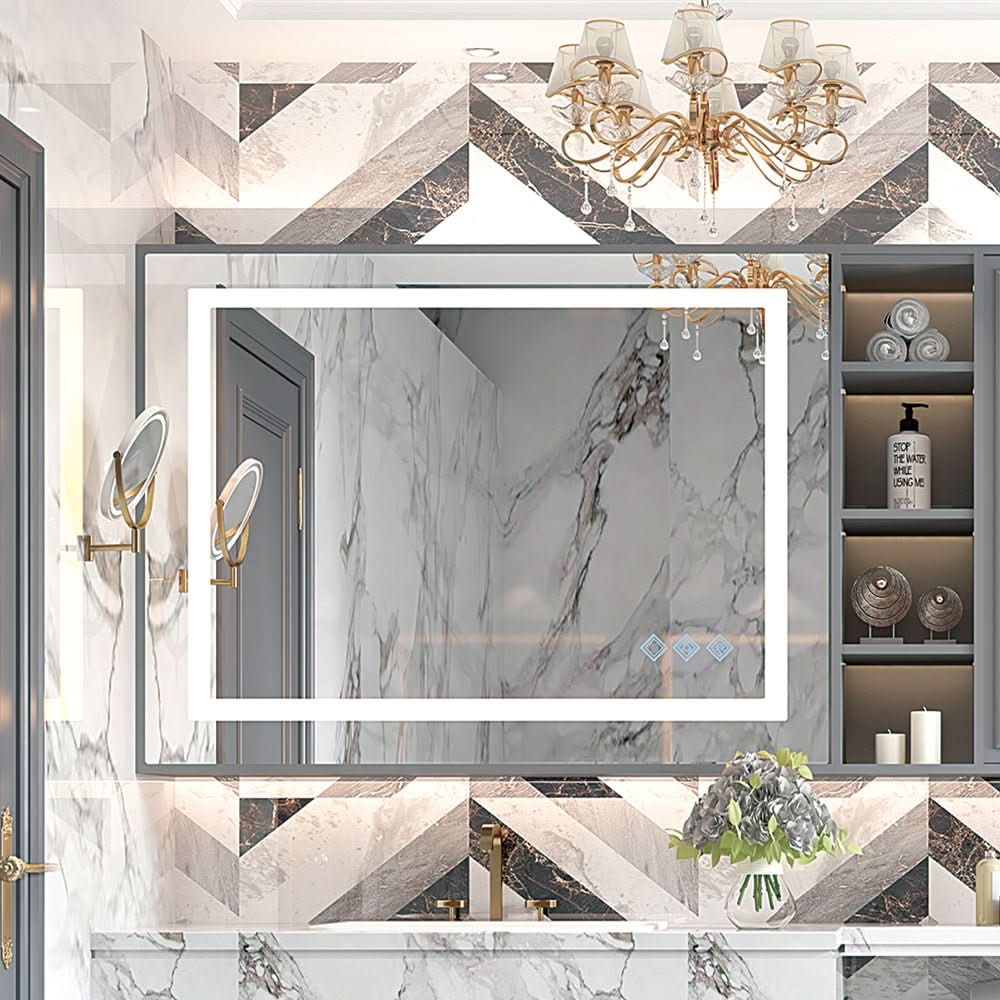
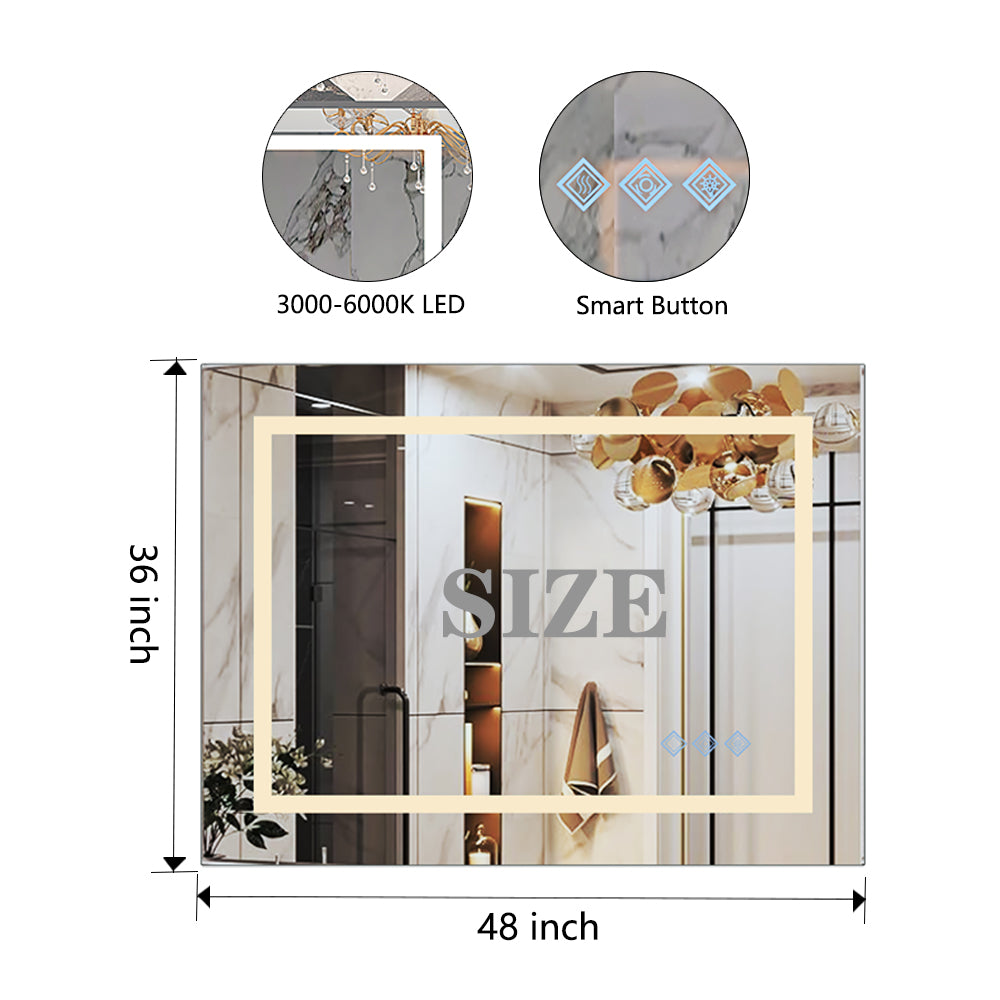
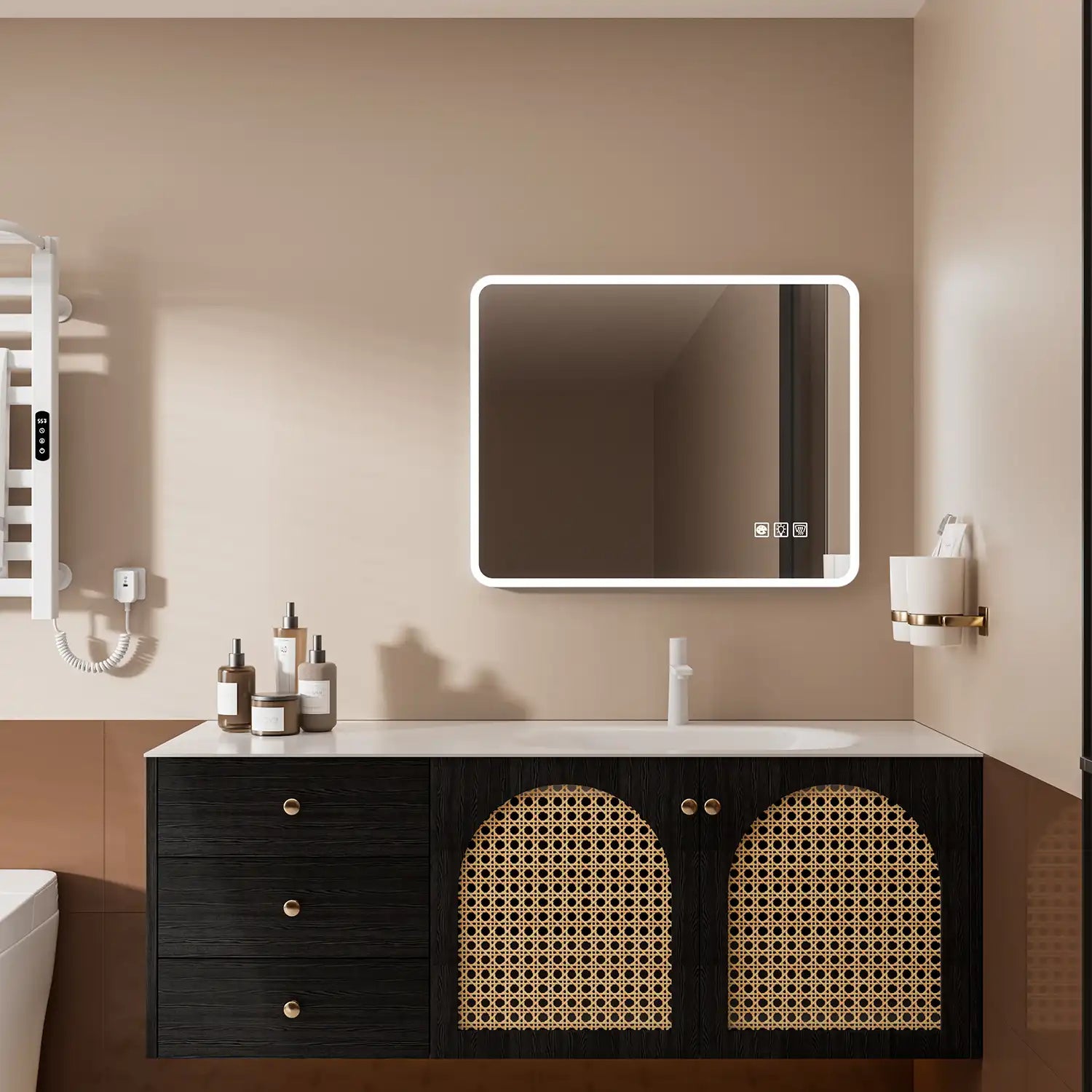
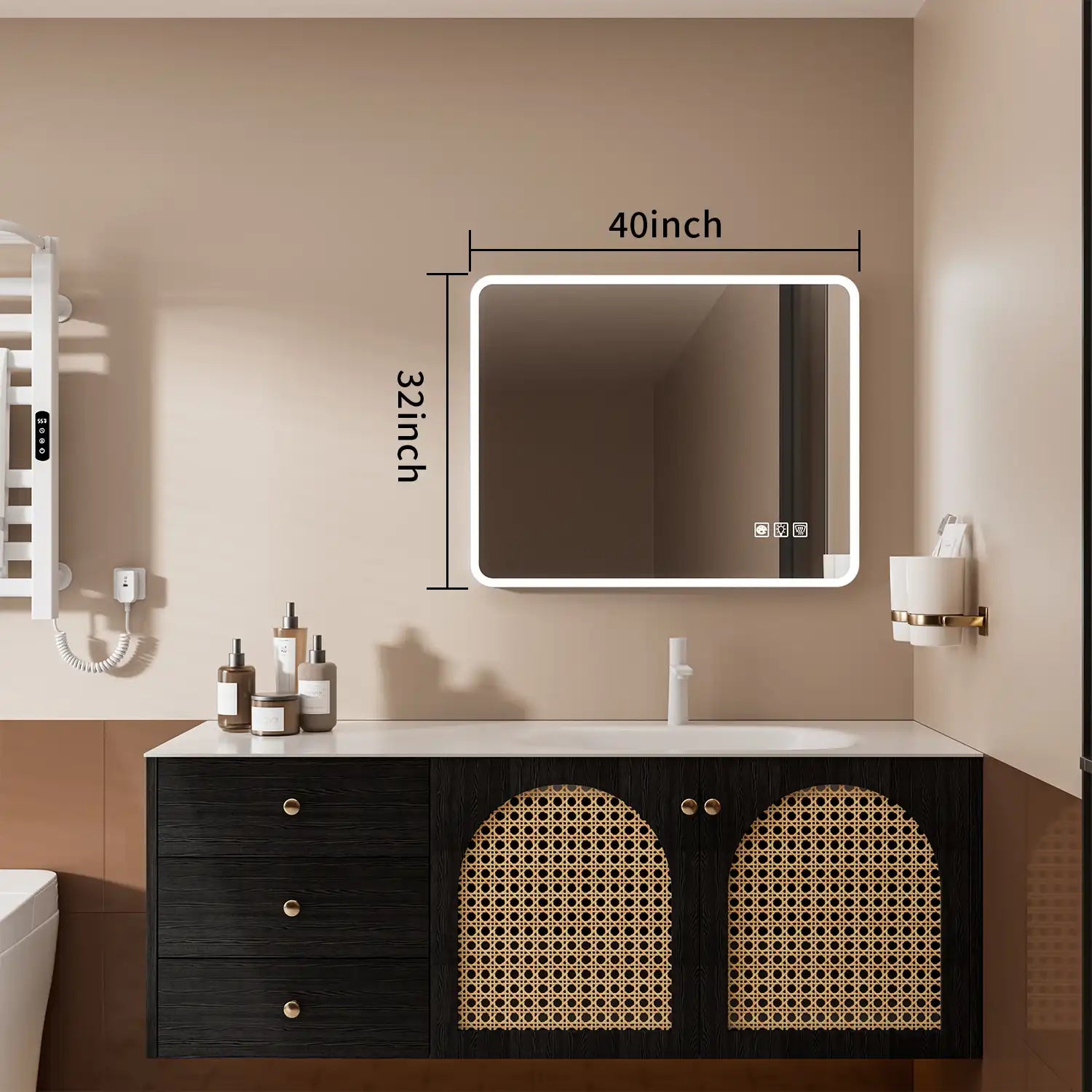
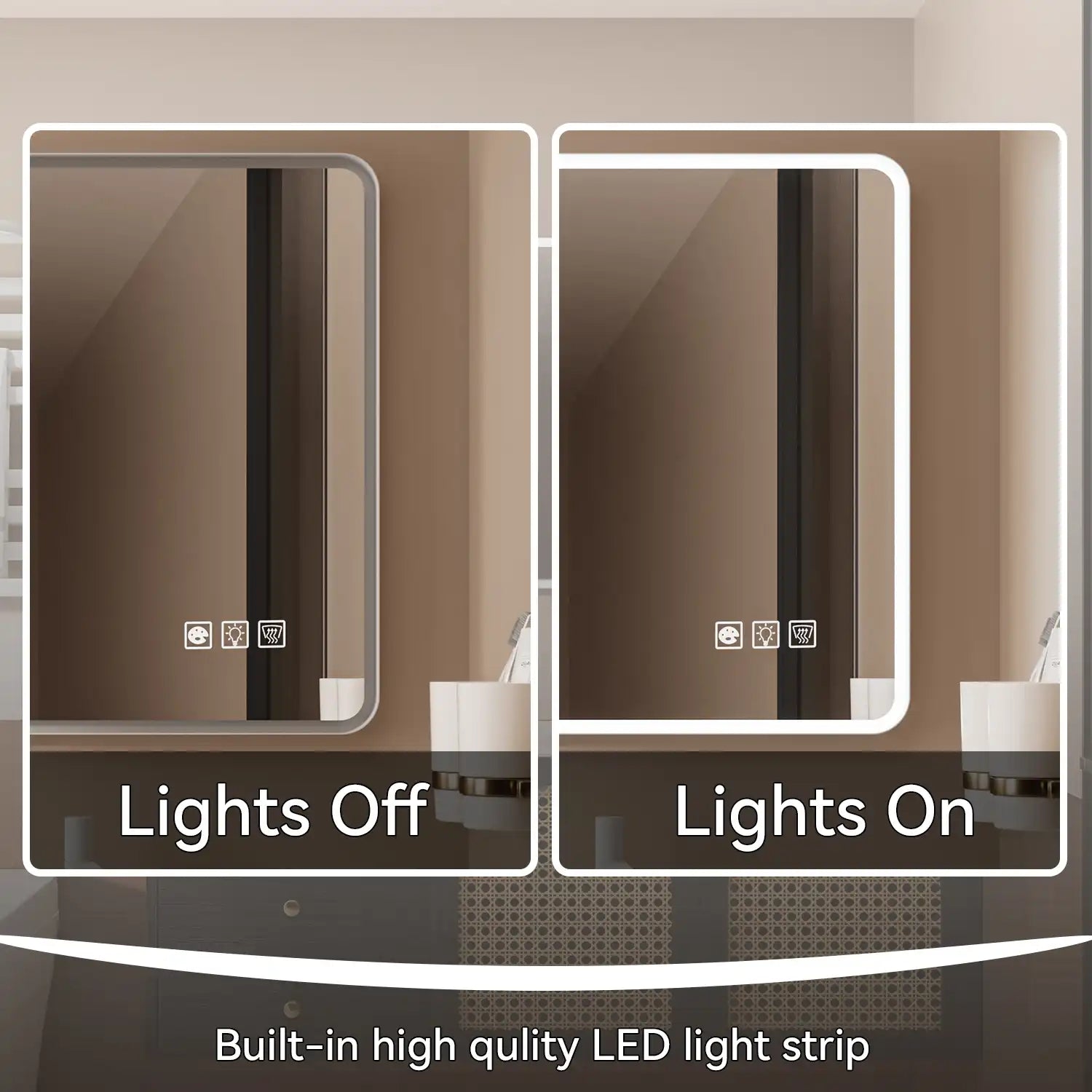
- Backlit mirrors or wall panels
Why it matters:
Accent lighting adds depth, warmth, and a sense of luxury—especially in the evening.
Fixture Placement: Where Most People Get It Wrong
Even the best lighting fixtures won’t work if they’re placed incorrectly.
Here’s how to get it right:
Vanity Lighting
- Sconces: 60–65 inches from the floor
- Spacing: 36–40 inches apart
- Keep lights close to the mirror edges (within ~10 inches)
Ceiling Fixtures
- Center in the room or align with focal points (like a tub or vanity)
- Avoid placing directly behind you at the vanity—it creates shadows
Shower Area
- Use waterproof recessed lights
- Consider adding two in larger showers
Bathtub Area
- Pendant or chandelier above the tub creates a focal point
- Ensure proper clearance and safety ratings
Choosing the Right Bulbs (Critical but Overlooked)
Even perfect fixtures can fail with the wrong bulbs.
Here’s what actually works best:
- Color Temperature: 2700K–3000K → Warm, natural, and flattering
- CRI (Color Rendering Index): 90+ → Ensures accurate skin tones
- Lumens: Vanity: 1,500–2,500 lumens → Full bathroom: depends on size, but aim for layered brightness
- Bulb Type: LED → Energy-efficient, long-lasting, consistent
Avoid overly cool “daylight” bulbs → They tend to feel clinical and harsh in residential bathrooms.
Smart Upgrades That Make a Big Difference
If you want to go beyond basic lighting, these upgrades are worth considering:
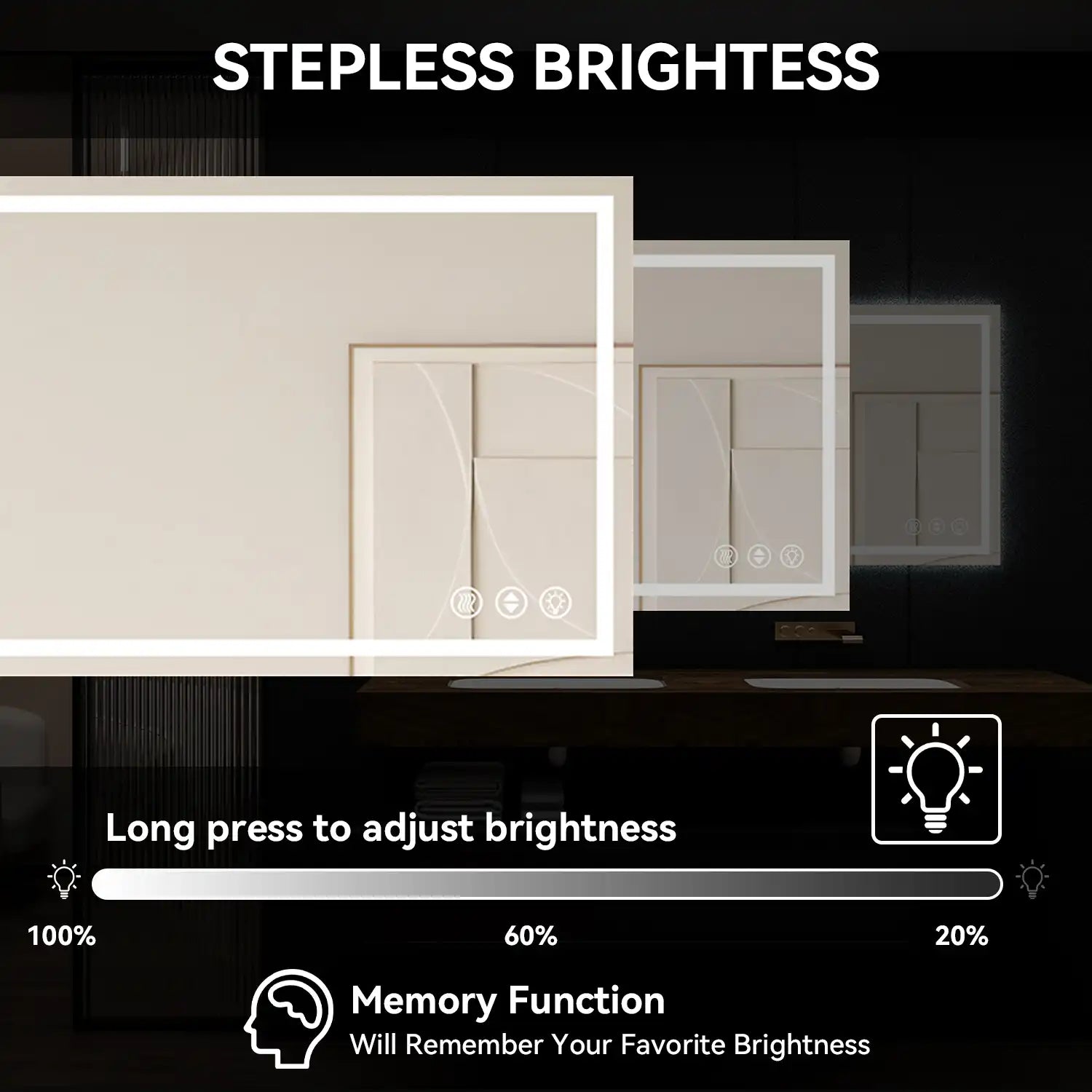
- Dimmer switches → Adjust brightness for morning vs evening
- Motion sensor night lights → Subtle lighting without waking others
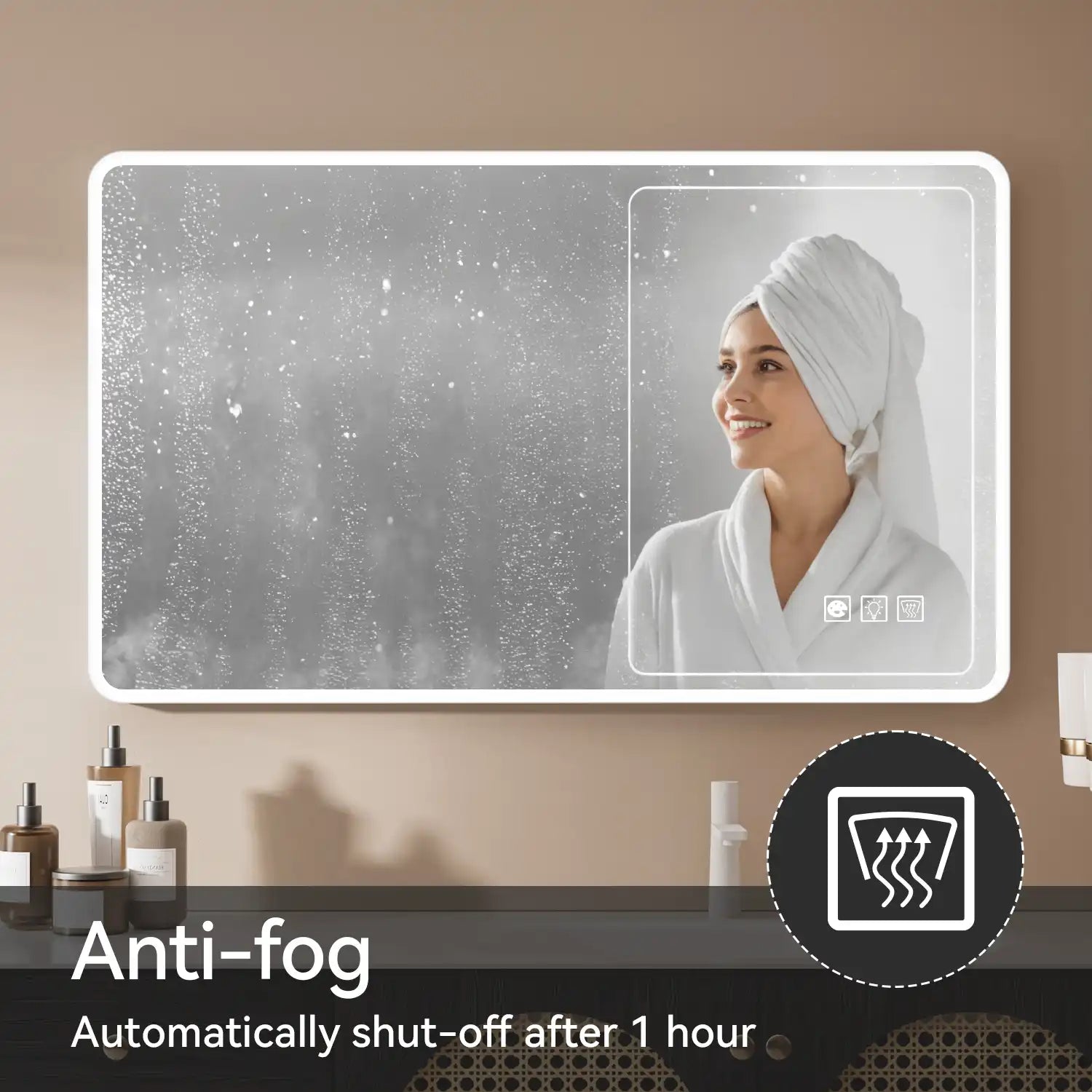
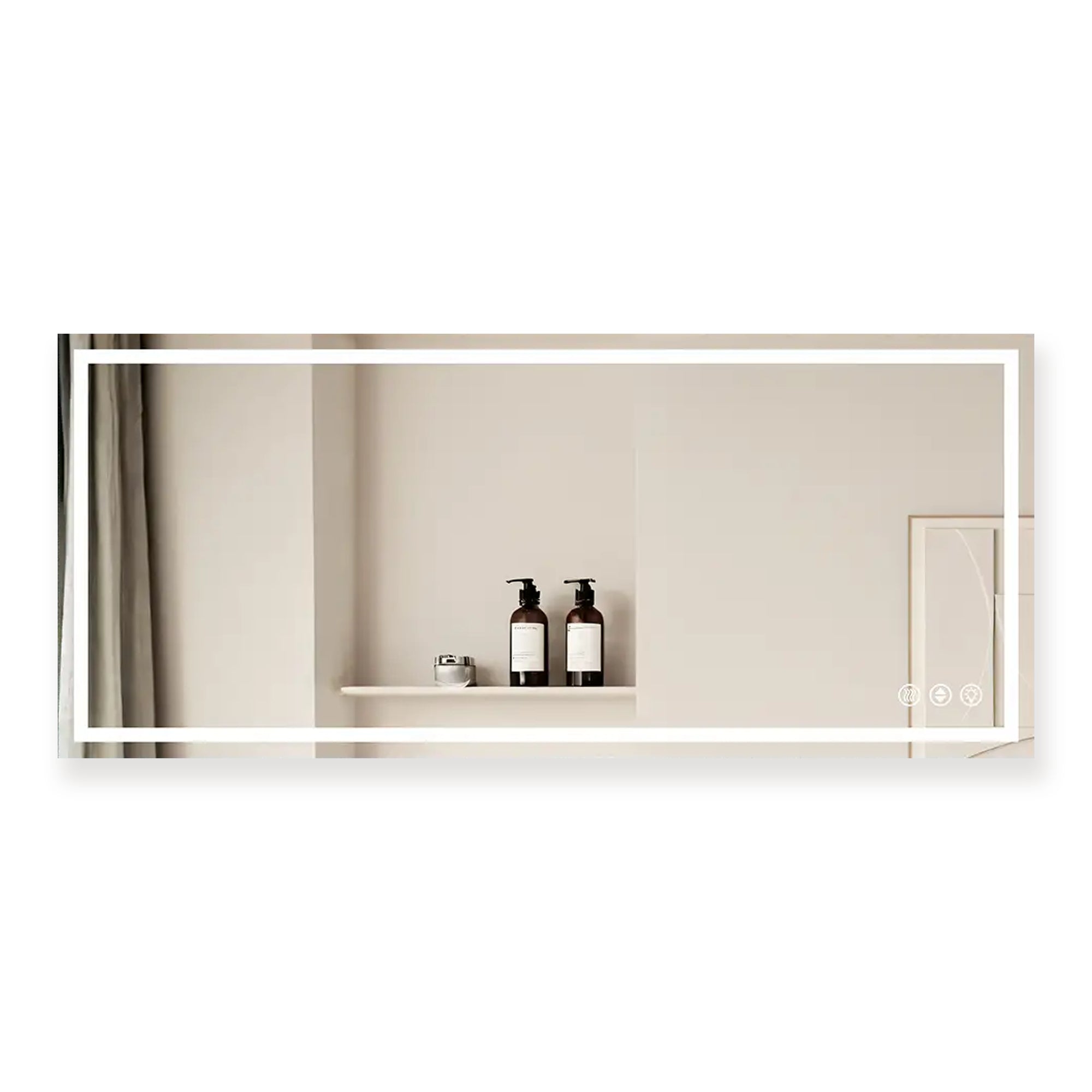
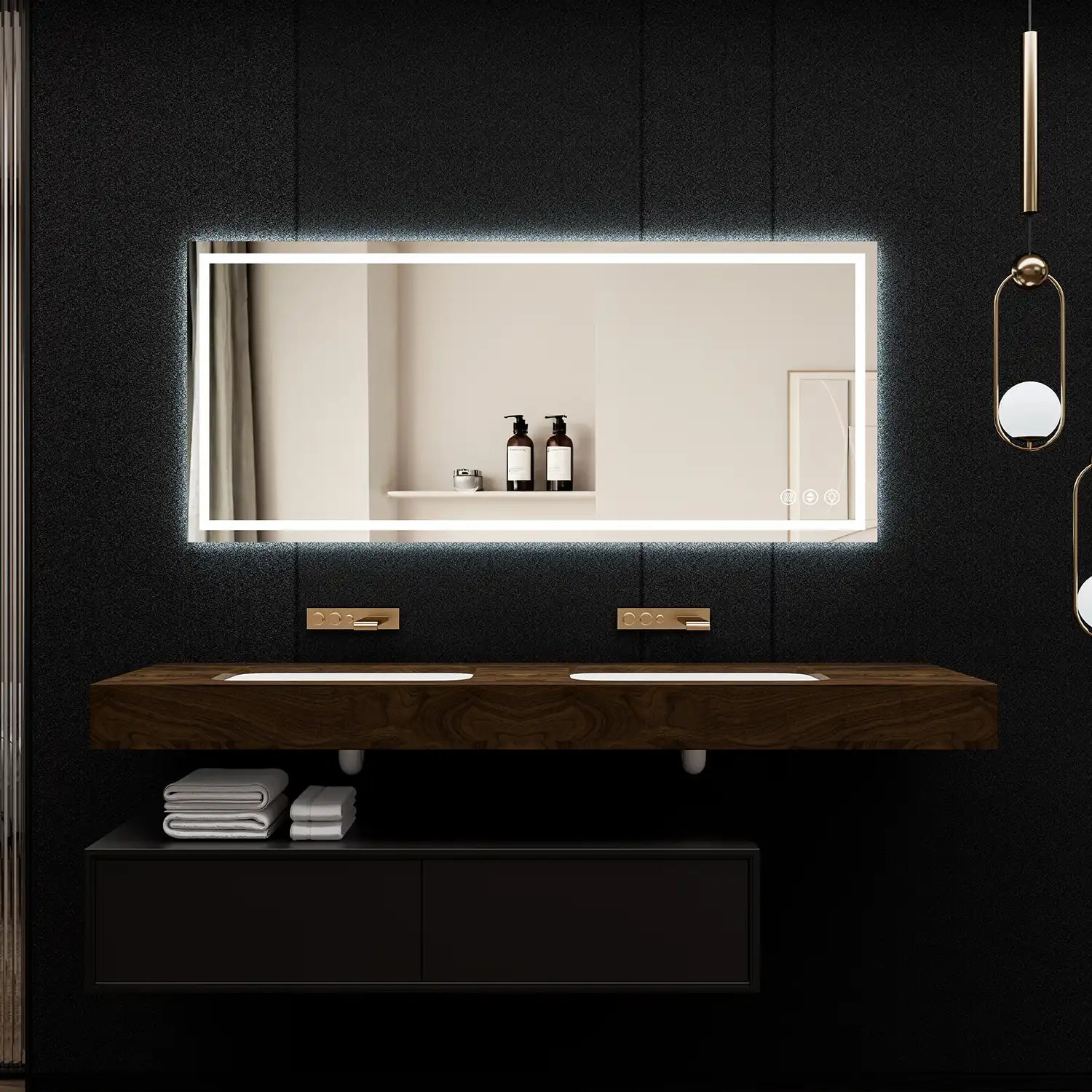
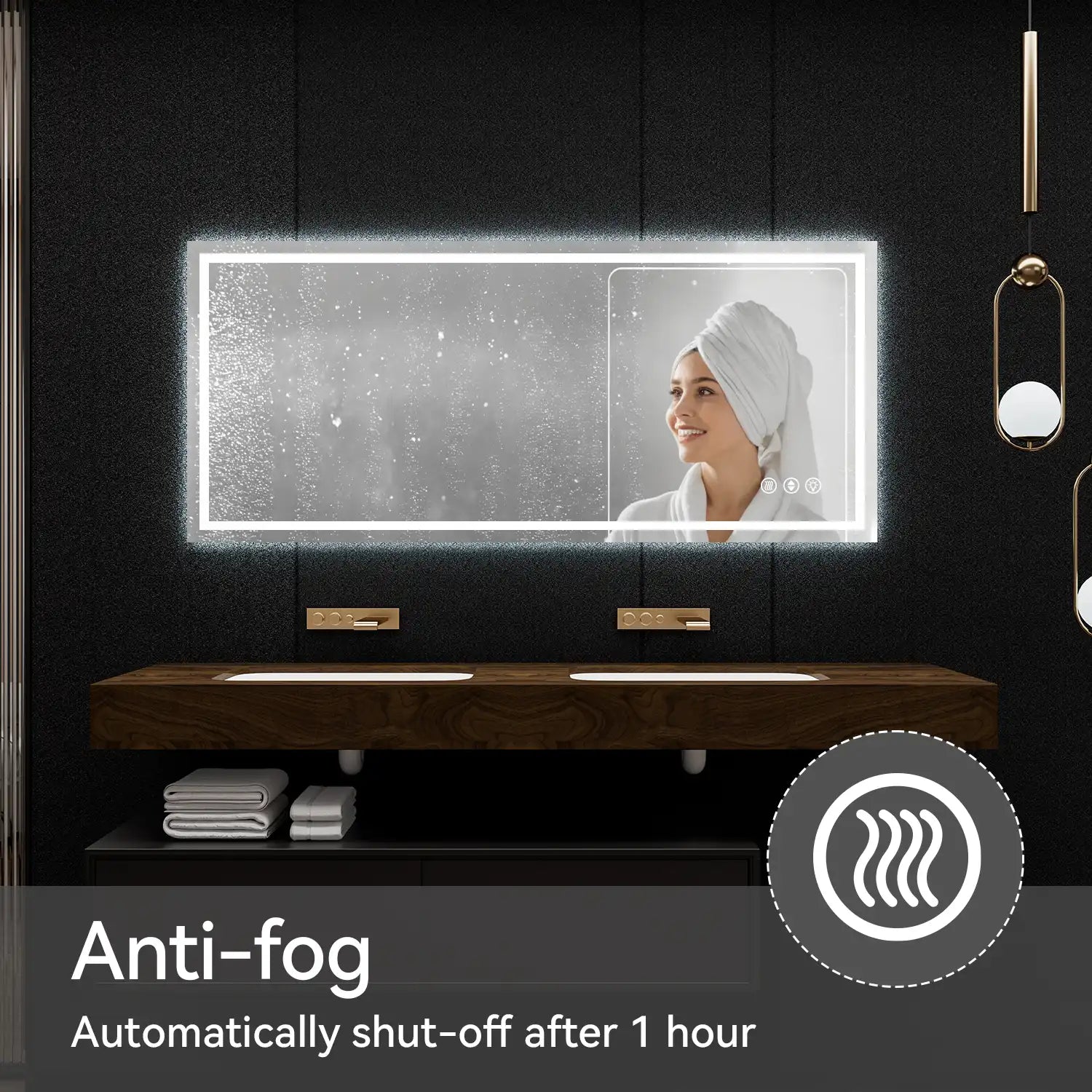
- Backlit mirrors → Clean, modern, and highly functional
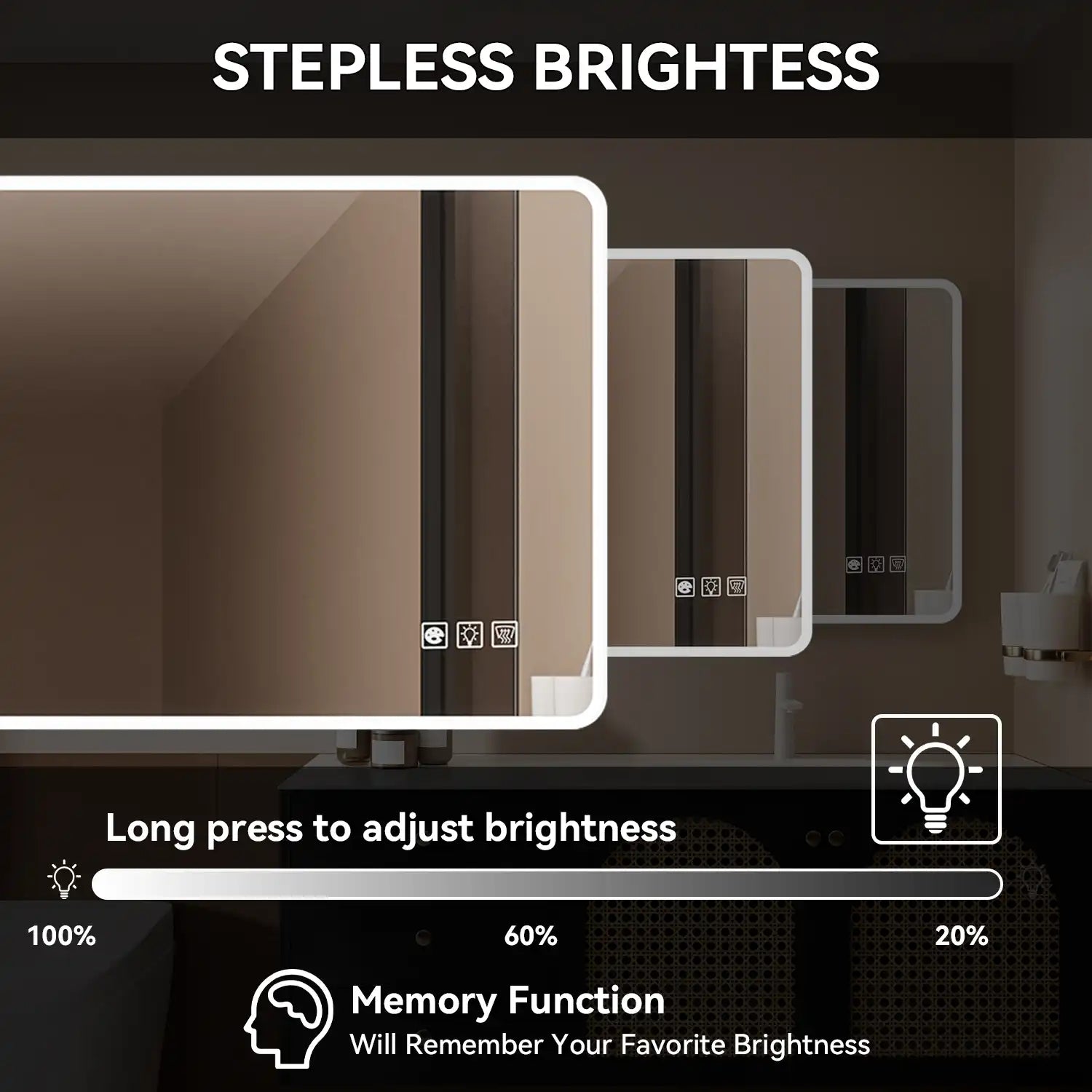
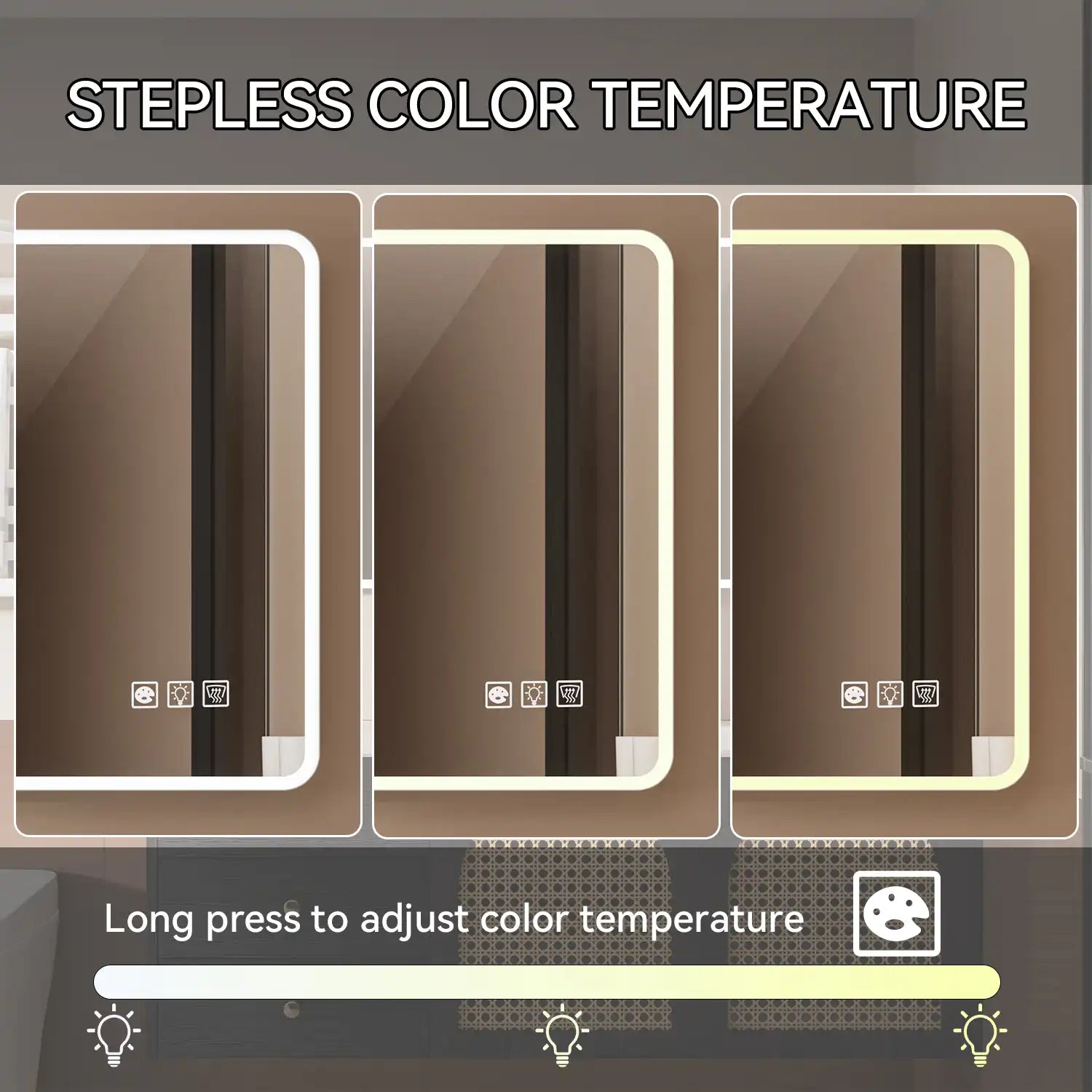
- Smart lighting systems → Control brightness and color temperature
These aren’t just “nice-to-haves”—they improve everyday usability.
FAQ: Best Lighting for Bathroom
How many light sources should a bathroom have?
What is the most flattering bathroom lighting?
Is warm or cool lighting better for bathrooms?
Do I really need dimmers?
Can I use pendant lights in a bathroom?
Final Thoughts
Designing the best lighting for bathroom spaces isn’t about choosing one perfect fixture—it’s about combining the right types of lighting in the right places.
When you layer recessed, ambient, task, and accent lighting—and pair that with the correct bulb temperature and placement—you create a bathroom that:
- Works better for daily routines
- Feels more comfortable and inviting
- Looks professionally designed
- Adds long-term value to your home
If you’re planning a bathroom upgrade, don’t treat lighting as an afterthought. It’s one of the highest-impact decisions you can make—and one of the easiest ways to elevate your space.