

Table of Contents:
- What Are Vessel and Undermount Sinks?
- The Main Differences at a Glance
- Which Sink Is Easier to Clean and Maintain?
- Do Vessel Sinks Splash More?
- Space Check: Which Sink Gives You More Counter Space?
- Countertop Height Adjustment and Ergonomics
- ADA Compliance and Accessibility Considerations
- Installation, Countertop Compatibility, and Repairs
- Which Costs More: Vessel or Undermount?
- The Final Verdict: Which Sink Fits Your Everyday Life?
- Common Questions About Choosing a Vessel vs. Undermount Sink
- Related Articles
Picking a new sink dictates your bathroom cleaning routine for the next decade. Skip the showroom jargon. Instead, look at how these two common sink styles actually handle morning rushes, kids washing up, and weekend scrubbing. Vessel sink vs undermount sink becomes a simple decision once you break down the physical mechanics of water flow, cabinet space, and installation rules, revealing which setup fits your daily life.
What Are Vessel and Undermount Sinks?
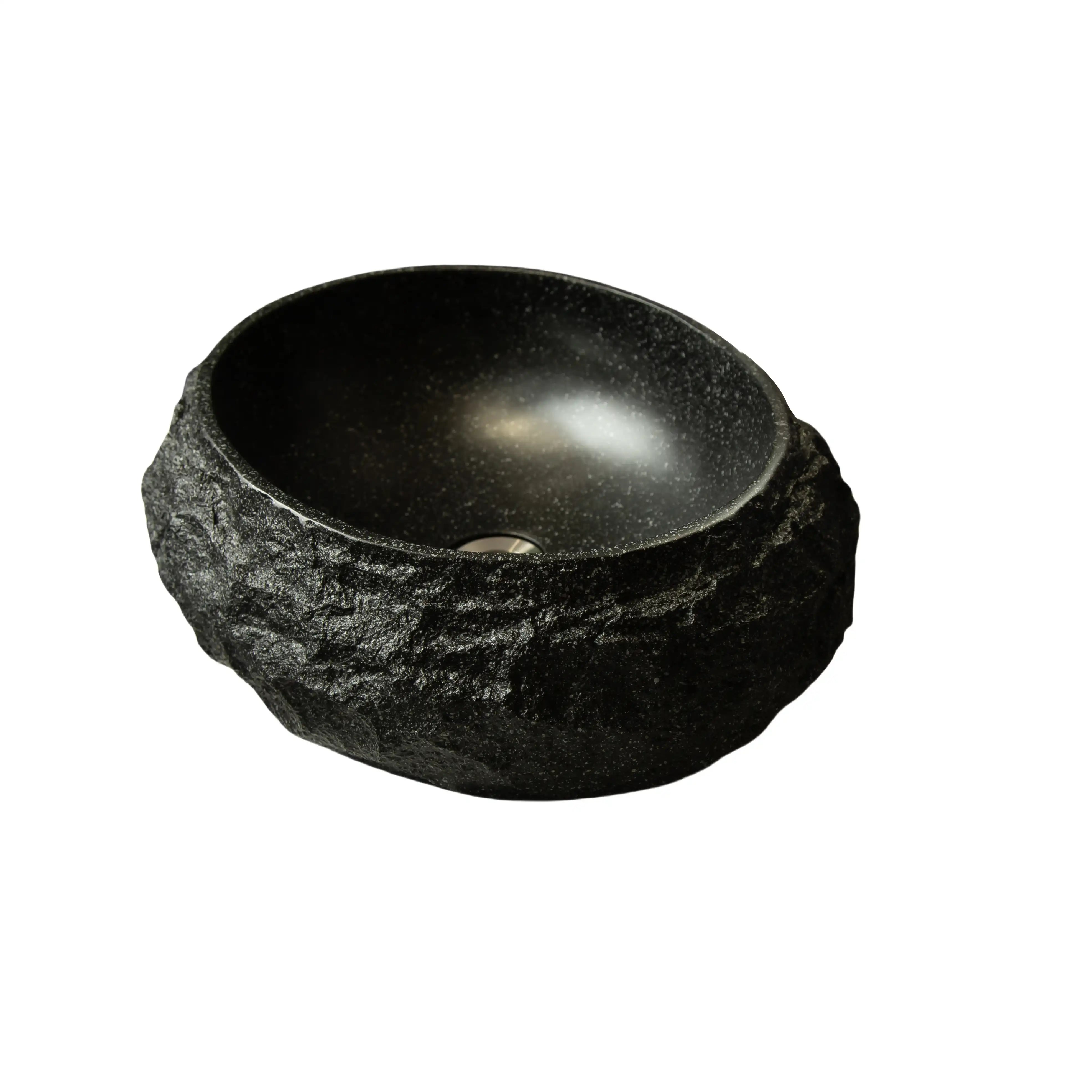
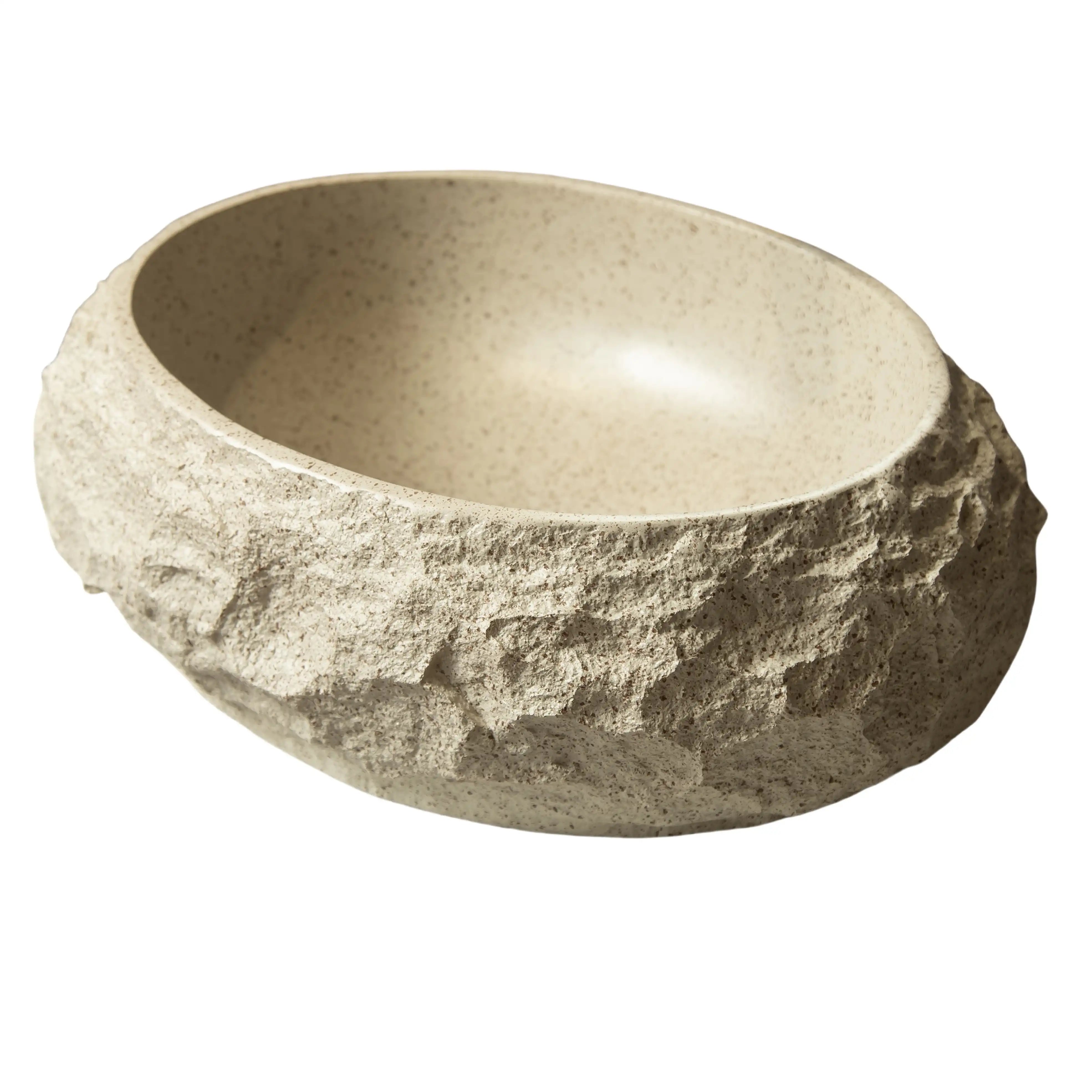
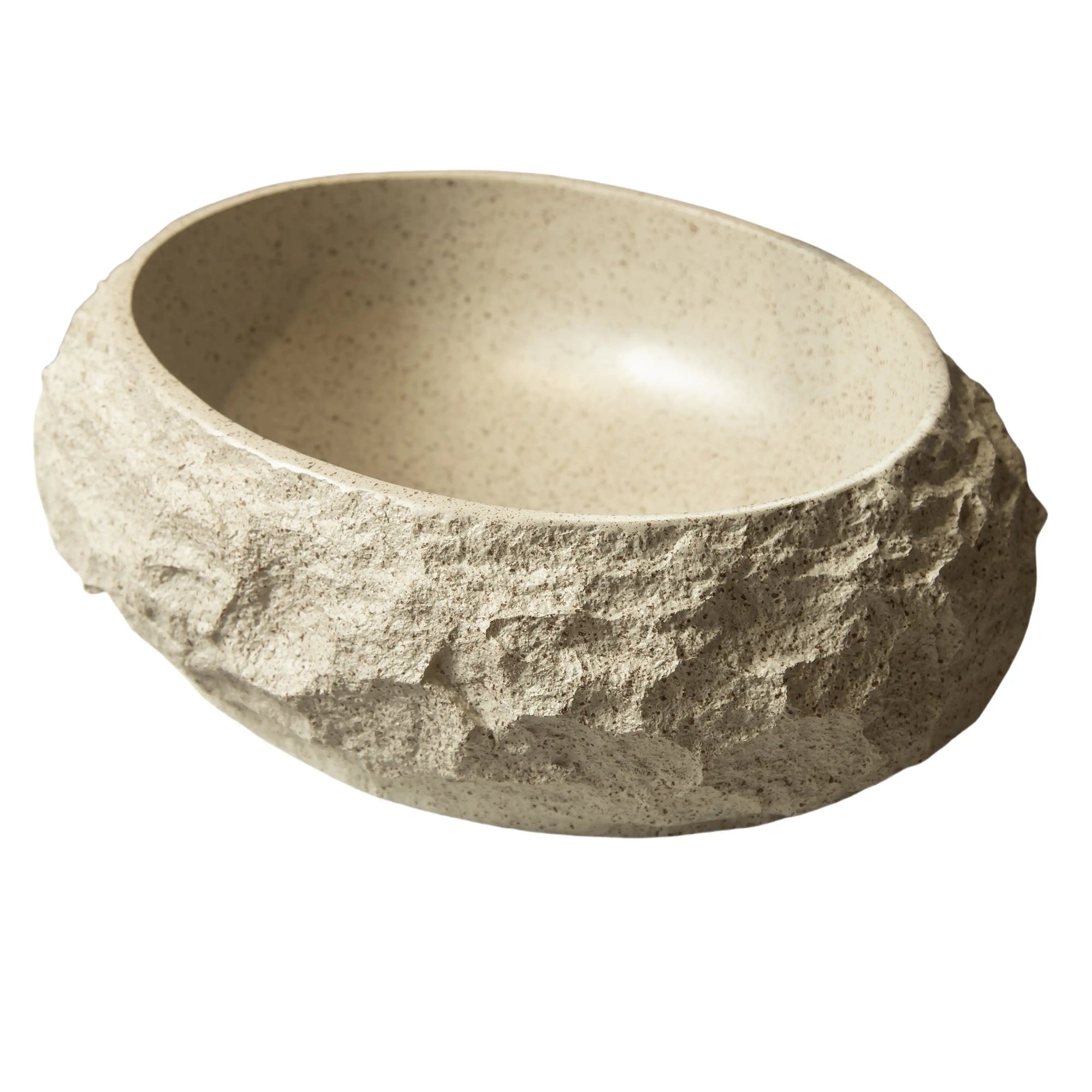
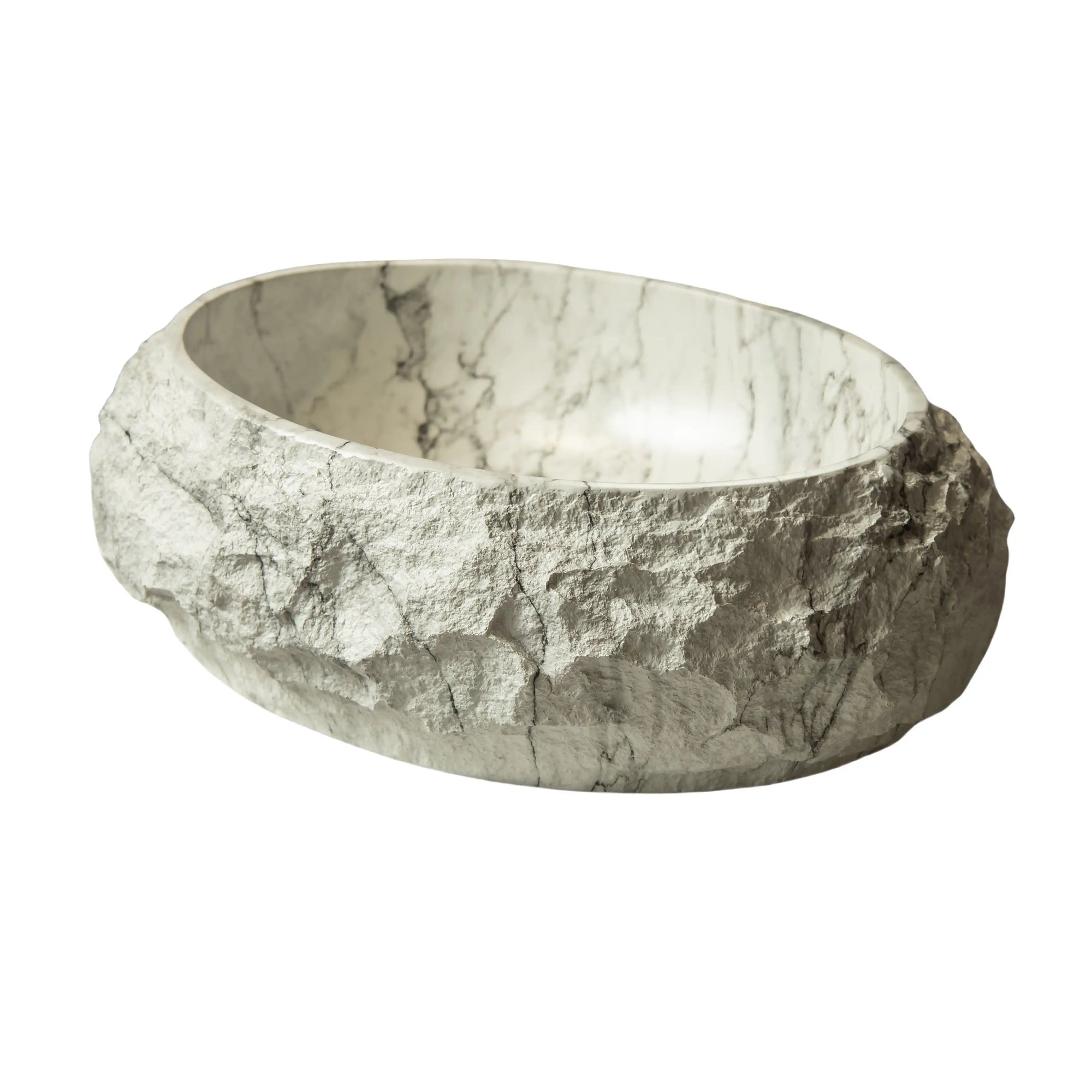
A vessel sink sits completely on top of your counter like a freestanding bowl. You will often see a vessel bathroom sink shaped like a deep basin, a wide dish, or even a carved stone block resting directly on the surface. To understand how they work, you need to know about two structural components. A vanity is the wooden cabinet unit resting on your floor that hides your plumbing pipes and provides drawer storage. The countertop is the flat slab of stone or wood resting on top of the vanity where you set your soap and toothbrush. Because a vessel sink rests entirely above this slab, it becomes a prominent physical object in the room and changes how you interact with the water.
| Specification / Metric | Value / Standard | Practical Impact for Planning |
|---|---|---|
| Standard Vanity Base Height | 32" to 34" | Standard base height intended for drop-in or undermount basins. |
| Vessel Sink Finished Rim Height | 36" typical | Total rim height reaches standard ergonomic hand-washing level. |
| Vessel Sink Fixture Cost | $50 to $2,000 | Baseline hardware purchase range before faucet or plumbing changes. |
| WaterSense Max Faucet Flow Rate | 1.5 GPM | Restricts water volume to control splashing in shallow vessel bowls. |
| Accessible Room Fixture Requirement | 5% (min. 1 sink) | Mandatory compliance threshold for sinks in accessible facilities. |
| Accessible Knee / Toe Depth Clearance | 17" to 25" deep | Open clear space under counter required for wheelchair access. |
| Adjustable Kitchen Sink Height | 29" min. to 36" max. | Full travel range required for adjustable operational surfaces. |
| Child Ergonomic Counter Max Height | 31" max. (ages 6–12) | Rim limit requiring 24" minimum knee clearance for young users. |
An undermount sink attaches to the underside of that same countertop. First, the stone fabricator cuts a hole in the slab. Then, they polish the inner edge of that opening and mount the basin directly beneath it. This installation method completely hides the sink rim from view. You see no lip, no edge, and no transition material between the flat counter and the inside of the bowl. By hiding the rim, you create a continuous flat plane across your entire vanity. That changes your daily cleaning logic, and it cuts down on the visual space the sink consumes.
The Main Differences at a Glance
Comparing these two styles requires looking past their aesthetic appeal. You must look deeper. Evaluate how they alter your physical workspace, dictate your plumbing choices, and determine your maintenance schedule.
Vessel Sink
A vessel sink rests entirely on top of the countertop, creating a strong architectural focal point. It is relatively simple to install and replace, but the exposed bowl requires more exterior cleaning and careful faucet selection to control splashing.
- Installation: Rests entirely on top of the counter and usually requires only a small drain hole to be drilled.
- Everyday cleaning: Requires cleaning both the inside and outside of the bowl.
- Countertop cleaning: The raised bowl creates a physical obstacle that you need to wipe around.
- Counter space: Uses some countertop surface area but leaves the cabinet interior more open.
- Splash control: Depends heavily on matching the faucet height, spout reach, and water flow to the vessel bowl.
- Faucet requirements: Typically needs a tall pillar faucet or a wall-mounted spout.
- Vanity height: Usually requires a shorter cabinet so the finished sink rim does not sit too high.
- Countertop compatibility: Works with wood, laminate, and stone countertops.
- Replacement: Relatively easy to swap when the replacement sink aligns with the existing drain opening.
- Design style: Creates a bold architectural focal point and makes the sink a visible part of the bathroom design.
Best for: Guest bathrooms, powder rooms, adult spaces, and bathrooms where visual impact is a priority.
Undermount Sink
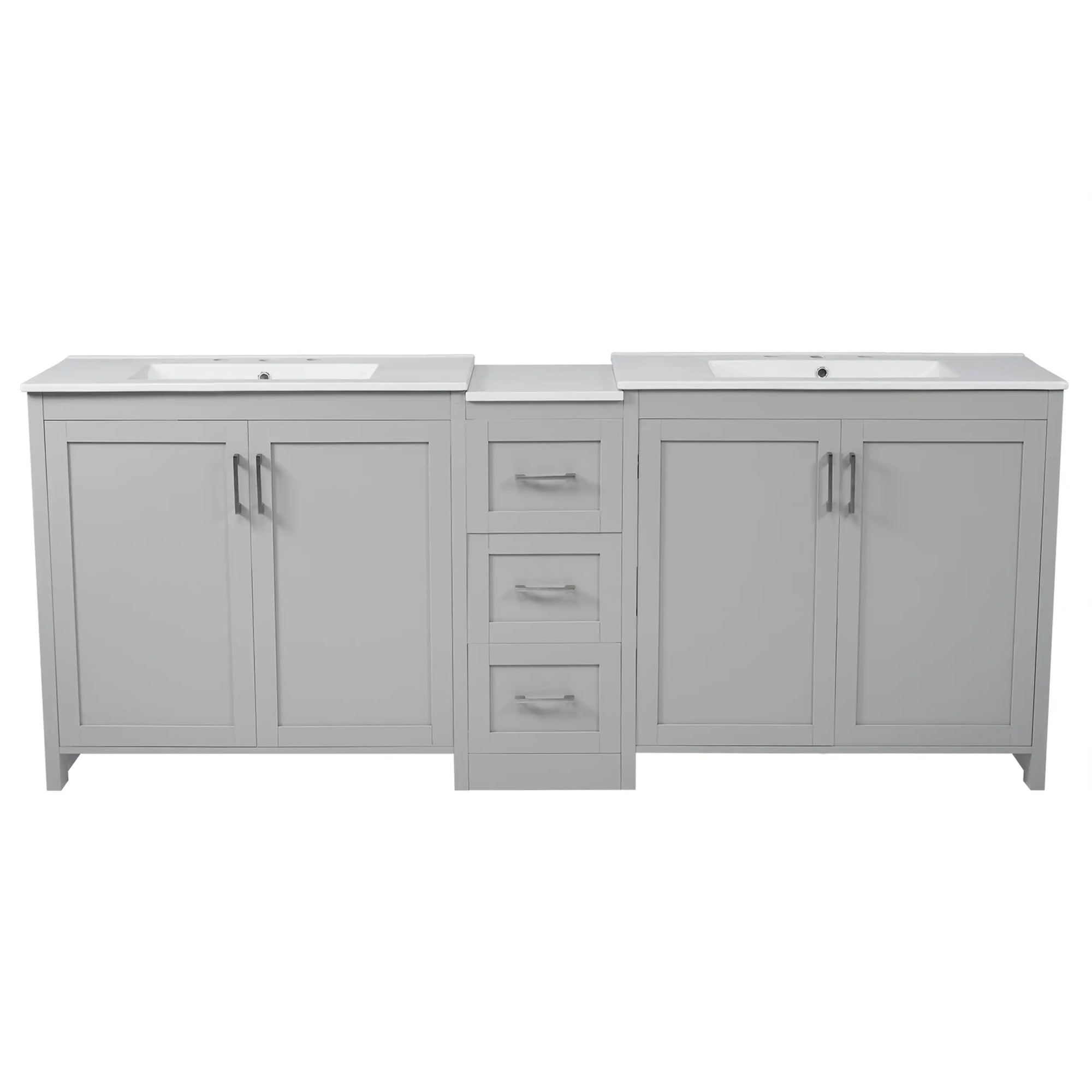
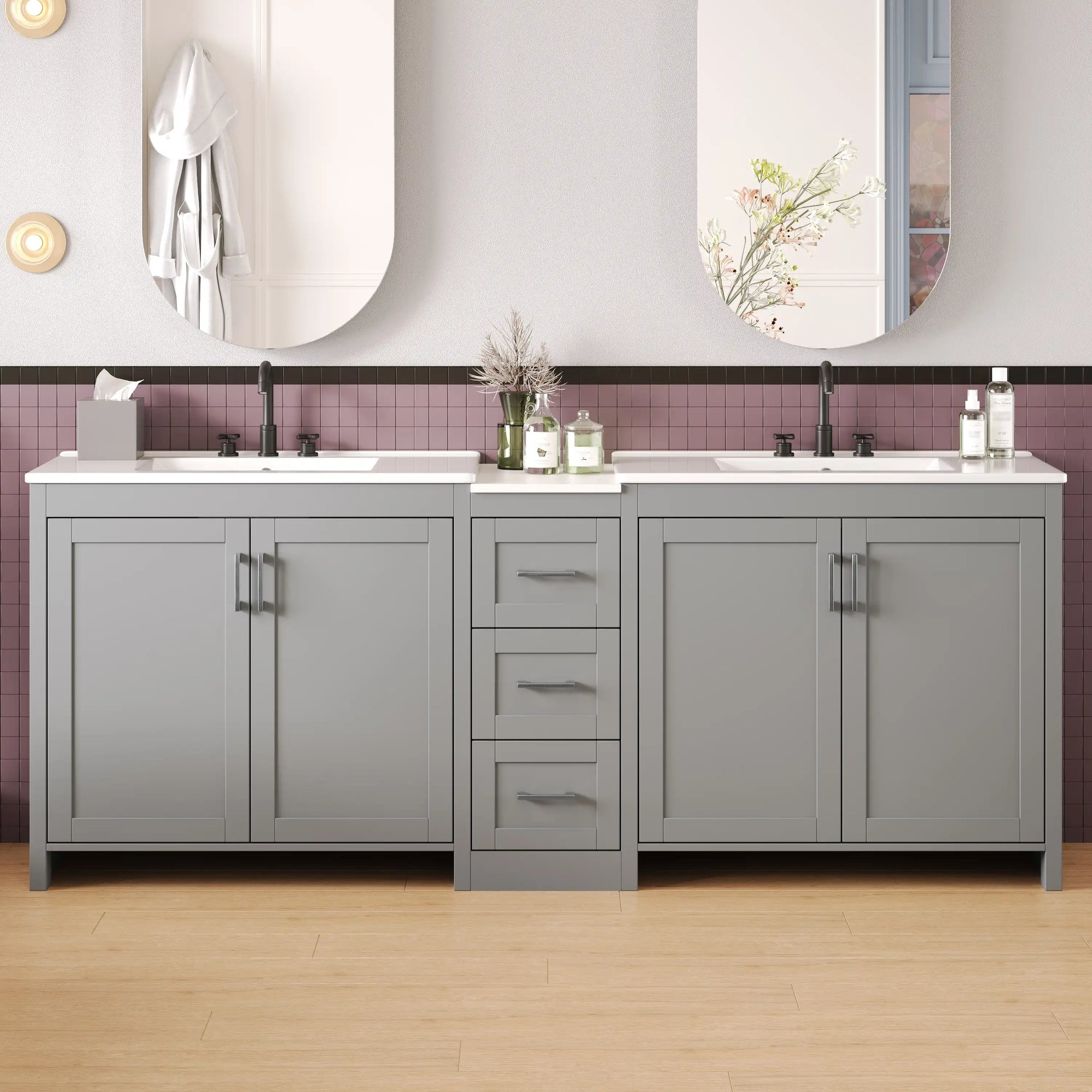
An undermount sink is installed completely beneath the countertop, leaving the counter edge exposed and the basin visually recessed. This keeps the top surface clear, simplifies everyday cleaning, and generally provides better splash containment for busy bathrooms.
- Installation: Mounts completely beneath the countertop and requires precise edge finishing and strong support clips.
- Everyday cleaning: Only the inside of the basin requires routine sink cleaning.
- Countertop cleaning: Debris and water can be wiped directly from the counter into the basin without a raised rim blocking the path.
- Counter space: Keeps the countertop surface clear but uses more space inside the vanity cabinet.
- Splash control: Generally contains water within the recessed basin more effectively.
- Faucet requirements: Works with standard deck-mounted faucets.
- Vanity height: Uses standard cabinet dimensions because the basin does not add height above the countertop.
- Countertop compatibility: Requires solid stone or quartz that can tolerate exposed, water-resistant cut edges.
- Replacement: A replacement basin must closely match the existing countertop cutout.
- Design style: Keeps the sink visually understated so the countertop material becomes more prominent.
Best for: Busy family bathrooms, kids' bathrooms, high-use spaces, and homeowners who prioritize easy countertop cleaning.
| Specification | Vessel Installation | Undermount Installation |
|---|---|---|
| Standard Vanity Base Height | 30"–32" (offsets bowl height) | 32"–34" |
| Finished Rim Target Height | 36" (top of vessel bowl) | 32"–34" (matches countertop) |
| Child-Specific Max Counter Height | 31" max (ages 6–12) | 31" max (ages 6–12) |
| Child Minimum Knee Clearance | 24" vertical clearance | 24" vertical clearance |
| ADA Accessible Knee/Toe Depth | 17" to 25" clearance depth | 17" to 25" clearance depth |
| ADA Accessible Compliance Ratio | 5% (minimum 1 sink) | 5% (minimum 1 sink) |
| Adjustable Height Range | 29" minimum to 36" maximum | 29" minimum to 36" maximum |
| WaterSense Max Faucet Flow Rate | 1.5 gallons per minute | 1.5 gallons per minute |
| Estimated Fixture Price Range | $50 to $2,000 | Baseline standard pricing |
Which Sink Is Easier to Clean and Maintain?

Undermount Sink
Undermount sinks win the daily maintenance category. They eliminate physical barriers on your counter. When you spill makeup powder or leave a puddle of water after washing your face, you simply take a sponge and wipe the mess directly over the edge into the basin. Gravity does the work for you. There is no rim, lip, or raised edge to stop your sponge along the way.

Vessel Sink
Vessel sinks demand a higher level of cleaning patience. You have three zones to manage: the inside of the bowl, the outside curve, and the tight seam where the base meets the stone. That bottom junction acts as a trap for dust, stray hairs, and hard water scale. It builds up fast. Often, you will need a small brush just to scrub that tight angle clean.
You also need to pay attention to the interior shape of the bowl. Many people buy flat-bottom vessel sinks and regret it immediately. A flat bottom fails at basic fluid dynamics. Water relies on surface tension to hold itself together, and without a steep gravity slope pulling it down, it simply pools across the corners. Toothpaste foam, shaving cream, and hair get stuck on the floor of the basin. The mess just sits there. To force debris down the drain, you have to cup water in your hands and splash it around the edges manually.
Do Vessel Sinks Splash More?
Vessel sinks do not inherently splash more than other designs. Splashing happens when you pair the wrong water delivery system with your chosen basin. The amount of water ending up on your shirt depends on five clear factors: bowl depth, bowl shape, faucet height, spout reach, and the exact impact point of the stream.
Faucet clearance is the vertical distance from the water spout down to the bottom of the sink basin. If you have a massive clearance gap, water accelerates as it falls and shatters violently upon impact. Because vessel sinks sit high up, they usually require a tall pillar faucet or a wall-mounted faucet. If the spout reach falls short, water hits the steep interior wall of the bowl and deflects straight up into the air. Precision matters here. The stream needs to land directly over the drain or hit a gentle slope that routes it down smoothly.
Water pressure also plays a massive role in splash control. The government regulates flow rates to prevent unnecessary waste. Under these rules, the maximum flow rate for WaterSense-labeled faucets sits at 1.5 gallons per minute. Sticking to this restricted flow rate keeps the stream smooth and aerated, which significantly reduces splashing whether your bowl sits above or below the counter.
Space Check: Which Sink Gives You More Counter Space?
You cannot look at a sink and instantly know if it saves space. You must measure how it interacts with the specific dimensions of your bathroom. A vessel sink occupies physical and visual space directly on top of your work surface. As a result, you lose the ability to slide a soap dispenser or a makeup tray across that section of the stone. The plumbing, however, tells a different story. Because the installation only requires a tiny hole for the drain pipe to pass through, the entire interior of your vanity cabinet remains empty. You keep your top drawer fully functional because the sink bowl never hangs down into the furniture.
- Standard bathroom vanities stand at a baseline height of 32 to 34 inches, which dictates whether a drop-in basin or an elevated bowl will maintain an ergonomic working plane.
- A typical vessel sink brings the finished rim height up to 36 inches above the finished floor, preventing uncomfortable stooping during routine face washing.
- For spaces designed around children ages 6 to 12, the rim or counter surface must not exceed a 31-inch maximum height, requiring a lower base cabinet.
- Providing accessible sink usage requires a dedicated knee and toe clearance depth of 17 to 25 inches beneath the basin.
- Adjustable sink installations must support a travel range from a 29-inch minimum to a 36-inch maximum height to accommodate multi-generational users.
- Outfitting an accessible facility requires allocating at least 5% (and no less than one) compliant sink stations across the floor plan.
- Installing an EPA WaterSense-certified faucet caps flow rates at a 1.5-gallon-per-minute maximum threshold to restrict splashing on elevated vessel rims.
- Purchasing standalone vessel basins involves a hardware budget ranging from $50 to $2,000 depending on material fabrication.
An undermount sink flips this dynamic upside down. The top of your counter remains a wide open runway, which makes the room feel larger and gives you maximum surface area for your daily routines. But that basin has to go somewhere. It hangs down into the vanity cabinet, dragging a massive curved plastic plumbing trap along with it. To work around the drop, cabinet makers usually install a false drawer front on the top row, which costs you valuable enclosed storage space. When designing a tiny powder room, calculate your exact sink dimensions against your vanity size to see which trade-off makes sense for your layout.
Countertop Height Adjustment and Ergonomics
Installing a vessel sink without doing the math will ruin your bathroom ergonomics. When you wash your hands, your elbows should bend at a comfortable angle. Many sellers report the standard height for bathroom vanities sits between 32 to 34 inches from the floor to the top of the counter. This baseline works perfectly for an undermount sink because the rim sits flush with the stone.

If you put a vessel sink on that same standard cabinet, you add the entire height of the bowl to your working surface. Many sellers report 36 inches is the typical height to the top of a vessel sink bowl for comfortable adult use. If you put a five-inch tall bowl on a 34-inch cabinet, your new working height jumps to 39 inches. That is too high. You will lift your shoulders and raise your elbows uncomfortably just to reach the water. To fix the issue, you must purchase a custom lowered vanity cabinet designed specifically to offset the height of the bowl.
This height math becomes critical if you have young family members. The maximum height of a rim or counter surface for children ages 6 to 12 is 31 inches maximum, with a 24-inch minimum knee clearance below. You simply cannot drop a vessel sink onto a standard cabinet in a shared family bathroom without making it physically impossible for a child to wash their hands safely.
ADA Compliance and Accessibility Considerations

If you are designing a bathroom for a wheelchair user or an elderly family member with mobility limits, the space beneath the counter matters far more than the space on top. Accessible design requires you to leave the area under the sink completely hollow. Seated users must roll forward without hitting their knees on wooden panels or plumbing pipes. To meet the code, the required knee and toe space clearance for accessible sinks is 17 to 25 inches deep.
Undermount sinks integrate cleanly into accessible designs. You can mount the basin to a floating slab of quartz bolted directly to the wall, leaving the entire floor area open underneath. The user rolls right up and reaches the faucet without straining. Vessel sinks create a severe barrier here. If you lower the floating counter enough to make the top rim of the vessel bowl reachable from a wheelchair, the thick stone slab drops too low and crushes the required knee clearance.
Commercial buildings and multi-family housing units face strict regulations regarding these measurements. The minimum compliance requirement for sinks in accessible rooms is 5 percent, meaning no less than one unit per facility must meet these exact clearance rules. Accessible standards define a 29 inch minimum to 36 inch maximum adjustable height range for kitchen sinks, but bathroom vanities typically remain fixed in place. Because you cannot adjust them later, getting your initial height calculation right is the single most important step in your renovation.
Installation, Countertop Compatibility, and Repairs
You need to understand basic plumbing anatomy to see why these sinks install differently. The drain is the metal fitting at the bottom of the bowl that carries dirty water away. An overflow is a hidden safety channel cast into the side of the fixture. If you leave the faucet running while the drain is plugged, rising water enters the overflow hole and routes safely back into the plumbing line to prevent your house from flooding. A sink cutout is the large hole the stone fabricator cuts into your countertop slab to clear room for the basin.
Undermount sinks require a massive, highly precise cutout. Because you stand above the sink and look down into the bowl, the raw cut edge of the countertop remains completely visible. You must use solid-surface materials like quartz, granite, or marble that polish to a smooth finish on that inside edge. Do not use cheap laminate. Laminate consists of a thin plastic sheet glued over a particleboard core. If you cut a large hole in it and expose that core to splashing water, the wood will swell, rot, and destroy your vanity.
Mounting an undermount basin requires heavy labor. You have to crawl under the cabinet, apply a thick bead of silicone sealant to the rim of the basin, press it tight against the stone, and secure it with metal clips and two-part construction epoxy. It is hard physical work. If that basin ever cracks, you must tear out the epoxy and find a replacement sink that matches the exact millimeter dimensions of your existing stone cutout.
Vessel sinks strip away most of this complexity. You only need a tiny circular hole drilled through the counter for the drain pipe. Because the cut edge remains hidden beneath the bowl, you can use affordable laminate, sealed butcher block wood, or even repurposed vintage furniture as your vanity surface. If you get tired of the look five years later, swap it out. You simply unbolt the drain, lift the bowl off the counter, and set a new one in its place. Just make sure your new bowl does not feature an overflow channel if your drain hardware is not designed to handle one.
Which Costs More: Vessel or Undermount?
You cannot determine your budget by looking at the price tag on the ceramic bowl. You have to calculate the cost of the entire working system. Official documents do not specify a rigid pricing rule, but market a price range for vessel sinks from $50 to $2,000 depending on whether you buy basic porcelain or hand-carved natural stone. Undermount sinks usually look cheaper on the retail shelf. However, they trigger a chain reaction of hidden installation costs.
If you want a reliable setup, you should look at high-quality system components from brands like ACE DECOR and map out every single expense required to get water flowing.
Sink price is just your starting point. You might pay less for an undermount basin, but you will pay your stone fabricator significantly more to cut and polish the exposed inner edge of the countertop cutout.
Faucet cost changes drastically between the two styles. Undermount sinks use standard height deck-mounted faucets which are produced in massive quantities and cost less. Vessel sinks require specialty tall pillar faucets or complex in-wall plumbing for wall-mounted spouts, both of which carry premium price tags.
Installation labor favors the vessel sink. A plumber can drop a vessel bowl onto a counter and tighten the drain in minutes. An undermount sink requires two people to hold the heavy basin in place from below while applying epoxy and setting the support clips.
Plumbing adjustments add final hidden fees. If you switch from a standard sink to a vessel sink, your plumber might have to cut open your wall to raise the water supply lines so they reach the new, higher faucet connections.
The Final Verdict: Which Sink Fits Your Everyday Life?
We do not believe in declaring one sink style universally superior. The right choice depends entirely on who uses the bathroom, how much time you spend cleaning, and what physical constraints exist in your floor plan. Match the hardware to your daily habits.
If you run a busy household where multiple kids brush their teeth at the same time, buy an undermount sink. The ability to wipe water and toothpaste foam directly off the counter into the basin will save you hours of frustrating cleaning every month.
If you are renovating a small guest powder room and want to create a striking visual design, buy a vessel sink. These rooms see low traffic and minimal heavy grooming, meaning you get the architectural impact of a raised bowl without the daily maintenance headache of cleaning up shaving cream.
If you have an existing vanity cabinet that you do not want to replace, measure its height before buying anything. If the cabinet stands 34 inches tall, stick with an undermount sink. Adding a vessel bowl on top of an already tall cabinet will force you to wash your hands at an unnatural height.
If you want to use a unique countertop material like reclaimed wood or vintage laminate, choose a vessel sink. The above-counter installation protects the vulnerable core of your counter material from direct water exposure.
If you absolutely hate wiping up splashed water, focus on the faucet geometry rather than the sink label. Choose an undermount sink with a deep basin, pair it with a low-clearance faucet, and ensure the water stream hits the drain directly to kill the splash impact immediately.
Common Questions About Choosing a Vessel vs. Undermount Sink
1. Which is better for everyday use, a vessel sink or an undermount sink?
2. Are vessel sinks harder to clean than undermount sinks?
3. Do vessel sinks splash more than undermount sinks?
4. Which sink is better for a small bathroom?
5. How high should a vanity be with a vessel sink?
6. Can you install a vessel sink on any countertop?
7. What countertops can be used with an undermount sink?
8. What type of faucet works best with a vessel sink?
9. Is a vessel sink easier to replace than an undermount sink?
10. Which costs more to install, a vessel sink or an undermount sink?
Related Articles
"Your Guide to Choosing the Right Bathroom Vanity with a Sink"
"A Complete Guide to Bathroom Sink Dimensions: Sizes, Styles, and Smart Choices"
"Top 5 Antique Bathroom Vanity Cabinet Styles for a Retro American Look"
"One Piece Bathroom Sink and Countertop Design Ideas for Small Bathrooms"
"How to Choose the Right Vanity Depth: A Complete Guide"
"Freestanding Bathroom Vanity With Sink: Worth It?"
"Love Eco-Chic Design? These Biophilic Bathroom Sink Vanities Are a Must-See!"
"Porcelain Utility Sink: A Smart Investment for Suburban Homes"
"Standard Sink Size: The Ultimate Guide to Bathroom Sink Dimensions in 2026"
"What Is a Vessel Sink? The 2026 Complete Guide with Pros, Cons & Ace Decor Recommendations"