

Table of Contents
- Why does mirror shape matter?
- Round mirrors: soft and versatile
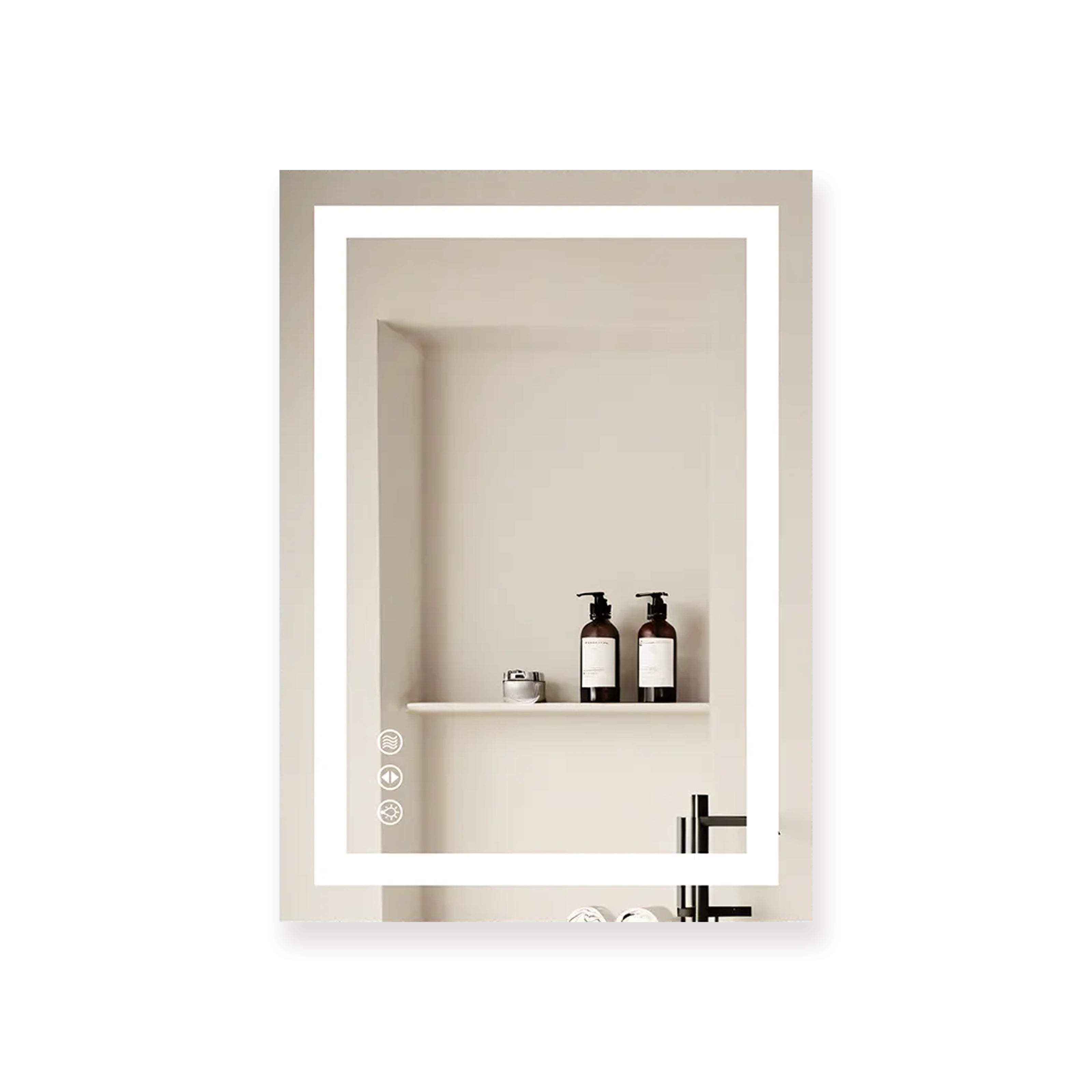
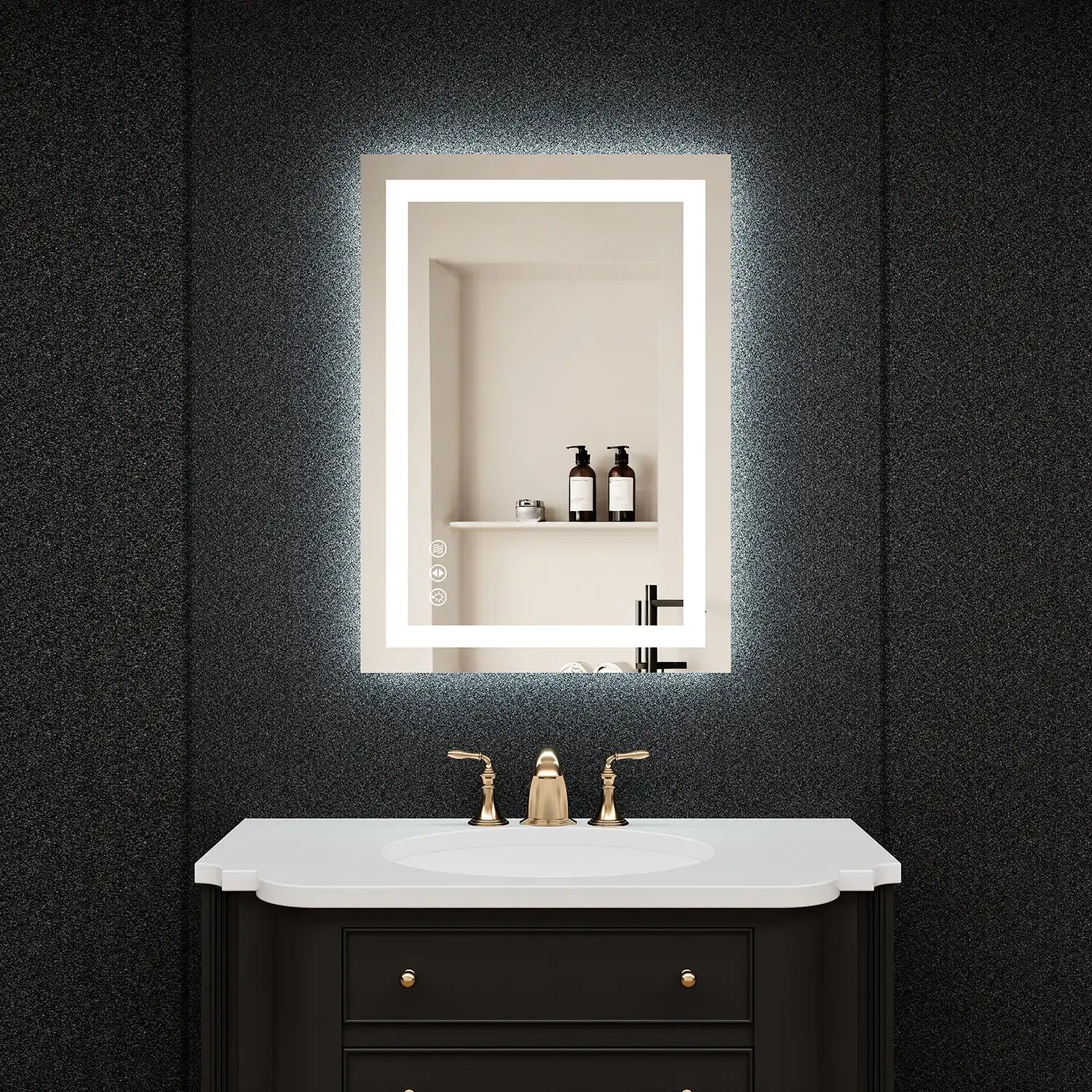
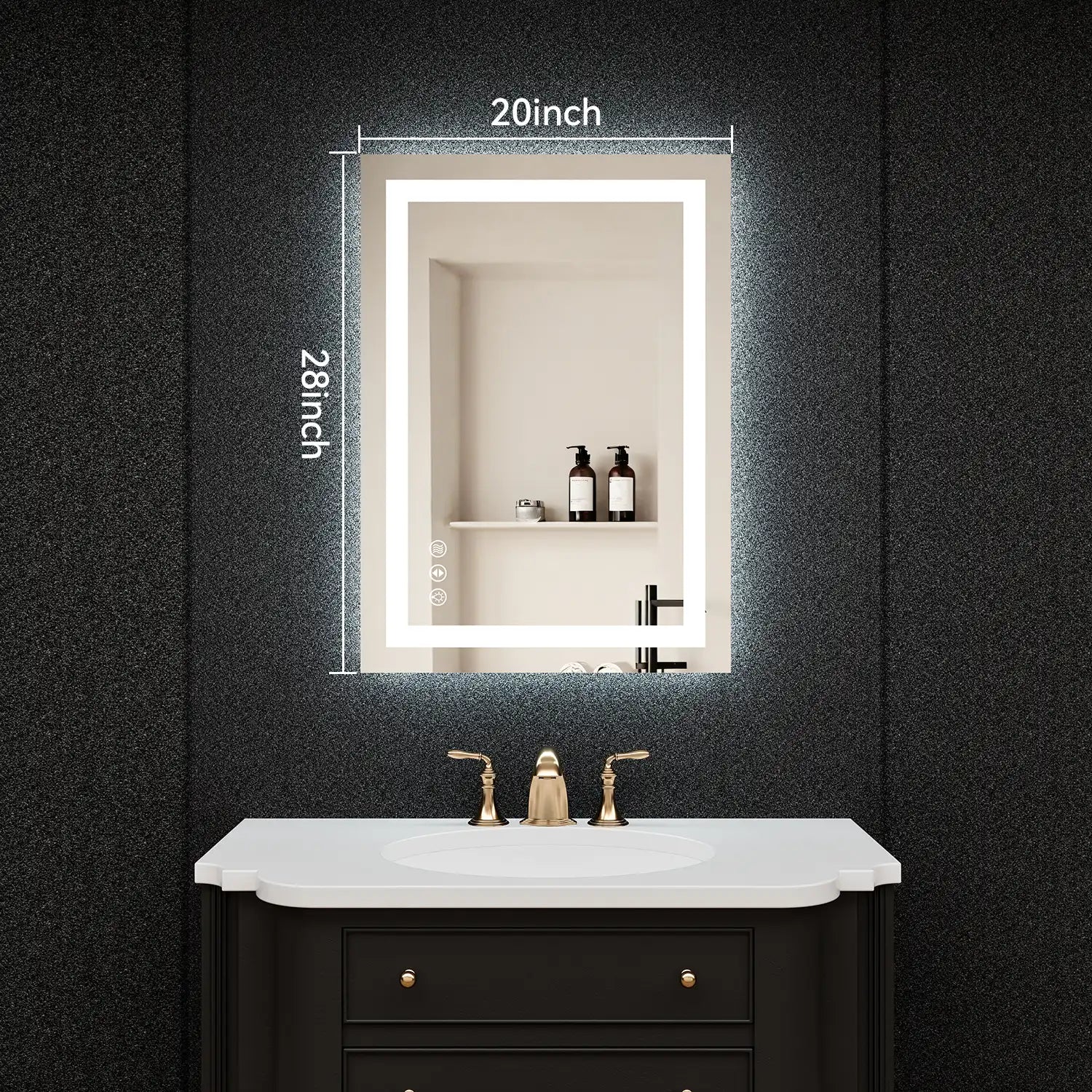
- Rectangular mirrors: timeless and practical
- Oval mirrors: elegant and height-enhancing
- Square mirrors: bold and balanced
- Arched mirrors: add architectural flair
- How to choose the right shape?
- Conclusion
- FAQ
Bathroom mirrors are often one of those things chosen right at the end. A practical finishing touch. Something to hang above the vanity and tick off the list.
But the right mirror can do far more than simply show your reflection.
It can soften a scheme, bring balance to a busy wall, bounce light into darker corners and make even the smallest bathroom feel a little more open. Shape plays a huge part in that. A round mirror can take the edge off a room full of straight lines. An arch brings height and a little architectural character. A long rectangular design can make a double vanity feel calmer, more grounded and beautifully considered.
And with so many options — round, oval, rectangular, pill-shaped, arched — it is easy to get stuck. What looks good on its own is one thing. What works with your vanity, lighting, tiles and the way you actually use the room is another.
In this guide, we are looking at how different bathroom mirror shapes can change the feel of a space, the practical benefits they bring, and how to find the one that feels just right for yours.
Why Mirror Shape is Crucial in Bathroom Design
Mirror shape can change far more than you might expect.
It affects how the light moves around the room. How balanced the vanity wall feels. Whether the space reads as calm and open, or slightly cramped and unsettled.
A wide rectangular mirror can ground a long double vanity and make everything feel neatly considered. A round design can soften a room full of tiles, straight edges and hard lines. An arch can draw the eye upwards, adding a little height and architectural interest where there was none before.
And it is not just about looks. The right shape also makes everyday routines easier. Better light around your face. A clearer view when you are getting ready. Enough mirror to be useful, without overwhelming the wall.
Get it right and the mirror becomes one of those quietly brilliant details that makes the whole bathroom work harder. Get it wrong and the room can feel darker, smaller or just a little off-balance.
The best bathroom mirrors do both. They give you something practical to use every day, while making the space feel more beautiful at the same time.
1. Round Vanity Mirrors: Soft Elegance and Versatility
Round mirrors are brilliant at taking the edge off a bathroom.
Most bathrooms are full of hard lines. Square tiles. Straight-edged vanities. Crisp grout lines. Angular tapware. A circular mirror cuts through all of that, adding softness and making the whole scheme feel a little calmer, less rigid and more considered.
They are especially lovely in smaller spaces. A round mirror does not have corners competing for attention, so it can make a compact vanity wall feel lighter and less boxed in. It also catches and throws light around beautifully, which is always helpful when natural light is limited or the room feels a little dark.

And while they feel very current, round mirrors are not really trend-led. They can look just as good in a characterful traditional bathroom as they do in a clean-lined, modern one. Pair one with aged brass sconces and a painted vanity for something softer and more classic. Or choose a slim black frame above a floating cabinet for a sharper, more contemporary look.
Picture a tiny powder room. Not much floor space. A simple vanity. Maybe one small window, maybe none at all. Adding a round mirror above the basin can make the wall feel more open straight away. The curve softens the furniture below it, the reflection brings a little more light into the room, and suddenly the space feels less like somewhere you simply pass through.
Small change. Big difference.
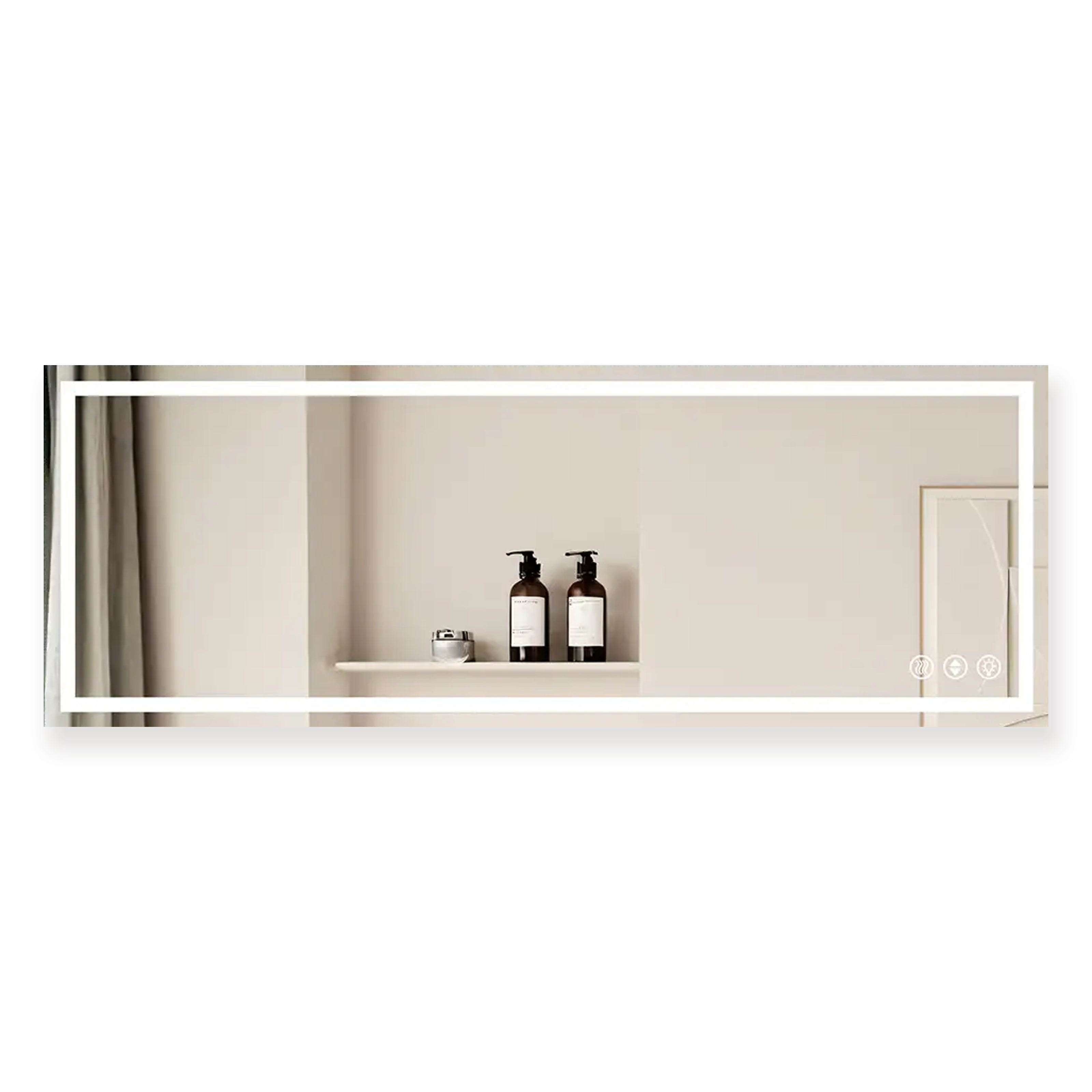
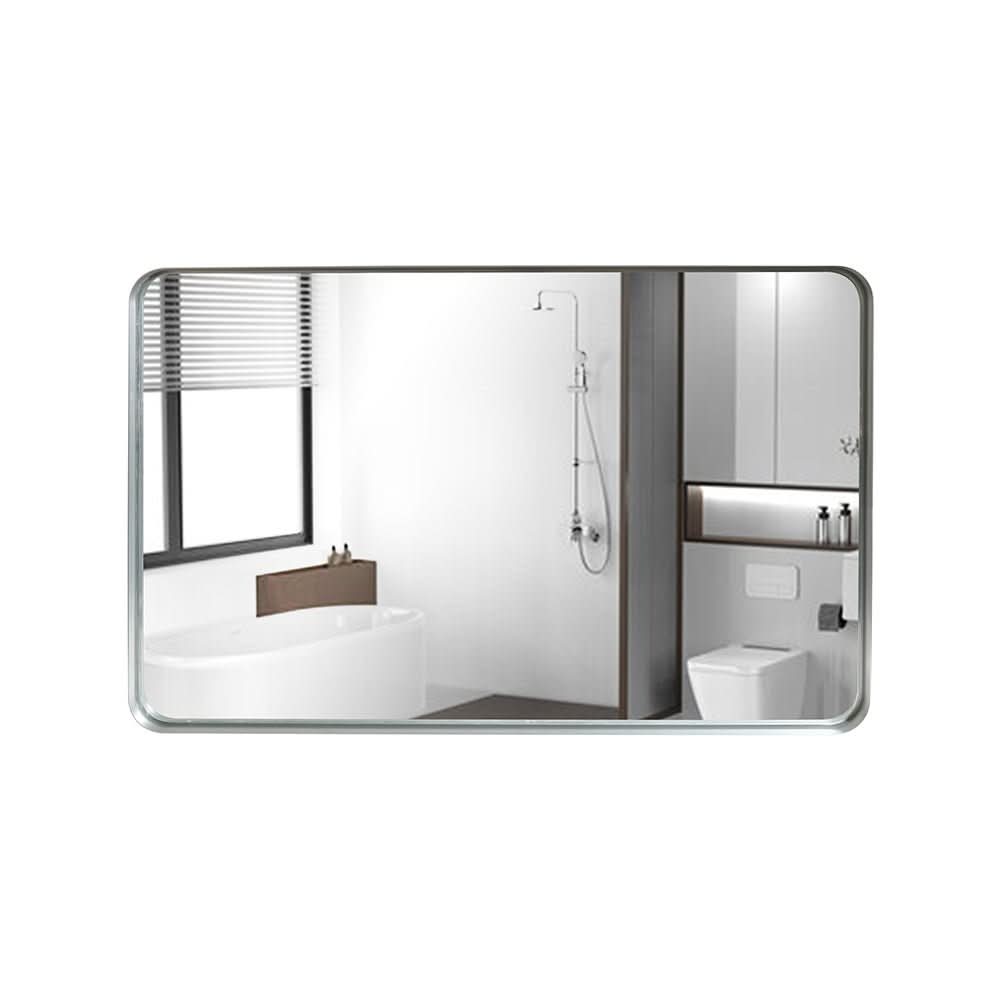
2. Rectangular Vanity Mirrors: Classic, Functional, and Spacious
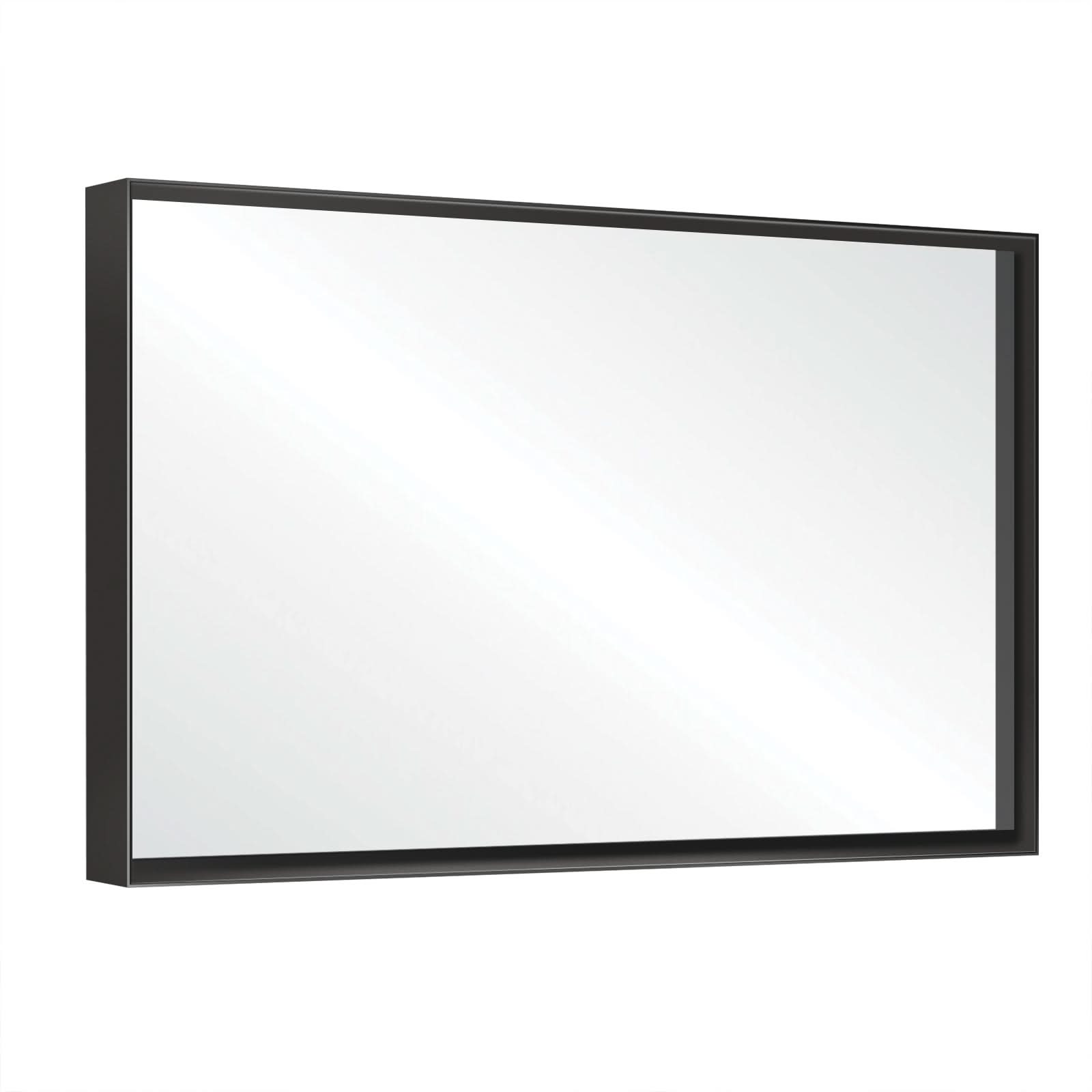
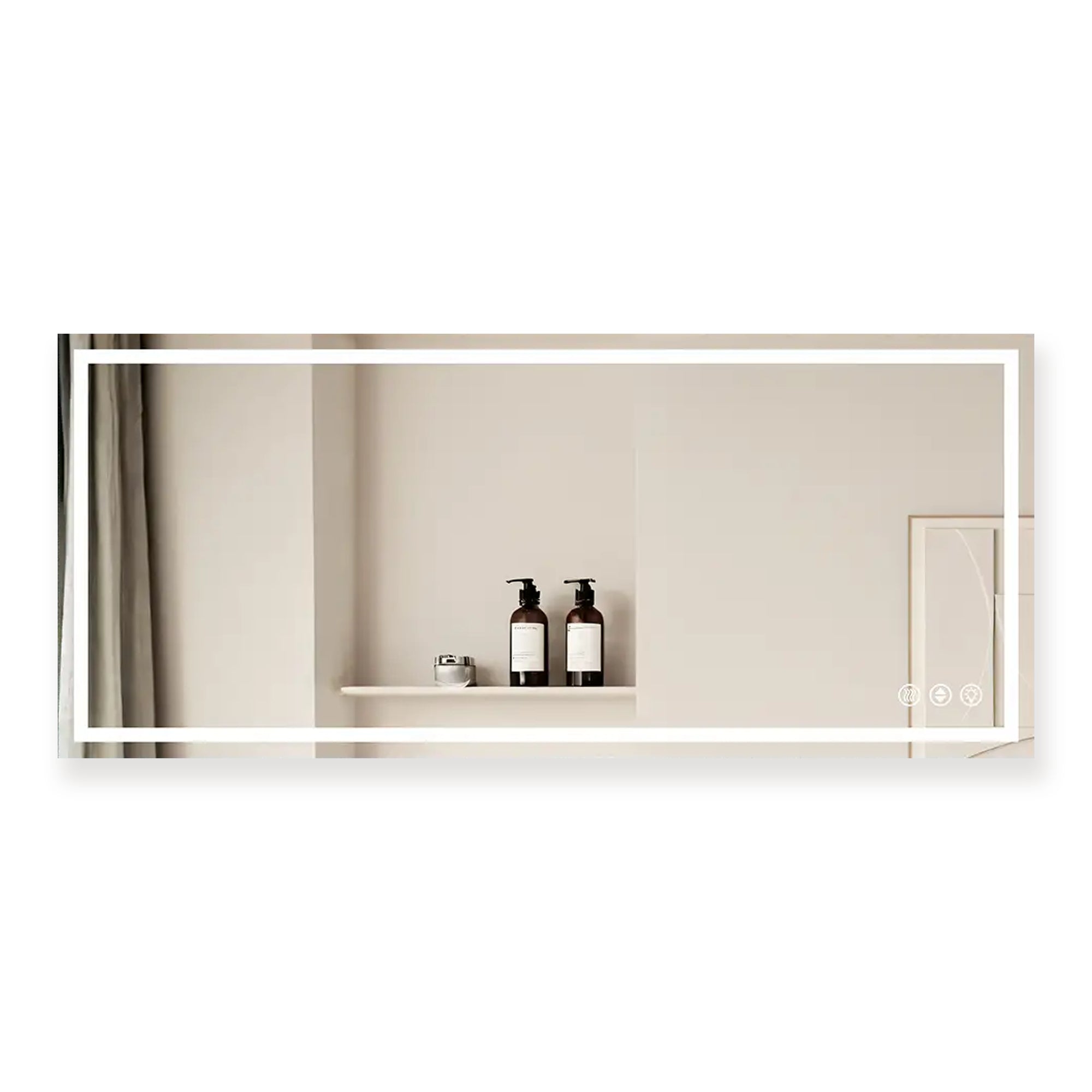
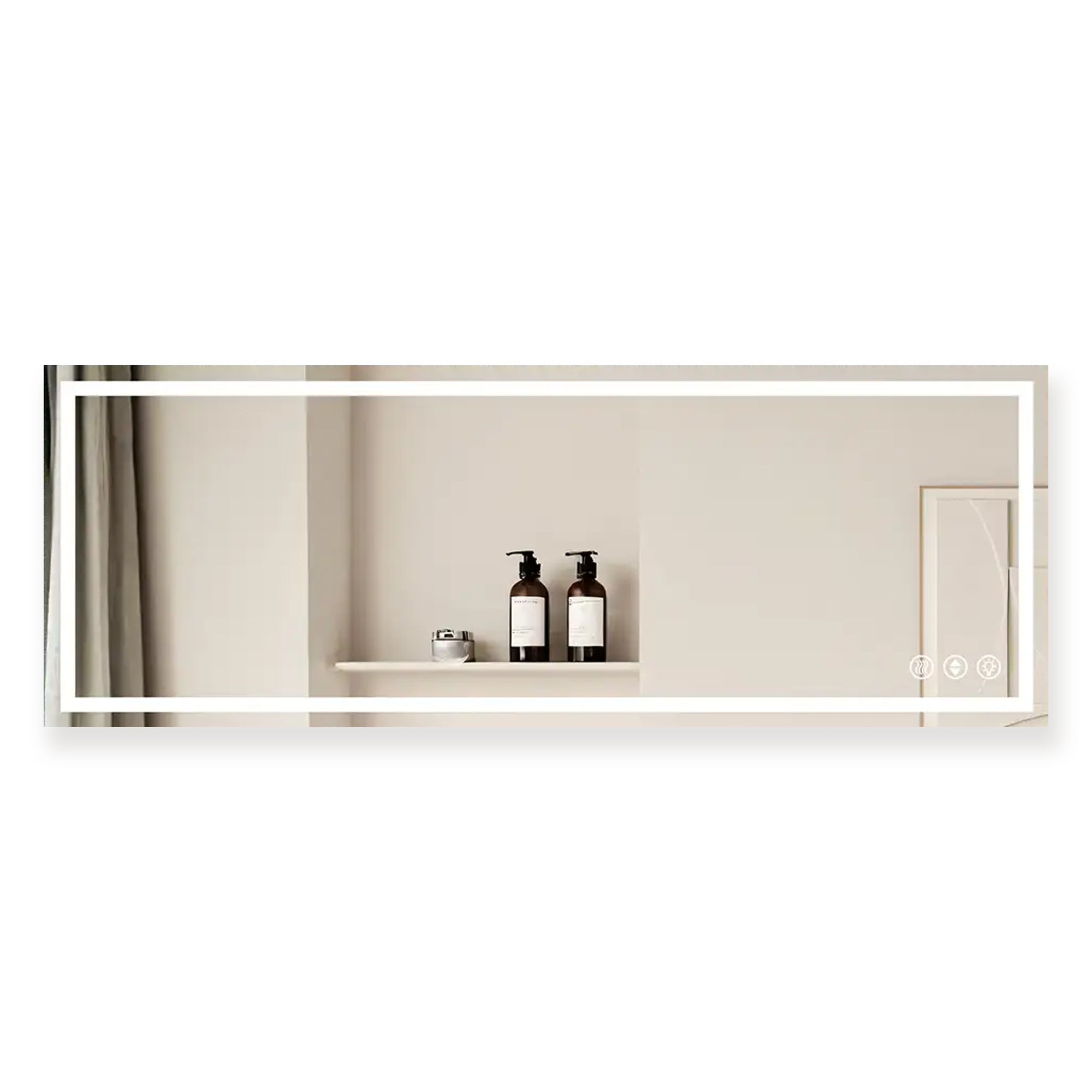
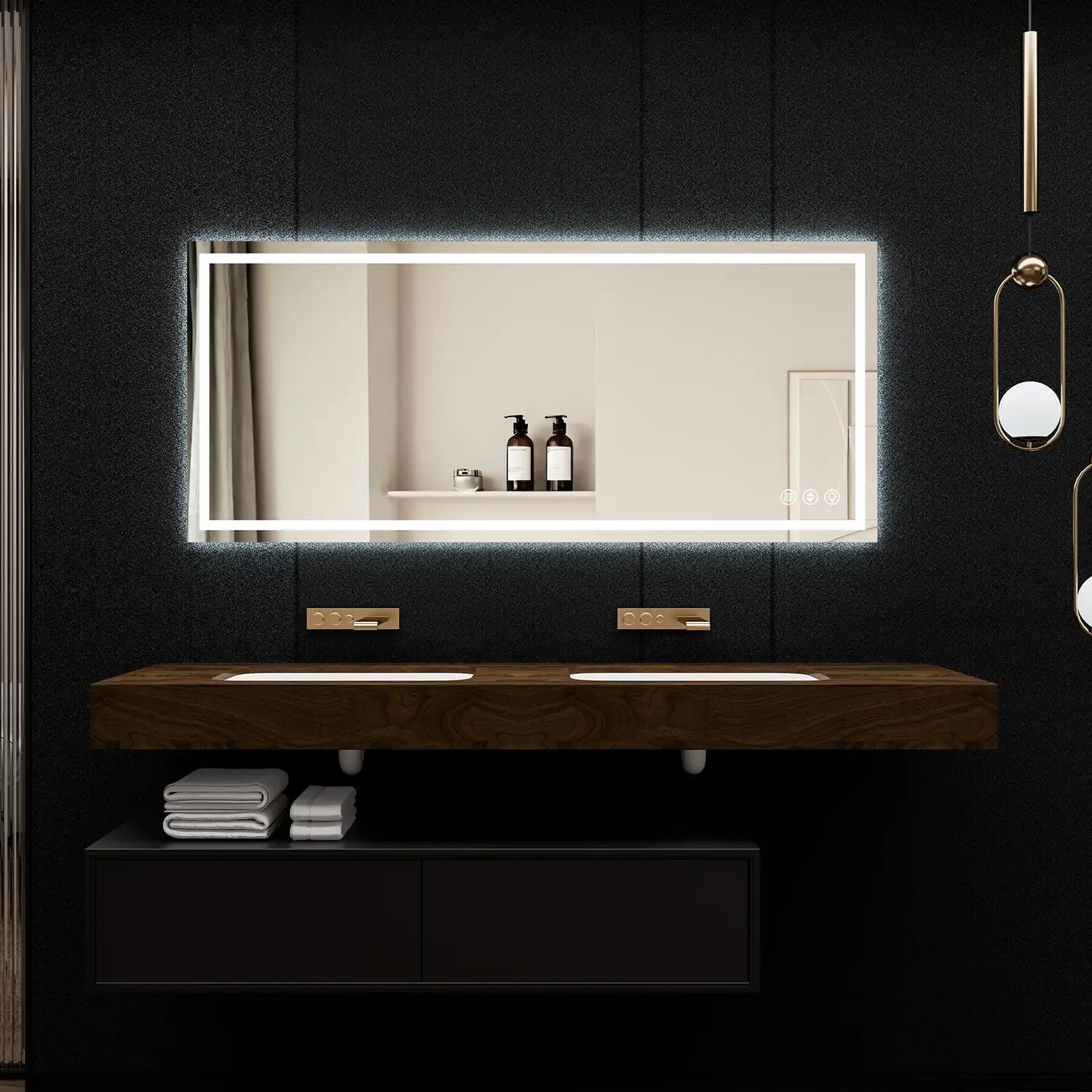
Rectangular mirrors are popular for a reason. They are simple, practical and very easy to live with.
Where round mirrors soften a space, rectangular designs bring a sense of order. They sit neatly above a vanity, echoing the lines of the cabinet, tiles and countertop below. Everything feels a little more grounded. A little more pulled together.

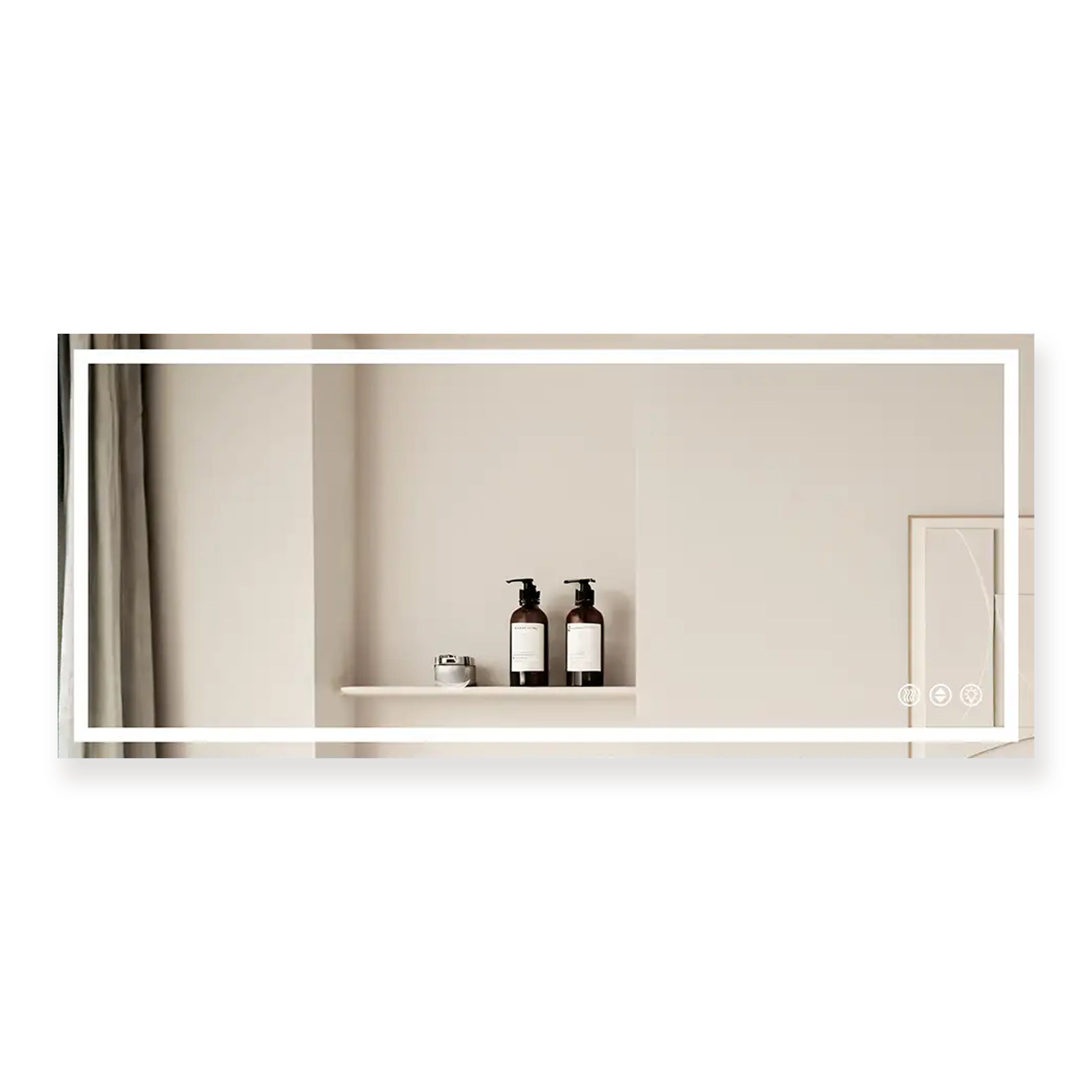
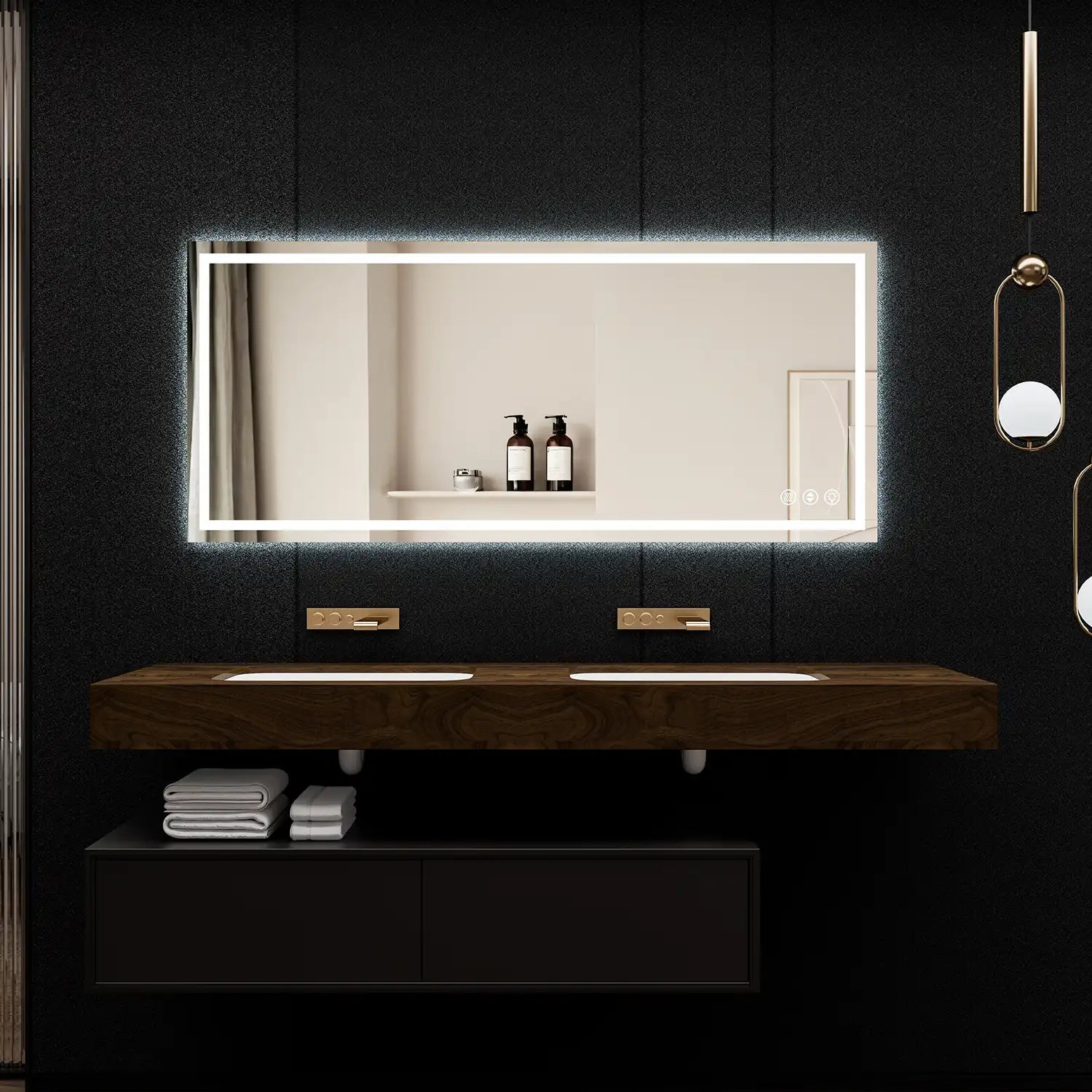
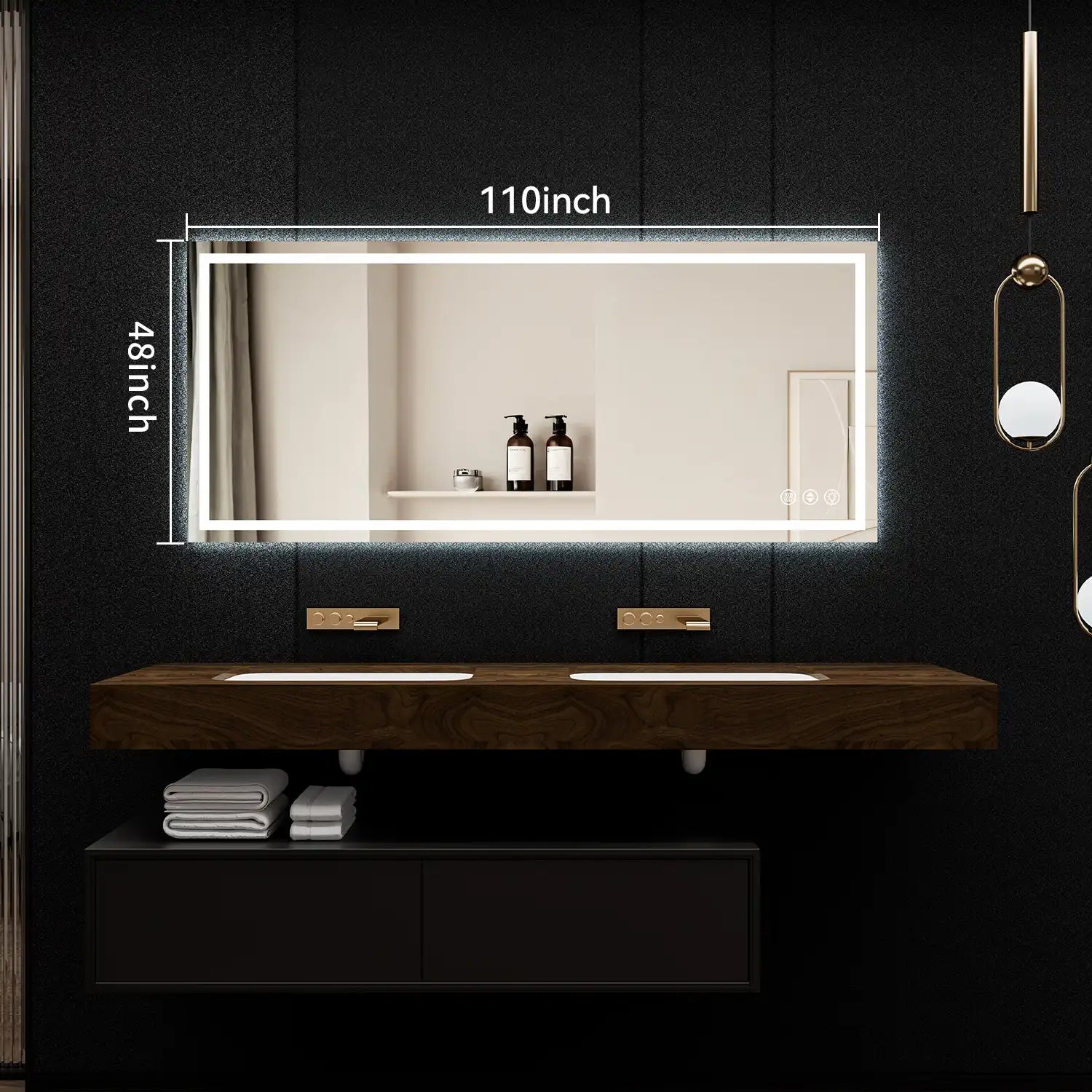
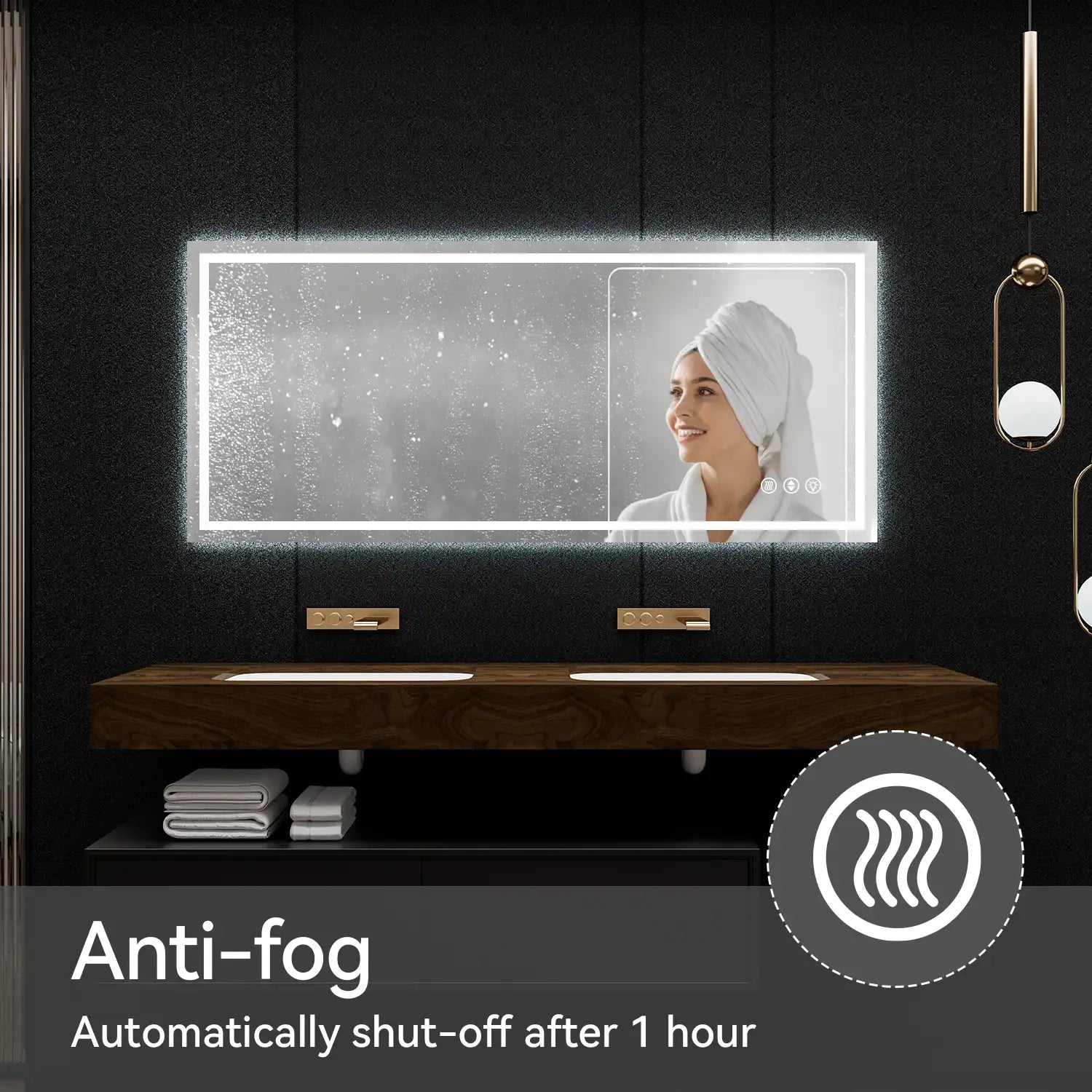
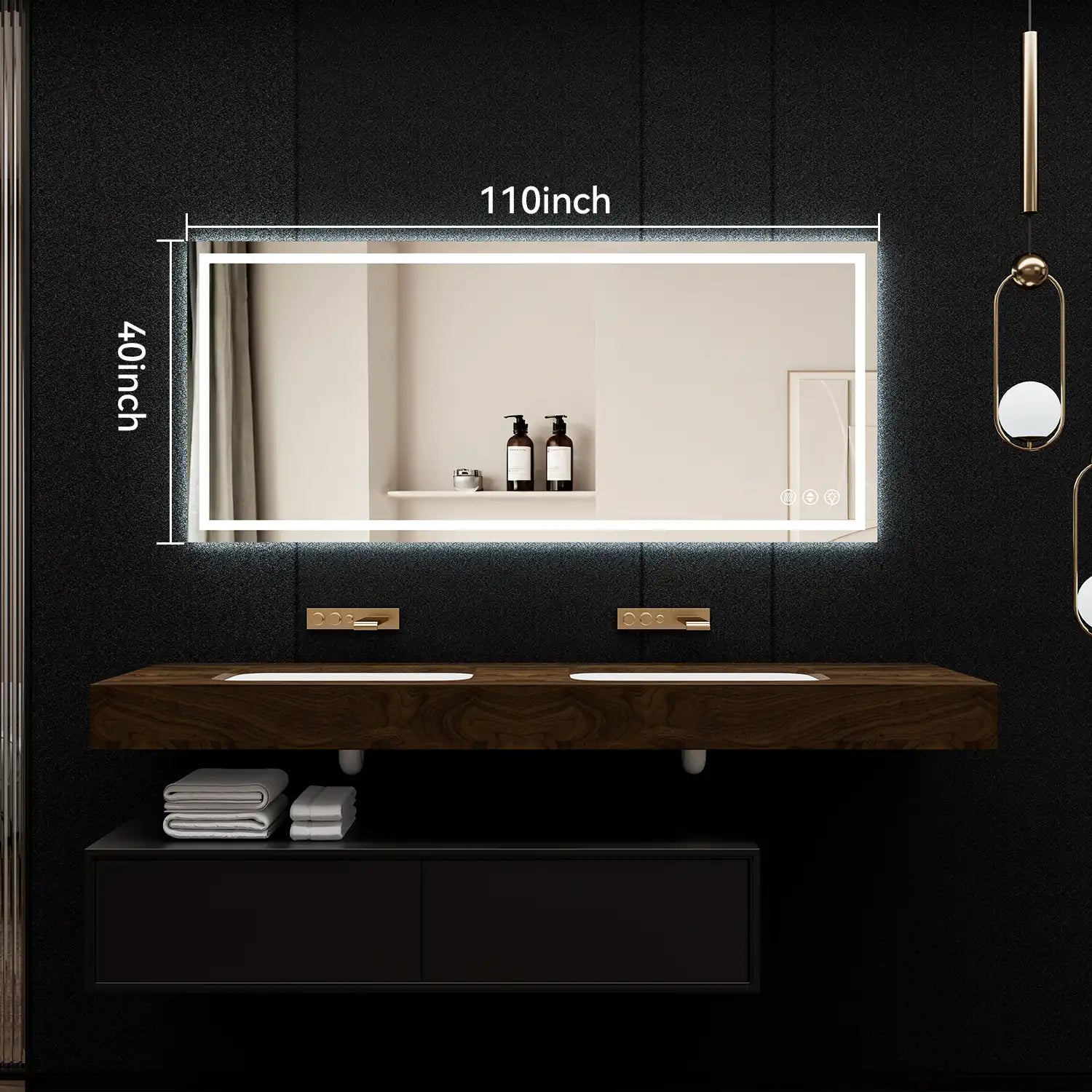
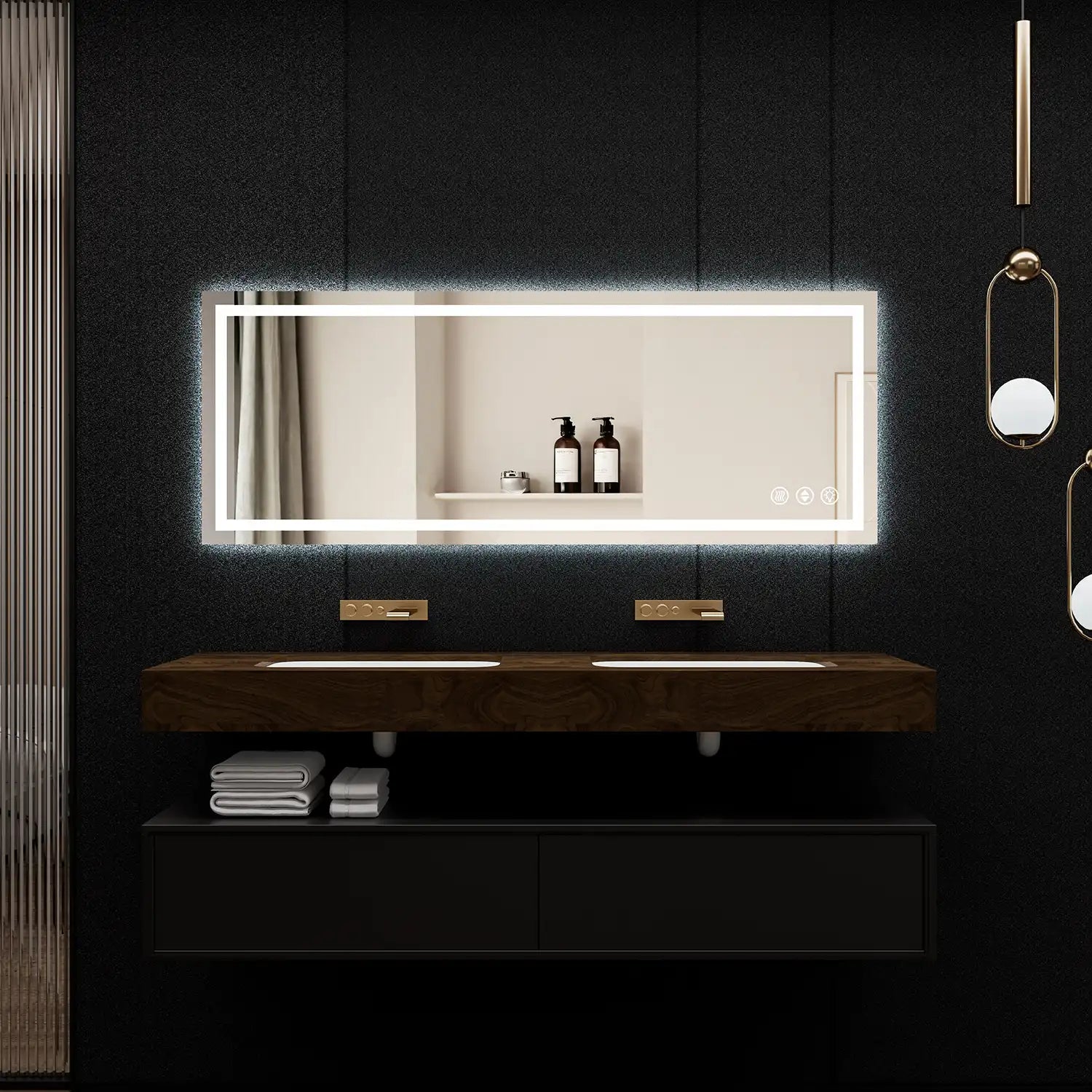
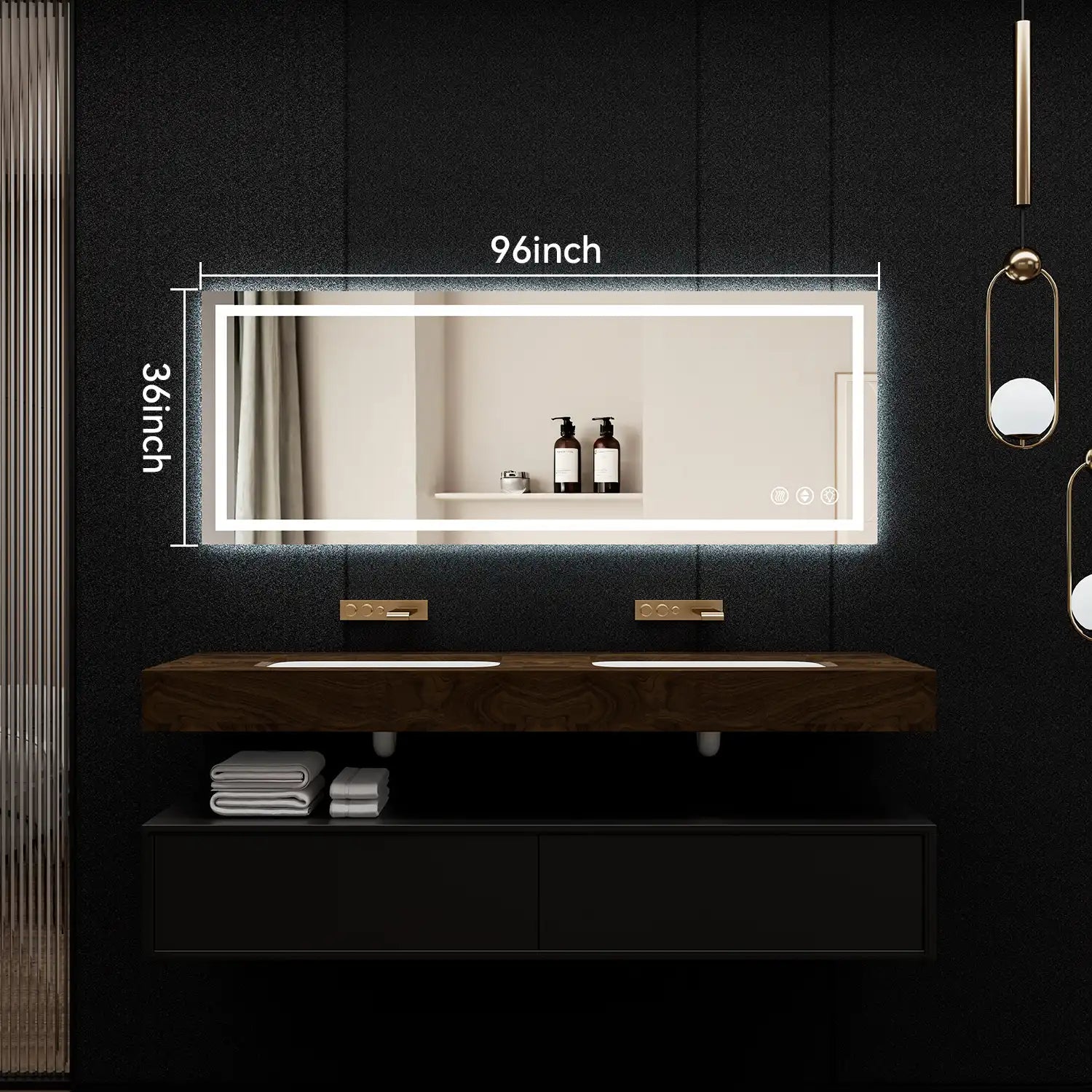
They are especially useful in larger bathrooms, or anywhere with a double vanity. The generous surface gives everyone enough room to get ready without leaning around one another, while the long horizontal shape helps the whole wall feel wider and more connected.
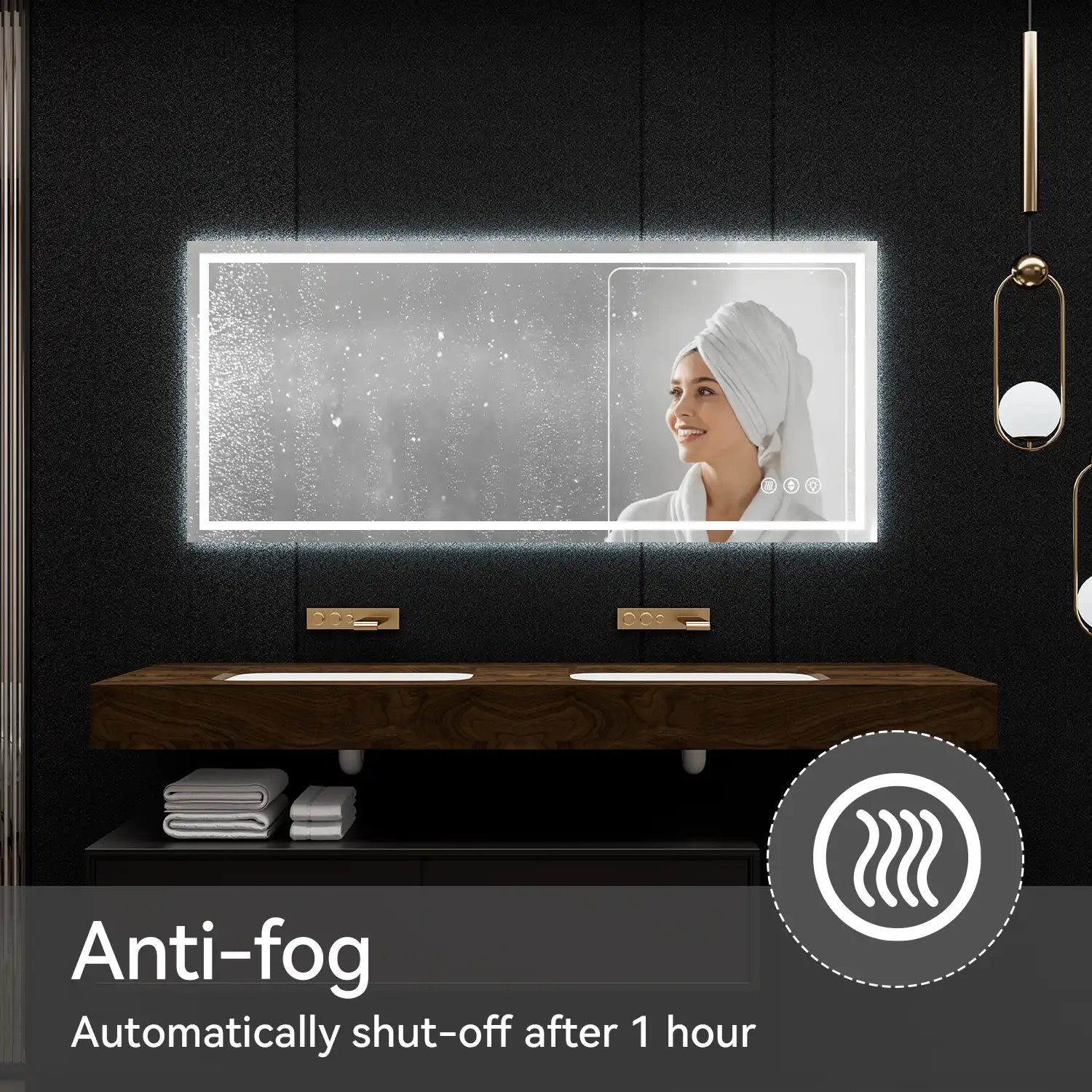
They also work brilliantly with bathrooms that already have a strong sense of geometry. Think subway tiles, marble slabs, fluted cabinetry or crisp black tapware. A rectangular mirror does not fight any of it. It simply carries those lines through, making the room feel calm, balanced and considered.
Picture a busy family bathroom with two sinks, two sets of morning routines and very little time to spare. One large mirror stretching across the vanity can make the whole space feel easier to use. More reflection. More light. More room for everyone.
Sometimes, the most straightforward shape is exactly the right one.
3. Oval Vanity Mirrors: Height and Sophistication
Oval mirrors sit somewhere beautifully between round and rectangular.
They have the softness of a curve, but with a little more height and presence. That makes them especially useful in bathrooms that feel slightly narrow, or where the ceiling is lower than you would like. The eye naturally follows their taller shape upwards, giving the whole room a more open, lifted feeling.
They are also wonderfully easy to style. Not quite as playful as a round mirror, not quite as structured as a rectangle. Just enough shape to feel interesting, while still sitting quietly within the rest of the scheme.

An oval mirror works particularly well above a single vanity in a guest bathroom or compact ensuite. It can make a small wall feel taller without taking over the room, while the rounded edges stop everything from feeling too sharp or overly functional.
Picture a narrow guest bathroom with a simple basin, pale tiles and very little space to spare. A tall oval mirror above the vanity draws the eye upwards, catches the available light and gives the room a softer, more welcoming feel.
A little height. A little curve. Sometimes that is all a small bathroom needs.
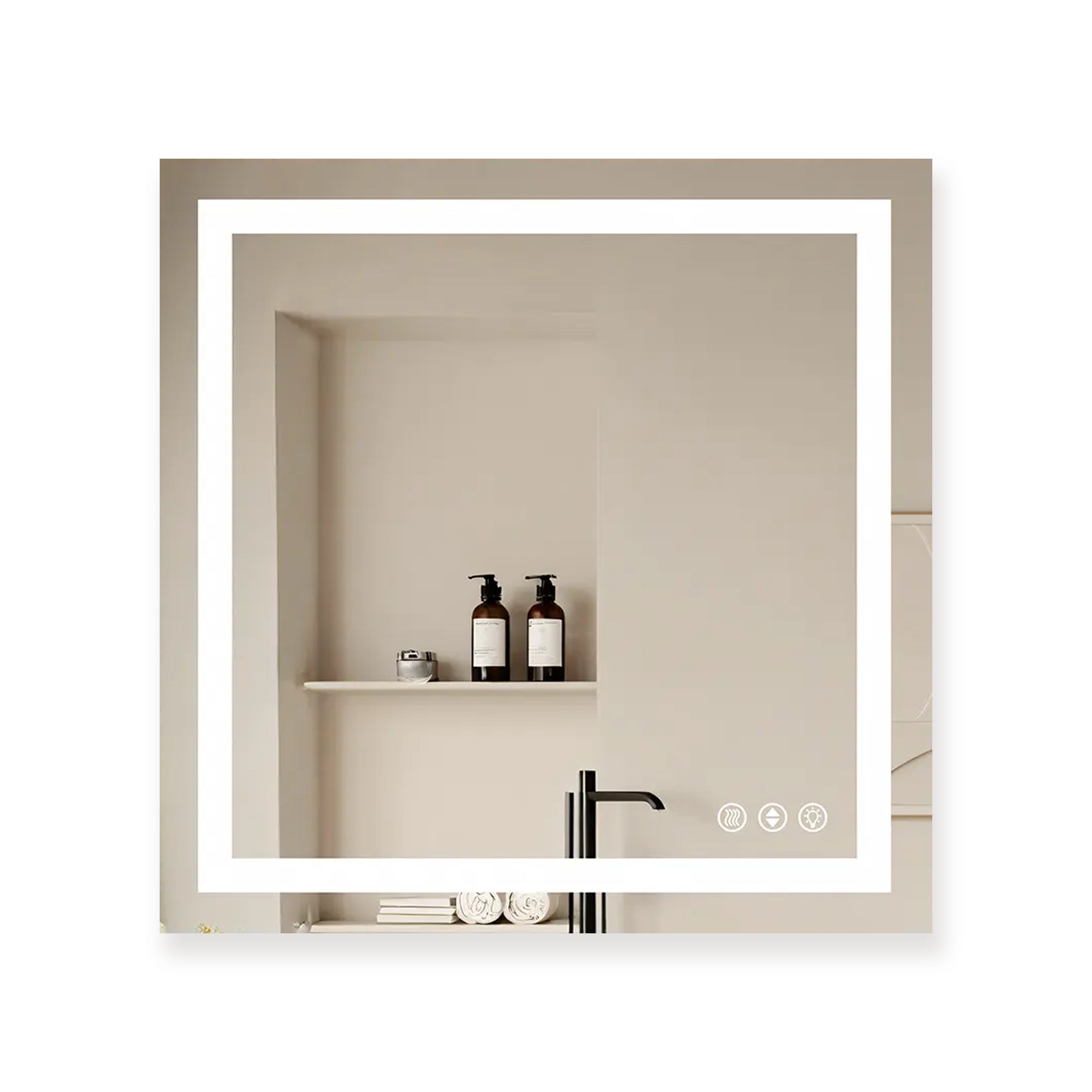
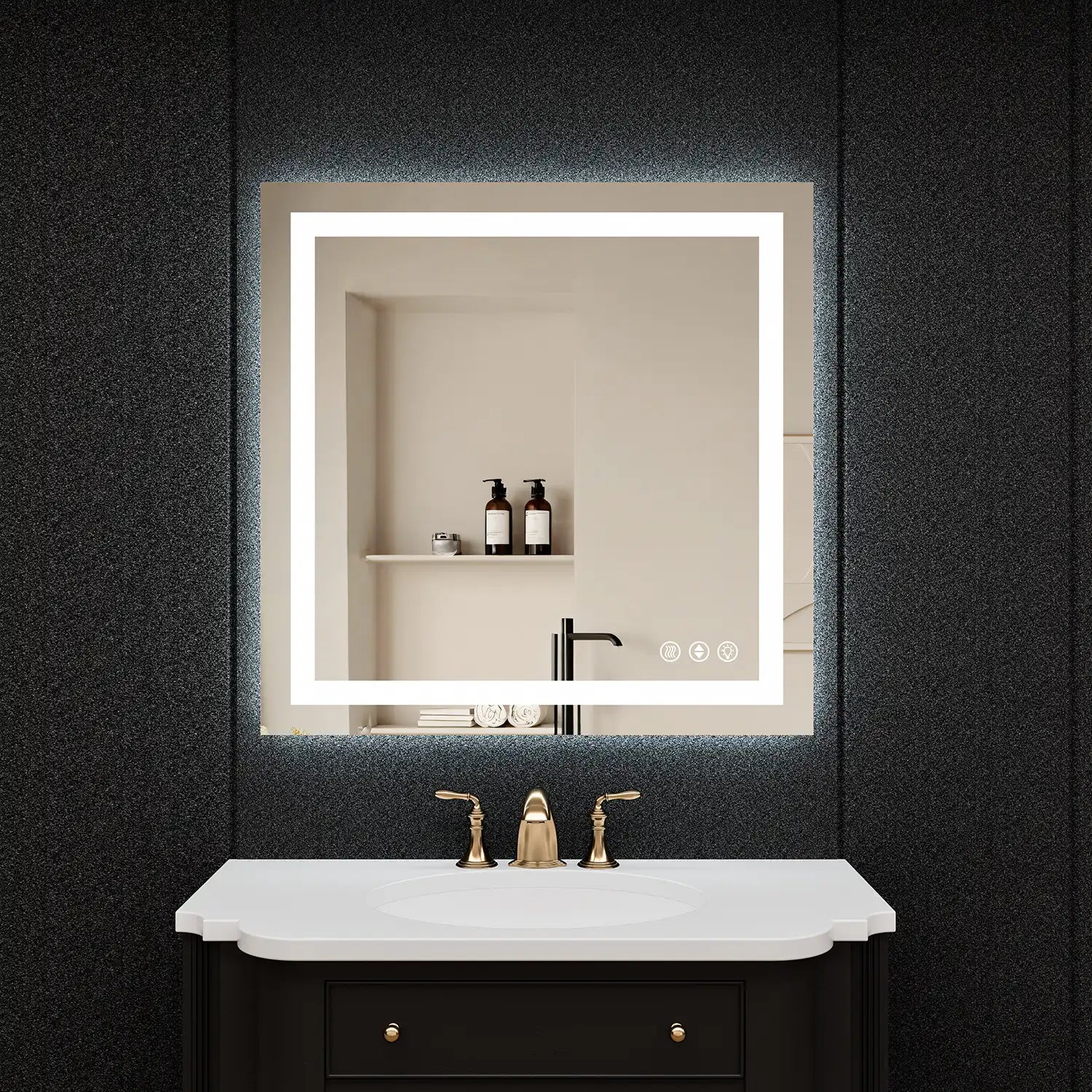
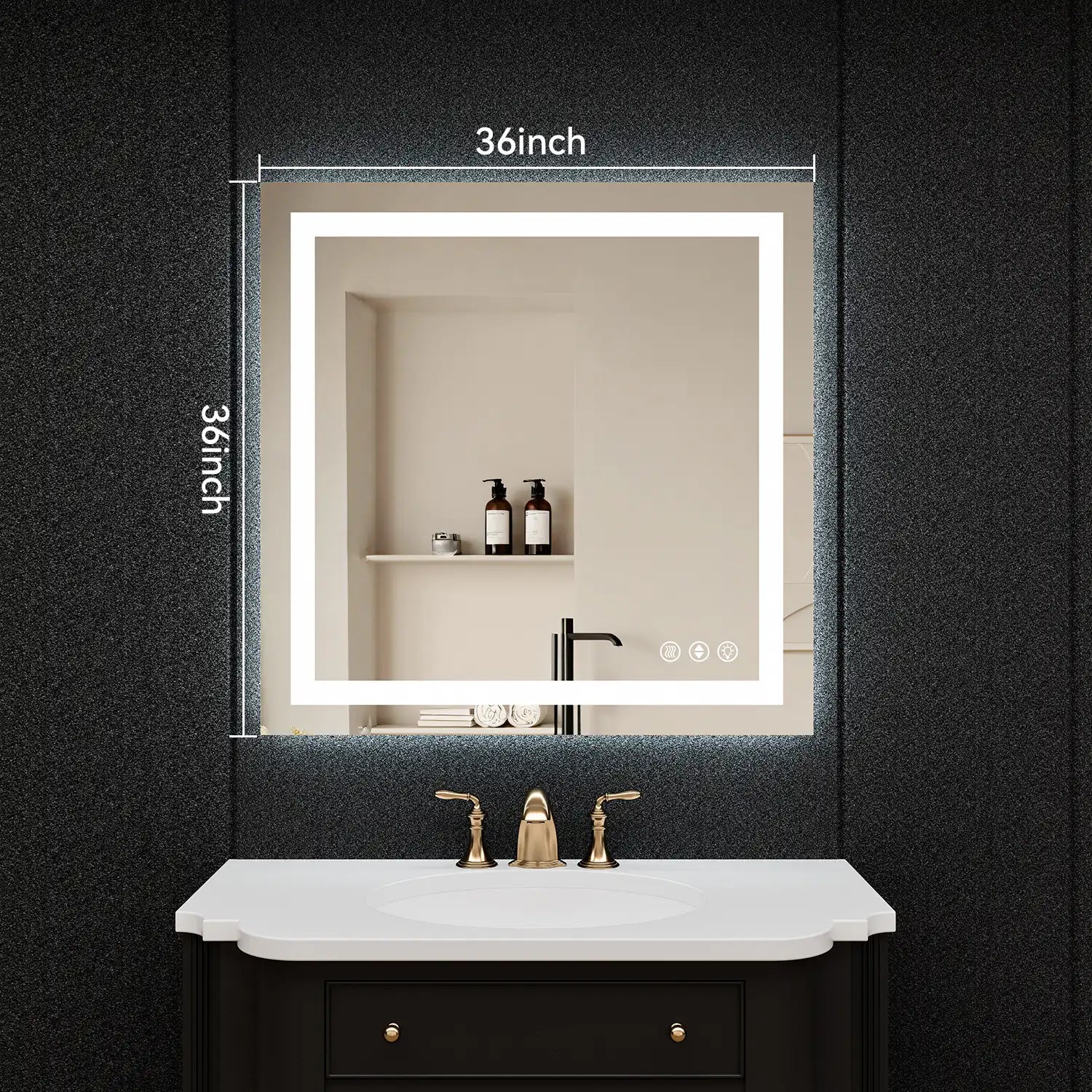
4. Square Vanity Mirrors: Compact Symmetry and Modern Style
Square mirrors are small but mighty.
They bring instant order to a bathroom, especially one with clean lines, simple finishes and not much wall space to spare. There is something very satisfying about their symmetry. Neat. Balanced. No fuss.
They work beautifully in compact bathrooms because they give you everything you need without taking over the wall. Enough reflection for everyday routines, but not so much that the space starts to feel crowded or overly busy.

A square mirror can also help tie a scheme together when there are lots of geometric details already at play. Square tiles. A boxy vanity. Linear lighting. Sharp-edged tapware. Rather than interrupting those lines, it quietly echoes them, making the whole room feel more intentional.
Picture a small apartment bathroom with a pedestal basin, pale tiles and just one clear stretch of wall above the sink. A square mirror sits neatly in the space, giving the room a crisp, modern feel without overwhelming it.
Simple shape. Strong sense of balance.
5. Arched Vanity Mirrors: Unique Style with Architectural Influence

Arched mirrors are a lovely way to introduce a little character without making a bathroom feel overly decorative.
They have the straight, practical sides of a rectangular design, but the curved top changes the mood completely. It adds height, breaks up a wall of hard lines and gives the vanity area a more architectural feel, especially in bathrooms that are otherwise quite simple.
They work particularly well where there is a little room above the vanity. The arch naturally leads the eye upwards, so high ceilings feel more intentional rather than empty, while standard-height rooms can gain a subtle sense of lift.
There is also something very adaptable about the shape. In a traditional bathroom, an arched mirror can sit beautifully alongside aged brass fittings, panelled walls or more decorative lighting. In a newer space, choose one with a slim frame and pair it with clean-lined cabinetry for a look that feels quieter and more contemporary.
Rather than becoming the whole story, it gives the room a stronger sense of shape and helps everything around it feel more connected.
Choosing the Right Mirror Shape: Practical Considerations
There is no single “right” mirror shape for every bathroom. It really comes down to the room itself — the size of the vanity, the wall around it, the light you get during the day and, of course, the feeling you want the space to have.
A mirror can look beautiful on its own, but it still needs to earn its place in the room. These are the things worth thinking about before you choose.
-
Start with Scale and Proportion
The mirror should feel connected to the vanity beneath it, not like it has been dropped onto the wall as an afterthought.
A small basin can easily be overwhelmed by an oversized rectangular mirror, especially in a compact room. Equally, a wide double vanity needs something with enough presence to hold the wall together. That could be one generous mirror spanning the length of the counter, or two smaller designs placed neatly above each sink.
It is all about getting that relationship right. Too small and the wall can feel a little empty. Too large and everything starts to feel crowded.
-
Let the Rest of the Bathroom Lead the Way
Try not to choose the mirror in isolation.
Look at the lines already in the room. Is the vanity long and linear? Are the tiles soft and handmade, or crisp and geometric? Is the space traditional, minimal or somewhere in between?
Oval and arched mirrors often bring a little elegance to bathrooms with vintage details, painted cabinetry or warmer finishes. Round and square shapes can feel fresher in more contemporary schemes, particularly where the furniture and fittings are simple and streamlined.
There are no hard rules here. The aim is simply for the mirror to feel like part of the scheme, rather than the one thing doing something completely different.
-
Pay Attention to the Wall Around It
Wall space can make the decision for you.
In a narrow bathroom, or one with awkward corners, a round or square mirror may sit more comfortably than a wide rectangle. If there is plenty of height above the vanity, an oval or arched shape can make good use of it and help the wall feel less flat.
It is also worth stepping back and looking at what sits nearby. A tall cabinet, a window, a wall light, even the edge of a shower screen can affect how much breathing room the mirror needs.
-
Think About Light at the Same Time
Mirrors and lighting really do work hand in hand.
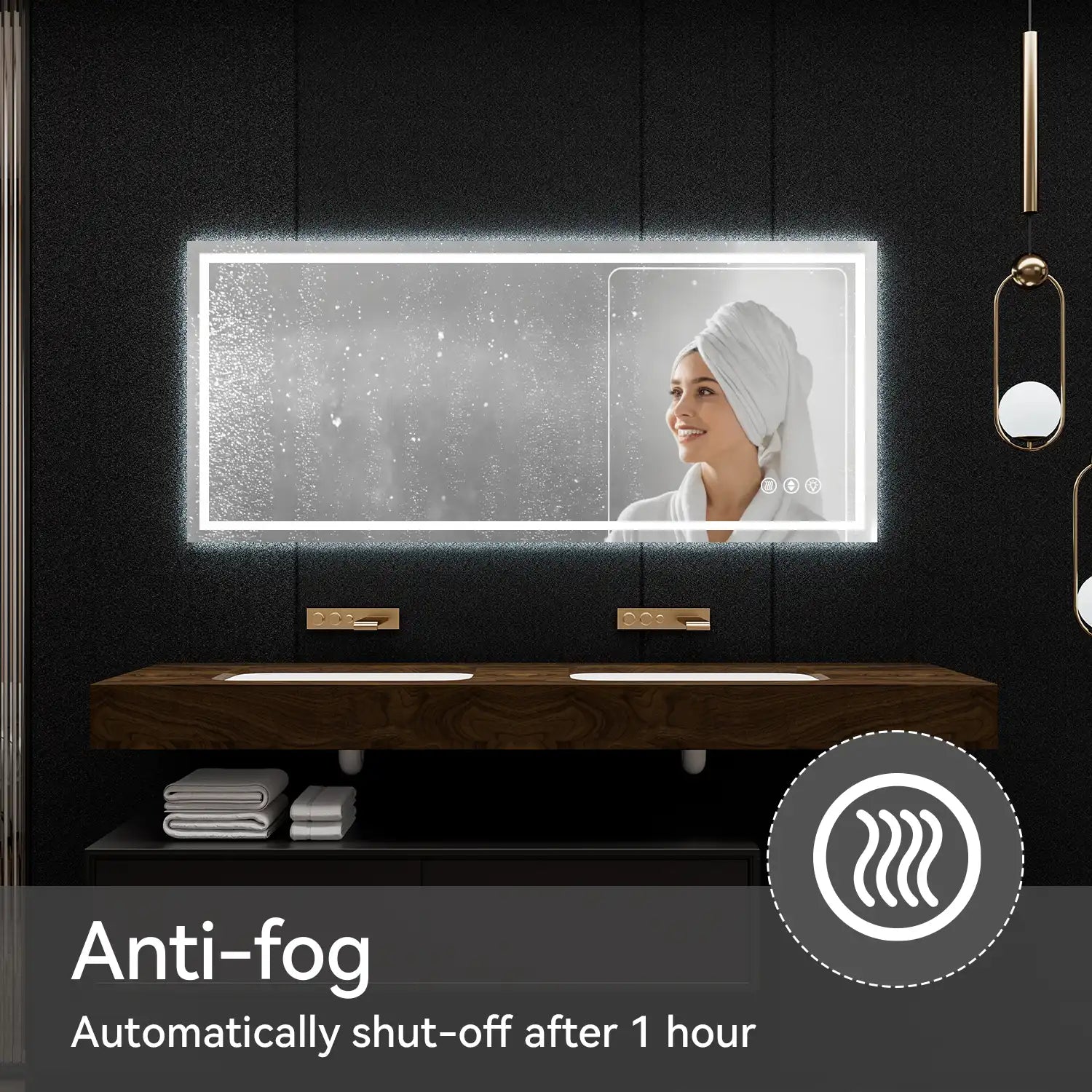
A mirror helps bounce light around the room, but the shape and position need to work with the fittings you already have. Round mirrors often sit beautifully between a pair of wall sconces, while a longer rectangular design can work well beneath a horizontal light or illuminated from above.
Most importantly, think about when you use the bathroom. Morning light, evening light, getting ready in a hurry — the mirror should help, not leave your face in shadow.
The best choice is not always the most dramatic one. It is the one that feels right with the proportions, the light and the everyday rhythm of the room.
Conclusion
There is no need to make mirror shape more complicated than it needs to be. But it is worth taking a moment before choosing one.
The mirror above your vanity has quite an important job. It needs to be useful when you are getting ready, work with the light in the room and sit comfortably alongside everything else — the cabinet, the tiles, the wall lights, even the shape of the basin below it.
A round mirror might be exactly what a bathroom full of straight lines needs. A rectangular design may make more sense above a long vanity or in a room shared by more than one person. And where you want to bring in a little height or character, an oval or arched shape can quietly change the whole feel of the wall.
Rather than choosing the most dramatic option, choose the one that feels right for your space. Look at the proportions. Notice the light. Think about how the room works on an ordinary weekday morning, not just how it will look once everything is finished.
ACE DECOR, Robern and Kohler all offer a wide range of mirror shapes and styles, so there is plenty of room to find something that suits both the bathroom you have and the one you want it to become.
FAQ
How do I choose the right mirror shape for my vanity?
Start with the vanity, not the mirror.
Look at its width, the shape of the basin, the wall space around it and how the room feels when you stand in it. A long double vanity may need one generous rectangular mirror, or two matching designs with enough room between them. A smaller basin may suit something round, oval or square that gives the wall a little breathing space.
The best shape is usually the one that feels connected to everything below and around it, rather than simply being the most eye-catching option on its own.
Which mirror shape works best in a small bathroom?
There is no one shape that magically makes a small bathroom bigger, but proportion can make a huge difference.
Round and square mirrors are often easy choices where wall space is limited, as they sit neatly above a compact vanity without stretching too far across the room. An oval mirror can also work beautifully when you have more height than width, helping the eye travel upwards rather than stopping at the basin.
Keep it simple, make sure there is enough reflection for everyday use, and avoid choosing something so large that it starts to crowd the wall.
Can I use different mirror shapes in the same bathroom?
You can, but it is worth having a reason for it.
A pair of mirrors above a double vanity does not always need to be perfectly matched, especially in a more characterful or relaxed scheme. But there should still be something linking them together — perhaps the same frame finish, similar scale or the same style of lighting nearby.
Mixing shapes works best when the rest of the room is fairly calm. Too many competing lines and finishes can make a bathroom feel busy very quickly.
Should I think about lighting when choosing a mirror shape?
Absolutely. Mirrors and lighting really do need to be considered together.
A round or oval mirror can sit beautifully between two wall sconces, while a wide rectangular mirror often works well with a horizontal fitting above it. But it is not only about what looks good. Think about how the light falls on your face when you are shaving, applying makeup or simply getting ready in the morning.
The aim is even, useful light without deep shadows. A beautifully shaped mirror is lovely, but it still needs to work on an ordinary weekday morning.
Are arched mirrors a good choice for traditional bathrooms?
They can be a very good fit.
An arched mirror has enough structure to sit comfortably above a vanity, but the curved top brings in a little softness and architectural detail. In a traditional bathroom, it can work especially well with aged brass fittings, panelled walls, classic sconces or more decorative tilework.
That said, they are not limited to period-style spaces. Choose a slim frame and simpler finishes, and the same shape can feel just as at home in a newer, more pared-back bathroom.