

Table of Contents
- What Are Bathroom Shower Systems?
- Thermostatic vs Traditional Valves
- Multi-Function Shower Systems
- Concealed vs Exposed Systems
- Smart Shower Systems
- Compact Systems for Small Bathrooms
- Budget Guide
- Maintenance Checklist
- Conclusion
- FAQ
- Related Articles
You turn on the shower, and the water is freezing. Adjust the temperature, and suddenly it becomes boiling. The overhead spray runs fine, but the handheld feels like a trickle. The entire experience feels like a daily battle with water.
Even worse, no matter how many times you replace the shower head, the problem never goes away. Why? Because the issue isn’t the shower head—it’s that you’ve been choosing the wrong bathroom shower systems all along.
Many homeowners focus on tiles and lighting during renovations but overlook the one system they use every single day. You spend money expecting comfort and end up with frustration.
The good news? It’s not too late to fix it. In this guide, we’ll break down the most popular types of bathroom shower systems in 2026—from thermostatic control and multifunction outlets to smart features and compact configurations—so you can make a confident choice.
1. What Are Bathroom Shower Systems?
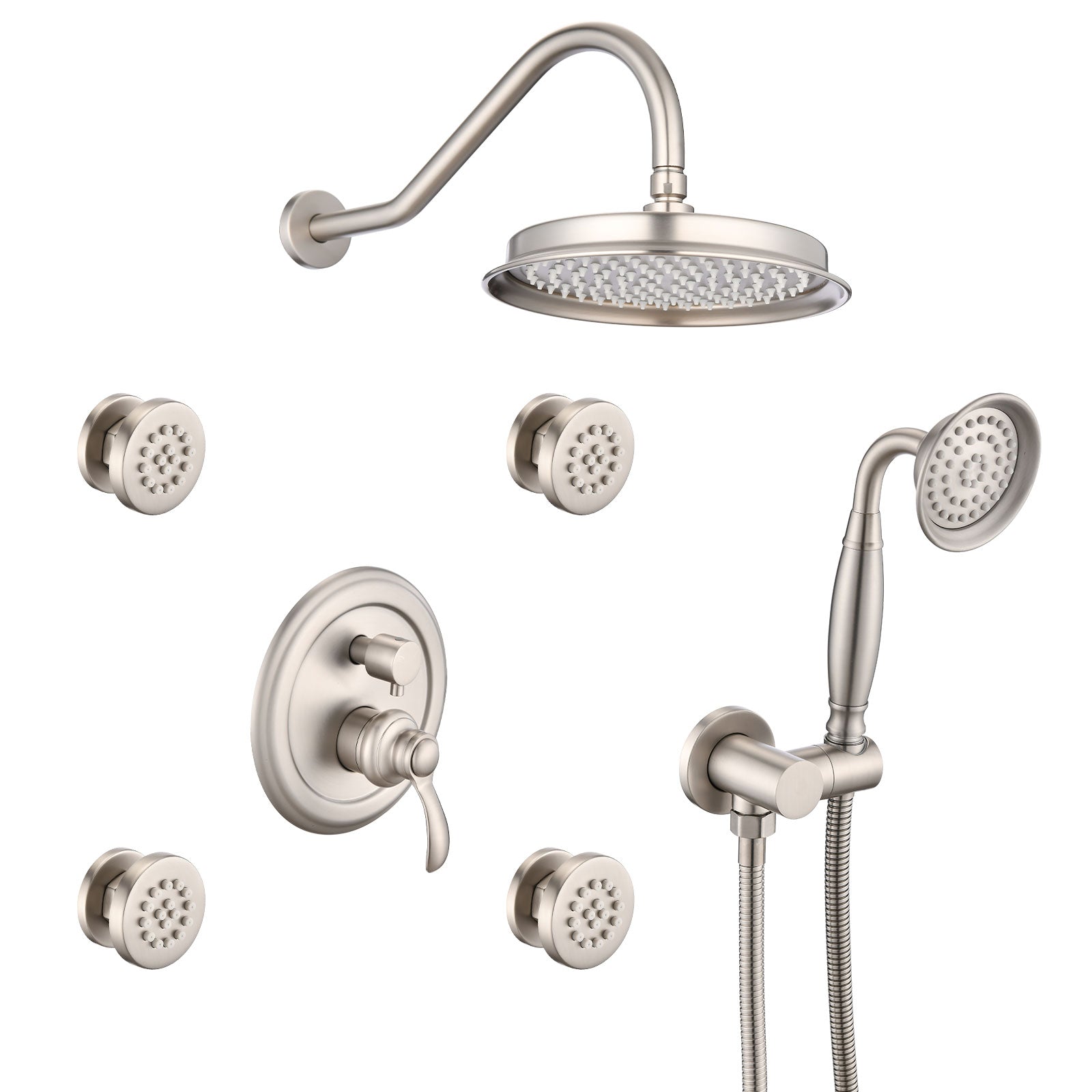
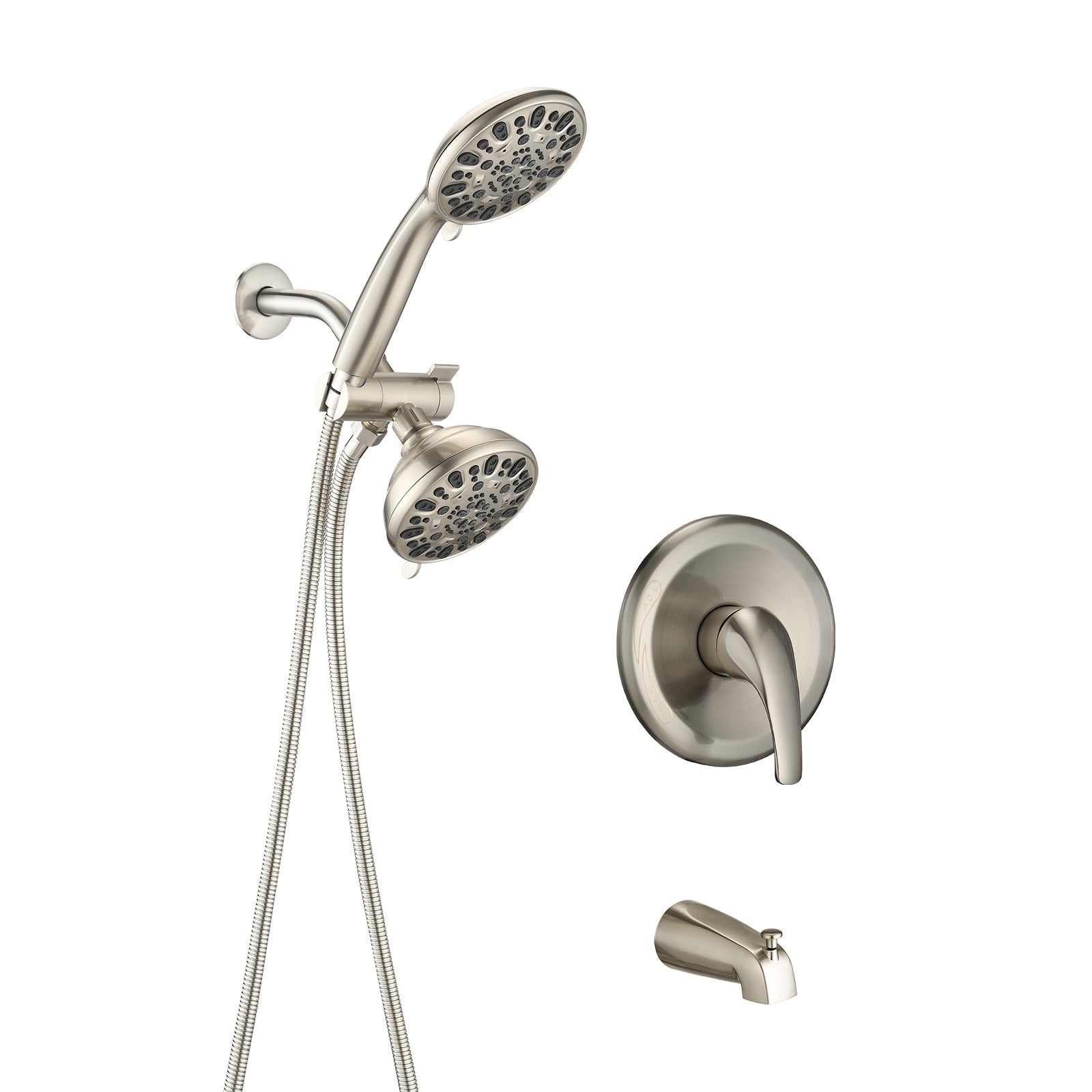
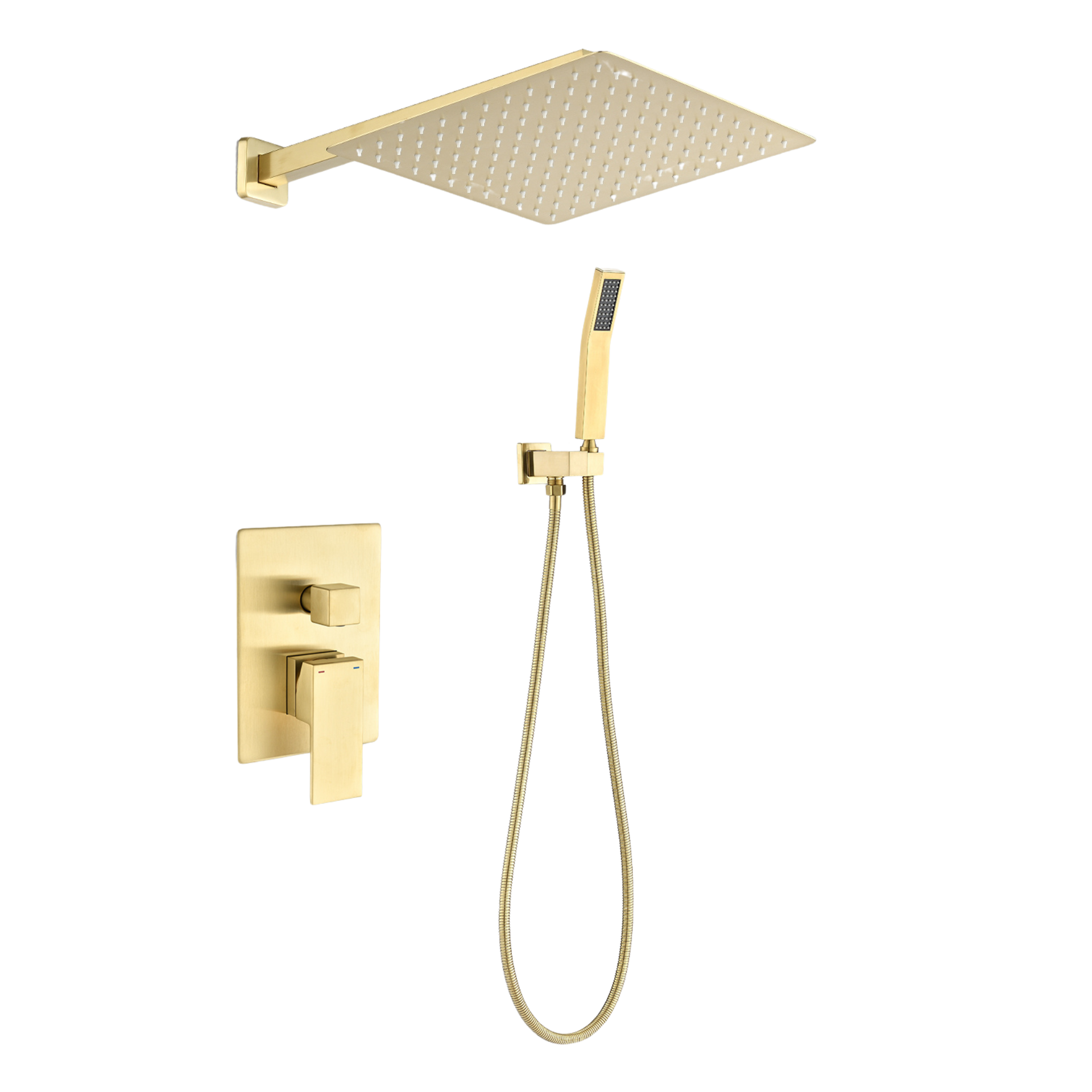
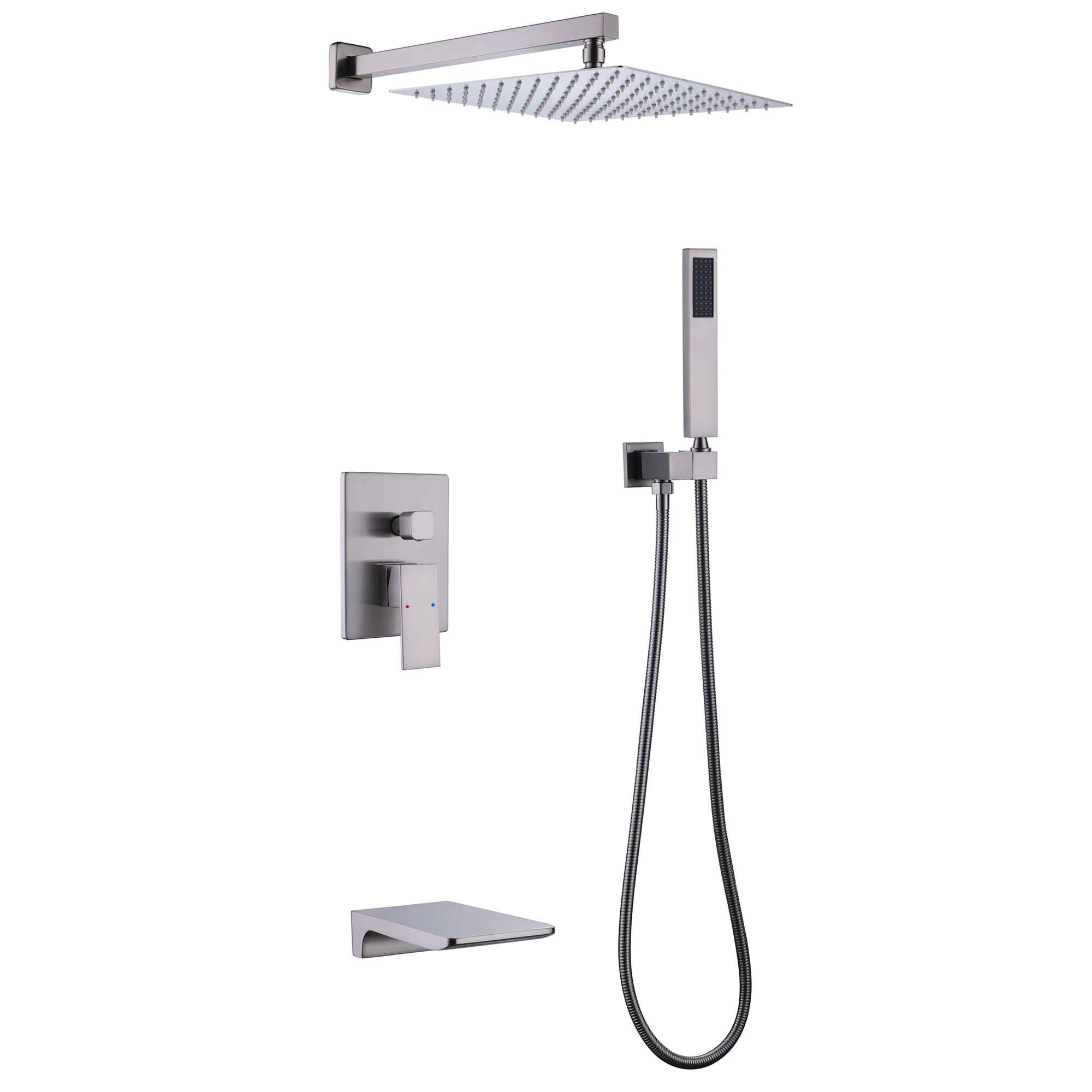
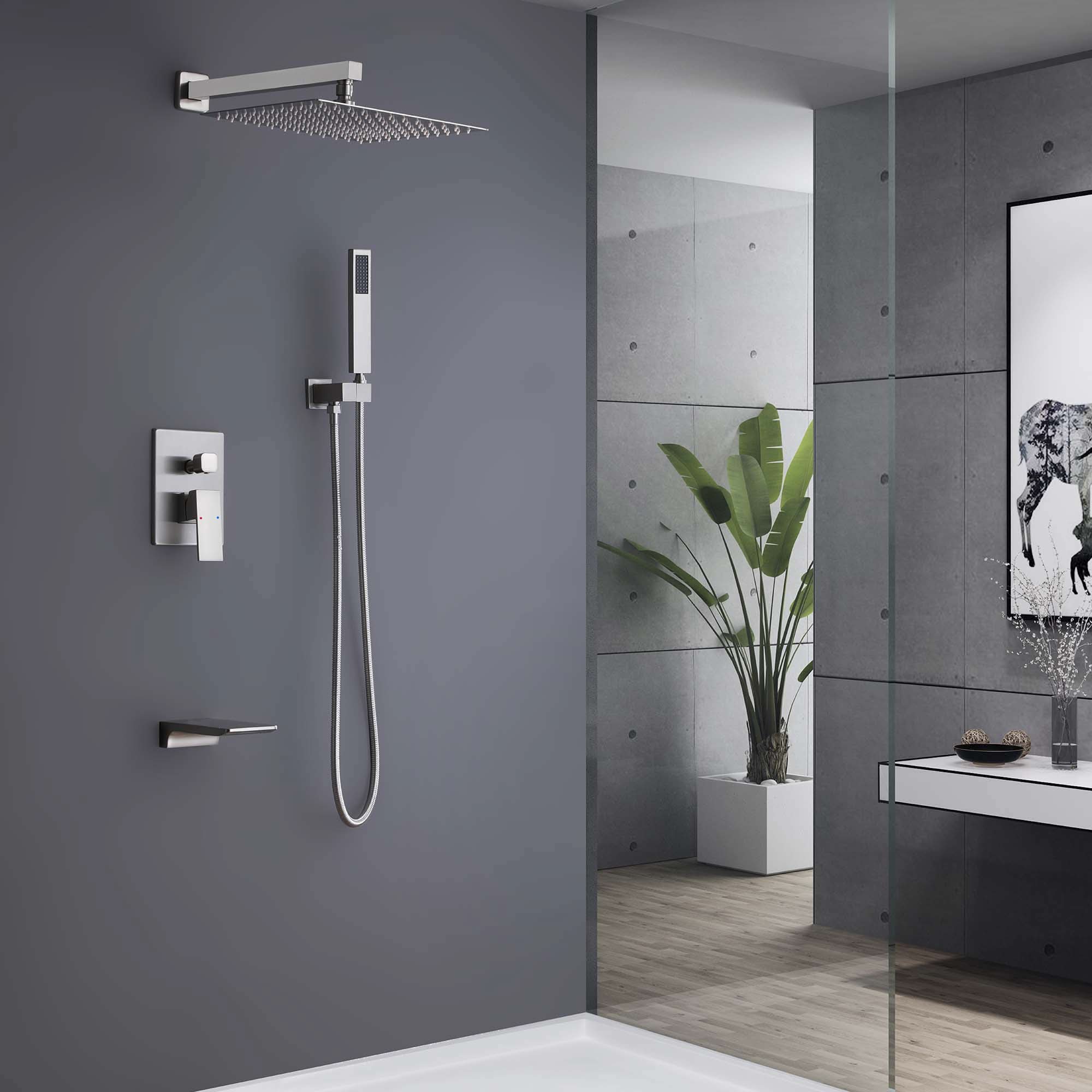
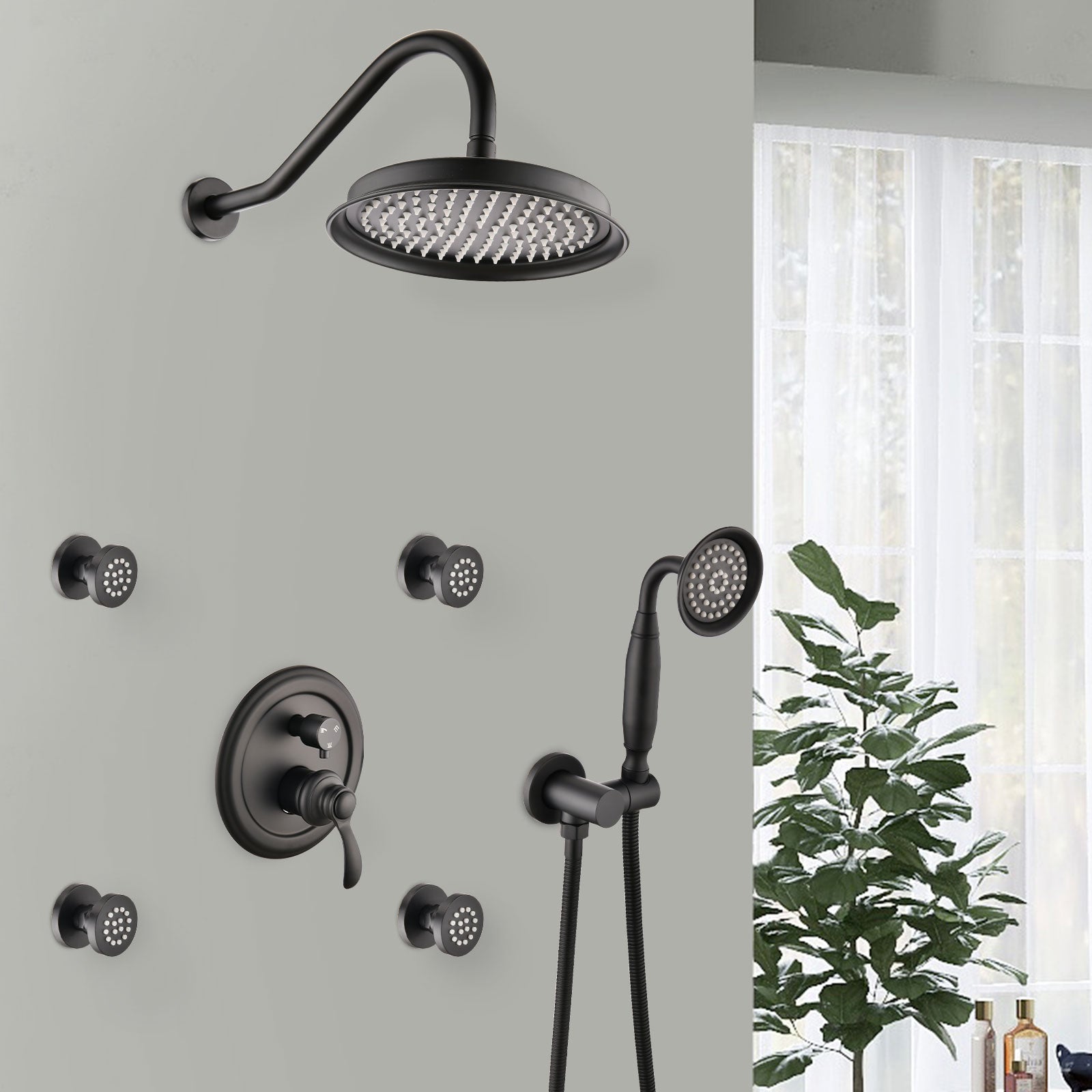
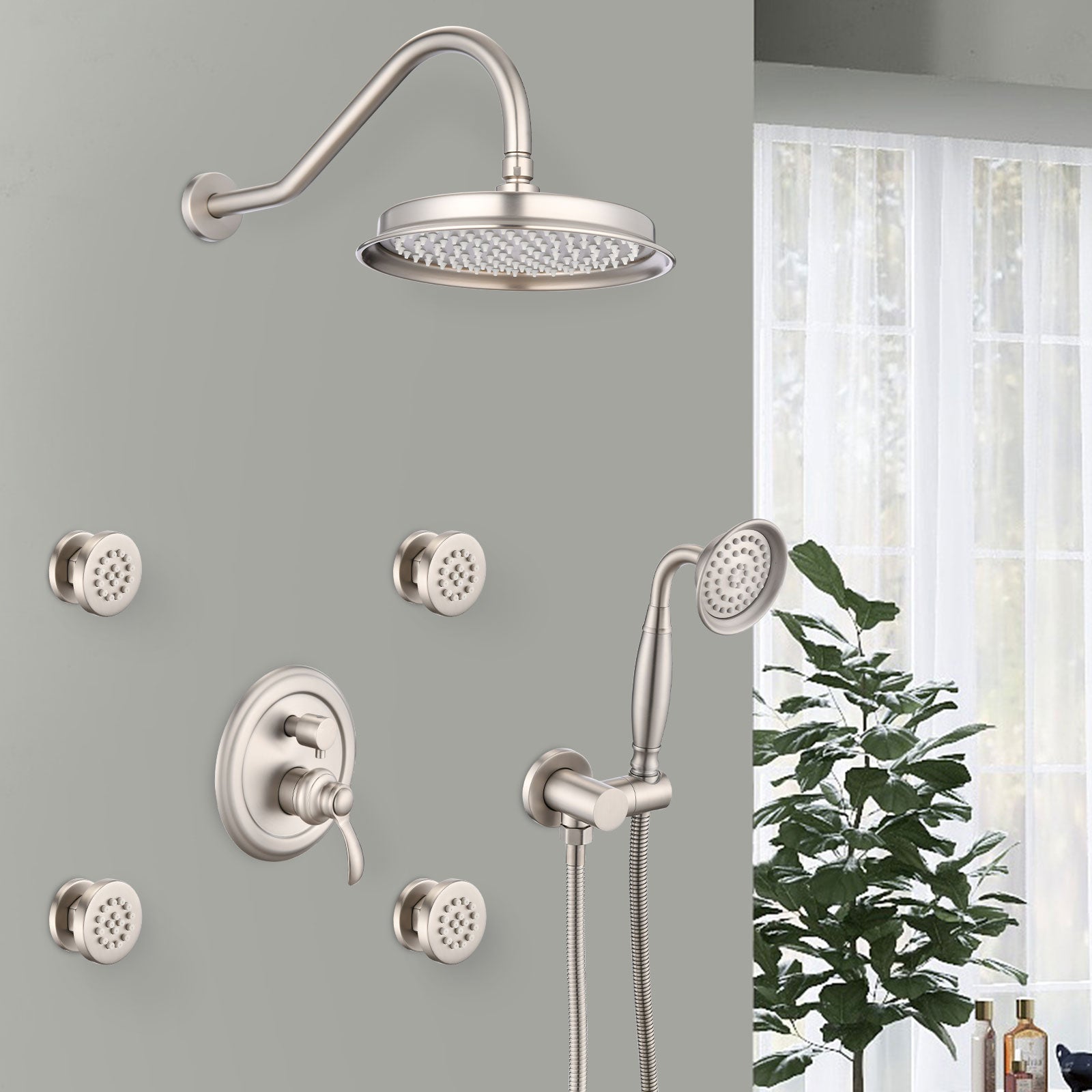
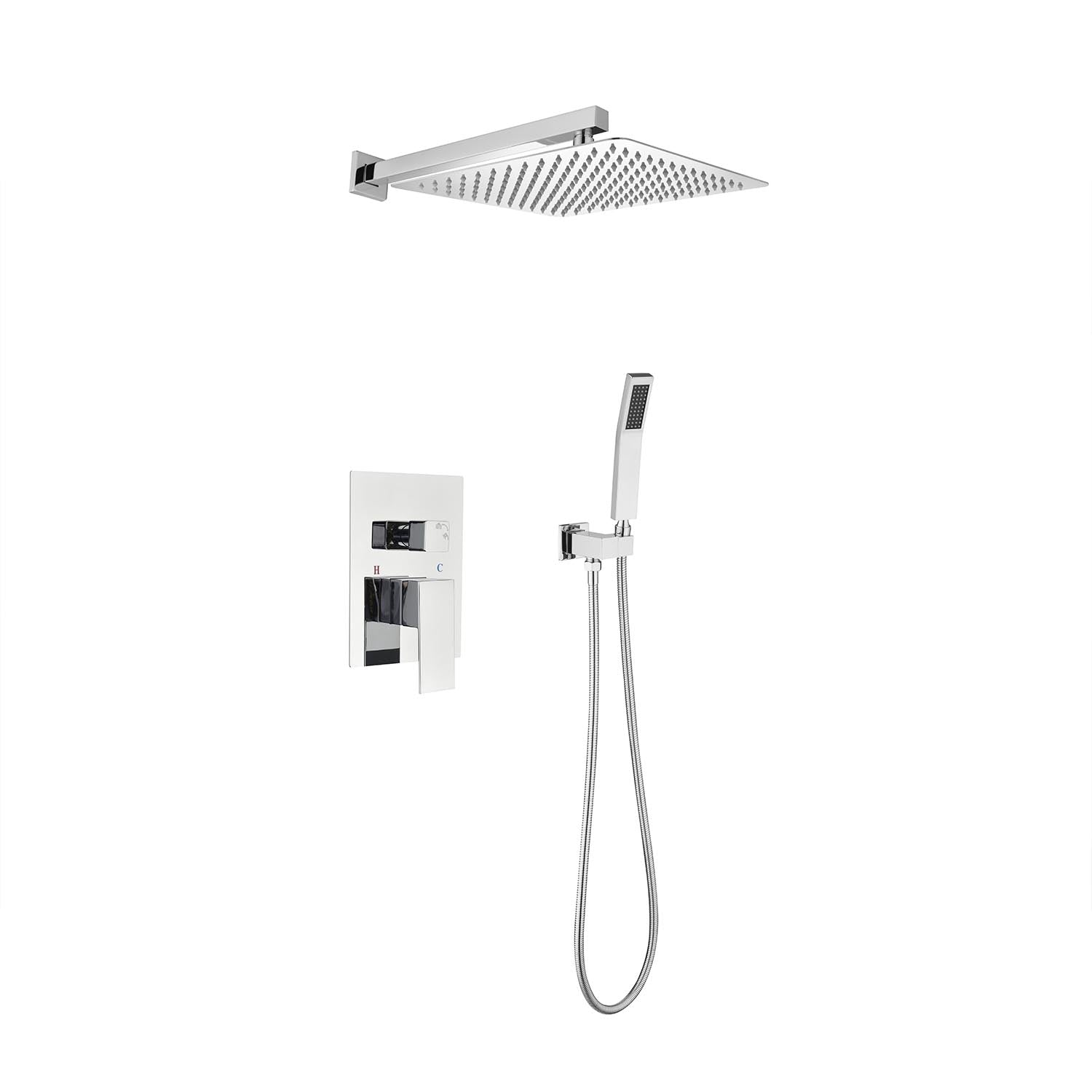
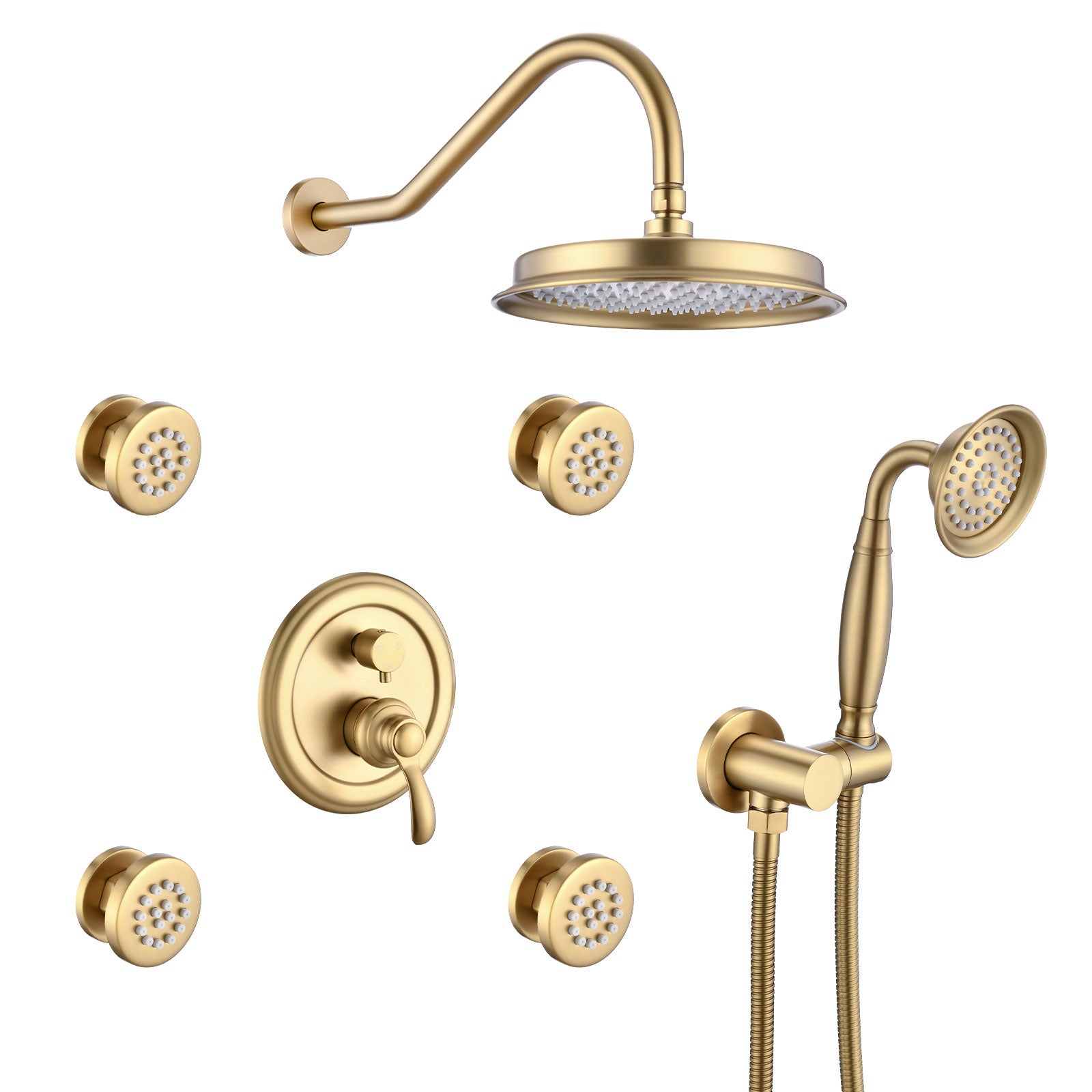
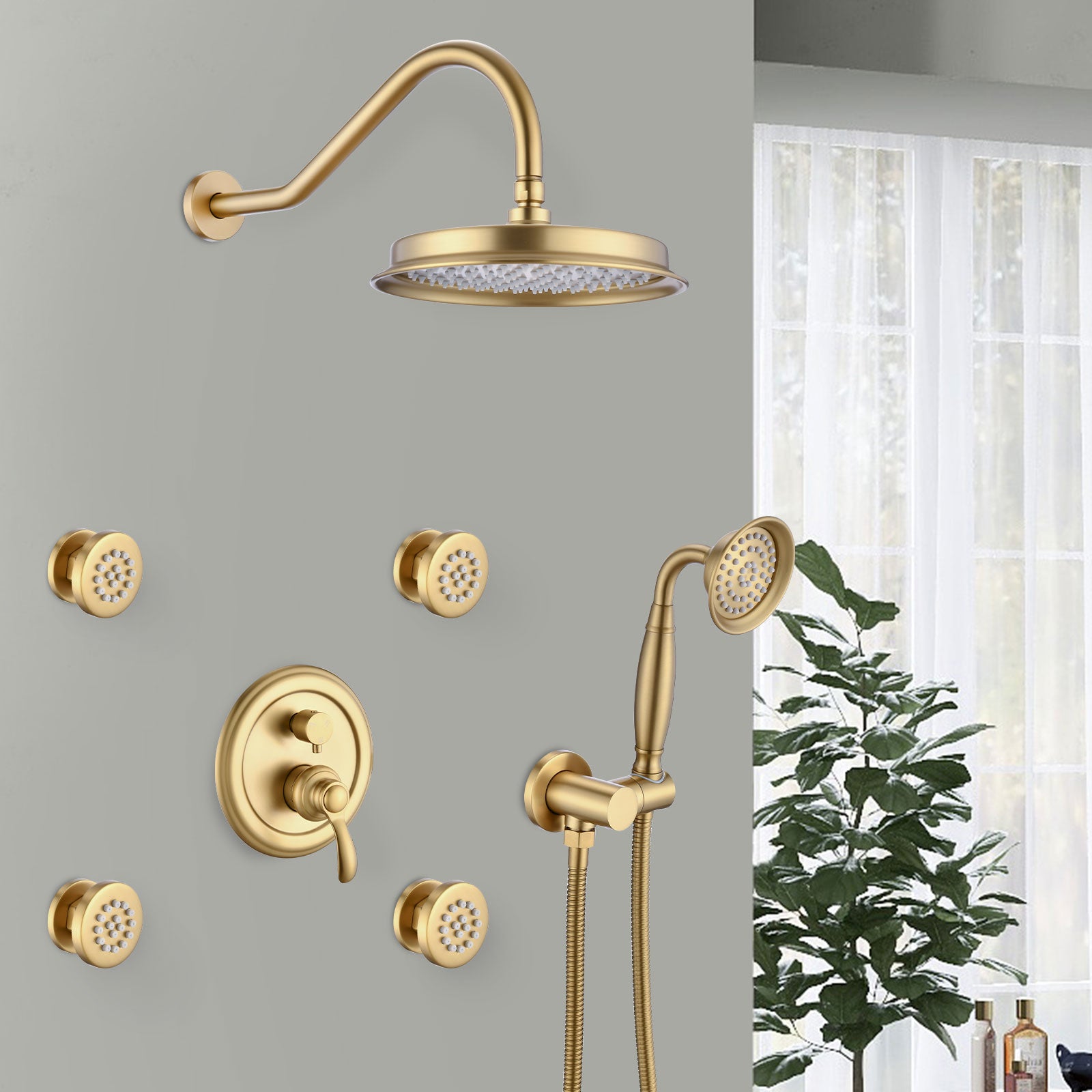
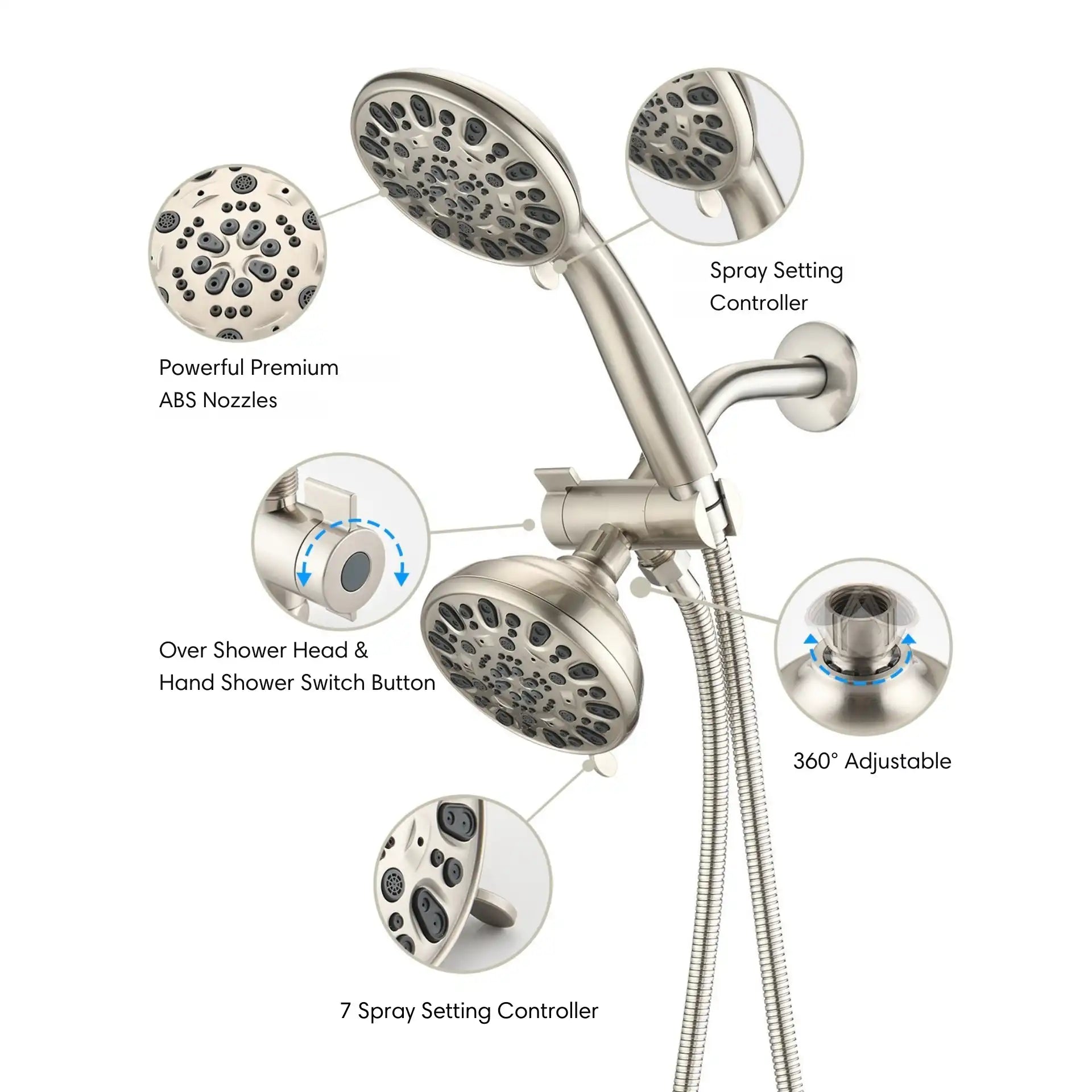
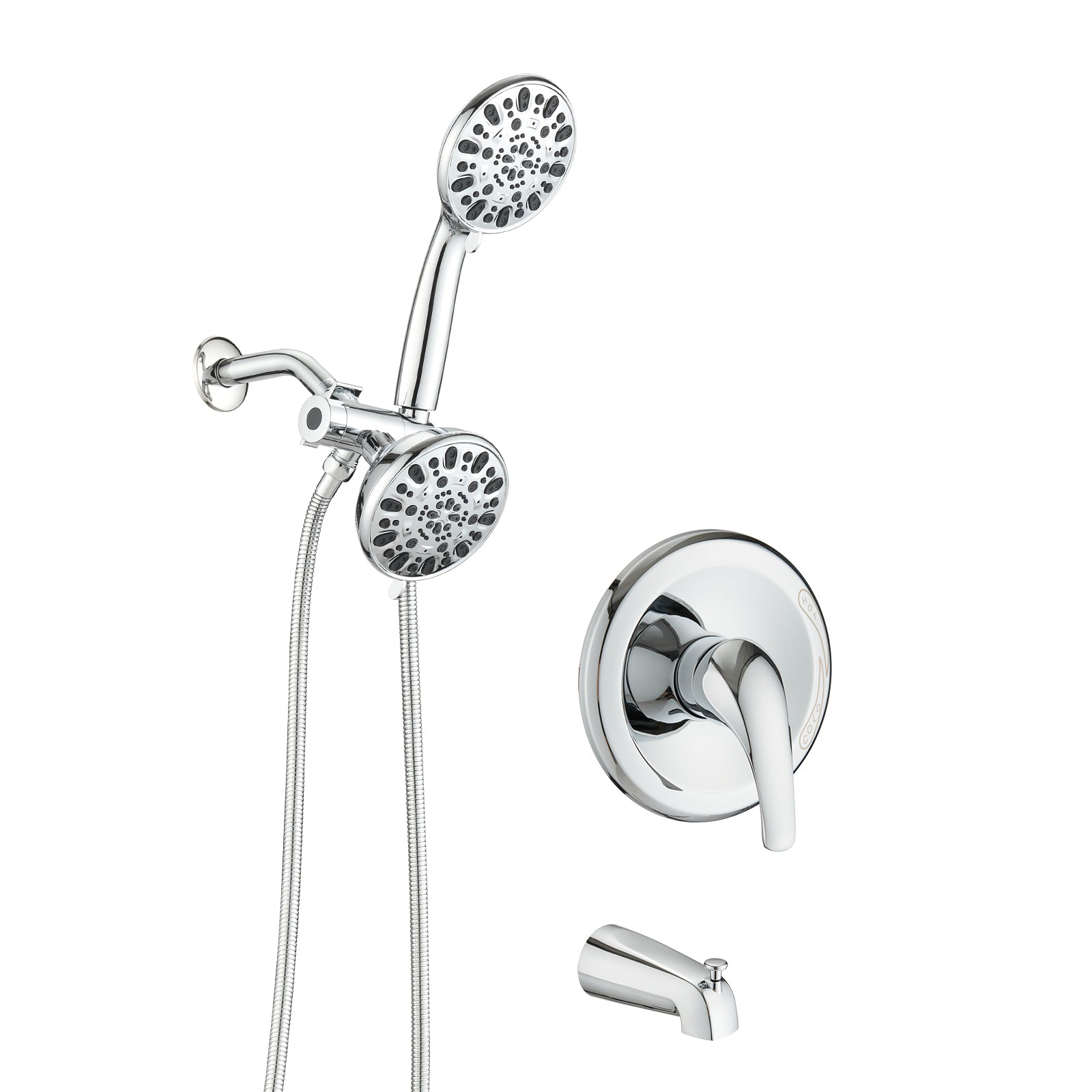
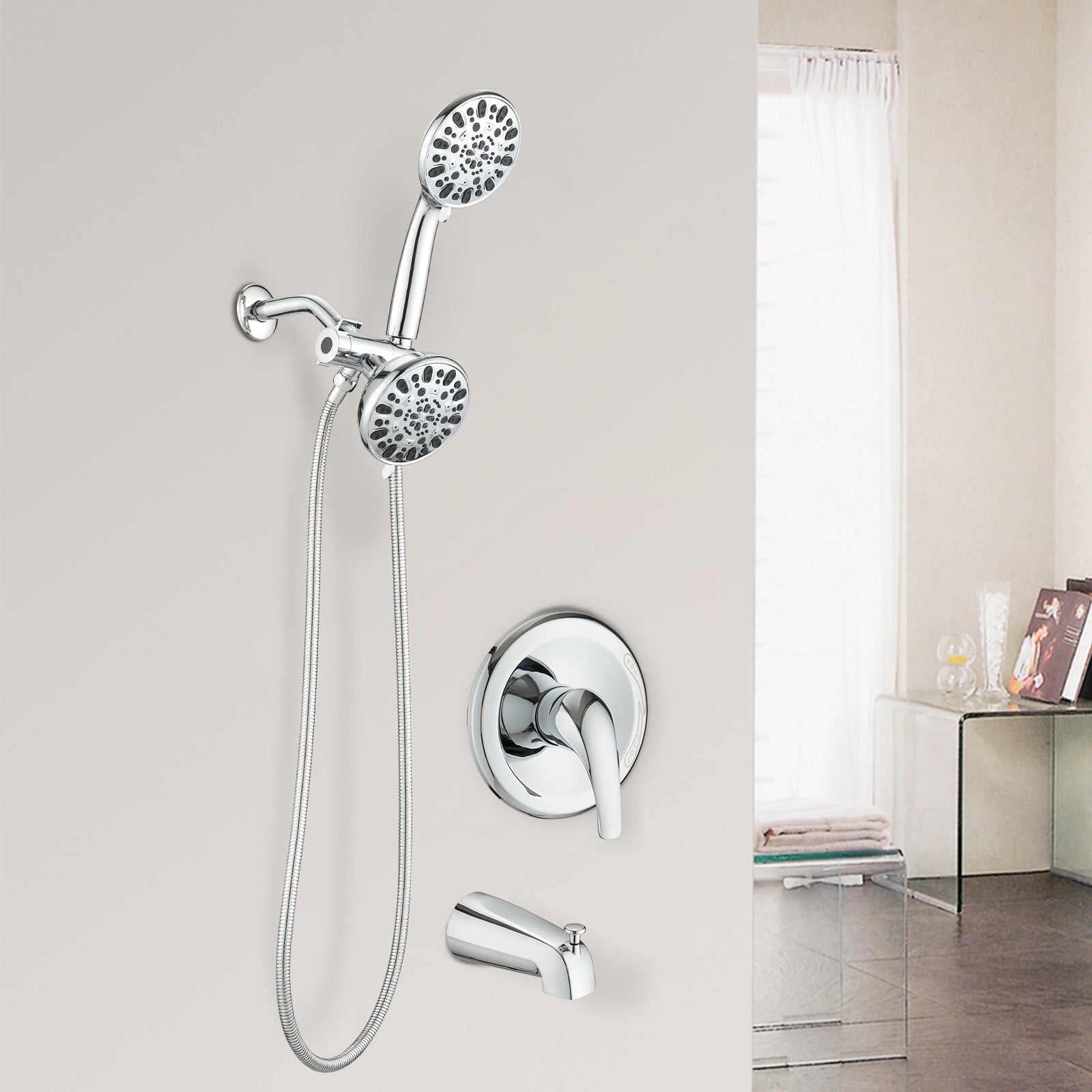
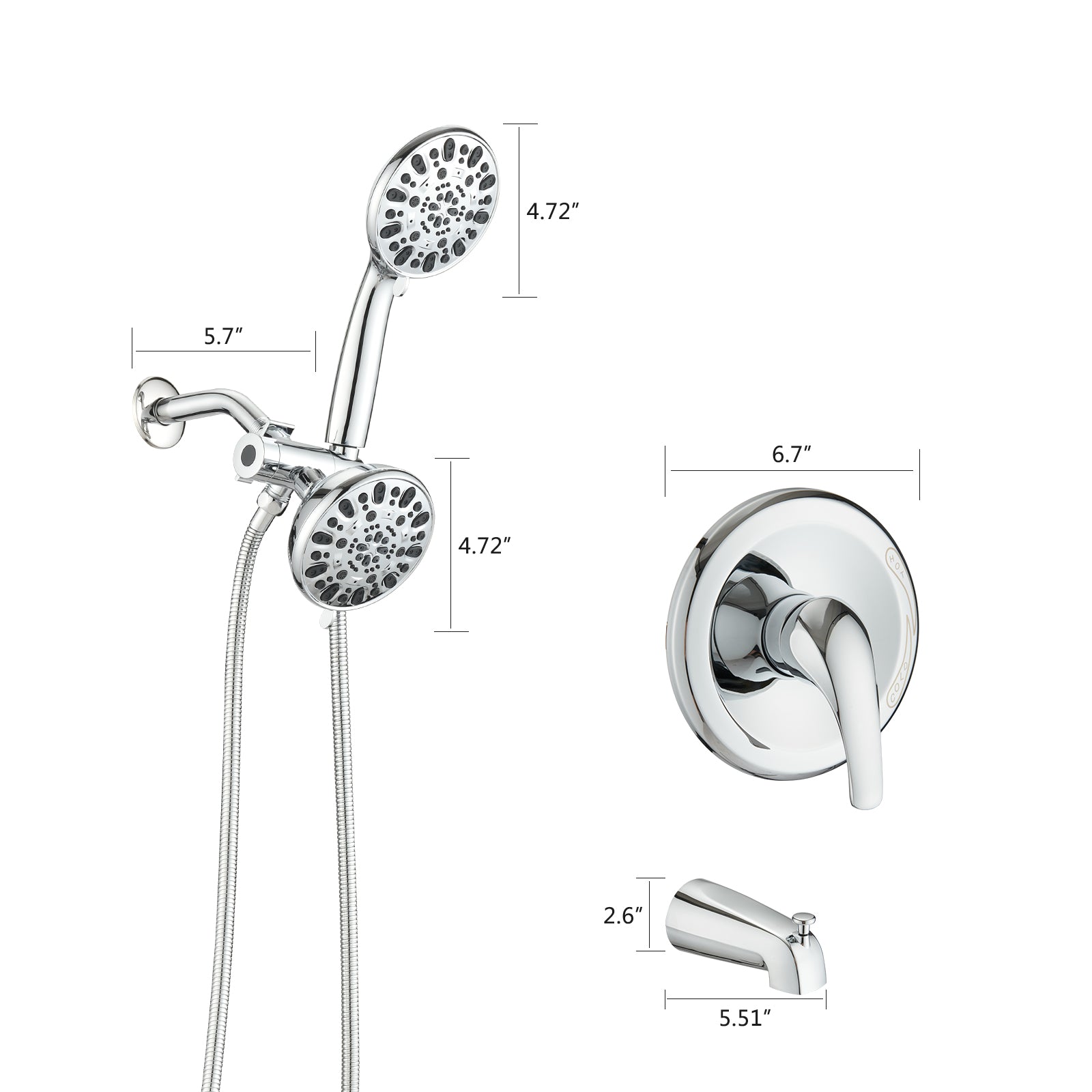
A bathroom shower system is far more than just a showerhead. It’s a coordinated setup typically including:

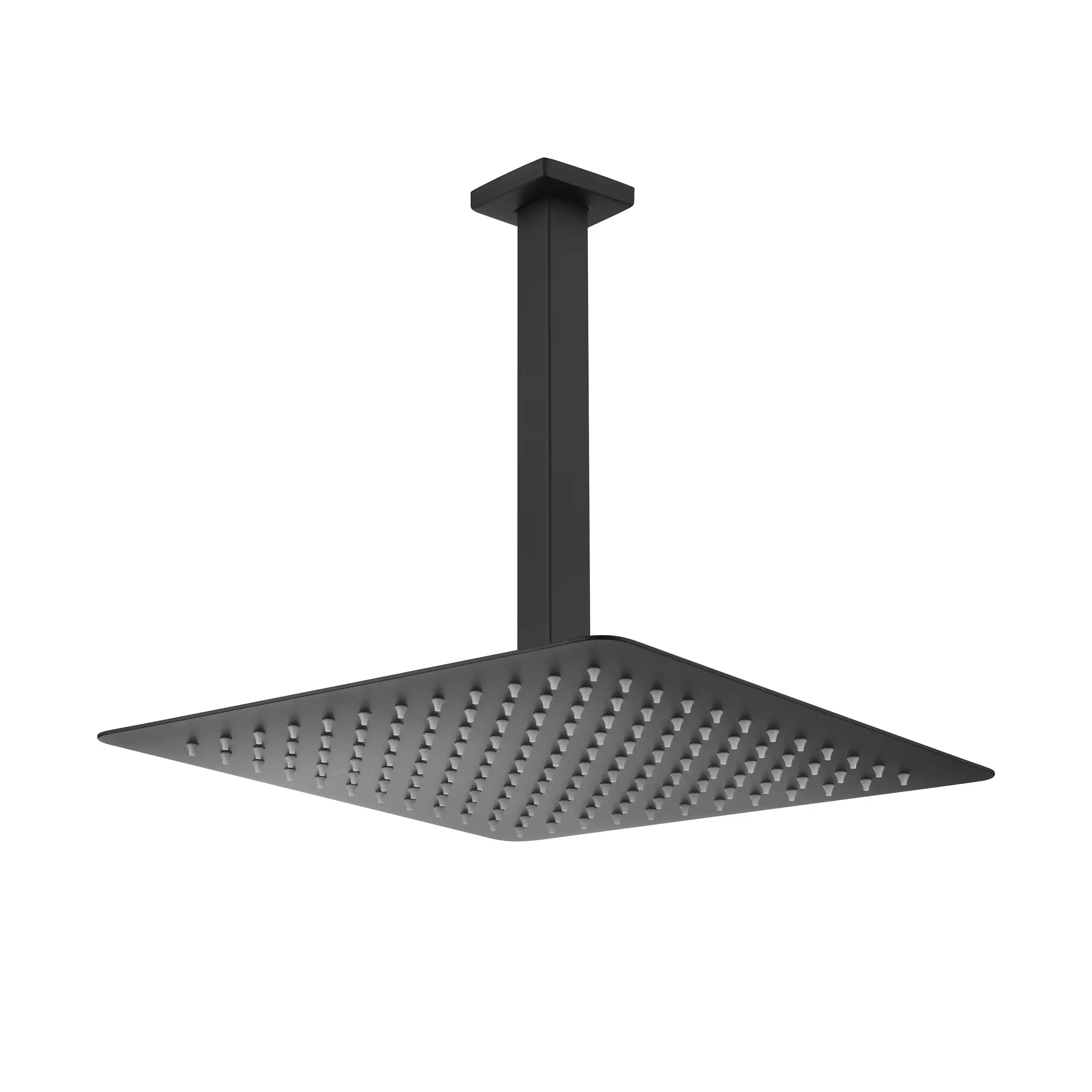
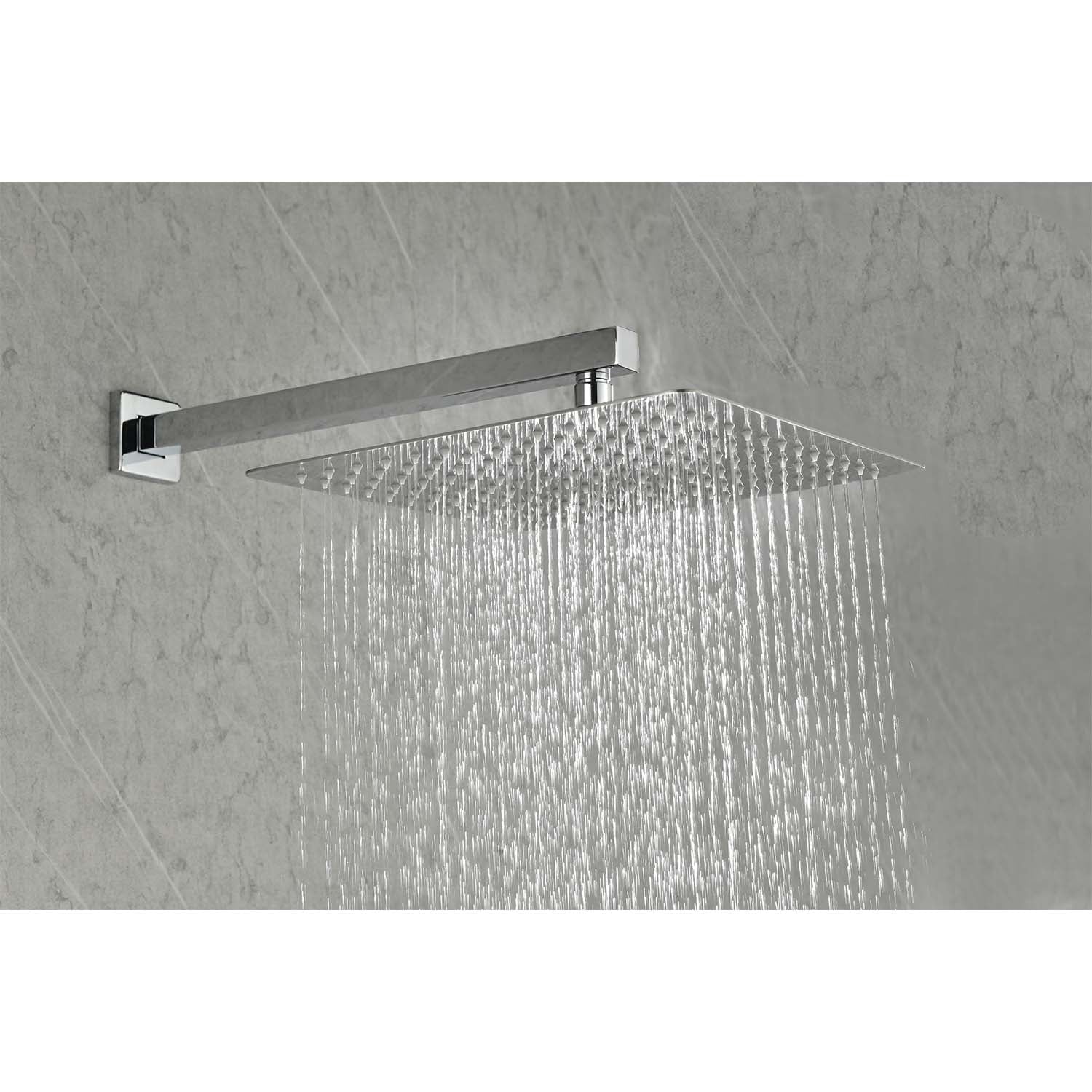
- Rainfall showerhead
- Handheld shower wand
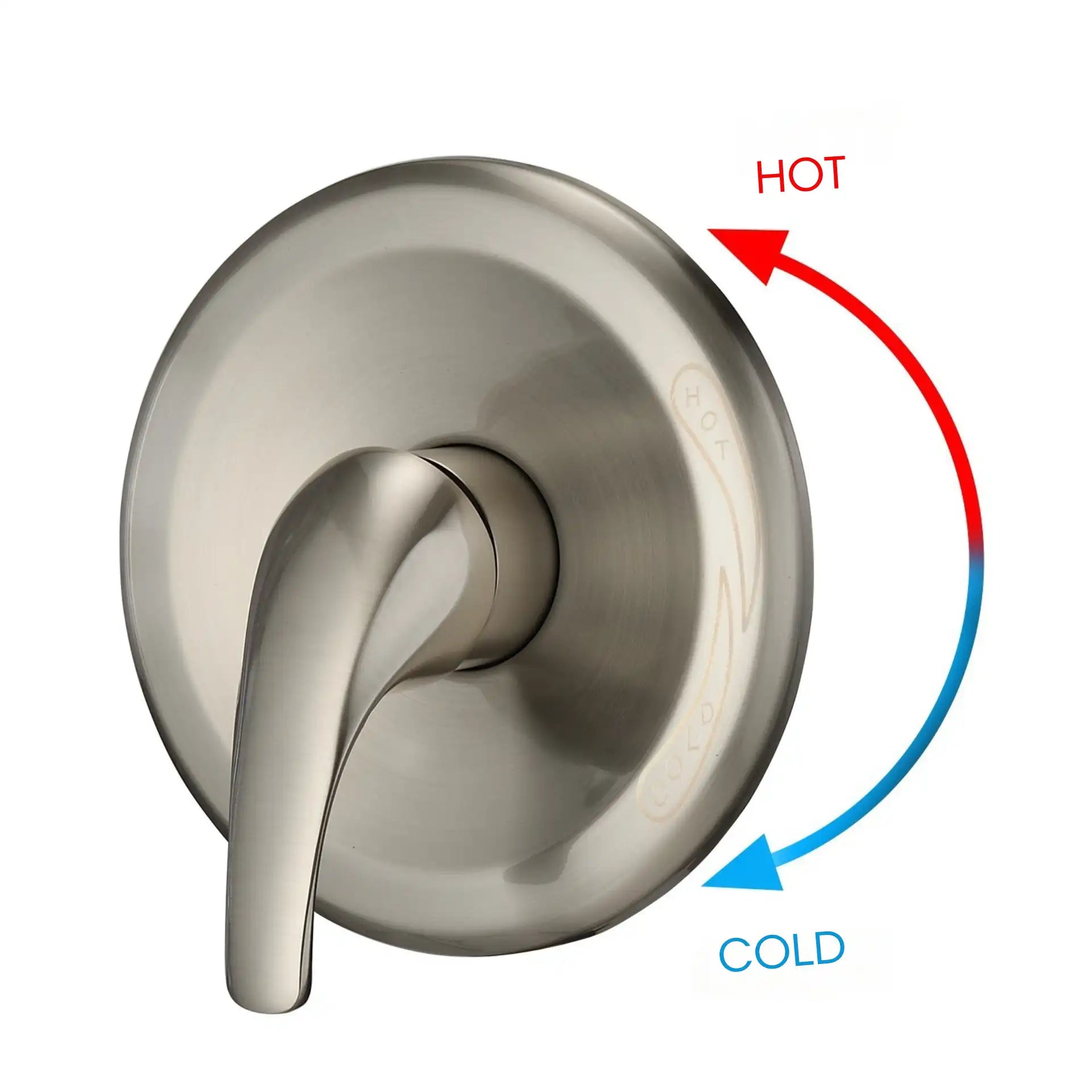
- Thermostatic valve or control panel
- Water diverter or mixer
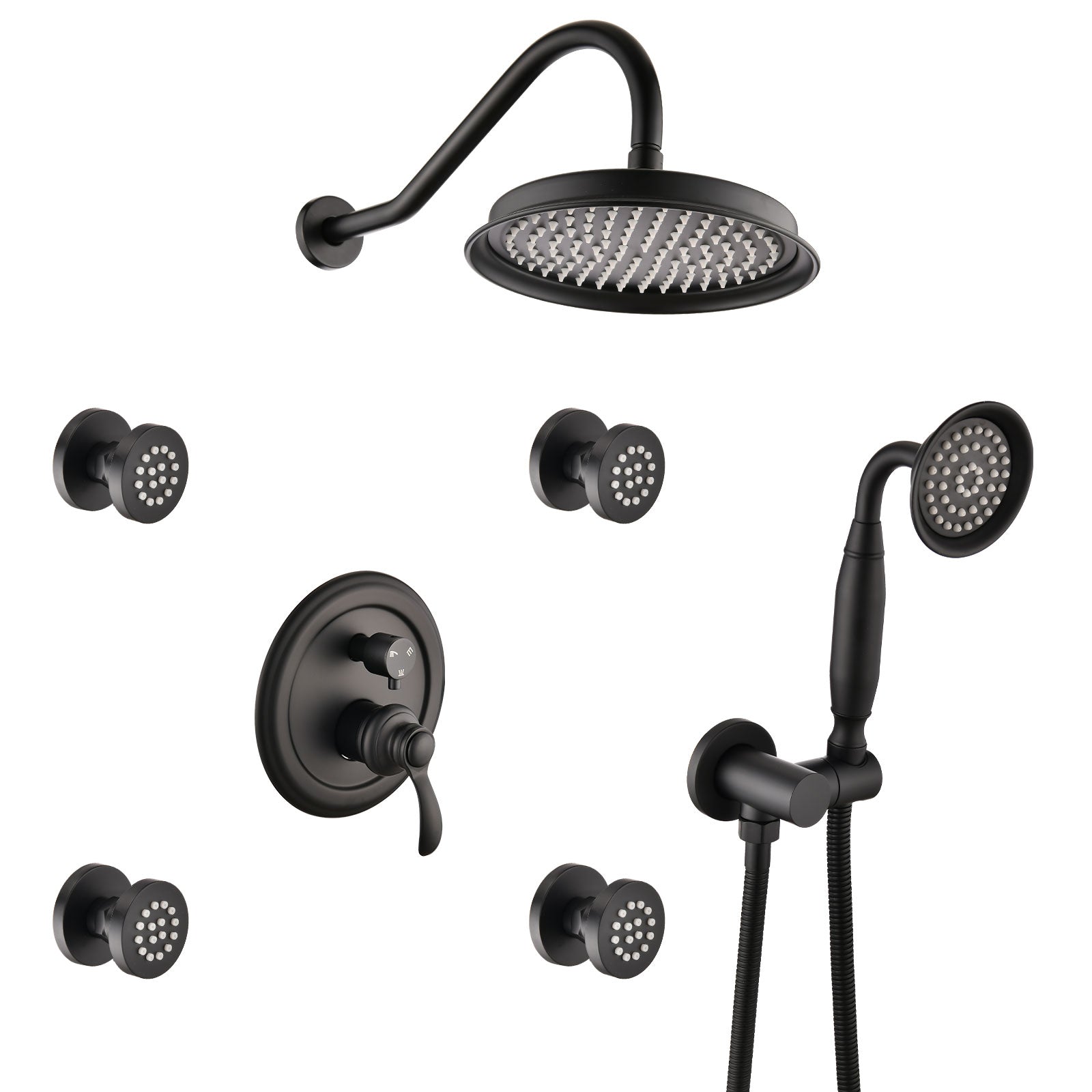
- Optional body jets or smart modules
These components determine water pressure, flow style, temperature stability, and overall comfort.
Some advanced systems even integrate lighting, Bluetooth audio, or steam functions—turning your shower into a full wellness experience. For those focused on wellness, these features can make a major difference.
2. Thermostatic vs Traditional Valves
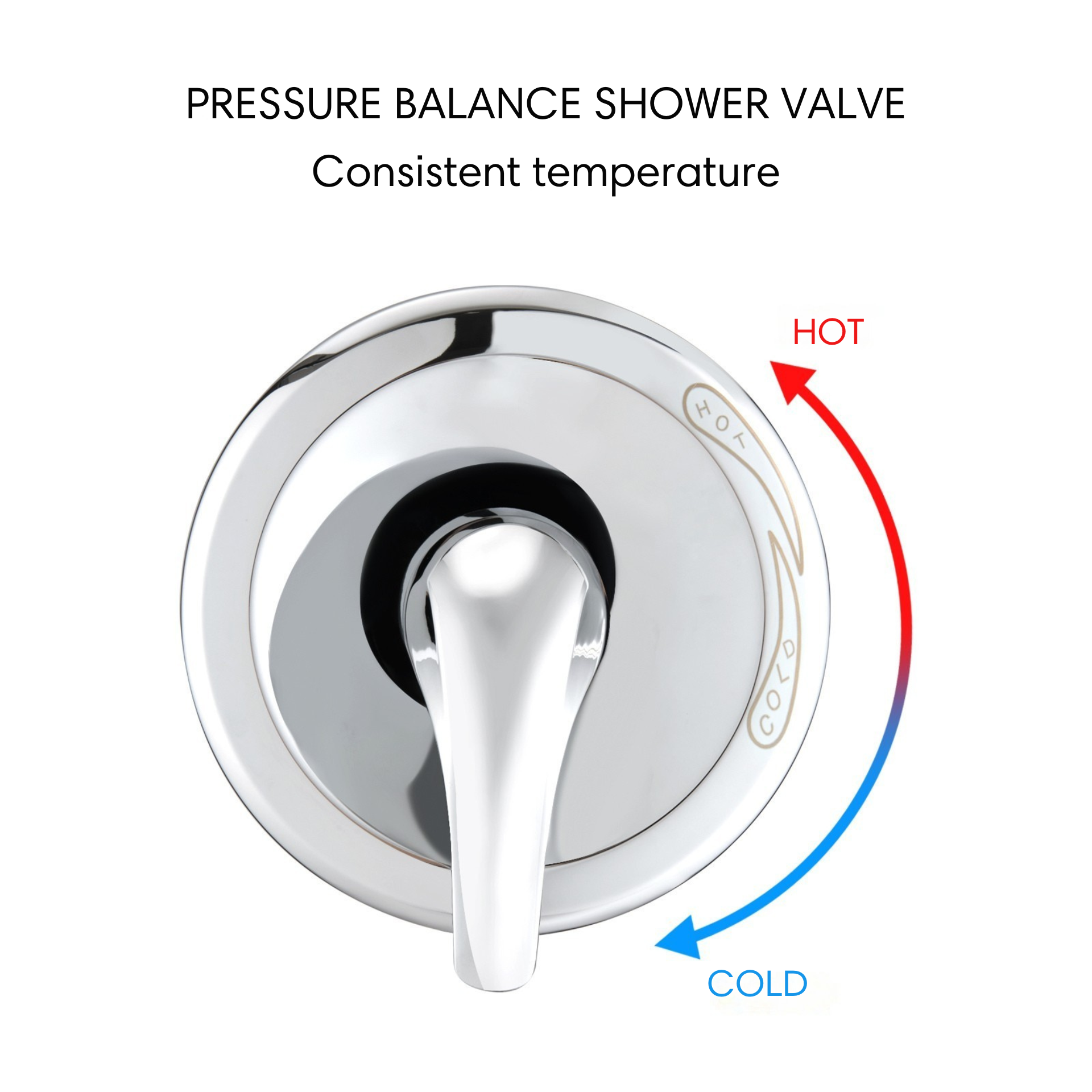
Traditional mixing valves can fluctuate when other water fixtures run. Thermostatic systems solve this by automatically balancing hot and cold water.

- Maintain stable temperature
- Prevent scalding
- Improve water efficiency
Thermostatic systems are especially valuable for families with children or elderly users.
3. Multi-Function Shower Systems
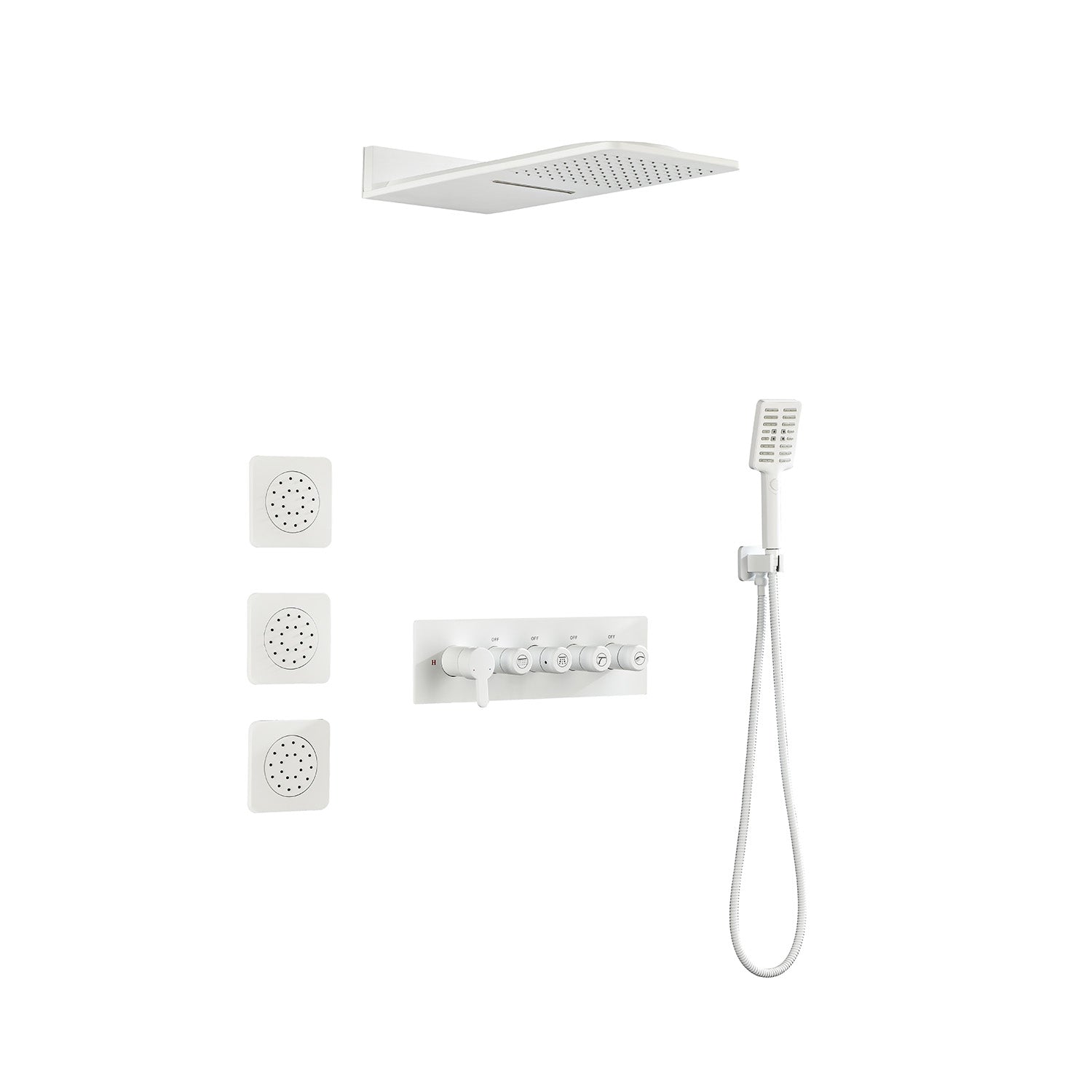
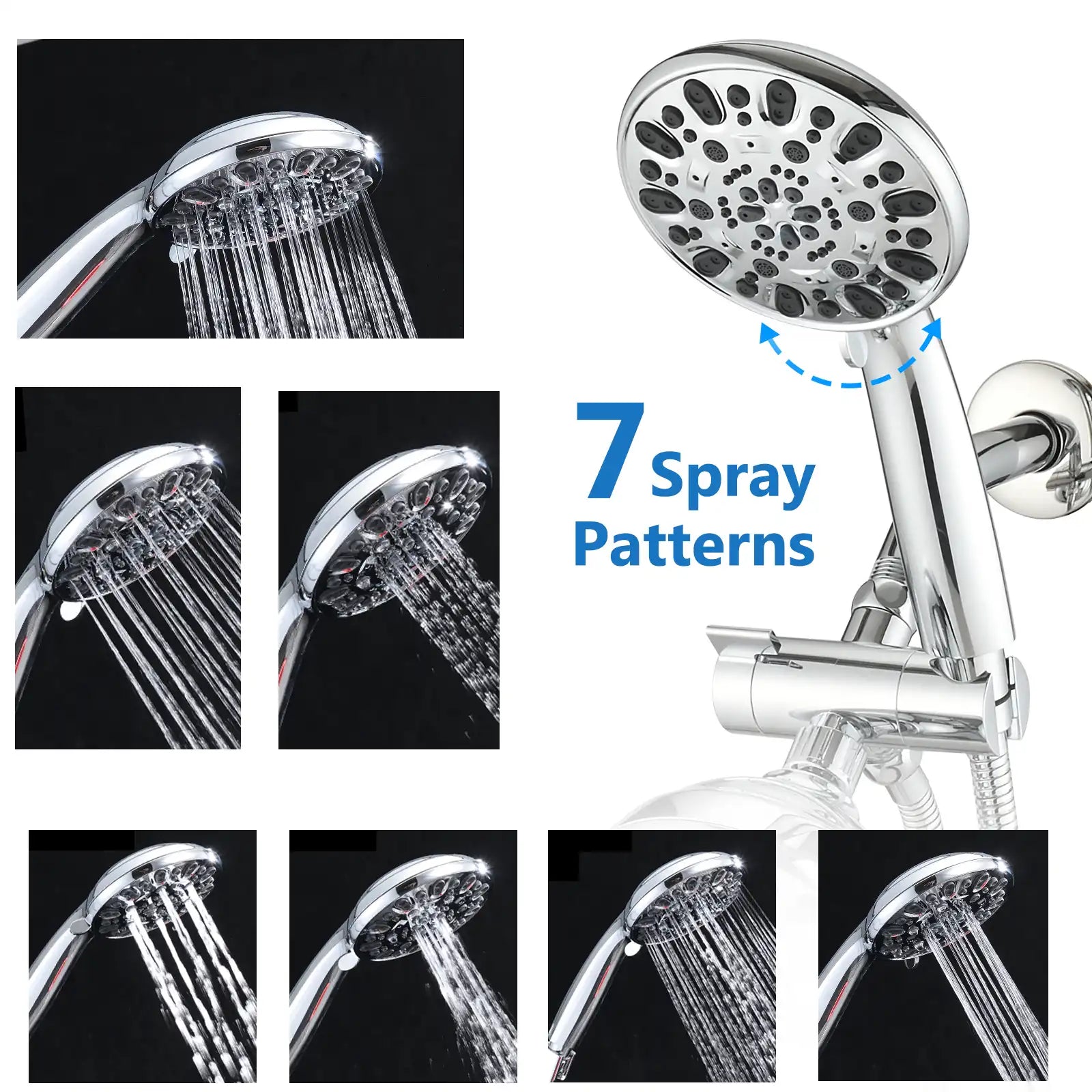
If you want a spa-like experience, multifunction bathroom shower systems combine:

- Rainfall showerhead
- Handheld spray
- Massage body jets
These systems enhance relaxation, offer hydrotherapy benefits, and can even increase resale value.
4. Concealed vs Exposed Systems
Concealed systems hide plumbing inside the wall for a sleek look.

- Minimalist appearance
- Best for new builds
- More complex repairs
Exposed panel systems mount directly on the wall.

- Easier installation
- Budget-friendly
- Ideal for remodels
5. Smart Shower Systems

- Temperature presets
- Voice control integration
- Water usage tracking
- Remote activation
Smart features improve convenience, efficiency, and user satisfaction.
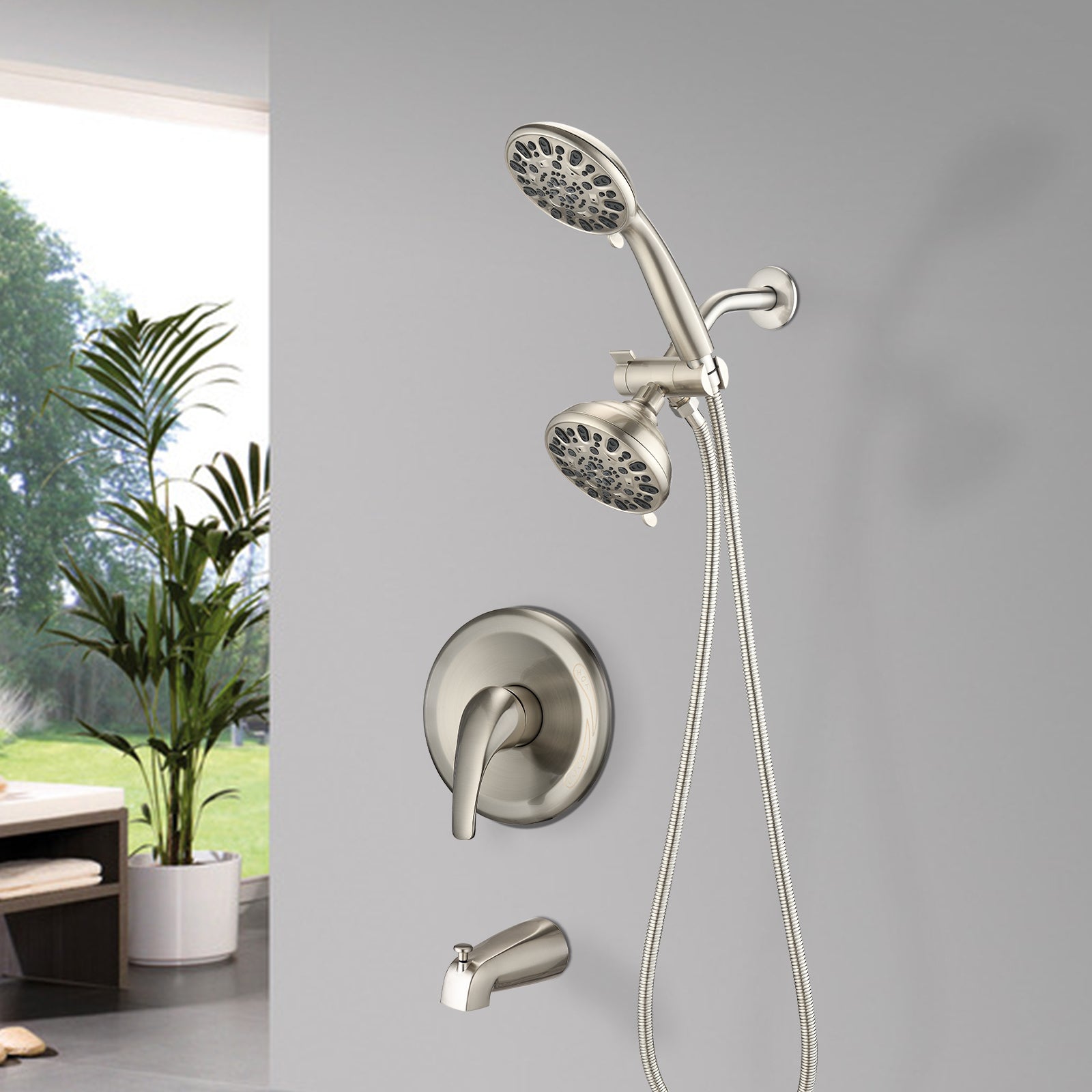
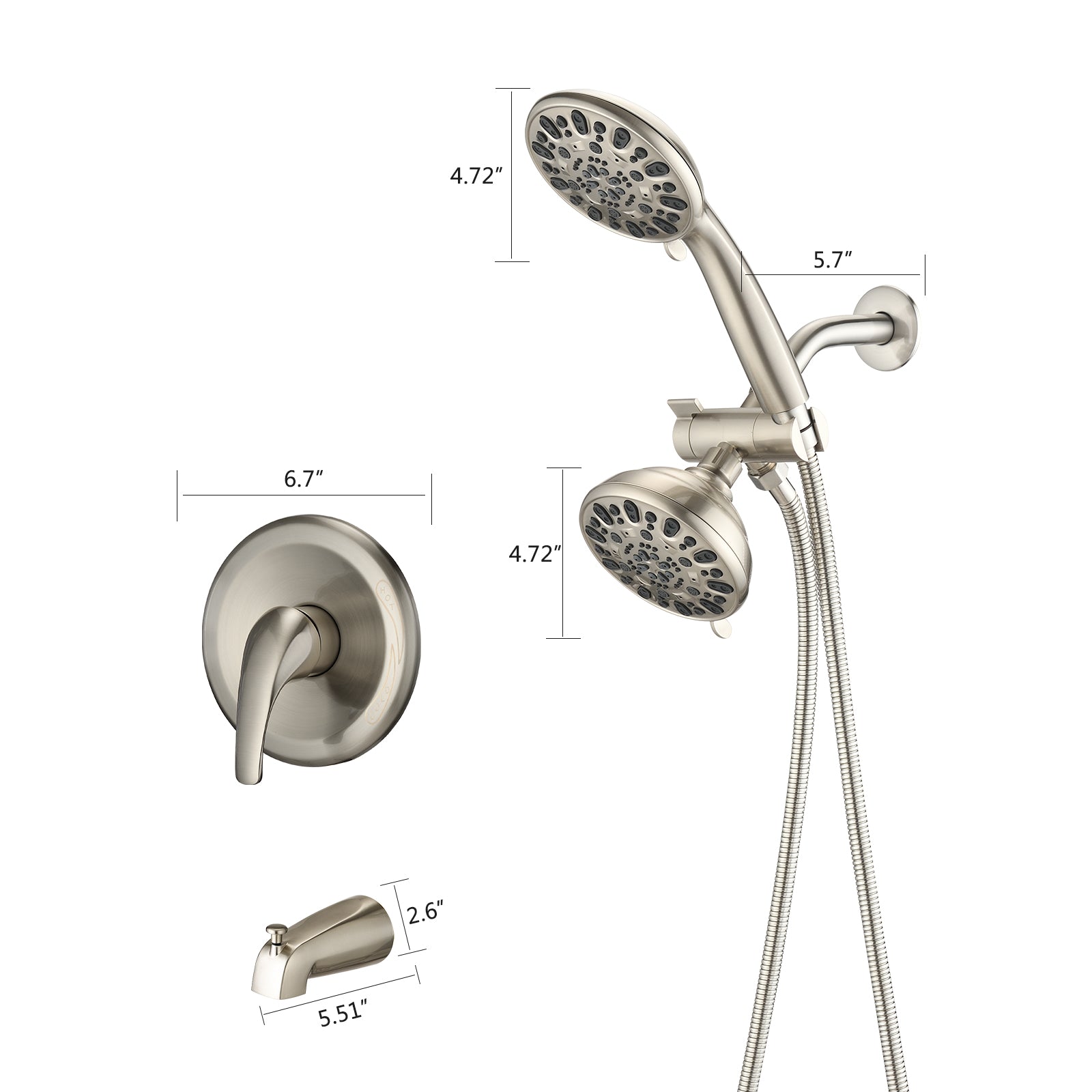
6. Compact Systems for Small Bathrooms
Even small bathrooms can enjoy premium features.
- Vertical column systems
- Corner concealed setups
- Adjustable slide rail kits
Modern compact systems optimize space without sacrificing performance.
7. Budget Guide

- $150–$300: Entry-level systems
- $300–$600: Thermostatic comfort upgrades
- $600–$1200+: Smart or spa-level systems
8. Maintenance Checklist
Follow this simple schedule to keep your shower system performing at its best:
| Frequency | Task | Why It Matters |
|---|---|---|
| Monthly | Clean showerhead nozzles | Prevents buildup and maintains flow |
| Quarterly | Inspect thermostatic controls | Ensures temperature stability |
| Every 6 Months | Check hoses and seals | Prevents leaks |
| Annually | Descale metal surfaces | Maintains performance and appearance |
| As Needed | Update smart firmware | Keeps smart features running smoothly |
Conclusion
Upgrading your bathroom shower system is more than a renovation—it’s a daily quality-of-life improvement.
Whether you want stable temperatures, spa-style jets, or smart control, the right system transforms your routine.
Browse our curated collection of bathroom shower systems designed for every budget and lifestyle.
FAQ
1. Can shower systems work with low water pressure?
2. Do smart systems work during power outages?
3. Are they renter-friendly?
4. Do multi-function systems use more water?
5. Are they compatible with U.S. plumbing?
6. How long do they last?
7. Can I upgrade individual components?
Related Articles
- "Shower Complete System Installation Guide: Give Your Shower a New Look"
- "The Surprising Health Benefits of a Steam Shower System"
- "Shower Wall Panel Systems: How to Select the Perfect Wall System for Your Bathroom"
- "How to Improve Bathroom Drying Efficiency with the Shower Drying System"
- "All Metal Shower System for Rental or Airbnb: Is It Worth the Investment?"
- "Best Rain Shower System: 7 Buying Tips to Avoid Costly Mistakes"
- "Basement Toilet and Shower Pump System Installation: Solve Drainage Problems Easily"
- "Stress-Free Routines Start with Shower and Handheld Systems"
- "How to Choose the Best Shower System with Body Jets – 5 Key Tips"
- "How to Choose the Right Off Grid Shower System: A Complete Buying Guide"