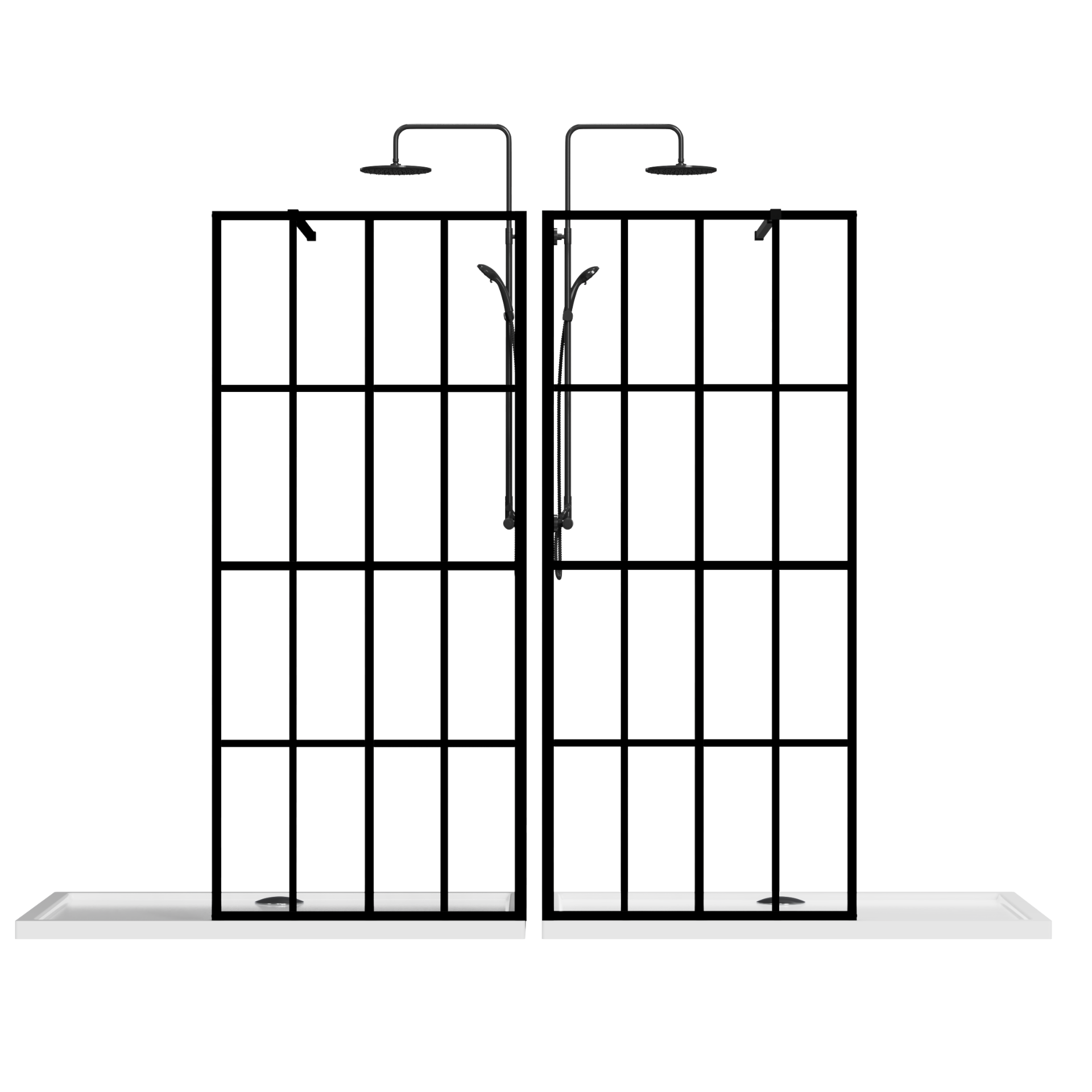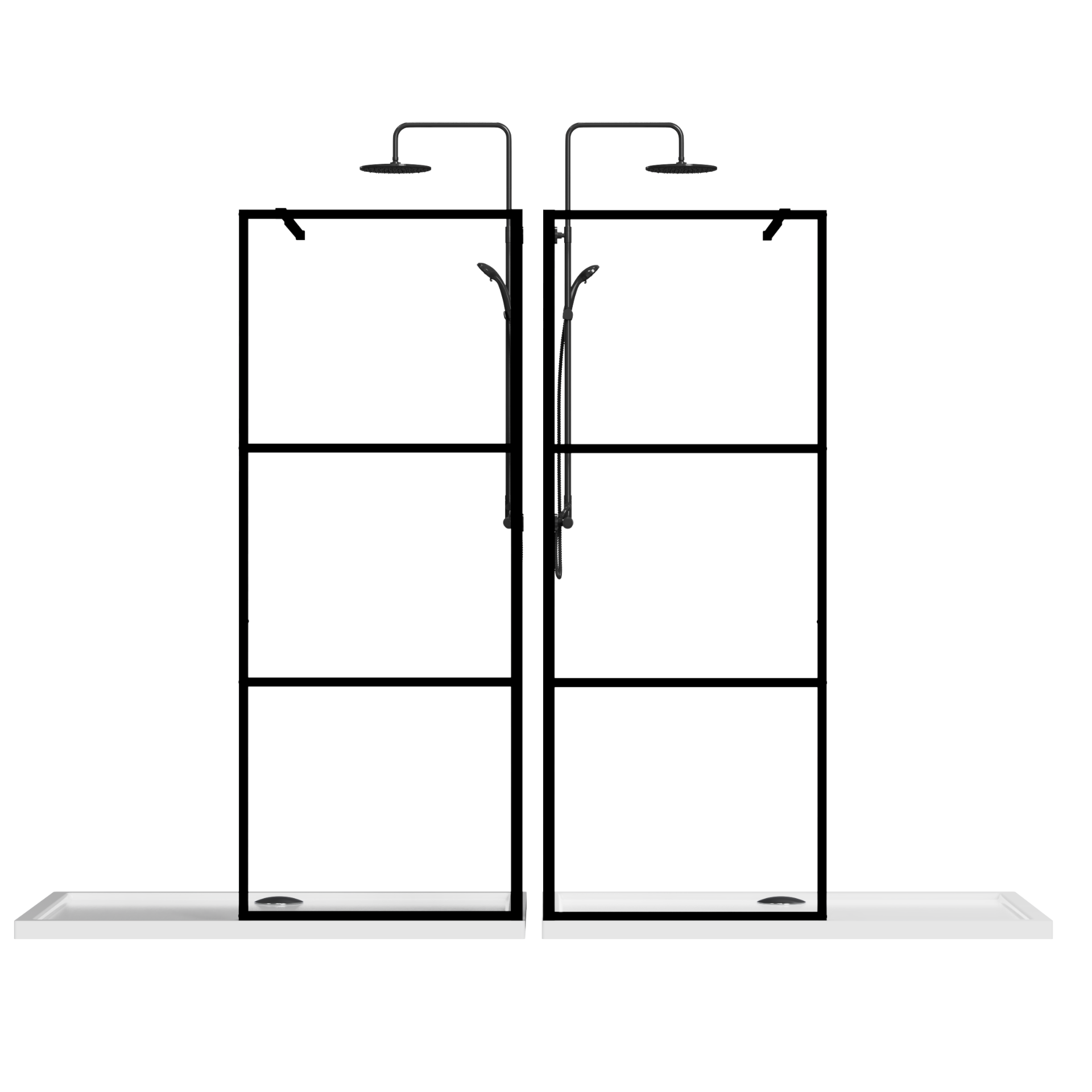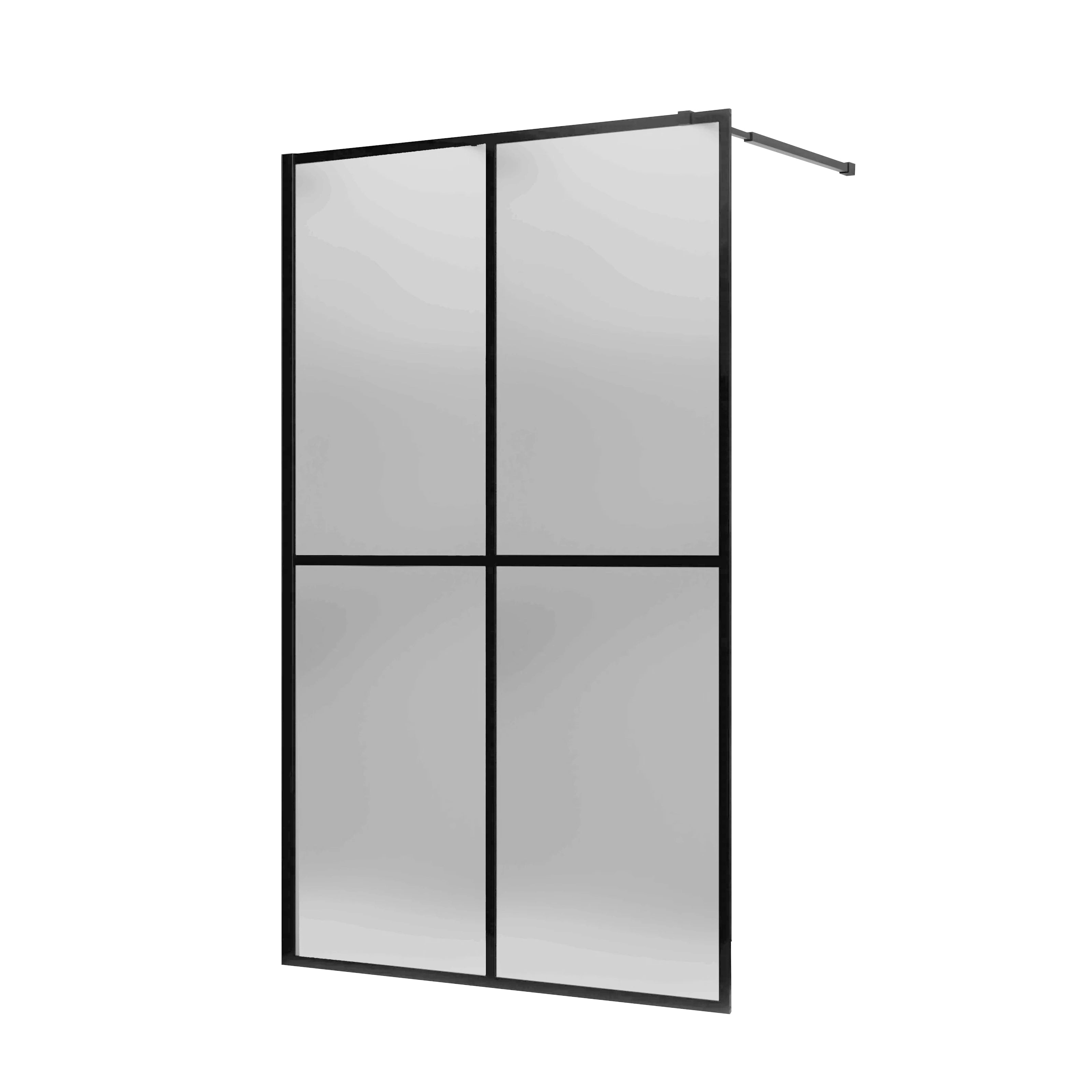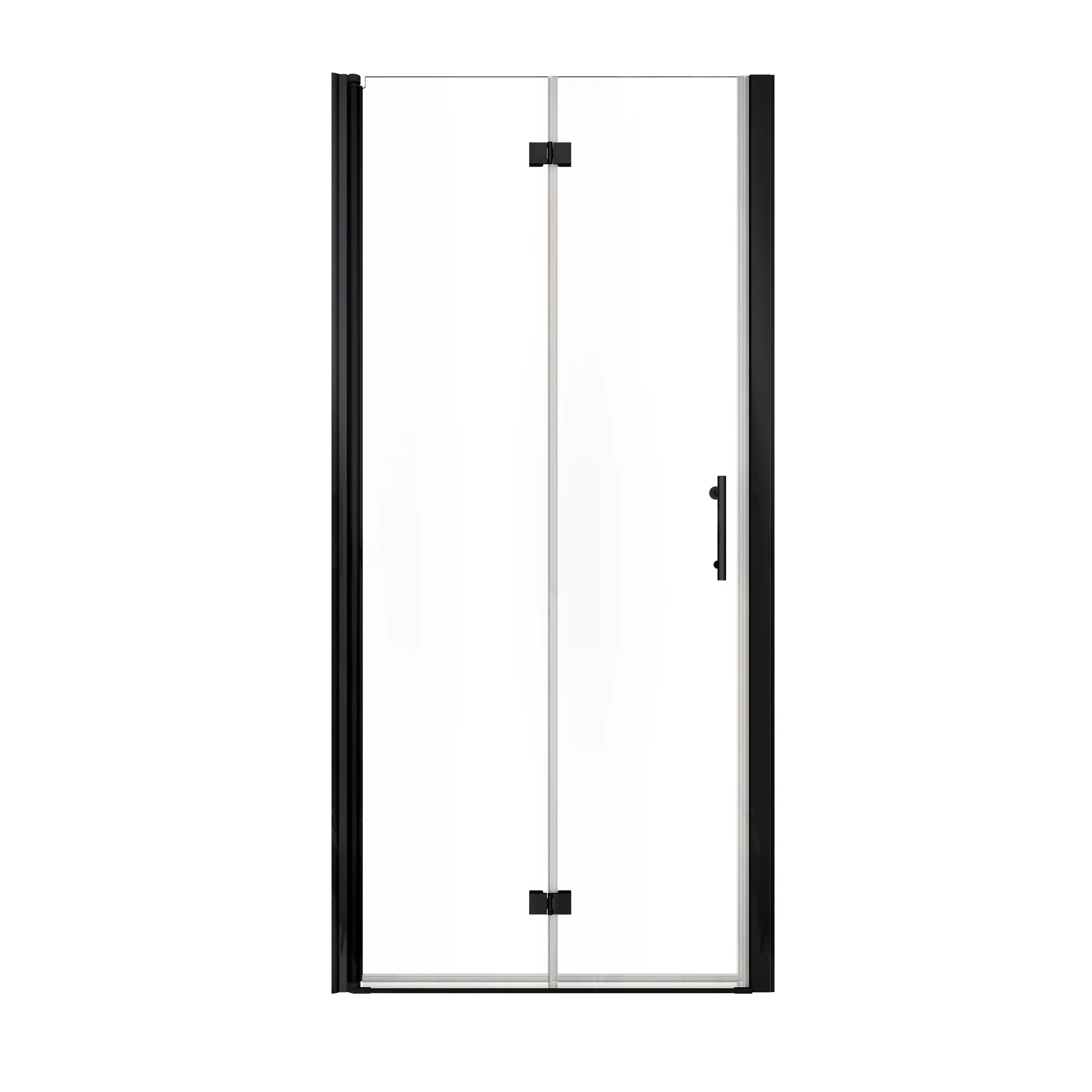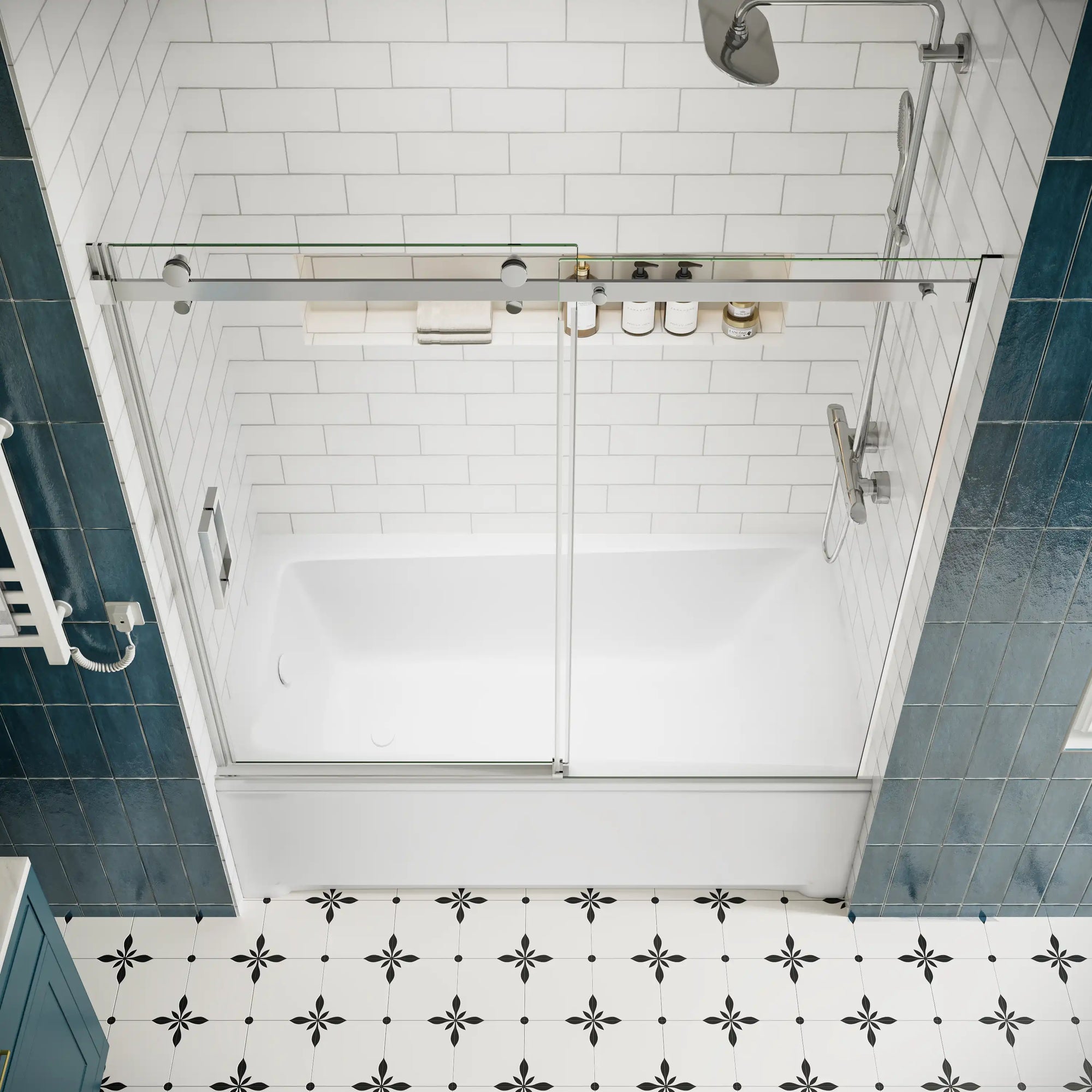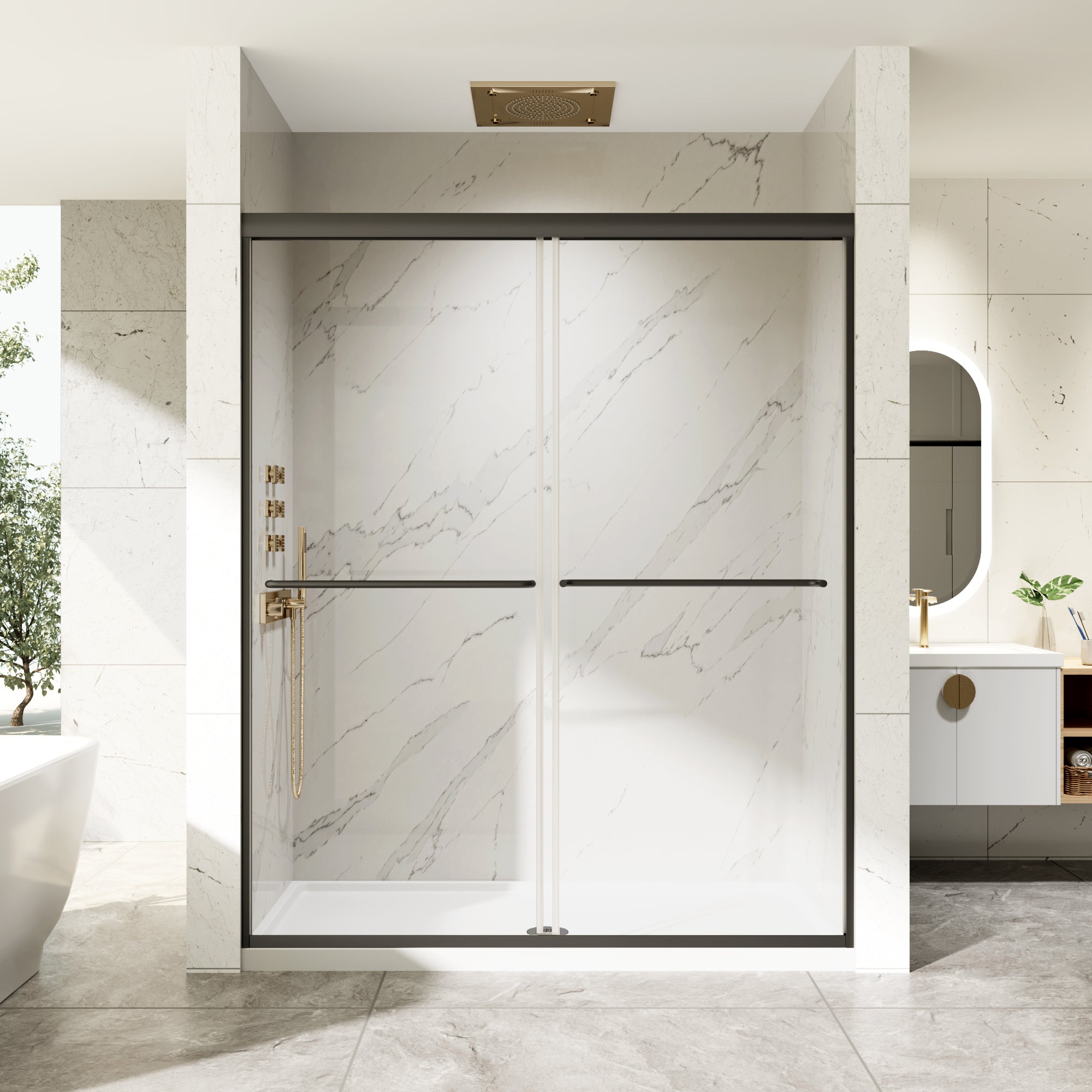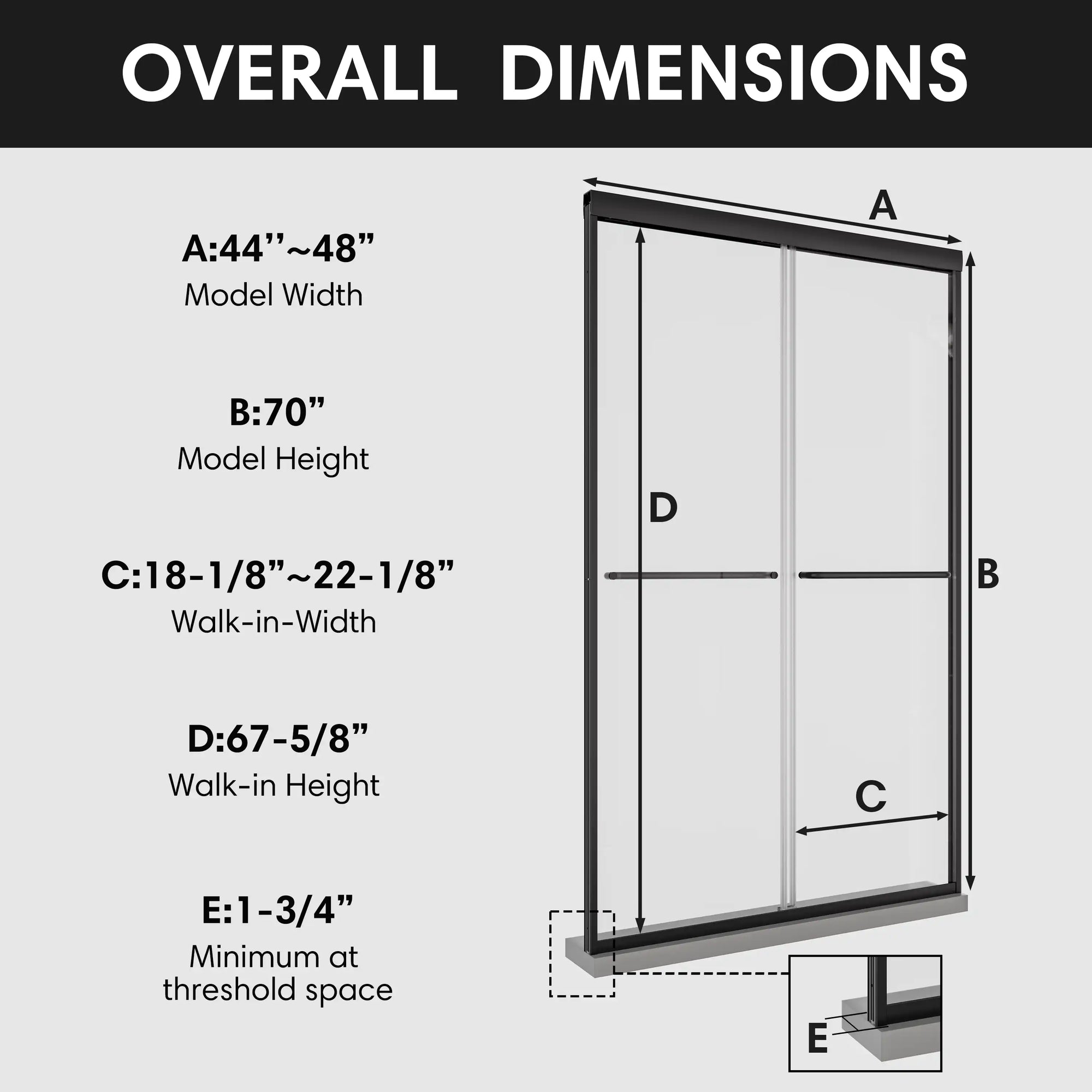


Introduction
To be honest, most of us start a bathroom refresh in exactly the same way. We picture the nice bits first — a soft rainfall shower, warm lighting that flatters everything, maybe even a little plant perched somewhere it probably won’t survive.
Then, somewhere along the way, reality quietly steps in.
You find yourself staring at shower doors… and suddenly it’s not quite as straightforward as you expected.
One of the questions that comes up again and again is the difference between a pivot shower door and a hinged one. On the surface, they look almost identical. Clean lines, glass panels, minimal fuss. But once you get into how they actually open, how they sit in your space, and how they hold up over time, the differences start to matter more than you’d think.
It’s not just about how the door swings (though that’s part of it). It’s about how it feels to use every day. Whether it works with your layout. Whether it quietly does its job… or becomes one of those small, daily annoyances.
So in this guide, we’ll walk through it properly. No jargon. No showroom pressure. Just the things that actually make a difference — space, style, water control, durability, and how each option fits into real, lived-in bathrooms.
Let’s take a closer look.
Table of Contents:
- 1. What’s the Real Difference Between Pivot and Hinged Shower Doors?
- 2. Space Matters: Which Door Type Wins in a Compact Bathroom?
- 3. Style Check: Modern Looks vs Classic Appeal
- 4. Safety & Water Control: What Keeps Your Bathroom Dry and Secure?
- 5. Long-Term Durability: Which Door Ages More Gracefully?
- Conclusion: So... Which One Should You Choose?
- Frequently Asked Questions (FAQ)
1. What’s the Real Difference Between Pivot and Hinged Shower Doors?
So, where do you actually begin with pivot vs hinged shower doors?
At first glance, they can feel almost interchangeable. Same clean glass panels. Same minimal look. But once you get into how they move — and how that movement fits into your space — the distinction becomes much clearer.

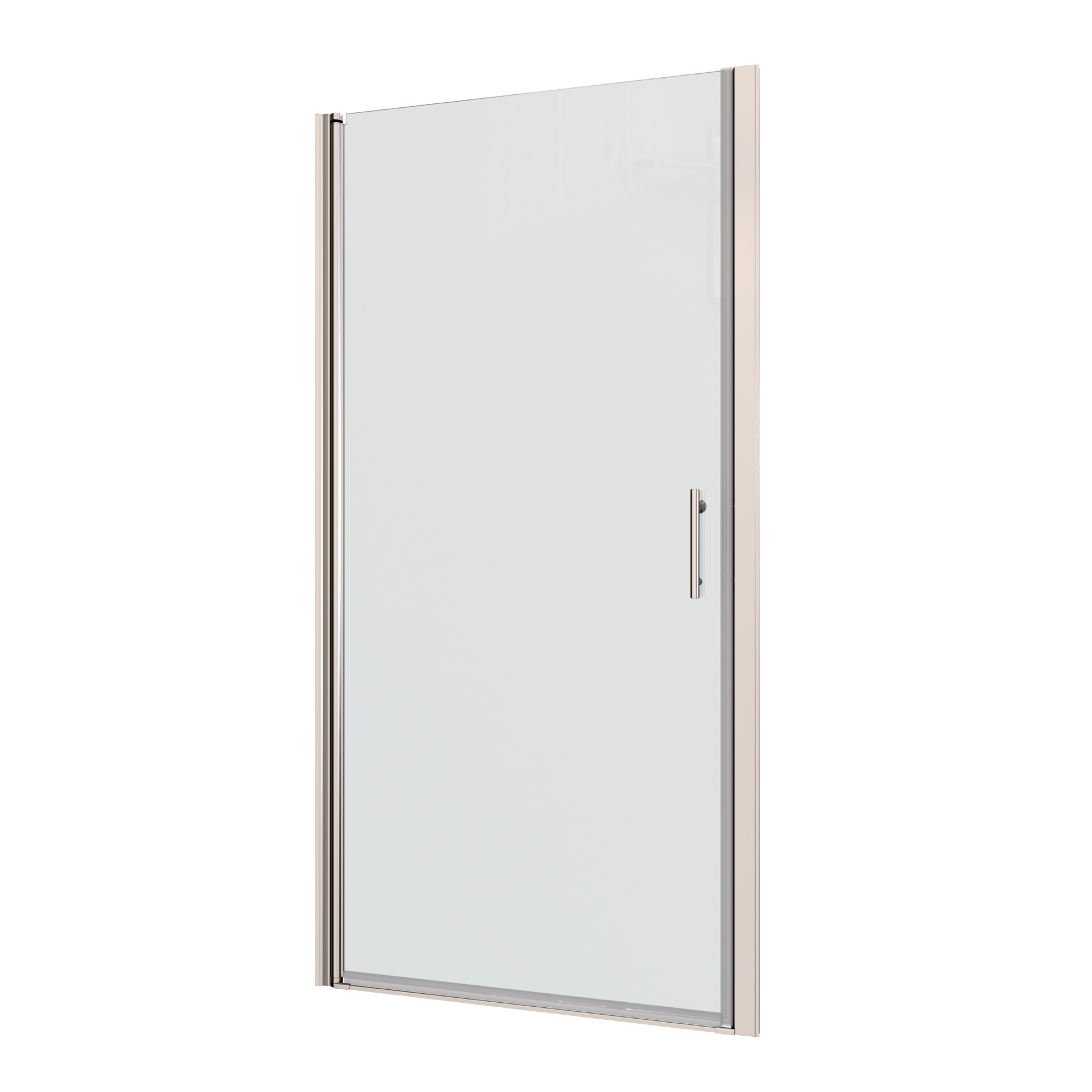
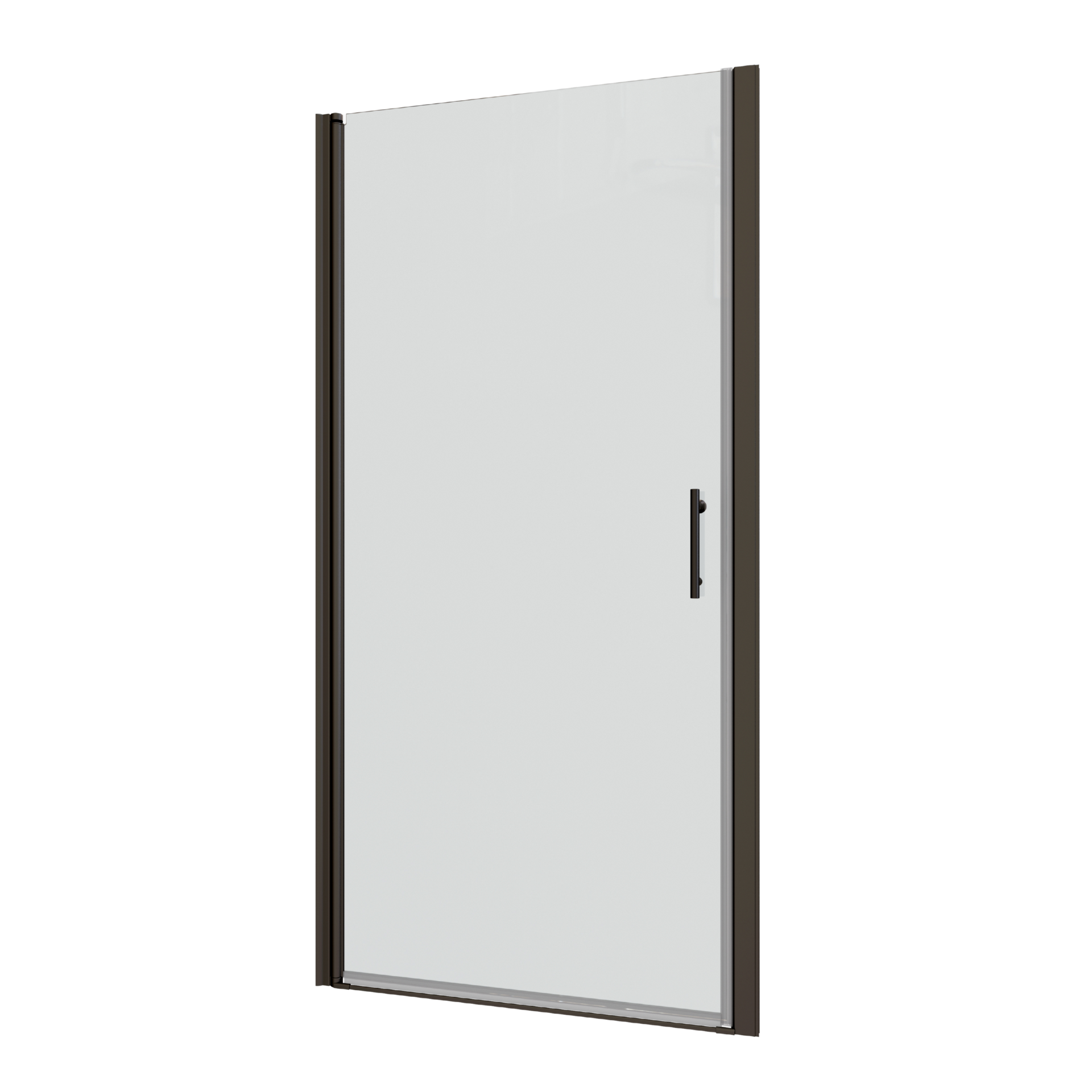
Pivot Shower Door
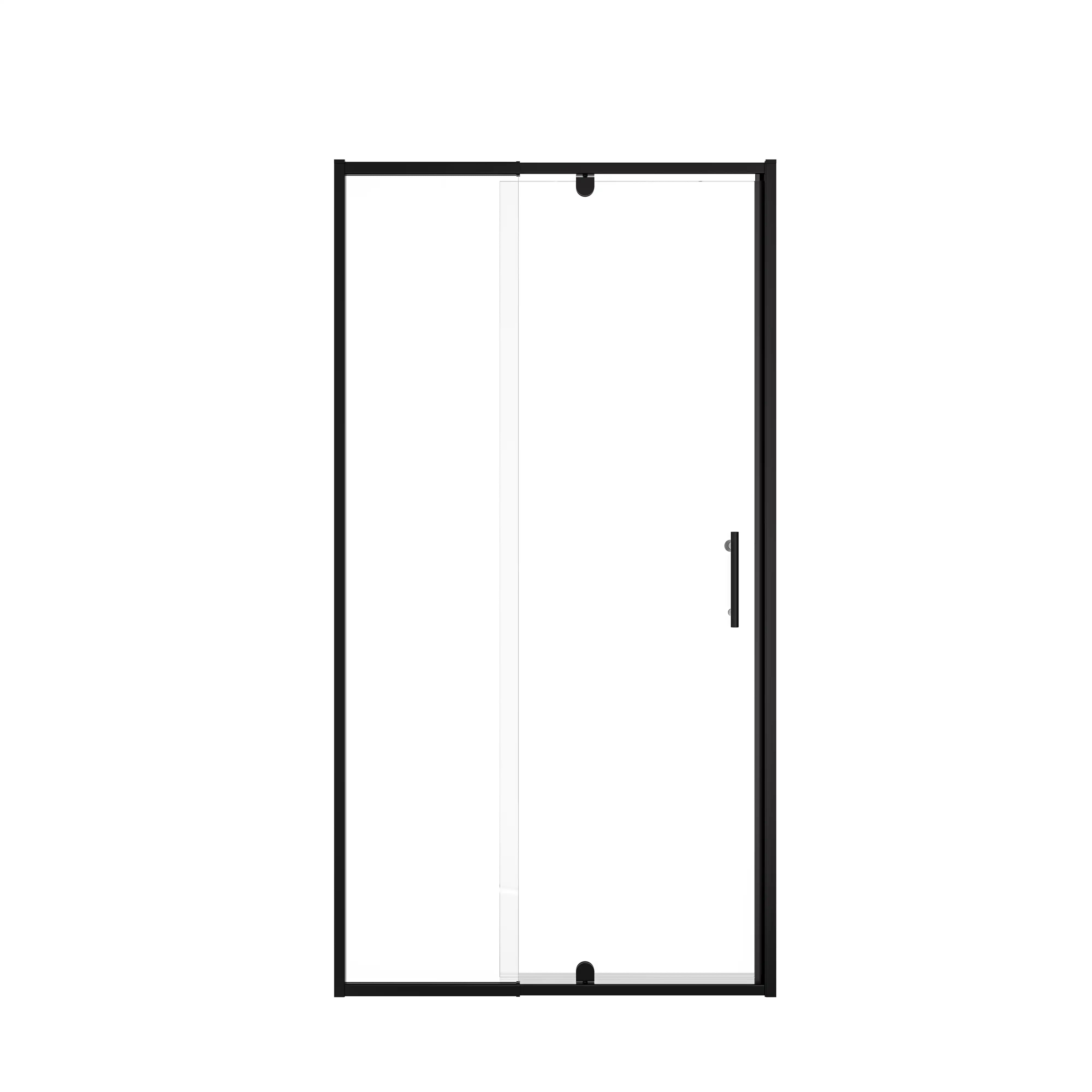
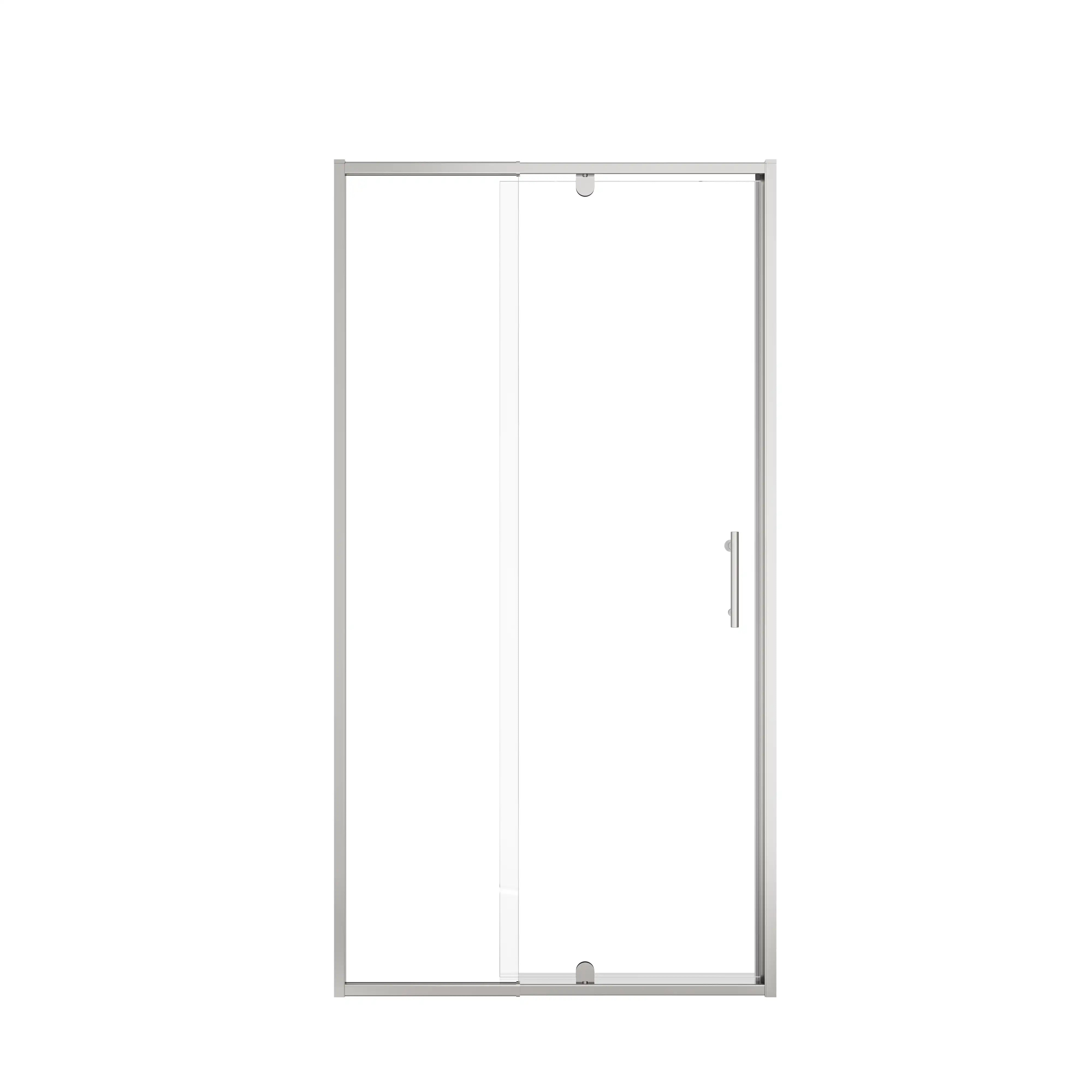
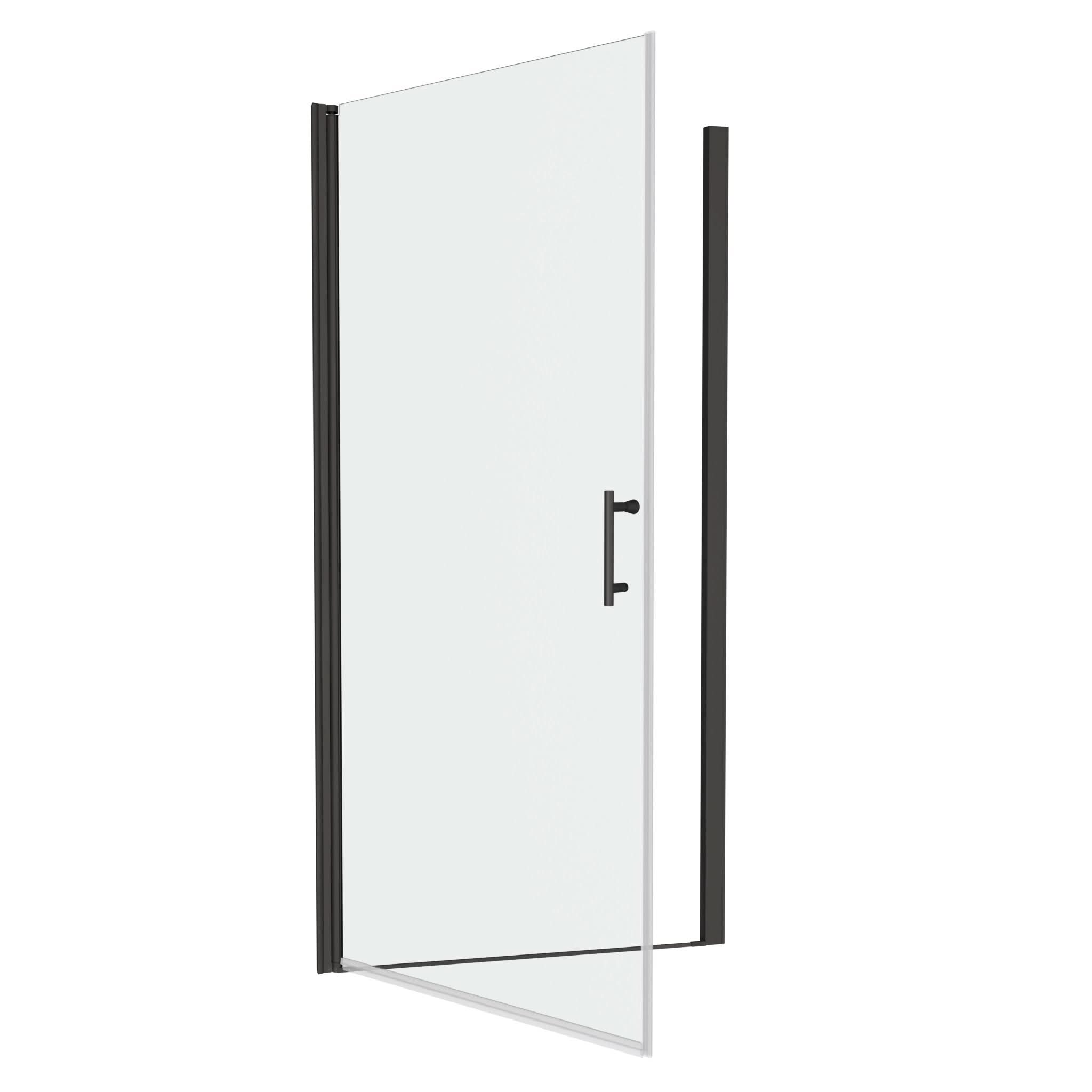
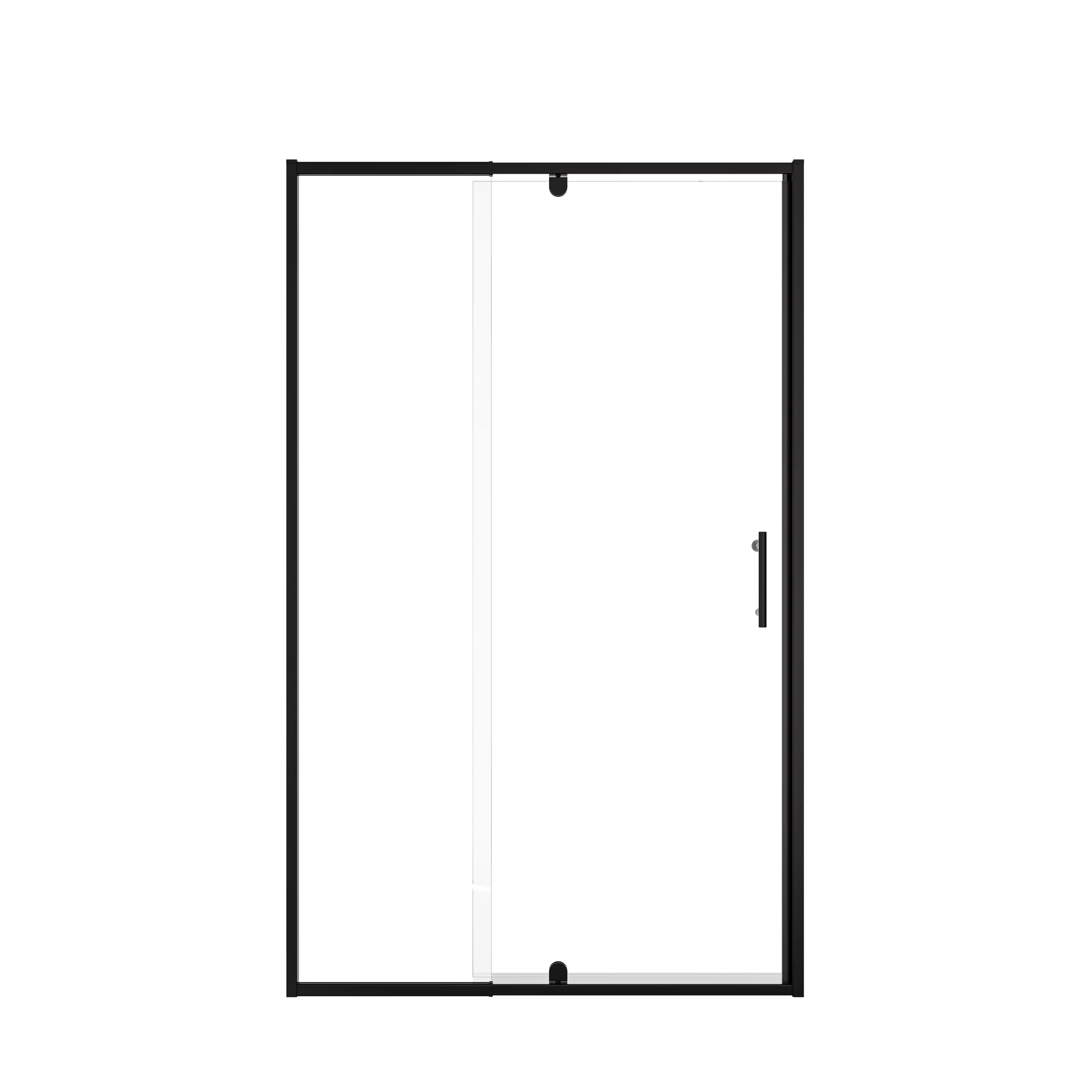
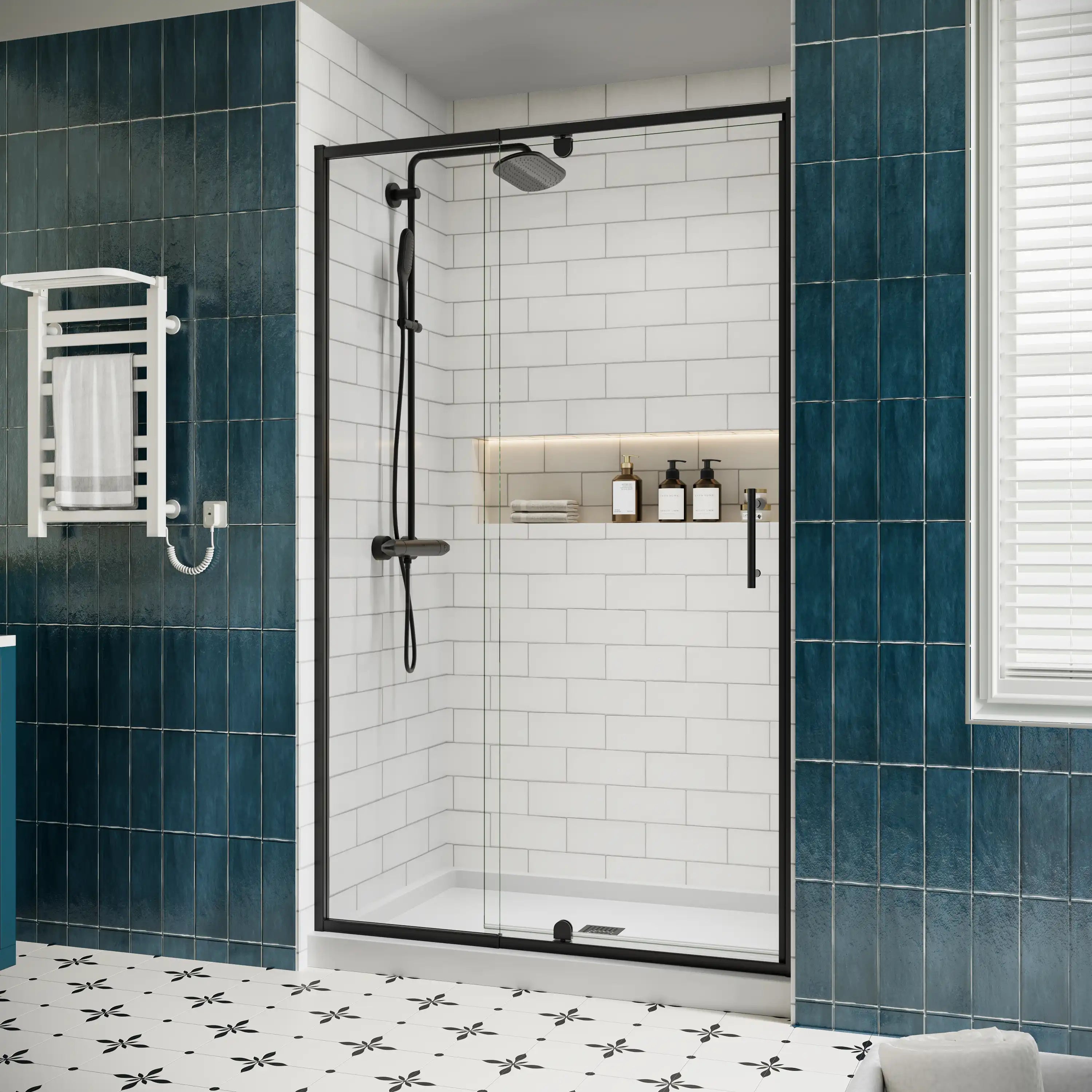
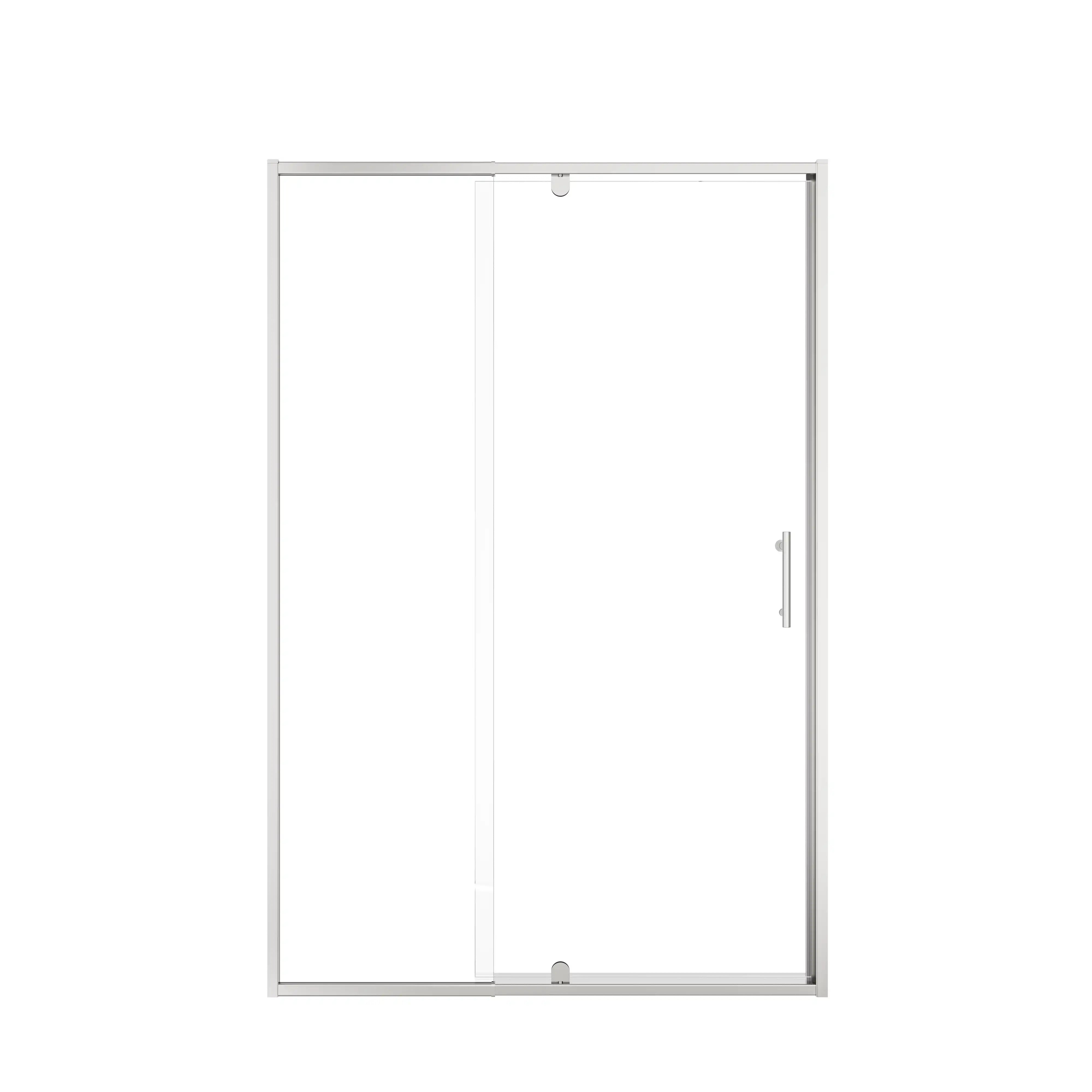
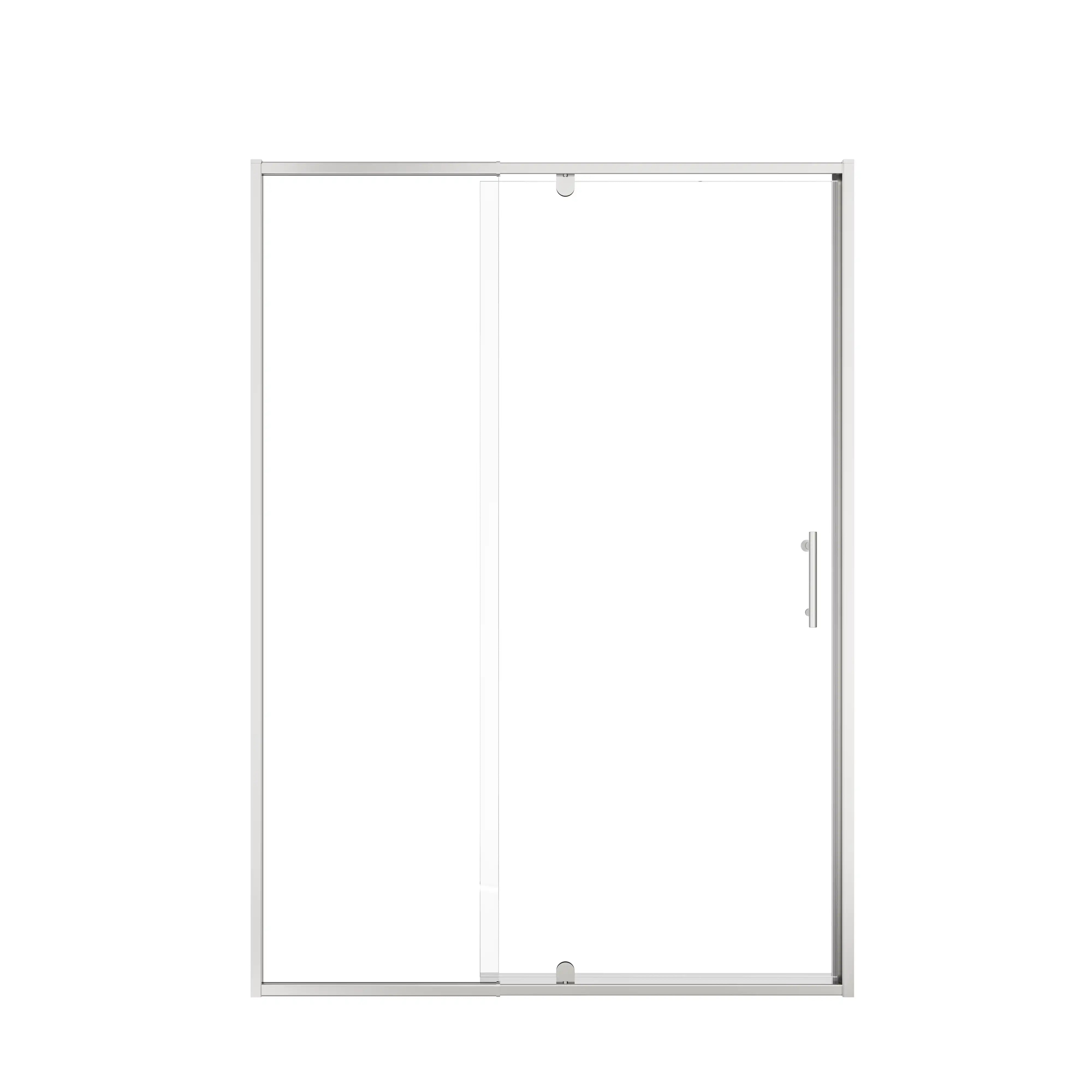
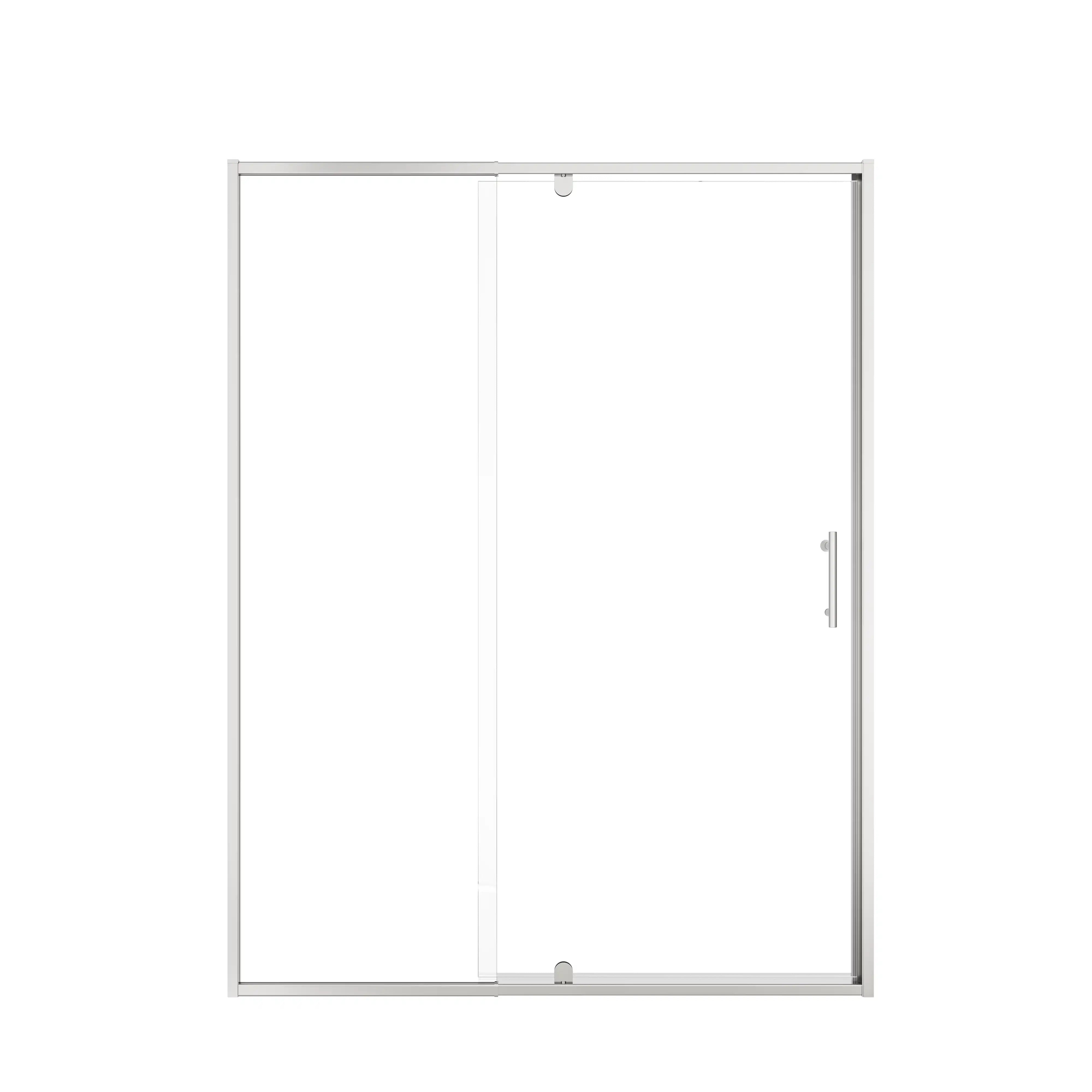
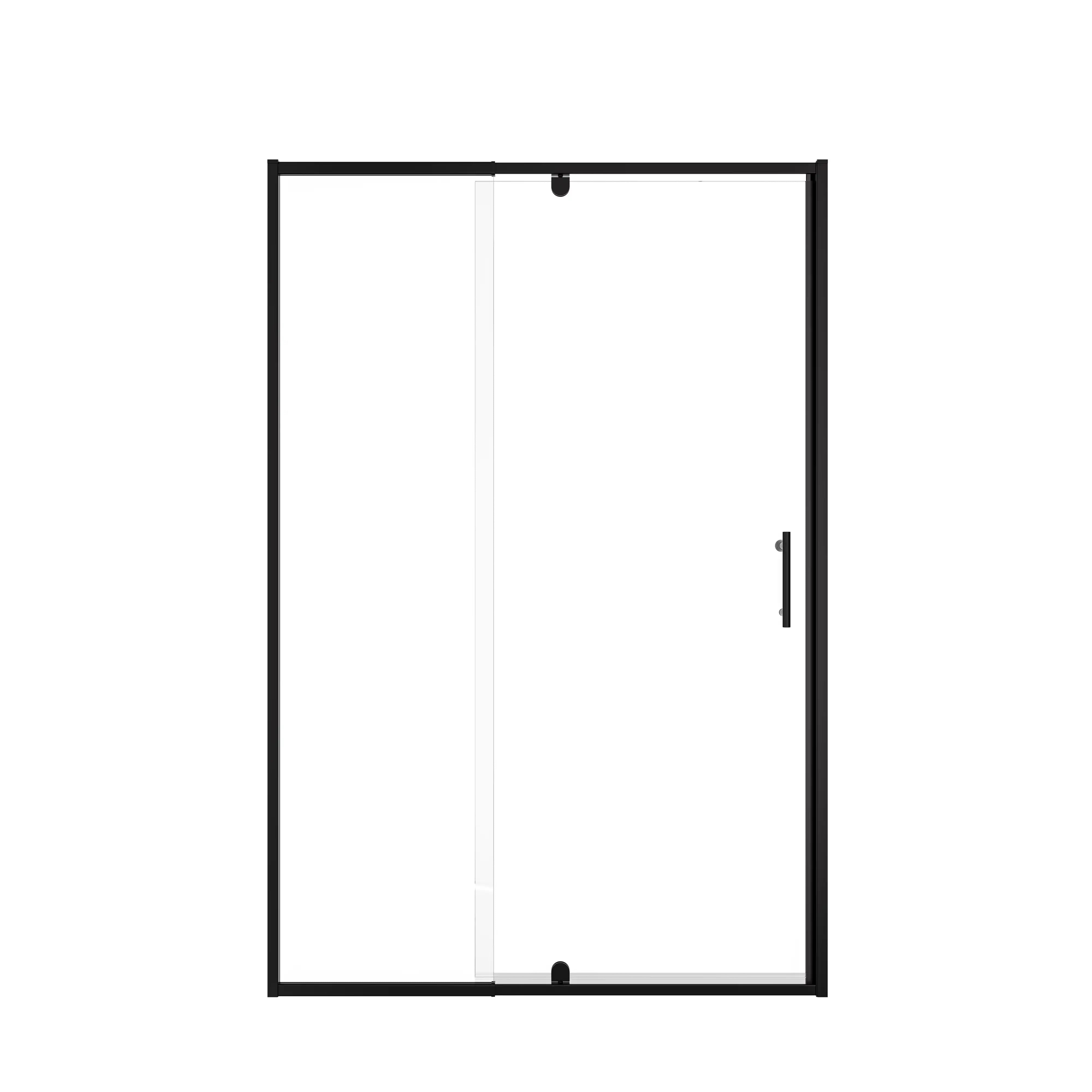
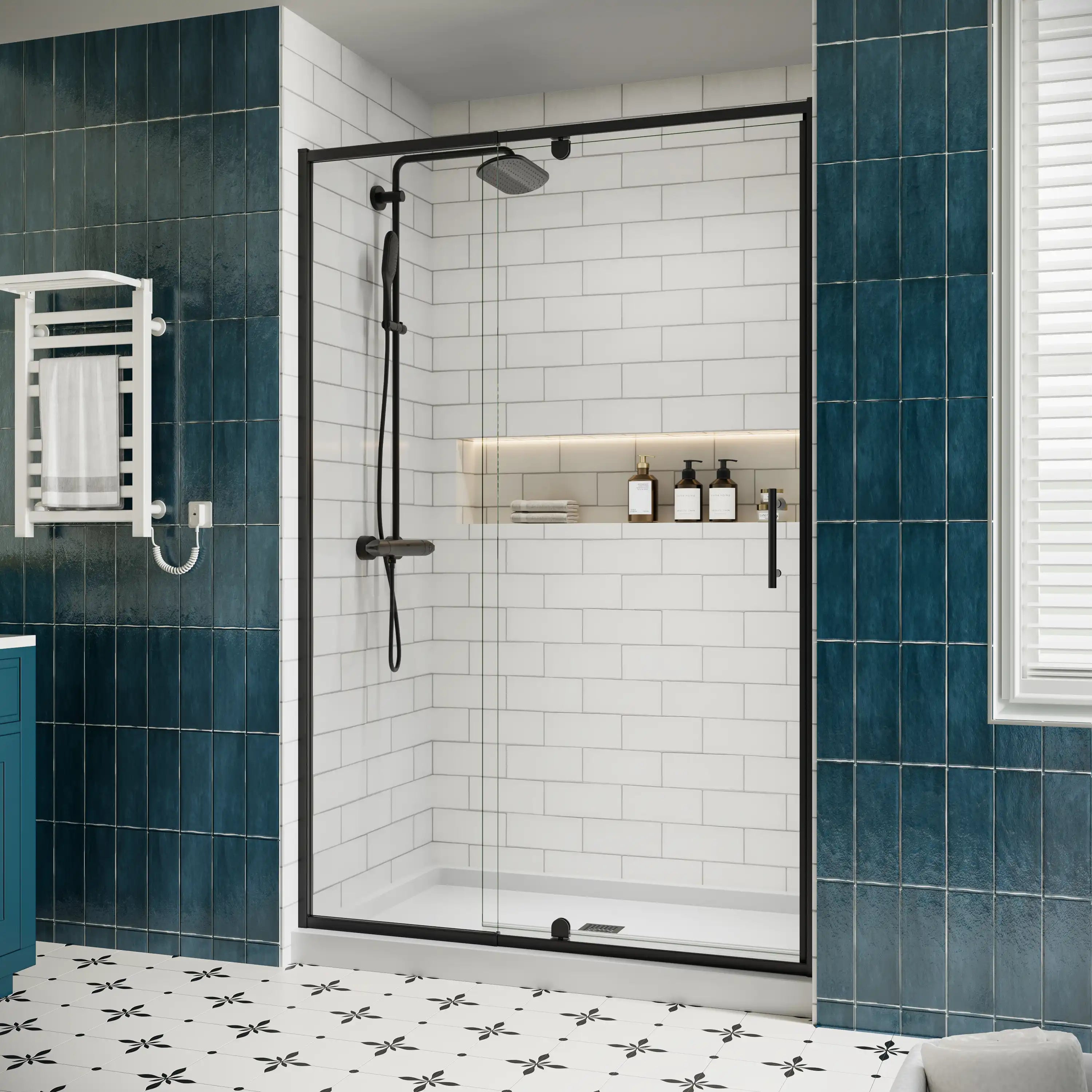
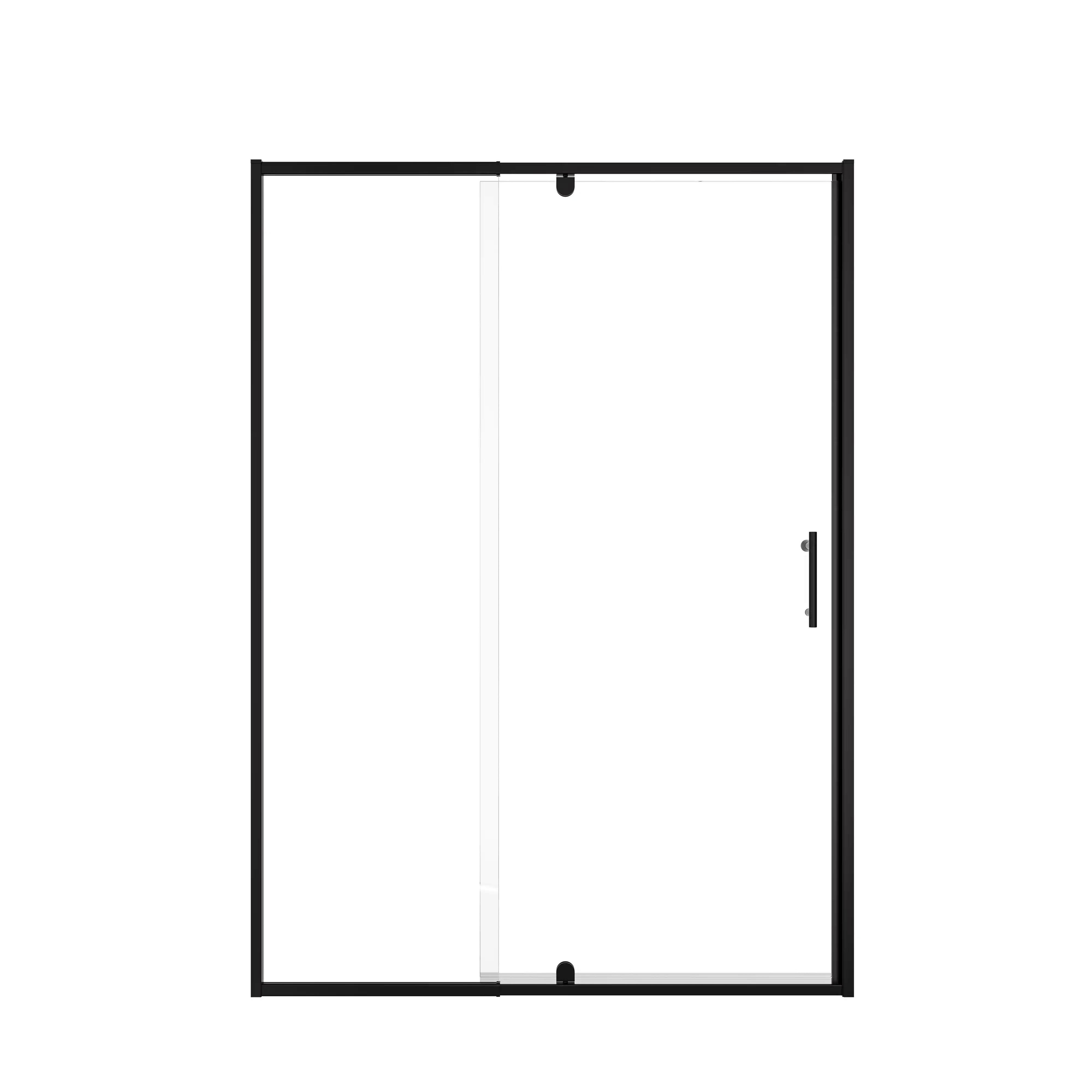
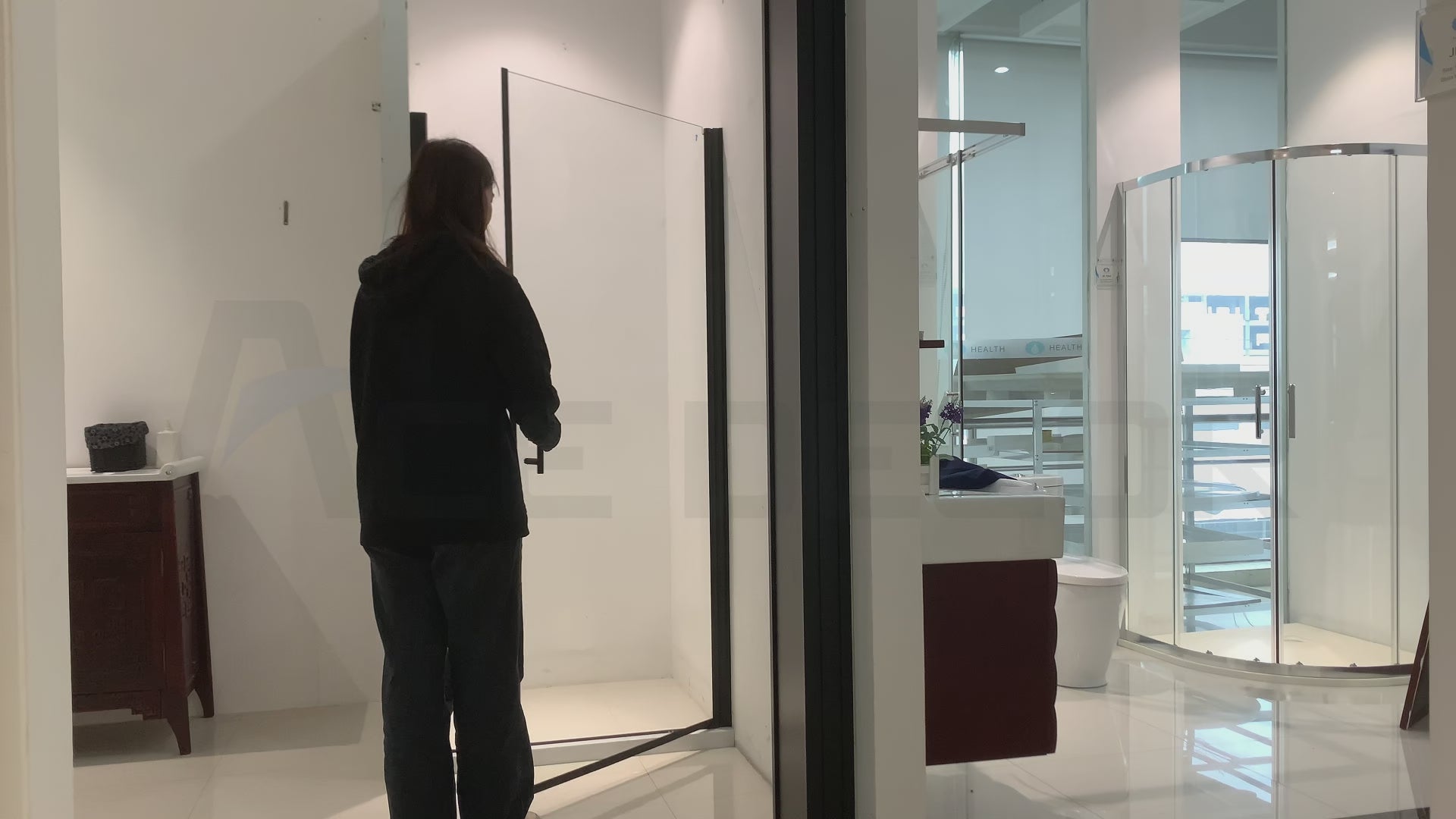
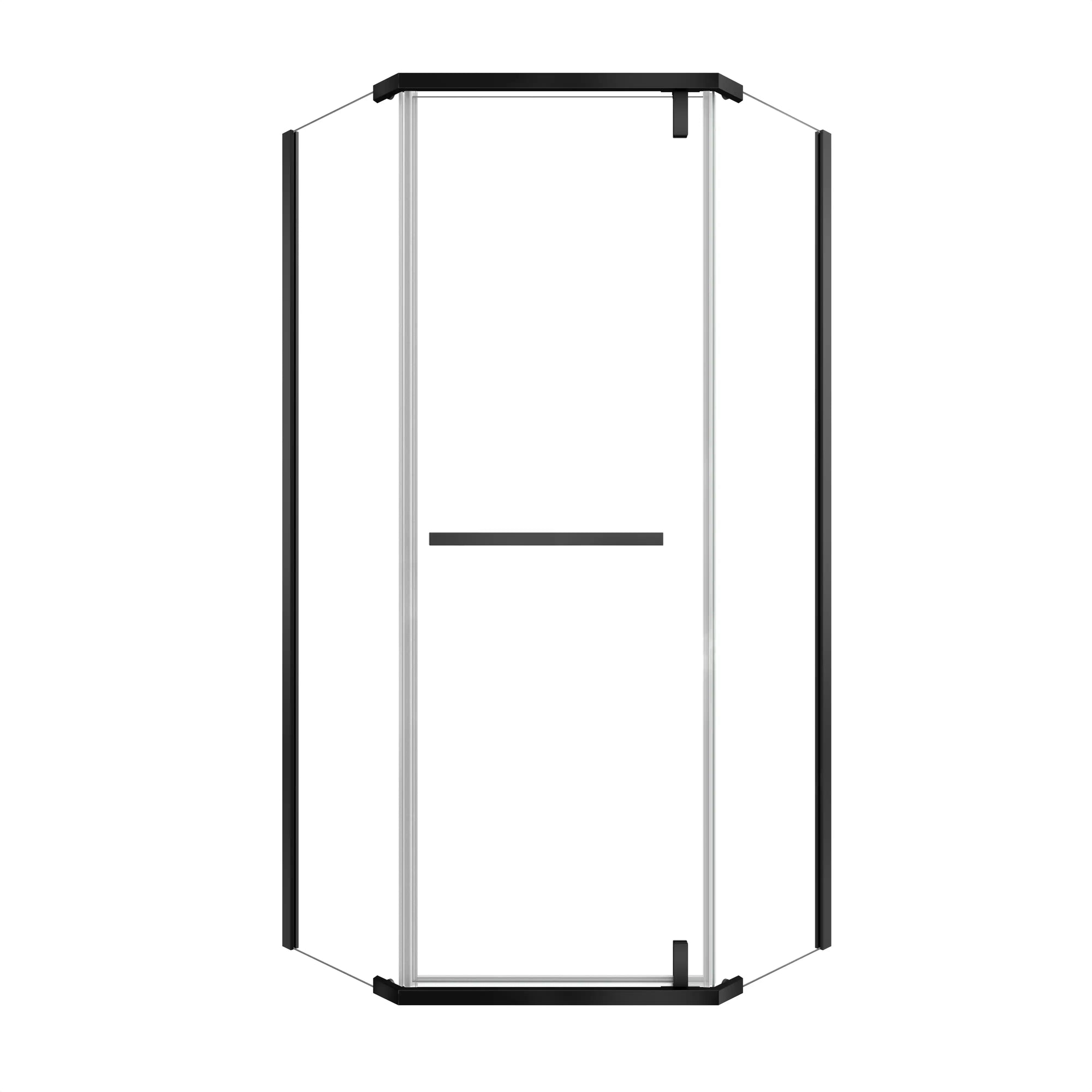
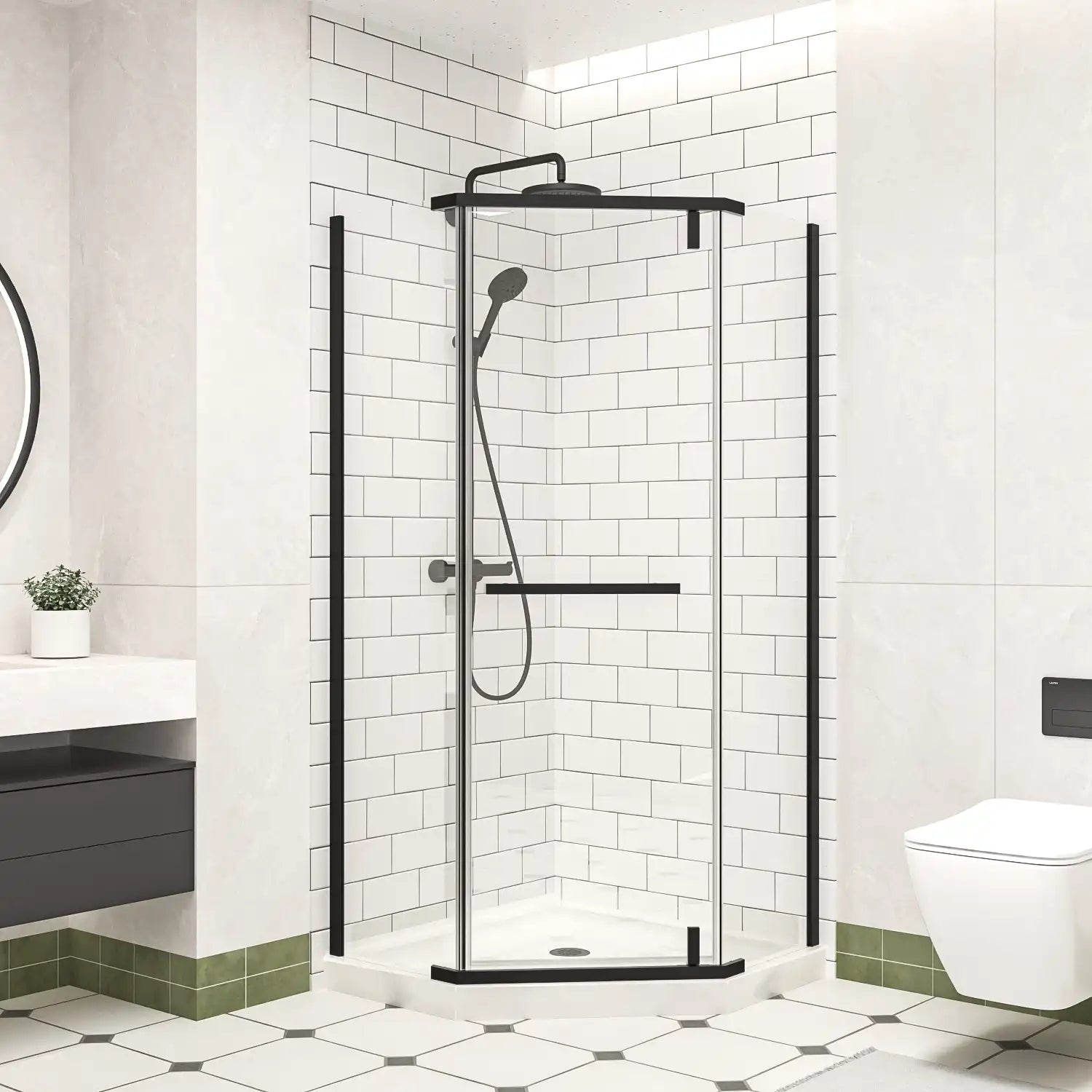
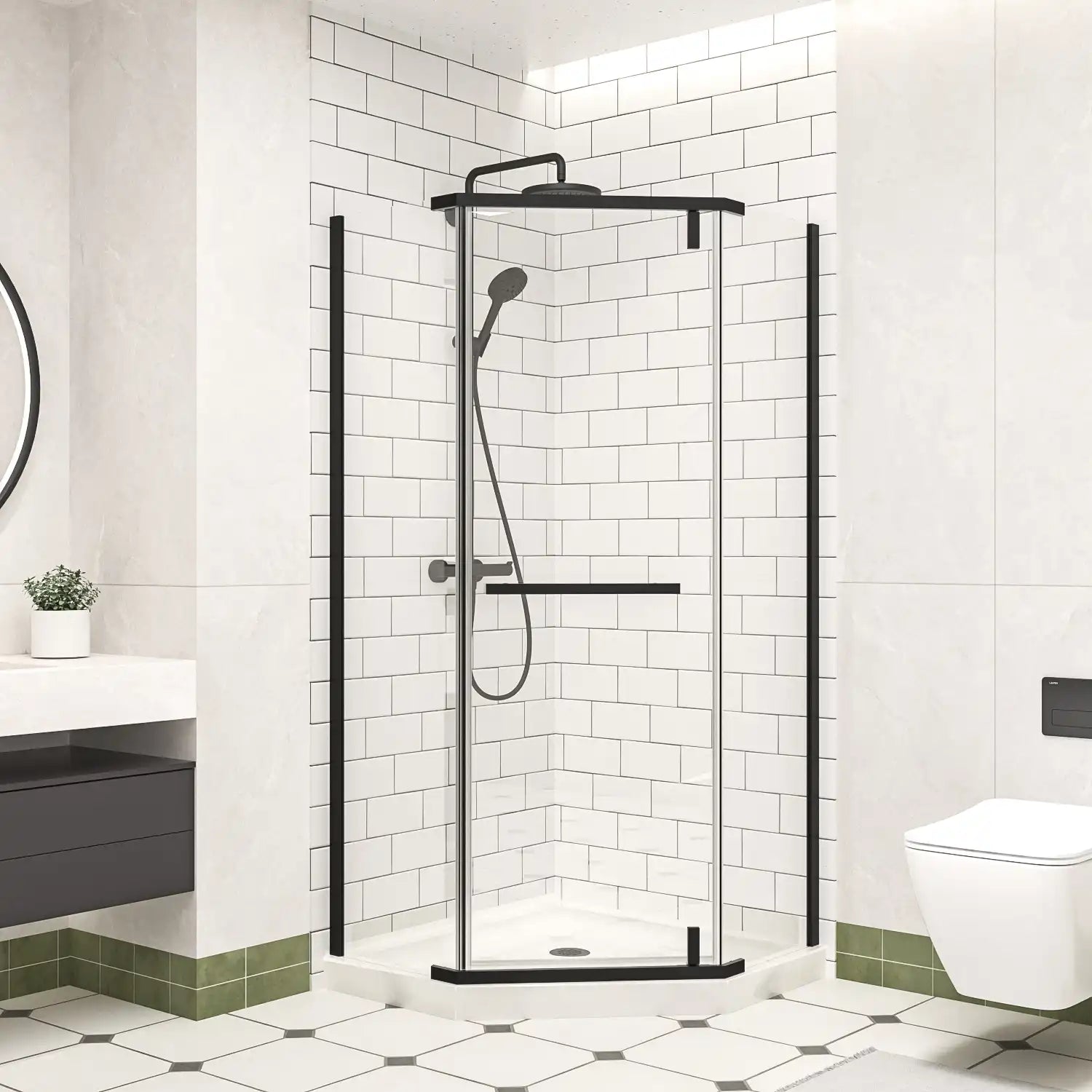
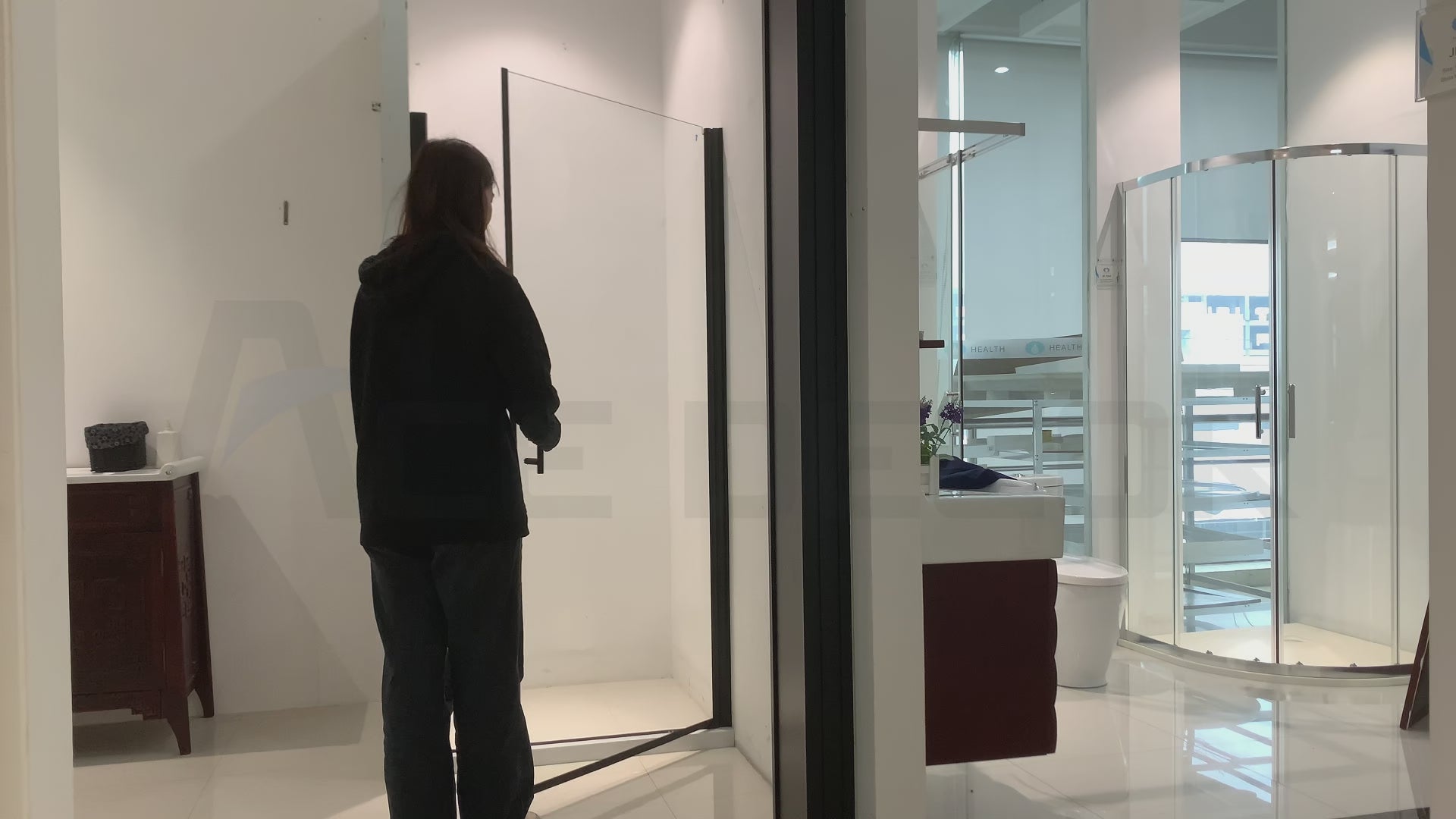
A pivot shower door works off a hinge point at the top and bottom of the frame, either centred or slightly offset. It allows the door to swing both inwards and outwards, which gives it a certain ease. There’s a flexibility to it. You’re not locked into one direction, and in tighter spaces, that can make all the difference.

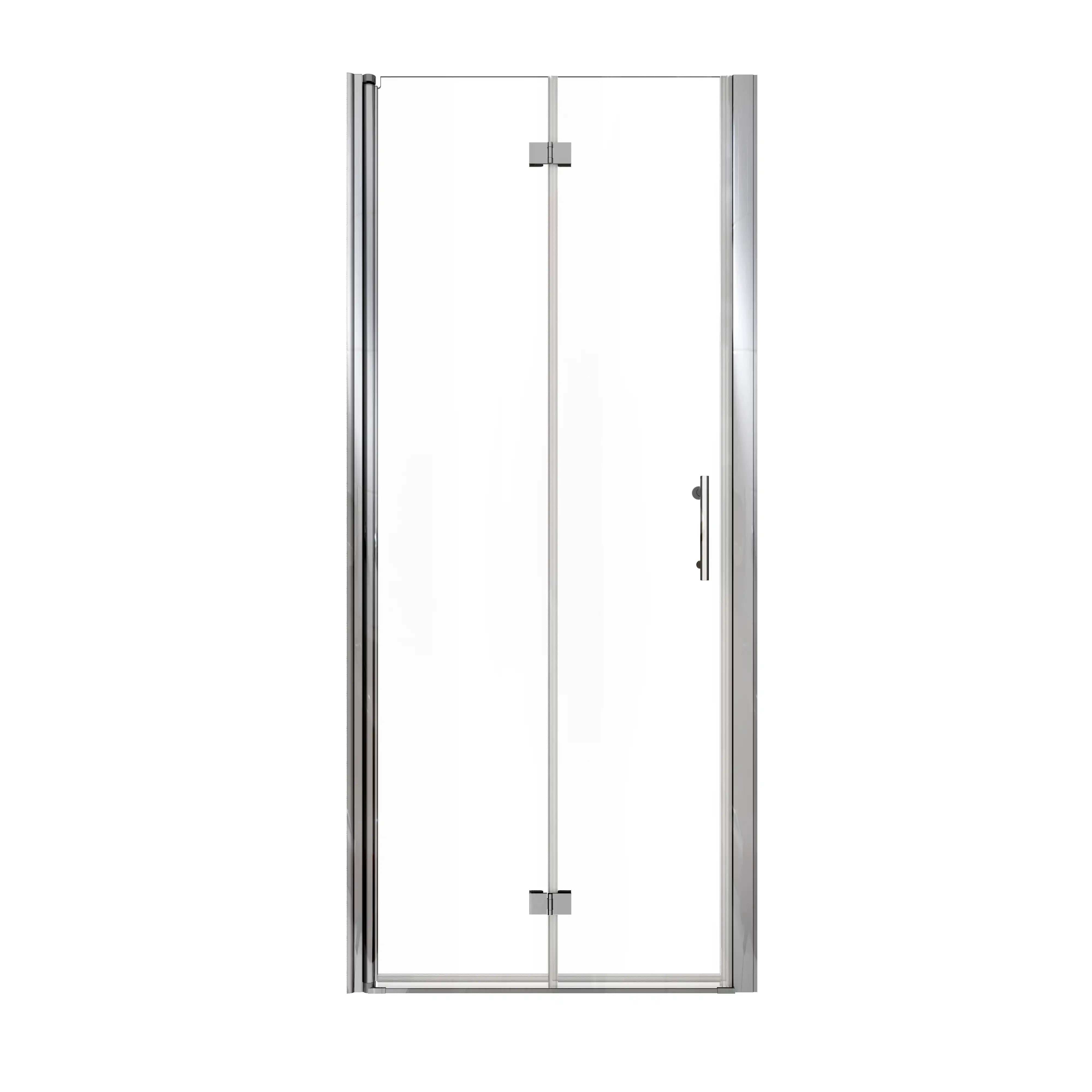
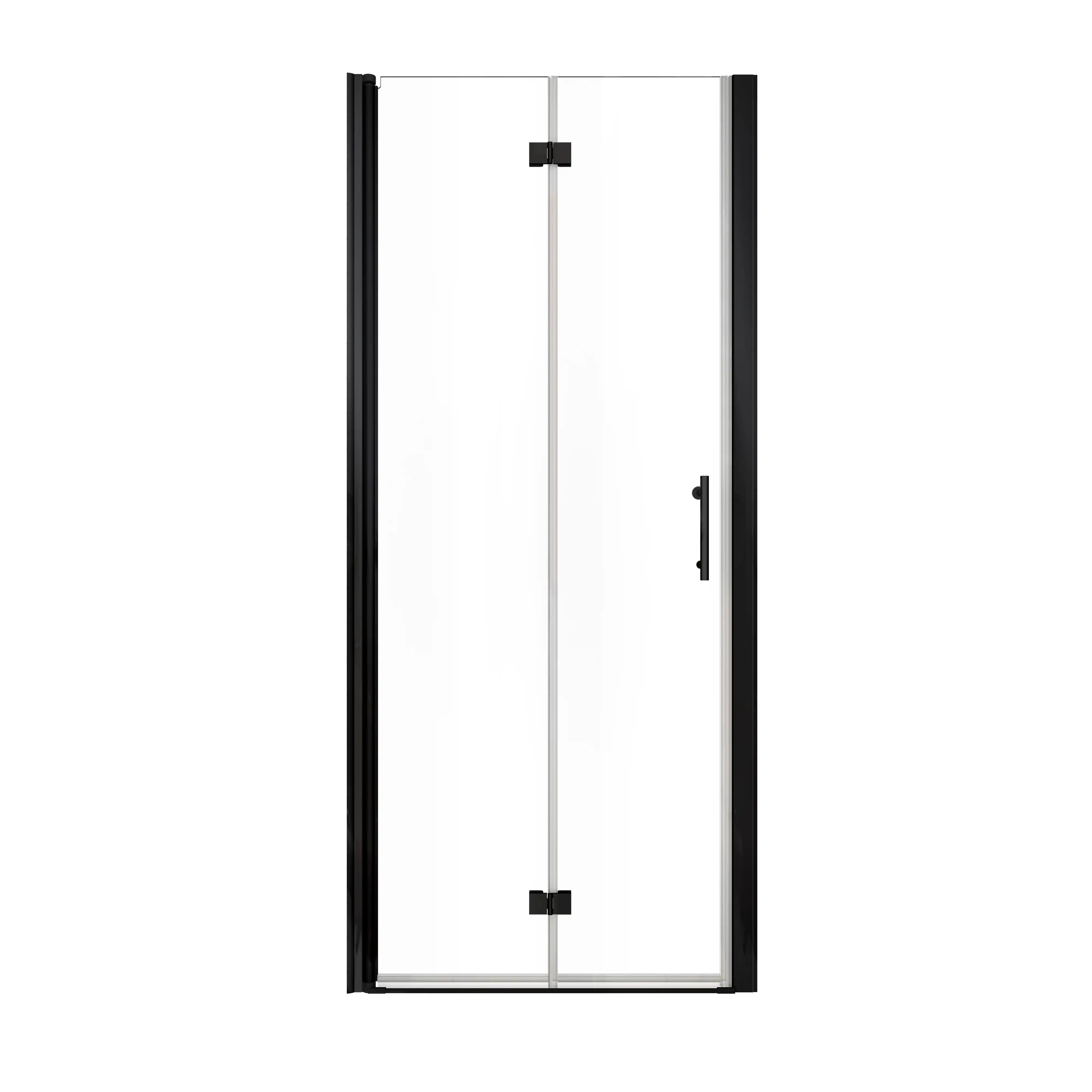
Hinged Shower Door
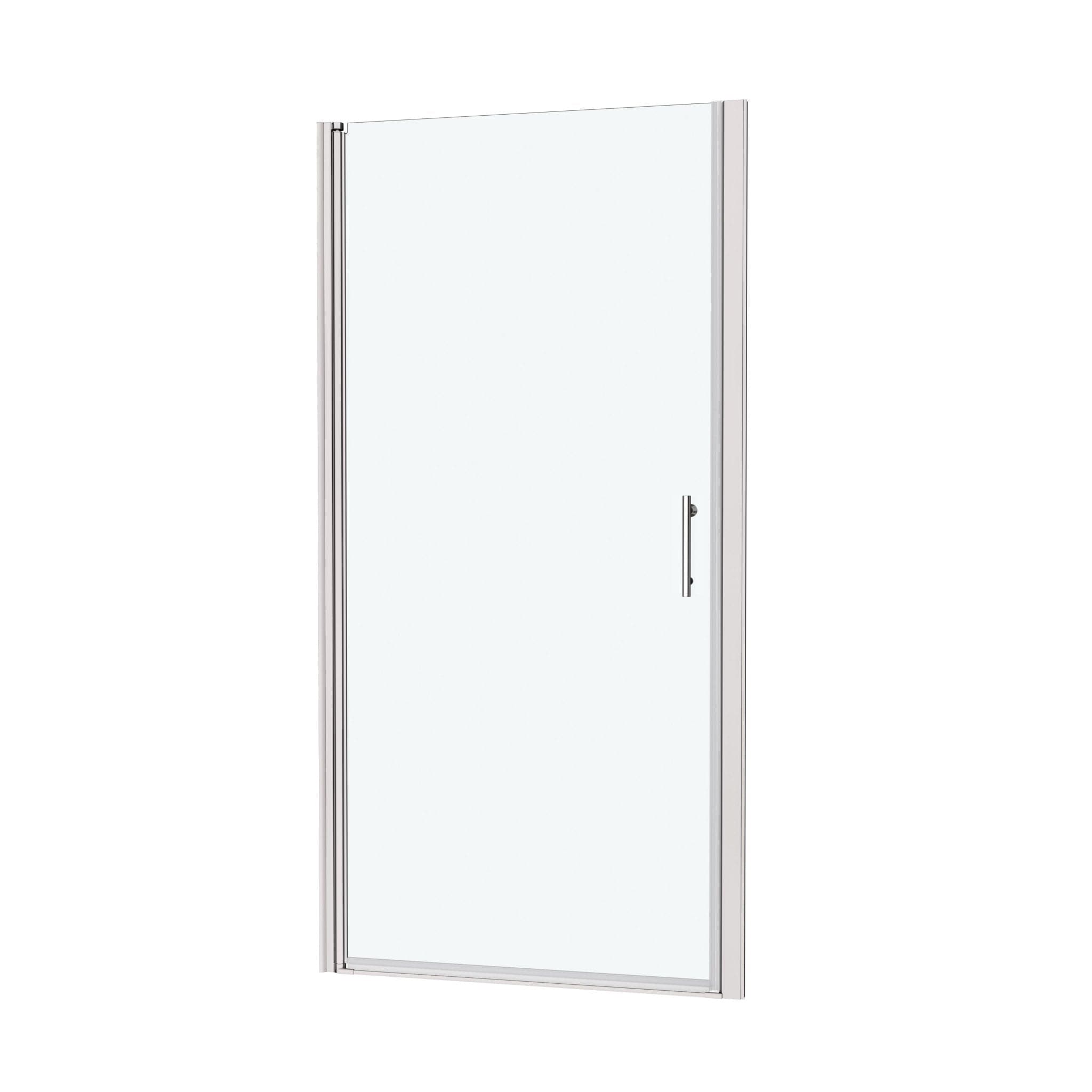
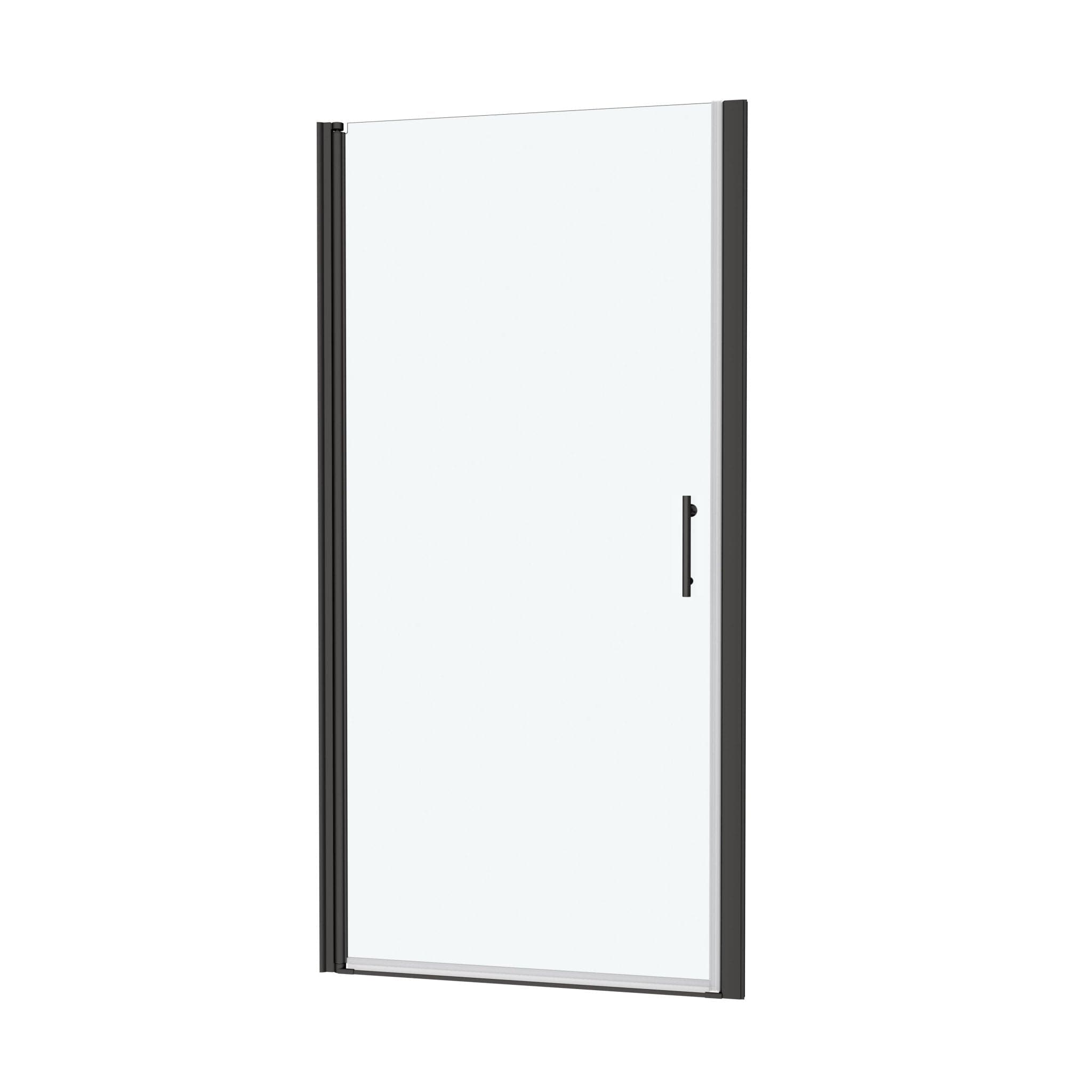
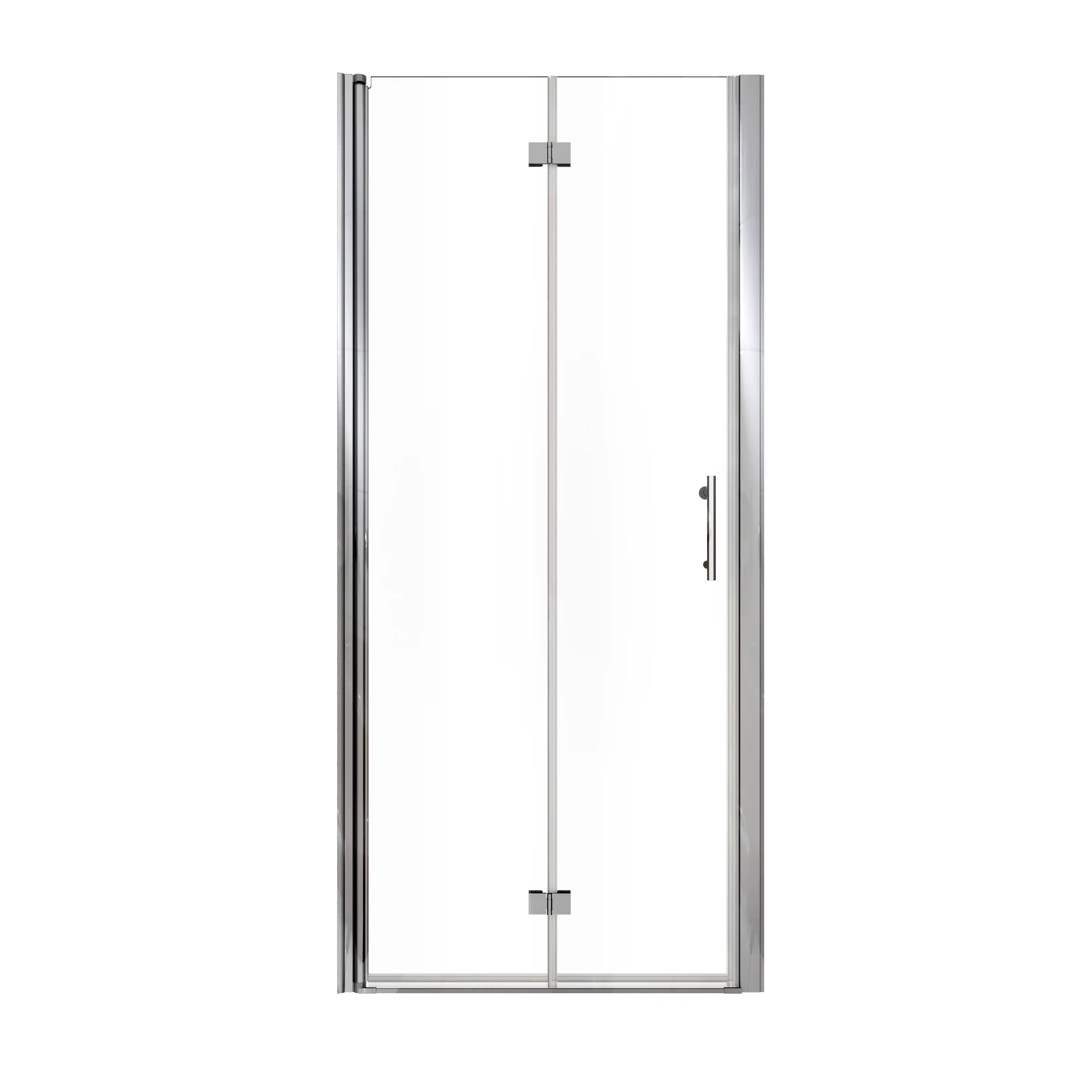
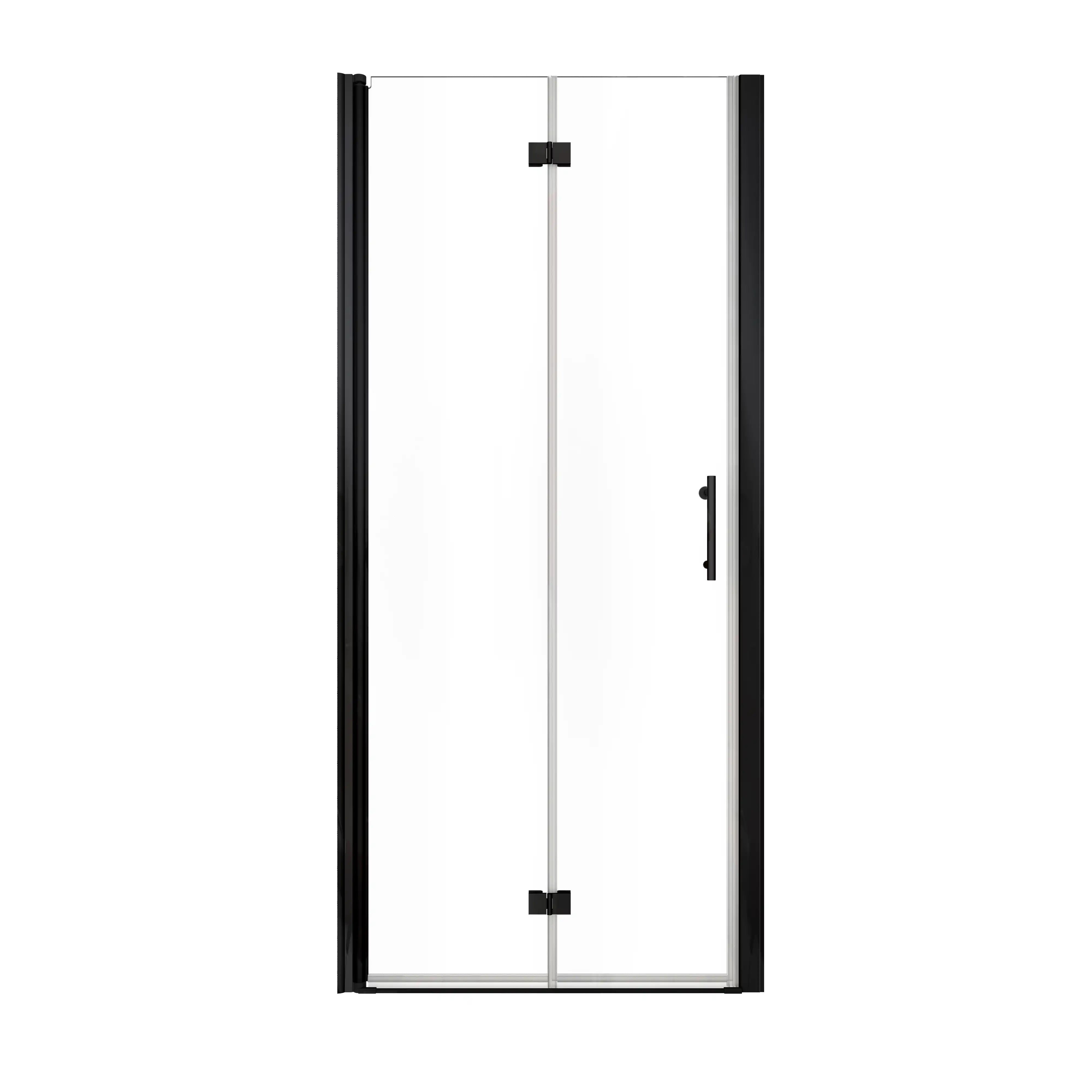
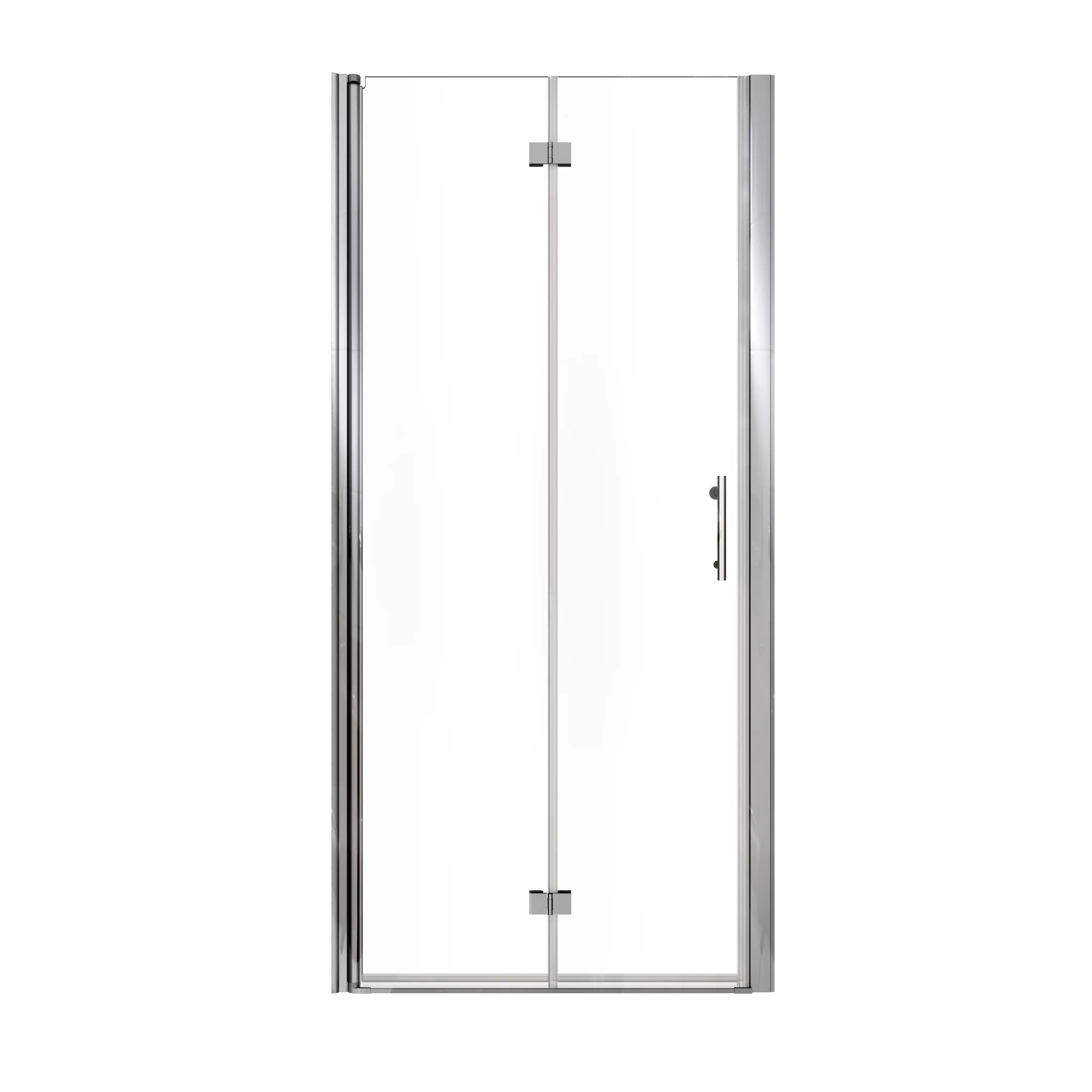
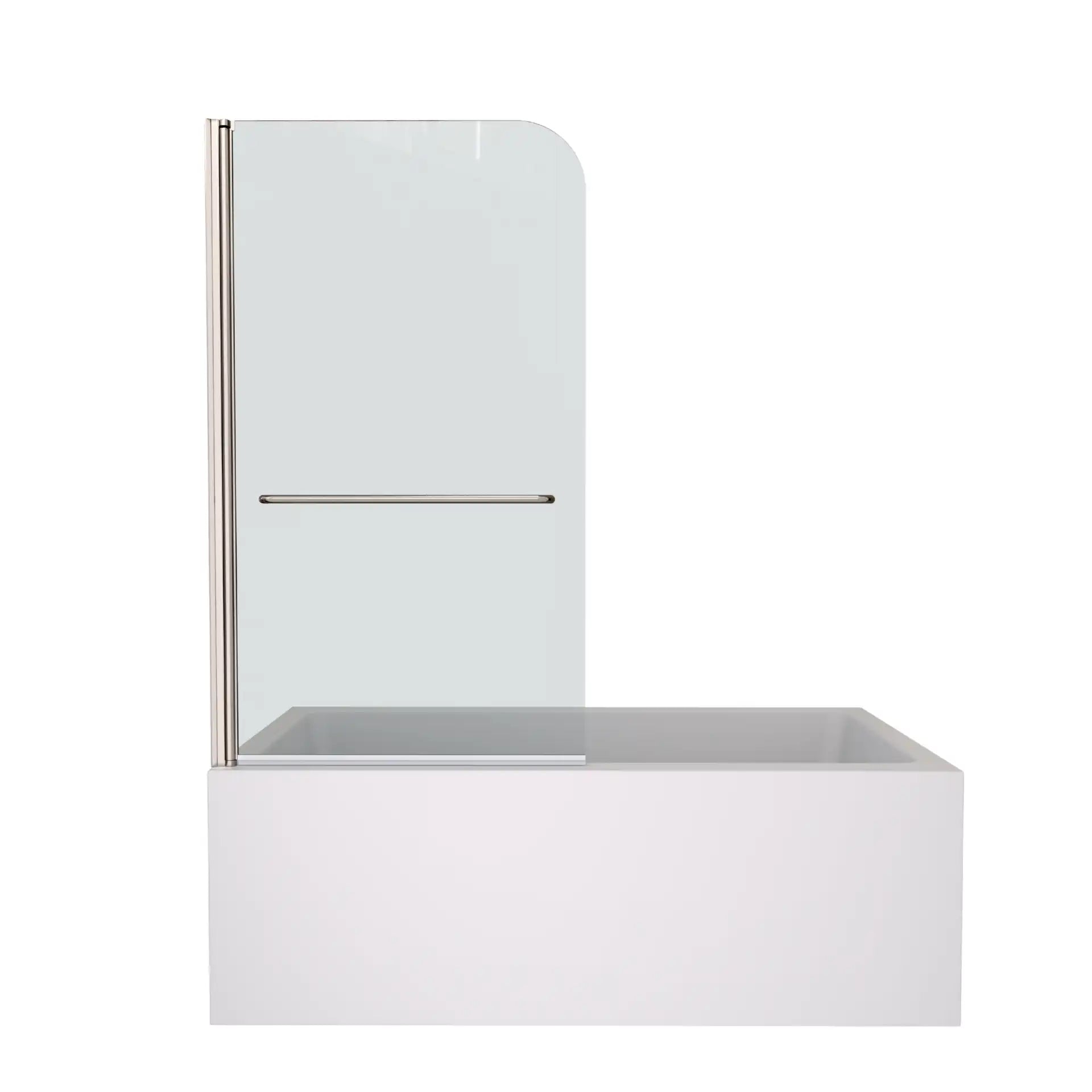
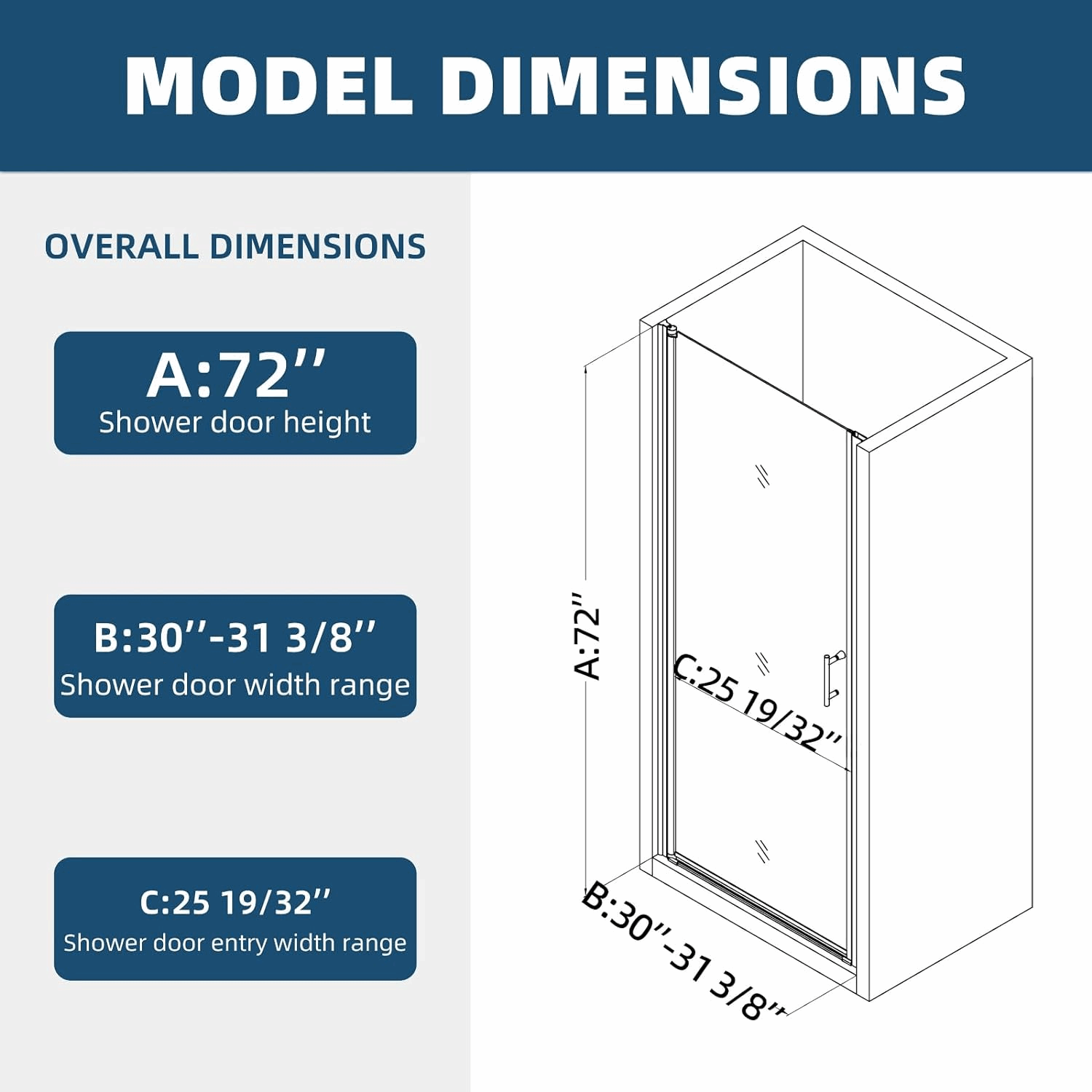
A hinged shower door, on the other hand, behaves much more like a traditional door. Side-mounted hinges, one clear direction of movement, usually opening outward. It feels solid. Predictable. There’s something quite reassuring about that — a kind of quiet sturdiness you notice over time.
It’s less about which one is “better,” and more about how you want the space to function.
If you’re drawn to something a bit more fluid and adaptable, pivot tends to make sense. If you prefer structure, that familiar swing and a slightly more classic feel, hinged often comes out on top.
And really, that’s what the pivot shower door vs hinged conversation comes down to. Not just how they open, but how they live with you day to day.
2. Space Matters: Which Door Type Wins in a Compact Bathroom?
Space has a funny way of becoming the deciding factor — especially in bathrooms.
You might start with big ideas. Clean lines. A calm, open feel. But when the room itself is on the smaller side, every inch begins to matter more than you expect.
This is where the difference between pivot and hinged doors really starts to show.

Pivot Shower Door in Compact Spaces
Pivot shower doors tend to feel a little more forgiving. Because they rotate on a central or slightly offset axis, the door can move both inward and outward without demanding too much from the space around it. There’s a certain practicality to that. You’re not constantly negotiating with your vanity or stepping around the door just to get in and out. It simply… works.

Hinged Shower Door in Limited Space
Hinged shower doors are a bit more straightforward in how they behave. One direction, usually outward, like a traditional door. And while that can feel satisfying — that clean, full swing — it does ask for room to breathe. In a tighter layout, that swing space can quickly become a constraint rather than a luxury.
It’s the kind of thing you only really notice in everyday use. The door catching the edge of a cabinet. The slight shuffle to make space. Small moments, but they add up.
So in more compact bathrooms, pivot doors often make life easier without drawing attention to themselves.
But if you do have the space — even just a little extra — a hinged door can still feel beautifully intentional. It’s less about compromise, and more about choosing what your layout can comfortably support.
3. Style Check: Modern Looks vs Classic Appeal
Style always finds its way into the conversation — even when you start out thinking purely about function.
Because yes, a shower door needs to work well. But it also sits right there, in full view, shaping how the whole room feels.

Pivot Shower Door — Light & Minimal
Pivot shower doors tend to lean into something lighter, more pared-back. Clean glass, minimal hardware, nothing overly fussy. They almost disappear into the space, which is part of the appeal. If you’re aiming for that calm, uncluttered, slightly spa-like atmosphere, they fit in effortlessly. Everything feels a bit more open. A bit more considered.

Hinged Shower Door — Structured & Classic
Hinged doors carry a different kind of presence. Still simple, but with a touch more structure to them. The side-mounted hinges, the defined swing — it all reads a little more traditional, a little more grounded. In the right setting, that can feel incredibly intentional. Especially in bathrooms that lean classic, or somewhere in that in-between, transitional space.
It’s not that one is more stylish than the other. They just speak slightly different design languages.
Both can be tailored, of course. Clear glass for a crisp look, frosted for a softer feel, even subtle textures if you want a bit of character.
But if you’re chasing that seamless, almost invisible finish, pivot doors tend to lead the way.
And if you like a bit of definition — something that quietly frames the space — hinged doors have a way of holding their own.
4. Safety & Water Control: What Keeps Your Bathroom Dry and Secure?
This is the part people don’t always think about at the beginning — but notice very quickly once they’re living with it.
Because a beautiful bathroom is one thing. A bathroom that leaves water all over the floor every morning? That’s something else entirely.

Hinged Shower Door — Better Water Control
Hinged shower doors tend to feel a bit more contained. The way they’re fixed along one side makes it easier to create a tighter seal — magnetic strips, rubber edges, that sort of thing. It all comes together to keep water where it’s meant to be. Especially in more enclosed or framed setups, they can feel reassuringly watertight.

Pivot Shower Door — Flexible but Less Sealed
Pivot doors are a little more relaxed in how they’re built. Because they rotate from a top-and-bottom axis, there can be slightly more openness around the edges. Nothing dramatic — especially with newer designs that include discreet seals and thresholds — but you might notice the difference if water control is high on your list.
It often comes down to how the space is used.
In a calmer, adult-only bathroom, that flexibility might not matter at all. In a busier household — children, quick showers, water everywhere — those small details start to carry more weight.
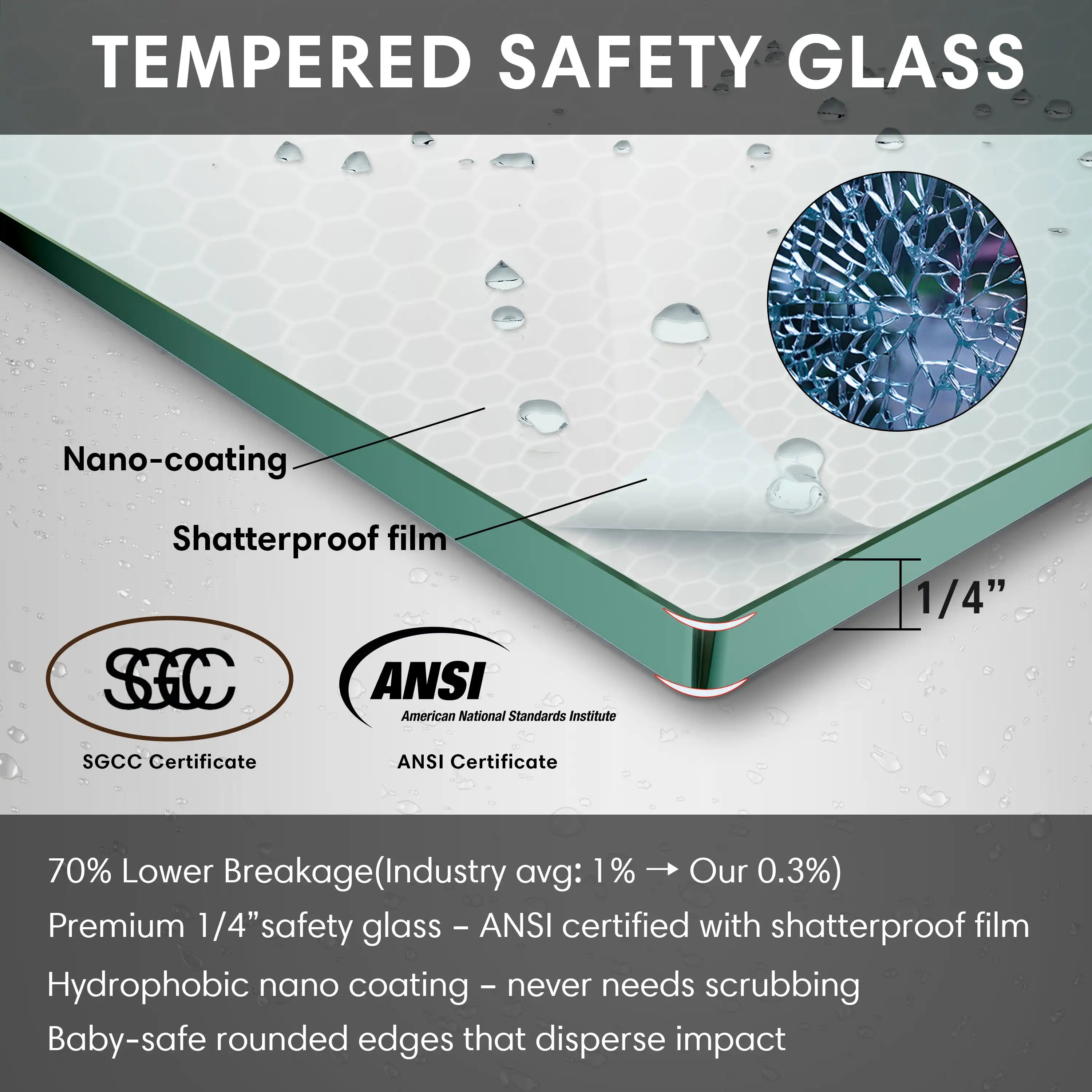
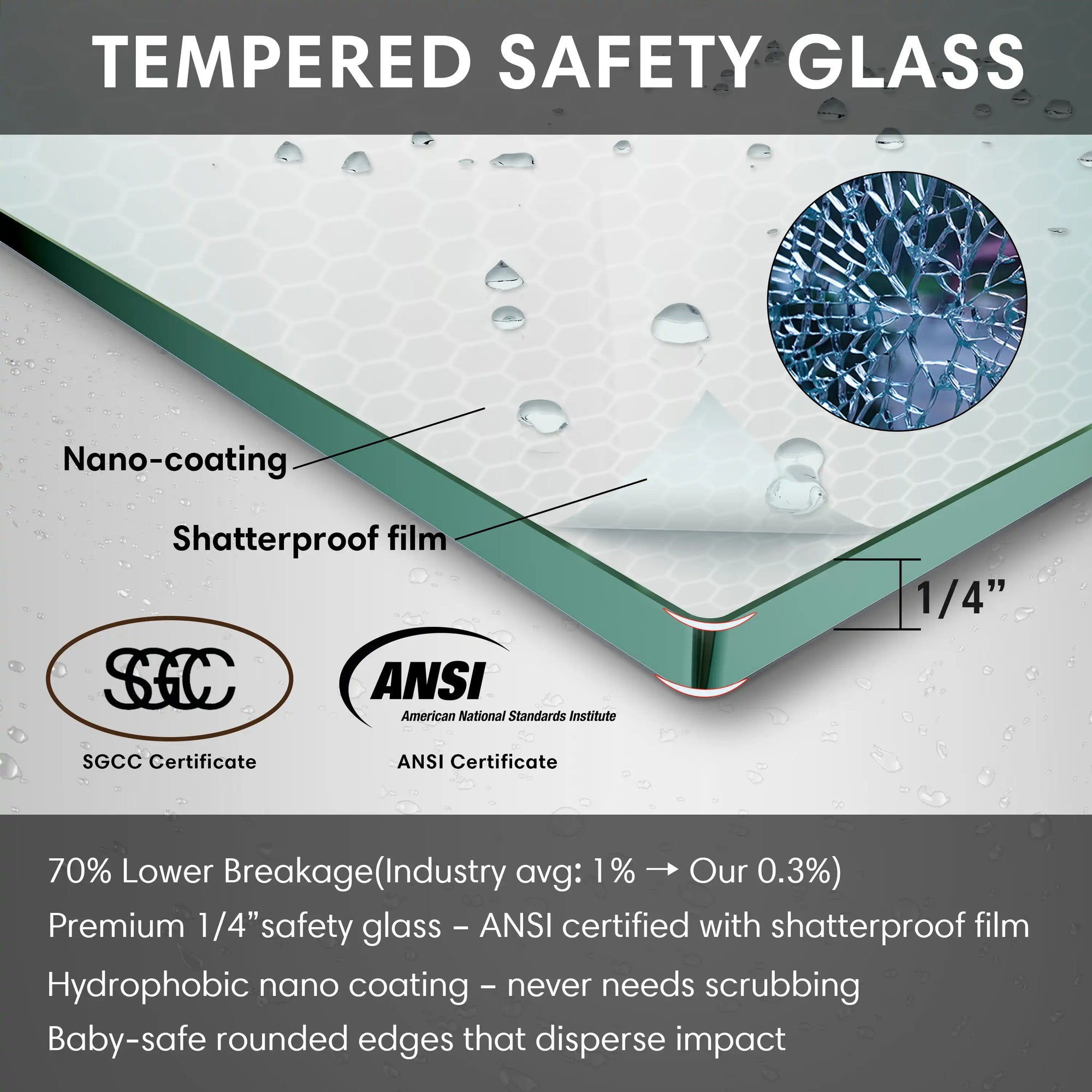
As for safety, both styles are generally made from tempered glass, so you’re not compromising there. It’s more about movement and space. A door that swings fully outward can feel a bit intrusive in tighter layouts, while one that opens inward can help keep everything contained.
So if your priority leans towards keeping things as dry and controlled as possible, hinged doors tend to have a slight advantage.
Not dramatically so — just enough to tip the balance, depending on how you use the space day to day.
5. Long-Term Durability: Which Door Ages More Gracefully?
It’s easy to focus on how a shower door looks on day one.
But what really matters is how it feels a few years in — after the daily use, the constant opening and closing, the quiet wear that builds up over time.
Hinged shower doors tend to age in a very steady, predictable way. The hinges are fixed along one side, carrying the weight in a direction that doesn’t really change. There’s a simplicity to that. Fewer moving parts, less strain in unexpected places. Over time, they tend to stay aligned, feeling just as solid as they did at the start.
Pivot doors work a little differently. Because the weight is shared between the top and bottom pivot points, there’s more happening structurally. It’s not a flaw — just a different system. In well-made designs, it holds up beautifully. But in lower-quality builds, or where installation isn’t quite right, you might start to notice small shifts. A slight looseness. A door that doesn’t sit quite as neatly as it once did.
That said, modern pivot mechanisms have come a long way. When the materials are good and everything is properly installed, they’re more than capable of lasting for years without issue.
Maintenance plays its part too. Both styles benefit from the occasional check — tightening fittings, keeping hardware clean, making sure everything moves as it should.
But generally speaking, hinged doors ask a little less of you over time.
Nothing dramatic. Just a quieter kind of reliability that tends to hold up, year after year.

Conclusion: So… Which One Should You Choose?
It’s rarely as simple as picking one and calling it done.
Because, like most things in a home, it comes down to how you live — and what feels right in your space.
If your bathroom is on the smaller side, pivot doors tend to make things easier. They move with the room rather than against it, giving you that bit of flexibility you didn’t realise you needed.
If you’re drawn to something more defined — that familiar, confident swing — hinged doors have a way of grounding the space. There’s a clarity to them. A sense of structure that feels quietly reassuring.
Style plays its part too.
If you’re leaning towards something minimal, almost effortless, pivot doors tend to blend in beautifully. If you prefer a slightly more classic or tailored look, hinged doors hold their own without trying too hard.
Then there are the practicalities — water control, maintenance, how things hold up over time. Hinged doors often come out slightly ahead there. Not dramatically, just enough to notice as the years go on.
But none of it is absolute.
Some people love the fluidity of a door that moves both ways. Others prefer the certainty of one that doesn’t. And both are perfectly valid.
In the end, it’s less about choosing the “right” option, and more about choosing the one that fits your routine, your layout, your way of using the space.
Because when it works well, you stop thinking about it entirely.
And that’s usually the sign you’ve made the right call.
Frequently Asked Questions (FAQ)
Are pivot shower doors safe for families with kids or seniors?
Can I install a pivot or hinged door by myself?
Which type is more likely to leak water?
Do pivot doors need more maintenance than hinged?
Which type works best for frameless shower designs?
Related Articles
What is a Pivot Shower Door? Features, Benefits & Installation