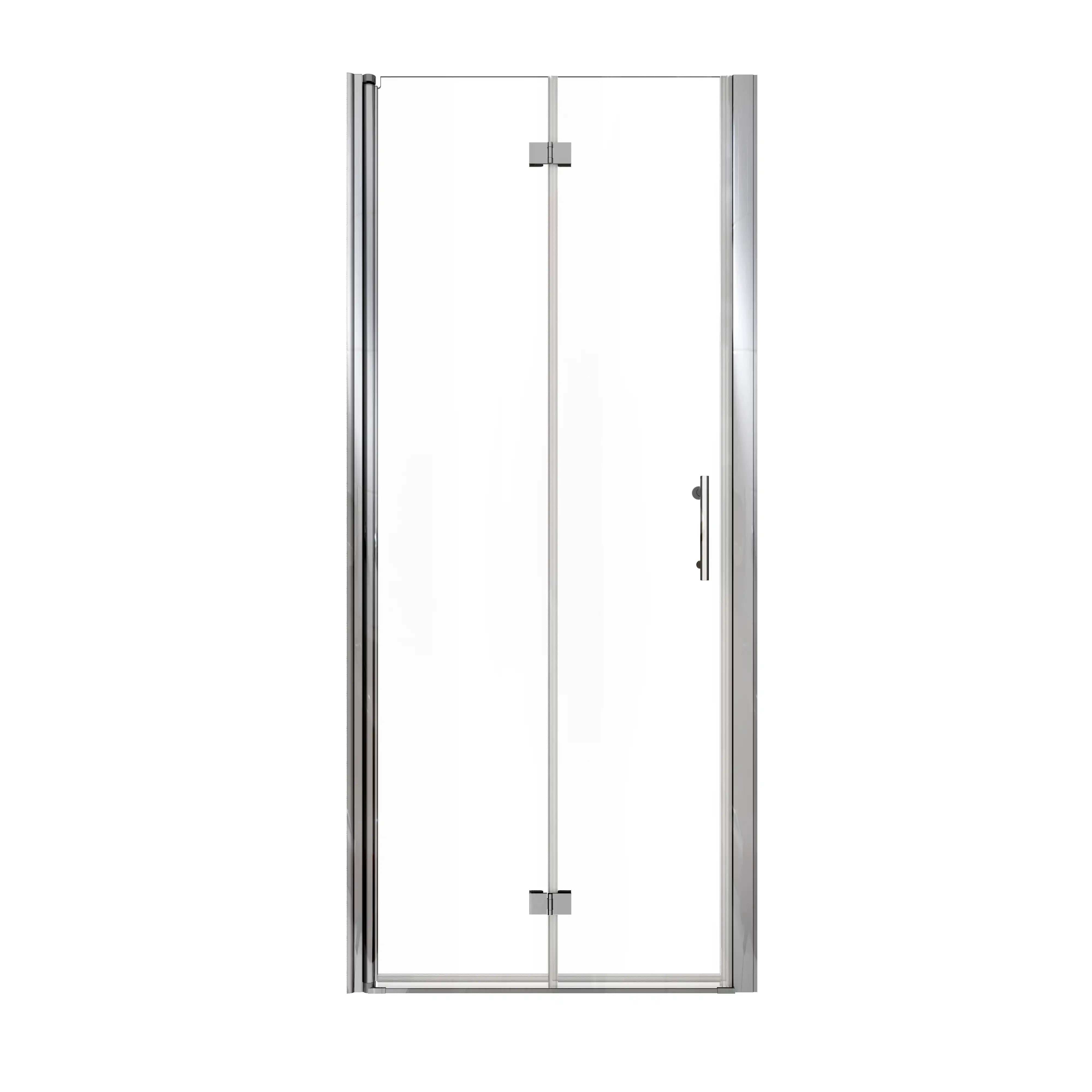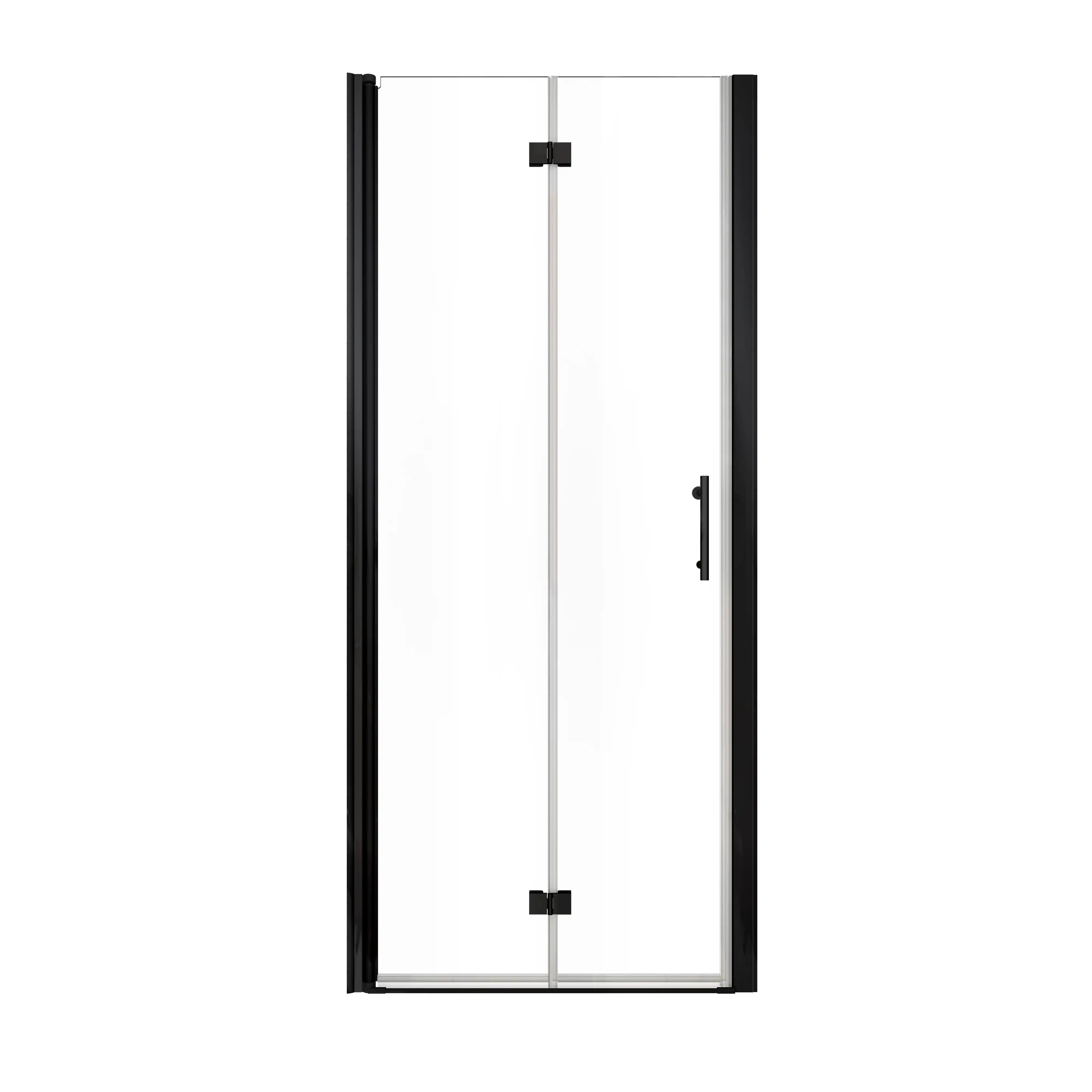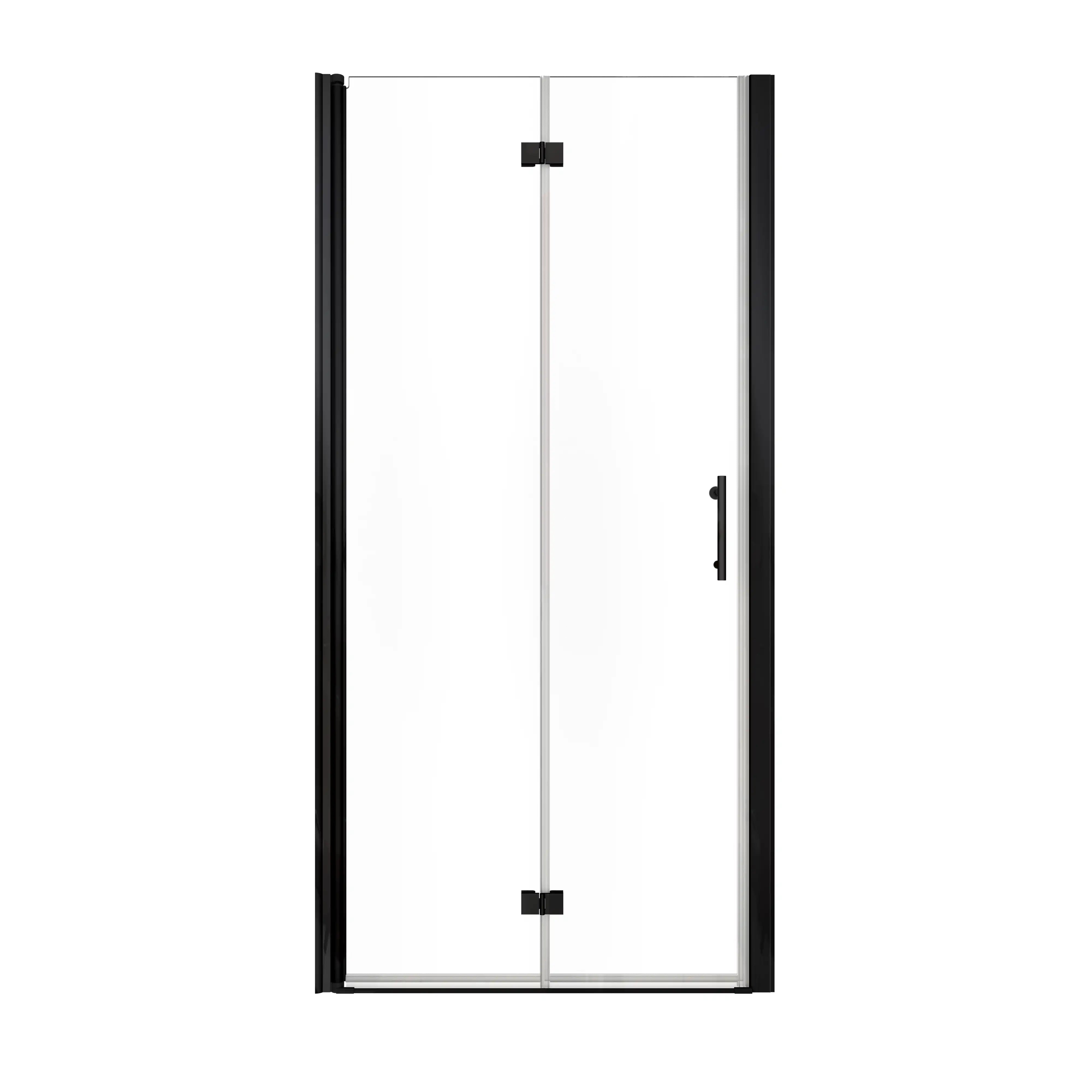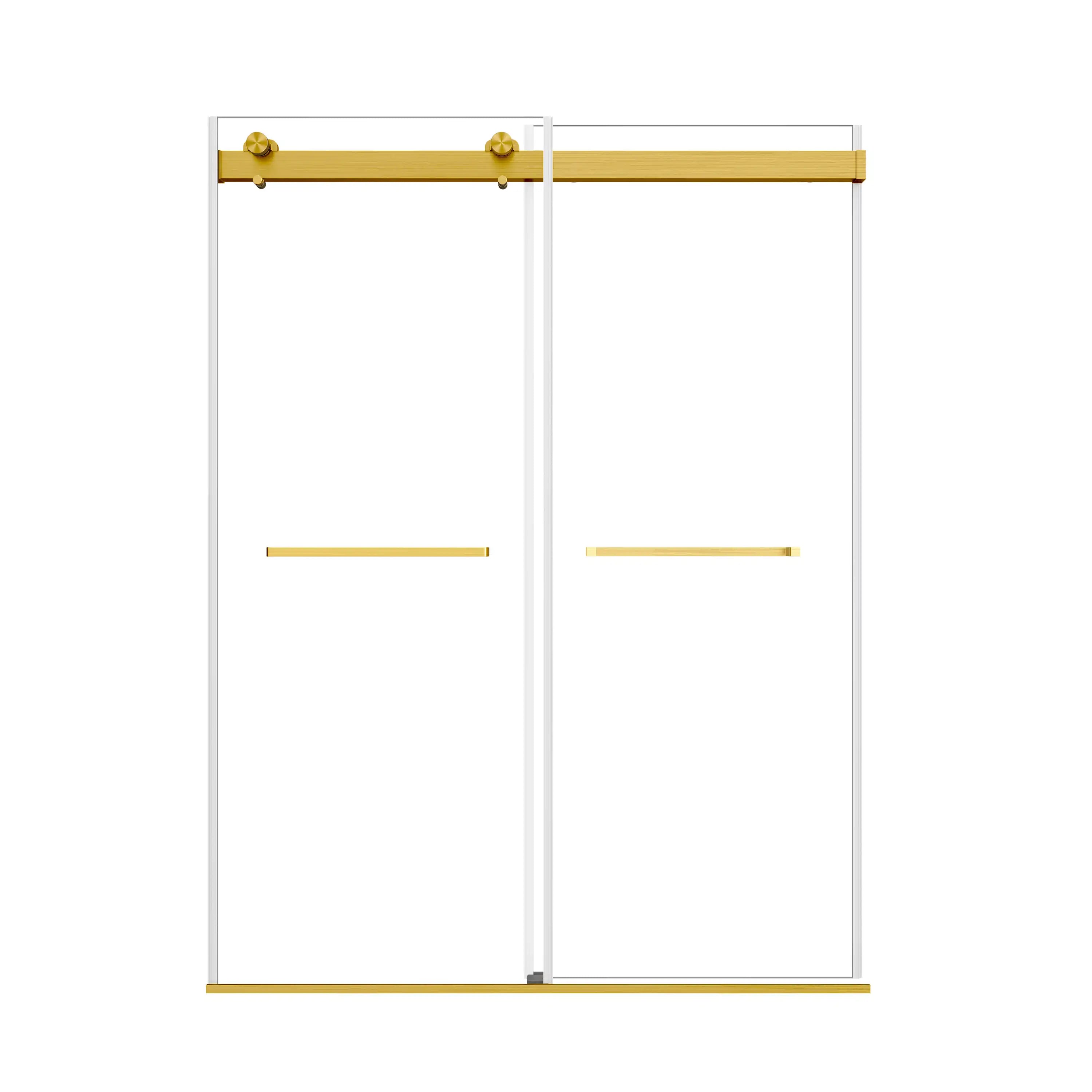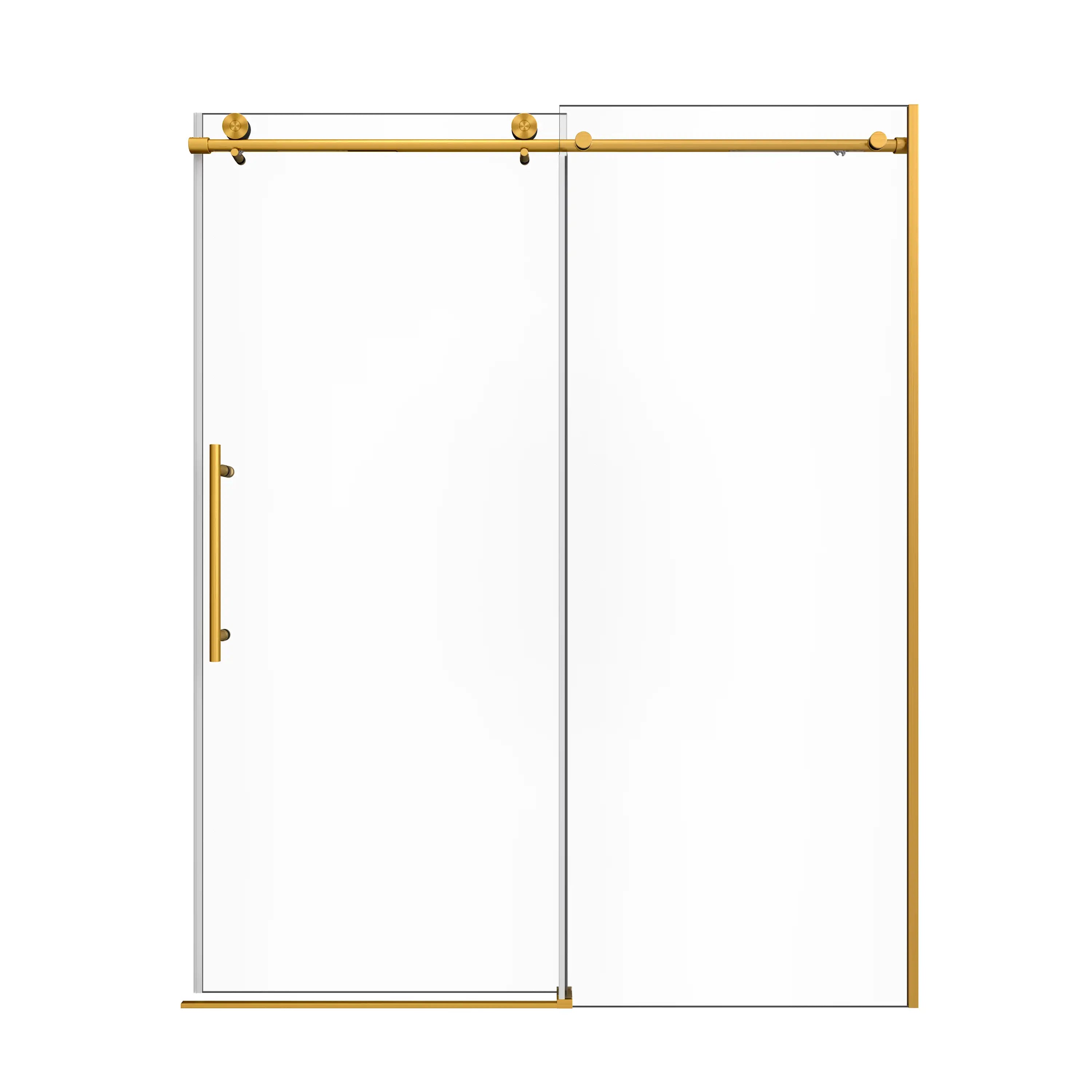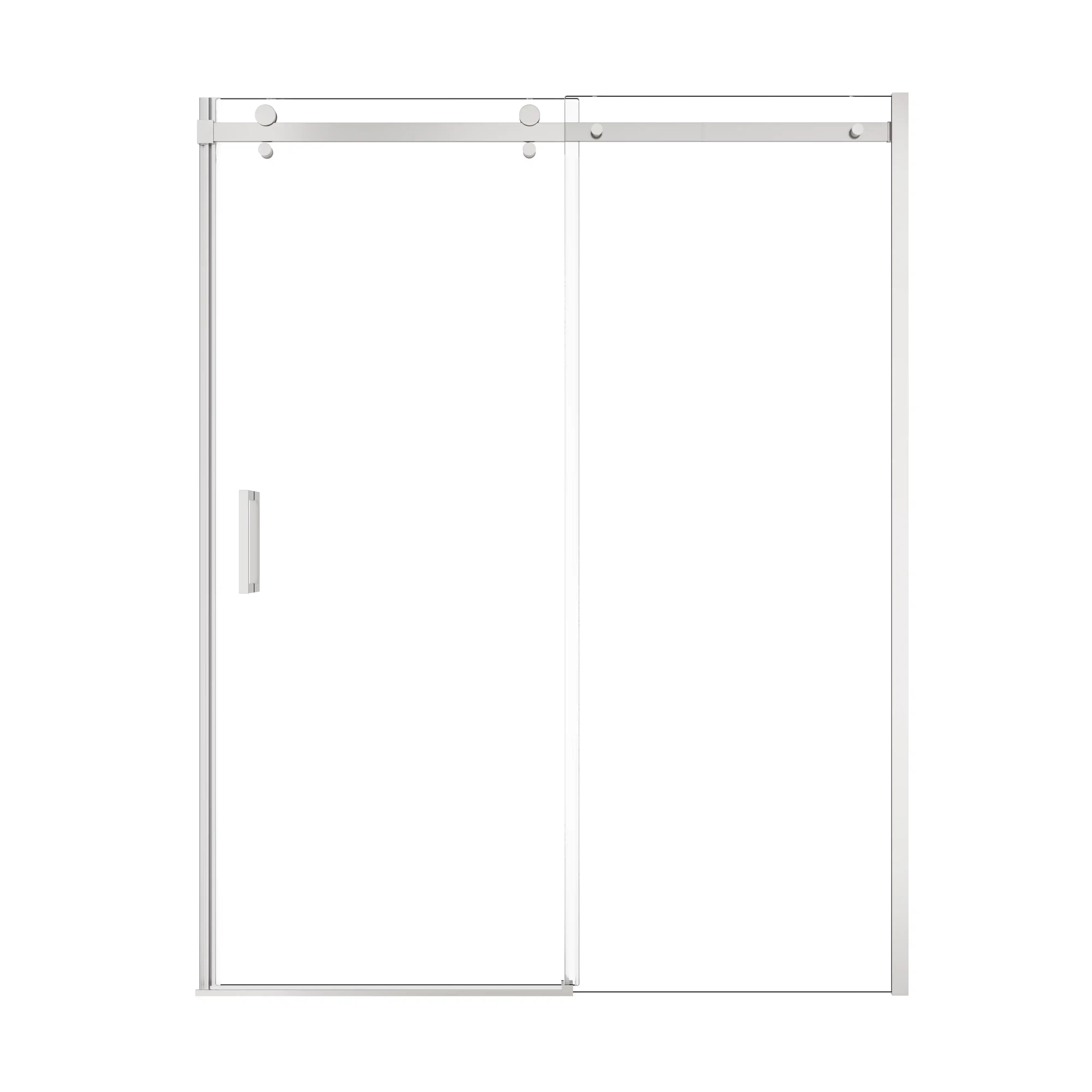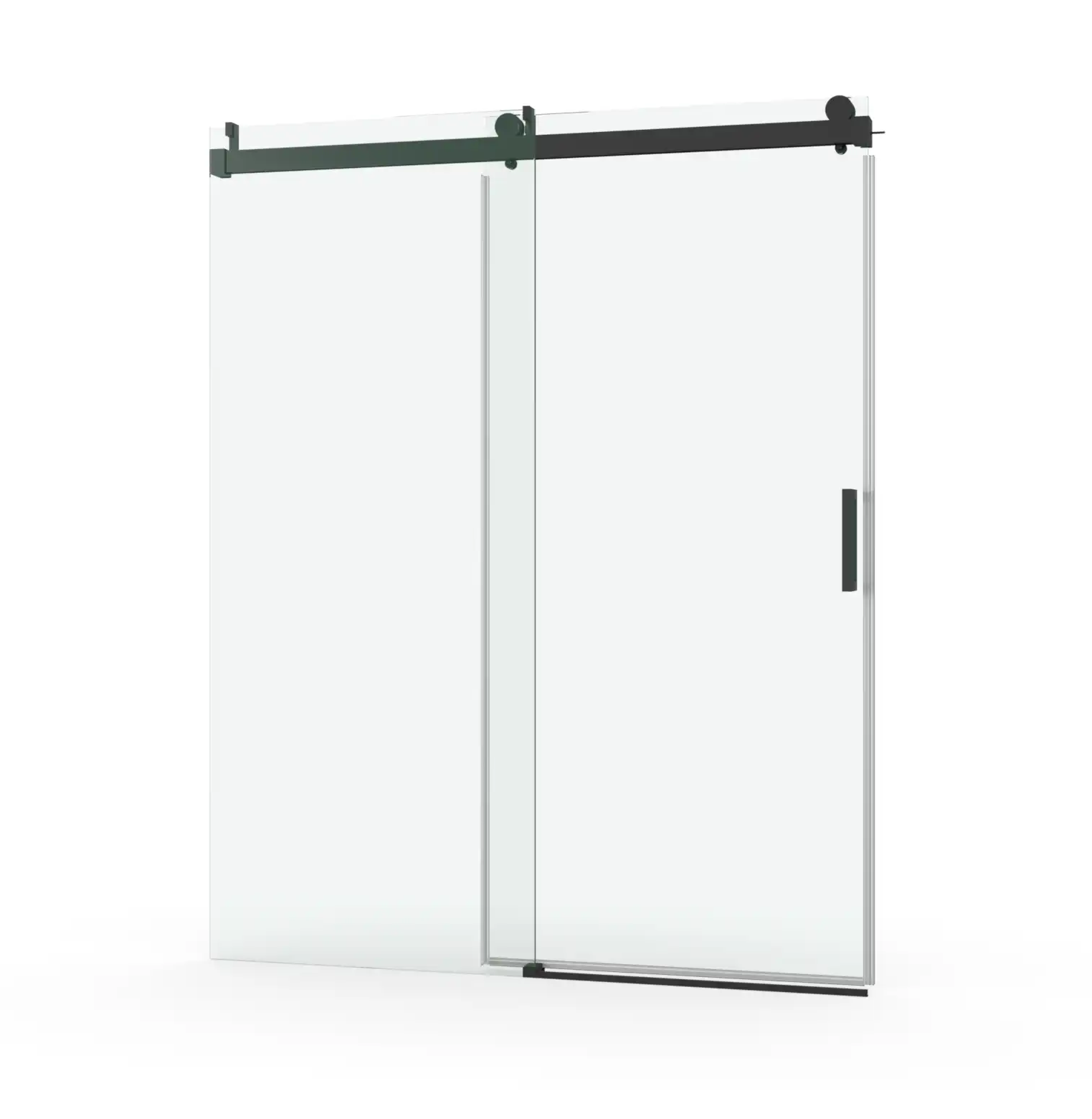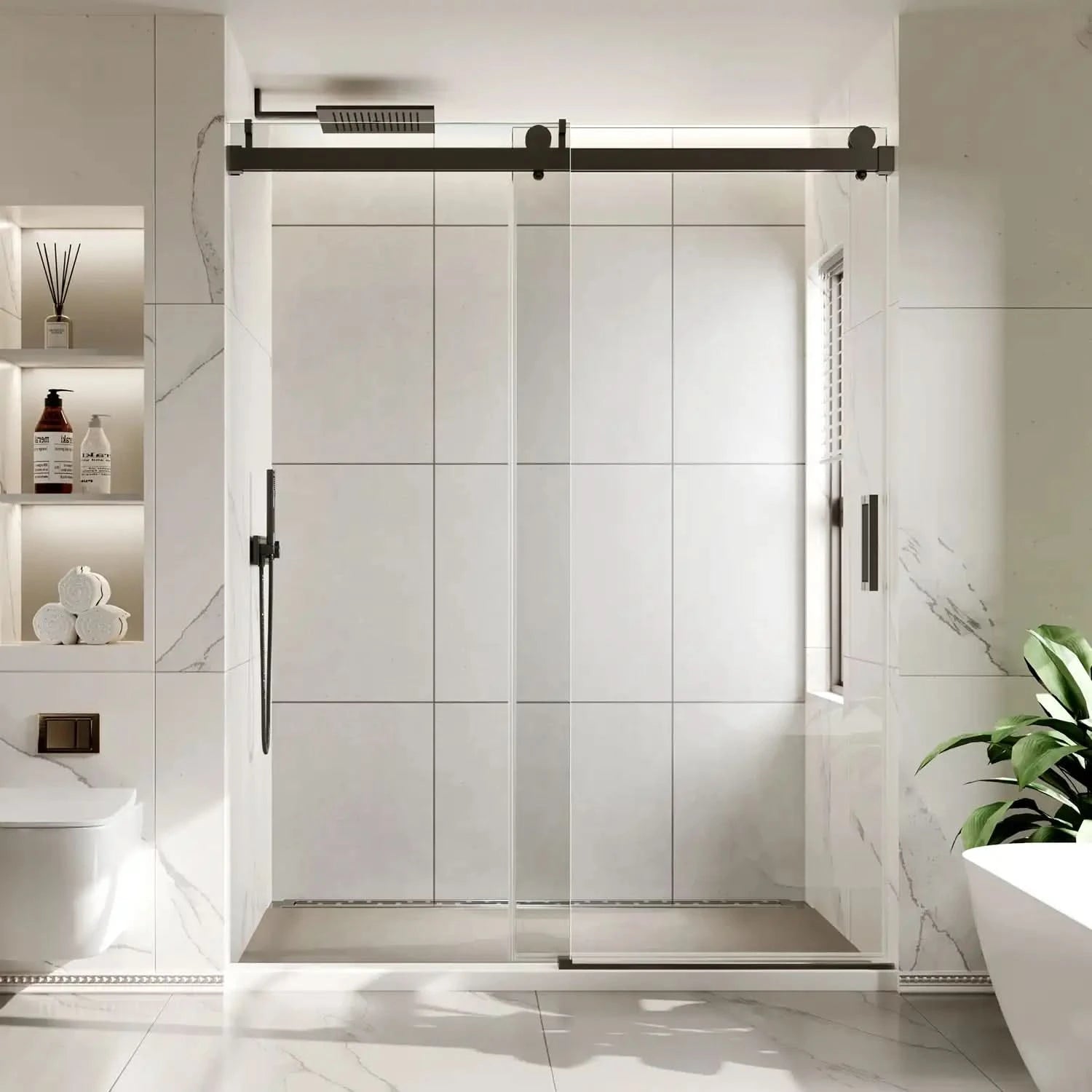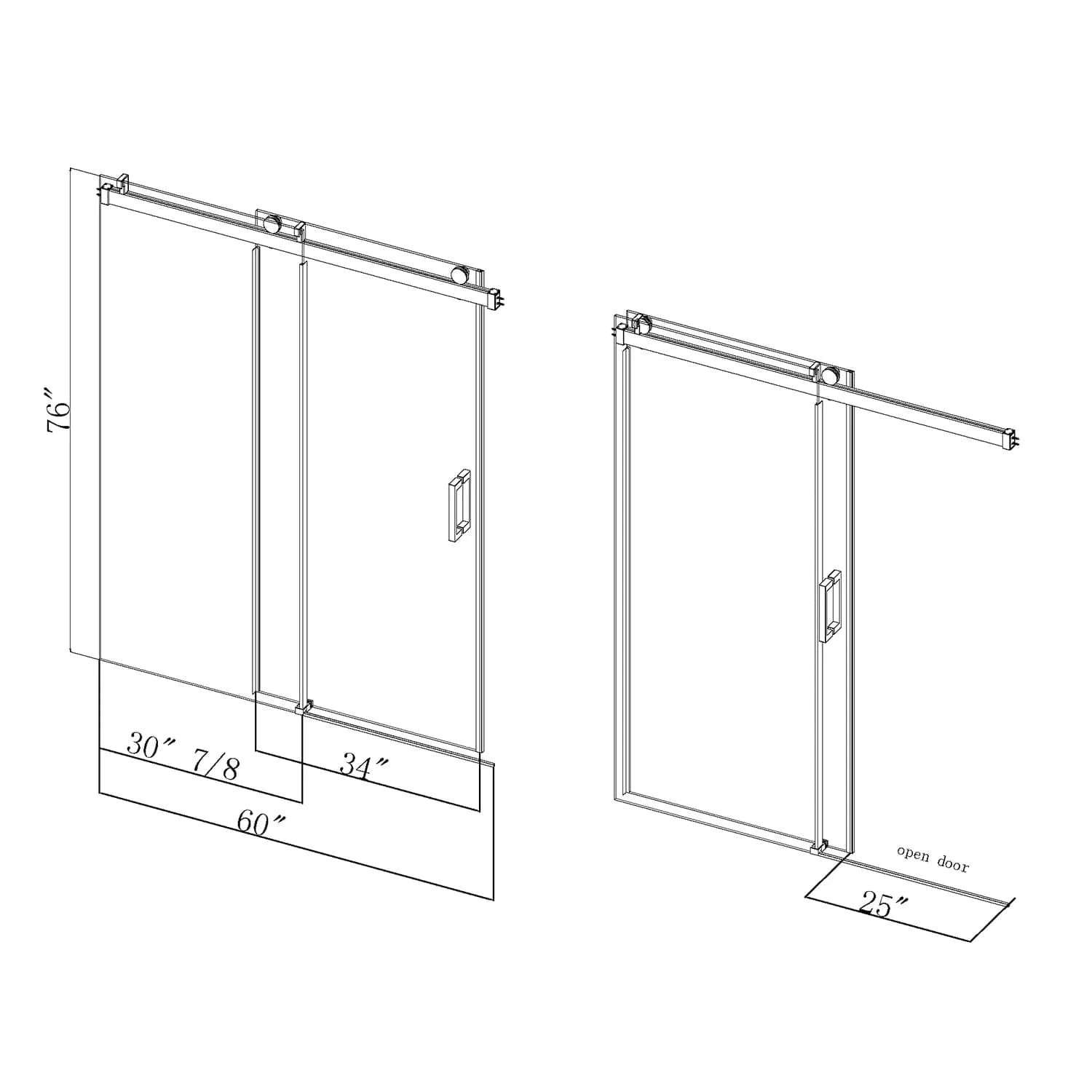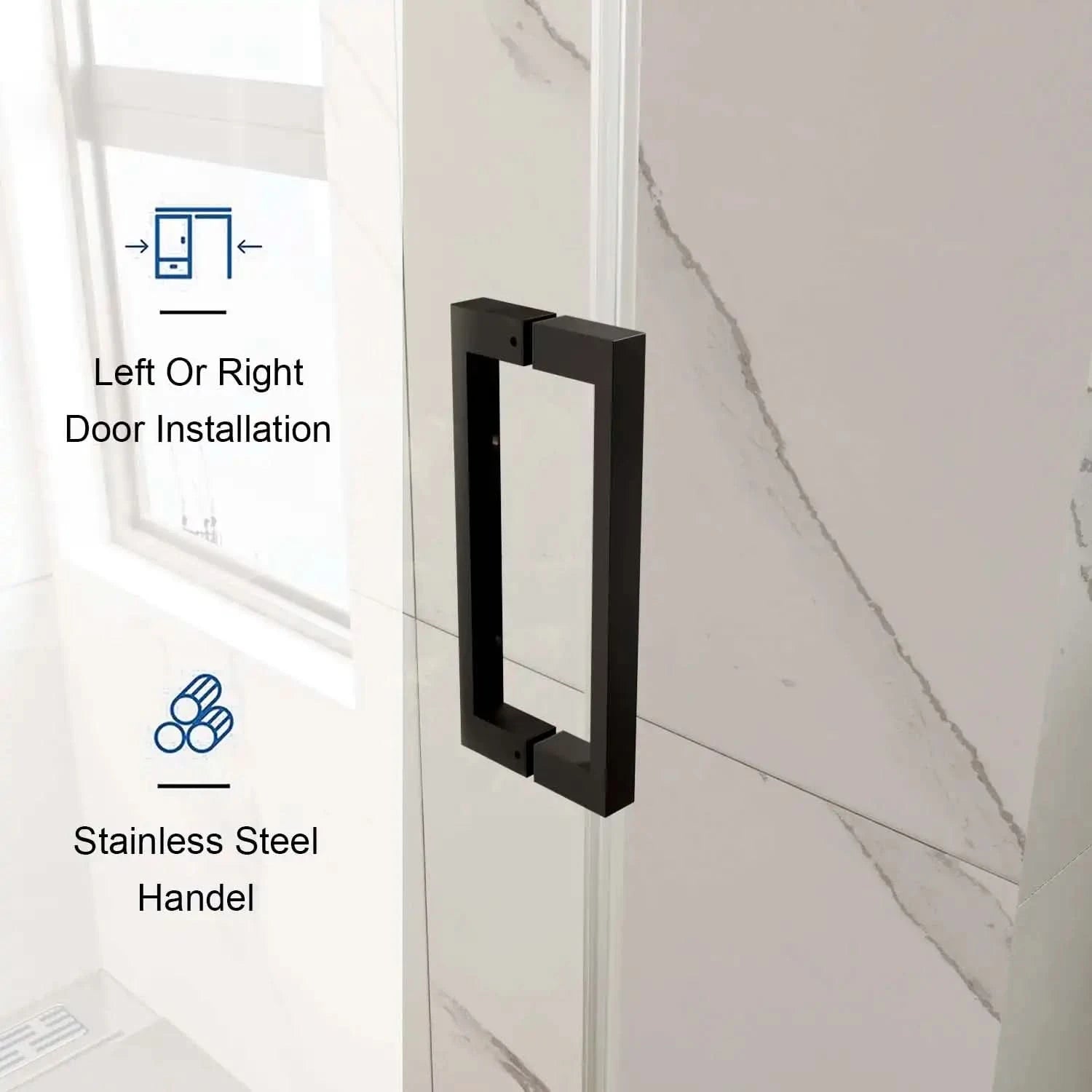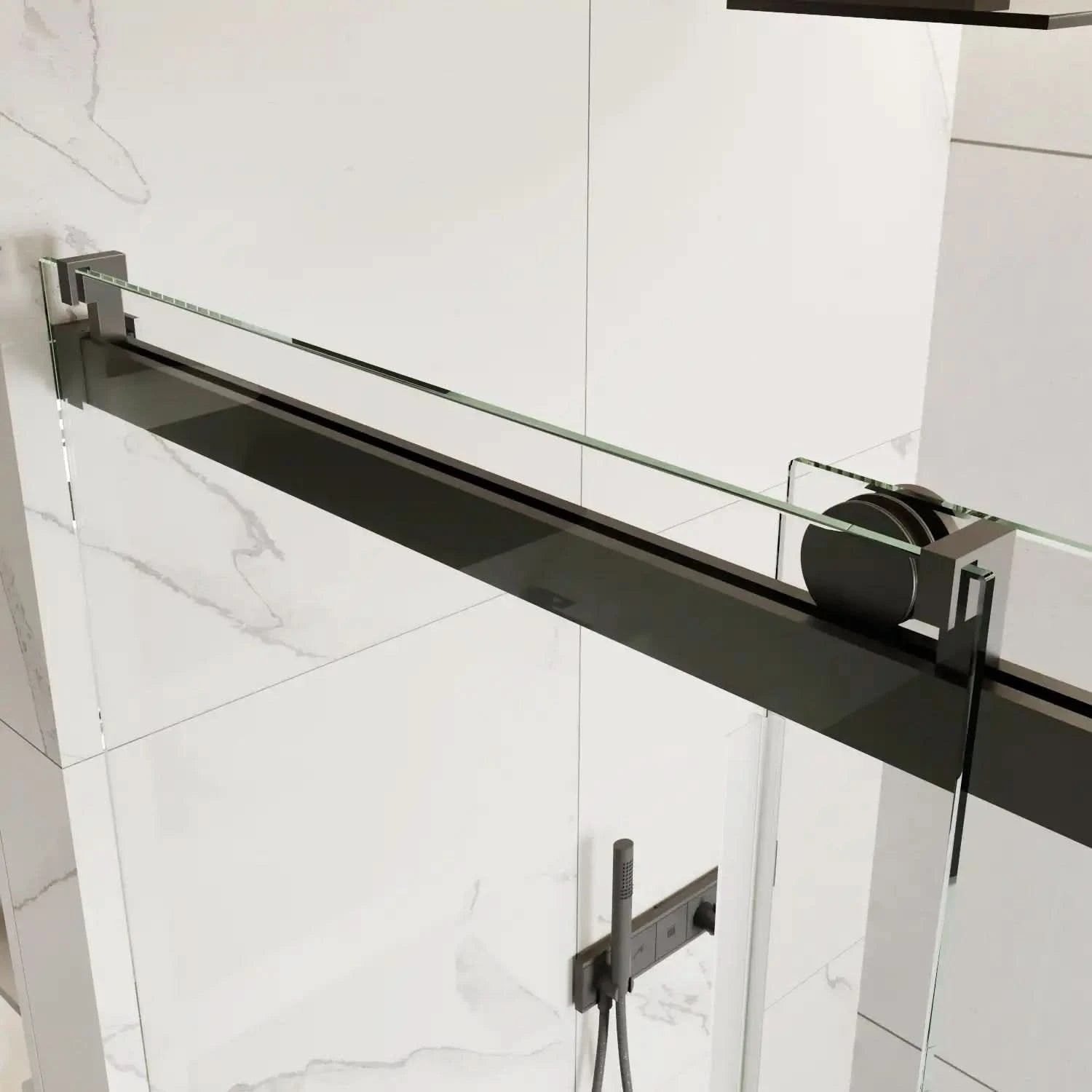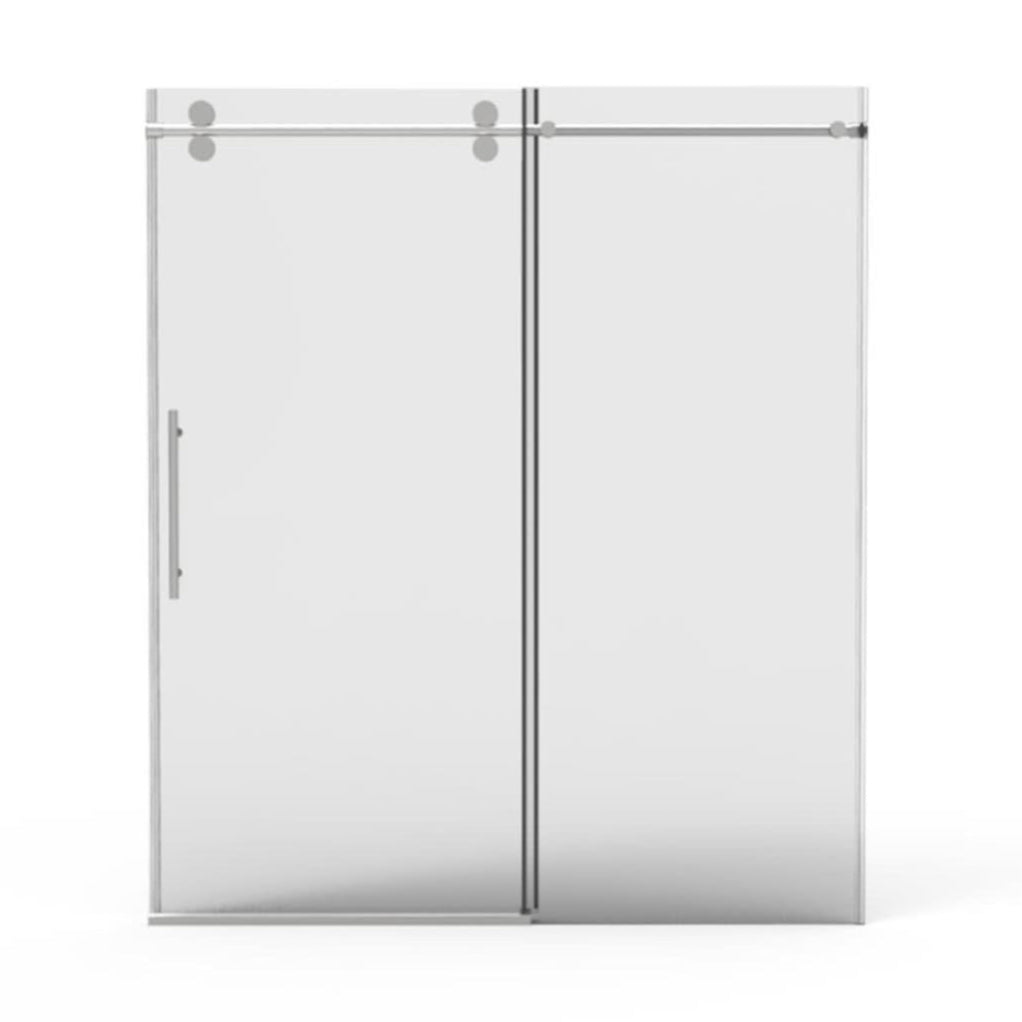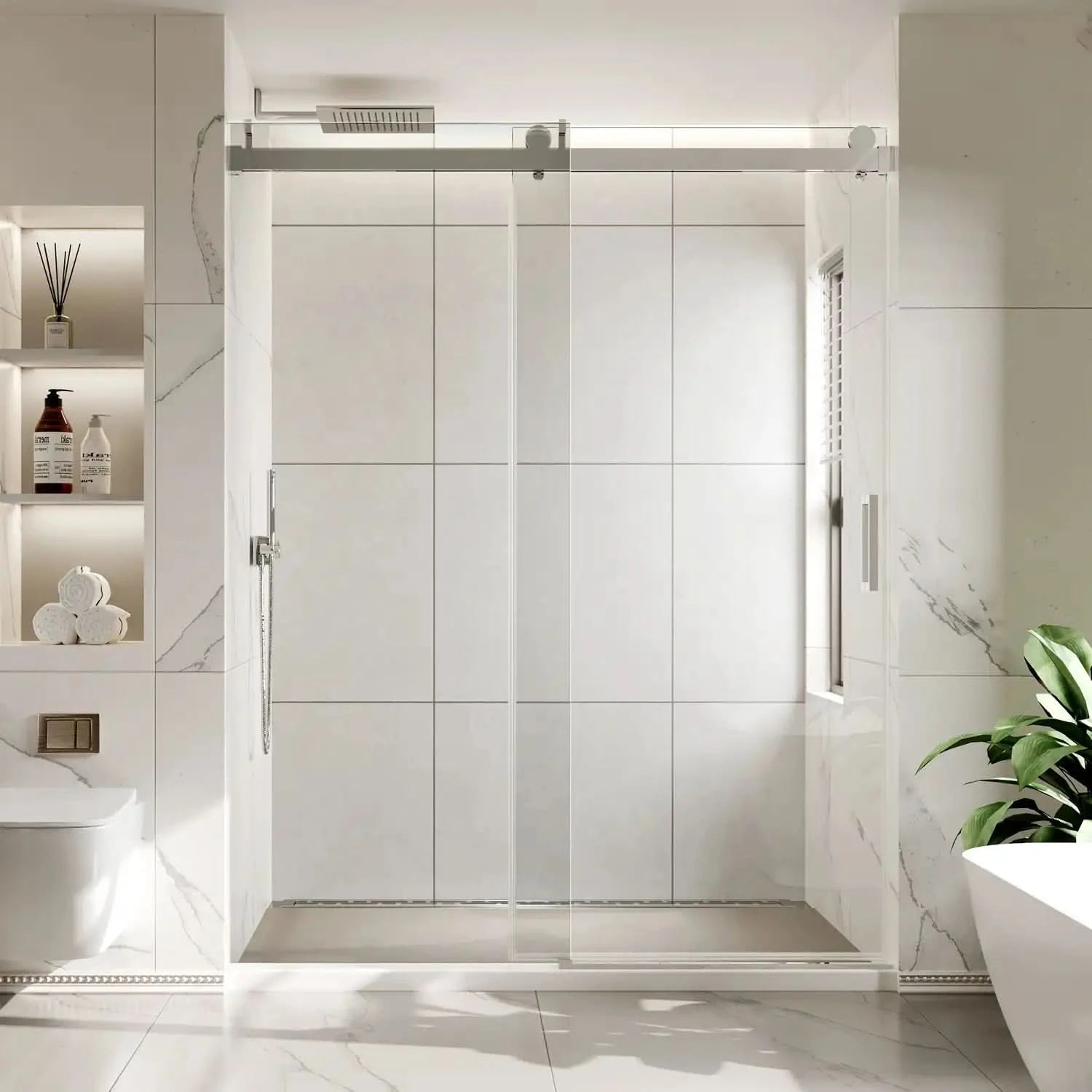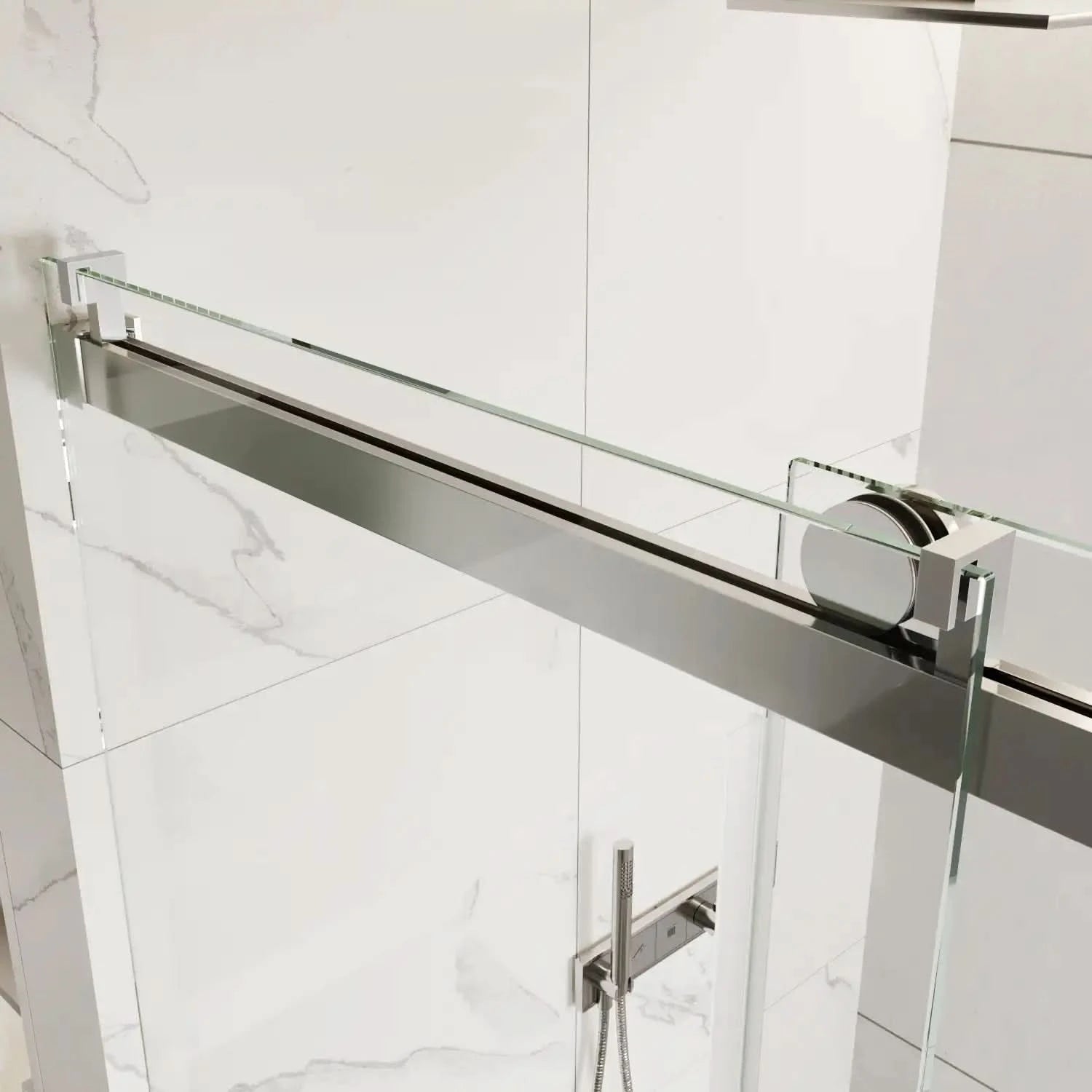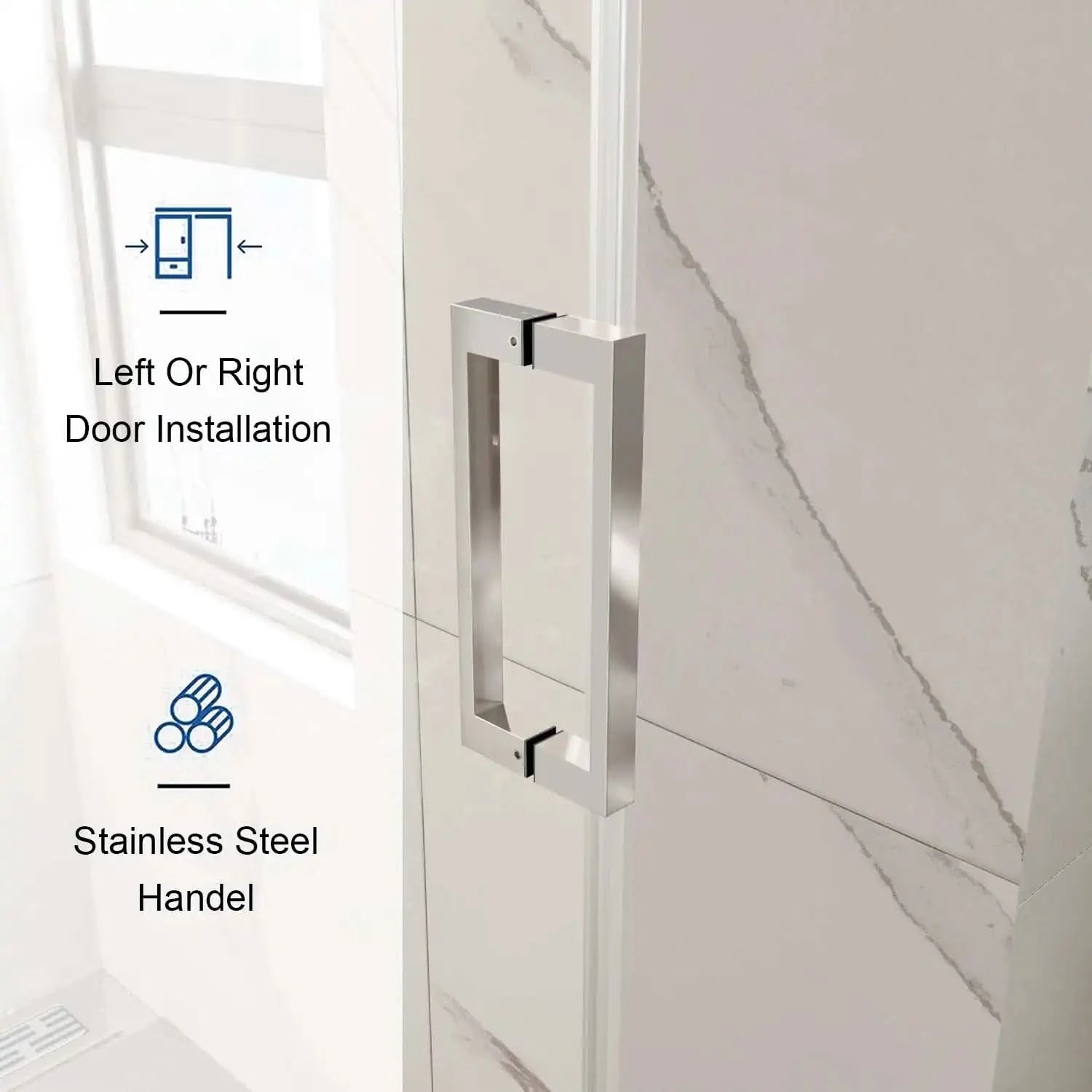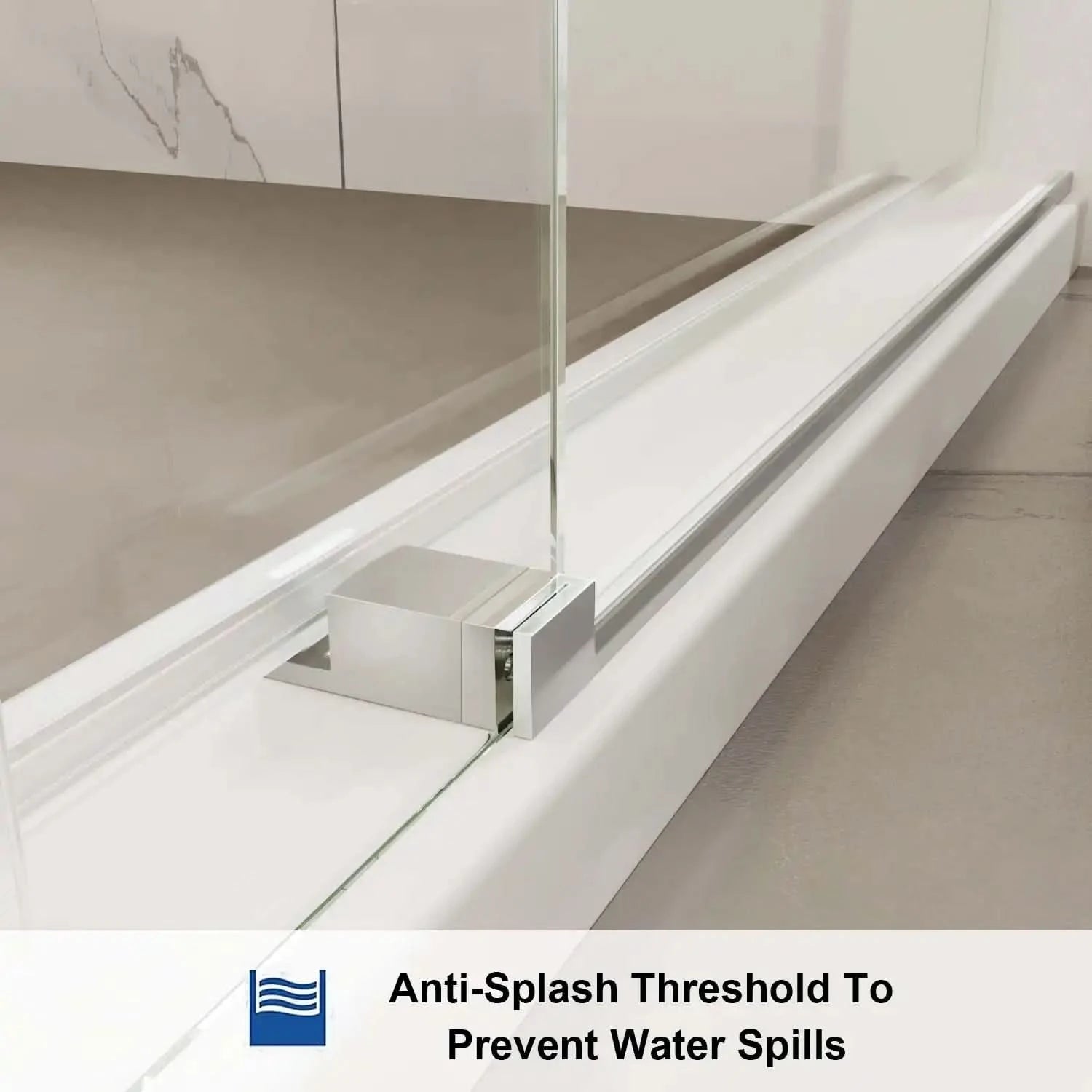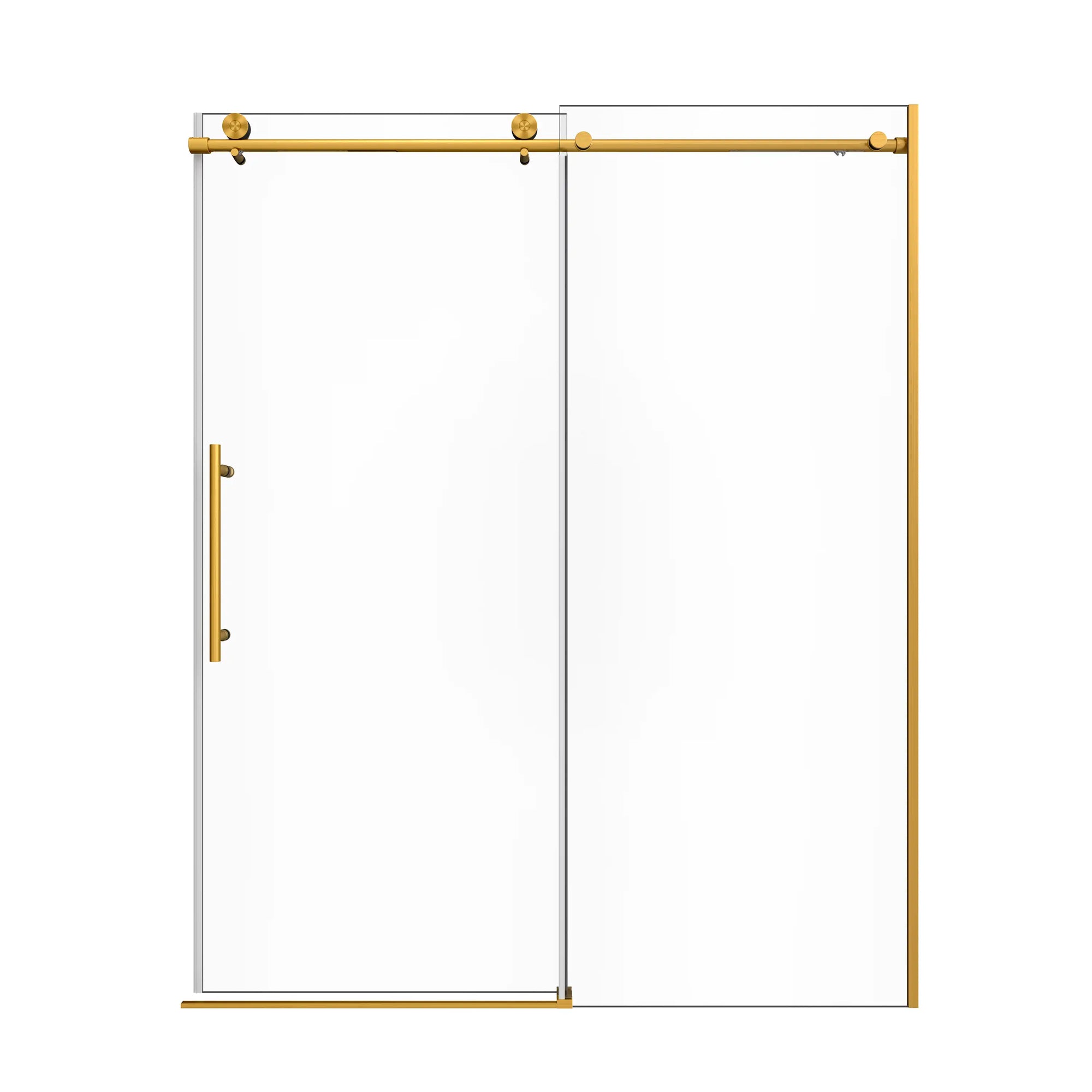


Frameless shower doors have an effortless elegance that makes them a natural choice for a modern bathroom. With their clean lines and barely-there profile, they bring a sense of lightness to the room, creating a space that feels open, calm and beautifully considered. But behind that simplicity is a detail that plays a far more important role than its size might suggest: the shower door seal.
Though often overlooked, shower door seals are essential to how the space works day to day. They help keep water exactly where it should be, protecting floors, walls and surrounding finishes from leaks and moisture damage. In a room exposed to constant heat, humidity and daily use, it is only natural that these small components begin to show signs of wear over time. And when they do, even the most stylish frameless shower door can quickly lose some of its quiet practicality.
In this guide, we take a closer look at the most common problems frameless shower door seals can develop, along with the simple ways to fix them and care for them well. We’ll also highlight a selection of beautifully designed frameless shower doors from ACE DECOR, each featuring thoughtfully made sealing systems that balance clean aesthetics with everyday performance.
Because in a bathroom that feels truly well designed, beauty should never come at the expense of function.
Table of Contents
- Importance of Frameless Shower Door Seals
-
Common Problems with Frameless Shower Door Seals
-
- Leaks Due to Worn or Damaged Seals
- Mold and Mildew Growth on Seals
- Gaps Forming Between the Door and the Wall or Floor
- Hard Water Stains and Mineral Deposits on Seals
- Loose or Misaligned Seals
-
-
Solutions to Fix Common Frameless Shower Door Seal Problems
-
- Replacing Damaged or Worn Seals
- Cleaning and Removing Mold from Shower Door Seals
- Realigning Misaligned Seals for a Proper Fit
- Removing Hard Water Stains and Preventing Future Buildup
-
- Choosing the Right Replacement Seal for Your Frameless Shower Door
- Related Products from ACE DECOR for Frameless Shower Door Solutions
- Maintenance Tips to Extend the Life of Your Frameless Shower Door Seals
- Frequently Asked Questions (FAQ)
Importance of Frameless Shower Door Seals

Frameless shower doors bring a sense of clarity and quiet simplicity to a bathroom. Without heavy metal framing, the glass feels lighter, the room more open, and the overall effect effortlessly modern. But that pared-back look also means every practical detail matters. Unlike framed shower doors, which use metal edges to help direct water back into the enclosure, frameless designs rely almost entirely on their seals to do that work.
Fitted between the glass and the surrounding surfaces, these seals create the barrier that keeps water neatly contained. They are usually made from silicone, PVC or rubber, and are designed to sit discreetly between the door and nearby walls, floors or fixed glass panels. Though subtle in appearance, they play an essential role in how the shower performs every day.
Without properly functioning seals, water can escape more easily onto surrounding surfaces, putting the bathroom at risk of lingering moisture, mould, mildew and, over time, more serious damage to finishes and structure. They also help the shower feel more comfortable to use, keeping warmth and steam where they belong and making the space feel more enclosed and inviting.
Because these details do so much behind the scenes, it’s worth understanding the common issues they can develop over time — and how to address them before they become larger problems. In a bathroom designed to feel clean, calm and beautifully resolved, it is often the smallest elements that make all the difference.
Common Problems with Frameless Shower Door Seals

1. Leaks Caused by Worn or Damaged Seals
One of the most common concerns with frameless shower doors is leaking. When water begins to escape from the bottom or sides of the door, it is often a quiet sign that the seals are no longer performing as they should. Over time, constant moisture, regular cleaning and everyday use can all begin to affect the material, gradually weakening what was once a secure, watertight barrier.
As seals wear, they may become brittle, lose their original shape or develop small cracks. These subtle changes can create gaps around the glass, allowing water to slip through and collect outside the shower. What begins as a small puddle after use can, if left unattended, become a more persistent problem for the surrounding floor and finishes.
If you start to notice water gathering near the base of your frameless shower door, it is worth taking a closer look at the seals. In a well-designed bathroom, leaks are not just an inconvenience — they are often the first indication that one of the room’s most discreet but essential details needs attention.

2. Mold and Mildew Growth on Seals
Because shower door seals are exposed to moisture every day, they can easily become a place where mold and mildew begin to appear. The combination of warmth, humidity and limited airflow creates exactly the kind of environment where these marks can settle in. If you notice dark, black or greenish spots forming along the edges of your frameless shower door, the seals are likely holding onto more moisture than they should.
Beyond the way it looks, mold can also affect how the bathroom feels. A space designed to be fresh, calm and restorative can quickly feel less inviting when mildew begins to build up around the glass. For those with allergies or respiratory sensitivities, it may also become more than a surface-level concern.
Over time, mold and mildew can begin to weaken the seals themselves, making them less flexible and less effective at keeping water contained. What starts as a small mark along the edge of the glass can gradually compromise both the appearance and performance of the shower. Like many details in a bathroom, the earlier it is addressed, the easier it is to preserve the clean, bright feeling of the space.

3. Hard Water Stains and Mineral Deposits on Seals
If your home has hard water, you may begin to notice pale white marks or chalky deposits forming along the shower door seals. These are caused by minerals such as calcium and magnesium, which remain on the surface after water evaporates. At first, they may seem like a purely visual issue, but over time they can begin to affect how the seals feel and perform.
As mineral buildup collects, the seals can become stiffer and less flexible. This matters because a good seal needs to sit closely and comfortably against the glass and surrounding surfaces. When it loses that softness and movement, small gaps can begin to appear, making it harder to keep water neatly contained inside the shower.
Hard water residue can also be stubborn to remove once it has settled in. Left untreated, it may gradually wear down the material and shorten the life of the seals. In a bathroom where the goal is to feel crisp, clean and effortlessly maintained, keeping these deposits under control helps preserve both the beauty of the glass and the quiet reliability of the details around it.

4. Loose or Misaligned Seals
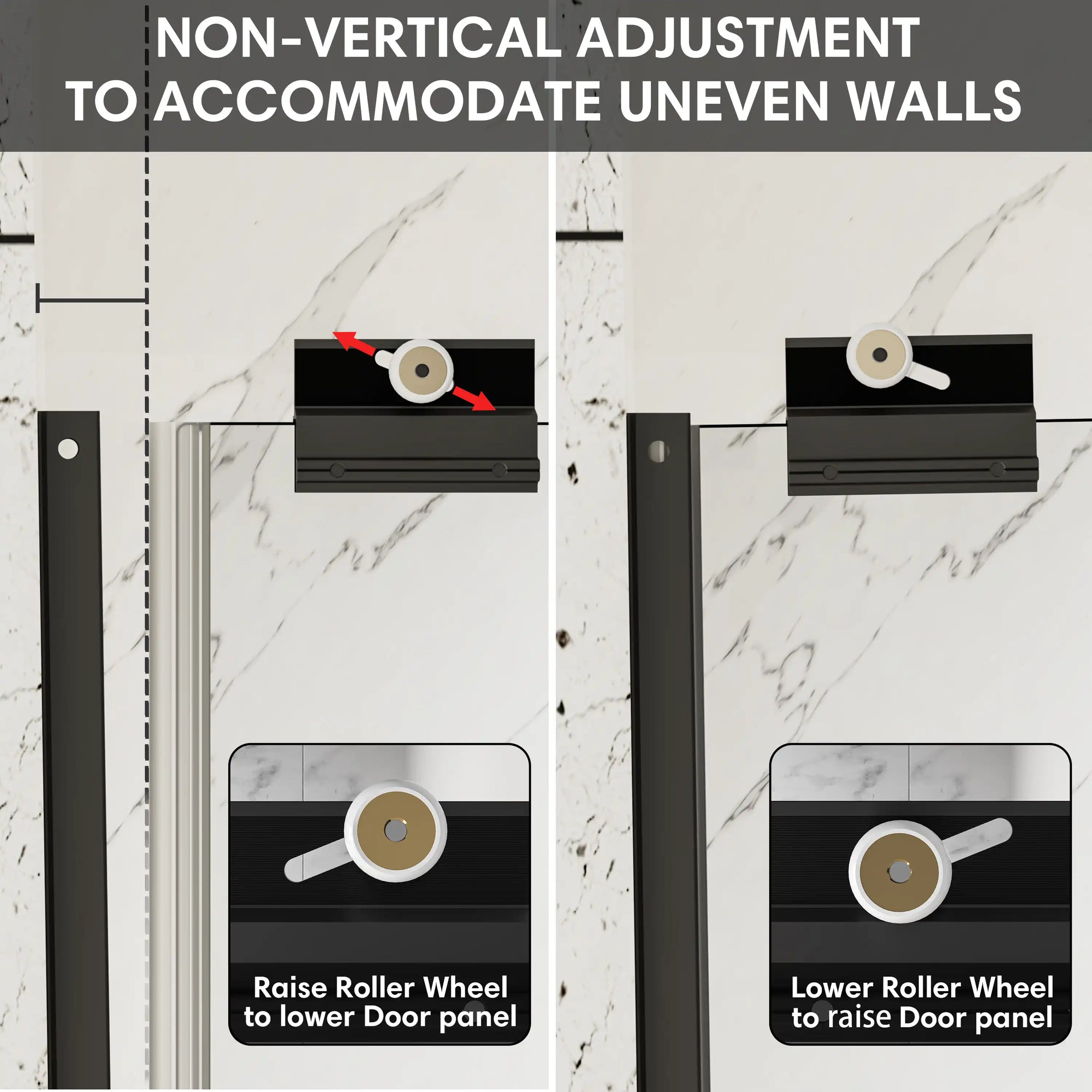
Another issue that can affect frameless shower doors over time is a seal that has become loose or slightly misaligned. This may happen if the seal was not fitted precisely during installation, or simply as the door responds to everyday use, changes in temperature and the natural settling of the home. In a design where the glass is meant to feel clean and seamless, even a small shift can make a noticeable difference.
When a seal no longer sits neatly in place, it can interrupt both the look and performance of the shower. The line of the glass may feel less refined, and more importantly, the barrier designed to contain water may no longer be complete. Small gaps along the edge of the door can allow moisture to escape, turning what should be a calm, beautifully contained shower space into one that needs constant attention after each use.
A loose or misaligned seal is often easy to overlook at first, but it is worth addressing early. In a frameless shower, the beauty lies in its simplicity — and that simplicity depends on every detail sitting exactly where it should.
Another common issue with frameless shower doors is that the seals may become loose or misaligned over time. This can happen if the seals weren’t installed correctly to begin with or if the shower door shifts due to temperature changes, use, or the natural settling of your home. Misaligned seals not only affect the appearance of your shower but also reduce their effectiveness in preventing water from leaking.
Solutions to Fix Common Frameless Shower Door Seal Problems
1. Replacing Damaged or Worn Seals
If your frameless shower door has begun to leak, a damaged or worn seal is often the most likely reason. The good news is that replacing it is usually a simple update — one that can quickly restore both the performance of the shower and the calm, polished feeling of the bathroom.
-
Step 1: Remove the old seal.
Gently peel the existing seal away from the edge of the glass. If it feels firmly attached, use a flathead screwdriver to carefully lift one end, taking care not to scratch or damage the door.
-
Step 2: Clean the glass.
Before fitting the new seal, clean the area where the old one was attached. Removing any residue, moisture or buildup helps create a smooth surface, allowing the replacement seal to sit neatly and securely in place.
-
Step 3: Fit the new seal.
Choose a replacement seal that matches the size and shape of your shower door. Press it firmly along the edge of the glass, checking that it is properly aligned and forms a close, even fit. This small adjustment can make a meaningful difference, helping water stay beautifully contained where it belongs.
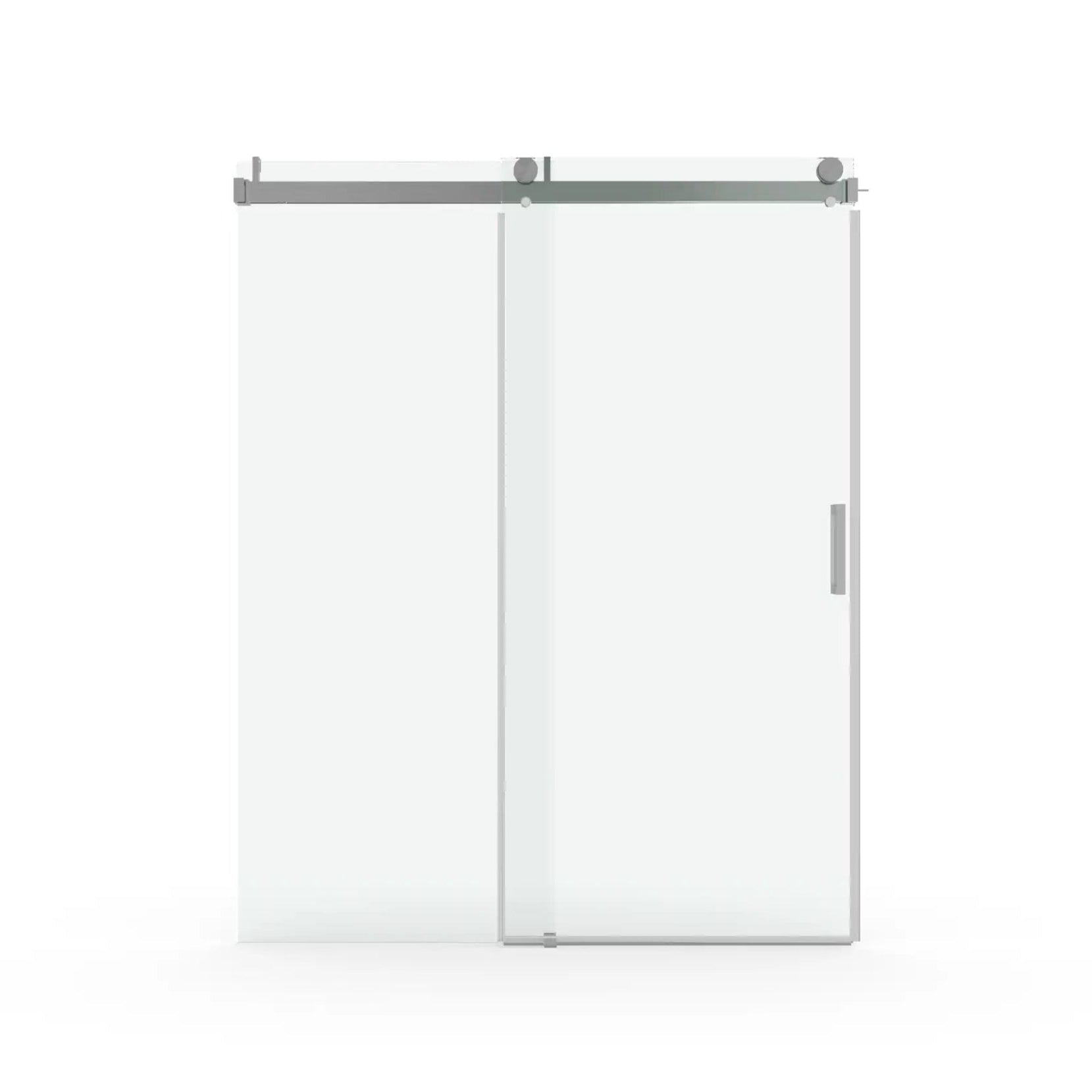
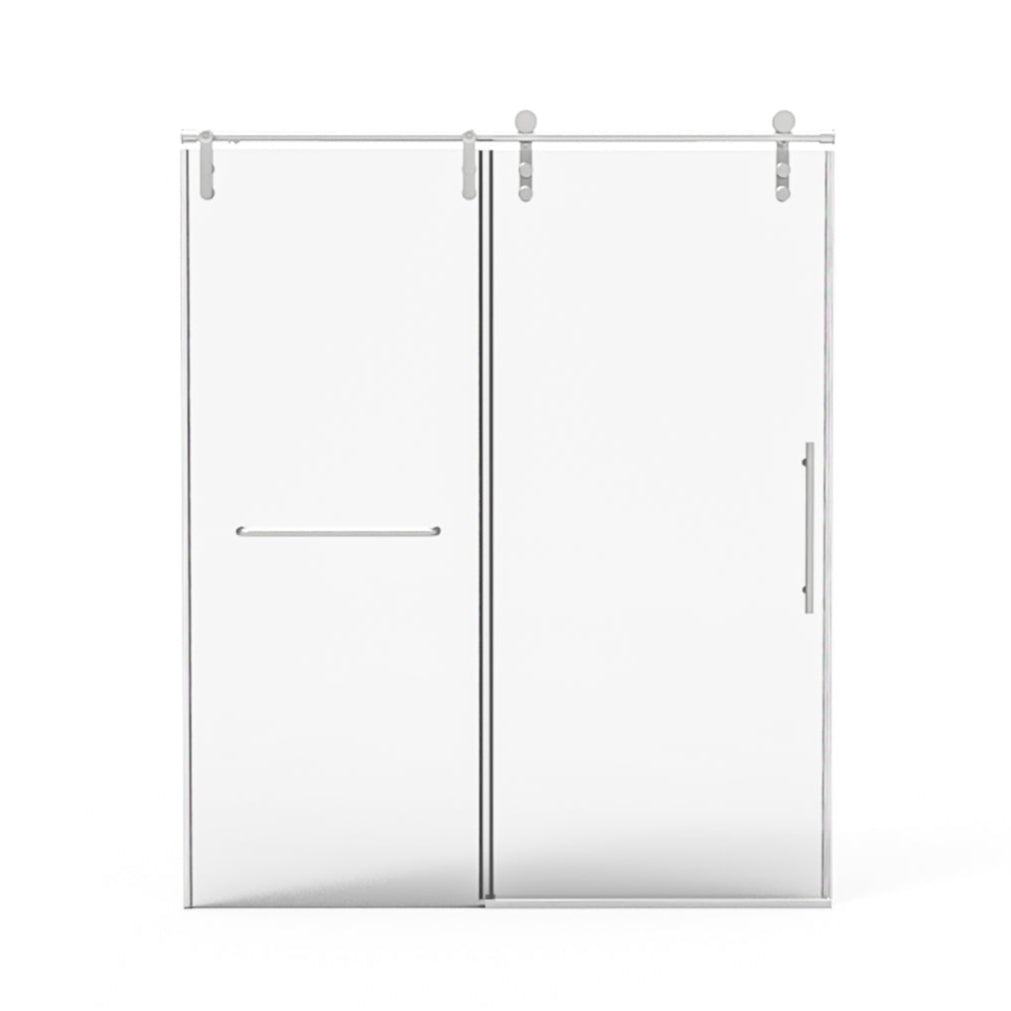
For those looking for a more refined, long-term solution, the Frameless Single Sliding Shower Door from ACE DECOR is a thoughtful option. Designed with advanced sealing details, it helps prevent leaks while preserving the clean, modern look that makes frameless glass so appealing.
2. Cleaning and Removing Mold from Shower Door Seals
When mold or mildew begins to appear on shower door seals, it can make the whole bathroom feel less fresh and less cared for. Fortunately, with the right approach, these marks can usually be removed gently and effectively, helping restore the clean, bright feeling of the shower.
-
Step 1: Mix a cleaning solution.
A simple mixture of water and white vinegar is often enough to loosen mold and mildew from the surface of the seal. For more stubborn areas, a mild detergent or suitable mold remover can also be used.
-
Step 2: Apply the solution to the affected areas.
Use a soft brush or toothbrush to gently work the solution into the moldy spots. The aim is to lift the buildup without damaging the seal, so avoid anything too abrasive or harsh.
-
Step 3: Rinse and dry thoroughly.
Once the mold has been removed, rinse the area with clean water and dry it carefully. This final step is especially important, as lingering moisture is one of the main reasons mold returns.
To help prevent future buildup, keep the bathroom well ventilated and wipe down the seals after each shower. These small daily habits help the space stay fresher for longer, preserving both the look of the glass and the quiet practicality of the details around it.
3. Realigning Misaligned Seals for a Proper Fit
When a shower door seal has shifted out of place, it may no longer create the close, even barrier needed to keep water inside the shower. The fix is often straightforward, but it should be done with care. In a frameless design, where every edge is visible, proper alignment helps preserve both the function of the door and the clean simplicity of the glass.
-
Step 1: Remove the seal carefully.
Gently lift the seal away from the glass, using steady, even pressure. Try not to pull too sharply, especially if the seal is still in good condition and can be reused.
-
Step 2: Clean the glass and seal.
Before reinstalling, make sure both the edge of the glass and the seal itself are clean and free from dust, soap residue or mineral buildup. A smooth, clean surface allows the seal to sit more securely and helps prevent it from shifting again.
-
Step 3: Reinstall and align the seal.
Place the seal back along the edge of the door, checking that it follows the line of the glass evenly. Press it firmly into position so it creates a snug, consistent fit. If needed, use a level to confirm that the seal is sitting straight and properly aligned.
Once the seal is back in place, open and close the door gently to check that it moves smoothly and that the seal stays where it should. This small adjustment can make the shower feel beautifully resolved again — practical, polished and quietly reliable.
4. Removing Hard Water Stains and Preventing Future Buildup
Hard water stains can be stubborn, but with a gentle and consistent approach, they can usually be brought under control. When mineral deposits begin to collect on the seals, cleaning them early helps preserve the flexibility of the material and keeps the shower looking clear, fresh and well cared for.
-
Step 1: Apply a vinegar solution.
Mix equal parts white vinegar and water, then apply the solution to the affected areas with a soft cloth. Let it sit for a few minutes so the vinegar can begin to loosen the mineral residue.
-
Step 2: Scrub gently.
Use a soft brush to carefully work away the buildup. Avoid harsh scrubbing tools, as they can damage the seal and make it less effective over time.
-
Step 3: Rinse and dry thoroughly.
Rinse the seals with clean water, then dry them completely. This helps prevent new mineral deposits from forming and keeps the seal sitting cleanly against the glass.
To help reduce future buildup, consider installing a water softener or using a daily shower spray as part of your regular routine. These simple habits can make the glass and seals much easier to maintain. For bathrooms where durability and easy care are especially important, the SD 8mm Tempered Glass Sliding Shower Door from ACE DECOR offers a practical and polished choice, with a clean, easy-to-maintain design that helps minimize the visible effects of hard water.
Choosing the Right Replacement Seal for Your Frameless Shower Door

When choosing a replacement seal for your frameless shower door, it helps to look beyond the part itself and think about how it will support the shower day after day. The right seal should feel almost invisible once installed, but it should work quietly and reliably in the background — keeping water contained, protecting the bathroom and preserving the clean look of the glass.
Material: Shower door seals are most commonly made from silicone, rubber or PVC. Silicone is often a strong choice for long-term use, as it tends to be flexible, durable and able to maintain a close fit over time. A good material should feel sturdy without being too rigid, allowing it to move with the door while still creating a dependable barrier.
Type: Different areas of the shower may require different types of seals. Bottom seals are designed to protect the lower edge of the door, side seals help close the gap between vertical glass edges or walls, and magnetic seals are often used where two moving panels meet. Choosing the right type ensures the seal fits the way the shower is designed to open, close and contain water.
Size: Before purchasing a replacement, measure the thickness of your glass carefully. Many frameless shower doors use specific glass sizes, such as 8mm or 10mm, and the seal needs to match that measurement closely. When the size is right, the seal sits neatly on the glass, creating a secure fit without looking bulky or distracting from the simplicity of the door.
A well-chosen replacement seal should feel like a small detail, but its effect is much larger. It helps the shower stay dry, comfortable and beautifully finished — exactly the kind of quiet practicality that makes a bathroom feel truly well designed.
Related Products from ACE DECOR for Frameless Shower Door Solutions
If you are planning to refresh your bathroom or replace an older shower door, choosing the right design can make the whole space feel more polished and easier to live with. ACE DECOR offers a selection of frameless shower door solutions that combine clean glass profiles with thoughtful sealing details, helping keep water beautifully contained while preserving the open, modern feel of the room.

Orris-S Series
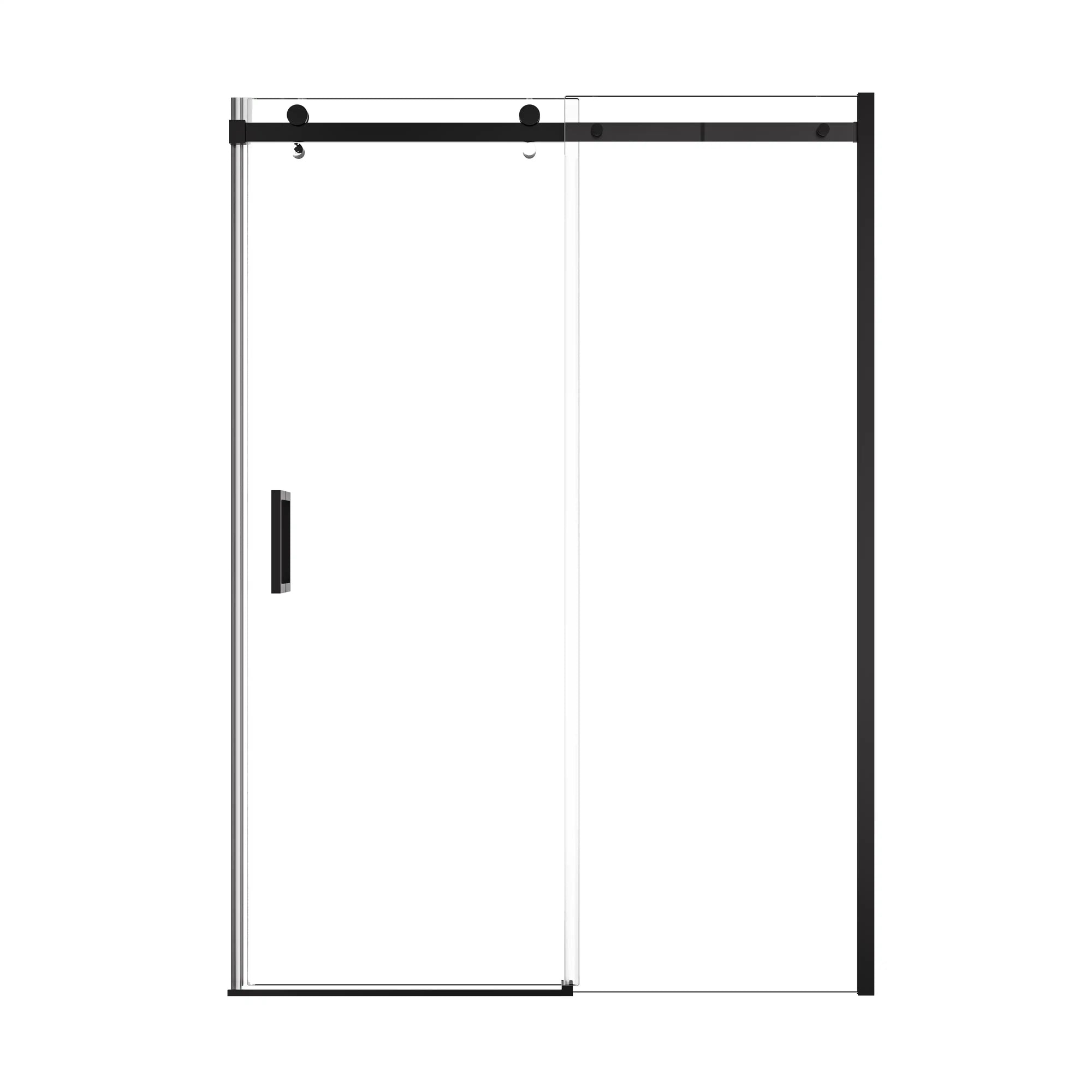
The Orris-S Series is a black frameless single sliding shower door designed for bathrooms that need both style and quiet performance. Its sleek black finish gives the space a confident, contemporary edge, while the D-shaped seal strip helps soften impact and reduce noise as the door moves. The result is a shower door that feels smooth, composed and carefully considered in everyday use.

Aurevo-X Series
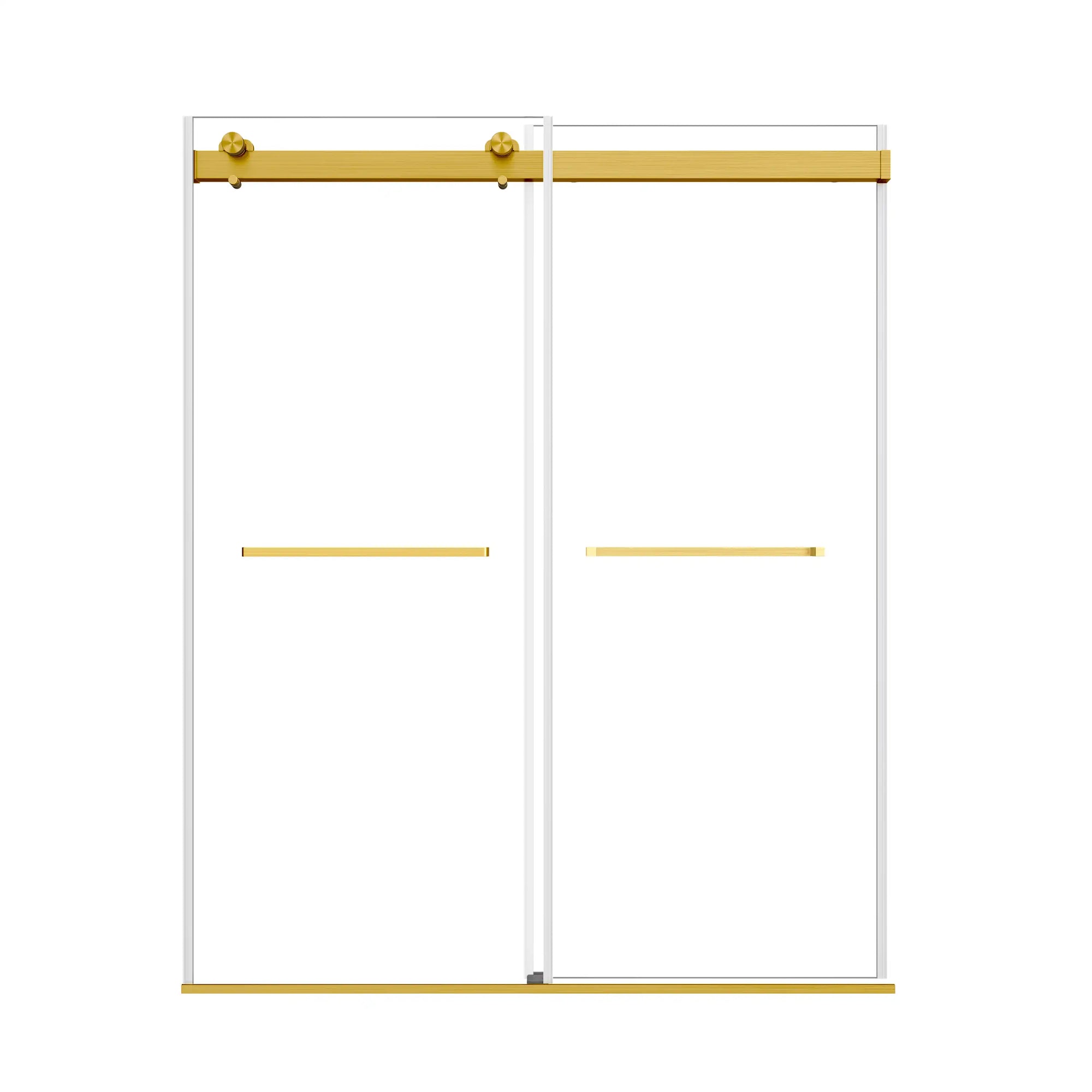
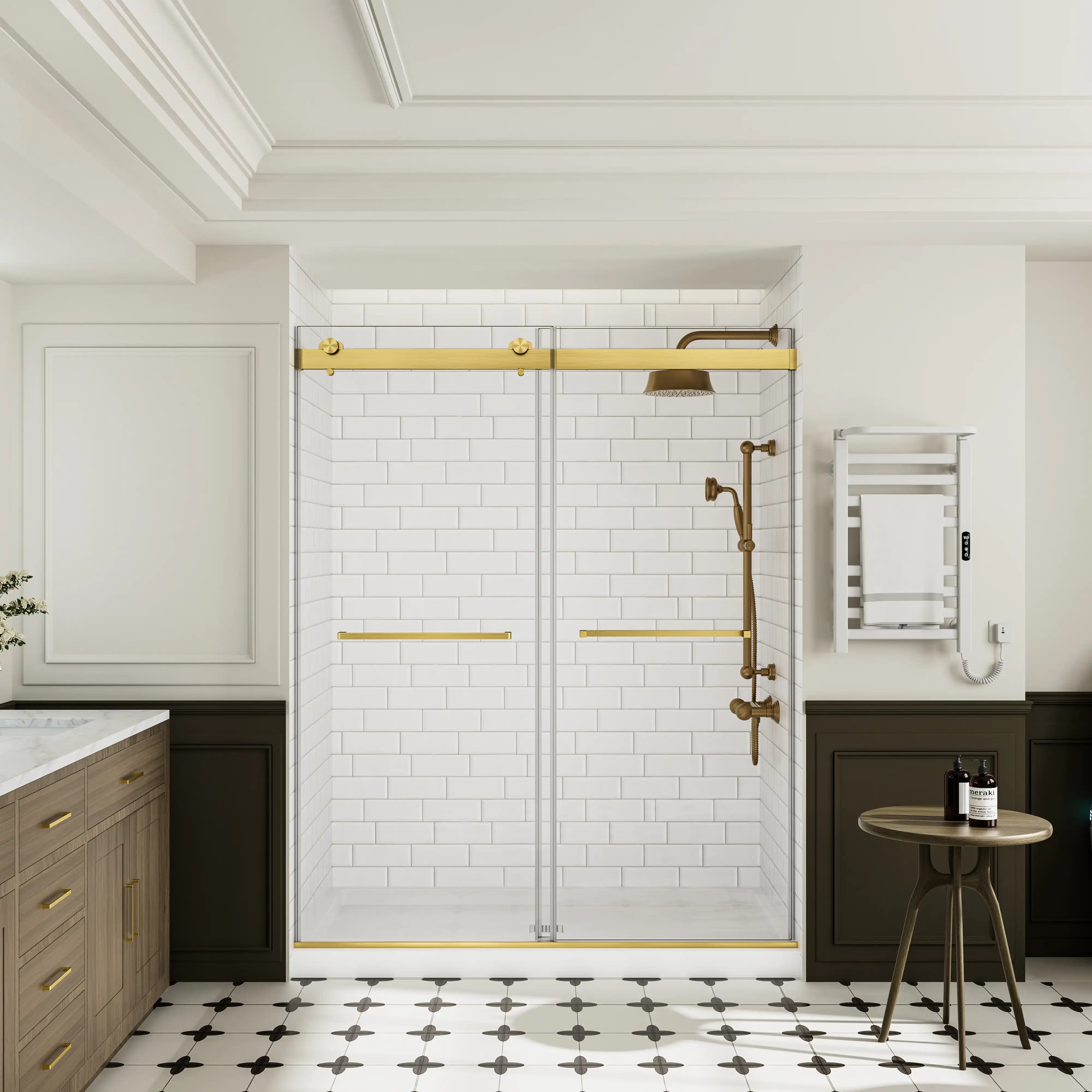
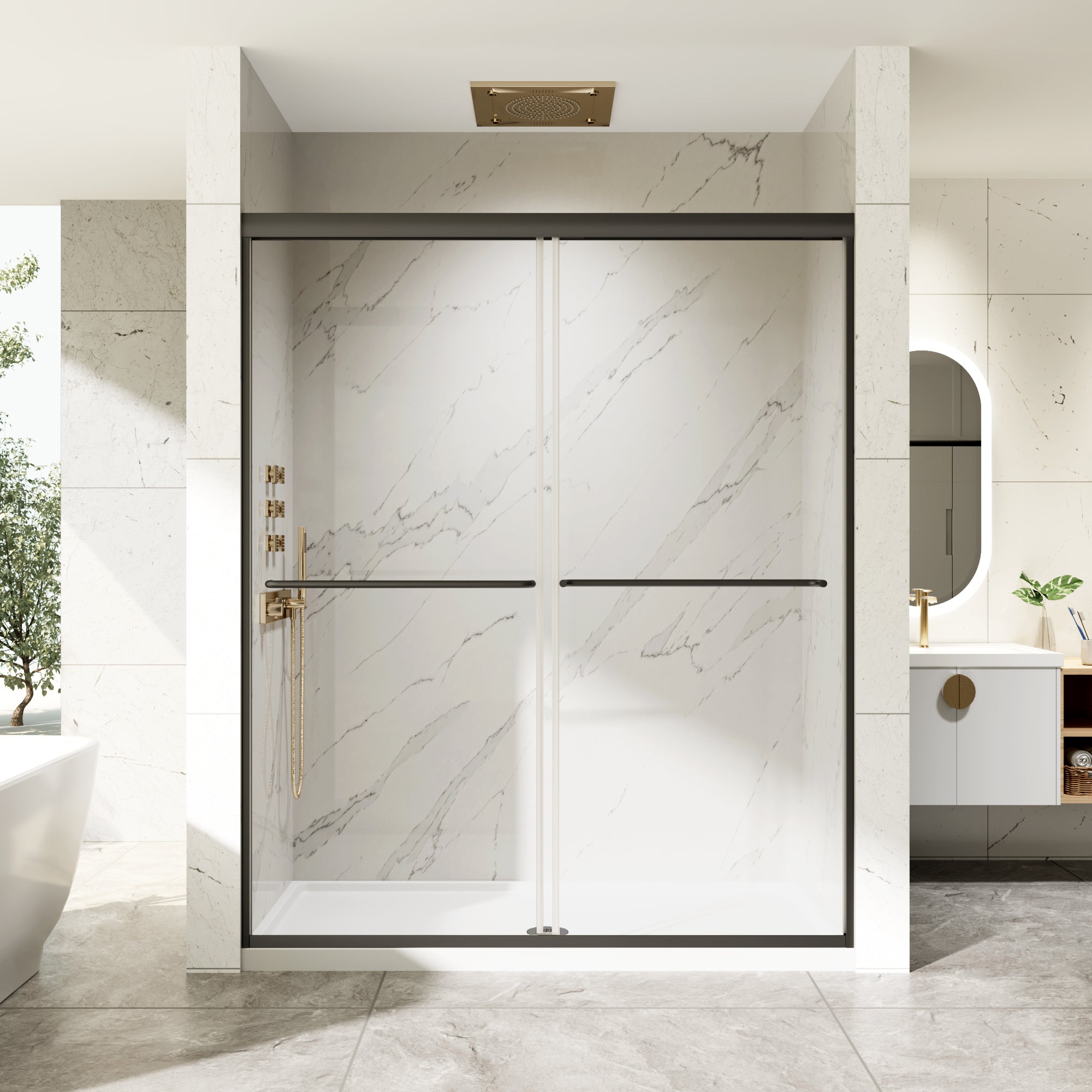
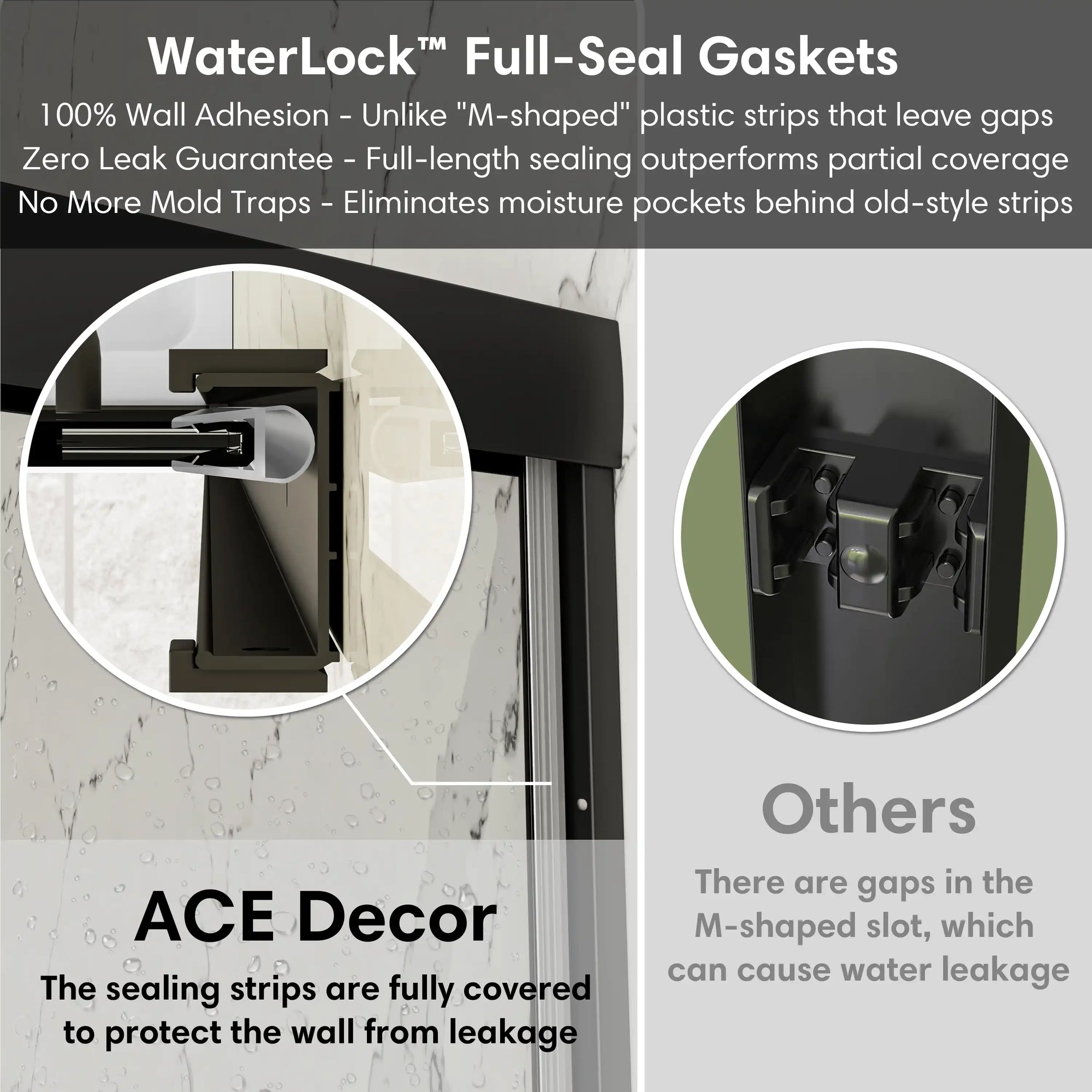
The Aurevo-X Series offers the elegance of a frameless double sliding shower door, making it a refined choice for bathrooms where flexibility and openness are equally important. Its fully covered sealing strips are designed to help protect the wall from leakage, creating a more secure and comfortable shower experience. Clean in appearance yet practical in detail, it brings together visual lightness and dependable water protection.

Zerra Series
The Zerra Series is a pivot shower door with a clean, modern profile and a reassuring sense of structure. Its magnetic seal strip helps improve the tightness and safety of the shower space, while also working to prevent water from overflowing. With its smooth opening style and secure sealing design, it offers a calm balance of everyday function and understated elegance.
Maintenance Tips to Extend the Life of Your Frameless Shower Door Seals
With a little regular care, frameless shower door seals can continue to work quietly and effectively for years. These small details are easy to overlook, but they play an important part in keeping the bathroom dry, clean and beautifully maintained. A few simple habits can help preserve both their performance and the polished look of the shower.
-
Regular cleaning:
Wipe down the seals after each shower to remove lingering water. This helps prevent mold, mildew and mineral deposits from settling in, keeping the edges of the glass looking fresh and well cared for.
-
Proper ventilation:
Keep the bathroom well ventilated, especially after hot showers. Opening a window, using an exhaust fan or allowing the door to stay slightly open can help reduce moisture in the room and make it harder for mold to develop.
-
Gentle cleaning solutions:
Avoid harsh chemicals or abrasive cleaners, as they can gradually weaken the material of the seals. Gentle options such as diluted vinegar or mild soap are usually enough for everyday maintenance, helping clean the surface without compromising its flexibility.
-
Regular inspection:
Every few months, take a closer look at the seals for signs of wear, cracking, stiffness or small gaps. Replacing a damaged seal early is a simple way to prevent leaks from becoming larger, more expensive problems.
When cared for consistently, shower door seals remain almost invisible in the best possible way — doing their job without interrupting the clean, calm feeling of the bathroom.
Frequently Asked Questions (FAQ)
How long do frameless shower door seals typically last?
Can I replace the seals on my frameless shower door myself?
How can I prevent mold from forming on my shower door seals?
What should I do if my shower door is leaking?
What is the best material for shower door seals?
By staying proactive with your frameless shower door seals, you can avoid leaks, mold, and other common problems while ensuring your bathroom stays clean and functional. And if you're looking for stylish and high-quality frameless shower doors, don't forget to explore the options at ACE DECOR, where design meets practicality for a leak-free and beautiful bathroom.
Related Articles
- "Frameless vs Framed Shower Doors: What I Learned After Testing Both"
- "Is a Frameless Bypass Shower Door Right for You? Pros, Cons, and Insider Tips"
- "Shower Door Glass Options Demystified: What Every Home Renovator Should Know"
- "Why ACE DECOR's Warranty & Replacement Policy Earns Customers' Trust"
- "Uneven Bathroom Walls? Here's Why Sliding Shower Doors Still Work Perfectly"
- "On a Budget but Refuse to Settle? A "Luxury-for-Less" Shower Door Might Be the Answer"
- "Shower Door Glass Shattering: Why Tempered Glass and Safety Film Are Essential"
- "Why Shower Folding Doors Are the Smartest Upgrade for Small Bathrooms"
- "Best Paint for Metal Shower Door Frame: Waterproof & Durable Options"
- "My Shower Door Doesn't Bang, Leak, or Wiggle — Here's Why That Changed Everything"