

Introduction: Why Shower Door Width Matters More Than You Think
Whether you’re building from the ground up or giving an existing bathroom a thoughtful refresh, a beautifully planned shower is about far more than surface style. It’s where form, function and proportion come together – and where even the smallest measurement can quietly shape the way the space feels.
One detail that is often overlooked, but makes all the difference, is shower door width. More than a technical specification, it sets the tone for how easily you move in and out of the enclosure, how comfortable the shower feels day to day, and how naturally it works with the rest of the room.
A door that’s too narrow can make the entrance feel tight and awkward, while one that’s too wide may interrupt nearby fixtures or create challenges during installation. Whether you’re drawn to the clean movement of a sliding door, the classic simplicity of a hinged design, or the flexibility of a pivot style, choosing the right width is essential to creating a shower that feels effortless to use.
In this guide, we’ll take a closer look at how shower door width works – from standard dimensions and clearance requirements to measuring advice and space-planning considerations – so you can find a fit that feels balanced, practical and beautifully suited to your bathroom.
Table of Contents:
- Standard Width and Opening Requirements for Pivot Shower Doors
- Key Dimensions and Space Considerations for Hinge Shower Doors
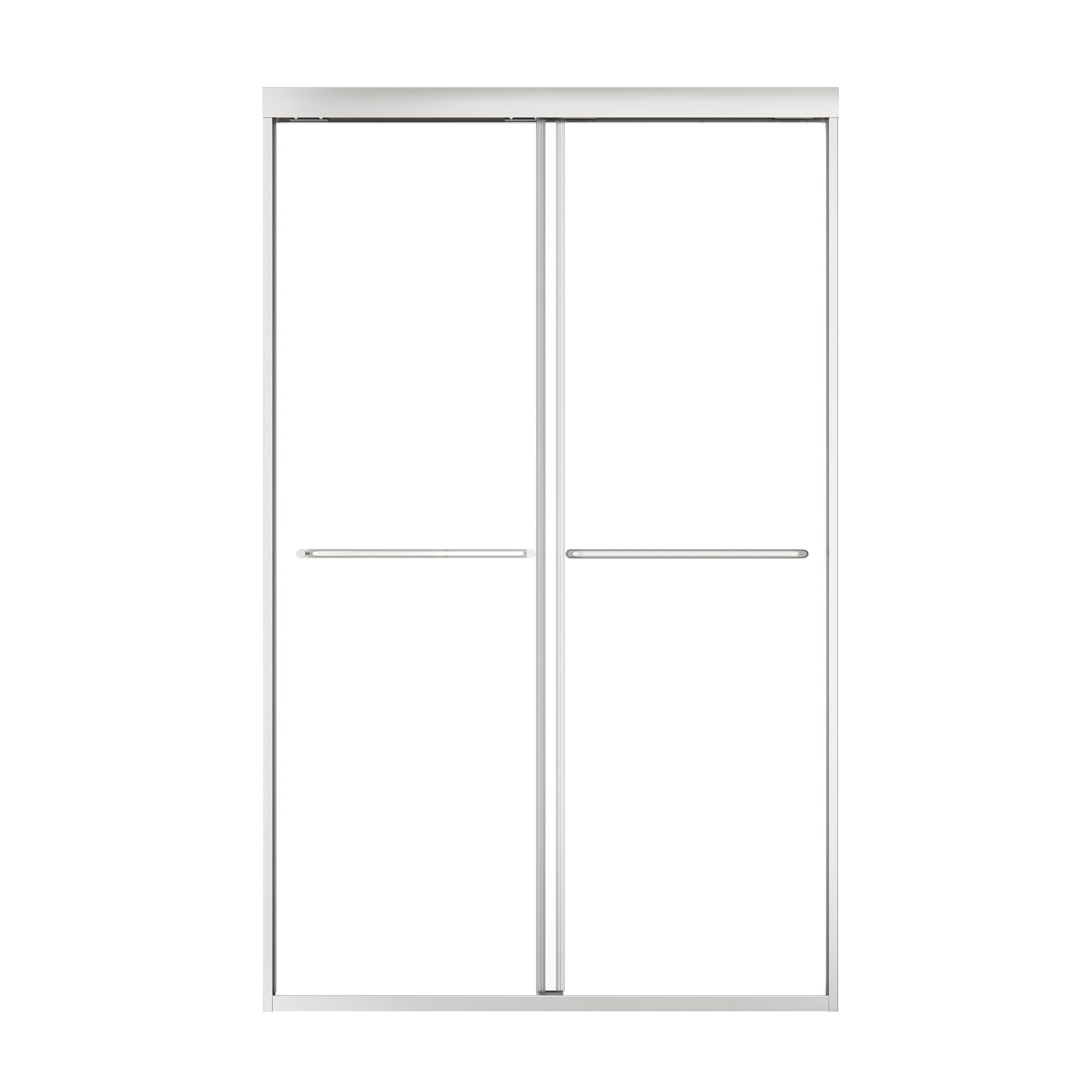
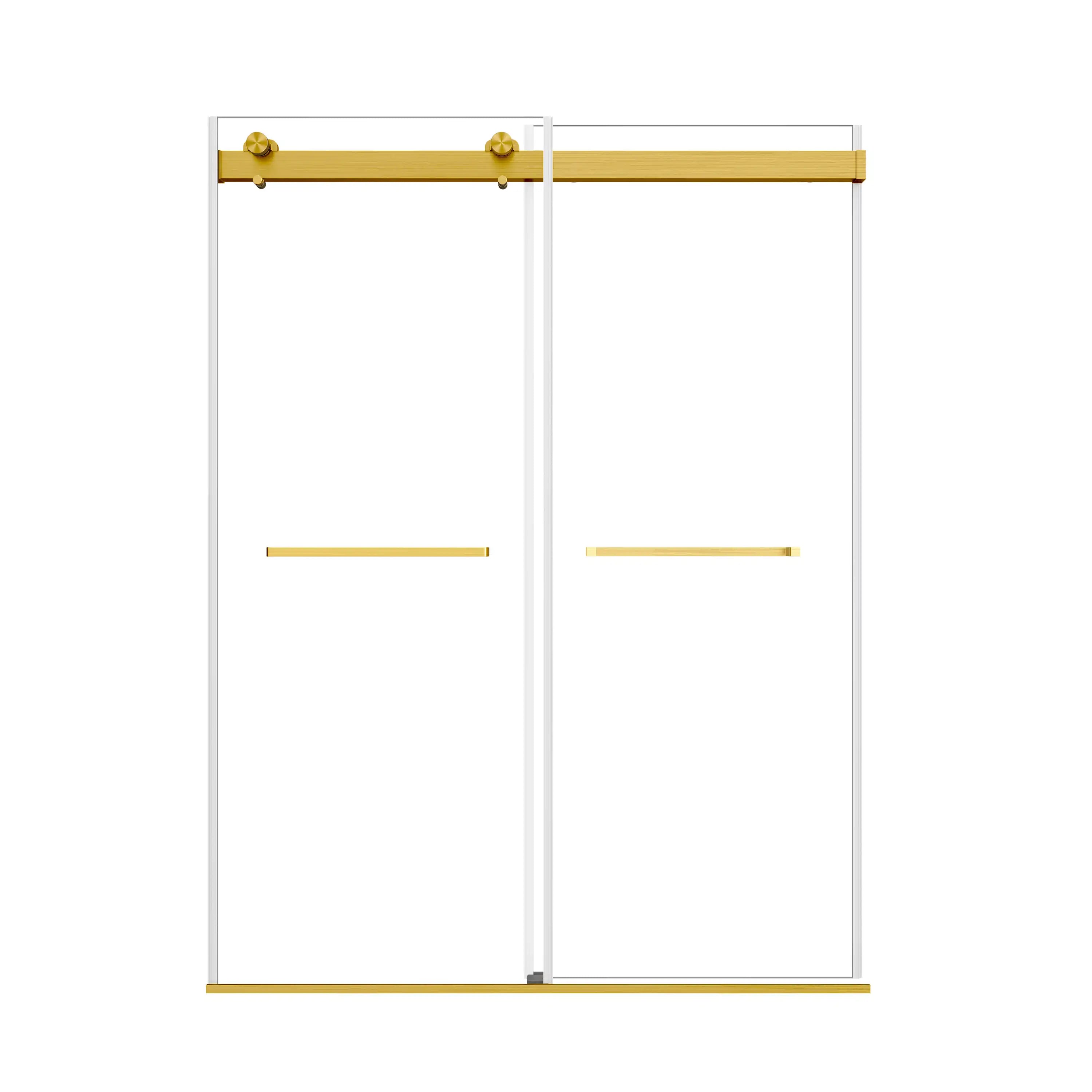
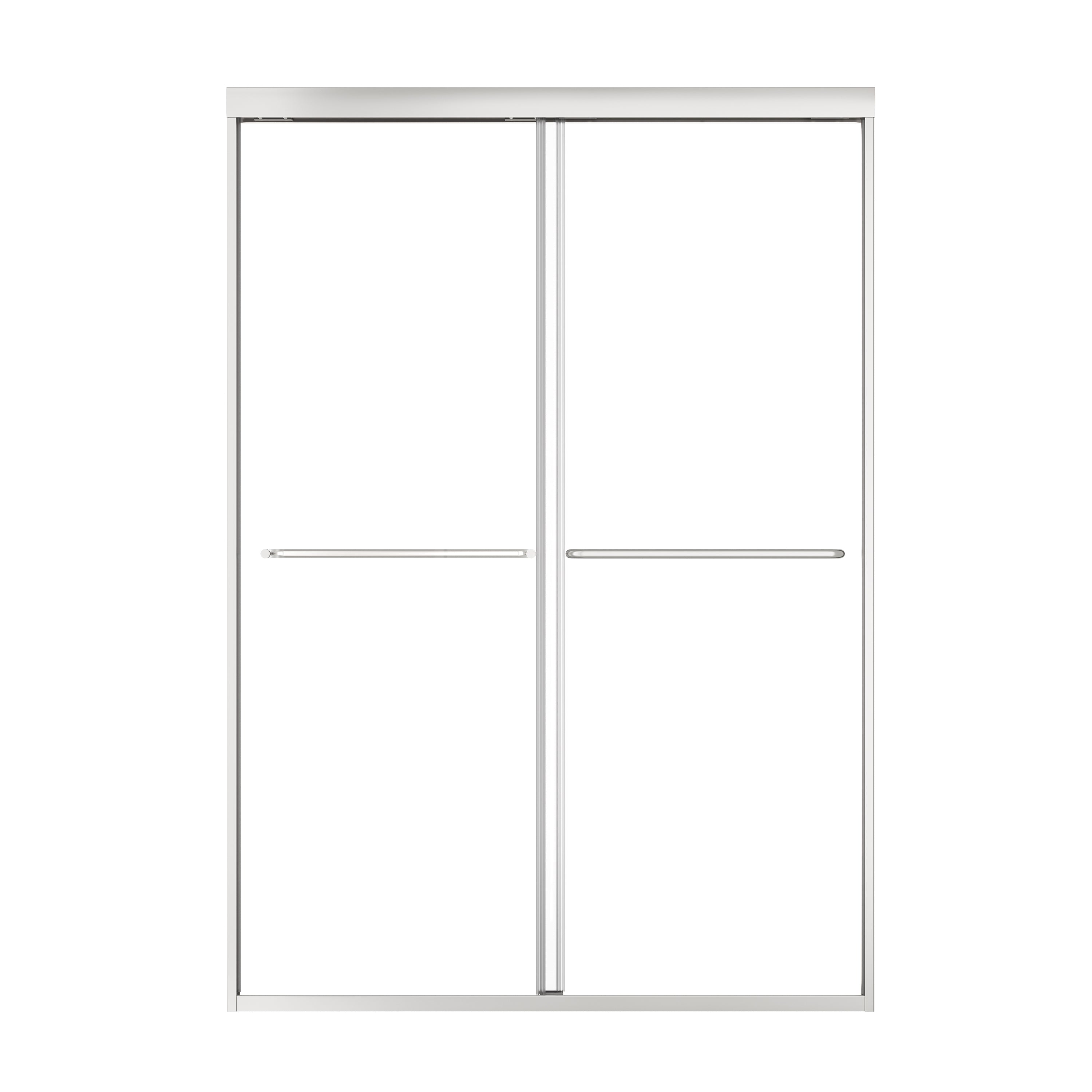
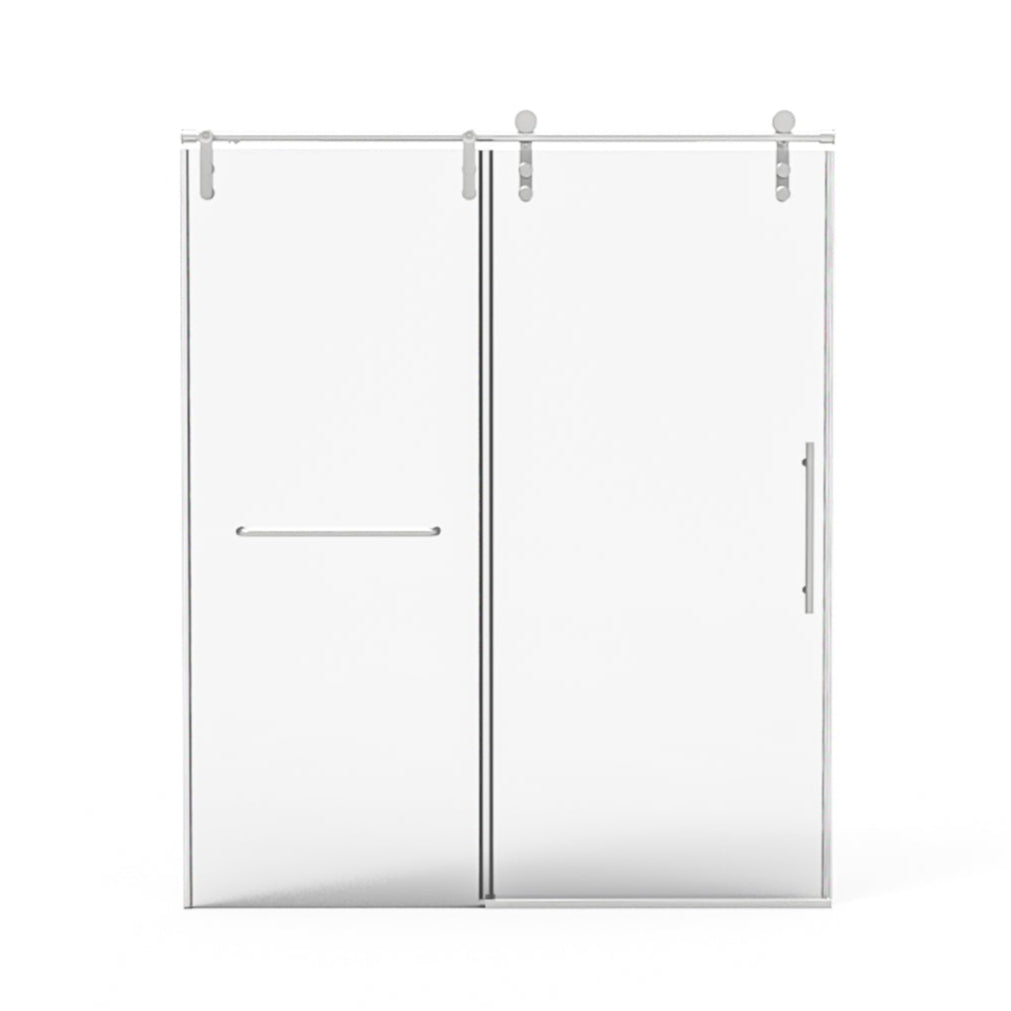
- Sliding Shower Door Width: Best Use Cases and Space Optimization
- Bi-Fold Shower Door Sizes: Compact Solution for Small Bathrooms
- How to Measure Shower Door Width Accurately: Step-by-Step Guide
- Choosing the Right Shower Door Width for Your Layout
- Conclusion: Optimizing Function and Style Through Correct Shower Door Width
- FAQ: Expert Answers to Common Questions About Shower Door Width
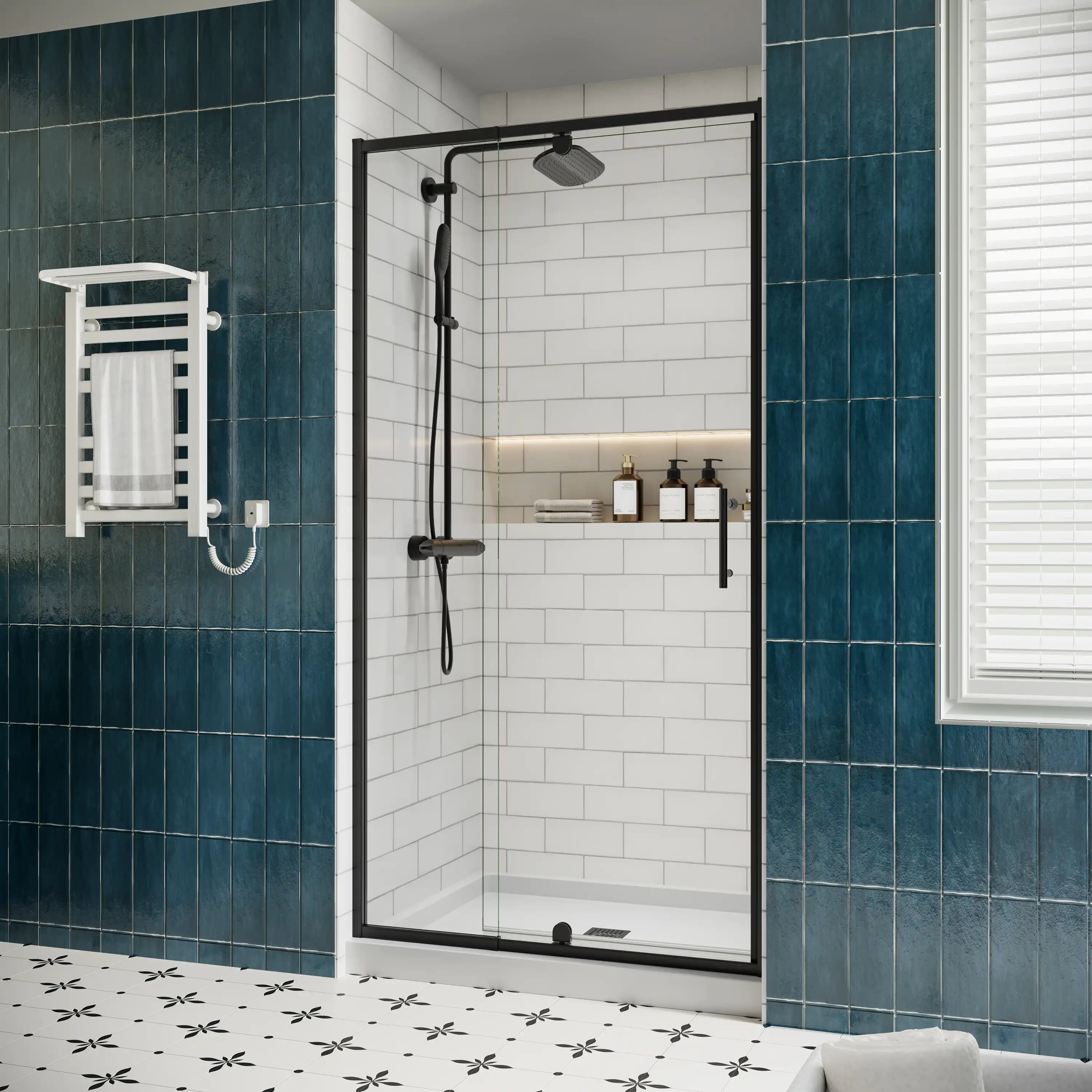
Standard Width and Opening Requirements for Pivot Shower Doors

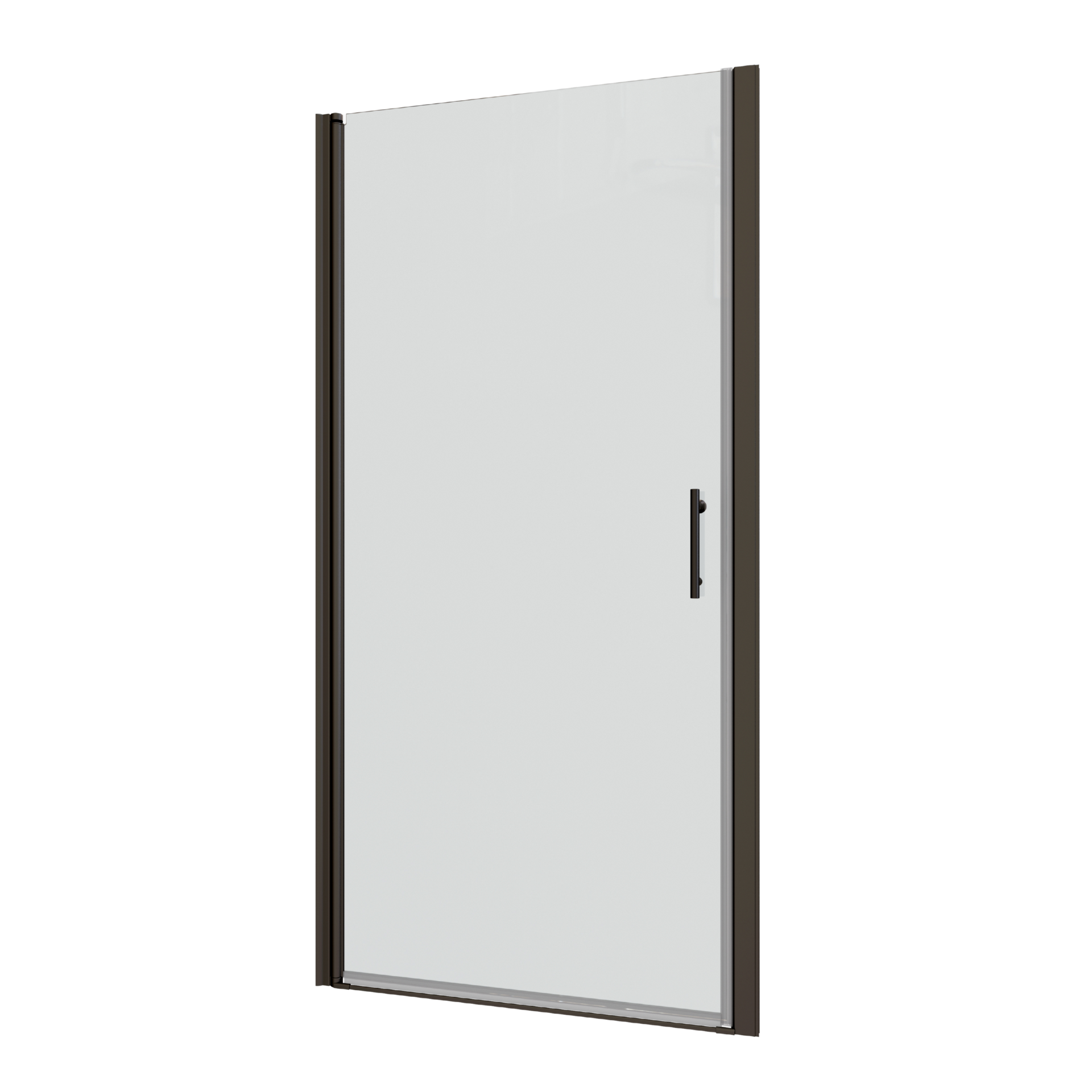
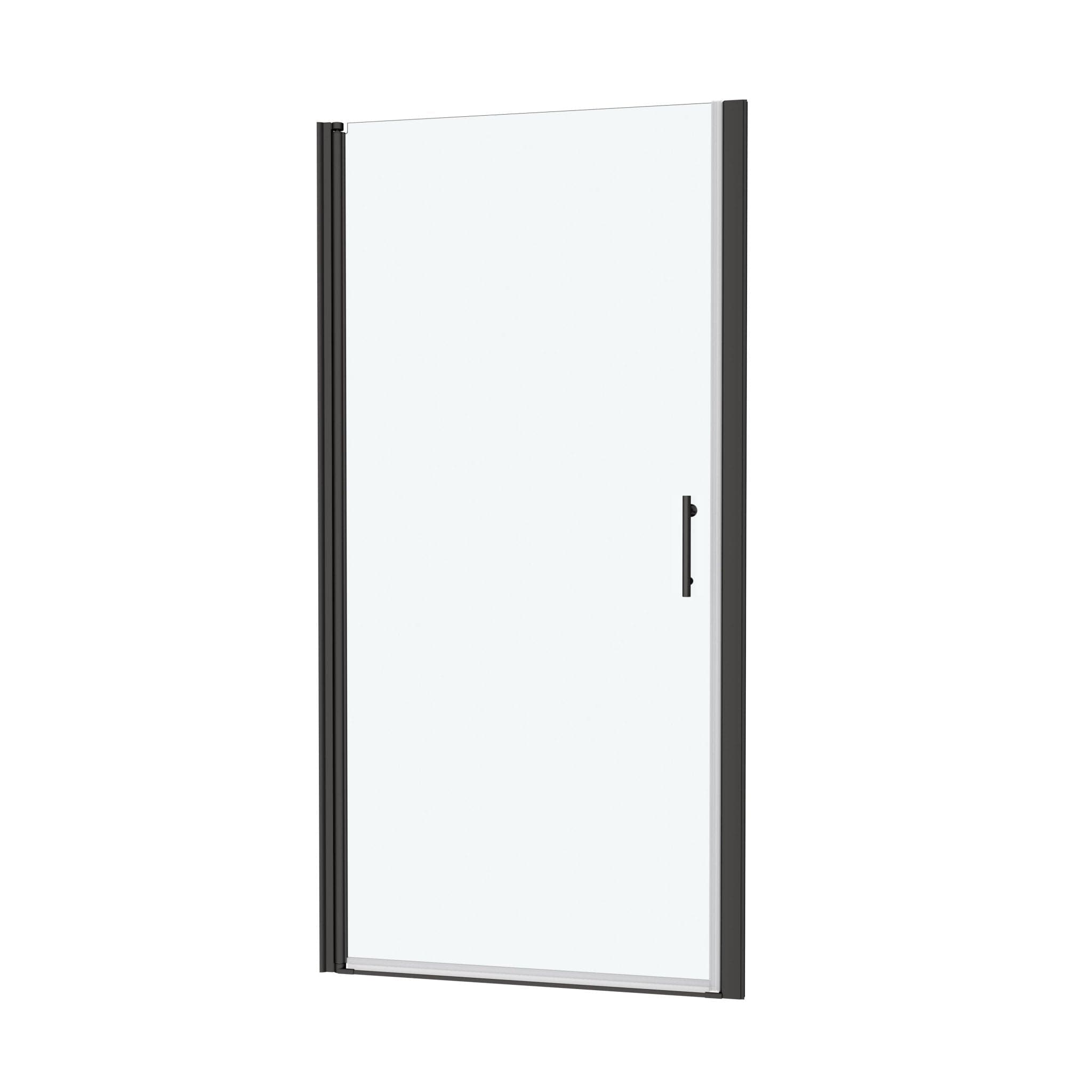
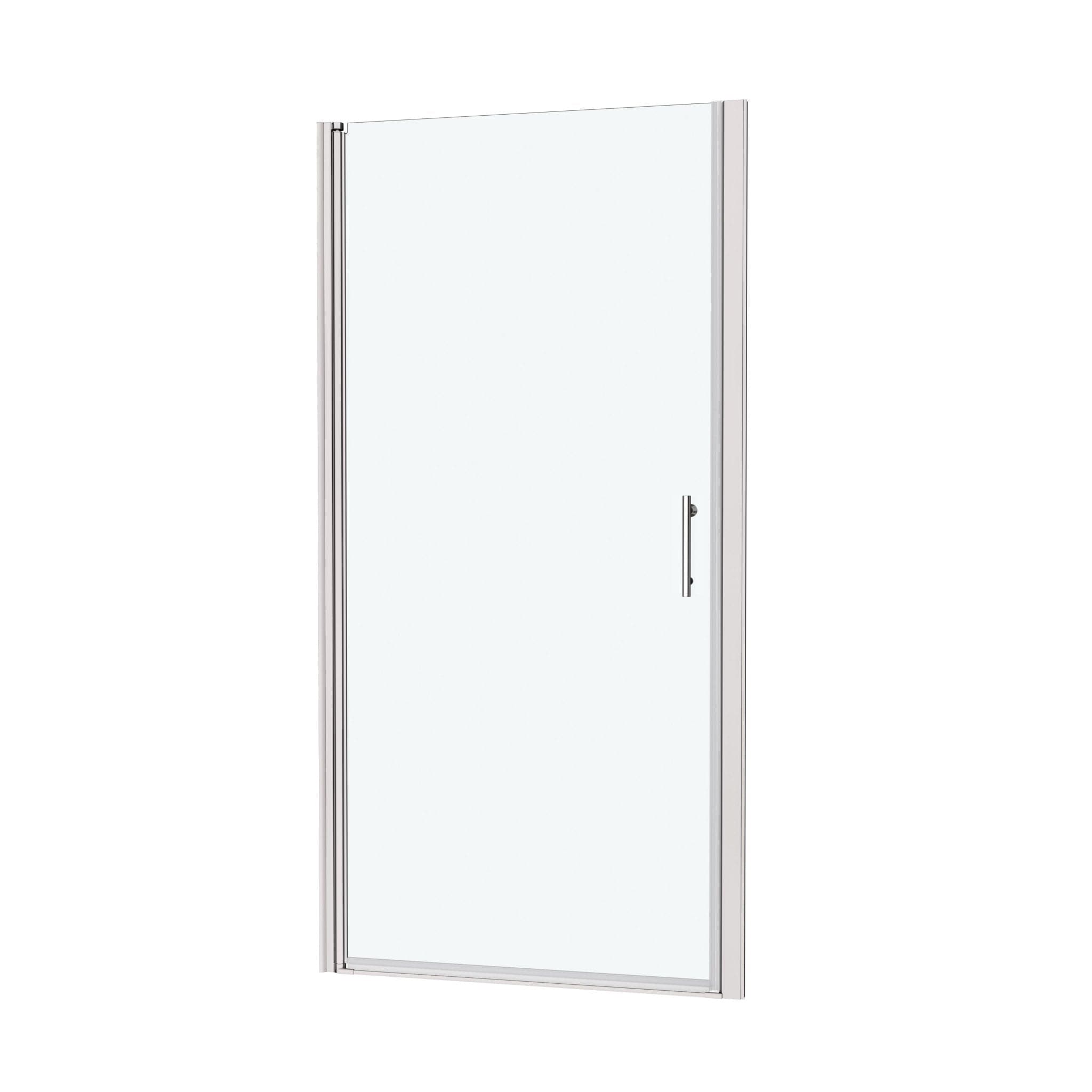
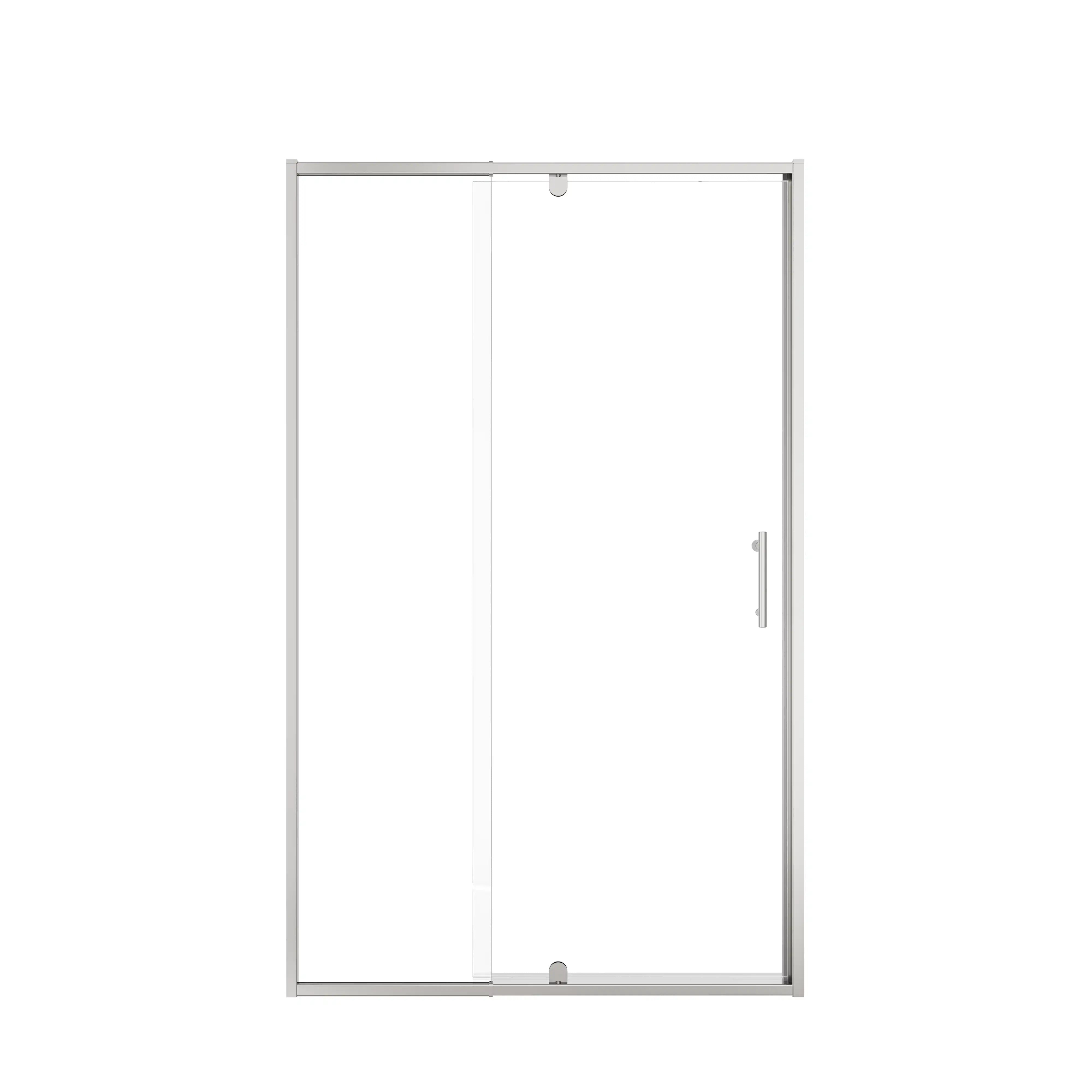
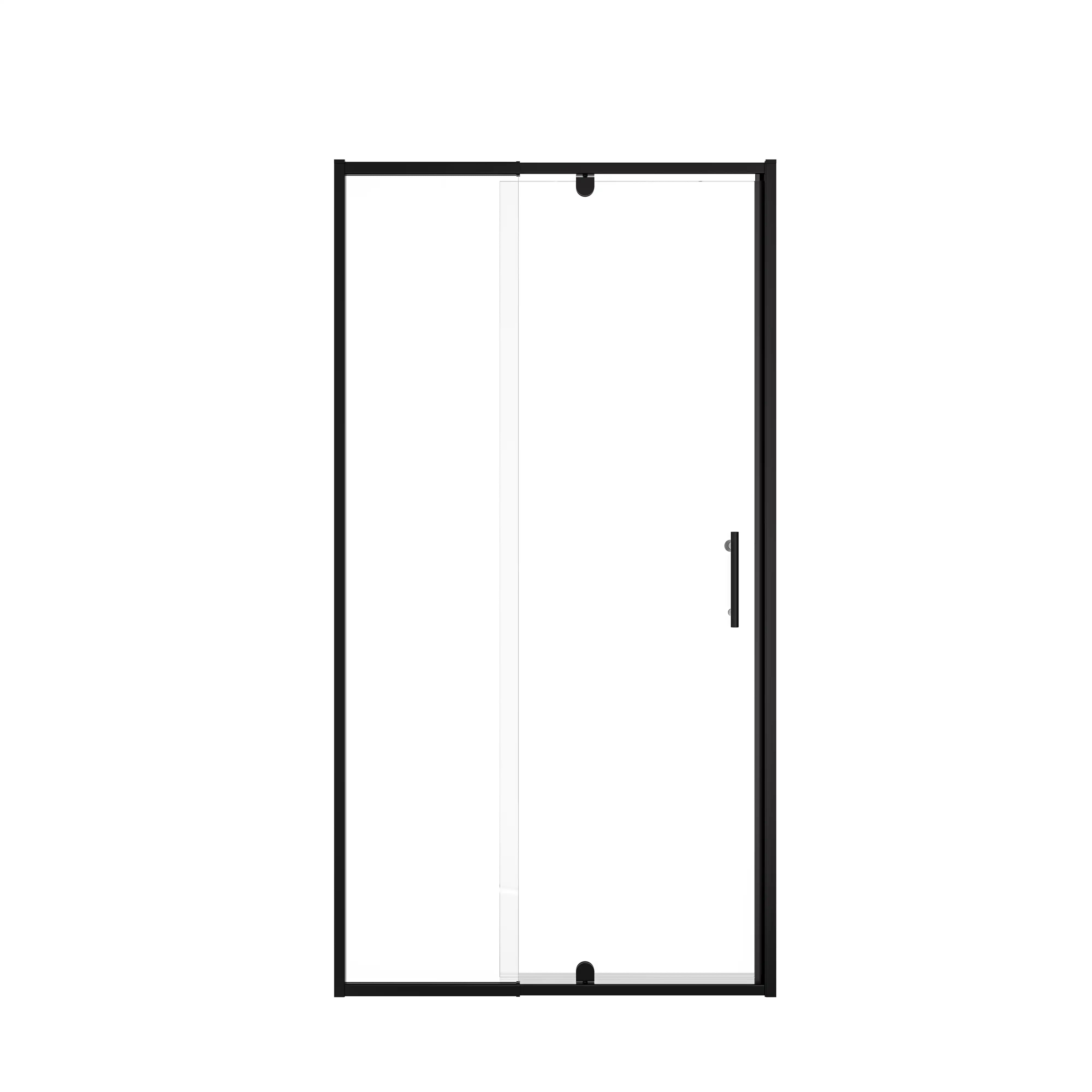
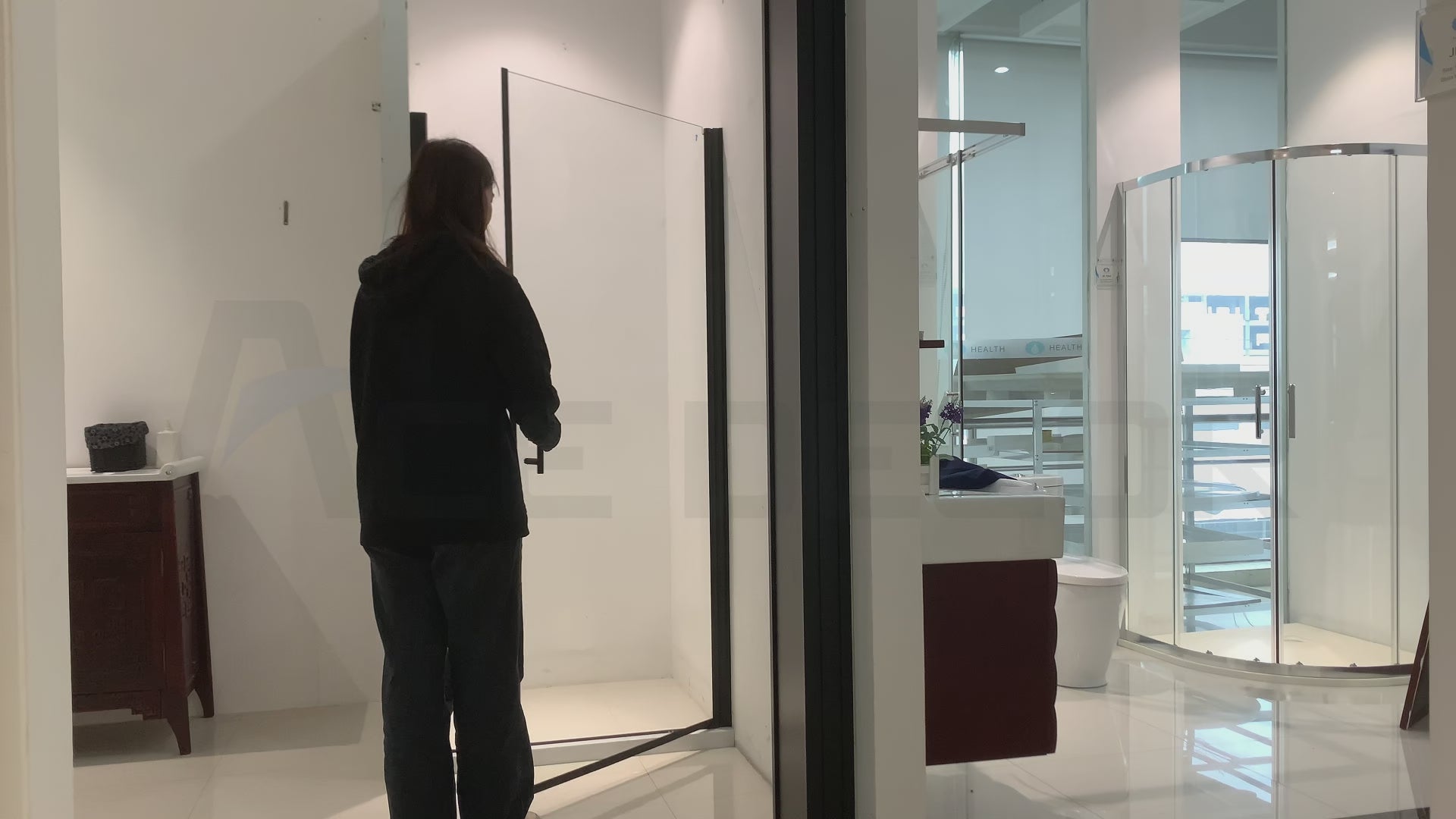
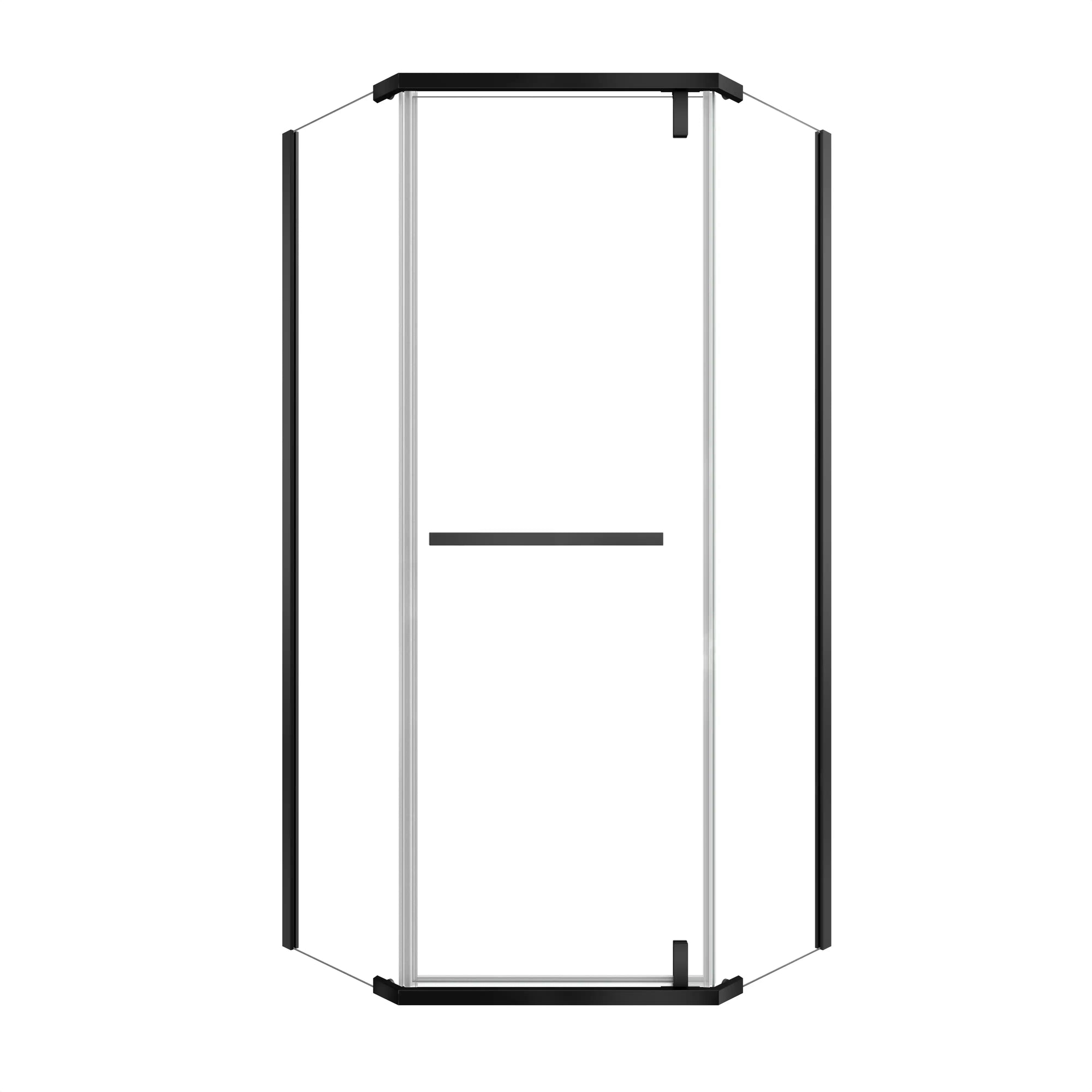
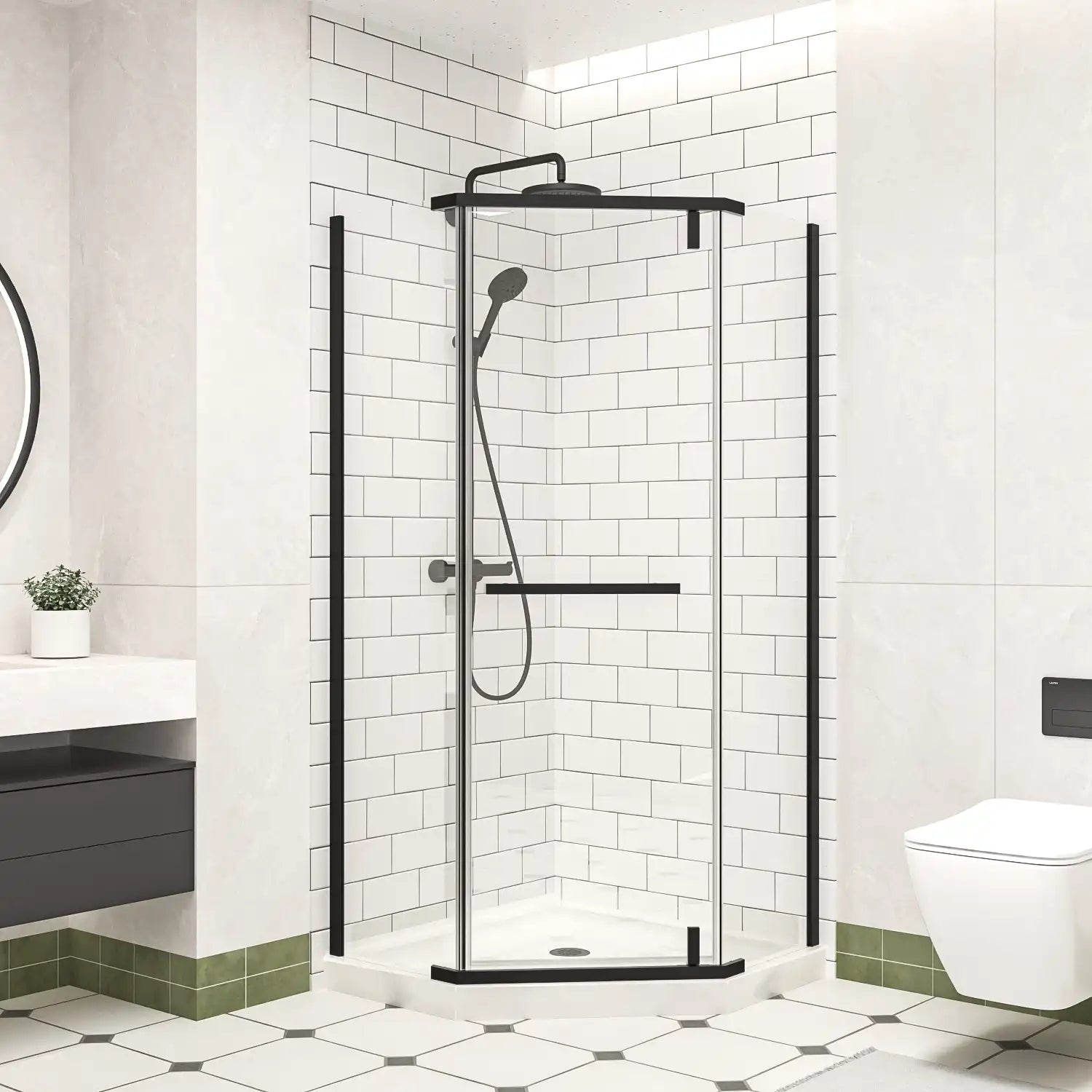
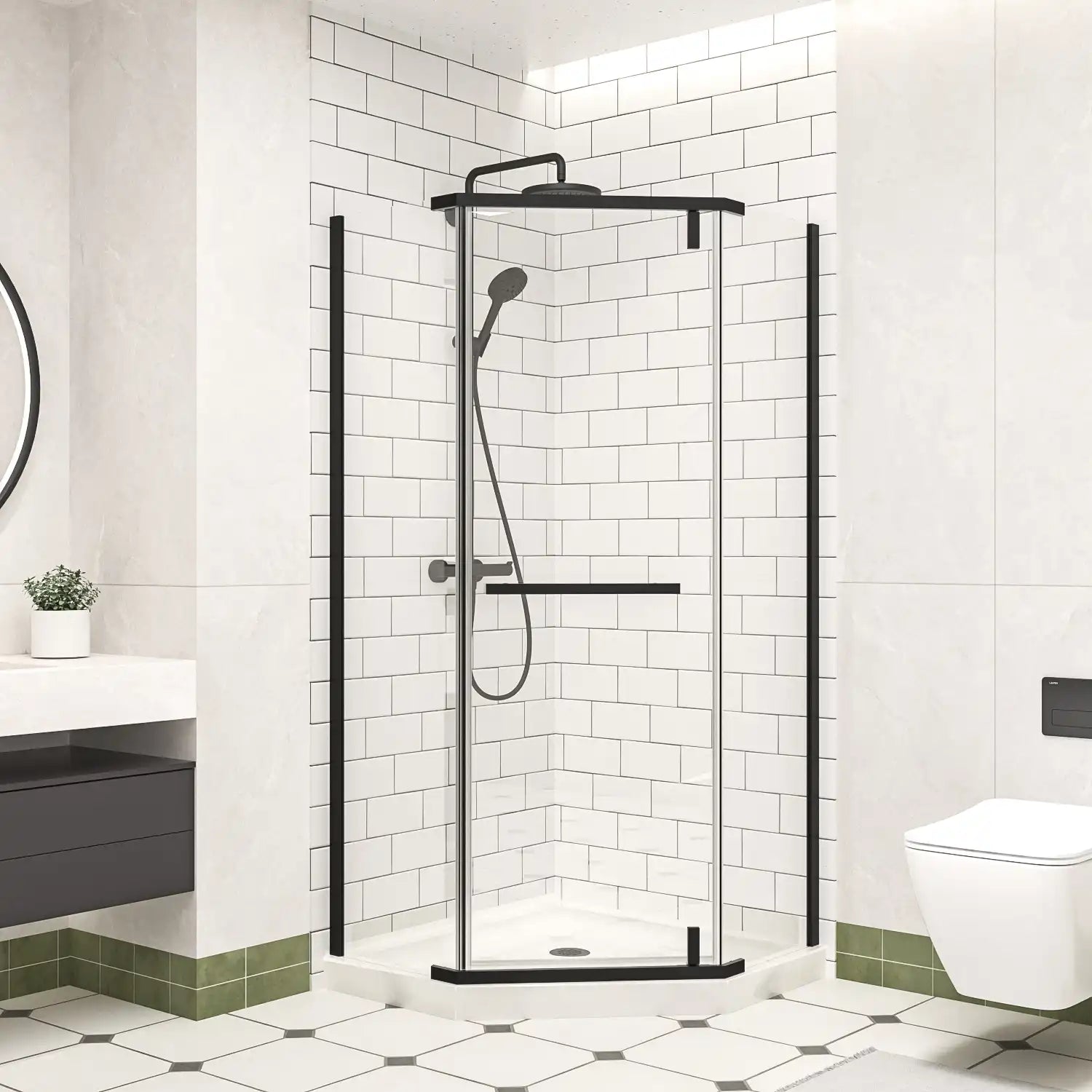
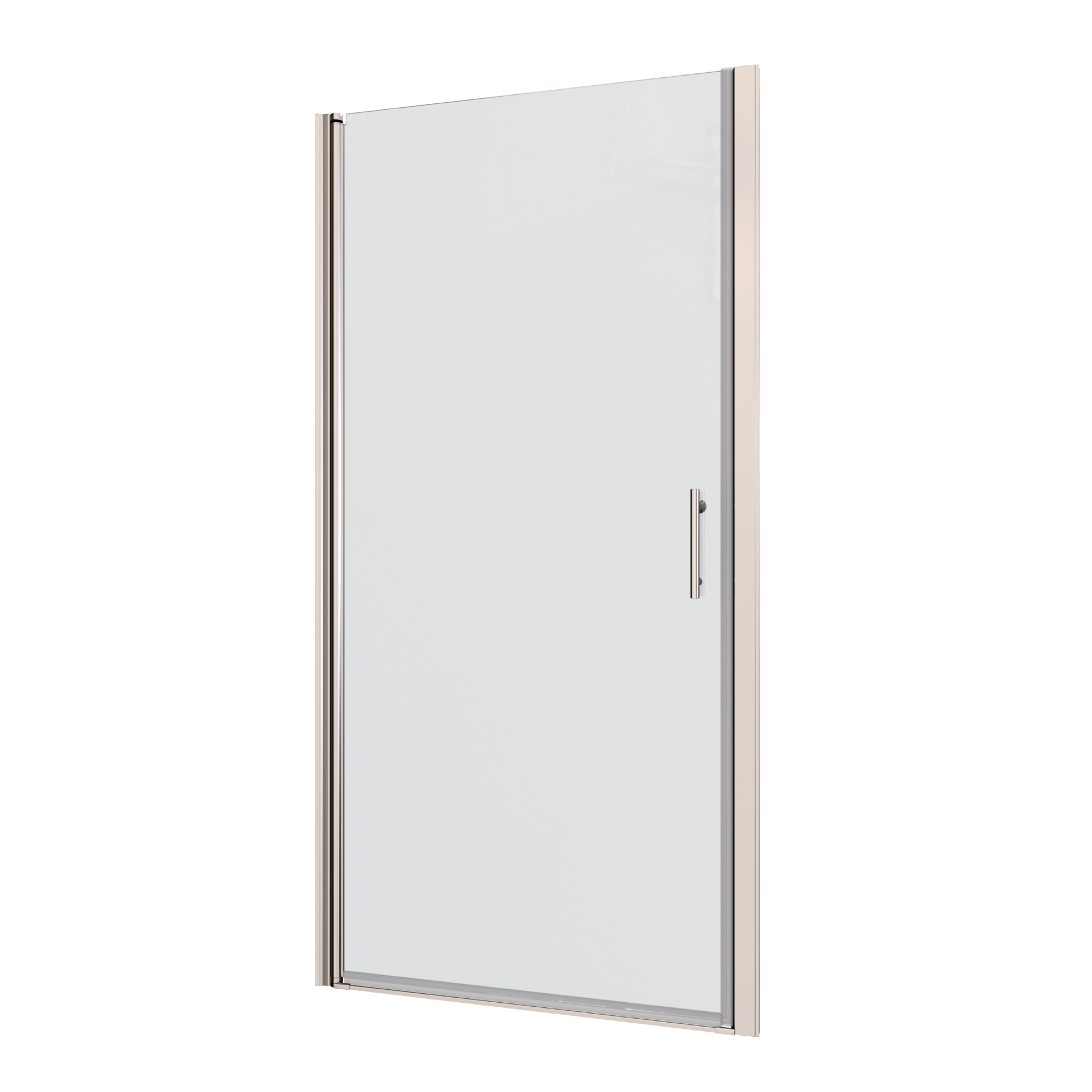
When it comes to choosing a shower door, pivot designs bring a quiet sense of structure and ease. Opening on a pin mechanism at the top and bottom of the frame, they move with a clean, considered motion – much like a traditional door, but with a sleeker, more architectural feel.
Often paired with one-piece shower bases, pivot shower doors work especially well in alcove and bathtub shower installations, where their simple lines can help the enclosure feel neat, balanced and beautifully contained. Their appeal lies in the way they combine practicality with a refined, minimal look – never overly decorative, just clean, calm and easy to live with.
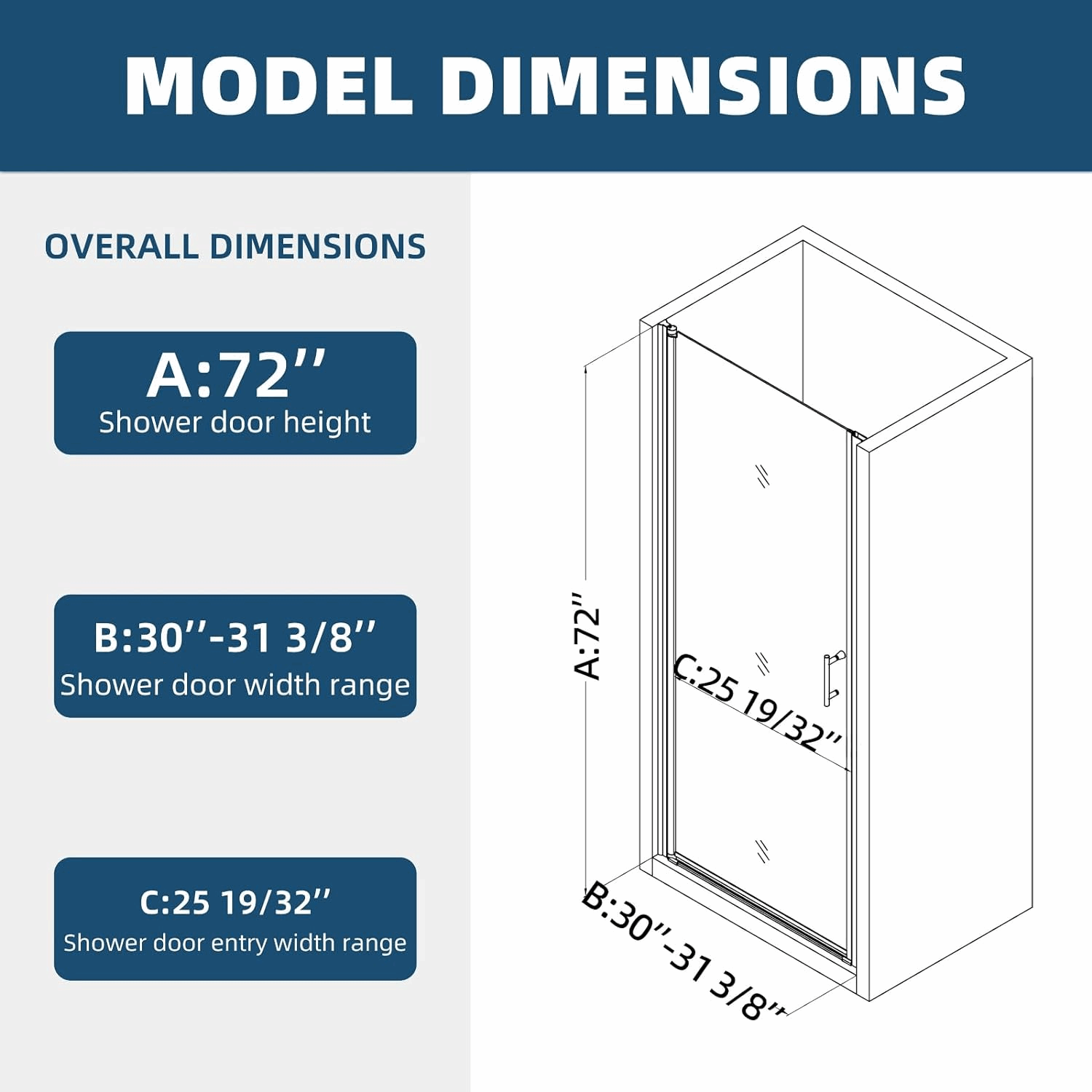
Typical widths usually range from 22 to 48 inches (about 56 to 122 cm), with the full measurement including both the glass panel and any necessary framing. Depending on the design, the door may swing outward, inward, or in some cases both ways, which makes planning the surrounding space just as important as choosing the door itself.
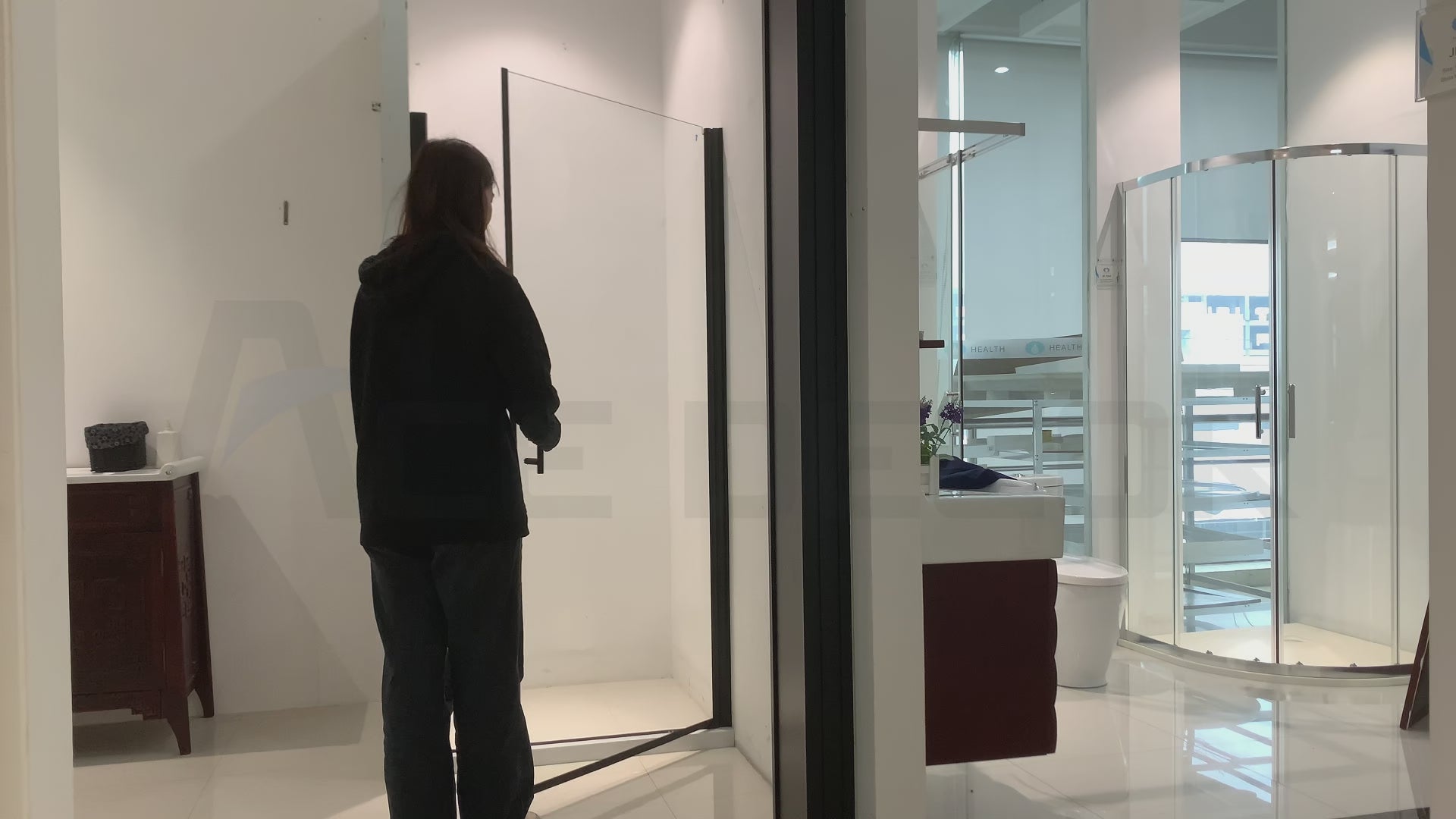
The key detail to consider is clearance. Because a pivot shower door opens like a regular door, it needs enough open floor space to move comfortably. A 30-inch-wide door, for example, will generally need at least 30 inches of clear space in front of the shower to open fully. In a more compact bathroom, this can quickly shape the layout – and may make a sliding door feel like the more effortless choice.
If you’re choosing a frameless pivot design, it’s also worth paying close attention to the sealing. Anti-leak seals along the bottom and sides help keep water where it belongs, especially when the door opens outward. With the right width, swing direction and sealing details, a pivot shower door can feel beautifully simple: streamlined in appearance, practical in daily use, and perfectly in tune with the rest of the bathroom.
Key Dimensions and Space Considerations for Hinge Shower Doors

When it comes to hinge shower doors, the appeal lies in their quiet simplicity. Much like pivot designs, they open with a familiar, door-like motion, but are usually supported by side-mounted hinges rather than a central pivot mechanism. The result is a clean, elegant swing that feels refined and easy to use – provided the surrounding space has been carefully considered.
Hinge shower doors are often chosen for their crisp, architectural look, especially in frameless bathrooms where the glass becomes the main feature. Standard widths typically range from 24 to 36 inches (about 61 to 91 cm), making them well suited to alcove showers, walk-in enclosures and layouts where a full outward swing can be comfortably accommodated. While most designs open outward, some models offer reversible hinges, giving you a little more flexibility when planning the room.
The key detail is support. Because the full weight of the glass is carried by wall-mounted hinges, installation needs to be secure and precise – particularly with frameless doors made from thicker 8mm or 10mm glass. These heavier panels bring a beautifully substantial feel, but they also rely on strong fixing points and careful alignment to move smoothly over time.
Clearance is just as important. Many hinge mechanisms allow the door to open up to 180 degrees, which can feel wonderfully flexible in the right space. But before choosing a size, it’s worth looking closely at what sits nearby. Vanities, toilets, towel racks and storage pieces can all interrupt the door’s path if the layout is tight.
Sizing matters here not only for appearance, but for everyday performance. A hinge shower door that fits well will open cleanly, close neatly and help keep water where it belongs. If the opening is slightly uneven, adjustable hinges and sealing kits can help refine the fit during installation. With the right measurements and a little thoughtful planning, a hinge shower door can bring a bathroom a sense of clarity – streamlined, practical and quietly polished.
Sliding Shower Door Width: Best Use Cases and Space Optimization

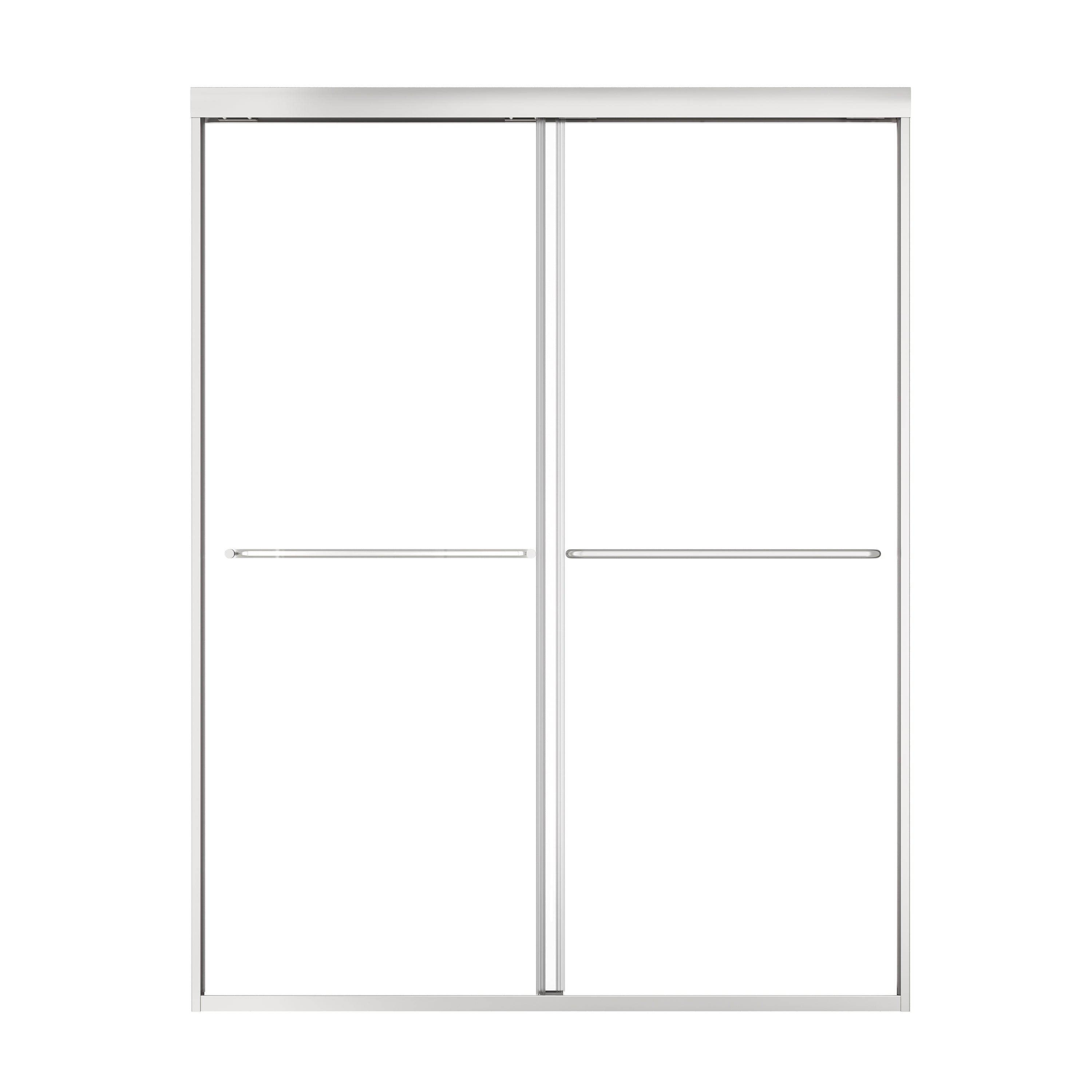
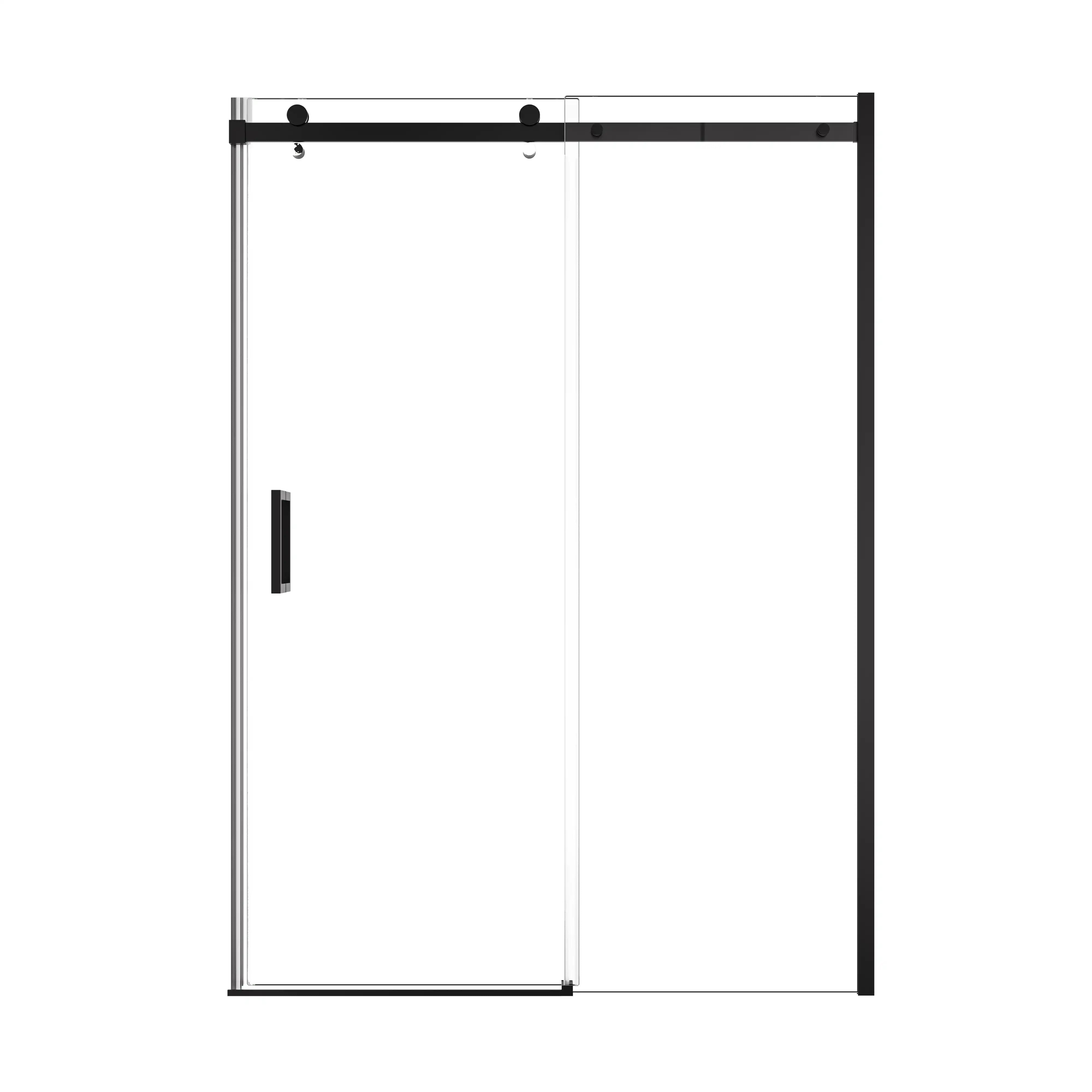
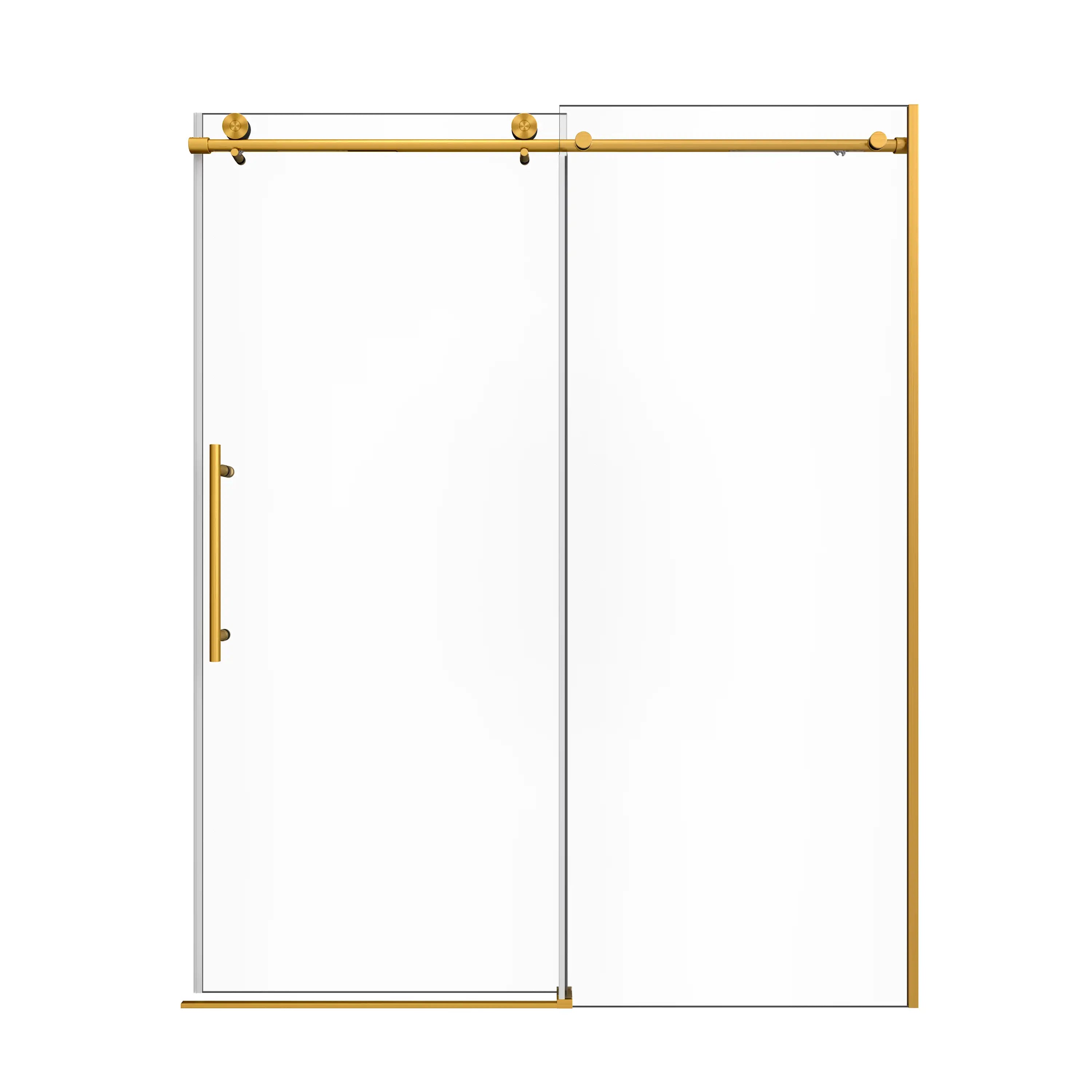
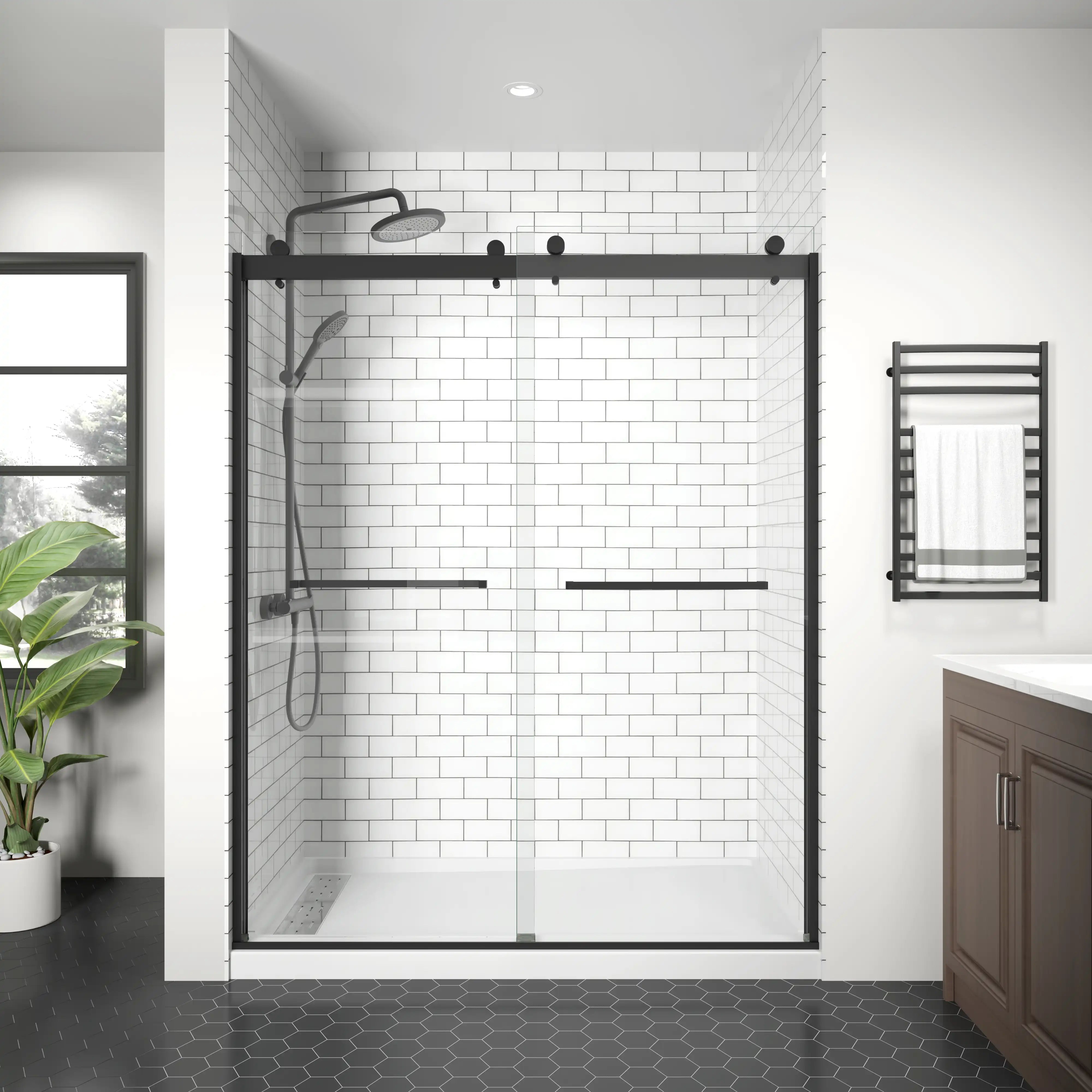
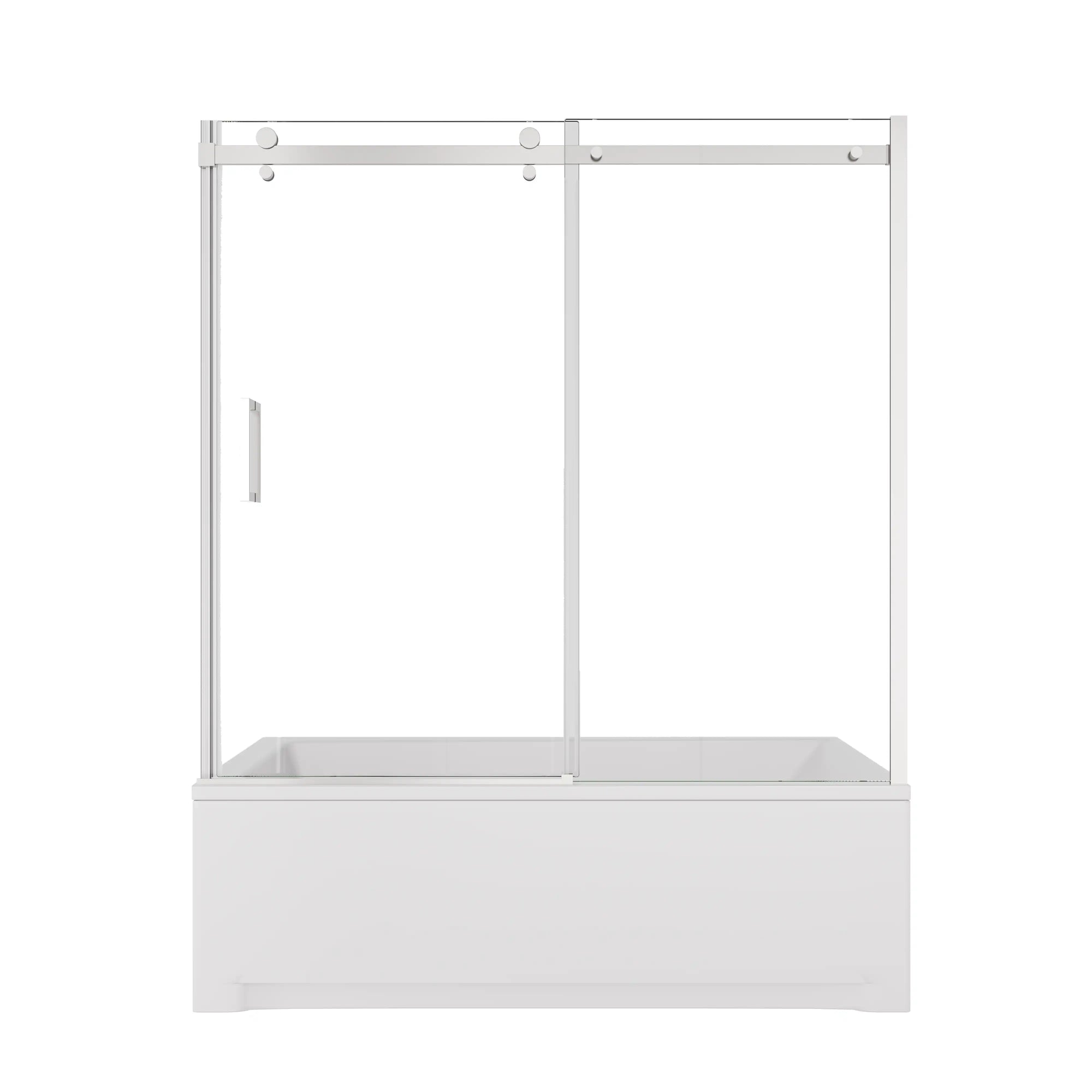
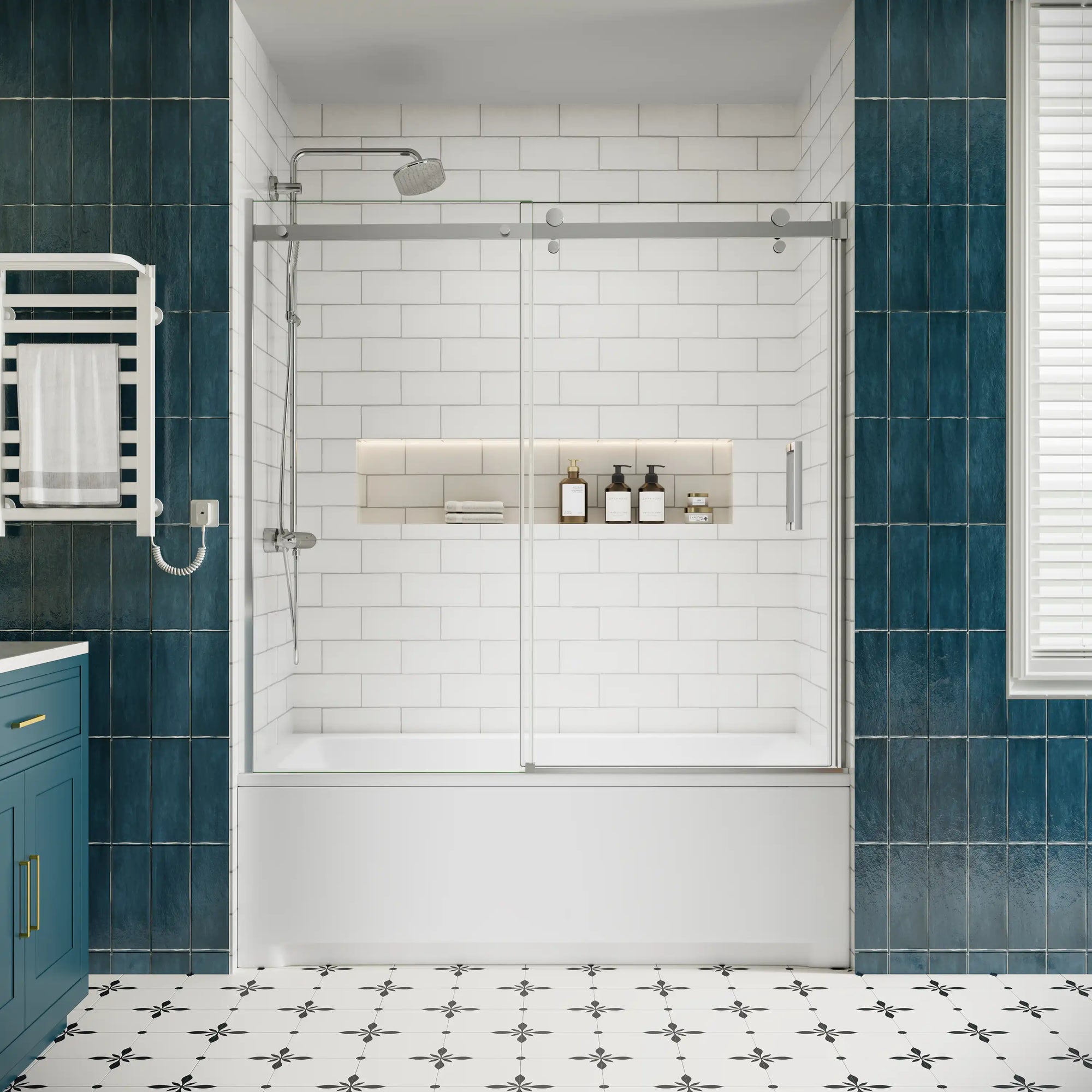
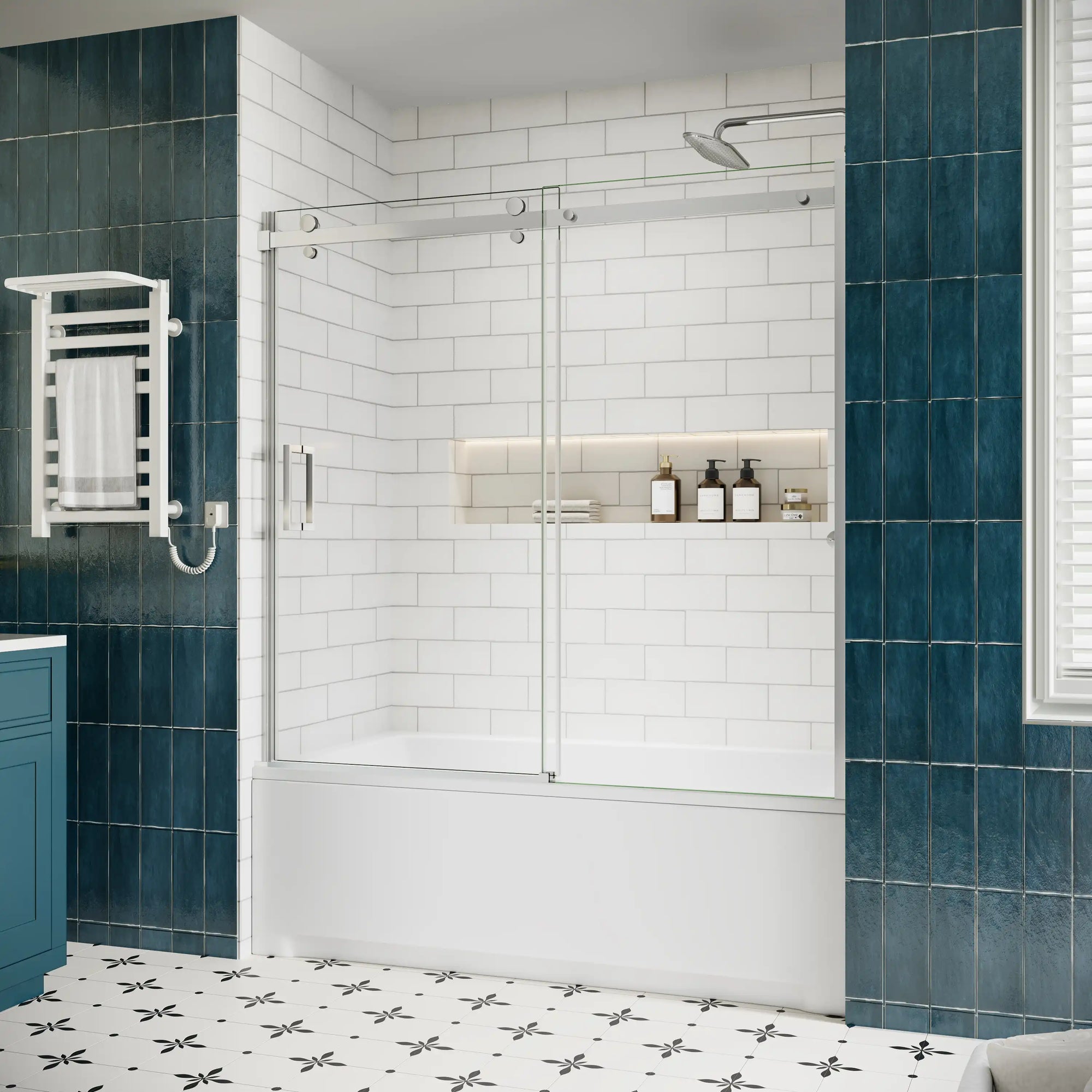
When space is at a premium, sliding shower doors offer a wonderfully practical kind of elegance. Rather than swinging out into the room, they glide smoothly along a track, keeping the footprint compact while still giving the shower enclosure a clean, considered look.
This makes them a natural choice for narrow bathrooms, shared spaces and apartment layouts where every inch needs to work a little harder. By removing the need for swing clearance, sliding doors allow the surrounding area to feel more open and easier to move through – particularly where vanities, toilets or storage pieces sit close to the shower.
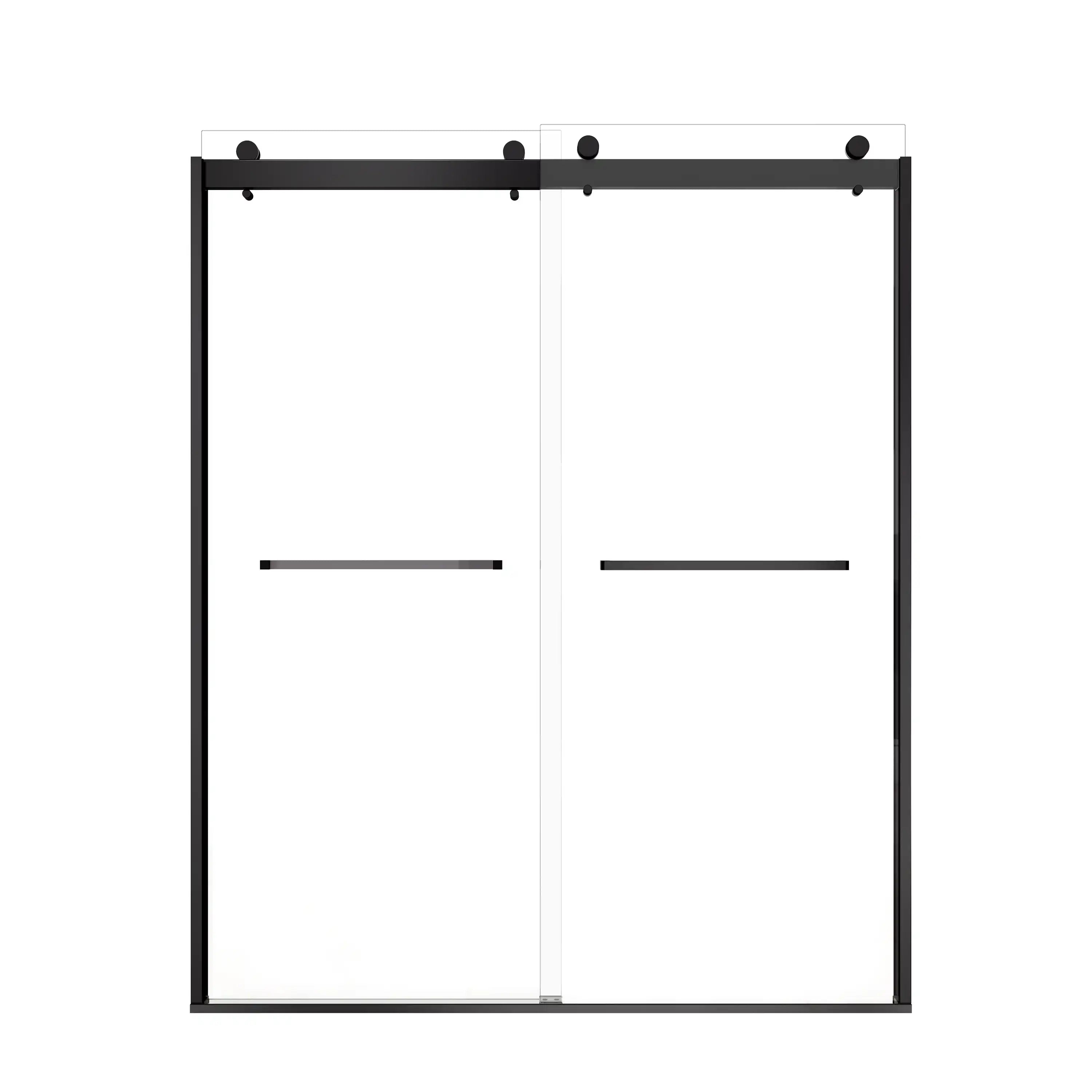
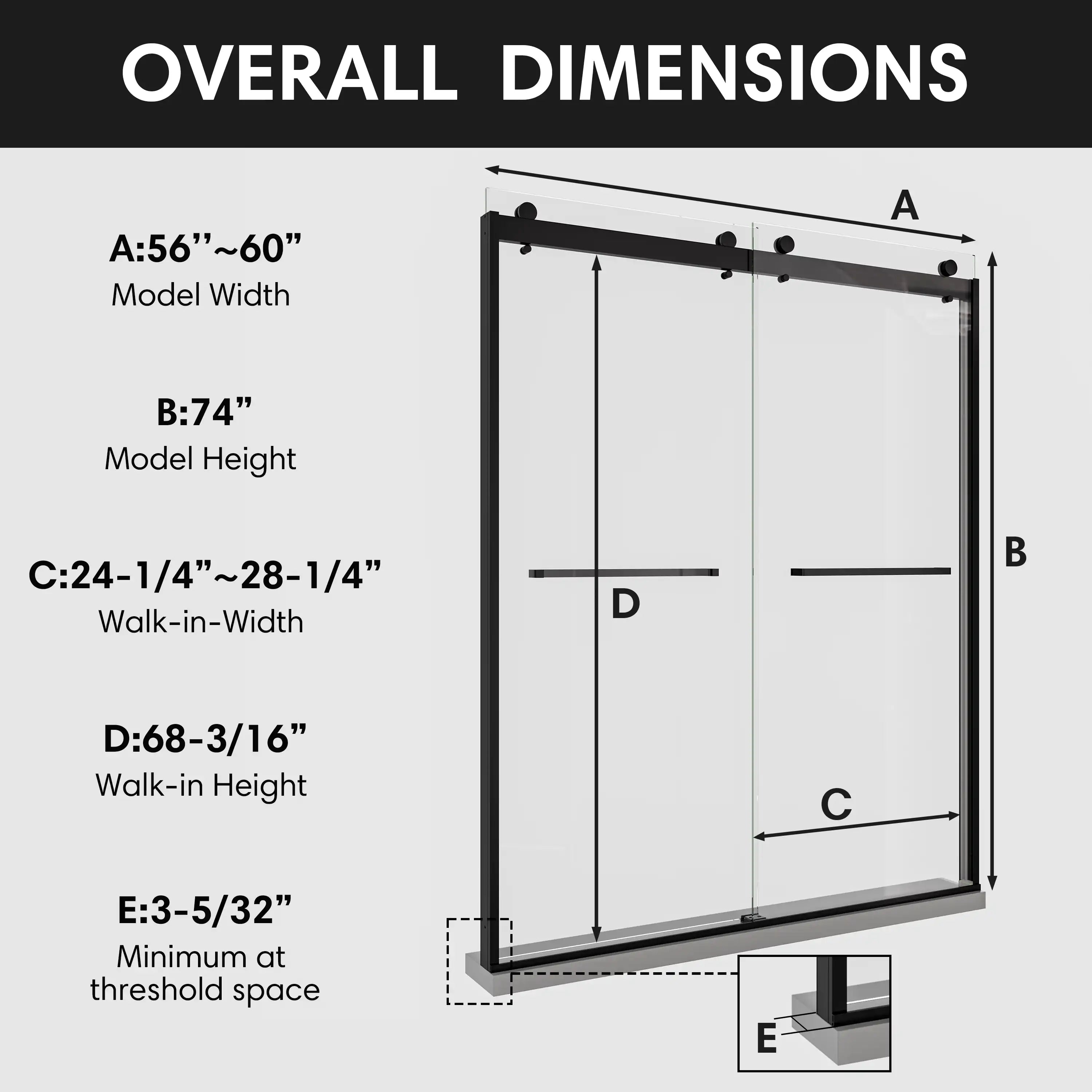
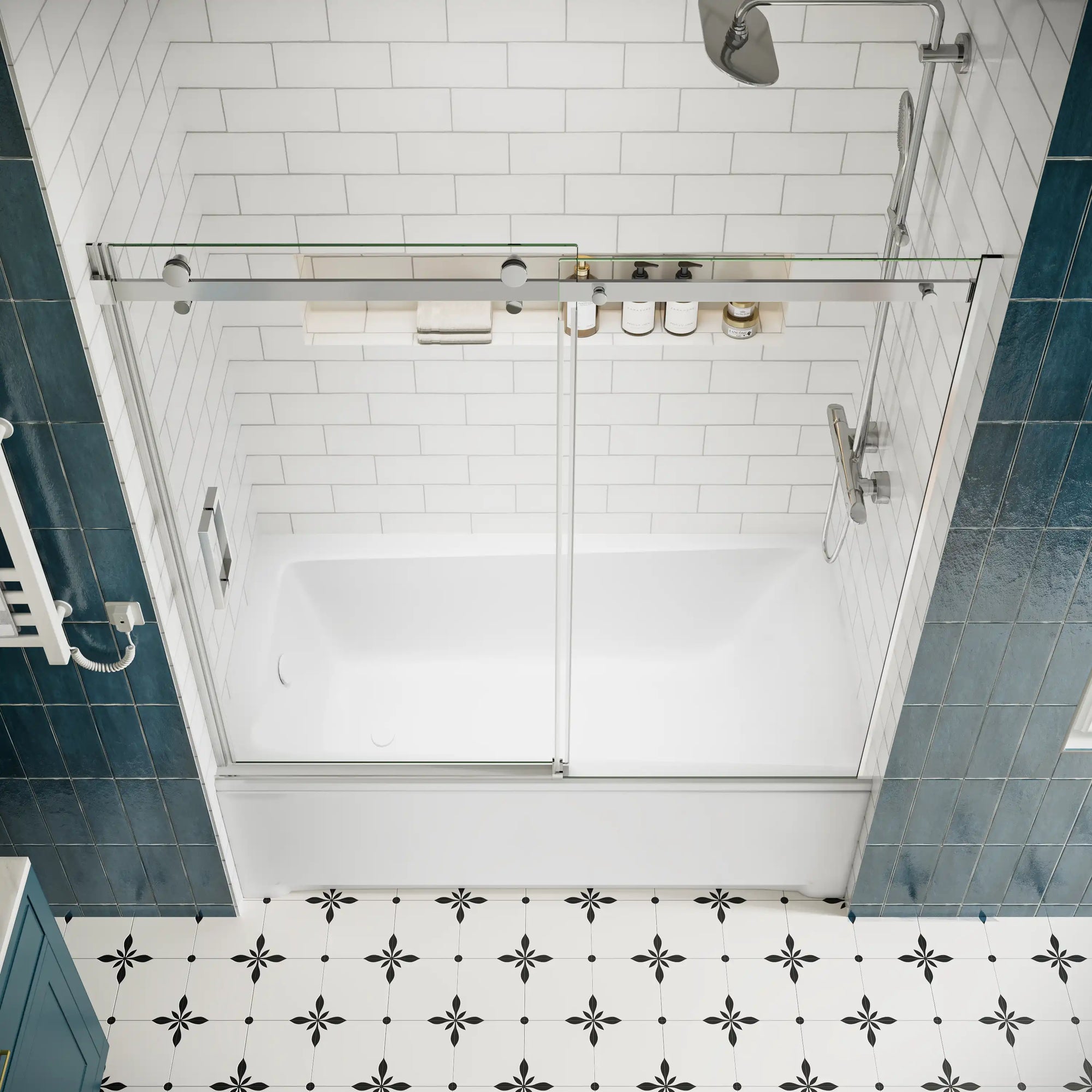
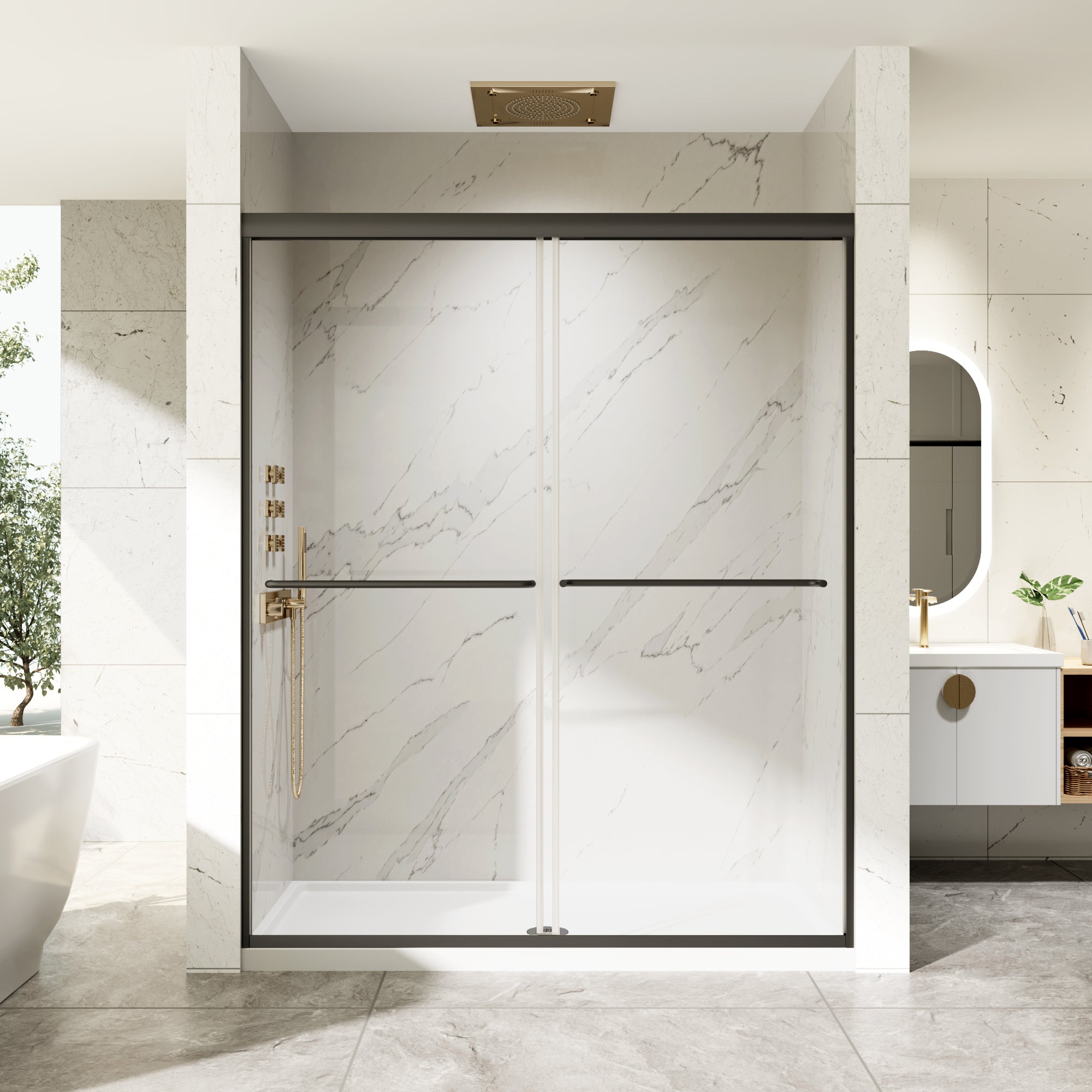
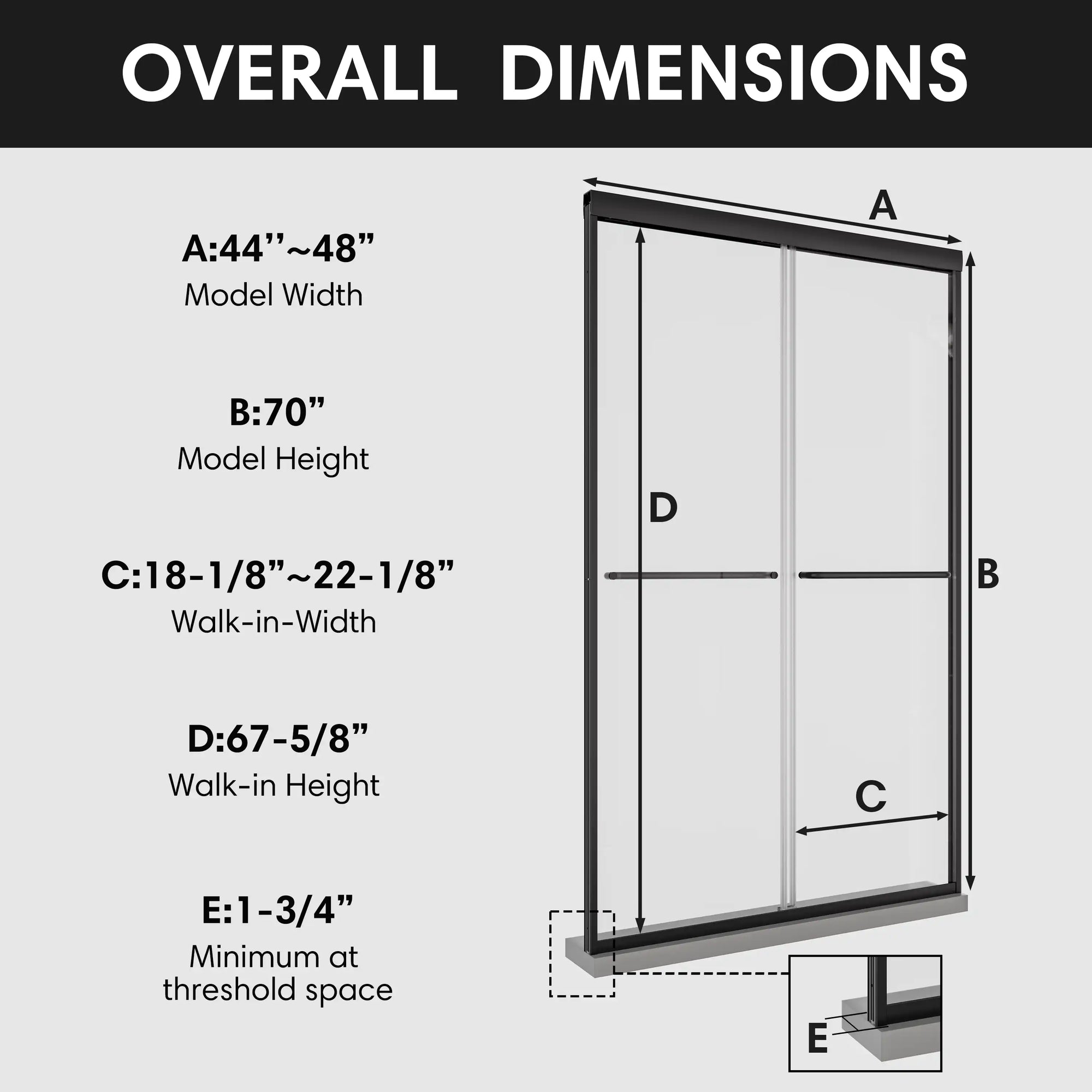
Most sliding shower doors are designed for wider openings, typically between 48 and 60 inches. The system usually includes two glass panels that overlap as they move, which means the actual walk-in opening is smaller than the total enclosure width. In many cases, the clear entry space falls between 22 and 27 inches, depending on the size of the panels and the amount of overlap.
Their appeal lies in this balance between space-saving function and visual simplicity. In a wide alcove shower, a sliding door can feel neat and streamlined, bringing structure to the room without interrupting the flow of the layout. It is especially useful in smaller bathrooms, where a hinged or pivot door might feel awkward or too demanding on the floor plan.
The detail to keep in mind is the track. Because sliding doors rely on a smooth-running rail system, regular cleaning is important to keep the panels moving easily and to prevent buildup from causing sticking or jamming over time. A well-maintained track keeps the whole experience feeling effortless – quiet, steady and easy to use.
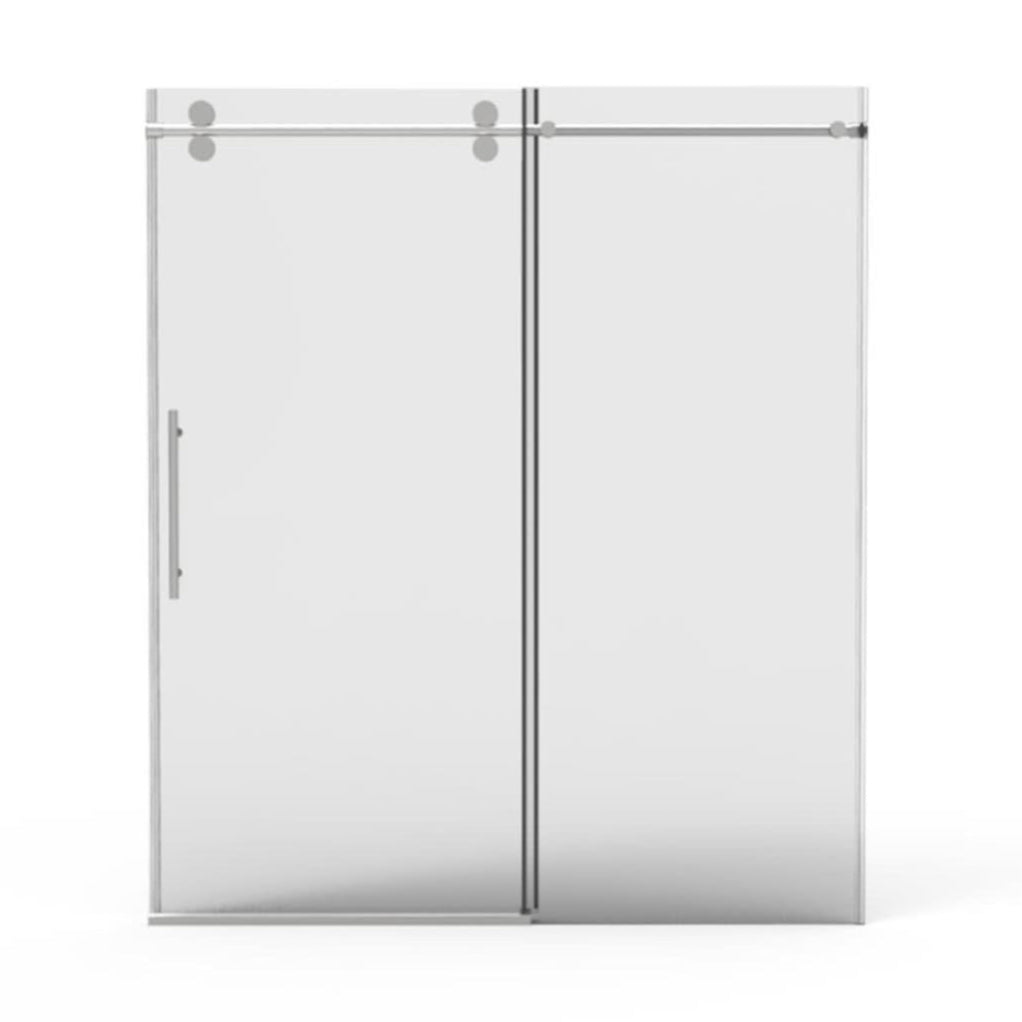
If you’re looking for a more open feel, frameless sliding glass doors can be a beautiful option. They reduce visual weight while still offering the practicality of a sliding system, creating an entrance that feels wider, lighter and more seamless. Used well, a sliding shower door can make even a compact bathroom feel calmer and more spacious – practical in its movement, but polished in its effect.
Bi-Fold Shower Door Sizes: Compact Solution for Small Bathrooms

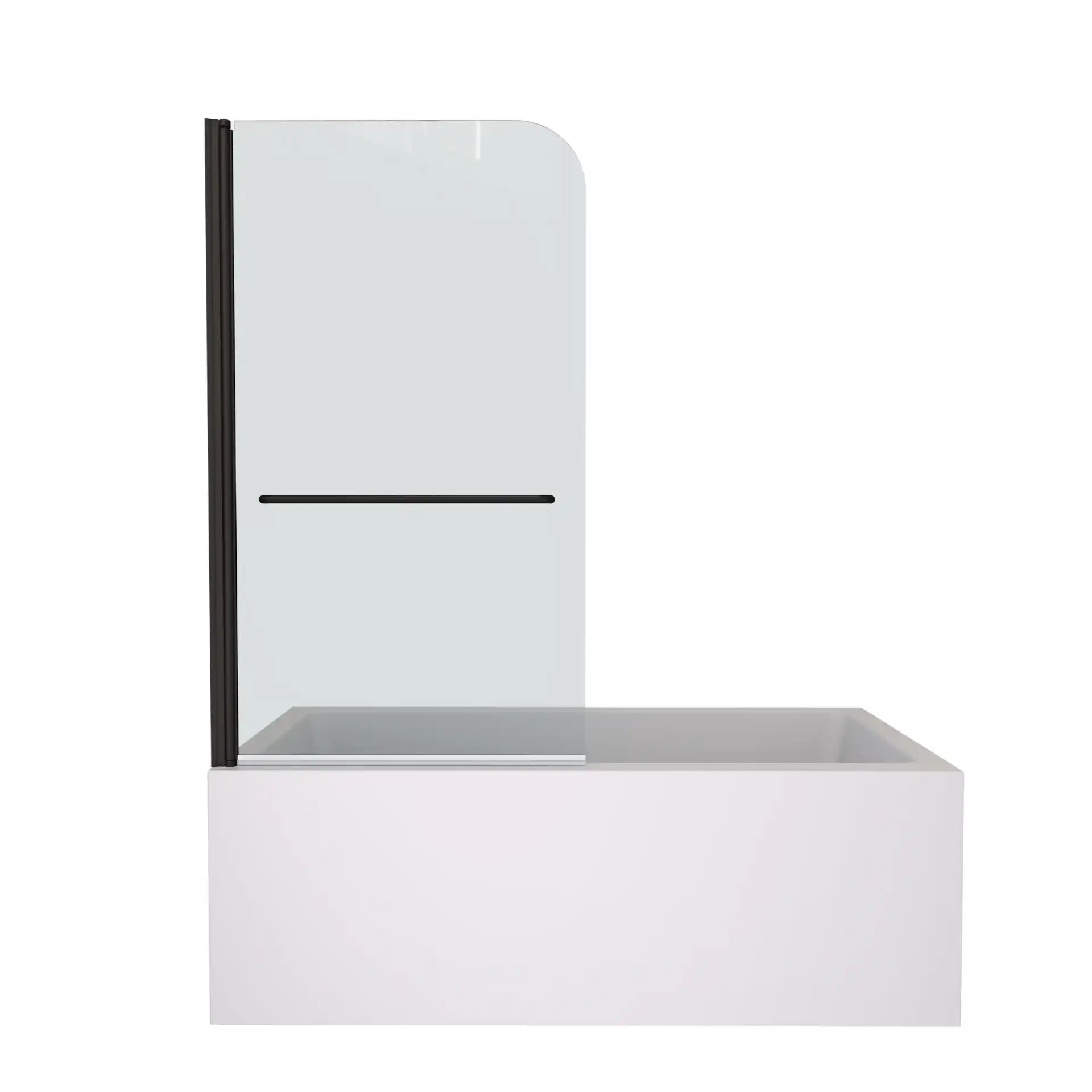
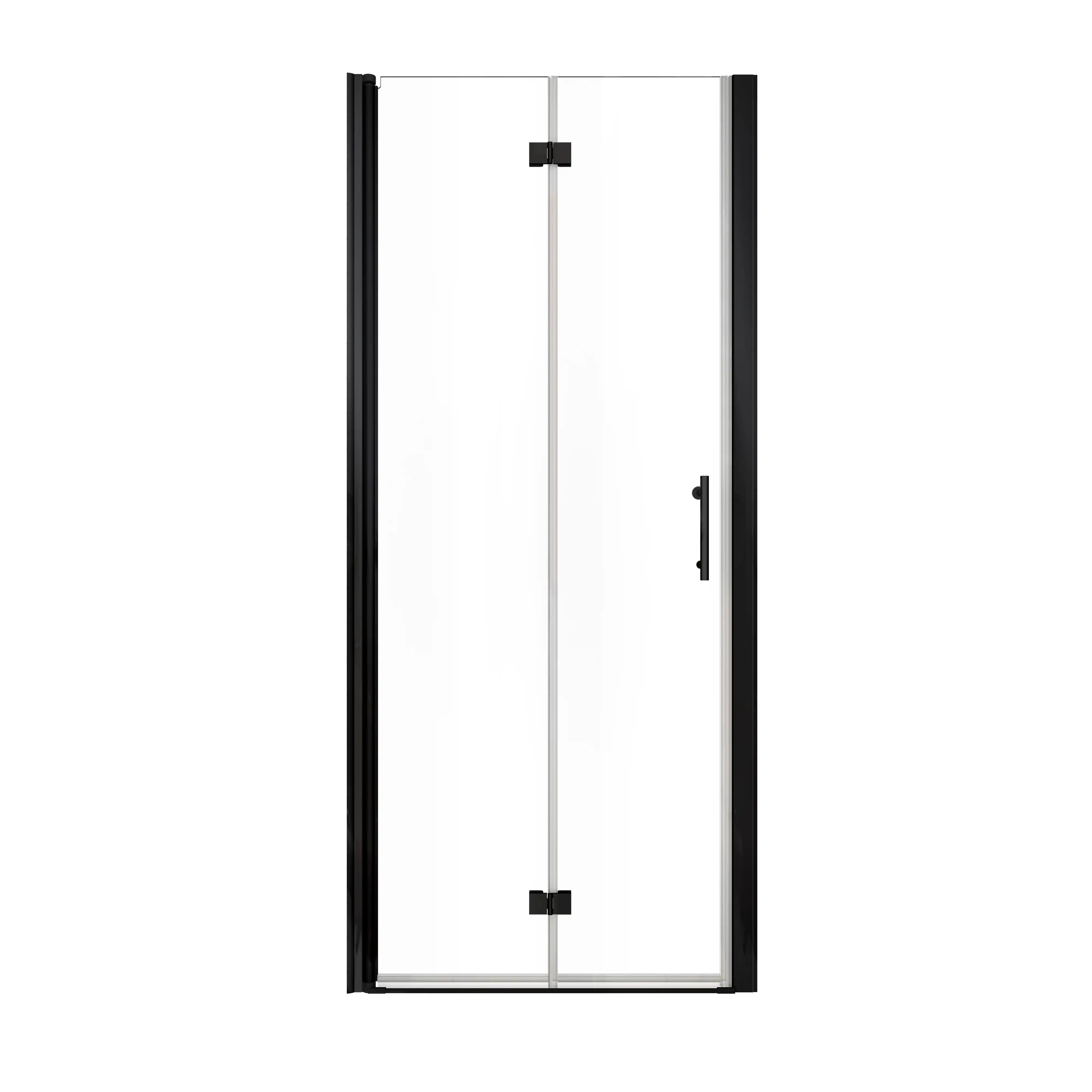
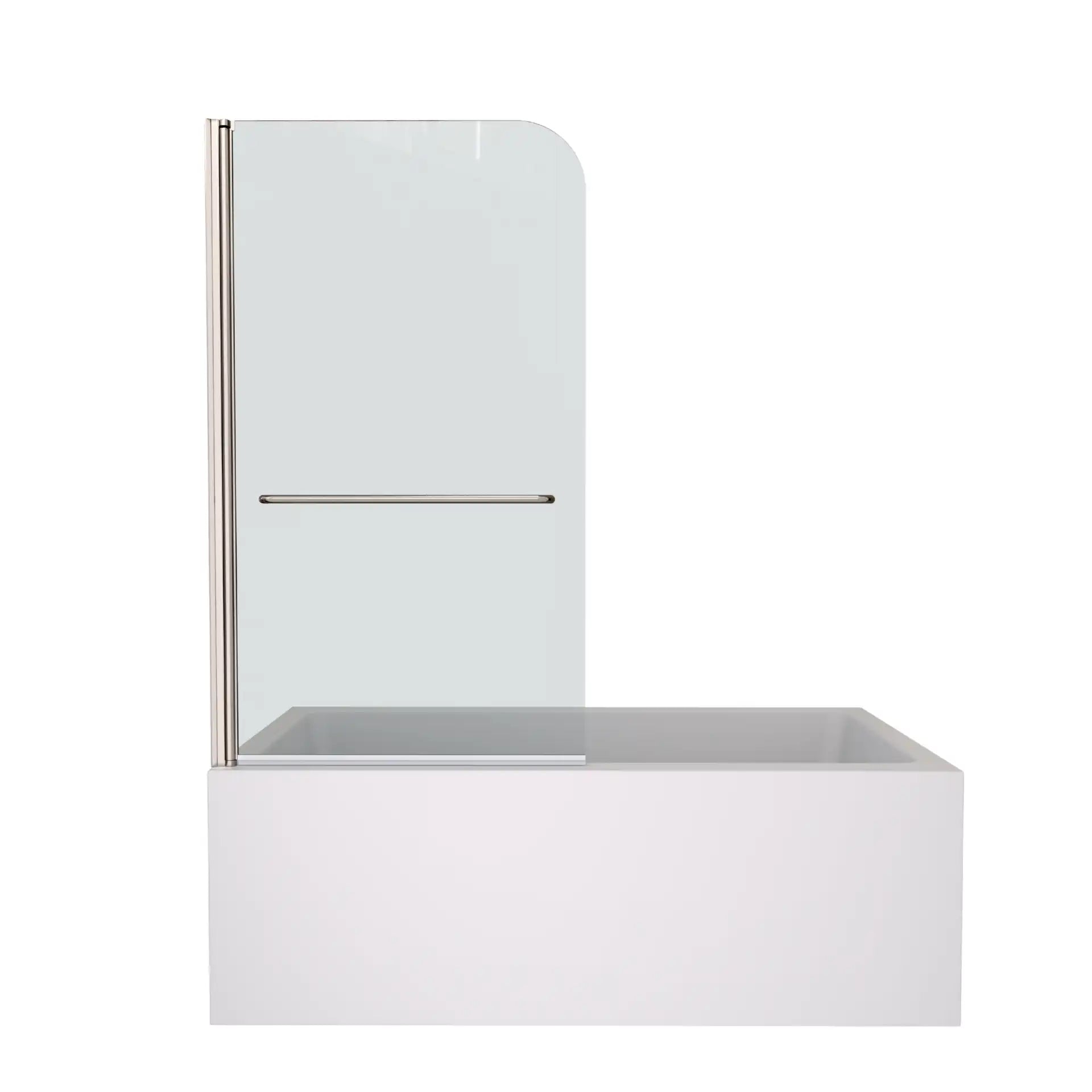
For bathrooms where every inch matters, bi-fold shower doors offer a clever, compact kind of elegance. Bringing together elements of both pivot and hinge systems, they are designed to fold neatly inwards rather than swing fully out into the room – making them especially useful in tighter layouts.
Their structure is simple but thoughtful. The door is usually mounted to the frame with a pivot point, while internal hinges connect two glass panels that fold together as the door opens. This allows the panels to collapse in on themselves, reducing the amount of clearance needed outside the shower and helping the surrounding space feel easier to move through.
Standard bi-fold shower door widths typically range from 30 to 36 inches (about 76 to 91 cm), though custom sizing may be available depending on the enclosure and manufacturer. Unlike a traditional hinged or pivot door, the opening motion stays mostly within the shower area, which makes bi-fold designs a natural fit for small bathrooms, narrow alcoves and layouts where nearby vanities, toilets or storage pieces leave little room for a wide swing.
Their appeal lies in this balance between accessibility and space-saving function. A bi-fold door can make the shower feel more approachable without asking too much of the floor plan, offering a practical alternative when a pivot door feels too demanding and a sliding door is not the right fit for the opening.
The detail to pay attention to is alignment. Because the panels fold and move together, precise installation is important for smooth, quiet operation. Many bi-fold models include magnetic seals or bottom guide rails, helping the panels close neatly and reducing the risk of water escaping. With the right fit, a bi-fold shower door can feel wonderfully efficient – compact in movement, clean in appearance and perfectly suited to a bathroom that needs to work a little harder.
How to Measure Shower Door Width Accurately: Step-by-Step Guide
Before choosing a shower door, the most important detail is also the simplest: getting the measurement right. A beautifully designed door will only feel effortless if it fits the opening properly, moves smoothly and works with the surrounding layout. A few careful measurements at the beginning can help avoid awkward gaps, difficult installation or costly adjustments later on.
Here’s a simple, professional way to measure your shower door width with confidence:
-
Measure the Width at Three Points
Start by measuring the shower opening at the top, middle and bottom. Walls are not always perfectly even, especially in older homes or after tile installation, so taking just one measurement may not give the full picture.
Use a tape measure, write down all three readings, and compare them carefully. If the numbers vary, use the smallest measurement as your guide. This helps ensure the door can fit comfortably within the narrowest part of the opening, rather than forcing the installation around an uneven space.
-
Check the Wall Alignment
Next, use a level to check whether the walls are plumb. Even a slight lean can affect how the door sits, closes and seals. This is especially important for frameless shower doors, where the clean look depends on precise alignment.
If the walls are not perfectly straight, you may want to choose a shower door with an adjustable design. Adjustable profiles, hinges or sealing systems can help soften small irregularities, creating a fit that feels neat, balanced and secure.
-
Measure After the Walls Are Finished
Shower door measurements should always be taken after tile, wall panels or any final surface materials have been installed. Measuring too early, while the walls are still unfinished, can lead to an opening that changes once the bathroom is complete.
Finished surfaces add thickness, and even small changes can affect the final width. Measuring after installation gives you the most accurate result and helps prevent choosing a door that is slightly too wide or too narrow for the finished space.
-
Allow for Door Swing Clearance
If you’re choosing a hinge or pivot shower door, remember to measure more than just the opening. The space in front of the shower matters too. The door needs enough room to swing freely without hitting nearby vanities, toilets, towel racks or storage pieces.
For example, a wider door may look elegant on paper, but it can feel awkward if the bathroom layout does not give it space to move. Checking the swing path in advance helps the door feel natural in everyday use – easy to open, easy to close and never in the way.
Taken together, these steps make shower door sizing feel much more considered. By measuring the opening, checking the walls, waiting until the finishes are complete and allowing for movement around the shower, you can choose a door width that suits both the enclosure and the room itself. The result is a cleaner fit, smoother installation and a shower door that feels beautifully in tune with the bathroom.
Choosing the Right Shower Door Width for Your Layout
Choosing the right shower door width is never just about how the enclosure looks. It is also about how the bathroom moves, how the door feels in daily use, and how comfortably it supports everyone who shares the space. A well-chosen width should sit naturally within the finished opening, work with the surrounding layout and provide safe, easy access without making the room feel crowded.
Before making a final decision, it’s worth taking a step back and looking at the bathroom as a whole:

How wide is the opening after tiling?
The finished opening is the measurement that matters most. Tile, wall panels and other surface finishes can slightly change the available width, so it’s always best to measure once the shower area is complete.
Is there enough swing clearance?
For pivot and hinge shower doors, the space in front of the shower is just as important as the width of the opening itself. The door should be able to move freely without meeting a vanity, toilet, towel rack or storage unit along the way.
Who will be using the shower every day?
If the bathroom is shared by children, older family members or anyone with mobility concerns, a wider and more accessible opening can make the shower feel easier, safer and more comfortable to use.
In many areas, building codes require a minimum clear walk-in opening of 22 inches for basic safety. For greater accessibility, particularly in homes designed with older adults or users with limited mobility in mind, it is often wise to look toward ADA guidance, which commonly recommends a clear opening of at least 32 inches.
The best choice will depend on the shape and scale of your bathroom. Bi-fold shower doors are especially useful in compact layouts, where their folding motion keeps the footprint small and the room feeling open. Sliding doors are another strong option where swing space is limited, offering a smooth, space-saving movement across a wider opening. For larger bathrooms, frameless hinged or sliding glass doors can create a more generous, spa-like feel – light, open and beautifully refined.
Whichever style you choose, the width should feel considered rather than forced. It needs to suit the enclosure, respect the layout and allow every user to step in and out with ease. When the proportions are right, the shower door becomes more than a functional detail – it helps the whole bathroom feel calmer, safer and more effortlessly put together.
Conclusion: Optimizing Function and Style Through Correct Shower Door Width
Choosing the right shower door width is never simply a matter of numbers. It is about finding a balance between proportion, movement and everyday comfort – a width that fits the opening, works with the layout and feels natural each time the shower is used.
Each door style brings its own kind of rhythm to the bathroom. A frameless hinge door can feel crisp and architectural, adding a refined sense of openness. A sliding door offers smooth, space-saving practicality, ideal for rooms where every inch needs to be considered. A bi-fold design brings compact flexibility, while a pivot door provides a clean, classic swing with a more structured feel.
What matters most is how these choices come together in your own space. By understanding standard sizes, checking clearance, measuring carefully and considering who will use the shower every day, you can choose a door that supports both the room and your routine.
When the width is right, the result feels effortless. The door opens cleanly, the enclosure sits neatly, and the bathroom feels more comfortable, more polished and more beautifully resolved.
FAQ: Expert Answers to Common Questions About Shower Door Width
Q1: What is the minimum width for a shower door?
Q2: Can I install a pivot door in a tight bathroom?
Q3: How much clearance does a hinged shower door need?
Q4: Are sliding doors better for narrow openings?
Q5: What if my opening doesn’t match any standard width?
More Articles About Shower Door
Glass Doors Too Fragile to Ship? We Put Our “Replacement Guarantee” Right in the Manual
Why Is This Sliding Shower Door Getting So Many 5-Star Reviews? We Found 4 Key Reasons
A Shower Door’s Real Value Is Ten Years of Daily Comfort and Safety