

Introduction
A bathroom is not simply a practical room. It is where mornings begin, where the day slows down, and where you might steal a quiet five minutes to yourself. A little grooming, a long soak, perhaps even a bit of daydreaming.
At the centre of it all, the vanity and mirror do far more than hold your essentials. Together, they set the mood for the whole space.
The right bathroom sink cabinet and mirror can make even an ordinary bathroom feel considered and calm. Storage becomes easier. Light travels further. The room feels more open, more organised, and much more like somewhere you actually want to spend time.
It is not about making everything look perfect. It is about choosing pieces that work hard for your everyday routine while bringing a little more comfort, character and ease to the room.
In this guide, we will look at how to choose a bathroom vanity and mirror that suit your space, your needs, and the feeling you want to create — whether that is clean and practical, warm and layered, or quietly spa-like.
Table of Contents:
- The Psychology of First Impressions: Why a Stylish Vanity is the Focal Point of Your Bathroom
- Storage Meets Style: How Smart Vanity Designs Declutter and Enchant
- The Mirror Effect: How the Right Reflection Enhances Light and Space
- The Material Game: Why Investing in Quality Vanity Finishes Pays Off Long-Term
- Conclusion: Elevate Every Day with the Perfect Vanity
- FAQ: Expert Answers to Your Vanity Dilemmas
The Psychology of First Impressions: Why a Stylish Vanity is the Focal Point of Your Bathroom
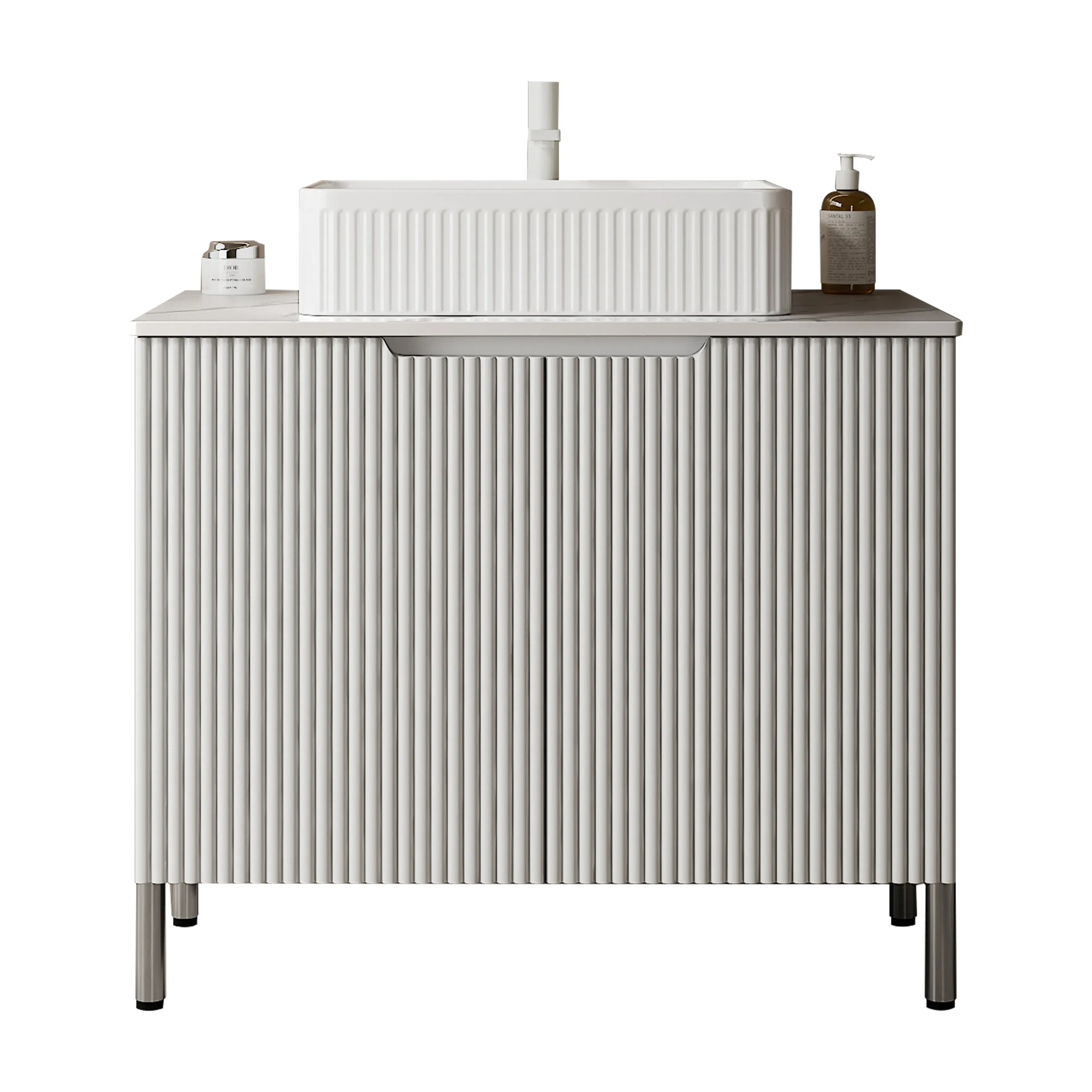
A bathroom vanity is rarely just a practical piece of furniture. It is often the first thing you notice when you walk into the room – and the detail that quietly shapes everything around it.
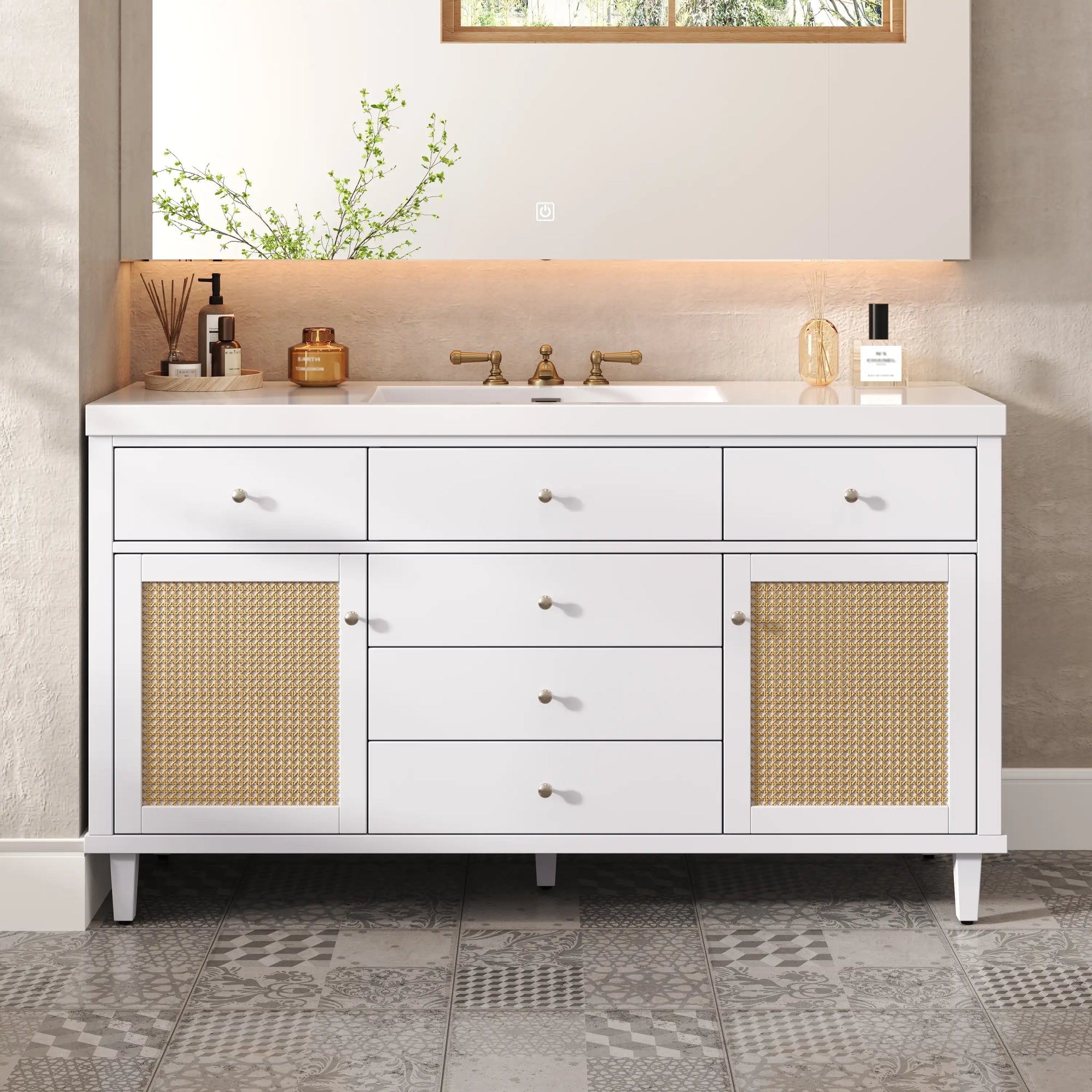
Like a statement sofa in a living space or a chandelier above a dining table, the vanity has a way of grounding the room. It gives the eye somewhere to land, setting the mood before you have taken in the tiles, the shower door or the lighting. The right bathroom sink cabinet and mirror do more than keep everyday essentials close at hand; together, they create a sense of order, balance and ease.
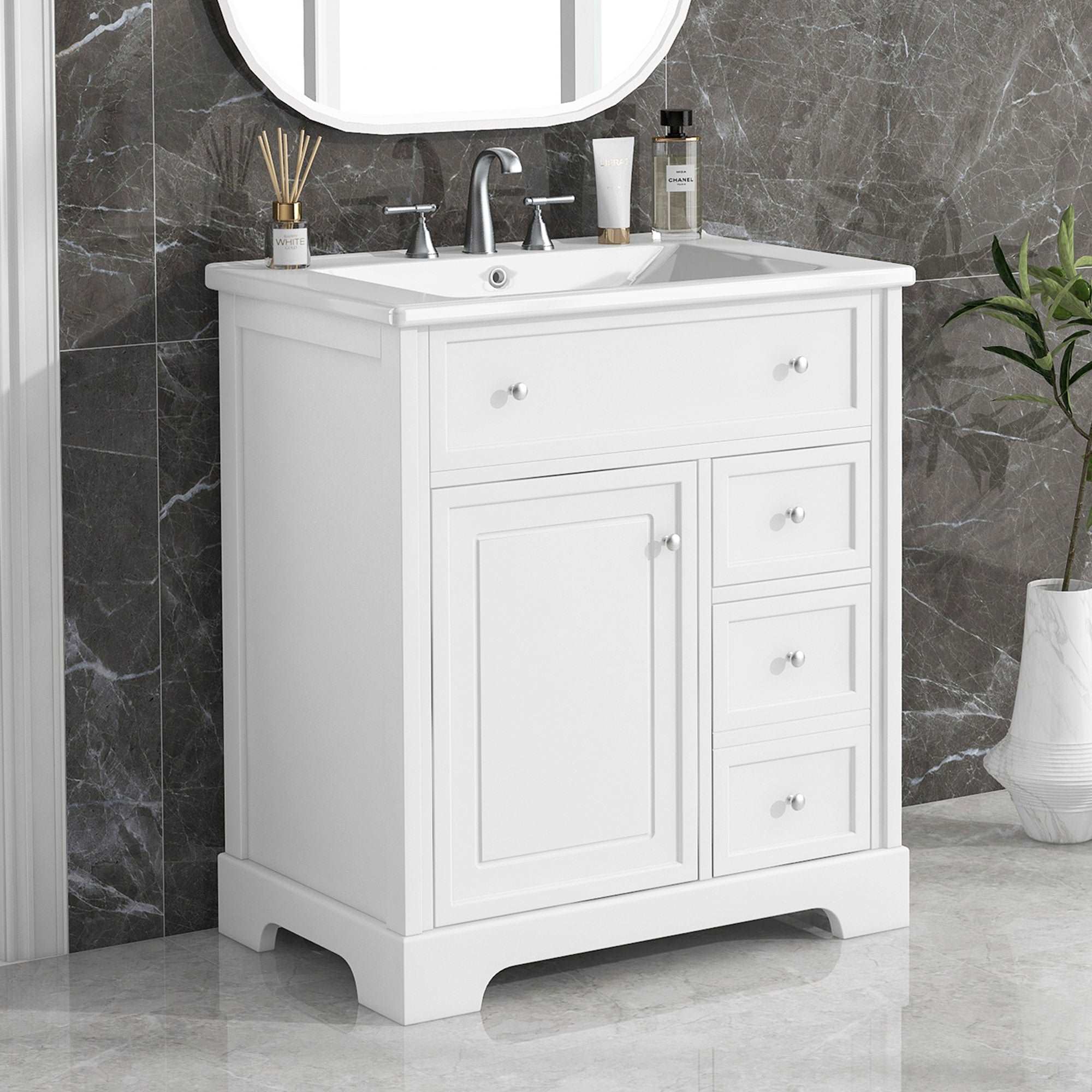
There is something reassuring about a vanity that feels well considered. A clean-lined floating design can make a compact bathroom feel lighter and more open, while a warm wood finish brings a little softness and character to a more minimal scheme. It is less about choosing the most dramatic piece, and more about finding one that feels at home in the space.

Getting the Proportions Right
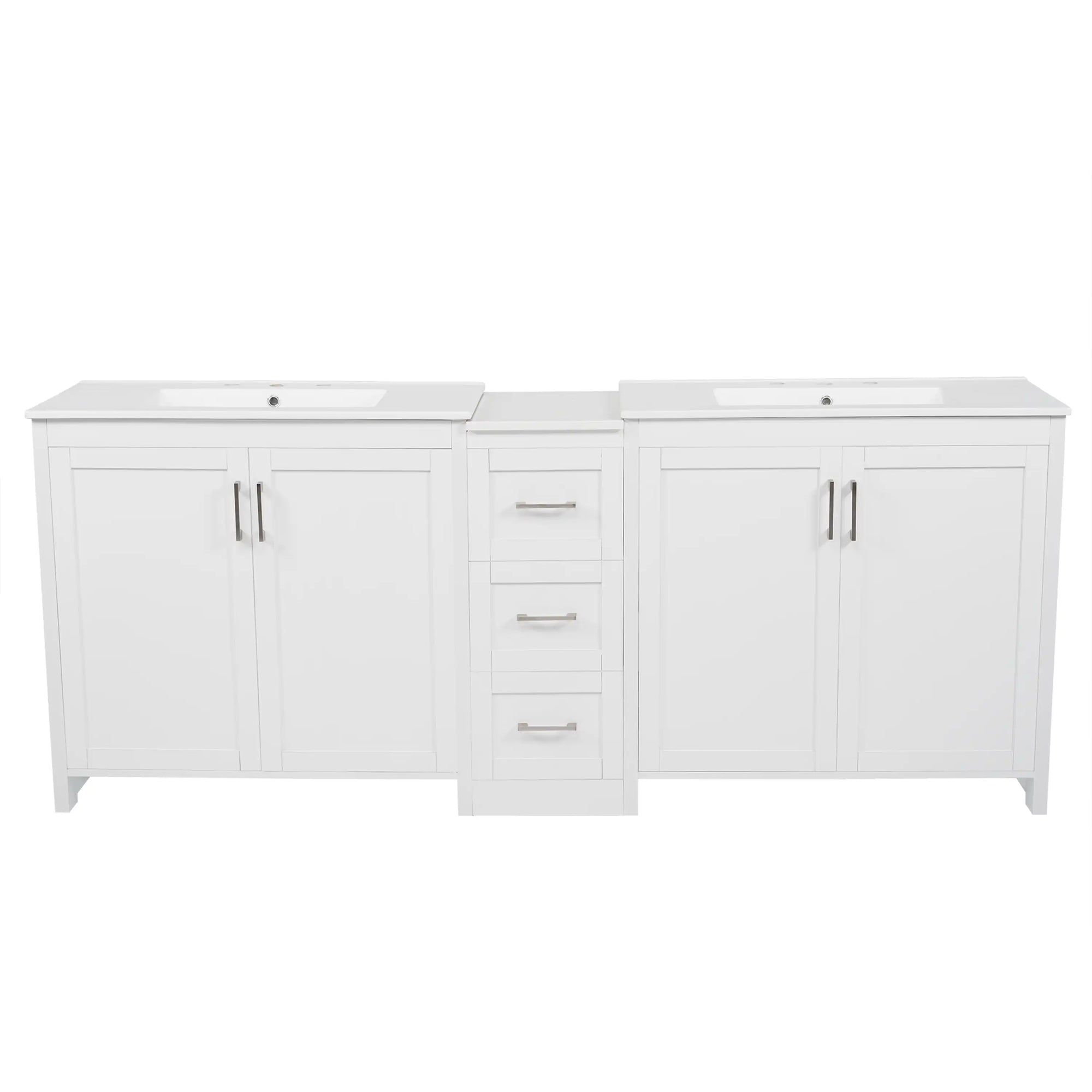
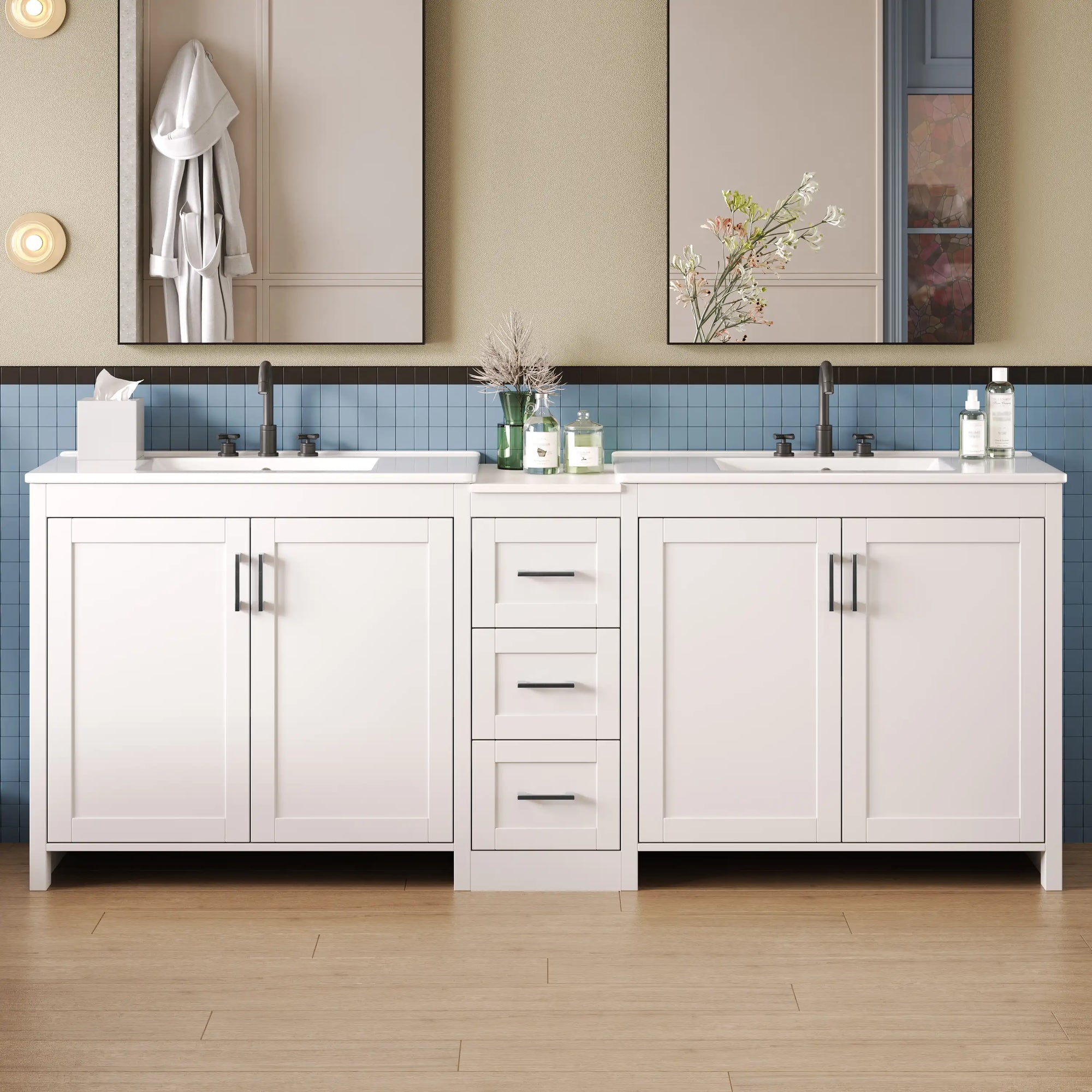
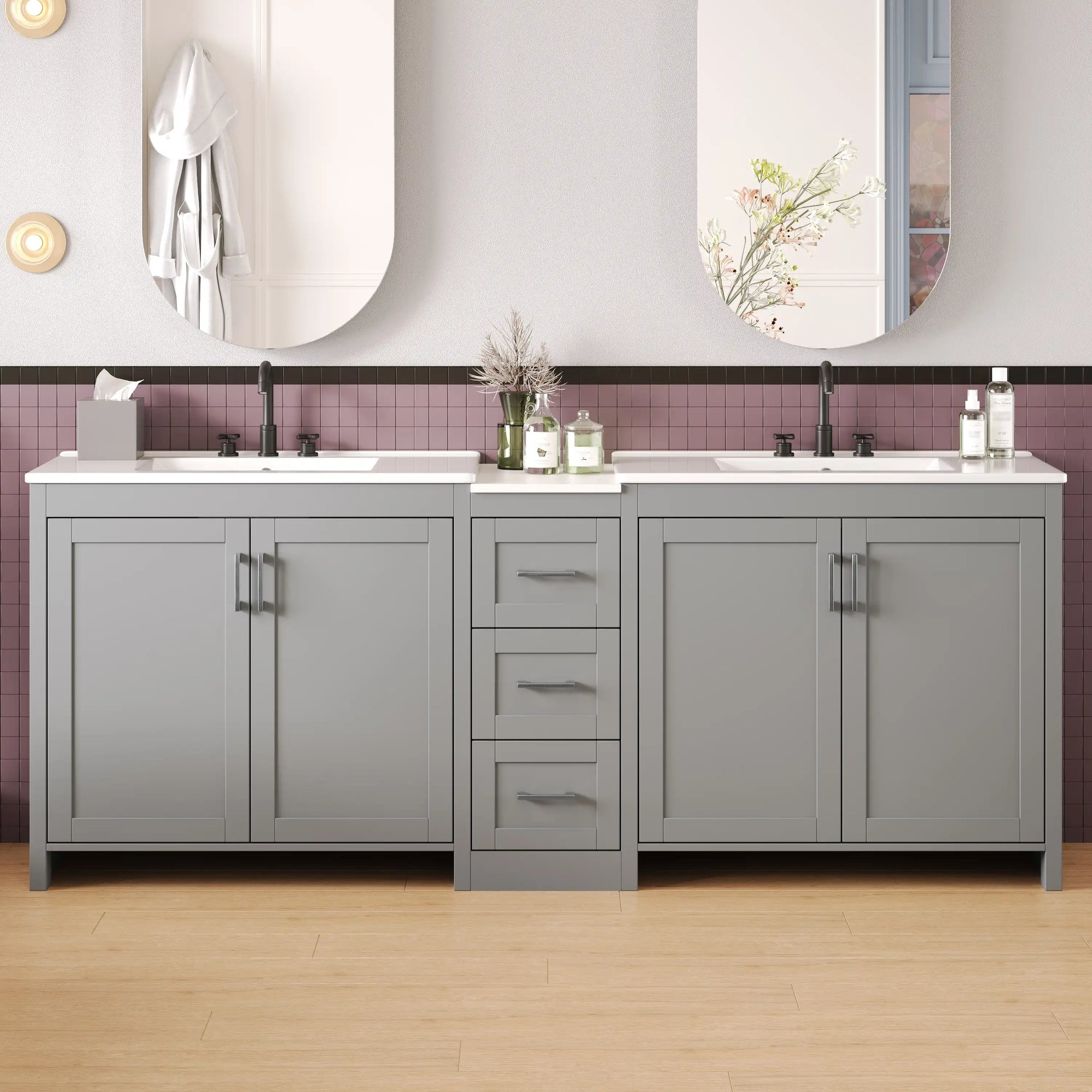
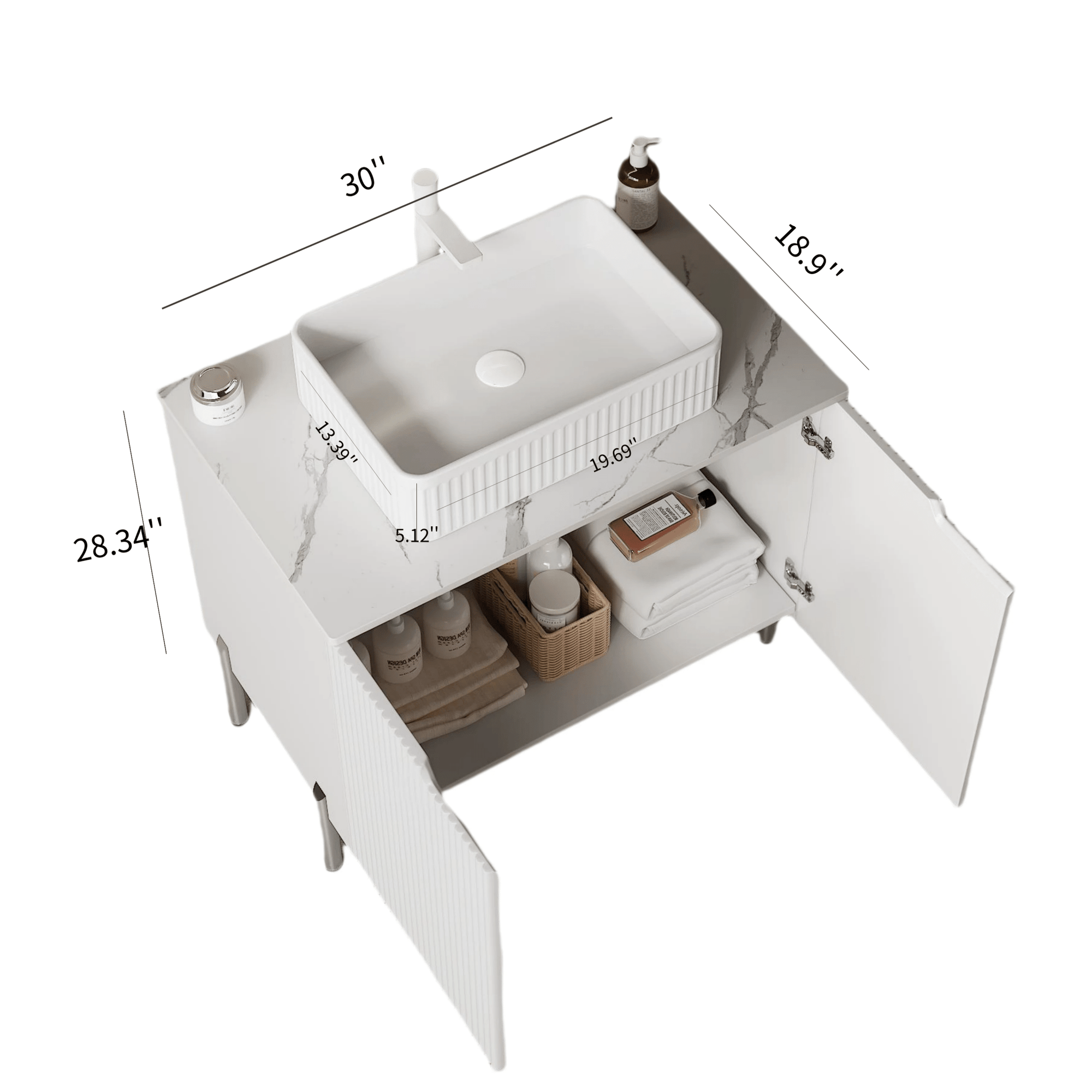
What makes a vanity work so well is often its relationship with the room around it. In smaller bathrooms, a slim wall-mounted cabinet can create valuable breathing space, allowing the floor to remain visible and the room to feel less crowded. In larger bathrooms, a double-sink vanity brings a sense of quiet luxury, making everyday routines feel a little more effortless.
The aim is not to fill every available inch, but to choose a scale that gives the room space to breathe. A vanity that feels too large can overwhelm the layout, while one that is too small may leave the room feeling unfinished. When the proportions are right, everything else seems to fall into place.

Playing with Colour, Texture and Finish
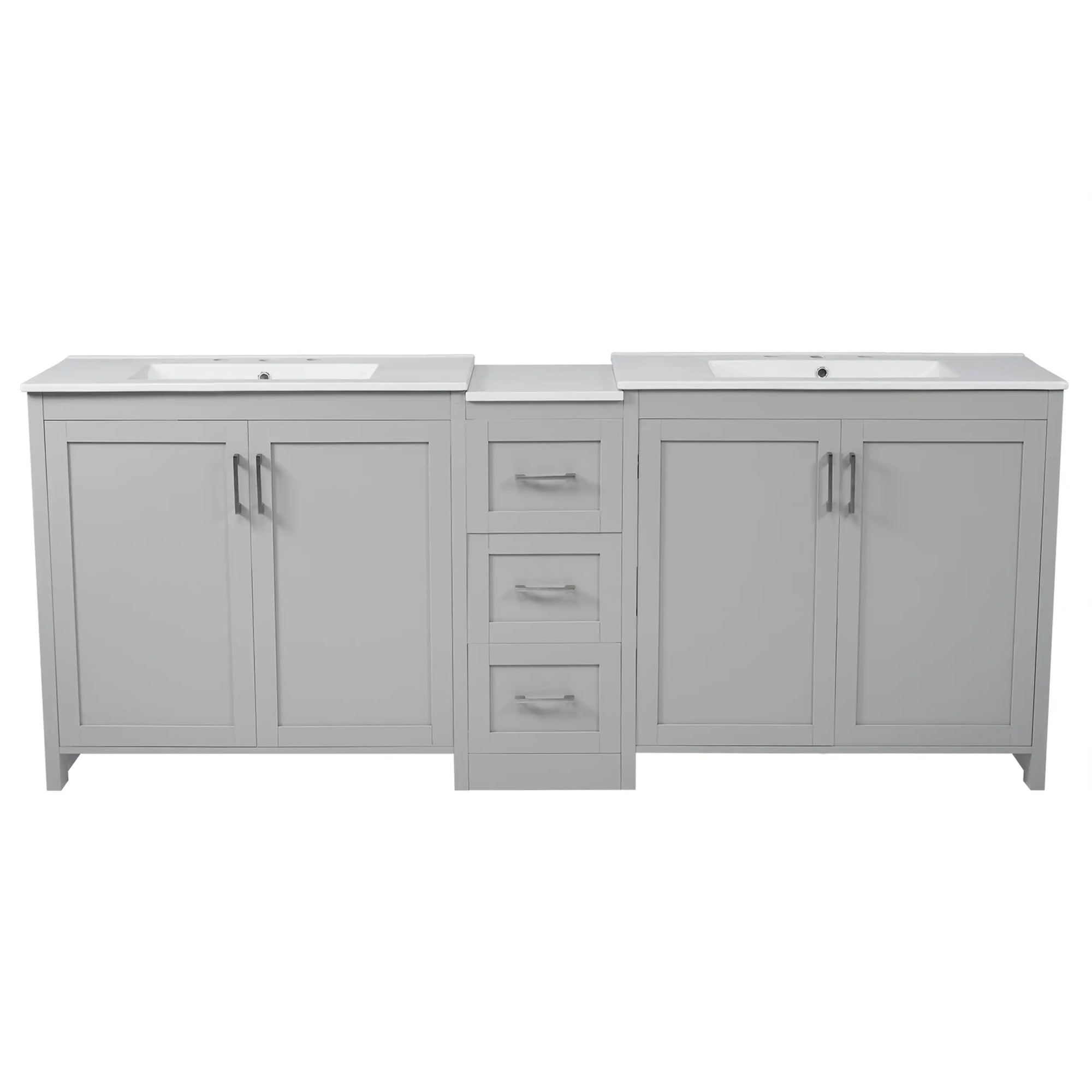
Colour has a powerful way of influencing how a bathroom feels. Soft whites, warm greys and natural timber tones create a calm, spa-like atmosphere, helping the space feel clean, settled and easy to live with. These quieter shades work particularly well when paired with soft lighting, pale stone surfaces and simple hardware.
For something a little more expressive, deeper tones such as matte black, rich navy or textured woodgrain can bring depth and personality without overpowering the room. A darker vanity can act as an anchor in an otherwise light bathroom, while a brushed finish or subtle grain introduces warmth through texture rather than contrast.
It is all about creating a scheme where each element responds to the next – from the cabinet finish and countertop to the shower enclosure, wall colour and flooring.

The Details That Bring It Together
Hardware and lighting may be small details, but they have a way of changing the feel of a vanity completely. Matte black pulls can give a design a more contemporary edge, while brushed brass brings warmth and a slightly more layered feel. Polished chrome keeps things crisp and timeless, especially in brighter, more classic bathroom schemes.
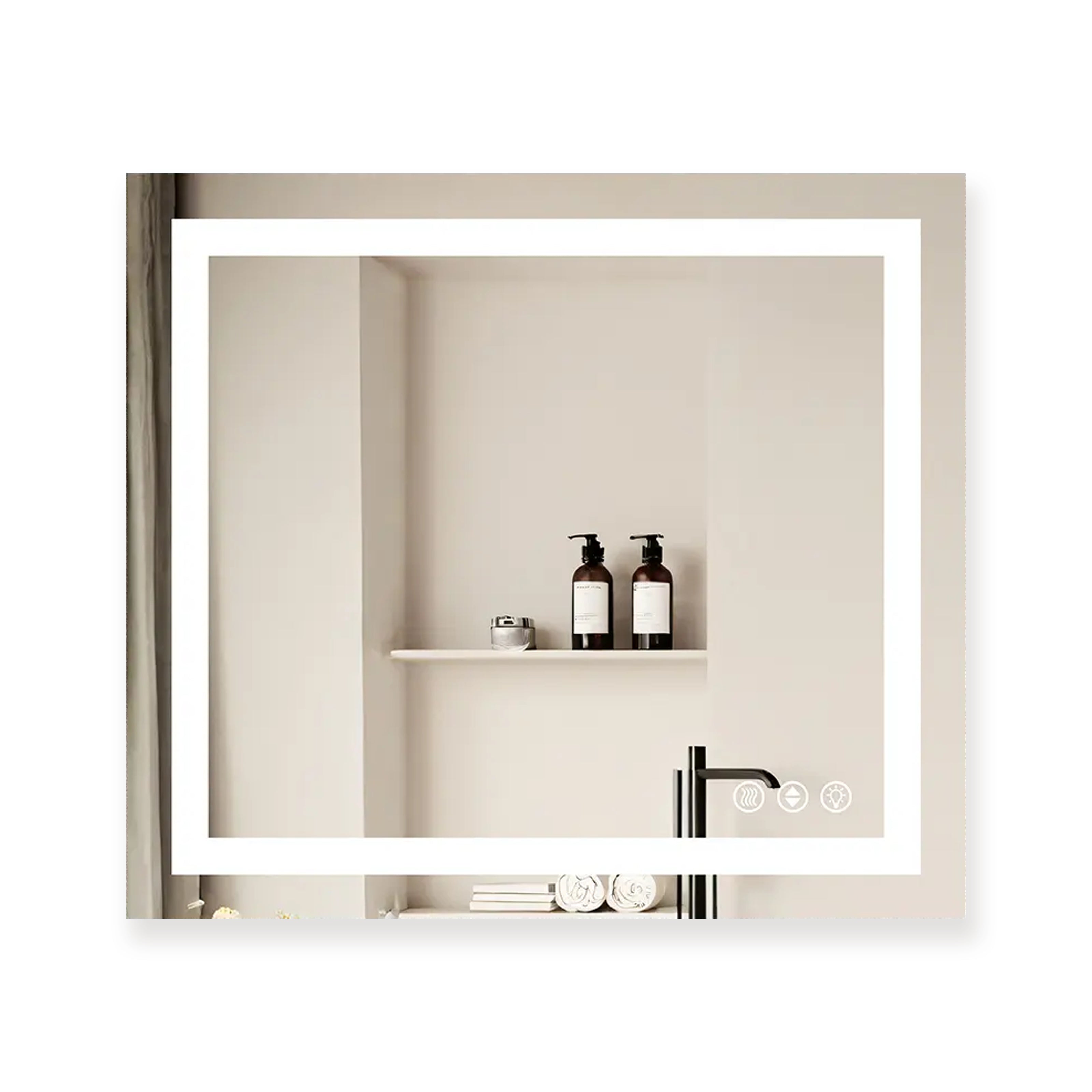
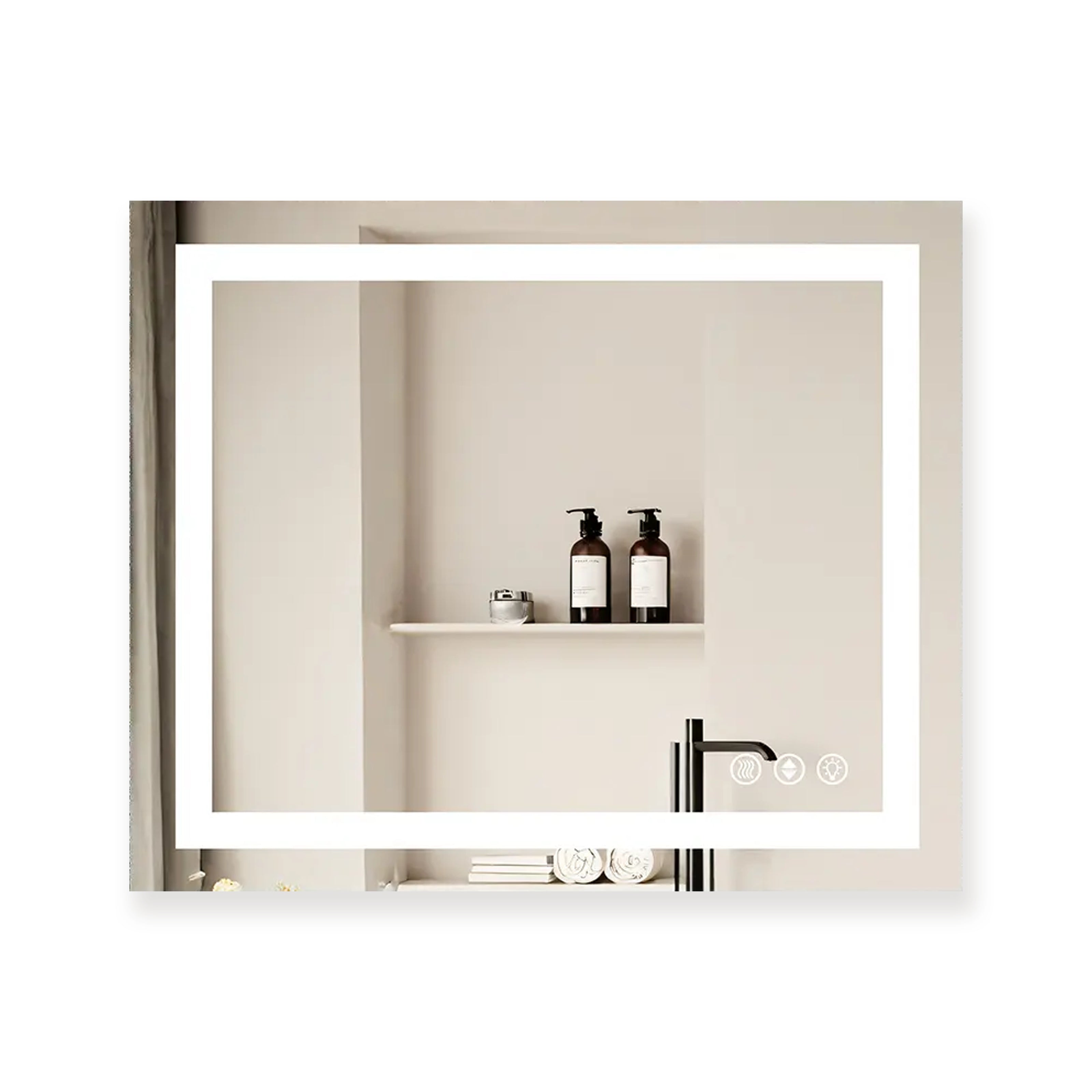
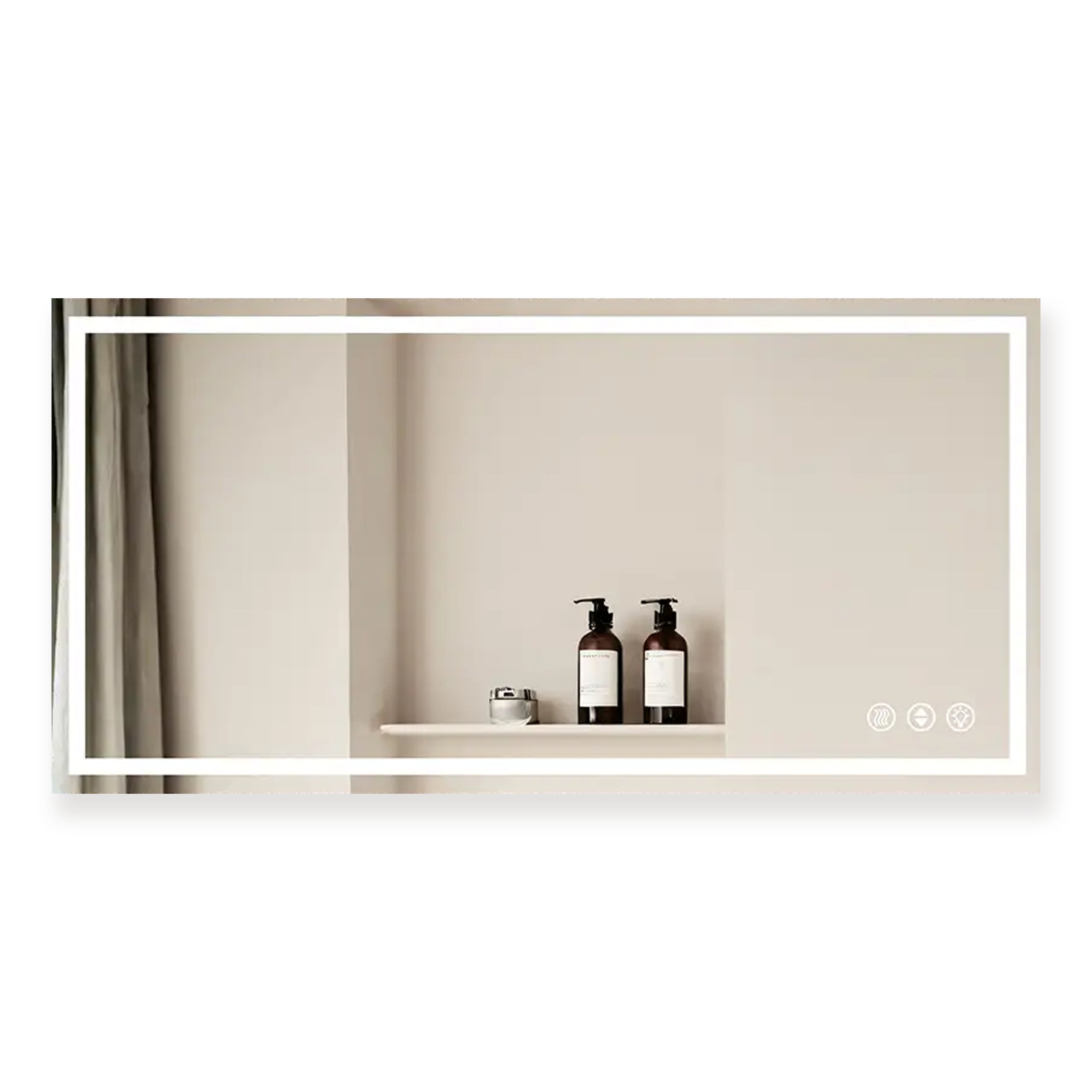
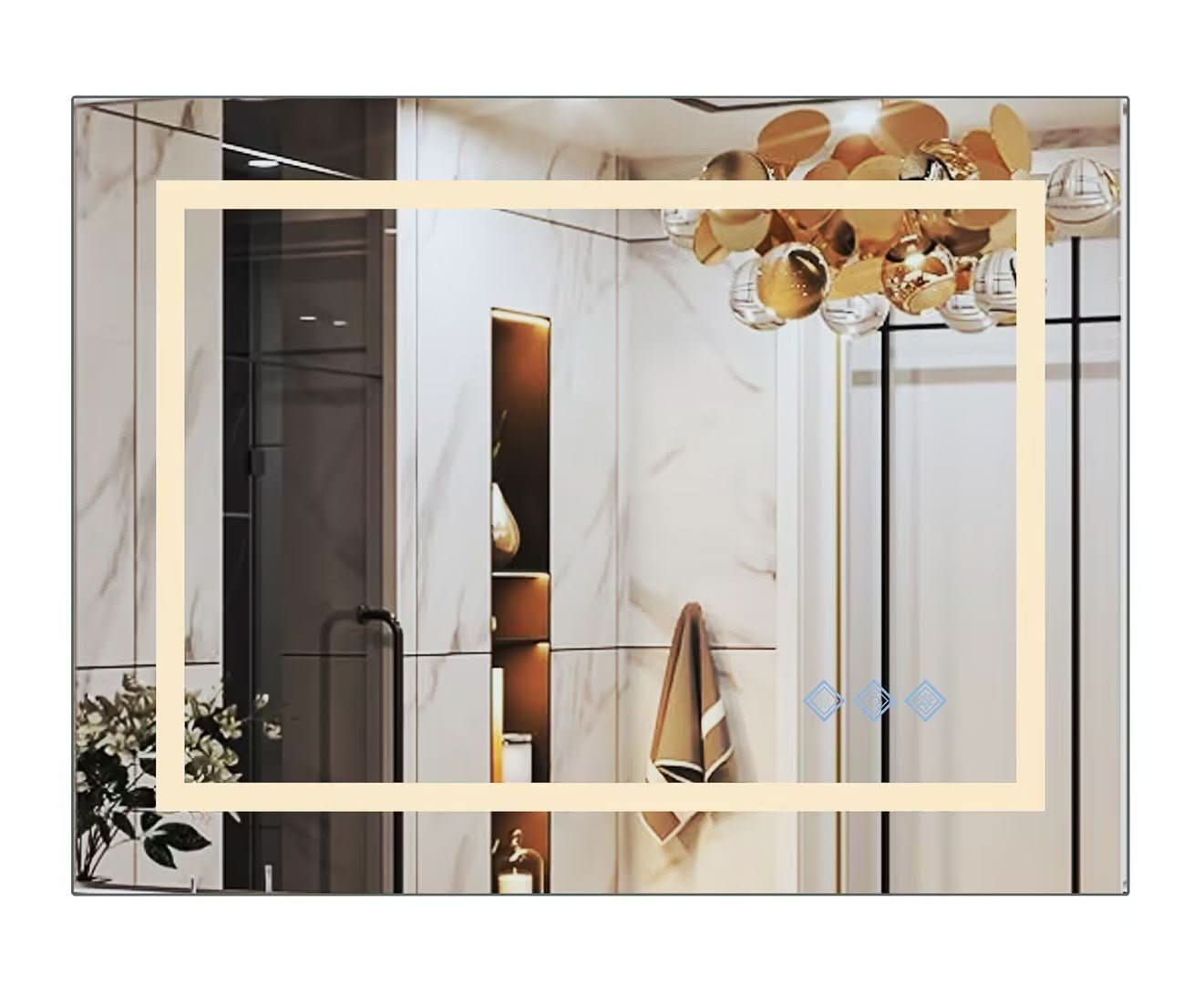
Pairing the vanity with an LED backlit mirror or a set of well-placed wall sconces can make the whole area feel more considered. Light softens the edges, highlights the materials and turns an everyday routine into a more comfortable moment of the day.
A well-chosen vanity is not simply somewhere to store toiletries. It is the point where function and atmosphere meet – the piece that helps the entire bathroom feel more connected, more personal and much more inviting.
Storage Meets Style: How Smart Vanity Designs Declutter and Enchant
Storage has always been an essential part of a bathroom – but when it is thoughtfully designed, it can do much more than simply hide away the everyday essentials.
A well-considered bathroom vanity has a way of making the whole room feel calmer. It gives everything a place to belong, from skincare and hair tools to spare towels and the small things that tend to gather around the sink. Rather than filling the space with extra baskets, shelves and containers, the right vanity allows the room to feel lighter, more organised and easier to live with.
It is less about hiding everything away and more about creating a sense of quiet order, where the practical details work seamlessly with the overall look of the room.

Making Space Work Harder
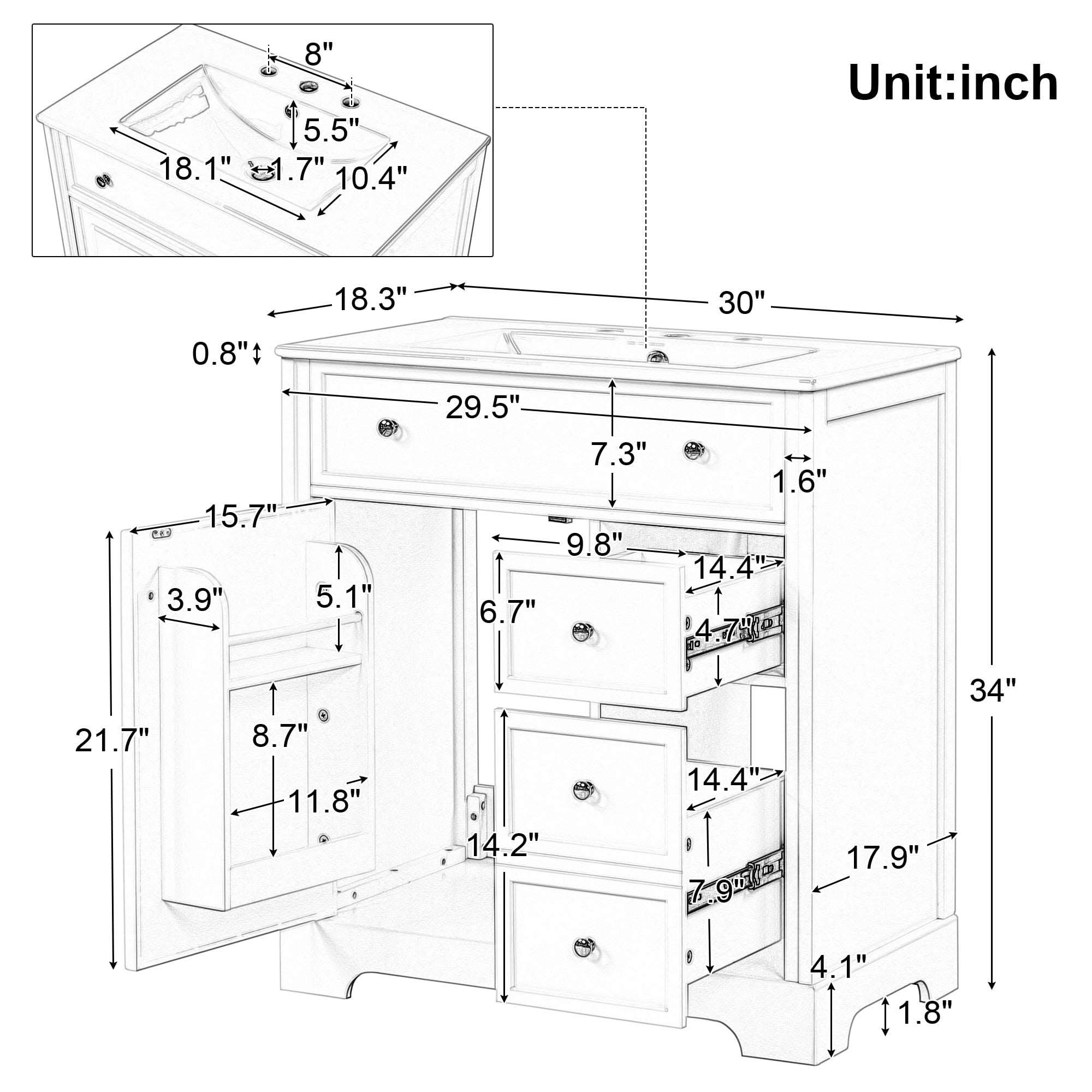
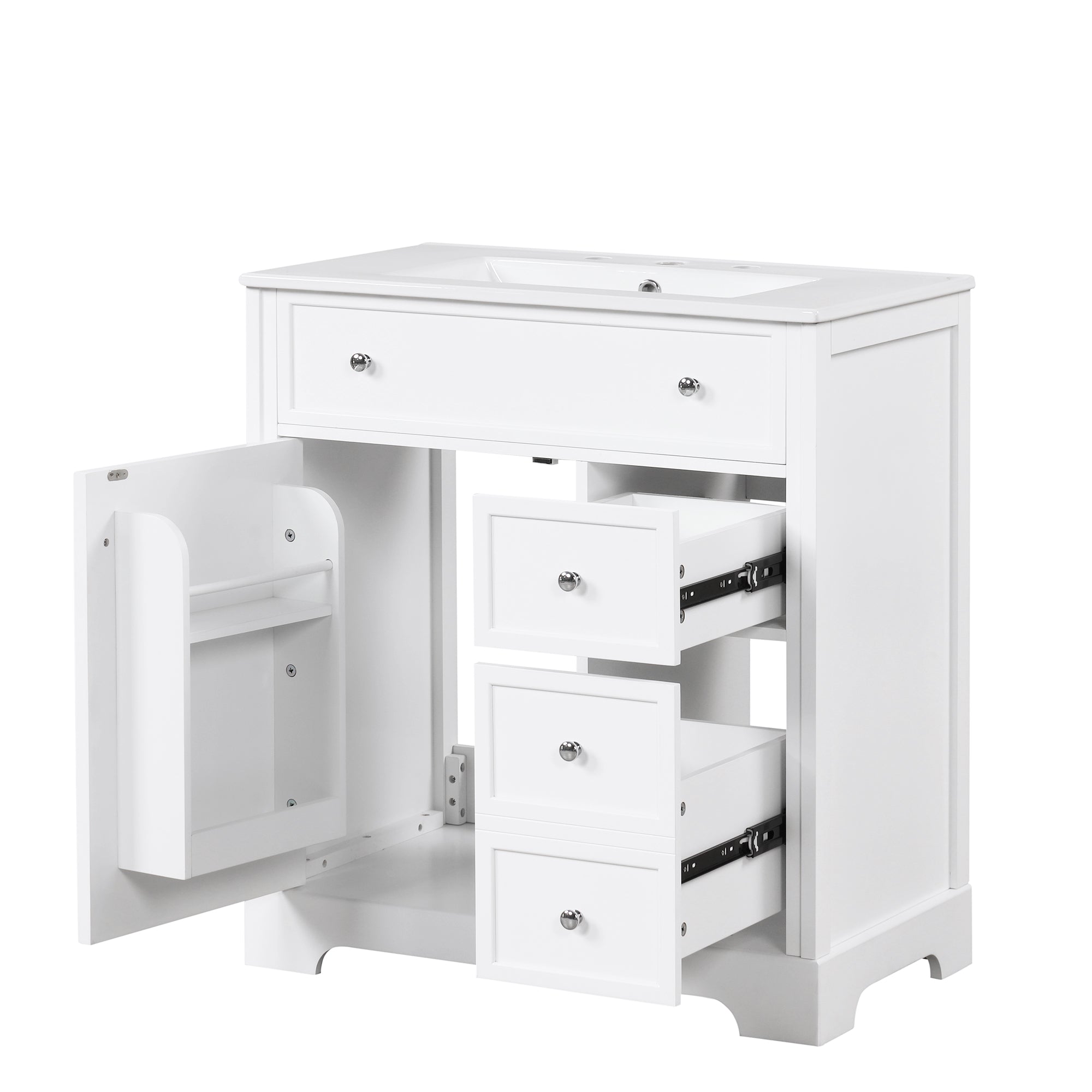
What makes smart vanity storage so appealing is its ability to adapt to everyday routines. Soft-close drawers bring a little ease to busy mornings, while pull-out trays make it simpler to keep smaller items within reach. Hair tools, skincare bottles and everyday makeup can be neatly arranged rather than left scattered across the countertop.
For bathrooms with limited storage, hidden compartments can make a real difference. A discreet space for electrical cords, larger bottles or spare products helps keep the vanity looking clean and considered, even when it is doing most of the practical work behind the scenes.
Some designs go a little further, with built-in laundry bins, concealed waste compartments or slim medicine cabinets integrated into the layout. These details may seem small, but together they create a bathroom that feels more effortless from day to day.

Open Shelves or Concealed Storage?
The balance between open and closed storage can completely change the feel of a vanity.
Open shelving brings a softer, more relaxed look, offering space for folded towels, a favourite candle, neatly arranged bottles or a small touch of greenery. It works particularly well in bathrooms where you want the vanity to feel more decorative, adding texture and personality without overwhelming the room.
Closed cabinetry, on the other hand, creates a cleaner and more streamlined effect. Toothpaste tubes, razors, spare toiletries and everyday clutter can be tucked away, leaving the surface clear and the room feeling more settled.
You can combine the two for a look that feels both practical and personal – keeping the less attractive essentials out of sight, while allowing a few carefully chosen details to remain on display.

Creating a Lighter Feel in Smaller Bathrooms
In compact bathrooms, a floating wall-mounted vanity can make a noticeable difference. By lifting the cabinet away from the floor, it creates more visible space beneath and gives the room a lighter, more open feel.
This simple shift can also help natural light travel more easily through the room, especially when paired with a large mirror. A frameless mirror keeps the look clean and understated, while an LED backlit design introduces a softer glow and adds a little more atmosphere around the vanity area.
The effect is subtle, but it can make even a small bathroom feel less crowded and more considered.

The Small Details That Keep Everything in Place
Organisation does not have to feel overly structured. A few simple additions can help drawers and cabinets work more smoothly, without taking away from the calm, uncluttered look of the space.
Modular drawer dividers are useful for keeping makeup brushes, razors and smaller accessories neatly separated. Stackable acrylic organisers can turn a deep drawer into something much easier to use, allowing products to be grouped by routine rather than left to collect together.
Even the space beneath the vanity can be put to work. A pull-out towel rail or a pair of discreet hooks can keep hand towels close by, while freeing up wall space elsewhere in the room.
A smart vanity does more than store the things you need. It helps shape the rhythm of the room, turning everyday routines into something a little more organised, a little more relaxed and much easier to enjoy.
The Mirror Effect: How the Right Reflection Enhances Light and Space
Mirrors have always been an essential part of a bathroom – but when they are thoughtfully chosen, they can do much more than simply reflect your image.
The right bathroom mirror has a quiet way of changing how the whole room feels. It can brighten a darker corner, soften the lines of a vanity and make even a compact space feel more open and considered. Paired with a well-proportioned bathroom sink cabinet, it becomes part of the wider scheme rather than an afterthought, helping the room feel more balanced from every angle.
It is less about choosing the largest mirror possible, and more about finding one that responds to the light, layout and character of the room.

Working With Light, Not Against It
What makes mirrors so appealing is their ability to work with the natural light already in the space. Positioned opposite or close to a window, a mirror can help daylight travel further into the room, gently brightening the vanity area and making the bathroom feel fresher throughout the day.
In bathrooms where natural light is more limited, an LED backlit mirror can create a similar sense of softness. Rather than relying on one harsh overhead light, the glow is spread more evenly around the face, making everyday routines such as shaving, skincare or applying makeup feel a little easier.
The effect is practical, but it is also atmospheric. A softly illuminated mirror can bring a calm, spa-like quality to the room, especially in the early morning or at the end of the day.

Creating A Greater Sense Of Space
Mirrors are particularly useful in smaller bathrooms, where every detail has the potential to influence how open the room feels. A larger design can visually extend the walls, drawing the eye beyond the immediate vanity area and giving the space more depth.
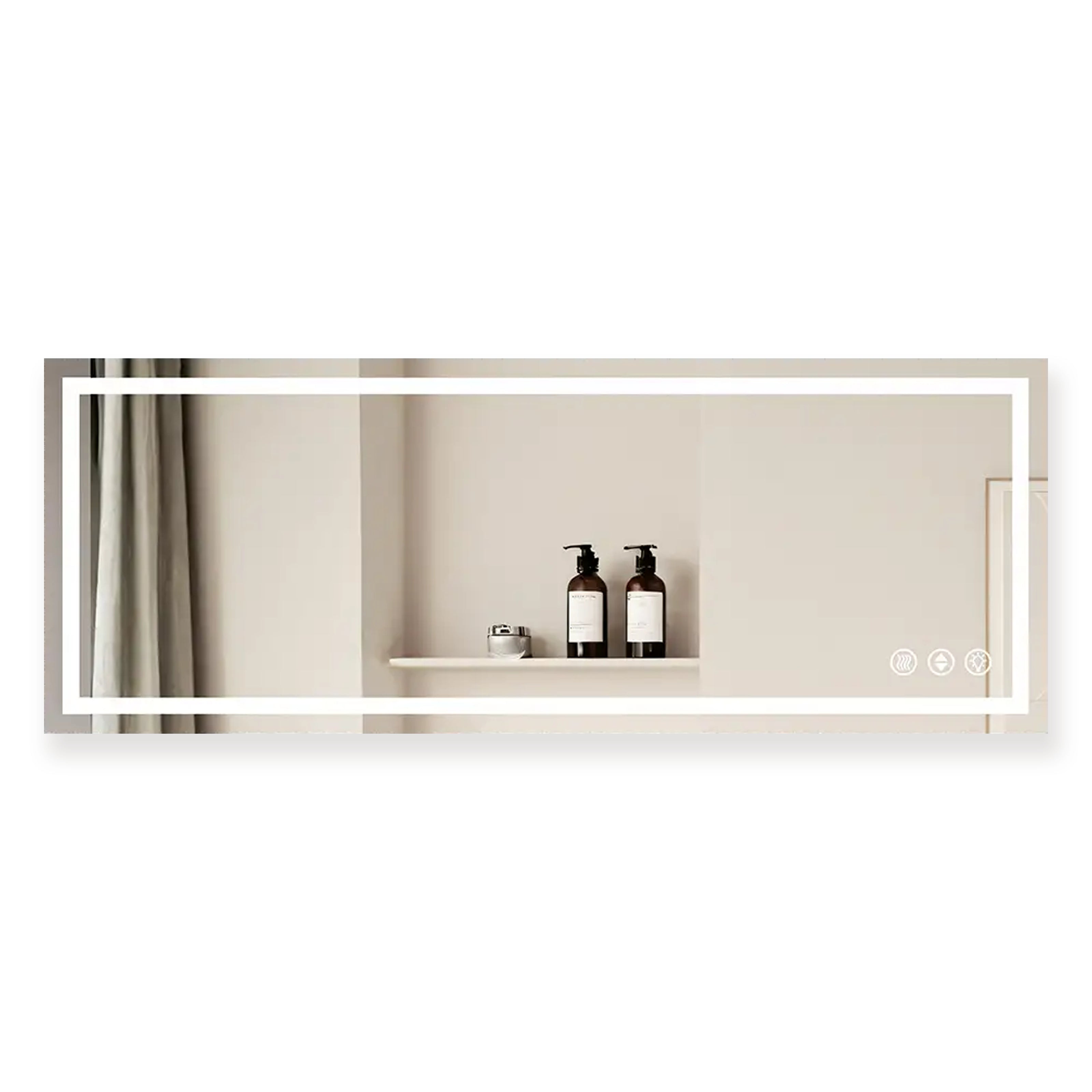
A mirror that reaches closer to the ceiling can emphasise height, helping a compact powder room or ensuite feel less enclosed. In more contemporary bathrooms, a tall, simple mirror can create a clean vertical line that works especially well with floating vanities and slim wall-mounted cabinetry.
The aim is not to make the room feel bigger in an obvious way, but to create a softer sense of openness. When the proportions feel right, the mirror allows the space to breathe without taking attention away from the rest of the design.

Choosing A Shape That Suits The Room
The shape of a mirror can subtly shift the mood of a bathroom. Round and oval mirrors are a natural choice for spaces with clean-lined vanities, adding softness to more angular forms and bringing a little movement to the wall.
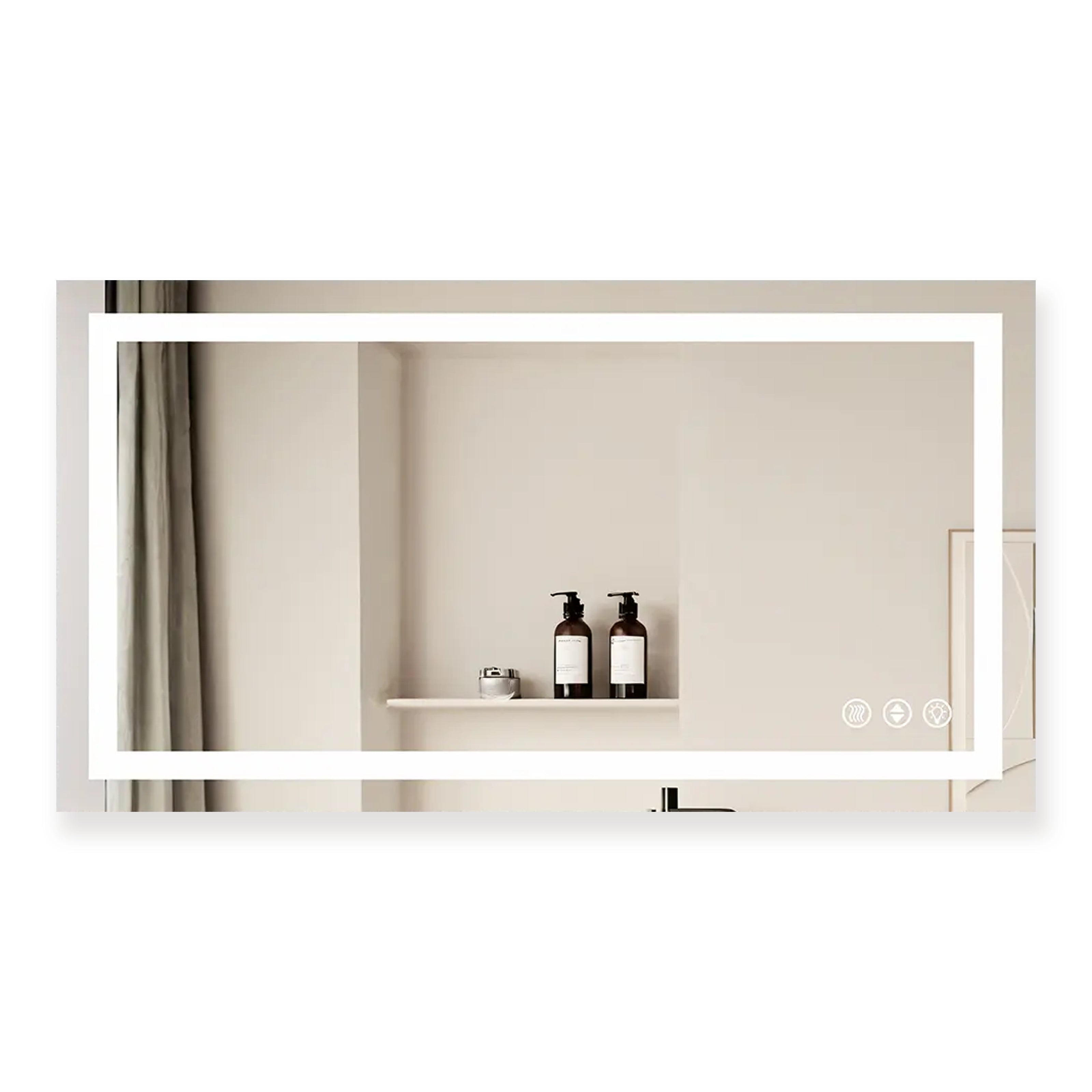
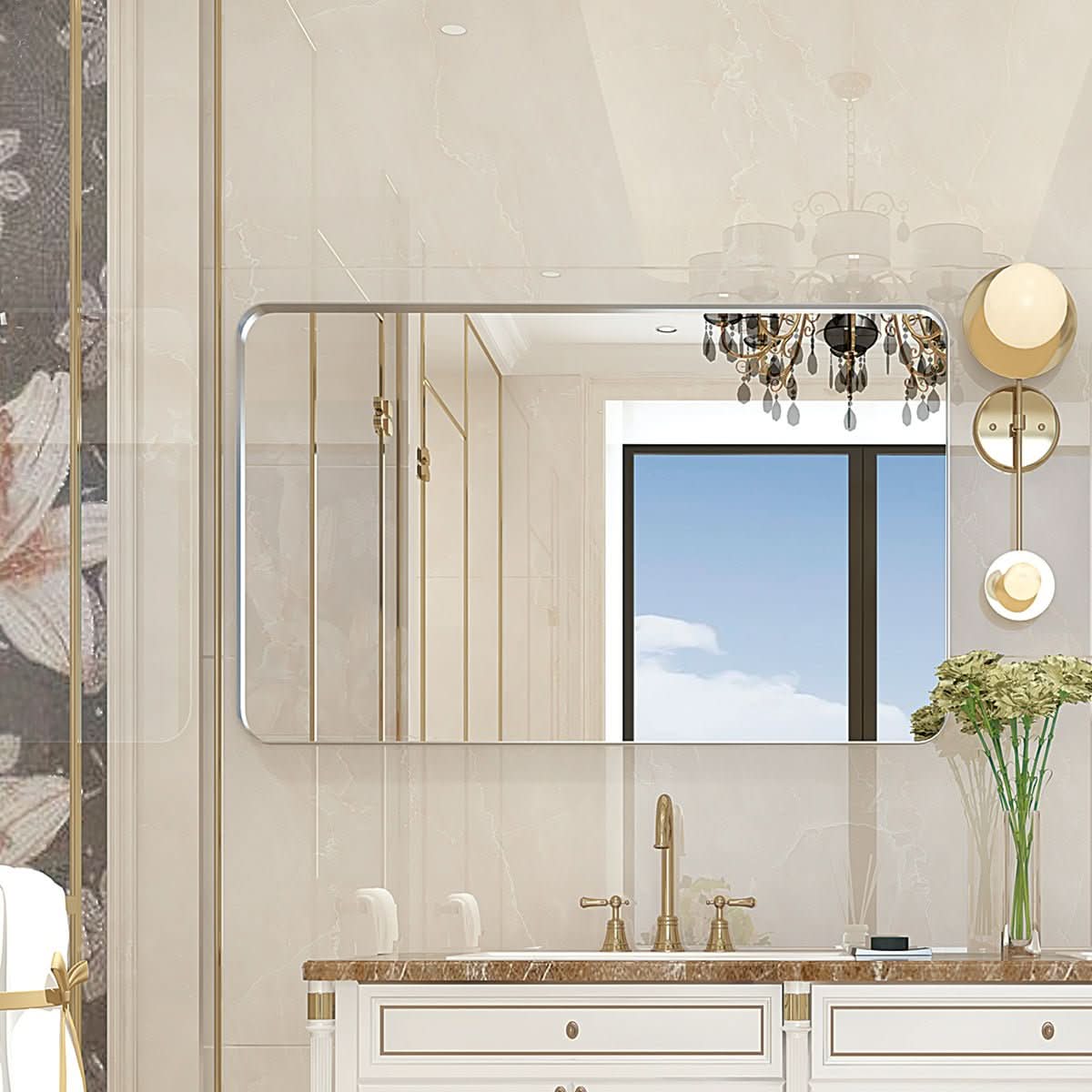
For something more structured, rectangular mirrors offer a timeless, balanced look. They sit easily above single or double-sink vanities and work particularly well in bathrooms where you want the overall feel to remain simple and understated.
More decorative frames can introduce another layer of personality. A black metal edge can bring definition to a pale, minimal bathroom, while brushed brass adds warmth to natural wood and stone finishes. In more traditional spaces, an antique-inspired frame can create a focal point that feels layered, characterful and slightly unexpected.

Bringing The Vanity Area Together
A mirror and vanity work best when they feel connected, rather than chosen separately. The finish of the cabinet, the shape of the basin, the wall colour and the lighting all play a part in creating a scheme that feels cohesive.
You might pair a pale timber vanity with a softly rounded mirror for a calm, organic look, or choose a darker cabinet with a slim black-framed design for something more contemporary. Whichever direction you take, the most successful combinations allow each element to respond naturally to the next.
A bathroom mirror is not simply there for everyday routines. It can shape the light, soften the space and bring a sense of quiet intention to the room. When chosen with care, it turns the vanity area into something that feels brighter, more spacious and much more inviting.
The Material Game: Why Investing in Quality Vanity Finishes Pays Off Long-Term
A bathroom vanity is one of the hardest-working pieces in the home – but with the right materials, it can stay looking considered for years to come.
From water splashes and soap marks to the rush of busy mornings, a bathroom sink cabinet needs finishes that can cope with everyday life. It is less about choosing the most expensive option, and more about finding materials that balance durability with the look you want to create.
-
Choosing Materials That Work Hard
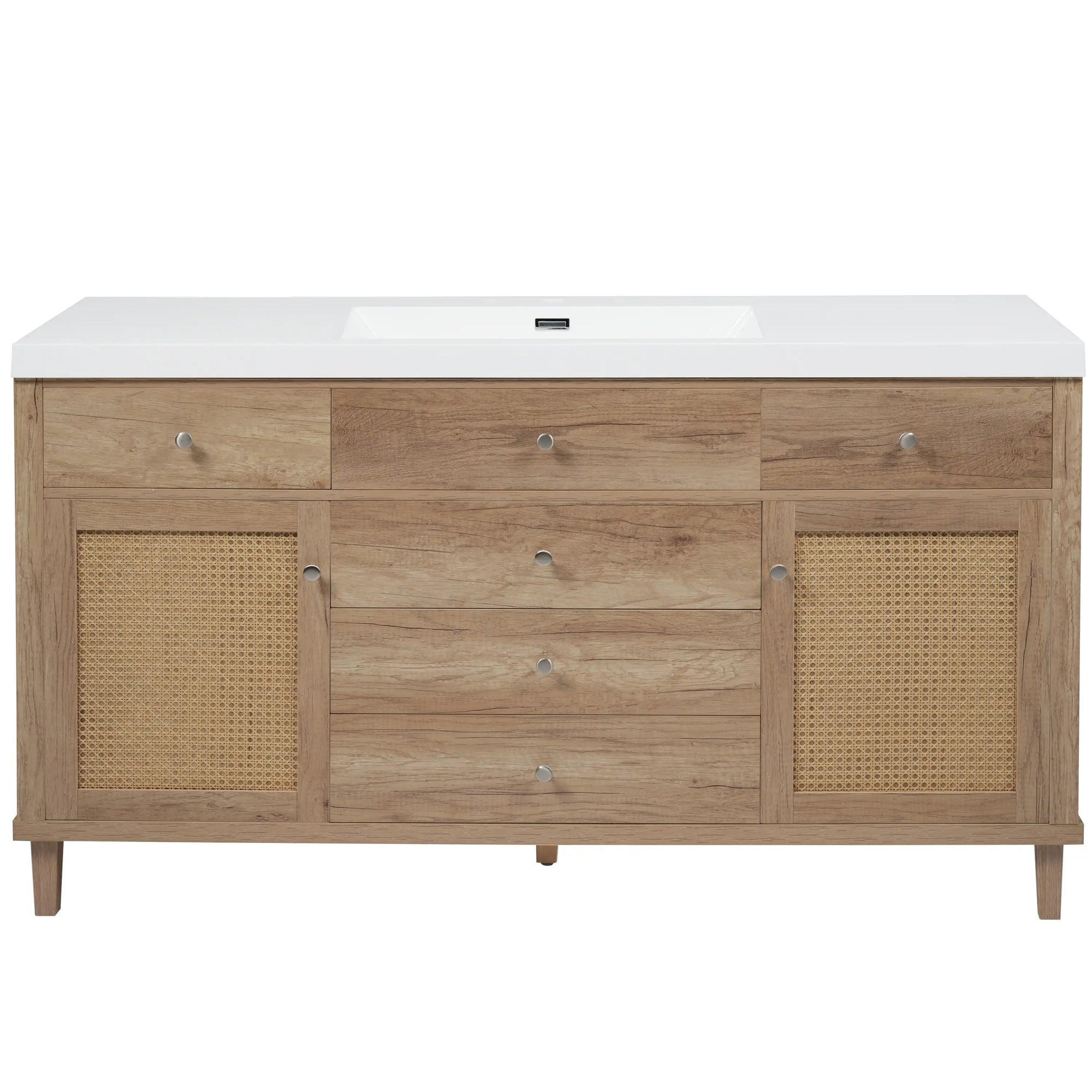
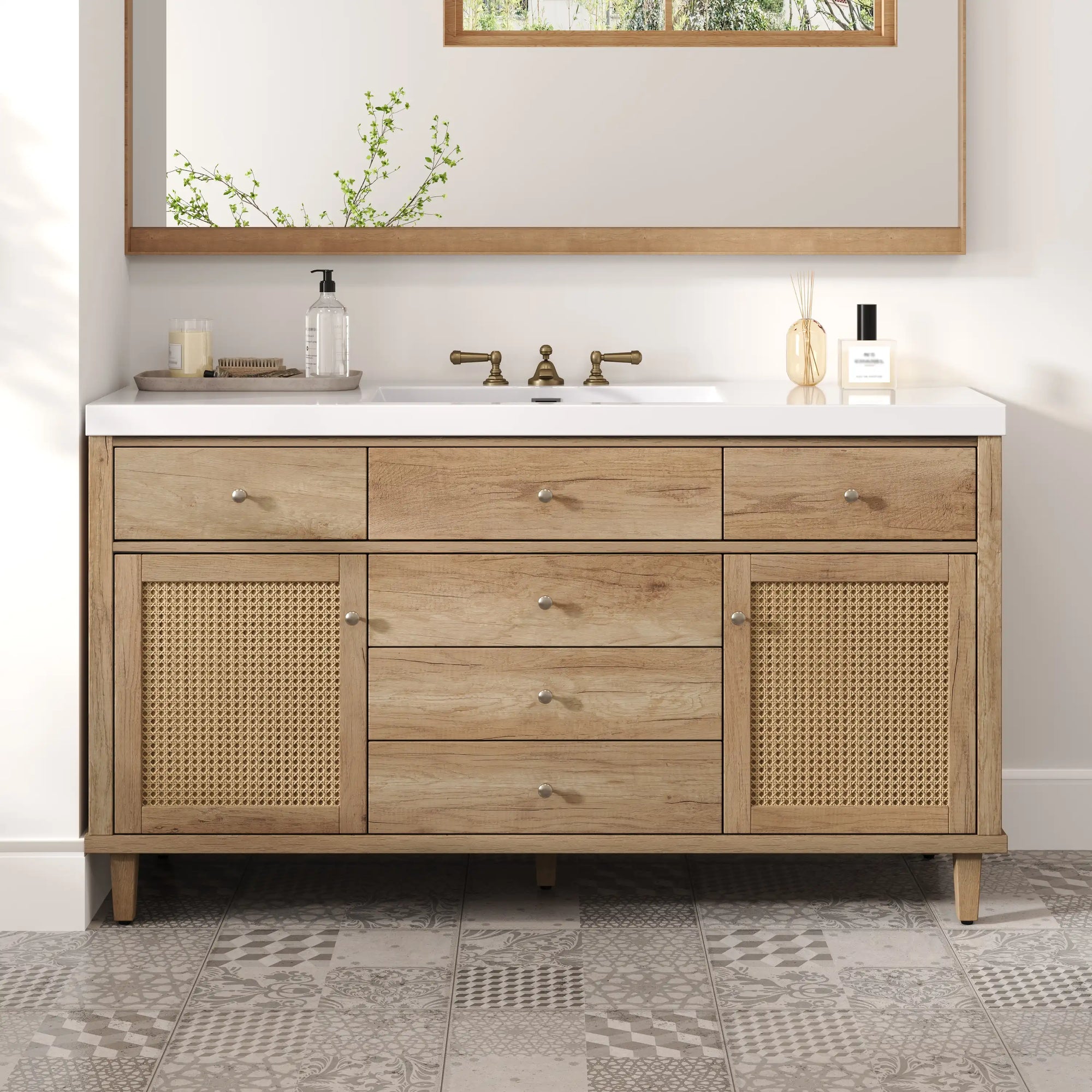
Natural wood brings warmth and softness to a bathroom, especially in oak, teak or walnut finishes. It can make a clean-lined space feel more relaxed, but it works best when properly sealed and paired with good ventilation.
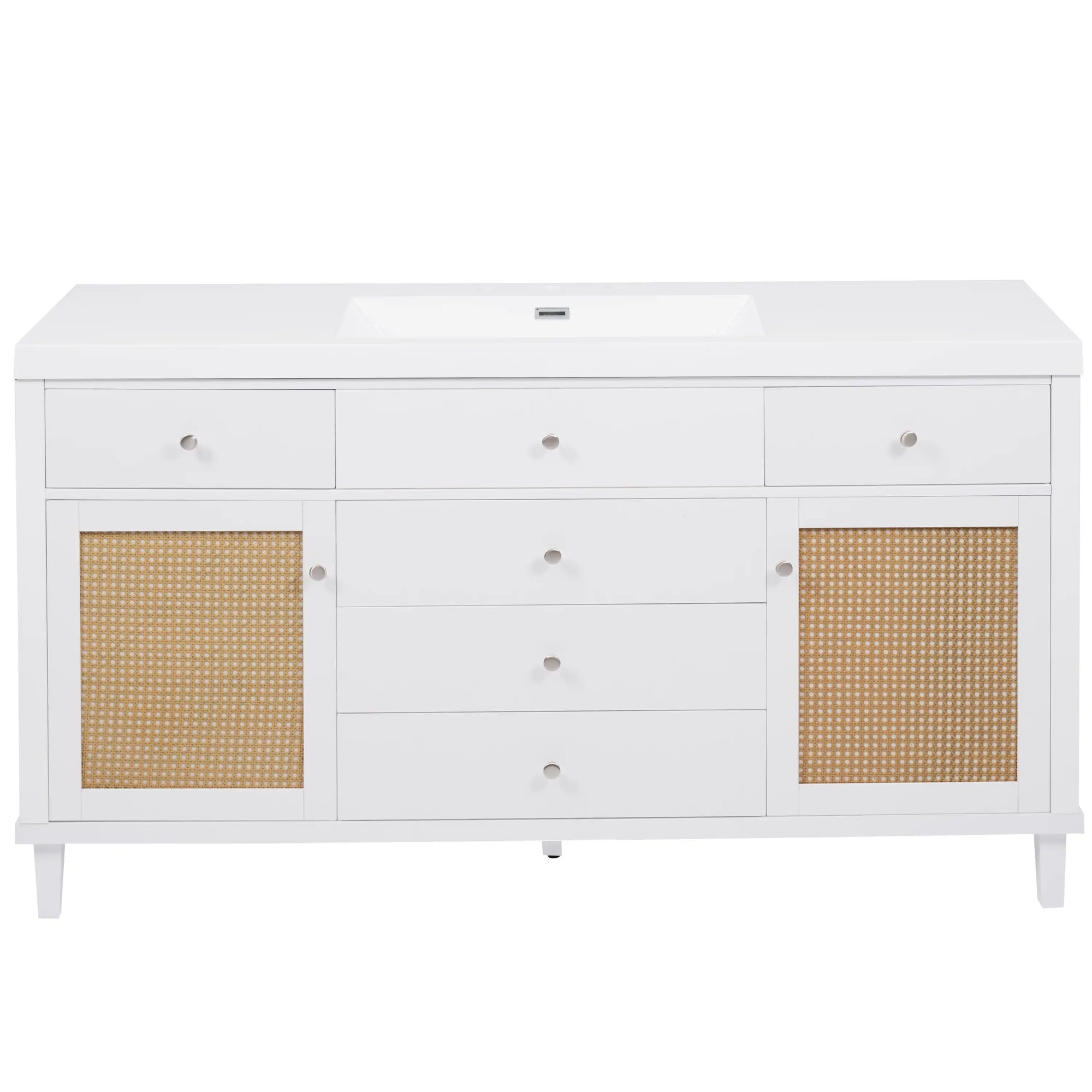
For a lower-maintenance option, moisture-resistant cabinetry, durable veneers and well-finished laminates can offer a similarly polished look. These materials are particularly useful in bathrooms where humidity and regular use are part of everyday life.
-
Finding The Right Vanity Top
The vanity top is where most routines happen, so it needs to feel both practical and easy to live with. Quartz is a natural fit for busy bathrooms, offering a smooth, durable surface that resists everyday marks and moisture.
Marble brings more movement and character, with soft veining that can make the vanity area feel a little more luxurious. It does need extra care, however, as regular sealing helps protect it from water marks and staining. For a similar look with less upkeep, marble-effect quartz or quartzite can be a more relaxed alternative.
-
Thinking Beyond The First Few Years
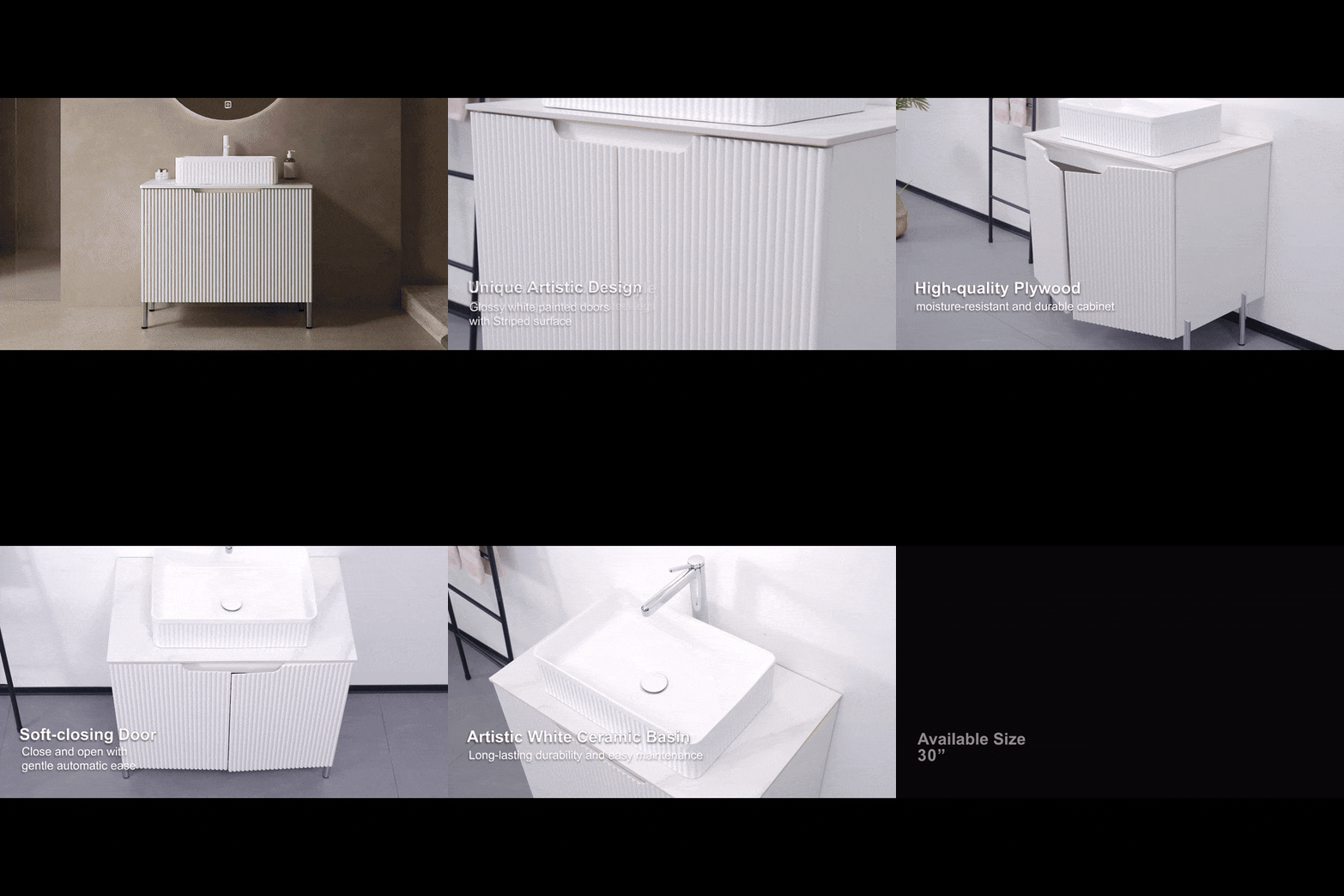
A well-made vanity should do more than look good when it is first installed. Quality finishes, moisture-resistant construction and smooth drawer hardware all help it continue to work beautifully over time.
Like a favourite piece of furniture, the right vanity should settle naturally into the room – working hard in the background while bringing warmth, balance and a little everyday calm to the space.
Conclusion: Elevate Every Day with the Perfect Vanity
A bathroom vanity can do far more than hold the essentials – it can shape the rhythm of the room, bringing together storage, light and a sense of quiet order.
Whether you are looking for more room to keep everyday items tucked away, a finish that adds warmth and character, or simply a space that feels calmer at the start and end of the day, the right bathroom sink cabinet and mirror can make the whole room feel more considered.
It is less about creating a showroom look, and more about choosing pieces that respond to how you live. When the proportions, materials and lighting work together, the vanity area becomes a small but meaningful part of the home – practical, personal and easy to enjoy every day.
FAQ: Expert Answers to Your Vanity Dilemmas
How do I choose between a freestanding and wall-mounted vanity?
It often comes down to the feeling you want to create in the room. Freestanding vanities can bring a more furniture-like presence, often with generous storage and a slightly more traditional feel. Wall-mounted designs sit lightly against the wall, leaving more of the floor visible and helping smaller bathrooms feel more open.
Can a large mirror make a small bathroom feel bigger?
A larger mirror can make a noticeable difference. By reflecting light and extending the view across the room, it helps create a softer sense of space without changing the layout itself. Tall or wide designs work particularly well above a vanity, especially when paired with good natural or ambient light.
What is the best vanity material for high-humidity bathrooms?
Bathrooms with regular humidity benefit from materials that are designed to cope with moisture. Moisture-resistant cabinetry, marine-grade plywood, engineered stone and well-finished acrylic surfaces can all offer a durable, low-maintenance option. Good ventilation also plays an important part in helping any finish stay looking its best.
Can I add storage if my vanity has limited space?
Even a compact vanity can be made to work harder. A mirrored medicine cabinet, a slim shelf above the basin or a few discreet baskets beneath the cabinet can add useful storage without making the room feel crowded. It is less about adding more furniture, and more about making the existing space feel better organised.
Related Articles
Space-Saving Bathroom Vanity Mirrors: Best Options for Small Bathrooms
How to Incorporate a Single Sink Vanity into a Small Bathroom Remodel
How to Choose the Right Size Round Mirror for Your Bathroom Vanity