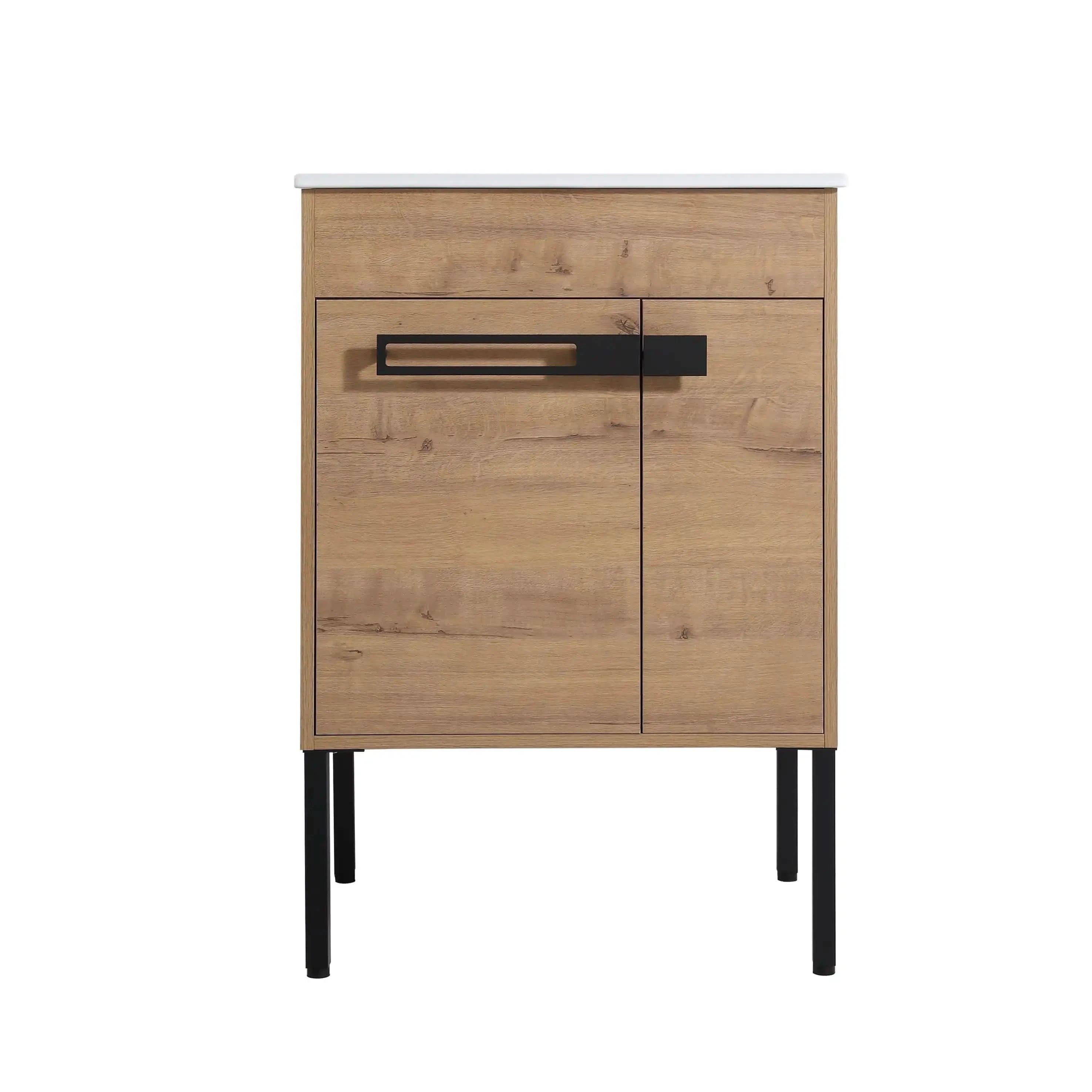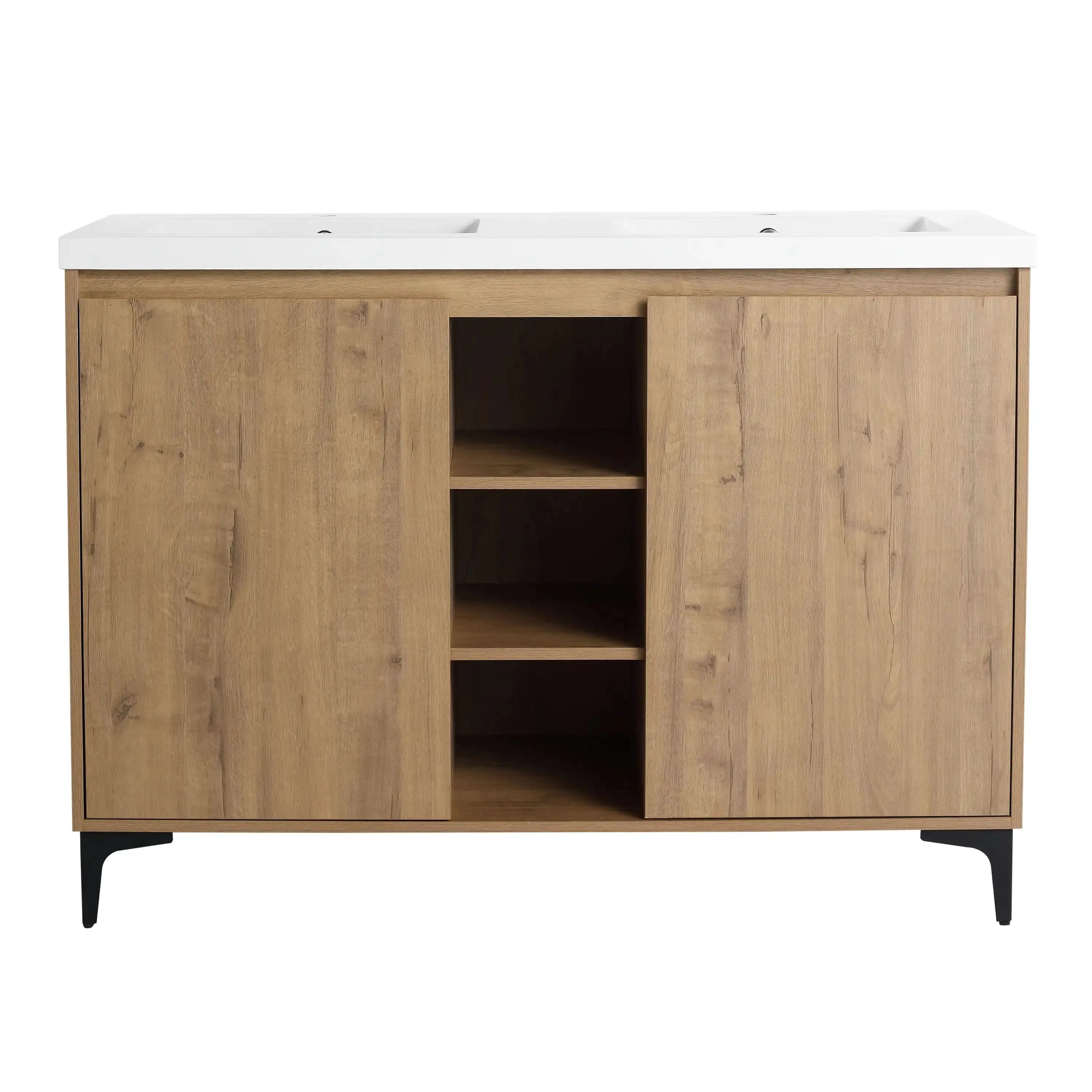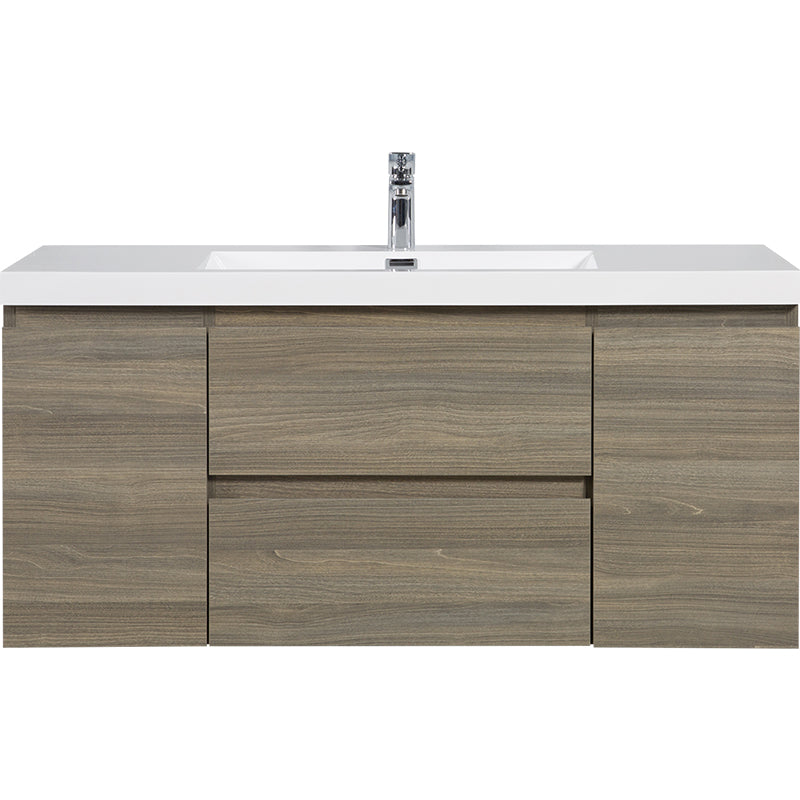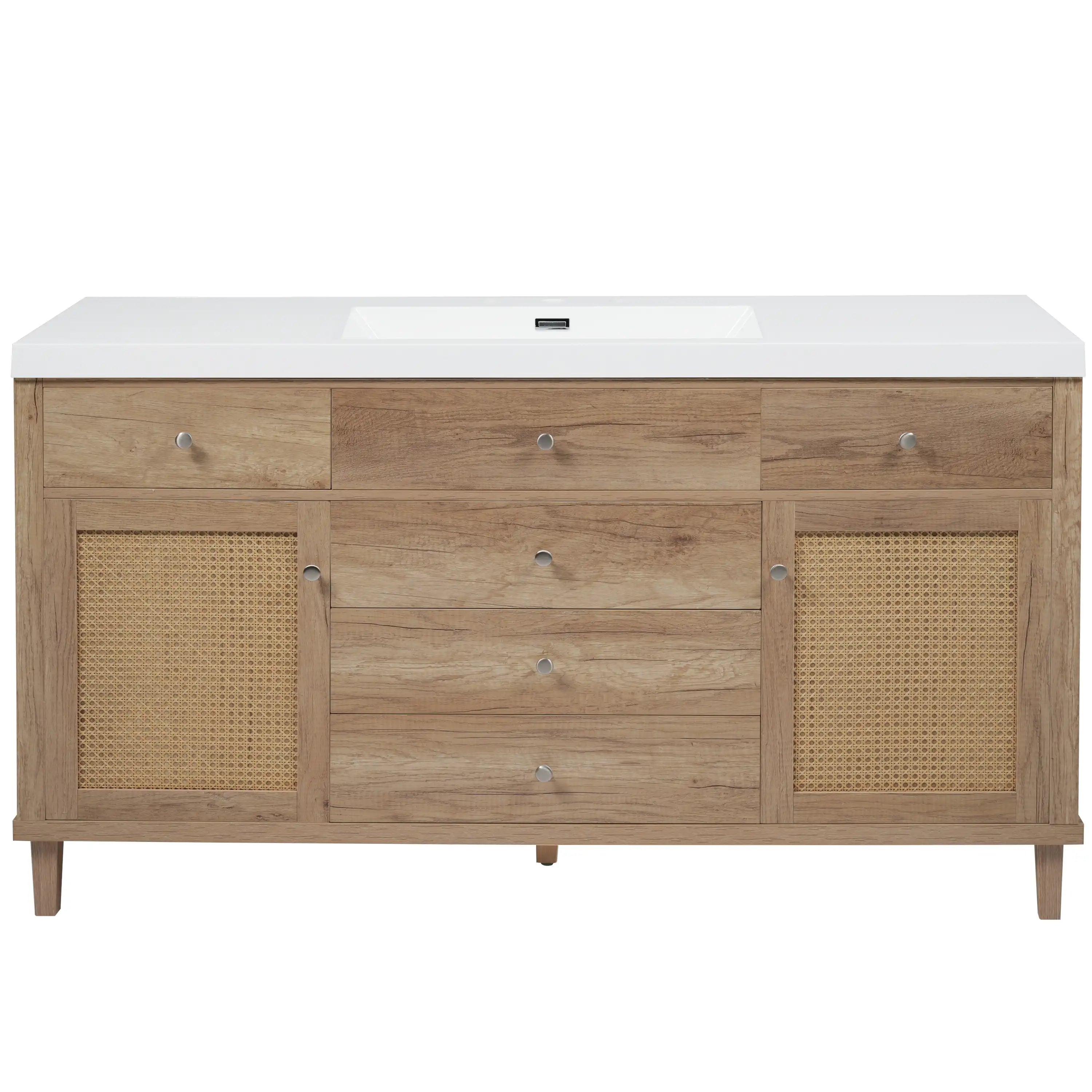


Introduction
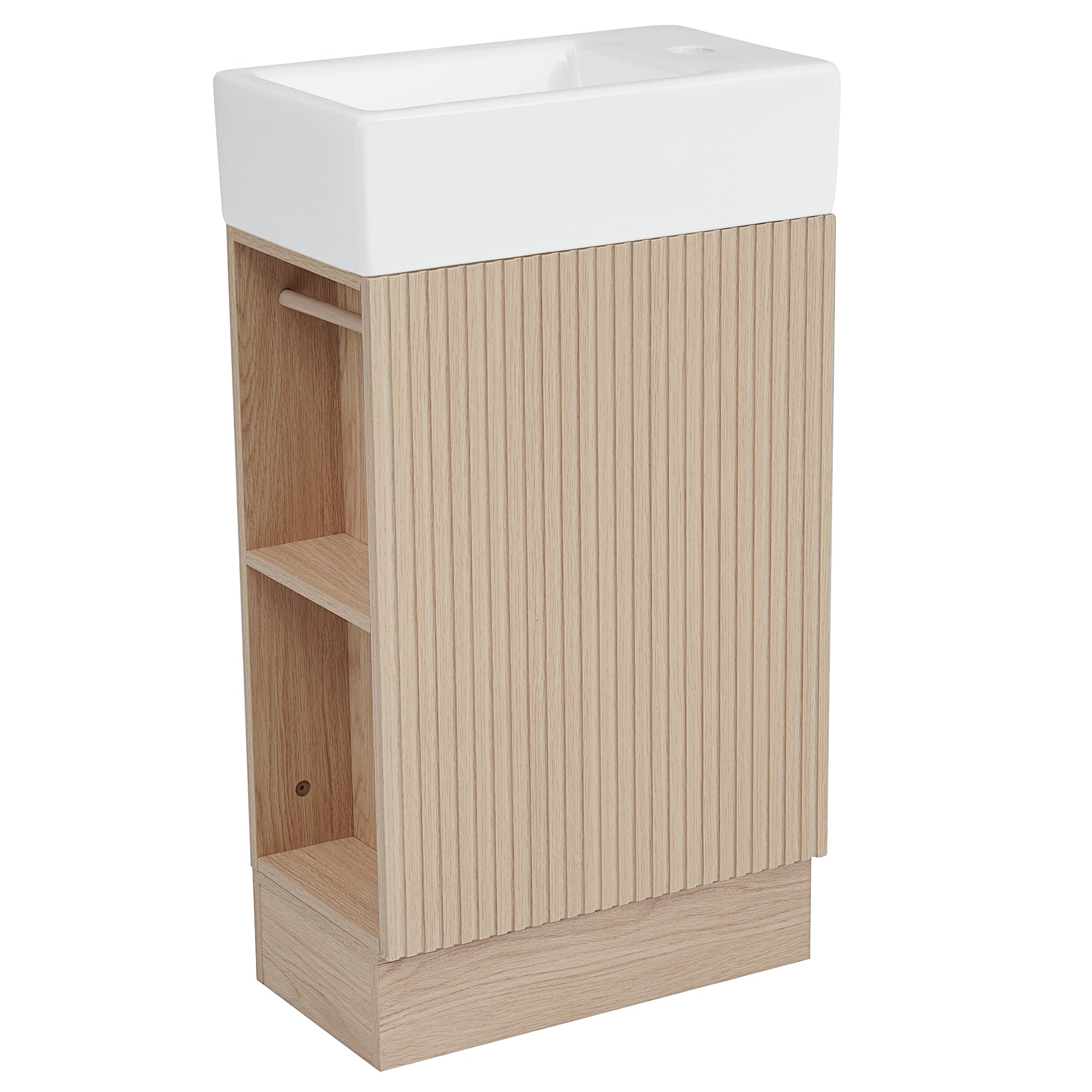
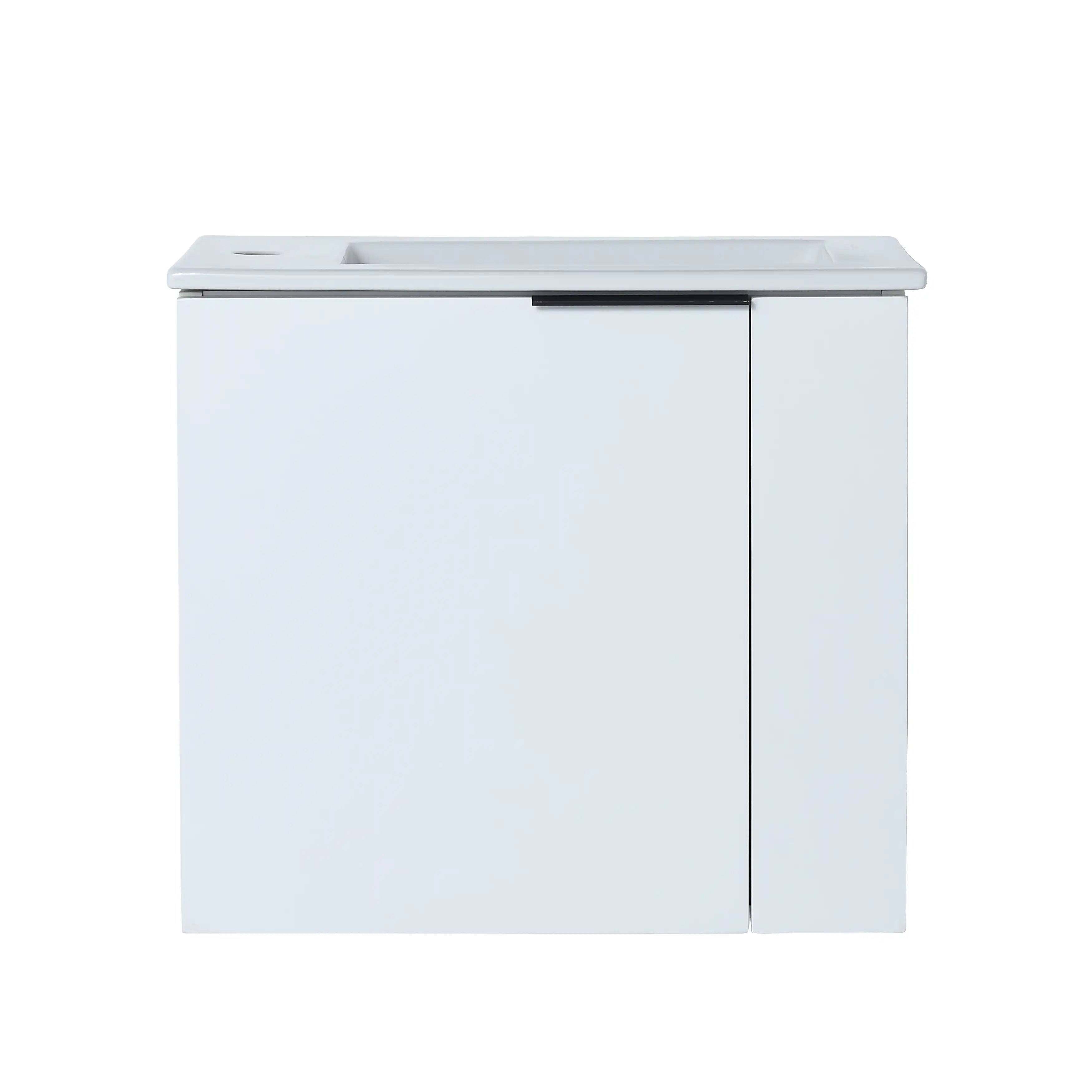
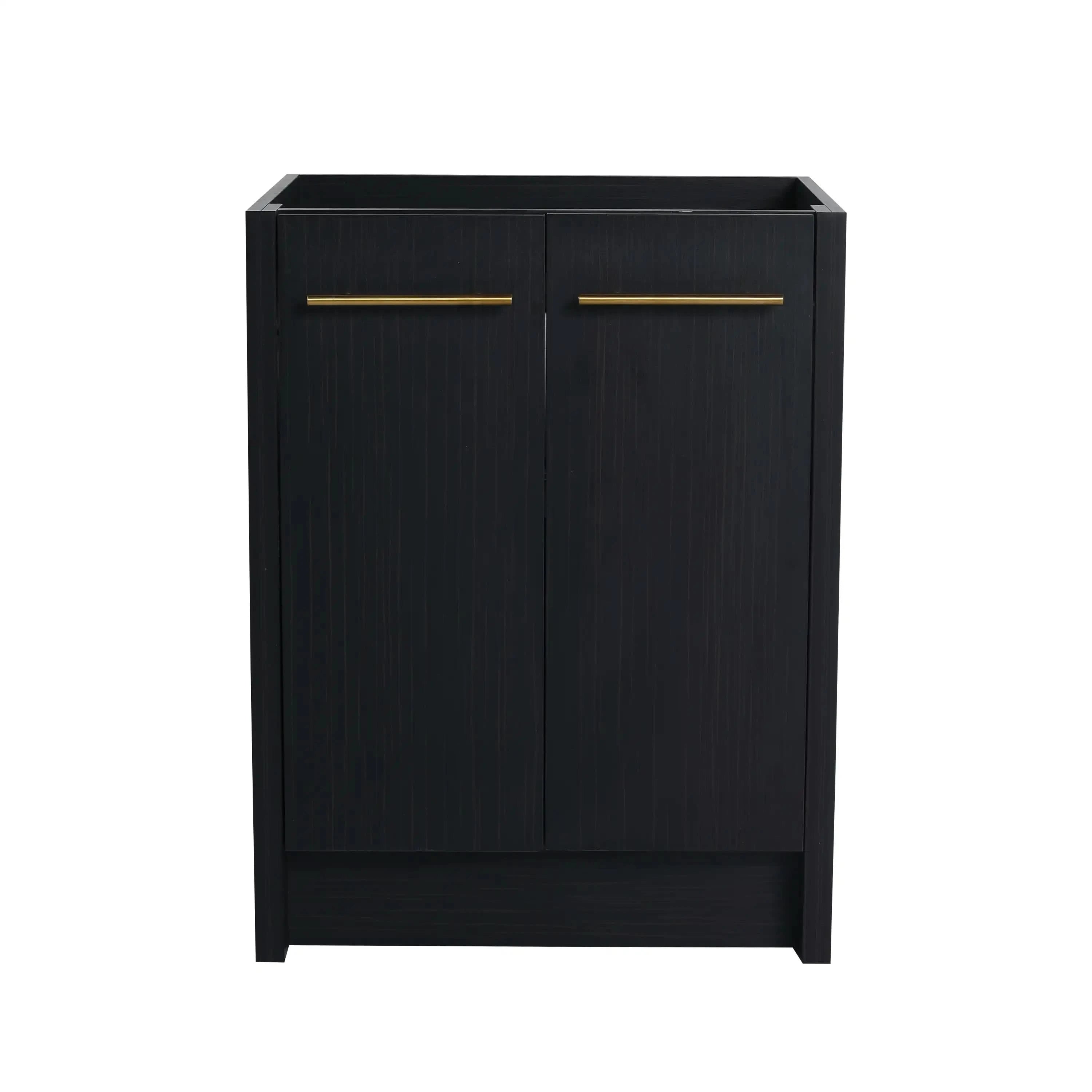
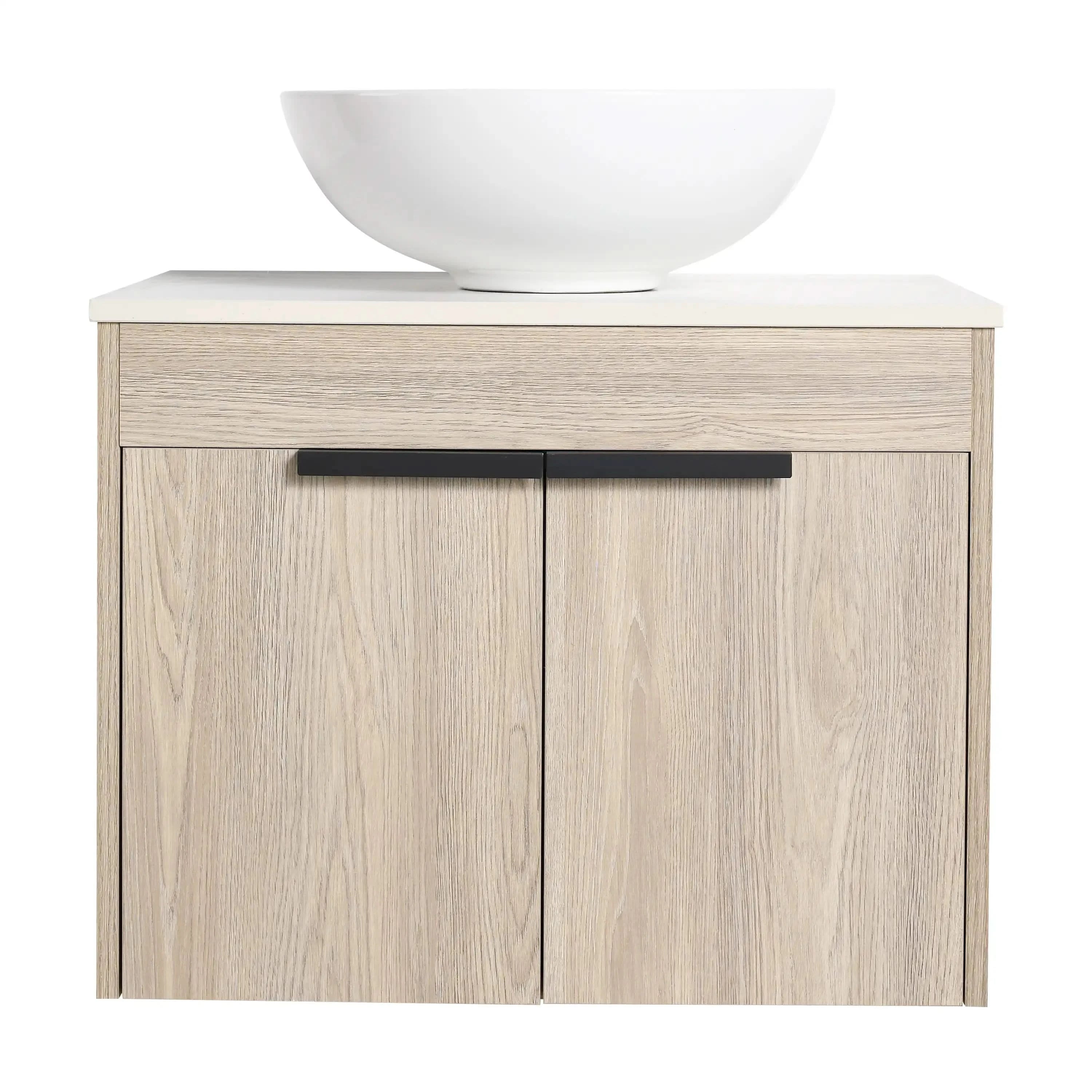
Vessel sinks have become a defining feature in modern bathroom design, offering a sculptural focal point that elevates both aesthetics and functionality. However, selecting a vessel sink is only half of the equation. The vanity beneath it plays an equally critical role in comfort, usability, and overall visual balance.
Many homeowners encounter issues such as excessive sink height, awkward proportions, or incompatible countertops simply because the vanity was not chosen with a vessel sink in mind. This guide breaks down everything you need to know about selecting the right vanities for vessel sinks, covering size, height, materials, design coordination, installation, and practical details that directly impact daily use.
Table of Contents:
- What Is a Vessel Sink? Types, Materials, and Shapes Explained
- Choosing the Right Vanity Height and Size for a Vessel Sink
- Matching Materials and Design: Vanity and Vessel Sink Combinations
- Countertops and Faucets: Details That Make or Break the Setup
- How to Install a Vessel Sink on a Vanity: Tools and Steps
- Conclusion
- FAQ
- Related Articles
What Is a Vessel Sink? Types, Materials, and Shapes Explained

A vessel sink is a basin that sits on top of the vanity or countertop rather than being recessed or mounted underneath. This above-counter design makes the sink a visible design element rather than a purely functional component, which is why vessel sinks are commonly used in modern, spa-like, and luxury bathrooms.
Vessel sinks vary widely in material and shape, each offering distinct aesthetic and practical characteristics. Understanding these differences helps narrow down options and ensures compatibility with the vanity and overall bathroom design.
Common Vessel Sink Materials
| Material | Characteristics | Design Considerations |
|---|---|---|
| Ceramic / Porcelain | Smooth, non-porous surface; easy to clean; resistant to stains | Works well with both traditional and modern vanities; moderate weight |
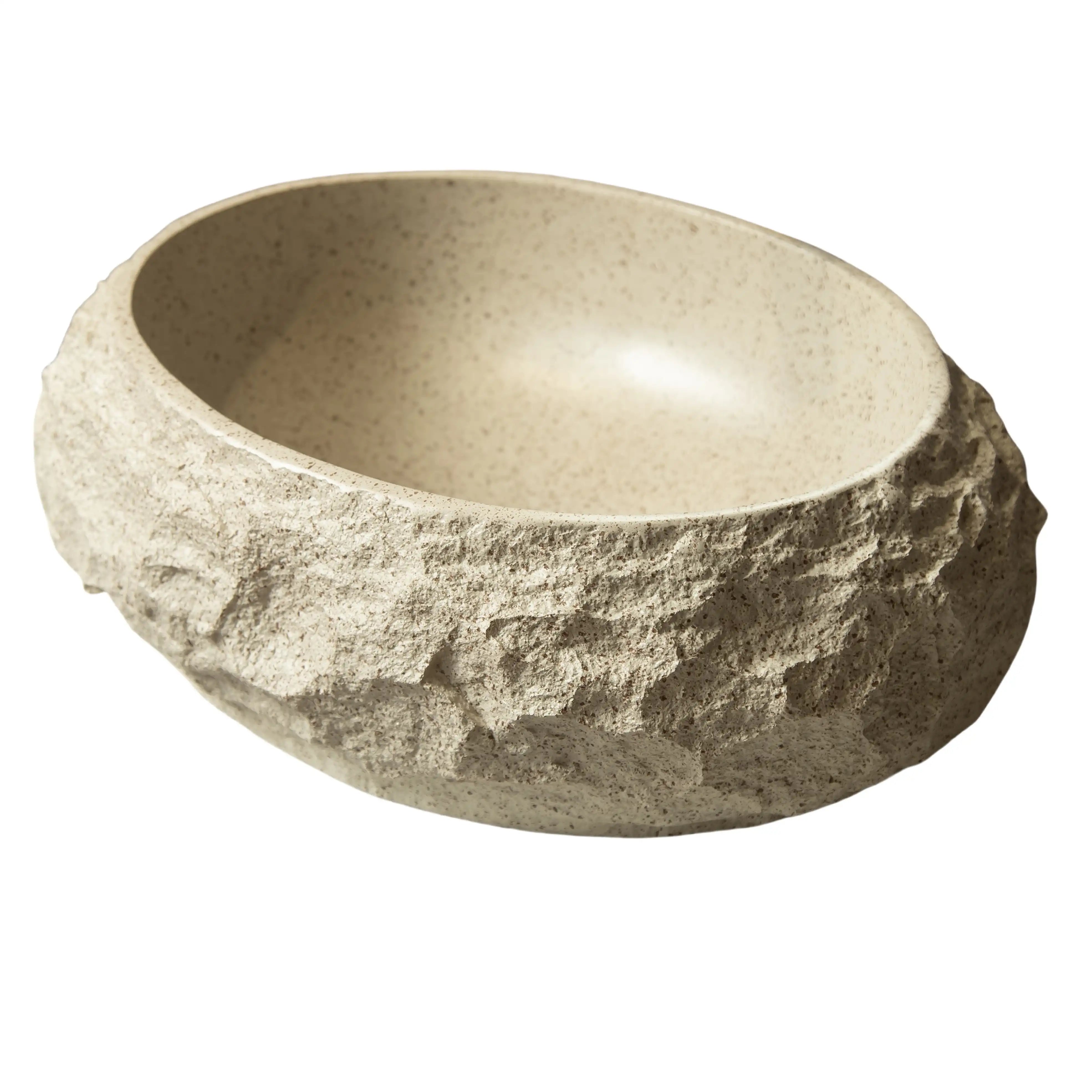
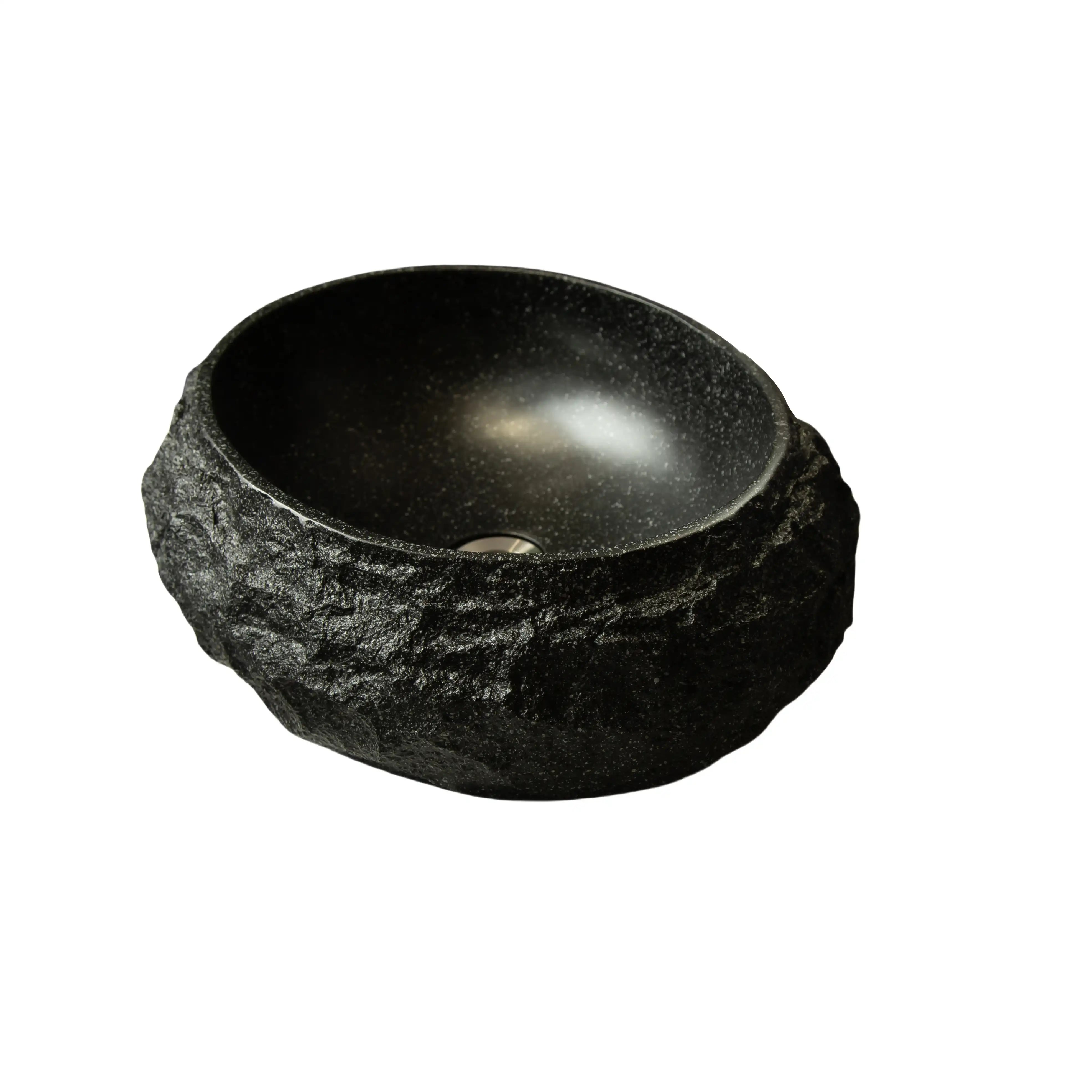
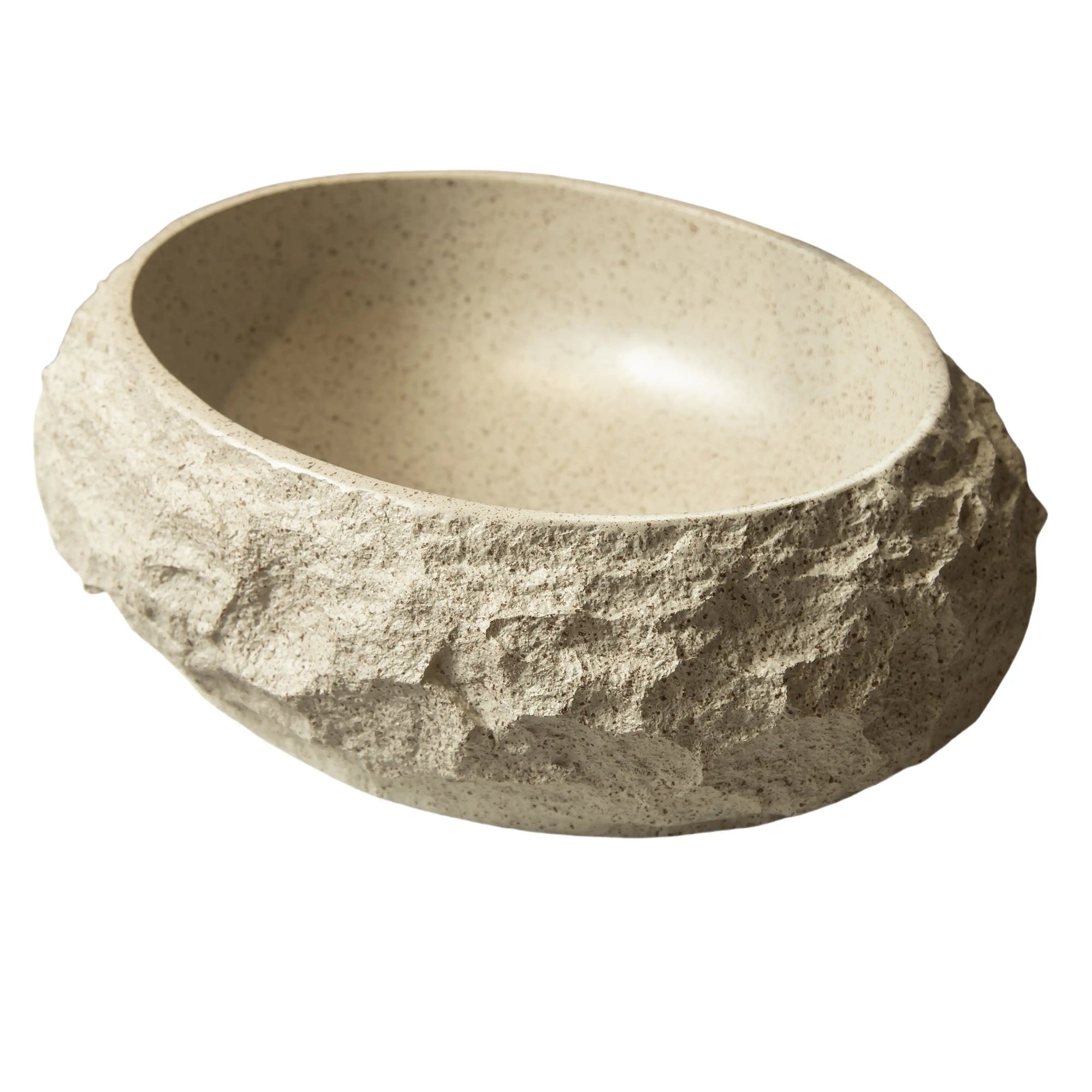
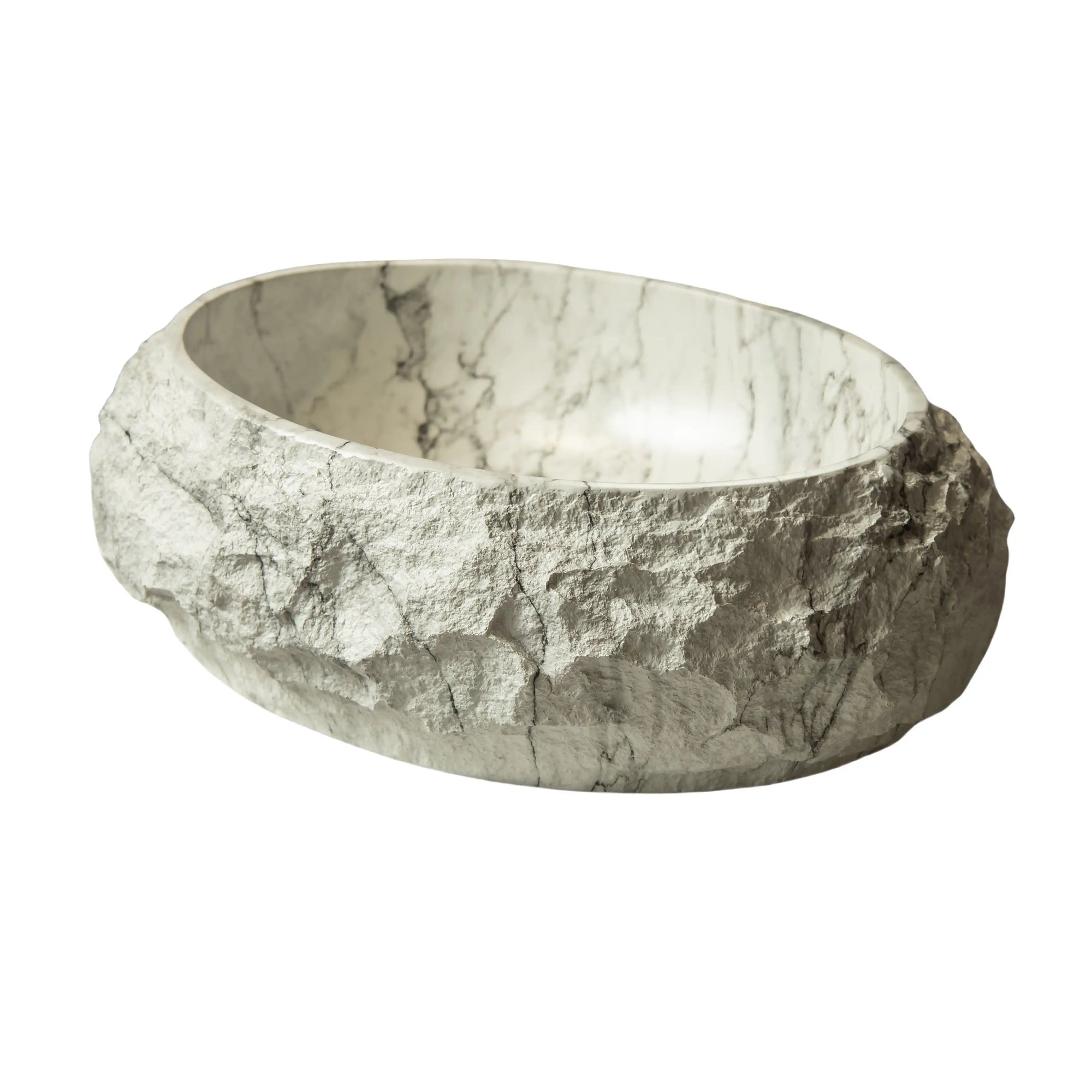
| Natural Stone (Marble, Granite) | Unique veining; heavy; premium appearance | Requires sturdy vanity support and regular sealing |
| Glass | Translucent or frosted; decorative and lightweight | Best paired with simple vanities to avoid visual clutter |
| Solid Surface / Composite | Seamless look; consistent color; durable | Ideal for minimalist or contemporary bathroom designs |
| Metal (Stainless Steel, Copper, Brass) | Durable; distinctive finish; industrial or artisanal appeal | Pairs best with modern, rustic, or industrial-style vanities |
Popular Vessel Sink Shapes
| Shape | Visual Effect | Best Use Cases |
|---|---|---|
| Round | Softens sharp lines; classic and versatile | Works well on most vanity styles |
| Oval | Elongated and elegant | Suitable for narrower vanities |
| Rectangular | Clean lines; architectural look | Complements modern or minimalist vanities |
| Square | Bold and structured | Pairs well with flat-panel cabinetry |
| Bowl-shaped | Deep, curved profile; traditional vessel form | Ideal for balanced proportions and everyday comfort |
| Sculptural / Asymmetrical | Artistic focal point | Best paired with understated vanities |
Choosing the Right Vanity Height and Size for a Vessel Sink

Vanity Height: Why It Matters More with Vessel Sinks
Standard bathroom vanities typically range from 32 to 34 inches in height. When a vessel sink is added, the overall height can increase by an additional 4 to 6 inches, depending on the sink design. If this extra height is not accounted for, the sink may sit too high, making everyday tasks like handwashing uncomfortable and ergonomically inefficient.
For vessel sinks, many designs recommend lower-profile vanities designed for them, to preserve a comfortable user experience. An even more customized solution is a floating vanity, so the person installing the sink can determine how high it is mounted depending on the size of the sink and the height of the user. This flexibility is especially valuable in shared or multi-user bathrooms where comfort varies by height.
Vanity Width and Depth: Finding the Right Proportion
Beyond height, the vanity’s width and depth must be proportional to the vessel sink. A sink that is too small on a wide vanity may feel visually lost, while an oversized sink can dominate the countertop and eliminate usable surface space.
That said, design preferences vary. Some homeowners intentionally choose a compact vessel sink on a larger vanity to preserve counter space, while others prefer a bold, oversized basin as the centerpiece.
The key is balance. Well-chosen vanities for vessel sinks accommodate both functional needs and personal style without compromising usability.
Matching Materials and Design: Vanity and Vessel Sink Combinations

The material and design compatibility between the vanity and the vessel sink play a major role in the bathroom’s overall aesthetic.
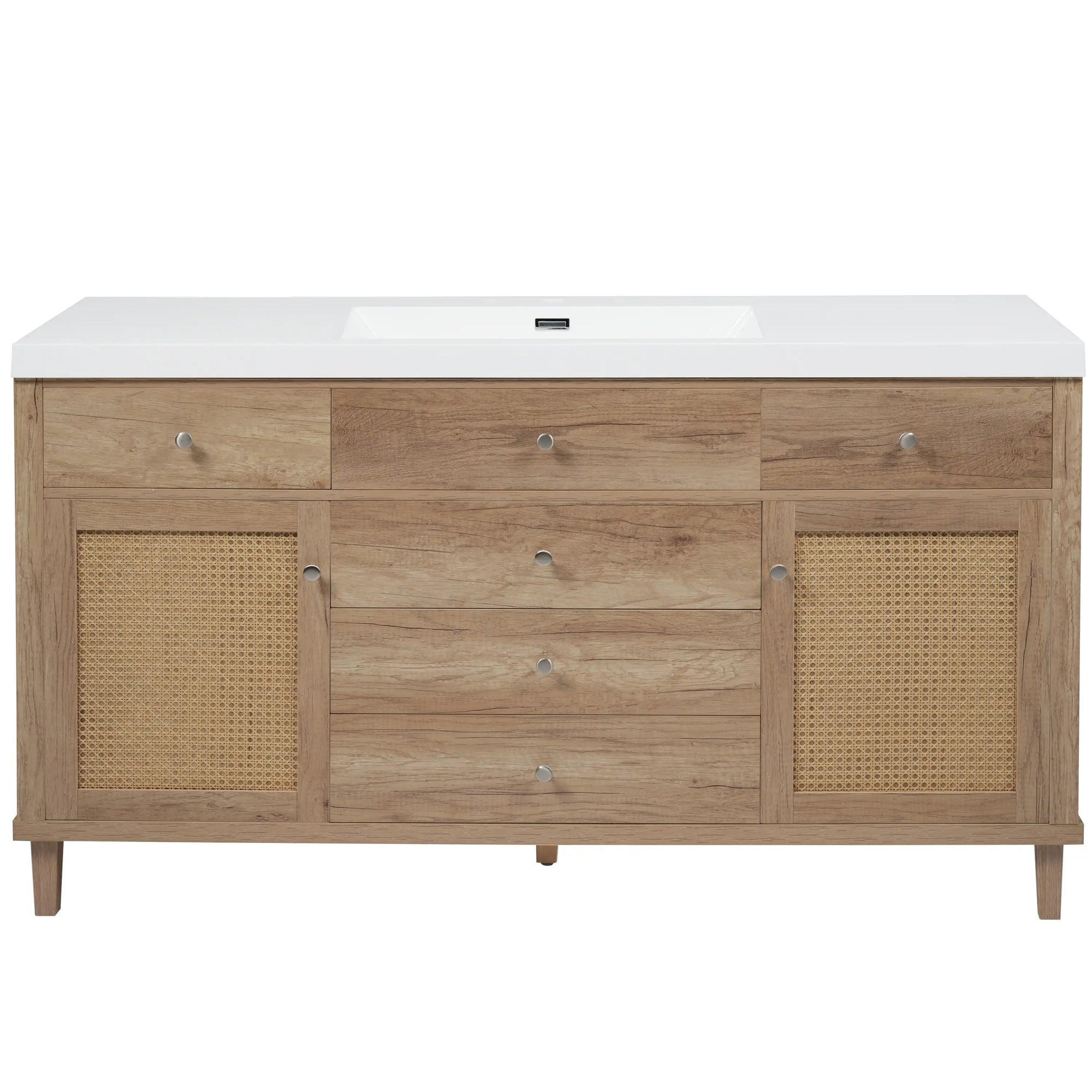
Traditional wood vanities, often designed with paneled doors, natural wood textures, and furniture-style details, work especially well with ceramic or stone vessel sinks in classic round or oval shapes. These sink materials complement the organic character of wood without drawing excessive attention, creating a sense of visual harmony and timeless appeal.
For modern or minimalist bathroom vanity, glass vessel sinks or resin-based solid surface vessel sinks are common choices in these spaces, as they offer clean finishes and refined silhouettes without visual heaviness.
Farmhouse-style vanities introduce a different dynamic. Typically, they have solid construction or grain, or rough, unfinished accents, and they work beautifully with metal vessel sinks—finishes like stainless steel or aged metal tones.
In design-forward bathrooms where visual impact is a priority, artistic or sculptural vessel sinks may serve as the focal point. A carefully selected statement vanity supports the sink’s artistic form while maintaining functionality, ensuring the space feels intentional rather than experimental.
The most successful vanities for vessel sinks establish a clear design hierarchy, allowing materials, shapes, and finishes to work together in support of a cohesive and well-considered bathroom design.
Countertops and Faucets: Details That Make or Break the Setup

Choosing the Right Countertop
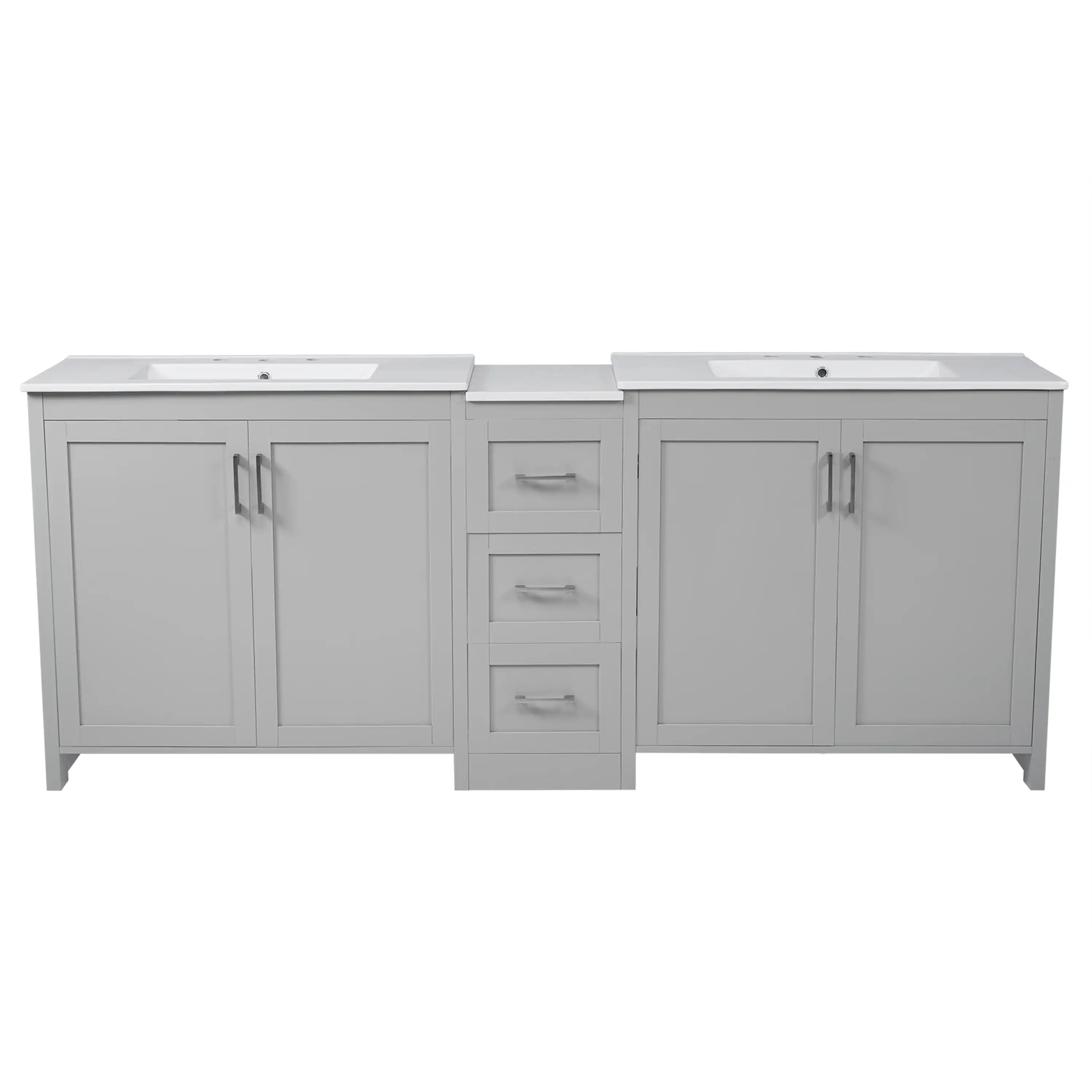
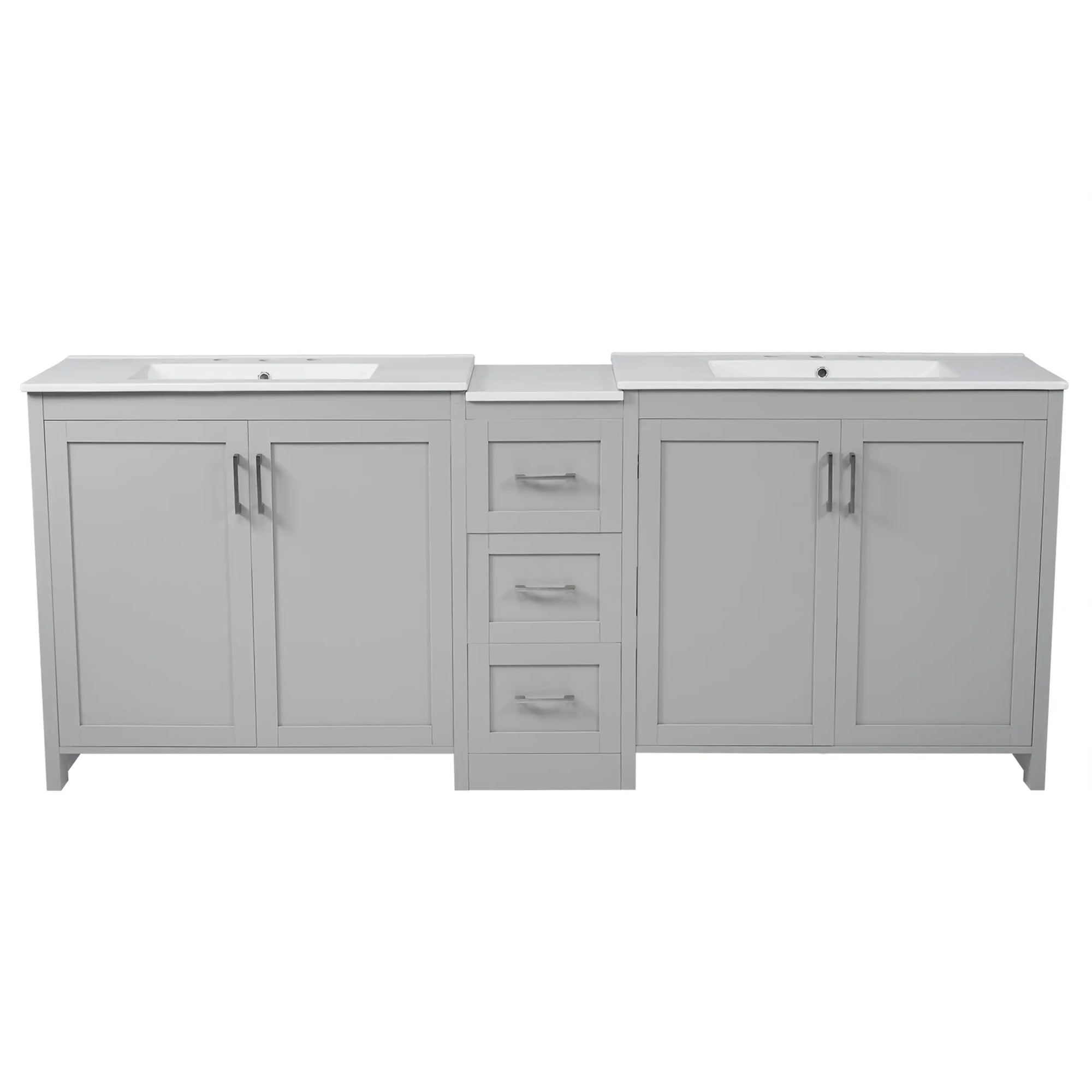
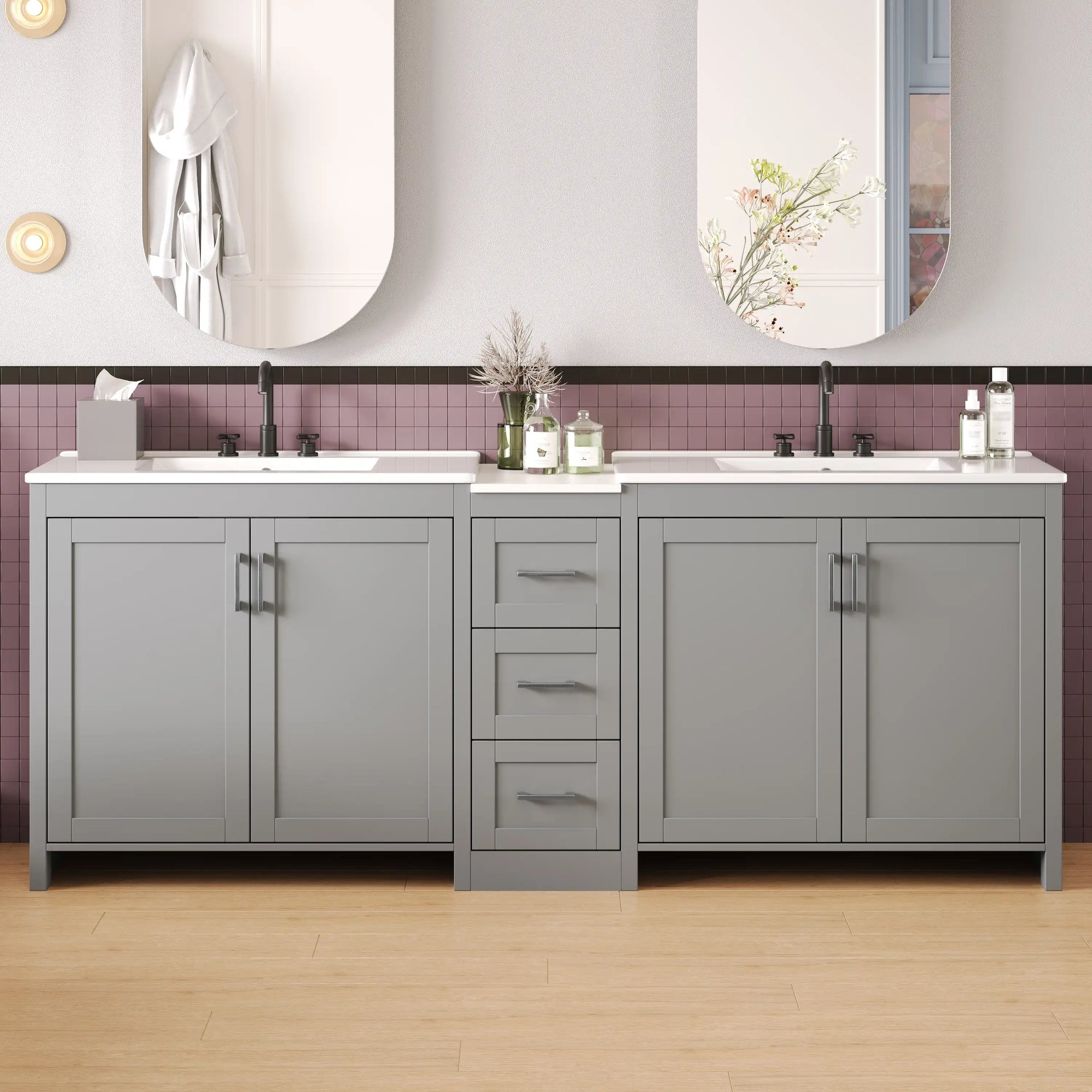
Many ready-to-install vanities come pre-configured with undermount sinks, which are not compatible with vessel sinks. When selecting a vanity for a vessel sink, it is important to confirm whether the unit includes a countertop or requires one to be sourced separately. The countertop must match the vanity’s dimensions precisely and support the sink’s weight and footprint.
No less important is the problem with pre-drilled holes. Certain countertops come pre-drilled for a faucet and drain, and others may need to be drilled on-site. The size and location of the hole should correspond with the drain for the vessel sink and the type of faucet selected. Mismatches at this stage can lead to costly modifications or compromised installation quality.
Faucet Selection for Vessel Sinks
Faucet choice is closely tied to both the sink and countertop. Vessel sinks typically require taller deck-mounted faucets or wall-mounted options to provide adequate clearance. Faucet reach—the horizontal distance to which the stream of water extends—also is important to minimize splashing by ensuring water comes to rest towards the center of the basin.
Wall-mounted faucets offer a clean, modern look but require precise plumbing alignment. Deck-mounted faucets are more flexible but must be properly spaced from the sink. When paired thoughtfully, faucets enhance the performance and visual appeal of vanities for vessel sinks.
How to Install a Vessel Sink on a Vanity: Tools and Steps

Installing a vessel sink requires careful planning and precise execution to ensure stability, proper drainage, and long-term performance. While the process is manageable for experienced DIY users, attention to detail is essential—especially when working with finished countertops and vanities for vessel sinks.
Necessary Tools and Materials
Prepare these tools and materials before you start:
-
Measuring tape and pencil
-
Adjustable wrench
-
Silicone sealant (waterproof, bathroom-grade)
-
Plumber’s putty (if required by the drain assembly)
-
Level
-
Drain assembly compatible with vessel sinks
-
Faucet and supply lines
-
Soft cloth or protective padding
Step-by-Step Installation Process
Step 1: Dry Fit the Vessel Sink
Place the vessel sink on the countertop without sealant to confirm positioning. Check that the sink aligns properly with the drain hole and that there is adequate clearance for the faucet. This step is critical for identifying spacing or alignment issues before permanent installation.
Step 2: Install the Faucet (If Deck-Mounted)
If the faucet is mounted on the countertop, it should be installed before the sink. This allows easier access to mounting hardware and supply connections. Check the height and range of the faucet to ensure they won't splash over the vessel sink or interfere with it.
Step 3: Assemble and Install the Drain
Follow manufacturer’s instructions to attach the drain assembly onto the vessel sink. A plumber’s putty or rubber gasket is used (depending on the type of drain) to sealing it airtight. Make sure everything is tight, but do not over-tighten or you might damage the sink or fittings.
Step 4: Apply Sealant and Position the Sink
Apply a continuous bead of silicone sealant around the underside of the sink base where it contacts the countertop. Carefully lower the sink into position, pressing gently to ensure even contact. Use a level to confirm the sink sits flat and stable.
Step 5: Allow Sealant to Cure
Do not move the sink after it is put in place until the sealant cures. While cure time differs by product, treat almost all sealant takes hours to cure bondage. This step helps prevent movement and protects the countertop from moisture intrusion.
Step 6: Connect Plumbing and Water Supply
After the sealant has cured, connect the drainpipe and water supply lines. Turn on the water slowly and inspect all connections for leaks. Make adjustments as needed before placing the vanity into regular use.
Conclusion
Choosing the right vanity for a vessel sink requires more than selecting a style you like. Height, size, material compatibility, countertop configuration, and faucet selection all contribute to how comfortable and functional the final bathroom setup will be. When thoughtfully paired, high-quality vessel sinks and purpose-designed vanities for vessel sinks offer a refined balance of form and function.
FAQ
Q1. What vanity height works best with a vessel sink?
Q2. Can any vanity be used with a vessel sink?
Q3. Do vessel sinks require special faucets?
Q4. Are floating vanities better for vessel sinks?
Q5. Are vessel sinks harder to maintain?
Related Articles
If you are interested in exploring more bathroom design ideas, layout tips, and practical guidance, the following articles offer additional inspiration and insights. From vanity selection and space planning to material choices and style trends, these resources can help you better understand how individual elements come together to create a well-designed bathroom.
-
Standard Sink Size: The Ultimate Guide to Bathroom Sink Dimensions in 2025
-
L-shaped Bathroom Vanities: Top Tips to Avoid Design Errors and Save Space
-
Granite Top Bathroom Vanities Buying Guide: 9 Common Mistakes to Avoid
-
What Is a Vessel Sink? The 2025 Complete Guide with Pros, Cons & Ace Decor Recommendations