

Table of Contents
- 1. Check Drain Placement Before Installing Soaking Bathtubs
- 2. Measure Space for Moving and Placing Soaking Bathtubs
- 3. Ensure Floor Load Capacity for Soaking Bathtubs
- 4. Plan Electrical and Plumbing Needs Early
- 5. Confirm Hot Water System Supports Soaking Bathtubs
- 6. Conclusion
- 7. FAQ
Introduction
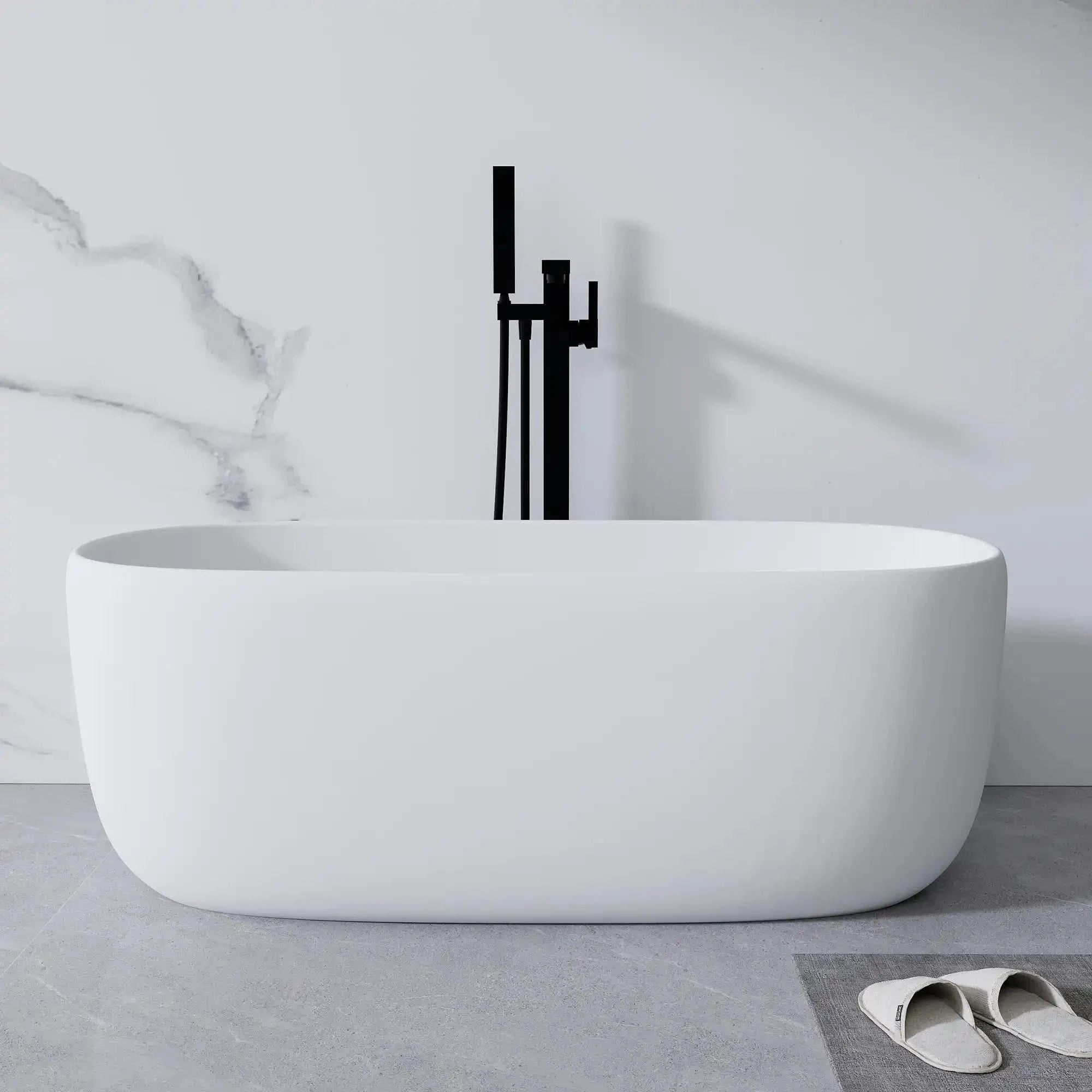
Have you ever heard the story of "changing the location of the bathtub, and the whole bathroom is redone"? This is not an exaggeration, especially when installing soaking bathtubs.
This deep bathtub looks very elegant and is indeed comfortable to soak in, but its requirements for space, drainage, power supply, and water pressure are far more "picky" than you think.
According to the 2025 report of "Plumbing & Bath Remodel", in high-end bathroom renovations, soaking bathtubs are the second most reworked product, second only to custom shower rooms. And more than 65% of the rework reasons are not product problems, but the basic conditions were not clarified before installation.
This article is written for you who want to "soak comfortably, but don't want to tear down the wall and reinstall." We will dismantle 5 details that are most easily overlooked before installing soaking bathtubs, but will cause endless troubles, to help you save your budget and keep your mood.
1. Check Drain Placement Before Installing Soaking Bathtubs
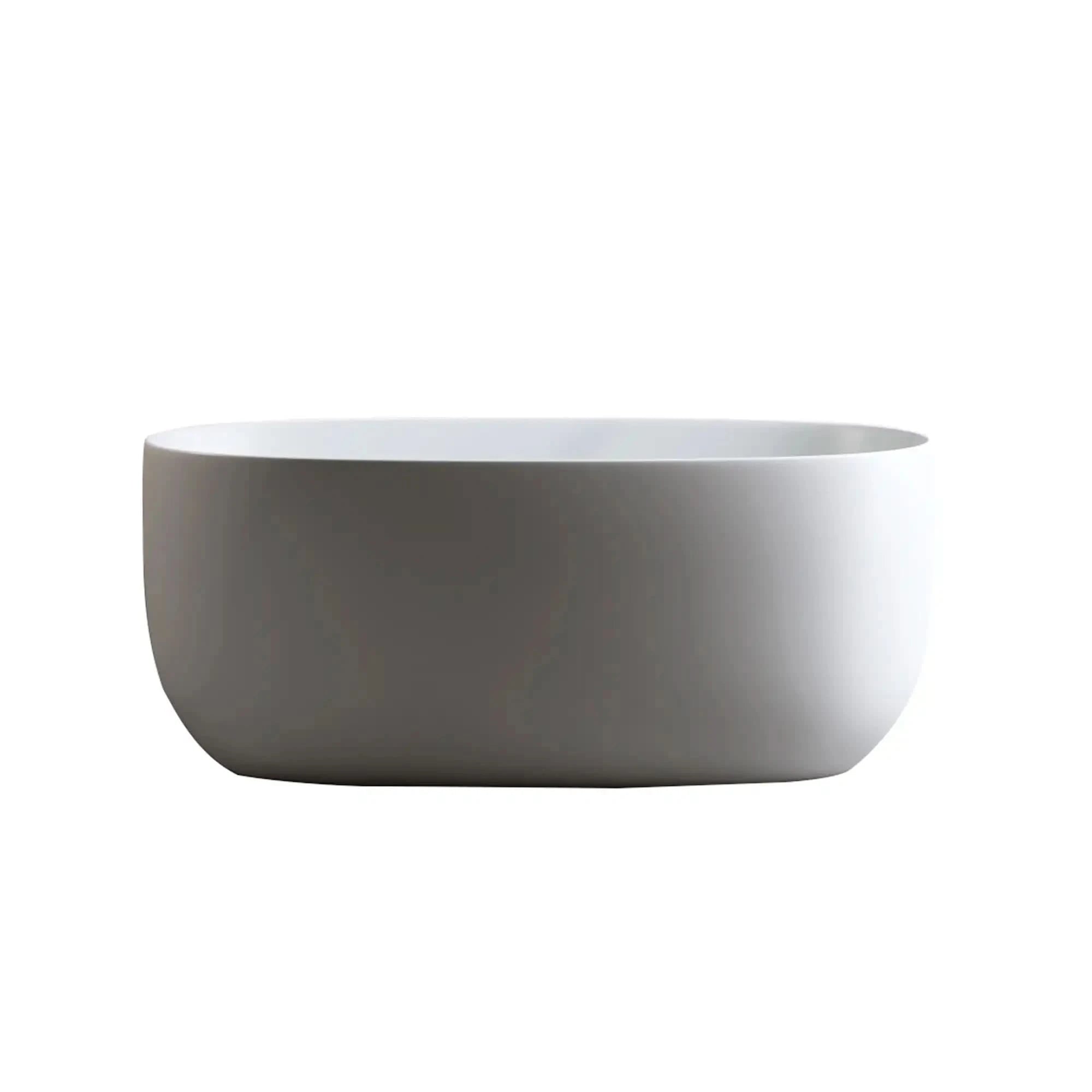
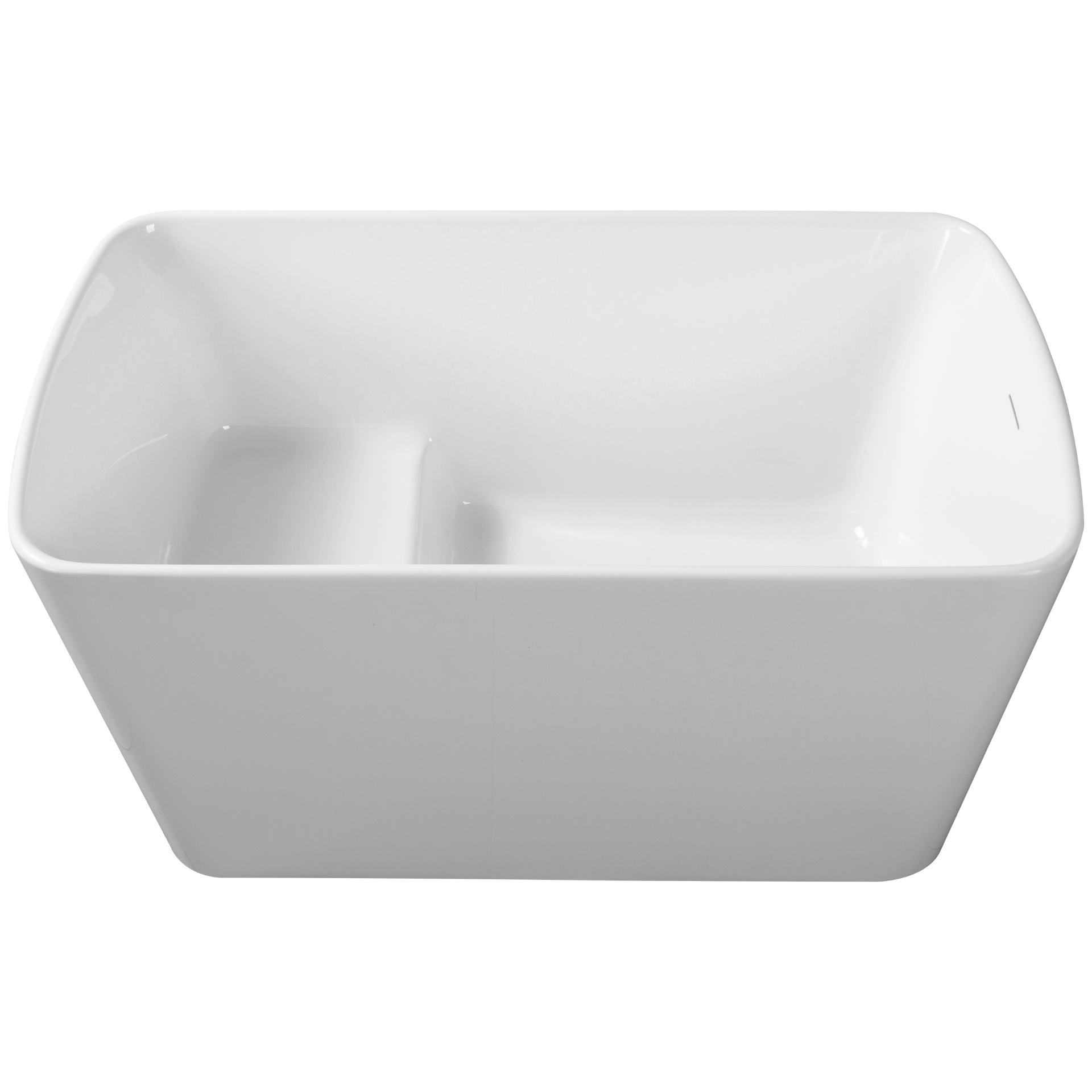
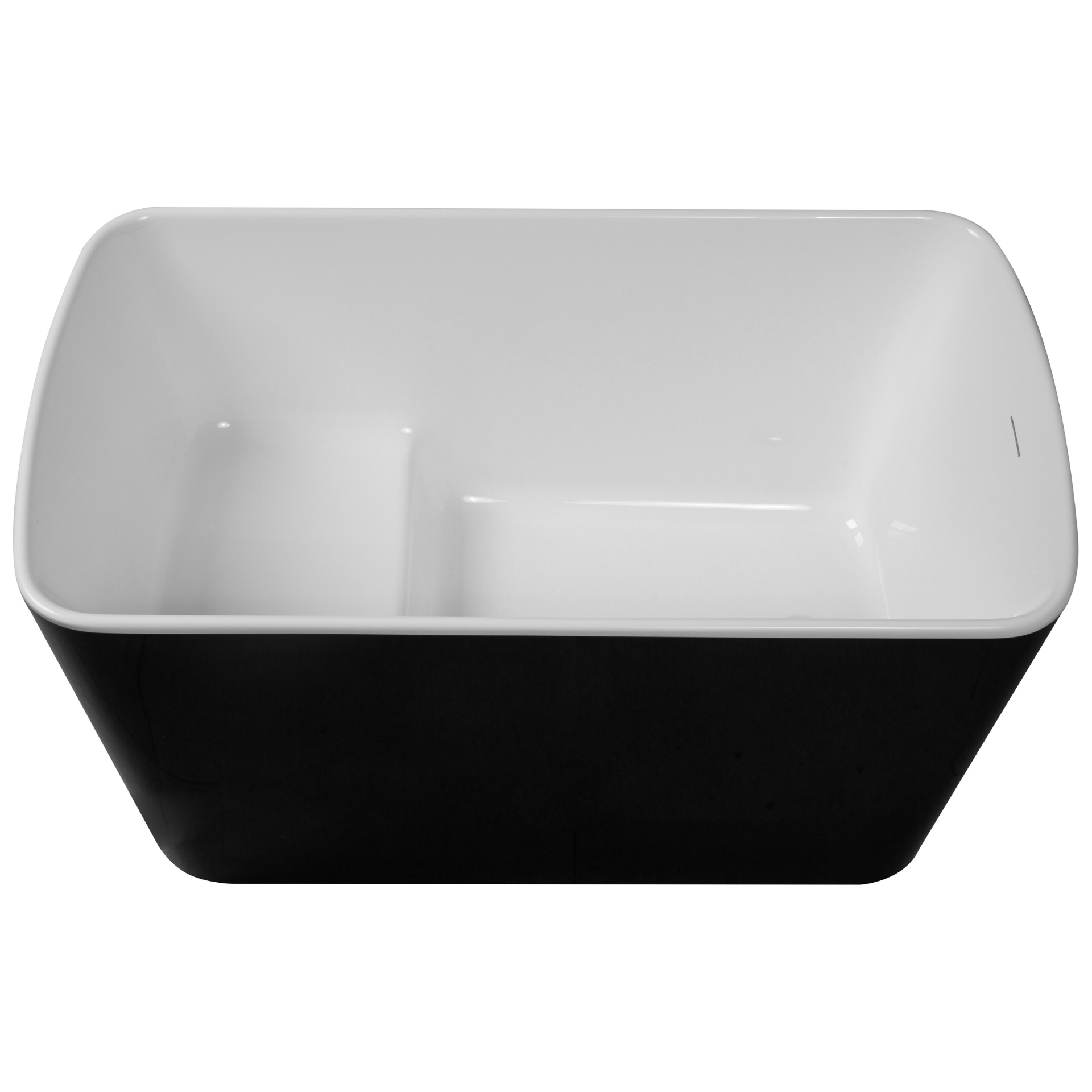
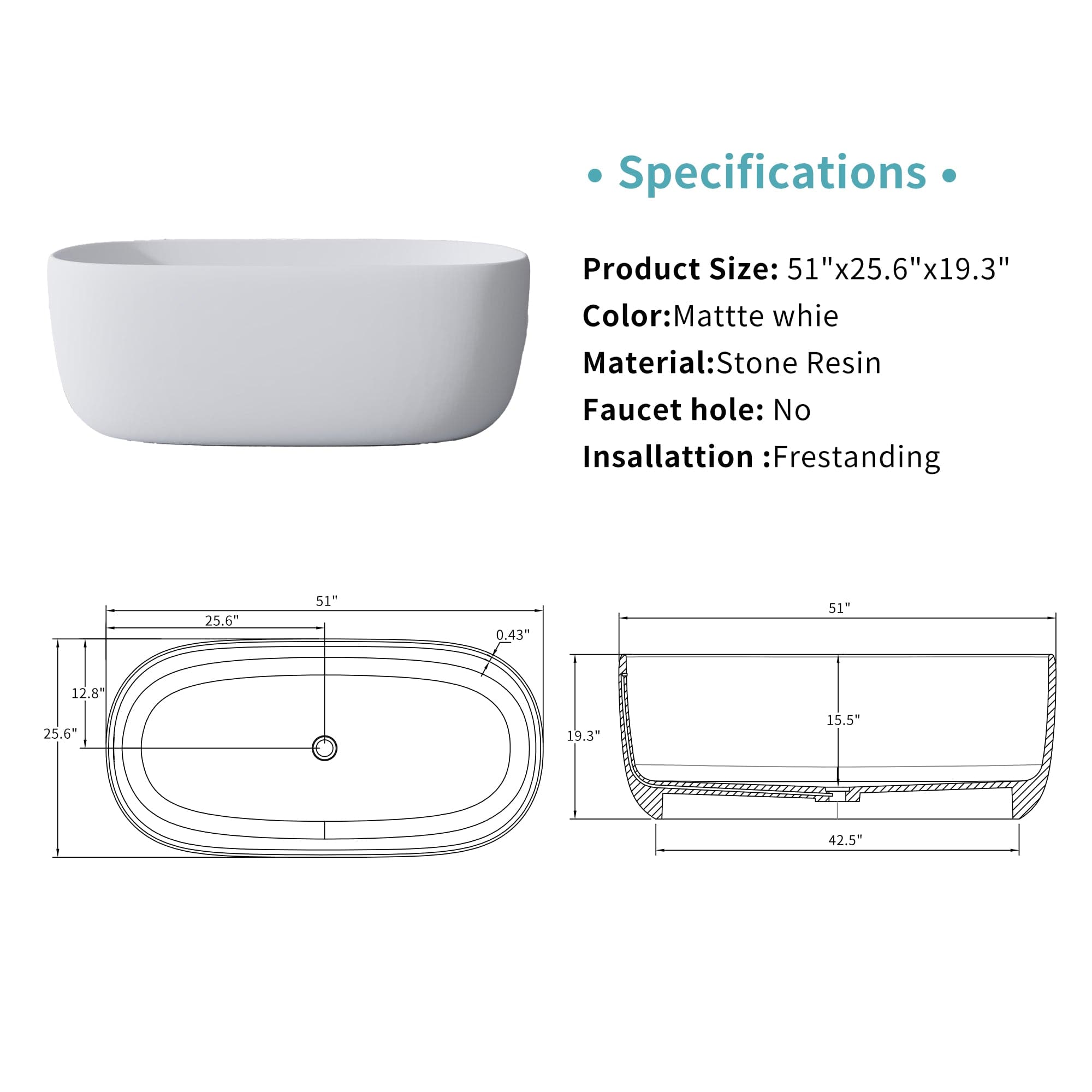
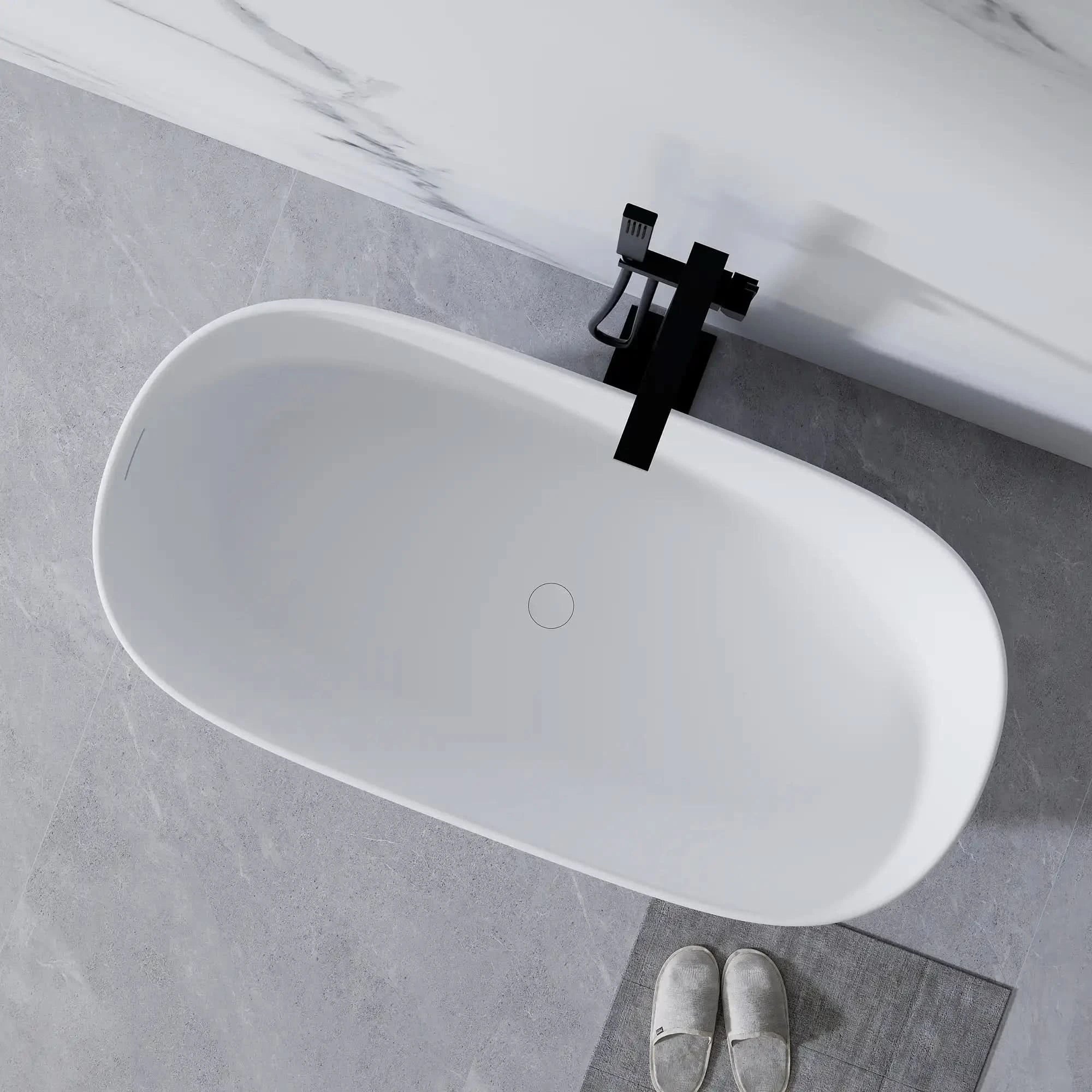
A soaking bathtub may be chosen for its shape, size or wonderfully inviting depth, but what sits underneath it matters just as much. Drain placement varies from one tub to another – centred, offset or positioned towards one end – so checking how it aligns with your existing plumbing is an important first step.
Get it right, and installation can be beautifully straightforward. Get it wrong, and even a small difference in position may mean adjusting pipework or, in a finished bathroom, disturbing flooring that has already been carefully laid.
A little measuring beforehand can save a great deal of work later:

- Check the technical drawing – look for the exact drain position and dimensions rather than relying on product photography alone.
- Measure the existing drain carefully – note its distance from the nearest walls and compare these measurements with the tub specification.
- Consider the floor below – in an upstairs bathroom, drainage noise can be more noticeable, so a well-designed, quieter waste system may be worth considering.
- Allow for installation requirements – some deeper soaking tubs need additional space beneath the tub for the drain assembly, making it important to check both horizontal position and available depth.
Drain placement may not be the most exciting part of choosing a soaking bathtub, but it’s one of the most important. A few careful measurements at the beginning can help the tub sit comfortably within the space – and make the installation feel far more considered from the start.
2. Measure Space for Moving and Placing Soaking Bathtubs
A soaking bathtub may fit beautifully once it reaches the bathroom, but getting it there is part of the plan too. It’s easy to focus on the space between the walls and overlook the journey in – through doorways, along hallways, around corners and, in some homes, up a flight of stairs.
A little planning beforehand can make delivery and installation wonderfully straightforward:

- Measure every doorway – check the clear opening rather than the door size alone, remembering that handles, trim and frames can reduce the space available.
- Look beyond the doorway – narrow hallways, tight corners and stair landings can matter just as much as width, particularly with longer or deeper tubs.
- Consider the weight as well as the size – lightweight materials such as acrylic can be easier to manoeuvre through more compact homes, while heavier tubs may require additional hands or specialist equipment.
- Make room for the journey – furniture, handrails and other removable obstacles may need to be moved temporarily to create a clear and comfortable route.
The space a bathtub occupies is only part of the picture. Measure the route as carefully as the bathroom itself, and even a generously sized soaking tub can arrive in its new home with far fewer surprises.
3. Ensure Floor Load Capacity for Soaking Bathtubs
Soaking bathtubs are not empty shells, and the weight after filling with water is the real "test".
A standard-sized soaking bathtub (60"x32"x22") weighs about 300 kg when filled with water, and close to 450-500 kg with an adult. Especially when installed on a wooden floor or upstairs bathroom, if the load-bearing capacity is insufficient, it will bring structural safety hazards.
Practical suggestions:
- The total weight of the bathtub + full water + human body ≥ 400kg, be sure to ask a structural engineer to assess the load-bearing capacity of the ground
- Acrylic soaking bathtubs are the first choice for lightweight, especially suitable for installation on wooden floors
- It is recommended to add beams to strengthen the upstairs or use a distributed load-bearing structure
A study by North America Homebuilding Safety Review shows that more than 22% of the failure cases of soaking bathtub floor installation are due to miscalculation of load-bearing.
4. Plan Electrical and Plumbing Needs Early
Soaking bathtubs with heating, constant temperature, Bluetooth or lighting all require power support.
Now more and more soaking bathtubs use intelligent control systems, and heaters, light strips, and bubble pumps must be connected to GFCI Leakage-proof sockets, wiring, and installation all need to be pre-buried in advance.
Practical suggestions:
- It is recommended that the power wiring be laid on the back wall of the bathtub, 12-18 inches above the ground
- Before purchasing soaking bathtubs, be sure to check whether the control module needs to be pre-buried
- The drain outlet should match the size of the water supply and drainage pipes to avoid leakage or backflow from the joints
If you decide to install soaking bathtubs in the later stage of decoration, you may face the trouble of opening the wall to make wires and re-sealing the grooves.
5. Confirm Hot Water System Supports Soaking Bathtubs
No matter how good the soaking bathtub is, if the water heater is not powerful, you can only soak half of your body in cold water.
Many users found that when using soaking bathtubs, the water filling time was too long, the water temperature was not hot enough, and the water pressure was insufficient, which greatly reduced the experience. In particular, water heaters with a capacity of less than 40 gallons cannot meet the water filling needs of soaking bathtubs at all.
Practical suggestions:
- 60-inch soaking bathtubs are recommended to be equipped with 50-75 Gallon water heater
- The water filling rate is recommended to be ≥ 6 GPM (gallons per minute), and high-rise users need to install a booster pump
- It is recommended to install a thermostatic valve to prevent hot water fluctuations from affecting the user experience
Energy star data shows that 38% of American home users upgrade their water heaters after installing soaking bathtubs to ensure that the bathing experience is not interrupted by "cold water".
Conclusion
Soaking bathtubs are an expression of a lifestyle, but the premise for achieving it is to have a global consideration of space, structure, water, electricity, drainage, and hot water systems.
Choosing a soaking bathtub is not "buy and install", but "plan and install" to avoid a wrong step and a mess.
Our selected soaking bathtub series products are all equipped with structural drawings, professional customer service installation assistance and selection guides, specially designed for American families, from ordering to landing, without missing a step, zero rework.
Click the button below to explore the soaking bathtub that best suits your home. Bathtubs make bathing not only an enjoyment, but also a safe upgrade.
FAQ
Does a soaking bathtub need to be reserved for drainage height?
Can electric soaking bathtubs still be used during a power outage?
Are soaking bathtubs suitable for the elderly?
Do soaking bathtubs need to be filled every time?
Are acrylic soaking bathtubs easy to scratch? How to maintain them?
Related Articles:
Double Slipper Freestanding Soaking Bathtubs: A Perfect Blend of Comfort and Style
Why I Fell in Love with Deep Bathtubs: A Decade of Soaking Bliss
The Zen of Bathing: Why Japanese Soaking Bathtubs Are Redefining Luxury Spa Experiences