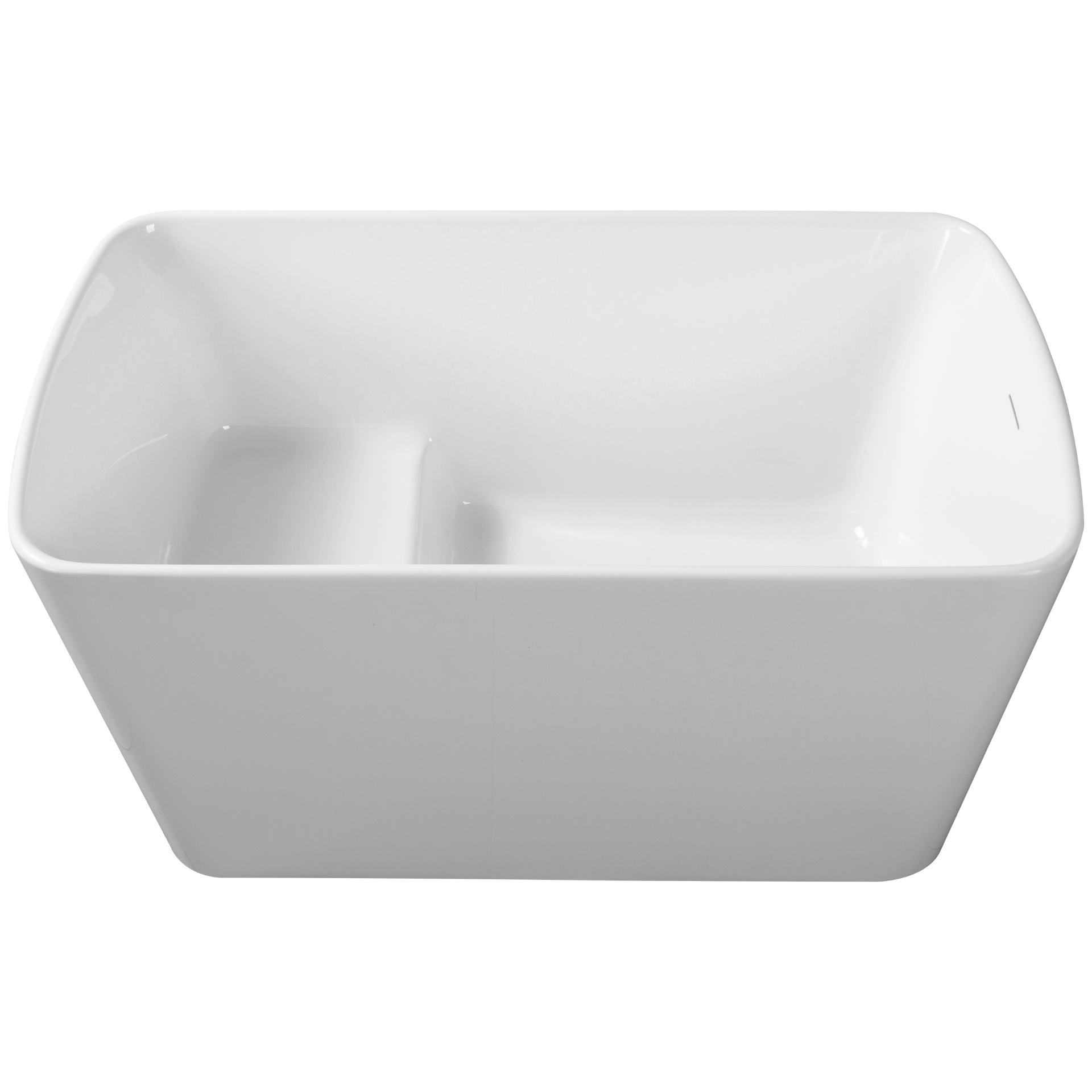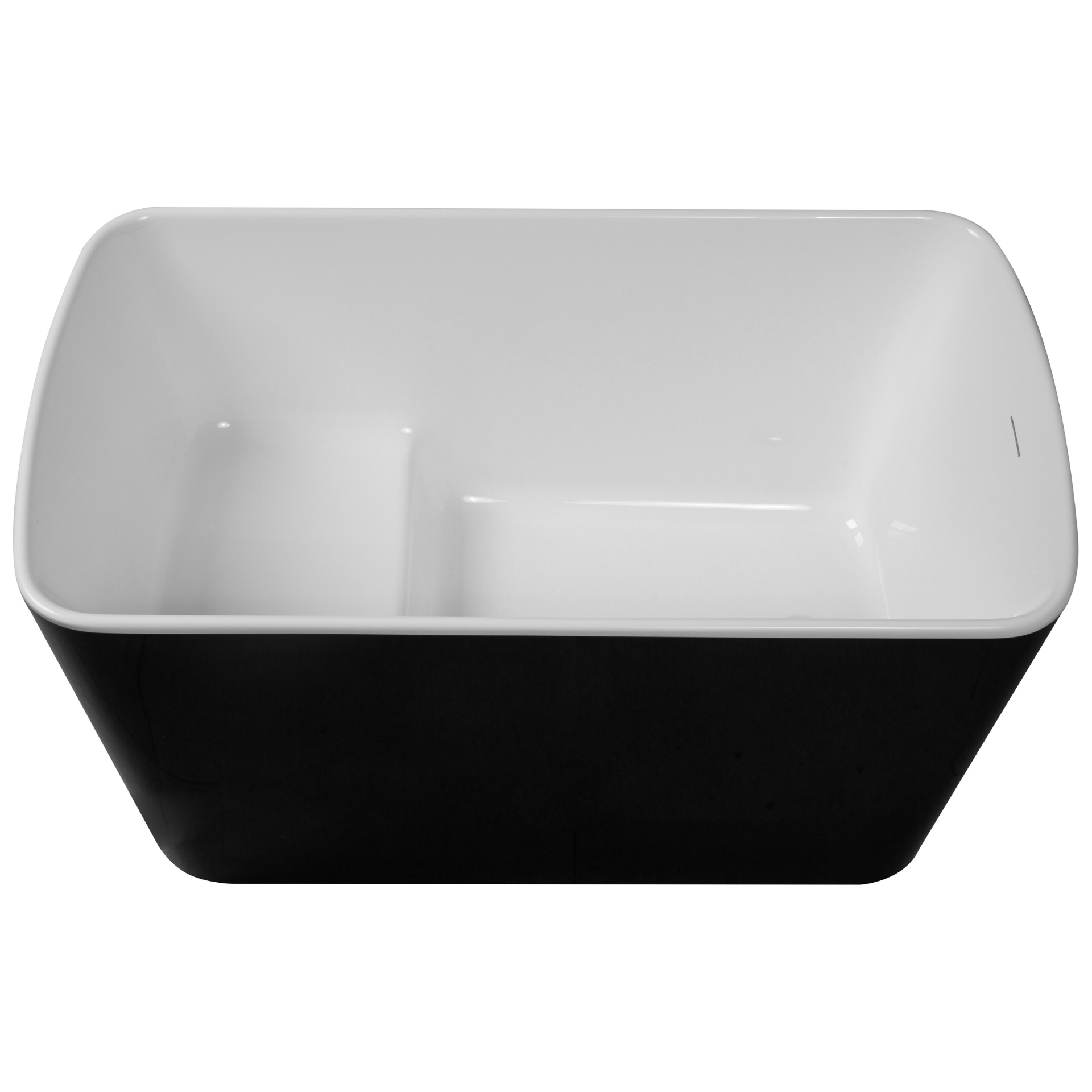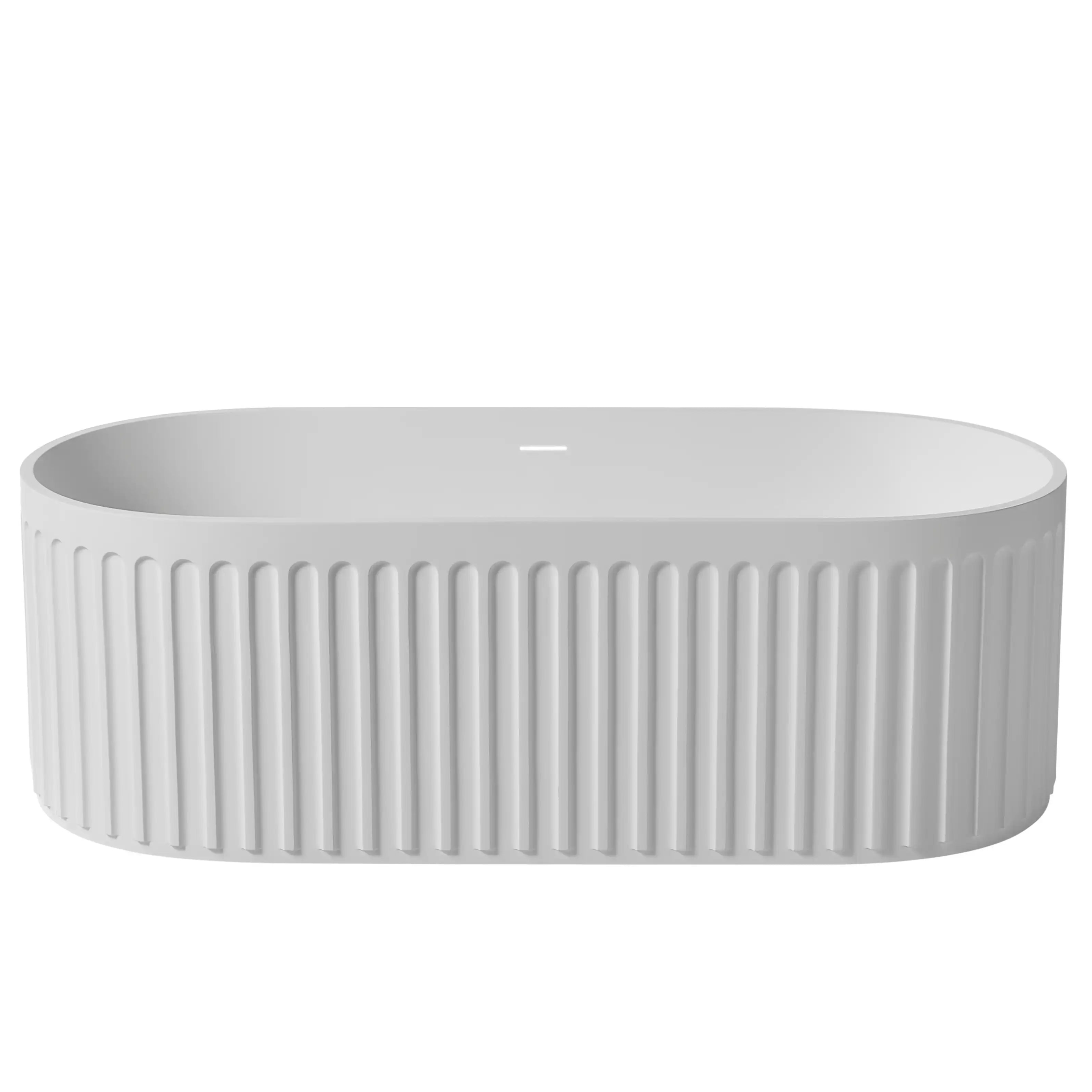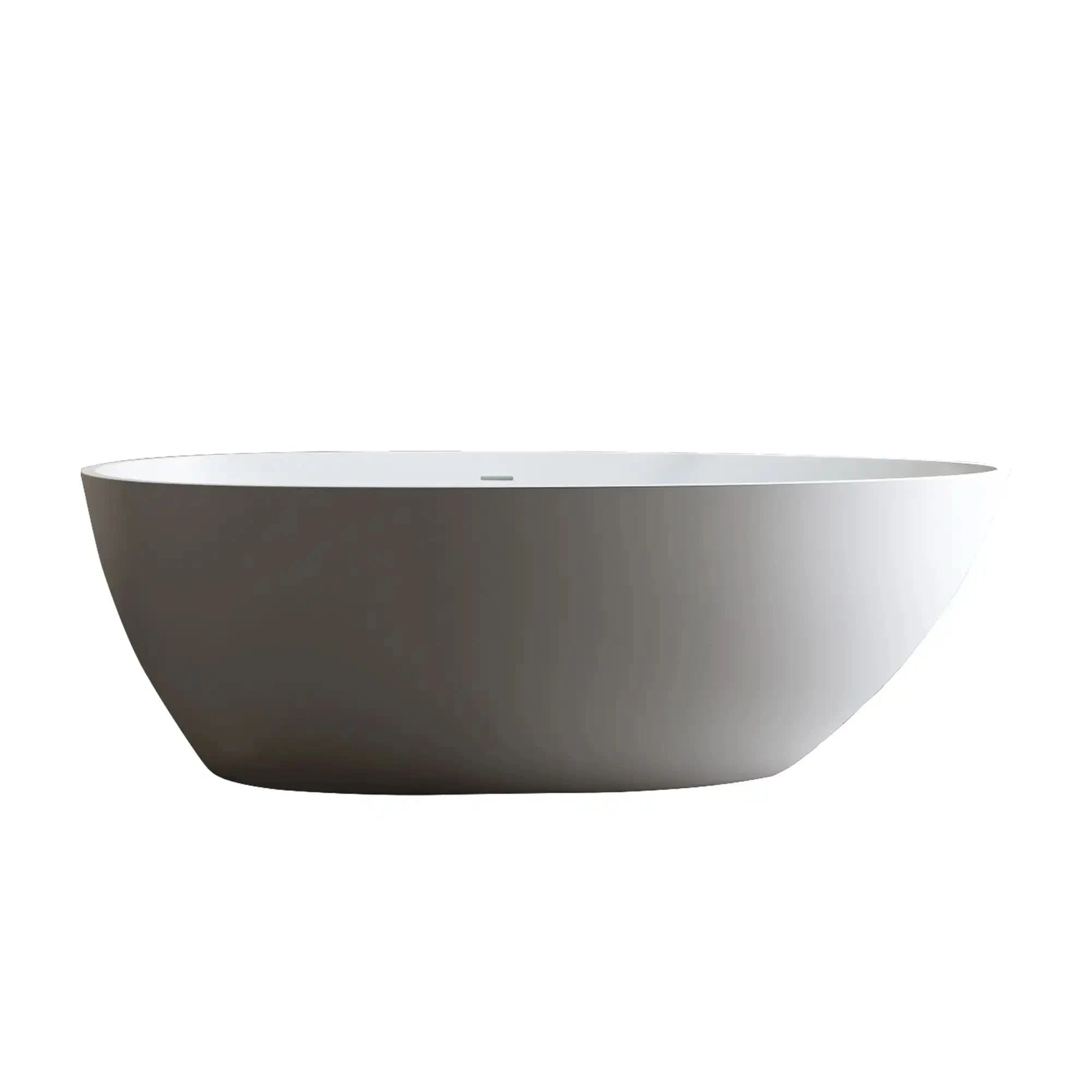


Choosing a bathtub is about more than just appearance. Bathtub dimensions play a critical role in how comfortable the tub feels, how efficiently it fits within your bathroom, and how satisfied you’ll be with it over time. With so many bathtub sizes and styles available today, it’s easy to feel unsure about which dimensions truly matter and how to choose the right option for your space.
Understanding bathtub dimensions goes beyond simply measuring length and width. Different tub types use space differently, and factors like bathing comfort, accessibility, and installation constraints all come into play. Without a clear framework, even a bathtub that "fits" on paper may fall short in everyday use.
In this guide, we'll explain what bathtub dimensions really include, walk through standard and alternative sizes across common bathtub types, and show how to match the right dimensions to your bathroom layout and personal bathing preferences—so you can make a confident, well-informed choice.
Table of Contents:
- What Does "Bathtub Dimensions" Really Include?
- Standard Bathtub Dimensions Explained
- Bathtub Dimensions Chart (Quick Reference)
- How Bathtub Dimensions Affect Comfort, Water Use, and Daily Use
- Matching Bathtub Dimensions to Your Bathroom Layout
- Functional Considerations: Comfort, Use Case, and Future Needs
- Common Bathtub Dimension Mistakes to Avoid
- Conclusion
- FAQ
- Related Articles
What Does "Bathtub Dimensions" Really Include?

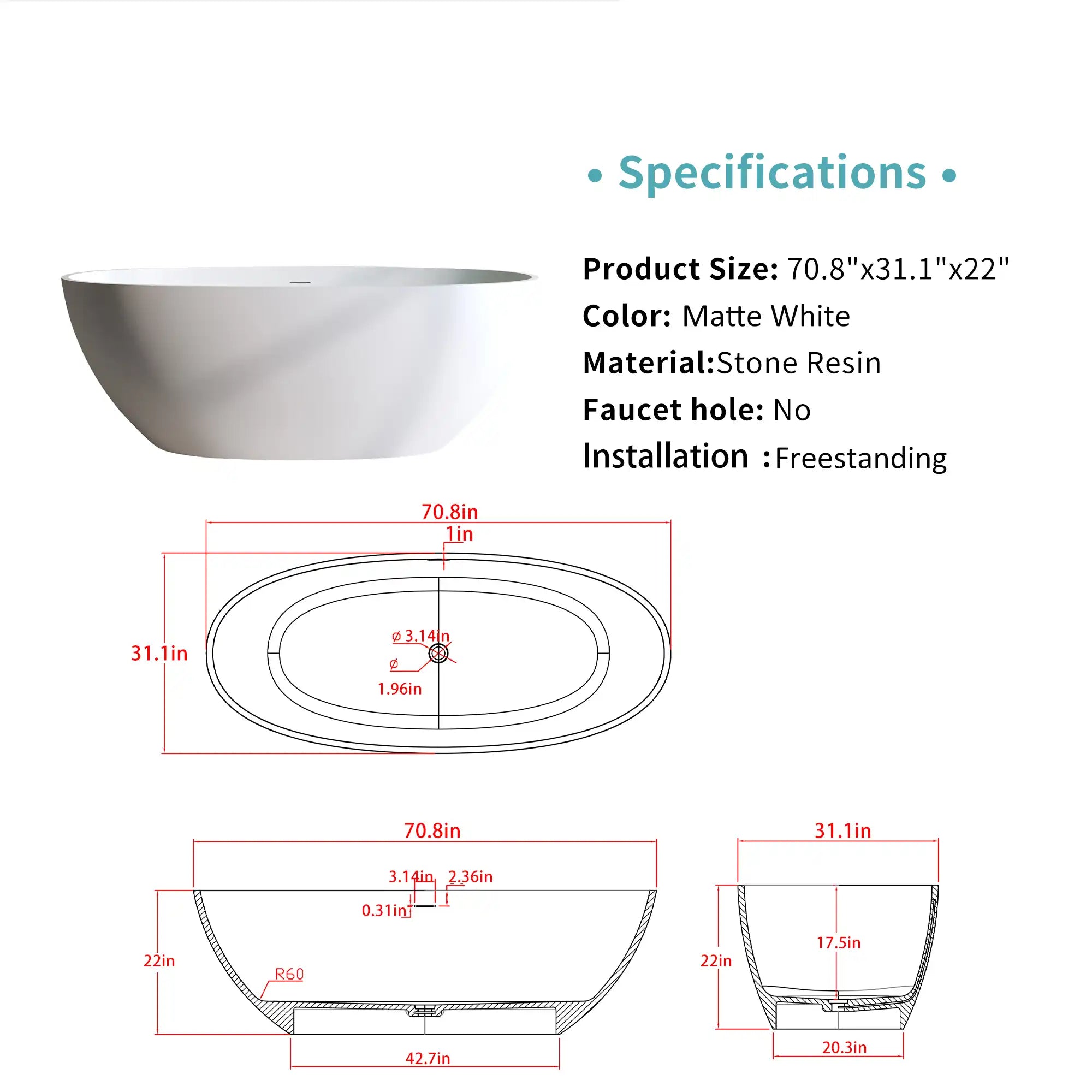
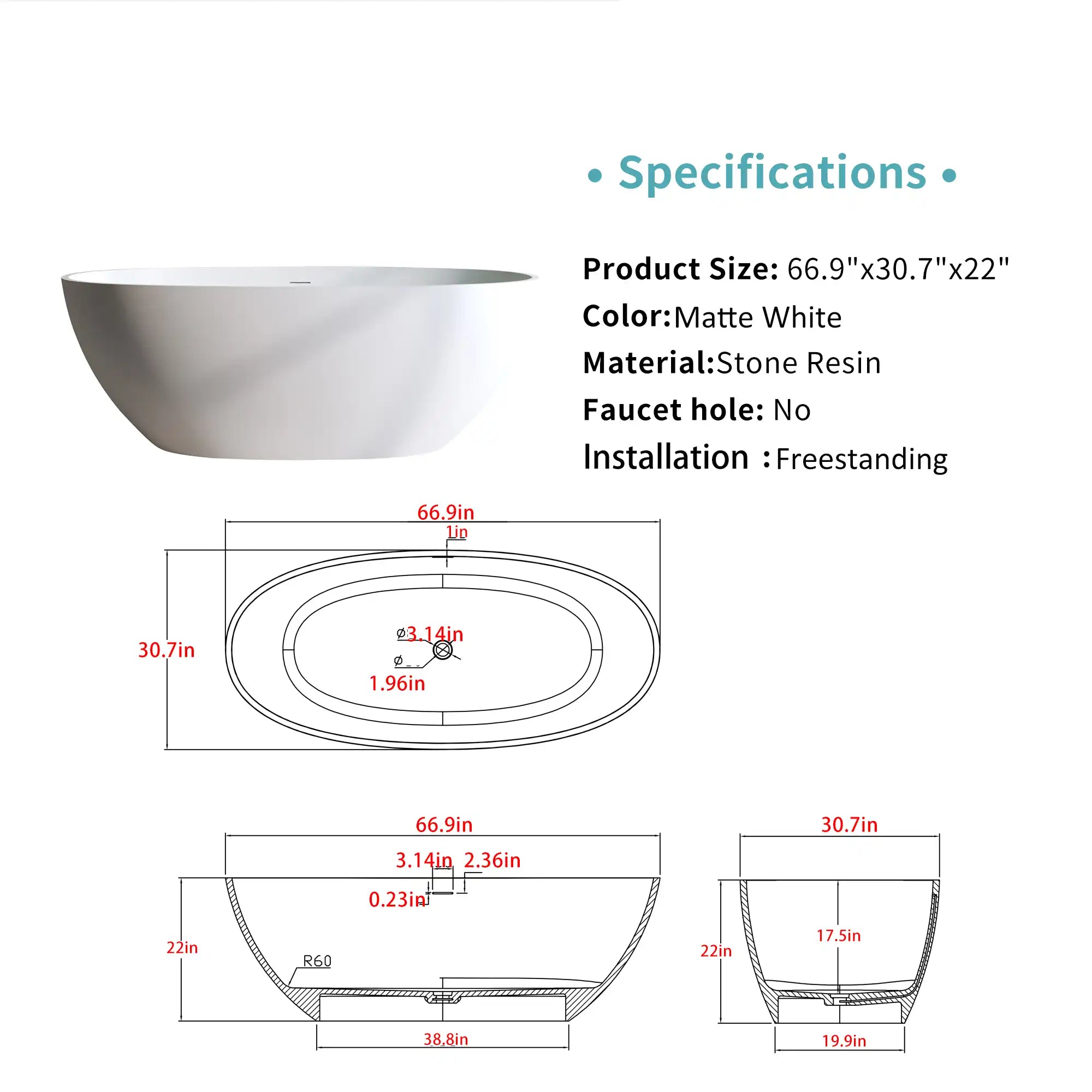
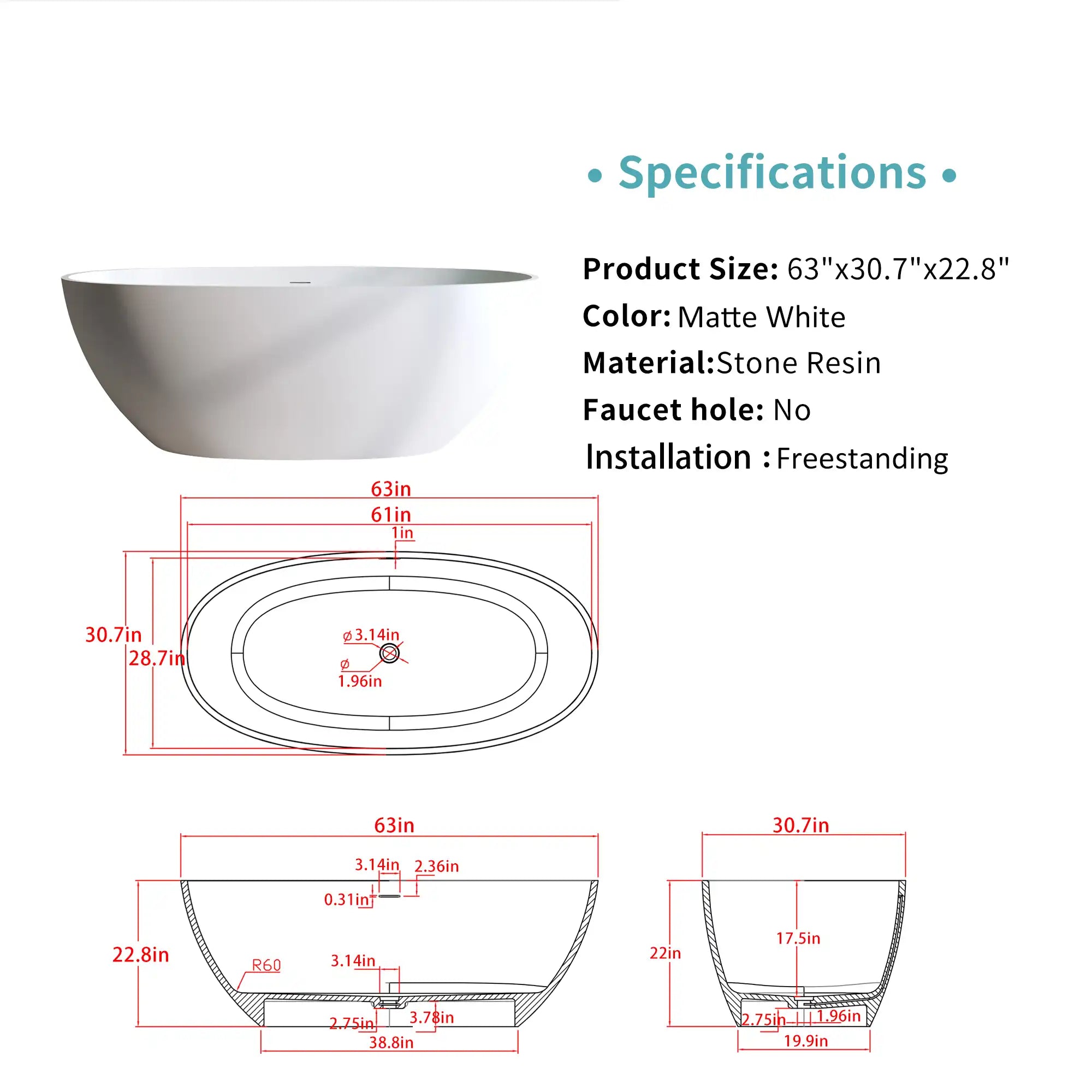
When discussing bathtub dimensions, most people initially think of three basic measurements: length, width, and height. These fundamental dimensions define the overall size of a bathtub and determine whether it can physically fit within a bathroom space.
However, bathtub dimensions extend beyond these exterior measurements. To truly understand how a bathtub will perform in daily use, it’s important to consider several additional dimension-related factors.
Interior bathing space refers to the usable area inside the tub, which can vary significantly depending on wall thickness, sloped backs, and overall tub shape. Two bathtubs with the same exterior dimensions may offer very different interior comfort.
Soaking-related dimensions, such as soaking depth and waterline height, determine how deeply the body can be submerged. These factors play a major role in bathing comfort and relaxation but are not always obvious from exterior size alone.
Installation-related dimensions include elements like apron height, drain location, and required clearance around the tub. These measurements affect plumbing alignment, installation complexity, and how seamlessly the bathtub integrates into a specific bathroom layout.
Together, these layers of bathtub dimensions shape not only how a tub fits into your bathroom, but also how it feels to use.
Standard Bathtub Dimensions Explained

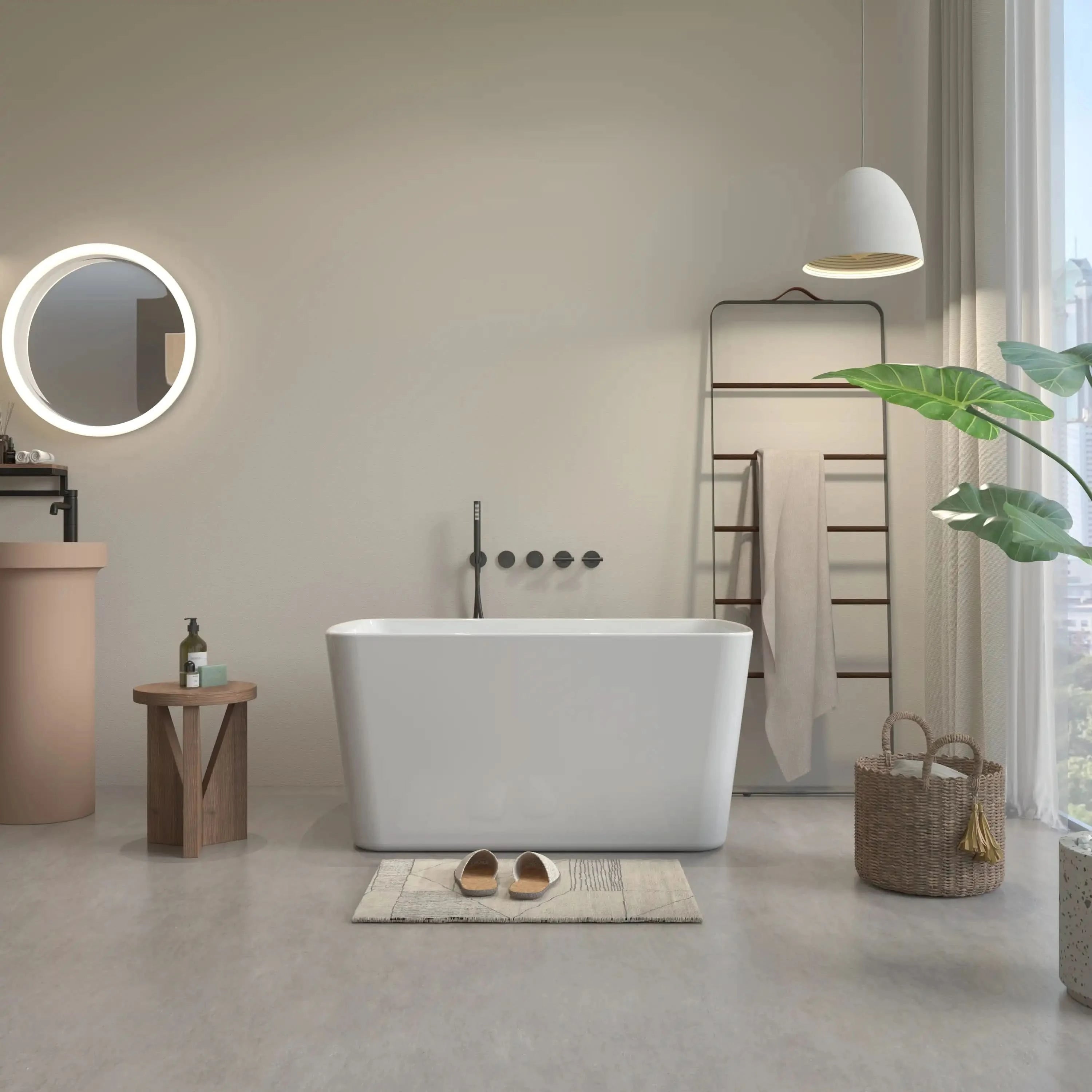
The standard bathtub size is typically in reference to the alcove-style bathtub and is the most common size in the average American home. The tub is designed to fit perfectly behind three walls, making it the most popular type for a regular bathroom in a home.
Standard bathtub dimensions:
-
Length: 60 inches (5 feet)
-
Width: 30–32 inches
-
Depth: 14–16 inches
These measurements are ideal for standard construction and plumbing layouts. The 60-inch length works well for most users, offering enough comfort while maintaining efficient water usage and easy wall-to-wall installation.
For homeowners looking for alternatives, there are slight variations:
-
Larger models (66–72 inches width): Popular in master bathrooms for a more spacious, luxurious soak.
-
Smaller models (48–54 inches width): Perfect for compact bathrooms or apartments where saving space is a priority.
By understanding these baseline bathtub sizes, homeowners can better plan renovations or replacements with realistic expectations and fewer installation challenges.
Bathtub Dimensions Chart (Quick Reference)
Use this quick reference chart to compare common bathtub dimensions across popular types. It helps you quickly decide which tub size fits your bathroom layout and needs.
| Bathtub Type | Typical Dimensions (L × W × H) | Key Dimension Characteristics | Best For |
|---|---|---|---|
| Standard Alcove | 60" × 30–34" × 14–16" | Compact exterior, efficient interior space | Standard bathrooms, renovations |
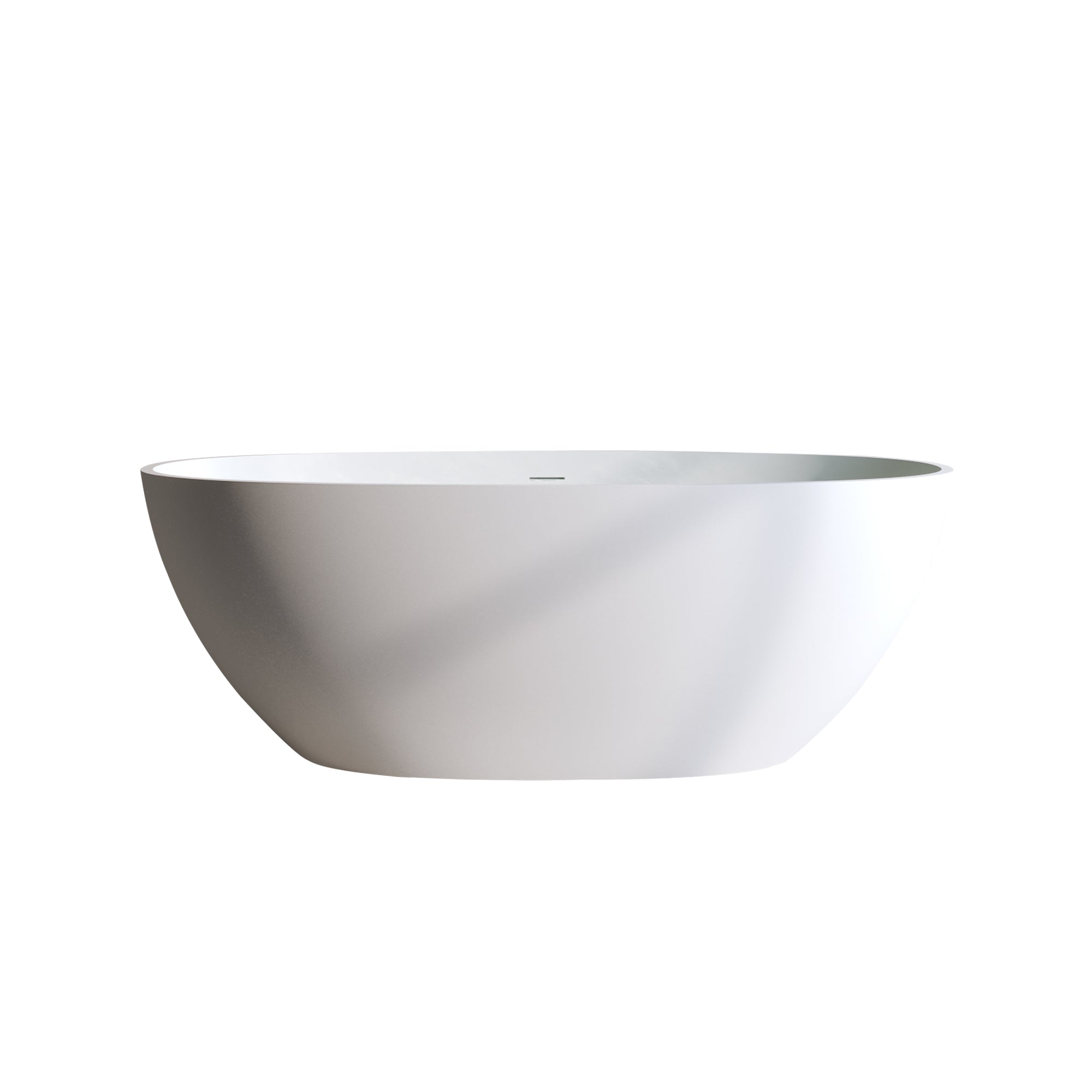
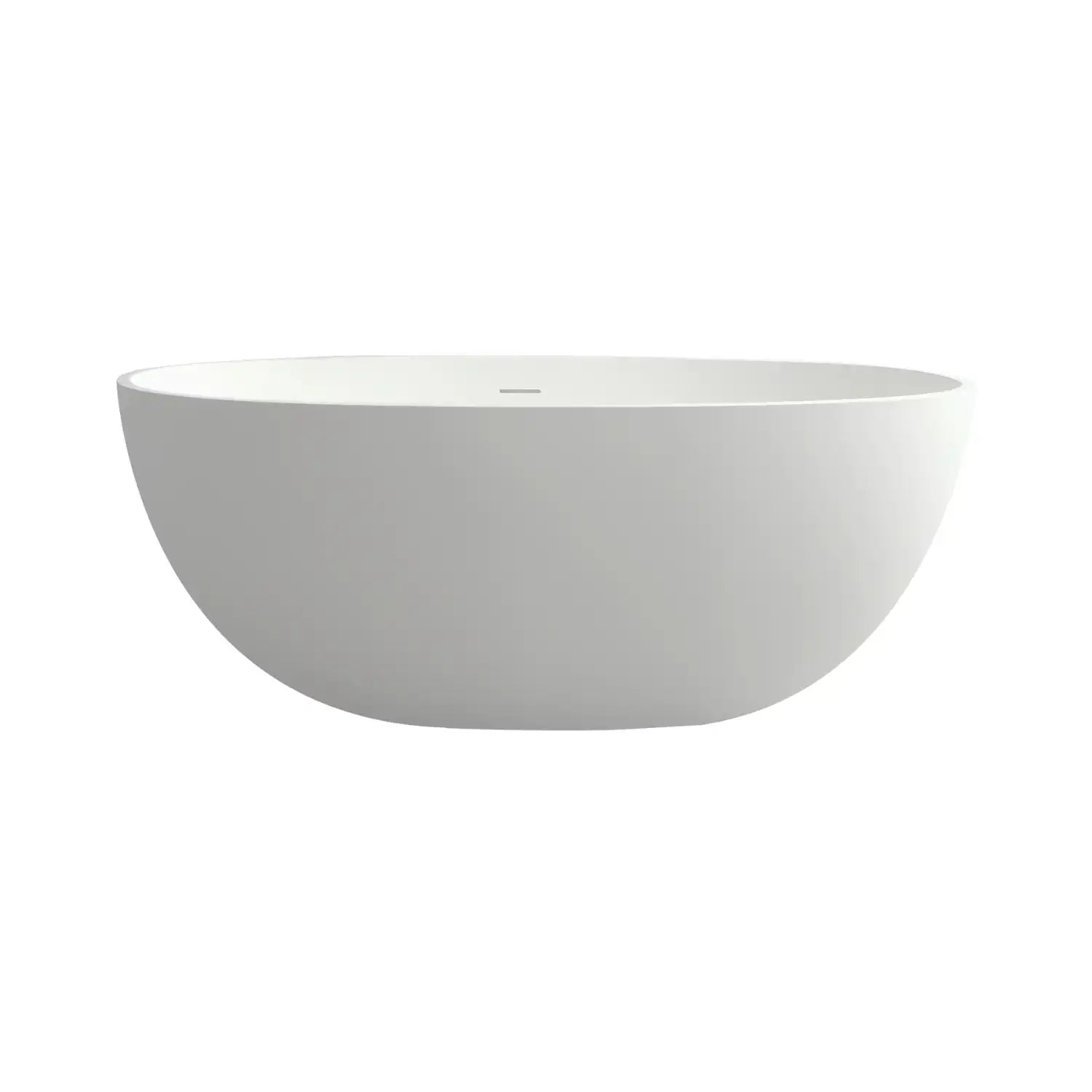
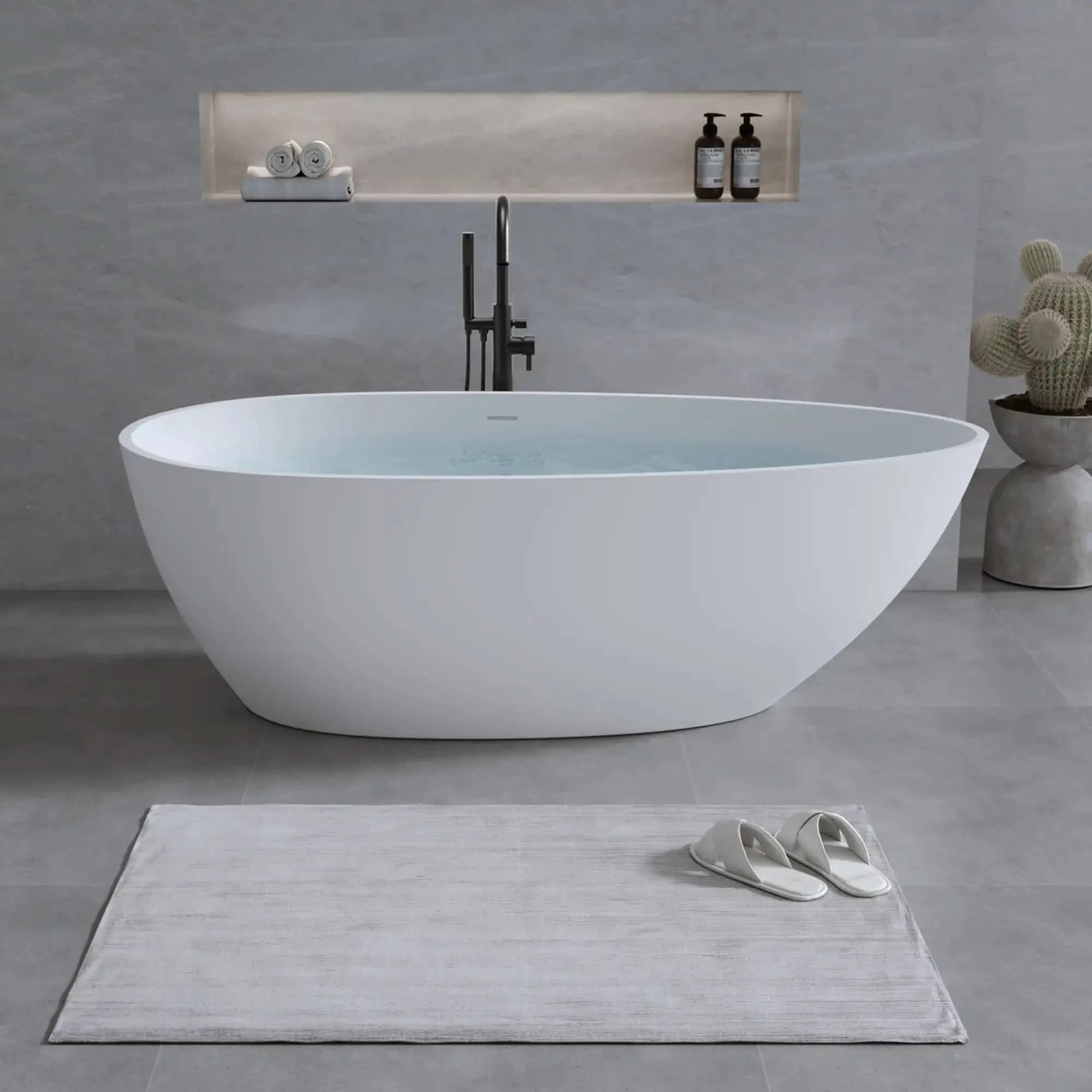
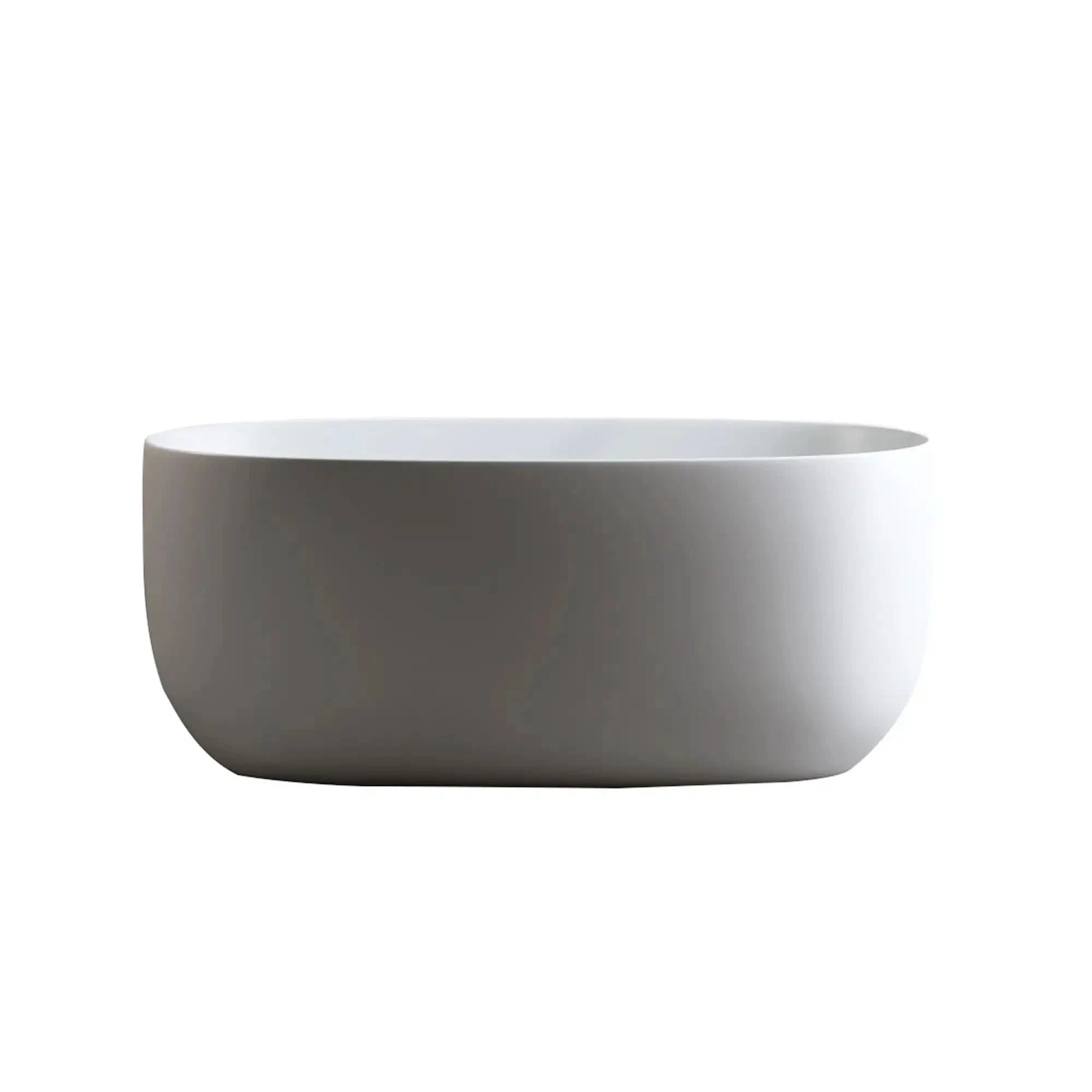
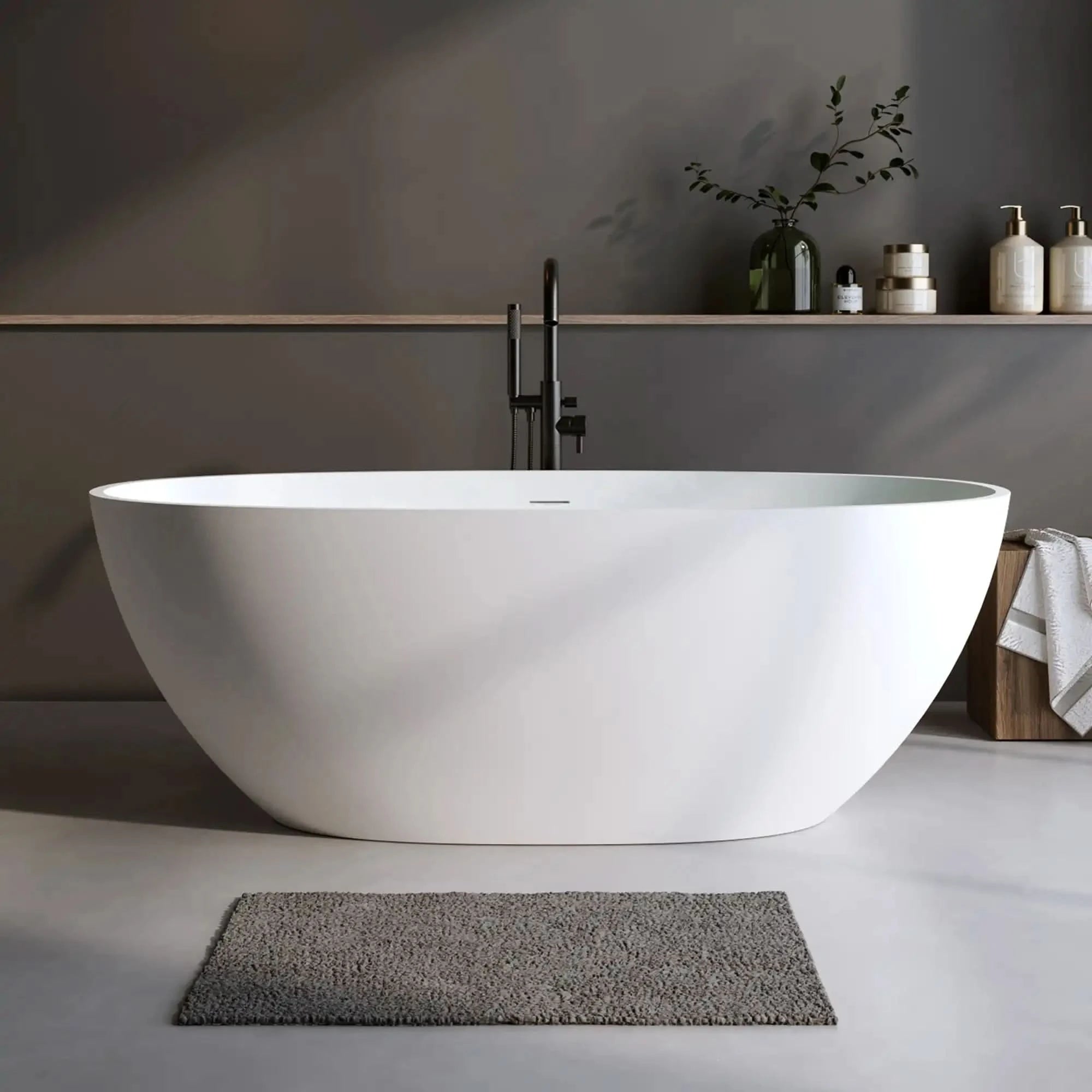
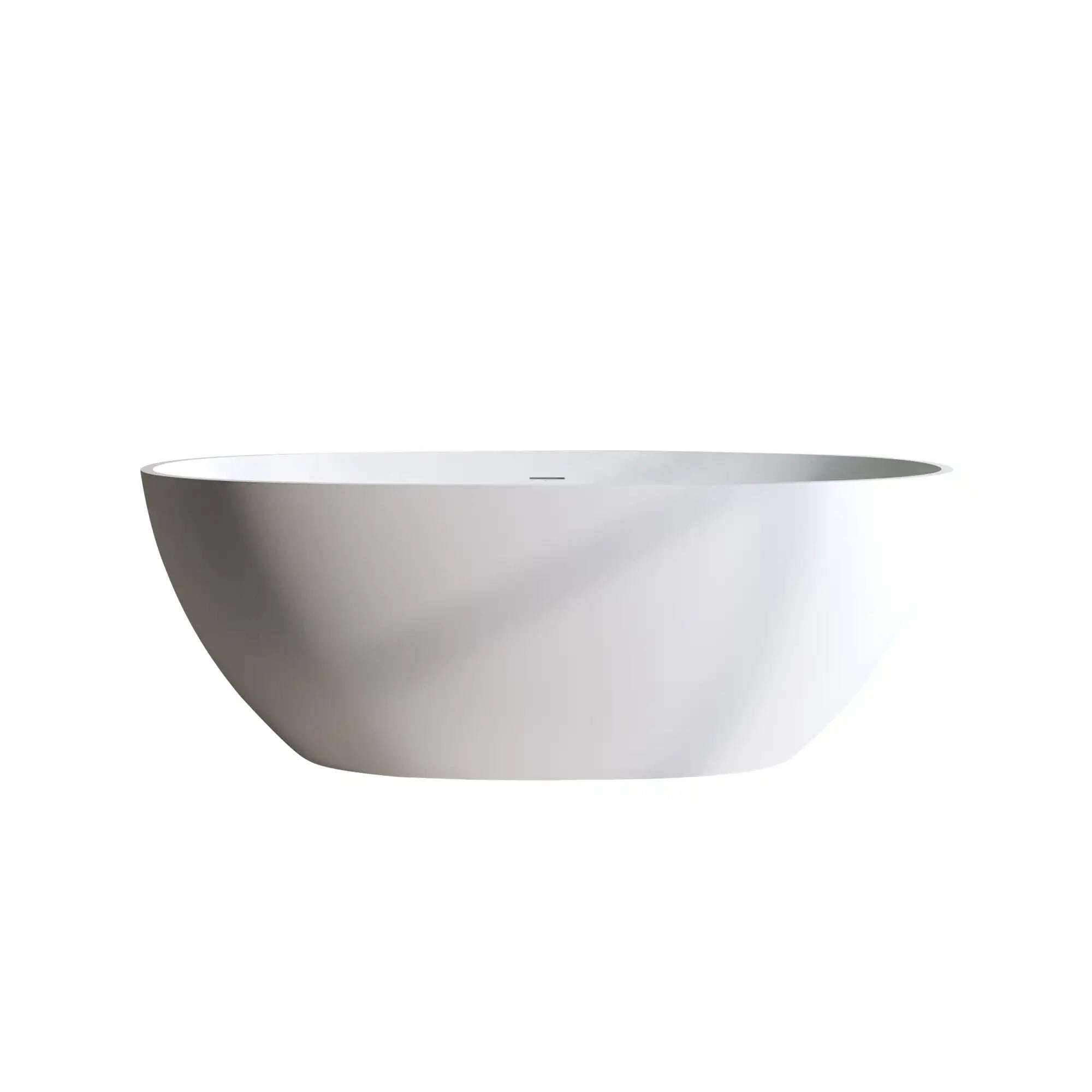
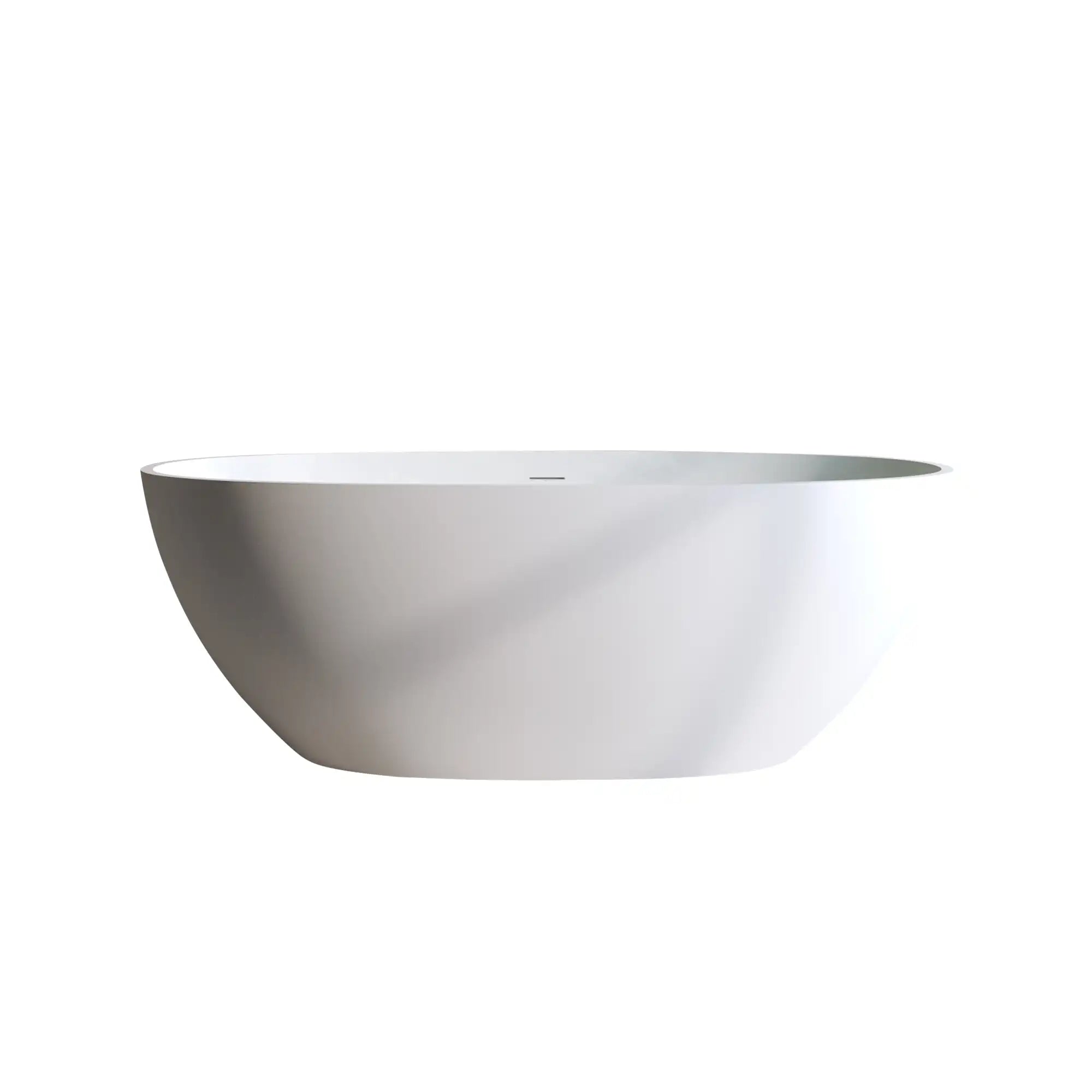
| Freestanding | 59–72" × 29–36" × 18–24" | Thicker walls, deeper profiles vary by design | Medium to large bathrooms, visual impact |
| Corner Bathtub | 48–60" sides, height 16–20" | Angled footprint, larger soaking area | Maximizing corner space |
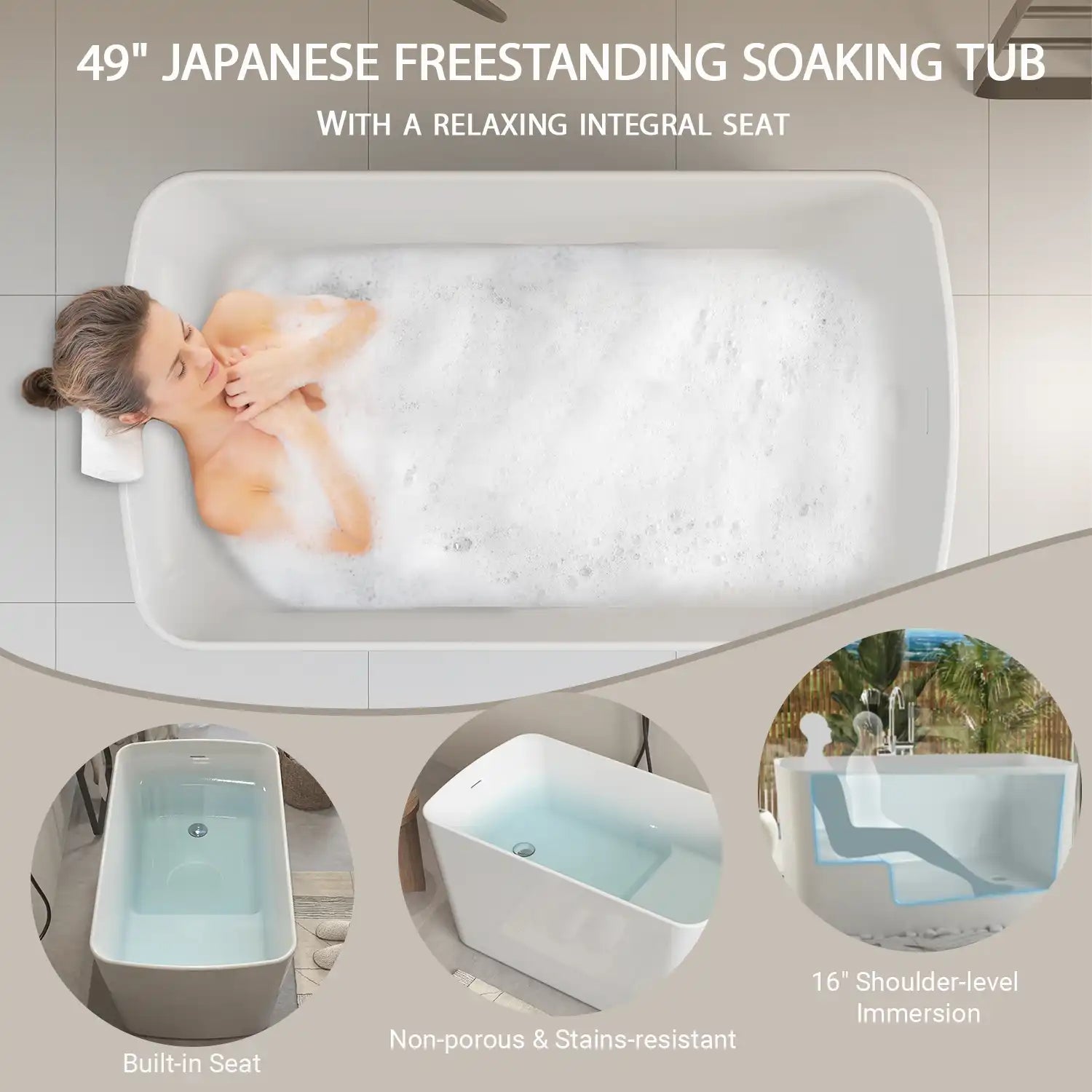
| Japanese Soaking Tub | 36–48" diameter/length × 24–30" height | Deep soaking depth, seated bathing | Compact bathrooms, deep immersion |
| Walk-in Tub | 52–60" × 28–32" × ~38" height | High entry wall, integrated door | Accessibility and mobility needs |
How Bathtub Dimensions Affect Comfort, Water Use, and Daily Use

Bathtub dimensions influence far more than whether a tub fits into a bathroom. The relationship between size, proportion, and interior geometry plays a direct role in how comfortable the tub feels, how much water it uses, and how practical it is for everyday bathing.
Comfort and Body Support
Length and width determine how naturally the body can recline or sit while bathing. A tub that is too short may limit legroom, while one that is too narrow can feel restrictive at the shoulders and elbows. Interior contours also matter—sloped backrests and curved sides can reduce usable length even when exterior dimensions appear generous. Height and interior depth affect how much of the body can be submerged. Deeper tubs allow for more immersive soaking experience.
Accessibility and Ease of Use
Dimensions play a critical role in how easy a bathtub is to enter, exit, and use safely. Lower-profile tubs with moderate heights are generally easier to step into, while taller tubs may require grab bars or additional support. Walk-in tubs, for example, trade traditional reclining space for safer access and seated bathing, reflecting a different set of dimensional priorities.
Clearance around the tub is another often-overlooked factor. Even a correctly sized bathtub can feel inconvenient if there isn’t enough room for movement, cleaning, or reaching fixtures comfortably.
Water Use and Efficiency
Bathtub dimensions also affect water consumption. Larger tubs typically hold more water, especially those with greater interior depth. However, size alone does not determine efficiency—interior shape, waterline height, and how the tub is used all contribute to actual water usage. For households mindful of water consumption, moderate-length tubs with efficient interior designs can provide comfortable bathing without excessive water use. Deeper soaking tubs, while more immersive, may require additional hot water capacity and longer fill times.
Daily Use and Long-Term Practicality
Beyond occasional relaxation, most bathtubs are used as part of daily routines. Dimensions that support easy entry, comfortable positioning, and manageable water use tend to offer better long-term satisfaction. A bathtub that feels luxurious but awkward to use may quickly become impractical.
Matching Bathtub Dimensions to Your Bathroom Layout

Below is a general framework for matching bathtub dimensions to common bathroom sizes, keeping both space efficiency and usability in mind.
Small Bathrooms (Under 40 sq ft)
In compact bathrooms, every inch matters. Bathtubs with a smaller footprint help preserve walking space and simplify installation.
-
Best suited options: Compact alcove tubs or space-efficient corner designs
-
Typical dimensions: 54–60 inches in length, 28–30 inches in width
-
Height considerations: Lower profiles (14–16 inches) can reduce water usage and make entry easier in tight spaces
These tubs prioritize practicality while maintaining essential bathing comfort.
Medium Bathrooms (40–70 sq ft)
Medium-sized bathrooms offer more flexibility in both layout and tub style. With careful planning, these spaces can accommodate larger bathtubs without feeling crowded.
-
Recommended dimensions: 60–66 inches long, 30–34 inches wide
-
Style options: Alcove tubs remain common, while select freestanding or soaking tubs may also work
-
Clearance tip: Leave at least 4 inches of space on each side of freestanding tubs for cleaning and visual balance
Efficient layout planning is key to ensuring the bathtub complements other fixtures rather than competing with them.
Large Bathrooms (Over 70 sq ft)
Larger bathrooms allow for more freedom in both bathtub size and placement. In these spaces, bathtub dimensions often contribute as much to visual impact as they do to function.
-
Possible options: Large freestanding tubs, corner bathtubs, or extended soaking models
-
Typical dimensions: Up to 72 inches in length and 36 inches in width
-
Planning considerations: Allow adequate room for movement, towel storage, and surrounding fixtures to avoid a cluttered layout
Even in spacious bathrooms, thoughtful spacing ensures comfort and long-term usability.
Functional Considerations: Comfort, Use Case, and Future Needs

For Relaxation
-
If you prefer deep, immersive baths, choose a soaking tub with at least 20 inches of interior depth. A longer length (66–72 inches) allows for a stretched-out position, ideal for relaxation.
For Families or Children
-
Standard-sized alcove bathtubs (60" x 30") with tub faucet and shower head combo offer enough space for bathing children while remaining safe and easy to clean. Lower wall height also assists with easier access.
For Elderly or Limited Mobility
-
Walk-in tubs offer safer entry with ergonomic seating. The overall footprint remains similar to a standard tub, but internal space is optimized for seated bathing.
For Pet Owners
-
Consider wider tubs with gently sloped interiors to help pets feel more secure. A minimum width of 32 inches can provide extra maneuverability.
Water Use Efficiency
-
Shallower tubs (~14–16" depth) heat and fill faster, conserving water and energy. Deeper tubs require more heating but offer greater comfort.
For Taller Individuals (6'0"+)
-
Standard tubs can feel cramped for taller users. To ensure comfort during reclining or full-body soaks, look for extended-length tubs of at least 66 inches or more. A depth of 20–22 inches also allows better immersion without compromising posture.
For Space Saving
-
In compact bathrooms where every inch counts, selecting a tub with a minimal footprint is key. Look for short-length alcove tubs (46–54 inches) or deep but narrow Japanese soaking tubs (39-47 inches) that allow vertical immersion without taking up horizontal space.
Common Bathtub Dimension Mistakes to Avoid

Even with careful planning, a few common mistakes can undermine the benefits of choosing the right bathtub dimensions.
-
Focusing only on exterior size: Overall length and width don’t always reflect usable interior space. Wall thickness and interior slopes can significantly reduce bathing room.
-
Overlooking soaking depth: A bathtub that looks spacious may still feel shallow once filled. Interior depth and waterline height strongly affect comfort.
-
Assuming bigger is always better: Larger tubs often require more water, longer fill times, and additional clearance, which may not suit everyday use.
-
Ignoring entry height and clearance: Step-in height and surrounding space affect safety, maintenance, and overall usability, especially for freestanding or deeper tubs.
Avoiding these pitfalls helps ensure that bathtub dimensions work well not just on paper, but in real-life use.
Conclusion
Q1. What are the most common bathtub dimensions in modern homes?
Q2. Is a freestanding bathtub suitable for a small space?
Q3. What depth is best for soaking comfortably?
Q4. How do I determine if a tub will fit my bathroom?
Q5. Can larger tubs cause issues with floor structure or plumbing?
How Much Is a Clawfoot Bathtub Worth? Exploring the Value of This Timeless Luxury
Soak in Safety: How Modern Walk-In Bathtubs Redefine Bathroom Bliss
Why Your Bathroom Layout is Begging for a Corner Bathtub (And How to Listen)
The Zen of Bathing: Why Japanese Soaking Bathtubs Are Redefining Luxury Spa Experiences