

Table of Contents
- 1. What Is the Actual Capacity of a Household Bathtub?
- 2. Capacity Differences of Different Types of Bathtubs
- 3. Large Capacity Doesn’t Guarantee a Better Soak
- 4. Water Filling Speed vs. Water Heater Capacity
- 5. Water Weight and Floor Load — A Hidden Concern
- 6. Green Living Starts with the Right Tub Capacity
- 7. Choose Based on Lifestyle, Not Just Size
- 8. Style Matching by Material Type
- 9. Conclusion
- 10. FAQ
- 11. Related Articles
Introduction
Perhaps you can already picture it. Evening falls, candles are lit, music plays softly and bubbles begin to gather across the surface. Then you turn on the tap, wait a little longer than expected, and realise the water has barely reached your knees. The hot water starts to fade, and one small question suddenly becomes much more important: how many gallons does a bathtub hold?
A bathtub may be chosen for its shape, finish or sense of style, but capacity plays just as important a role in how it feels to use. It can affect how well the tub works with your water heater, how much water and energy you use, and even whether the floor beneath has been considered for the weight once it is full. More importantly, it helps shape the kind of bathing experience you can create. The right tub can make an everyday soak feel deeper, warmer and more indulgent; the wrong one can leave even the most beautiful bathroom feeling a little less comfortable than you imagined.
1. What Is the Actual Capacity of a Household Bathtub?
Bathtub capacity can be easy to overlook. At first glance, a tub simply needs to look right in the room — the right shape, the right finish and enough space to settle into at the end of the day. But one practical detail can make a bigger difference than you might expect: how many gallons does a bathtub hold?

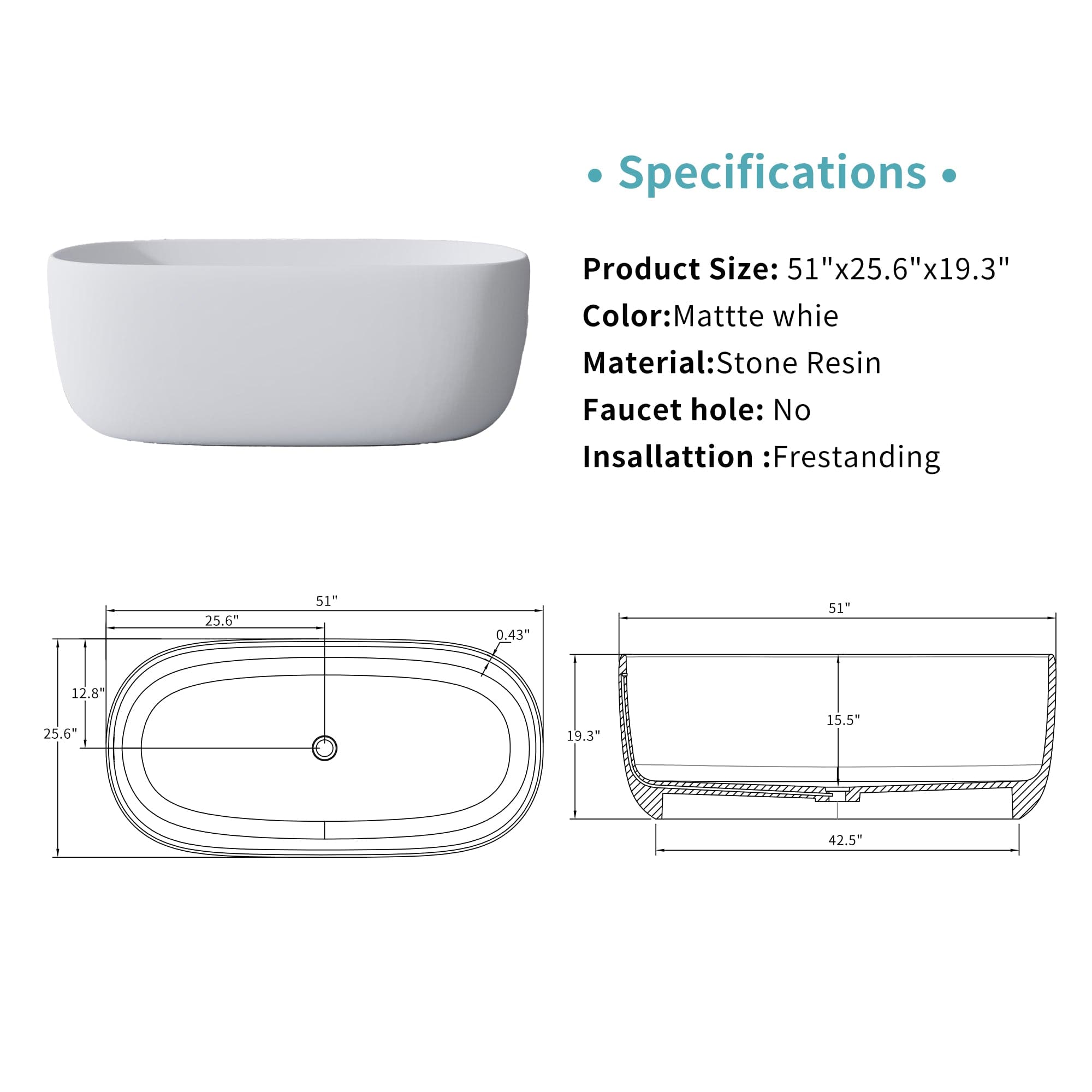
Most standard built-in bathtubs hold between 40 and 60 gallons of water, while freestanding designs often hold 70 gallons or more. Larger statement tubs can reach well beyond 100 gallons, creating a deeper and more indulgent bathing experience.
But those numbers only tell part of the story. A bathtub is not usually filled to the very top, as the overflow outlet needs to be left clear. Once you step in, your body also displaces some of the water. In everyday use, the amount of water a tub can comfortably hold may be around 15–20% less than its stated capacity.
A 75-gallon bathtub, for example, may hold closer to 60–65 gallons when it is ready for a real soak. It is a small difference on paper, but one that can affect how much hot water you need, how long it takes to fill and how the bath feels once you are in it.
To put it into perspective, one gallon is around 3.8 litres. An 80-gallon bathtub can hold more than 300 litres of water — enough to turn a simple bath into a much more substantial part of your daily routine.
Understanding how many gallons a bathtub holds can help you choose a size that works beautifully with your space, your water heater and the kind of bathing experience you want to create. For a closer look at typical bathtub sizes and capacities, our guide to bathtub dimensions and water capacity can help make the choice feel a little clearer.
2. Capacity Differences of Different Types of Bathtubs
Not every bathtub is designed for the same kind of soak. Some are made for quick, everyday routines; others create more room to stretch out, unwind and stay a little longer. Understanding how many gallons a bathtub holds can help you choose a style that feels right for your space, your water supply and the way you like to relax.

Alcove Bathtubs
Alcove bathtubs are a familiar choice for smaller and medium-sized bathrooms. They usually hold between 40 and 60 gallons, making them easier to fill and well suited to everyday use. Compact, simple and space-conscious, they can make a bathroom feel functional without taking over the room.

Freestanding Bathtubs
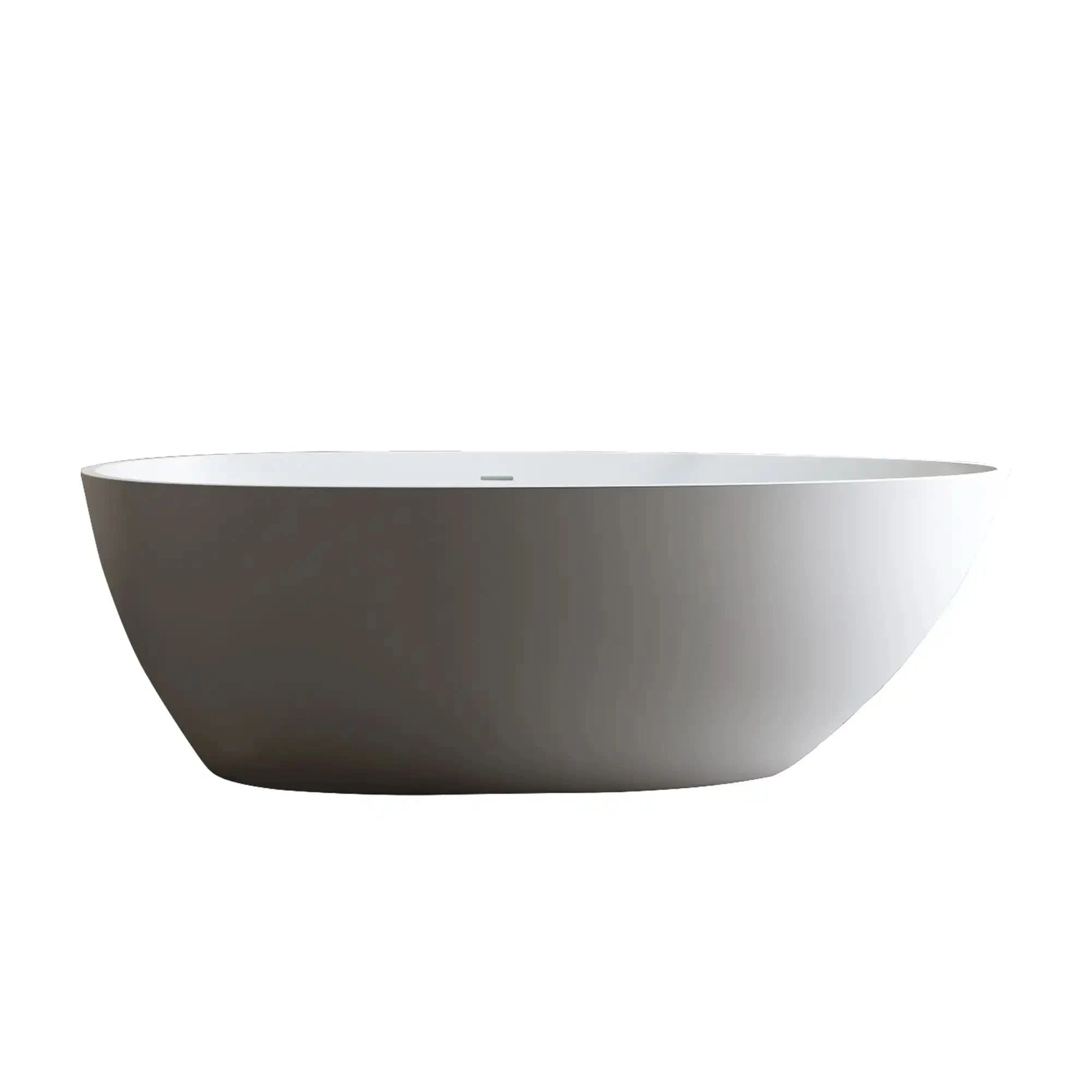
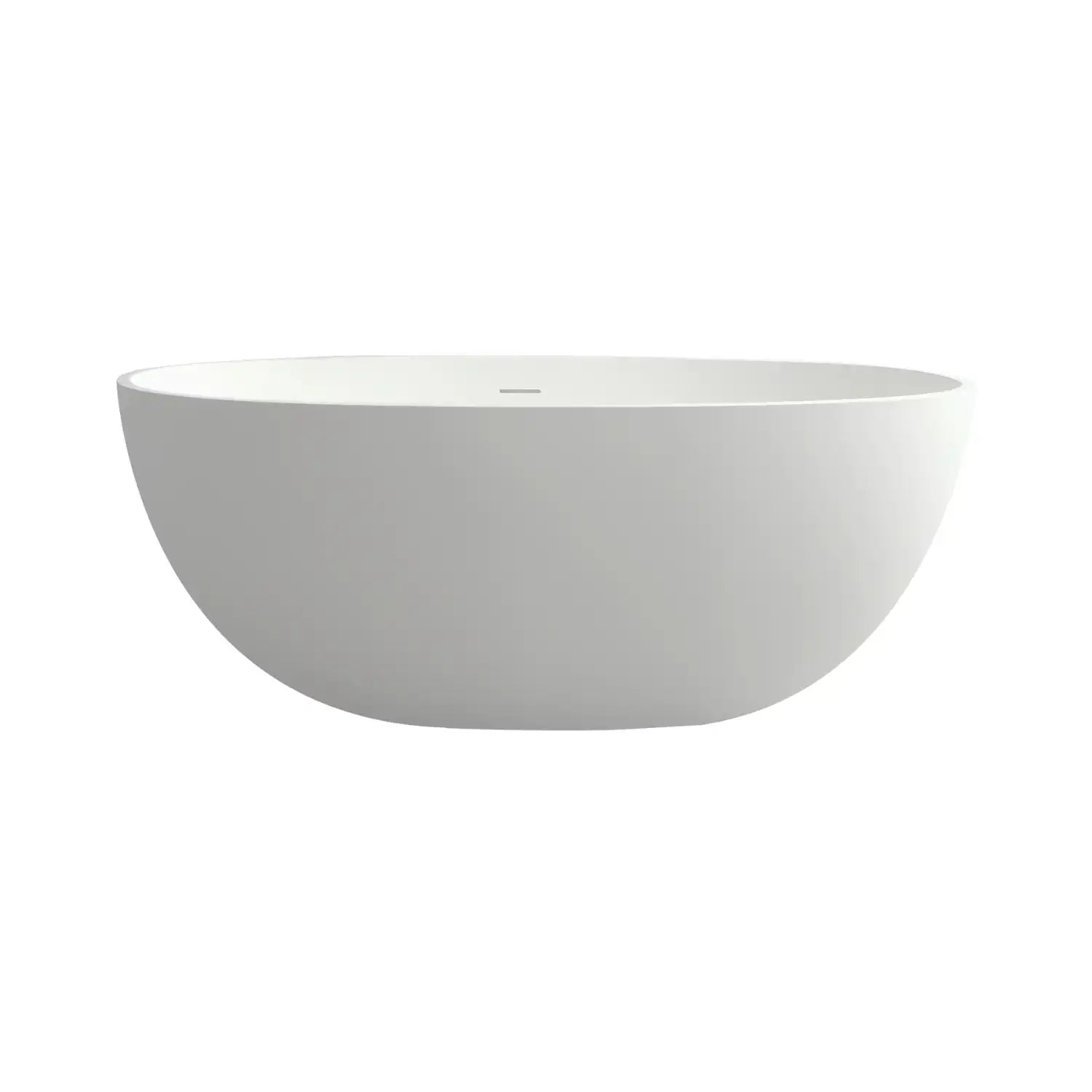
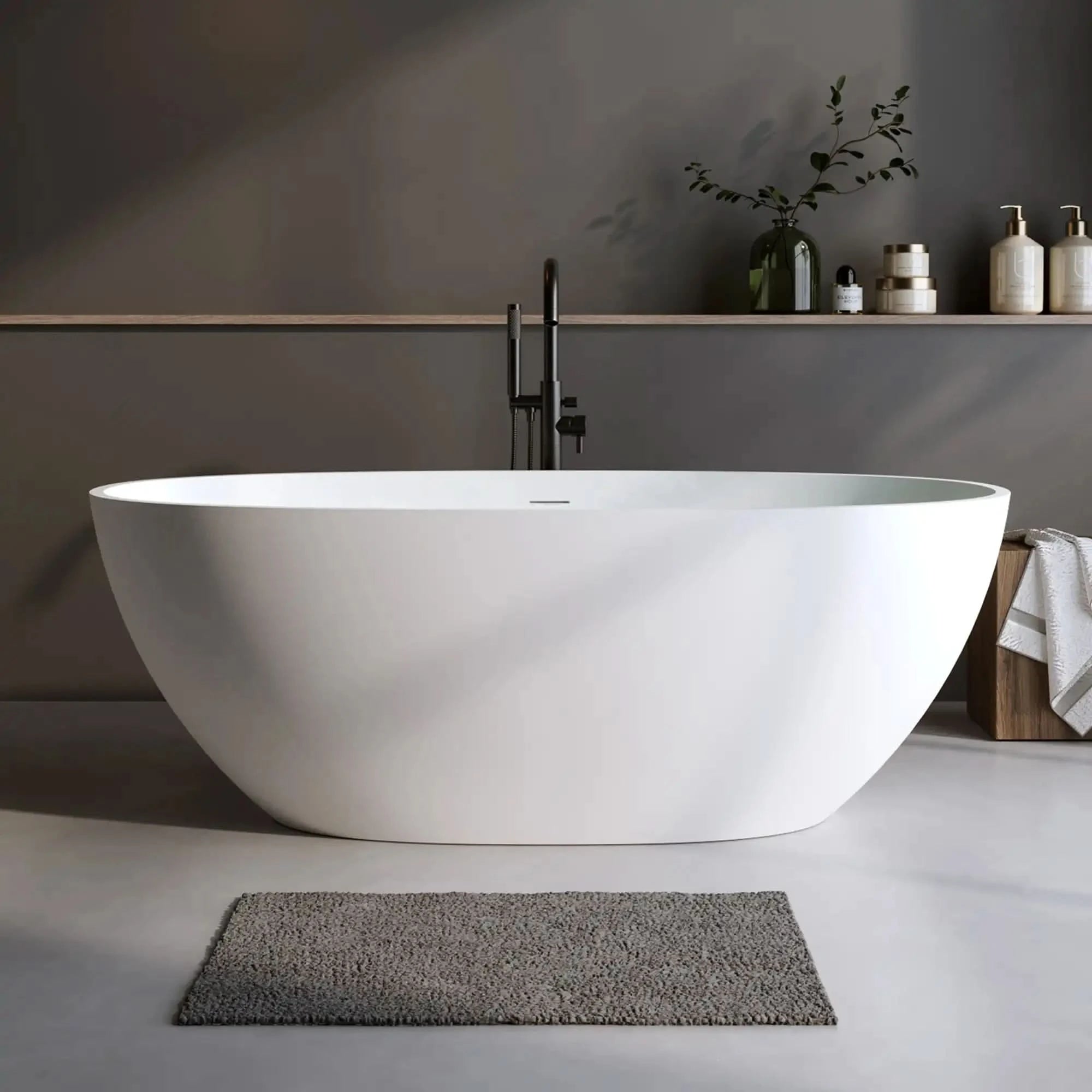
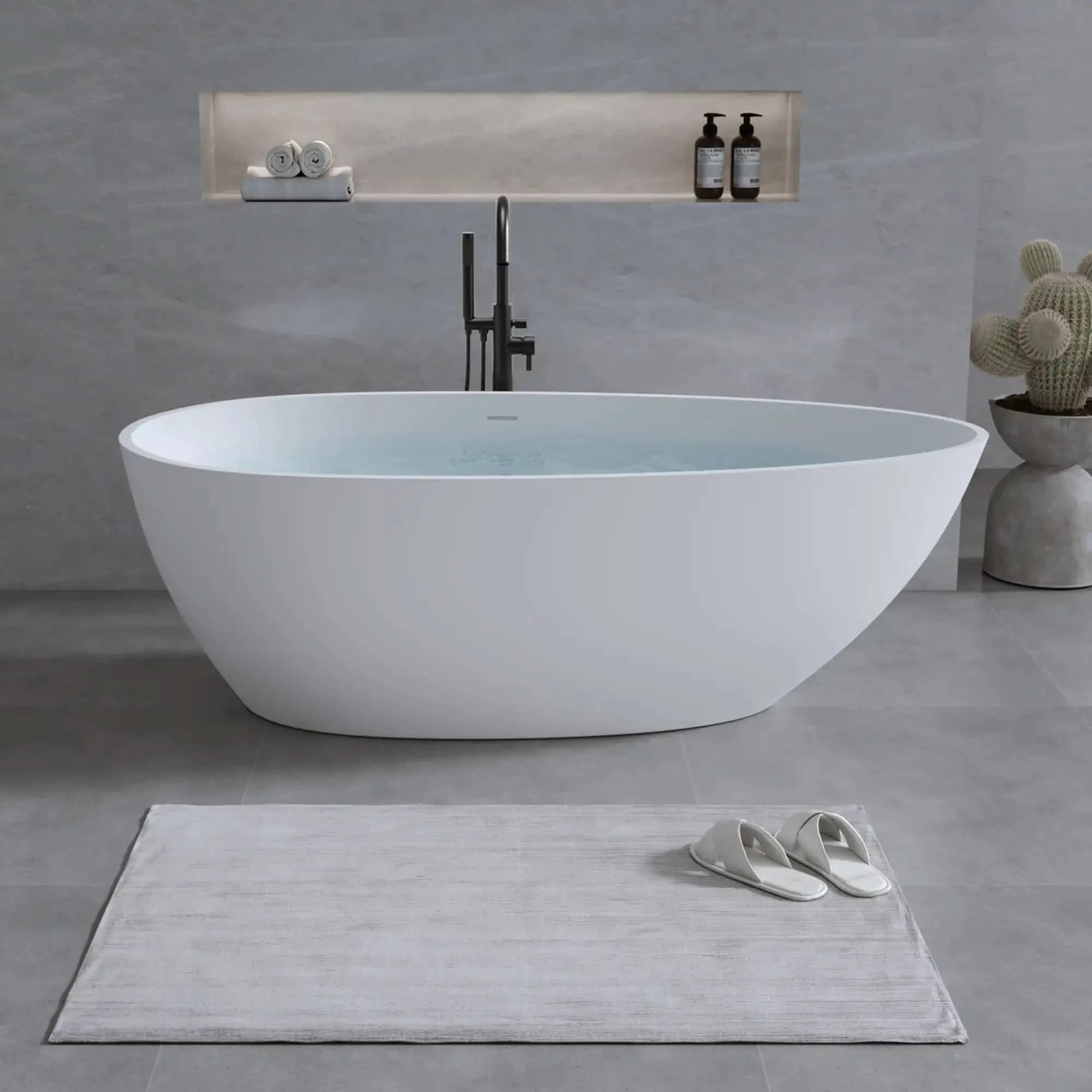
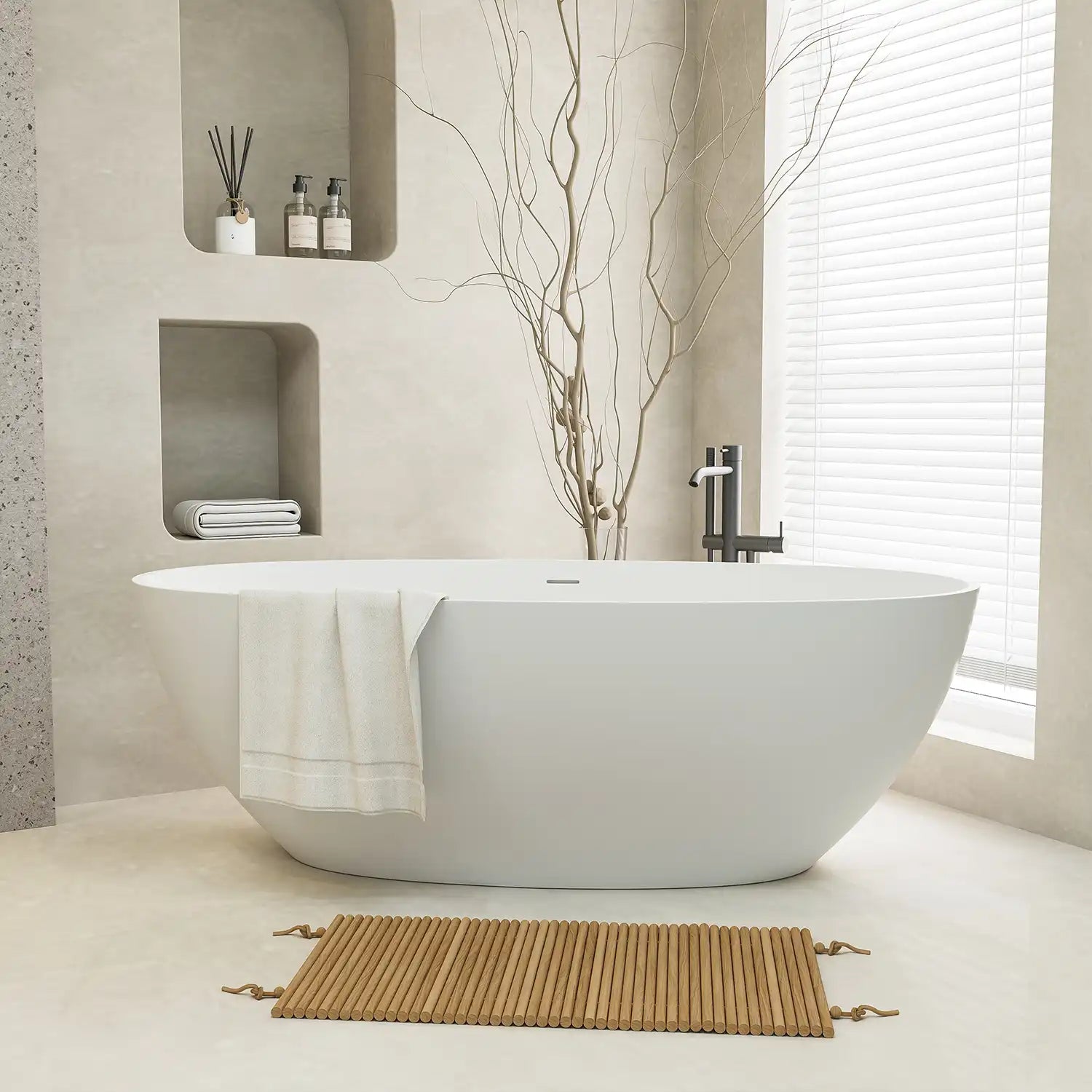
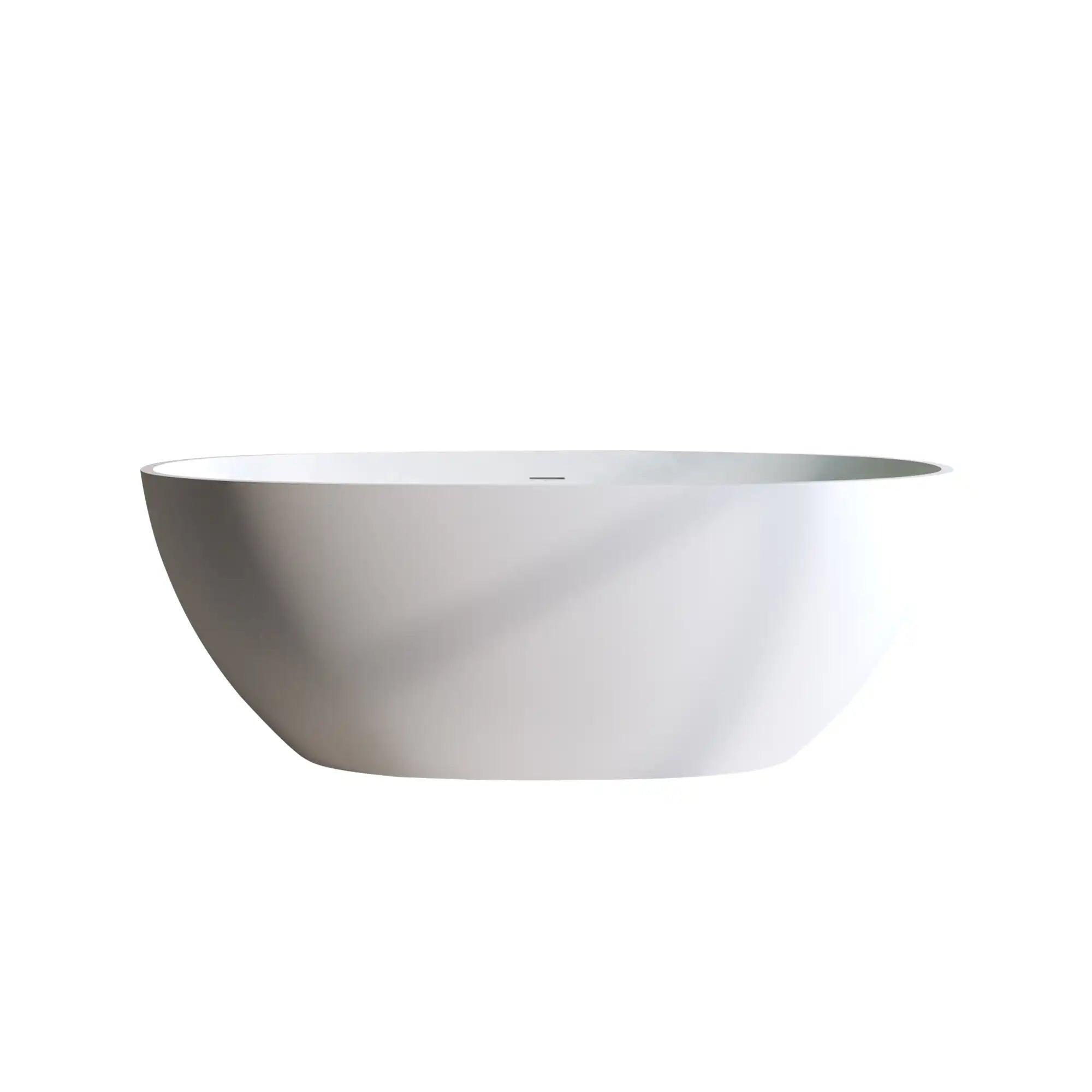
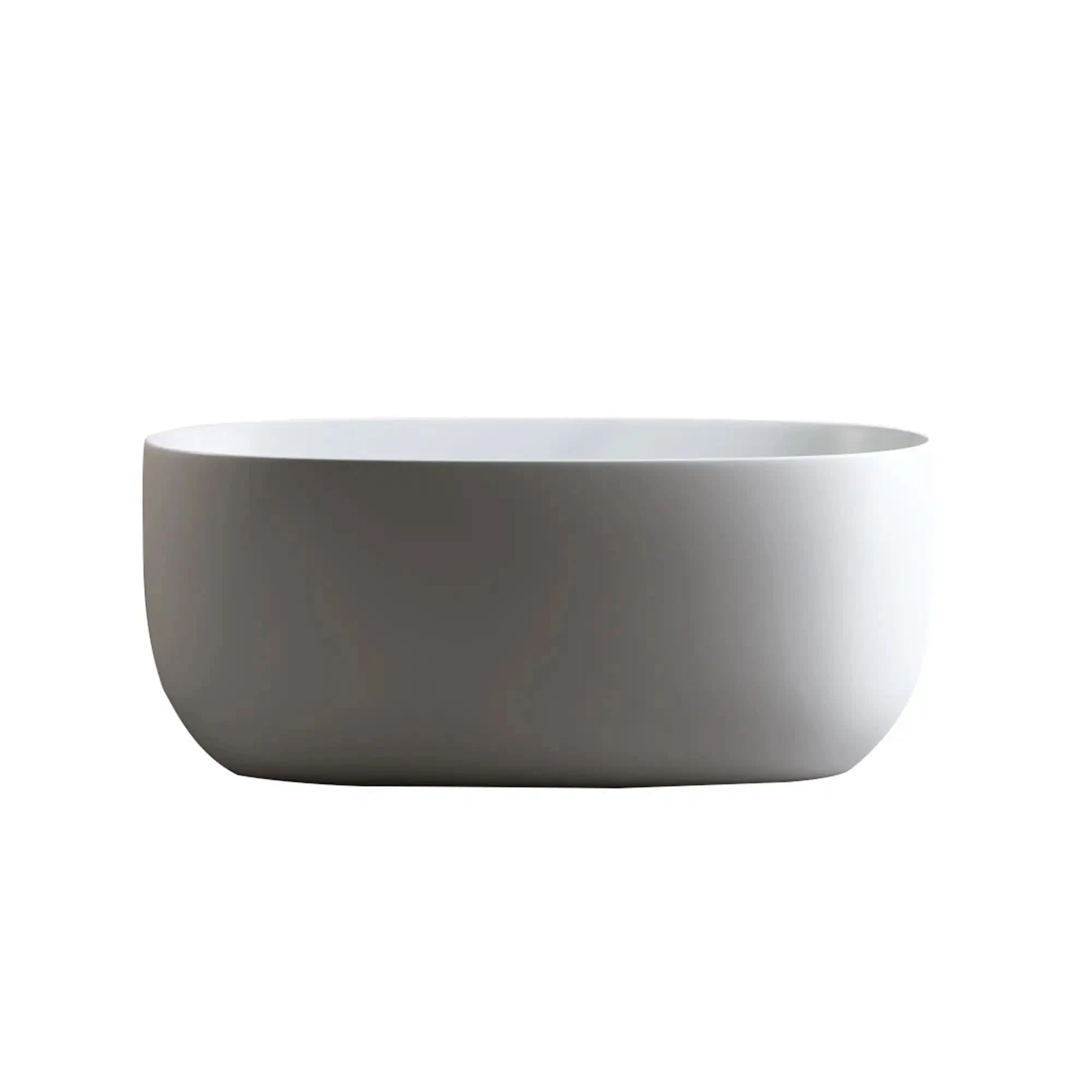
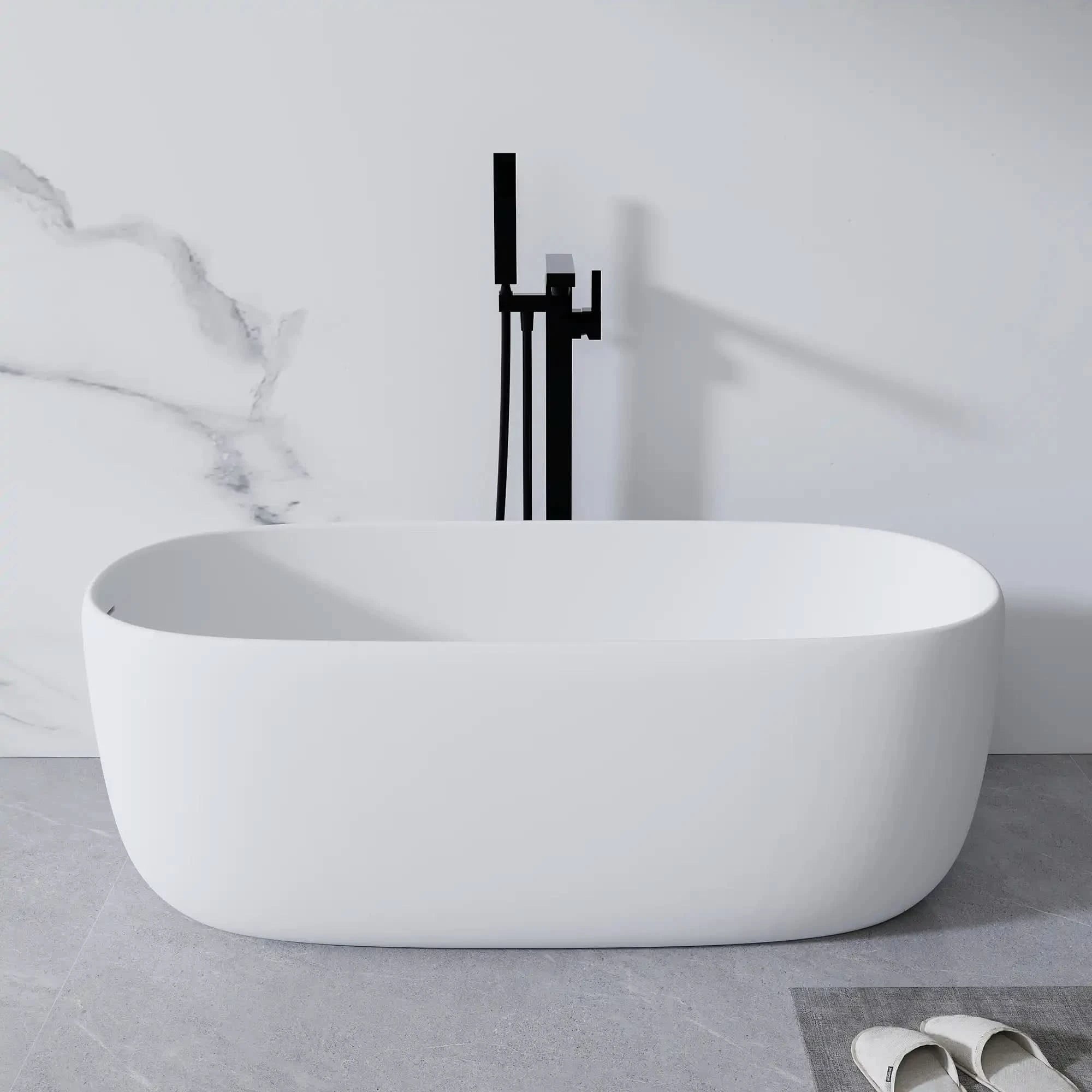
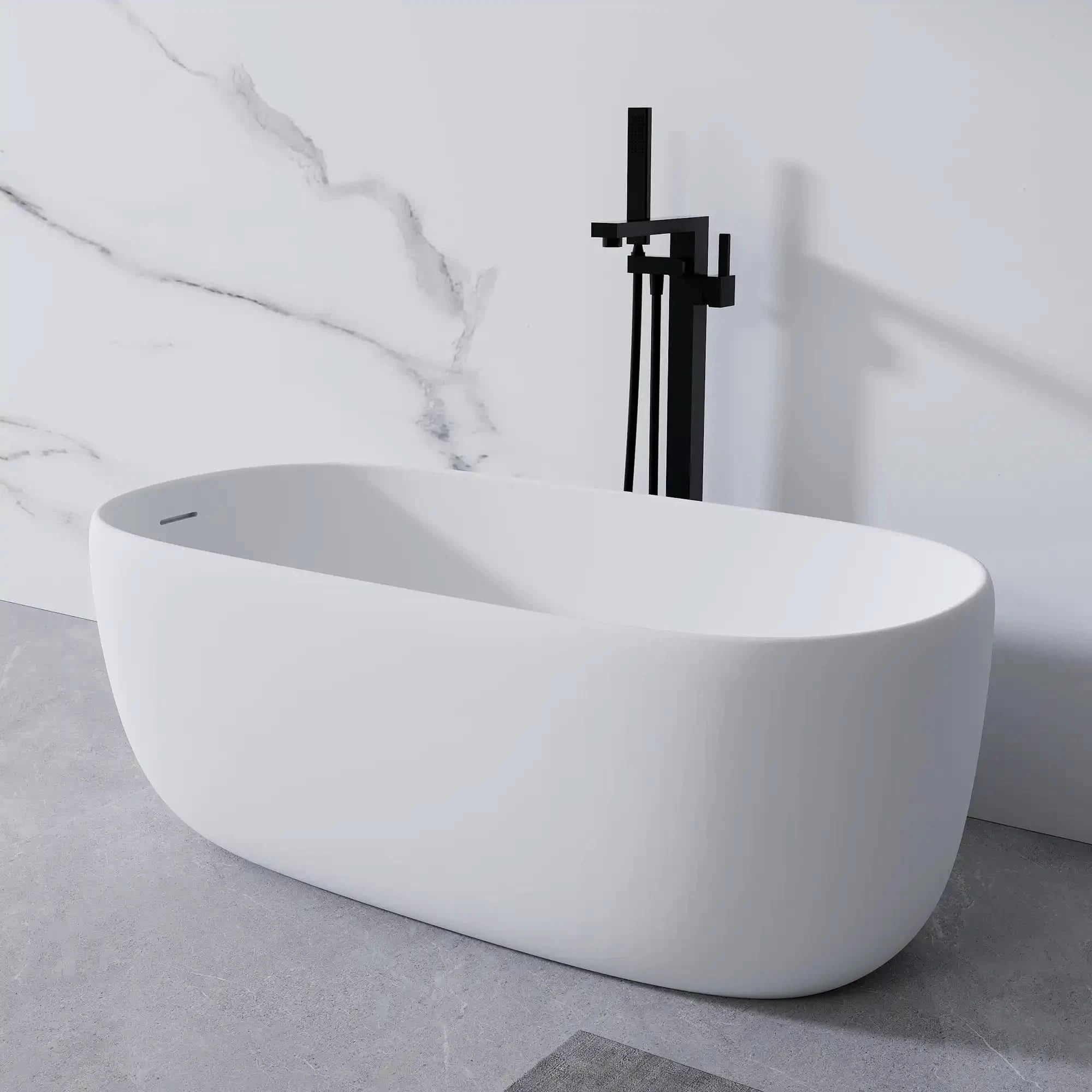
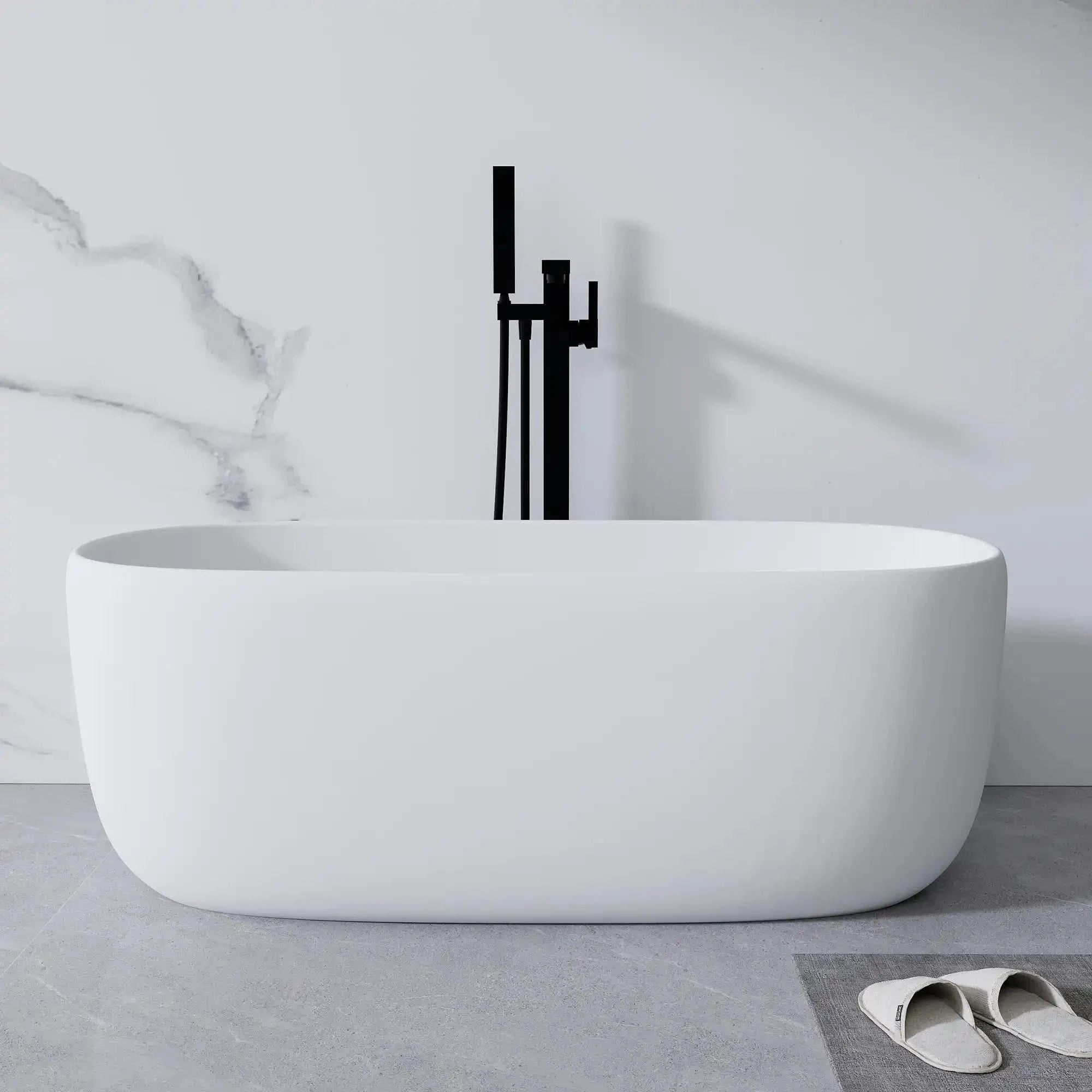
Freestanding bathtubs are made to be noticed. With their sculptural shapes and more generous proportions, they often hold between 60 and 100 gallons or more. They are ideal for deeper soaks, slower evenings and bathrooms where the tub is part of the overall look. Just make sure your water heater has enough capacity to keep the experience warm from beginning to end.

Whirlpool Bathtubs
Whirlpool baths often hold around 65 to 85 gallons, with room for both water and the systems that create those relaxing jets. They can bring a more spa-like feel to an everyday bathroom, but they may need a little more planning when it comes to water heating, power and installation.

Walk-in Bathtubs
Walk-in bathtubs are designed to make bathing feel more comfortable and accessible. Although they are often compact in footprint, their deeper shape means they can still hold around 40 to 60 gallons. They are a thoughtful choice for anyone looking for a safer, more supported bathing routine. If you are deciding between styles, comparing walk-in and alcove tubs can help make the right fit feel a little clearer.

Custom And Oversized Bathtubs
Custom and oversized bathtubs are where capacity starts to feel more significant. Double soaking tubs and larger statement designs can easily hold more than 100 gallons, creating a generous, indulgent place to unwind. At this point, it is worth thinking beyond the tub itself — from hot water supply to floor support, a little planning can help everything work beautifully together.
Whatever style you choose, knowing how many gallons a bathtub holds can make it easier to create a bathroom that feels considered, comfortable and ready for the way you live.
3. Large Capacity Doesn’t Guarantee a Better Soak
A larger bathtub can feel like the obvious choice when you are planning a more luxurious bathroom. More water, more room and a deeper soak may sound appealing — but capacity alone does not always decide how comfortable a bath will feel.
The shape inside the tub can make just as much difference. Gently curved sides, a supportive backrest and room to rest your legs can help create the feeling of a deeper, more relaxing soak without needing quite as much water.
The Ace Decor Abyss Series is a good example. With its inward curves, reclining back and ergonomic leg support, its 68-gallon capacity can feel closer to a much larger bath once you are settled in. It is a thoughtful reminder that the best bathing experience is not always about filling the biggest tub possible.
So while it helps to ask how many gallons does a bathtub hold, it is also worth thinking about how the tub will support you, how much space it gives you to unwind and how it feels at the end of a long day. Sometimes, a well-designed interior can make a little water go a much longer way.
4. Water Filling Speed vs. Water Heater Capacity
A generous bathtub needs more than enough room to stretch out. It also needs enough hot water to fill comfortably — and a faucet that lets the experience begin without too much waiting.
A 70-gallon bathtub paired with a 5 GPM faucet, for example, will take at least 14 minutes to fill. That may not sound too long at first, but once your water heater begins to run low, the temperature can start to drop before the bath is ready. It is a small practical detail, but one that can make a big difference to how relaxing the moment feels.
This is where knowing how many gallons does a bathtub hold becomes especially useful. It can help you plan for the water heater, plumbing and filling speed your bathroom may need, rather than discovering the limits once the tub is already in place.

For larger bathtubs, a little extra planning can go a long way. A 60–80 gallon water heater or a tankless system may be worth considering for tubs over 70 gallons, while a higher-flow tub filler — around 6–7 GPM — can help reduce the wait. You can also look for designs that make the most of their interior shape, creating a deeper, more comfortable soak without needing quite as much water.
The right balance is not always about choosing the biggest tub possible. It is about choosing one that works beautifully with the way your bathroom is set up, so every bath feels warm, easy and ready when you are.
5. Water Weight and Floor Load — A Hidden Concern
A larger bathtub can bring a wonderful sense of comfort, but all that extra water comes with extra weight. It is an easy detail to miss when you are choosing shapes, finishes and features, especially when the tub is part of a bigger bathroom transformation.
An 80-gallon bathtub, for example, can hold around 667 pounds of water. Add the weight of the tub itself and two adults, and the total can reach approximately 1,100 pounds — not far off half the weight of a compact car.
That does not mean a larger bath is out of reach. It simply means the space beneath it deserves just as much consideration as the space around it. If your bathtub will sit on a second-floor timber structure, or if it holds more than 60 gallons, it is worth speaking with a structural engineer or qualified building professional before installation.

Knowing how many gallons a bathtub holds can help you plan for more than a deeper soak. It can help you choose a bath that feels right for your room, your routine and the structure of your home. And if you are considering a more accessible update, it may also be helpful to explore the cost to remove a bathtub and install a walk-in model before your renovation begins.
6. Green Living Starts with the Right Tub Capacity

A long bath can be one of life’s simplest pleasures, but choosing the right capacity can help it feel more considered too. In water-conscious areas such as California and Colorado, the amount of water a bathtub holds can shape more than your evening routine — it can also shape the way your bathroom works every day.
A larger tub may create a wonderfully generous place to unwind, but it will naturally need more water to fill. An 80-gallon bath, for example, can use a substantial amount of water in one go, making capacity an important part of planning a more mindful bathroom.
That does not mean giving up the comfort of a deeper soak. A well-designed tub with supportive curves and a deeper interior can often create a more relaxing experience with less water. Look for capacities of 60 gallons or less, consider a thermostatic valve to avoid unnecessary reheating and let baths become an occasional moment to slow down rather than an everyday habit.
Knowing how many gallons a bathtub holds can help you find a balance between comfort and conservation — creating a bathroom that feels good to use, and a little kinder to the resources around you.
7. Choose Based on Lifestyle, Not Just Size
Your lifestyle determines your bathtub needs. So the real question is not just how many gallons does a bathtub hold, but also: how much comfort do you need, and how often will you use it?
| Lifestyle | Recommended Capacity | Why It Works |
|---|---|---|
| Busy professionals | 40–50 gallons | Fast filling, energy-saving |
| Couples | 70–90 gallons | Room for two, deep soak |
| Families with children | 60–75 gallons | Shared bath without overflow |
| Eco-conscious users | ≤55 gallons | Ideal for conservation without sacrifice |
Understanding how many gallons does a bathtub hold allows you to choose wisely — balancing comfort, cost, and practicality.
Conclusion
A bathtub may look like a simple part of the bathroom, but it can shape much more than the room itself. From the time it takes to fill to the comfort it brings at the end of the day, the right capacity can make everyday routines feel calmer, easier and more enjoyable.
Knowing how many gallons a bathtub holds is not just about reading a specification. It can help you think more carefully about water use, energy, available space and the kind of bathing experience you want to create.
At Ace Decor, our bathtubs are designed to bring comfort, performance and a more considered sense of style into the bathroom. Whether you are looking for a compact everyday bath or something deeper and more indulgent, understanding capacity can help make the right choice feel a little clearer.
Explore our Capacity Shopping Guide Zone or speak with one of our consultants to find a bathtub that works beautifully with your space, your routine and the way you like to unwind.
FAQ
What is the ideal water temperature for a bath?
A comfortable bath should feel warm, calming and easy to settle into. For most people, water between 100–104°F (38–40°C) is a good place to start — warm enough to relax in, without feeling overwhelming.
Anything above 105°F can feel too hot for a longer soak and may put extra strain on the body. If in doubt, begin a little cooler and let the temperature suit the way you like to unwind.
How big should a bathtub be for adults and children to share?
A little extra room can make bath time feel more comfortable, especially when you are sharing the space. A bathtub with a capacity of around 60 gallons or more can offer a more generous place to sit, splash and relax.
But gallons are only part of the picture. Look at the tub’s internal length, width and shape too, as these will decide how much room you really have. A non-slip base and close adult supervision can also help make shared bath time feel safer and more relaxed.
How can I get hot water to the tub faster?
Waiting for a bath to warm up can take some of the pleasure out of the moment. A hot-water recirculating system can help warm water reach the tub filler sooner, while insulated hot-water pipes can reduce heat loss along the way.
For larger tubs, it is also worth considering a higher-flow tub filler and a water heater that is suited to the capacity of your bath. A little planning can make the whole experience feel quicker, warmer and easier from the start.
How much does one bath cost?
The cost of a bath can vary depending on your local water rates, energy prices, water heater and the amount of hot water you use. But a simple calculation can help make the numbers feel clearer.
In a home where water costs $0.004 per gallon, filling a 70-gallon tub would cost around $0.28 for the water itself. The cost of heating it will depend on whether you use electricity or gas, as well as the efficiency of your water heater.
It is a small detail, but knowing your tub’s capacity can help you create a bathing routine that feels both indulgent and considered.
How can I calculate my bathtub’s capacity?
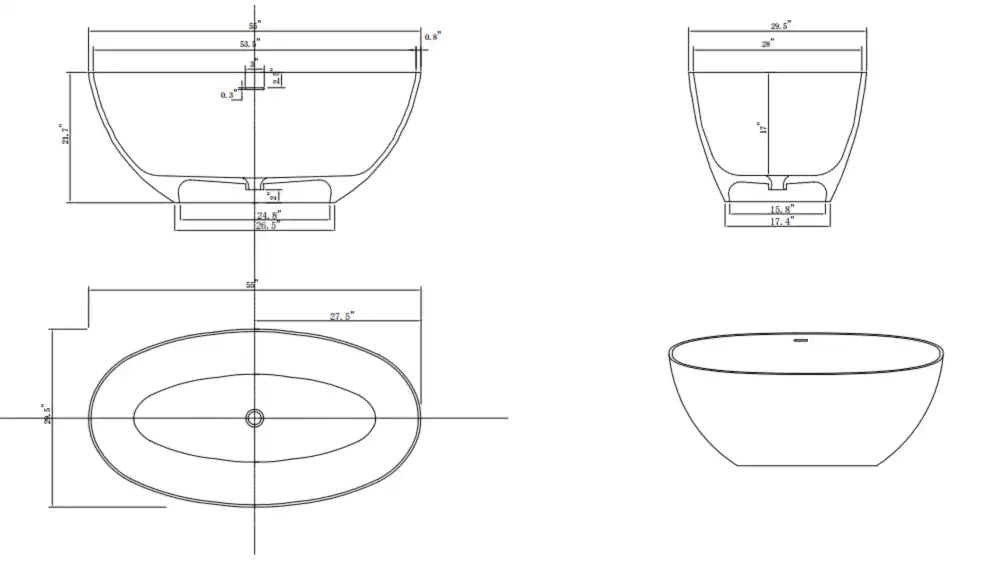
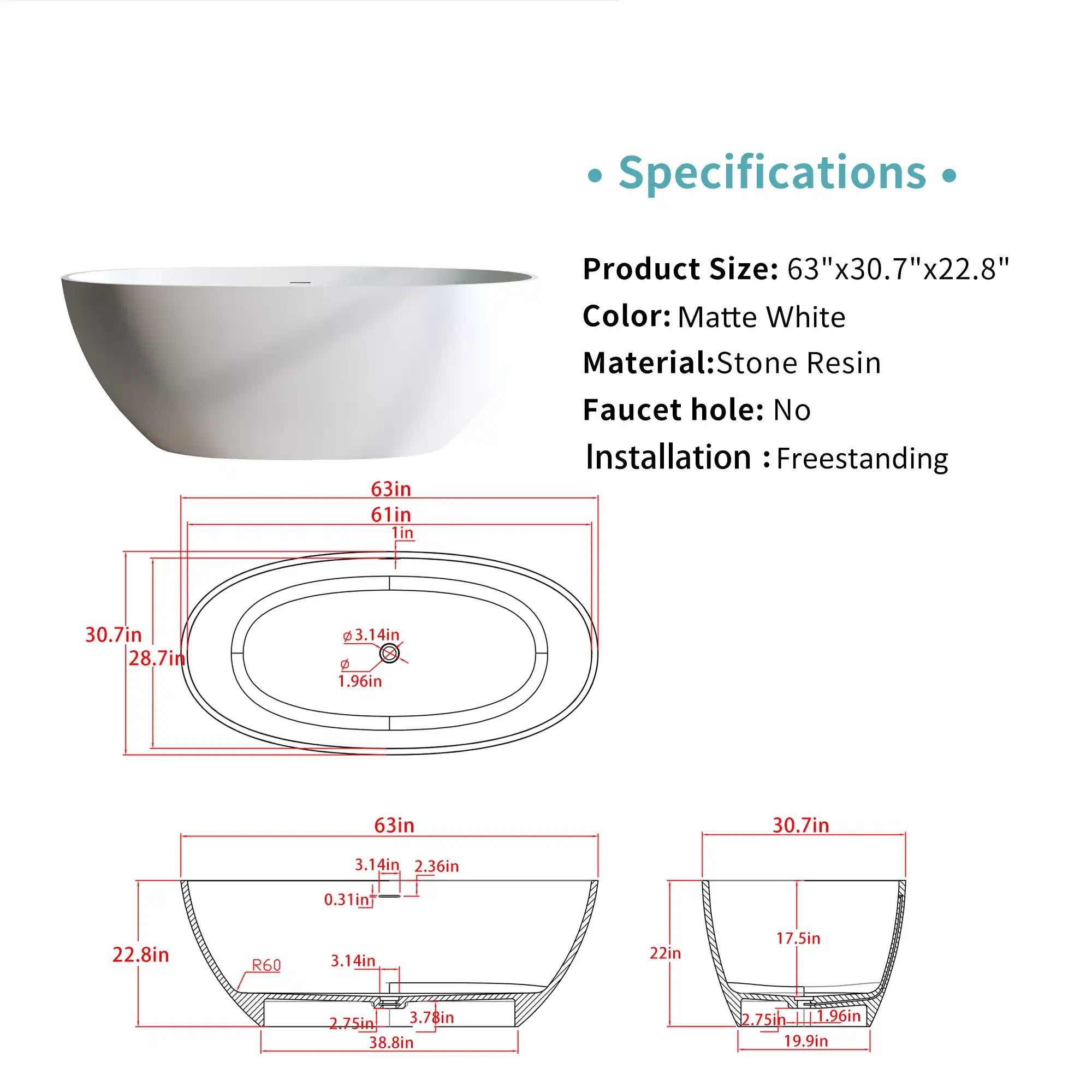
The easiest place to start is the product specification, where capacity is usually listed as Water Capacity. You can also make a rough estimate by measuring the inside of the tub.
Length × Width × Water Depth (inches) ÷ 231 = Gallons
Use the internal measurements rather than the outside dimensions, and remember that the usable amount of water will usually be a little less than the final number. The overflow outlet and the space your body takes up will both affect how much water the tub can comfortably hold.
It is a simple calculation, but one that can make choosing the right bathtub feel a little clearer.
Related Articles:
Bathtub Dimensions Guide: How to Choose the Right Size for Your Bathroom
Material Matters: Acrylic vs Porcelain Tubs in Today’s Bathroom Design
Alcove Tubs vs. Other Bathtubs: A Comprehensive Guide for Modern Bathrooms