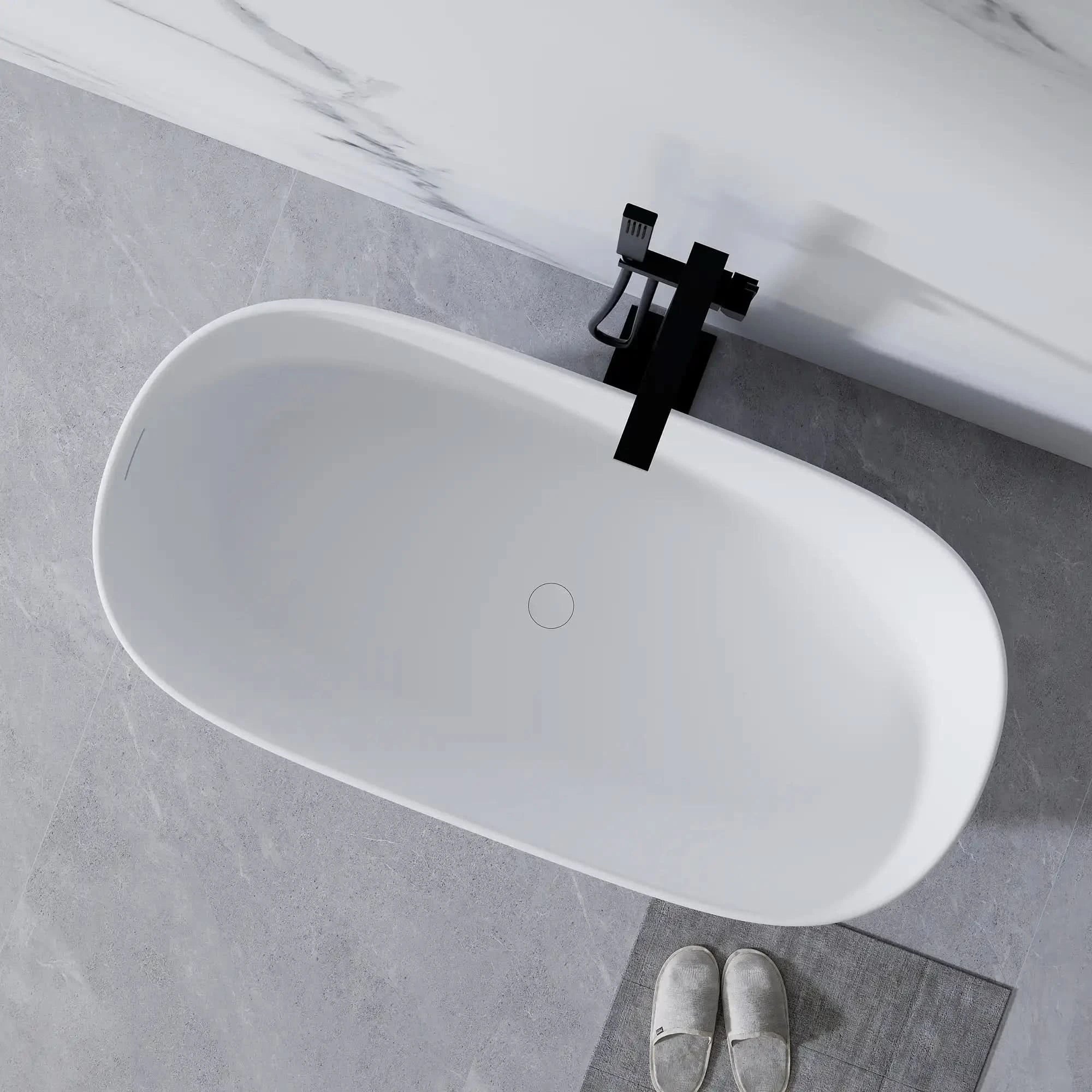


Bath time is not merely a habit but a wonderful opportunity for you (the parent) and your baby to bond. Simultaneously, it can be one of the most difficult aspects of taking care of a baby.
This is why a lot of parents look into a baby bath seat for tub. Bath supports are seats that are designed to offer added stability and support and can help babies to sit more securely while providing parents with greater peace of mind during bath time.
However, not every bath seat is the same, and choosing the right one depends on more than just the seat itself. Factors such as your baby’s age, your bathtub’s size and depth, and the overall bathing setup all play a critical role in safety and comfort. In this guide, we'll walk you through what to look for in an infant bath seat, how to use one safely, and how to create a baby-friendly bathing environment that supports both convenience and peace of mind.
Table of Contents:
- Why Parents Use Infant Bath Seats (And When You Actually Need One)
- Key Features to Look for in an Infant Bath Seat (Safety Checklist)
- Infant Bath Seat Safety Tips Every Parent Should Know
- Comfort Matters: Creating a Baby-Friendly Bathing Environment
- Cleaning and Maintaining an Infant Bath Seat: Hygiene & Mold Prevention
- Beyond the Bath Seat: Other Essentials for a Smoother Baby Bath Time
- Conclusion
- Frequently Asked Questions
- Related Articles
Why Parents Use Infant Bath Seats (And When You Actually Need One)

If you have ever tried bathing a slippery, wiggly baby in a bath, then you will have experienced how difficult it is to keep them safe and give them a wash at the same time. And one of the top reasons why a lot of parents decide to use an baby bath seat. By providing a more stable sitting position, bath seats can help reduce sudden slips and allow parents to focus more on bathing rather than constantly adjusting their grip.
Apart from stability, infant bath seats are typically designed to provide babies with a feeling of support while bathing. They love to splash and play around in the water, but they still have to be properly positioned at all times for safety. A well-designed bath seat can help support a baby who is learning to sit, making bath time feel more comfortable and controlled for both parent and child.
Key Features to Look for in an Infant Bath Seat (Safety Checklist)
Choosing an infant bath seat can feel overwhelming at first, especially with so many designs and claims on the market. Focusing on a few essential safety and comfort features can help parents make more confident, informed decisions. Below is a practical checklist to consider when evaluating an infant bath seat.
1. Secure Safety Support
A reliable baby bath seat should help keep your baby positioned securely during bath time. Look for designs that include supportive contours or safety supports that limit excessive movement. These features help reduce the risk of slipping while still allowing your baby to sit comfortably. Any support system should feel stable without being restrictive.
2. Ergonomic Back and Body Support
For babies who are still developing sitting strength, proper support is essential. A well-designed bath seat should offer gentle back and side support that helps maintain a natural, upright posture. Ergonomic shaping can improve comfort and reduce strain, especially during longer baths.
3. Stable, Non-Slip Base
A non-slip base is one of the most critical safety features. The seat should remain firmly in place once positioned in the bathtub, minimizing unwanted movement. Suction points can improve stability, particularly in smooth tubs where slipping is more likely.
4. Water-Friendly and Comfortable Materials
Materials should be waterproof, quick-drying, and gentle on a baby’s skin. Breathable designs and smooth surfaces help prevent discomfort and reduce the chance of irritation during bath time. Avoid materials that retain water or feel overly rigid when wet.
5. Easy Cleaning and Maintenance
Hygiene is especially important for baby products used in warm, wet environments. An infant bath seat should be easy to rinse, wipe down, or disassemble for cleaning. Simple designs with fewer crevices make it easier to prevent soap residue and moisture buildup over time.
Infant Bath Seat Safety Tips Every Parent Should Know
Safety should always come first when it comes to baby bath time. While an infant bath seat can provide added support, safe use depends just as much on proper habits and supervision as it does on the product itself. A few simple tips to remember can make the bath time a little more peaceful and a lot safer.
Never Leave Your Baby Unattended
An infant bath seat is not a substitute for adult supervision. Babies can slip or shift unexpectedly, even when seated securely. Always keep your baby within arm’s reach and never step away from the bathtub, even for a brief moment.
Ensure Proper Fit and Stability
Before each use, check that the bath seat fits securely in your bathtub. Some seats are designed for specific tub shapes or sizes, and improper fit can reduce stability. The seat should be level and it should be secure and not wobble.
Maintain a Safe Water Temperature
Water that feels comfortable to an adult may still be too hot for a baby. Always test the water temperature before putting your baby in the bath seat. Ideally, use lukewarm water, which will help avoid a burn and allow for a more pleasant bath.
Use Safety Supports Correctly
If your bath seat comes with any safety supports/straps, be sure to secure those as directed by the manufacturer. Supports should feel secure while still allowing your baby to move comfortably without restriction.
Comfort Matters: Creating a Baby-Friendly Bathing Environment
A comfortable baby is more likely to stay calm and relaxed during bath time, which makes the experience easier for parents as well. While safety is always the top priority, comfort and proper support play an important role in helping babies enjoy being in the water.
An infant bath seat can contribute to comfort by supporting a baby’s natural posture and reducing pressure on sensitive areas. Smooth, gently contoured surfaces help babies feel more secure, while supportive designs allow them to sit comfortably without unnecessary strain.
Comfort during bath time also depends on the overall bathing environment. Soft water flow, adequate space to move, and materials that feel gentle against the skin can all make a noticeable difference. When these elements work together, bath time becomes less stressful and more enjoyable, turning it into a positive routine rather than a challenge.
Cleaning and Maintaining an Infant Bath Seat: Hygiene & Mold Prevention
Bath time can be messy, and warm, damp environments make baby bath products especially prone to buildup over time. Keeping an baby bath seat for the bathtub clean is essential for maintaining hygiene and ensuring a safer bathing experience for your baby. Regular cleaning and proper maintenance can also help extend the lifespan of the bath seat.
Rinse and Wipe After Every Use
After each bath, rinse the seat with clean water to remove soap residue, and wipe it with a soft cloth or sponge. This makes it wipe away moisture so there is lesser condensation and lesser chances of mildew or mold on the surface.
Disassemble for Deep Cleaning When Needed
If the bath seat includes removable parts, take them apart periodically for more thorough cleaning. Cleaning each part separately allows for access to hard-to-reach places where water and residue tend to build up, ensuring better all-around hygiene.
Inspect for Wear and Safety Issues
Over time, regular use can cause bath seats to show signs of wear. Check the seat regularly for cracks, loose supports, or worn safety features. Identifying and addressing issues early helps ensure the seat continues to function as intended during bath time.
Allow Proper Drying and Storage
Always let the bath seat air-dry completely after cleaning. Store it in a dry, well-ventilated area rather than leaving it in a damp tub or bathroom corner. Proper drying and storage play a key role in preventing mold growth and material deterioration.
Beyond the Bath Seat: Other Essentials for a Smoother Baby Bath Time
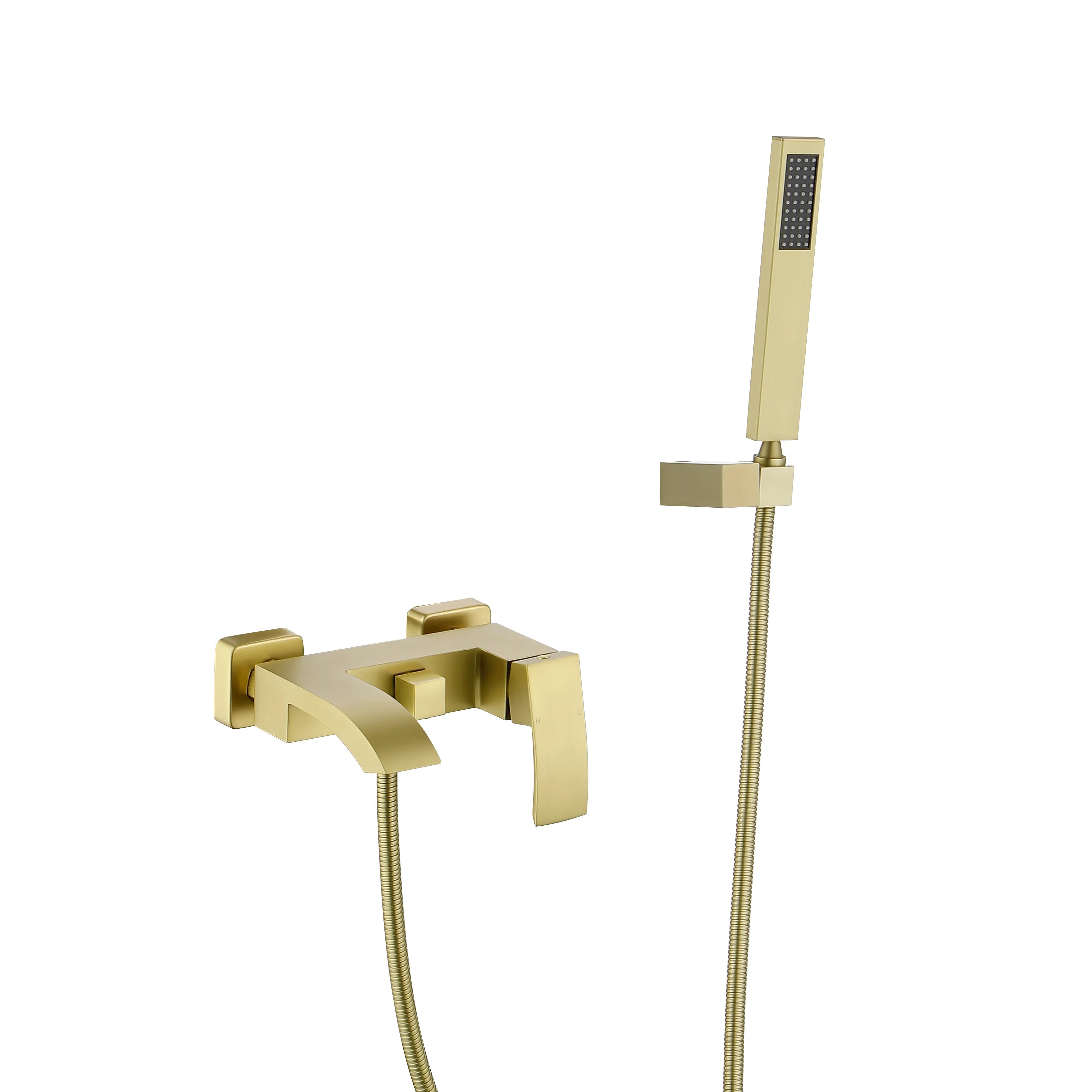
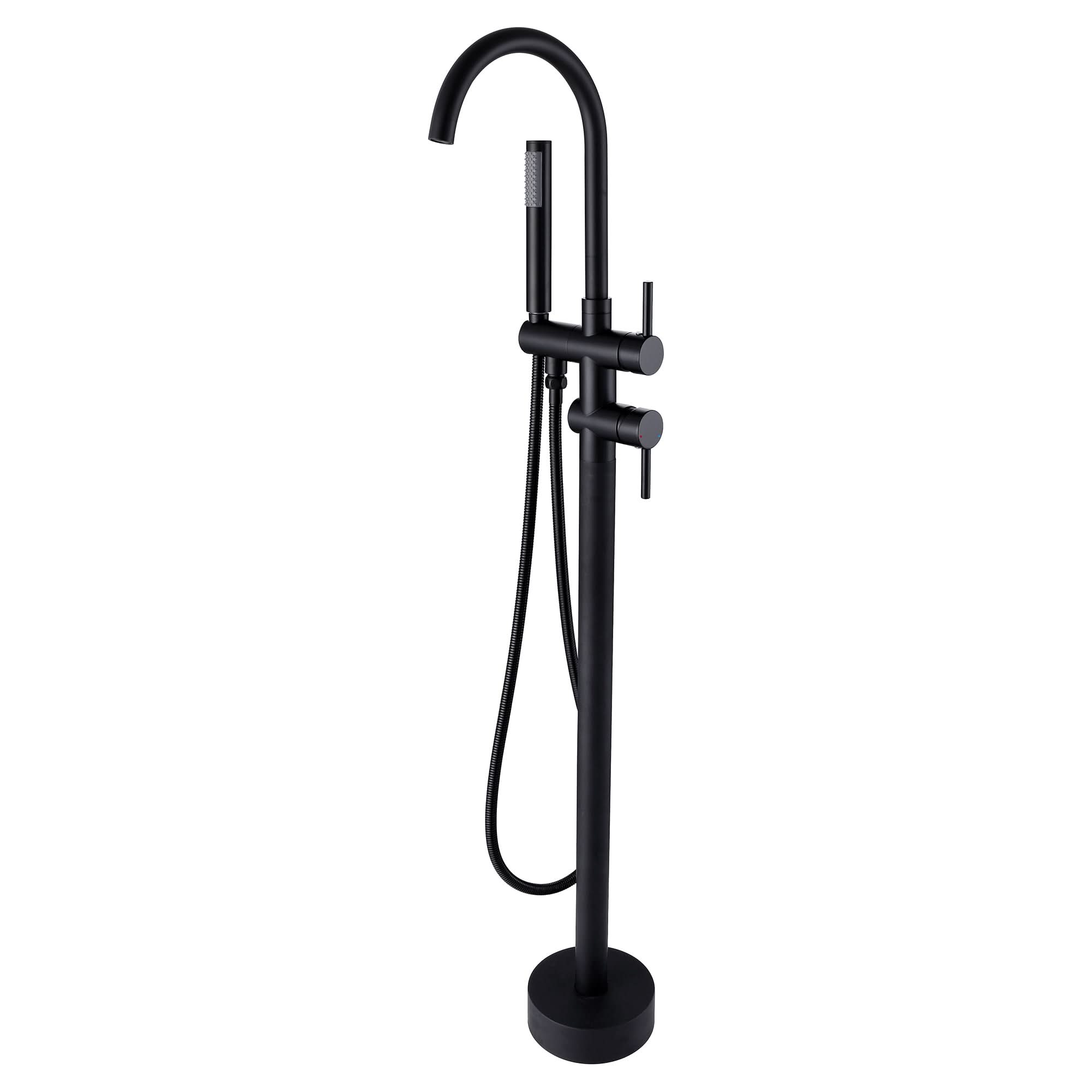
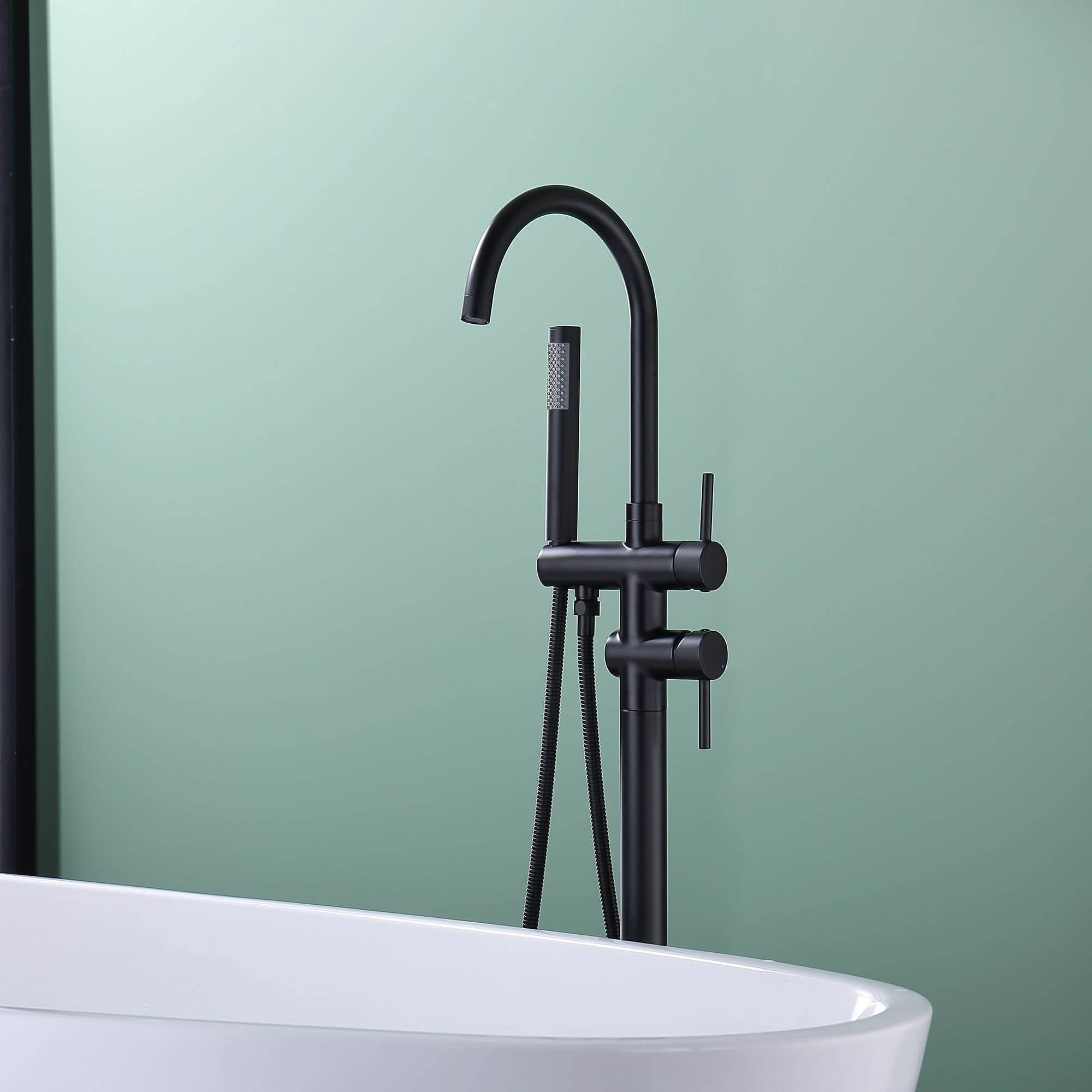
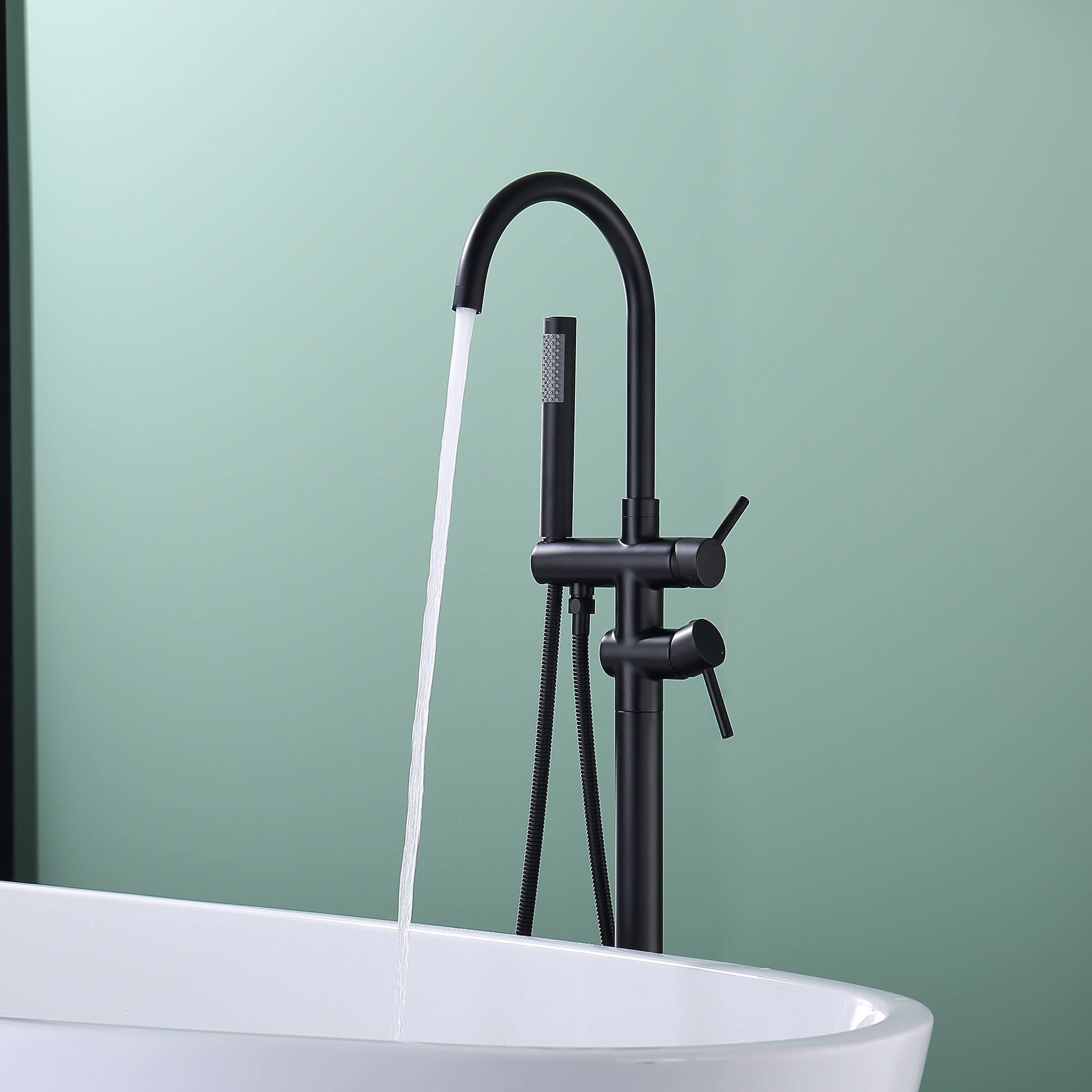
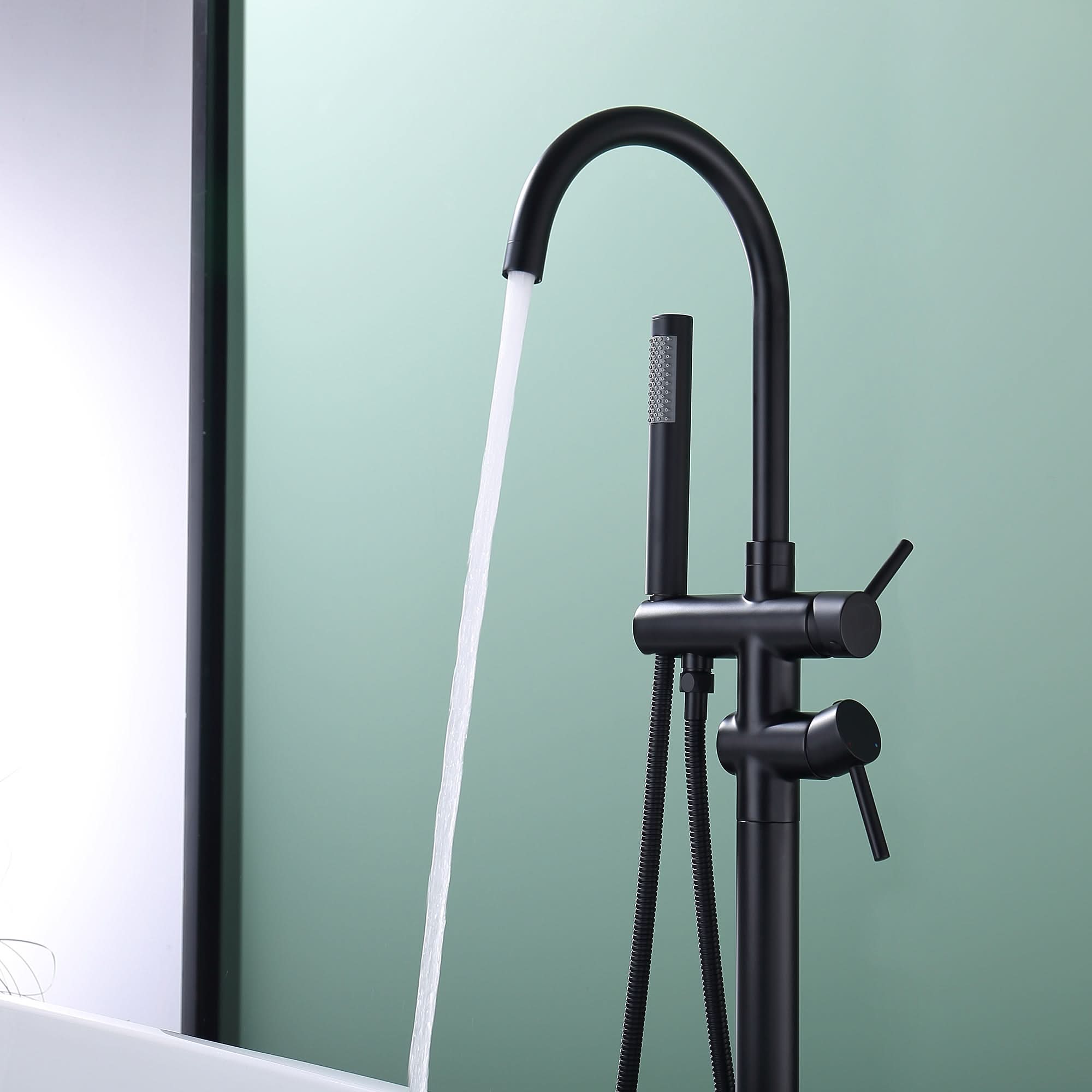
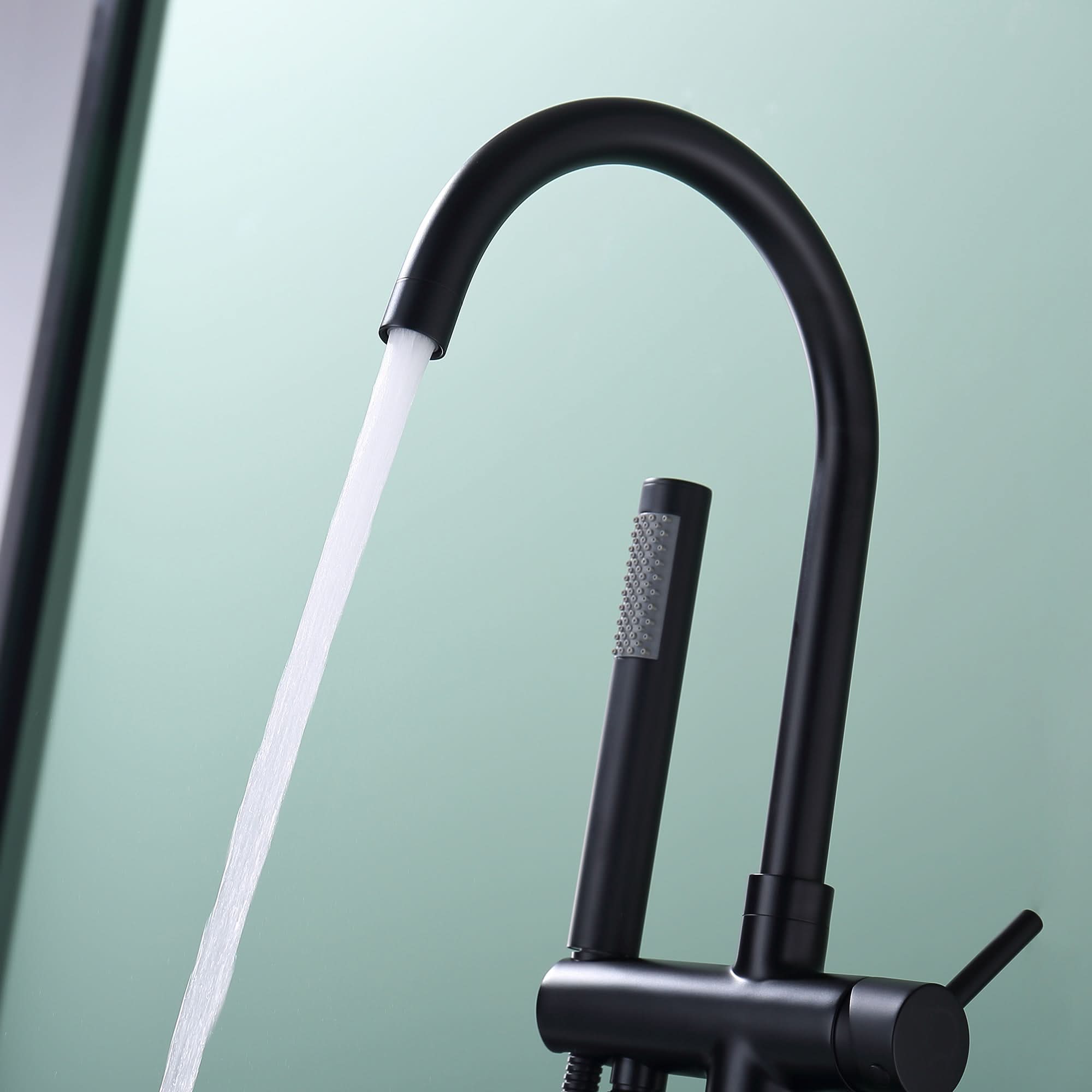
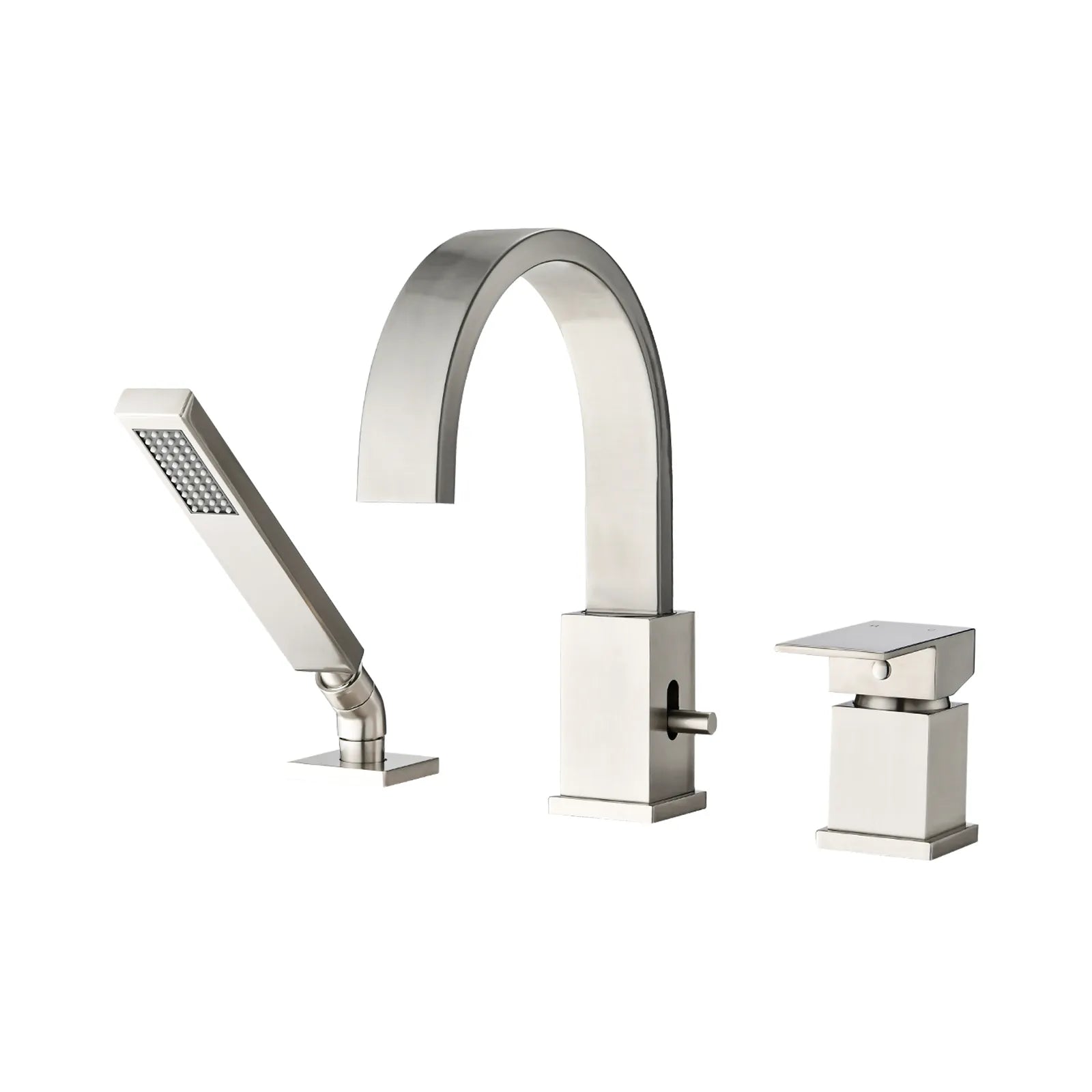
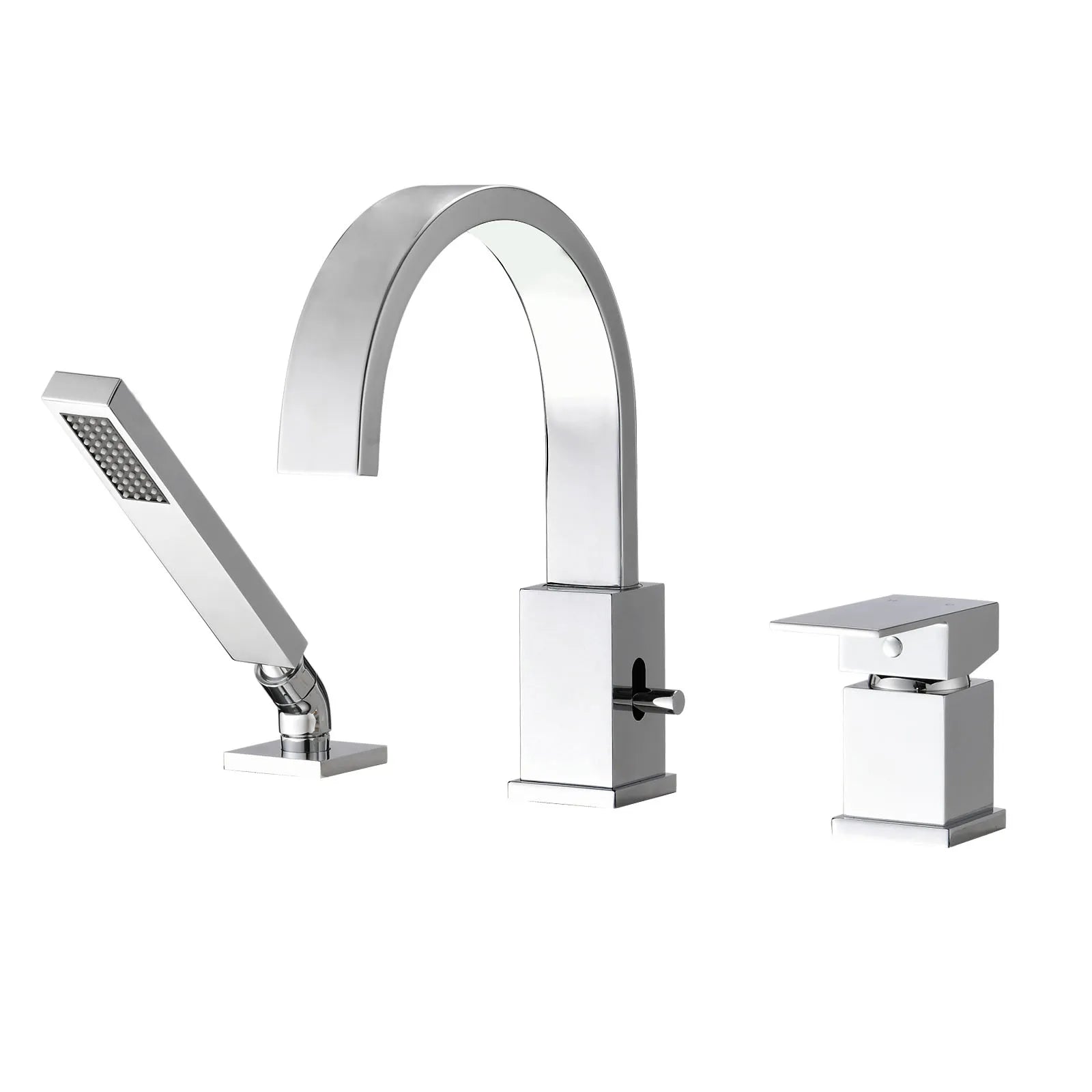
One helpful addition is a bathtub faucet with a hand shower attachment. A hand-held shower allows parents to control water flow more precisely, making it easier to rinse shampoo and soap without splashing water onto a baby’s face. Gentle, adjustable water pressure can also feel more soothing, especially for babies who are sensitive to sudden streams of water.
Non-slip bath mats are another simple but effective accessory. Placed inside the tub, they help reduce movement and provide extra stability, which can be especially useful when a baby begins to sit more independently.
Using super soft washcloths and baby-friendly bath products will also help. Gentle materials and some soft, low water flow will keep babies calm and entertained.
Conclusion
Bath time with a baby can feel challenging at first, but with the right approach and setup, it can become a calm and enjoyable part of your daily routine. Infant bath seats are often used to provide added support and stability during certain stages of a baby’s development, helping parents feel more confident while bathing their little ones. Safety practices, proper supervision, comfort-focused design, and thoughtful accessories all work together to create a smoother routine. Elements such as controlled water flow, adequate space, non-slip surfaces, and gentle materials can make a meaningful difference for both babies and parents.
Q1. Is an infant bath seat safe to use?
Babies should always be kept within arm’s reach during bath time, and bath seats should be used according to the manufacturer’s guidelines to ensure proper fit and stability.
Q2. At what age can a baby use an infant bath seat?
Q3. Do I need an infant bath seat to bathe my baby?
Q4. How can I make bath time more comfortable for my baby?
Q5. How often should I clean an infant bath seat?
Related Articles
Transform Your Bath Time: How to Style and Use a Bath Tray Caddy for Ultimate Relaxation
Are You Using the Right Bath Salts? A Guide to Choosing the Perfect Blend for Your Needs