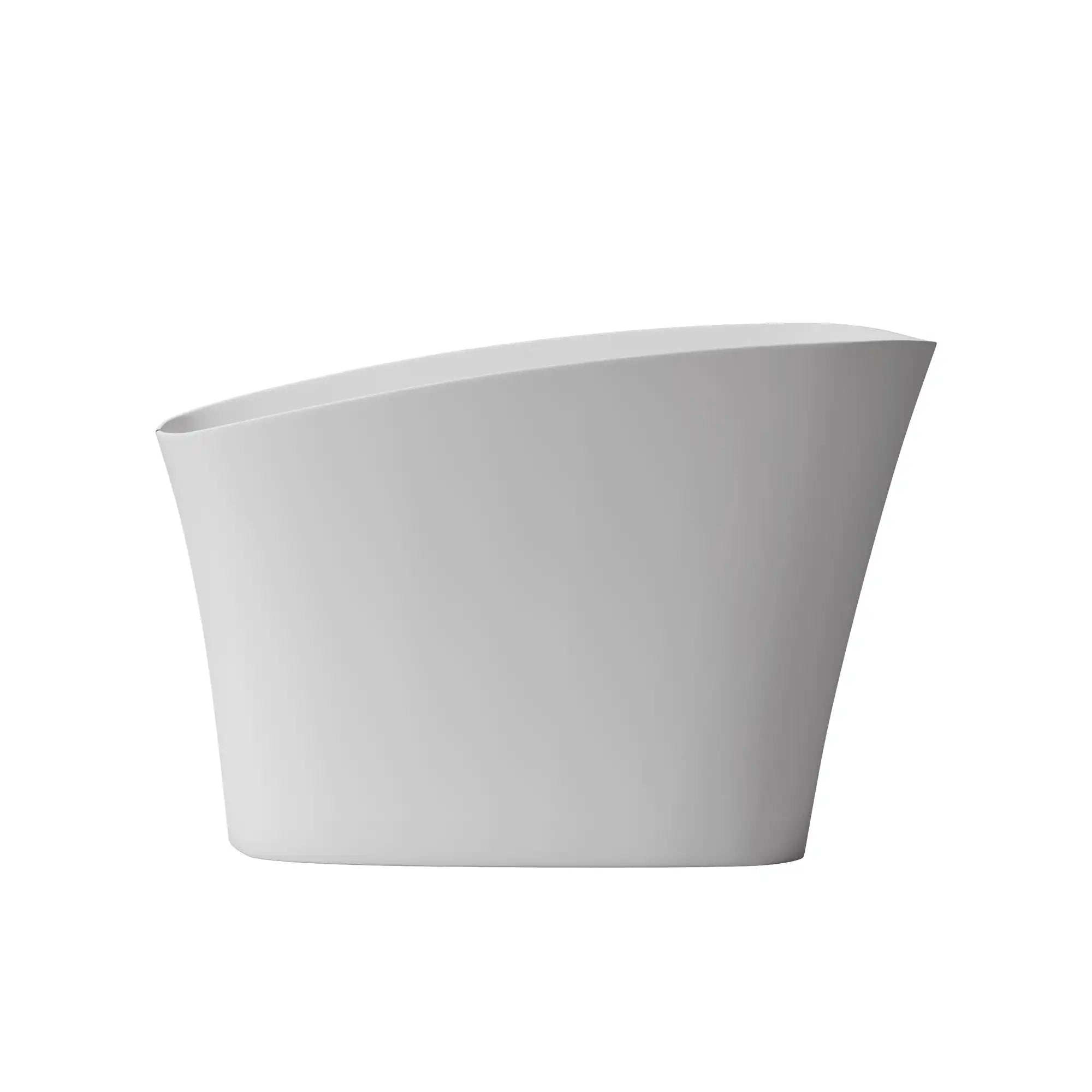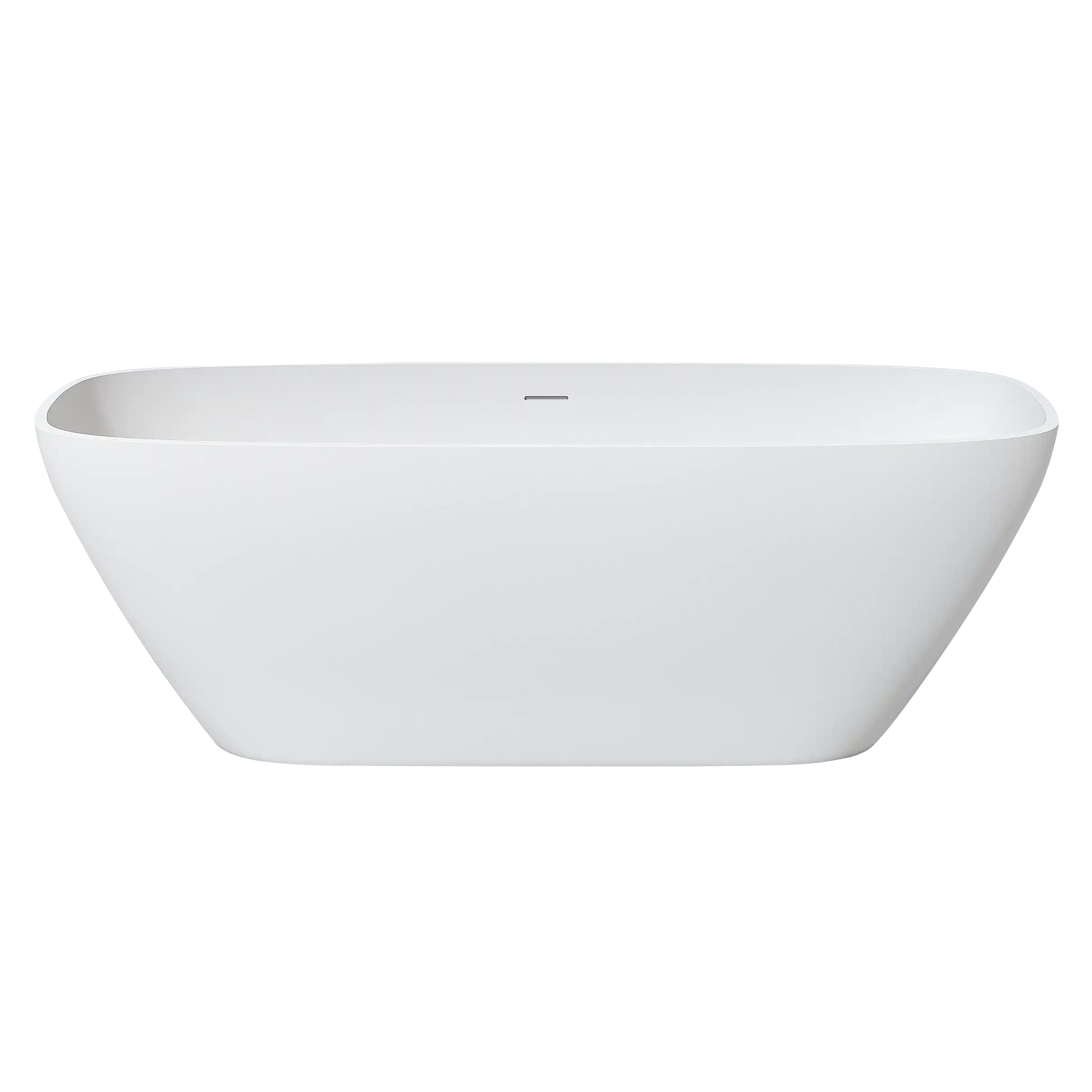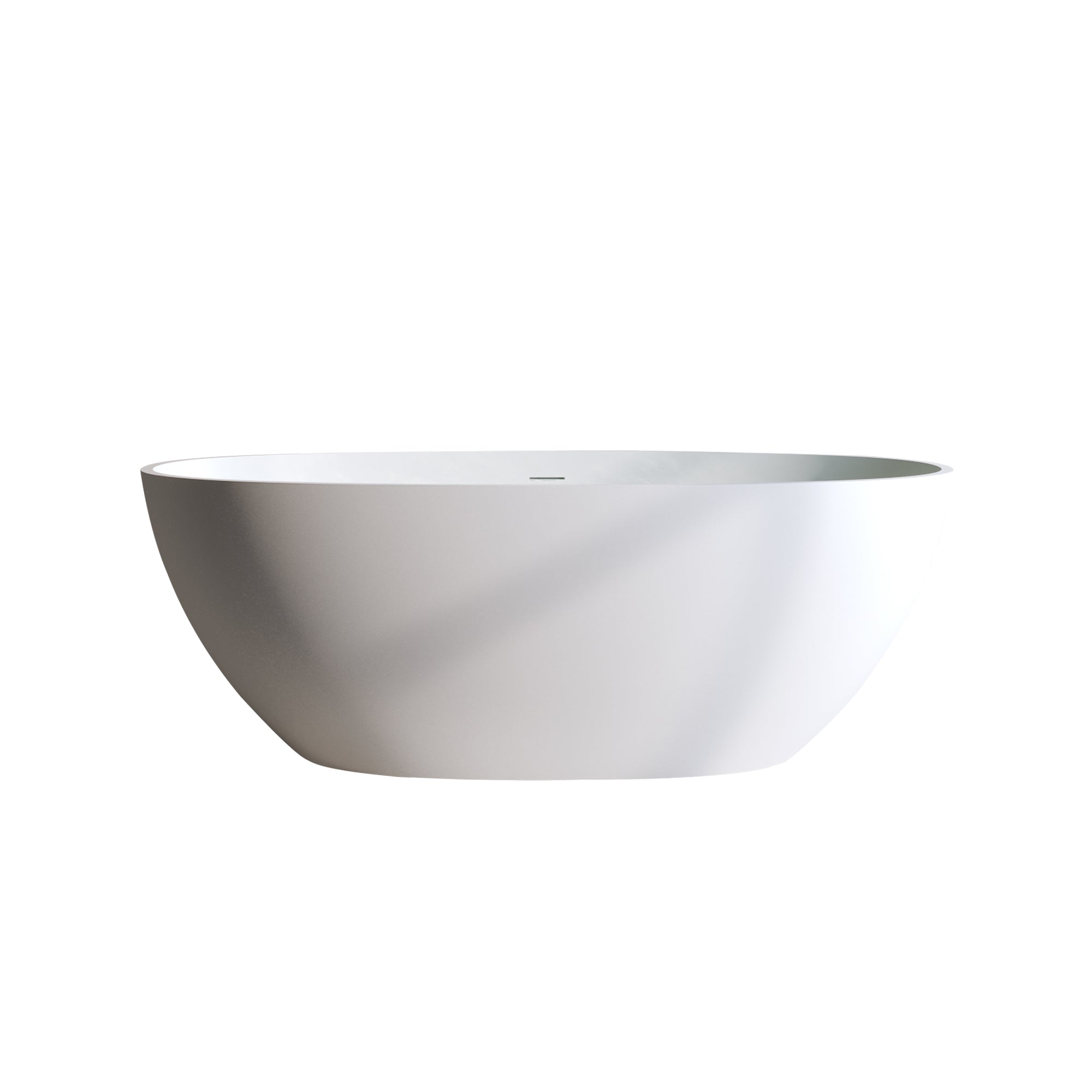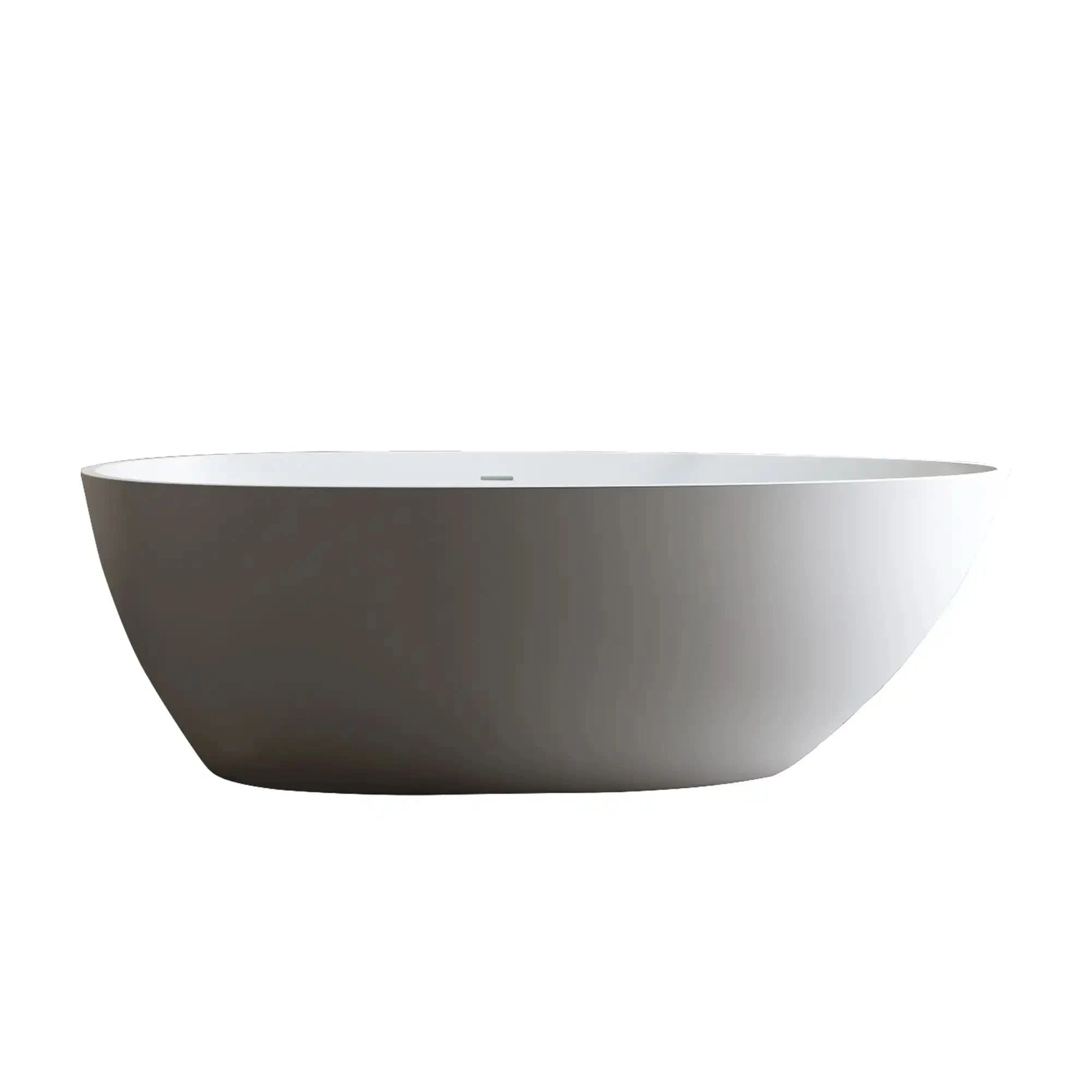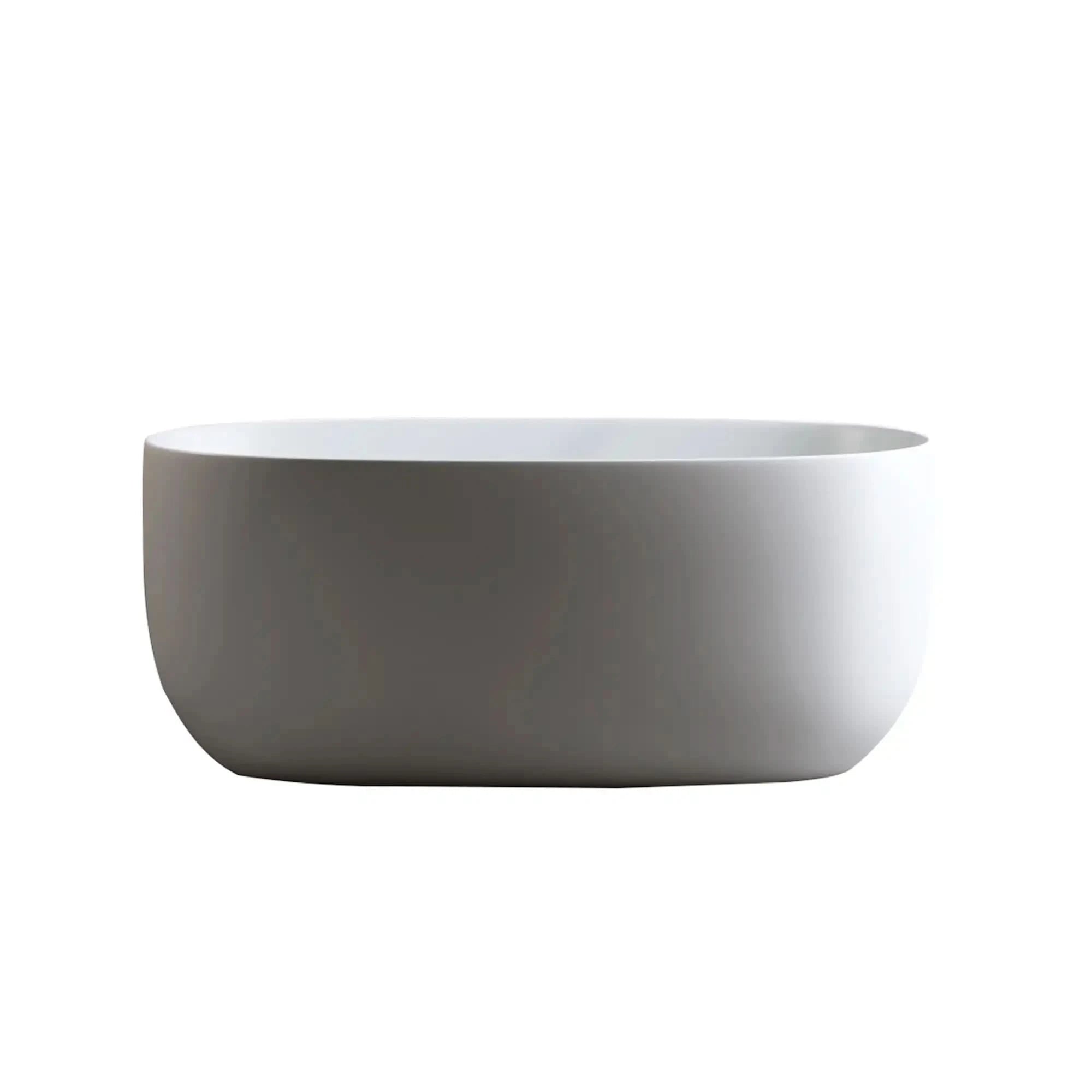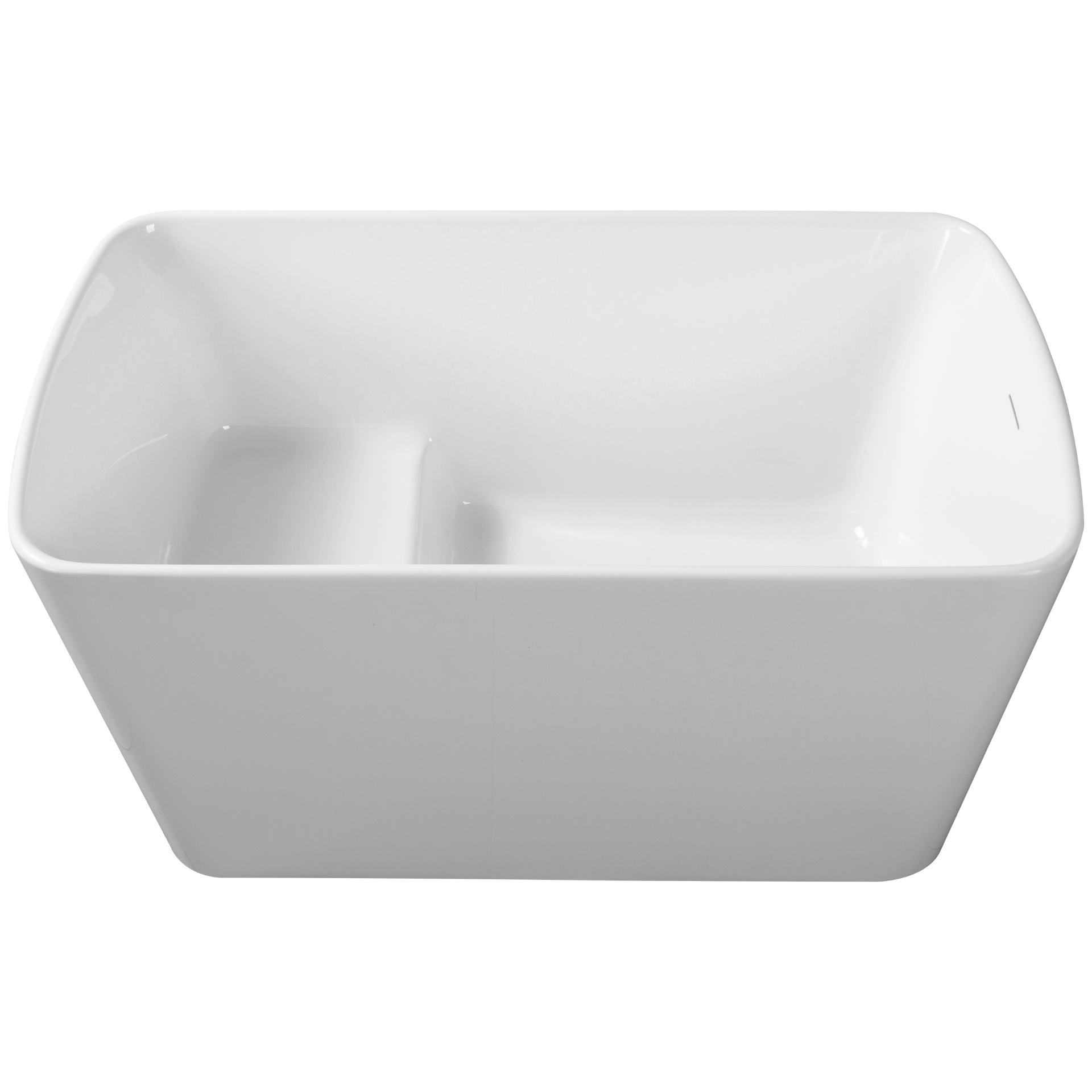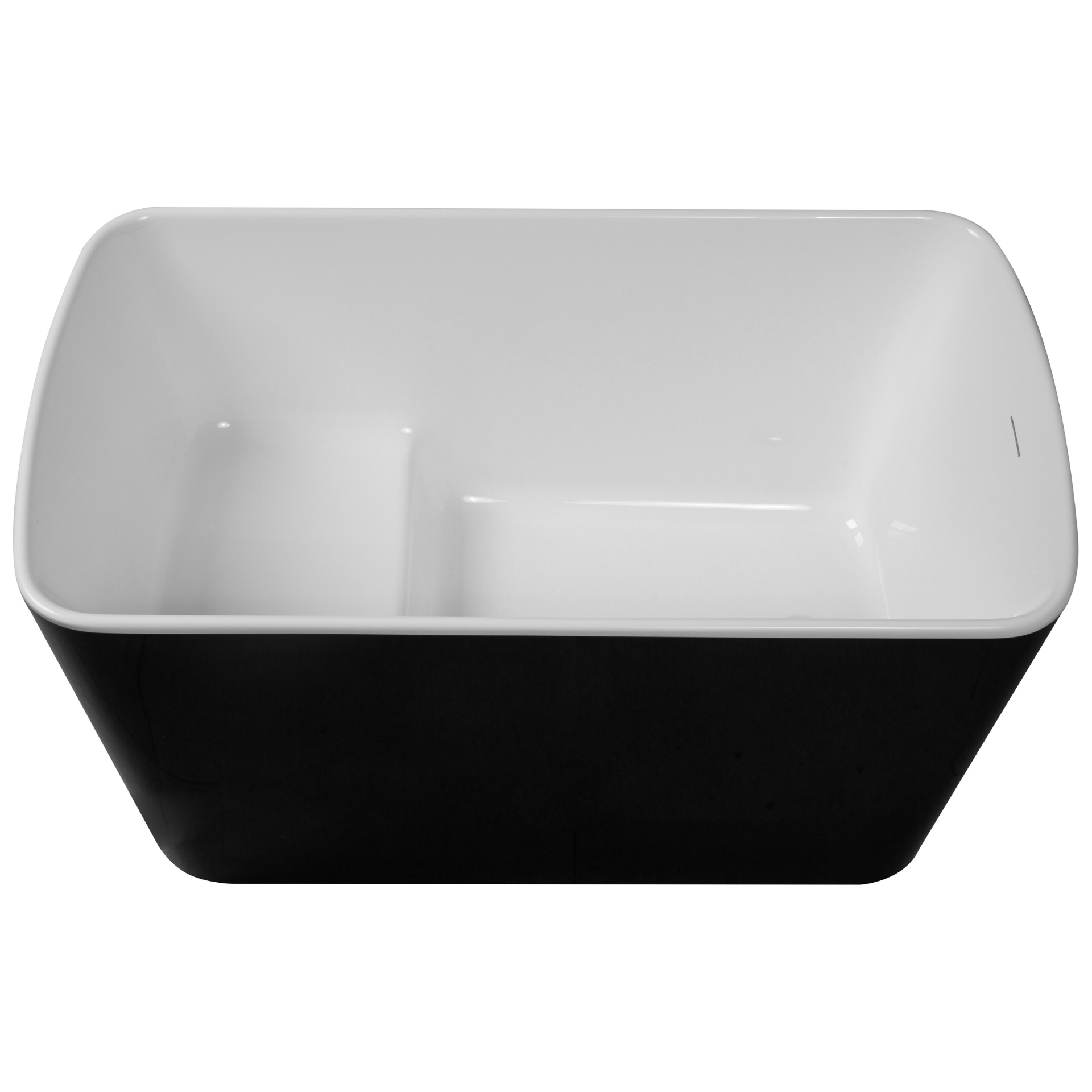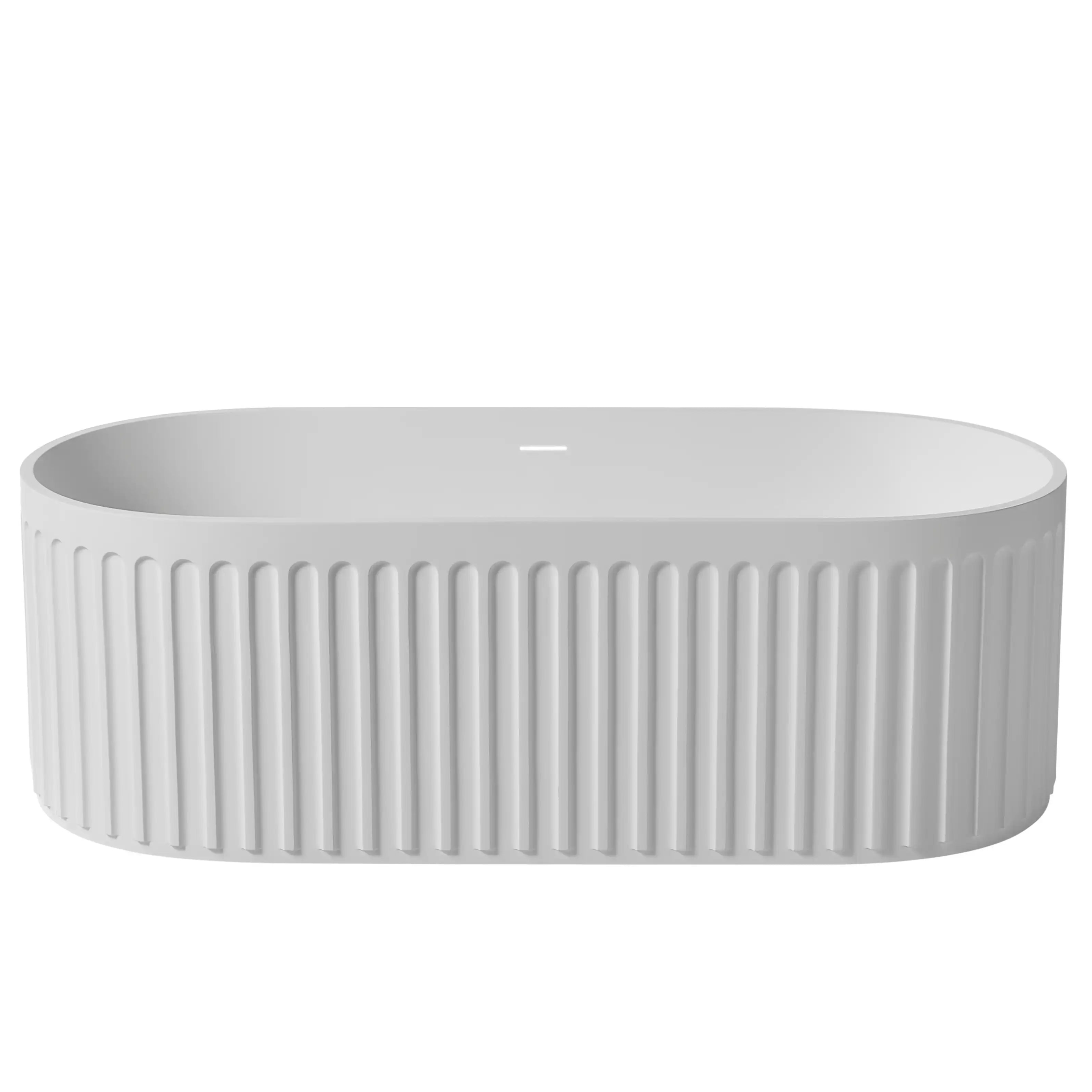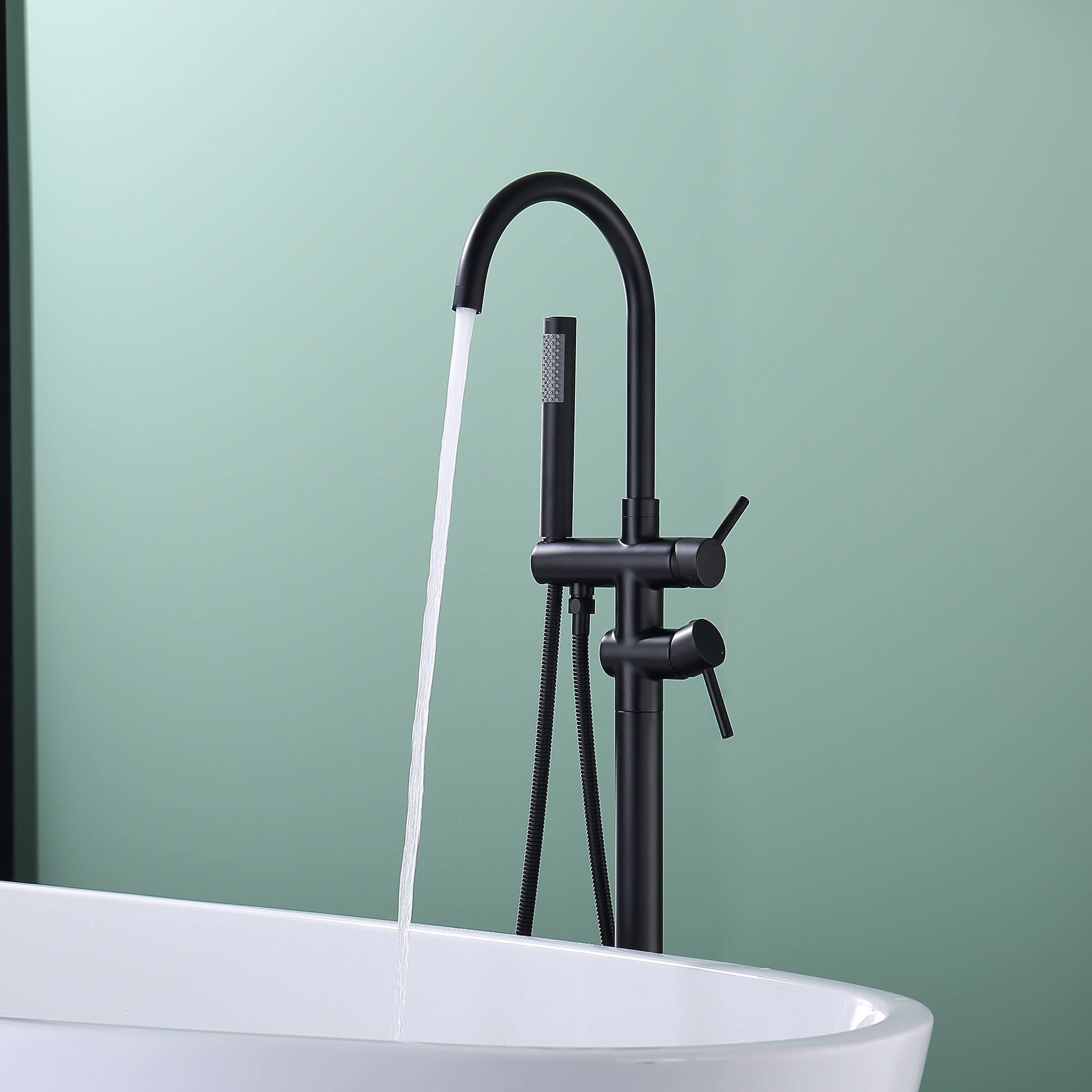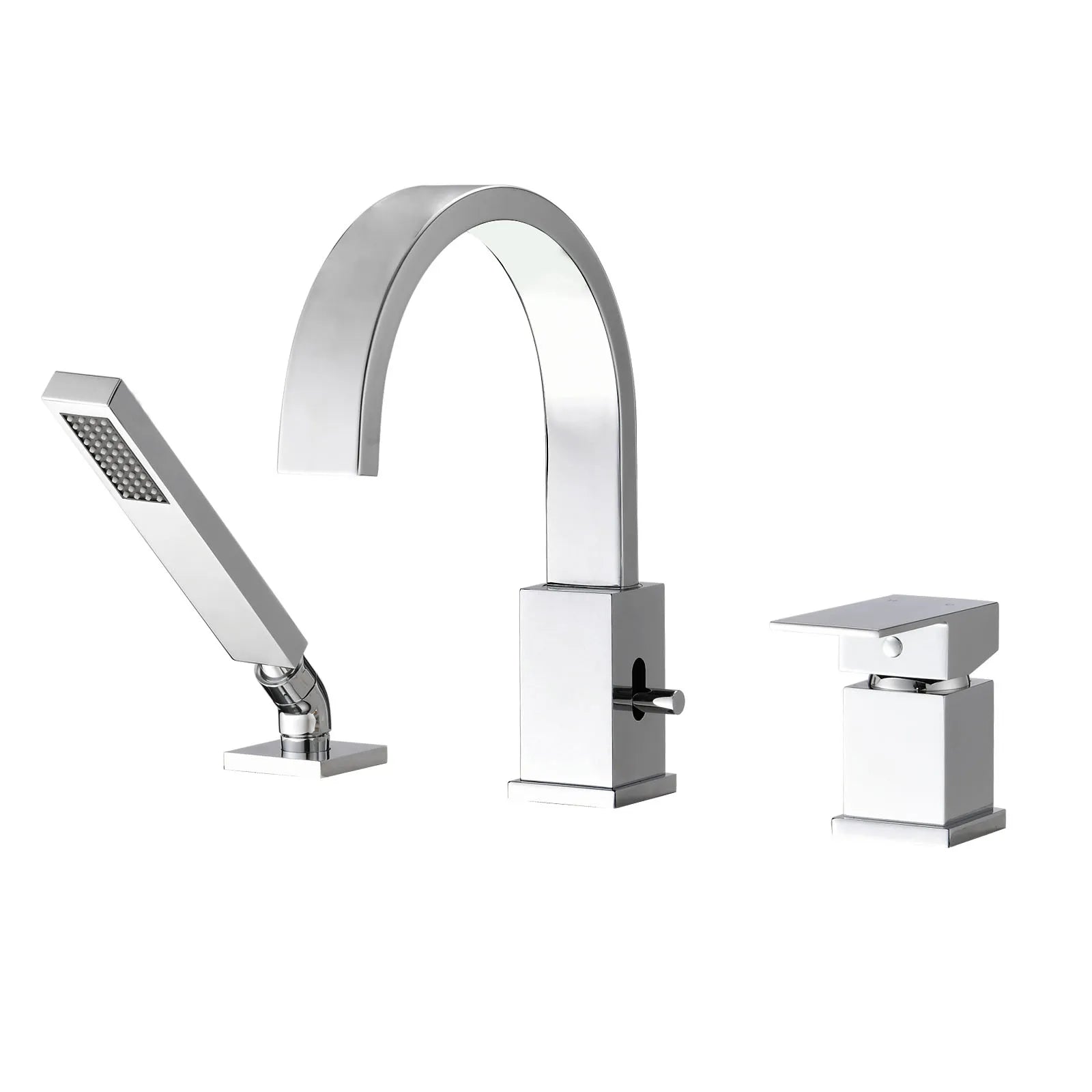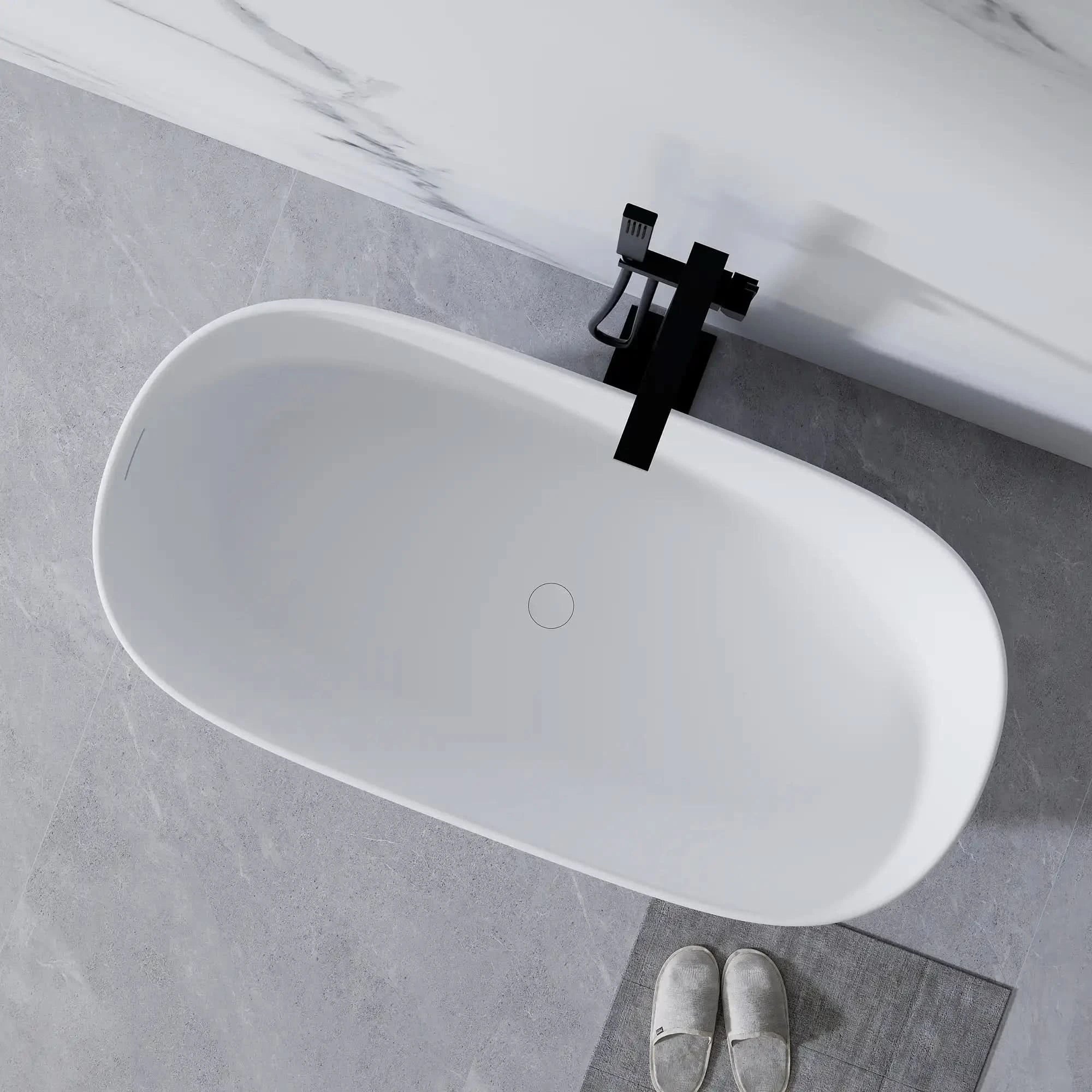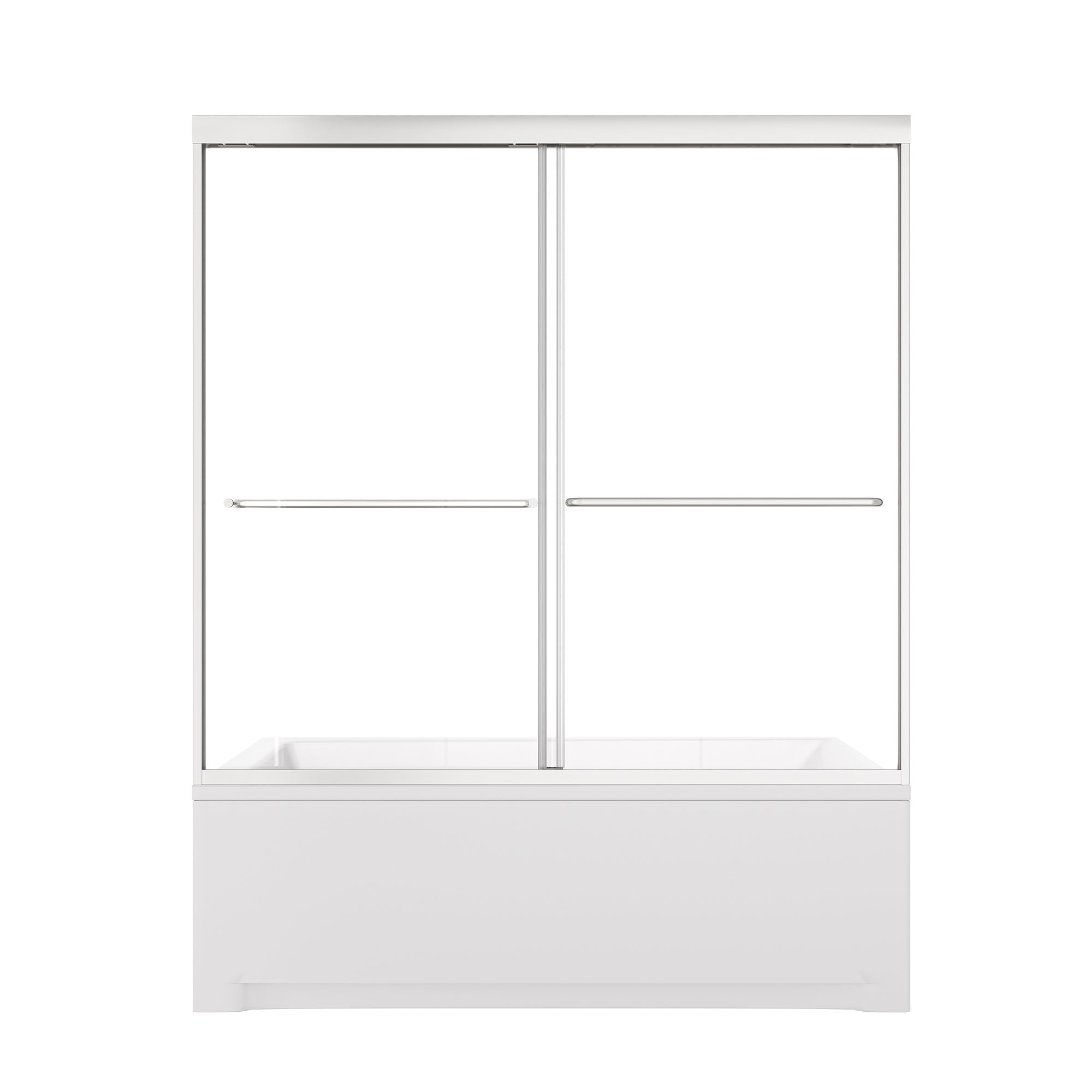


Choosing the Right Bathtub Starts With Accurate Measurements
The right bathtub sets the tone for the whole bathroom. Too generous in scale, and it can overwhelm the room, complicate installation and interrupt the natural flow of the space. Too modest, and it may compromise comfort, soaking depth and the quiet sense of ease that makes bathing feel truly restorative.
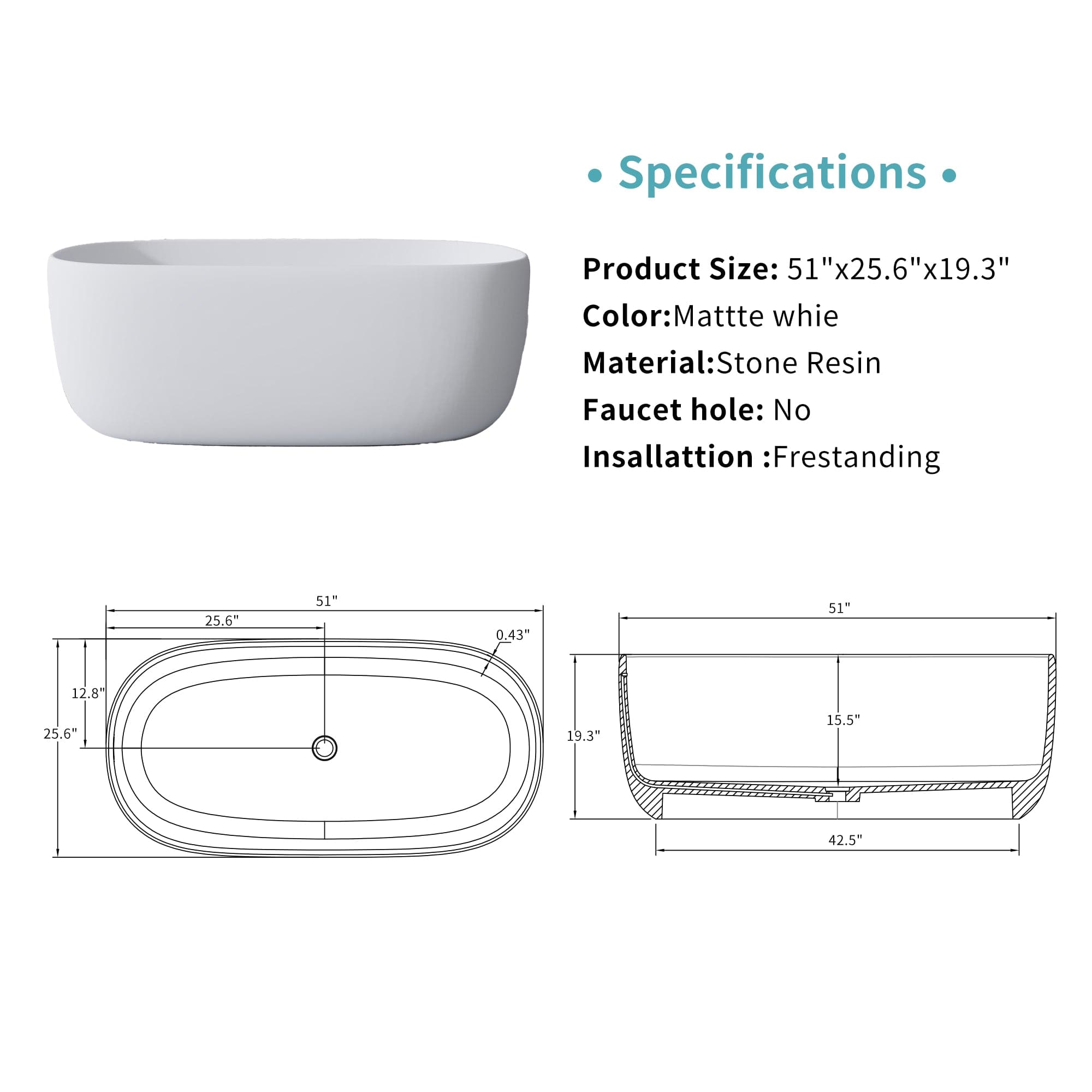
That is why accurate measurement is the essential first step. A bathtub’s exterior dimensions — length, width and height — define its footprint, determine how comfortably it will sit within the room, and reveal whether it can pass through doorways, hallways and installation access points with ease.
Yet the outer form is only part of the story. Interior space, soaking depth and ergonomic shaping all influence how the bath feels once in use. A tub may fit beautifully on paper, but its true comfort is found in the way it supports the body, holds water and creates a sense of generous relaxation within the available space.
This guide explores the key measurements to consider, from overall footprint and inner bathing area to drain position and installation clearances. Together, these details help you choose a bathtub that not only belongs naturally within your bathroom, but also responds to the way you bathe, unwind and experience the space every day.
Table of Contents:
- Primary Dimensions: Length and Width
- Tub Height and Soaking Depth
- Interior Measurements and Ergonomic Design
- Additional Tub Measurements That Matter
- How to Measure Your Bathroom Correctly
- Real-Life Scenarios: Matching Tub Measurements to Lifestyle Needs
- Making an Informed Bathtub Selection
- Key Questions Homeowners Often Ask
- More Articles About Bathtub
Primary Dimensions: Length and Width
When considering bathtub measurements, length and width provide the foundation for every decision that follows. These two dimensions define the tub’s overall footprint, measured at its longest and widest points, and shape the way it will sit within the room.
Together, they determine whether the bath can be comfortably accommodated within the available layout, whether it allows for natural movement around the space, and whether its proportions feel balanced rather than forced. For this reason, length and width are often the first measurements to establish before exploring style, depth or installation type.
Common Tub Length and Width Ranges
Different bathtub styles follow their own established proportions, each responding to a particular kind of space, installation method and bathing experience.

Alcove Tubs
Compact, practical and quietly efficient, alcove tubs are typically 54–60 inches long and 30–32 inches wide. Designed to sit neatly between three walls, they bring a sense of order to small and mid-size bathrooms where every inch must be carefully considered. Their enclosed setting makes them especially well suited to tub-shower combinations, offering a familiar and highly functional solution without overwhelming the room. With their balanced proportions and space-conscious form, alcove tubs remain one of the most dependable choices for everyday bathing.

Freestanding Tubs
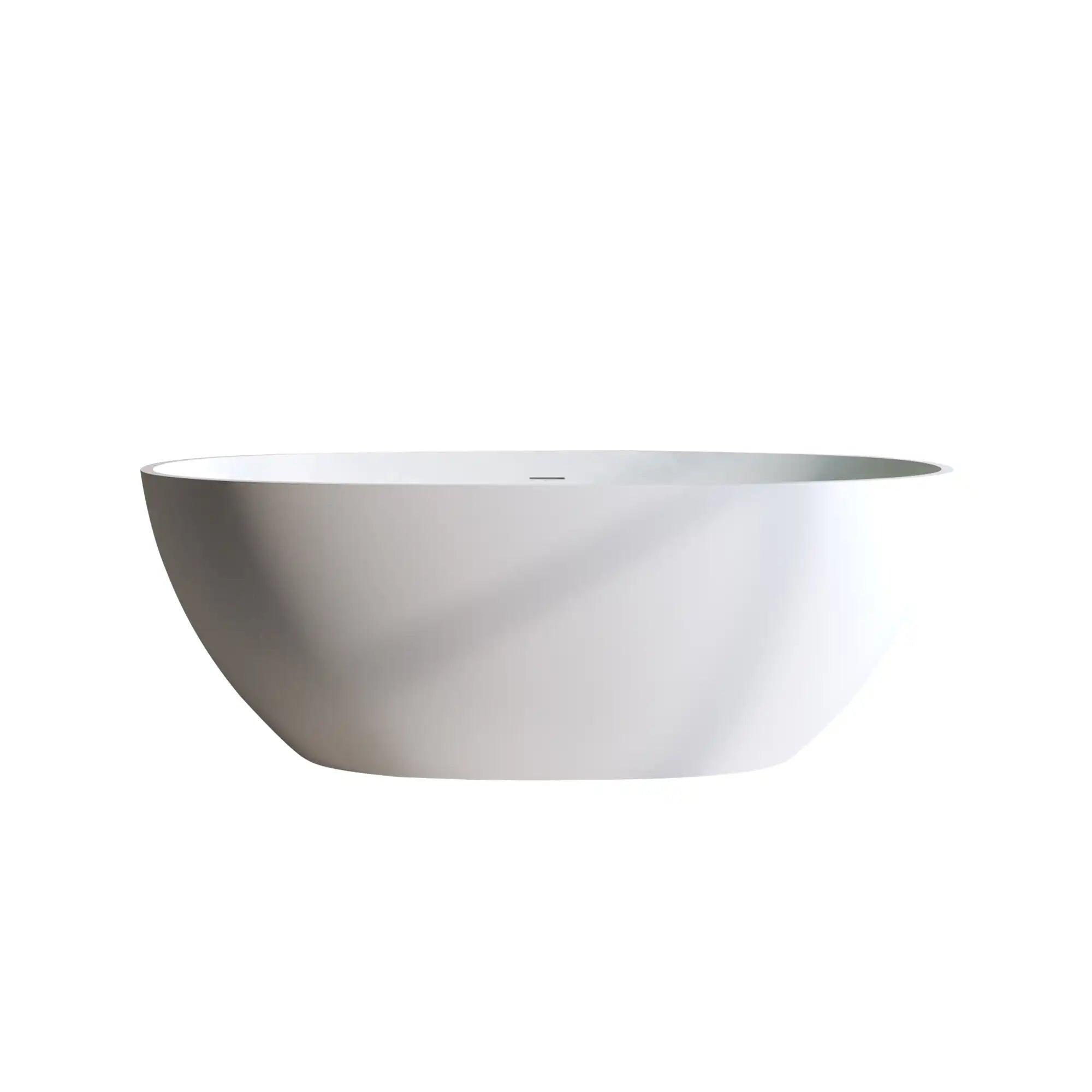
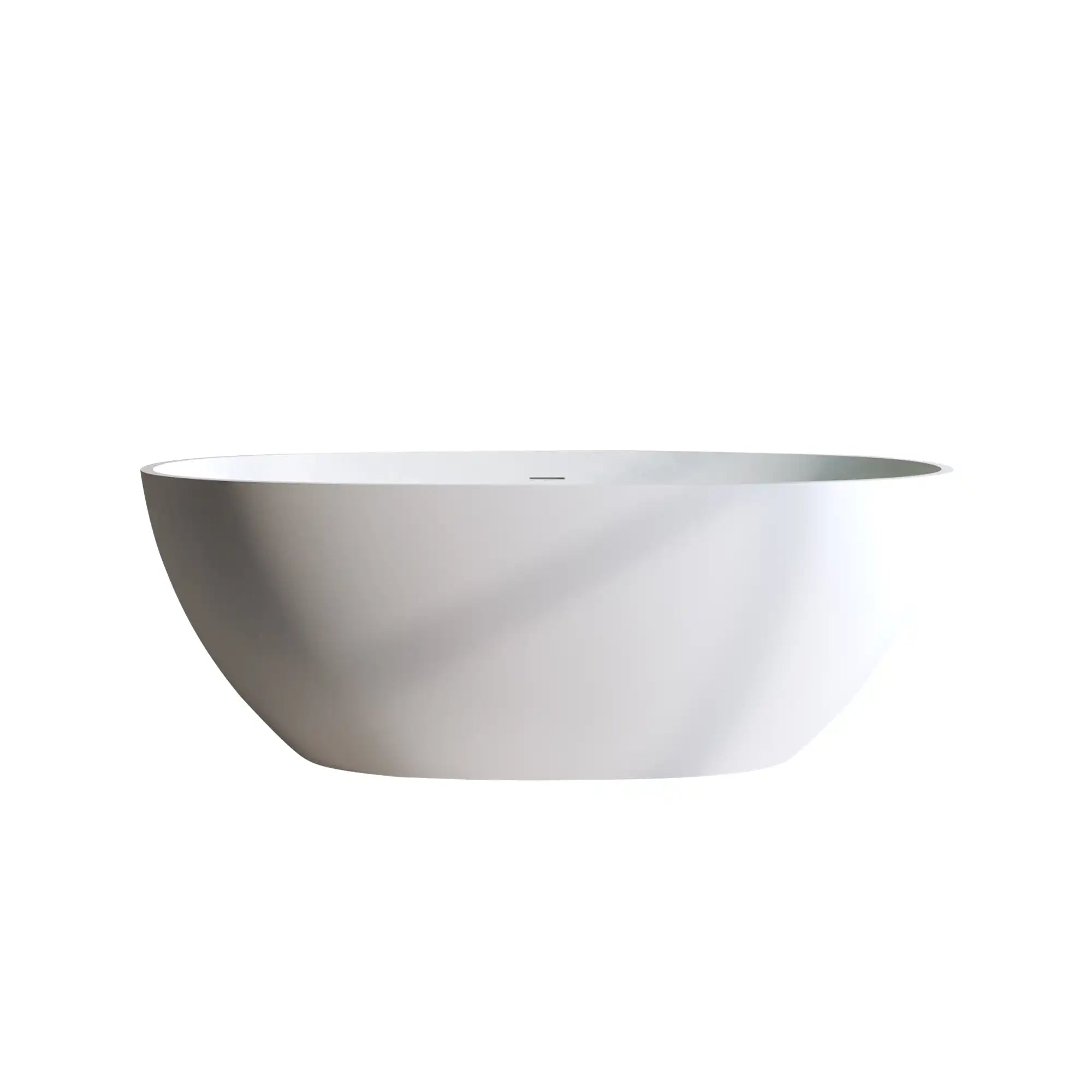
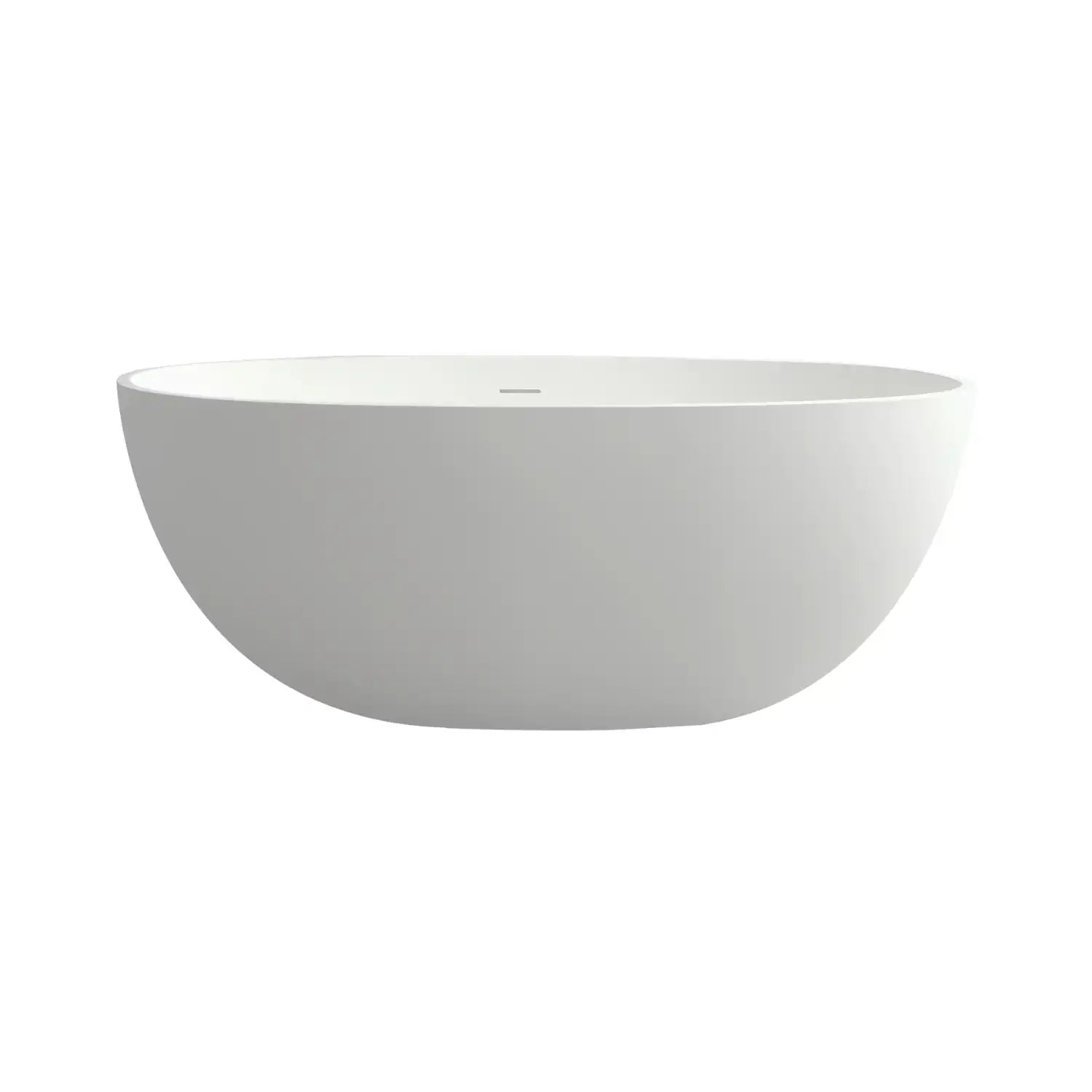
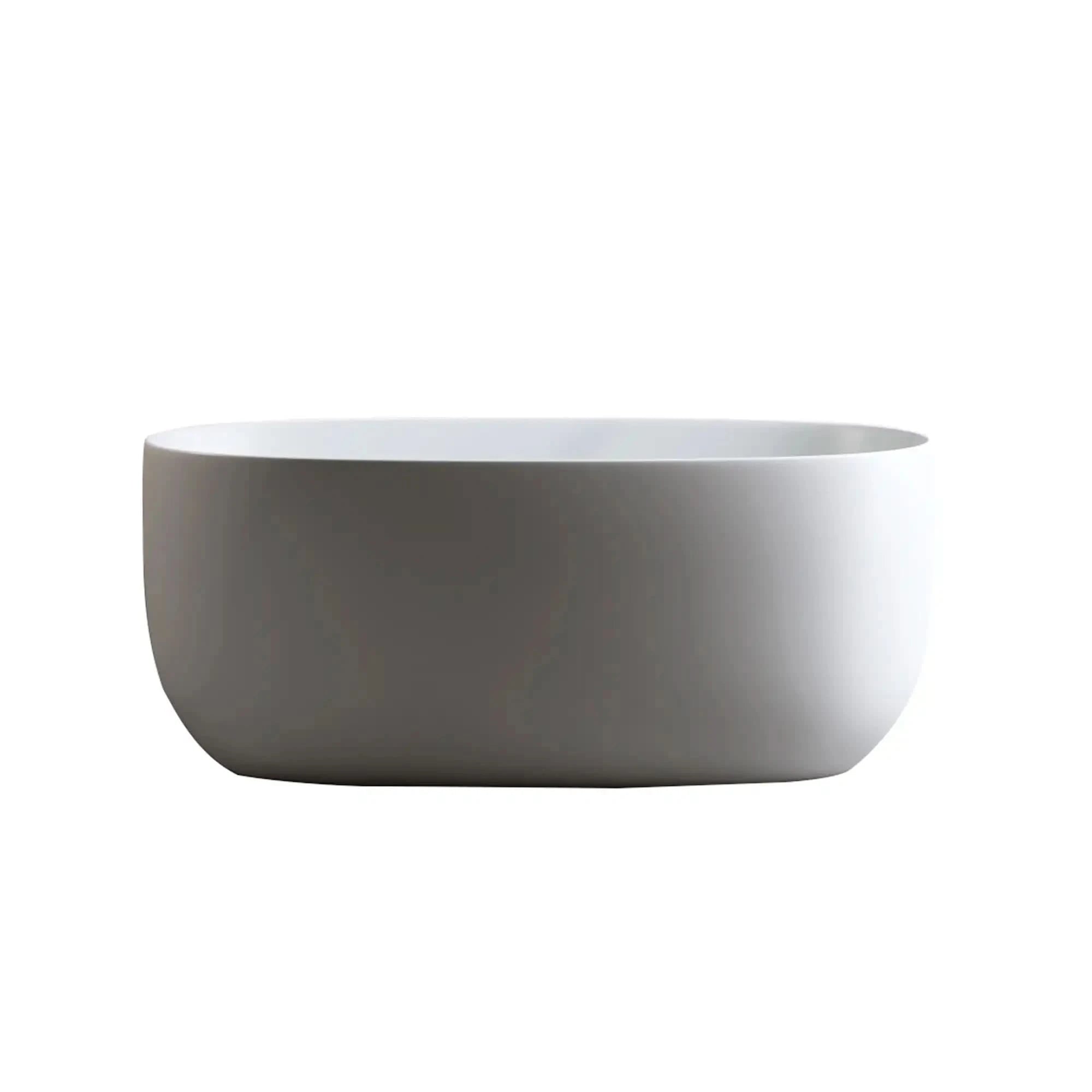
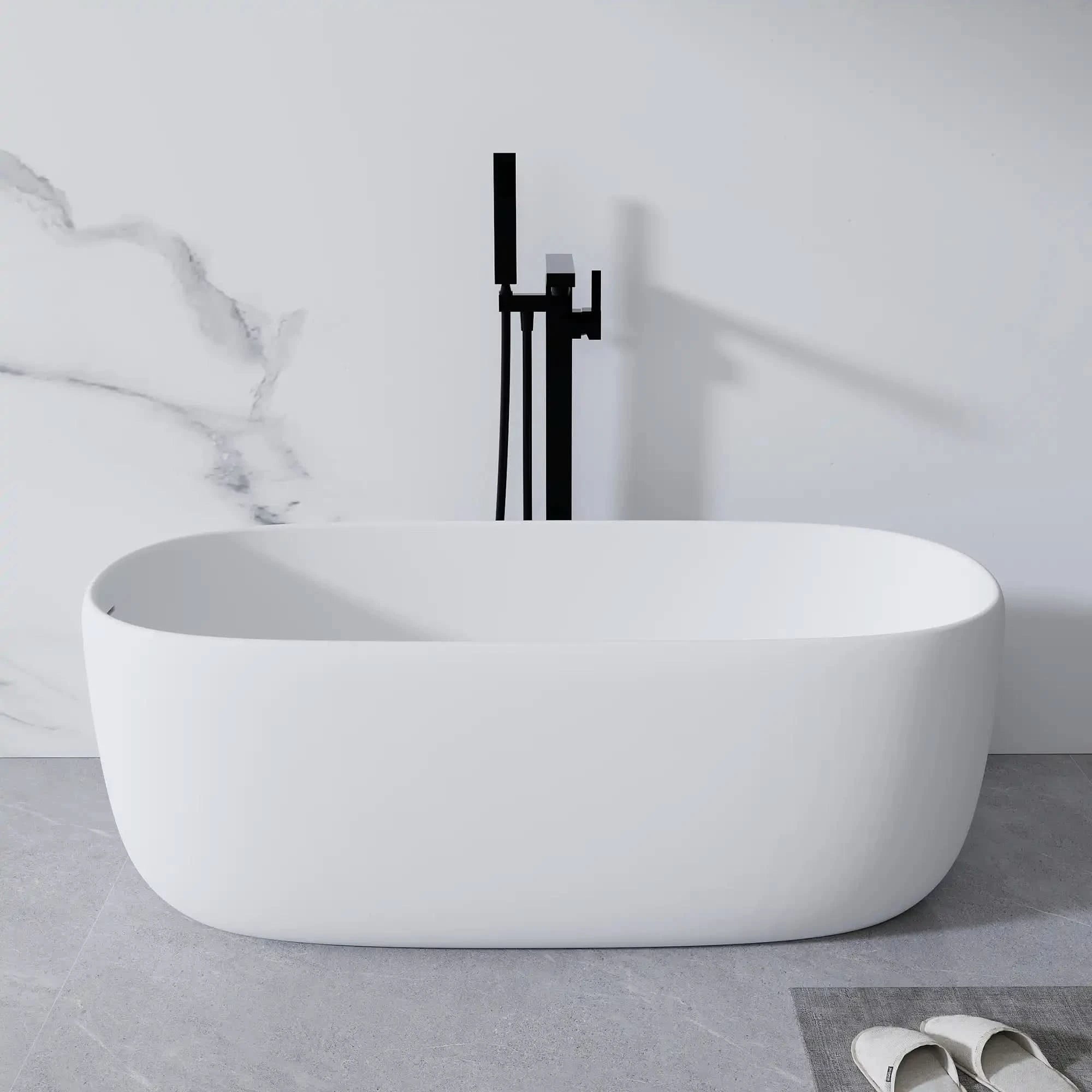
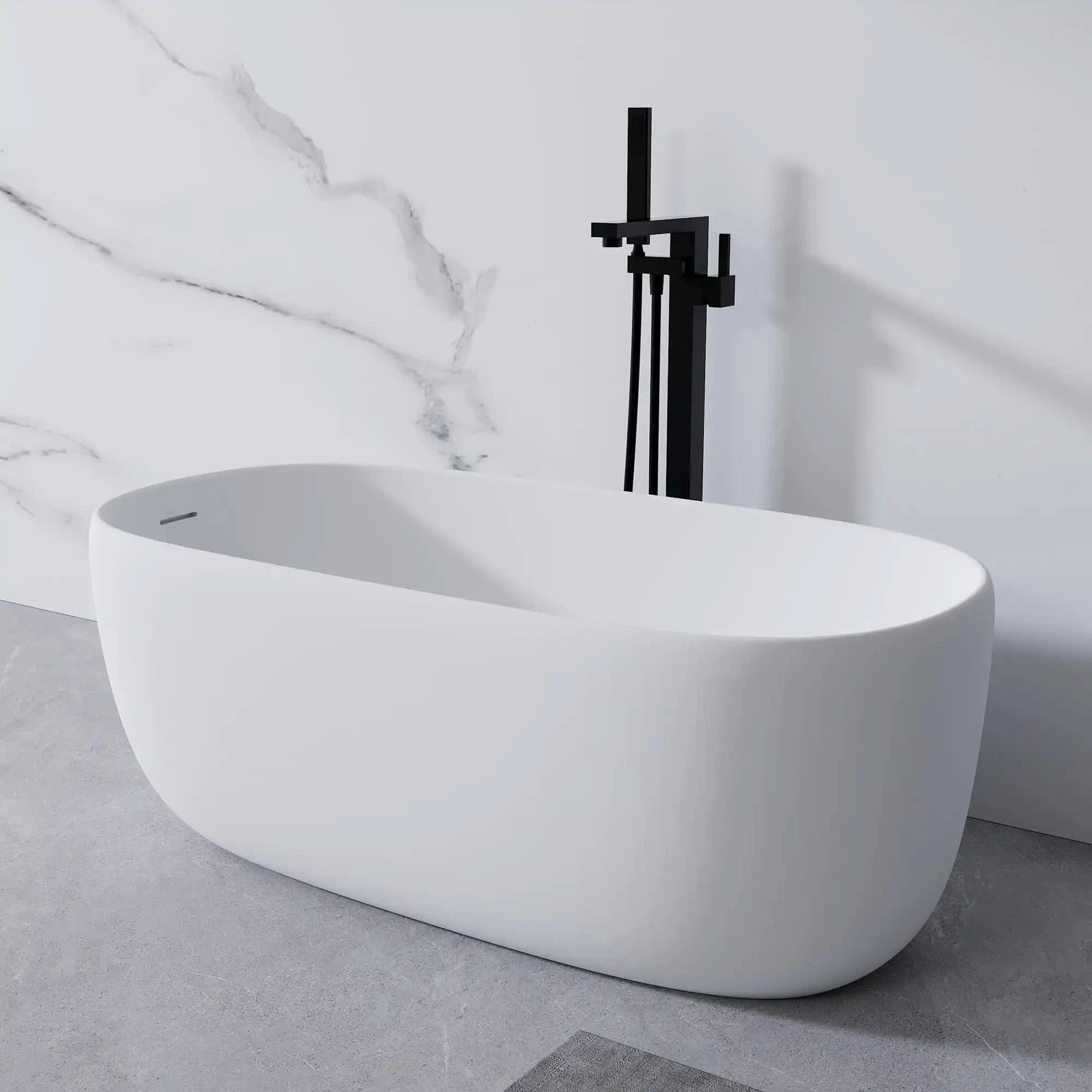
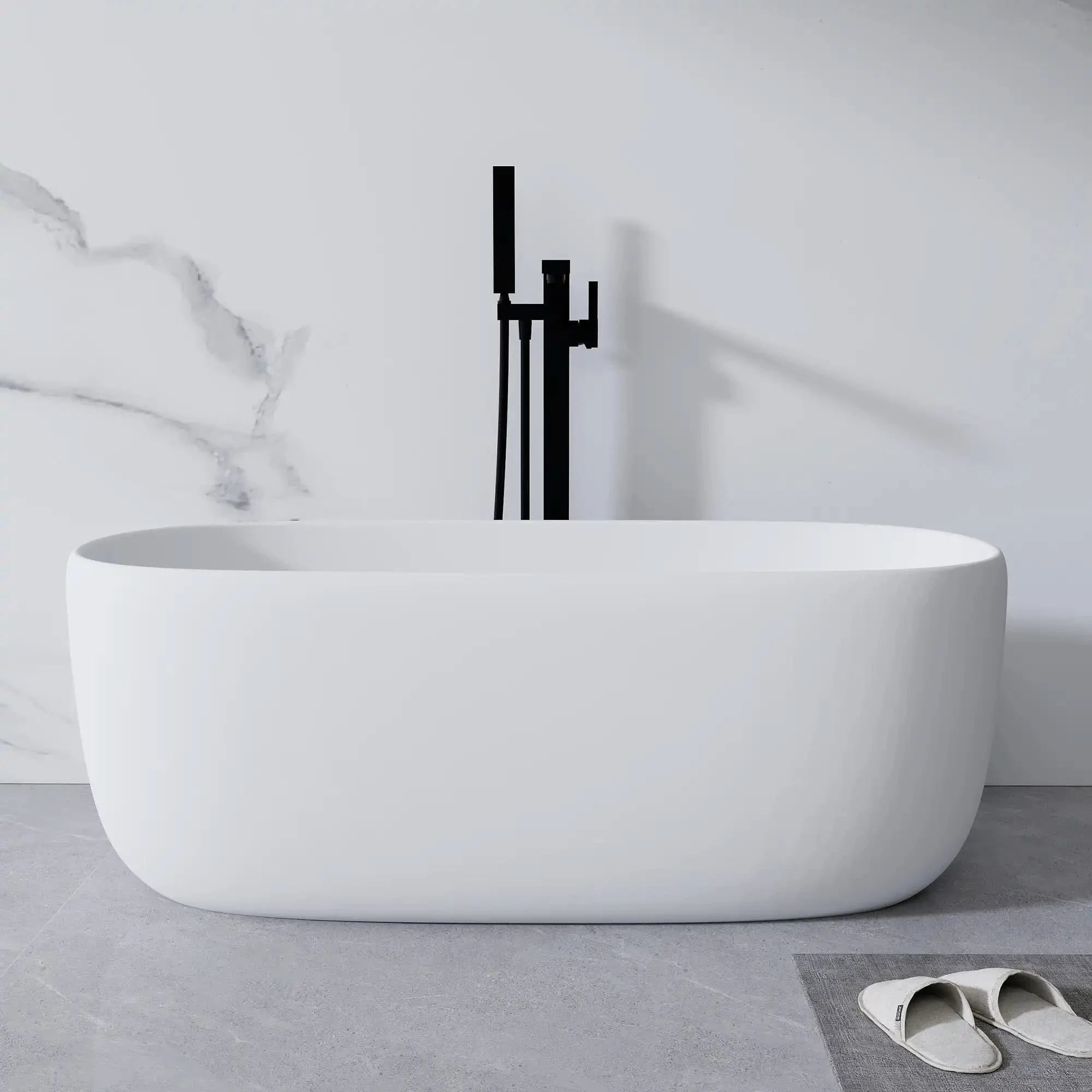
More sculptural in presence, freestanding tubs are commonly 55–72 inches long and 28–35 inches wide. Unlike built-in designs, they are intended to be seen from all sides, allowing their silhouette, material and finish to become part of the room’s visual composition. Their form benefits from open space around the bath, creating a sense of ease while also supporting comfortable access for cleaning, installation and daily use. In the right setting, a freestanding tub can act as a quiet focal point, bringing softness, proportion and a more considered sense of luxury to the bathroom.

Ofuro Japanese Soaking Tubs
Shorter in length but deeper in character, Ofuro tubs are often 40–48 inches long and 30–40 inches wide. Rather than encouraging a reclined bathing position, their proportions are designed for a more upright, immersive soak, allowing the body to be surrounded by water within a compact footprint. This makes them particularly valuable in smaller rooms where depth can create comfort without requiring additional length. Calm, contained and restorative, an Ofuro tub offers a bathing experience shaped less by scale and more by stillness, warmth and quiet enclosure.
Identifying the available length and width of your bathroom is the first step in understanding which bathtub category the space can naturally support. With these measurements in place, it becomes easier to choose a bath that feels considered, proportionate and quietly at home within the room.
Tub Height and Soaking Depth
While length and width define the bathtub’s footprint, height shapes the experience within it. It influences how easily the bath can be entered, how securely it can be used and how deeply the body is surrounded by water.
A lower profile can feel open and accessible, supporting the practical rhythm of everyday bathing. A taller form creates a greater sense of enclosure, allowing the water to rise higher around the body and offering a more immersive, restorative soak. For this reason, tub height is not simply an exterior measurement, but an important expression of how the bath is intended to be used.
Typical Heights by Tub Type
Each bathtub style follows its own characteristic height, responding to a different balance of accessibility, comfort and immersion.

Alcove Tubs
Low in profile and quietly practical, alcove tubs are usually 14–20 inches high. Their modest threshold makes stepping in and out feel more natural, particularly in bathrooms where the bath also serves as a daily shower. This accessible form is well suited to family spaces, offering greater ease for children and a familiar sense of security for regular use. Although their shallower proportions provide less immersion than deeper specialist designs, alcove tubs create a comfortable balance between bathing, showering and everyday convenience.

Freestanding Tubs
More generous in height, freestanding tubs are commonly 20–24 inches high. Their deeper form allows the water to envelop more of the body, creating a bathing experience that feels calm, considered and removed from the pace of the room around it. The increased height also gives the tub a stronger sculptural presence, allowing its silhouette to become a defining element within the bathroom. This combination of visual character and deeper immersion makes freestanding tubs particularly suited to spaces designed around relaxation.

Ofuro Japanese Soaking Tubs
Deep, upright and distinctly enveloping, Ofuro tubs are often 30–34 inches high or more. Their interior proportions are designed to allow the water to rise towards the shoulders while the bather remains comfortably seated, creating a sense of warmth and quiet enclosure within a relatively compact footprint. Unlike longer baths shaped for reclining, an Ofuro encourages stillness and upright immersion. Its height is central to the experience, turning a smaller bathing area into something deeply restorative and almost meditative.
Balancing Comfort and Accessibility
Greater depth can bring a richer sense of immersion, but it also introduces a higher step into the bath. A tub that feels luxurious for one person may feel less comfortable or secure for another, particularly where balance or mobility is a consideration.
When comparing tub heights, it is important to think beyond the depth of the soak and consider the needs of everyone who will use the space. Children, older adults and those with limited mobility may benefit from a lower threshold, supportive grab bars or carefully positioned steps. The most suitable height is one that creates comfort without compromising confidence, allowing the bathing experience to feel both restorative and reassuring.
Interior Measurements and Ergonomic Design
While exterior measurements determine how a bathtub sits within the room, its interior dimensions shape the experience within it. Two tubs may appear almost identical in length and width, yet feel entirely different once in use.
The thickness of the walls, the angle of the backrest and the contours of the basin all influence the amount of space available to the body. These quieter details define whether a bath feels open or enclosed, upright or reclined, practical or deeply restorative.
Interior Length
Interior length describes the usable space along the base of the bathing well. It is shaped not only by the tub’s overall length, but also by its material, wall thickness, tapered form and the profile of its backrest.
A 63-inch bathtub, for example, may offer an interior basin length of around 48 inches when sculpted walls and a gently sloping backrest are taken into account. This reduction can feel subtle on paper, but becomes especially important for taller bathers or anyone who prefers to stretch out fully while reclining.
A longer interior creates a more generous sense of ease, while a shorter basin encourages a compact, supported posture. The most suitable proportion is one that responds naturally to the body rather than relying on the exterior measurement alone.
Interior Width
Interior width defines the space available across the shoulders, hips and sides of the body. It is often 4–10 inches narrower than the tub’s exterior width, depending on the thickness of the shell and the amount of ergonomic shaping within the basin.
A bathtub measuring 30 inches wide externally may provide only 20–24 inches of usable interior width. This is particularly common in contemporary freestanding designs, where softly rounded walls and a smooth sculptural silhouette require more material around the bathing well.
The result can feel beautifully enveloping, but sometimes less spacious than the exterior form suggests. Comparing the internal width at its narrowest and widest points offers a clearer understanding of how comfortably the tub will accommodate the body.
Usable Soaking Depth
The true depth of a bathtub is measured from the base of the bathing well to the centre of the overflow. This usable water depth, rather than the tub’s full exterior height, determines how completely the body can be immersed.

Alcove Tubs
With a usable depth of approximately 12–15 inches, alcove tubs offer a familiar and accessible bathing experience. Their shallower profile supports everyday use with ease, particularly in bathrooms where bathing and showering share the same space.

Freestanding Soaking Tubs
Offering around 15–18 inches of usable depth, freestanding tubs allow the water to rise more generously around the body. This added depth creates a quieter sense of enclosure, bringing warmth, comfort and a more immersive character to the bathing experience.

Ofuro Japanese Soaking Tubs
With usable depths often exceeding 20–24 inches, Ofuro tubs are designed for upright immersion. Their deep interior allows the water to reach towards the shoulders while seated, creating a bathing experience that feels compact in footprint yet remarkably enveloping.
Shape Profile
The profile of the interior basin influences posture just as strongly as its dimensions. Straight walls preserve space and clarity, while curved forms follow the body more closely, exchanging a small amount of usable room for a greater sense of support.
Straight or Vertical Walls
Clean, open and quietly practical, straight interior walls maximise the usable space within the tub. Their upright form is particularly well suited to combined bathing and showering, where freedom of movement and a generous standing area are important. Although less shaped for reclining, they offer a balanced and adaptable interior that responds easily to everyday use.
Curved or Sloped Backrests
Softly angled and more closely attuned to the body, curved backrests provide support through the shoulders and lower back. They encourage a relaxed reclining position, allowing the bather to settle more naturally into the water. This sculpted form may reduce the interior length slightly, but creates a more considered sense of comfort and makes longer soaks feel calm, supported and restorative.
Additional Tub Measurements That Matter
Beyond length, width and height, a series of smaller measurements quietly shape the way a bathtub is installed, used and maintained. They may feel secondary when viewed on a specification sheet, yet each one contributes to the performance of the bath and its relationship with the surrounding space.
From the position of the drain to the width of the rim, these details determine whether plumbing aligns naturally, fittings sit securely and the finished installation feels considered rather than compromised.

Drain Diameter
The drain diameter influences how efficiently water leaves the bathtub. Many alcove tubs use a standard 1.5-inch drain, while larger soaking tubs are often designed around a more generous 2-inch opening.
This subtle increase in scale can make a noticeable difference in a high-capacity bath. A wider drain allows a greater volume of water to empty more quickly, creating a smoother transition between a deep, immersive soak and the practical rhythm of everyday use.

Drain Position
Drain placement establishes the connection between the bathtub and the bathroom’s existing plumbing. Depending on the design, the outlet may sit at the centre, to the left or right, or slightly offset within the basin.
Even a small difference in position can require adjustments beneath the floor. For this reason, it is important to compare not only the general drain orientation, but also its precise distance from the ends and side walls of the tub. When these measurements respond closely to the existing rough-in, installation feels simpler, cleaner and more naturally resolved.

Rim Width
The width of the rim influences both the visual character of the bath and the fittings it can accommodate. A fine, slender edge creates a light and sculptural silhouette, while a broader rim brings a stronger architectural presence and offers additional space for practical details.
For a deck-mounted faucet, a flat area of approximately 3 inches is generally required. This provides enough room for the faucet base and controls to sit securely without interrupting the balance of the tub’s form.

Rim Thickness
Closely related to rim width, rim thickness determines whether faucet stems and mounting hardware can pass through the surface and be fastened correctly beneath it.
A substantial rim may feel beautifully solid, but can exceed the reach of standard mounting components. Curved or uneven edges may create similar limitations. Where the rim cannot comfortably support deck-mounted fittings, a wall-mounted or floor-mounted faucet offers a more elegant solution, allowing the bath and its hardware to sit together with greater clarity.

Tub Capacity
Measured in gallons, capacity reveals how much water the bathtub holds at a comfortable bathing level. Smaller tubs commonly accommodate around 40–55 gallons, while generous freestanding and deep-soaking designs may hold 65–90 gallons or more.
A higher capacity creates a richer sense of immersion, allowing warmth and depth to build around the body. It also places greater demand on the home’s water supply and heating system. Checking the output of the water heater helps ensure that the tub can be filled with consistently warm water, preserving the experience the design is intended to create.

Tub Weight
The weight of a bathtub is shaped by its material, construction and scale. Acrylic designs are comparatively light, often weighing between 60 and 120 pounds before water is added. This makes them easier to transport, position and install across a wide range of bathroom settings.
Solid-surface and stone tubs carry a more substantial presence, commonly weighing 200–300 pounds or more. Their density gives them a grounded, enduring quality, but also places additional demands on the floor beneath them.
The weight of the tub itself is only part of the calculation. Water and the bather add considerably to the final load, making structural support especially important for upper floors, older homes and heavier sculptural designs.
Considered together, these quieter measurements bring precision to the installation process. They allow the bathtub, fittings, plumbing and architecture to work as one, creating a finished space that feels effortless in use and carefully resolved in every detail.
How to Measure Your Bathroom Correctly
Accurate bathroom measurements provide the framework for a well-resolved installation. While the dimensions of the bathtub reveal its scale, the proportions and structure of the surrounding room determine how naturally it can be brought into place and connected to the existing space.
Doorways, wall finishes, plumbing positions and circulation clearances all contribute to the final fit. Considered together, these measurements allow the bath to sit comfortably within the architecture, creating an installation that feels precise rather than improvised.
Key Measurements to Consider
-
Alcove Openings
Alcove tubs are designed to respond closely to the structure around them. A bathtub described as 60 inches long is generally intended to fit within a 60-inch stud-to-stud opening before the surrounding walls are finished.
Once cement board, tile or wall panels are introduced, the visible opening becomes slightly narrower. This gentle reduction is both normal and expected, allowing the wall finish to overlap the tub flange and create a cleaner, more watertight connection. Measuring the unfinished framing, rather than the completed wall surface alone, provides a more accurate understanding of the space available.
-
Access Points
The journey into the bathroom is just as important as the dimensions of the room itself. Doorway widths, hallway turns, ceiling heights and staircases all influence whether the bathtub can reach its final position.
A tub that fits comfortably within the bathroom may still be difficult to move through a narrow entrance or around a tight corner. Measuring the entire delivery route reveals these quieter constraints before installation begins. For larger freestanding or solid-surface designs, the tub’s shape, weight and required turning space should all be considered as part of this path.
-
Drain Alignment
The drain position creates the practical connection between the bath and the building beneath it. Its location should respond not only to the existing plumbing, but also to floor joists, pipework and any structural elements concealed below the surface.
Even a small shift can introduce additional work, particularly where the drain falls directly above a joist or away from the established waste line. Comparing the tub’s technical drawing with the existing rough-in measurements helps the two align more naturally, reducing unnecessary changes and allowing the installation to feel cleaner and more considered.
-
Freestanding Tub Clearance
A freestanding bathtub benefits from a small amount of open space around its form. A clearance of approximately 2–4 inches is often recommended, creating room for cleaning, maintenance and access to nearby fittings.
This measured separation also allows the silhouette of the bath to be appreciated. Too close to the wall, and the form can feel compressed; too far away, and it may interrupt the balance and circulation of the room. The most successful placement gives the tub enough space to breathe while keeping it visually connected to the surrounding architecture.
Careful measurement brings together the bathtub, plumbing and proportions of the bathroom as a complete composition. When access, structure and clearance are considered from the beginning, even the most carefully selected tub dimensions can translate into an installation that feels calm, effortless and precisely resolved.
Real-Life Scenarios: Matching Tub Measurements to Lifestyle Needs
The right bathtub is shaped not only by the dimensions of the room, but also by the way the space is lived in. A compact bathroom may call for quiet efficiency, while a dedicated retreat can support greater depth, enclosure and visual presence.
By considering scale alongside daily routines, bathing preferences and accessibility, tub measurements become more than technical figures. They provide a framework for creating a bathroom that feels balanced, comfortable and naturally suited to the people who use it.

Small Urban Bathroom (Approximately 5 × 8 Feet)
Compact city bathrooms benefit from dimensions that work closely with the existing architecture. Alcove openings commonly measure around 60 inches, making a 60 × 30-inch tub a reliable and well-proportioned choice.
Set between three walls, its familiar form preserves circulation while bringing bathing and showering together within a single, efficient footprint. The result feels ordered and practical, allowing the room to function comfortably without appearing crowded.
Where deeper immersion is preferred, a shorter Ofuro-style tub measuring approximately 40–48 inches can offer an alternative expression of comfort. Its upright form exchanges length for depth, creating a rich, enveloping soak without overwhelming the limited floor area. Compact yet distinctive, it introduces a sense of calm that feels especially valuable within a smaller urban space.

Medium-Size Bathroom (Approximately 70–100 Square Feet)
A medium-size bathroom offers greater freedom in both placement and form. With more generous circulation around the bath, freestanding designs can be appreciated as part of the room’s wider composition rather than treated simply as a functional fixture.
A tub measuring approximately 60–67 inches often creates a balanced presence within this scale of bathroom. It feels generous enough to provide comfortable reclining space, while remaining proportionate to the architecture around it.
Placed with considered clearance, the tub can become a quiet focal point. Its silhouette introduces softness and rhythm, while the surrounding open space allows light, materials and movement to flow naturally through the room.

Dedicated Deep-Soaking Space
For a bathroom designed around rest and retreat, depth becomes more important than length alone. Deep-soaking and Ofuro tubs commonly provide 20–24 inches of usable water depth, allowing warmth to rise more fully around the body.
Their tapered interiors and upright seating positions create a sense of support and enclosure, encouraging a slower, more meditative bathing experience. Rather than stretching across the room, these tubs concentrate comfort within a more compact form.
With footprints as short as 40–48 inches, a deep soaking tub can bring spa-like immersion even to a modest bathroom. Its character comes not from scale alone, but from the quiet intensity of the experience it creates.

Family Bathroom or Multi-User Setting
A family bathroom must respond gracefully to a wider range of needs. Children, older adults and everyday shower users all benefit from a bath that feels accessible, secure and easy to live with.
A low-profile alcove tub offers a familiar and dependable solution. Its modest step-in height makes entry more manageable, while its enclosed installation supports showering, bathing and daily routines without placing unnecessary demands on the room.
For older adults or anyone who requires additional support, a walk-in tub can introduce greater confidence and independence. A low-entry door, integrated seating and carefully positioned grab bars create a bathing environment that feels reassuring without sacrificing comfort.
In a shared setting, the most successful bathtub is not necessarily the deepest or most sculptural. It is one whose dimensions respond thoughtfully to every user, bringing together ease, safety and a quiet sense of belonging within the space.
Considered in this way, bathtub measurements become closely connected to lifestyle. The right proportions support the architecture of the bathroom, reflect the rhythms of daily life and create a bathing experience that feels distinctively suited to its setting.
Making an Informed Bathtub Selection
A well-chosen bathtub begins with a clear understanding of proportion. Length, width and height establish how the bath will sit within the room, while interior contours, soaking depth and ergonomic shaping define the experience once inside it.
Beyond these primary dimensions, quieter details bring the design into focus. Drain placement connects the tub to the architecture beneath it, overflow height determines the true depth of the water, and capacity influences the warmth, efficiency and rhythm of every soak. Considered together, these measurements shape not only how the bathtub performs, but also how naturally it belongs within the space.
By combining accurate bathroom measurements with a thoughtful reading of the tub’s specifications, it becomes possible to choose with greater confidence. The result is a bathtub that responds to the proportions of the room, supports comfort and accessibility, and brings a lasting sense of ease to daily life.
The most successful choice is not simply one that fits. It is one whose scale, form and function work quietly together, creating a bathing experience that feels balanced, reassuring and distinctively suited to the home around it.
Key Questions Homeowners Often Ask
Q1. Which bathtub measurements should be considered first?
These primary dimensions offer an essential starting point, but they should always be considered alongside the interior basin. Wall thickness, backrest angle and ergonomic shaping can quietly transform the amount of usable space within a tub, even where the exterior proportions appear generous.
Q2. How deep should a bathtub be for a comfortable soak?
For a more enveloping experience, deep-soaking and Ofuro tubs often provide 20 inches of usable depth or more. Their taller, more contained interiors allow warmth to reach higher around the body, creating a bathing experience that feels calm, restorative and distinctly removed from everyday routines.
Q3. Will a 60-inch bathtub fit in a standard bathroom?
It is important, however, to understand whether the available measurement has been taken between unfinished studs or completed wall surfaces. Cement board, tile and wall panels gradually reduce the visible opening, so confirming the stage at which the space was measured helps ensure a cleaner and more precise fit.
Q4. Are larger bathtubs always more comfortable?
A shorter Ofuro tub, for example, may offer a deeper and more immersive soak than a longer alcove design with a shallow basin. The most comfortable bath is not simply the largest, but the one whose interior form responds most naturally to posture, movement and the preferred style of bathing.
Q5. How much clearance should be left around a freestanding bathtub?
Bathtub Materials Guide 2025: The Ultimate, No-Regrets Comparison
10 Types of Bathtubs – Pros, Cons, and How to Choose the Right One
Bathtub Dimensions: Standard Sizes, Types, and How to Choose the Right Tub for Your Bathroom