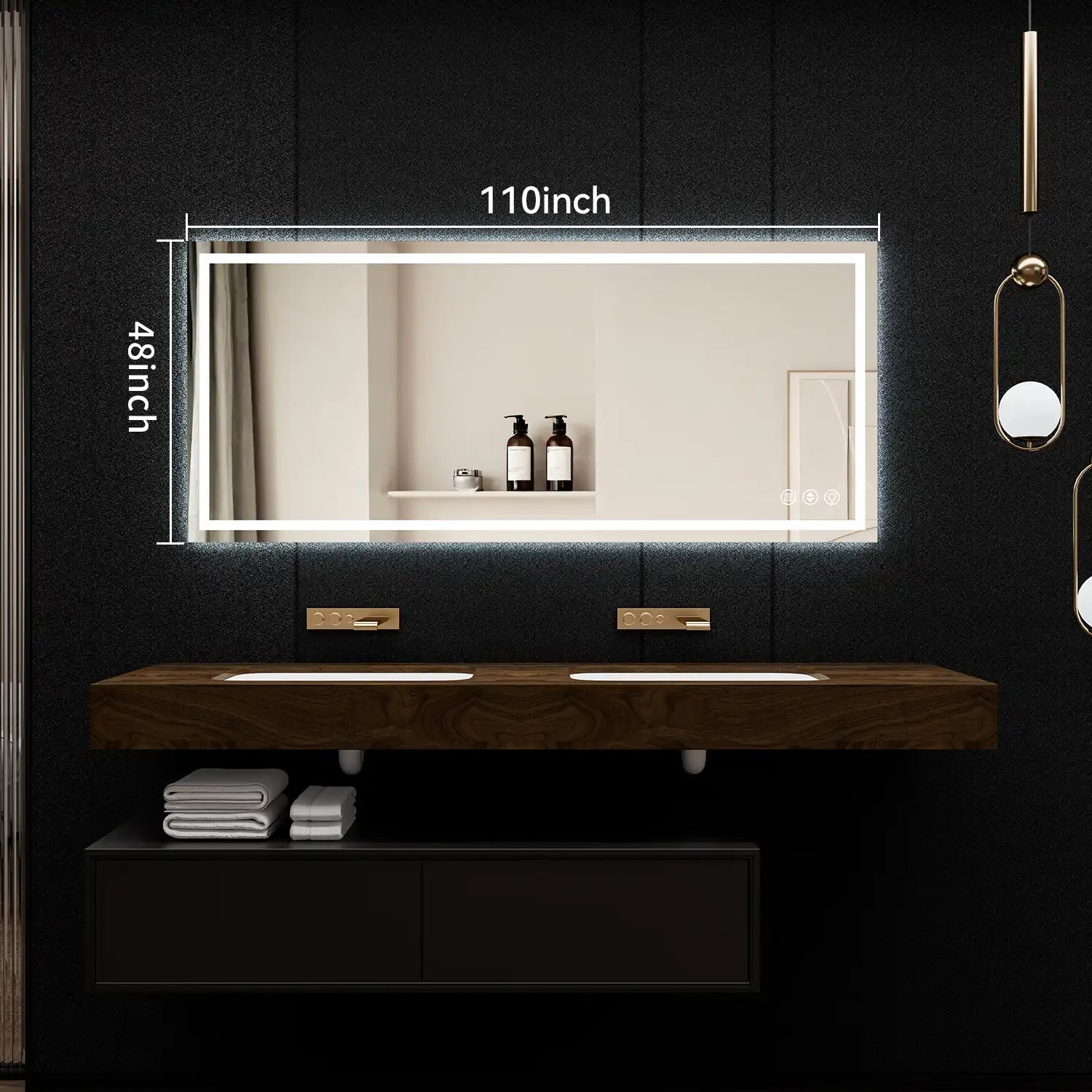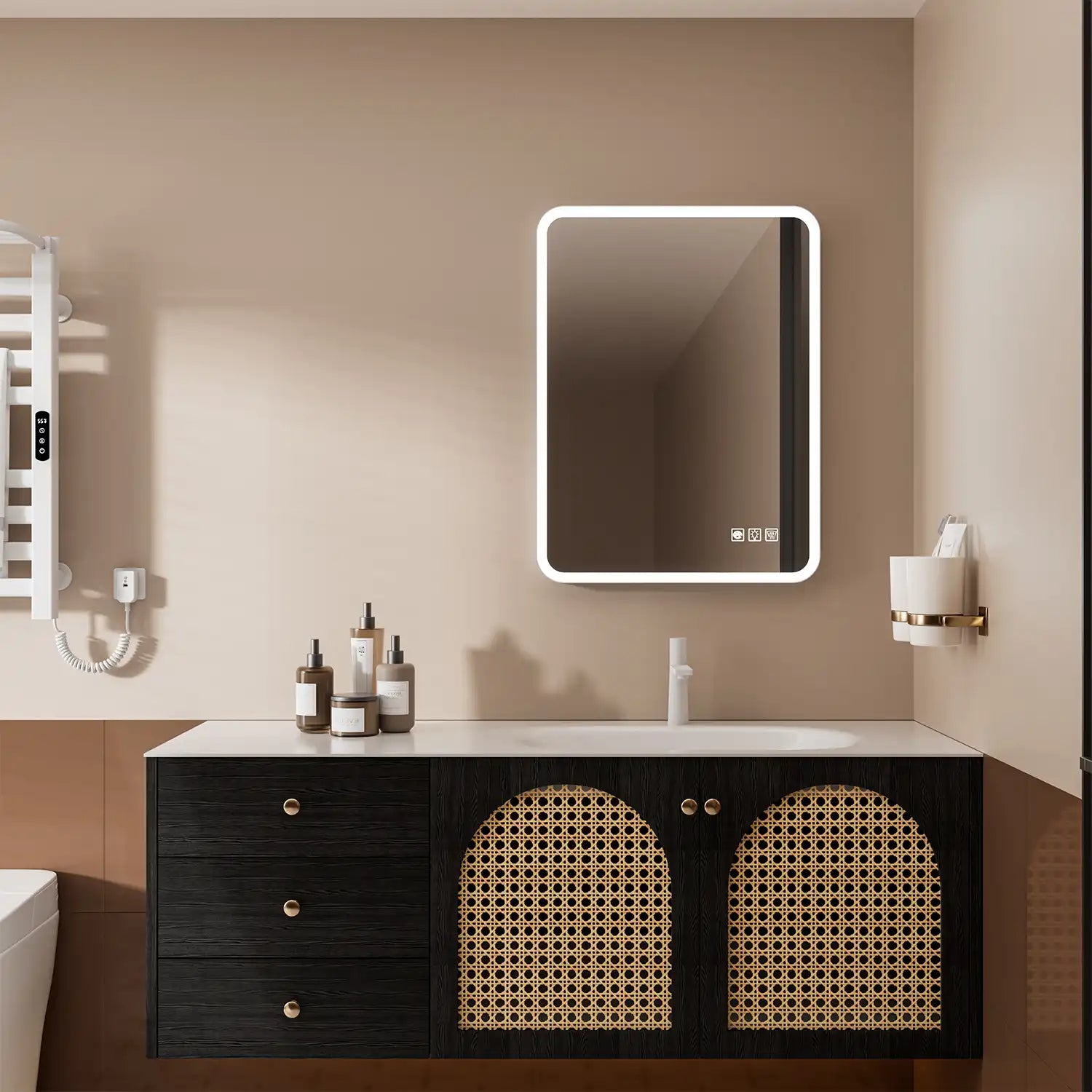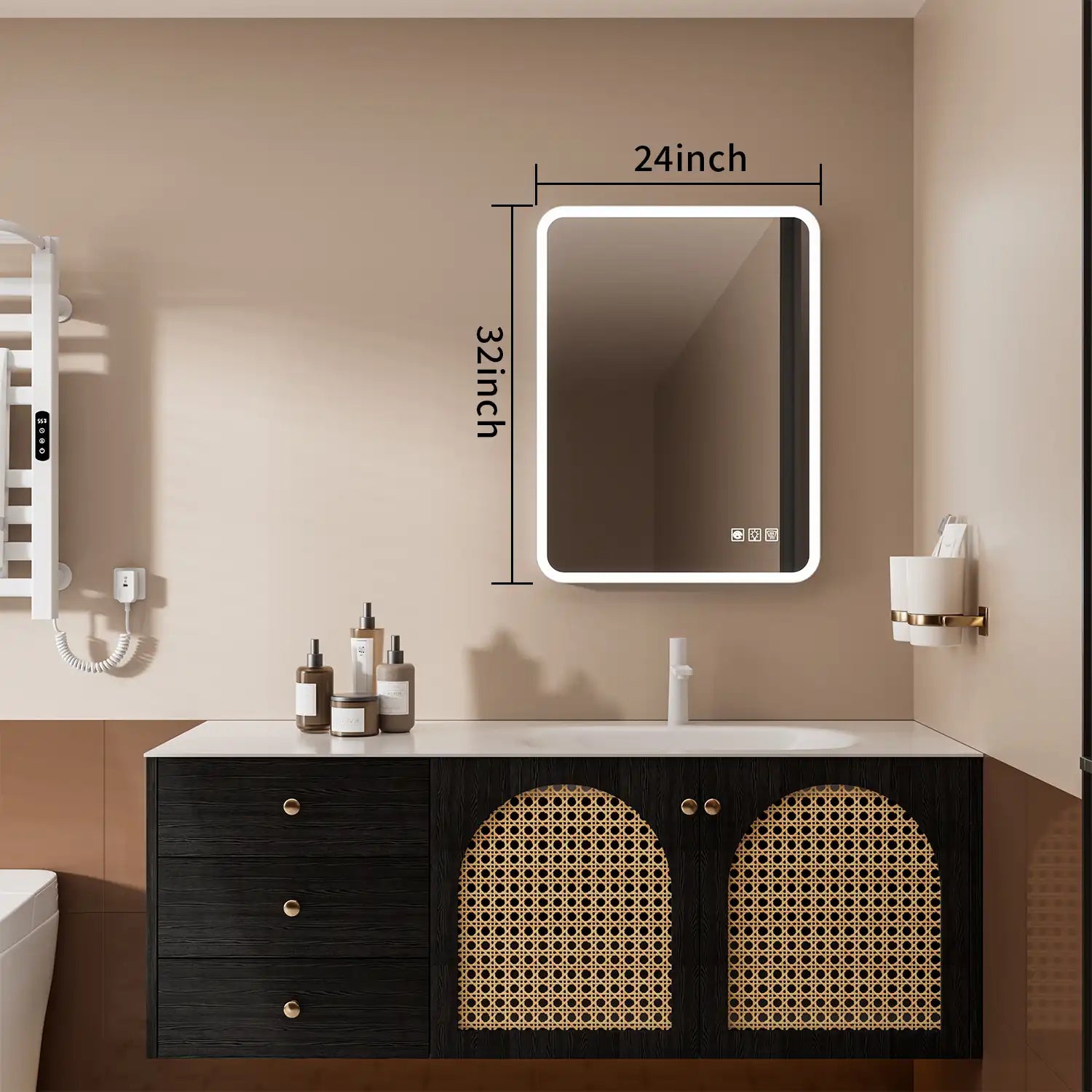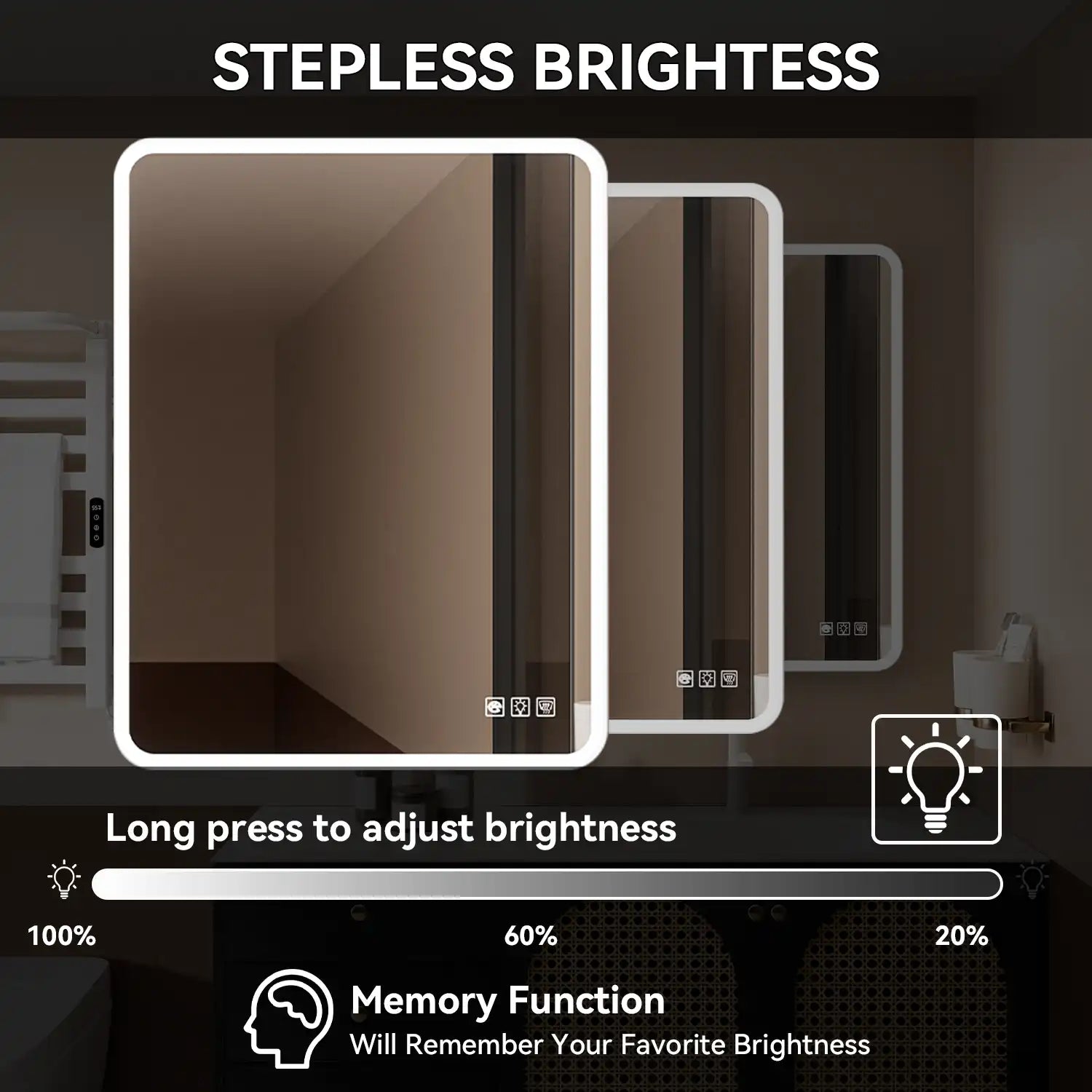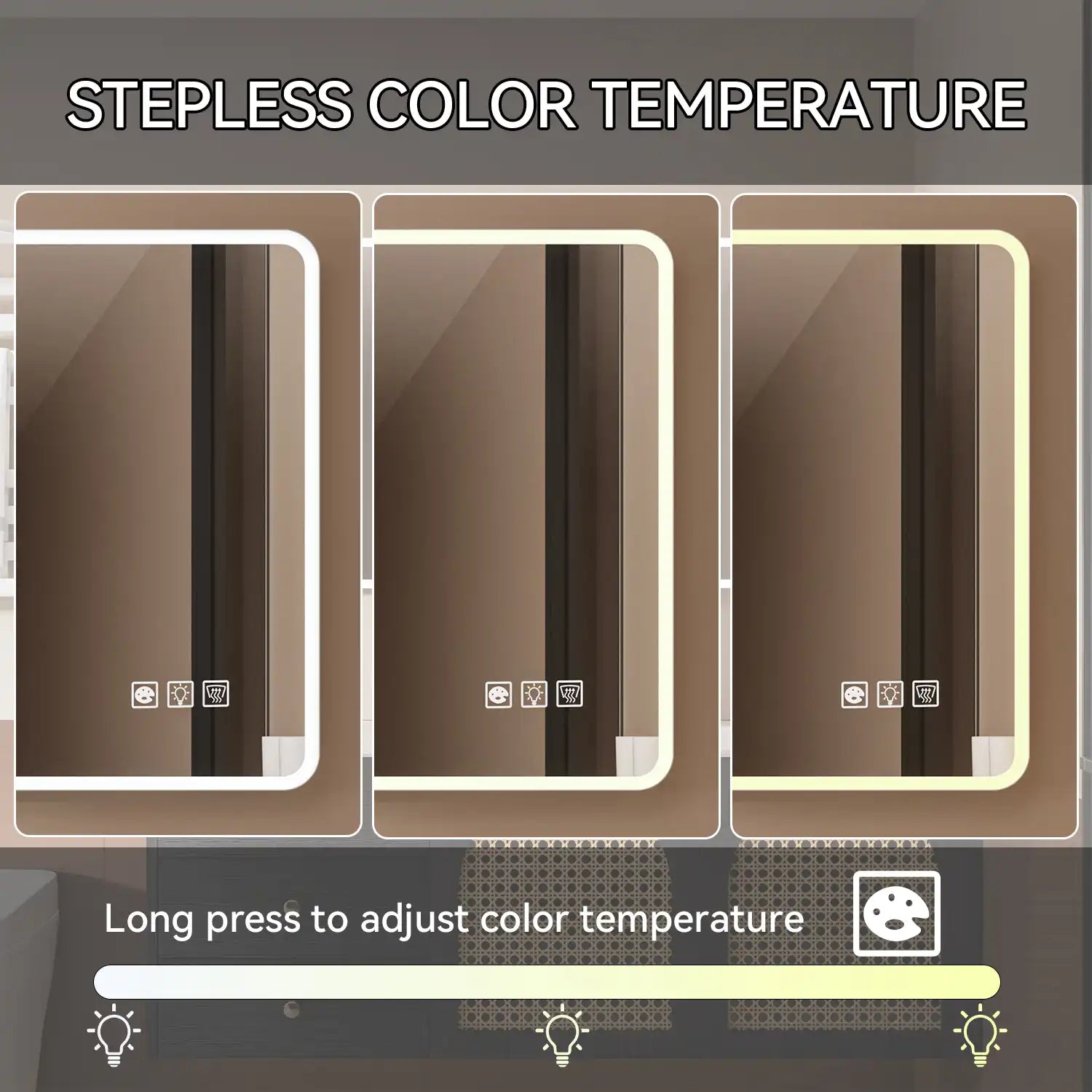


Designing your bathroom goes far beyond selecting tiles, faucets, or vanities, the mirror you choose plays an equally important role in shaping both the look and the functionality of the space. For a round bathroom mirror especially, the size directly affects how balanced your vanity appears, how well your lighting works, and how open or spacious the room feels. In other words, the right mirror size doesn't just complete your design—it elevates it.
This guide will walk you through everything you need to know to select the ideal round mirror for your vanity. You’ll learn why mirror size matters, how to measure your space correctly, and how to choose a size that creates the right visual proportions. We’ll also cover mounting height, lighting considerations, special bathroom scenarios, and common mistakes to avoid. Whether you're setting up a small powder room or designing a double-sink vanity, this guide will help you confidently choose a mirror that fits beautifully and functions perfectly.
Table of Contents:
- Why the Size of Your Round Bathroom Mirror Matters
- Step-by-Step Vanity Mirror Size Guide
- Common Mistakes to Avoid
- Vanity Mirror Style Guide
- Conclusion
- Frequently Asked Questions
- Related Articles
Why the Size of Your Round Bathroom Mirror Matters

Functionality and Practicality
A bathroom mirror is an essential tool for everyday routines such as shaving, applying makeup, and general grooming. Selecting the correct size guarantees that you will have an adequate area of reflection to carry out these functions comfortably. A mirror that’s too small limits visibility, forcing you to lean in or adjust awkwardly, while an oversized mirror can interfere with lighting placement or overwhelm a compact layout.
The overall bathroom size also plays a role. In a larger bathroom, a small mirror often feels insufficient and impractical because it doesn’t match the scale of the space. On the flip side, if your bathroom is quite small, a mirror that takes over a wall can take away some of the useable space and make it difficult to position lighting or wall-mounted fixtures.
Visual Balance and Proportion
Beyond practicality, the size of your mirror has a major impact on the visual harmony of the room. Round mirrors naturally create a more balanced composition, but only when the size is in proportion to the vanity and surrounding elements. If it is oversized, it can dominate the vanity and throw off the visual balance of the space.
The round mirror should enhance rather than compete with the rest of your design, so select a size that complements the width of your vanity and the height of your wall.
Step-by-Step Vanity Mirror Size Guide
Here’s a practical framework for choosing the correct size and placement for your round vanity mirror.
Step 1: Measure Your Vanity Width
-
Rule of Thumb: Choose a round mirror that is 70–90% of your vanity width for balanced proportions. This usually translates to the mirror being 2–6 inches narrower than the vanity on standard-size vanities.
-
Sink Coverage: The mirror should always be wider than the sink basin to maintain proportion and functionality.
Recommended Round Mirror Sizes by Vanity Width
(For standard single-sink vanities & common bathroom layouts)
| Vanity Width | Recommended Mirror Diameter | Proportion Notes |
|---|---|---|
| 18–20" (small vanity) | 16–18" mirror | Keeps proper sink coverage without overpowering compact spaces. |
| 22–24" | 18–22" mirror | Ideal for powder rooms or small bathrooms. |
| 28–30" | 20–26" mirror | Most common round-mirror size range. |
| 32–36" | 24–30" mirror | Well-balanced for standard bathrooms; supports sconces. |
| 40–48" | 28–34" mirror | Suitable for larger single vanities; consider lighting placement. |
| 60" (double vanity — one mirror) | 36–42" mirror | Helps maintain symmetry; popular in modern designs. |
| 60" (double vanity — two mirrors) | 24–30" each | Two mid-size mirrors provide balance and flexibility for lighting. |
| 72" and above | 36–48" single or 28–34" dual mirrors | Depends on whether one large mirror or two round mirrors are used. |
Step 2: Determine the Correct Mirror Height (Eye-Level Method)

Because round mirrors are measured by diameter, both the height and width are the same. The ideal would be to place the mirror so that its center falls in line with the average user — not taking just countertop dimensions into consideration.
Eye-Level Formula:
-
Typical eye level: 58–65" from the floor
-
Mirror center = average eye height
-
Then calculate placement using:
-
Mirror Bottom = Center – (Diameter ÷ 2)
-
Mirror Top = Center + (Diameter ÷ 2)
-
Countertop Gap:
Leave 4–10 inches between the countertop and mirror bottom.
Ceiling Clearance:
Keep 6–10" between the top of the mirror and the ceiling or overhead lighting.
For multi-user bathrooms, use the averaged height of main users to ensure comfort and visibility.
Step 3: Coordinate with Lighting

Your vanity mirror should work seamlessly with your lighting plan:
-
Sconces: Position sconces 2–4" from the mirror edge. Round mirrors between 24–30" work well with side sconces.
-
Overhead Lights: Allow 3–6" clearance between the fixture and the top of the mirror.
-
Natural Lighting: A larger mirror will reflect more daylight, making the bathroom brighter.
Practical Tips from Real Design Scenarios
Match Mirror Width to Cabinet Sections
Aligning the mirror width with the center section of your vanity cabinetry helps maintain symmetry and prevents the mirror from looking undersized or oversized.
Adjust When Adding Sconces
Installing sconces may require narrowing the mirror slightly, sometimes down to 18–20 inches—to avoid crowding and maintain even light distribution.
Ceiling Height Adjustments
If you have high ceilings (10 ft. for example), center the mirror based on the eye levels of the primary bathroom users rather than too high above the counter.
Countertop Height Rule
For standard 34–36" countertops, ensure the mirror center aligns with the average eye level to maintain comfort for daily grooming.
Common Mistakes to Avoid

A round vanity mirror can elevate the aesthetics and functionality of your bathroom, but several mistakes can compromise its design. Here’s what to avoid.
1. Using Oversized Mirrors on Narrow Vanities
An oversized vanity mirror disturbs visual balance and makes it tricky to place lights.
Example:
A 40" round mirror on a 36" vanity overwhelms the wall, crowds the faucet, and leaves no room for sconces. In small bathrooms, this can also make the space feel top-heavy or cluttered.
How to avoid it:
-
Follow the 70–90% rule for mirror-to-vanity proportion.
-
When in doubt, size down to maintain comfortable spacing for lighting and wall décor.
2. Choosing Tiny Mirrors for Large Vanities
Undersized mirrors make the room feel incomplete and reduce functional visibility.
Example:
An 18" mirror mounted above a 48" vanity looks visually disconnected and provides inadequate reflection space for grooming.
How to avoid it:
-
Choose a mirror that aligns with the sink width or the central cabinet section.
-
For large single vanities (40–48"), 28–34" mirrors typically provide the best scale.
3. Incorrect Hanging Height
Even if the size is right, placing the mirror at the wrong height can impact both comfort and aesthetics.
Too High:
-
Shorter users fall out of frame
-
Reduces usable reflection area
-
Makes the wall feel visually “empty” below the mirror
Too Low:
-
Reduces headroom
-
Interferes with faucet clearance
-
Makes the room feel heavy and cramped
Fix:
Use the eye-level method. Set the mirror center at 58–65" above the floor or at the averaged eye height of the primary users.
4. Ignoring Lighting Clearance
Mirrors and lighting must work together, not compete for space.
Common issues:
-
Sconces placed too close to the mirror throw uneven shadows
-
Overhead lights touching or visually crowding the mirror
-
LED mirrors installed too low, causing glare
Correct approach:
-
3–6" sconce spacing from mirror edge
-
3–7" overhead fixture spacing above mirror top
-
Ensure the lighting layout is chosen before selecting mirror size
Vanity Mirror Style Guide
Round mirrors are available in an extensive variety of styles and how the mirror plays with the vanity, lighting, and surrounding décor is affected by the frame, finish, and design. Here is a rundown of the top styles and how to choose one for your room.
1. Modern Minimalist Round Mirror

Ideal for uncluttered, modern bathrooms with minimalist materials.
Characteristics:
-
Frameless or ultra-thin frames
-
Smooth, uninterrupted edges
-
Often paired with LED backlighting
Works well with:
-
Floating vanities
-
Matte black, brushed nickel, or chrome fixtures
-
Soft, diffused lighting
2. Traditional or Classic Style Round Mirror

Sophisticated and classic, perfect for a decorative, more styled bathroom.
Characteristics:
-
Detailed frames (carved, beveled, or metallic)
-
Brass, gold, or antique bronze finishes
Works well with:
-
Warm metallic fixtures
-
Decorative sconces
-
Rich wood or marble vanities
3. Rustic / Farmhouse Style Round Mirror

Warm, comfortable, and organic, perfect for cozy bathroom environments.
Characteristics:
-
Wood frames in natural, distressed, or reclaimed finishes
-
Textured or matte surfaces
Works well with:
-
Warm lighting
-
Brass, black, or mixed metal hardware
-
Shiplap or natural wood accents
4. Industrial Style Round Mirror

Bold and structured, ideal for modern-loft or minimalist homes.
Characteristics:
-
Matte black or steel frames
-
Clean lines with strong contrast
-
Exposed hardware or utilized rivet detailing
Works well with:
-
Concrete countertops
-
Brick, stone, or dark tile
-
Black or gunmetal fixtures
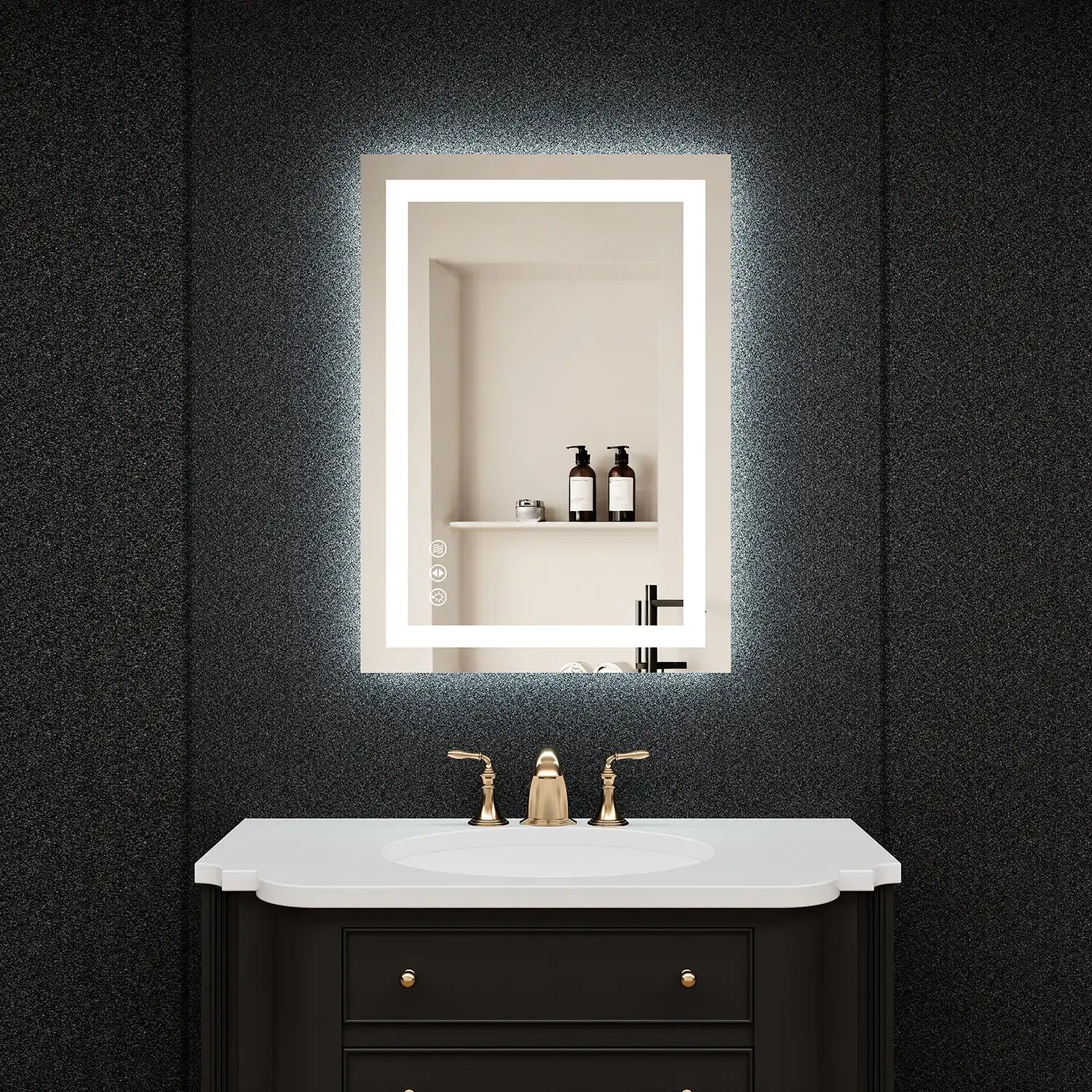
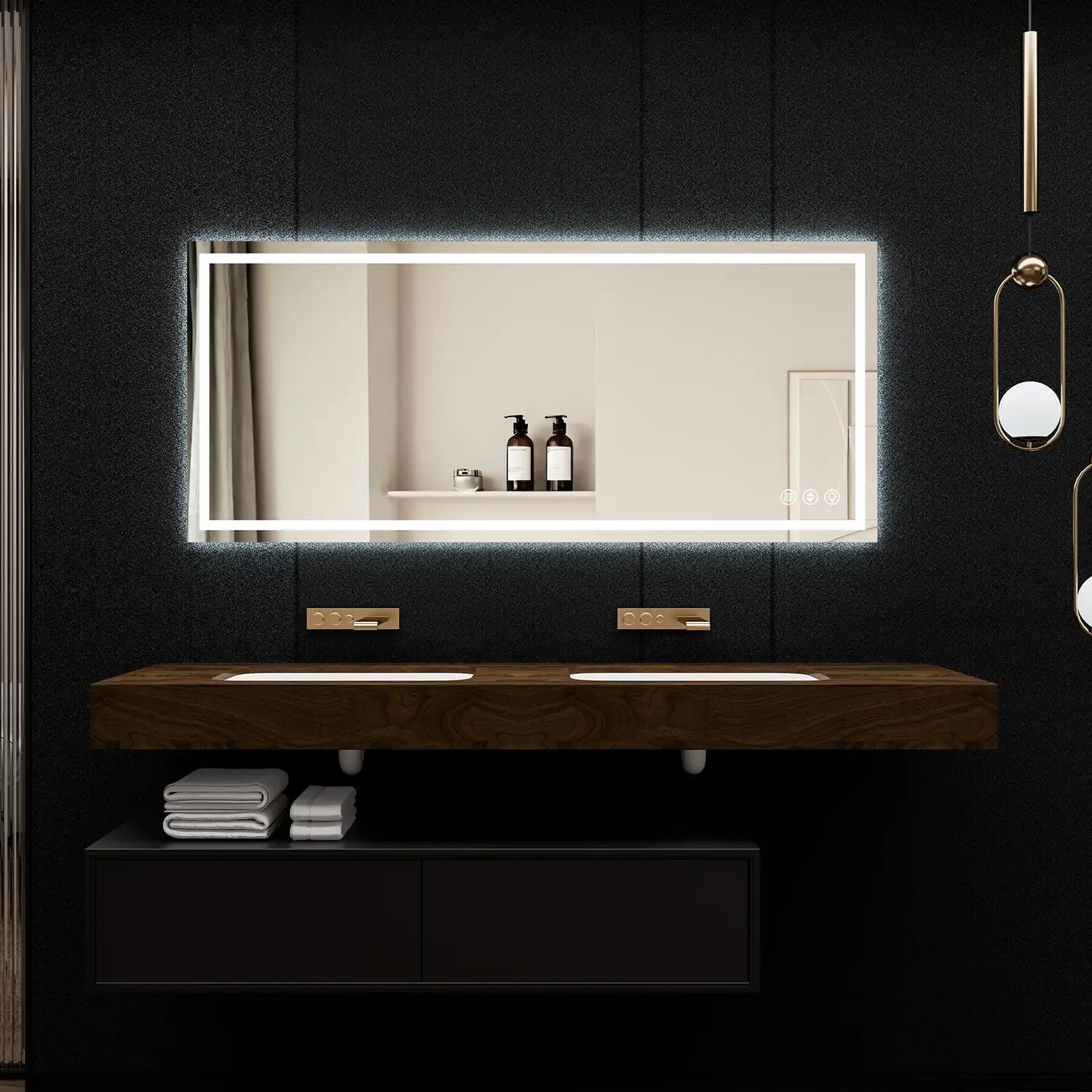
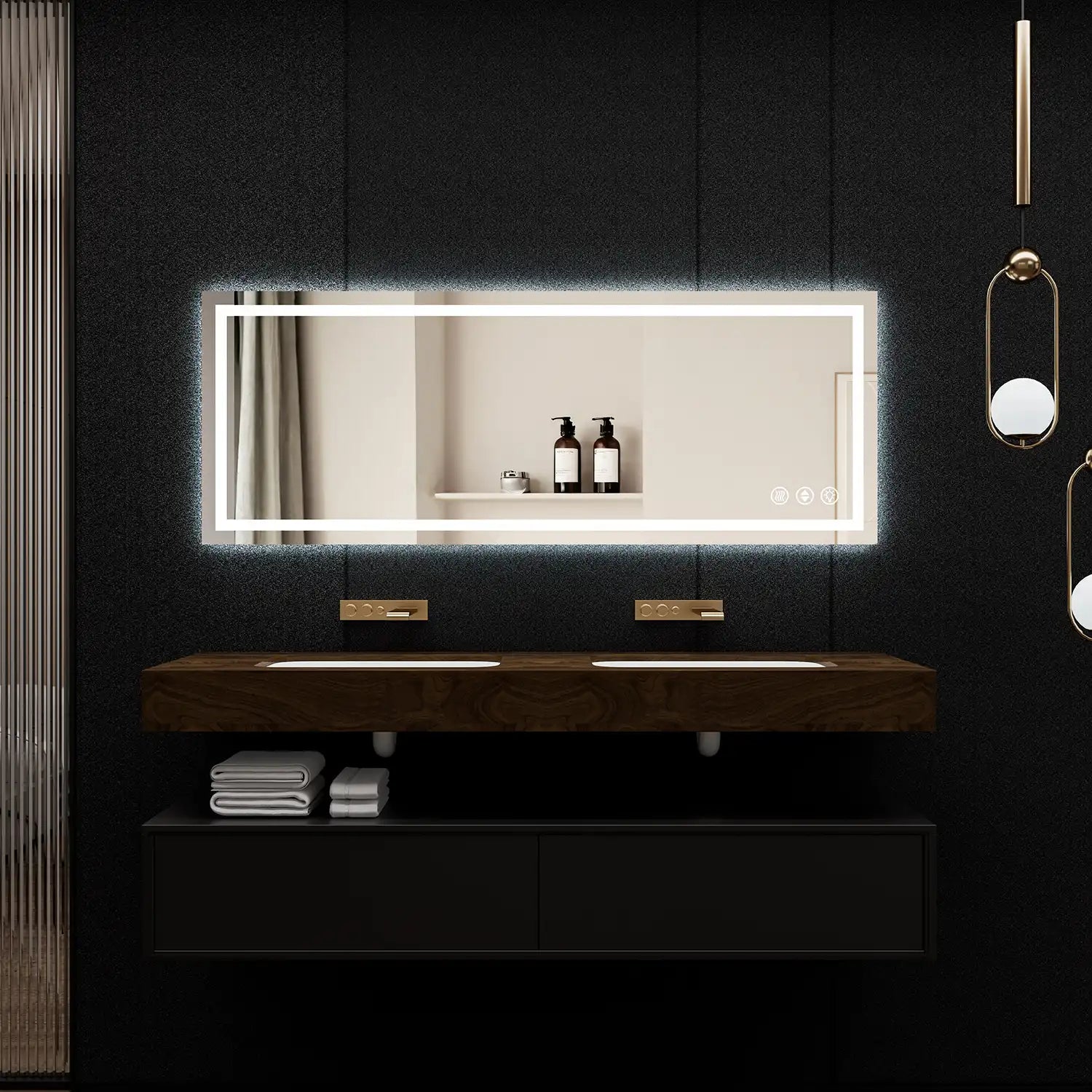
5. LED Lighted Round Mirror

Great for make-up or shaving or practical uses while offering a sleek modern look.
Characteristics:
-
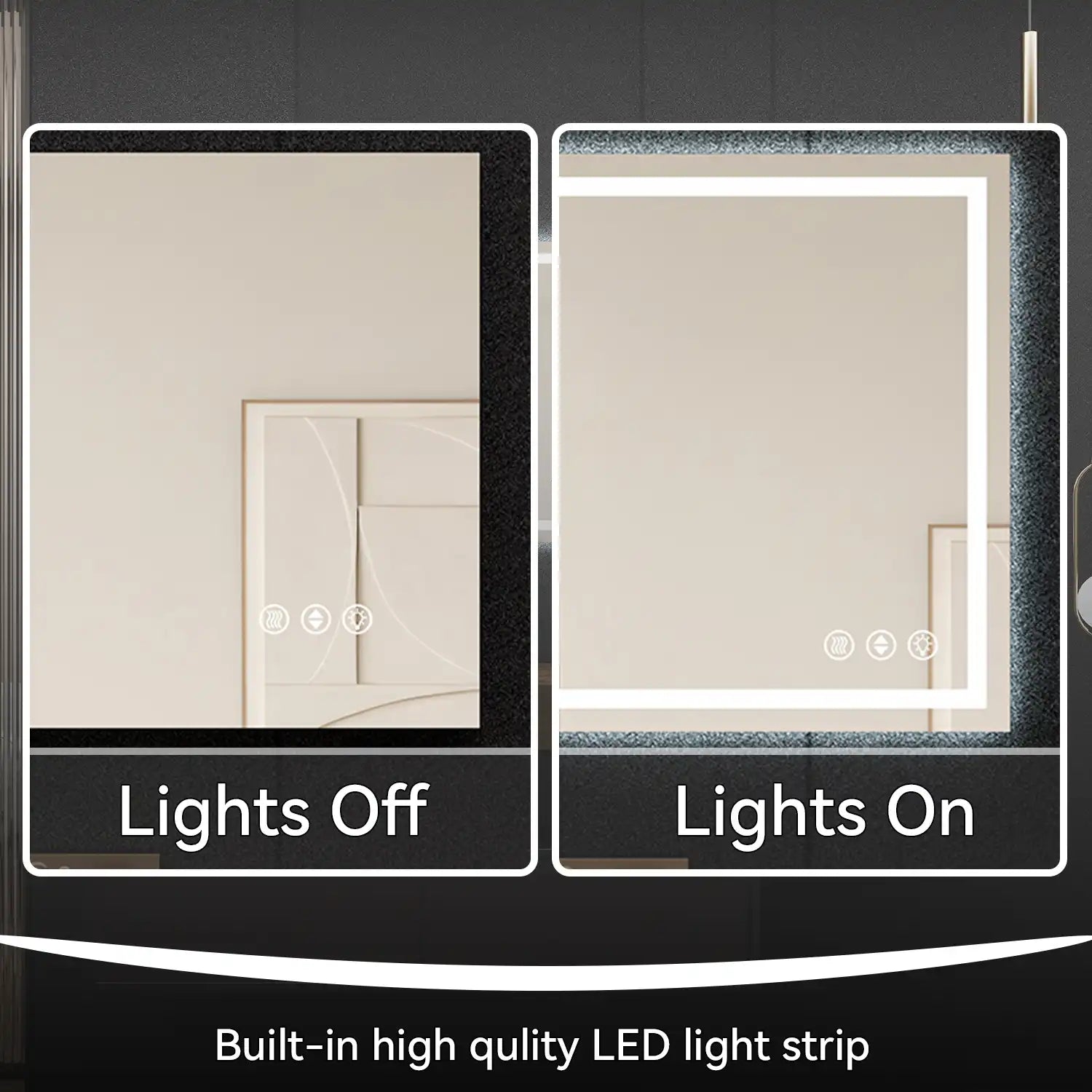
Integrated front or back lighting
-
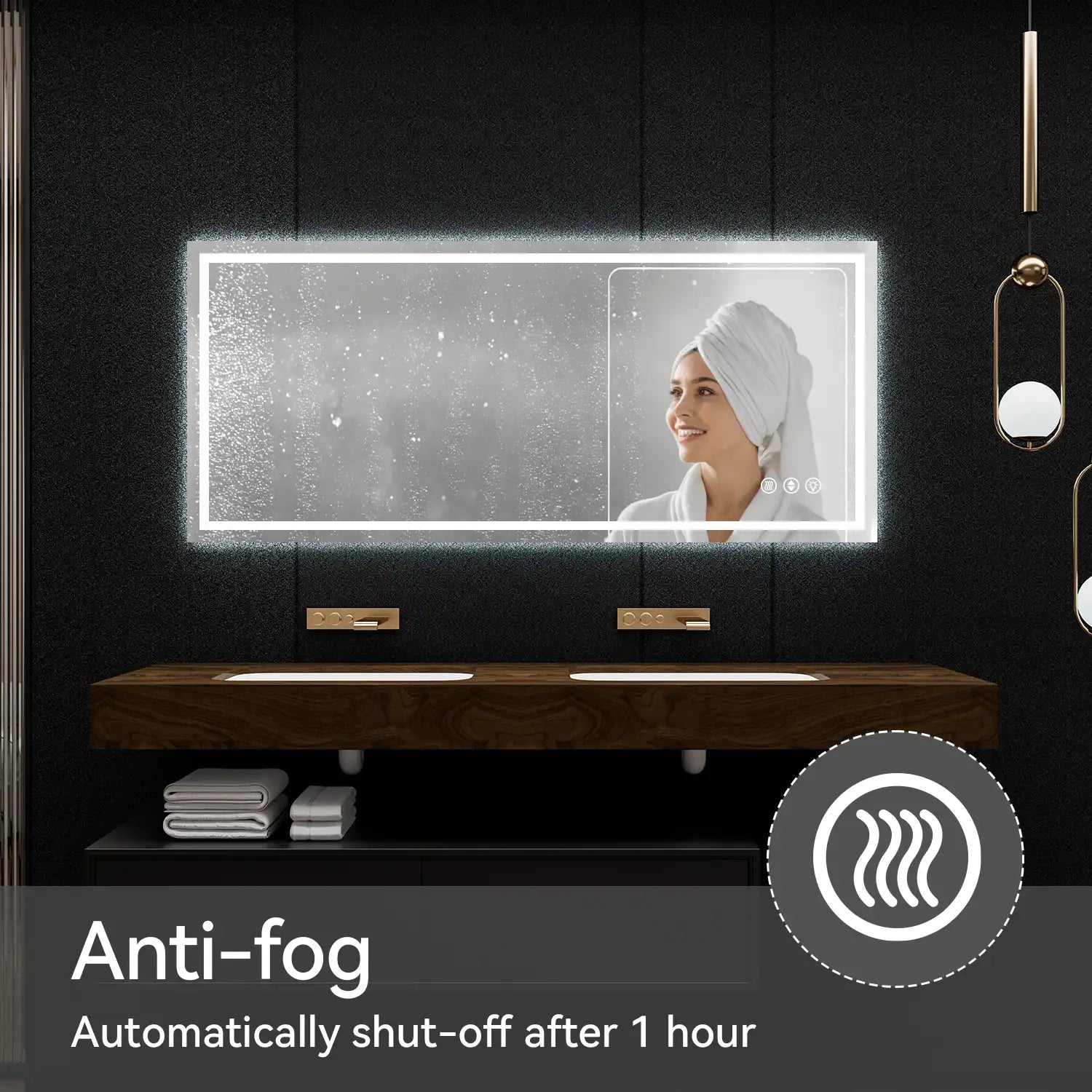
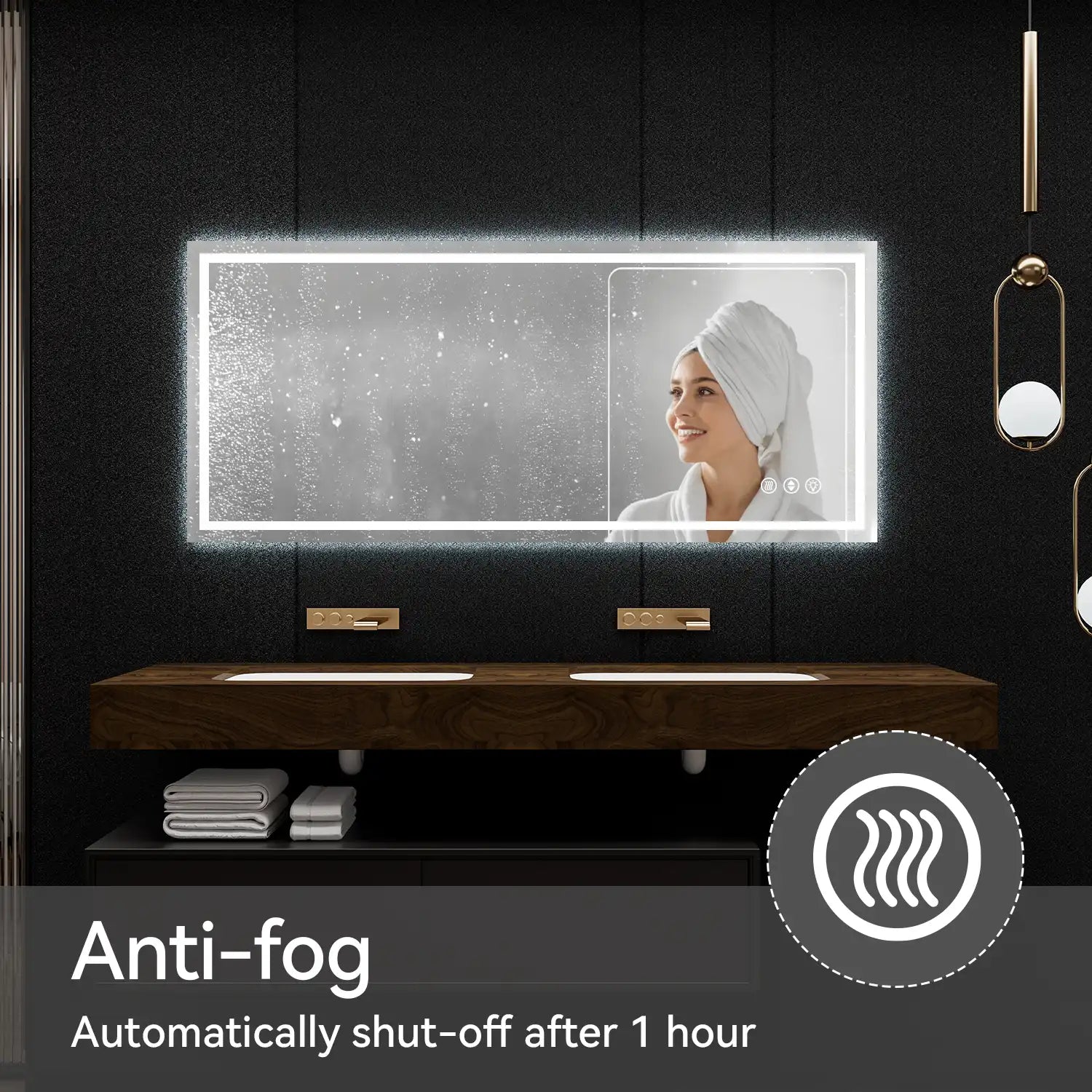
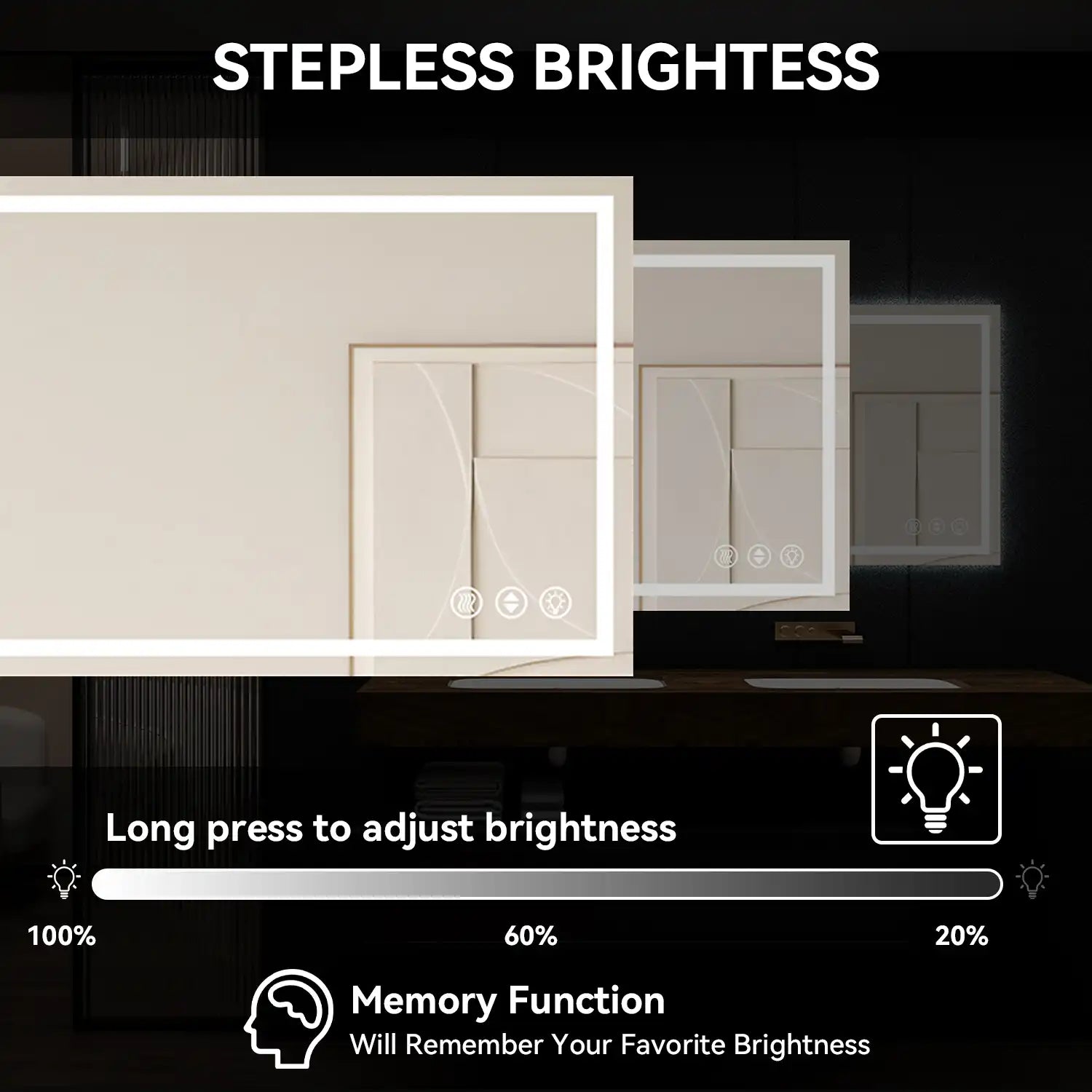
Touch controls, dimmers, defogging options
Works well with:
-
Small bathrooms needing extra brightness
-
Modern master bathrooms
-
Users who want task lighting without installing sconces
Conclusion
Choosing the right vanity mirror is about balance, proportion, and usability. By following this vanity mirror size guide, you can ensure your bathroom mirror not only looks perfect but also functions flawlessly.
From small powder rooms to expansive master suites, the right mirror size enhances design, improves lighting, and makes everyday tasks easier. Whether you choose a sleek frameless design or a bold framed round mirror, remember: proportion is the key.
Q1. What size round mirror should I choose for a standard U.S. vanity (36 inches wide)?
Q2. Should the mirror be wider or narrower than the vanity?
Q3. How high should I hang a round bathroom mirror?
Q4. Can I use a round mirror over a double vanity?
Q5. Is a 24-inch round mirror too small for a bathroom?
For small bathrooms or powder rooms, a 24" mirror is perfectly sized.
For vanities 30 inches and wider, a 24" mirror may look undersized—consider upgrading to 28–34 inches for better proportion and usability.
Related Articles
Looking for more bathroom design inspiration? Explore these related guides to help you perfect every detail of your vanity and mirror setup.
- "How to Choose the Right Vanity Depth: A Complete Guide"
- "Choosing the Right Freestanding Single Bathroom Vanity for a Clean, Modern Look"
- "Top Benefits of Installing a Bathroom Vanity with Storage Tower"
- "Double Sink Bathroom Vanity Trends: What's In and What's Out"
- "How to Make a Bathroom Vanity: A Comprehensive DIY Guide"
- "How to Fix a Cracked Mirror: A Complete Guide for DIY and Replacement"
- "Top Mistakes to Avoid When Choosing a Mirror Size for Your Bathroom Vanity"
- "The Ideal Medicine Cabinet Mirror with Lights to Maximize Small Bathroom Space"