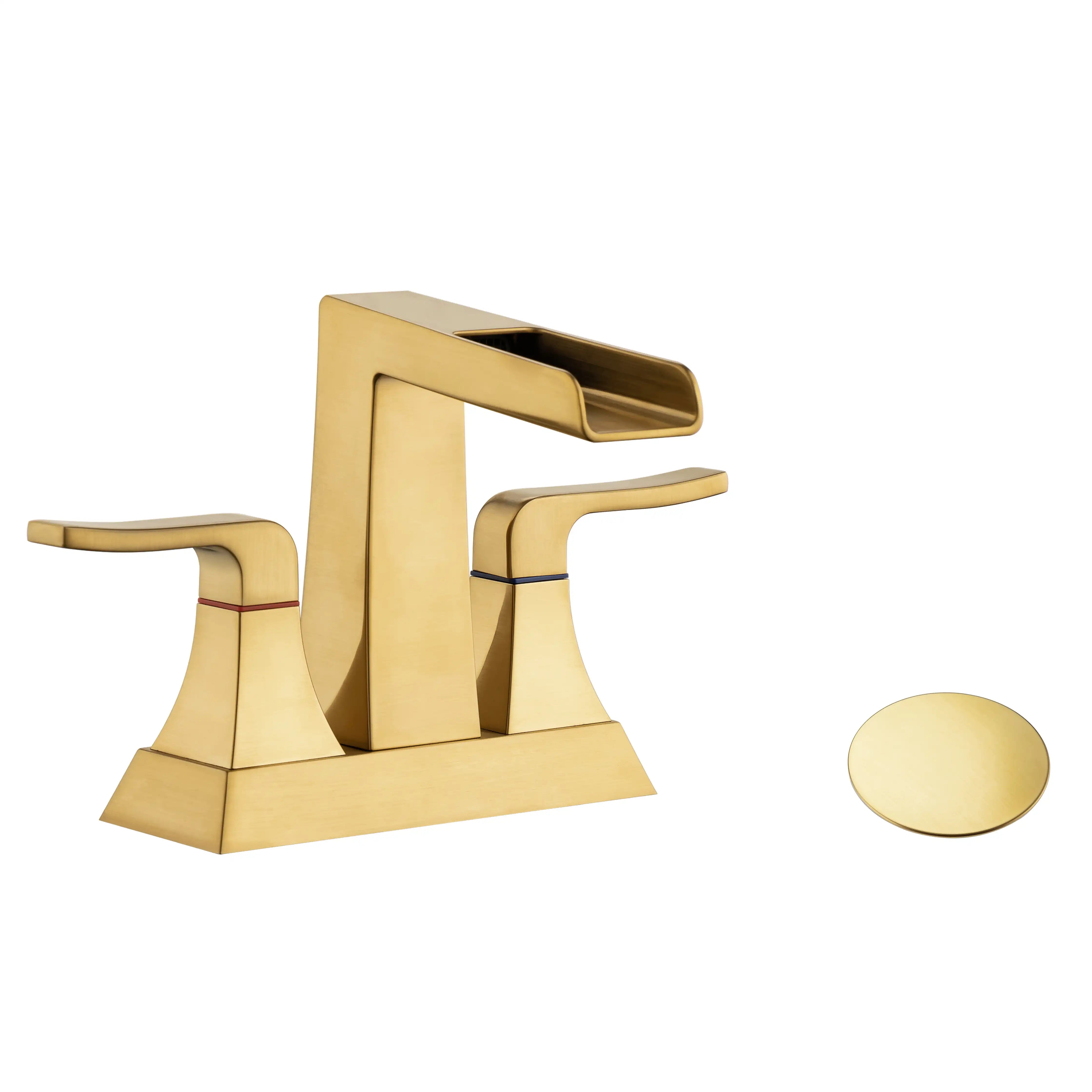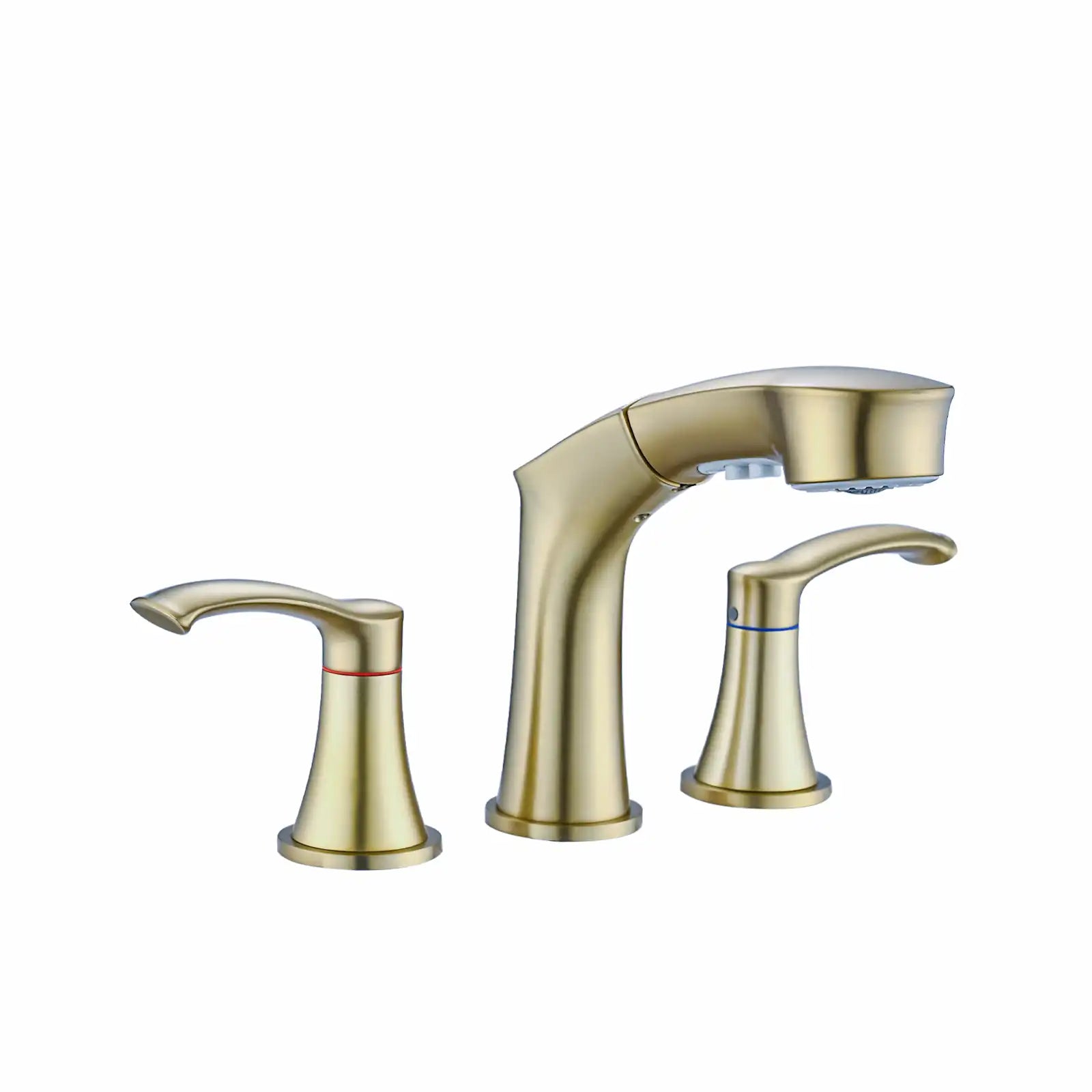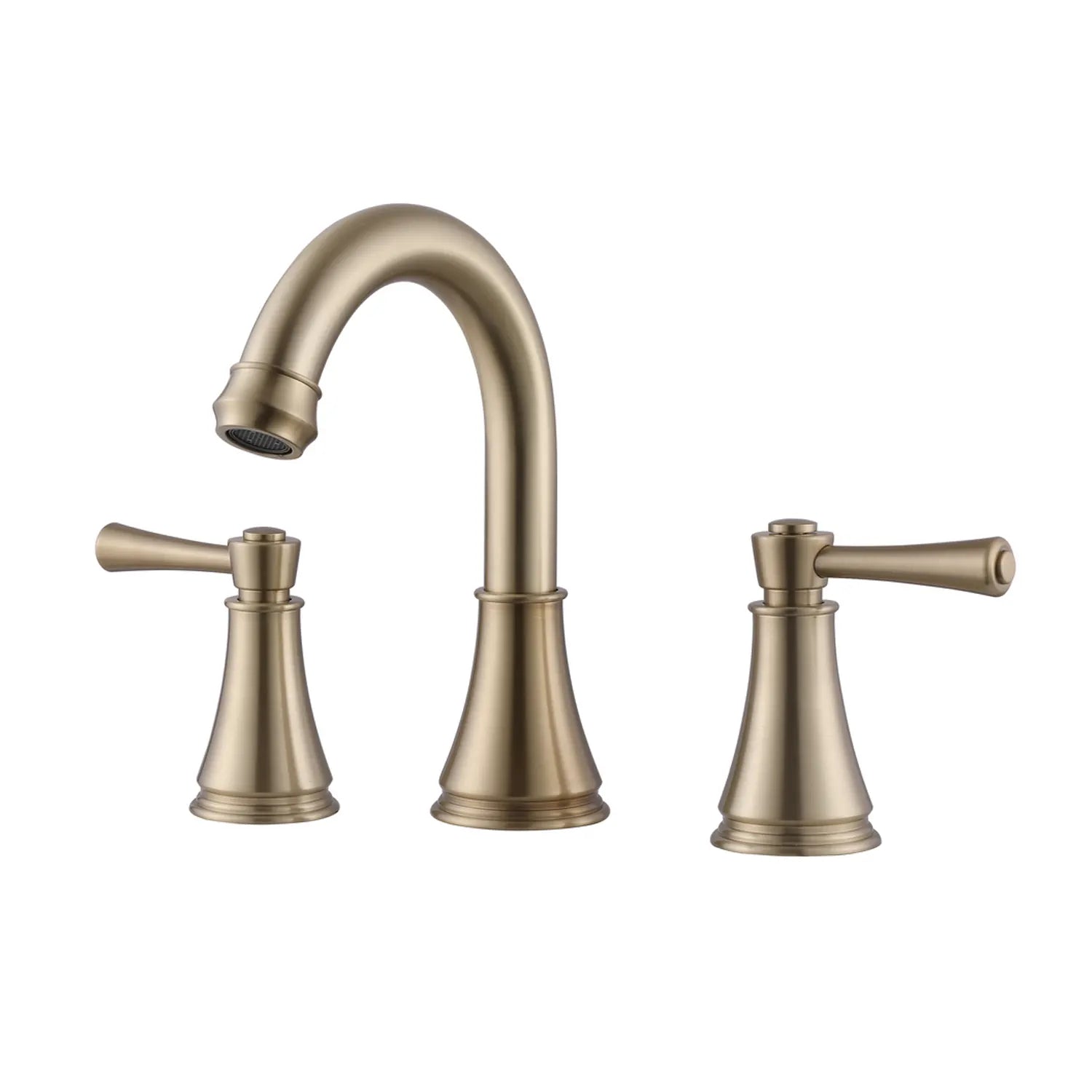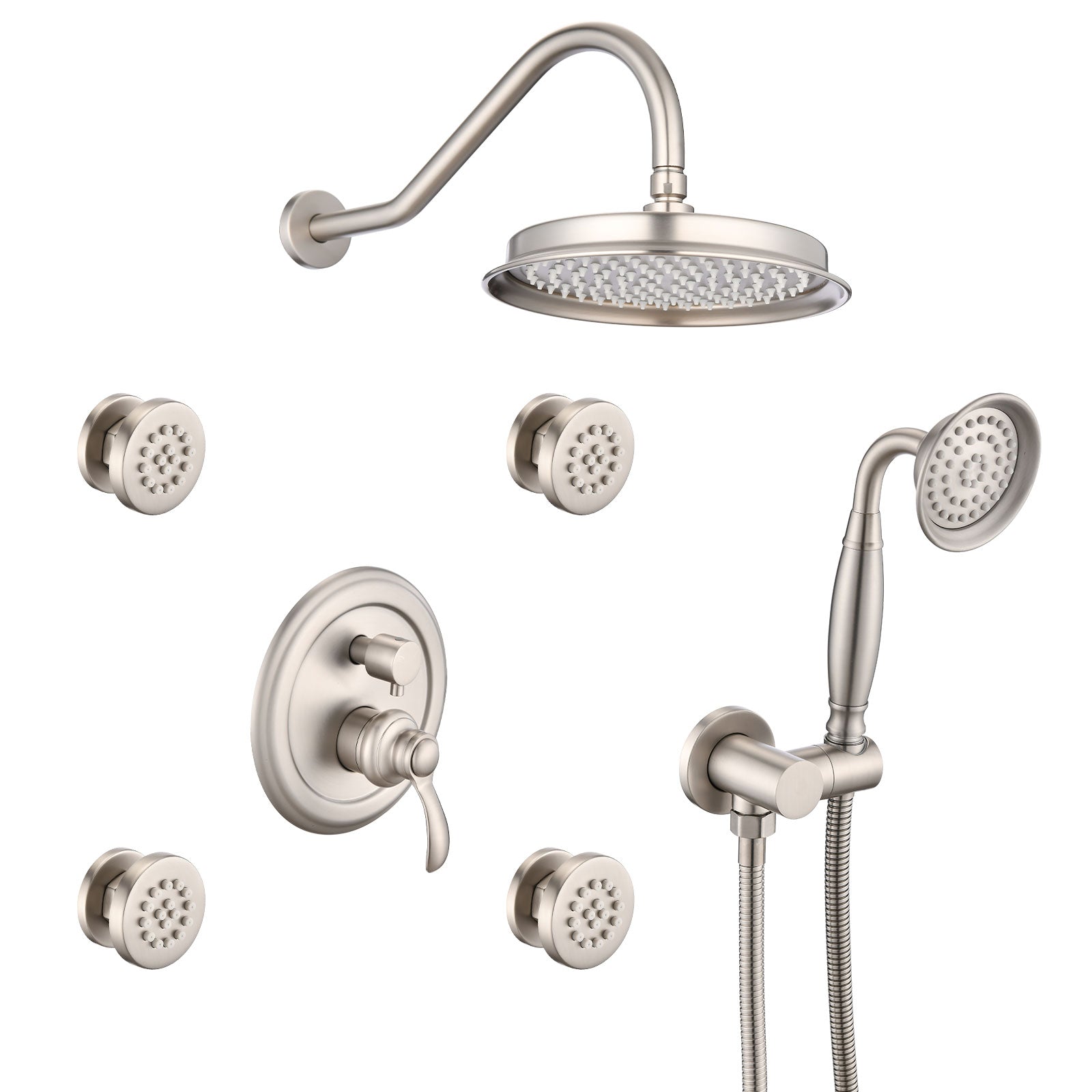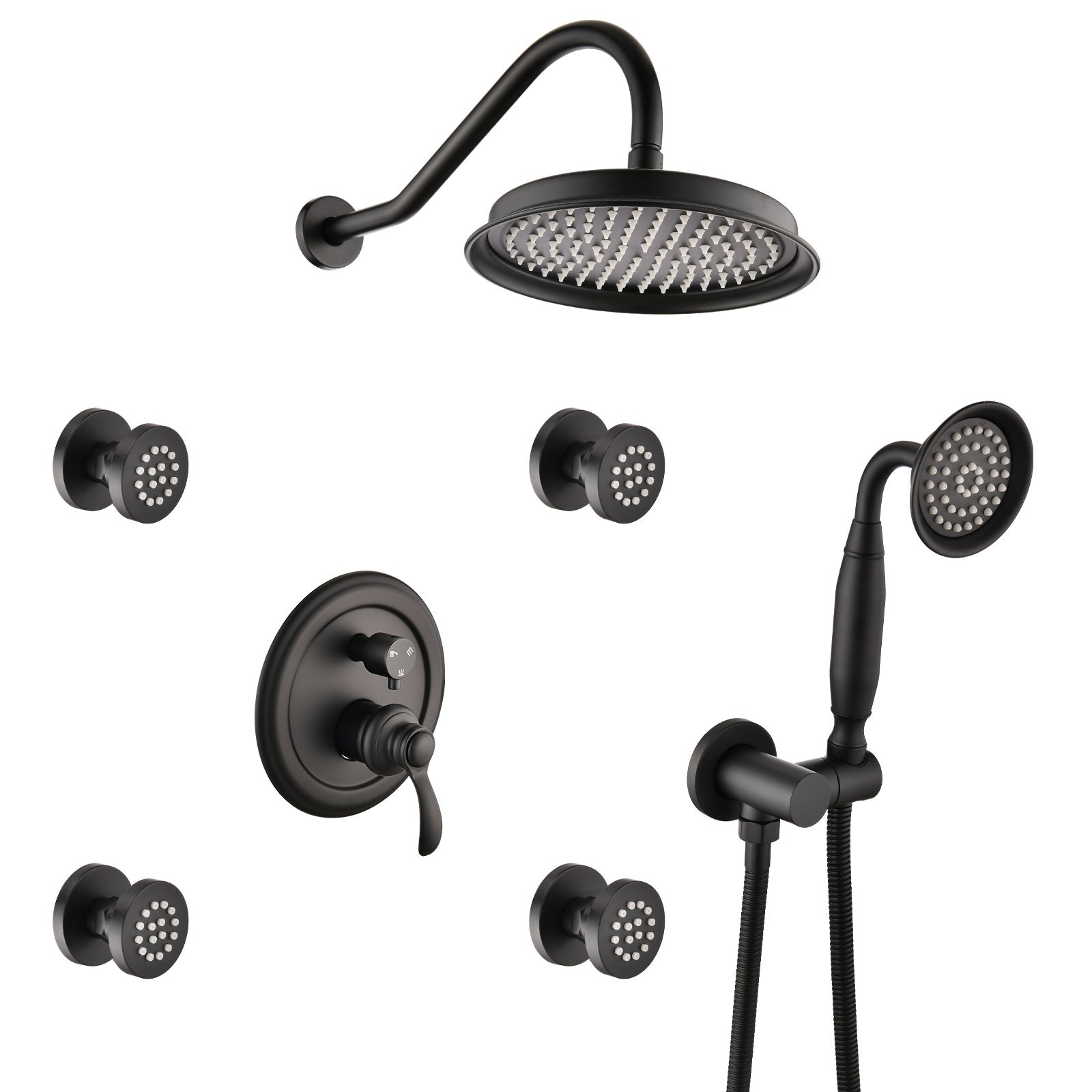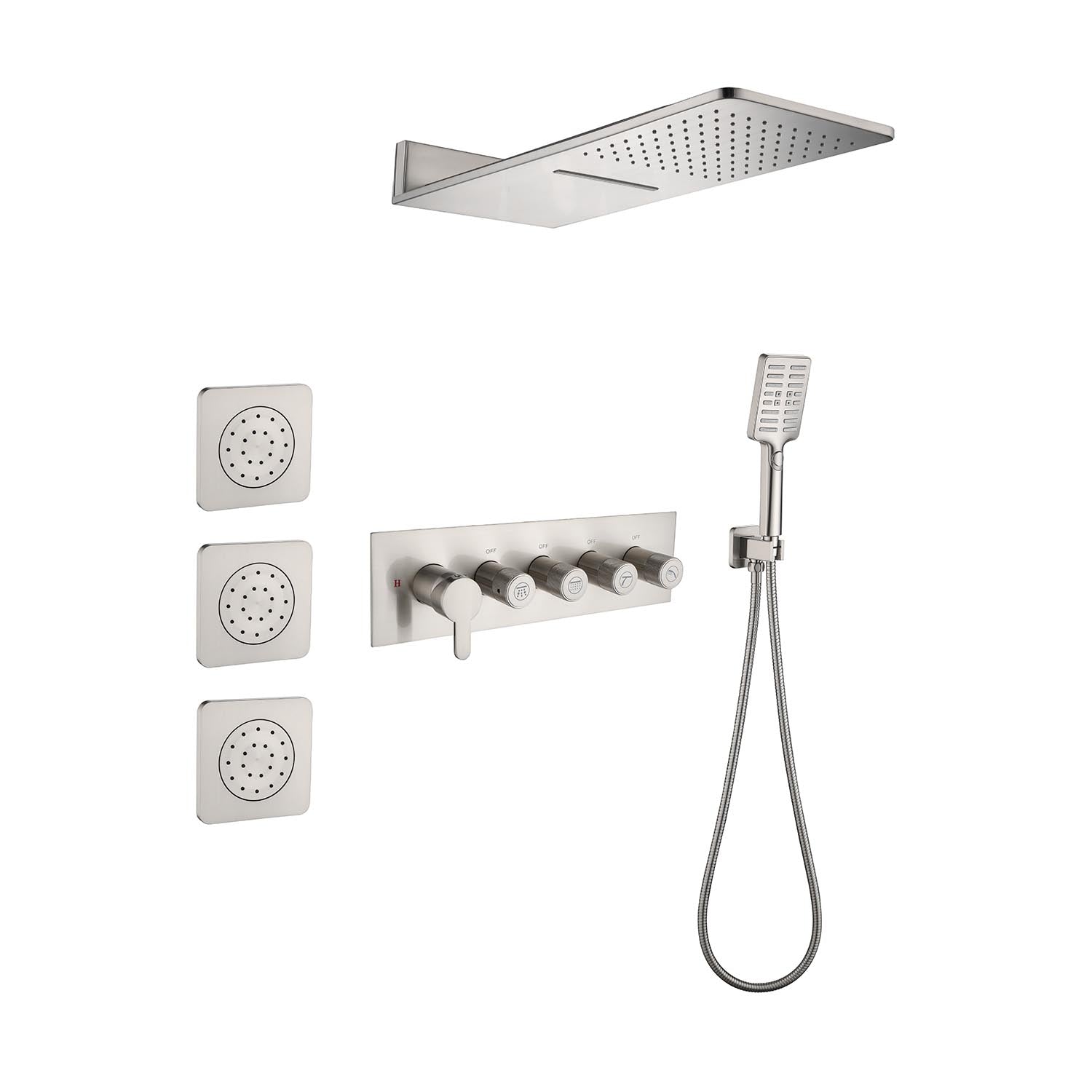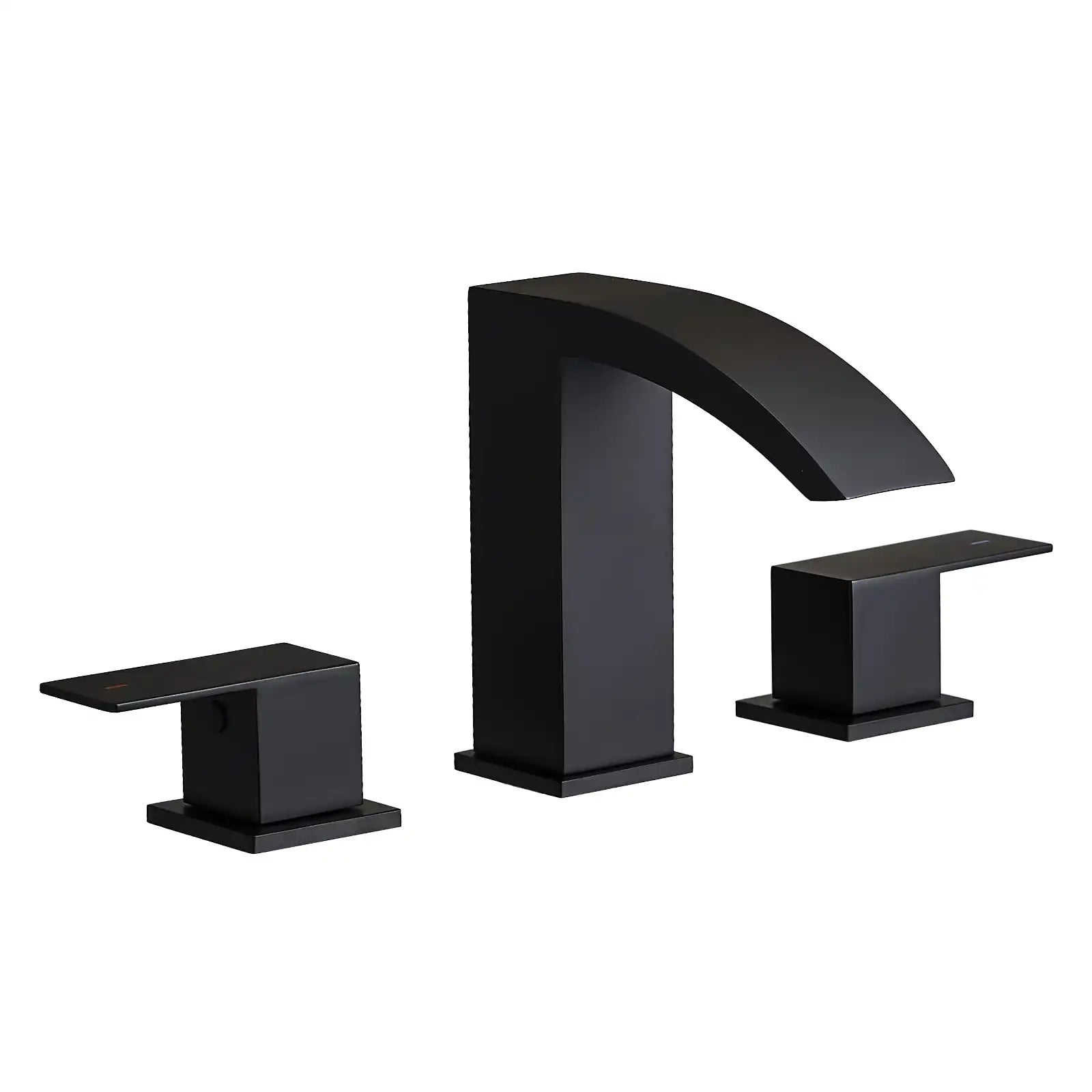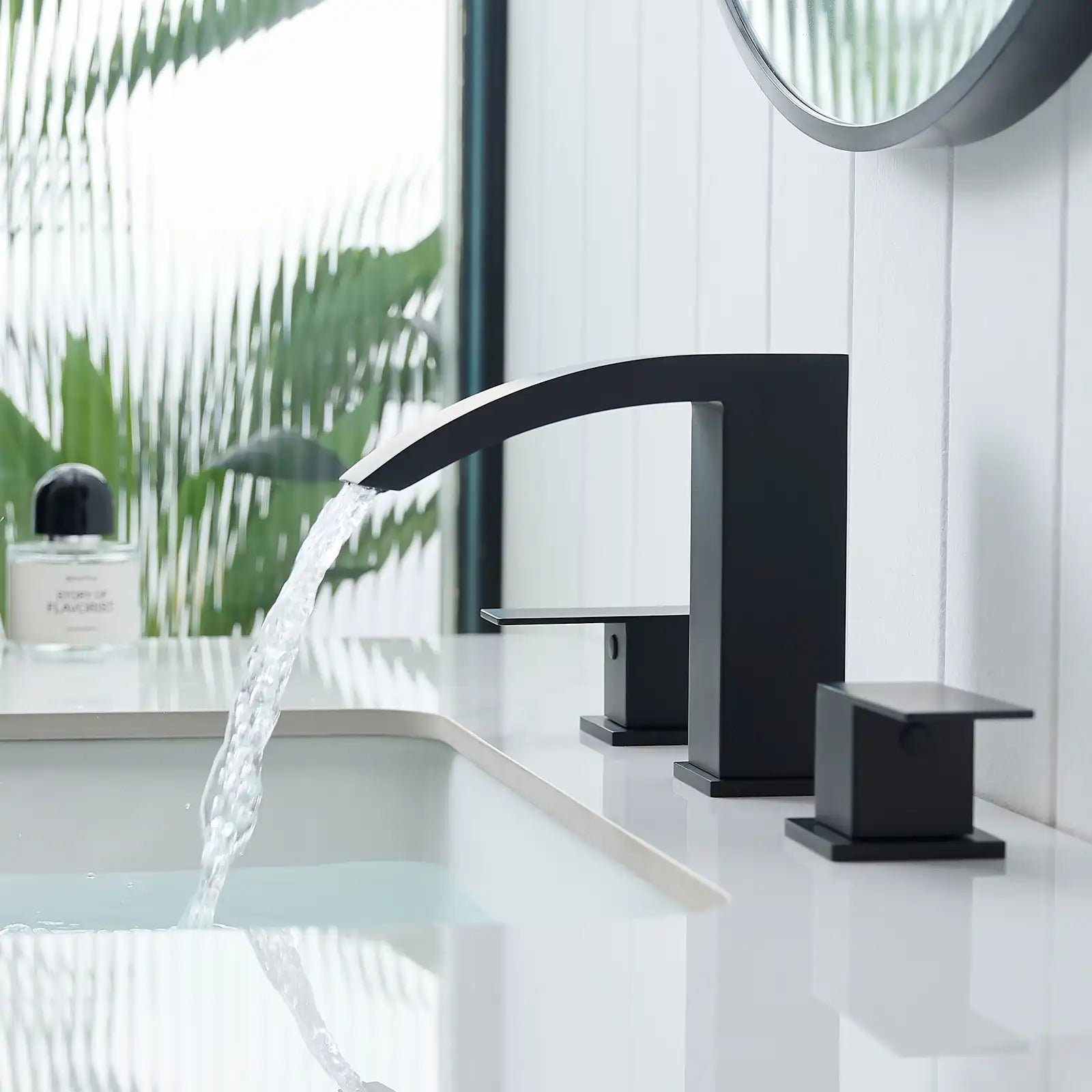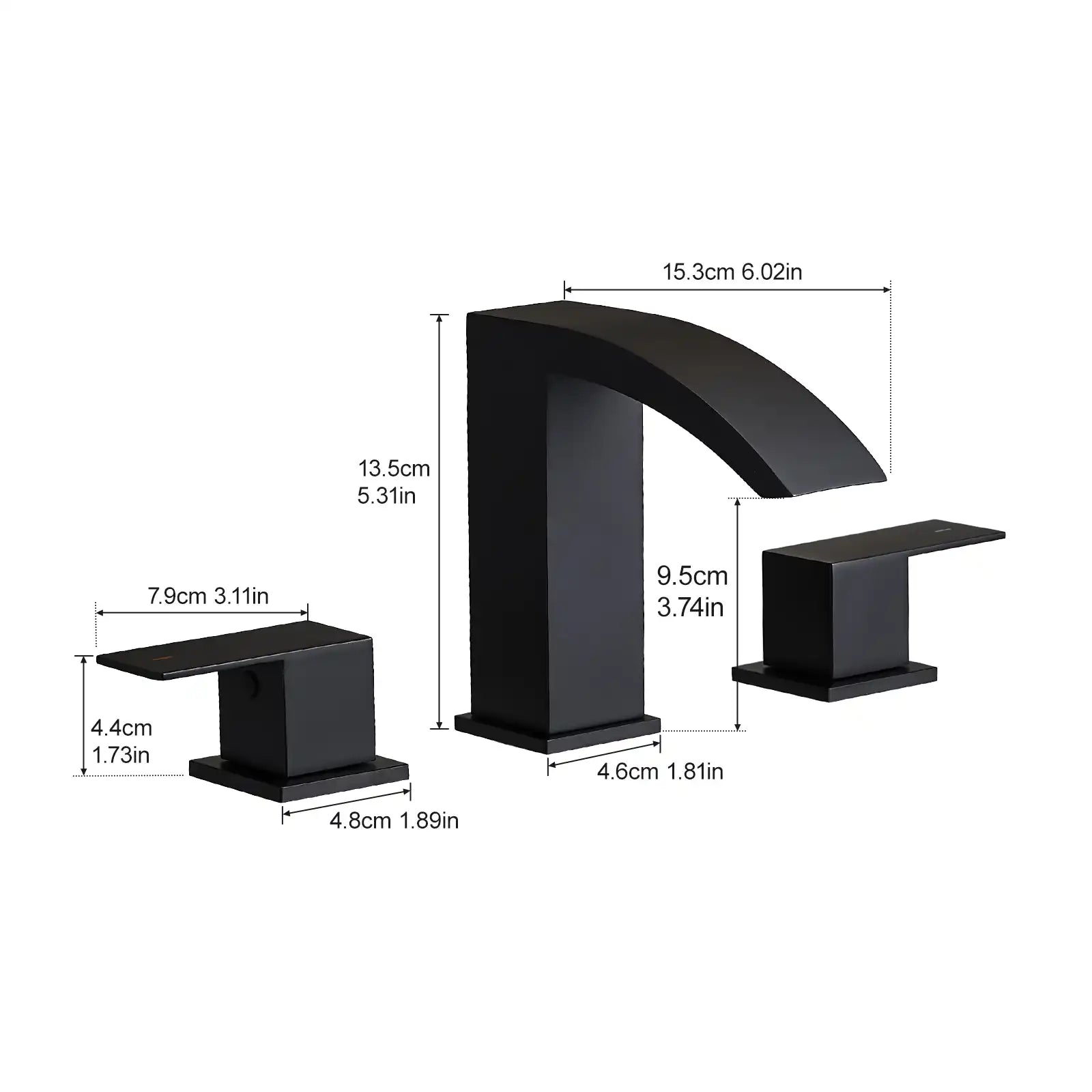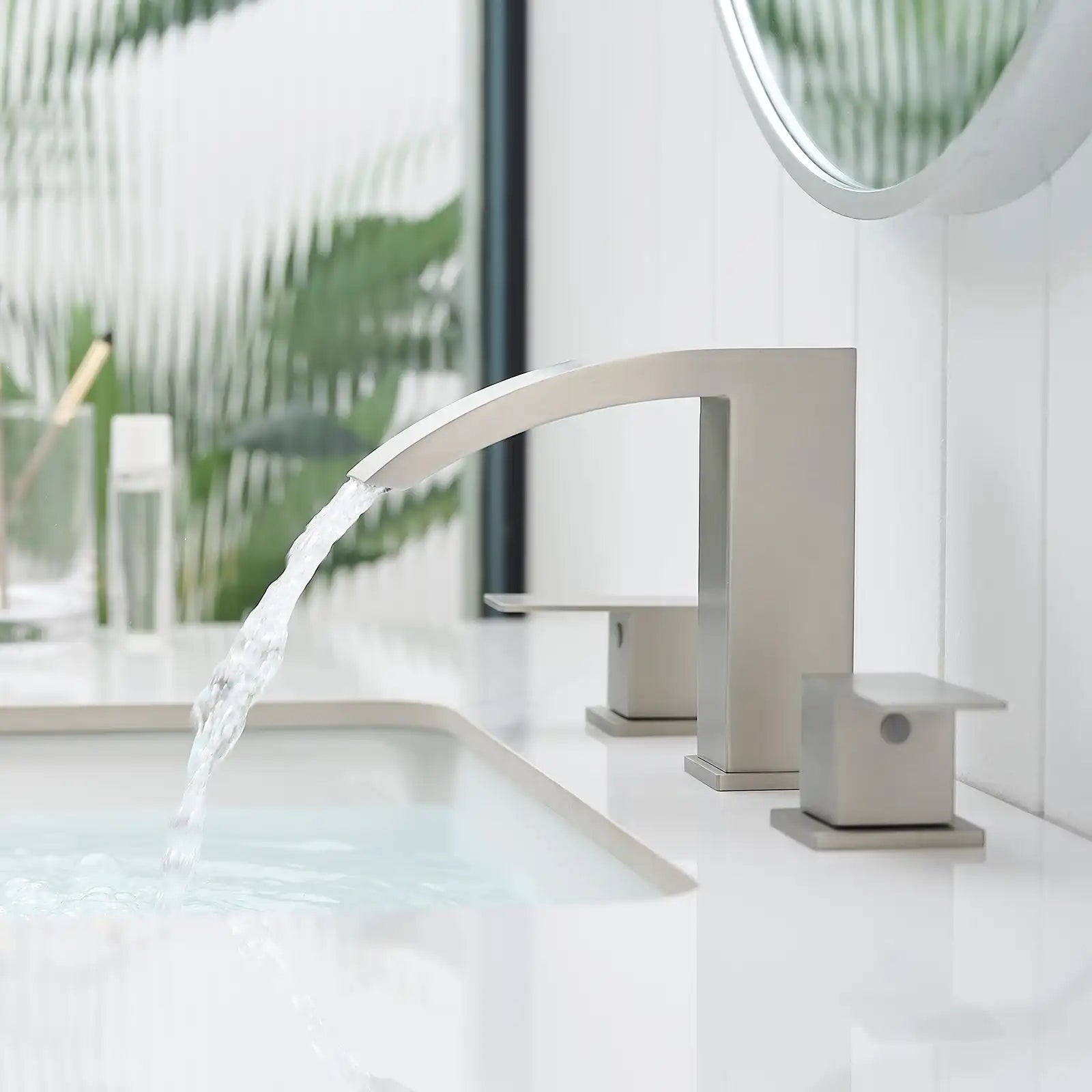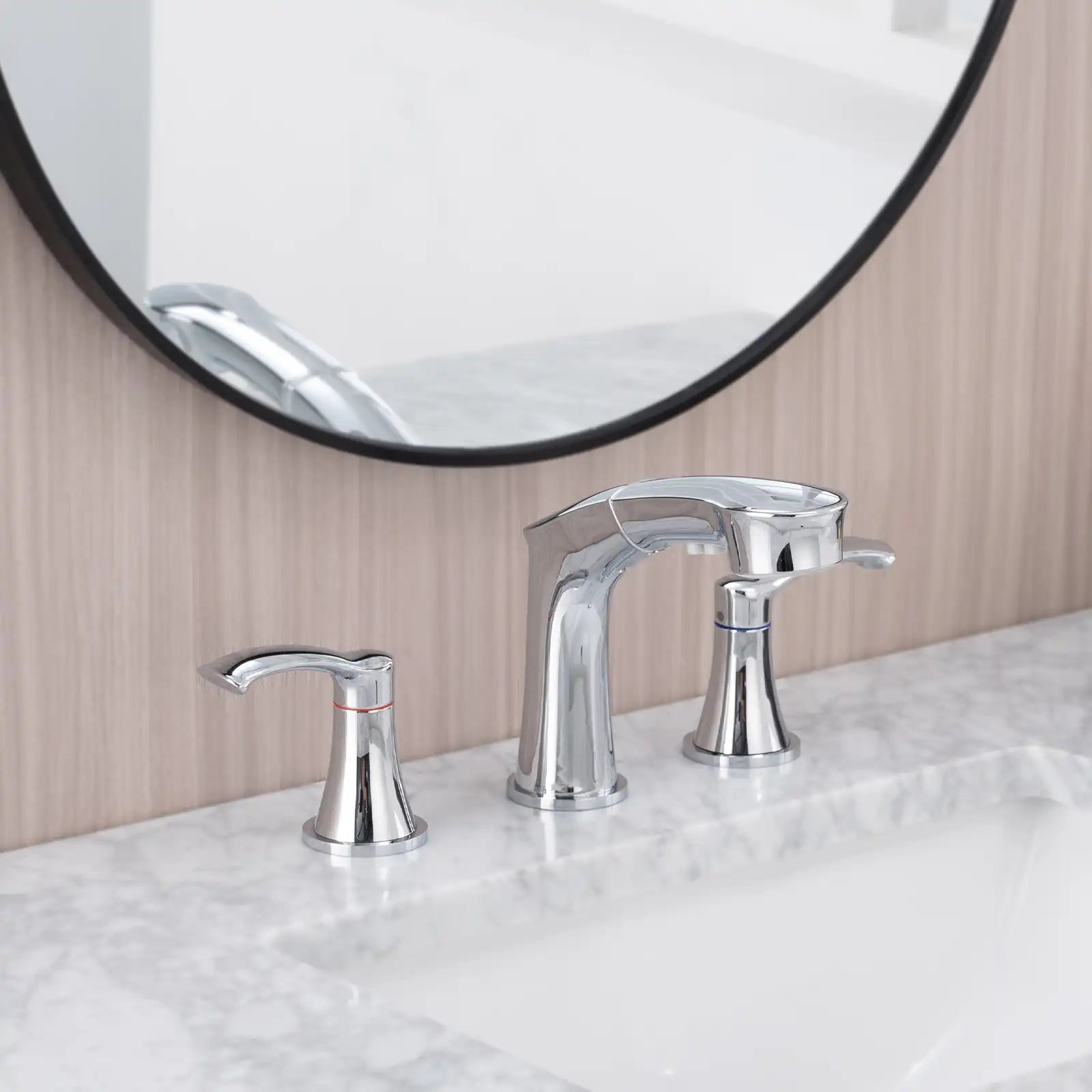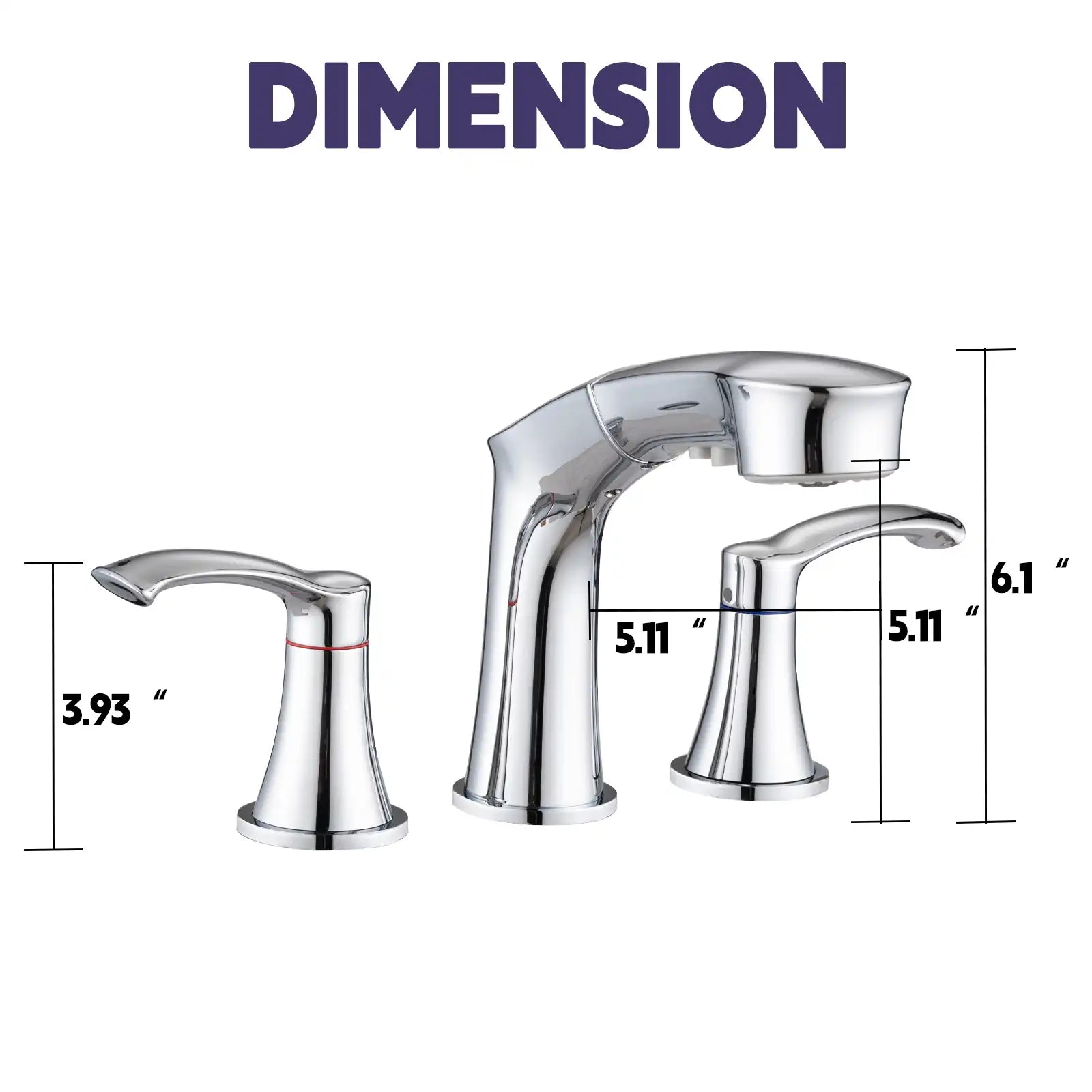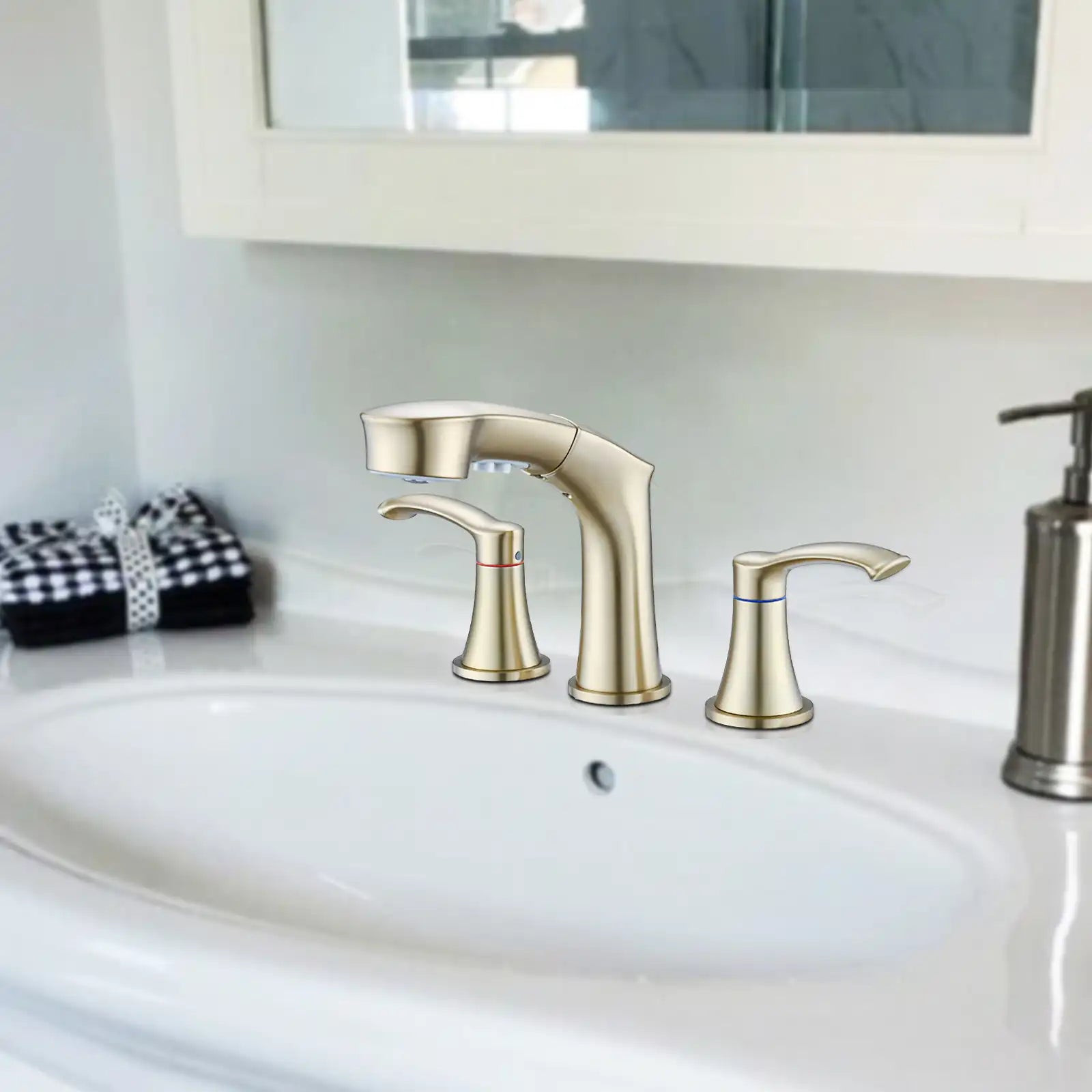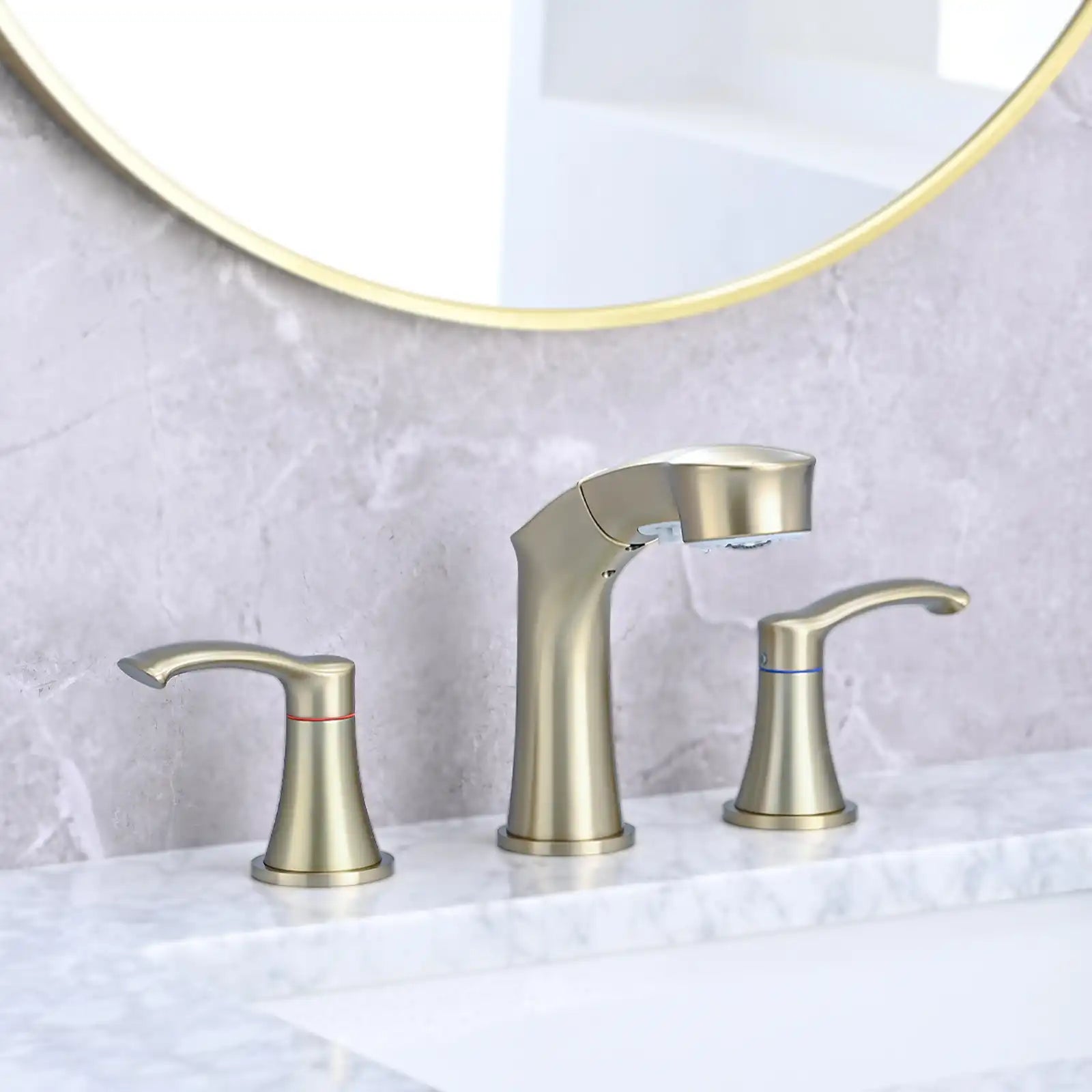


Bronze has been used by human civilizations for thousands of years, valued for its strength, warmth, and ability to age with character. From ancient tools and architectural elements to modern interior hardware, bronze has consistently represented durability combined with aesthetic depth. In recent years, bronze finishes have seen renewed popularity in bathroom design, where homeowners increasingly seek materials that feel timeless rather than trendy.
Venetian bronze vs oil rubbed bronze. While the two may appear similar at first glance, their visual qualities, aging behavior, and stylistic impact differ in meaningful ways. Understanding these differences can help ensure that the finish you choose not only looks appealing on day one, but continues to complement your space for years to come.
Table of Contents:
- Venetian Bronze vs Oil Rubbed Bronze: Key Differences at a Glance
- Understanding the Visual and Finish Characteristics
- Durability, Aging, and Maintenance: What to Expect Over Time
- Style Compatibility: Which Bathroom Designs Do They Work Best With?
- How to Choose Between Venetian Bronze and Oil Rubbed Bronze
- Beyond These Two: Other Popular Bronze Finishes You May Encounter
- Important Notes on Finish Variations and Visual Consistency
- Conclusion
- FAQ: Expert Answers to Common Questions
- More Articles About Fixtures and Hardwares
Venetian Bronze vs Oil Rubbed Bronze: Key Differences at a Glance
| Feature | Venetian Bronze | Oil Rubbed Bronze |
|---|---|---|
| Overall Appearance | Warm brown tones with subtle copper or golden undertones | Dark brown to near-black base with lighter bronze highlights |
| Surface Look | Smooth and relatively uniform | Intentionally varied with a more textured, aged effect |
| Visual Impact | Refined and understated | Bold, dramatic, and high-contrast |
| Aging Behavior | Designed to remain consistent over time | Develops visible highlights in high-touch areas |
| Maintenance Needs | Low maintenance, easy to clean | May require more careful cleaning to preserve appearance |
| Patina Development | Minimal and controlled | Natural patina is part of the design appeal |
| Best Use Cases | Transitional, classic, or softly modern bathrooms | Traditional, rustic, or statement-focused designs |
Understanding the Visual and Finish Characteristics

Venetian bronze typically presents a softer, more uniform appearance. The tone is often warm brown with subtle copper or golden undertones, giving it a refined and slightly polished look. The finish is designed to appear gently aged without looking distressed, making it visually balanced and understated.
Oil rubbed bronze, by contrast, is typically much darker and more dramatic in appearance. It usually features deep brown or near-black tones with lighter bronze highlights at the edges. These highlights can appear more defined over time as it wears naturally in the more commonly touched areas, something that many people find attractive about it.
These differences form the foundation of the venetian bronze vs oil rubbed bronze discussion and influence how each finish performs in real-world bathroom environments.
Durability, Aging, and Maintenance: What to Expect Over Time

Durability is a major concern in bathrooms, where fixtures are exposed to moisture, temperature changes, and frequent handling. In the comparison of venetian bronze vs oil rubbed bronze, it is important to understand that durability depends more on the quality of the protective coating than on the color itself.
Venetian bronze finishes are usually sealed to maintain a consistent appearance over time. This makes them relatively low maintenance, as they are less likely to show noticeable wear or color variation from daily use. Water spots, fingerprints, and fine scratches seem to blend into the finish not stand out.
Oil rubbed bronze finish, by contrast, is typically intended to change. Touching and servicing the surface could produce lighter bronze shades to the edges and where touch has occurred. Some owners like this natural patina, seeing it as character, not wear. Others may find it less predictable, especially in busy family bathrooms.
From a maintenance standpoint:
-
Venetian bronze generally requires simple, routine cleaning with mild soap and water.
-
Oil rubbed bronze may need more attentive care to avoid uneven wear, especially if consistency is a priority.
Neither option is inherently fragile, but their long-term appearance differs, which plays a key role in choosing between venetian bronze vs oil rubbed bronze.
Style Compatibility: Which Bathroom Designs Do They Work Best With?

Finish selection is as much about visual harmony as it is about durability. Each option contributes a distinct mood to a bathroom space.
Venetian bronze works particularly well in transitional and classic-inspired interiors. Its warmth pairs naturally with neutral tiles, soft stone textures, and balanced color palettes. In bathrooms that aim for elegance without excess ornamentation, venetian bronze offers depth without overpowering the design. It also performs well in spaces with limited natural light, as its lighter tone prevents the room from feeling heavy.
Oil rubbed bronze is another popular finish for more traditional, rustic or farmhouse-style bathrooms. In darker versions it works great, too, as a strong contrast to light walls, white porcelain, or natural wooden elements. In designs where fixtures are intended to be visual focal points, oil rubbed bronze delivers a sense of weight and historic character.
When comparing venetian bronze vs oil rubbed bronze from a design perspective, the key difference lies in intention: one supports the overall composition quietly, while the other makes a deliberate visual statement.
How to Choose Between Venetian Bronze and Oil Rubbed Bronze

If you are deciding between venetian bronze vs oil rubbed bronze, the following guidelines can help clarify your choice:
-
Choose venetian bronze if you prefer a warmer, more uniform appearance that ages subtly and requires minimal maintenance.
-
Choose oil rubbed bronze if you value dramatic contrast, traditional character, and a finish that develops visible patina over time.
-
If your bathroom has limited lighting, venetian bronze may help maintain visual openness.
-
If your design is more focused on bold fixtures that may act as the focal point, then oil rubbed bronze may support this better.
Neither option is universally better; the right choice depends on how you want the space to feel and how much change you are comfortable seeing over time.
Beyond These Two: Other Popular Bronze Finishes You May Encounter

In addition to traditional bronze finishes, several modern variations are commonly used in bathroom and interior hardware. These finishes interpret bronze in different ways, offering distinct visual characteristics and design possibilities.
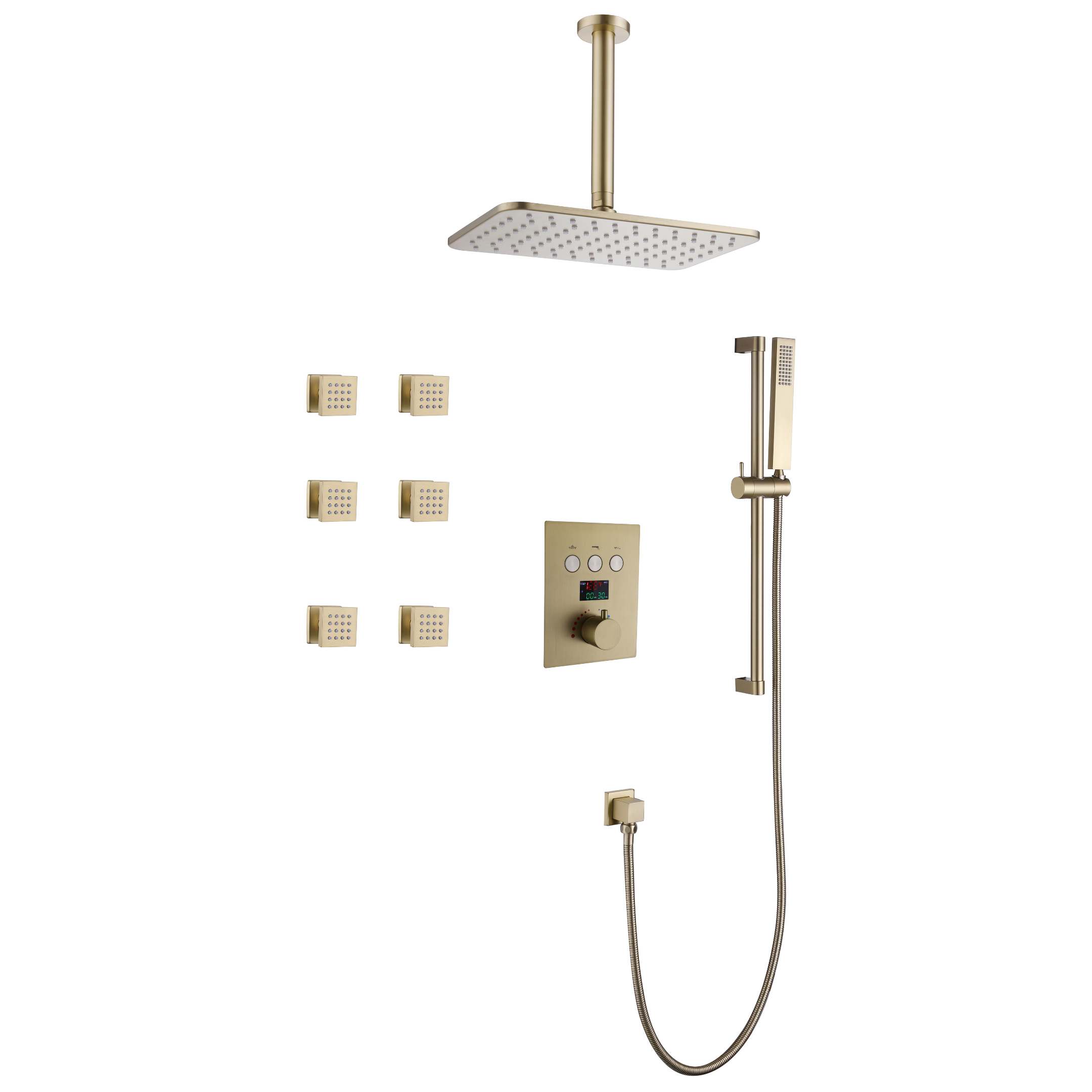
Champagne bronze is known for its soft, muted golden tone. It's in-between classic bronze and brushed gold, giving a rich but modern appearance. This finish is often selected in contemporary or minimal spaces looking for more of a subtle warmth than a bold contrast.
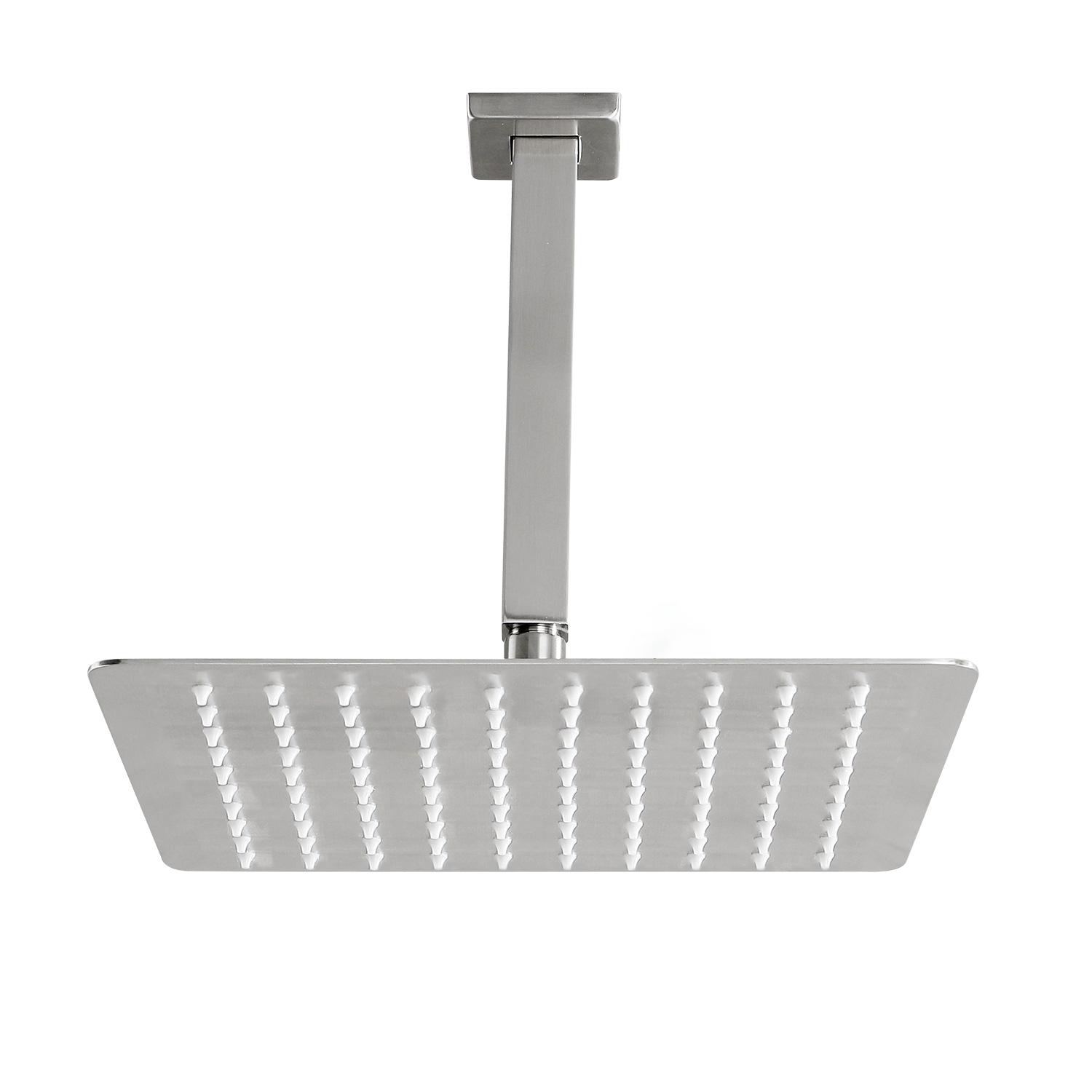
Brushed bronze features a linear, silk-like texture that minimizes reflectivity. The surface treatment enhances the resistance to fingerprint marks and water spots, which makes it fit for those clean lined designs, focused on unobtrusive elegance.
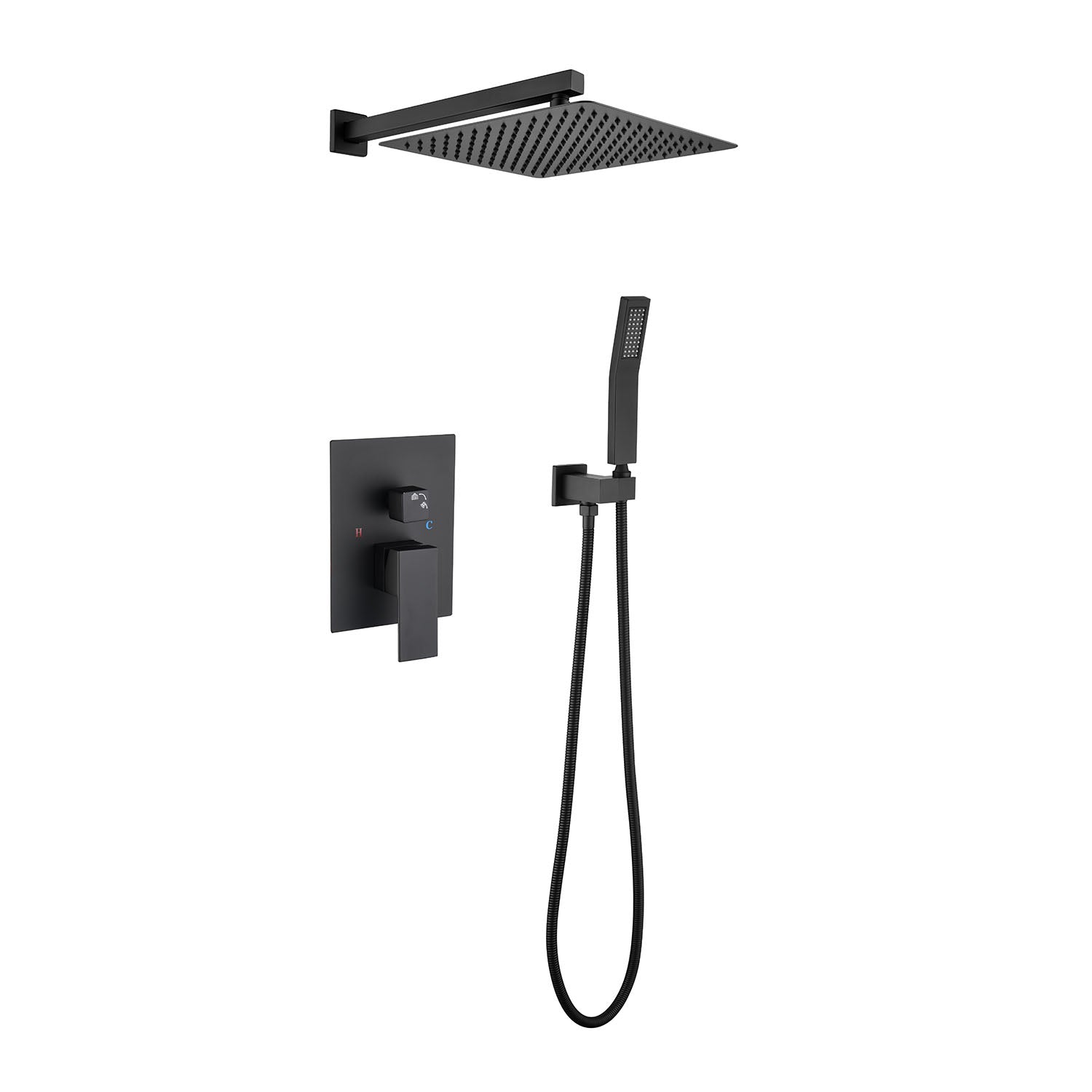
Antique bronze typically presents a darker, aged appearance with visible tonal variation. This finish imparts a sense of history and craftsmanship and often has a more traditional or heritage-inspired feel to it.
These finishes each provide a unique vision of bronze and give both designers and homeowners the opportunity to choose configurations that suit certain aesthetics or objectives of space.
Important Notes on Finish Variations and Visual Consistency
When selecting bronze finishes, it is important to understand that color and appearance are not always perfectly standardized across different manufacturers or production batches. Even when labeled as the same finish such as Venetian bronze, subtle variations in depth, warmth, or surface tone can occur.
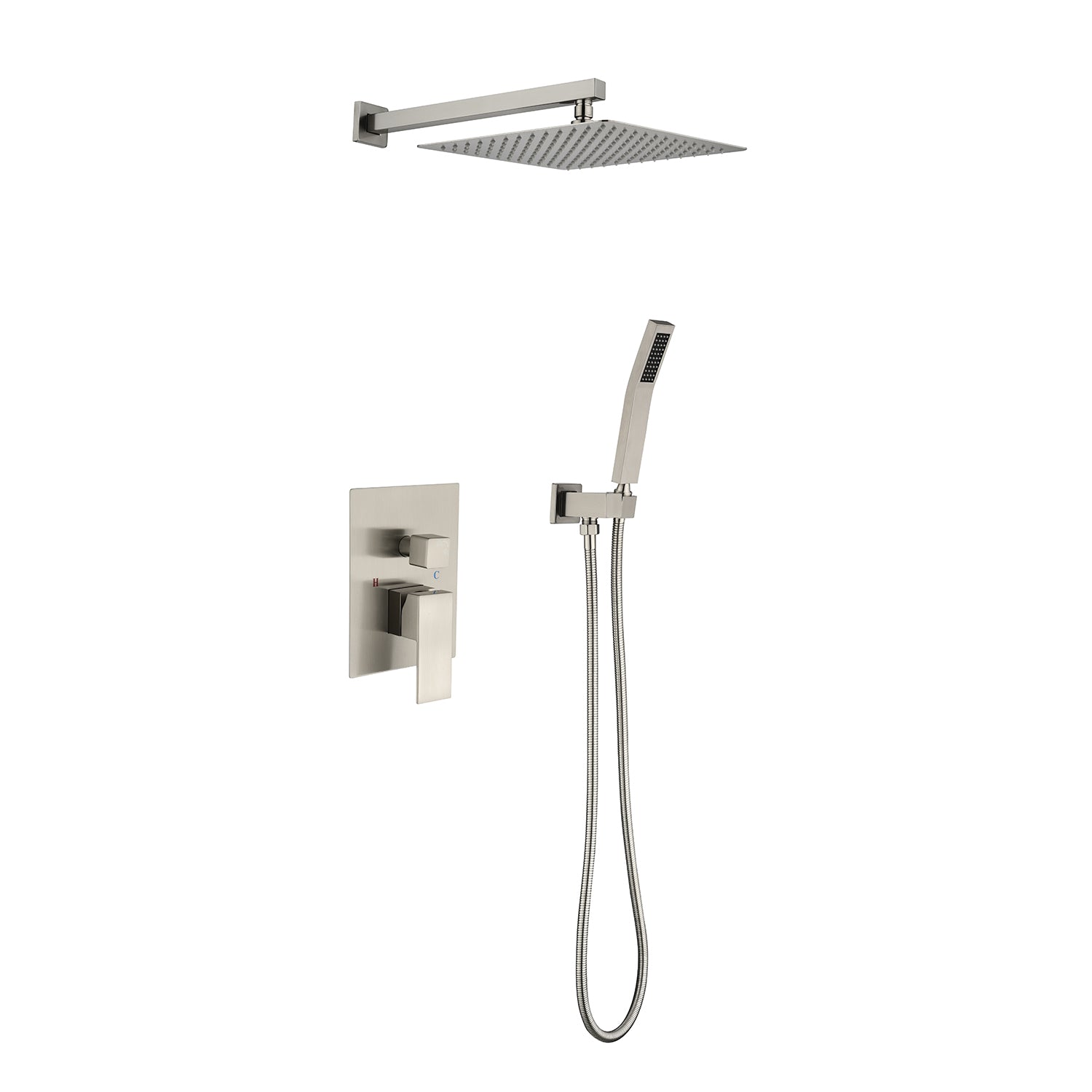
Product images, whether renderings or photographs, can also depict finishes differently due to lighting, camera settings, and the surrounding materials. Online, a bronze finish might look warmer, darker or more shiny than it actually does in your bathroom. Evaluating finishes under consistent lighting and maintaining finish consistency across visible elements helps ensure a more cohesive and satisfying result.
Conclusion
The decision between venetian bronze vs oil rubbed bronze is less about technical superiority and more about personal preference, design goals, and long-term expectations. Both finishes draw from bronze’s long history as a trusted material, yet they interpret that legacy in different ways.
With its consistency, warmth, and understated elegance, Venetian bronze is a timeless touch. Oil rubbed bronze has depth, contrast and a sense of an ever changing patina. By knowing not only how each finish looks but also how it acts, homeowners can make informed decisions that complement their dream aesthetic and practical lifestyle needs.
Q1. Does oil rubbed bronze fade faster than venetian bronze?
Q2. Which finish is easier to maintain in a busy bathroom?
Q3. Do bronze finishes look different under various lighting conditions?
Q4. Can different bronze finishes be mixed in the same bathroom?
Q5. Are bronze finishes suitable for modern bathrooms?
- Mixing Metals in the Bathroom: A Guide to Stylishly Combining Different Finishes
- The Evolution of the Modern Shower Head: 6 Trends You Should Know
- How to Remove a Faucet Aerator: The Complete 2025 DIY Guide for Homeowners
- How to Choose the Right Faucet for Your Bathroom Vanity: A Complete Buyer’s Guide
- How to Do a Bathroom Faucet Repair Like a Pro?