

Table of Contents
- What Is the Standard Bathroom Counter Height?
- Why Bathroom Counter Height Matters More Than Most People Expect
- Bathroom Counter Height for Vessel Sinks vs. Integrated Sinks
- How to Fix a Bathroom Counter Height That's Too High or Too Low
- Frequently Asked Questions About Bathroom Counter Height
- Final Thoughts
- Related Articles
Over the years working in bathroom furniture and renovation planning, I've learned that one of the most overlooked decisions in any remodel is choosing the right bathroom counter height. Homeowners often focus on sinks, finishes, or faucets—but the height of your vanity counter quietly influences every single day of your life: how comfortable you feel washing your face, whether your back hurts, how tidy the space stays, and even how modern and well-proportioned your bathroom looks.
This guide is designed to give you clear, practical insights so you can make the right decision the first time—whether you're refreshing a guest bathroom or upgrading a full primary suite.
Let's dive deep into everything you should know before selecting the perfect bathroom counter height.
What Is the Standard Bathroom Counter Height?

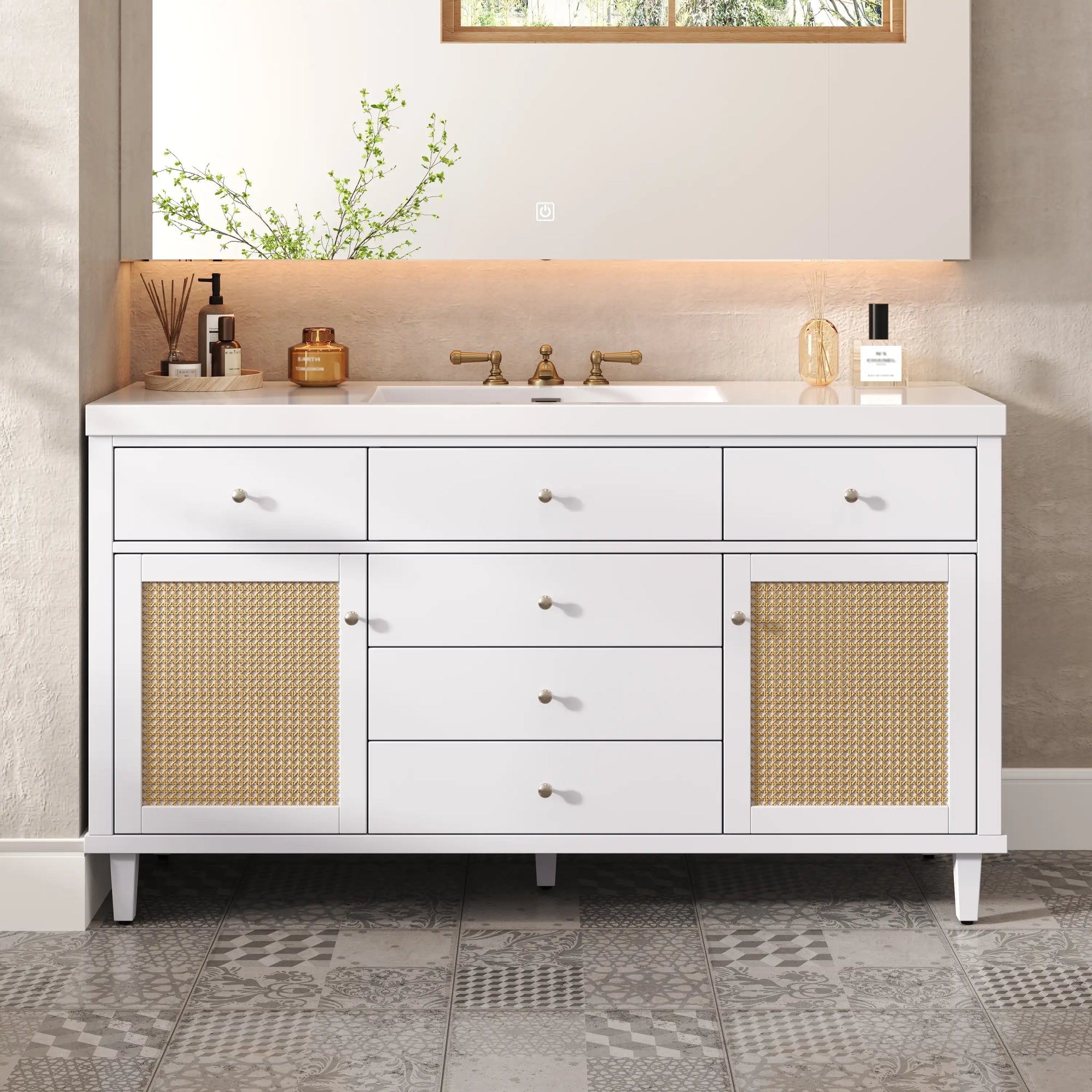
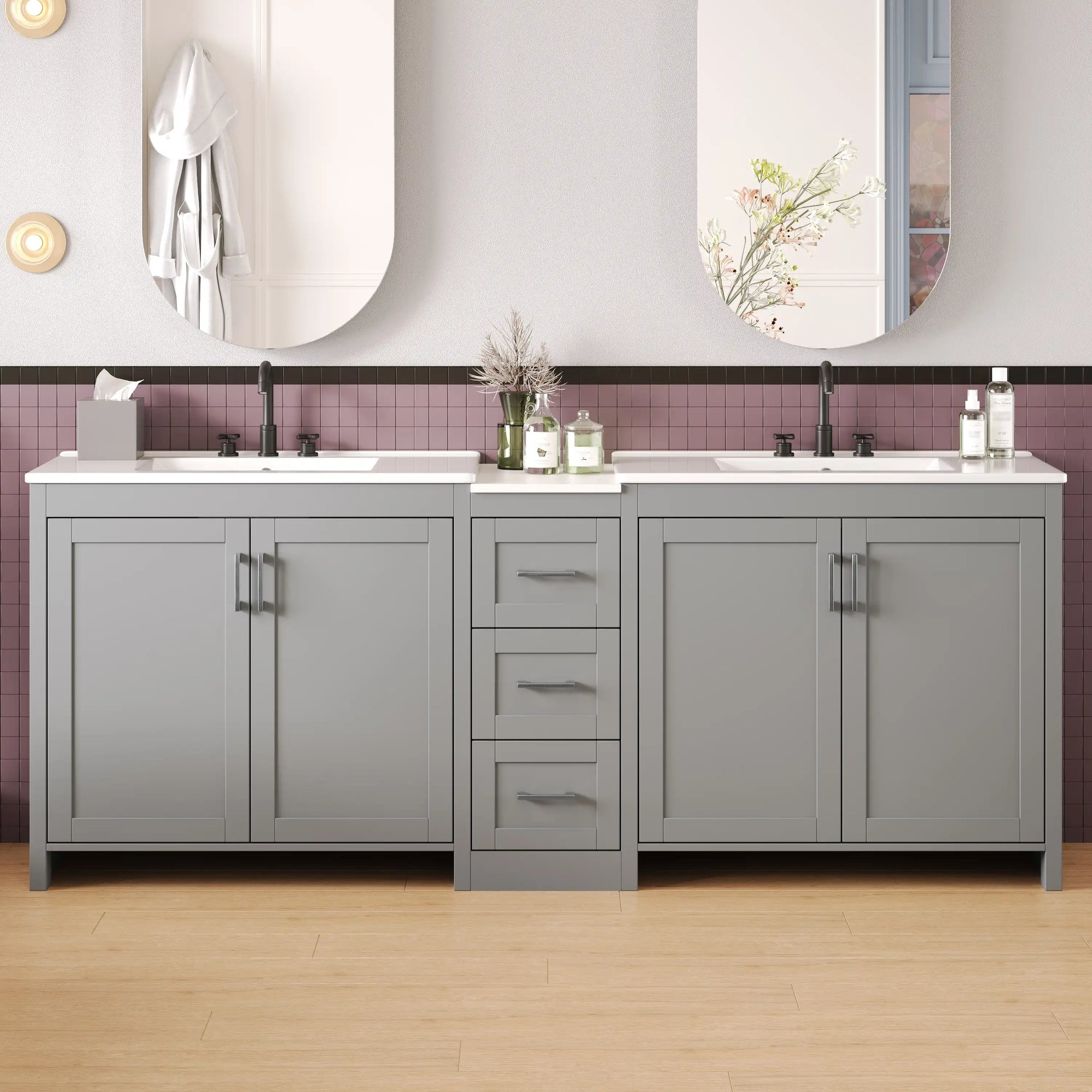
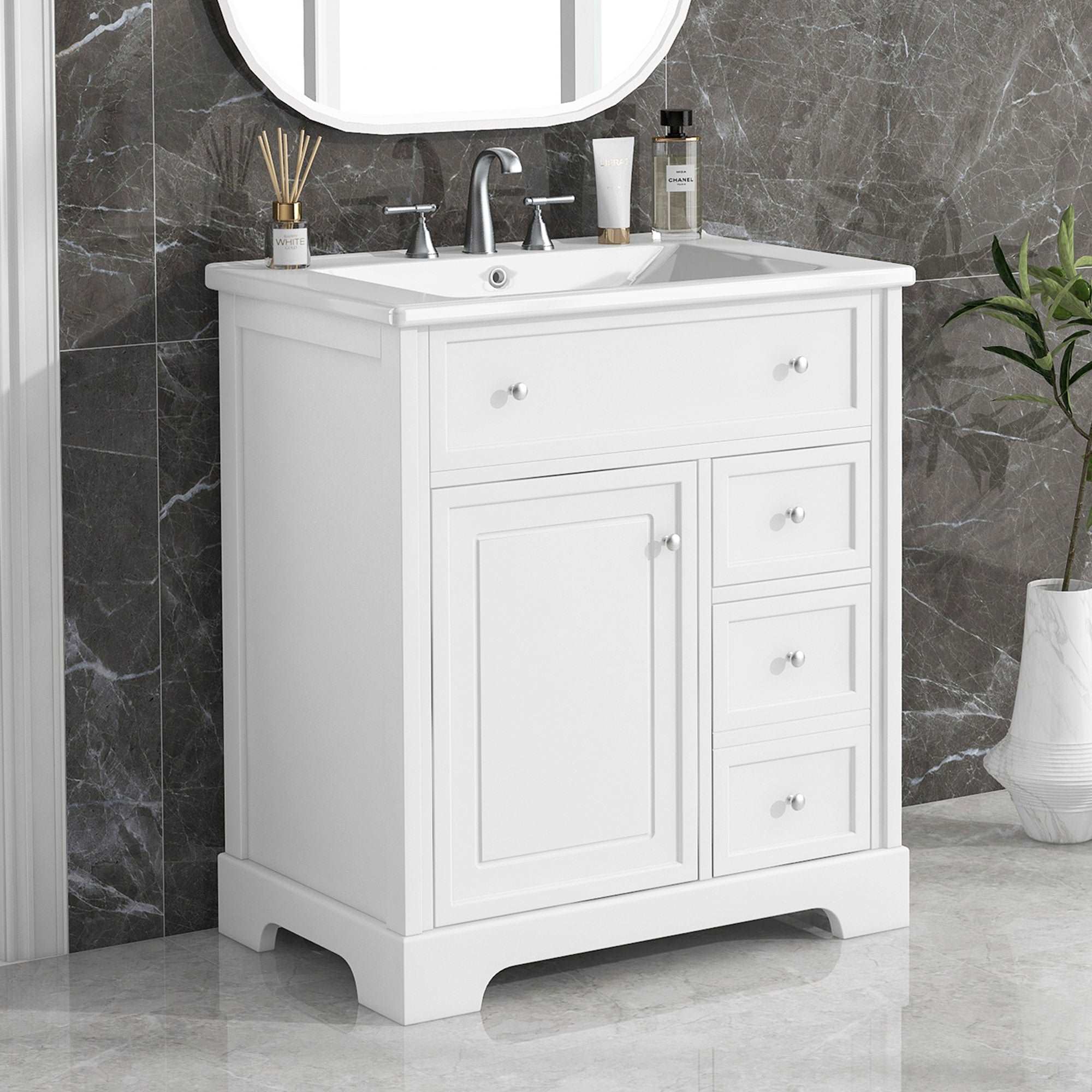
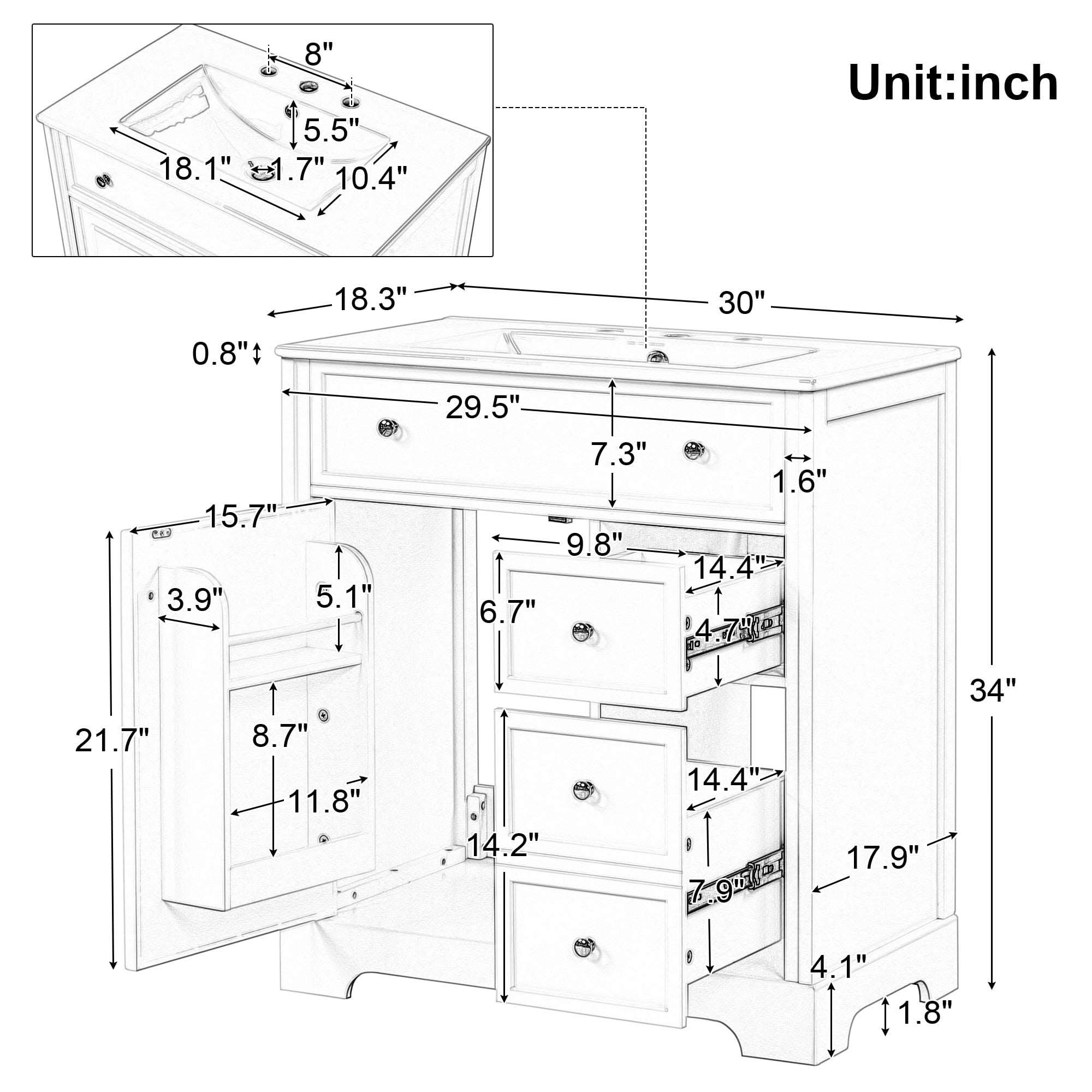
When people talk about "standard bathroom counter height,” they're usually referring to the longtime industry guideline of 32–34 inches. This height remained common for decades because it worked reasonably well for different bathroom layouts and construction methods, especially when bathrooms were designed with simple built-in cabinetry and under-mount sinks.
But bathrooms today look nothing like those of 20–30 years ago.
Modern remodels incorporate floating vanities, vessel sinks, thicker countertops, taller faucets, and accessibility considerations that simply didn't exist in older building standards. As a result, bathroom counter height has become far more customizable, allowing homeowners to design for comfort, aesthetics, and long-term usability.
To make the selection easier, bathroom counter heights are now generally grouped into three practical categories. Each category has its own advantages, design implications, and ideal use cases.
1. Standard Height (32–34 inches)
This traditional height range remains widely used, but it plays a very different role in modern bathroom design.
Why Standard Height Is Still Relevant
- It provides a familiar feel for many homeowners, especially in older residential properties.
- Works well for both small and mid-sized bathrooms where cabinetry needs to stay visually proportionate.
- Suitable for vanities with thinner countertops or shallow under-mount sinks.
- Offers a "balanced middle ground" for households where users have varied height preferences.
Design Considerations
Standard-height vanities often create a more classic, traditional look because they sit slightly lower and maintain the visual proportions used in decades of residential construction. They also pair well with:
- Traditional Shaker or paneled vanity styles
- Narrow-depth cabinets
- Standard-height backsplashes
- Pivot mirrors or medicine cabinets positioned at eye level
When to Choose Standard Height
Choose this range if your remodel emphasizes:
- Simplicity
- Familiar ergonomics
- A design that blends seamlessly with existing cabinetry
- Spaces where the goal is practicality more than dramatic visual impact
2. Comfort Height (34–36 inches)
Comfort height has become the new favorite in most modern bathroom renovations. This increased height is directly inspired by the ergonomics of kitchen counters and offers a more natural posture for daily routines.
Why Comfort Height Is Growing in Popularity
- Reduces the amount of bending required for washing hands or brushing teeth
- Feels more aligned with the natural standing posture of most adults
- Creates a more modern, elevated look because the vanity sits higher on the wall
- Pairs beautifully with thick quartz or porcelain slab countertops
Design Considerations
Comfort-height vanities give a more luxurious, "custom-installed" feel. They visually anchor the bathroom by lifting the counter to eye level, which works especially well in:
- Primary bathrooms
- Double-sink layouts
- Bathrooms with wall-mounted faucets
- Transitional or modern design styles
You’ll often see comfort-height vanities combined with:
- High-arc faucets
- Deep under-mount sinks
- Tall mirrors or LED mirror cabinets
- Wall tile that wraps behind the vanity for a more architectural look
When to Choose Comfort Height
This height is ideal when you want:
- A modern, upgraded feel
- Better daily comfort
- A vanity that provides more effective vertical storage
- A bathroom that aligns with newer home-building trends
Many homeowners who switch to comfort height describe the change as “surprisingly significant,” especially if they spend a lot of time using the sink for skincare or grooming.
3. Lower Height (30–32 inches)
This height range is less common in standard remodels but extremely important in certain design scenarios.
Why Lower Height Is Necessary or Beneficial
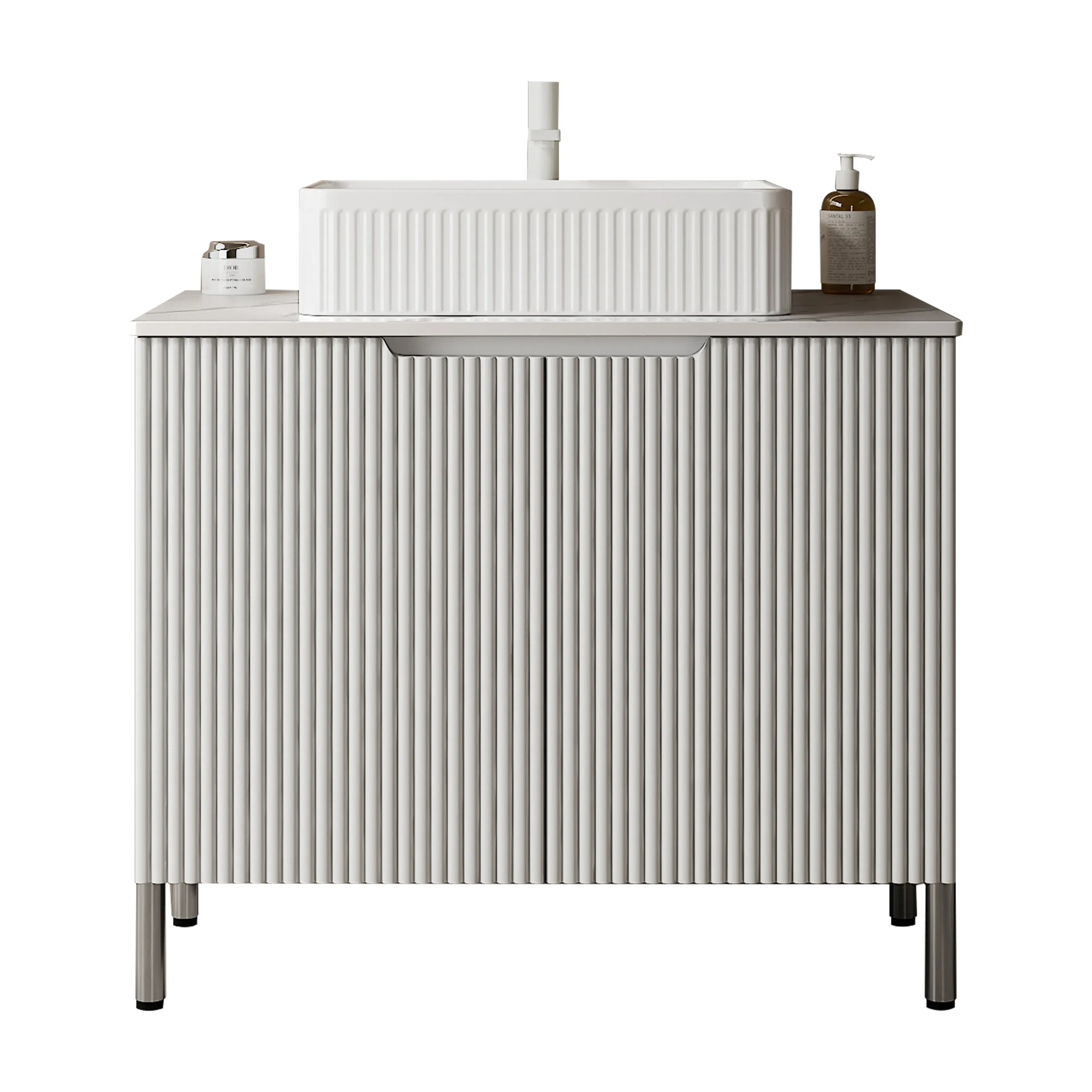
- It is the proper height for vessel sink vanities, keeping the final sink rim at a usable level.
- Creates a lighter, more open look in contemporary bathrooms where visual balance is essential.
- Works well for bathrooms with sloped ceilings or shorter mirror placements.
- Provides accessibility benefits when required for mobility considerations.
Design Considerations
Lower vanities tend to pair with bold, design-driven sink choices such as:
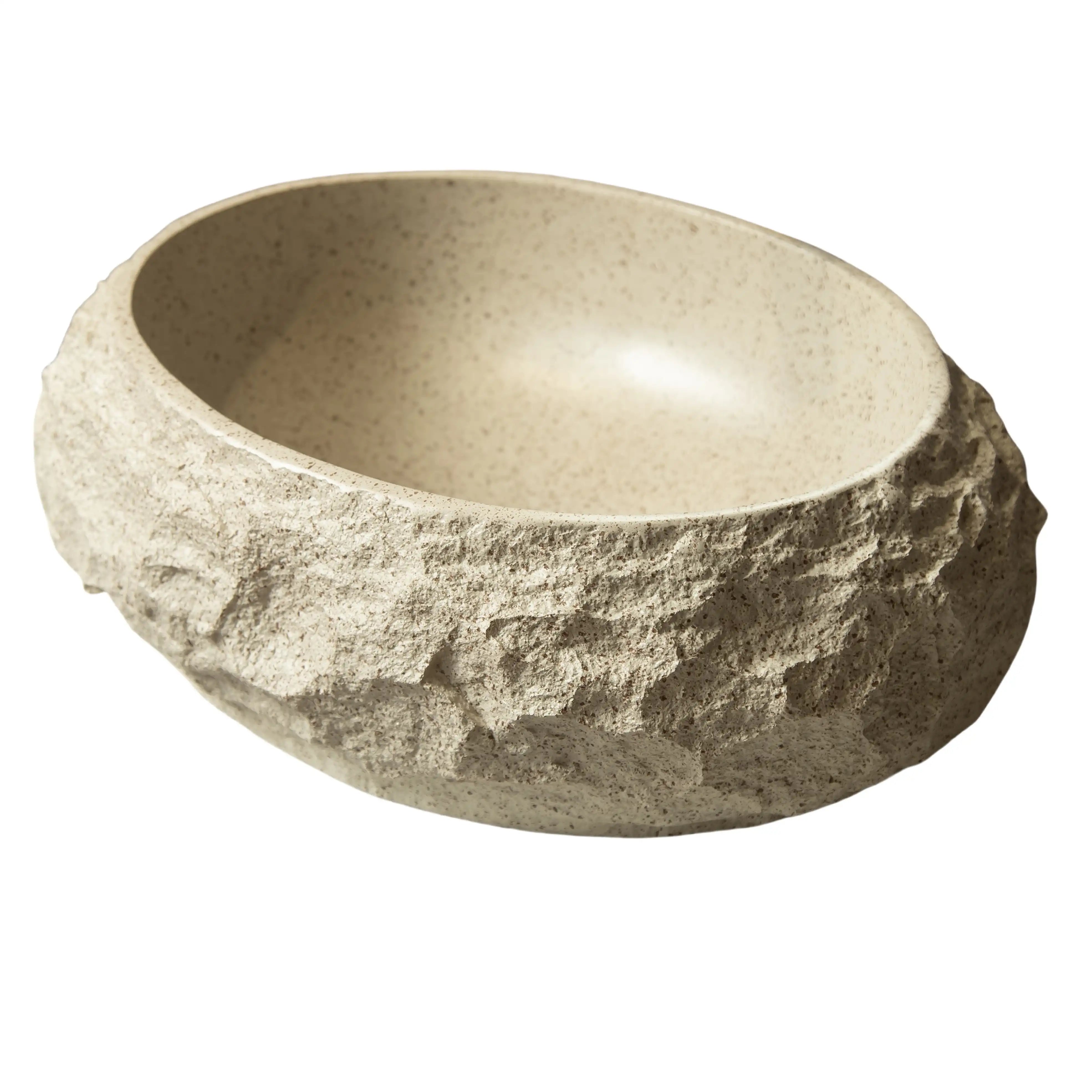
- Tall ceramic vessel bowls
- Thick stone or concrete basins
- Artistic or handcrafted sinks meant to be the focal point of the bathroom
Since vessel sinks already raise the functional height of the basin, the countertop must be lower to maintain ergonomic usability. A 30–32 inch vanity ensures the combined height stays within the comfortable 34–36 inch range.
Lower-height vanities can also help make a bathroom feel more spacious, especially when paired with:
- Floating installation
- Slim-profile countertops
- Open shelving or minimalist drawer layouts
When to Choose Lower Height
Select this height if:
- You’re planning to use a vessel sink
- You want a lighter, more architectural look
- The vanity sits below a window
- You need broader accessibility or ADA-friendly design
So, Which Bathroom Counter Height Is “Best”?
There is no universally correct bathroom counter height.
The best height is the one that matches your:
- Sink type
- Vanity design
- Preferred daily comfort
- Storage needs
- Faucet height
- Overall bathroom proportion
In many remodels, the height is determined by the relationship between all these elements—not by a single standard number. Thinking of bathroom counter height as a flexible design choice rather than a fixed rule leads to a better long-term outcome.
Why Bathroom Counter Height Matters More Than Most People Expect
Many homeowners are surprised to discover just how significant an impact bathroom counter height has on daily comfort and long-term usability. It's one of those details that tends to slip under the radar during the excitement of choosing finishes, tile, or a beautiful sink—but once the vanity is installed, the height becomes something you interact with every single day. A countertop that sits just an inch too low can make you feel as if you're constantly leaning forward, placing strain on your back and shoulders, while a surface that's too high can feel awkward and restrictive, especially when washing your face or carrying out longer skincare routines. Over time, either scenario becomes a subtle source of discomfort, one that could easily have been avoided with the right planning.
Counter height also plays a surprisingly large role in how tidy and functional your bathroom feels. When the sink and faucet sit at the correct height relative to the countertop, water flows more naturally and splashes less, making daily cleaning quicker and helping your bathroom stay presentable throughout the day. On the other hand, mismatched heights—such as a tall faucet paired with a too-high vessel sink—tend to push water outward, leaving small puddles around the basin that become a nuisance. Choosing the right bathroom counter height is therefore not only about comfort but also about reducing the maintenance burden on busy households.
From an aesthetic standpoint, vanity height shapes how the entire bathroom reads visually. A vanity that's too low can make the walls feel taller and emptier, causing mirrors or lighting to appear misplaced. A countertop that sits higher creates a stronger connection to the vertical space and often makes the bathroom feel more "intentional,” as though the elements were custom-fitted rather than simply installed. This is especially noticeable in modern designs, where clean lines and proportional balance are essential. Even the thickness of the countertop, the height of the backsplash, and the position of the faucet all appear more harmonious when the counter height is chosen deliberately instead of defaulting to whatever the old vanity used to be.
Storage is another factor that directly ties into counter height. Taller vanities allow for deeper drawers, more efficient organization, and better use of vertical cabinet space. Many homeowners don't realize that a couple of extra inches in height can translate into meaningful storage improvements—enough room for larger bottles, small appliances like hairdryers, or extra linens. In contrast, lower vanities may feel more open and spacious but sacrifice internal storage capacity. Understanding how much storage you truly need helps guide the height decision, especially in bathrooms that serve as daily-use spaces rather than occasional guest rooms.
Finally, bathroom counter height carries long-term implications that go beyond the immediate remodel. A height that feels right today will continue to support comfort and usability in the years ahead. That's why more recent remodels lean toward ergonomic "comfort height" standards, which accommodate natural standing posture and reduce strain. A bathroom vanity isn't something you replace every year, so investing in a height that aligns with long-term ease of use is a practical, forward-thinking choice.
Altogether, bathroom counter height affects comfort, cleanliness, design proportion, storage efficiency, and long-term satisfaction. It's a foundational element that influences how your bathroom feels and functions every day, and one of the most valuable decisions you can get right during a renovation.

Bathroom Counter Height for Vessel Sinks vs. Integrated Sinks
The type of sink you choose has a direct influence on the ideal bathroom counter height. Vessel sinks and integrated sinks each change how high the final rim sits, how comfortable the setup feels, and how your vanity fits into the overall room design. Understanding their differences helps ensure your remodel feels intentional rather than accidental.
Vessel Sinks: Why They Require Lower Counter Heights
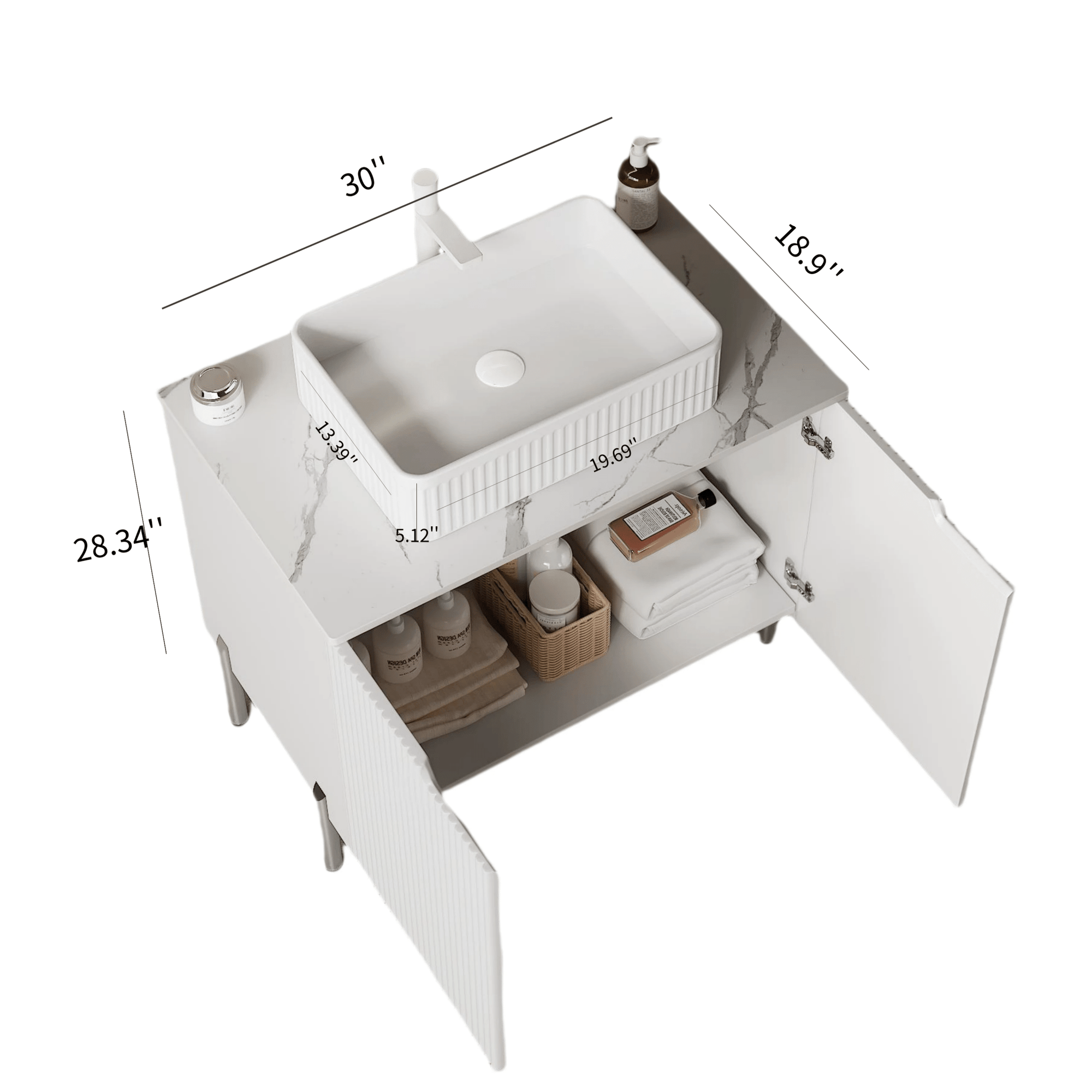
A vessel sink rests entirely on top of the counter, which instantly adds several inches to the total height. Even smaller bowls typically add 5–6 inches, while stone or sculptural designs can add more. To offset this added height, vanities designed for vessel sinks are usually installed lower—around 30–32 inches—so the final sink rim still lands in the ergonomic 34–36 inch range.
This adjustment creates a comfortable washing height and prevents the strained posture many homeowners experience when installing a vessel sink on a regular-height vanity.
How Vessel Sinks Influence Faucet Planning
Since vessel sinks sit higher, they often require tall single-hole faucets or wall-mounted fixtures. These faucets need enough clearance to extend over the vessel without splashing.
When the bathroom counter height is too high, the faucet spray ends up landing too close to the sink wall, which causes water to bounce upward. Lowering the counter allows the faucet and bowl to align naturally, resulting in a cleaner, smoother experience.
Integrated & Undermount Sinks Offer Greater Height Flexibility
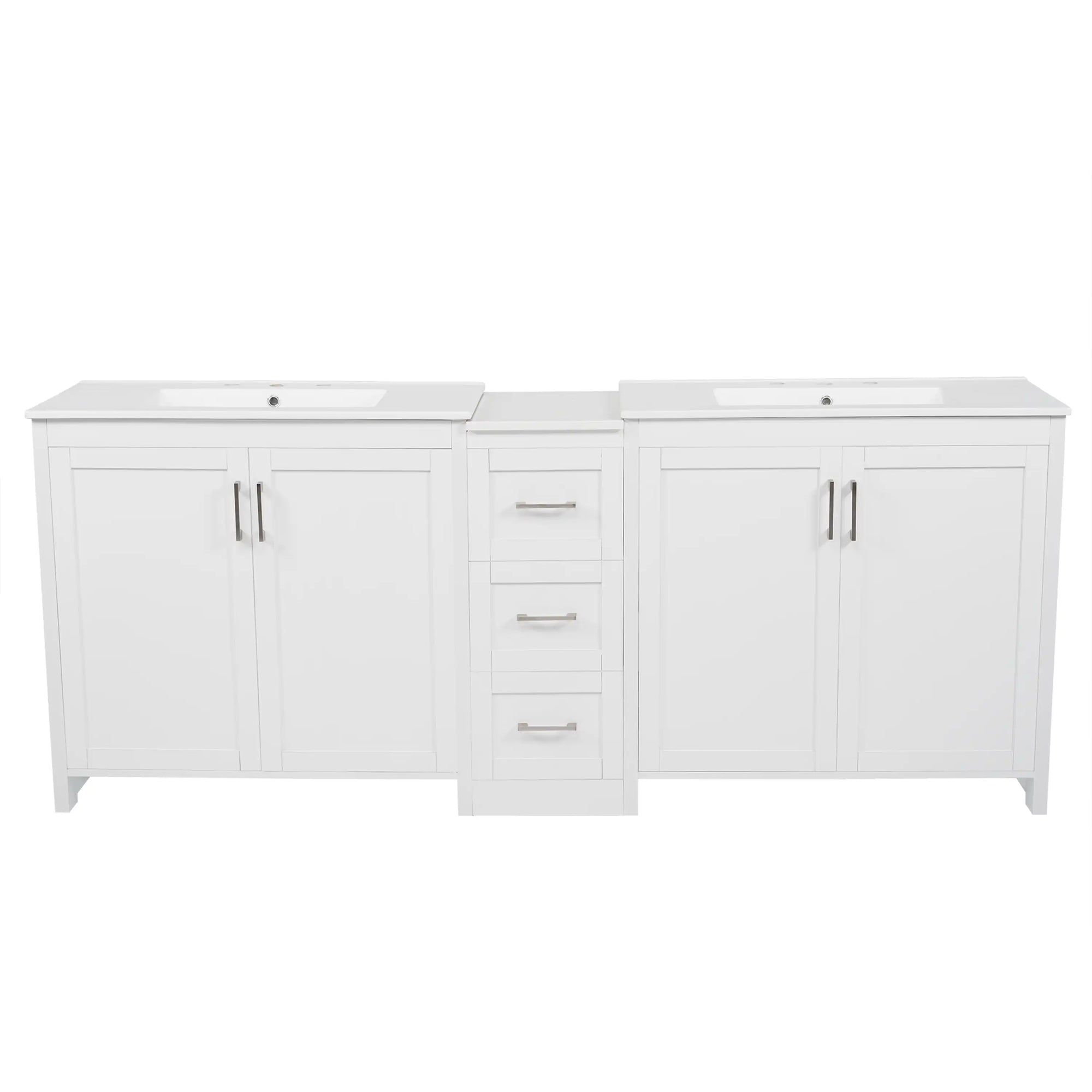
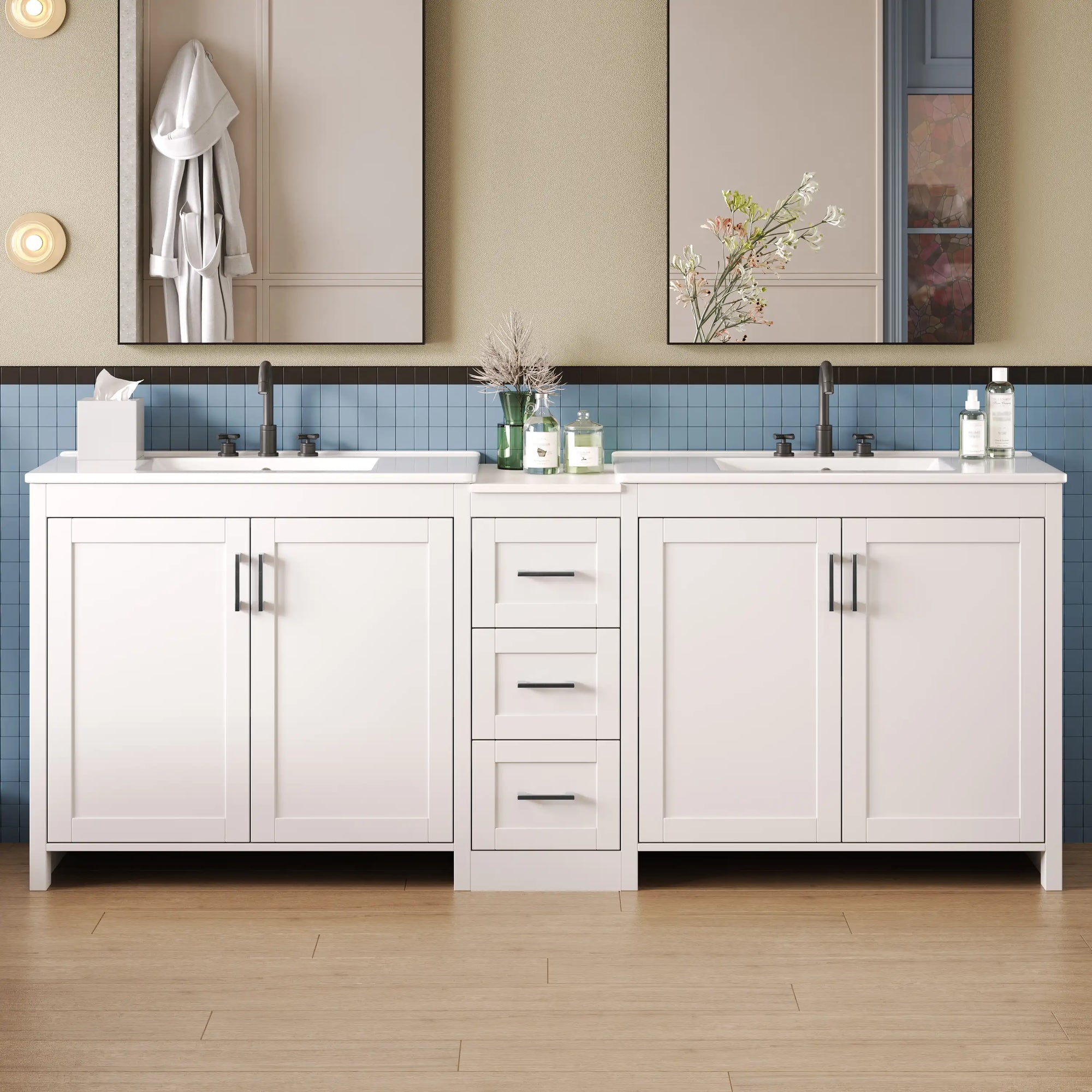
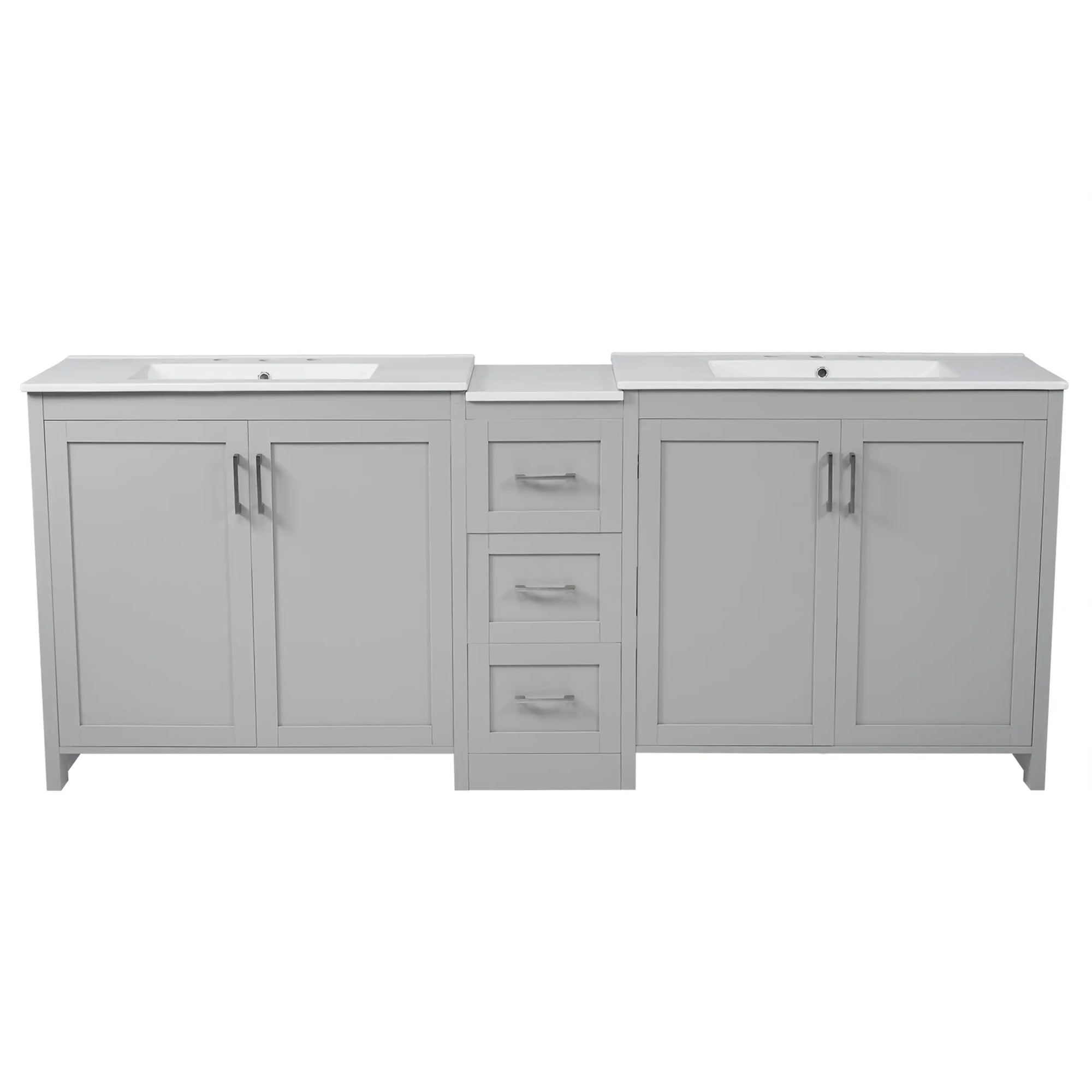
Integrated sinks—molded into the countertop—or undermount sinks sit at or below the surface, which means their height doesn't change the usable sink position. That's why they pair effortlessly with standard or comfort-height counters at 34–36 inches.
This setup feels grounded, modern, and supportive for everyday routines, particularly in main bathrooms where ergonomics and storage tend to matter most.
Why Integrated Sinks Complement Taller Vanities
Because the sink doesn't sit above the counter, integrated designs maintain a sleek horizontal line that visually suits taller vanities. This makes cleaning easier, enhances the minimalist look, and accommodates deeper storage drawers below. The result is a vanity that not only functions well but also feels cohesive in a contemporary space.
Vessel Sink vs. Integrated Sink: Counter Height Comparison Table
| Feature / Consideration | Vessel Sink Setup | Integrated / Undermount Sink Setup |
|---|---|---|
| Recommended Counter Height | 30–32 inches | 34–36 inches |
| Total Sink Rim Height | 34–36 inches after bowl is added | Equal to counter height |
| Ergonomics | Must lower counter to avoid being too tall | Comfortable for most users at comfort height |
| Splash Control | Higher risk if height is wrong; requires faucet planning | More predictable water flow |
| Faucet Options | Tall single-hole or wall-mounted faucets | Standard-height faucets |
| Ideal Bathroom Style | Artistic, contemporary, spa-like | Modern, minimalist, transitional |
| Storage Efficiency | Lower counters reduce drawer depth | Taller counters offer deeper storage |
| Installation Complexity | Requires precise measurement for bowl + faucet clearance | Easier, more flexible installation |
When Vessel Sinks Work Best
- When the bathroom design calls for a strong focal point
- When you prefer artistic bowls such as glass, stone, or textured ceramic
- When you want a lightweight, open look with a slimmer countertop
- When paired with a floating vanity that allows adjustable mounting height
When Integrated Sinks Are the Smarter Choice
- When you want easier long-term maintenance
- When maximizing storage is a priority
- When aiming for a clean and streamlined modern appearance
- When you prefer straightforward faucet and counter height planning
How to Decide Which Sink Type Fits Your Bathroom Counter Height Needs
If you love the sculptural look of vessel sinks, choosing a lower counter height ensures the design feels intentional and comfortable. If you prefer a simpler, unified look—and don't want to worry about faucet clearance—integrated sinks offer the easiest path to a functional and visually cohesive bathroom.
Both options can work beautifully as long as the bathroom counter height is planned with the entire system in mind: sink, faucet, cabinet, mirror, and even the lighting above.

How to Fix a Bathroom Counter Height That's Too High or Too Low
One of the most common renovation problems I see is homeowners discovering—too late—that their vanity height is uncomfortable. Fortunately, there are solutions that don't require a full remodel.
-
Swap the Sink Type
Switching between vessel and integrated sinks can correct height issues instantly.
-
Adjust or Remount Floating Vanities
Wall-mounted units can be repositioned in most cases.
-
Modify Countertop Thickness
A slimmer or thicker countertop can help refine the final height.
-
Add a Toe-Kick Riser
A small riser on freestanding vanities can subtly increase height without altering the entire cabinet.
-
Recess a Vessel Sink
If the material allows, recessing the sink reduces total height while preserving the aesthetic.
Frequently Asked Questions About Bathroom Counter Height
1. What is the most comfortable bathroom counter height for everyday use?
2. How does sink type (vessel vs. integrated) affect the ideal counter height?
3. Does the wrong bathroom counter height impact water splashing?
4. Should double vanities have a different counter height than single vanities?
5. Is it okay to use different bathroom counter heights in different rooms of the house?
6. Does bathroom counter height affect mirror and lighting placement?
7. How does bathroom counter height influence storage space?
8. If my current vanity feels too high or too low, can the height be adjusted without replacing it?
9. What bathroom counter height works best with wall-mounted faucets?
10. Will choosing the wrong bathroom counter height hurt my home’s resale appeal?
Final Thoughts
Choosing the right bathroom counter height may seem like a small detail, but it plays a major role in how comfortable, functional, and well-designed your bathroom feels every day. When the counter height aligns with the sink style, faucet placement, and the way you naturally use the space, the entire room works more smoothly—cleaning is easier, storage becomes more practical, and the overall layout feels intentional instead of improvised. Whether you prefer the sculptural presence of a vessel sink or the simplicity of an integrated design, taking the time to get the height right ensures your remodel will look better, feel better, and serve you well for years to come. With thoughtful planning, the bathroom counter height becomes not just a measurement, but a foundation for a space that truly fits your life.
Related Articles
Explore more guides and insights below to help you plan a bathroom that feels comfortable, functional, and perfectly tailored to your home.
- "Shower Glass Panel Half Wall vs. Full Glass: Which One Will Change Your Life?"
- "Vanity Mirror Size Guide: How to Choose the Perfect Round Bathroom Mirror"
- "How to Clean Jacuzzi Tubs: A Complete Guide to Safe, Effective Maintenance"
- "The Complete Homeowner's Guide to Different Types of Showers"
- "Freestanding Tub with Shower: Design Ideas for Every Bathroom Size"
- "The Complete Guide to Pressure Balance Shower Valves: How to Keep Your Shower Comfortable and Safe"
- "Bathtub Shower Combo for Small Spaces: Benefits, Drawbacks, and Design Tips"
- "What is a Semi-Frameless Shower Door? Benefits, Types & Buying Guide"
- "15+ Types of Shower Doors Explained: Pros, Cons & Best Fit for Your Bathroom"
- "How to Choose the Best Full Body Shower System for Your Bathroom Remodel"