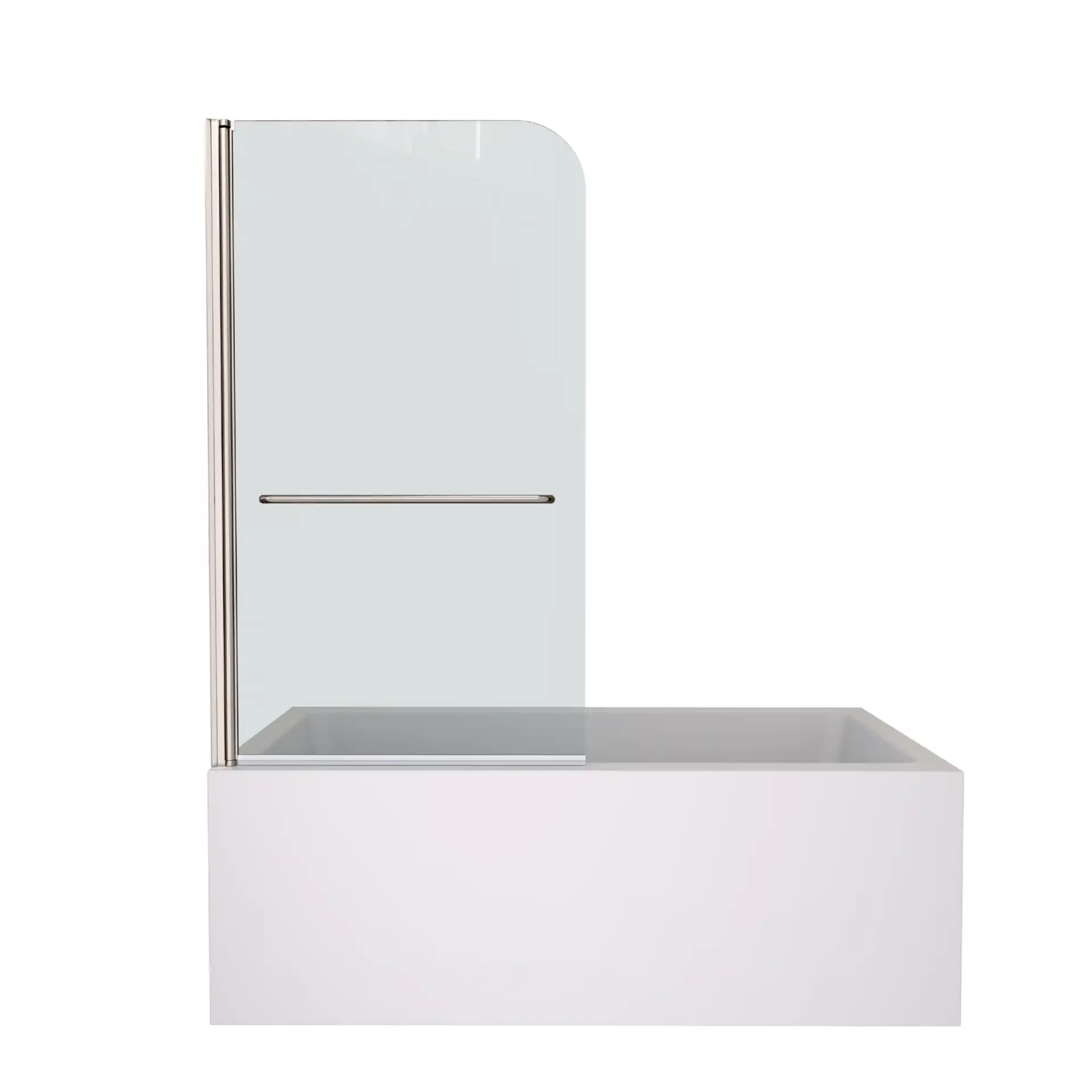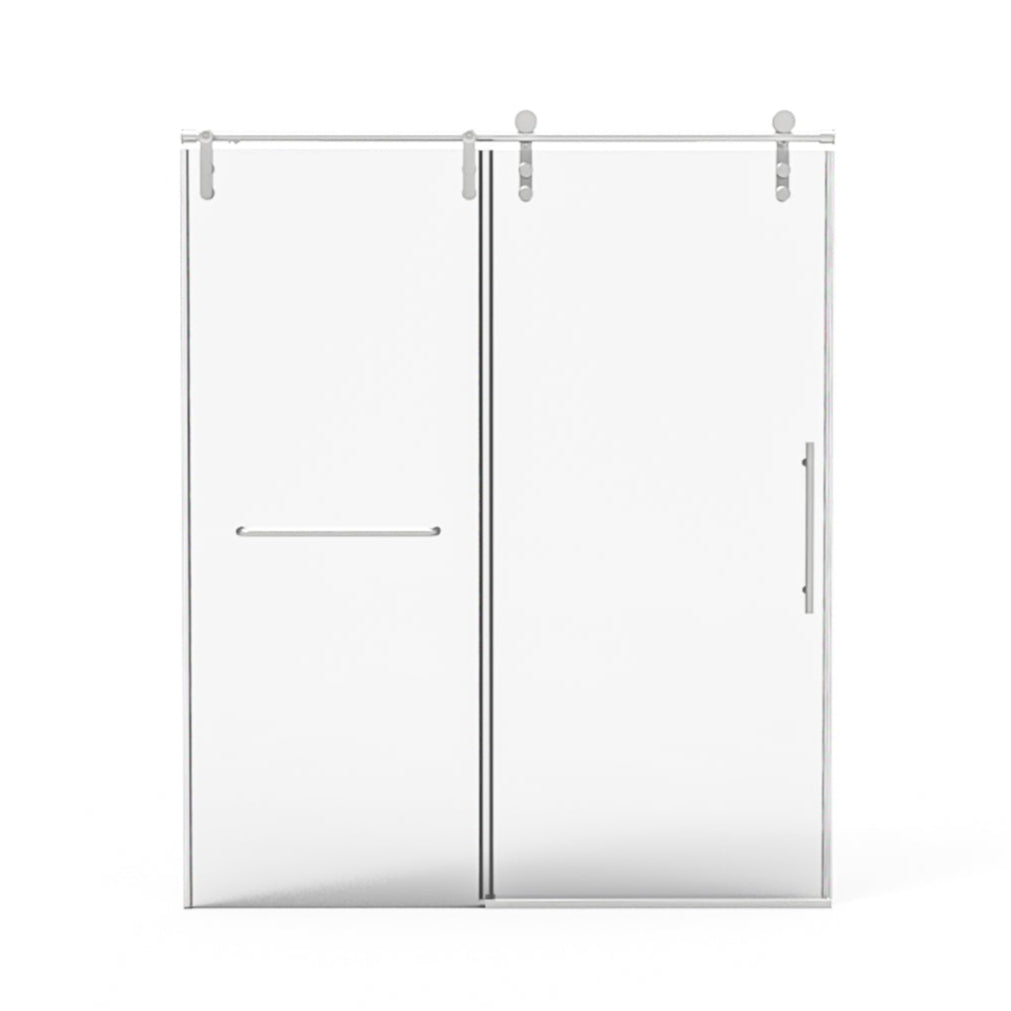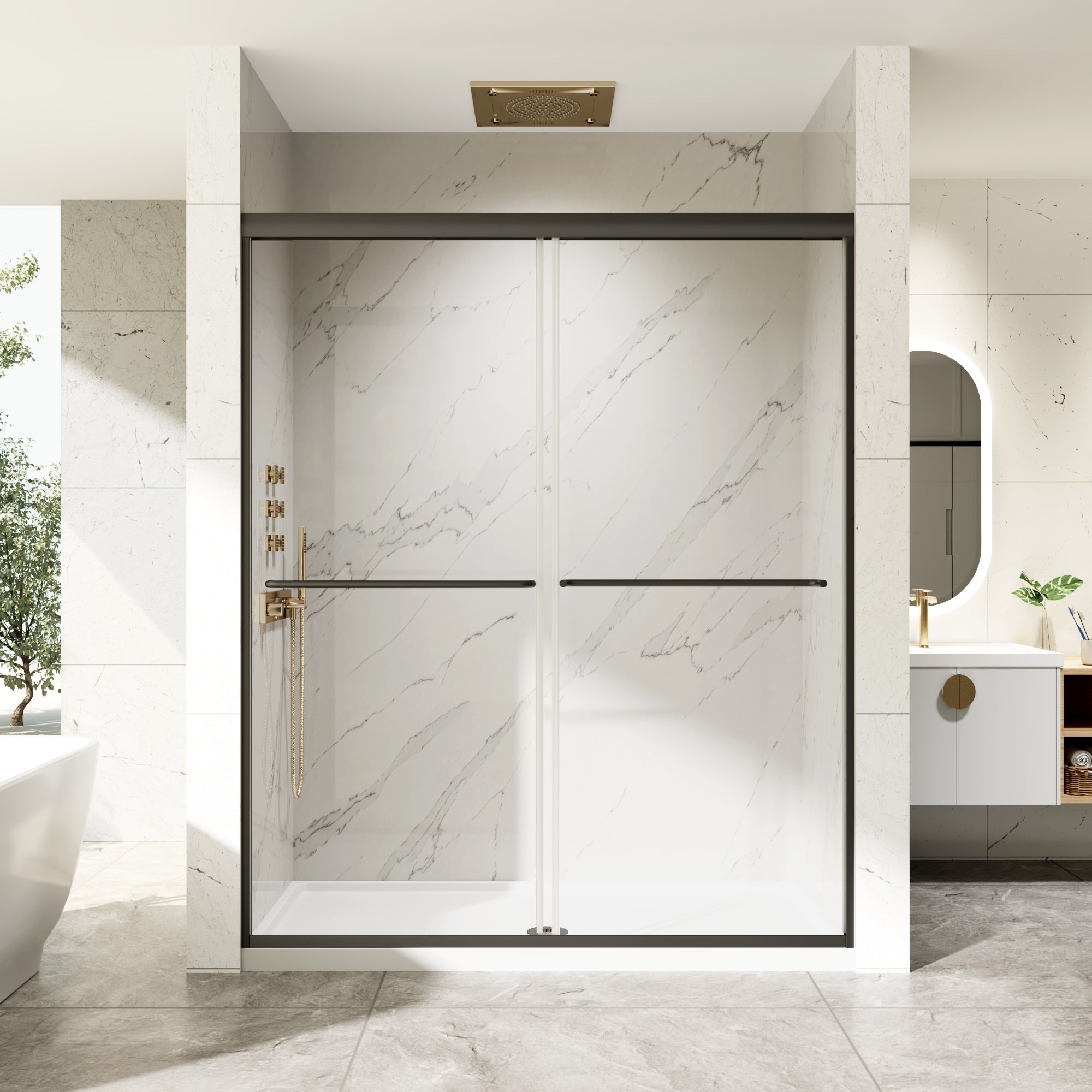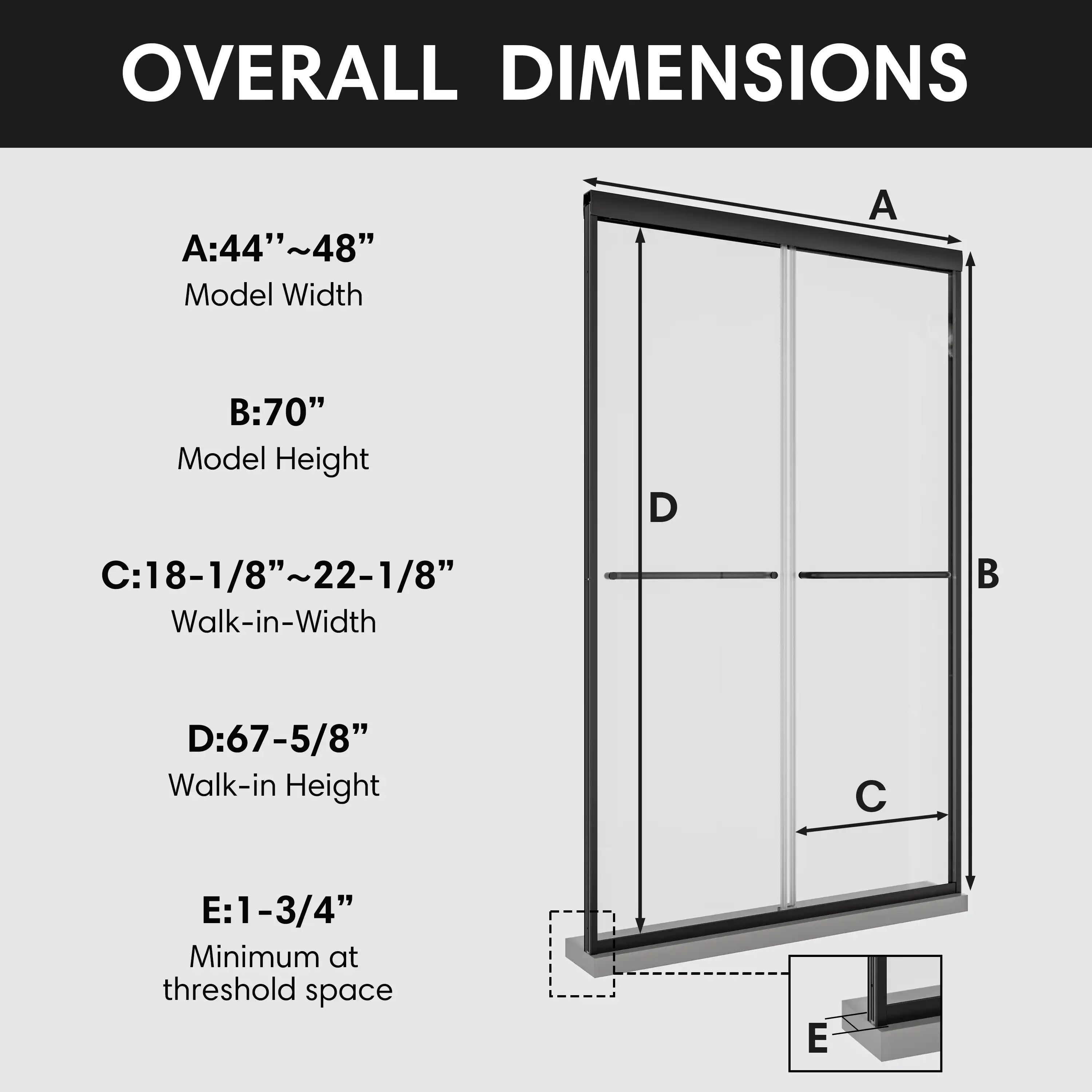


When it comes to bathroom remodeling, the shower door is one of those defining elements that can truly set the tone for the space. It may seem like a small decision, but the type of door you choose — framed or frameless — can influence so much, from the overall look to functionality, maintenance, and even your budget.
Framed shower doors, as the name suggests, come with a supportive frame that encloses the glass panels, often made of metal or plastic. In contrast, frameless doors are all about simplicity and minimalism, with tempered glass supported by minimal hardware. Each choice brings its own set of benefits and considerations.
In this guide, we’ll break down the differences between framed and frameless doors across six key areas: design aesthetics, structural integrity, safety, ease of maintenance, installation costs, and long-term value. Whether you’re working with a modest budget or dreaming of a high-end spa experience, this guide will help you decide which shower door is right for your bathroom remodel.
Table of Contents:
- Aesthetic Appeal: The Visual Impact on Your Bathroom Design
- Structural Integrity: How Durability Differs
- Safety Considerations: Which Offers Greater Peace of Mind?
- Cleaning and Maintenance: What’s Easier in the Long Run?
- Budget and Installation: Understanding the Total Cost
- Conclusion: Making the Right Shower Door Investment
- FAQ – Expert Answers to Common Questions
Aesthetic Appeal: The Visual Impact on Your Bathroom Design
When it comes to bathroom design, aesthetics are more than just a surface-level concern — they truly define the overall atmosphere. For many homeowners in North America, the visual appeal of a framed vs. frameless shower door is a key factor in making renovation decisions.

Frameless Shower Doors
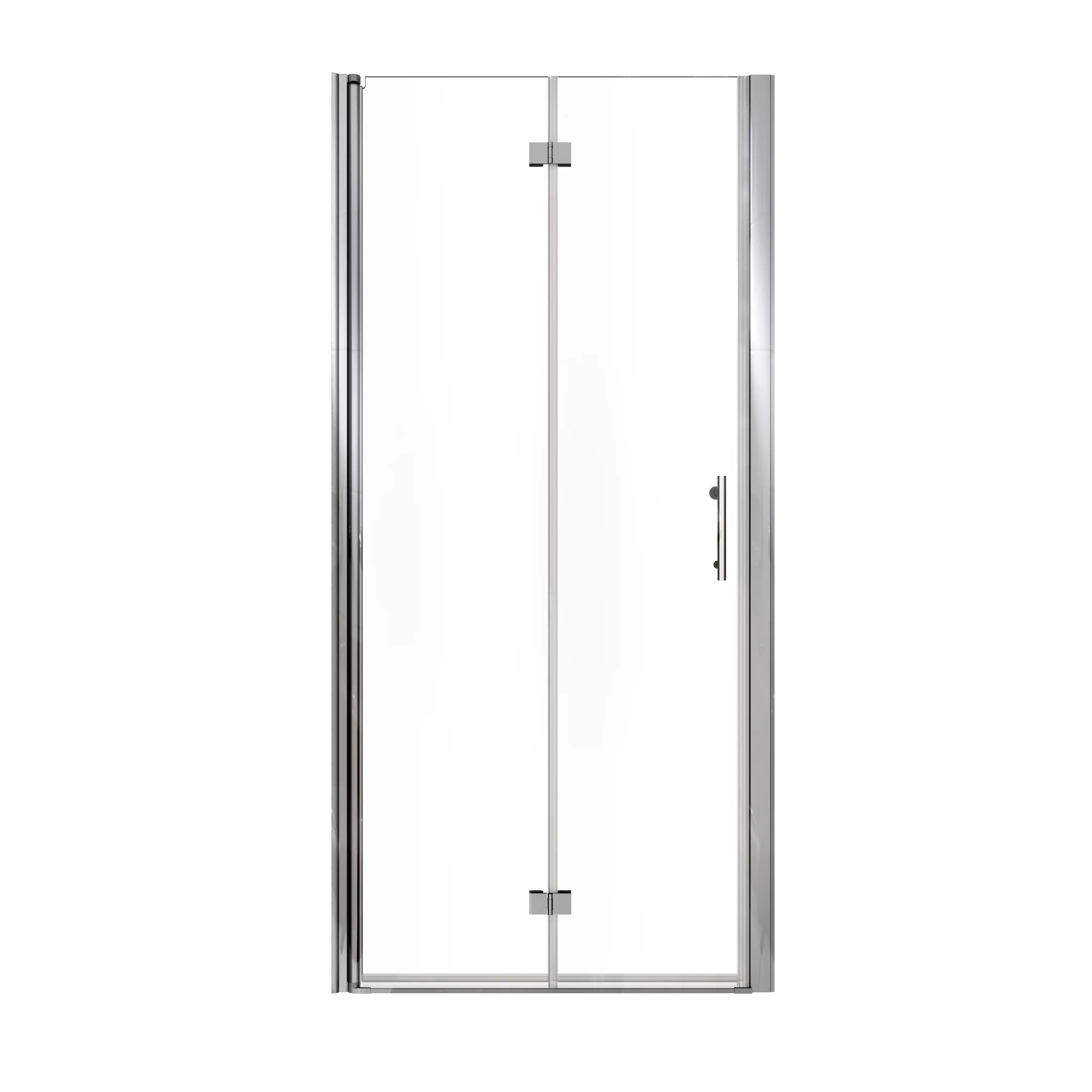
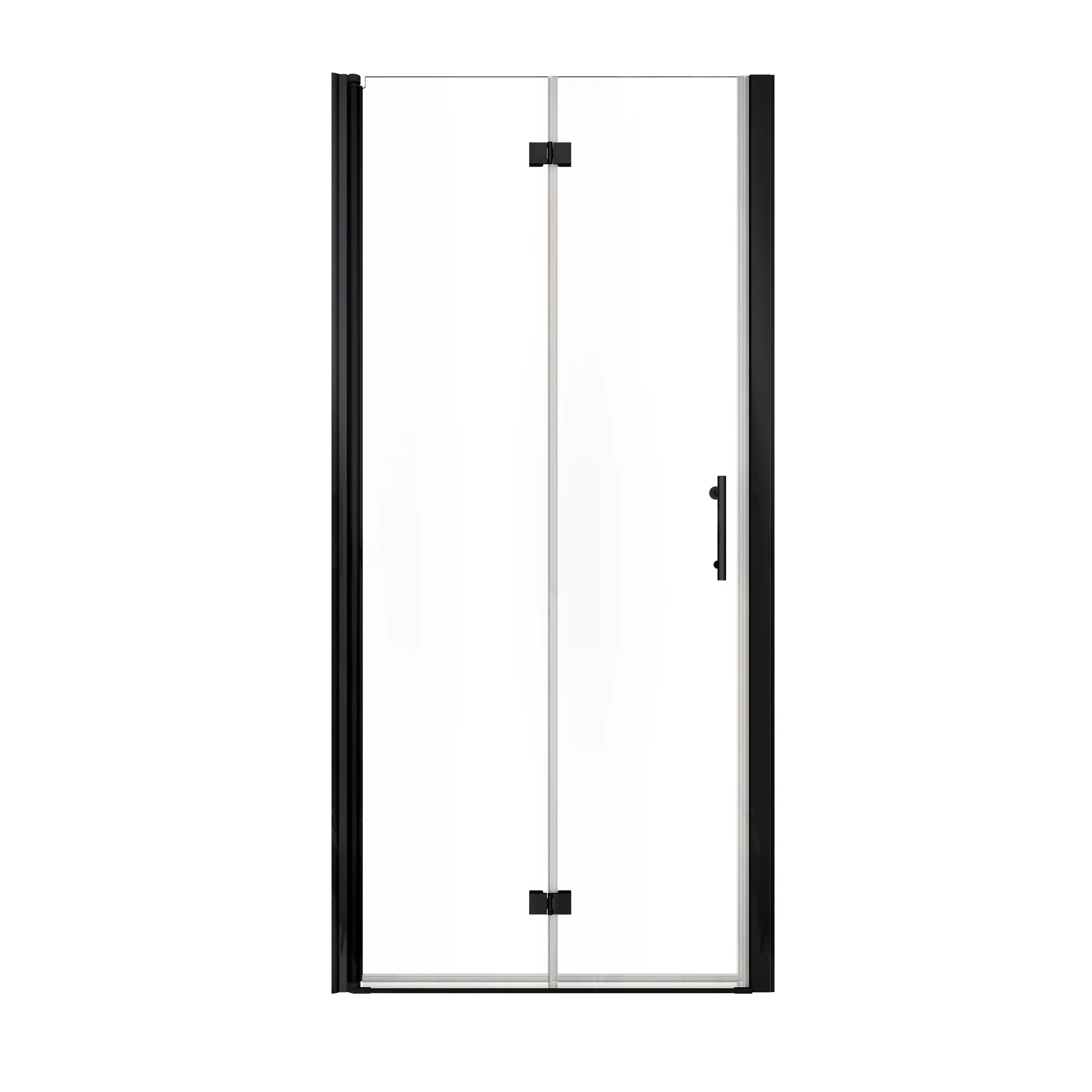
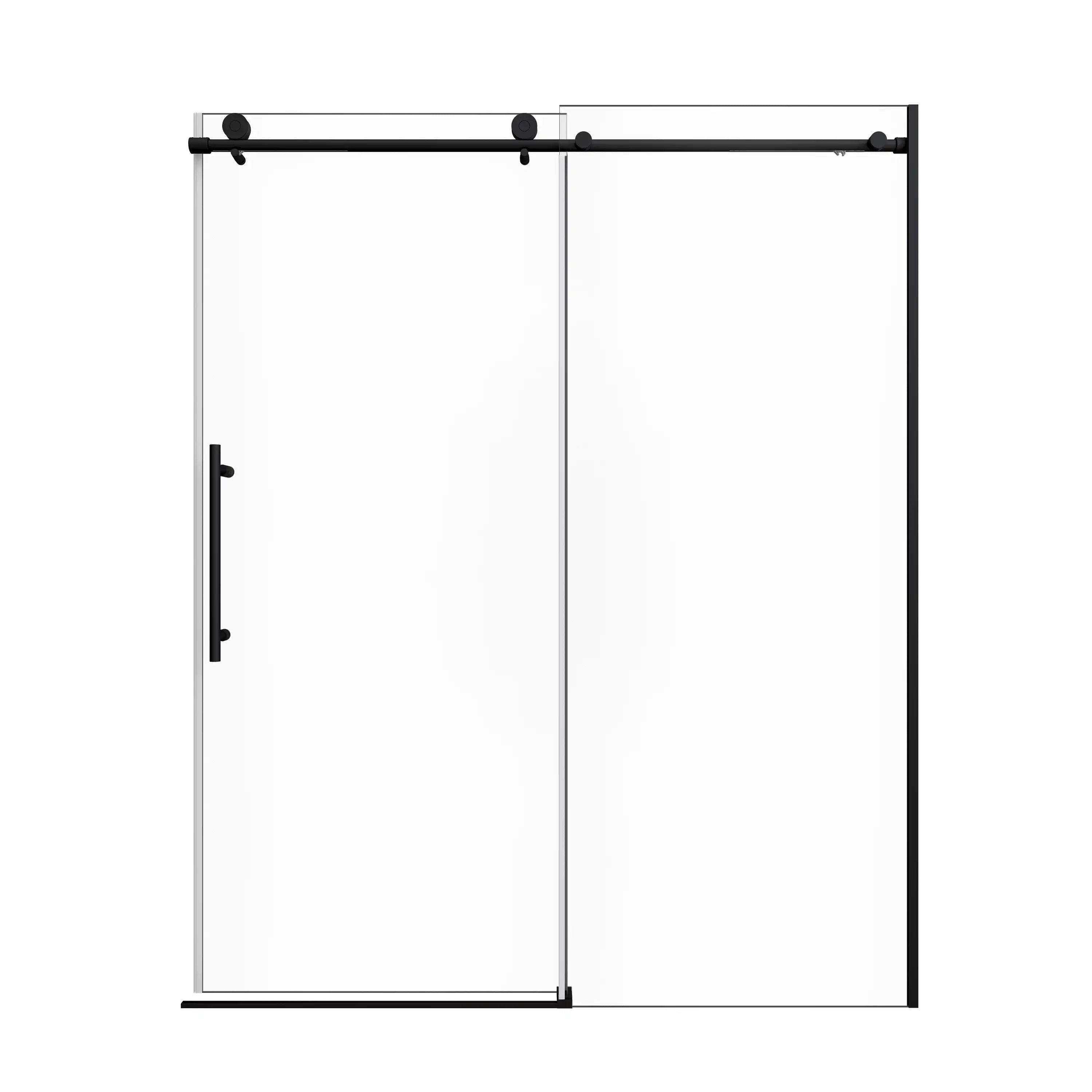
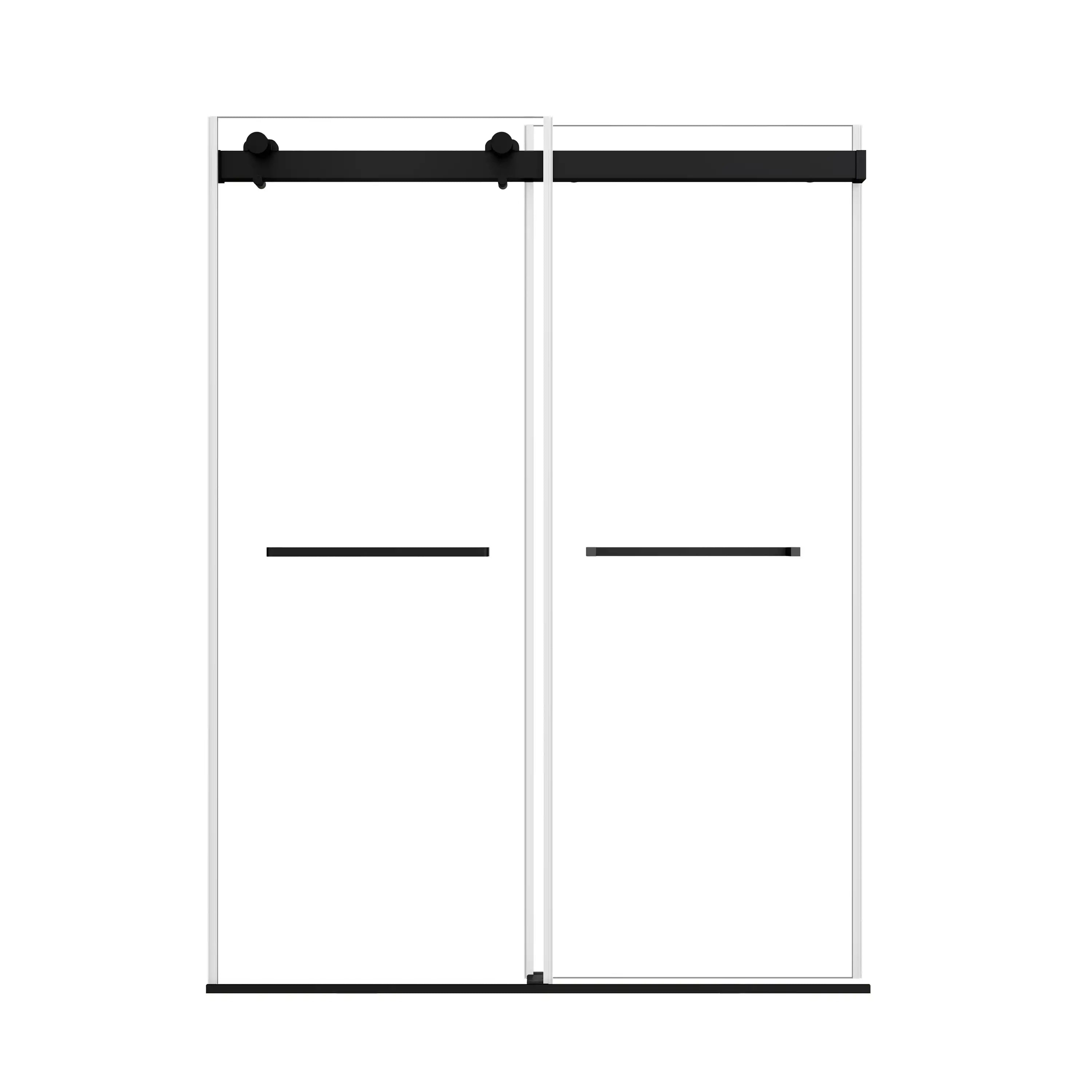
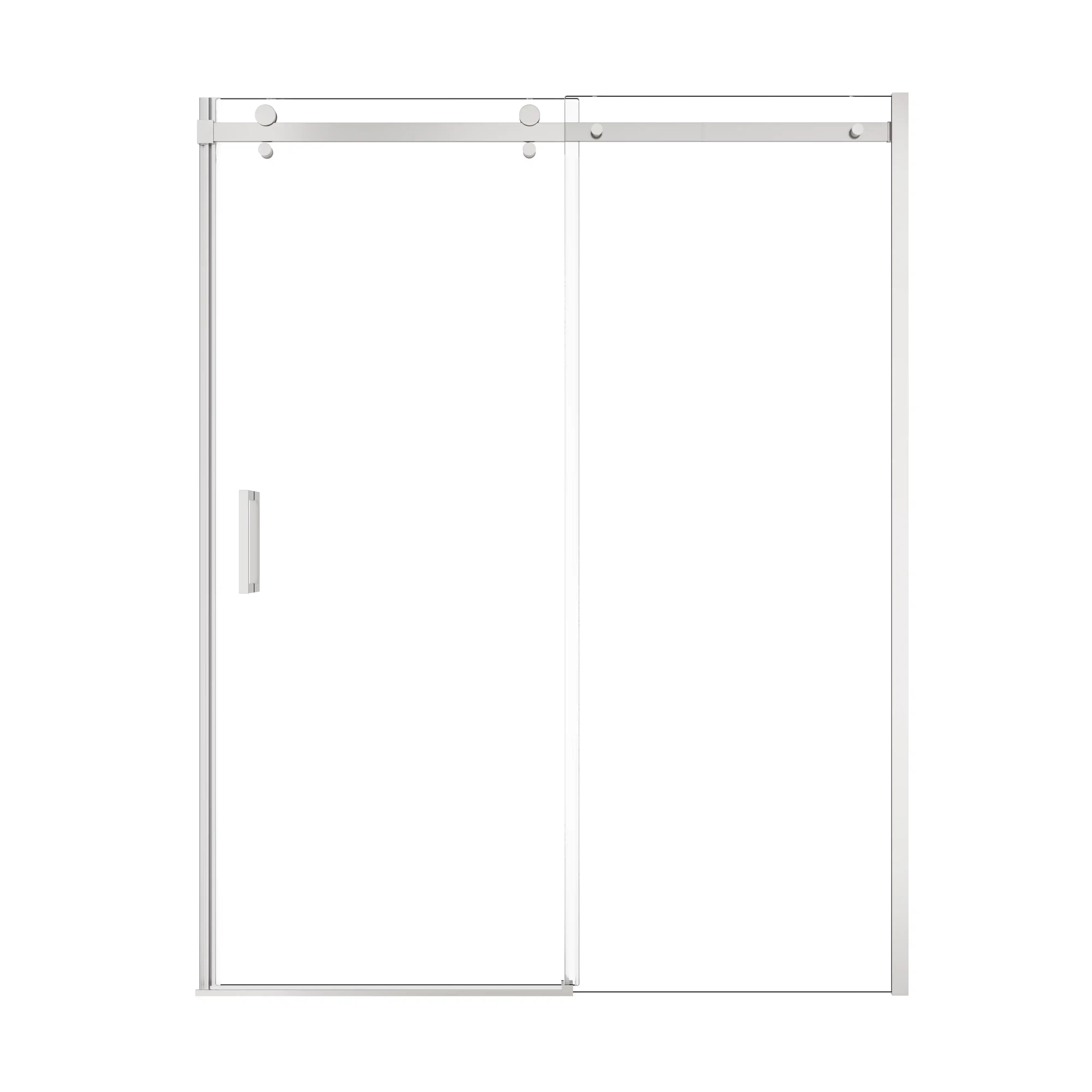
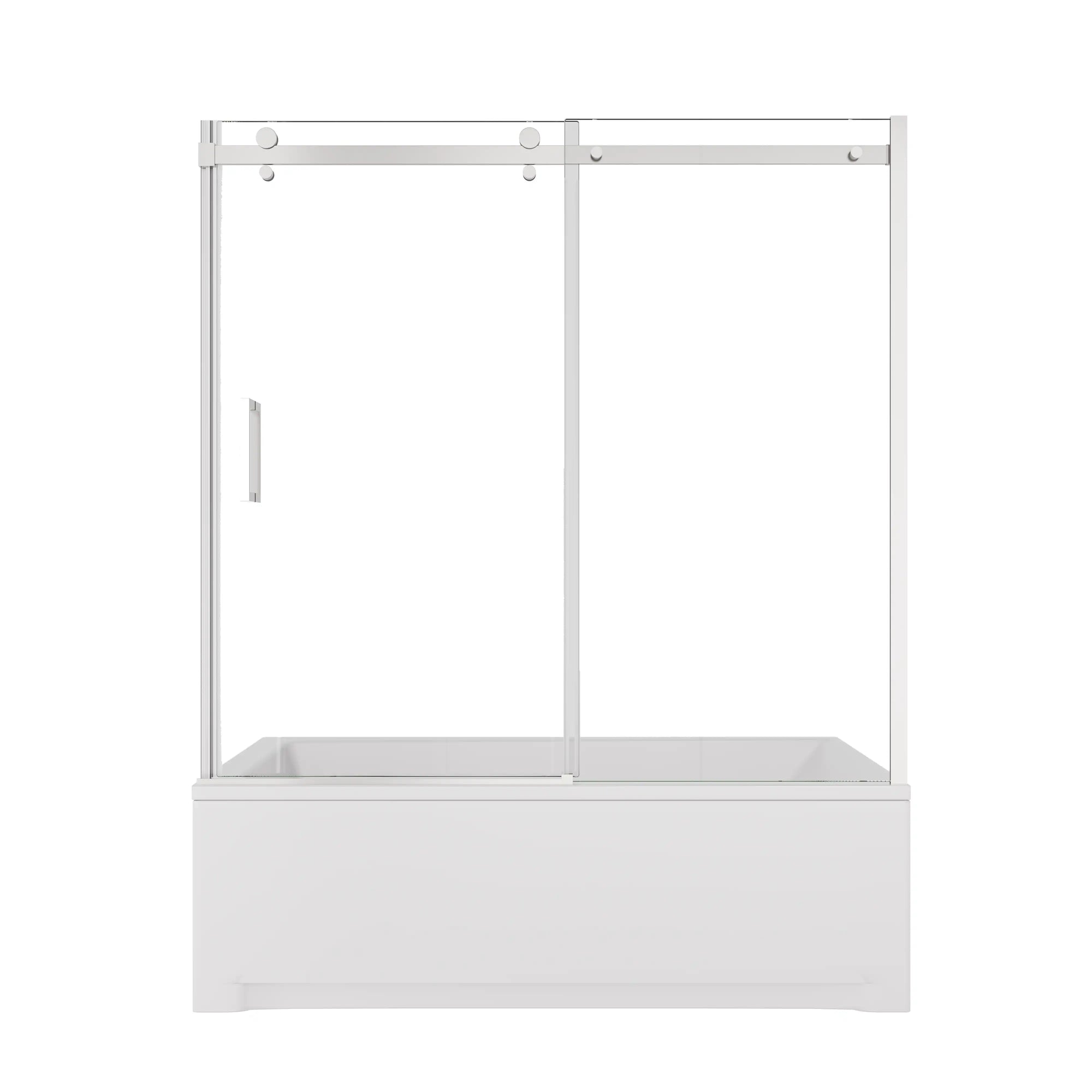
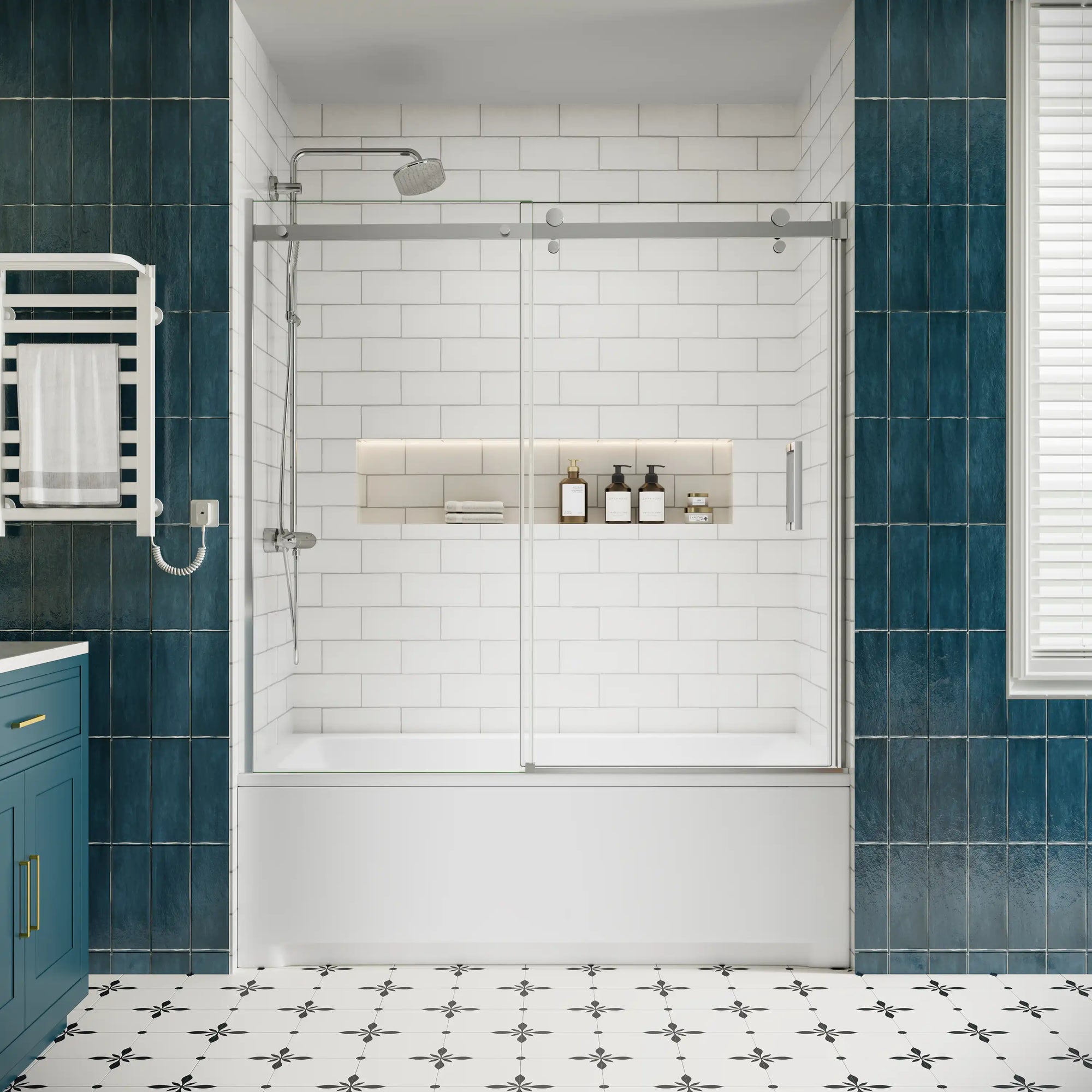
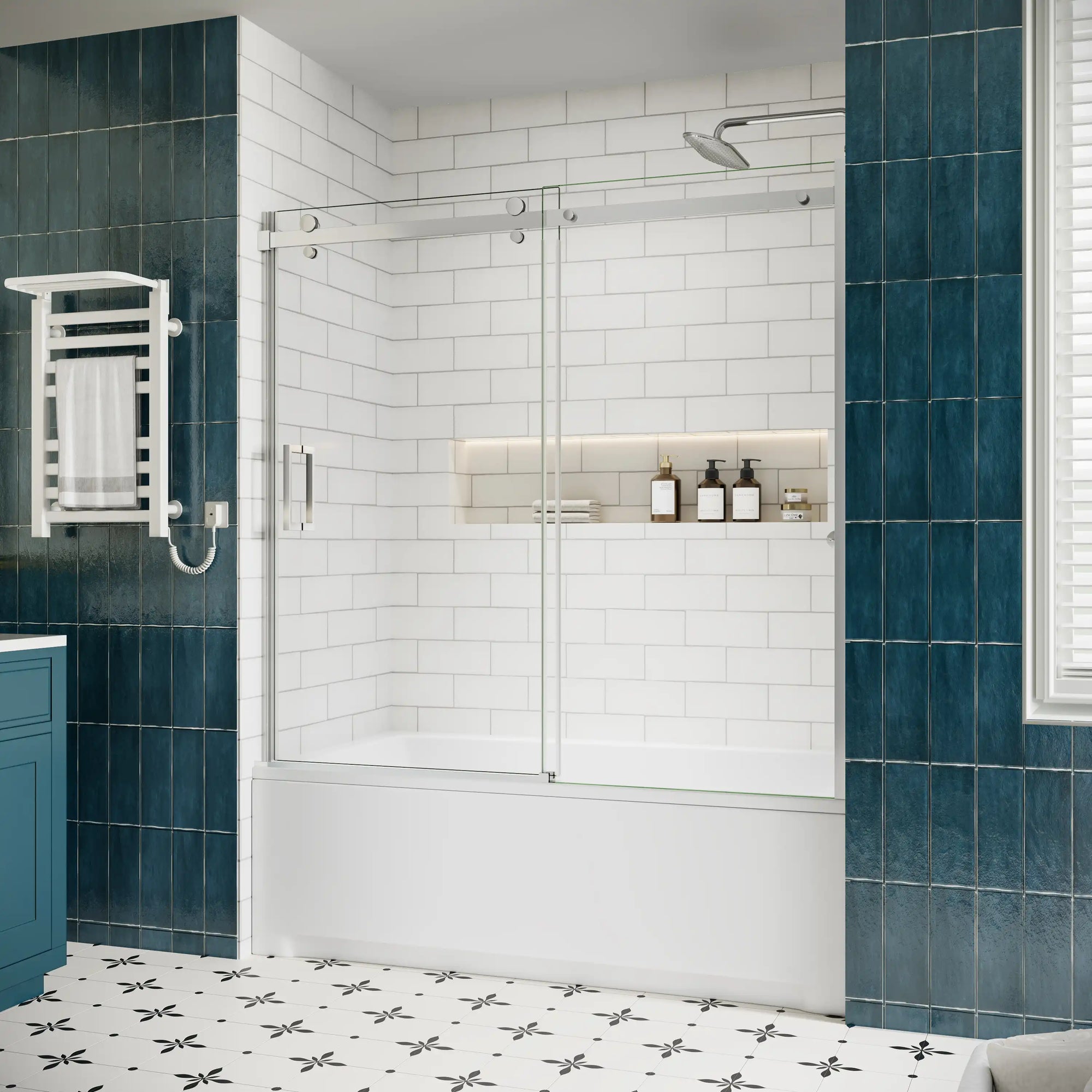
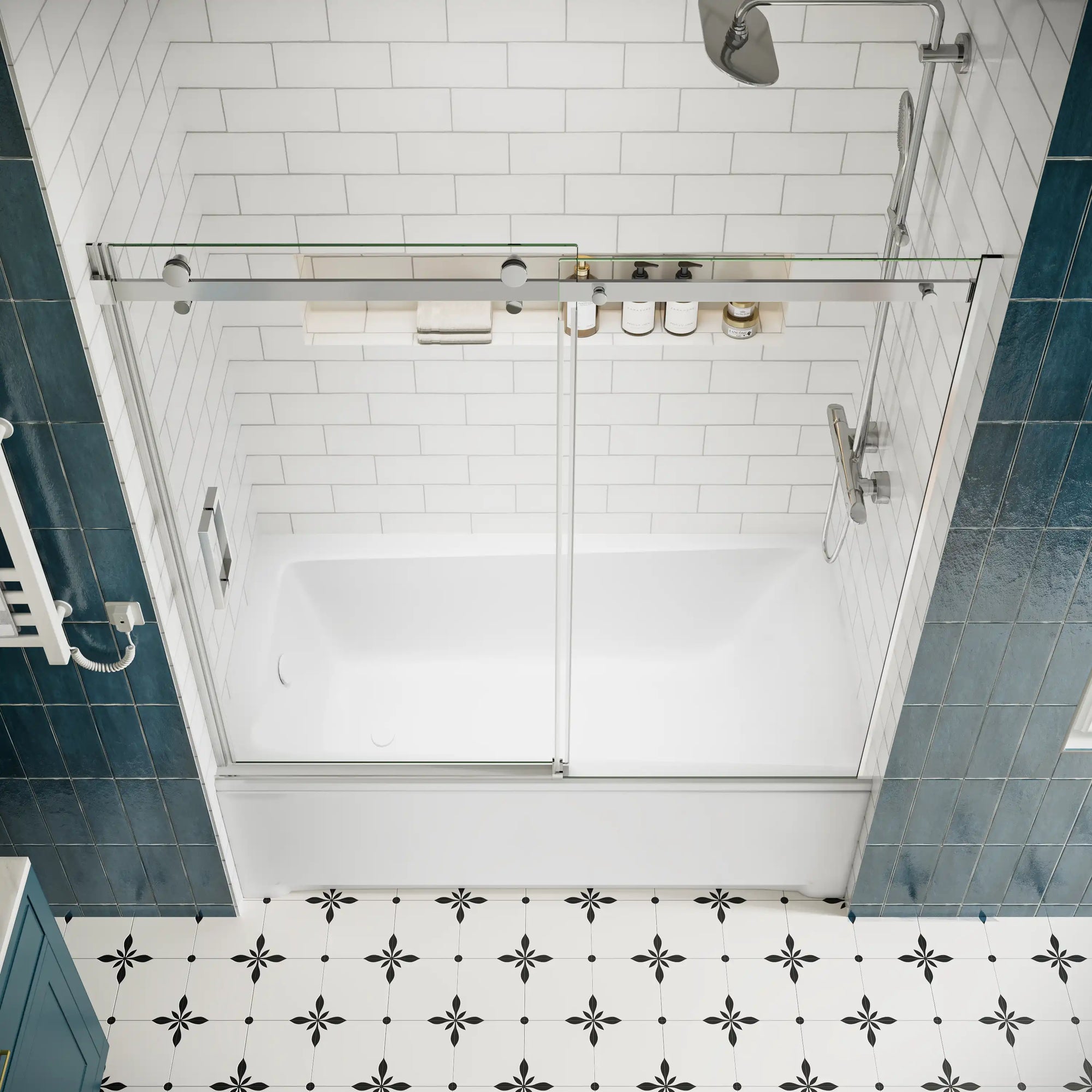
Frameless shower doors often evoke a sense of sleekness and modernity. Without the bulky metal edges, they create a seamless, uninterrupted visual flow that opens up the space, especially in bathrooms with a minimalist or contemporary design. The transparent nature of a frameless door allows natural or artificial light to flow freely throughout the room, making it feel lighter and more airy — an effect that is particularly beneficial in smaller spaces.

Framed Shower Doors
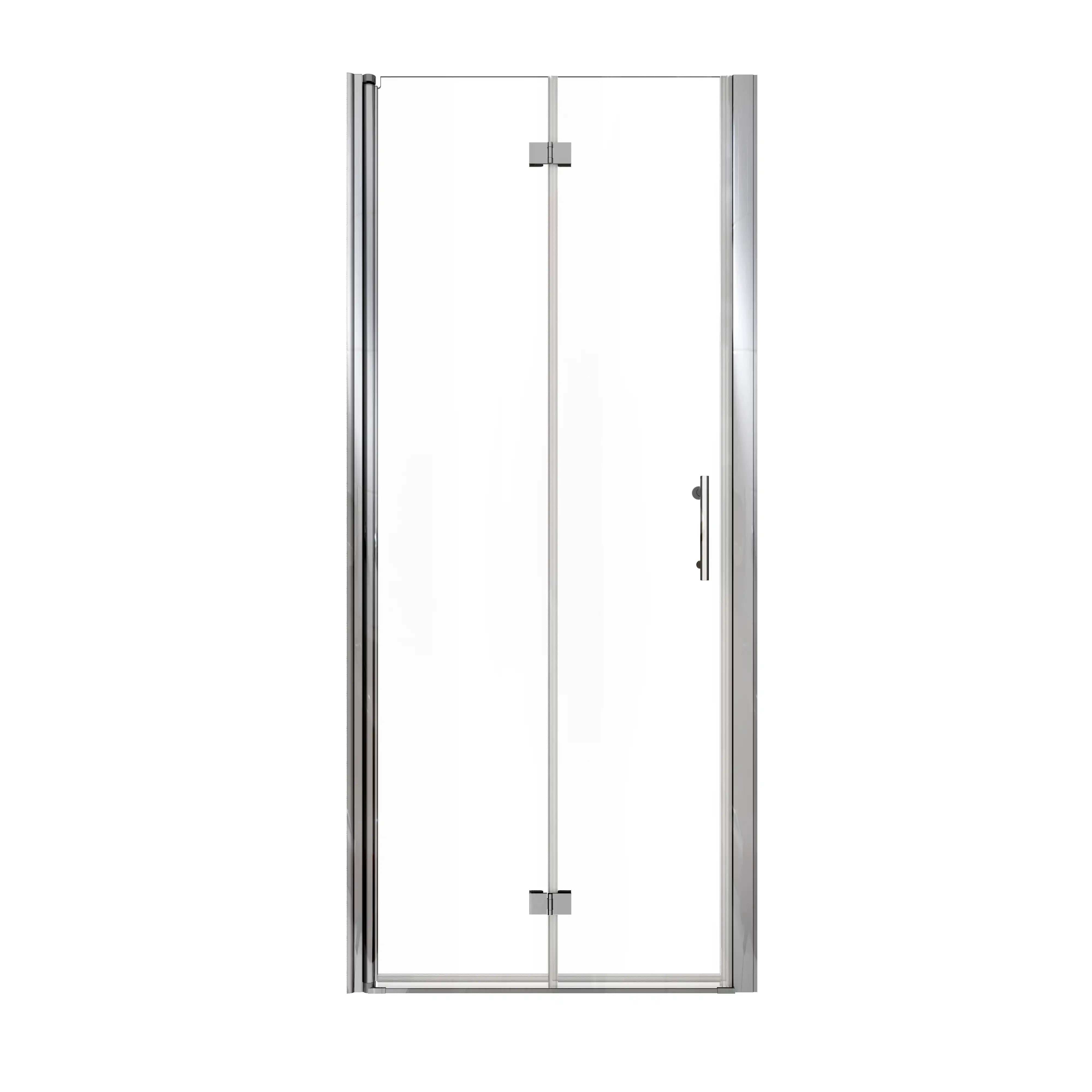
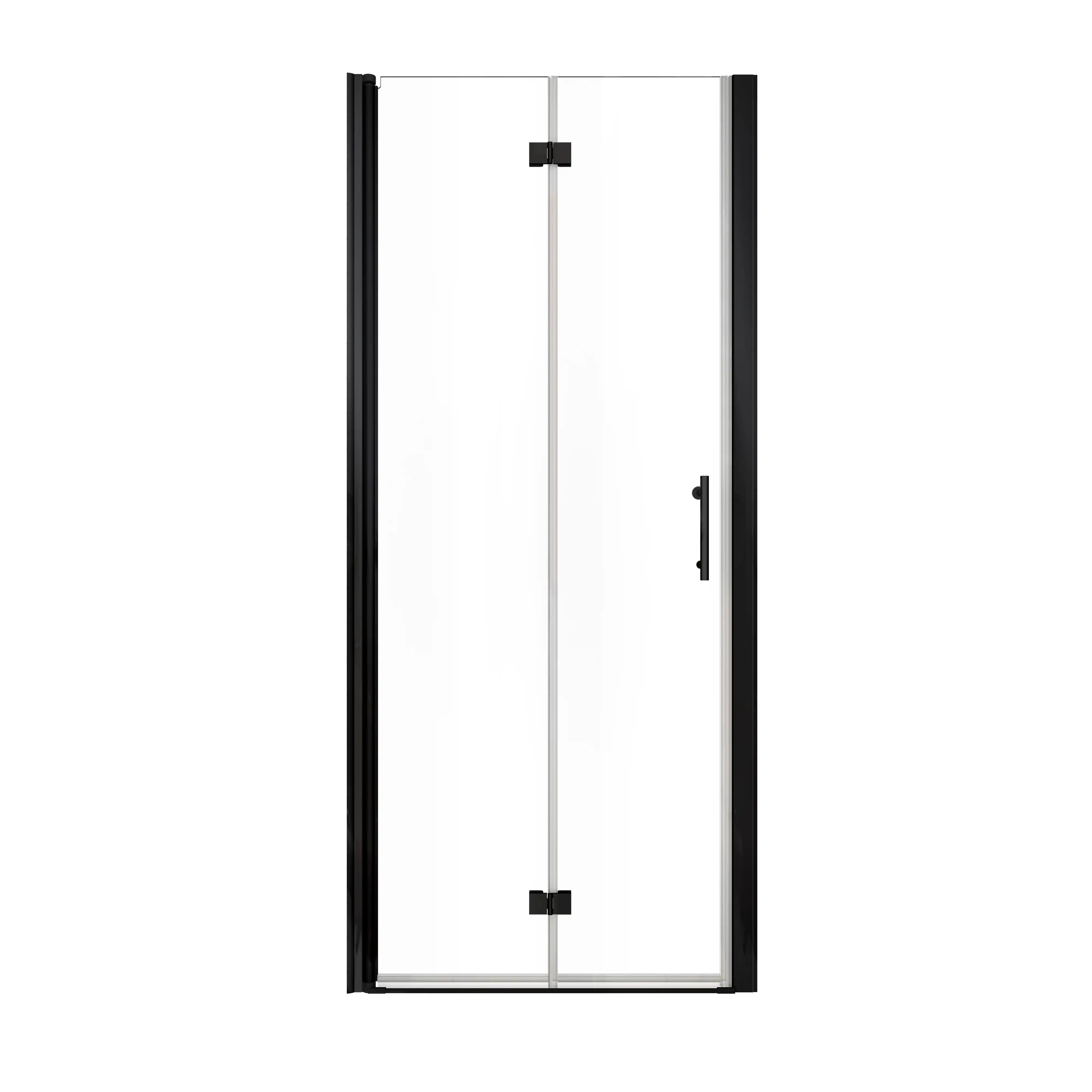
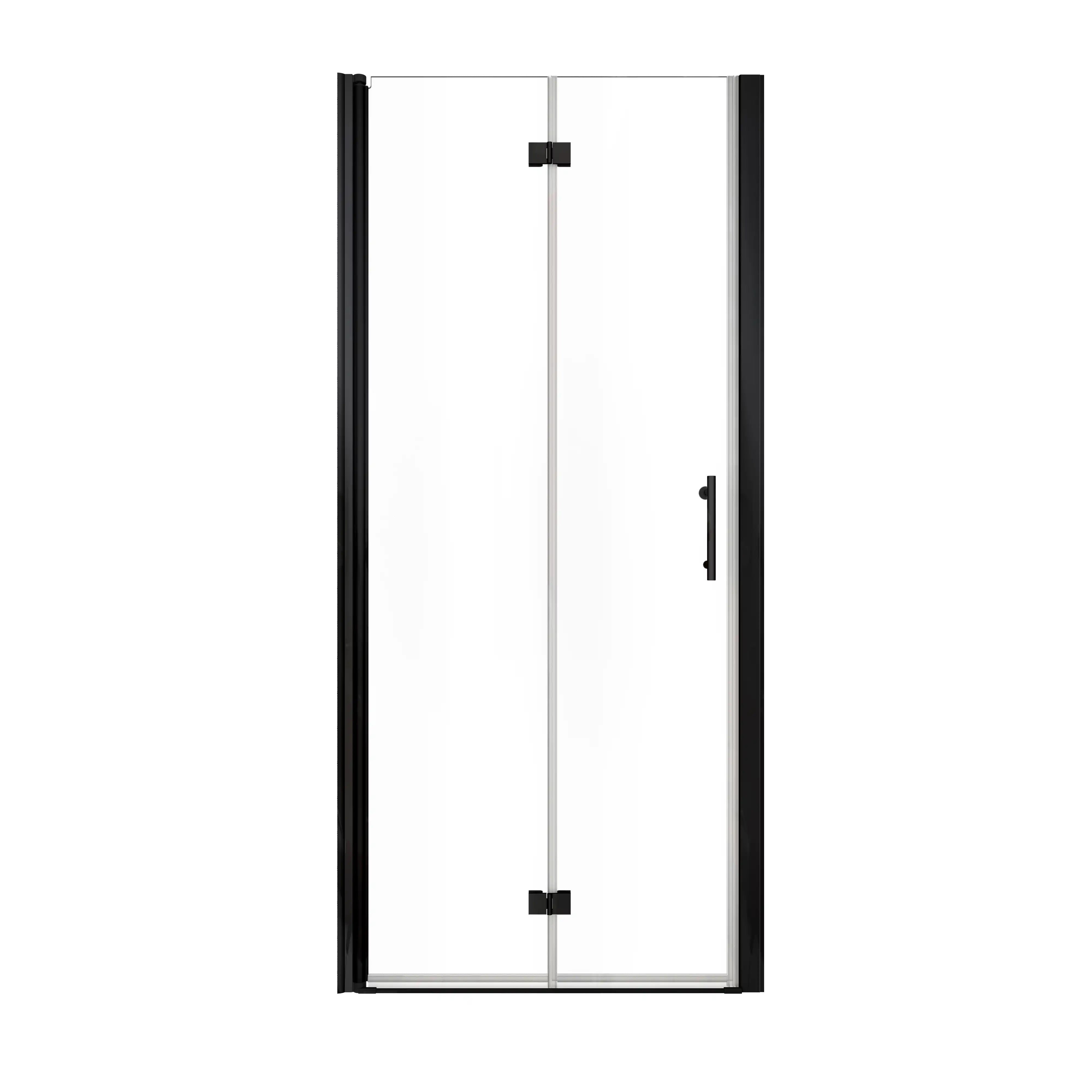
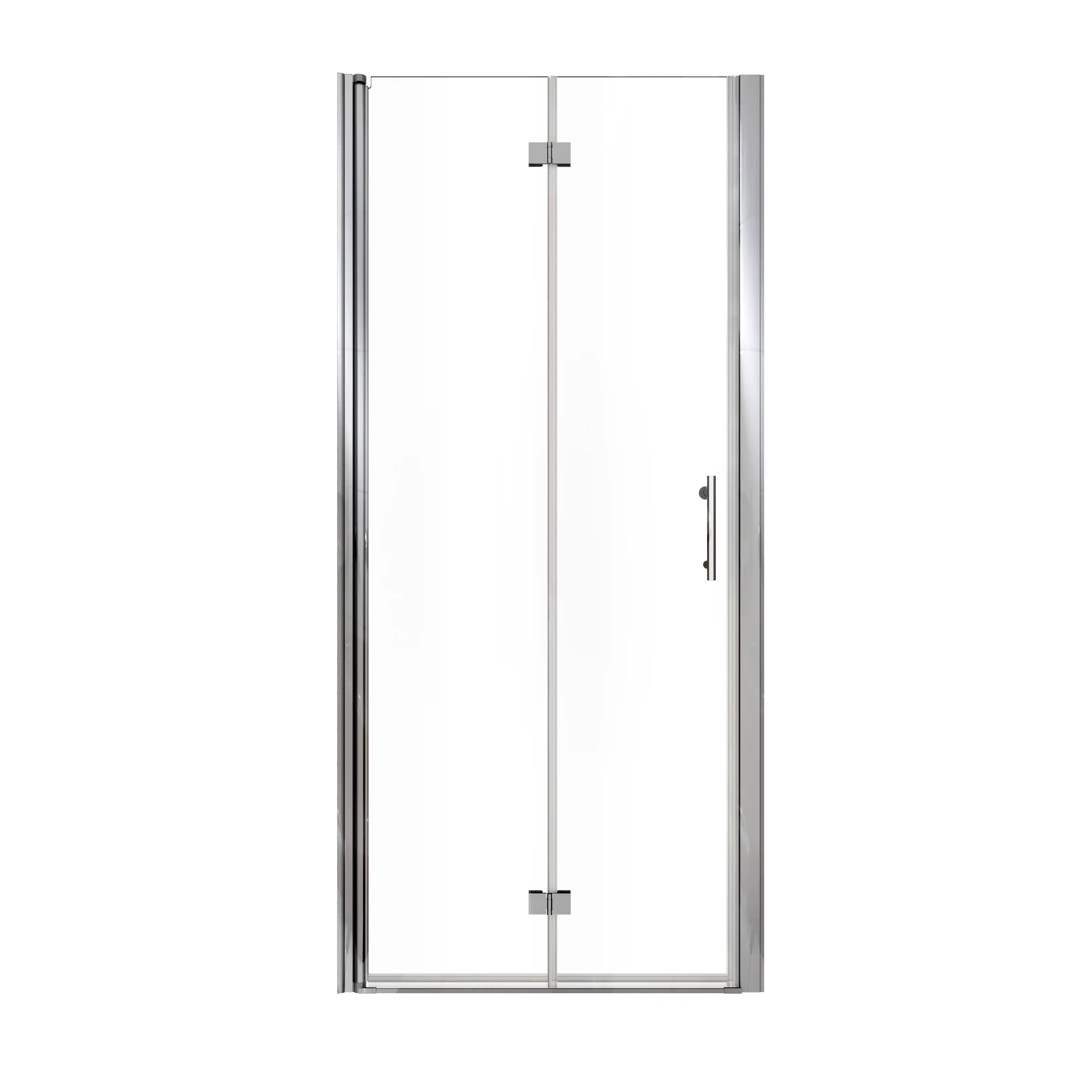
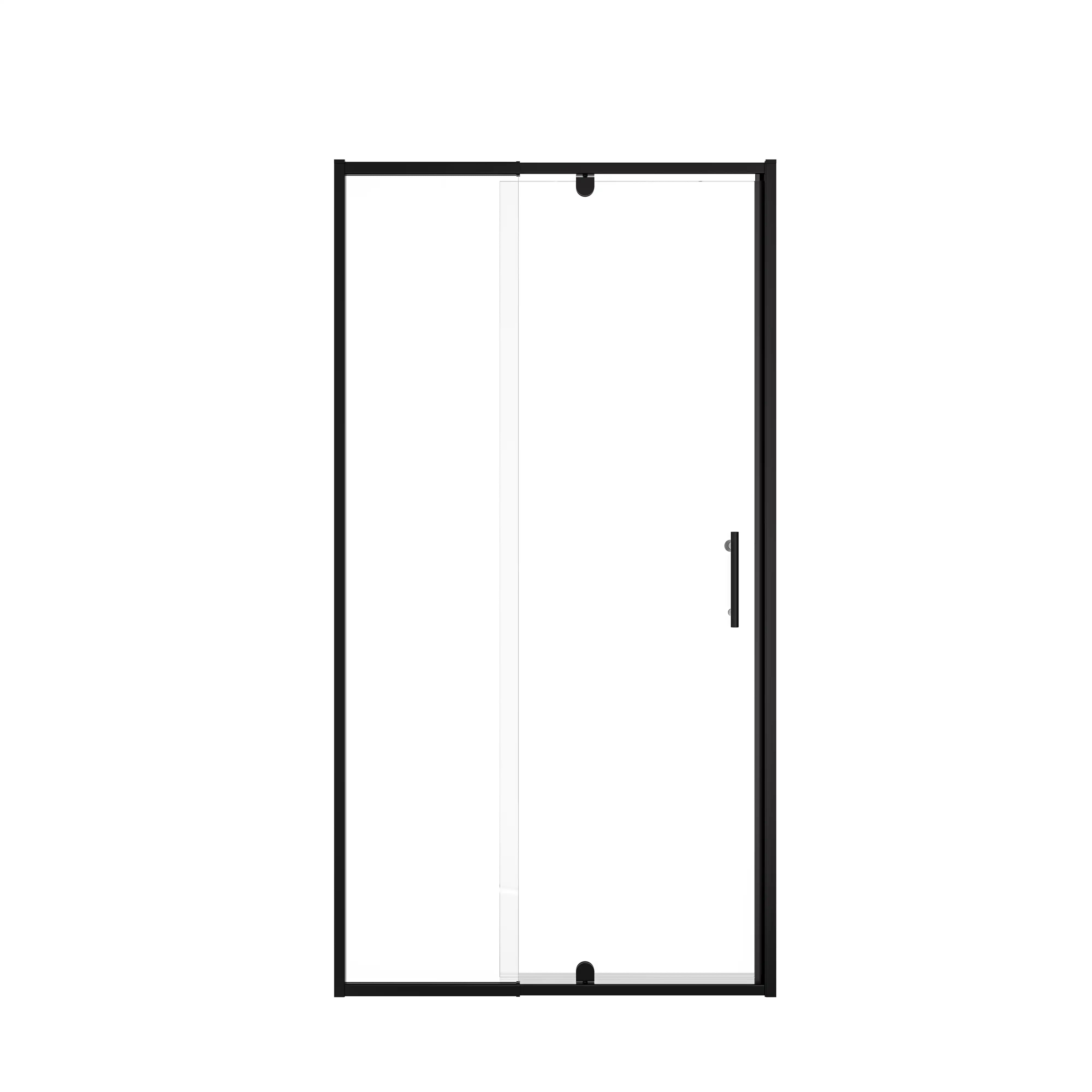
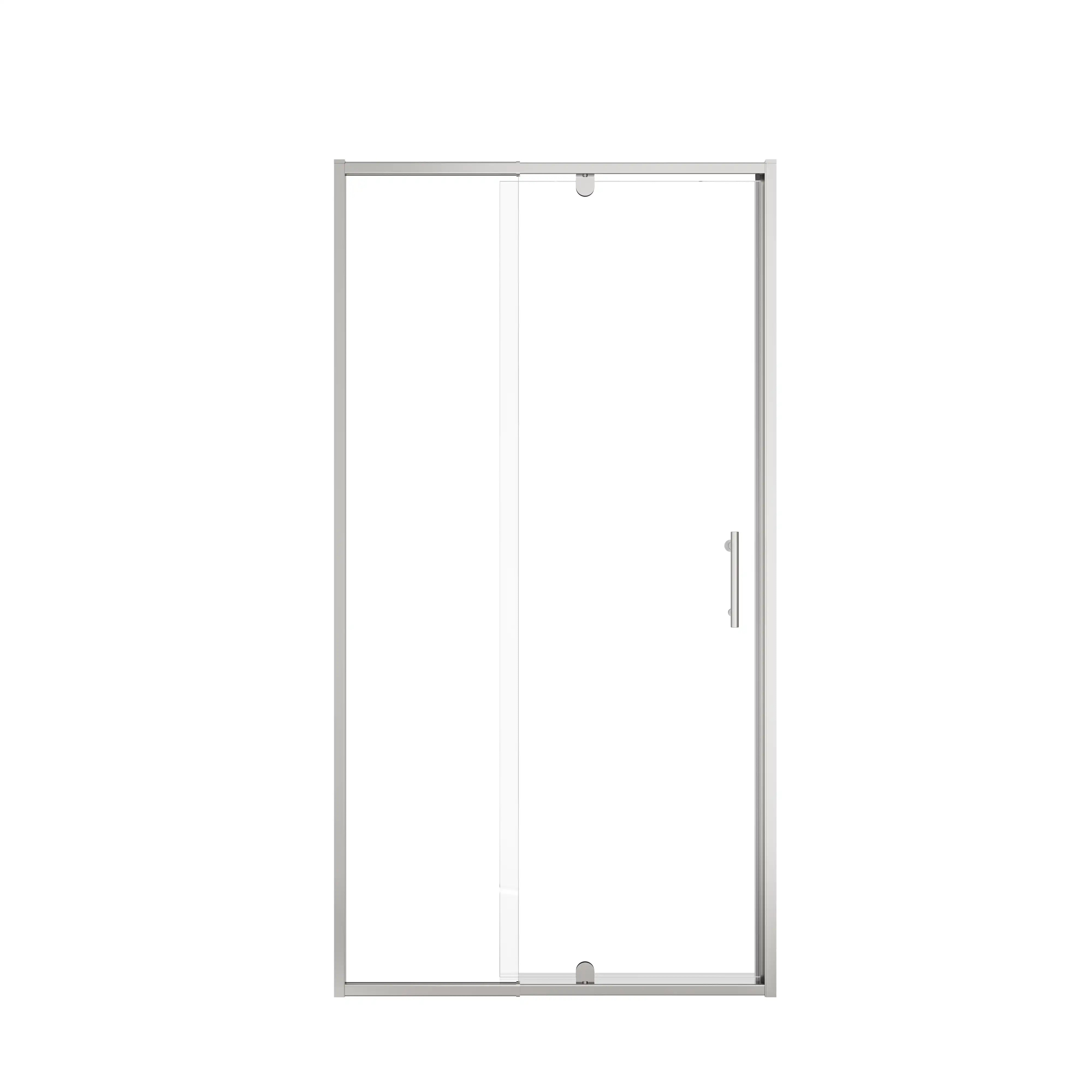
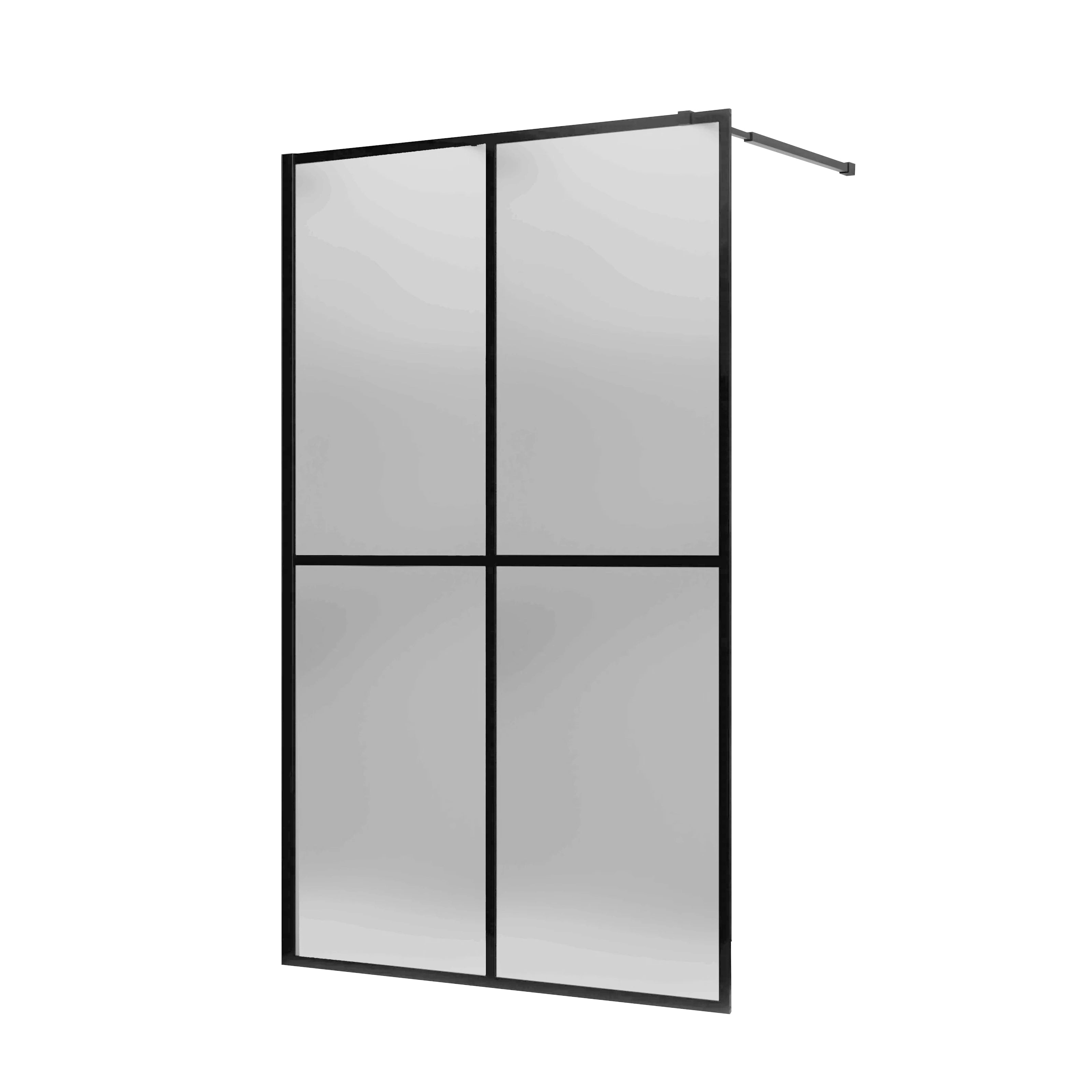
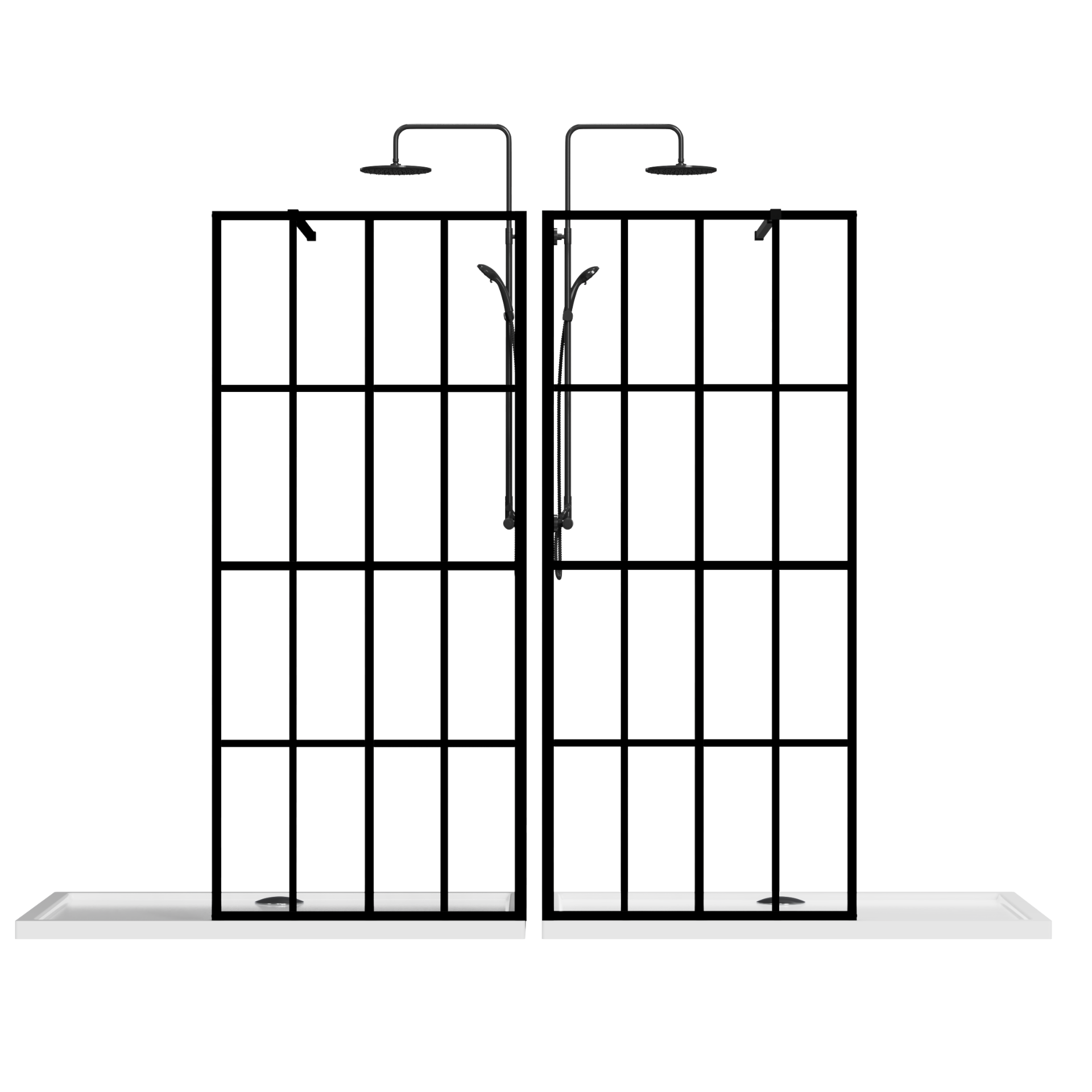
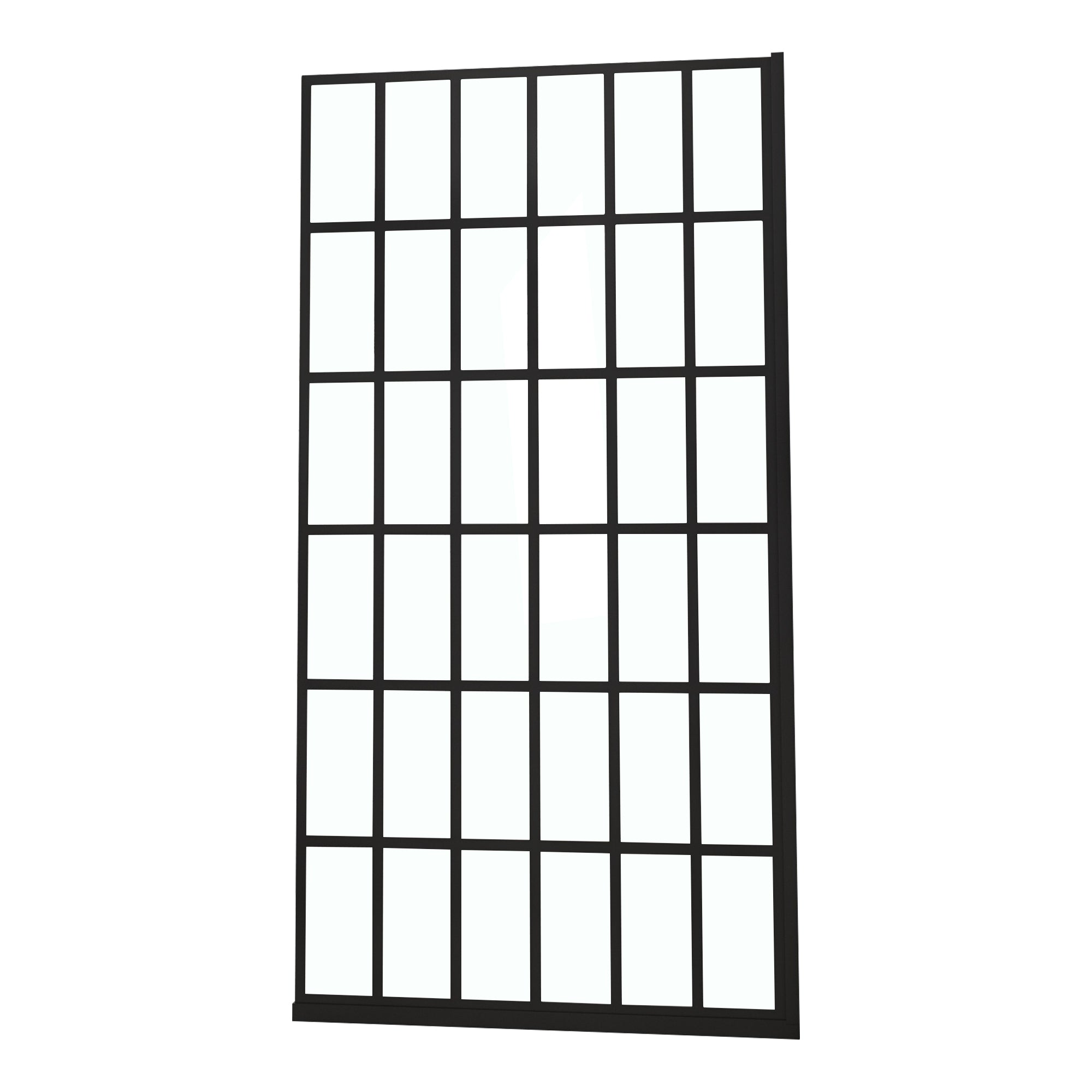
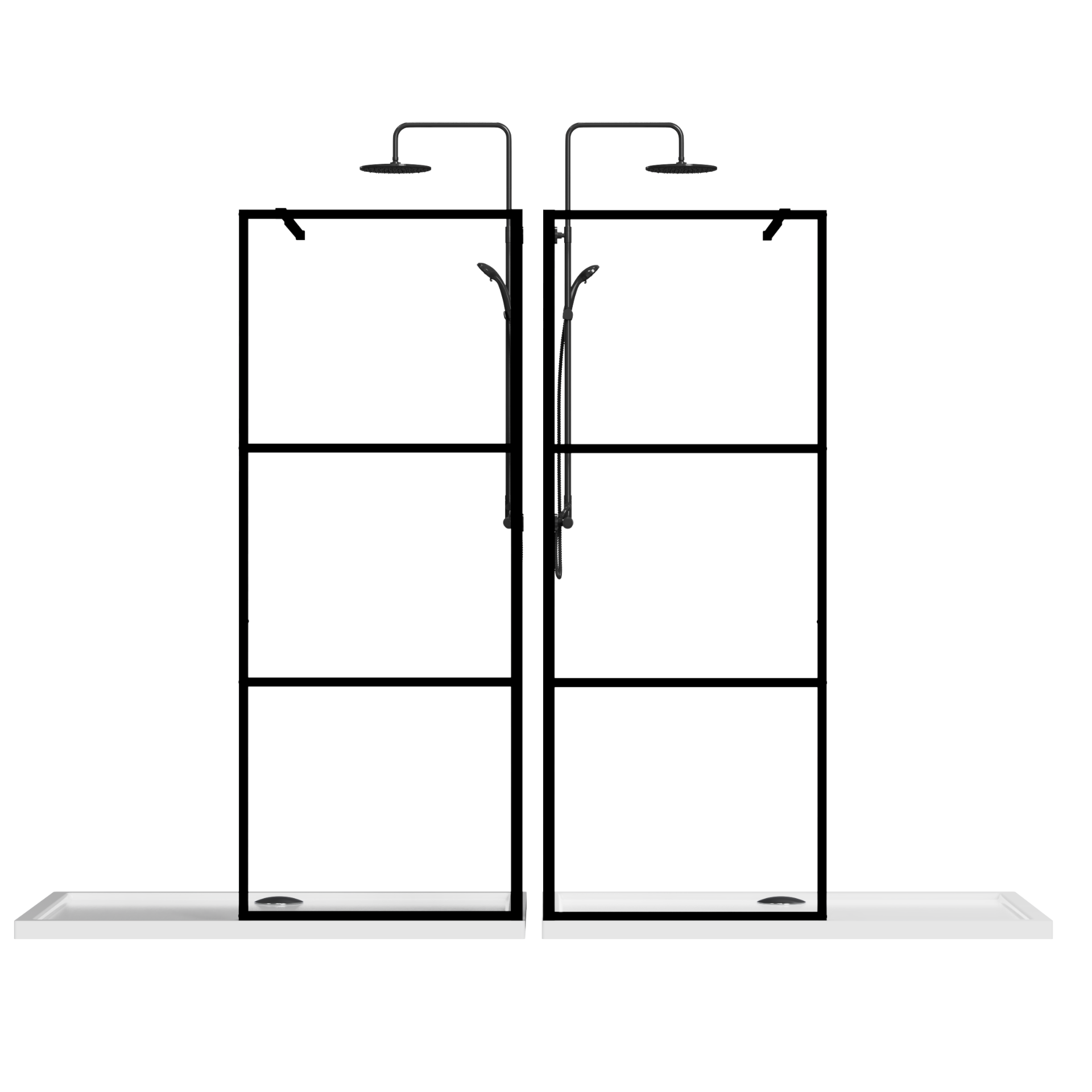
On the flip side, framed shower doors offer a more structured, defined look. The metal edges bring a sense of order and can highlight classic or transitional design styles. There’s also room for customization with finishes such as brushed nickel or matte black, which can tie in beautifully with other bathroom fixtures.
Ultimately, the decision boils down to the overall vibe you're aiming for in your bathroom. Framed doors might be the perfect fit for a warm, country-chic home or a more traditional family bathroom, while frameless doors are often found in urban apartments or upscale, luxurious homes.
Structural Integrity: How Durability Differs
Durability plays a huge role when comparing framed vs. frameless shower doors. Both are built with longevity in mind, but the way they’re constructed leads to some key differences.
Framed shower doors tend to use thinner tempered glass — typically about 3/16 inch thick — because the surrounding frame provides substantial support. The metal frame acts as a stabilizer, keeping the glass secure even with frequent use or minor impacts. This makes framed doors an excellent choice for families with kids or busy bathrooms, where strength and durability are essential.
Frameless shower doors, however, rely on much thicker glass — often 3/8 inch or even 1/2 inch thick — to make up for the lack of a frame. They use specialized clamps, pivots, and hinges to hold the panels in place, giving the door that sleek, floating-glass look. While these doors are designed to last, if they’re not installed correctly or if the glass quality isn’t up to standard, they can become unstable over time. But, when installed by professionals, frameless doors can offer exceptional durability, along with a refined, modern aesthetic.

Safety Considerations: Which Offers Greater Peace of Mind?
When it comes to home improvement, especially in spaces like the bathroom, safety is never something you want to compromise on. With areas prone to water and slips, the question of safety becomes even more crucial, especially when choosing between framed and frameless shower doors.
Both options feature tempered glass, which is designed to shatter into small, blunt pieces if broken — greatly reducing the risk of injury. However, framed doors take it a step further by incorporating metal borders that provide an extra layer of protection. These borders help contain any breakage, which can minimize the chance of cracks or shards causing harm.
If your household includes young children or elderly family members, framed doors may offer more reassurance. The added frame can also act as a place to grab for stability when entering or exiting the shower, though it’s important to remember that it shouldn't replace grab bars, which are essential for safety.
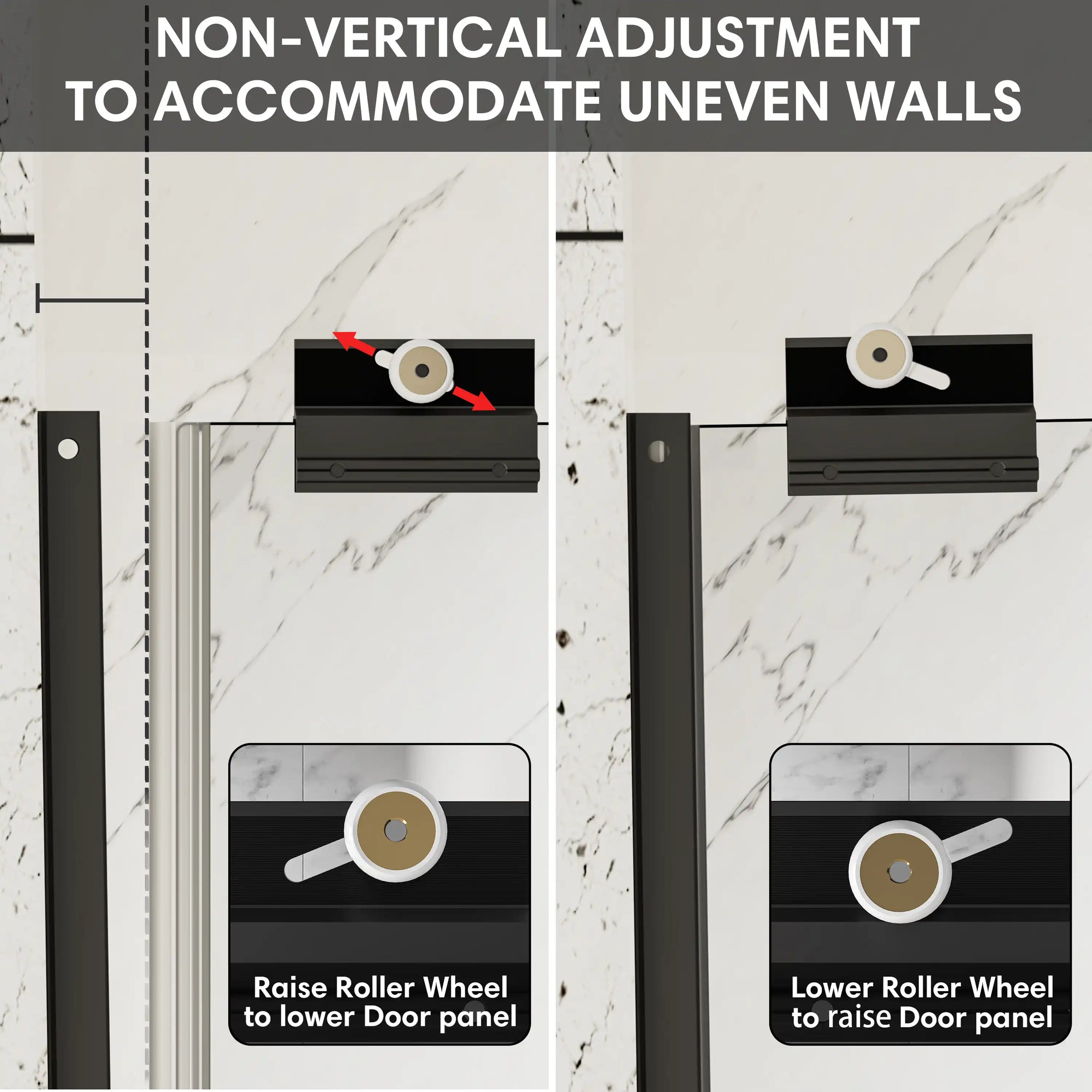
Frameless doors are safe as well, particularly when they’re built to meet North American safety standards. But they do require a bit more precision during installation. Poor assembly, uneven support, or incorrect handling of the glass could lead to stress points, which in the long run, could cause cracking or instability. So, while frameless doors bring a modern, sleek look to your bathroom, they also require a little more care during installation to ensure they’re built to last.

Cleaning and Maintenance: What’s Easier in the Long Run?
The bathroom is undoubtedly one of the busiest and most frequently cleaned spaces in any home. So, when it comes to choosing between framed and frameless shower doors, maintenance is a key factor that can make a big difference in the long run.
Frameless shower doors have a clear advantage in this department. Without the metal tracks and frames that tend to trap grime and mildew, they’re much easier to clean. A quick squeegee after each shower is often enough to keep water spots at bay, and there are far fewer places for soap scum to accumulate. This simplicity makes them a great choice for anyone who wants to keep things low-maintenance.
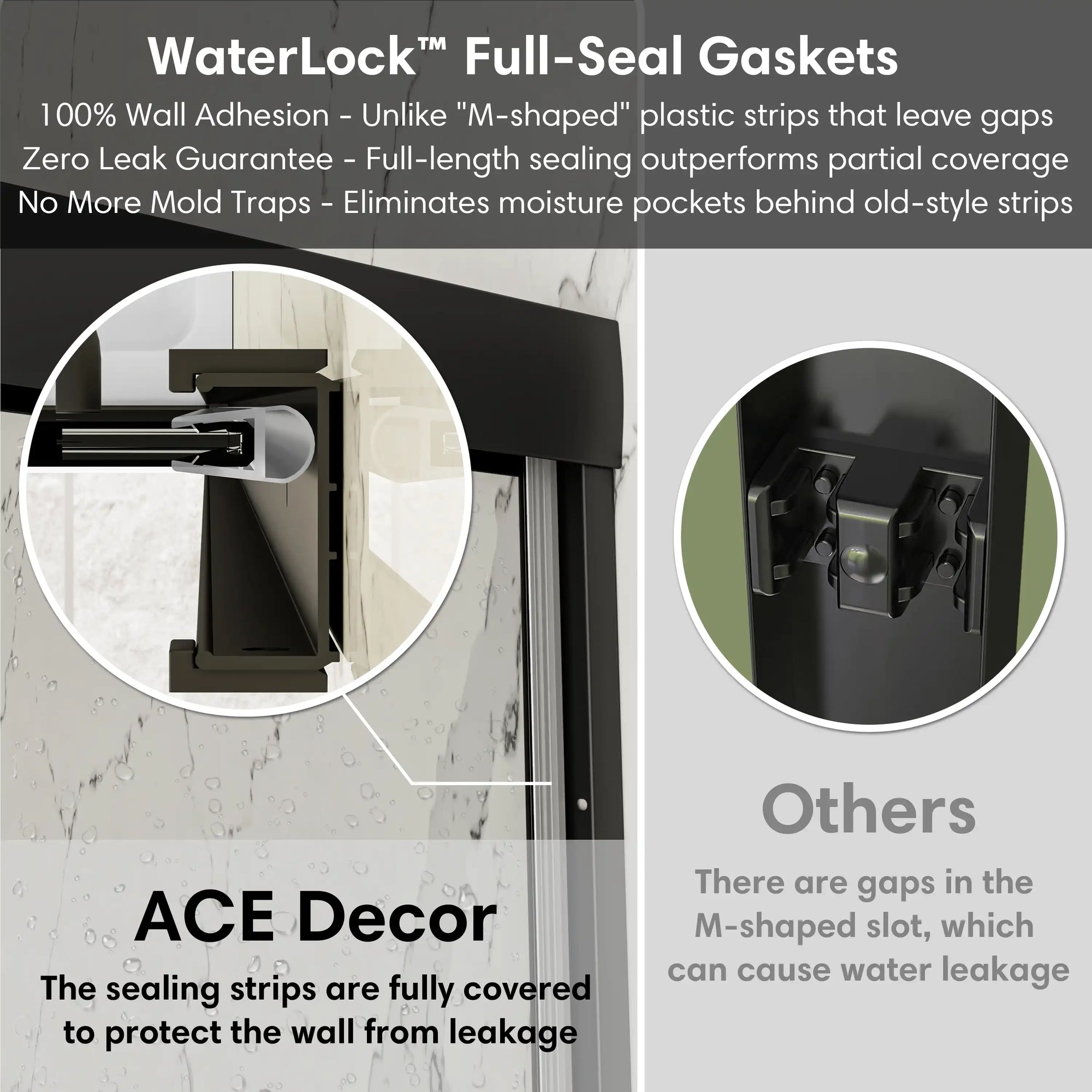
On the flip side, framed shower doors come with bottom rails and side frames that can trap water, which can lead to hard water stains and mold buildup over time. While a regular brush-and-vinegar cleaning routine can keep this under control, it does take more time and effort to maintain.
That said, many modern framed doors are now made with rust-resistant aluminum frames and easy-clean coated glass to help reduce the maintenance load. But, if you’re looking for the ultimate in convenience and minimal upkeep, a frameless door will always be the more appealing choice for a hassle-free bathroom experience.

Budget and Installation: Understanding the Total Cost
When it comes to choosing between framed and frameless shower doors, your budget often plays a decisive role. The cost difference can be quite significant, not just in terms of materials but also installation and potential future repairs.
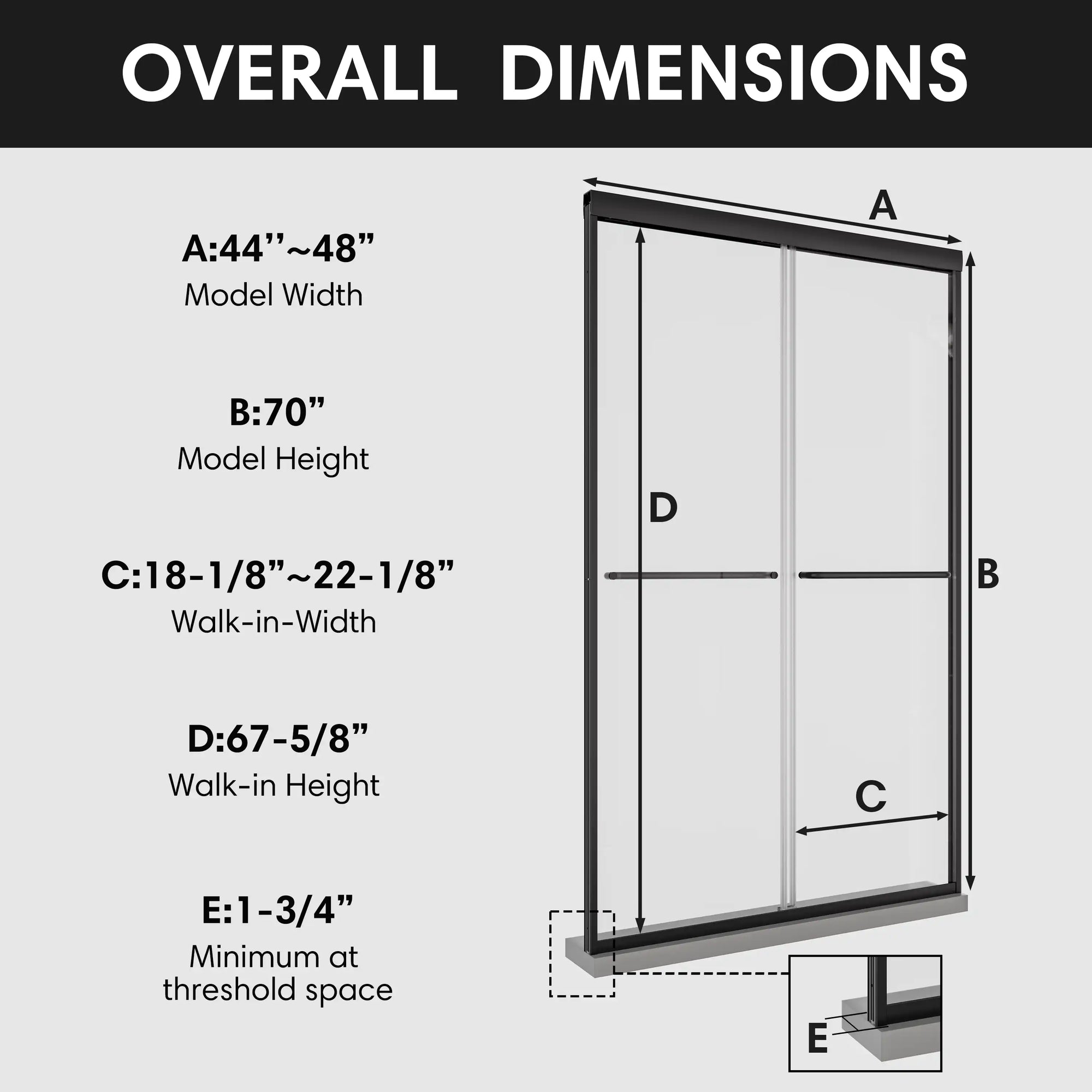
Framed shower doors are typically the more budget-friendly option. The thinner glass, simpler installation, and readily available parts make them more affordable. They are also easier to install, which can save on labor costs or even make DIY installation a feasible option for those who enjoy tackling home projects.
Frameless doors, on the other hand, are generally more expensive. The thicker glass adds to the cost, and because of the heavier panels, installation usually requires a professional to ensure everything is aligned perfectly. Additionally, frameless doors may need custom fittings depending on your bathroom’s unique layout, which further drives up the price.
That said, frameless doors often offer better resale value, especially in more upscale housing markets. Their sleek, modern look and high-end finish are frequently seen as luxury features. So, while the initial cost may be higher, frameless doors can be a smart long-term investment, adding value to your home down the line.

Conclusion: Making the Right Shower Door Investment
Choosing between a framed and a frameless shower door really comes down to what matters most to you. If you’re after a contemporary, sleek, and minimalist aesthetic with the added bonus of easier cleaning, and if your budget allows for a high-end installation, then a frameless door could be the perfect choice. On the other hand, if you're looking to save a bit on costs, need extra structural support, or simply prefer a more classic style, a framed door might be the way to go.
Both options bring unique advantages to the table and can enhance the functionality and beauty of your bathroom. By carefully considering your space, design preferences, intended use, and budget, you’ll be able to make a decision that will serve your home well in the long run.
FAQ – Expert Answers to Common Questions
Is a frameless shower door more likely to leak than a framed one?
Can a frameless shower door be installed in a small bathroom?
Which option adds more value to my home?
Are framed doors easier to install by myself?
Which type of shower door lasts longer?
Frameless Sliding Shower Door is The Key to Minimalism!
Innovative Features in Frameless Shower Door Designs
How to Choose an Affordable Black Framed Shower Door for Your Bathroom Remodel
Chrome Framed Shower Doors: The Perfect Blend of Style and Durability