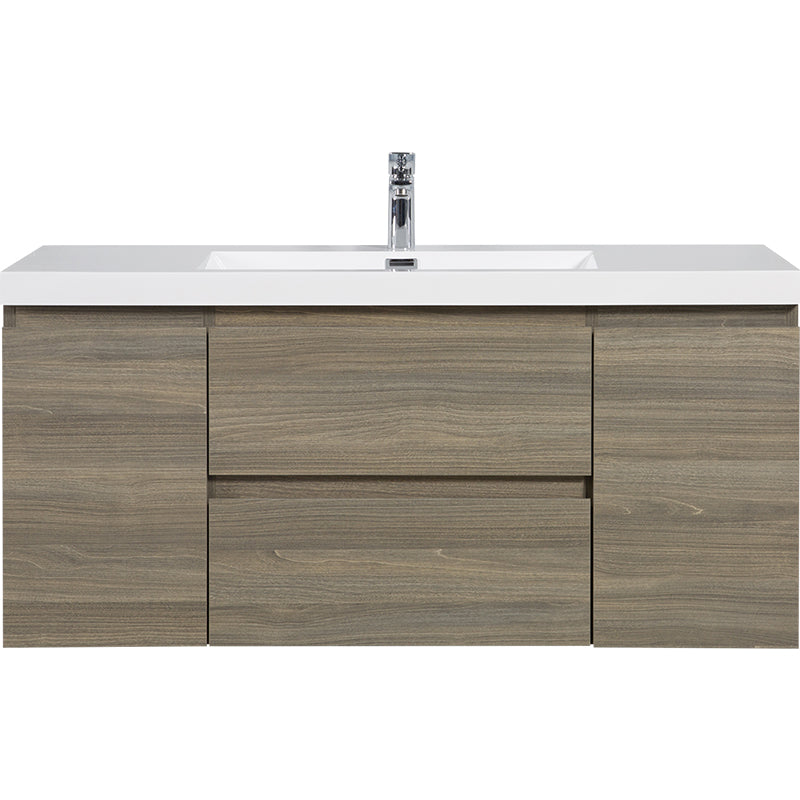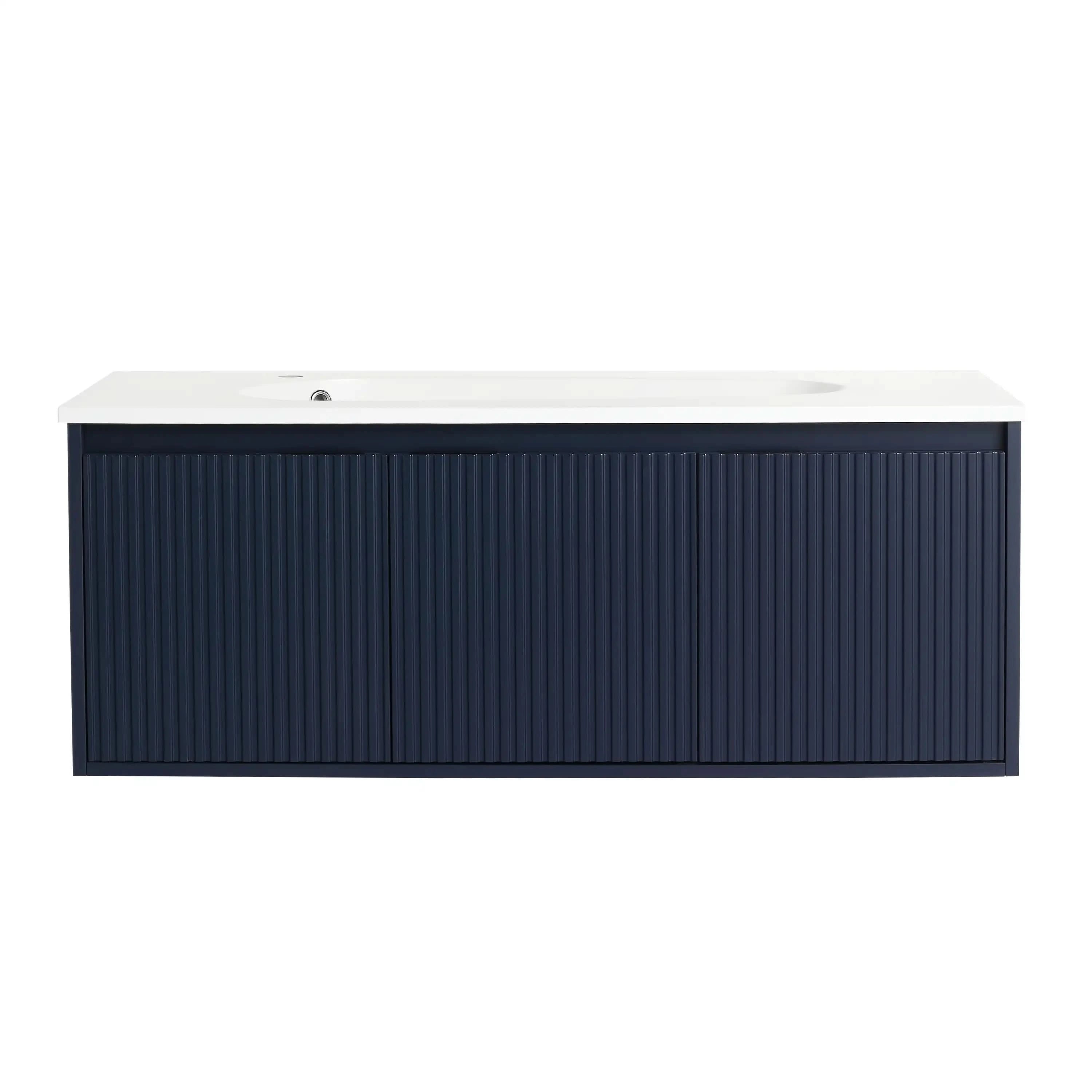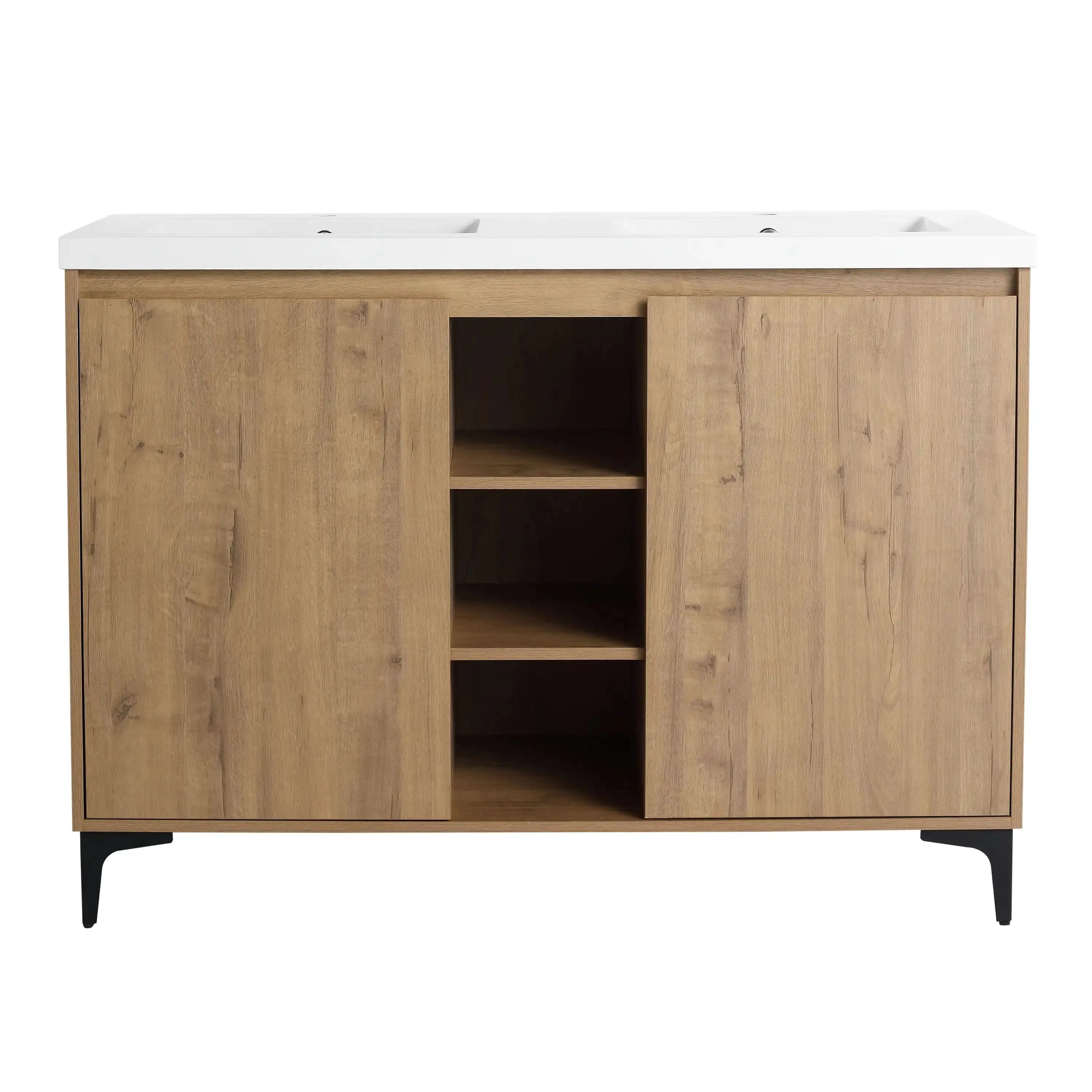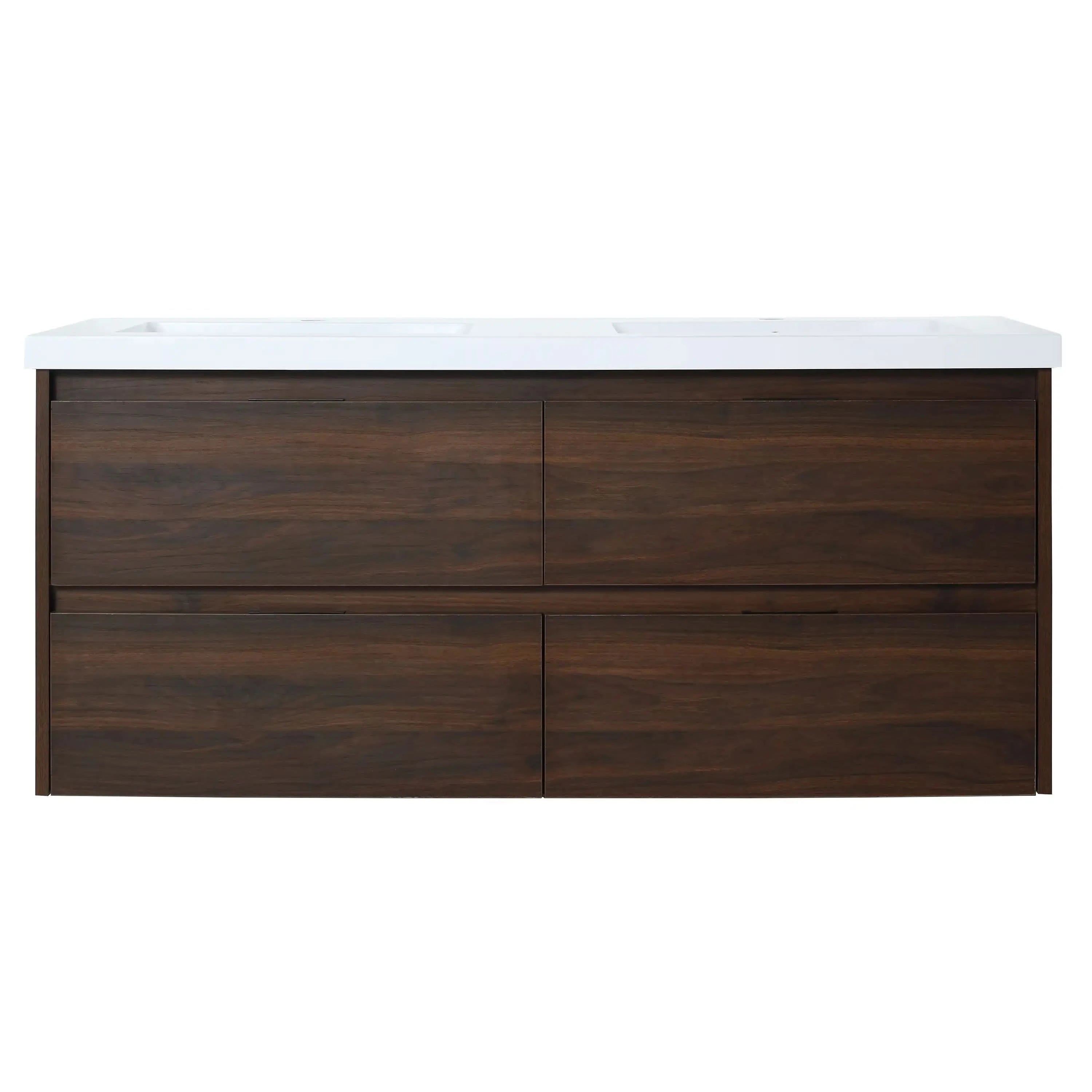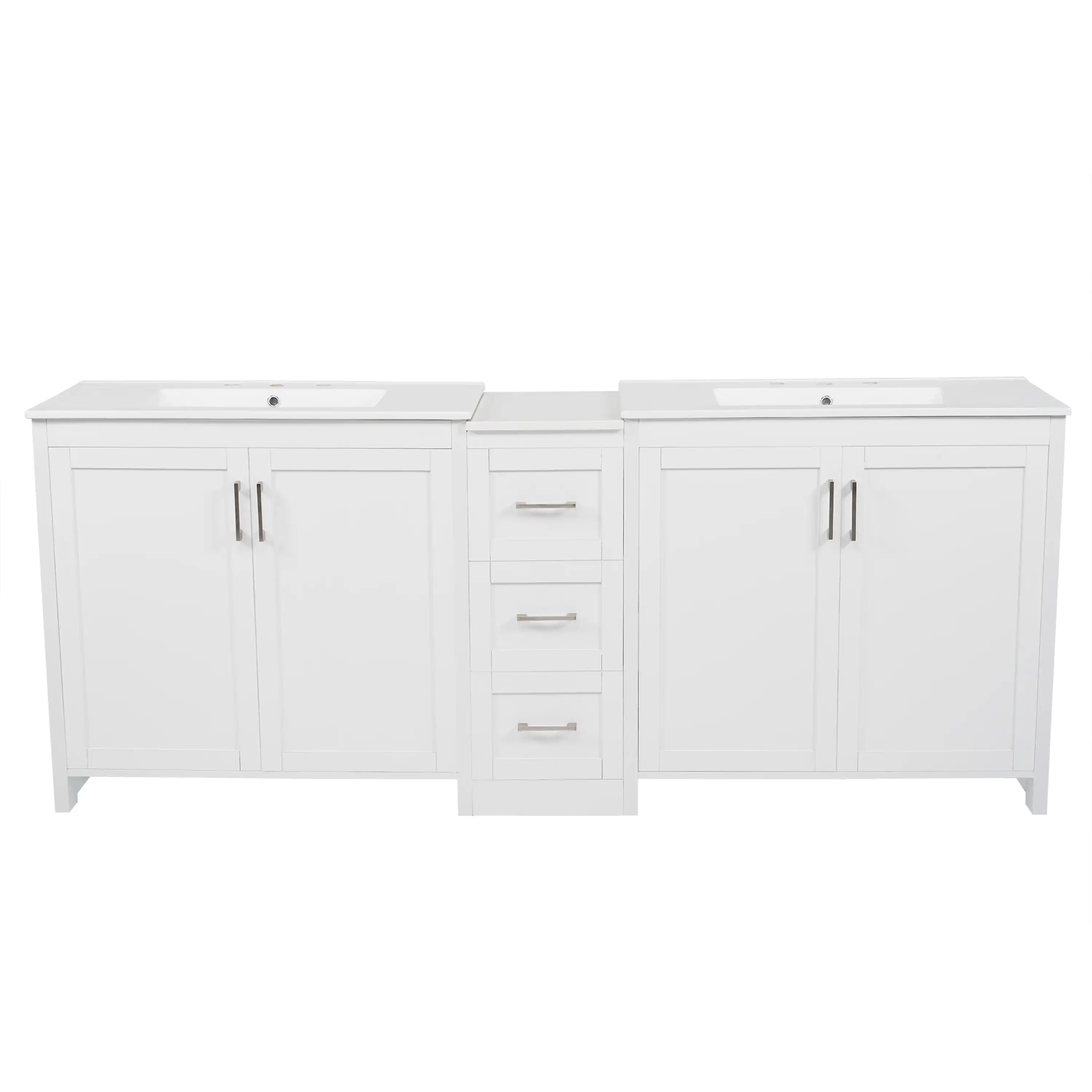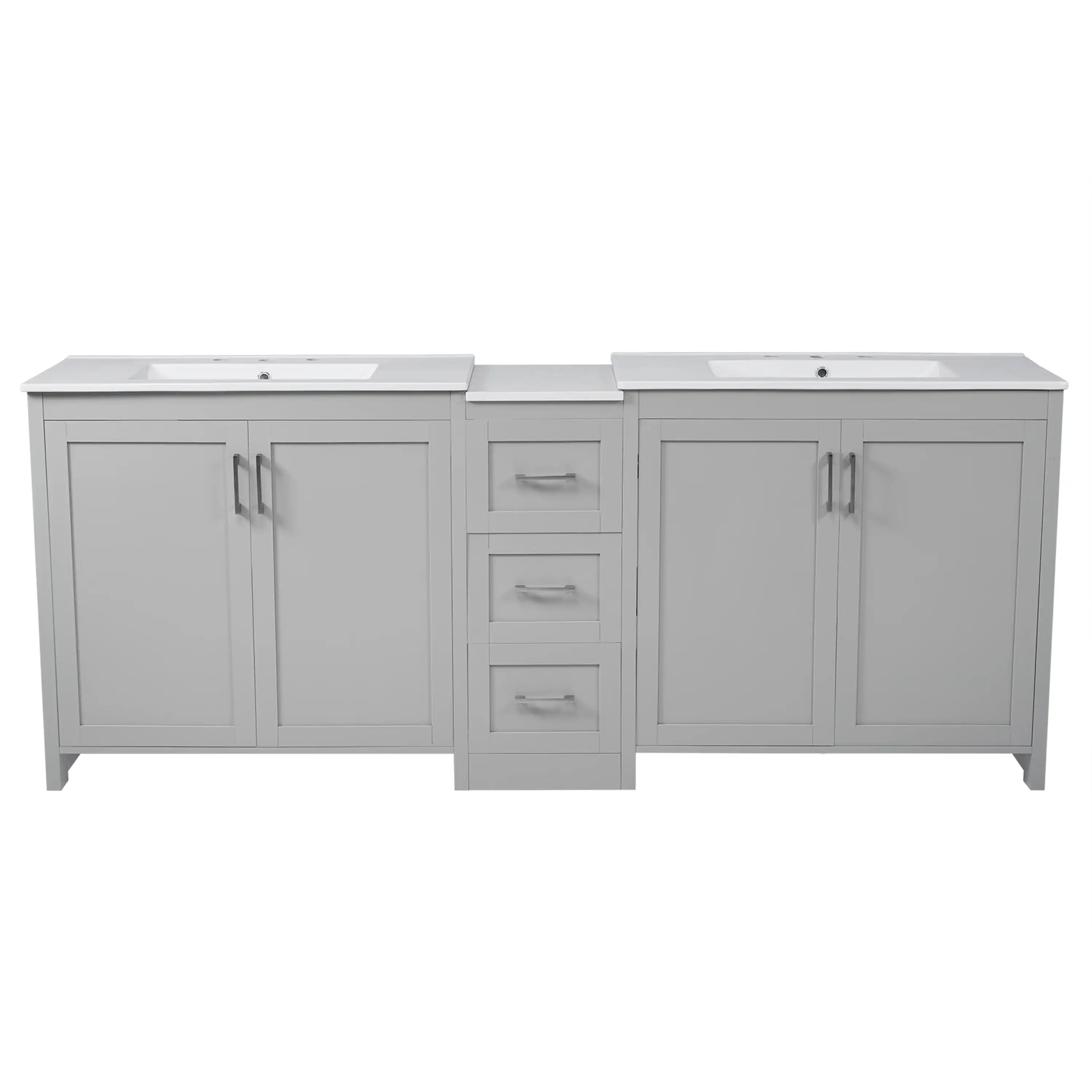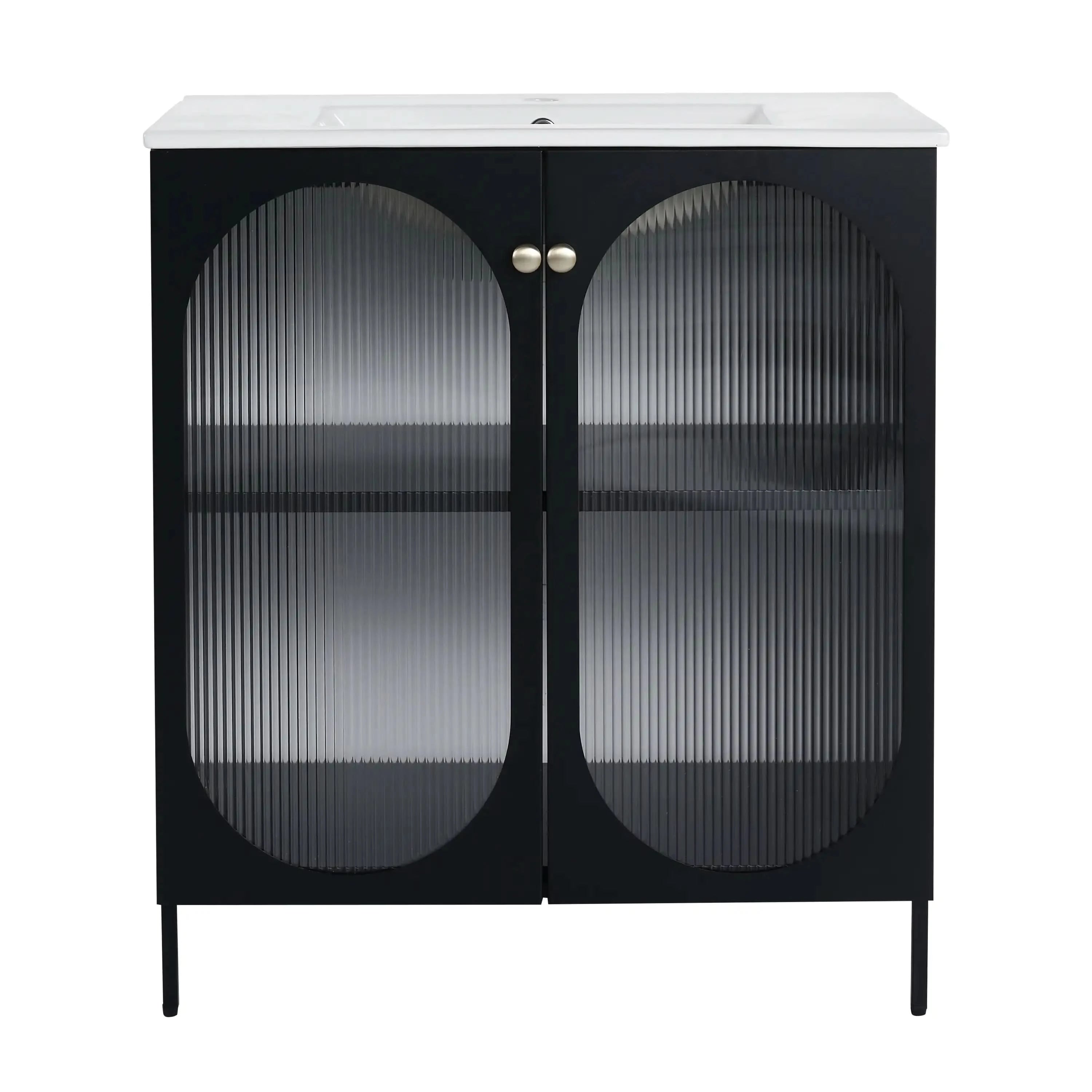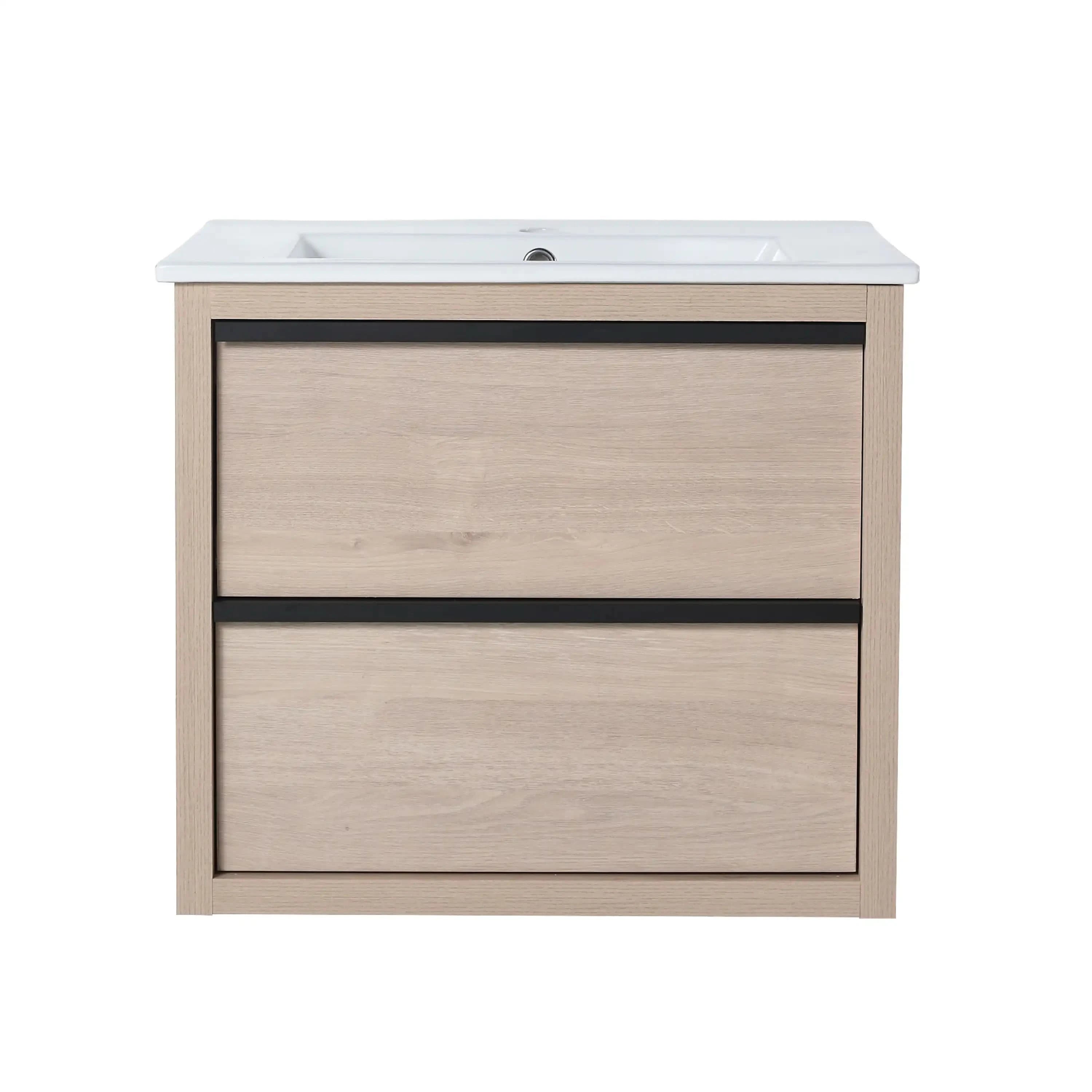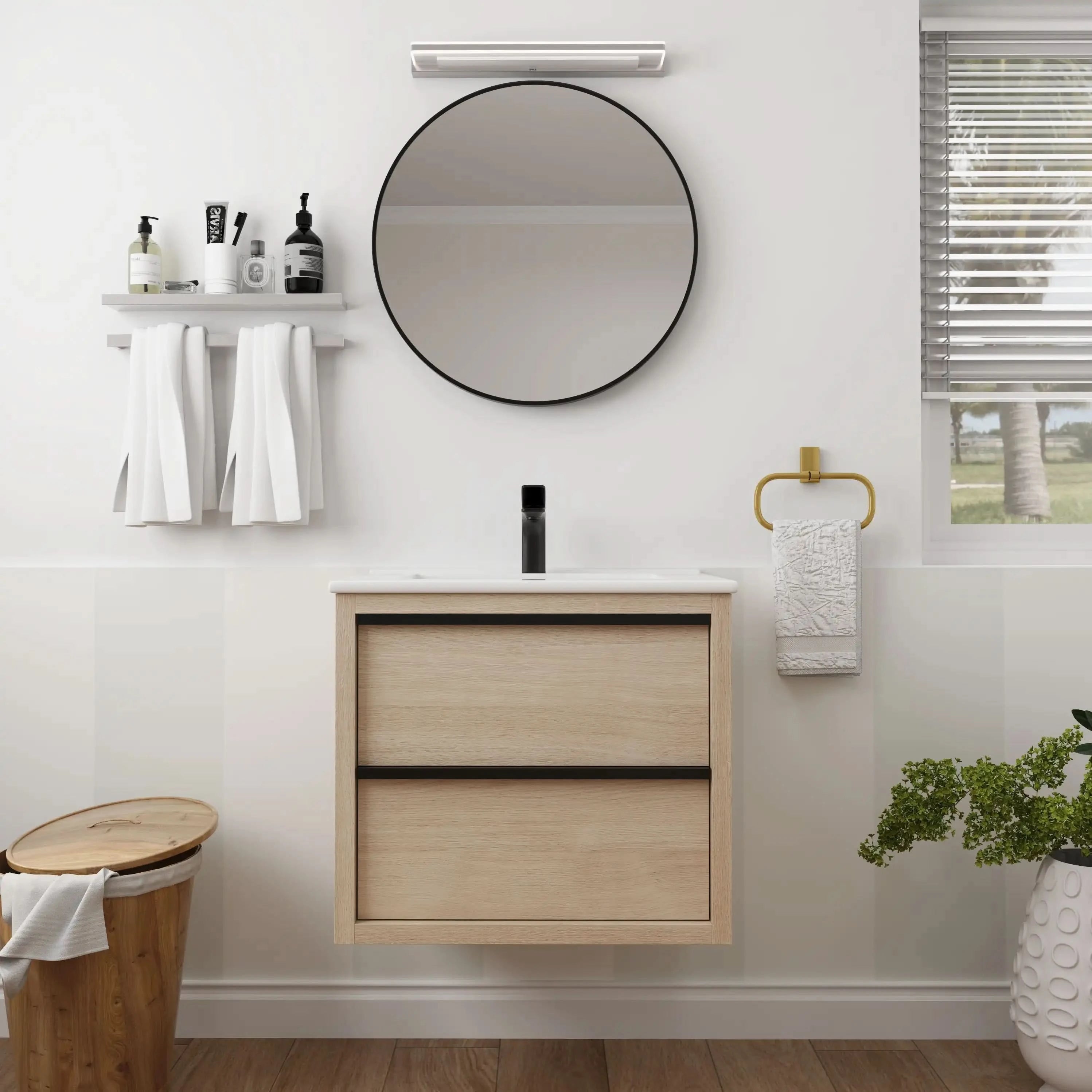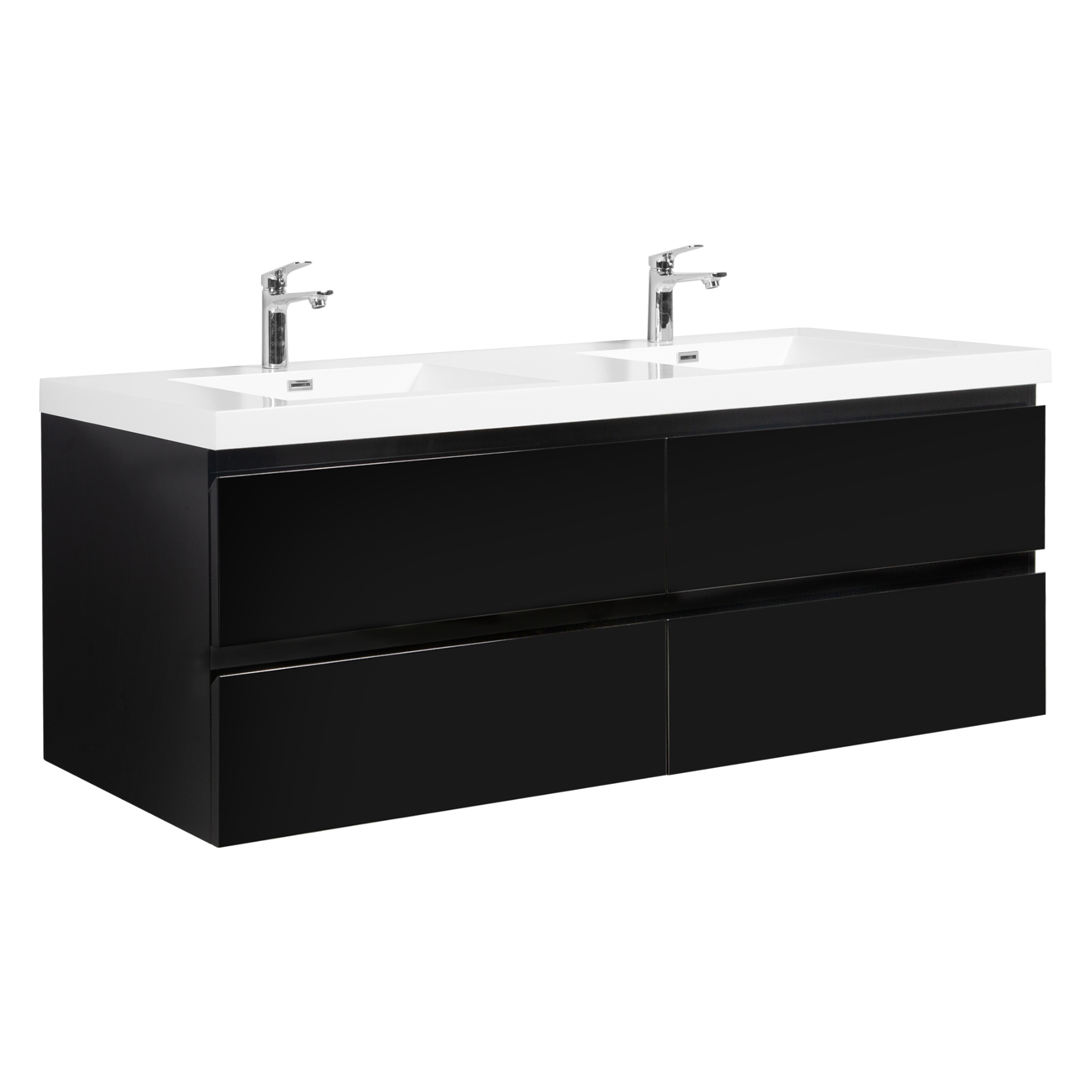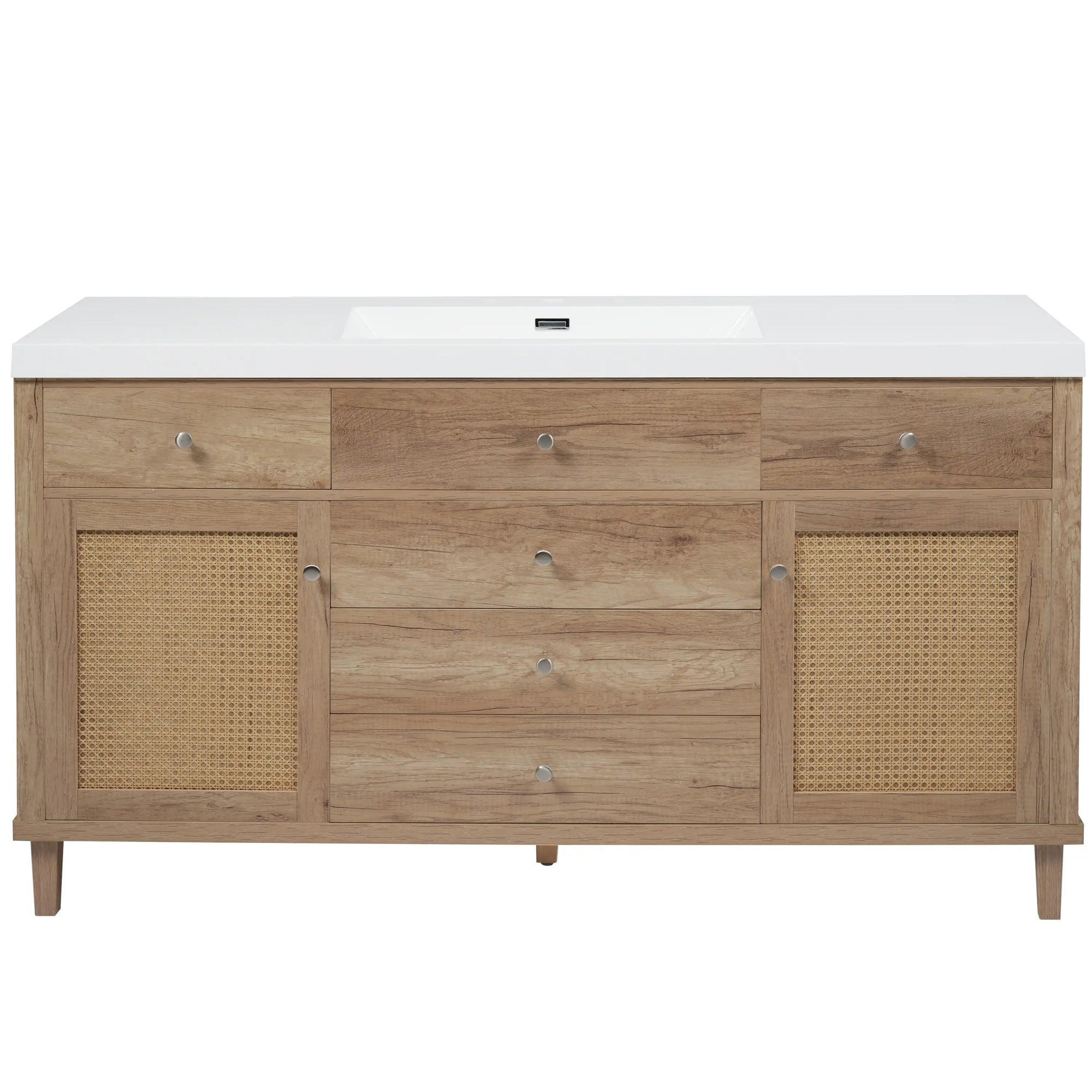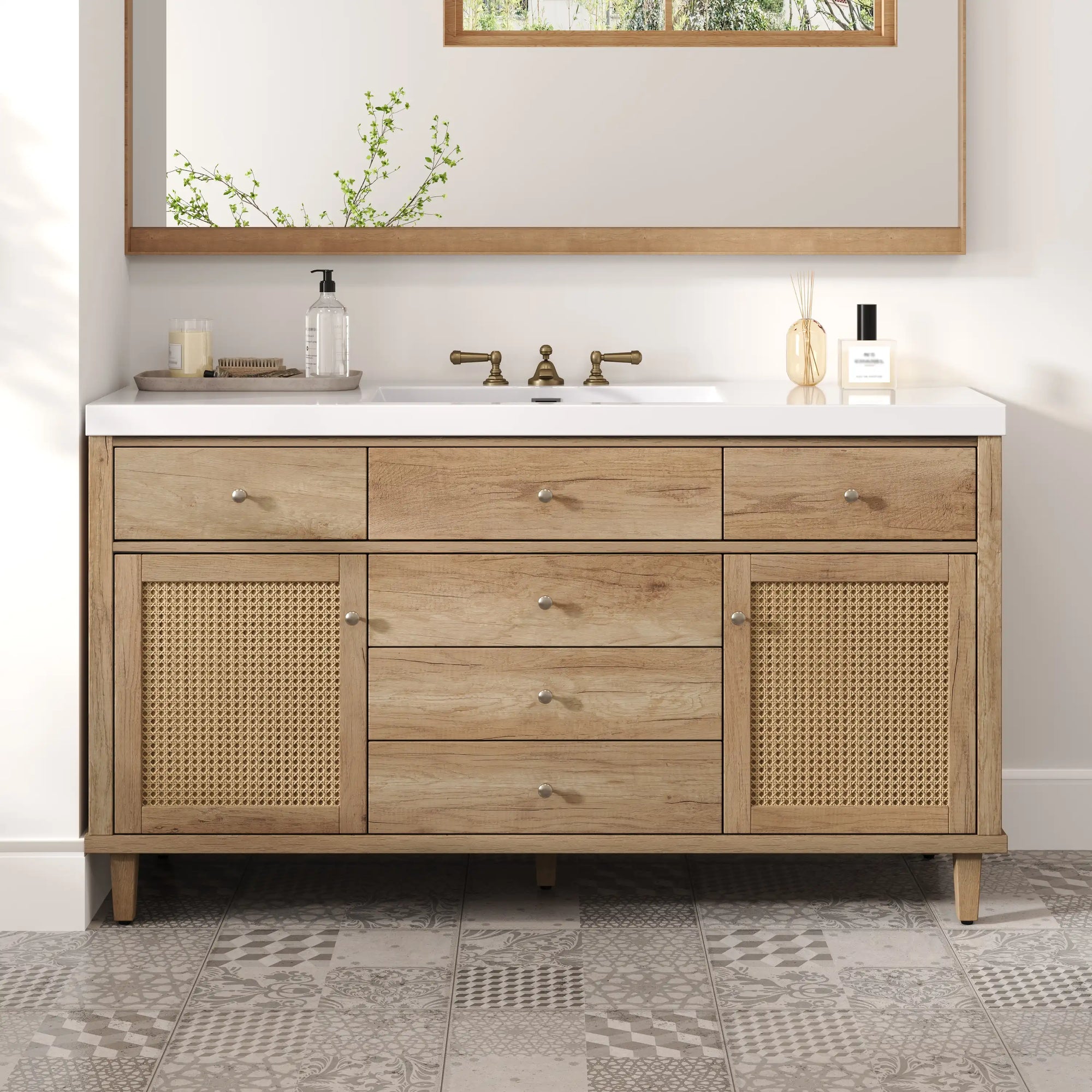


Selecting the right vanity sink height is one of the most underestimated yet impactful decisions in bathroom design. The vanity height matters more so than most homeowners realize, as it directly impacts comfort, accessibility, and long-term usability. A well-chosen height enhances ergonomics, aligns with the needs of all household members, and supports a clean and efficient daily routine.
This guide breaks down everything you need to know: standard height ranges, how to evaluate a freestanding vanity’s specifications, how to set the installation height for floating vanities, and the essentials for ADA compliance. And in the end, you will know how to select the height of a vanity that feels right to the eye, remains balanced, and suits the day-to-day use of your home.
Table of Contents:
- Understanding Standard Vanity Sink Heights
- Vanity Sink Height for Freestanding Vanities
- Setting the Ideal Height for Floating Vanities
- ADA-Compliant Vanity Sink Height Guidelines
- Conclusion
- FAQ
- Related Articles
Section 1 — Understanding Standard Vanity Sink Heights

To get a sense of the right height for a vanity sink, it can be useful to start with some standard guidelines from the industry. They were designed based on the average adult height and how people use them ergonomically over a long period. These are only references and every household differs, however knowing them will give you a basis to start from.
Children-Friendly Heights
For bathrooms used primarily by young children, vanities are typically installed at 30–32 inches from the finished floor to the countertop. This allows children to wash hands, brush teeth, and use the sink safely without stepping stools. In family homes, many parents choose to keep children’s bathrooms at these lower heights to encourage independence.
Standard Heights for General Use
Most adults find the standard vanity heights of 32–34 inches suitable. This height offers a balanced posture for face washing and daily grooming without requiring excessive bending. It is still considered the most universally compatible height range for shared household bathrooms.
Comfort Height Vanities
Then there are “comfort height” models, popular in recent years, which are generally just a bit taller than regular models at 34–36 inches high. These heights are very similar to kitchen countertops, and are used by taller users or anyone else who would like to minimize back strain. Comfort-height vanities also pair well with modern minimalist designs that favor clean lines and elevated profiles.
Key Factors Affecting Final Height
Several practical considerations influence which height is ultimately most comfortable:
-
User height difference among family members
-
Primary usage habits (face washing, shaving, makeup application)
-
Presence of children or elderly family members
-
Sink configuration
Section 2 — Vanity Sink Height for Freestanding Vanities

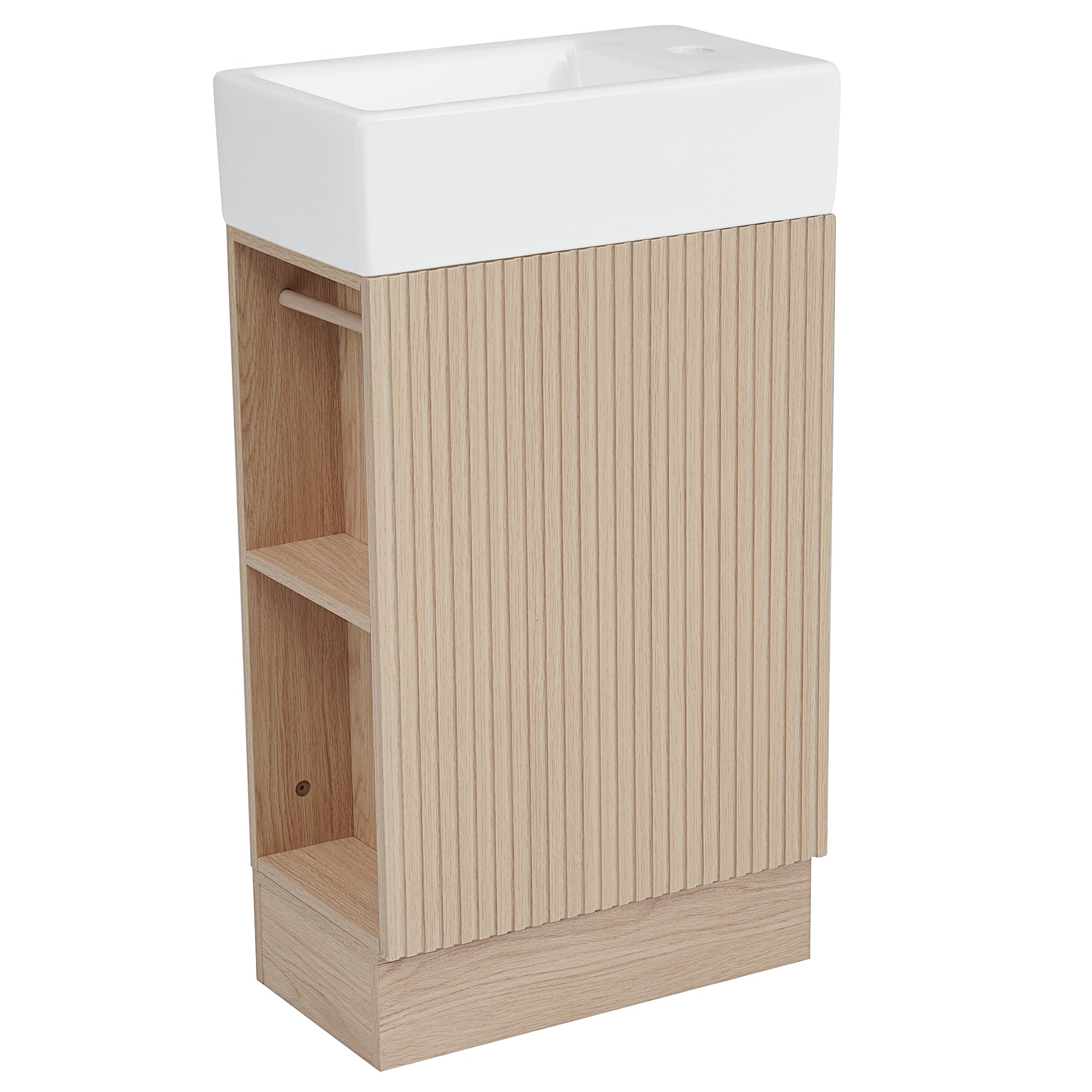
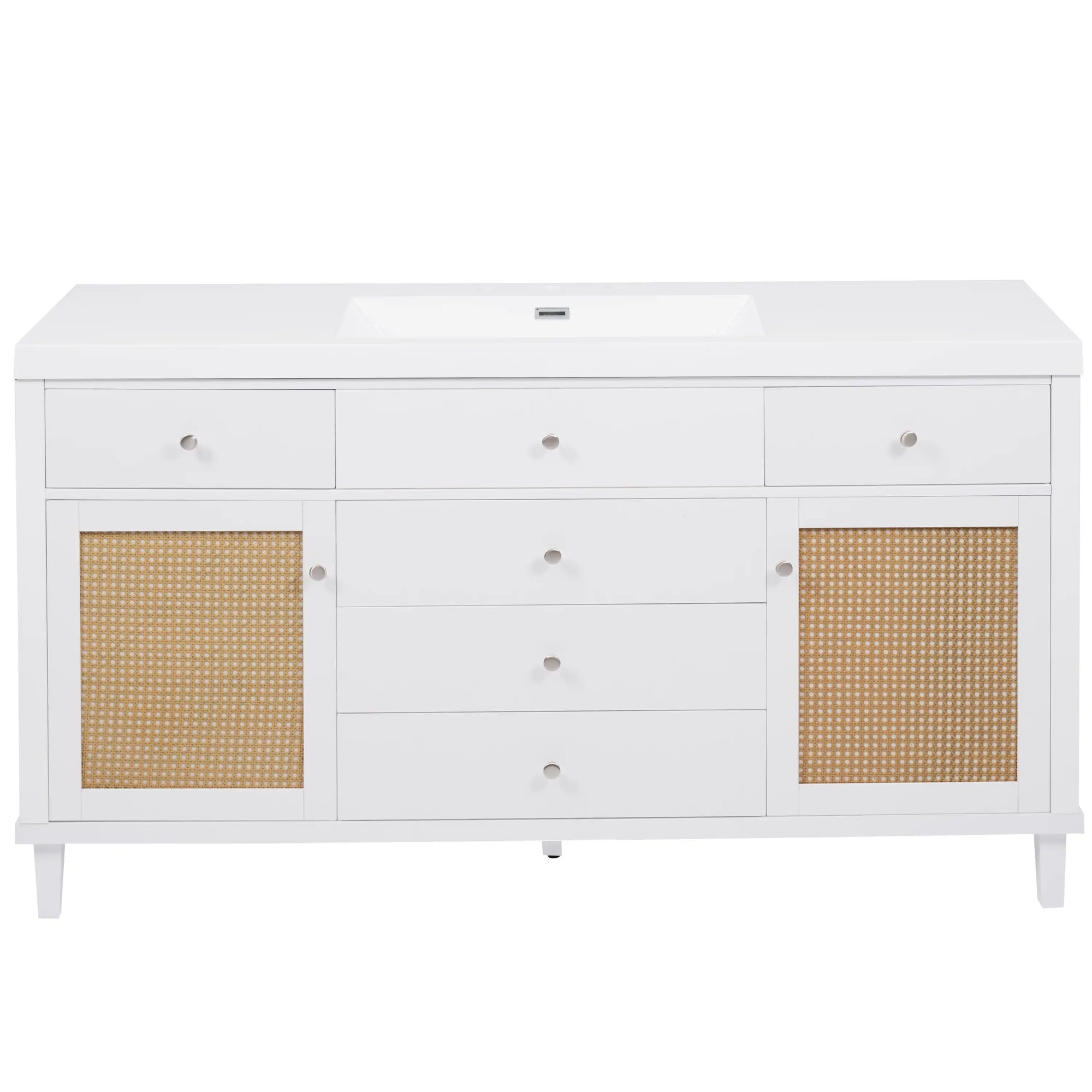
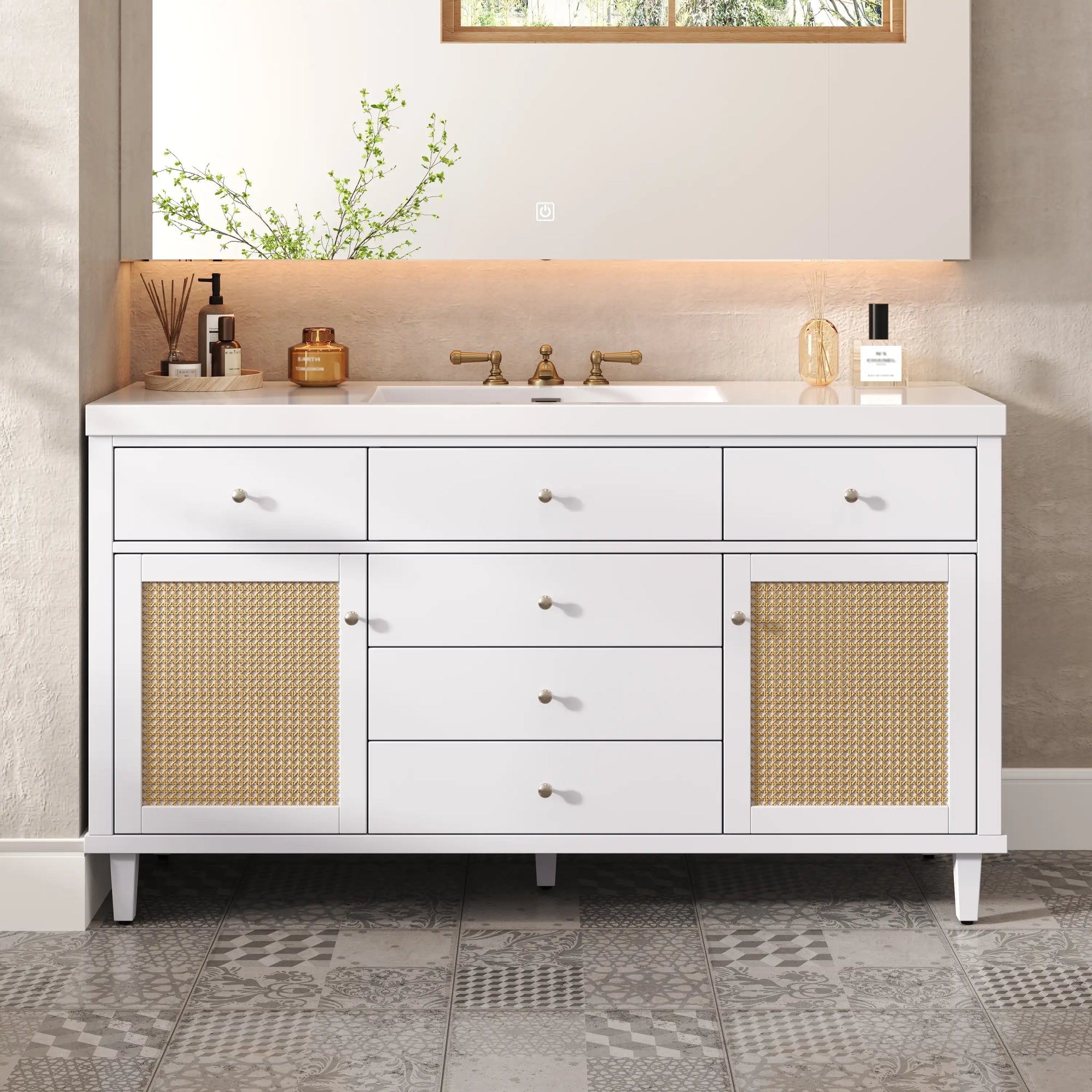
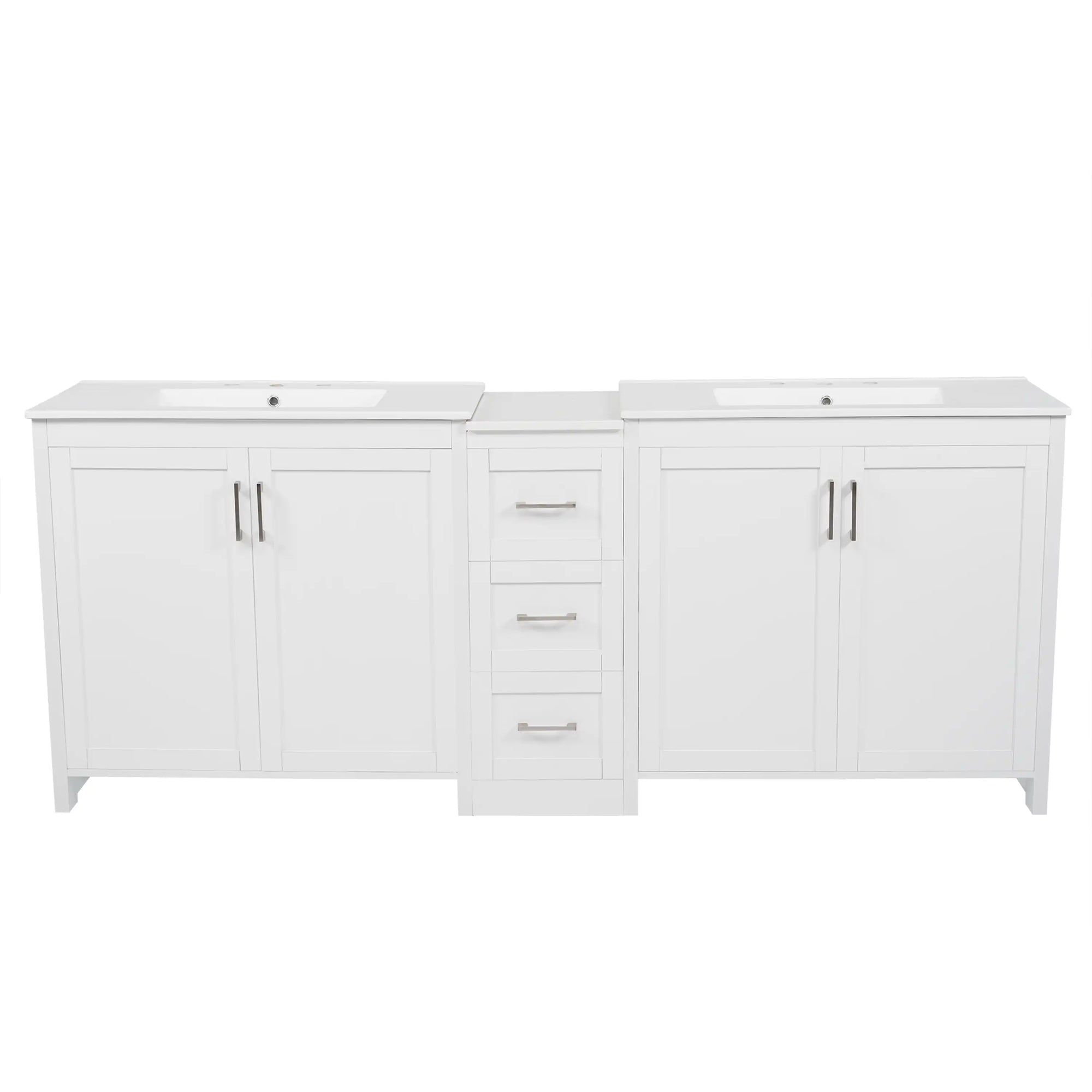
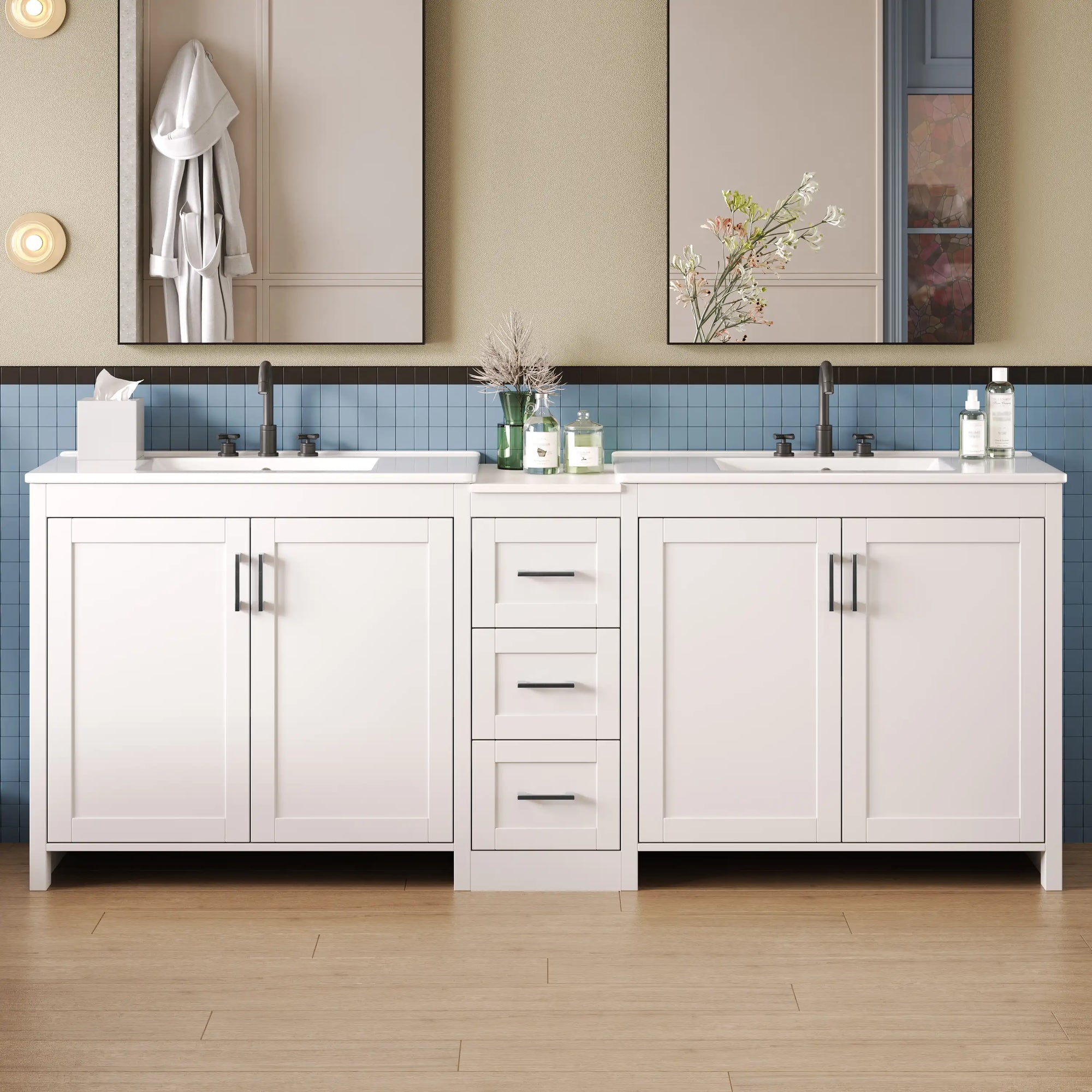
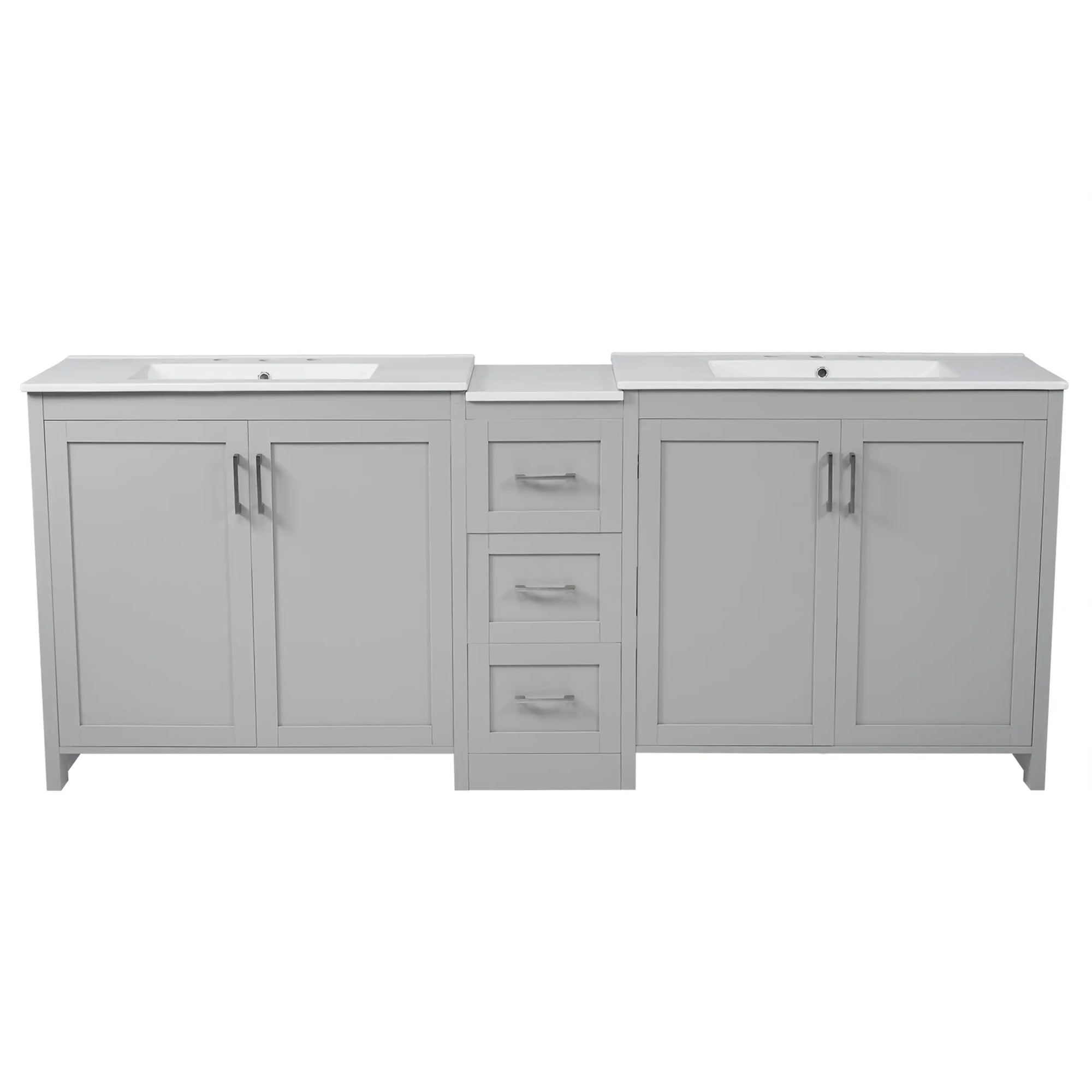
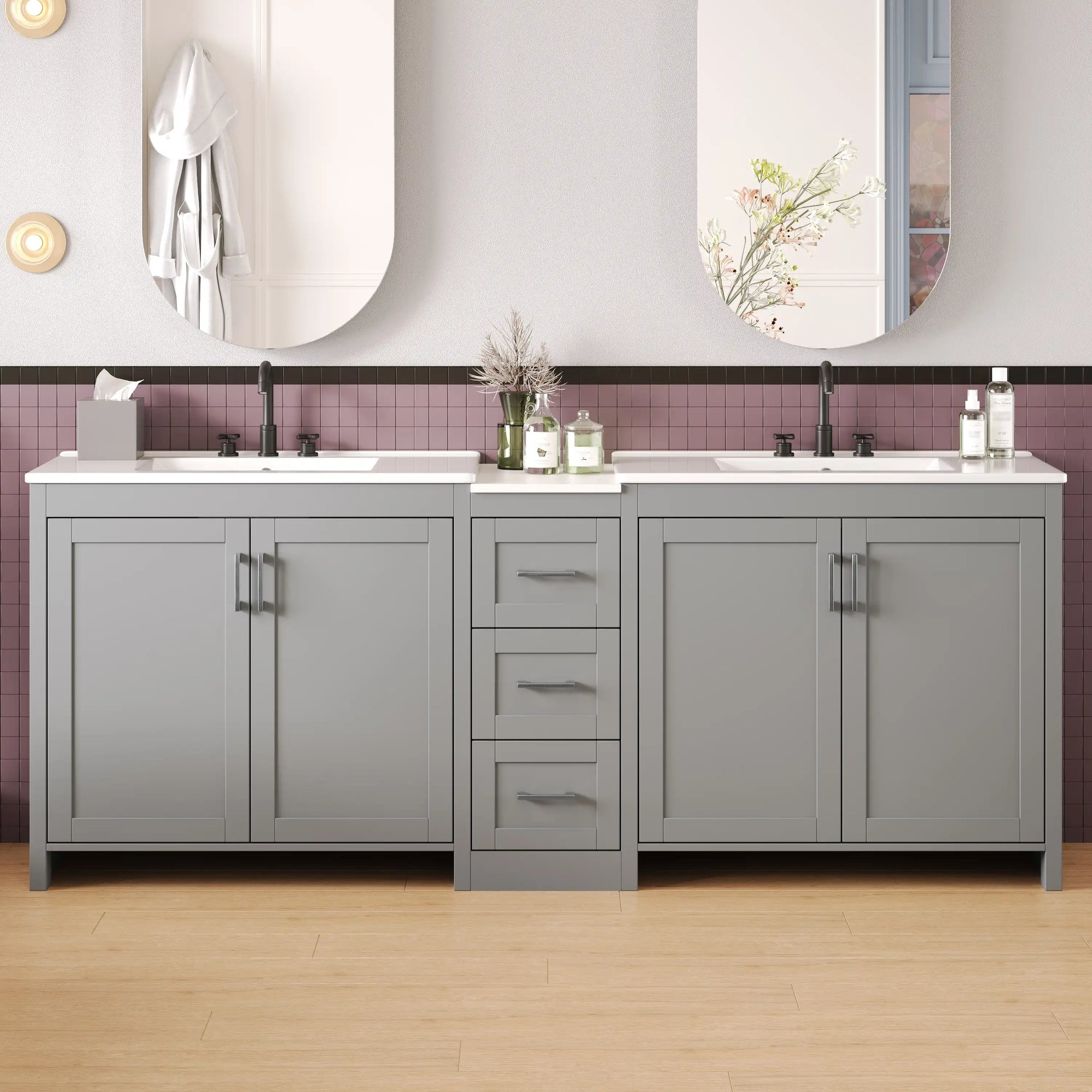
Freestanding vanities are among the most common and straightforward options because their height is pre-built and cannot be adjusted after purchase. This makes it especially important to examine every specification carefully when selecting one. The typical freestanding vanity height ranges from 30 to 36 inches, depending on its intended function and design category.
Why Sink Type Matters More for Freestanding Models
With freestanding vanities, the vanity sink height is effectively locked in. Therefore, the sink style plays a decisive role in determining the final usable height:
-
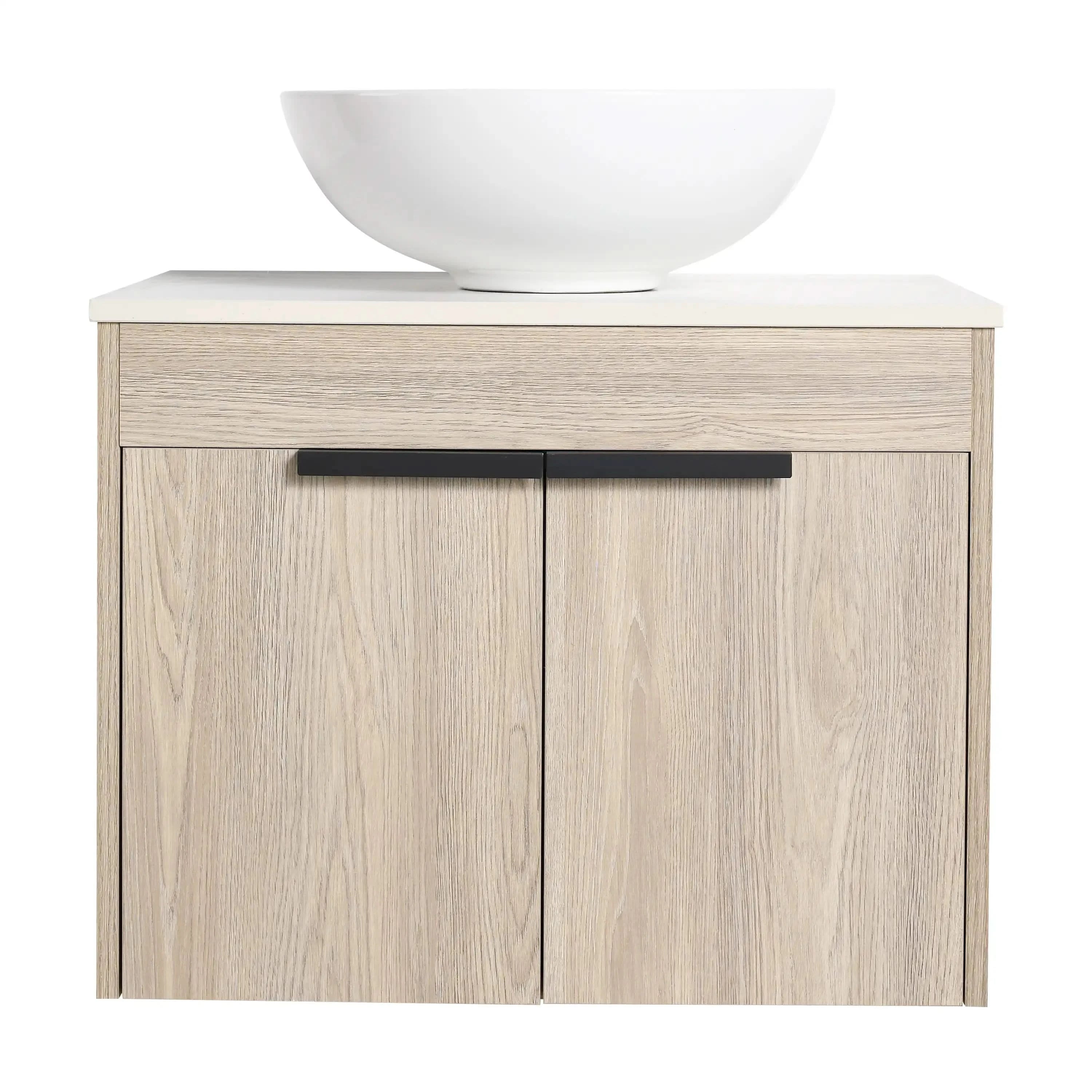
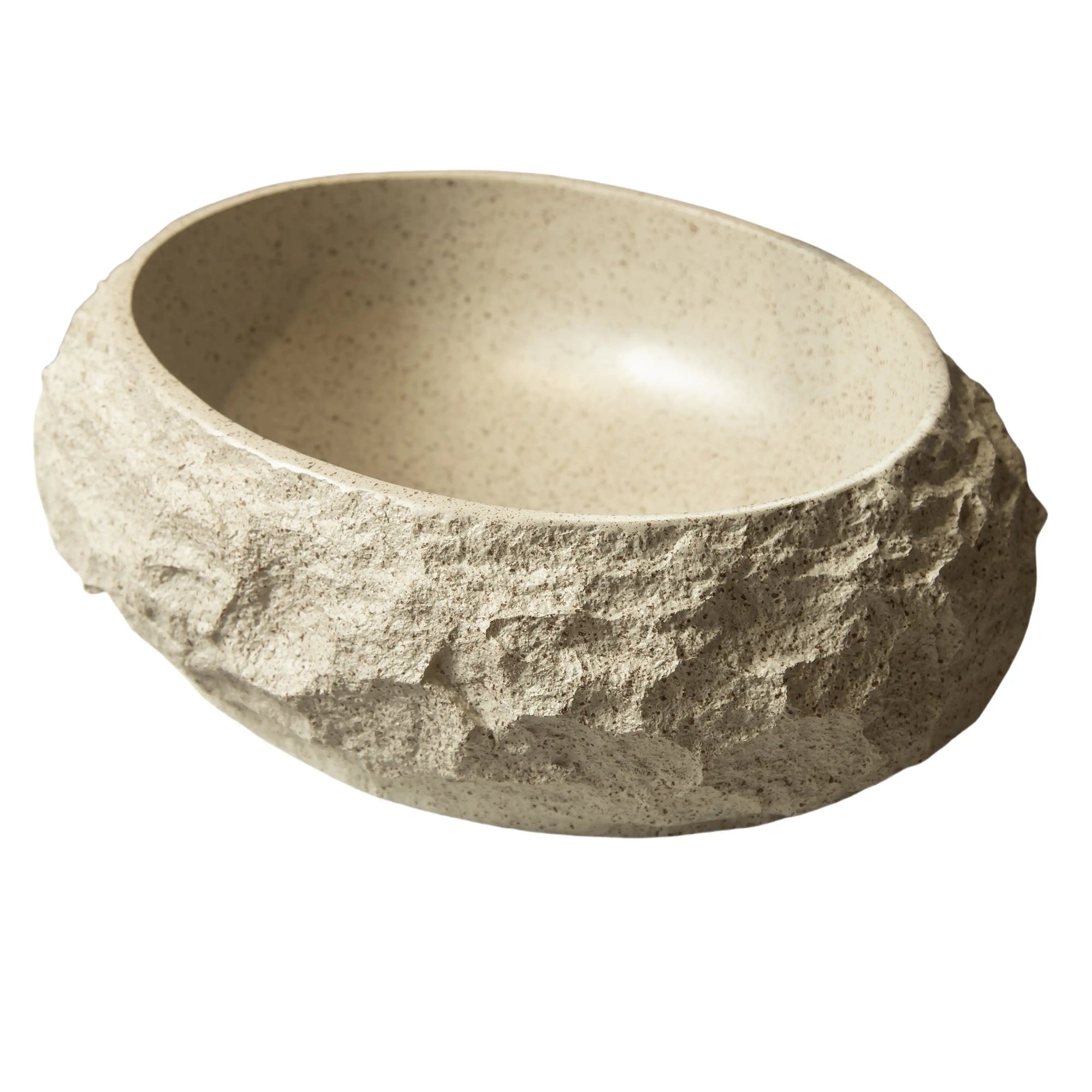
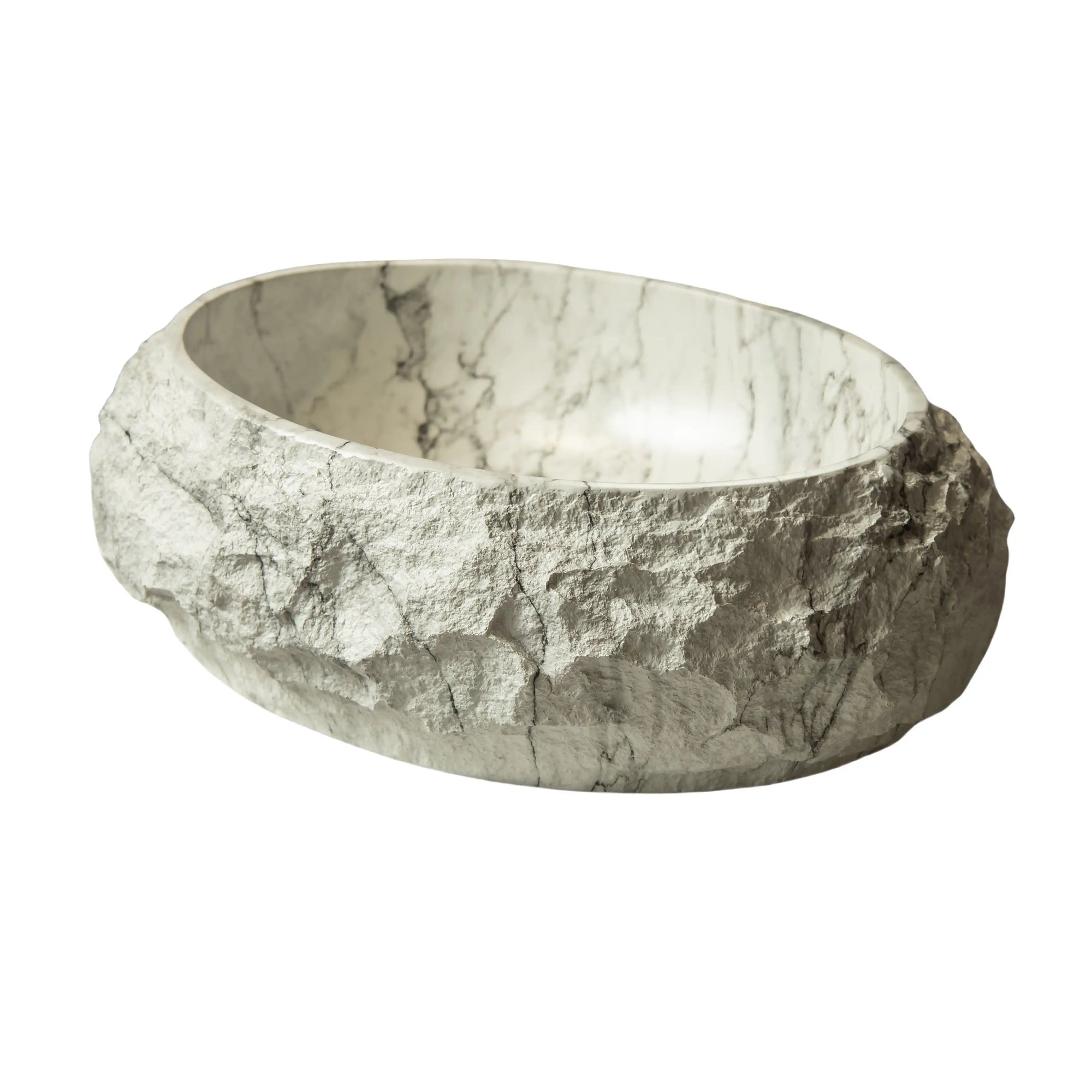
Vessel Sinks: Since the bowl sits above the countertop, it adds 5–7 inches of height. A vanity that is already 34 inches tall could feel uncomfortably high once a vessel sink is installed.
-
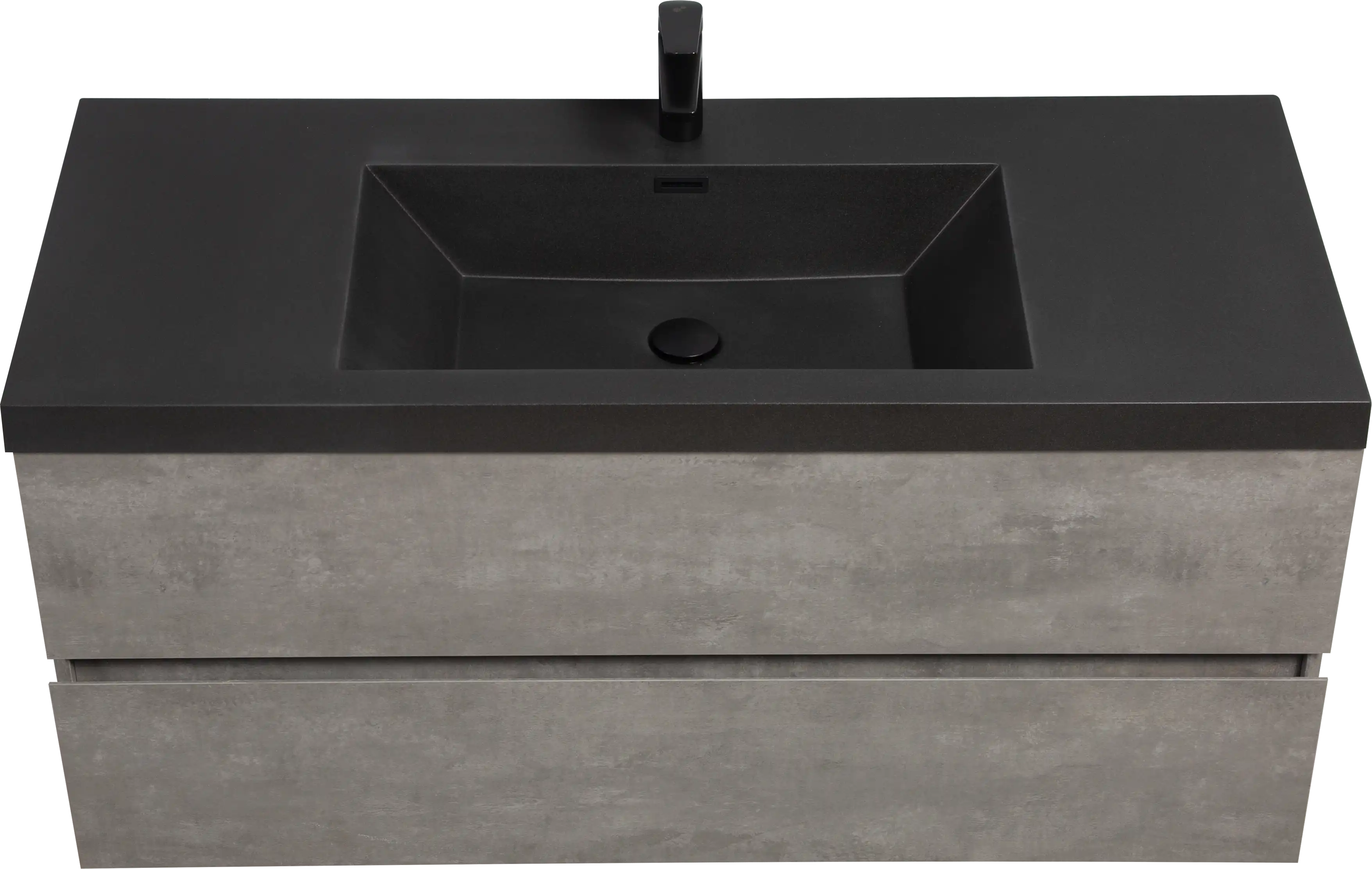
Undermount or Integrated Sinks: These stay flush or below the countertop, maintaining the factory height and offering a cleaner ergonomic experience.
Matching Height to Bathroom Size and User Needs
Vanity height that is slightly lower can actually help a small bathroom because it opens the space visually. On the other hand, if you have a bathroom with a tall ceiling, a taller vanity can give the space a more balanced feel.
More importantly, users should consider:
-
The tallest and shortest individuals in the household
-
Whether the bathroom is primarily for adults or mixed users
-
Whether accessories such as mirrors will align at eye level
Although freestanding vanities limit customization after installation, they offer reliability, structural stability, and well-balanced proportions that work in a wide range of bathroom layouts. Our store offers a curated selection of high-quality freestanding vanities designed with thoughtful dimensions and durable materials.
Section 3 — Setting the Ideal Height for Floating Vanities

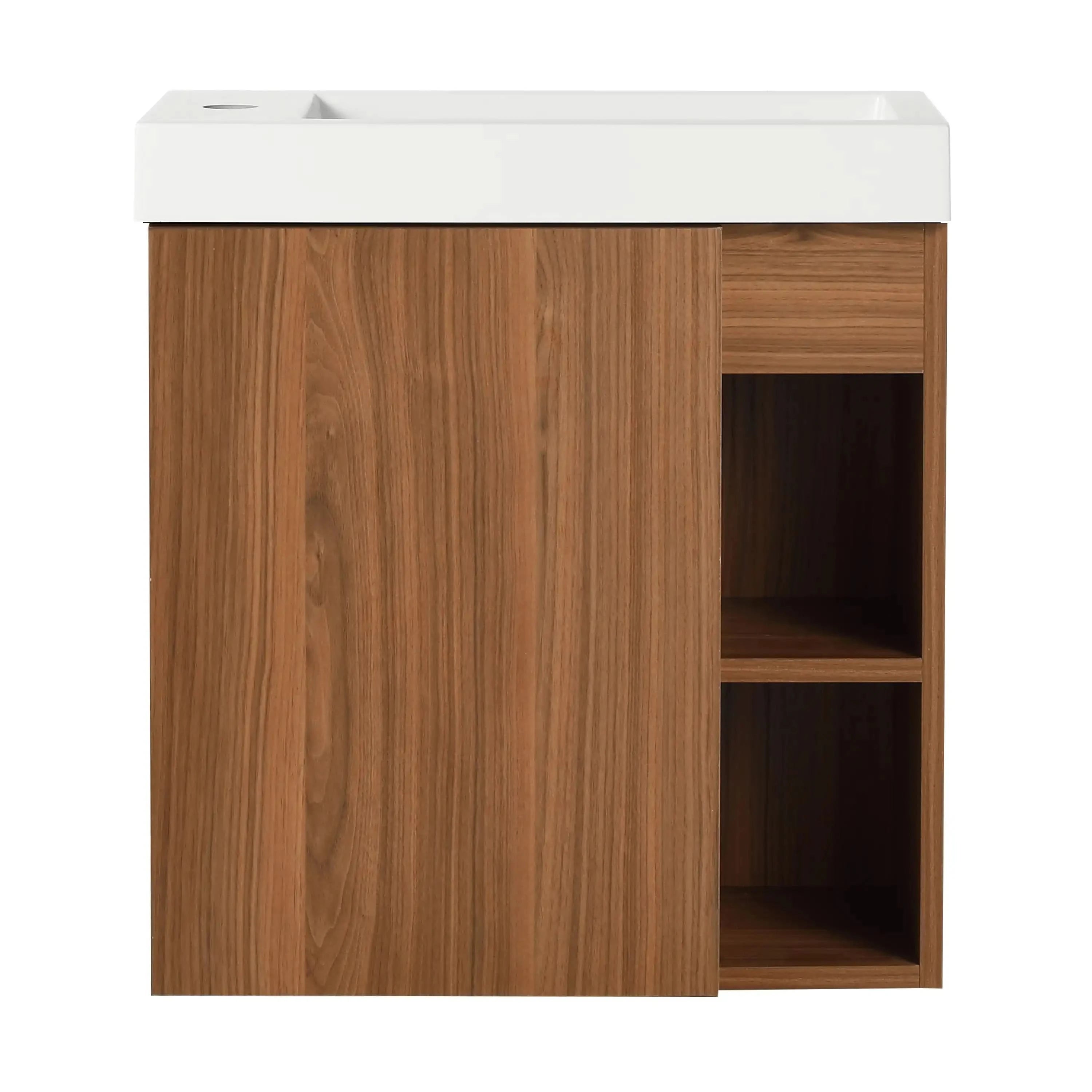
Floating vanities introduce a level of flexibility that freestanding models cannot match. Because they mount directly onto the wall, homeowners can decide the exact installation height based on ergonomic needs.
Recommended Installation Heights
For most adults, a floating vanity is ideally installed so that the countertop measures 34–36 inches from the finished floor. If the household includes young children, the height may be set slightly lower. Unlike freestanding models, floating vanities can be positioned with precision, making them ideal for custom-designed bathrooms.
Adjusting for Sink Type and User Preference
The final vanity sink height always includes the sink component. This means:
-
A vessel sink requires lowering the vanity base to compensate for bowl height
-
An undermount sink allows the countertop to align exactly with the target height
The adjustability of floating vanities allows homeowners to optimize comfort without compromising aesthetics.
Technical Factors to Consider During Installation
Floating vanities must be attached to reinforced wall structures. This requires planning for:
-
Wall studs and load-bearing capacity
-
Drain and water supply height
-
Electrical outlets and mirror placement
-
Clearance for plumbing beneath the vanity
Precise measurements ensure that the vanity is both functional and visually balanced. If you are considering this style, our store provides a range of floating vanity options in various materials, finishes, and configurations.
Section 4 — ADA-Compliant Vanity Sink Height Guidelines

ADA (Americans with Disabilities Act) standards ensure spaces are accessible to people with limited mobility. Even in private homes, designers often apply ADA principles to support aging family members or those with mobility challenges.
ADA Height Requirements
According to the ADA, the top of the sink or countertop can be at a maximum height of 34 inches from finished floor. This means that sink users in wheelchairs can use the sink comfortably.
Clearance Requirements
To comply fully:
-
Knee clearance: At least 27 inches high
-
Toe clearance: At least 9 inches high
-
Depth: Vanity should be designed so wheelchairs can fit under
-
Faucet reach: Should fall within accessible forward reach ranges
For ADA installations, floating vanities are a great option due to the open floor space under the vanity sink and the precise positioning.
Applying ADA principles benefits not only those with accessibility needs but also households planning long-term usability and aging-friendly design. Incorporating the right vanity sink height plays a crucial role in this goal.
Conclusion
Choosing the right vanity sink height is more than a design preference, it is a key factor in creating a bathroom that supports comfort, efficiency, and accessibility. Whether you are remodeling a family bathroom or designing a modern space from scratch, thoughtful height planning will enhance daily routines and ensure long-term satisfaction.
Q1. What is the most comfortable vanity sink height for adults?
Q2. How does a vessel sink affect vanity height?
Q3. Are floating vanities better for homes with children?
Q4. What is the required ADA-compliant vanity sink height?
Q5. How should I measure my space before choosing a vanity?
- Why a Bathroom Vanity with Makeup Station Is the Perfect Blend of Style and Function
- L-shaped Bathroom Vanities: Top Tips to Avoid Design Errors and Save Space
- Small Bathroom Sinks: Smart Design Tips and Space-Saving Ideas
- What Is a Vessel Sink? The 2025 Complete Guide with Pros, Cons & Ace Decor Recommendations
- Pedestal Sink With Backsplash: Need, Height & Ideas