

Table of Contents:
- TL;DR: Standard vs Deep Bathtub — A Quick Comparison
- Deep vs Standard Bathtub: Key Differences
- Space, Size & Weight Considerations (Will a Deep Bathtub Fit?)
- Cost Comparison: Standard Bathtub vs Deep Bathtub
- Water Usage: Standard vs Deep Bathtubs
- Design & Aesthetics: Choosing Deep or Standard Bathtubs
- Cleaning and Maintenance: Deep Bathtubs vs Standard
- Pros and Cons: Deep Bathtubs vs Standard Bathtubs
- Deep vs Standard Bathtub FAQ: Common Questions Answered
- Final Thoughts: Should You Choose a Deep or Standard Bathtub?
- Related Articles
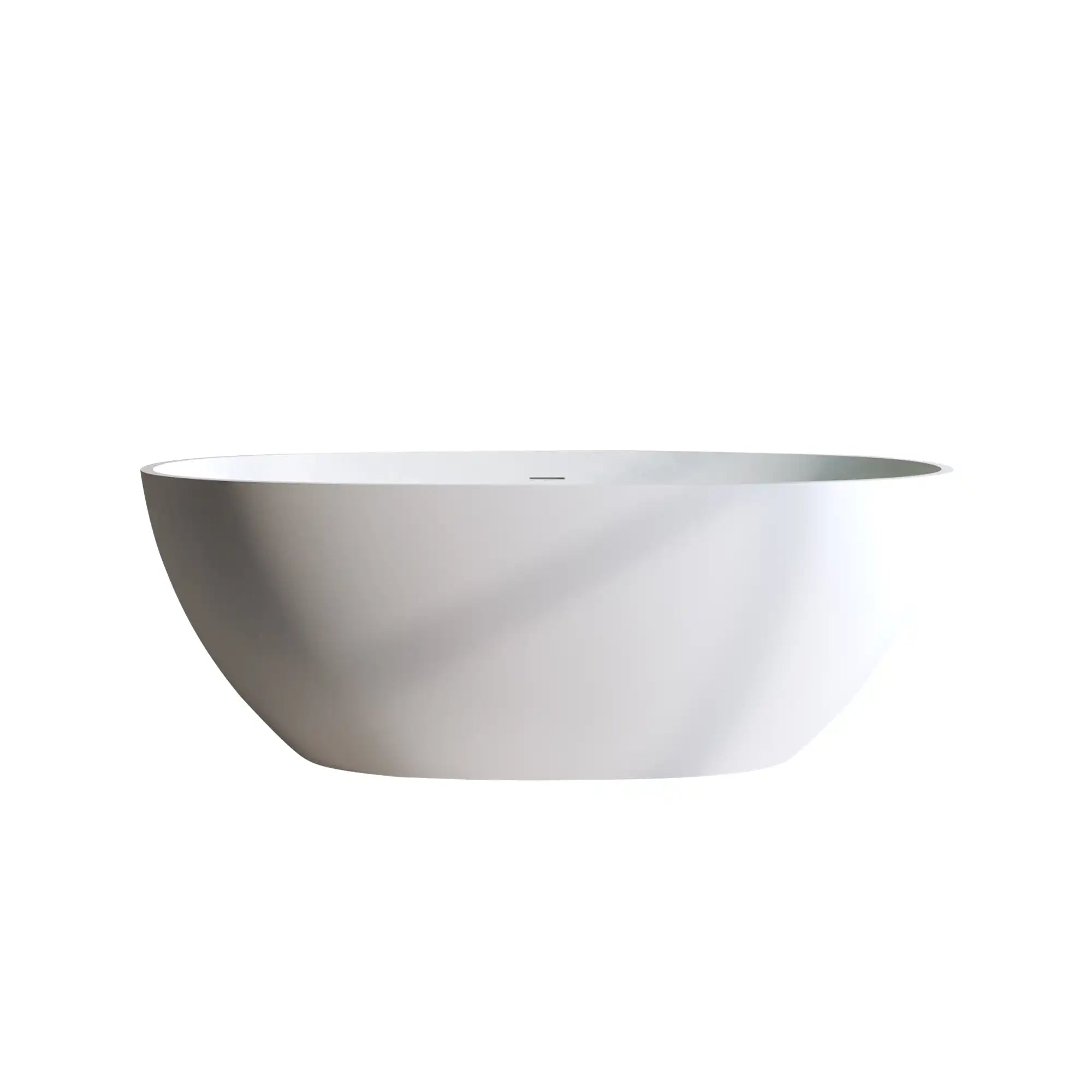
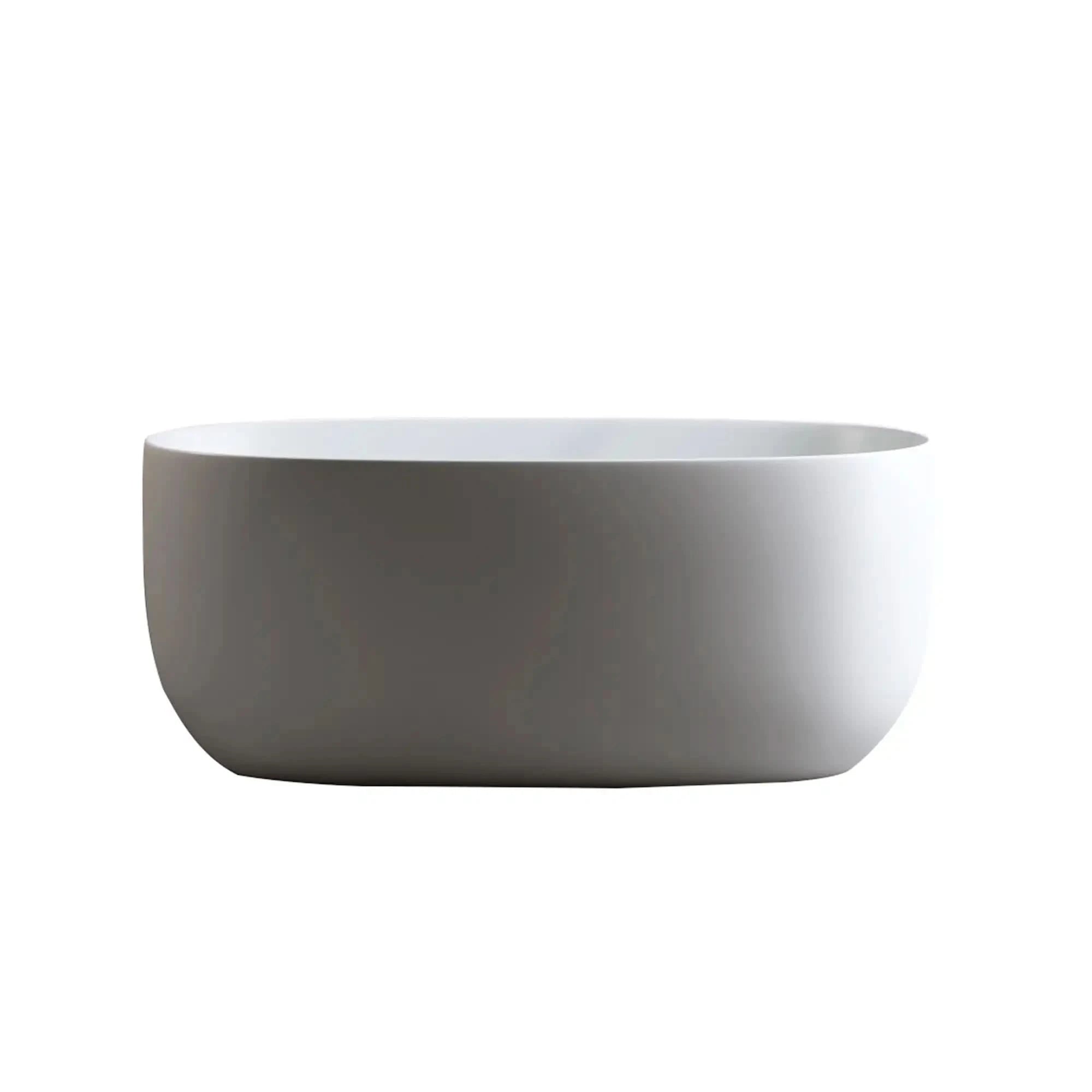
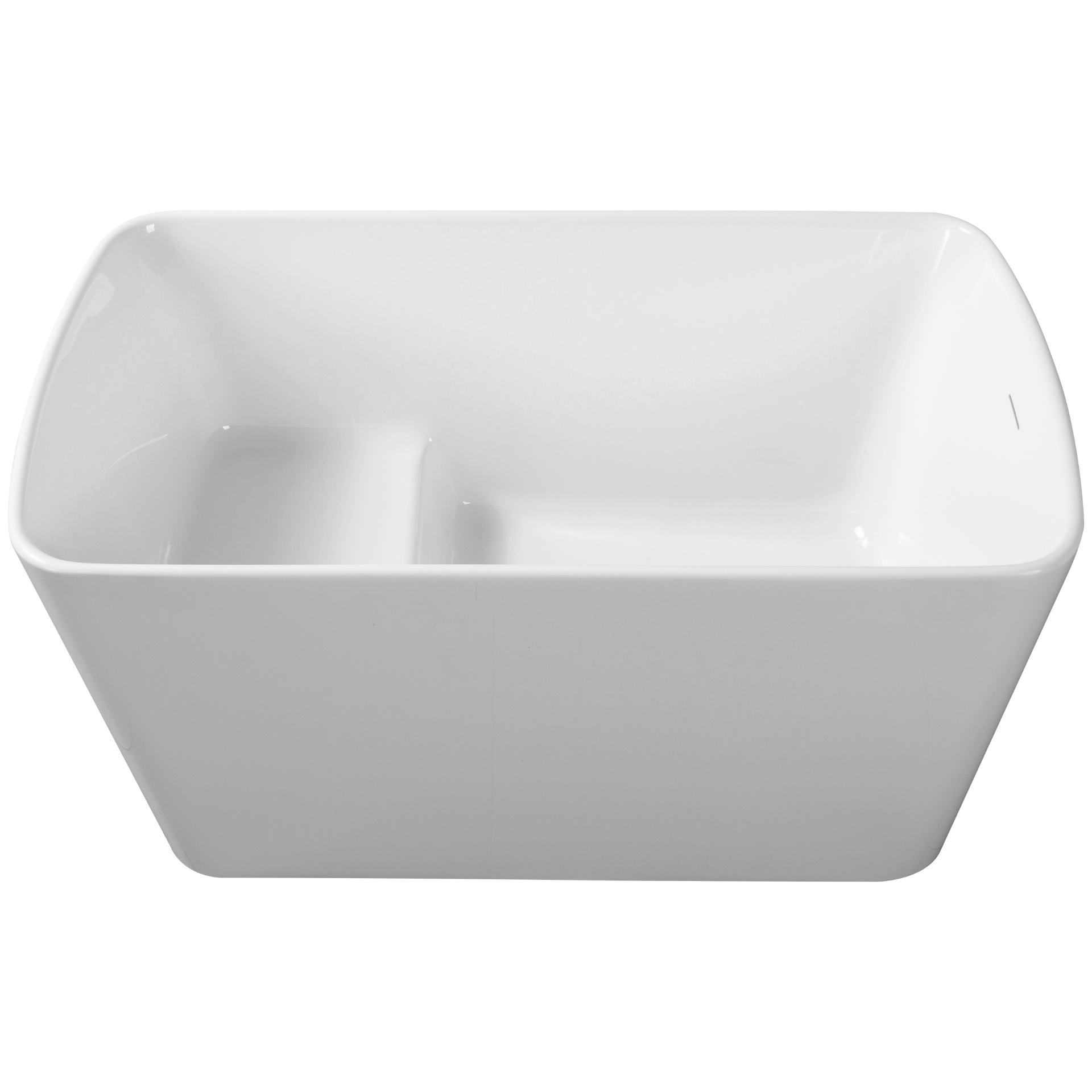
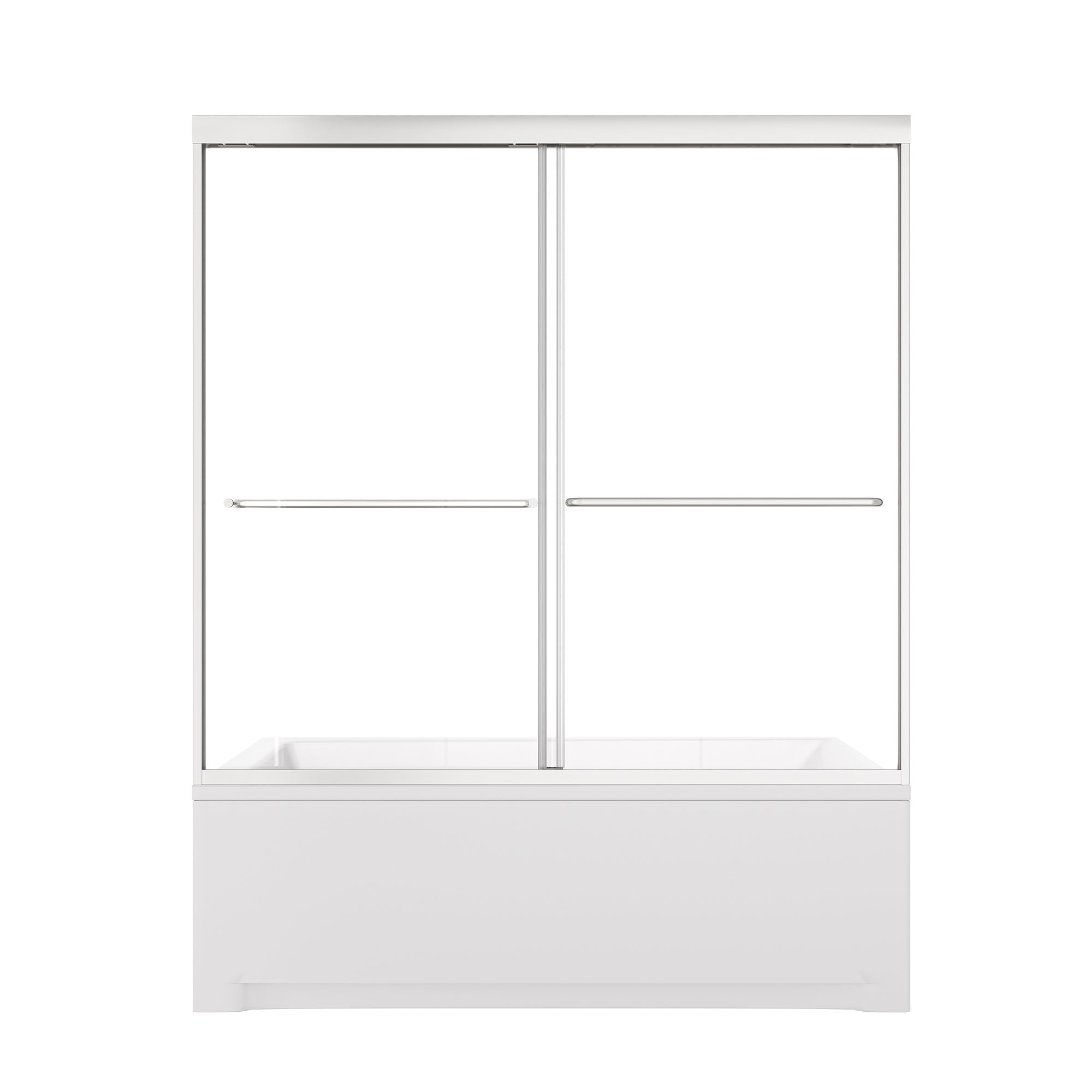
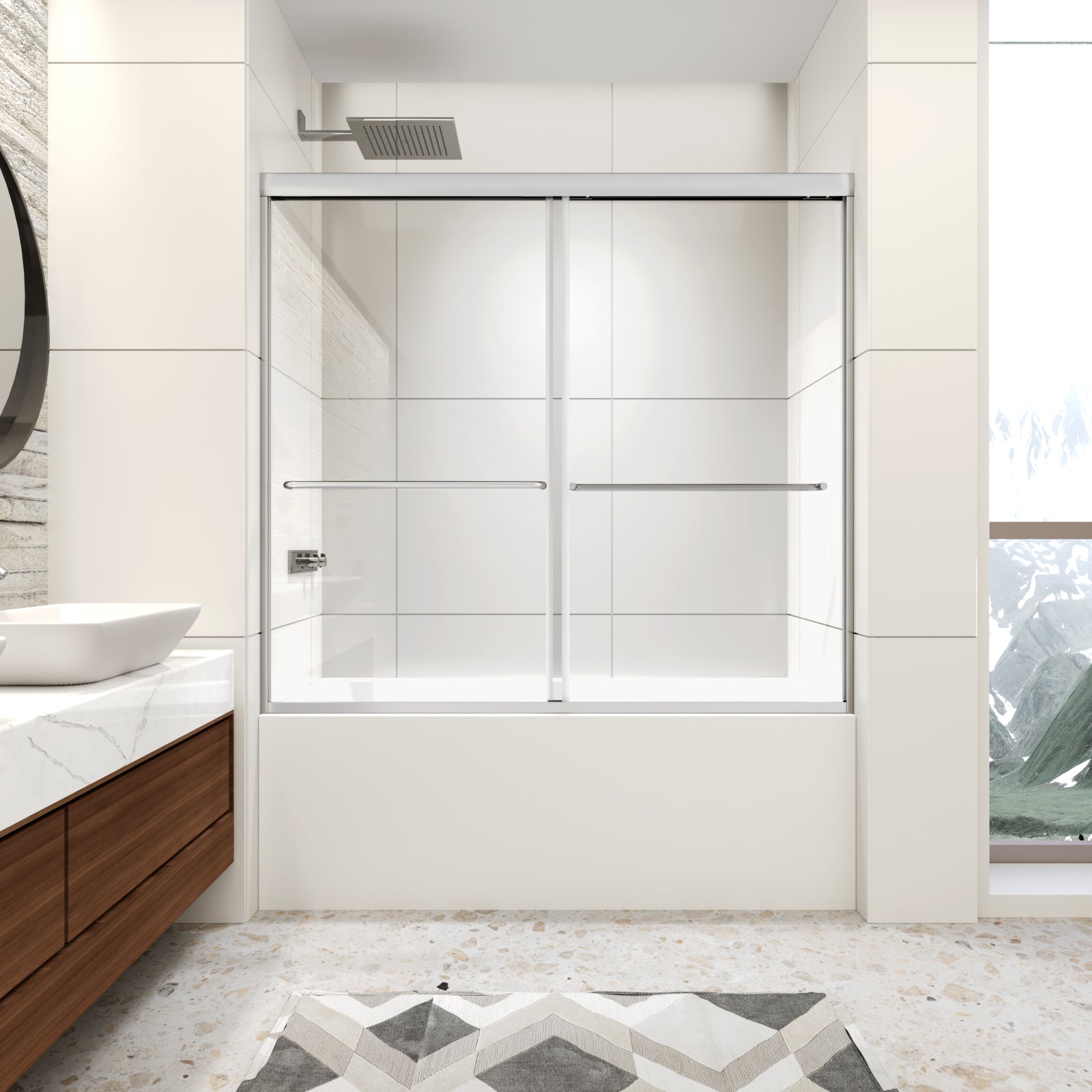
A standard tub is usually about 14–16 inches deep, making it perfect for anyone who is limited on space or budget. Ideal for fast baths and quick baths on the everyday, it takes up no room in the bathroom.
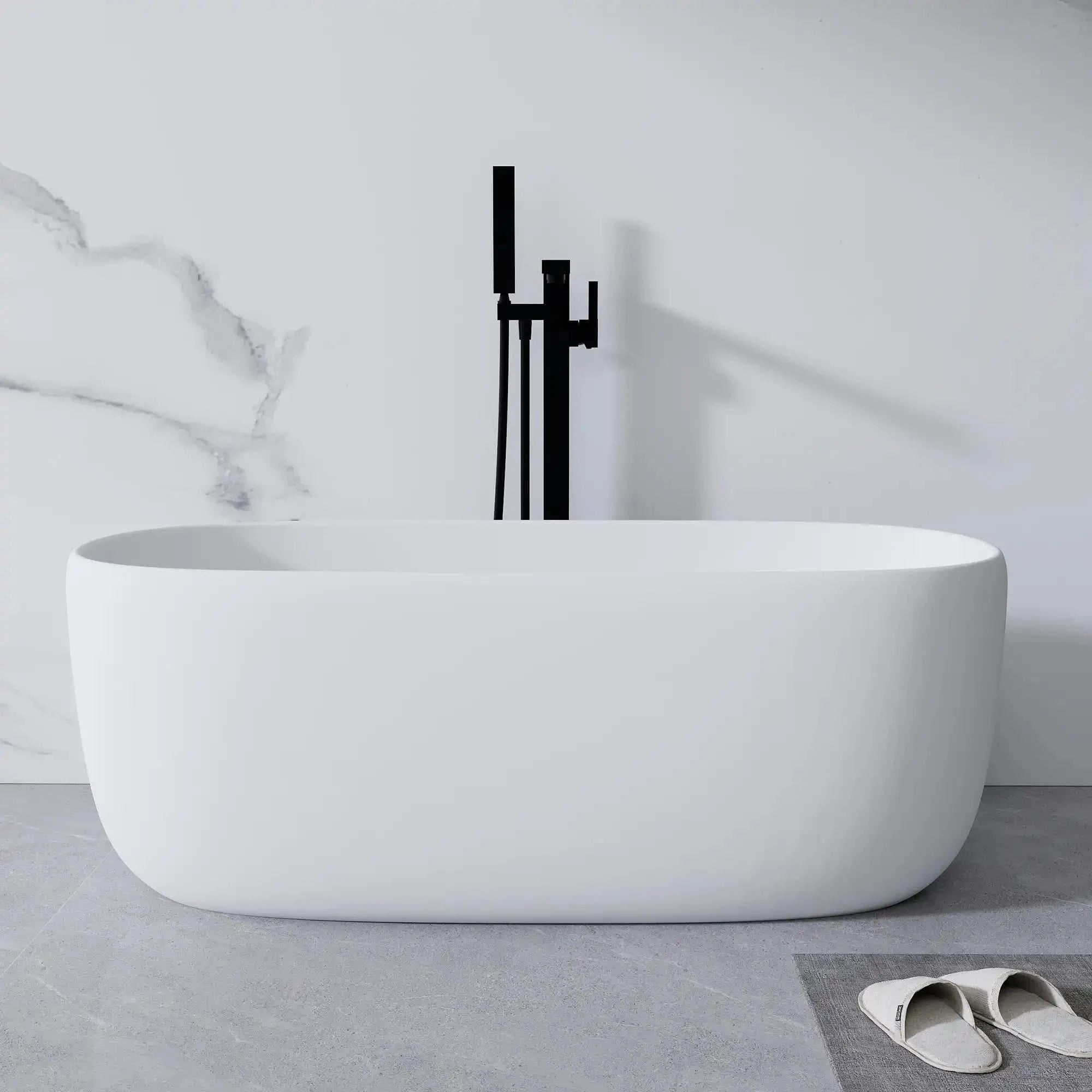
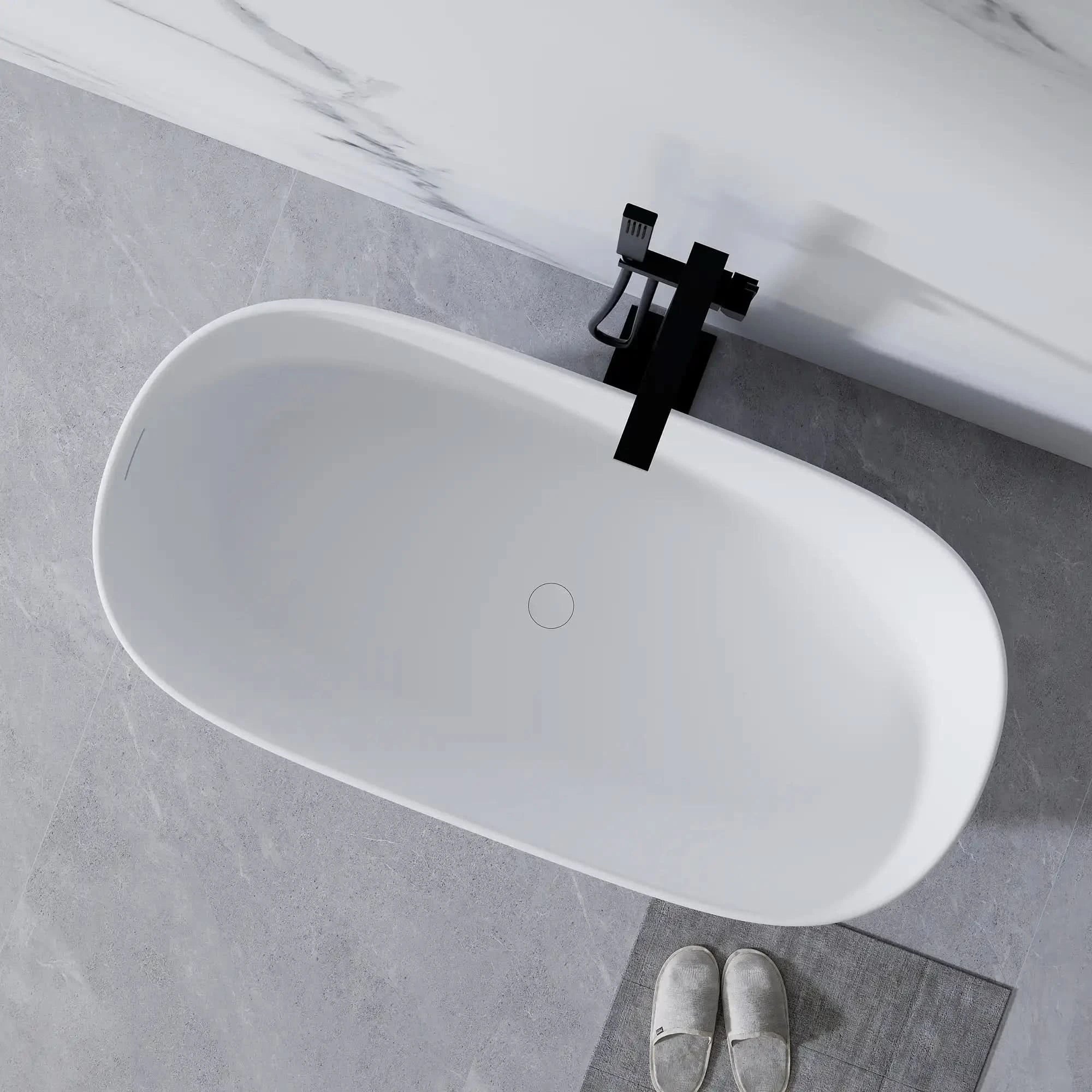
Deep Bathtub
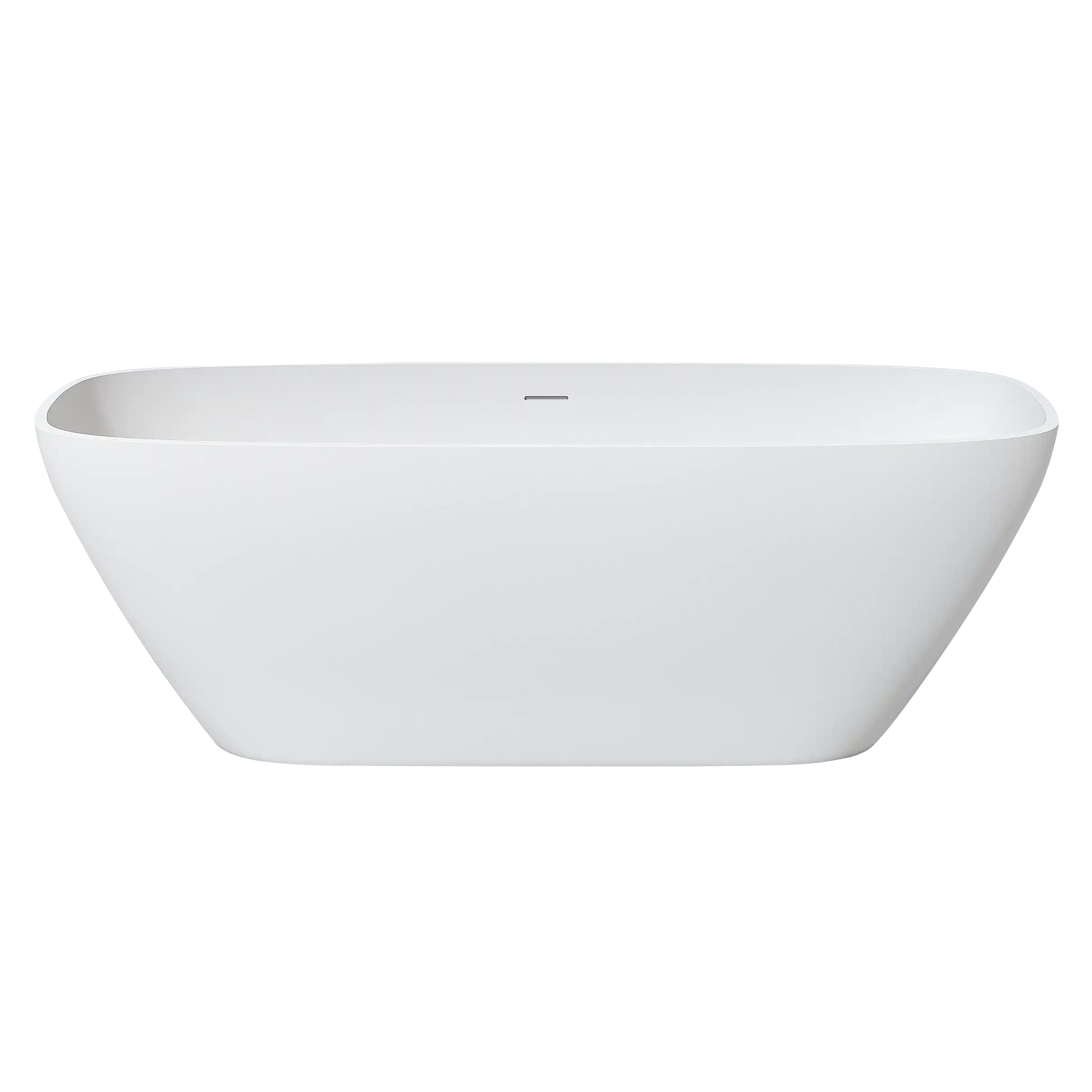
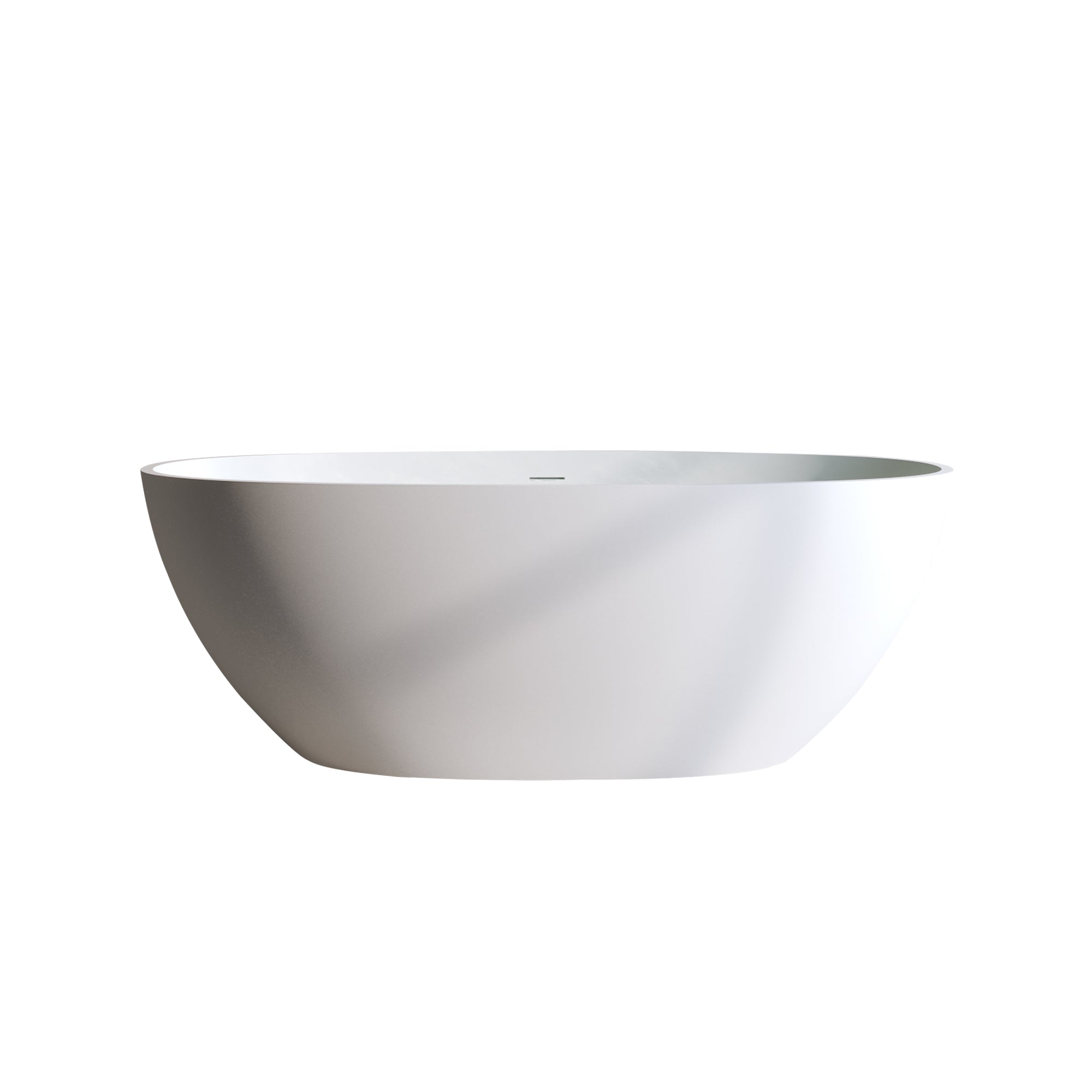
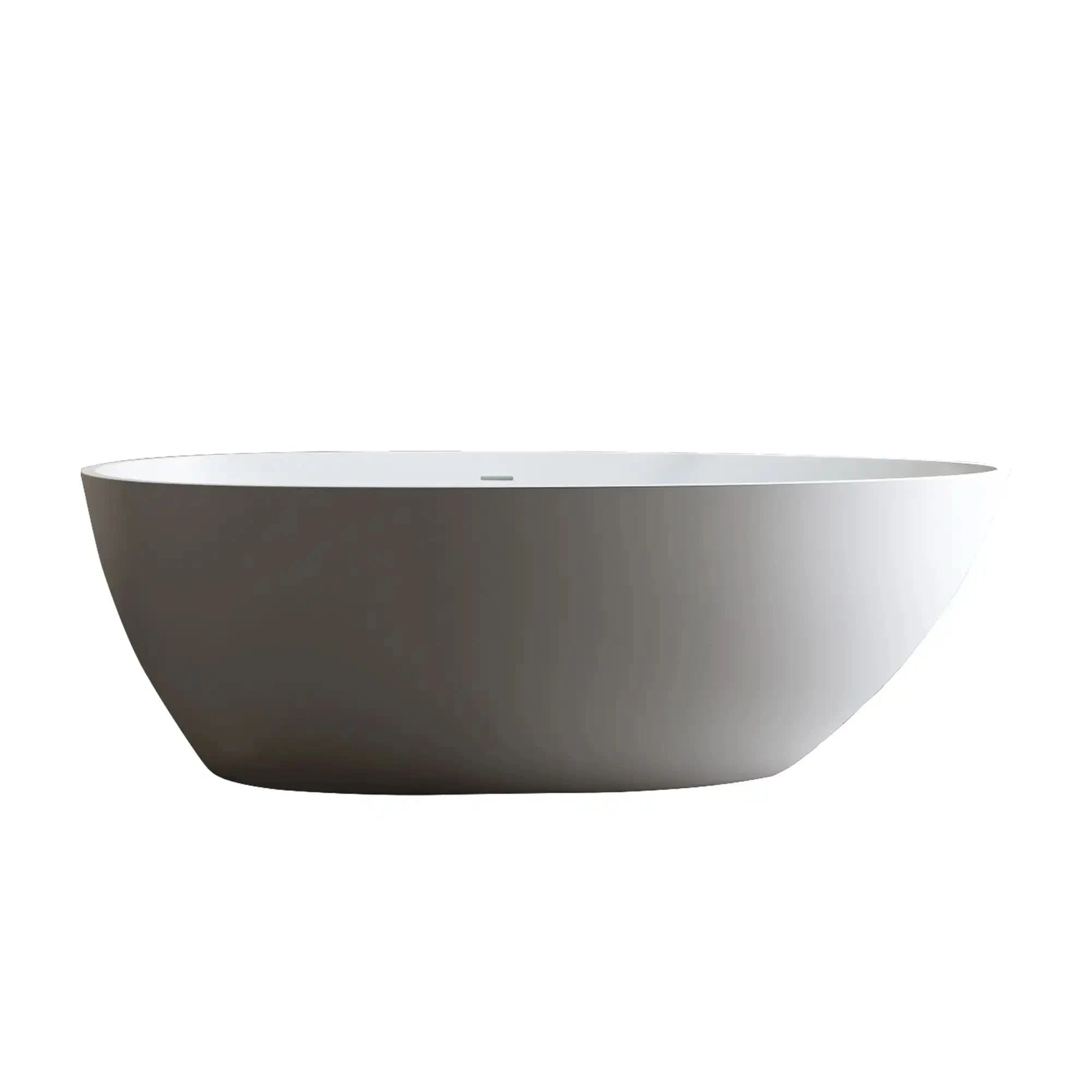
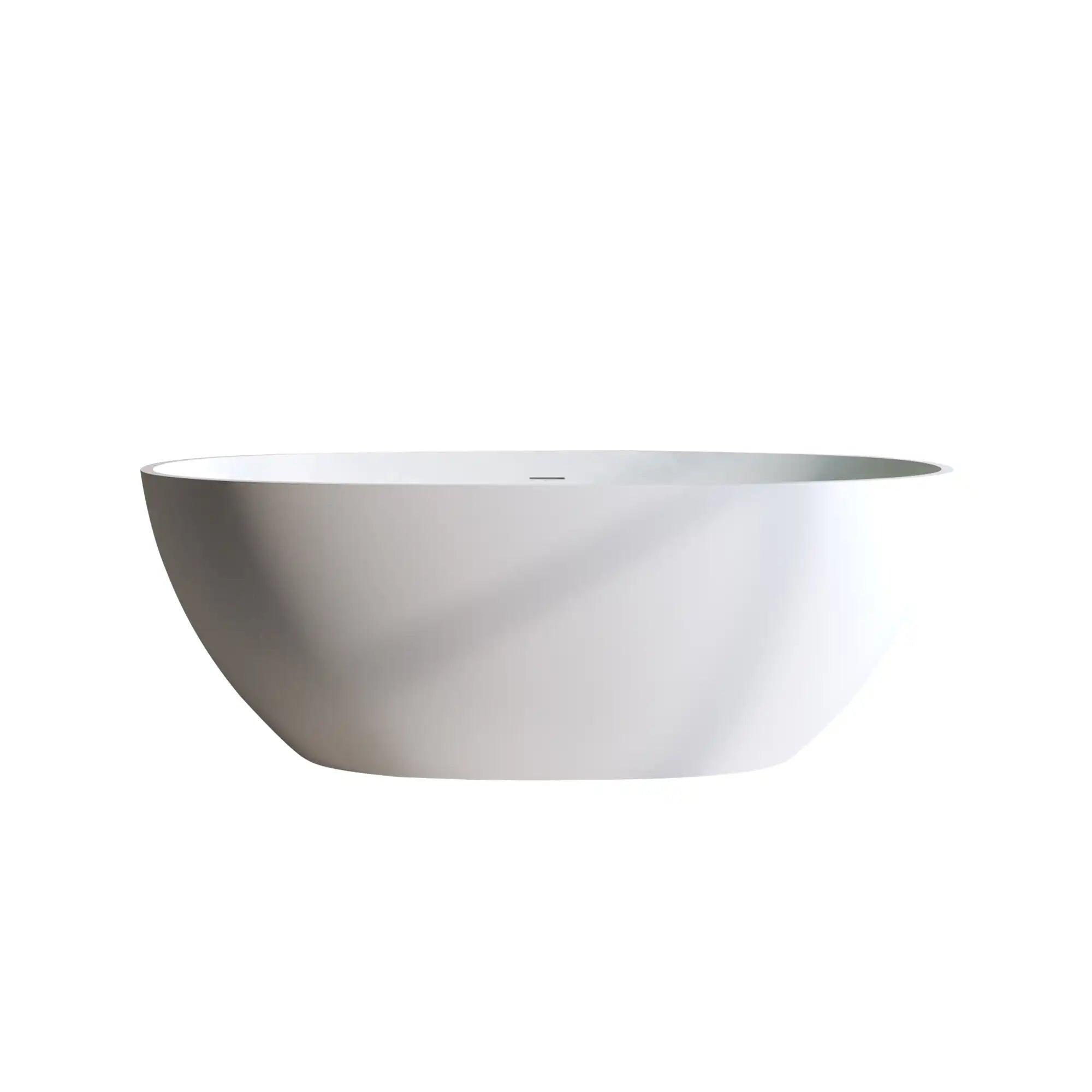
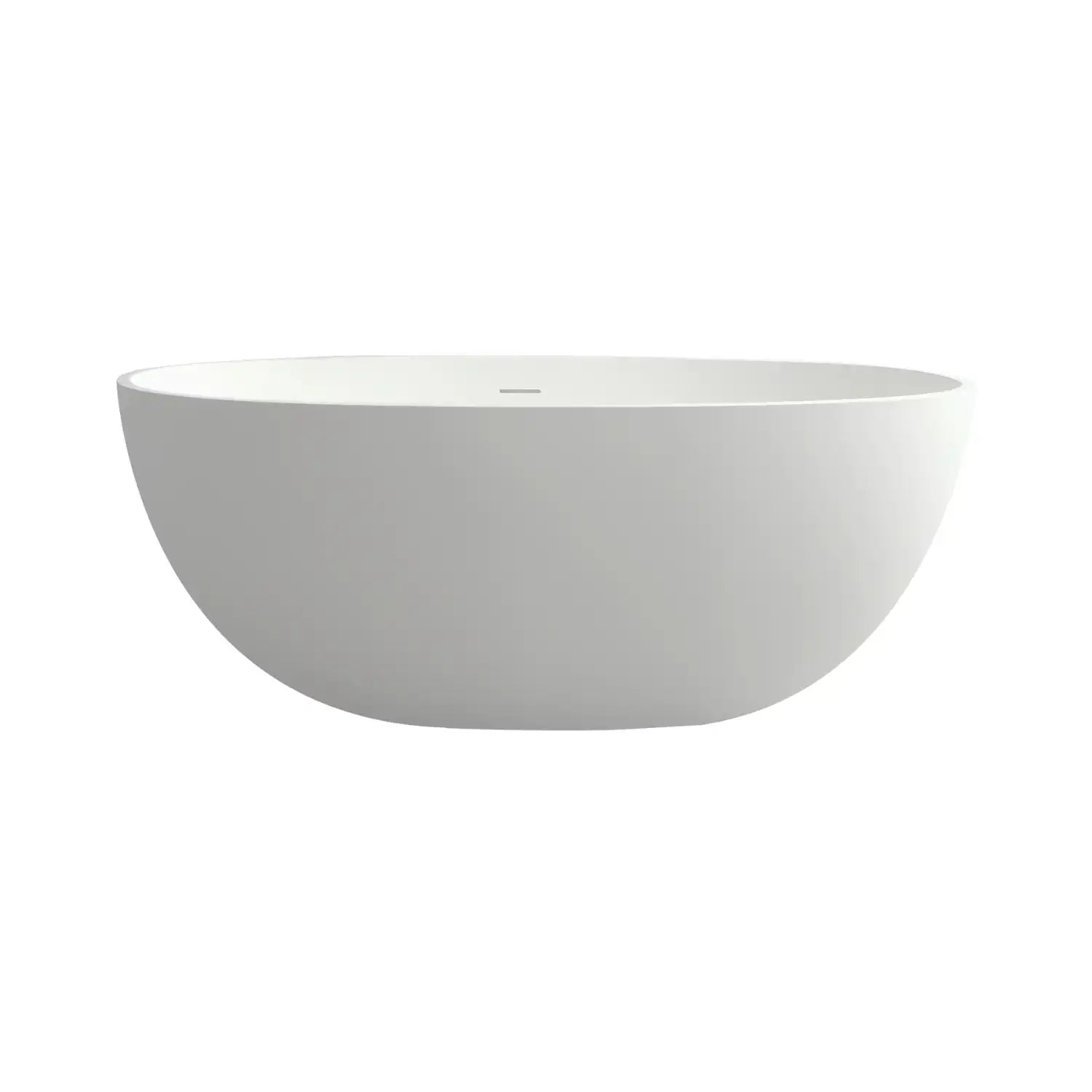
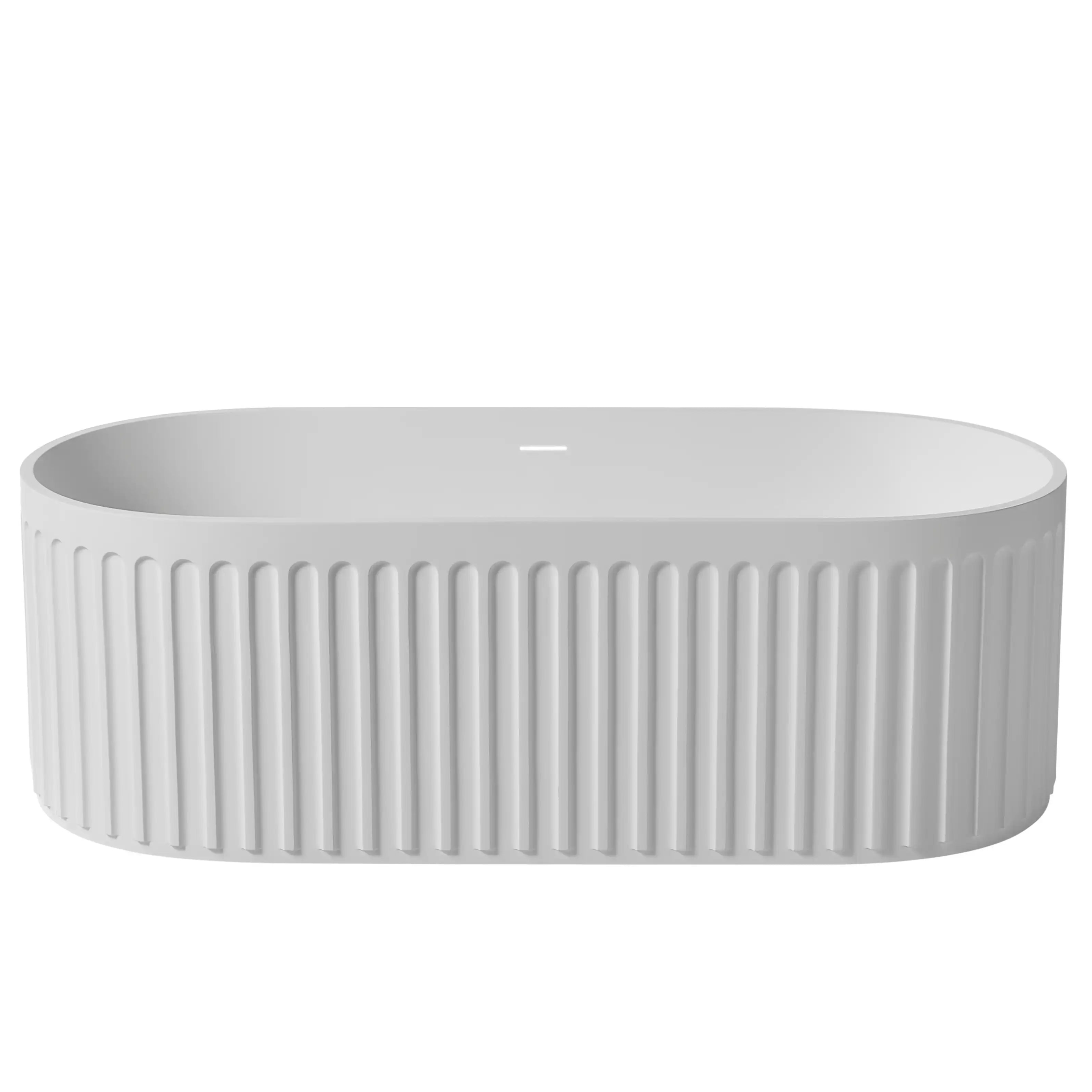
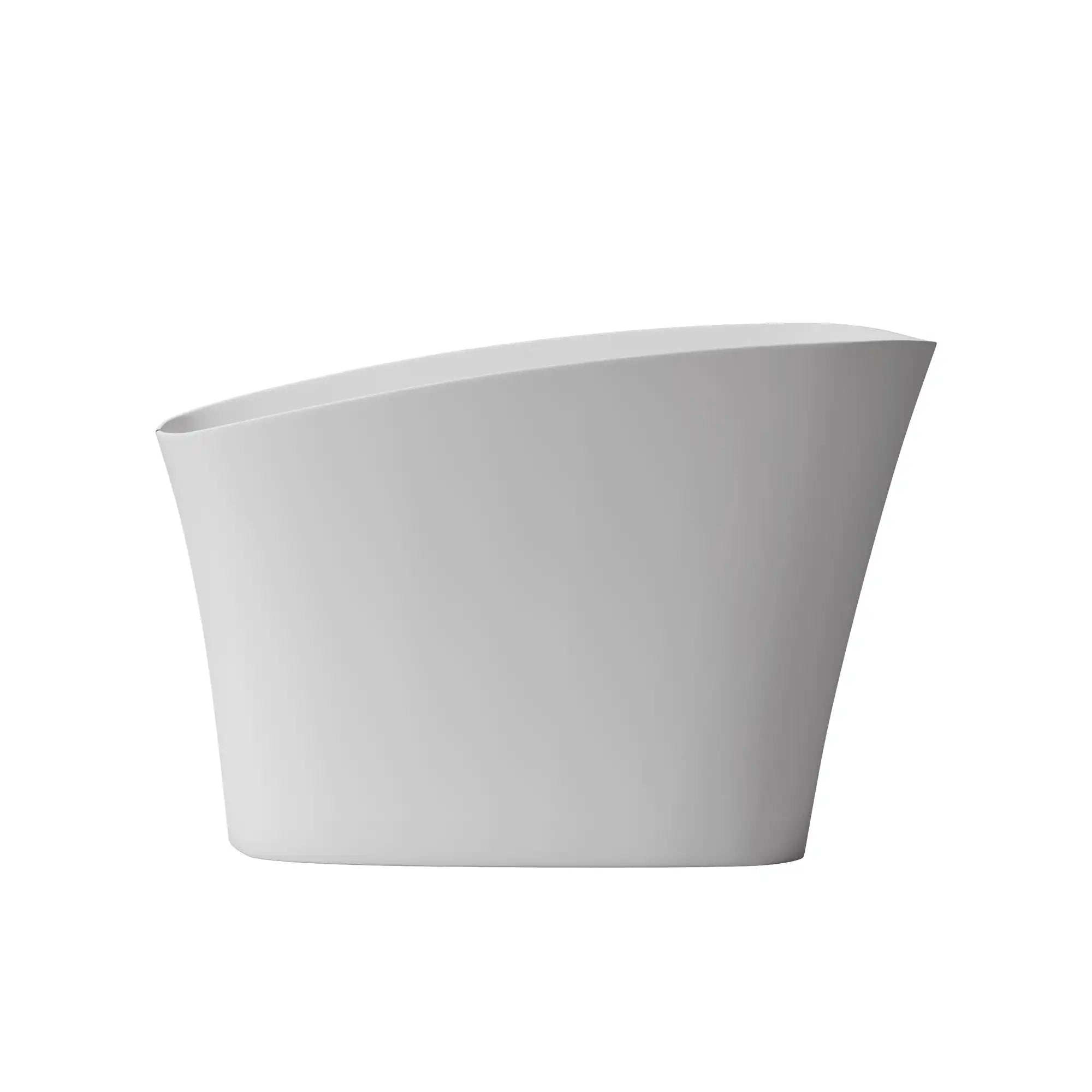
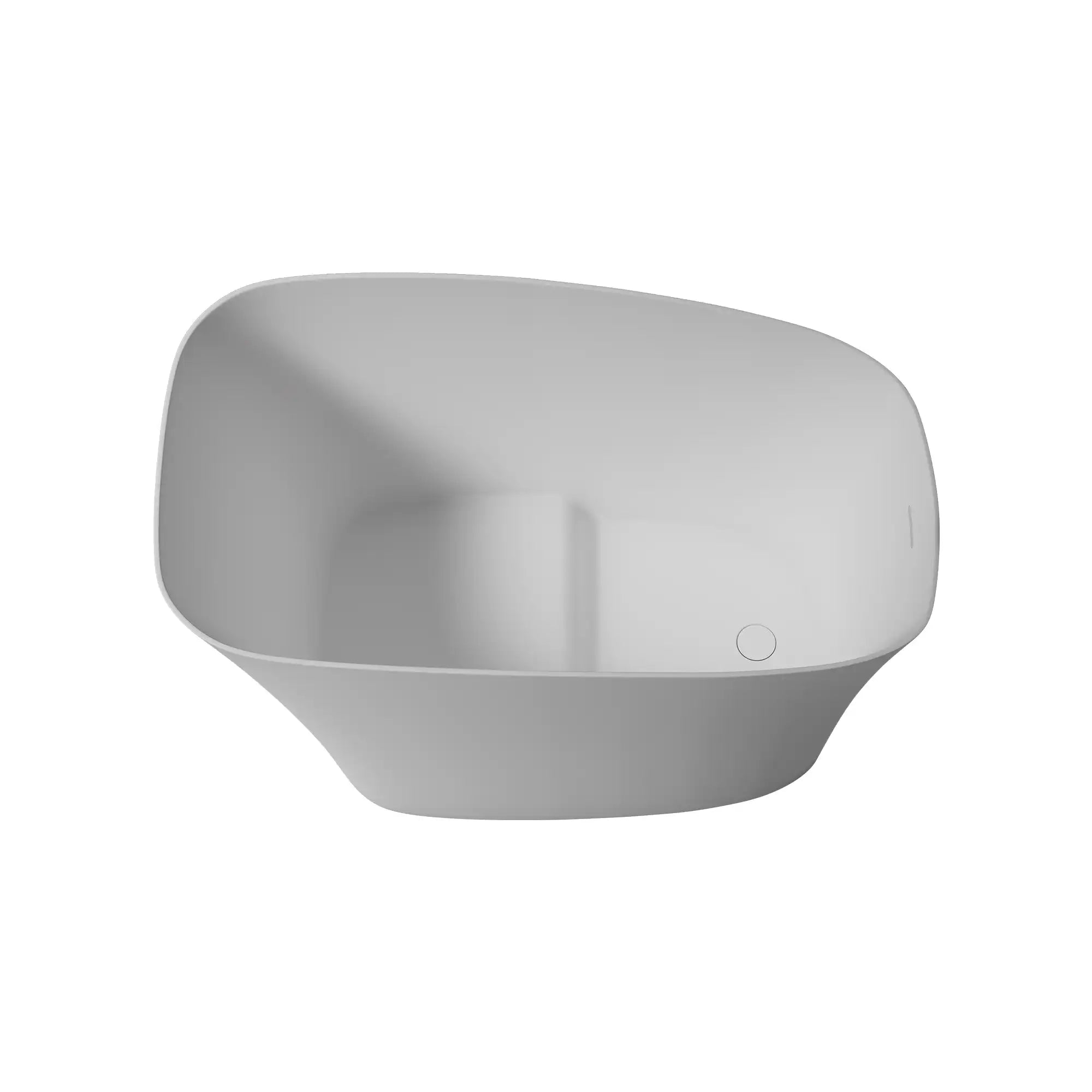
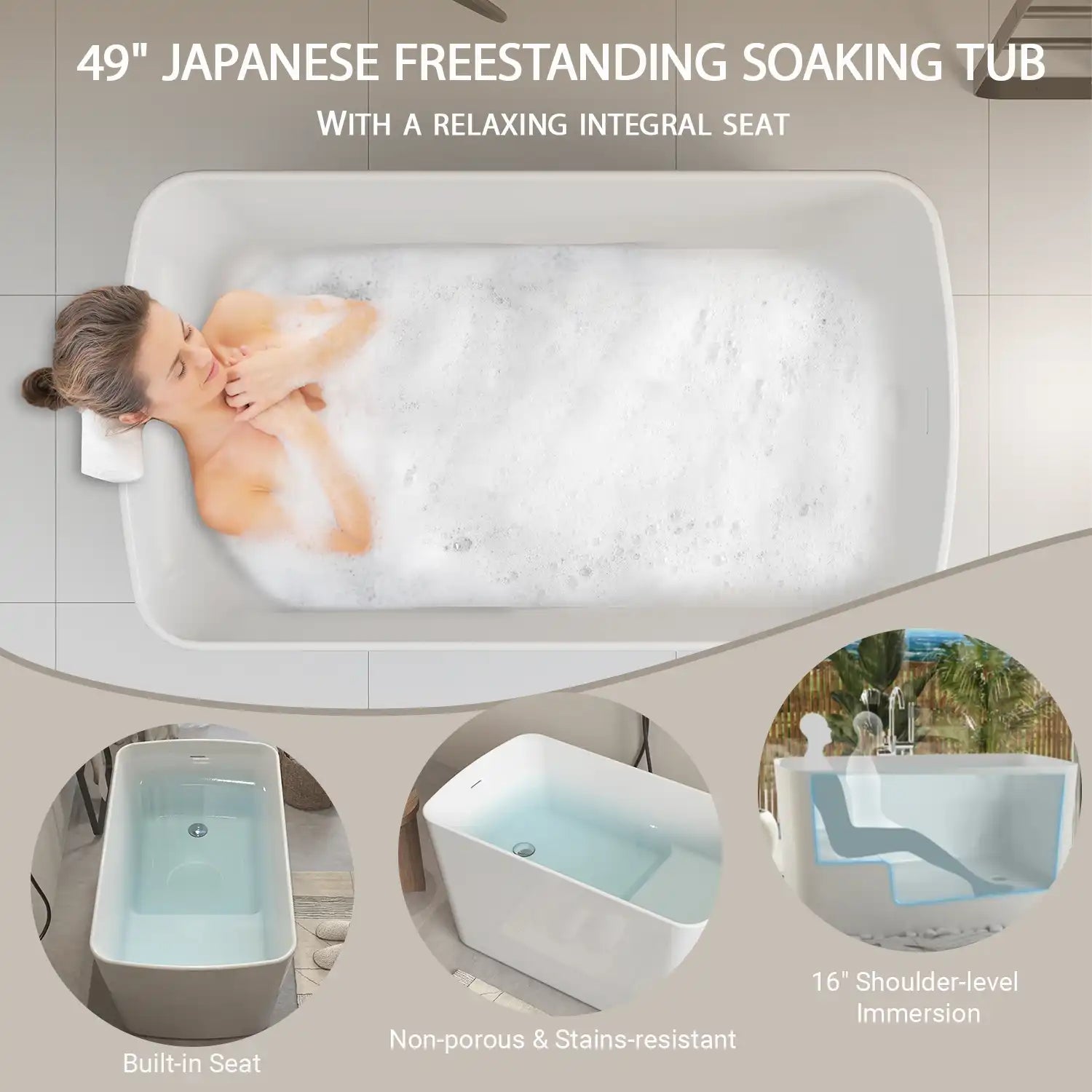
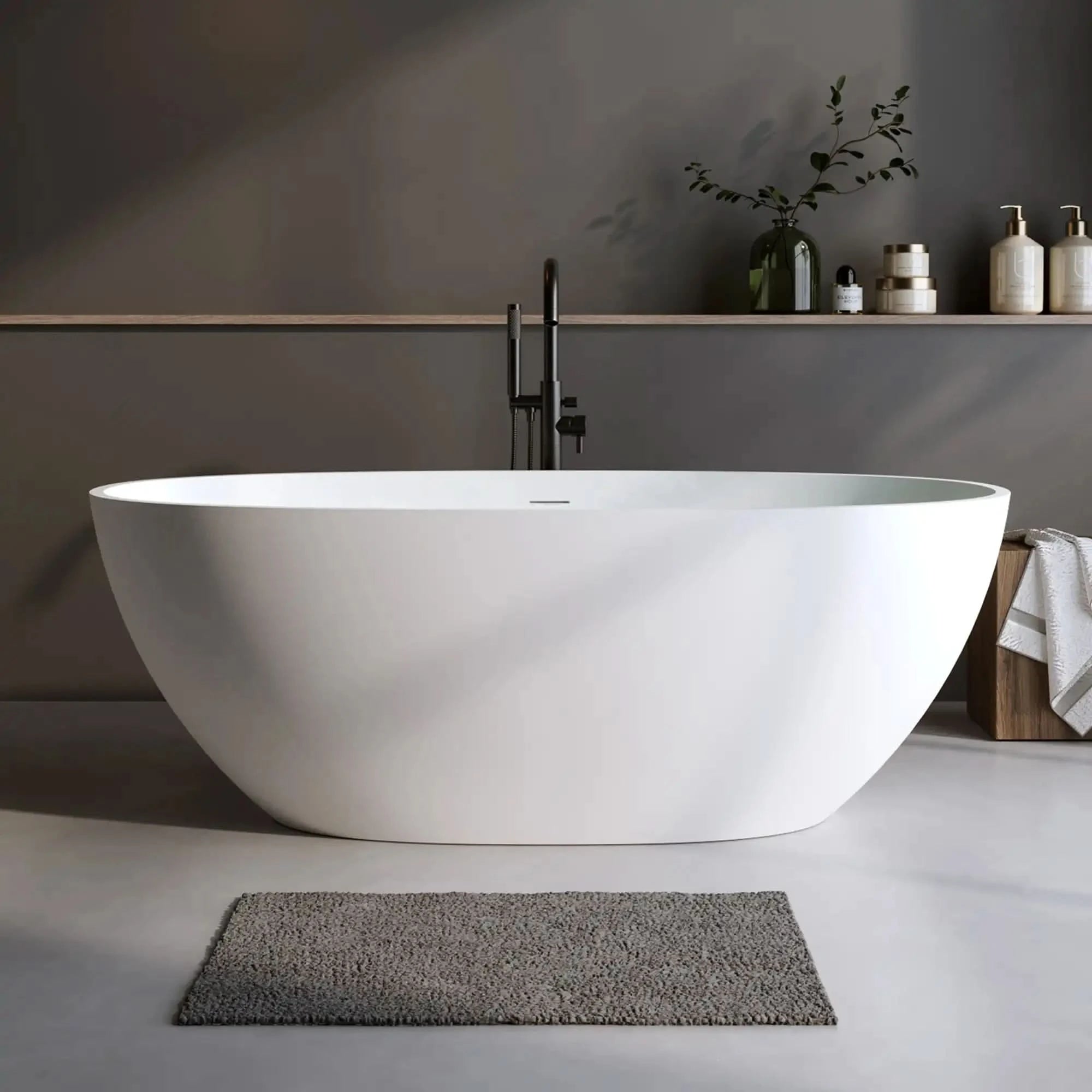
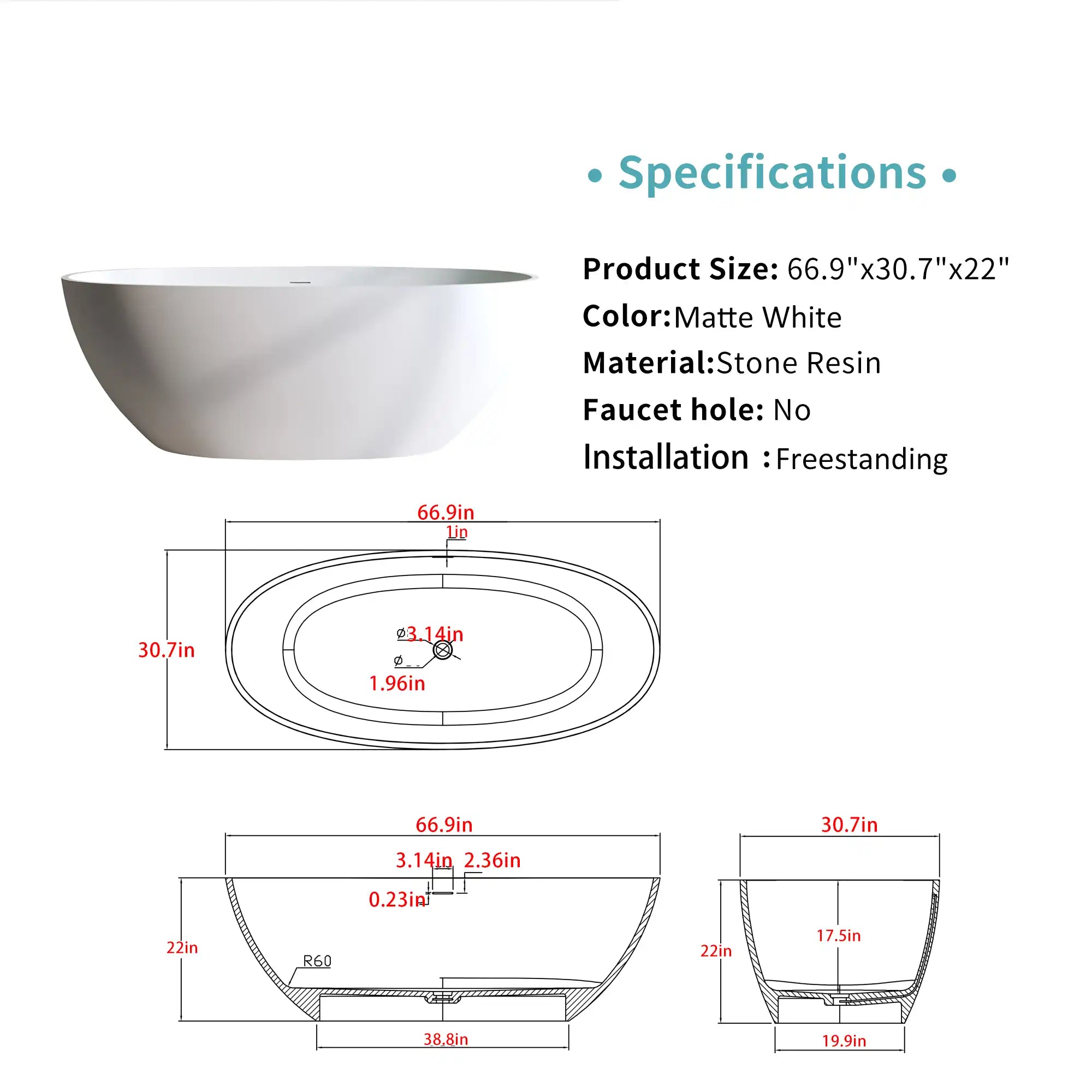
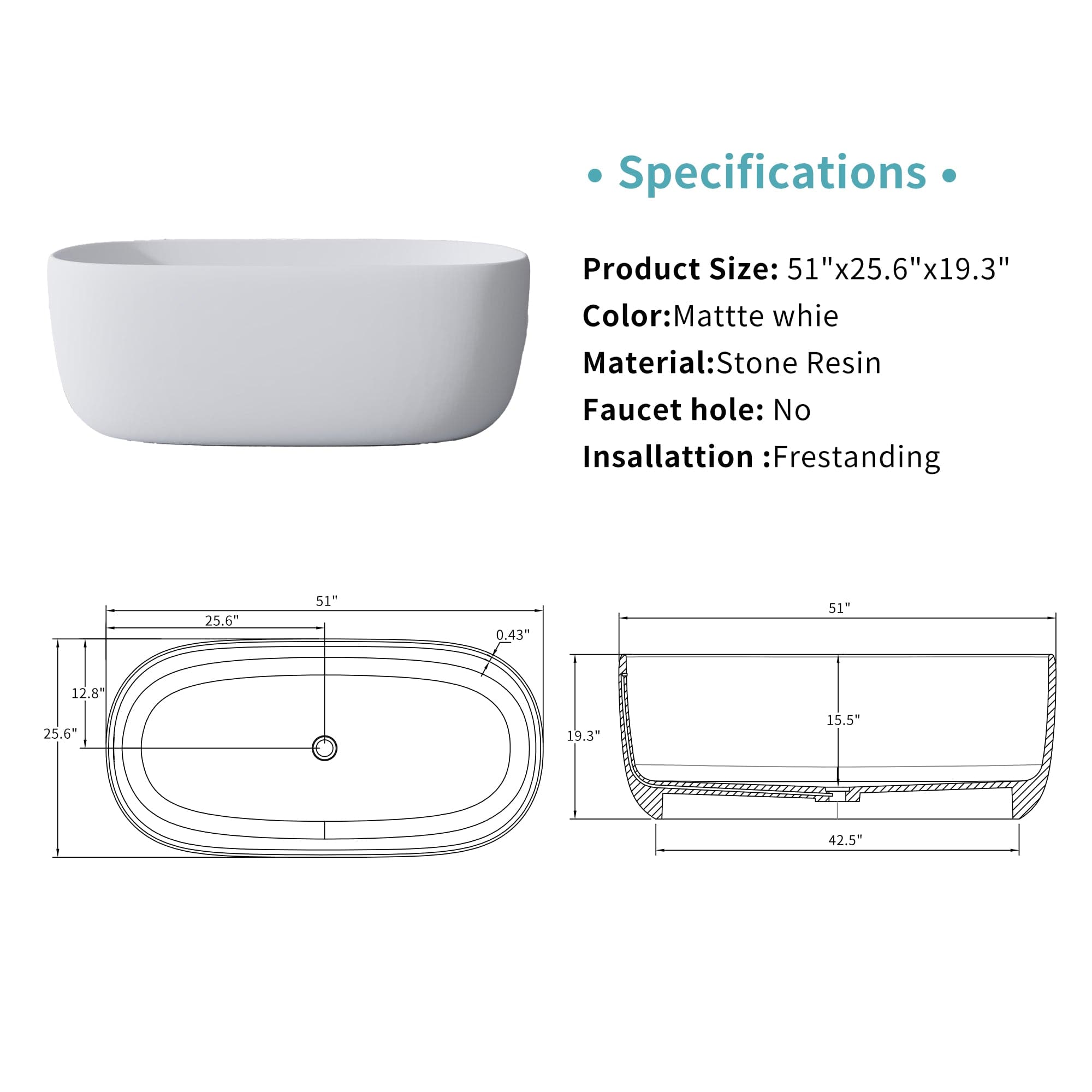
With a depth of 20 inches or more, a deep bathtub is designed for full-body immersion and spa-like relaxation. The trade-off? It usually requires more bathroom space, stronger floor support, and a higher water fill.
👉 Quick Pick:
Deep vs Standard Bathtub: Key Differences

A standard bathtub is what most households are already familiar with. With an average depth of about 14–16 inches, it’s designed to be practical and versatile, working well for daily showers as well as occasional baths.
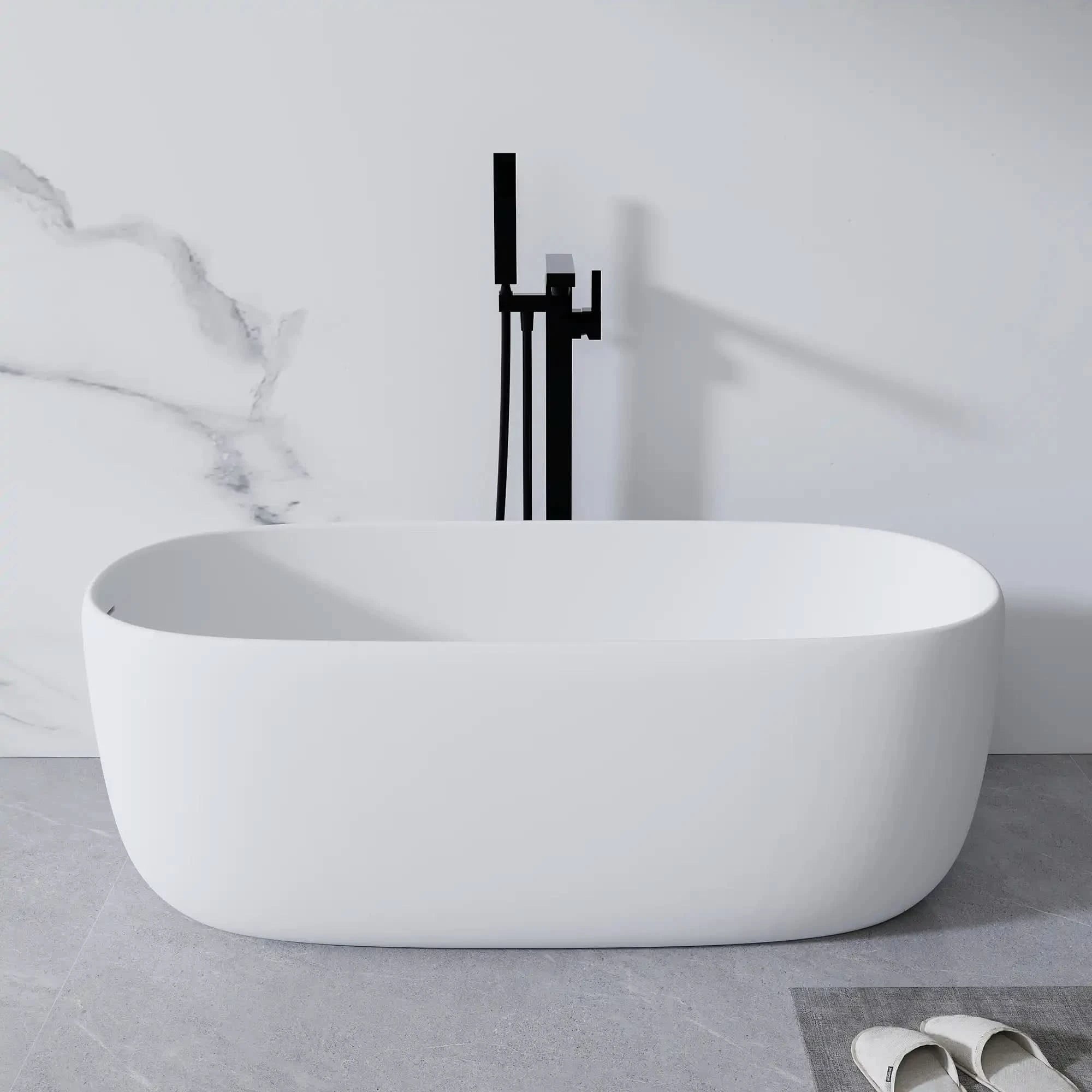
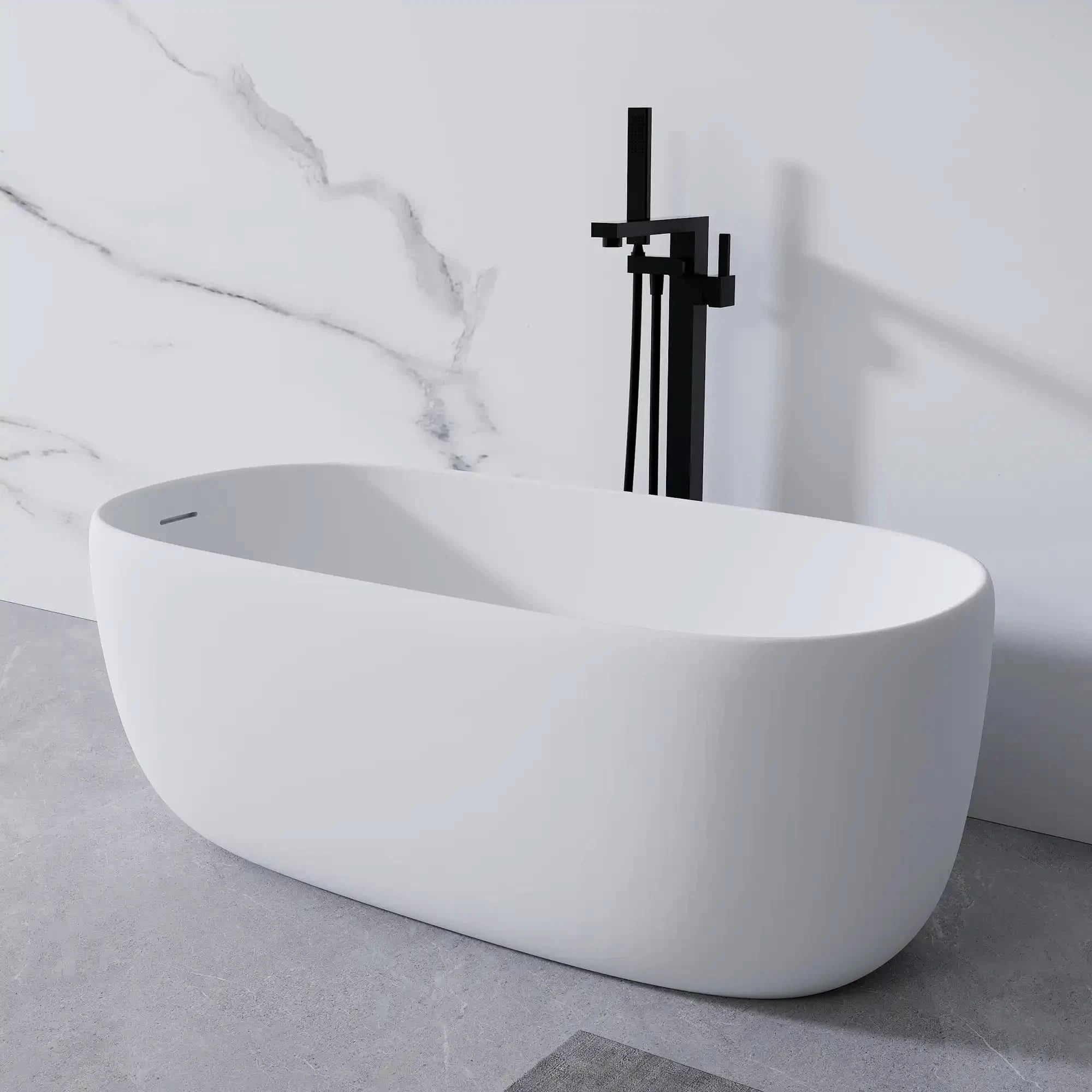
A deep bathtub, on the other hand, takes soaking to another level. With depths reaching 20 inches or more, it allows for full-body immersion, often deep enough to submerge your shoulders. These tubs are commonly seen in freestanding designs, Japanese-style soaking tubs, or other styles that immediately feel more luxurious and spa-inspired.

Compared to a standard bathtub, deep bathtubs usually take up more visual and physical space. Many designs are taller, deeper, and often freestanding, which means they need enough clearance around them to look—and function—right. In smaller bathrooms, this can quickly start to feel crowded.
Weight is another factor that’s easy to overlook. A deep bathtub holds more water, and when you add the weight of the tub itself plus a person inside, the total load can be significantly higher than that of a standard tub. In some cases, especially with upper-floor bathrooms, additional floor support may be required.
Cost Comparison: Standard Bathtub vs Deep Bathtub

For most homeowners, a standard bathtub itself usually falls into the more affordable end of the spectrum. You can find many quality options starting as low as a few hundred dollars and commonly under about $1,000, especially for basic alcove or built-in styles.
Deep bathtubs, designed for deeper immersion and a more luxurious feel, tend to be pricier than basic standard tubs. Most soaking-style deep bathtubs fall somewhere around the mid hundreds to a few thousand dollars, depending on material, brand, and style, and higher-end or designer models can cost more.
Water Usage: Standard vs Deep Bathtubs

If water usage is a concern—whether for environmental reasons or keeping utility bills in check—this difference is definitely worth thinking about. Filling a deep bathtub every day isn’t exactly the most water-efficient habit.
Design & Aesthetics: Choosing Deep or Standard Bathtubs

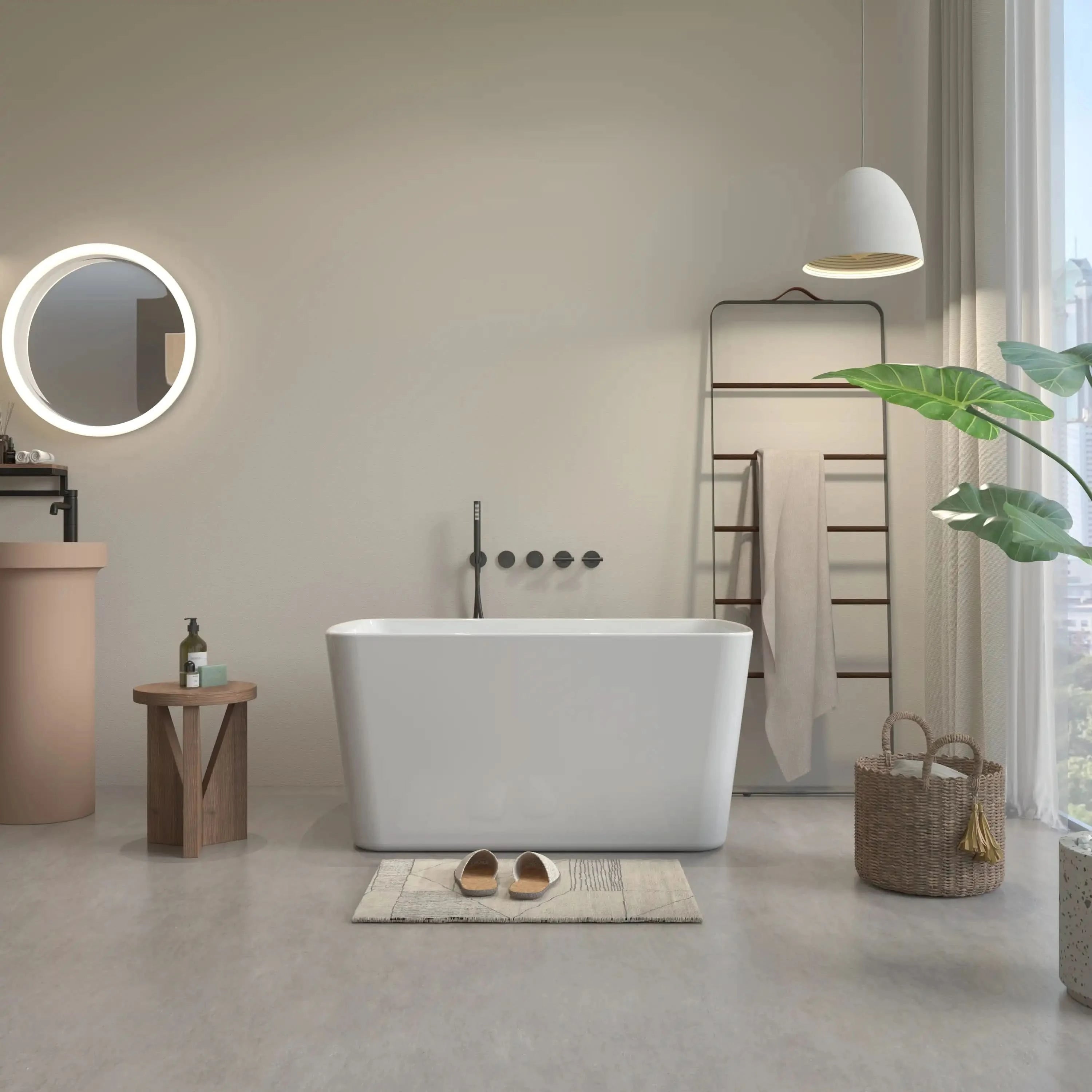
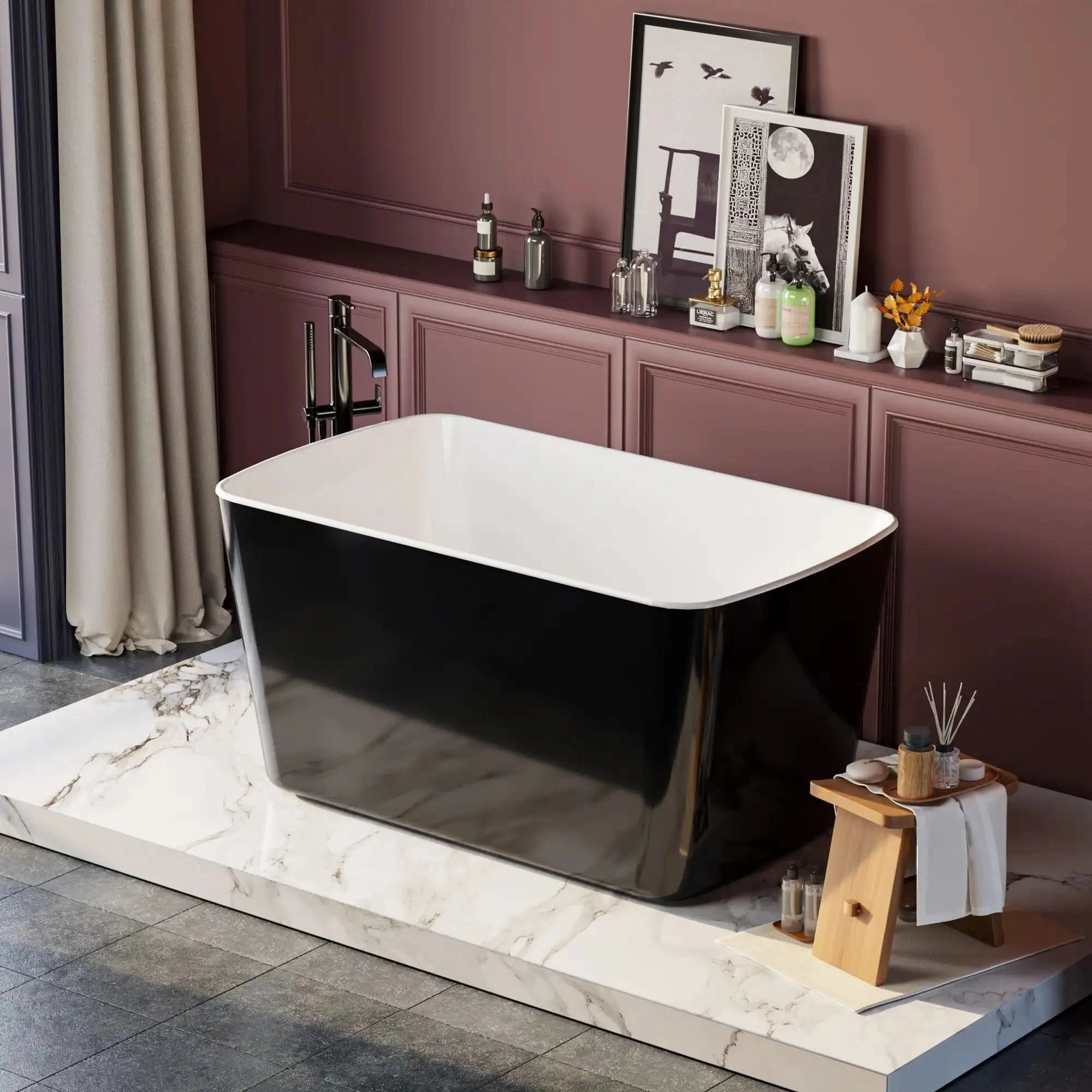
A deep bathtub isn’t just about function—it often becomes a visual centerpiece in the bathroom. Whether your style leans modern and minimalist, classic and timeless, or warm and natural, deep bathtubs tend to blend in effortlessly while elevating the overall look of the space.
Standard bathtubs, by comparison, are usually designed with practicality in mind. Their appearance is more understated, allowing them to fade into the background rather than stand out. If your bathroom is primarily focused on everyday functionality rather than making a design statement, a standard bathtub can be a perfectly sensible choice.
Cleaning and Maintenance: Deep Bathtubs vs Standard
Freestanding deep bathtubs also come with an extra consideration: the space around them. Unlike built-in tubs, you’ll need to keep the surrounding floor area clean as well, which can add a little more time to regular maintenance.
Pros and Cons: Deep Bathtubs vs Standard Bathtubs
| Deep Bathtub | Standard Bathtub | |
|---|---|---|
| Relaxation & Comfort | Ideal for long, immersive soaks and spa-like experiences | Suitable for short baths and everyday use |
| Bathroom Space | Requires more room and visual space, especially freestanding models | Easier to fit into most bathroom layouts |
| Budget | Higher upfront cost and potential installation expenses | More affordable and budget-friendly overall |
| Water Usage | Uses more water per soak | Uses less water per bath |
| Cleaning & Maintenance | Deeper interior and surrounding floor (for freestanding tubs) require more upkeep | Simpler and quicker to clean |
| Design Impact | Acts as a visual focal point and elevates bathroom style | Blends in and prioritizes functionality |
Deep vs Standard Bathtub FAQ: Common Questions Answered
Q1. Are deep bathtubs suitable for small bathrooms?
Q2. Do deep bathtubs use a lot more water?
Q3. Is a deep bathtub harder to clean than a standard bathtub?
Q4. Are deep bathtubs only for luxury homes?
Q5. Can installing a deep bathtub increase home value?
Final Thoughts: Should You Choose a Deep or Standard Bathtub?

Whether it's a standard bathtub or a deep bathtub, what matters most is your own needs. If you value practicality and affordability, a standard bathtub is definitely not a bad choice; but if you're looking for a higher quality of life experience, a deep bathtub might be worth a try.
Finally, ask yourself: How long has it been since I've really enjoyed a relaxing bath? If the answer is "too long" - maybe a deep bathtub is the place for you.
Related Articles
If you have more questions about bathtub choices or would like to learn more about different bathtub designs and matching inspiration, these articles below may help you! Discover more practical advice and aesthetic inspiration for your bathroom to take your home to the next level!