

Table of Contents
- 1. American Farm Style with a Freestanding Copper Bathtub
- 2. Industrial Style: Warmth in Cold Lines
- 3. Modern Minimalist Bathrooms Featuring Copper Tubs
- 4. Bohemian Style Meets Freestanding Copper Bathtub
- 5. Victorian Luxury with a Freestanding Copper Bathtub
- 6. Common Freestanding Copper Bathtub Mistakes to Avoid
- 7. Conclusion
- 8. FAQ
- 9. Related Articles
Introduction
While materials, dimensions and price all matter, choosing a bath can be about something more personal too. A freestanding copper bath brings warmth, character and a quiet sense of occasion, turning an everyday bathroom into a space that feels considered, restorative and entirely your own.
Sculptural yet inviting, copper has a natural richness that sits beautifully within both traditional and contemporary schemes. Its softly reflective surface catches the light, its finish develops greater character over time and its generous form creates an effortless focal point – one that feels luxurious without becoming overly formal.
This growing interest reflects a wider shift in bathroom design. According to Houzz’s 2023 American Home Trends Report, 68% of consumers prioritise spatial beauty and emotional experience when planning a primary bathroom, alongside everyday function. Freestanding copper baths have also become increasingly sought after in more considered renovation projects, particularly where the bathroom is designed as a place to pause rather than simply prepare for the day.
We’ve brought together five popular American interior styles, with ideas for making a freestanding copper bath feel naturally at home in each one. From relaxed farmhouse spaces to refined contemporary rooms, the right setting allows it to become more than a beautiful object – it can quietly anchor the entire scheme.
1. American Farm Style with a Freestanding Copper Bathtub
Warm, familiar and full of character, American farmhouse style is a natural setting for a freestanding copper bath. Timber grains, softly painted shutters and handcrafted ceramics create a room that feels collected rather than overly polished, while copper brings a gentle richness that settles beautifully into the scheme.
Its warm surface sits comfortably alongside exposed beams, aged hardware and creamy subway tiles. As the finish develops over time, it gains even more character, making the bath feel less like a new addition and more like something that has always belonged there.

Keep The Palette Soft
Antique white wall tiles and handmade-look floor tiles create a calm, textured backdrop. Their gentle irregularities soften the room and allow the copper to stand out without feeling too formal.

Introduce Natural Timber
A solid wood vanity, reclaimed shelving or exposed ceiling beams add warmth and depth. Paired with copper taps or aged brass fittings, these materials create a layered look that feels practical, welcoming and quietly refined.

Add Lighting With Character
Vintage iron wall lights or simple pendant fittings bring definition to the space. Their darker finish offers a pleasing contrast to the warmth of the bath, while soft, diffused light helps the copper glow rather than shine too brightly.
In one North Carolina renovation, a 60-inch freestanding copper bath was paired with salvaged beams and softly textured tiles. The result felt more like a small heritage retreat than a newly remodelled bathroom – comfortable, characterful and made to be enjoyed slowly.
2. Industrial Style: Warmth in Cold Lines
Strong, architectural and deliberately pared back, industrial style is built around materials with an honest, utilitarian character. Concrete, exposed brick and blackened steel bring structure and definition, but without something warmer, the finished room can sometimes feel a little too severe.
A freestanding copper bath offers a beautifully simple counterpoint. Its sculptural form softens the harder lines of the space, while its rich, glowing surface introduces warmth without disturbing the restrained palette. Against cool cement finishes and dark metal framing, copper feels bold yet entirely at home.

Ground The Room With Concrete
Cement-look tiles or a softly textured concrete floor create a calm, understated foundation. Their cool grey tones allow the copper to take centre stage, while subtle variations in the surface keep the room from feeling flat or overly polished.

Keep Original Materials Visible
Exposed brick, raw plaster or unfinished concrete walls bring depth and history to an industrial scheme. Rather than covering every imperfection, allow a few natural marks and irregularities to remain. Paired with copper, these timeworn surfaces create a look that feels layered, authentic and quietly luxurious.

Add Structure With Dark Metal
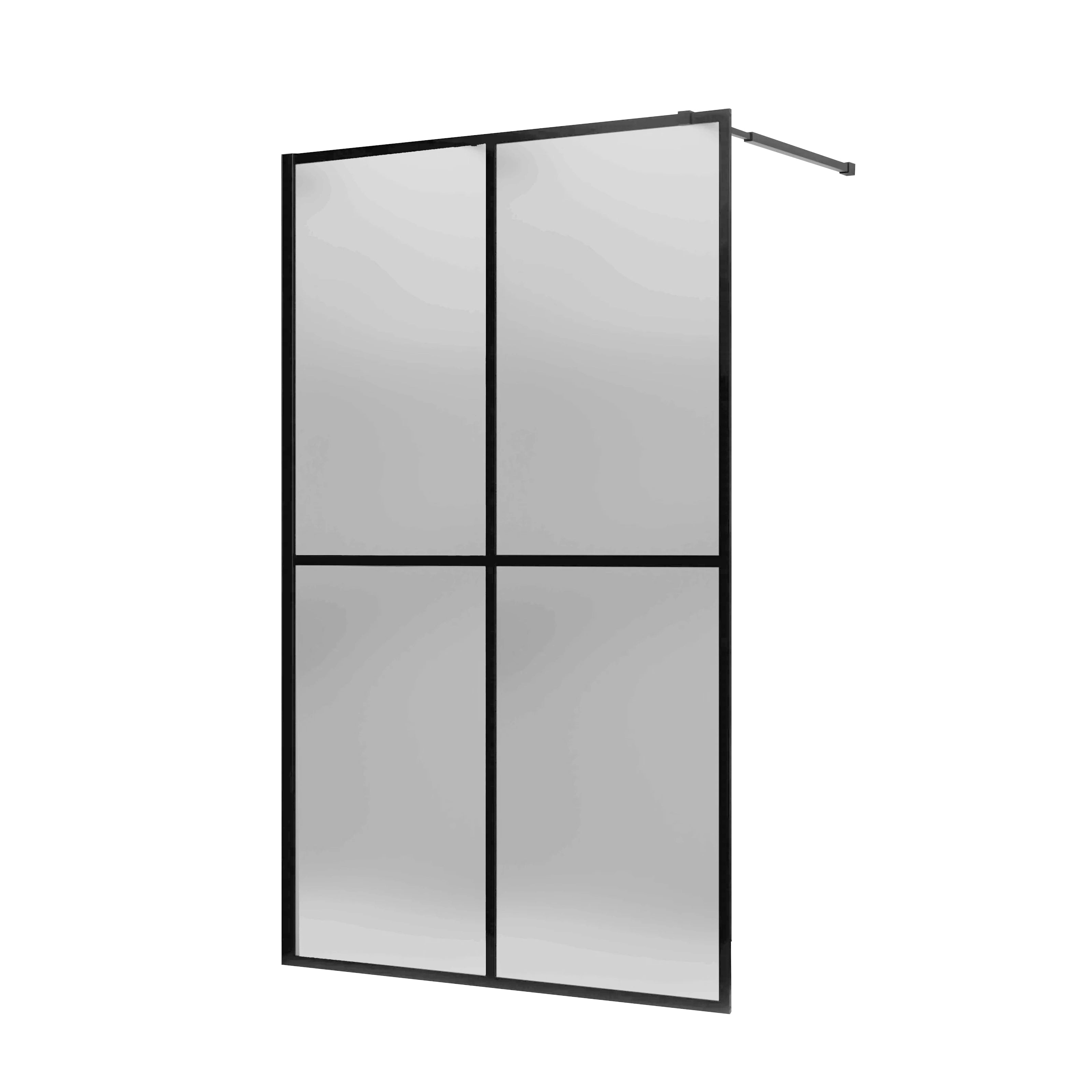
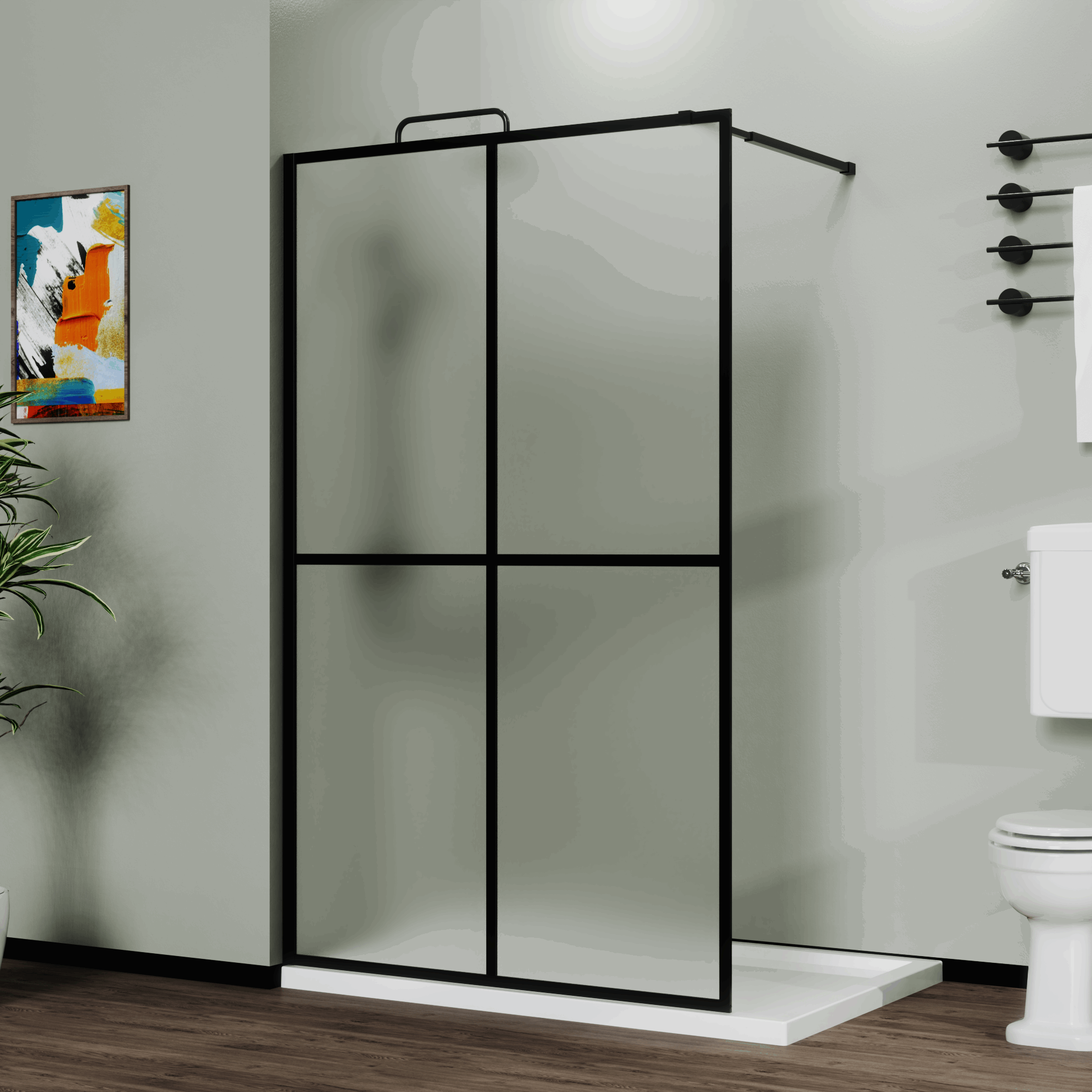
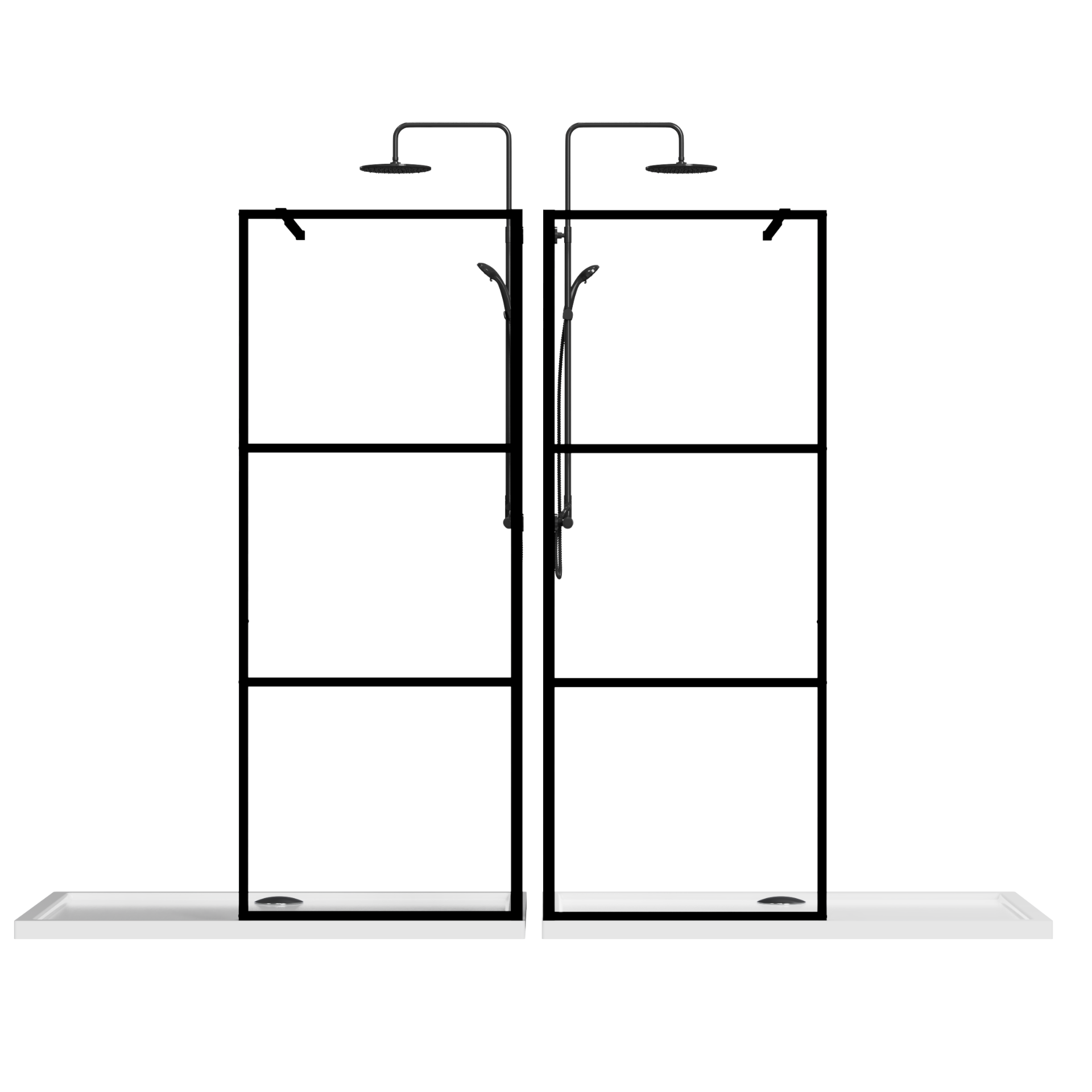
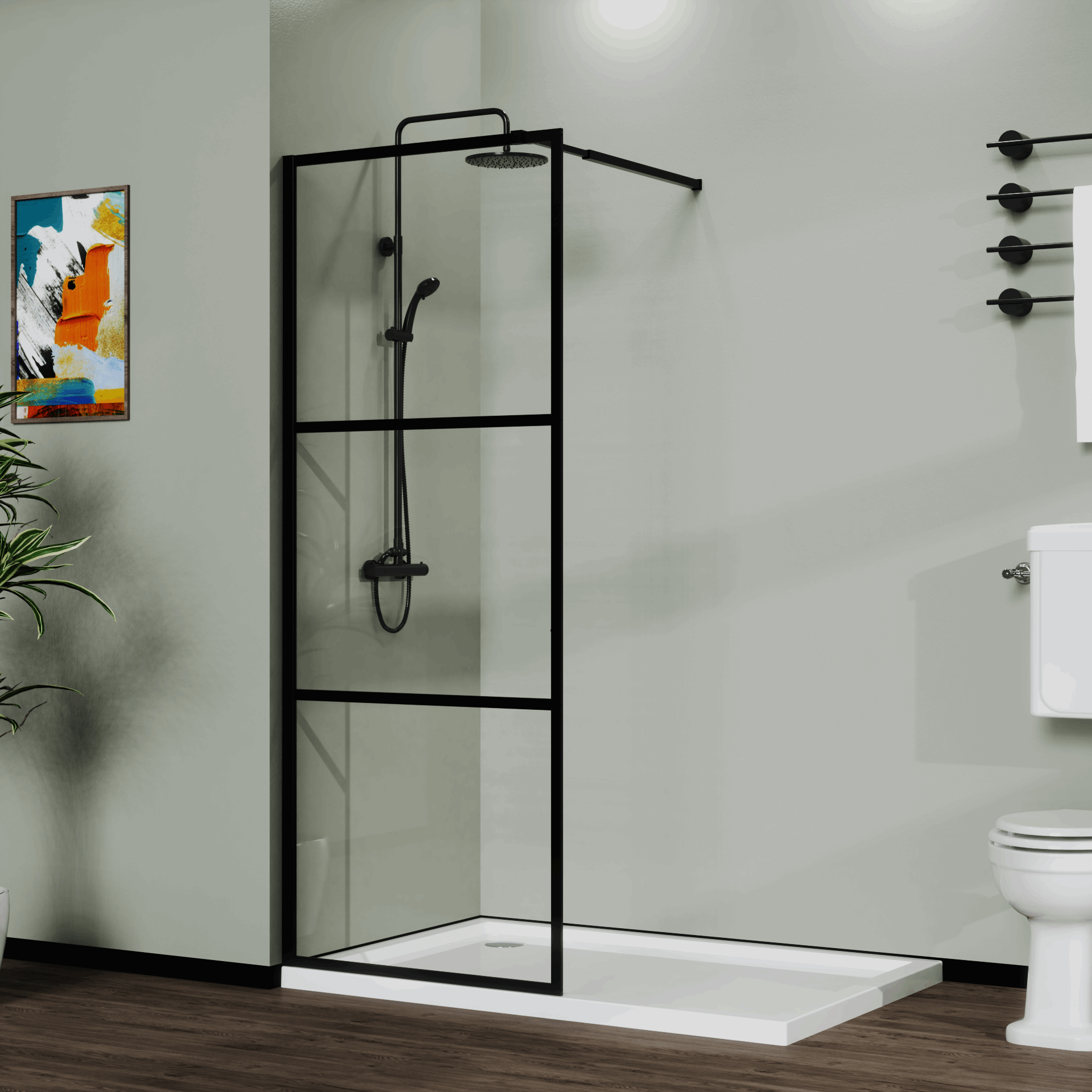
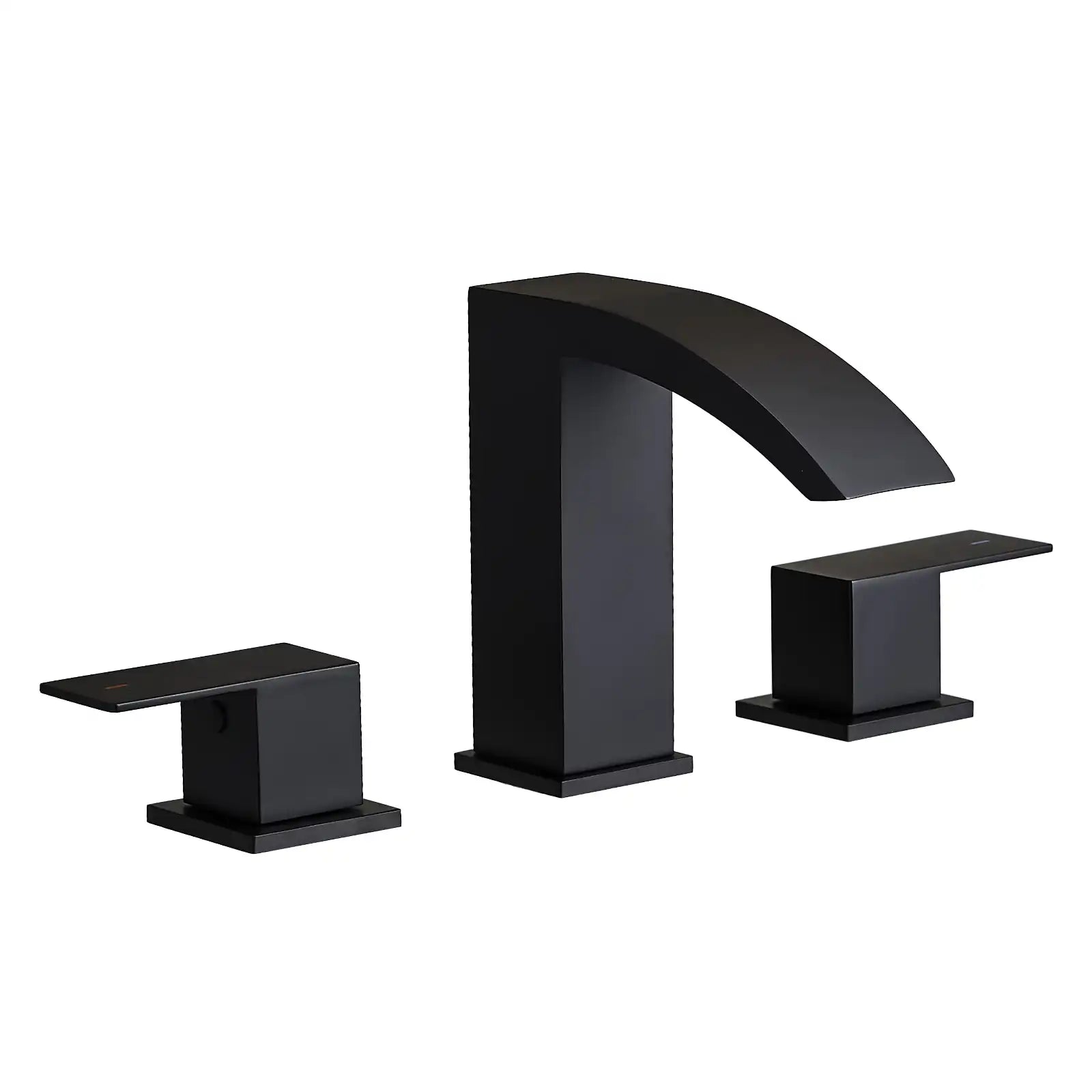
Black-framed glass screens, matte black taps and exposed steel details give the room its architectural rhythm. Their crisp lines contrast beautifully with the softer curves of the bath, helping the copper feel warmer and more inviting.
In one Chicago loft, a freestanding copper bath was placed beneath exposed steel beams and surrounded by concrete finishes. The result retained the strength and honesty of the original building, while introducing an unexpected sense of comfort – refined, characterful and far from austere.
3. Modern Minimalist Bathrooms Featuring Copper Tubs
Calm, uncluttered and carefully composed, modern minimalist bathrooms are defined by clean lines and a restrained approach to colour. But without warmth or texture, even the most beautifully planned space can sometimes feel a little too precise.
A freestanding copper bath brings an expressive yet considered focal point. Its generous curves soften the geometry of the room, while the natural variation in its surface introduces depth without adding visual clutter. Against concrete, marble or dark stone, copper feels sculptural and quietly inviting – bringing the character of something handcrafted into an otherwise pared-back scheme.

Keep The Surfaces Simple
Large-format tiles in soft grey, warm white or muted stone tones create a seamless foundation. Fewer grout lines help the room feel calmer and more spacious, allowing the shape and finish of the bath to stand out with effortless clarity.

Choose Refined Fixtures
Frameless mirrors, slimline taps and understated lighting preserve the clean rhythm of the space. Matte black fittings create a crisp contrast, while brushed metal finishes offer something softer. Keeping each element simple allows the copper to remain the natural centre of attention.

Conceal Everyday Storage
Flush cabinetry, recessed shelving and wall-mounted accessories help keep practical essentials close at hand without disturbing the room’s quiet composition. With everyday clutter tucked away, the materials and proportions of the space can take the lead.
In one Los Angeles villa, a freestanding copper bath was positioned beside panoramic windows overlooking the Pacific. Surrounded by pale stone and minimal detailing, it transformed the bathroom into a serene, gallery-like retreat – warm, restorative and made all the more memorable by its simplicity.
4. Bohemian Style Meets Freestanding Copper Bathtub
Expressive, layered and wonderfully relaxed, bohemian bathrooms celebrate materials with a handmade quality and objects that feel collected over time. Colour, pattern and natural texture all have a place, creating a room that feels personal rather than perfectly matched.
A freestanding copper bath sits naturally within this eclectic setting. Its softly changing patina brings depth and individuality, with subtle variations that make every surface feel unique. Surrounded by handcrafted tiles, woven details and warm earthy shades, copper becomes a grounding presence – rich in character without overwhelming the room.

Build From The Floor Up
Mosaic patterns, aged terracotta or hand-painted encaustic tiles create a lively foundation. Their irregular colours and timeworn finishes pair beautifully with copper, allowing the bath to feel part of the room’s story rather than a polished centrepiece placed on top of it.

Introduce Woven Texture
Rattan pendants, wicker baskets and cane-fronted furniture bring softness to the stronger surfaces in the room. Their natural tones echo the warmth of the bath, while their lighter texture keeps an eclectic scheme feeling relaxed and breathable.

Add Greenery With Restraint
Trailing plants or one generously shaped leafy plant can bring movement and freshness without filling every corner. Paired with linen towels, a softly patterned rug or other organic textiles, greenery helps create a bathroom that feels calm, lived-in and connected to nature.
In one resort-style Arizona home, a freestanding copper bath was placed at the centre of a sun-filled bathroom, surrounded by hand-painted Mexican tiles and muted desert tones. The copper brought the varied colours and textures together, giving the room a warm, grounded quality – eclectic, inviting and full of soul.
5. Victorian Luxury with a Freestanding Copper Bathtub
Rich, decorative and steeped in history, Victorian bathrooms balance ornament with a strong sense of order. Deep colour, elegant fittings and traditional pattern all have a place, creating a room that feels luxurious without losing its sense of calm.
A freestanding copper bath suits this setting beautifully. Its sculptural form brings a sense of ceremony to the room, while the warmth of the metal softens darker walls and more formal details. Whether finished with classic feet or a gently rolled rim, it becomes more than a practical feature – it turns bathing into a daily ritual.

Embrace Deep Colour
Forest green, midnight blue or rich burgundy create a dramatic backdrop for copper. Used across walls or panelling, these shades give the room depth, while gilded mouldings or warm metallic accents introduce a little light and refinement.

Choose Traditional Fittings
A freestanding high-arched tap in copper, brass or an aged finish reinforces the period character of the space. Its graceful shape complements the bath without competing with it, helping the entire scheme feel considered and cohesive.

Layer Pattern And Light
Floral wallpaper, patterned floor tiles and softly draped curtains bring the decorative detail associated with Victorian interiors. A crystal chandelier or fluted glass wall lights can add a gentle glow, allowing the copper to feel warm and luminous rather than overly polished.
The result is a bathroom that feels grand but still inviting – layered with history, rich in atmosphere and made for slow, unhurried moments.
6. Common Freestanding Copper Bathtub Mistakes to Avoid
A freestanding copper bath makes a striking addition to a bathroom, but its generous form needs a little room and careful planning. Taking time to consider scale, surrounding materials and installation details will help the bath feel naturally at home – rather than simply placed within the space.
-
Leaving Too Little Room
A freestanding bath needs enough clearance to feel comfortable and to allow for cleaning, plumbing and everyday movement. When positioned too close to a wall, vanity or shower screen, even a beautiful design can make the room feel crowded.
Before ordering, mark out the full dimensions of the bath on the floor and walk around it as you would in daily life. Allow practical access around the sides wherever possible, while checking the manufacturer’s installation requirements and the clearances recommended by your installer.
-
Adding Too Many Heavy Finishes
Copper has a naturally rich colour and a strong visual presence. Surrounded by too many dark metals, bold patterns or heavily veined surfaces, it can begin to compete with the rest of the room.
Soft neutrals such as ivory, warm grey and muted sage create a calmer backdrop, while timber, linen and gently textured stone add warmth without overwhelming the bath. Keeping the surrounding palette restrained allows the natural character of the copper to shine through.
-
Overlooking The Drainage
A freestanding design may appear simple, but the practical details beneath it require careful attention. The waste position, floor construction and supporting surface all need to work together, particularly when the bath sits away from a wall.
Confirm the drainage route before flooring is finished, and check that the floor is level, sound and able to support the filled weight of the bath. Planning these details with your contractor early on helps avoid disruptive alterations later – and ensures the finished installation feels as secure as it looks.
Conclusion
From the warmth of farmhouse interiors to the clean lines of a modern scheme, a freestanding copper bath has a wonderfully adaptable quality. It can soften industrial materials, bring calm to an eclectic room or add a sense of occasion to a more traditional space – all while remaining unmistakably itself.
Its appeal lies not only in its sculptural form, but in the way it changes the atmosphere around it. Copper brings warmth, depth and a gently evolving finish, allowing the bath to feel both distinctive and enduring. Chosen with care, it becomes more than a focal point; it gives the entire bathroom a sense of character and quiet confidence.
Explore our collection of freestanding copper baths, from softly polished finishes to richer, timeworn textures. The right design can bring proportion, warmth and individuality to the room – creating a bathroom that feels beautiful not only at first glance, but in everyday life too.
FAQ
Is a freestanding copper bath suitable for families with children?
It can be, provided the bath is chosen and installed with everyday safety in mind. Rounded edges, a stable base and a slip-resistant floor around the bath all help create a more family-friendly setting.
For younger children, a non-slip mat and a secure step can make getting in and out easier. As with any deep bath, close supervision remains important, particularly when the surface is wet.
Will copper rust or develop an unpleasant smell?
Copper does not rust in the same way as iron or steel. Instead, its surface gradually develops a natural patina, bringing subtle changes in tone and character over time.
A well-made copper bath should not produce an unpleasant smell during normal use. Gentle cleaning and good ventilation will help keep the surface fresh, while the manufacturer’s care instructions will explain how best to preserve or encourage the evolving finish.
Can a freestanding copper bath be installed upstairs?
In many homes, yes – but the floor structure should always be checked first. The weight of the bath itself is only part of the calculation; the water and the person using it must also be included.
Ask a builder or structural professional to confirm that the floor can support the full filled weight, particularly in an older property or where the bath is unusually large. This early check allows the bath to feel secure as well as beautifully placed.
Is a copper bath difficult to clean?
Copper is wonderfully simple to care for when treated gently. Warm water and a soft cloth are usually enough for everyday cleaning, while mild, non-abrasive soap can be used where needed.
Avoid harsh chemicals, abrasive pads and acidic cleaners, as these may alter the surface or remove the patina unevenly. Where the manufacturer recommends it, an occasional coat of suitable wax can help protect the finish and soften its natural sheen.
Can it be used with underfloor heating?
A copper bath can work in a bathroom with underfloor heating, but the two systems should be planned independently. The bath base, waste connection and floor-heating layout all need suitable clearance, with no heating elements placed where drilling, fixings or plumbing may interfere with them.
Copper responds quickly to changes in temperature, but the bath itself should not be treated as part of the heating system. Careful coordination between the bath installer and heating contractor will help create a comfortable and reliable result.
Does a freestanding copper bath suit renovation projects?
Yes. It can be a striking addition to both new bathrooms and existing spaces, particularly where a built-in bath is being replaced with something more sculptural.
Renovations do require a little more planning, as the existing waste position, floor structure and surrounding finishes may limit where the bath can sit. Checking these details before ordering helps reveal whether the change will feel effortless or require further plumbing and structural work.
With the right preparation, a freestanding copper bath can open up the layout, bring warmth to older materials and give a familiar bathroom an entirely new sense of character.
Related Articles:
Copper vs. The Rest: A Comprehensive Guide to Soaking Bathtub Materials and Why Copper Wins
Cleaning My Copper Bathtub for the First Time—The Good, The Bad, and the Gorgeous