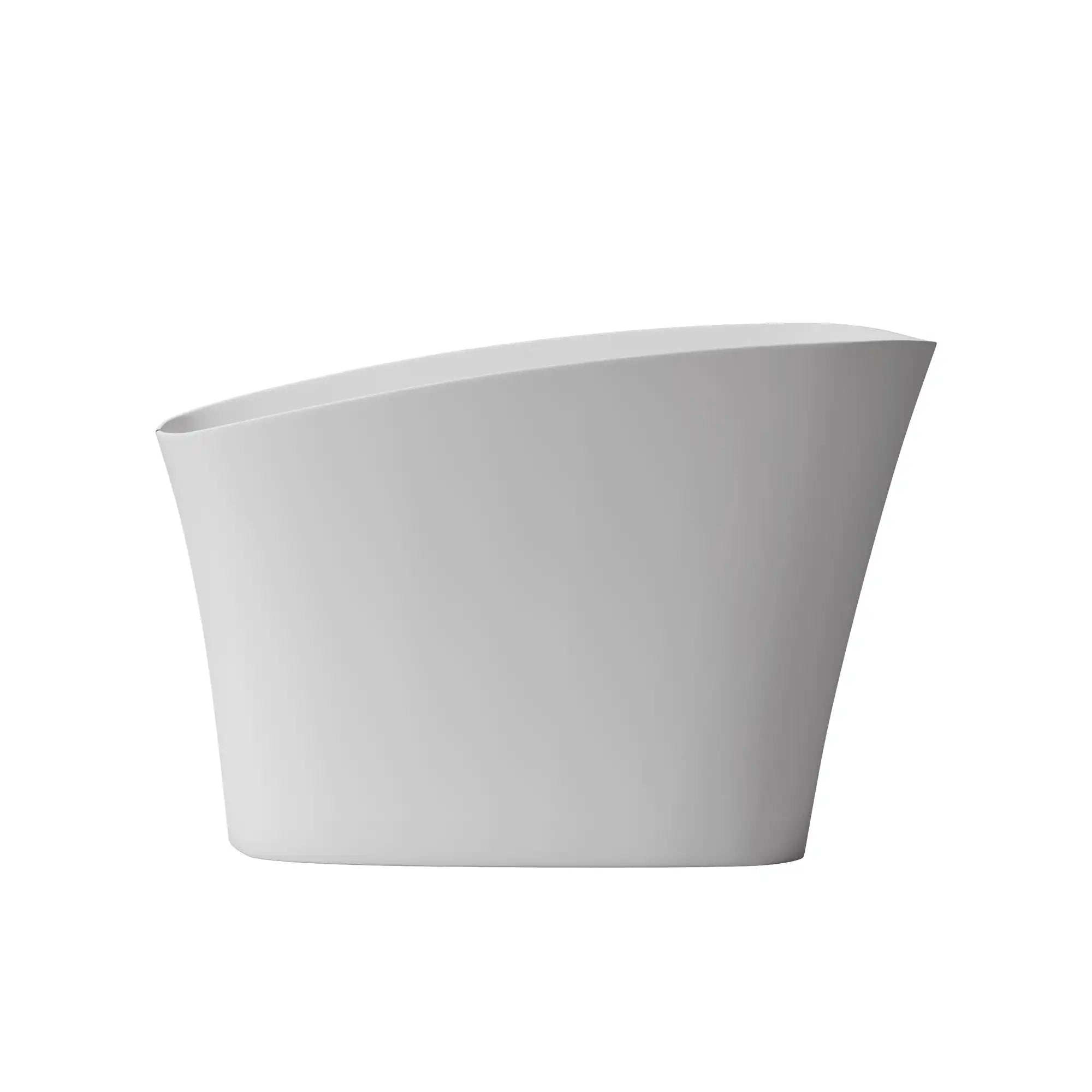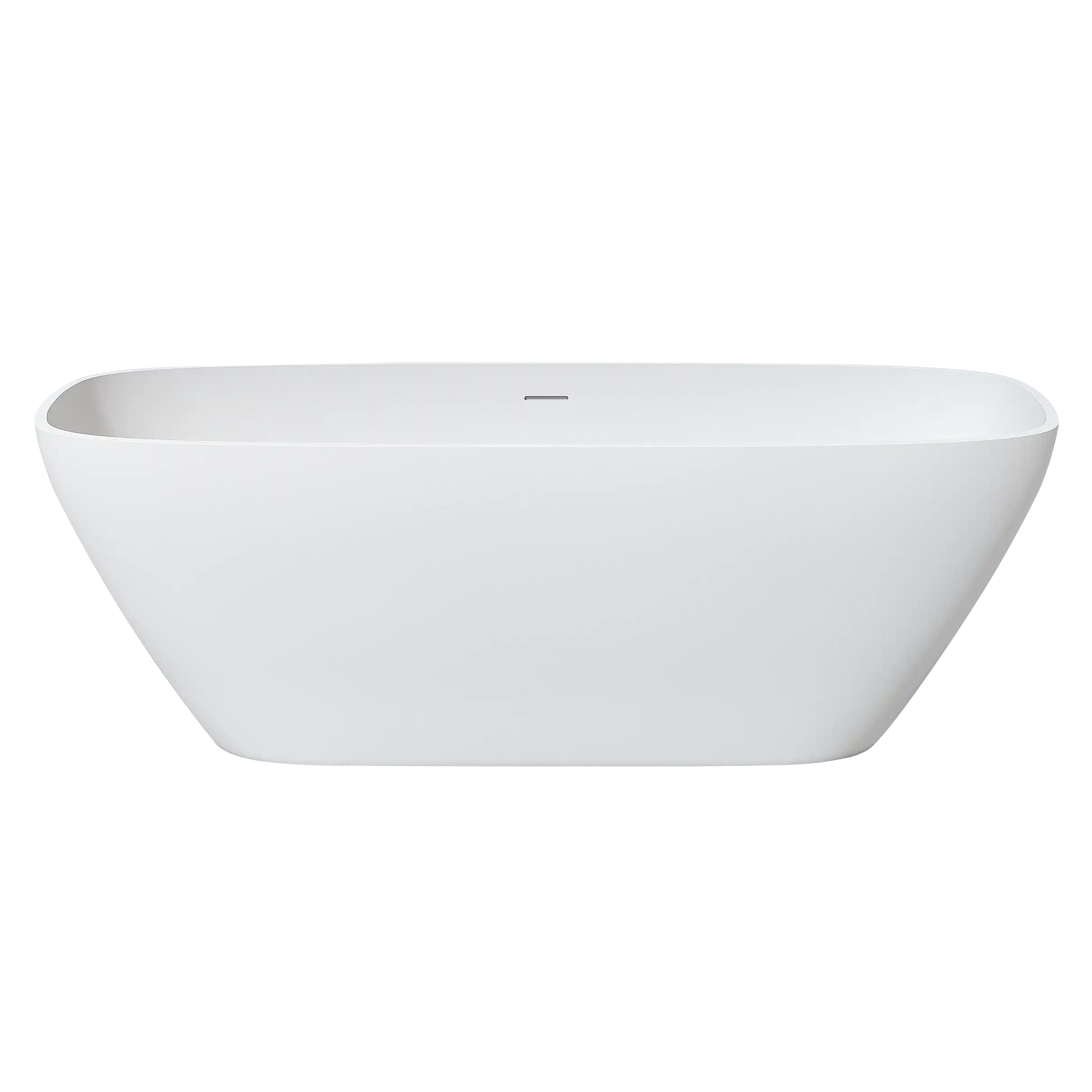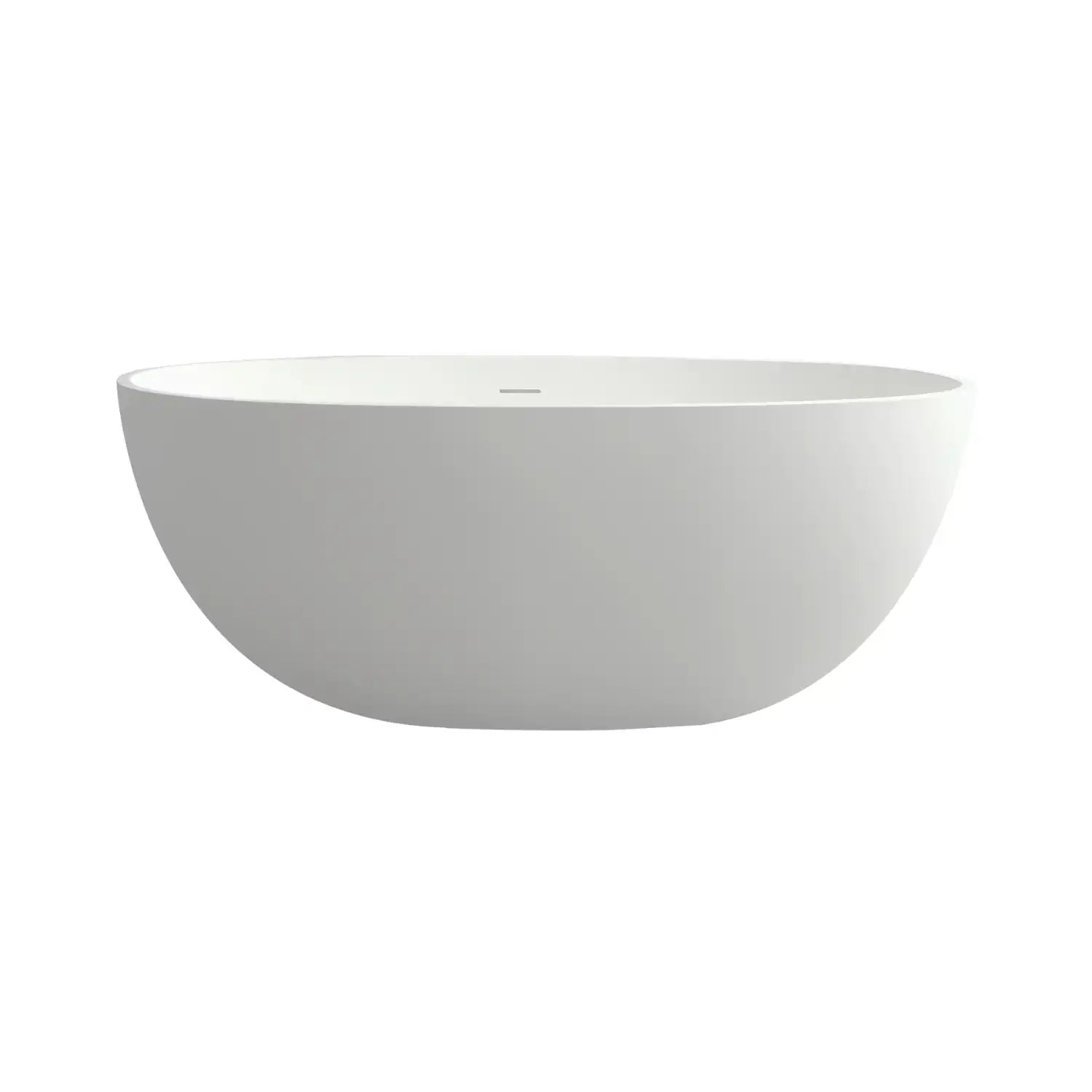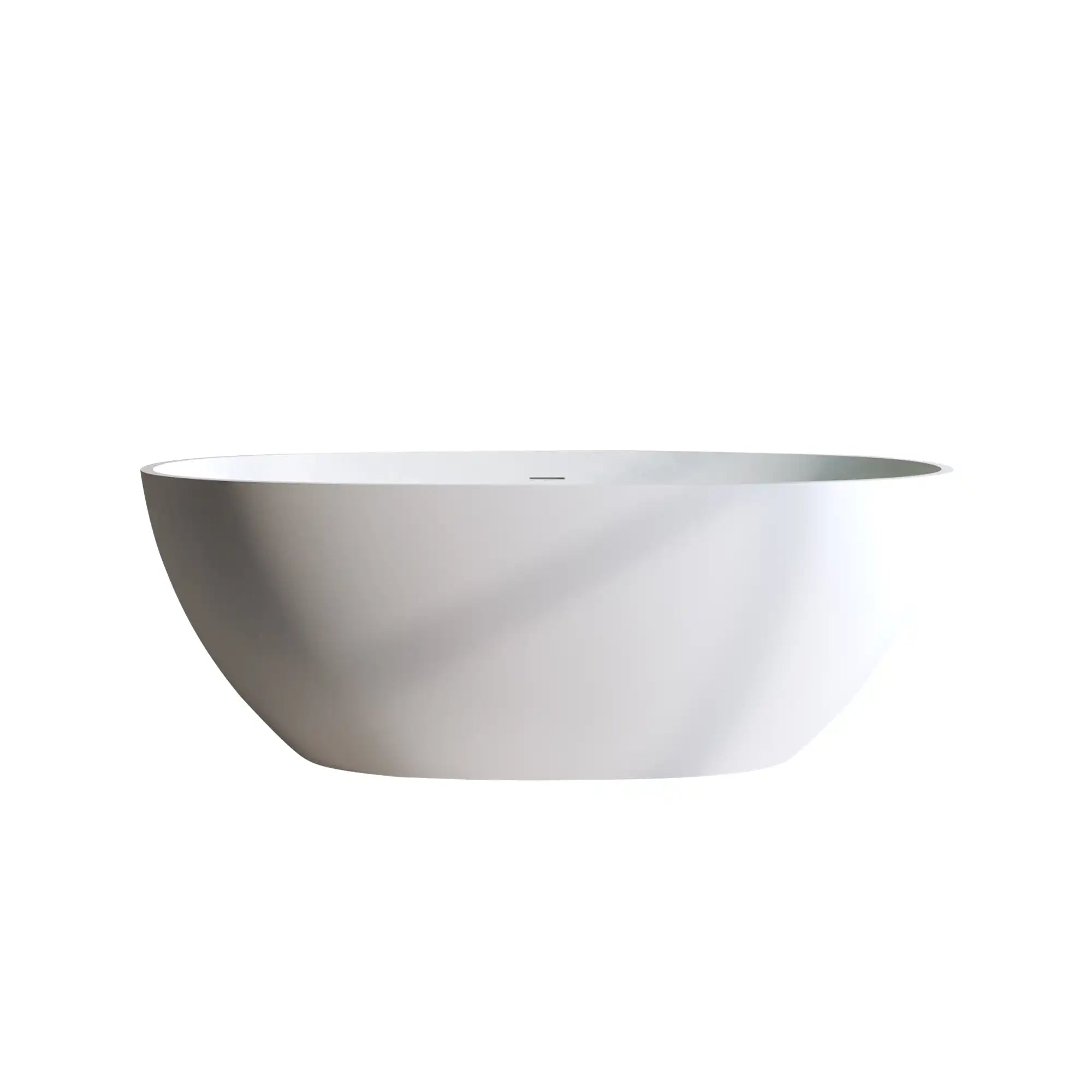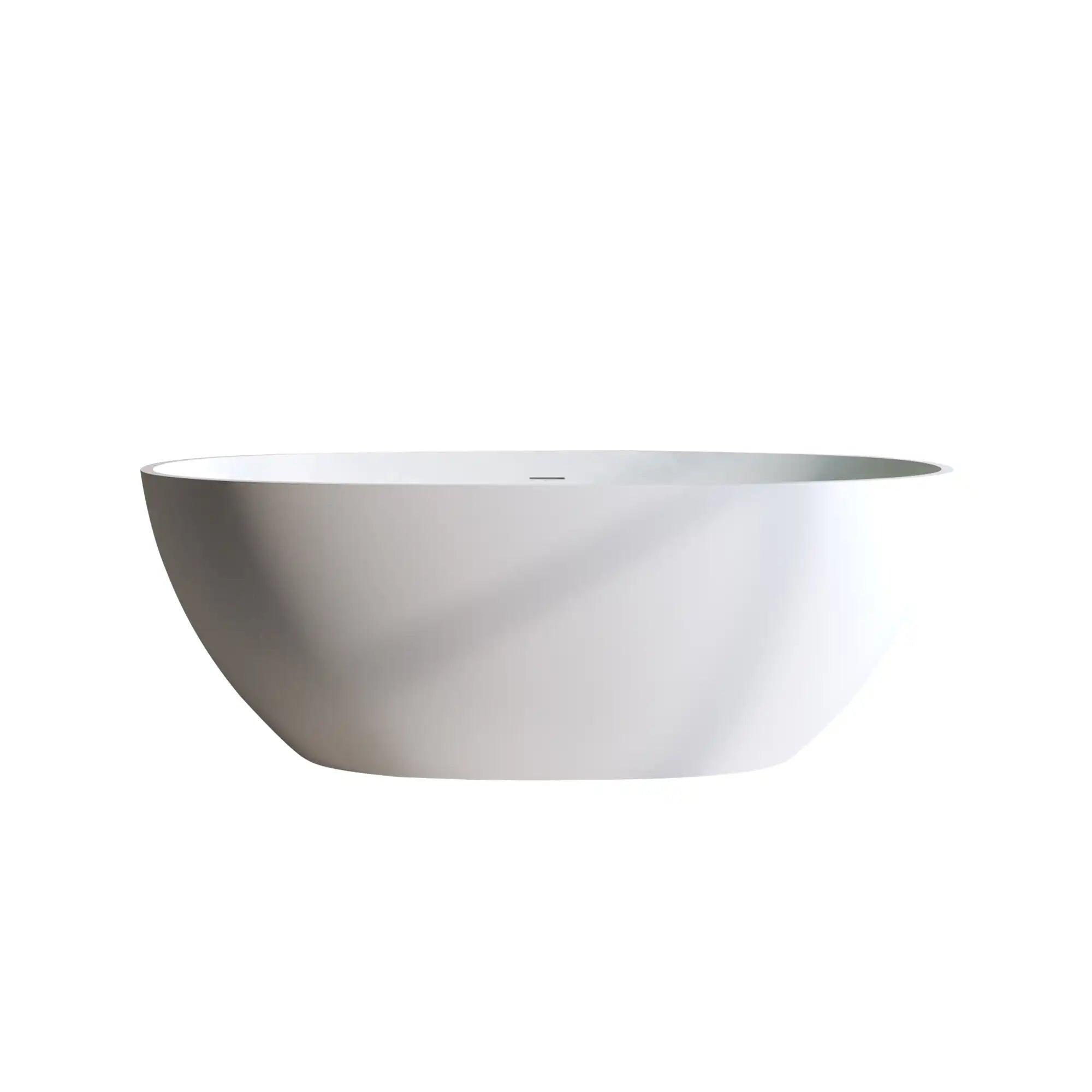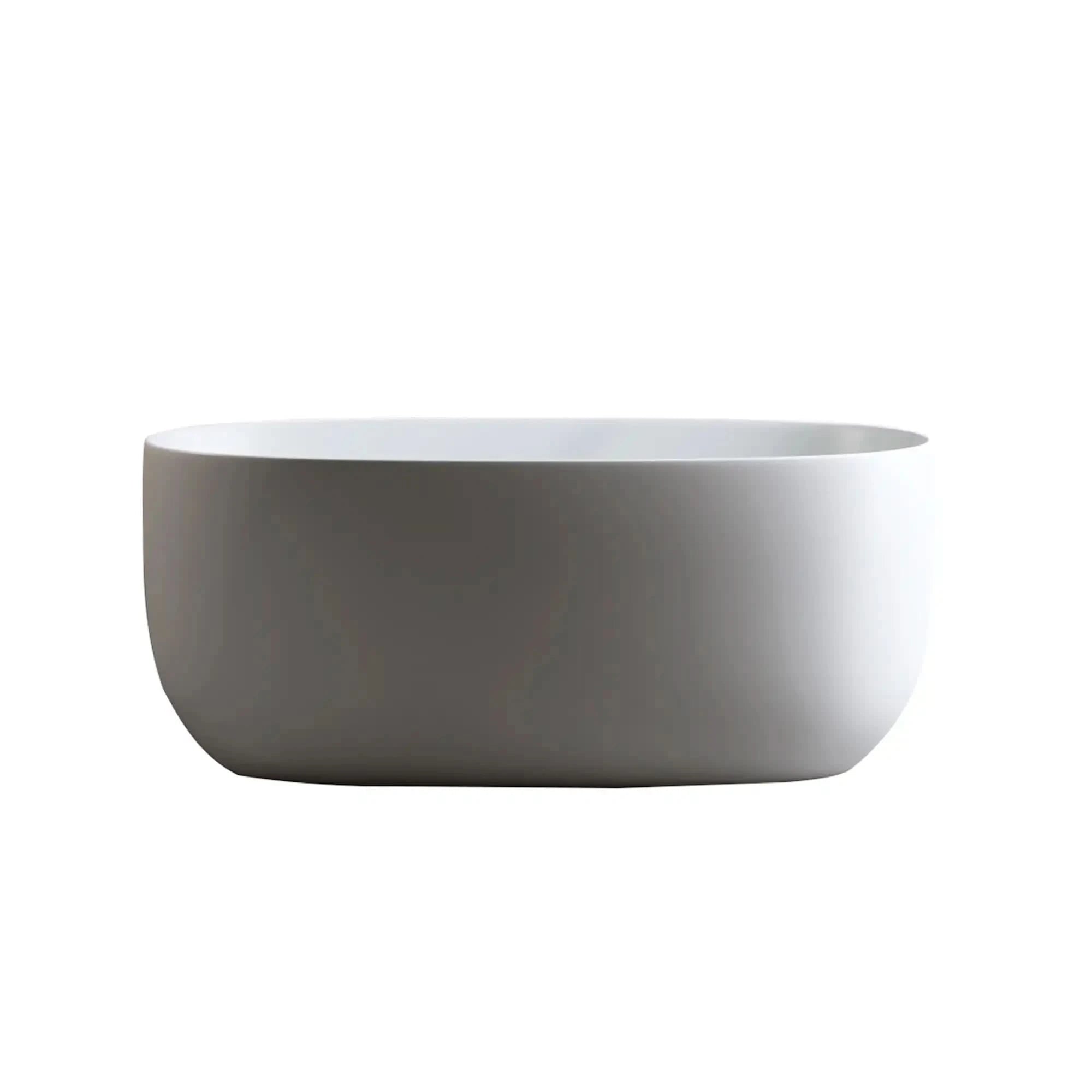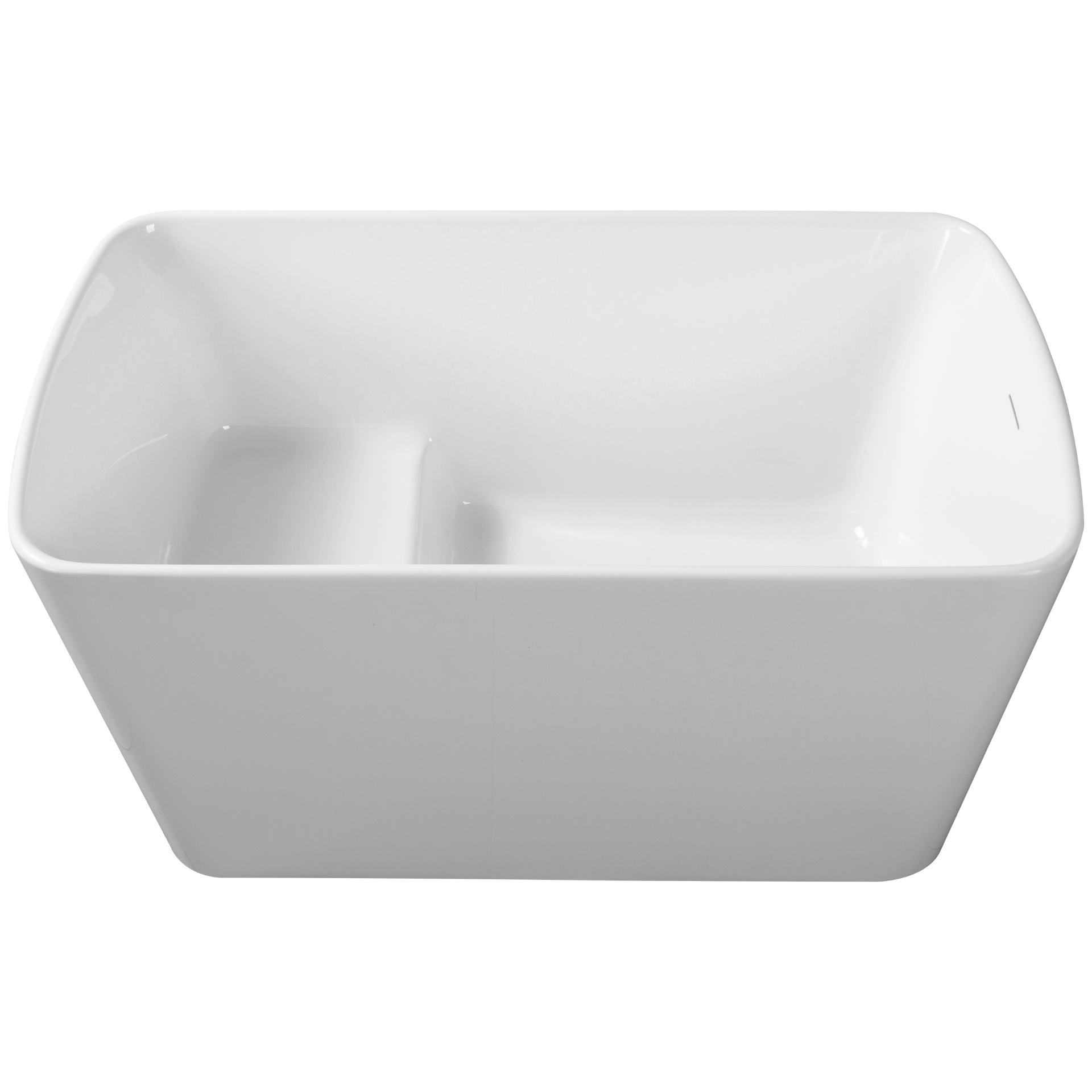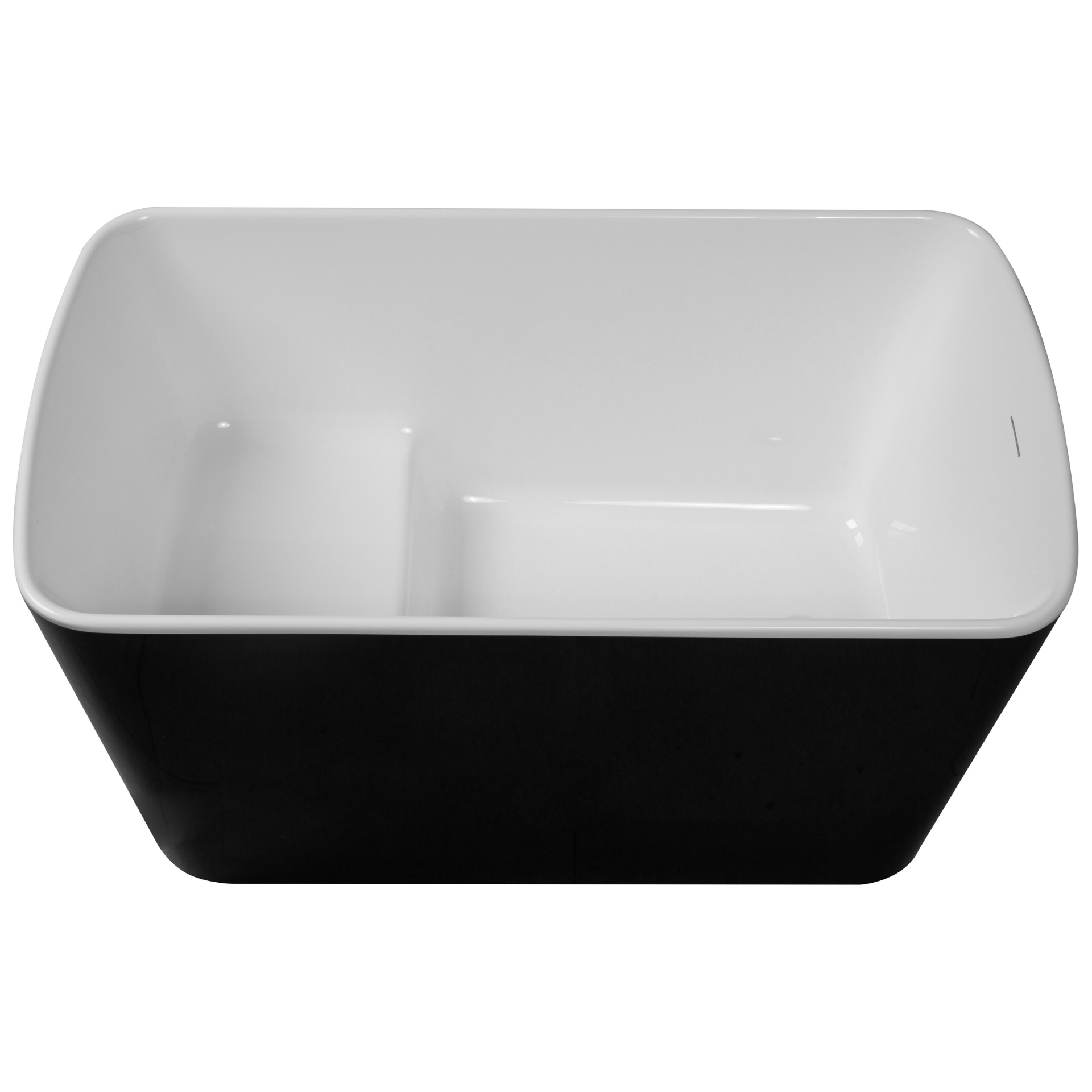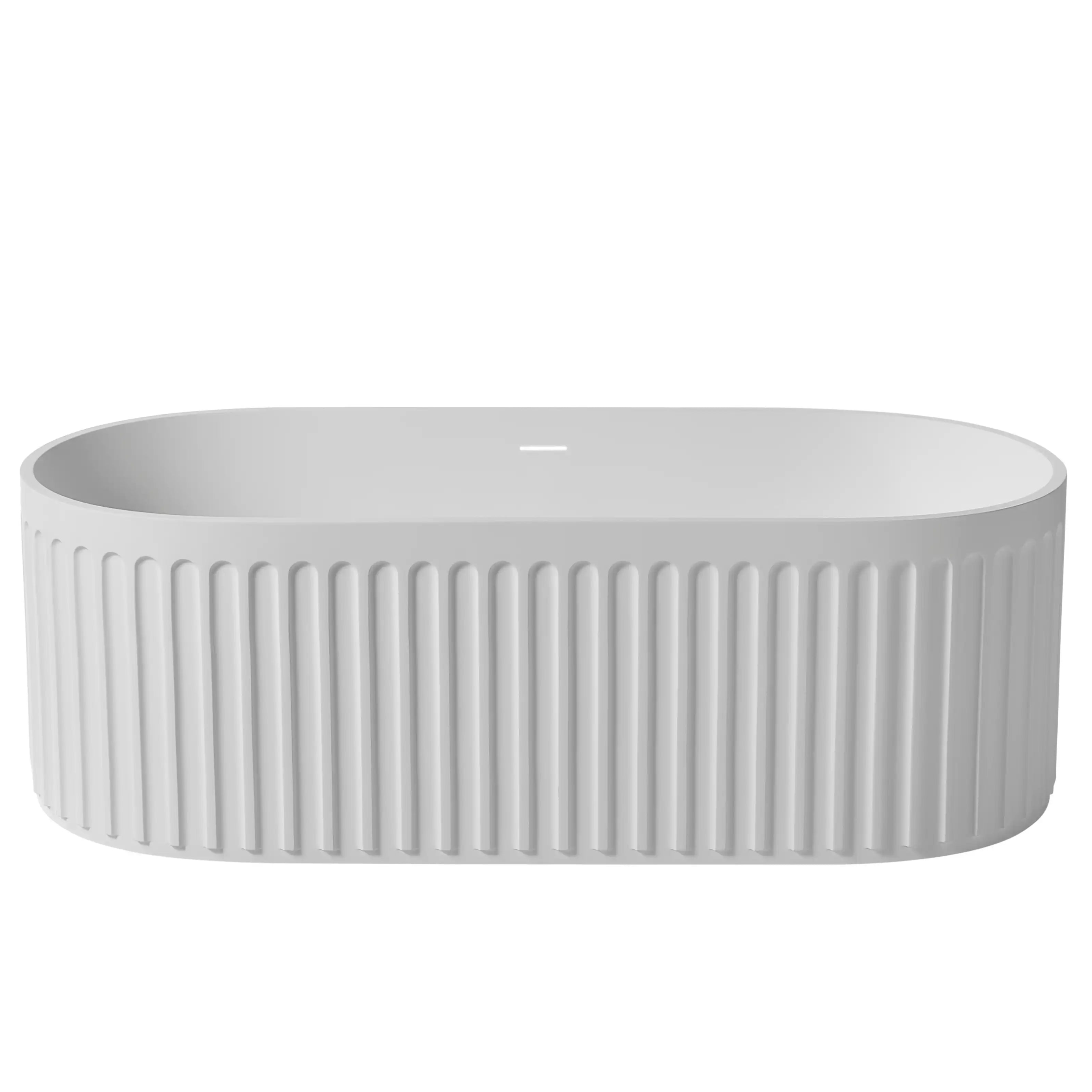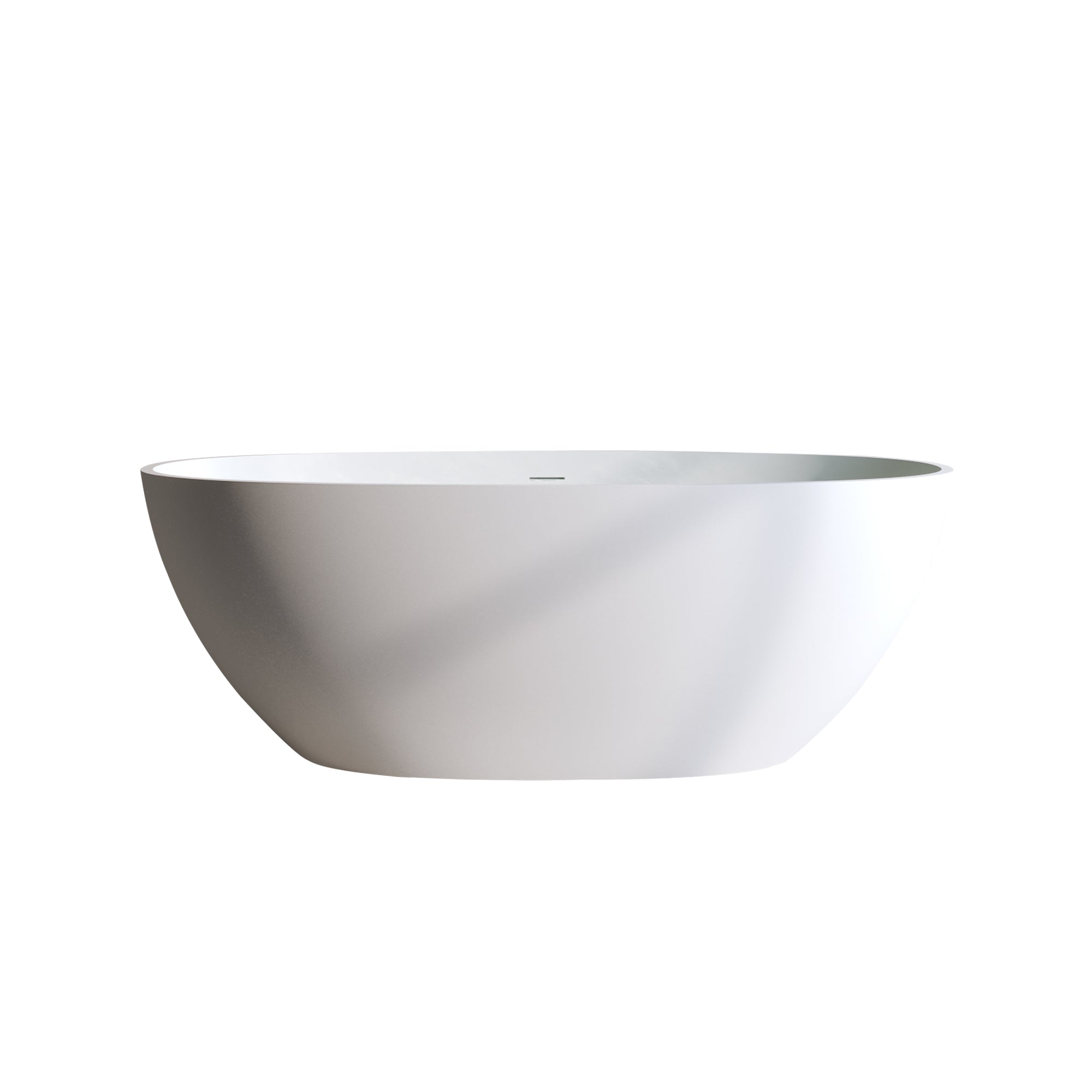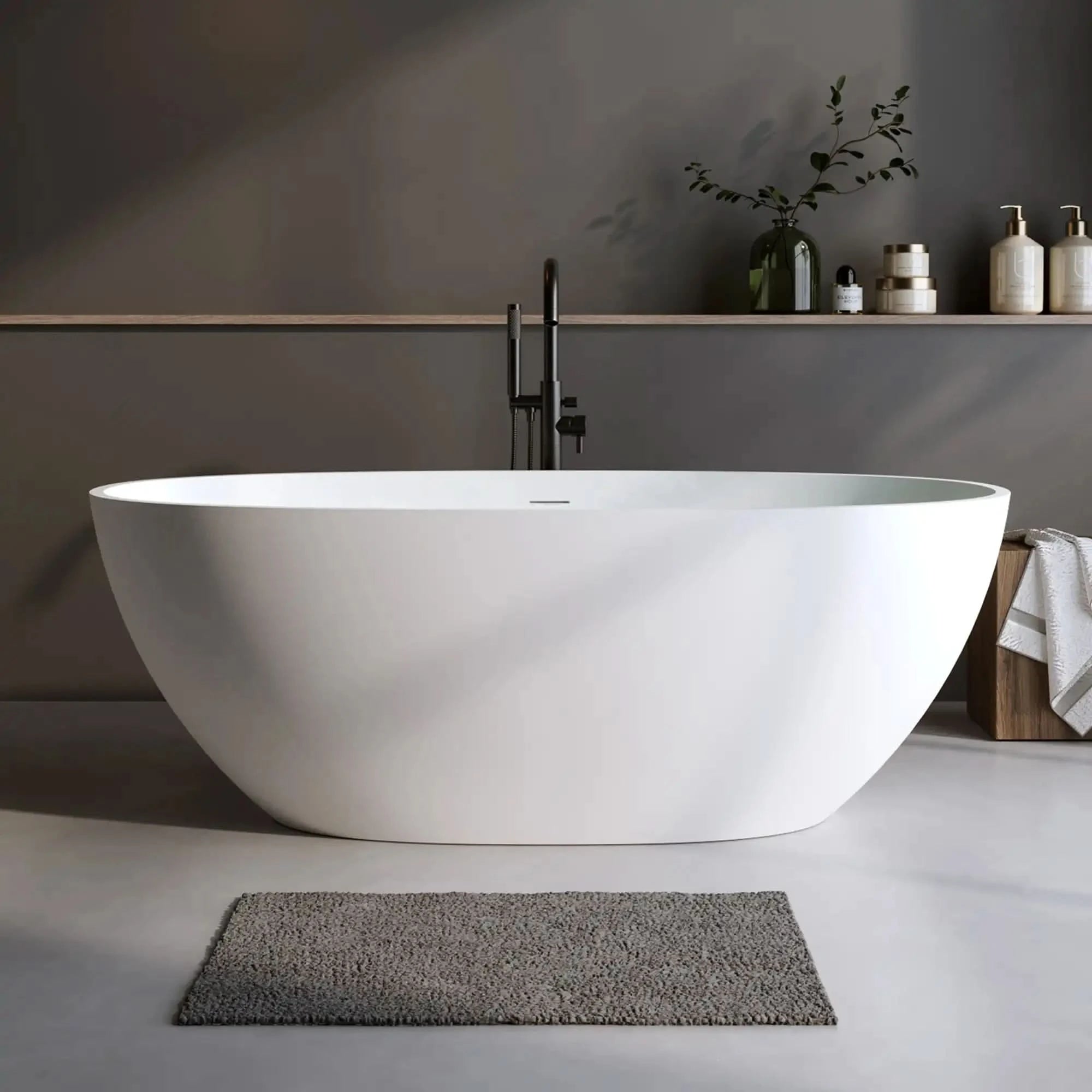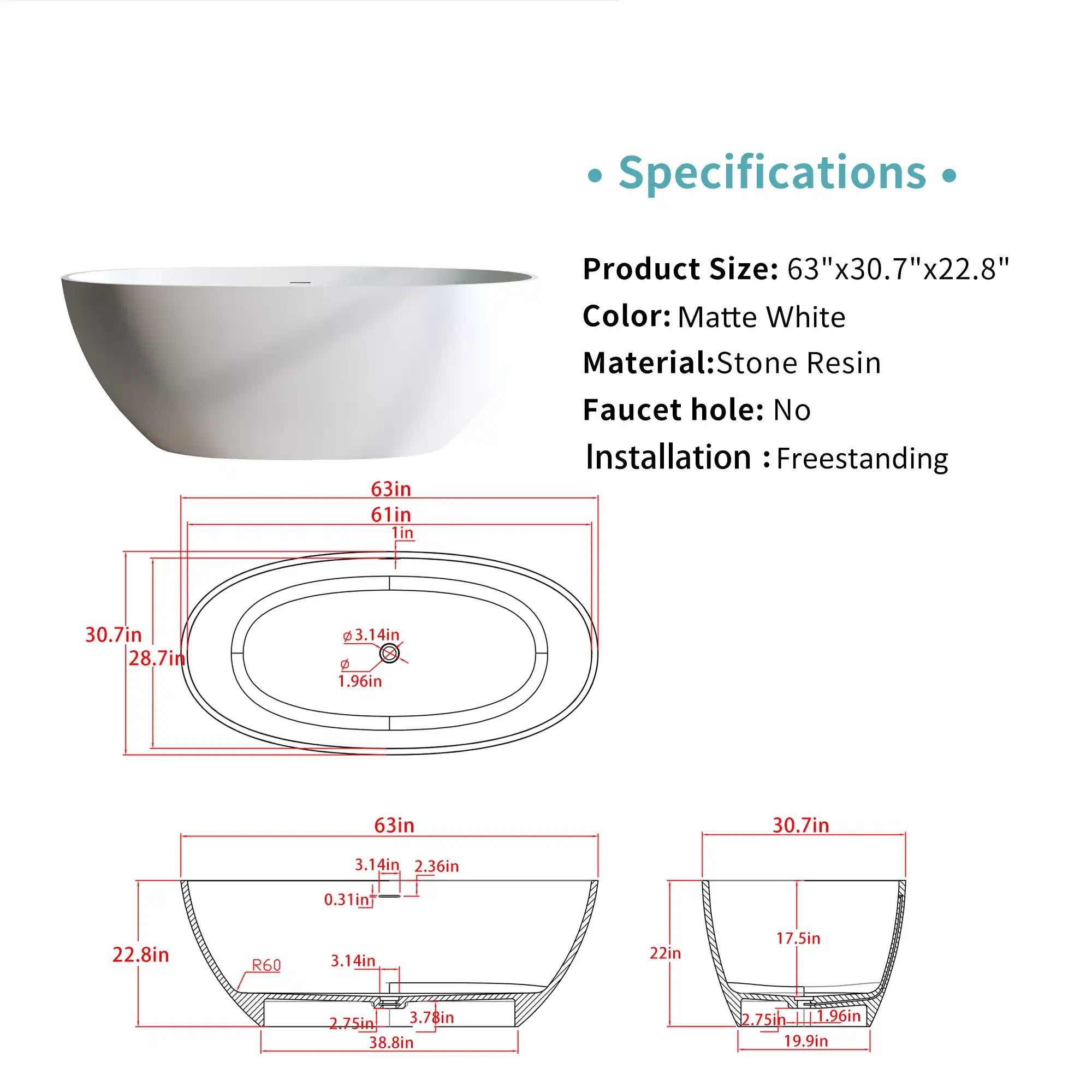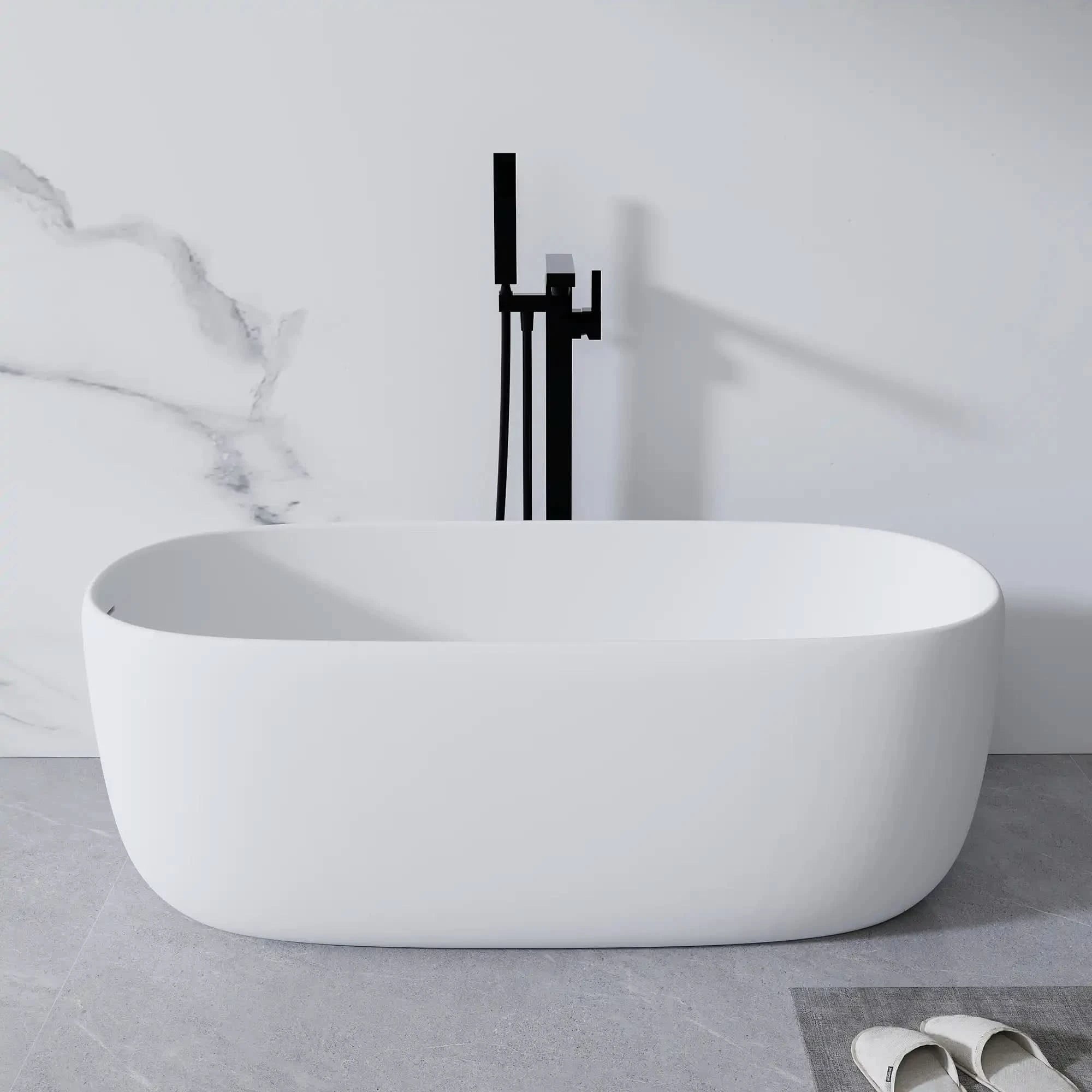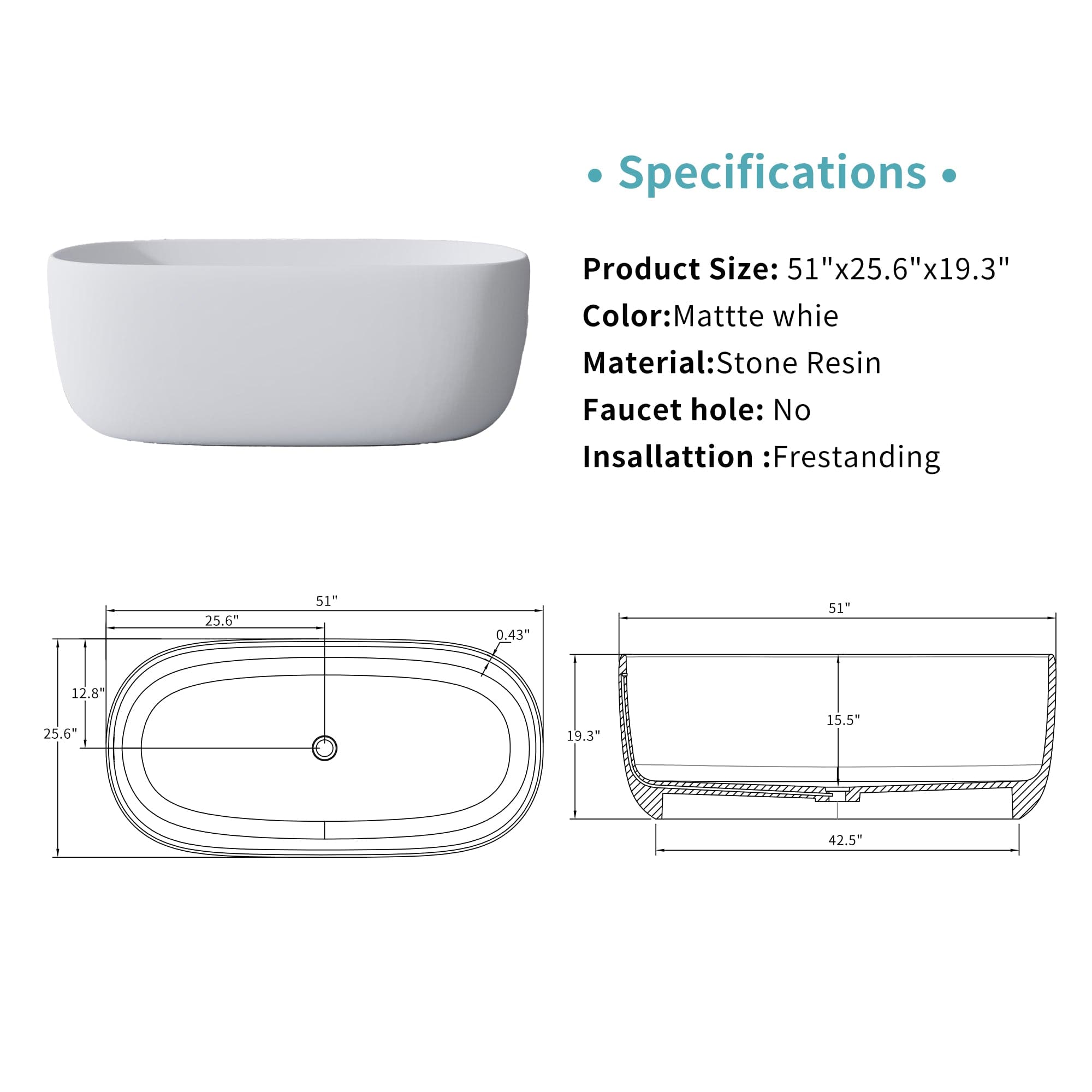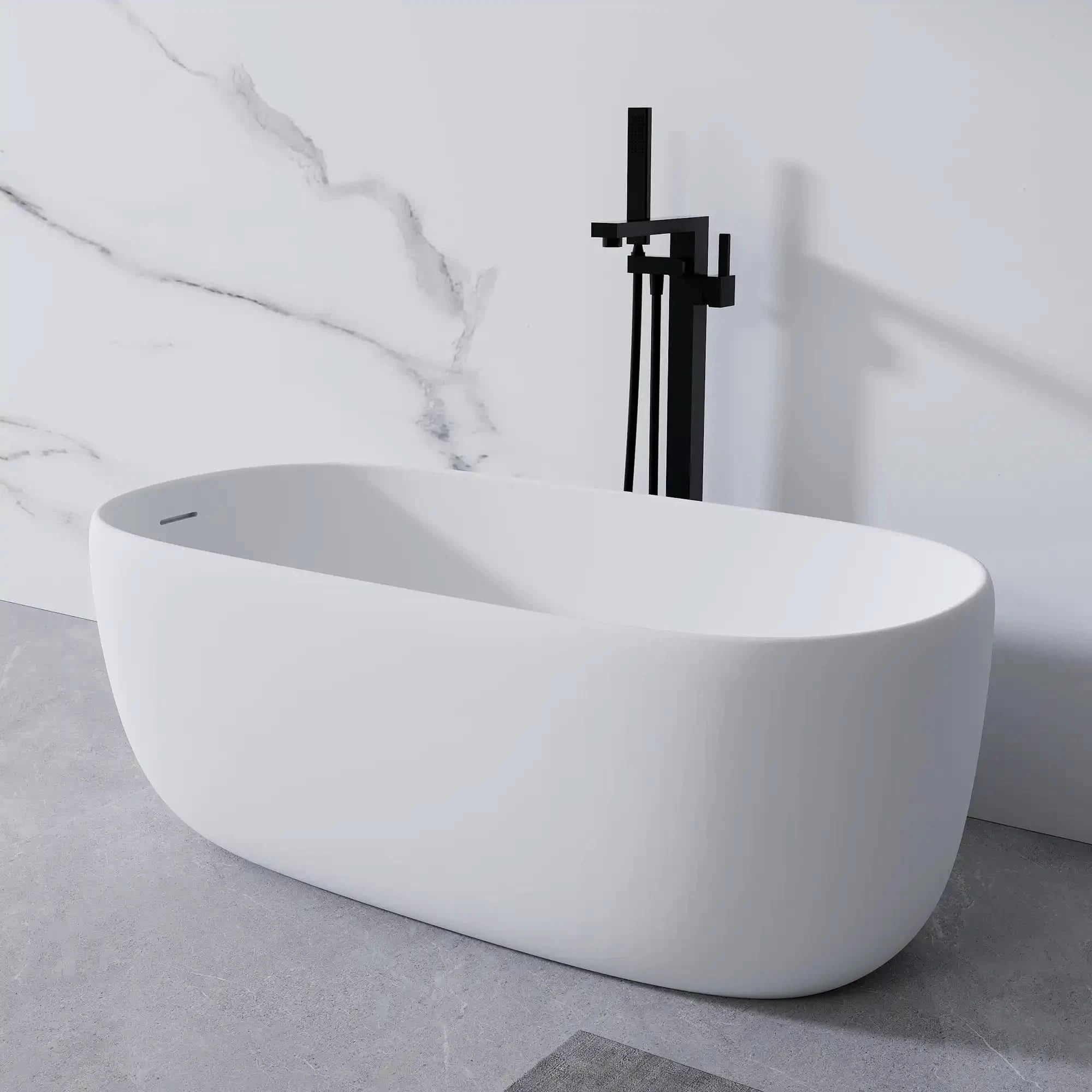


This guide outlines the differences between soaking tubs and standard tubs, defines the two types and their pros and cons, and includes tips to help you determine which will work best for your lifestyle, household, and bathroom layout.
Table of Contents:
- Key Differences Between a Soaking Tub and a Regular Tub
- Types of Soaking Tubs vs Regular Tubs
- Benefits of Deep Soaking Tubs
- Important Considerations Before Choosing a Soaking Tub
- How to Choose Between a Soaking Tub and a Regular Tub
- Our Bathtub Recommendations
- Conclusion
- FAQ: Expert Answers to Common Questions
- More Articles About Bathtubs
Key Differences Between a Soaking Tub and a Regular Tub

The most fundamental difference in a soaking tub vs regular tub comparison is depth. Depth directly affects how much of your body can be submerged, which in turn determines comfort, relaxation, and water consumption.
Depth and Dimensions Comparison
| Feature | Soaking Tub | Regular Tub (Alcove Tub) |
|---|---|---|
| Typical Water Depth | 16"–20"+ | 10"–14" |
| Body Submersion | Full-body soaking | Partial-body bathing |
| Primary Use | Relaxation, long soaks | Daily bathing & shower combo |
| Installation | Freestanding / specialty | Alcove (three-wall) |
| Water Capacity | High | Moderate |
Soaking tubs are intentionally designed to allow deeper immersion, often reaching shoulder height when seated. Regular tubs, most commonly alcove tubs, prioritize efficient daily use and compatibility with shower systems. While some alcove tubs offer deeper-than-average designs, they still generally fall short of true soaking tub depth.
Types of Soaking Tubs vs Regular Tubs

Understanding the available tub types helps clarify the real-world differences in the soaking tub vs regular tub decision.
Common Soaking Tub Types
-
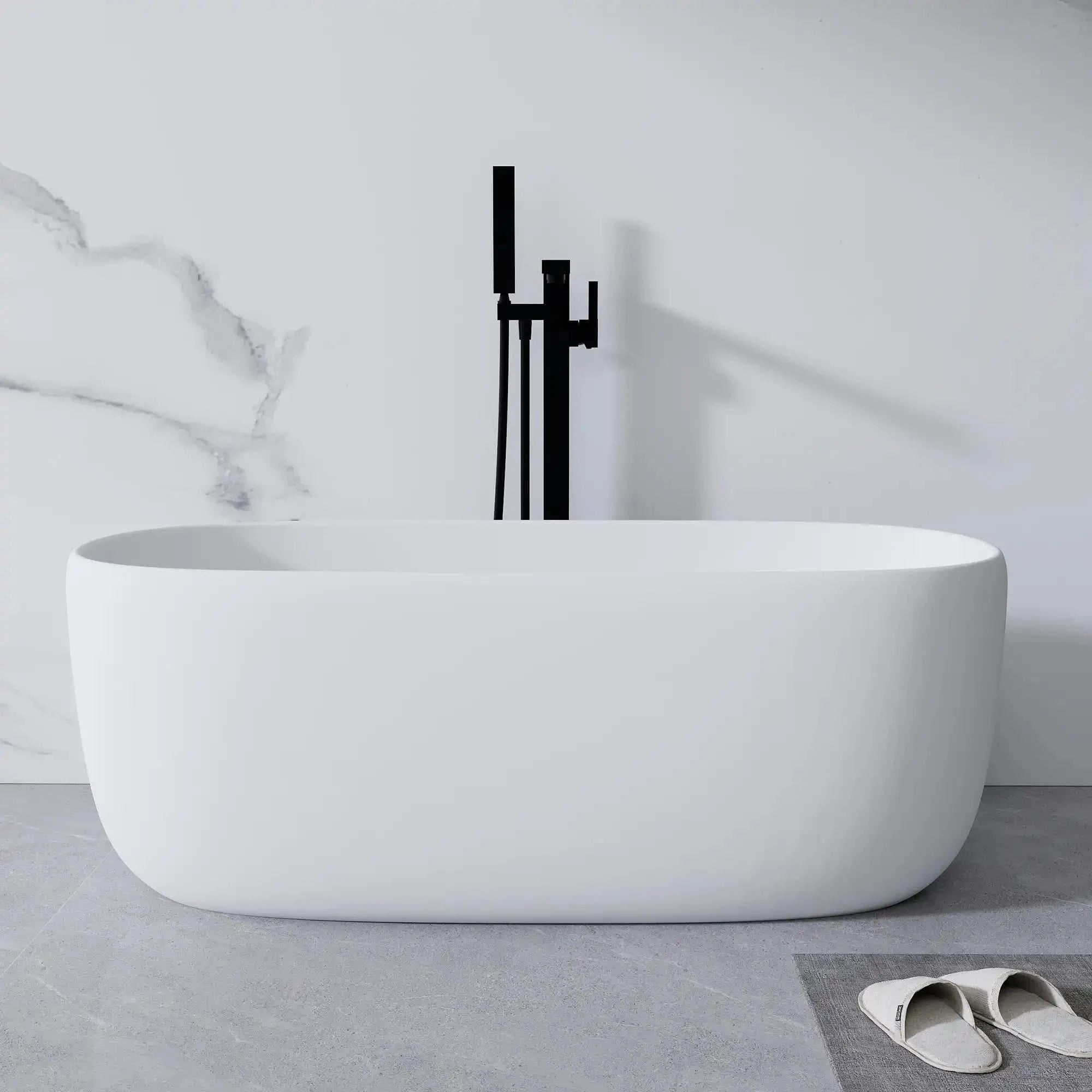
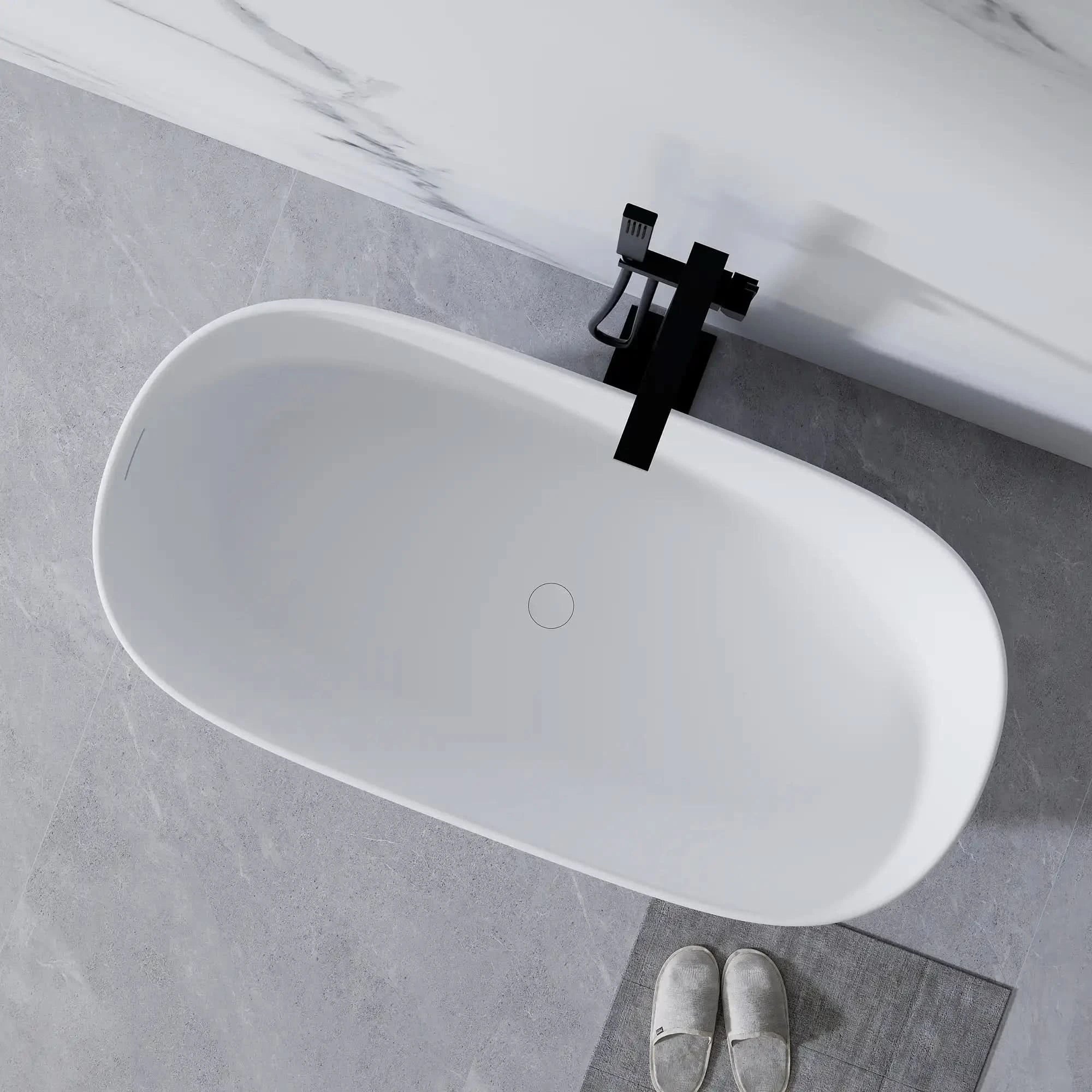
Freestanding Soaking Tubs Designed as visual centerpieces, these offer generous depth and flexible placement but require ample floor space.
-
Clawfoot Soaking Tubs A traditional soaking option with elevated legs, typically deep but heavier and space-demanding.
-
Ofuro Tubs Compact, upright soaking tubs inspired by Japanese bathing culture. They prioritize depth over length, making them ideal for smaller bathrooms.
-
Walk-In Soaking Tubs Designed for accessibility, featuring doors and built-in seating. Depth is maintained without requiring the user to step over a high tub wall.
Regular Tub (Alcove Tub)
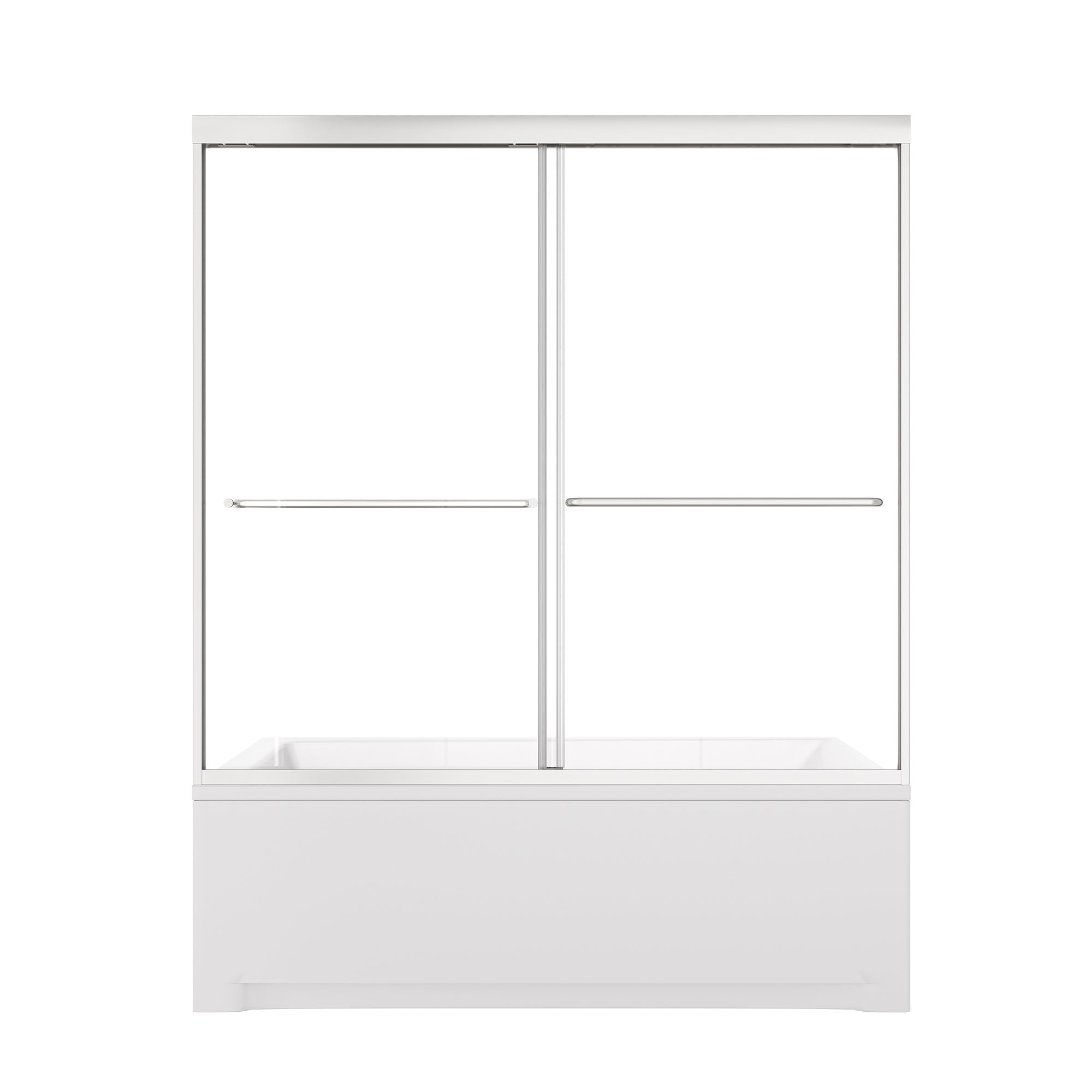
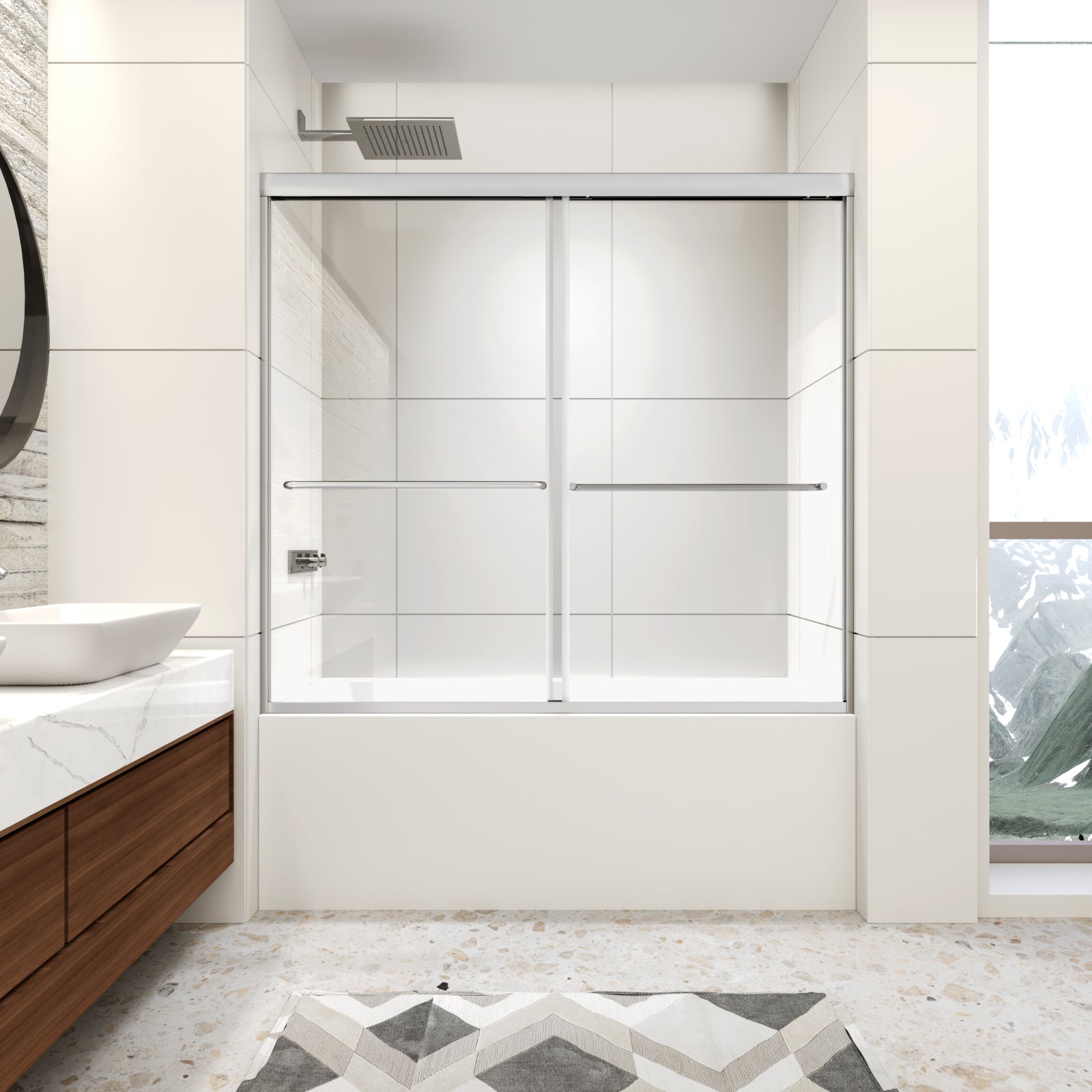
Regular tubs usually refer to alcove tubs, installed between three walls and commonly paired with a shower. While most are shallow, some modern alcove models offer increased soaking depth without changing the footprint, bridging the gap for homeowners with limited space.
Benefits of Deep Soaking Tubs

The primary value of deep soaking tubs lies not in luxury alone, but in how depth fundamentally changes the bathing experience.
Full-Body Immersion for True Relaxation
A deep soaking tub allows water to cover the shoulders and upper torso when seated, creating a sense of weightlessness that helps reduce pressure on joints and muscles. This level of immersion is especially beneficial after long periods of standing, physical work, or exercise.
Improved Mental Reset and Stress Reduction
Beyond physical comfort, deep soaking offers measurable mental benefits. Prolonged warm-water immersion has been associated with reduced cortisol levels and improved relaxation response. In practical terms, this means soaking tubs can help users unwind more effectively at the end of the day, improving sleep quality and overall well-being.
Compatibility with Ergonomic Designs
Soaking tubs often have sloping backs, contoured interiors or built-in seats, which all complement a deeper tub. These ergonomic aesthetics increase comfort and support when soaking for long periods of time.
Important Considerations Before Choosing a Soaking Tub

Soaking tubs are not for everyone, even though they have their benefits when it comes to comfort. There are many practical reasons to outweigh and think carefully about.
Water Usage
Greater depth means significantly higher water consumption. This impacts:
-
Monthly water bills
-
Hot water system capacity
Homes with limited water heater output may struggle to fill a soaking tub adequately.
Weight and Structural Load
A filled soaking tub can be extremely heavy when accounting for water and user weight. Floor reinforcement may be required, especially for upper-story installations.
Space and Accessibility
-
Large soaking tubs require more floor clearance and planning.
-
Higher tub walls can also make it more difficult (and less safe) to get in and out of the tub.
-
Soaking tubs typically have very little rim to hold everyday bath items.
-
Compact options like ofuro or walk-in tubs reduce these concerns.
Regular alcove tubs, by contrast, are designed for practicality. Their three-wall installation provides natural surfaces for storage and support, and the lower step-over height makes entry and exit easier for most users. This functional simplicity is one reason alcove tubs remain the most common choice for family bathrooms and shared spaces.
How to Choose Between a Soaking Tub and a Regular Tub

The right choice depends on how you use your bathroom, not just how it looks.
Choose a Soaking Tub If:
-
You enjoy long, immersive baths for relaxation
-
Your bathroom has sufficient space and reinforced floor support
-
You prioritize comfort and wellness over daily efficiency
Choose a Regular Tub If:
-
You need a shower-and-bath combination
-
Space is limited, especially in apartments
-
Water efficiency and ease of access matter most
Special Scenarios
-
Small apartments: Compact ofuro soaking tubs offer depth without excess footprint
-
Homes with elderly users: Walk-in soaking tubs improve safety and accessibility
-
Families with children: Alcove tubs provide easier entry and faster fill times
This practical approach ensures the soaking tub vs regular tub decision aligns with real-life usage rather than trends alone.
Our Bathtub Recommendations
Ace Decor offers a curated selection of freestanding bathtubs designed to meet a variety of deep soaking preferences, with clear specifications, size options, and practical layouts to support confident decision-making. Whether you’re looking for a deep soaking experience or a more space-efficient everyday tub, our selections are organized to help you quickly identify the option that best fits your bathroom and lifestyle.
Conclusion

When comparing a soaking tub vs regular tub, the difference lies in more than just depth—it’s about lifestyle, space, and long-term comfort. Soaking tubs bring unparalleled relaxation, but they need to be planned carefully. Traditional alcove bathtubs, on the other hand, provide functionality, space-saving capability, and universal compatibility.
The best bathtub is the one that fits your daily routine, your bathroom constraints, and your expectations for comfort. By understanding these differences clearly, you can make a confident, well-informed decision.
FAQ: Expert Answers to Common Questions
Q1. Is a soaking tub worth it compared to a regular tub?
Q2. Can a regular alcove tub still be used for soaking?
Q3. Do soaking tubs use more water?
Q4. Are soaking tubs suitable for small bathrooms?
Q5. What is the biggest mistake people make when choosing a soaking tub?
More Articles About Bathtubs
- 10 Unique Bathtubs That Transform Your Bathroom into a Personal Oasis
- 15 Inspiring Bathroom with Tub Ideas for Every Style and Space
- How to Clean a Dirty Bathtub Without Scrubbing in 15 Minutes
- Bathtub Materials Guide 2025: The Ultimate, No-Regrets Comparison
- Acrylic vs Fiberglass Tub: Ultimate 2025 Comparison by Region, Durability, and Daily Use