

Table of Contents
- What Exactly Is a Faucet Aerator — and Why Removing It Matters
- Step 1: Identify Your Aerator Type (A Crucial First Step Before Removal)
- How to Remove a Faucet Aerator (Standard Exposed Type)
- How to Remove a Stuck Faucet Aerator (Most Searched Scenario)
- How to Remove a Hidden Faucet Aerator (Clean, Expanded, Not Wordy)
- FAQ: How to Remove a Faucet Aerator (Homeowner-Friendly Guide)
- Conclusion
- Related Articles
When you're upgrading your bathroom or troubleshooting low water pressure, one of the simplest yet most effective steps is learning how to remove a faucet aerator. As someone who've spent years helping homeowners refine their bathrooms—especially those tackling small but meaningful upgrades—I've seen again and again how a stuck or clogged aerator can create outsized frustration.
The good news? Removing a faucet aerator is usually a quick, low-cost, DIY-friendly fix that aligns perfectly with what many West Coast suburban homeowners value: practical improvements, better performance, and long-term durability without calling a plumber.
This guide covers everything you need to know:
- How to remove a faucet aerator (standard & hidden types)
- What to do when the aerator is stuck
- How to clean or replace it
- The best tools to use
- How this small task can improve water flow, efficiency, and your overall bathroom experience
By the end, you'll feel confident handling this task in just a few minutes.
What Exactly Is a Faucet Aerator — and Why Removing It Matters
A faucet aerator may look like a small, insignificant component at the tip of your faucet spout, but it plays an essential role in how your sink performs every single day. Inside this compact device is a fine mesh screen or multiple layers of flow regulators that mix air with water, helping create the soft, even, splash-controlled stream most homeowners are used to. Without an aerator, water would exit the faucet in a harsh, uncontrolled stream, wasting water and causing constant splashing on the countertop.
Over time—especially in many hard-water regions across the West Coast and Mountain states—minerals like calcium and magnesium gradually accumulate inside the aerator. These deposits combine with tiny bits of sediment from your plumbing system, slowly clogging the mesh and altering water flow. Many homeowners don't initially realize the aerator is the cause, and instead assume something major is wrong with their faucet or plumbing.
When an aerator becomes partially or fully clogged, you may start noticing:
- A frustrating drop in water pressure
- Uneven or "fanned out" spray patterns
- Water spraying sideways or at odd angles
- Increased splashing around the sink
- Delayed water temperature adjustments due to restricted flow
Even brand-new faucets can develop performance issues surprisingly quickly in hard-water homes. That's why knowing how to remove a faucet aerator is an extremely practical homeowner skill—one that often restores proper water flow in under ten minutes without replacing any major parts.
Beyond fixing performance issues, removing your faucet aerator also matters for several other routine situations:
Regular Maintenance
Homeowners who clean their aerators every 3–6 months enjoy noticeably better faucet performance and improved longevity of the fixture.
Preparing for Bathroom Upgrades
If you're upgrading to a new water-efficient aerator, smart faucet accessory, or filtration system, removal is the very first step.
Improving Water Quality
A clogged aerator can trap debris, rust particles from old pipes, and even small bits of sand. Removing it allows you to rinse or soak the components thoroughly.
Ensuring Safe Water Flow
Build-up inside the aerator can cause water to exit unpredictably, which is especially concerning in homes with children or elderly family members who prefer stable, controlled water pressure.
Because of these reasons, homeowners—especially those working on DIY bathroom refreshes or minor plumbing maintenance—quickly discover that removing a faucet aerator is far more impactful than its small size suggests.
Whether you're troubleshooting low water pressure, preparing to clean sediment buildup, or upgrading to a modern water-saving aerator, removal is always step one, and learning how to do it properly saves time, money, and unnecessary frustration.

Step 1: Identify Your Aerator Type (A Crucial First Step Before Removal)
Before you learn how to remove a faucet aerator, it's essential to identify which type of aerator your faucet uses. Many homeowners don't realize there are different designs, and choosing the wrong removal method can scratch the finish, damage internal threads, or make the aerator even harder to loosen. Taking just a minute to identify your aerator type helps ensure the entire process goes smoothly.
Most residential faucets fall into one of two categories—standard (exposed) aerators or hidden (recessed) aerators—and each requires a different approach.
1. Standard (Exposed) Aerator
A standard aerator is the most familiar version, especially in older homes or traditional-style faucets. If you look at the tip of your faucet and immediately see a small metal housing with clearly visible ridges or grip lines, you're looking at a standard aerator.
These features make the aerator easy to recognize:
- A slightly raised metal cap at the faucet tip
- Visible grooves or flats designed for hand gripping
- A threaded housing that protrudes slightly from the faucet neck
Because the outer housing is exposed, this type can typically be removed by hand, with a rubber grip, or by using pliers wrapped in a cloth. Standard aerators are also more forgiving for DIY work, making them popular in long-established suburban homes built before the 2010s.
However, they're also more prone to visible mineral buildup, especially in hard-water regions. If the outside of yours looks chalky, white, or crusted, that's a clear sign it may take extra effort to loosen.
2. Hidden (Recessed) Aerator
Hidden aerators—sometimes called recessed, cache, or integrated aerators—are becoming the norm in modern homes, especially for homeowners who prefer a sleek, minimalist bathroom aesthetic. Instead of showing an external housing, the aerator is tucked inside the faucet spout, creating a smooth, flush appearance.
You likely have a hidden aerator if:
- The faucet tip looks perfectly clean and seamless
- There are no visible ridges, caps, or metal housings
- The water exits through what looks like a flat circular opening
- Your home features modern or contemporary fixtures purchased within the last 5–10 years
This design is very popular in West Coast remodels because it complements modern vanities, frameless shower doors, and streamlined bathroom layouts.
However—and this is where many homeowners get stuck—hidden aerators cannot be removed by hand or pliers. They require a special aerator key, a small plastic or metal tool designed to match the internal notches inside the faucet tip. These keys typically cost only a few dollars and are available in universal multi-size sets or brand-specific versions.
If you try removing a hidden aerator with pliers, you may crack the internal sleeve or scratch the faucet finish. Identifying it correctly upfront prevents this common mistake and ensures the removal process is smooth and damage-free.
Why Identifying Your Aerator Type Matters
Choosing the correct method is more than a technical detail—it's what prevents:
- Scratched metal surfaces
- Stripped threads
- Costly faucet replacement
- Difficulty reinstalling the aerator later
It also helps you anticipate what tools you'll need before you begin, whether that's a rubber grip, a towel-covered pair of pliers, or a dedicated aerator key.
Once you know what you're working with, you can confidently move on to the next steps of how to remove a faucet aerator without guesswork or trial-and-error.
How to Remove a Faucet Aerator (Standard Exposed Type)
Once you've confirmed that you're working with a standard exposed aerator, the removal process is usually straightforward—but technique matters. Even with a simple component like this, many homeowners accidentally scratch their faucet finish or overtighten tools, so taking a careful, step-by-step approach ensures you protect both the aerator and the faucet itself.
Standard exposed aerators are typically found in older homes or classic-style fixtures, though you'll still see them on many mid-range faucets installed during bathroom remodels throughout the 1990s and early 2000s. Because the casing is visible and accessible, you have multiple DIY-friendly removal options.
Try This First: Remove It by Hand
Before you reach for tools, it's always best to try loosening the aerator manually. This approach is gentle, safe for all finishes, and often effective if the aerator hasn't been in place for many years.
- Grip the aerator housing with your fingers.
- Turn it counterclockwise.
A properly maintained aerator should unscrew with little effort. However, if your faucet hasn't been cleaned regularly—or if your home sits in a hard-water area like many regions in California, Nevada, or Arizona—the aerator may feel stiff or immovable.
Even slight mineral buildup can lock the threads together. So if hand removal doesn't work immediately, don't force it—forcing may cause slipping, which can damage the finish or your fingers. That's when you move to gentle assisted methods.
Method 1: Rubber Grip or Rubber Band
If the aerator doesn't budge by hand, the next step is enhancing your grip while still avoiding metal tools. A thick rubber band, jar opener pad, or non-slip grip cloth is extremely effective for improving friction.
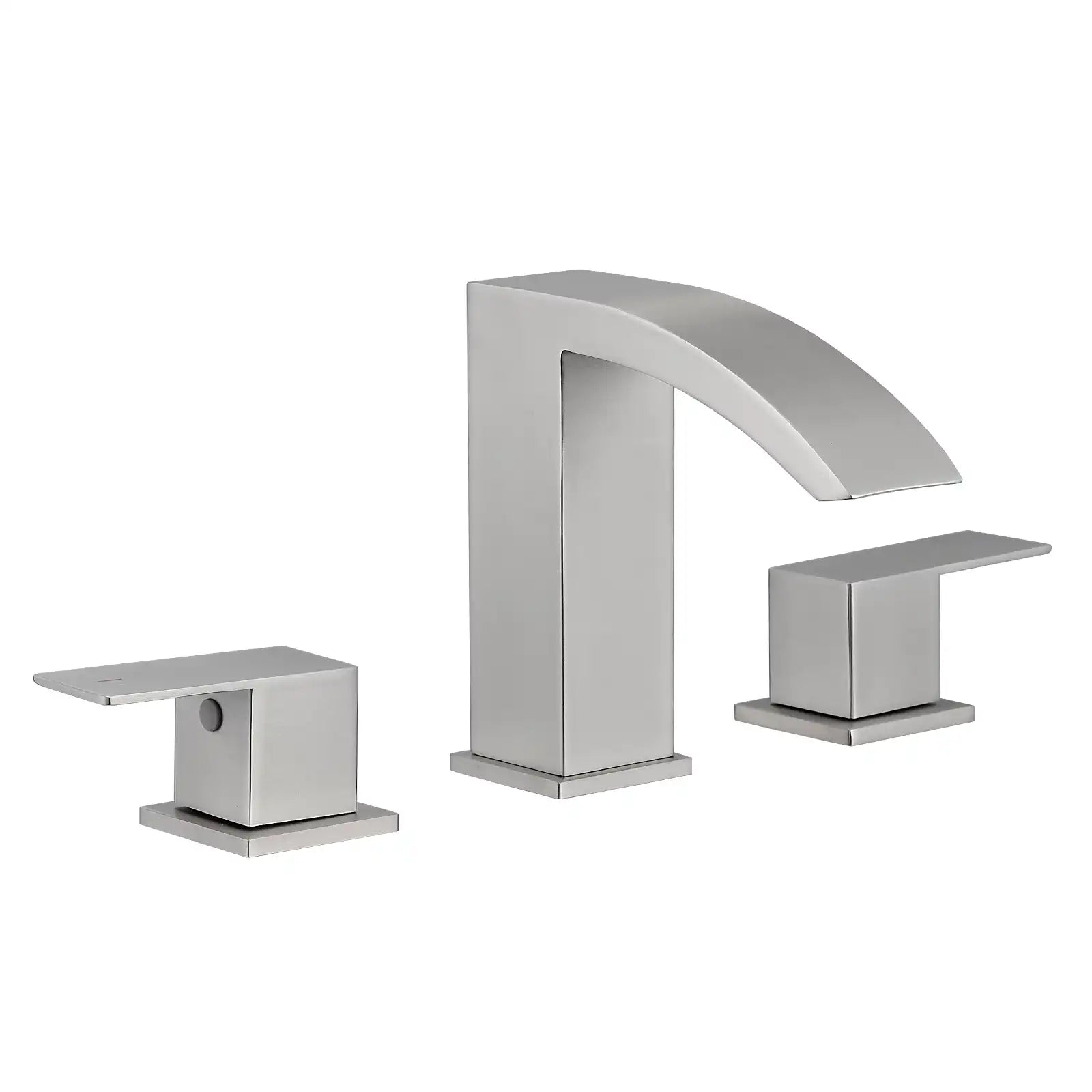
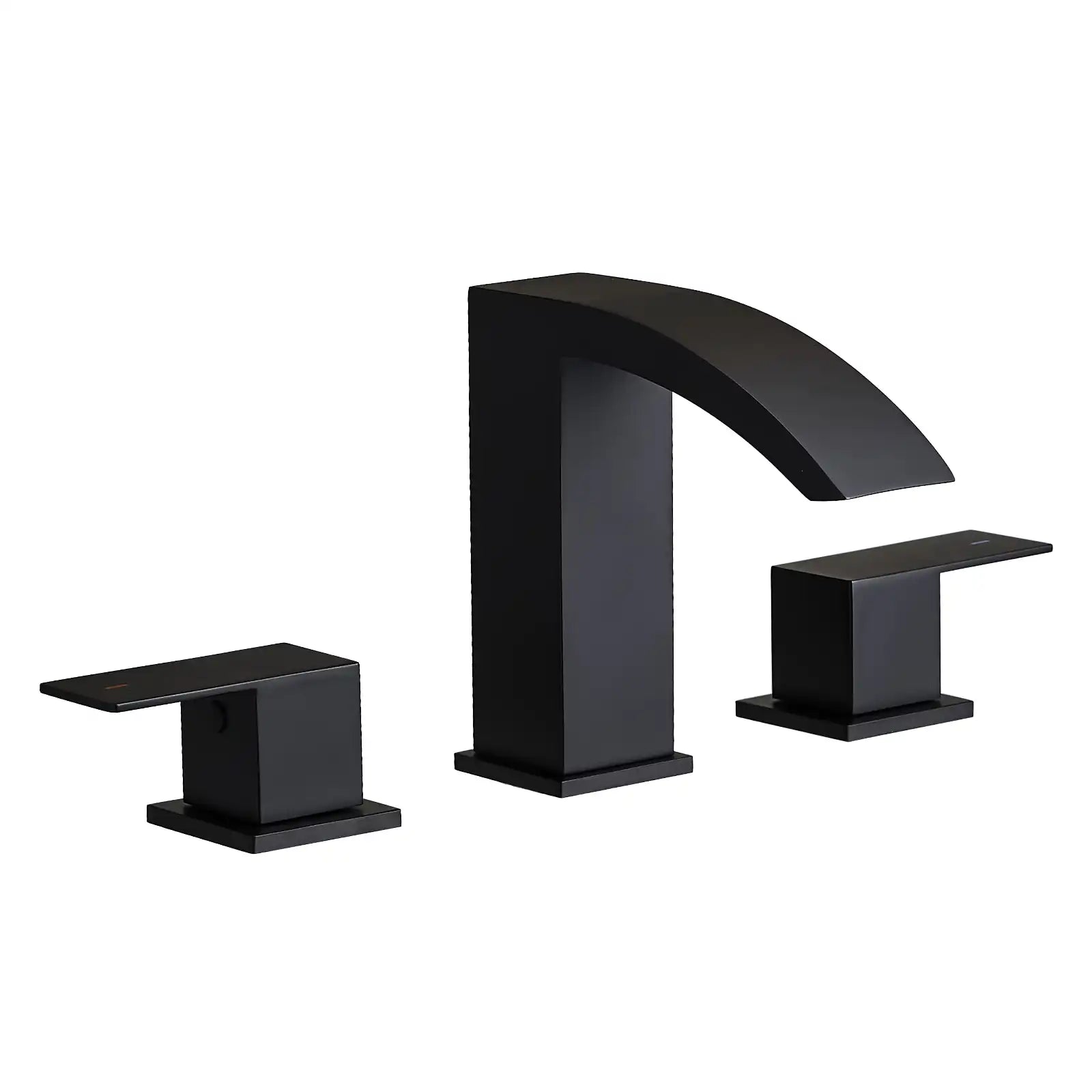
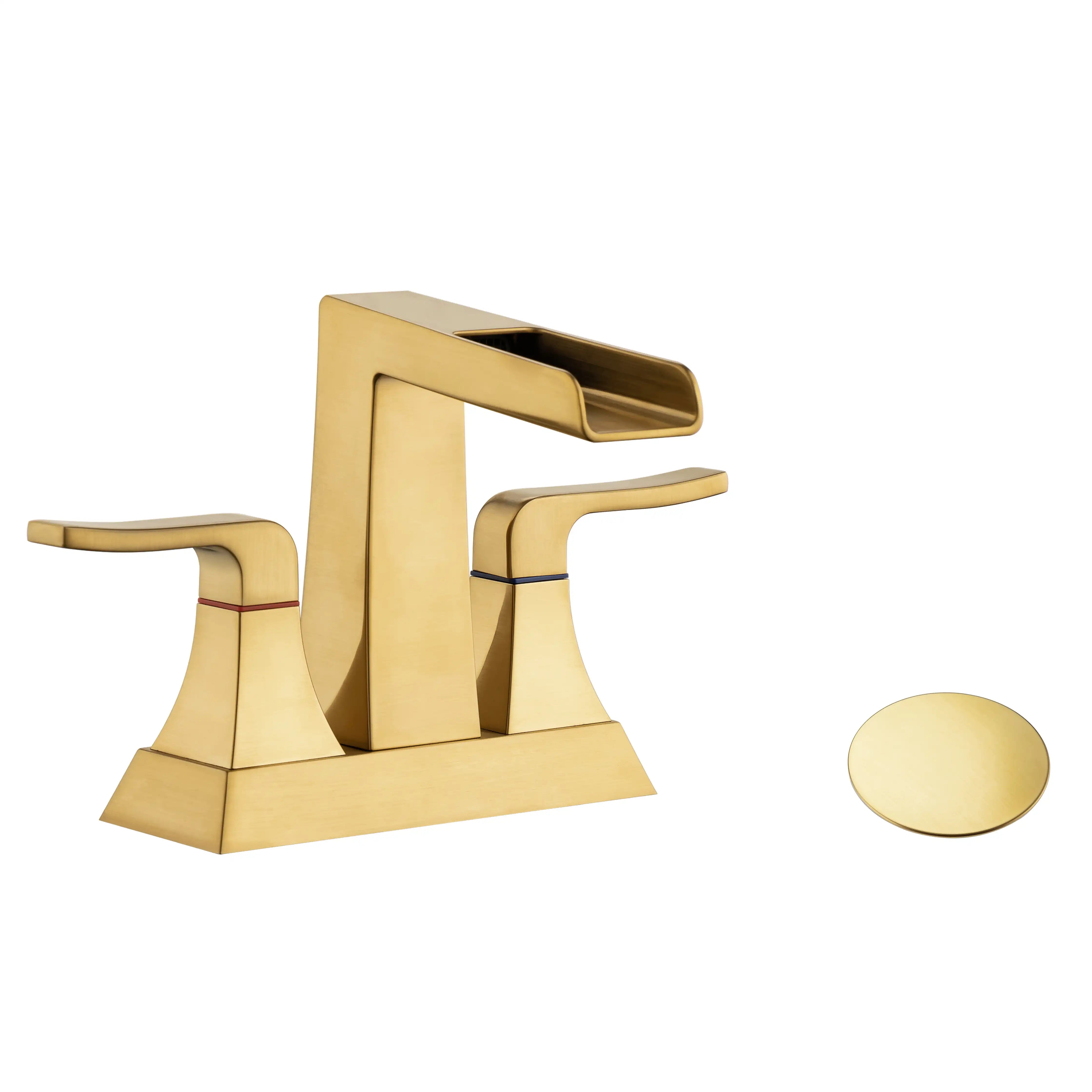
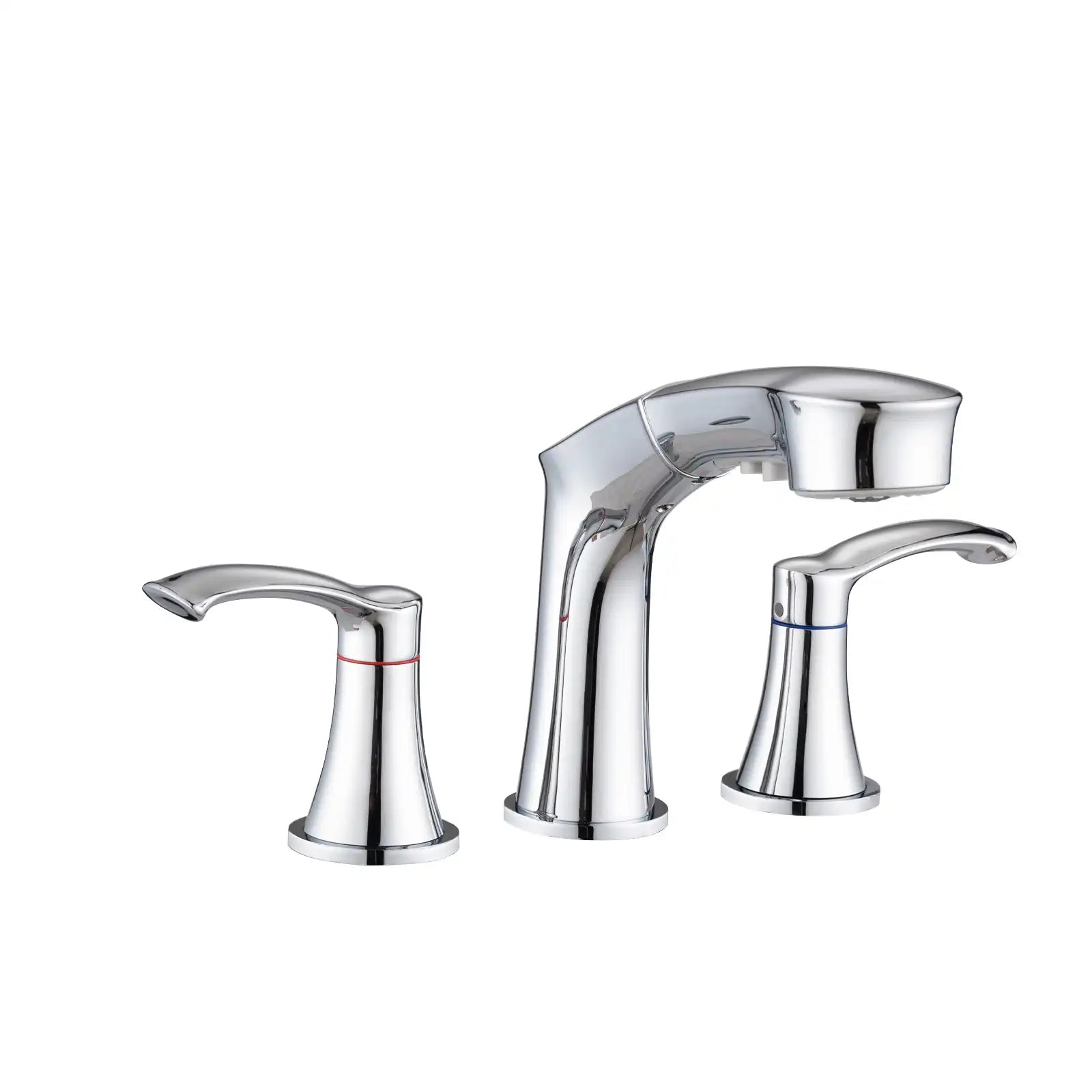
This method is especially beneficial for faucets with popular finishes—chrome, brushed nickel, matte black, or gold—where homeowners understandably want to avoid scratches.
How to Do It:
- Wrap a wide rubber band around the aerator, covering its outer surface completely.
- Press your fingers firmly into the banded area.
- Twist the aerator counterclockwise until it begins to loosen.
The rubber band acts as a protective cushion while enhancing grip, making it far easier to remove the aerator without slipping.
Why This Method Works Well
- Adds traction to smooth or slippery finishes
- Protects the metal from scratches
- Perfect for homeowners who prefer a tool-free approach
- Works even if the aerator is slightly mineral-bound
This technique is often enough on faucets that haven't been cleaned recently but aren't heavily corroded.
Method 2: Cloth-Protected Pliers
If hand force and a rubber grip still don't do the job, the next option is using pliers—but very carefully. Pliers provide the torque needed for stubborn aerators, yet they must be used with protection to avoid leaving permanent marks on your faucet.
How to Use Them Correctly:
- Fold a soft microfiber cloth, dish towel, or piece of old t-shirt around the aerator housing.
- Position a pair of standard or adjustable pliers over the wrapped aerator.
- Apply gentle, steady pressure—not a crushing grip.
- Turn the aerator counterclockwise.
As soon as you feel the aerator begin to release, switch back to using your hand to finish the process. This prevents excessive pressure on the housing, which could warp the threads or ovalize the metal.
Important Safety Notes
- Do not squeeze the pliers too hard—over-tightening can deform the aerator.
- Never use pliers without a buffer cloth.
- If your faucet has a delicate plated finish (e.g., gold or polished brass), take extra care.
This method is effective for older aerators that have hardened deposits or haven't been removed for several years.

How to Remove a Stuck Faucet Aerator (Most Searched Scenario)
If none of the above methods work, you're dealing with a truly stuck aerator—a very common issue in homes with hard water or in faucets that haven't been maintained in years. Mineral buildup can create a near "cemented" seal between the aerator and the faucet threads.
The following homeowner-friendly techniques are specifically designed to loosen severe buildup without causing damage. These methods are among the most effective ways to restore an aerator that seems permanently jammed.
Method A: Vinegar Softening (Most Effective for Hard Water)
White vinegar is one of the safest, most powerful tools for breaking down mineral accumulation. It works particularly well for faucets in areas with high calcium and magnesium content—conditions typical across much of the western United States.
How to Do It:
- Soak a cloth, cotton pad, or paper towel in plain white vinegar.
- Wrap it tightly around the aerator so the metal stays saturated.
- Let it sit for 20–30 minutes (or up to an hour for heavy buildup).
- Remove the cloth and try twisting the aerator again—preferably with a rubber grip for added traction.
The vinegar will dissolve mineral deposits that bind the threads, often restoring your ability to loosen the aerator with minimal effort.
Why Homeowners Love This Method
- Non-toxic and safe around pets and kids
- No special tools required
- Won't damage metal, rubber, or finishes
- Works surprisingly well even on older faucets
This is often the method that finally releases a stubborn aerator after years of buildup.
Method B: Warm Compress
If mineral buildup is not severe, heat can be an effective loosening agent. When metal slightly expands, microscopic cracks form in the hardened deposits, making it easier to turn the aerator.
Steps:
- Run a towel under very hot water (or microwave a damp towel for 10–15 seconds.
- Press the towel directly against the aerator for 5–10 minutes.
- Try loosening the aerator again with your hand or rubber grip.
Why This Works
- Gentle heat helps break mineral adhesion
- Safer than using a hairdryer or heat gun (which can damage faucet finishes)
- Ideal for moderate buildup
This technique pairs well with vinegar soaking—try heat after vinegar for a compounded effect.
Method C: Penetrating Oil (Last Resort)
If all other methods fail, penetrating oil can help dissolve corrosion, lubricate threads, and release severe binding. It's powerful, but should be used cautiously.
How to Apply Safely:
- Spray a very small amount of penetrating oil (like WD-40) around the junction where the aerator meets the faucet.
- Allow it to sit for 5–10 minutes.
- Wipe away excess oil.
- Attempt removal with cloth-protected pliers.
Important Precautions
- Avoid contact with rubber o-rings and seals—penetrating oil can degrade them over time.
- Clean the faucet thoroughly afterward—oil residue can affect water quality.
- Use sparingly, as this is meant only for severe cases.
This method is usually enough to free even long-stuck aerators, especially on older faucets with corrosion around the threads.
How to Remove a Hidden Faucet Aerator (Clean, Expanded, Not Wordy)
Hidden (or recessed/cache) aerators are common in modern faucets because they create a smooth, minimalist look. Unlike standard aerators, you won't see a metal cap you can twist by hand—everything is tucked inside the faucet spout. Removing them is still straightforward, you just need the correct tool and a quick understanding of how the mechanism works.
1. Confirm You Have a Hidden Aerator
You likely have a hidden aerator if:
- The faucet tip looks flat and seamless
- There are no visible ridges to grip
- Water exits from a small circular screen flush with the spout
- You see tiny inner notches when shining a flashlight inside
2. Get the Right Tool: a Hidden Aerator Key
A hidden aerator key is a small plastic or metal tool that locks into the internal grooves of the aerator.
It usually comes in a few common sizes, so a universal multi-size set is the safest choice.
Where to get it:
- Home Depot / Lowe's
- Local hardware stores
- Online (very inexpensive)
If your faucet originally came with a small round plastic tool, that was the key—most people toss it without knowing what it is.
3. Remove the Aerator in Three Simple Steps
Step A — Align the Key
Press the key into the faucet tip and rotate it slightly until its "teeth" lock into the grooves inside.
A correct fit will feel secure, not wobbly.
Step B — Twist Counterclockwise
Turn the key to the left.
Hidden aerators typically loosen smoothly unless they're affected by mineral buildup.
Step C — Pull the Aerator Out
Once unthreaded, gently pull the aerator straight out.
It may sit slightly recessed, so you might need to hook your fingertip around the tool to assist.
4. If the Hidden Aerator Is Stuck
Because many Western states have hard water, recessed aerators can bind more firmly than standard ones.
Try these safe fixes:
- White vinegar wrap (20 minutes): softens mineral buildup
- Warm compress: helps expand the faucet metal slightly
- Switch to a metal key: provides better grip than plastic
5. Why Removing a Hidden Aerator Matters
Even though hidden aerators look built-in, they need the same maintenance as exposed ones:
- Restores proper water pressure
- Clears sediment and hard-water deposits
- Corrects uneven or sideways spray patterns
- Allows you to upgrade to a different flow style
- Helps extend the lifespan of your faucet
For homeowners doing small bathroom upgrades, this is one of the easiest DIY fixes that makes a noticeable difference in daily use.

FAQ: How to Remove a Faucet Aerator (Homeowner-Friendly Guide)
1. What is the easiest way for a homeowner to remove a faucet aerator?
2. How do I remove a hidden or recessed faucet aerator without scratching the faucet?
3. What should I do if my faucet aerator is stuck and won't budge?
4. Why is my water pressure low, and will removing the aerator help?
5. How often should I clean or remove my faucet aerator?
6. Can removing a faucet aerator improve water clarity or taste?
7. Do I need special tools to remove a faucet aerator?
8. What if I damage the aerator while trying to remove it?
9. How do I reinstall the faucet aerator correctly?
10. Should I replace the aerator during a faucet or bathroom upgrade?
Conclusion
Learning how to remove a faucet aerator is one of those small but impactful homeowner skills that pays off immediately. Whether you're troubleshooting low water pressure, refreshing your bathroom fixtures, or simply keeping up with routine maintenance, a clean and properly functioning aerator makes daily tasks smoother and more efficient. For many West Coast homeowners dealing with hard water, this simple step can restore performance without the cost of a plumber or the frustration of living with inconsistent water flow.
Most importantly, knowing how to remove, clean, or replace your aerator empowers you to take better care of your faucet long-term—protecting your investment and improving your everyday experience at the sink. And as you continue upgrading your bathroom for better durability, comfort, and modern simplicity, maintaining these smaller components ensures the rest of your space performs just as beautifully as it looks.
If you're planning a larger bathroom update or looking for fixtures designed to last, we're always here to help you find options that fit your home, your style, and your budget.
Related Articles
Looking to continue your bathroom upgrade or improve everyday water performance? Here are a few related guides that can help you tackle your next project with confidence.
- "Shower Glass Panel Half Wall vs. Full Glass: Which One Will Change Your Life?"
- "Are Walk-In Tubs Worth It for Seniors? Benefits, Drawbacks, and Practical Alternatives"
- "A Complete Guide to Mirror Installation: Tools, Methods, and Expert Tips for a Perfect Result"
- "Customize Your Shower Experience: The Versatility of Full Body Shower Systems"
- "Hinged Shower Door vs Pivot: The In-Depth Guide You Actually Need (2025)"
- "Replace Medicine Cabinet with Mirror: Pros and Cons You Should Know"
- "What is a Semi-Frameless Shower Door? Benefits, Types & Buying Guide"
- "Why Your Next Bathroom Upgrade Needs a 3-Way Shower System (and How It'll Totally Change Your Mornings)"
- "Why a Tri Fold Shower Door Might Be the Best Thing to Happen to Your Bathroom"
- "How to Choose the Best Soaking Bathtub for Your Home: A Relaxing Dive into Comfort, Style, and Practicality"