

Table of Contents
- What Makes a Shower Head the "Best" for Your Home?
- Understanding Water Pressure: Why It Matters More Than You Think
- Types of Shower Heads (And Who They're Best For)
- The Features That Actually Matter in 2026
- Water Efficiency and Environmental Impact
- DIY Installation or Hire a Professional?
- Maintenance: How to Keep Your Shower Head Performing Like New
- The Best All-Around Shower Head for Most Homes in 2026
- FAQ: Choosing the Best Shower Head for Your Home
- Conclusion
- Related Articles
If you're in the middle of a bathroom refresh or planning a small renovation, upgrading your shower head is one of the simplest—and most satisfying—changes you can make. But not every shower head performs the same way once it's installed in a real home, especially if you're dealing with aging plumbing, variable water pressure, or stricter water-flow regulations.
Over the years working with homeowners, I've learned that choosing the best shower head isn't just about picking the most expensive or the most stylish one. It's about finding the fixture that fits your home's water pressure, your daily routine, your family's needs, and your long-term expectations for durability and value.
This guide will walk you through exactly what to look for in 2026—so you can choose a shower head that feels great, lasts for years, and truly improves your bathroom experience.

What Makes a Shower Head the "Best" for Your Home?
Before comparing brands or finishes, ask yourself three simple questions. They will determine 80% of your purchasing decision.
1. What's your household water pressure?
Most homes fall within these ranges:
- Below 40 PSI → low pressure
- 40–60 PSI → standard
- 60+ PSI → strong and consistent
If your water pressure is on the lower end, you'll want a shower head specifically engineered for high-pressure performance.
2. What flow-rate limit applies to your area?
Some states and municipalities limit shower heads to 1.8 GPM to conserve water.
Others still allow 2.0–2.5 GPM.
The "best shower head" for you depends on what flow rate is permitted—and how smart the nozzle design is at maximizing that flow.
Understanding Water Pressure: Why It Matters More Than You Think
Many homeowners blame the shower head when the real issue is plumbing.
Common causes of low pressure include:
- mineral buildup inside pipes
- aging or narrow pipe diameter
- partially closed valves
- small leaks reducing system pressure
- worn-out pressure regulators
A quick 10-minute inspection can often diagnose the issue before you buy anything.
Types of Shower Heads (And Who They're Best For)
Here's a practical breakdown—so you can match the shower head type to your home and lifestyle.
Fixed Shower Head
A fixed shower head is one of the most dependable and straightforward choices for homeowners who want consistent daily performance. If you’re searching for the best shower head for strong, reliable spray without extra complexity, fixed models deliver excellent value and long-term durability.

| Pros | Cons |
|---|---|
|
|
Handheld Shower Head
A handheld shower head offers unmatched versatility, making it one of the best shower head types for families, older adults, and anyone who wants more control over their shower routine. Its detachable design adds convenience for bathing kids, rinsing pets, and keeping the shower clean.

| Pros | Cons |
|---|---|
|
|
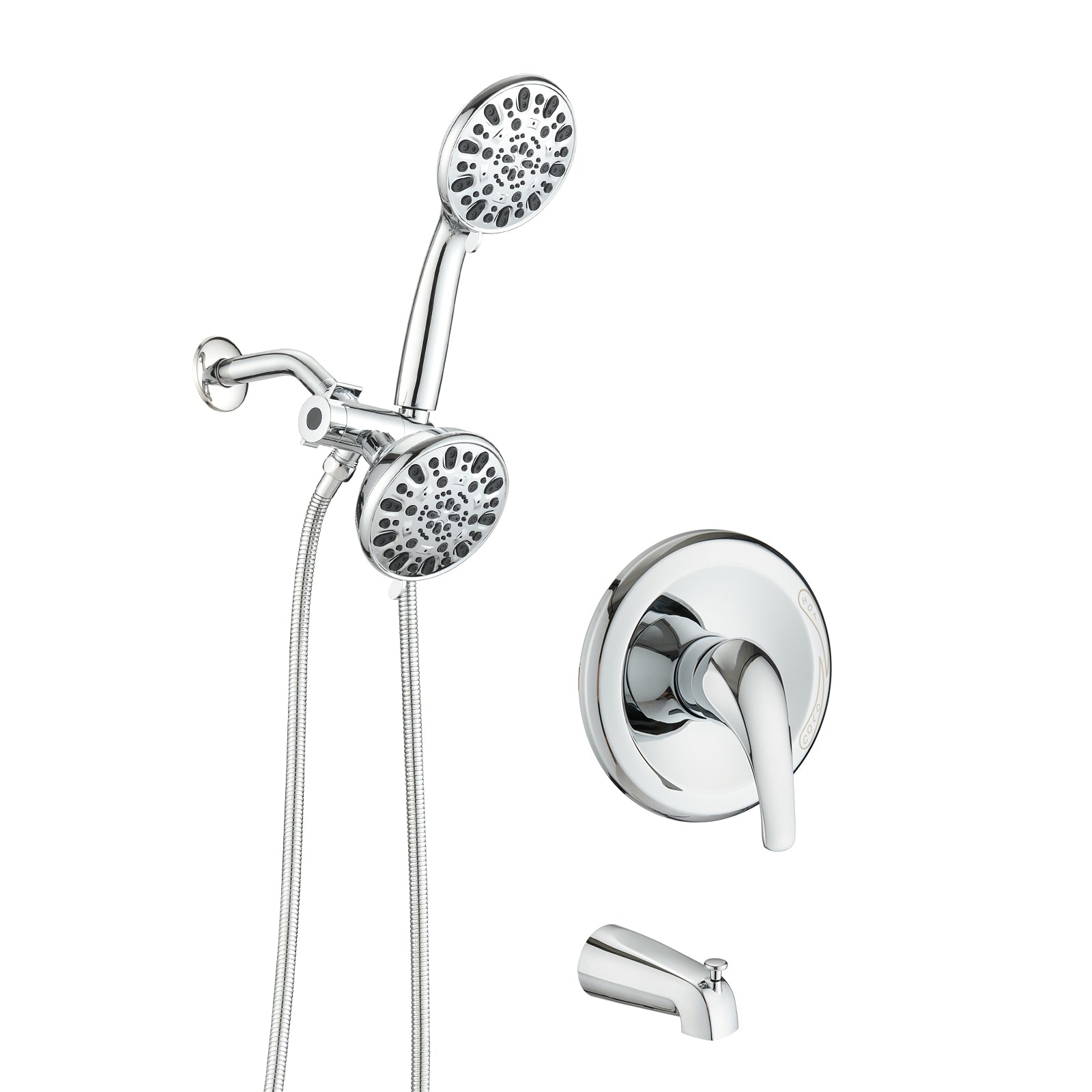
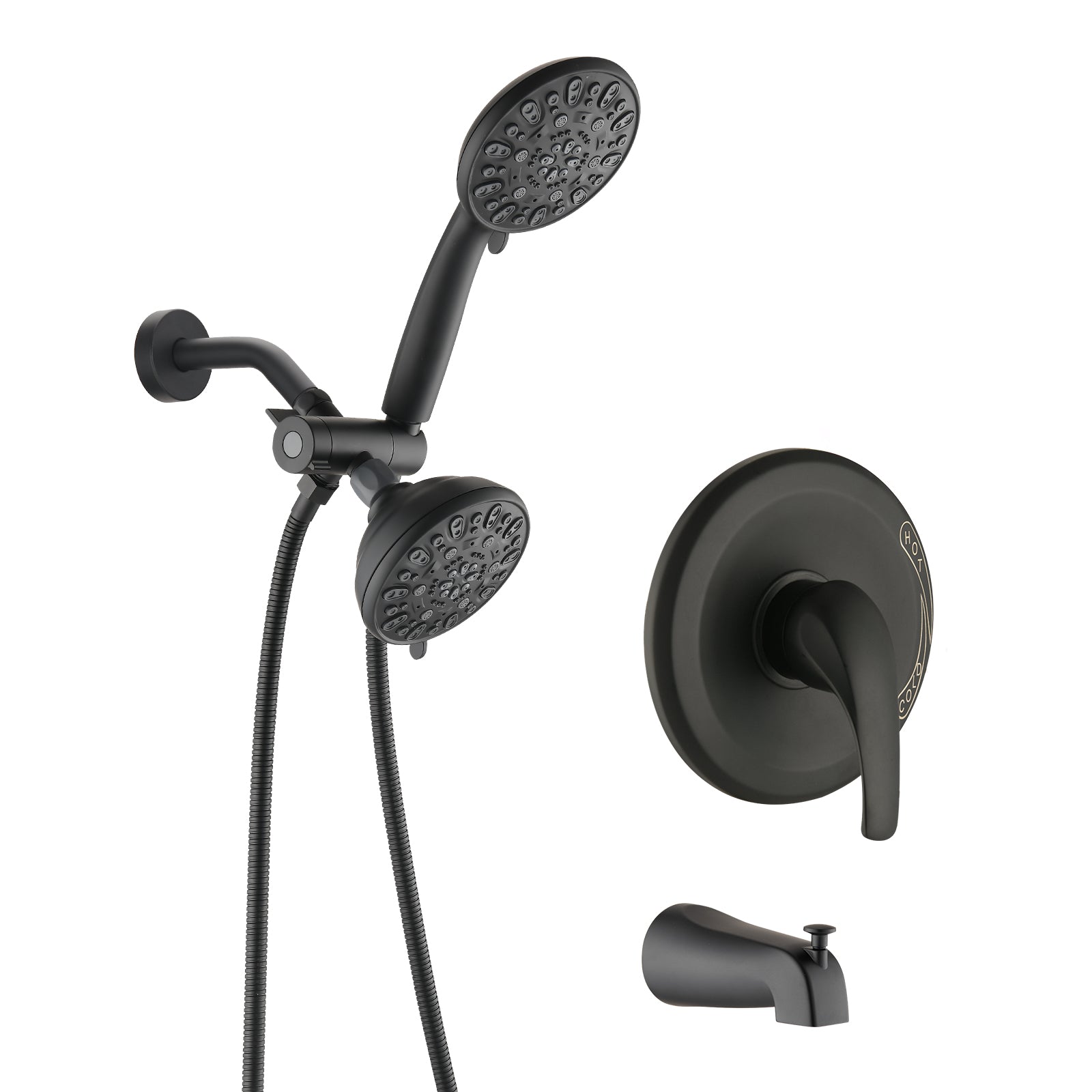
Dual Shower Head
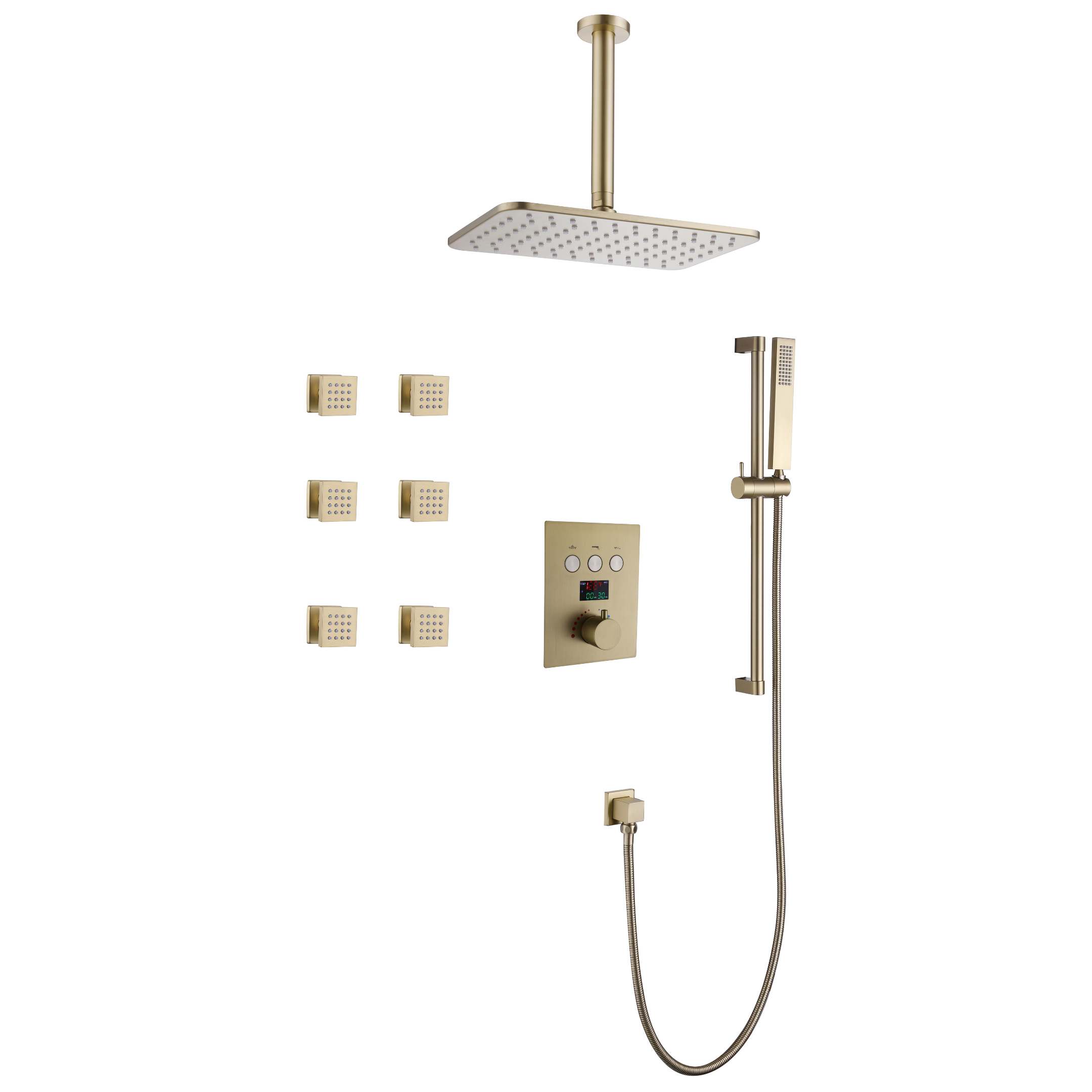
A dual shower head combines a fixed head with a handheld unit, giving you two experiences in one. For homeowners who want the best shower head for both comfort and practicality, dual systems offer the widest range of spray options and the strongest improvement in overall bathroom usability.

| Pros | Cons |
|---|---|
|
|
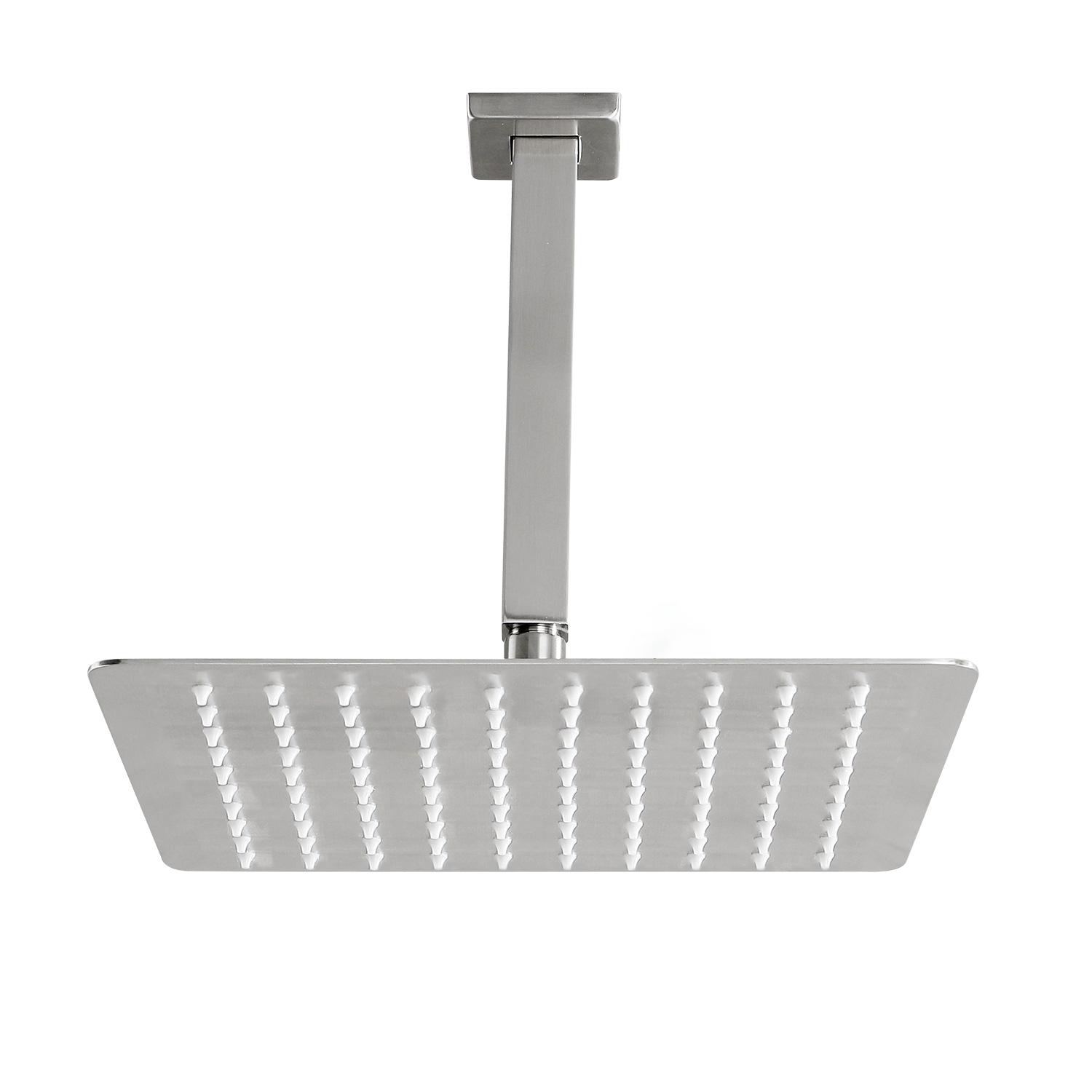
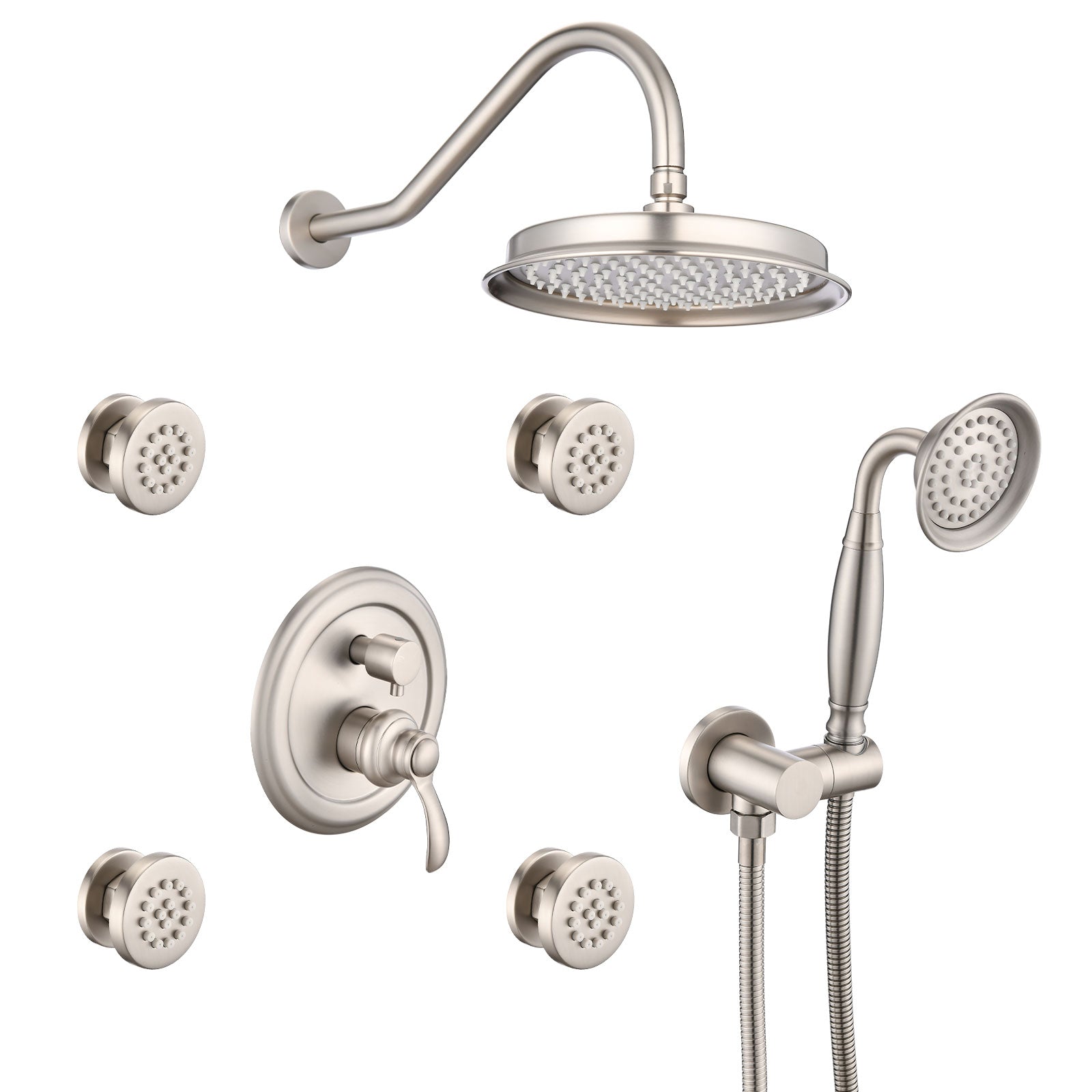
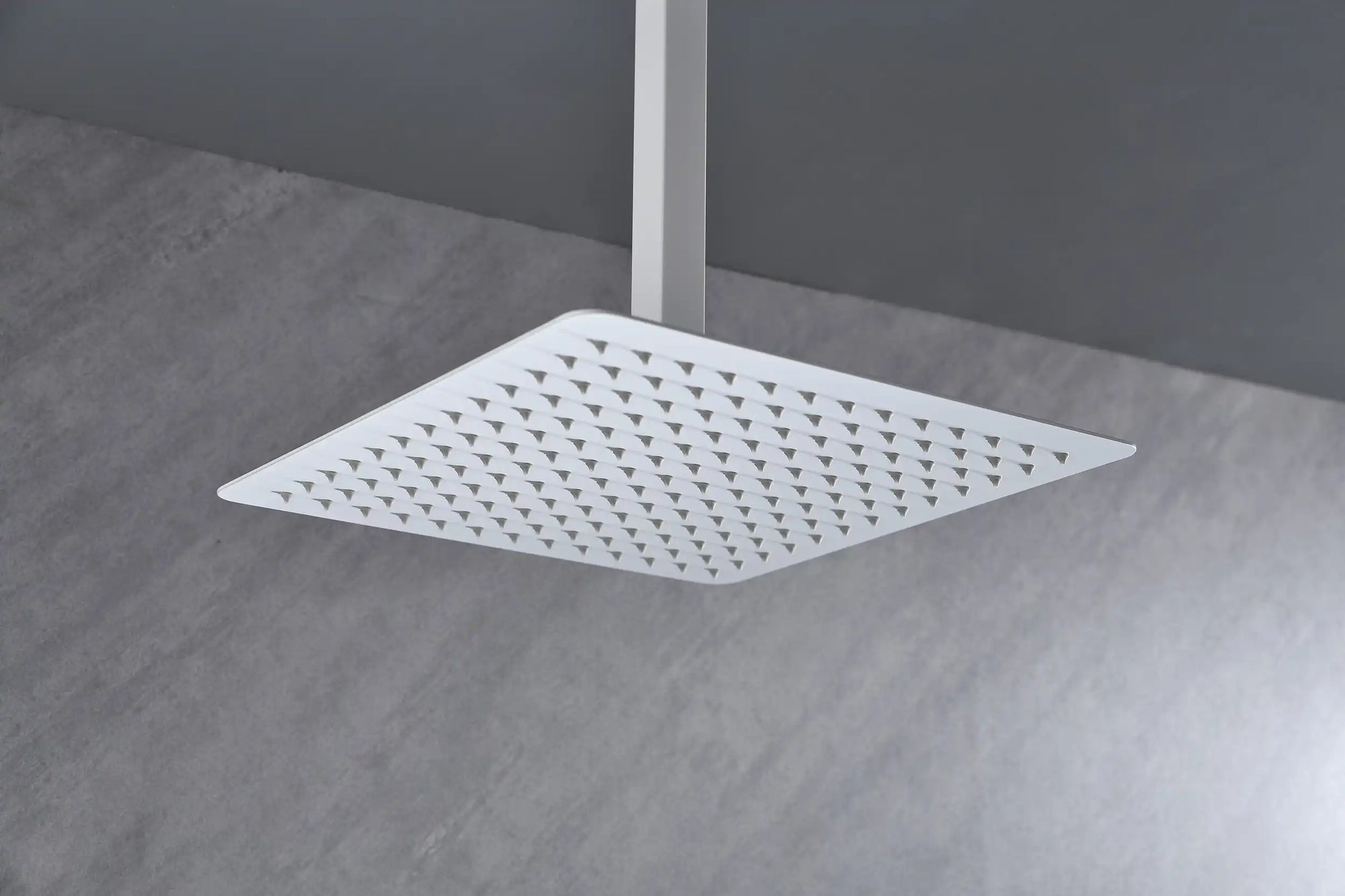
Rain Shower Head
Rain shower heads create a gentle, relaxing rainfall effect that transforms your daily shower into a calming ritual. While not always the strongest spray option, many homeowners still consider them among the best shower head styles for comfort-driven bathroom upgrades.

| Pros | Cons |
|---|---|
|
|
The Features That Actually Matter in 2026
When you're trying to choose the best shower head, the number of options, marketing claims, and product descriptions can feel overwhelming. But the truth is, only a few features meaningfully impact your actual day-to-day experience—and how well your shower head performs over the next 5 to 10 years.
Below are the key features that truly matter, along with practical guidance on how to evaluate them as a homeowner.
1. High-Pressure Nozzle Engineering
Water pressure is only part of the equation. In 2026, the real differentiator between an underwhelming shower and a satisfying, full-body spray is nozzle engineering.
Why nozzle design is more important than ever:
- Many states now limit shower heads to 1.8 GPM, making smart nozzle geometry essential.
- Precision-designed nozzles can accelerate water velocity even when flow volume is restricted.
- Advanced air-induction systems pull air into the water stream, creating a fuller, more powerful spray pattern.
Technologies to look for in today's best shower heads:
- Air-induction / oxygen infusion systems – mixes water with air to increase coverage and "fullness"
- Pressure-boosting channels – narrow internal passages that increase water velocity
- Self-cleaning silicone nozzles – prevent clogging from hard water
- Multi-zone spray plates – create different pressure zones for rinsing, massaging, or gentle flow
What this means for real homes:
Even if your home has low PSI, a well-engineered shower head can dramatically improve the feel of the water. Conversely, a cheaply made 2.5 GPM unit may still feel weak.
Choosing the best shower head today means prioritizing intelligent engineering—not just the highest flow rate.
2. Durable Materials (Stainless Steel & Brass)
Longevity matters, especially for homeowners looking to minimize repairs and replacements. Durability is directly influenced by the material your shower head is made of.
Why Western households should pay extra attention:
Hard water is extremely common in many parts of the U.S., and minerals like calcium and magnesium can quickly damage low-quality shower heads. Over time, this leads to:
- clogged nozzles
- reduced spray performance
- discoloration
- cracking or leaking components
Recommended materials for long-term reliability:
304/316 Stainless Steel
- Corrosion-resistant
- Excellent for hard water areas
- Strong exterior, long-lasting finish
Solid Brass
- The most durable material for plumbing fixtures
- Ideal for premium bathrooms or long-term residences
- Resists internal corrosion better than steel or plastic
What to avoid:
Thin or chrome-plated plastic — often used in budget models. These may look fine at first but tend to:
- develop hairline cracks
- lose finish quickly
- warp under high heat
- clog more easily
Why material matters for the best shower head:
You're not just buying a fixture—you're investing in how your shower will perform every single day. High-quality materials protect that investment for years.
3. Flow Rate: Understanding 1.8 GPM vs. 2.5 GPM
Flow rate regulations heavily influence what your shower can deliver, but flow rate is only one part of spray performance.
Key concepts to understand:
- GPM controls the volume of water, not the strength of the spray.
- PSI controls the pressure, but only up to what the nozzles can efficiently use.
- Nozzle engineering determines feel, which is what most homeowners care about most.
How each flow rate generally feels:
1.8 GPM
- Required in several states
- More environmentally friendly
- Can still feel powerful with the right spray design
2.0 GPM
- Middle ground between comfort and conservation
- Becoming more common in 2026
2.5 GPM
- Delivers the strongest, fullest spray
- Best for large rain showers or wide coverage patterns
Don't make this mistake:
Many shoppers assume "higher GPM = better shower.” But a poorly engineered 2.5 GPM head may still feel weak, while the best shower head at 1.8 GPM can feel surprisingly strong and satisfying.
If you live in an area with strict water limits, look for air-induction or pressure-boosting systems—not just a flow rating.
4. Safety & User Comfort
Modern bathrooms aren't just about style—they're about comfort, accessibility, and long-term usability. For many homeowners planning to enjoy their space for years to come, these features aren't luxuries; they're practical essentials that make daily routines safer, easier, and more enjoyable.
Key safety features to consider:
Anti-scald technology
Prevents sudden temperature spikes when someone flushes a toilet or runs a faucet elsewhere in the home.
Slip-resistant handheld grips
Particularly useful for older adults or anyone with reduced hand strength.
Secure docking systems
Magnetic or click-in systems ensure handheld units don't fall and damage tile—or injure someone.
Comfort features that make daily life easier:
- Wider spray patterns to ease muscle tension
- Massage modes for shoulders and neck
- Soft, silicone nozzles that won't scratch if they need cleaning
- Angled spray plates for taller or shorter users
Why these features matter for the best shower head:
Showers are daily rituals. Comfort and safety enhance not only your shower experience but your home's long-term functionality—especially if you're planning to age in place.
Water Efficiency and Environmental Impact
Water efficiency has become an important consideration for many homeowners, not only from an environmental standpoint but also because it has a direct impact on monthly utility costs and long-term home maintenance. Modern shower heads, especially those carrying WaterSense certification, are designed to deliver a comfortable, satisfying shower experience while significantly reducing water use. A well-engineered low-flow model can save thousands of gallons of water per year and lower the amount of energy required to heat that water, which means noticeable savings on both water and energy bills over time. The best shower head today strikes a balance between environmental responsibility and everyday comfort—using smart nozzle design and efficient flow technology to ensure that even a reduced-flow shower still feels full, refreshing, and enjoyable. Rather than sacrificing performance for conservation, newer designs allow homeowners to have both, making water-efficient shower heads an increasingly practical choice for modern bathrooms.

DIY Installation or Hire a Professional?
The good news: most shower heads today are extremely DIY-friendly.
DIY is usually enough if:
- you're replacing an existing head
- the shower arm is in good condition
- you have basic tools
Installation typically takes 10–15 minutes.
Hire a plumber if:
- you want a ceiling-mounted rain head
- there may be internal leaks
- your shower arm or plumbing is outdated
Either way, a new shower head is one of the highest ROI upgrades you can make.
Maintenance: How to Keep Your Shower Head Performing Like New
Hard water is common in many areas, so maintenance is key.
Monthly: soak in vinegar to remove mineral buildup
Every 6 months: replace any built-in filter screens
Annually:
- check for slow leaks
- inspect spray consistency
With proper care, a quality shower head should last 5–10 years.
The Best All-Around Shower Head for Most Homes in 2026
Based on typical water pressure, modern design preferences, and everyday practicality, the best overall choice for most homeowners is:
A dual shower head system featuring:
- high-pressure spray technology
- 1.8–2.0 GPM flow rate
- durable brass or stainless steel construction
- a rain-style fixed head + a versatile handheld
- a modern finish like brushed nickel or matte black
This combination gives you:
- Comfort
- Strong, reliable pressure
- Flexibility for daily life
- Long-term durability
- Increased home value
FAQ: Choosing the Best Shower Head for Your Home
How do I know which shower head is truly the best for my bathroom?
What is the best shower head if my home has low water pressure?
Can a 1.8 GPM shower head still provide a strong and satisfying shower?
What type of shower head is best for families with kids or pets?
Which shower head material is the most durable?
Is a rain shower head a good choice for everyday use?
Will upgrading my shower head improve my home’s value?
How difficult is it to install a new shower head myself?
How do I maintain my shower head so it keeps performing well?
What is the most versatile shower head if I want strong pressure and convenience?
Conclusion
Choosing the best shower head for your home ultimately comes down to understanding how you live, what your bathroom needs, and how your water system performs. With the right combination of nozzle engineering, durable materials, and a spray style that matches your daily routine, even a small upgrade can transform the way your bathroom feels and functions. Whether you prefer the simplicity of a fixed head, the flexibility of a handheld, the dual convenience of a two-in-one system, or the calming experience of a rain shower, the key is selecting a model that brings comfort, efficiency, and long-term value to your space. A well-chosen shower head isn't just a fixture—it's an everyday investment in a better, more enjoyable home. If you're planning a bathroom refresh, this is one of the easiest and most rewarding places to start.
Related Articles
Looking for more guidance to support your bathroom upgrade? Explore these related articles for practical tips, product insights, and expert advice to help you plan your next step with confidence.
- "8 Bathroom Vanities for Narrow Bathrooms That Deliver Big Design"
- "How Wide Is a Sliding Glass Shower Door? A Complete Guide to Standard & Custom Sizes"
- "The Complete Homeowner's Guide to Different Types of Showers"
- "Hinged Shower Door vs Pivot: The In-Depth Guide You Actually Need (2026) "
- "How to Replace a Bathtub Faucet: Tools, Steps & Pro Tips"
- "Medicine Cabinet Organization Tips: How to Maximize Bathroom Space"
- "Why Sliding Frameless Glass Shower Doors Are the Upgrade Your Bathroom's Been Waiting For"
- "Framed or Fabulous? Choosing the Perfect Mirror Frame for Your Bathroom"
- "Choosing the Perfect Infant Bath Seat for Your Bathtub: A Parent's Guide to Safety, Comfort, and Convenience"
- "Adjustable Shower Heads vs. Traditional Models: 5 Surprising Ways Modern Technology Reduces Daily Stress"