

Table of Contents
- Why Bathroom Dimensions Matter So Much
- A Good Bathroom Layout Is About More Than "Fitting Everything In"
- Key Bathroom Dimensions to Know Before Renovating
- Bathroom Dimensions for Small Bathrooms
- Bathroom Dimensions for Primary Bathrooms
- Common Bathroom Layout Mistakes to Avoid
- FAQ
- Final Thoughts
- Related Articles
Planning a bathroom remodel is exciting, but it is also where many homeowners make expensive layout mistakes before the work even begins. Choosing beautiful tile, a stylish vanity, or upgraded fixtures is important, but the foundation of a bathroom that actually feels comfortable comes down to one thing: bathroom dimensions. When spacing is too tight, even a high-end renovation can feel inconvenient every single day. When dimensions are planned well, the room feels intuitive, balanced, and much more luxurious.
Whether you are updating a compact powder room, refreshing a family bathroom, or designing a spacious primary suite, understanding the right measurements ahead of time helps you avoid awkward clearances, blocked doors, crowded walkways, and poor fixture placement. Good proportions make the difference between a bathroom that merely looks finished and one that works beautifully for years.
This guide breaks down the most useful bathroom dimensions to know before renovating, from door widths and vanity sizing to toilet clearances, shower layouts, mirror placement, and towel storage. Keep these measurements handy while planning your layout, reviewing contractor drawings, or shopping for fixtures. They can help you create a bathroom that feels more functional, more comfortable, and more professionally designed from the start.
Why Bathroom Dimensions Matter So Much
Bathrooms are often some of the smallest rooms in the house, but they carry a surprisingly high level of daily use. In one room, you may need space for walking, opening doors and drawers, drying off, getting ready, storing supplies, and sharing the room with another person. That is why even a few inches can have a major impact on how the space performs.
The right bathroom dimensions improve flow, safety, and usability. They make it easier to stand comfortably at the vanity, move around the toilet without feeling boxed in, enter the shower without squeezing past a door, and reach towels, storage, and lighting where you actually need them. These details may seem small on paper, but they shape how the room feels every morning and night.
They also help protect your renovation budget. Many bathroom problems happen because homeowners fall in love with a vanity that is too deep, a tub that is too wide for the room, or a door swing that interferes with another fixture. Planning dimensions early reduces the risk of rework, change orders, and costly compromises later.
A Good Bathroom Layout Is About More Than "Fitting Everything In"
One of the biggest mistakes in remodeling is assuming that if everything technically fits, the layout must be good. In reality, a bathroom can meet the bare minimum and still feel cramped, unbalanced, or frustrating to use. A better approach is to plan for comfort, not just code minimums.
That means thinking about how the room functions in real life. Can someone open a vanity drawer while another person walks by? Is there enough room in front of the toilet so the space does not feel pinched? Will the shower door clear the vanity edge? Can towels be reached easily after stepping out of the tub or shower? These are the kinds of questions smart dimensions answer.
If you are renovating once, it is worth getting these details right. A well-proportioned bathroom usually feels cleaner, calmer, and more expensive, even if the materials are simple.
Key Bathroom Dimensions to Know Before Renovating
1) Door Width and Entry Clearance

The bathroom door is the first dimension many people overlook. A standard bathroom door is usually 28 to 32 inches wide, with 30 inches being a common choice for many homes. Smaller bathrooms sometimes use a 24-inch or 28-inch door, but wider openings generally feel more comfortable and accessible.
You also need to think about swing clearance. The door should open fully without hitting a vanity, toilet, towel bar, or shower glass. This sounds obvious, but it causes layout issues all the time in tight bathrooms.
If the room is very compact, a pocket door can be an excellent solution because it frees up valuable floor area. Outswing doors may also help in some layouts. The key is not just the door size itself, but how the entry interacts with everything around it.
2) Bathroom Walkway Clearance

Once you enter the room, you need enough open floor space to move naturally. A practical target for walkway clearance in front of fixtures is 30 to 36 inches, depending on the size of the room and what is opposite the fixture.
In smaller bathrooms, tighter dimensions may be unavoidable, but anything too narrow can make the room feel immediately cramped. If you have enough space, aiming toward the wider end often creates a more comfortable experience.
This is especially important in shared bathrooms where more than one person may be moving through the room at the same time.
3) Standard Vanity Height

A standard bathroom vanity height usually falls between 32 and 36 inches, with many modern vanities landing around 34 to 36 inches. Older homes often have lower vanities, but most homeowners prefer a slightly taller height today because it is more comfortable for adults.
For children's bathrooms, a lower vanity may seem practical, but many homeowners still choose a height around 34 inches for better long-term usability and resale appeal. Kids grow quickly, and a vanity that feels comfortable for adults tends to work well for guests and future owners too.
If you want a versatile target, 34 to 35 inches is often a strong middle ground for everyday comfort.
4) Standard Vanity Depth

A standard bathroom vanity depth is typically 20 to 21 inches, though some compact vanities are shallower. This is one of the most important bathroom dimensions for smaller spaces because vanity depth affects both storage and walkway clearance.
A deeper vanity may offer more countertop space and storage, but it can also make the room feel crowded fast. In narrow bathrooms, even reducing vanity depth by a few inches can dramatically improve circulation.
When choosing a vanity, do not evaluate the cabinet alone. Measure its impact on the full room, including how much standing space and passing space remain in front of it.
5) Clearance in Front of the Vanity

You should generally allow 30 to 36 inches of clear floor space in front of the vanity. This gives enough room to stand comfortably, open drawers or cabinet doors, and move around without feeling blocked.
If the vanity faces a shower enclosure, tub, or another fixture, this front clearance becomes even more important. A beautiful vanity is much less enjoyable if using it means constantly brushing against something behind you.
For better comfort, many homeowners prefer not to go below 30 inches in front of the vanity if possible.
6) Single Vanity Width

A single vanity can vary widely depending on the bathroom size, but many common widths fall between 24 and 48 inches. Powder rooms and small bathrooms often use 24-, 30-, or 36-inch vanities, while larger bathrooms may use a wider single-sink vanity for extra storage and counter space.
The right choice depends on the wall length, the sink size, and how much room you need around the vanity. A vanity that is too small can feel undersized and limit storage, while one that is too large can overwhelm the room.
A good rule is to leave enough breathing room on either side so the vanity feels intentional rather than crammed into place.
7) Double Vanity Dimensions

A standard double vanity is often 60 to 72 inches wide, though some start around 48 inches if the sinks are smaller and the layout is tight. For comfortable daily use, the sink centers are commonly spaced around 30 inches apart.
Double vanities are popular in primary bathrooms because they give each person their own area for getting ready, storing personal items, and sharing the room more efficiently. But they only work well when there is enough surrounding clearance.
If the room is narrow, a double vanity may technically fit but still leave the bathroom feeling too tight. In some cases, a spacious single vanity can function better than a squeezed-in double.
8) Toilet Side Clearance

Toilet placement is one of the most important bathroom dimensions in any layout. A common planning guideline is to allow at least 15 inches from the centerline of the toilet to any side wall, vanity, or obstruction. This means the toilet needs a minimum width of about 30 inches overall.
That minimum may be acceptable, but more space usually feels much better. Extra side clearance is especially valuable in family bathrooms and primary bathrooms where comfort matters more.
A toilet should never feel like it is wedged into a leftover corner. Even small improvements in spacing can make the room feel significantly more usable.
9) Toilet Front Clearance

In front of the toilet, plan for at least 24 inches, though 30 inches or more is a more comfortable target. This dimension affects whether the toilet area feels open or restrictive.
Tight front clearance often happens when a vanity is placed directly opposite the toilet in a narrow bathroom. If possible, adjust vanity depth, toilet position, or wall layout to avoid crowding this zone.
For homeowners designing a more comfortable or upscale bathroom, generous front clearance is one of those invisible improvements that pays off every day.
10) Shower Dimensions

A shower should be large enough to move comfortably, not just stand in place. A common minimum shower size is 30 by 30 inches, but many homeowners find that 36 by 36 inches or 36 by 48 inches feels much better for everyday use.
If you have the room, going larger can make the shower feel substantially more comfortable and more custom. Larger showers are also easier to clean, easier to enter, and better suited for features like benches, niches, and multiple fixtures.
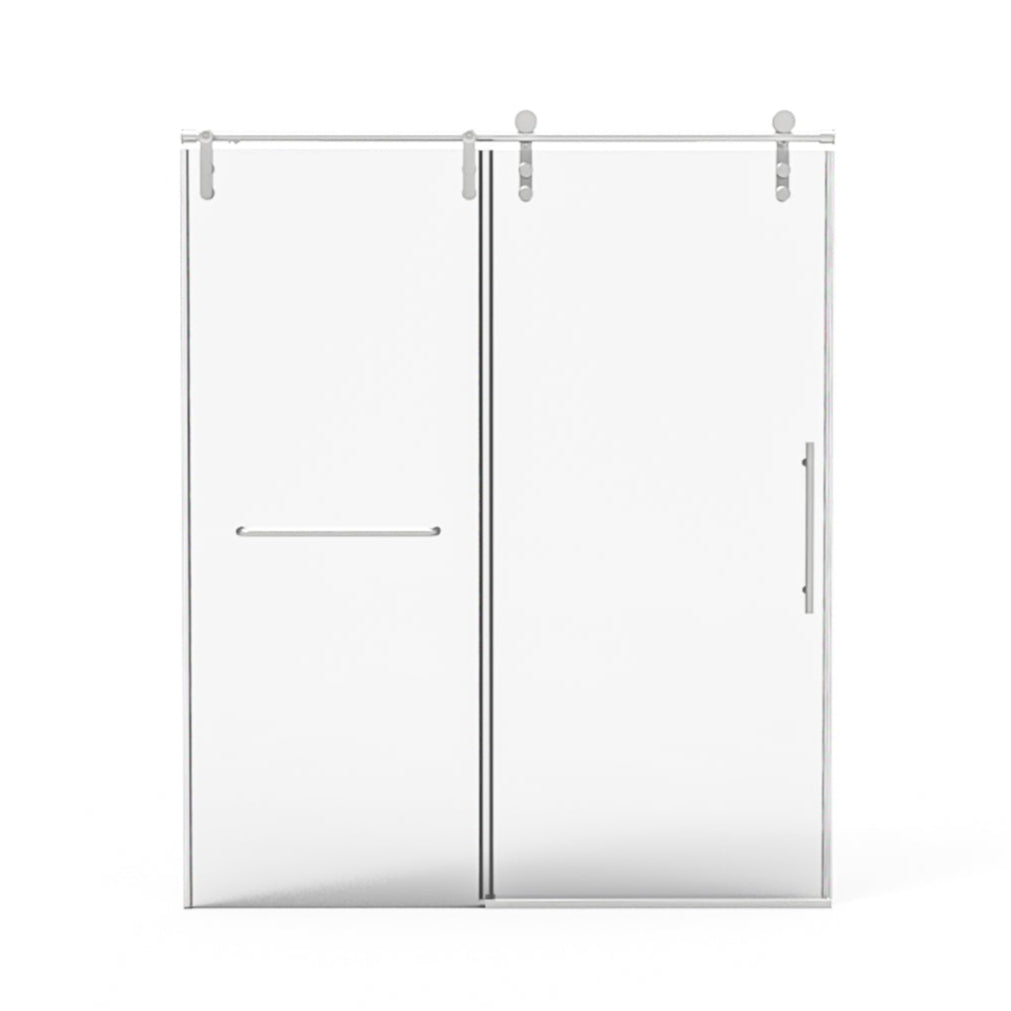
When evaluating shower size, think beyond the footprint alone. Consider door swing, glass placement, entry width, and whether the shower will feel open once tile, hardware, and storage are installed.
11) Walk-In Shower Comfort Zone

For a walk-in shower that feels truly comfortable, 36 by 48 inches is a strong benchmark, and larger sizes can feel even more luxurious. This gives better elbow room, easier turning space, and more flexibility for storage ledges or a bench.
In a shared or primary bath, it is often worth prioritizing shower space over oversized vanity depth or decorative extras. A well-sized shower adds daily comfort in a way homeowners notice immediately.
If your remodel includes aging-in-place considerations, additional shower space can also improve accessibility and long-term usability.
12) Shower Bench Height and Depth

If you are adding a built-in bench, a common height is 17 to 19 inches above the finished floor. This usually aligns well with comfortable sitting height for most adults.
Bench depth often falls around 15 inches, though it can vary based on shower size and intended use. Some benches are designed more for shaving legs or resting products than for fully seated comfort, so size should match purpose.
A bench can add both practicality and a more custom feel, but only if the shower is large enough to accommodate it without reducing standing space too much.
13) Shower Niche and Product Storage Height

A shower niche or ledge is one of the smartest features to plan in advance. A common placement is around 42 to 48 inches above the finished shower floor, though exact height depends on who will use the shower and the tile layout.
The best niche placement feels natural when reaching for shampoo and soap. It should also align cleanly with the tile design whenever possible, since that usually looks far more polished.
This is one of those bathroom details that blends function and design beautifully when planned early, and feels like an afterthought when added too late.
14) Bathtub Dimensions

A standard alcove bathtub is often around 60 inches long by 30 inches wide, which works well in many hall bathrooms and secondary bathrooms. This size is common because it fits efficiently into typical framing layouts.
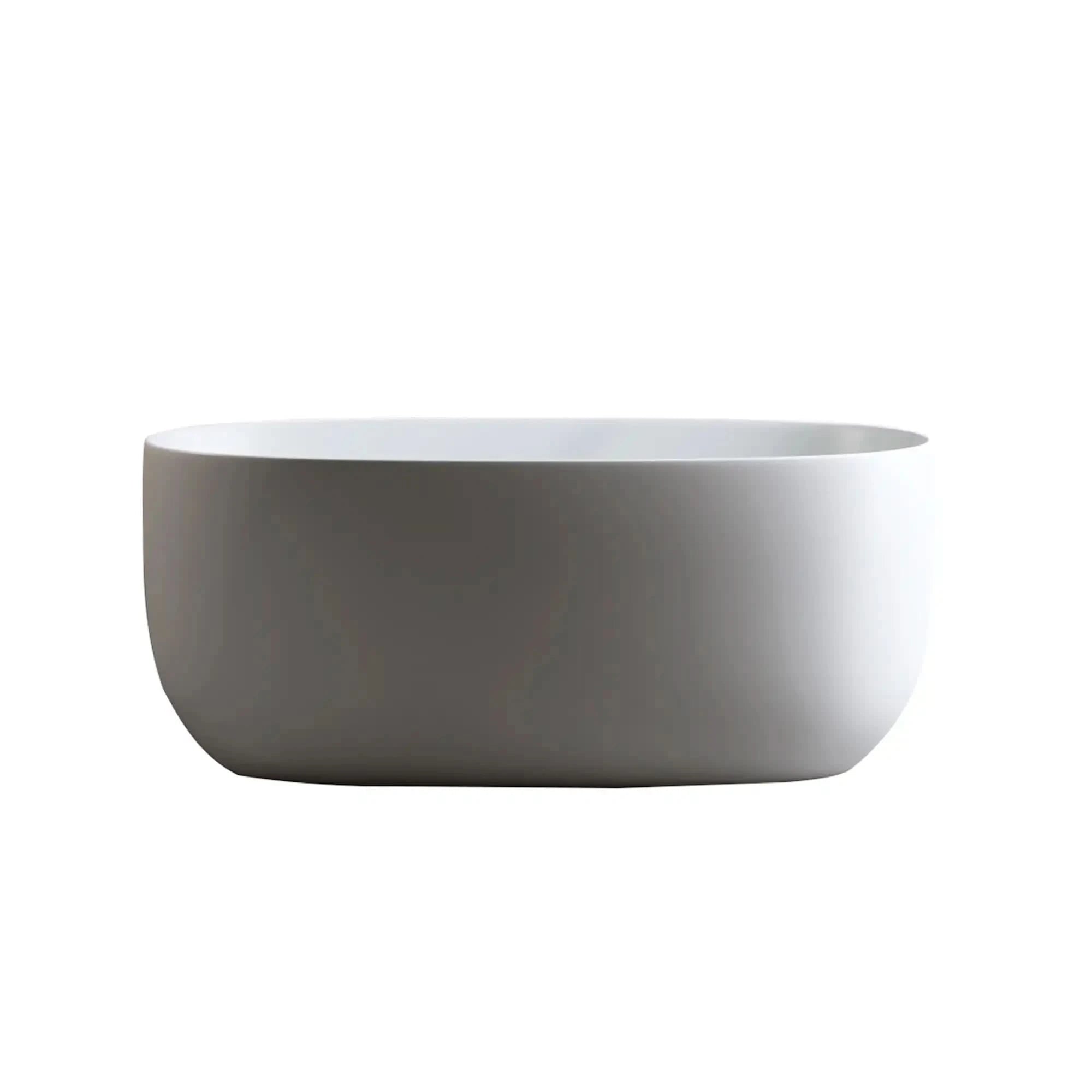
Freestanding tubs vary more in shape and scale, so they need careful planning. Many look elegant in product photos, but they can dominate a room quickly if the surrounding clearances are too tight.
Always measure the actual tub model, not just the category. Different silhouettes can affect how open the room feels.
15) Freestanding Tub Clearance

For a freestanding tub, allow at least 6 inches of clearance between the tub and surrounding walls or obstacles, though more is usually better. Extra breathing room makes the tub easier to clean around and helps it look intentional rather than squeezed into place.
If the bathroom is small, a freestanding tub may still work, but only if the surrounding dimensions remain functional. In many cases, an alcove or drop-in tub is the more practical choice for compact spaces.
A freestanding tub should feel like a feature, not like a compromise forced into the layout.
16) Mirror Placement

Mirror placement can have a huge impact on both function and visual balance. A common guideline is to hang the mirror 5 to 10 inches above the countertop or vanity backsplash, depending on faucet height, lighting, and overall scale.
Another common reference point is keeping the mirror around 60 to 65 inches above the finished floor, though this should be adjusted based on user height and the size of the vanity.
The goal is simple: the mirror should feel centered, usable, and properly proportioned to the vanity and lighting, rather than floating too high or crowding the backsplash.
17) Sconce and Vanity Lighting Placement

While lighting dimensions vary by fixture, many vanities benefit from wall sconces placed roughly at eye level, often around 60 to 66 inches above the finished floor. If using one fixture above the mirror, placement depends on mirror height and fixture scale.
Lighting should support grooming tasks without creating harsh shadows. That usually means considering both vertical placement and spacing from the mirror edges.
Even though this guide focuses on bathroom dimensions, lighting layout deserves attention because poor placement can undermine an otherwise well-designed vanity wall.
18) Towel Bar Height

Towel bars are commonly installed at 42 to 48 inches above the finished floor. This range usually works well for hand towels or bath towels, depending on the location and the users.
Near a vanity, hand towel placement should be easy to reach without dripping water across the room. Near a shower or tub, bath towels should be close enough to grab comfortably the moment you step out.
The right height can vary slightly, but accessibility matters more than blindly copying a number.
19) Towel Hook and Robe Hook Height

Towel hooks and robe hooks are often installed around 60 to 70 inches above the finished floor, depending on whether they are meant for bath towels, robes, or everyday clothing.
Hooks can be a great option in tighter bathrooms because they take up less wall width than towel bars and often make better use of narrow wall sections, the back of a door, or the side of a vanity wall.
Like many bathroom details, the ideal height should match the user as well as the room.
20) Toilet Paper Holder Placement

This detail is frequently missed during remodeling, yet it matters every day. A toilet paper holder is often installed about 26 inches above the floor and roughly 8 to 12 inches in front of the toilet bowl, measured from the front edge of the toilet.
The exact position may vary, but the holder should be easy to reach without twisting awkwardly or stretching too far.
Good bathroom design is often about getting these small conveniences right.
Bathroom Dimensions for Small Bathrooms
In a small bathroom, every inch needs to work harder. That does not necessarily mean using the smallest fixture in every category. It means choosing dimensions strategically so the room still feels open and usable.
A shallower vanity, an efficient tub-shower combo, a pocket door, or wall-mounted storage can all help preserve floor space. Clearances become even more important in small bathrooms because one oversized element can throw off the whole layout.
If your bathroom is compact, focus first on circulation, front clearances, and fixture relationships. Those choices will often improve the room more than decorative upgrades alone.
Bathroom Dimensions for Primary Bathrooms
Primary bathrooms usually allow more flexibility, but that does not mean dimensions matter less. In fact, larger bathrooms benefit from strong proportion just as much as smaller ones.
This is the place where homeowners often want a double vanity, a larger shower, more comfortable toilet spacing, and possibly a freestanding tub. The goal is not simply to add features, but to make sure each feature has enough room to feel comfortable and well integrated.
A primary bathroom should feel calm, spacious, and easy to use. Thoughtful bathroom dimensions are what make that possible.
Common Bathroom Layout Mistakes to Avoid
One common mistake is choosing fixtures before confirming the full room layout. Another is forgetting to account for doors, drawer pulls, trim, or glass panels when measuring clearance.
Homeowners also often underestimate vanity depth, overestimate how much space remains around a freestanding tub, or assume a double vanity is automatically better than a larger single vanity. These decisions can make a remodel look good in photos but feel awkward in real life.
The most successful bathroom plans consider the room as a whole, not as a set of isolated products.
FAQ
What is the minimum comfortable size for a shower?
How much space should be in front of a toilet?
What is the standard bathroom vanity height?
What is the standard depth for a bathroom vanity?
How wide should a double vanity be?
Can a freestanding tub work in a small bathroom?
How high should a mirror be above a vanity?
Should you design only to the minimum bathroom dimensions?
Final Thoughts
A beautiful bathroom starts with smart planning, and smart planning starts with the right bathroom dimensions. Before choosing finishes or ordering fixtures, it is worth taking the time to understand the measurements that shape how the room will function every day. From vanity height and toilet clearance to shower sizing and towel placement, these details have a major impact on comfort, storage, movement, and overall design quality.
If you are preparing for a remodel, save this guide and use it as a reference while working on your layout. The right dimensions can help you avoid expensive mistakes, improve usability, and create a bathroom that feels polished, practical, and built to last. A well-designed bathroom is never just about style alone. It is about making the space work beautifully for real life.
Related Articles
Looking for more bathroom planning and renovation ideas? Explore the related articles below for helpful tips, design guidance, and practical inspiration for your next update.
- "How to Make a Small Bathroom Look Bigger"
- "Glass Bathtub Doors That Actually Make Sense for Everyday Homes"
- "Standard Sink Size: The Ultimate Guide to Bathroom Sink Dimensions in 2026"
- "Why Frameless Bathtub Shower Doors Are Bathroom Goals in 2026"
- "5 Unique Reasons Why Floating Vanities Are Dominating Bathroom Design in 2026"
- "How to Choose a Truly Comfortable Toilet Seat 2026: Shapes, Materials, Smart Features & Real-Life Tips"
- "What Is a Shower Valve? A Complete 2026 Guide to How It Works, Types, Installation & Replacement Tips"
- "Gold Bathroom Mirrors: How to Incorporate Golden Elements into Your Bathroom Design"
- "Venetian Bronze vs Oil Rubbed Bronze: How to Choose the Right Finish for Your Bathroom"
- "8 Bathroom Vanities for Narrow Bathrooms That Deliver Big Design"