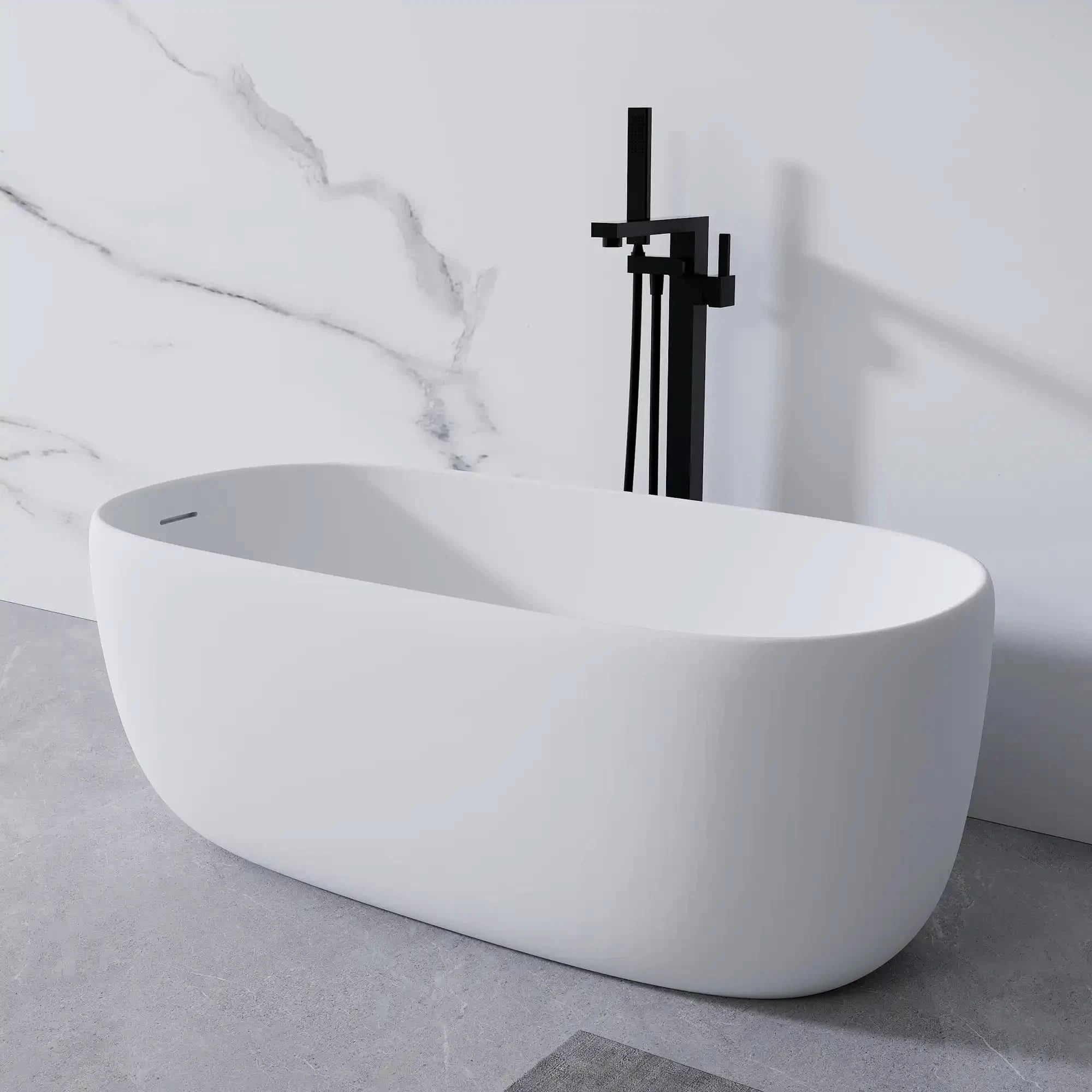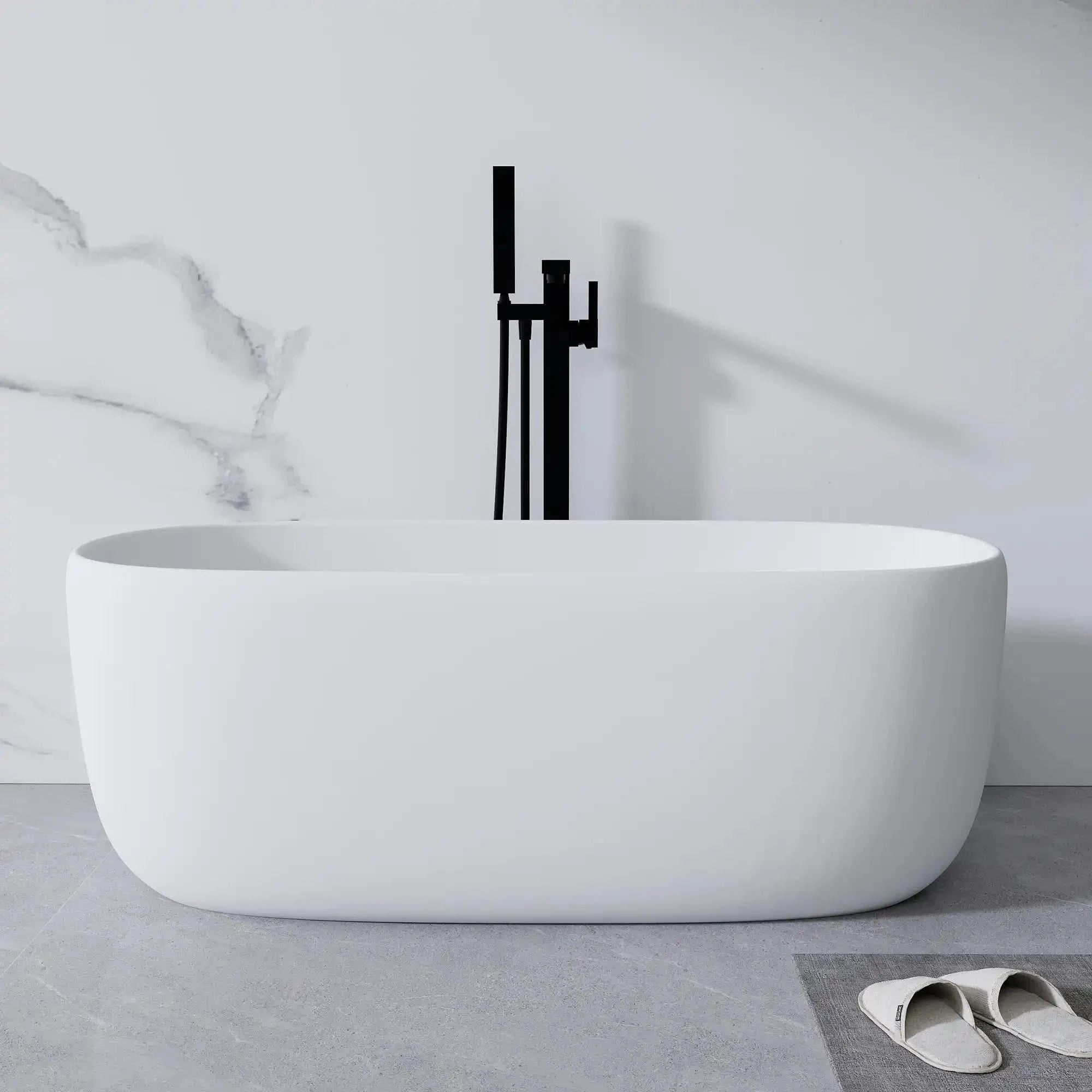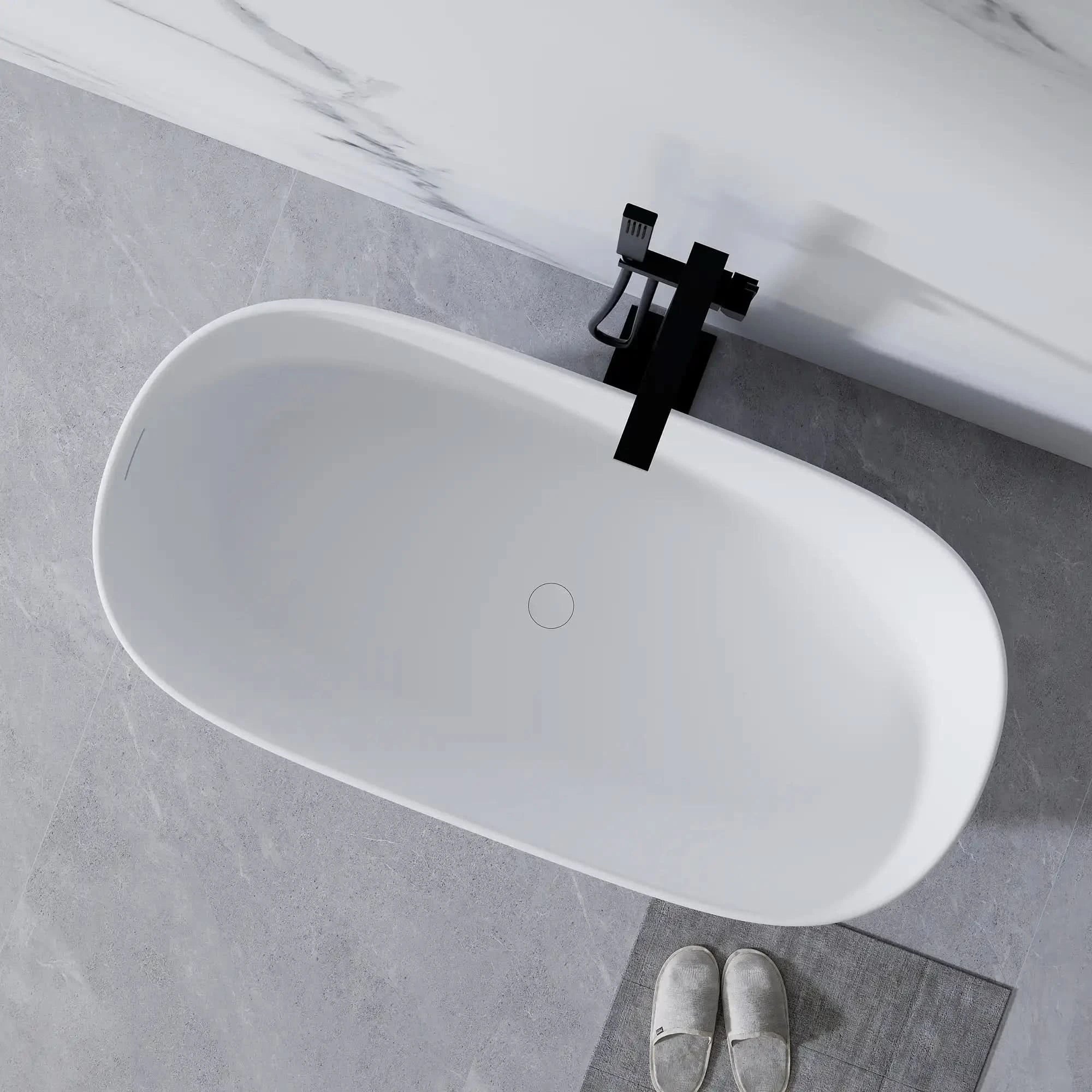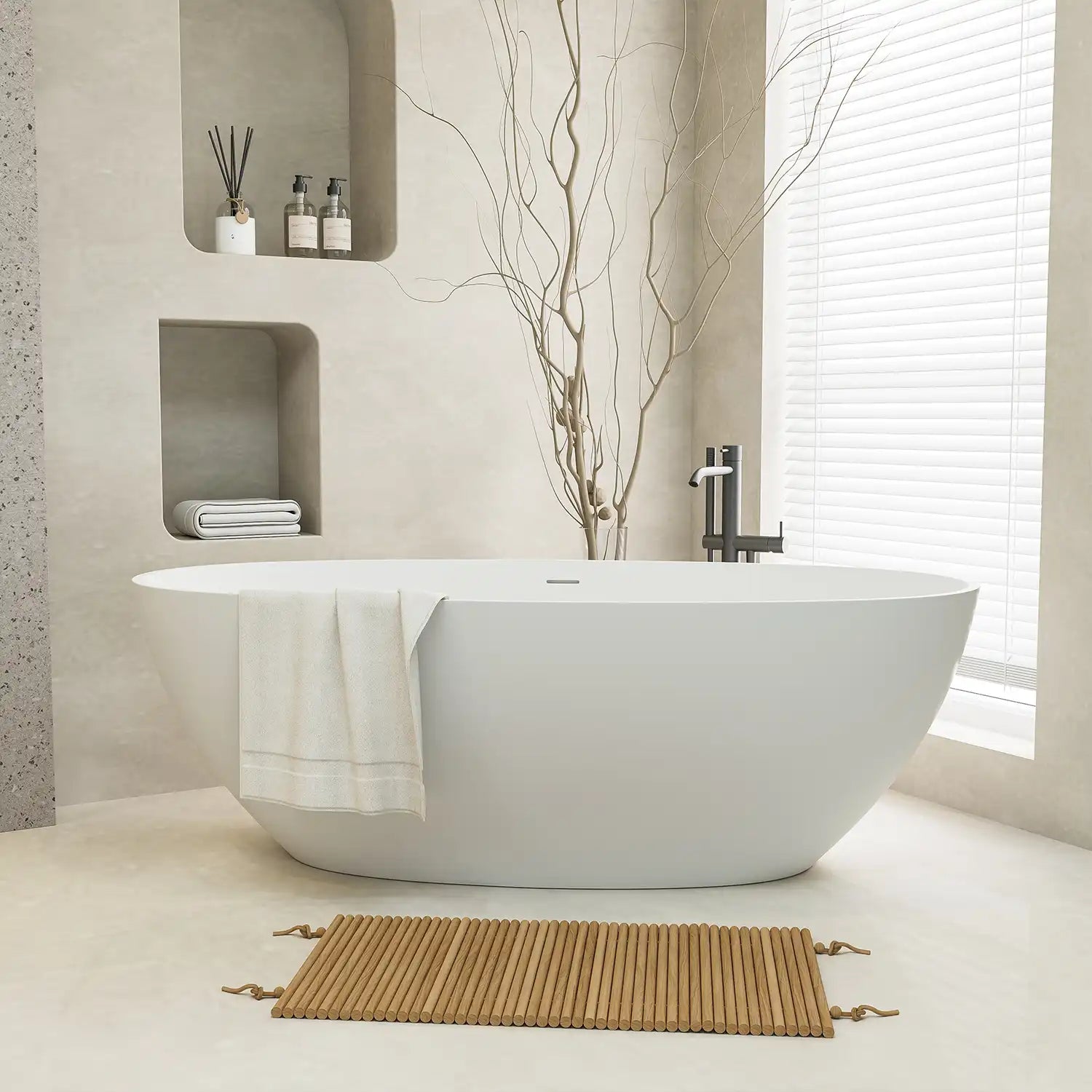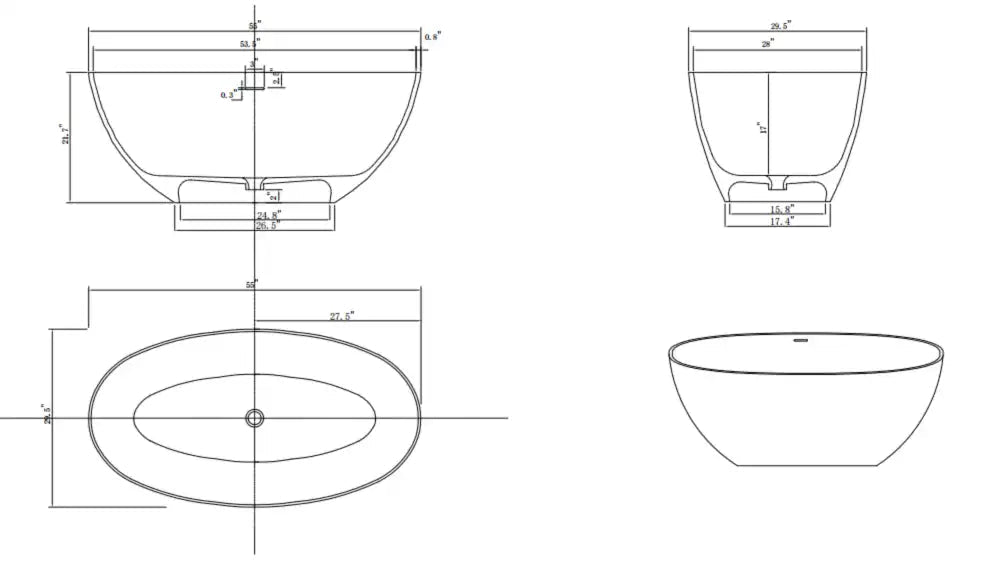


I've redesigned more small bathrooms than I can count, and I'll tell you the truth: a "tiny" bathroom doesn't have to feel tiny. Most small baths aren't short on square footage as much as they're short on visual breathing room. The good news is that you can create a bigger-feeling bathroom without moving a single wall—by controlling what your eye notices, where light travels, and how clean the lines of the room feel.
This guide focuses on the core keyword you're here for—how to make a small bathroom look bigger—but it goes beyond generic advice. You'll learn how designers use paint, lighting, tile direction, and layout choices to visually stretch a space upward, outward, and deeper. These are the same principles I return to in client projects because they don't rely on trends; they rely on perception.
If you're planning a renovation, keep one mindset front and center: in a compact bathroom, every decision is magnified. A vanity that's slightly too bulky, a mirror that's undersized, or lighting that throws harsh shadows can make the room feel tighter than it is. But the reverse is also true—one or two smart choices can make your bathroom feel dramatically more open, airy, and intentional.
Table of Contents
What Makes a Small Bathroom Look Bigger
My Best Tricks to Make a Small Bathroom Look Larger
- Color-Drench the Ceiling (Yes, Really)
- Let Light Travel: Layer It and Soften It
- Keep Sightlines Clear (The "One-Glance" Rule)
- Choose the Right Vanity: Float, Lift, or Open It Up
- Go Bigger on the Mirror (and Frame It Strategically)
- Use Large-Format Materials to Reduce Visual Noise
- Install Tile to "Stretch" the Room (Vertical and Beyond)
- Pick a Shower Strategy That Doesn't Chop the Room in Half
- Create Quiet Contrast, Not Harsh Contrast
- Add One Bold Moment (So Size Isn't the Star)
- FAQ
- Related Reads
What Makes a Small Bathroom Look Bigger
Before you change anything, it helps to know what actually creates the illusion of space. In my experience, a small bathroom feels larger when light can bounce around without being stopped by heavy finishes or harsh shadows, and when your eye can read the room as one calm composition rather than a bunch of disconnected parts.
A bathroom also feels bigger when there are fewer hard visual breaks—like abrupt paint changes, overly busy tile transitions, or bulky furniture that blocks the floor line. The more continuous the floor looks, the wider the room feels. The more continuous the walls look, the taller the room feels. And the more continuous the view is from the doorway, the more open the room feels.
Clutter matters too, but not in the "just tidy up" way. What matters is whether your countertop and ledges become visual speed bumps. When storage is built in thoughtfully—niches, drawers, recessed medicine cabinets—your surfaces stay quiet. Quiet surfaces read as spacious.
Finally, height is your secret weapon. Even if your ceiling isn't tall, you can make it feel taller by pulling attention upward through color, tile direction, lighting placement, and vertical elements. That's why some of the biggest transformations happen before you even pick decor.
My Best Tricks to Make a Small Bathroom Look Larger
The goal is not to make your bathroom look empty. The goal is to make it look intentional, with clean lines and a layout that lets your eye move smoothly. These ideas work whether you're doing a full renovation or just refreshing the room in a weekend.
1. Color-Drench the Ceiling (Yes, Really)

If you want one move that makes a small bathroom look bigger fast, this is it: stop defaulting to a bright white ceiling while the walls are a different color. That high-contrast line around the perimeter can "cap" the room and make the ceiling feel lower.
Instead, paint the ceiling the same color as the walls, or go one shade deeper. When the ceiling blends in, your eye stops fixating on where the walls end. The room reads as taller because the boundaries are softer. It feels a little like stepping into a cohesive envelope rather than a box.
This works especially well in windowless bathrooms or powder rooms where you're relying on artificial light. With the right bulb temperature and layered lighting, a deeper ceiling can actually feel luxe and expansive, not dark and cramped.
2. Let Light Travel: Layer It and Soften It

Lighting is one of the most overlooked answers to how to make a small bathroom look bigger, because people think "more light" means "one brighter fixture.” But the real trick is to remove shadows that carve up the room.
A small bath looks larger when you use layered lighting: a flattering overhead source, strong but soft vanity lighting, and optional accent lighting that lifts the darker areas. If your mirror lighting is weak, your face (and the room) will look shadowy, and those shadows visually shrink the space.
Also pay attention to glare. Harsh bare bulbs can create bright hotspots and deep corners. Soft diffusion—think shaded sconces, backlit mirrors, or fixtures with frosted glass—keeps the light even. Even light makes walls feel farther away.
3. Keep Sightlines Clear (The "One-Glance" Rule)

Here's a simple designer test: stand in the doorway. On the first glance, can you read the bathroom as calm and open—or do you immediately see a bunch of interruptions?
A small bathroom feels bigger when your sightline lands on something clean and continuous, like a well-sized mirror, a simple vanity, or a bright wall. If the first thing you see is a crowded countertop, a towel tower sticking out, or a shower curtain cutting the room in half, the bathroom will feel tighter.
Try to keep tall visual elements toward the back wall when possible, and avoid stacking too many "stopping points" in your line of view. This doesn't mean minimalism; it means composition.
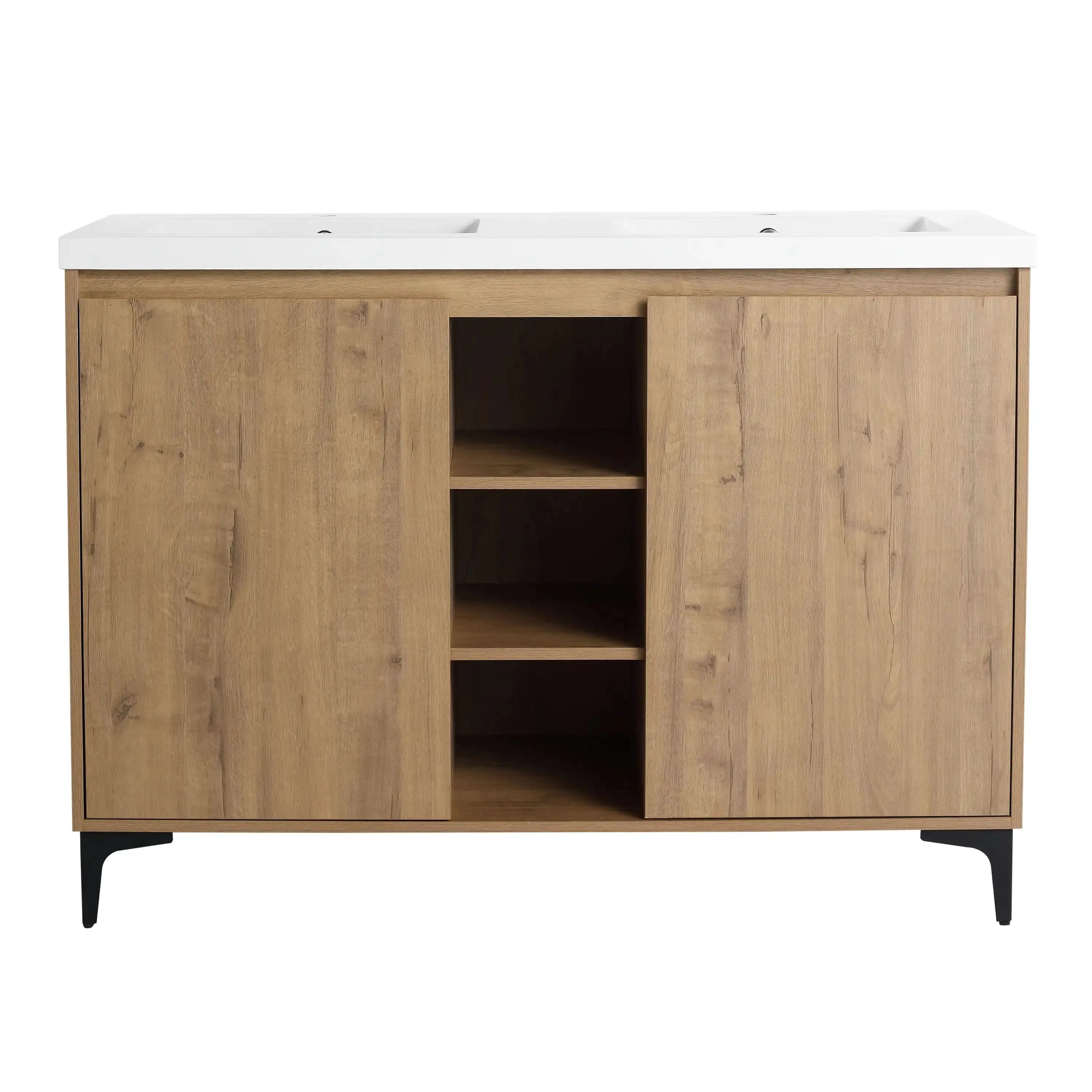
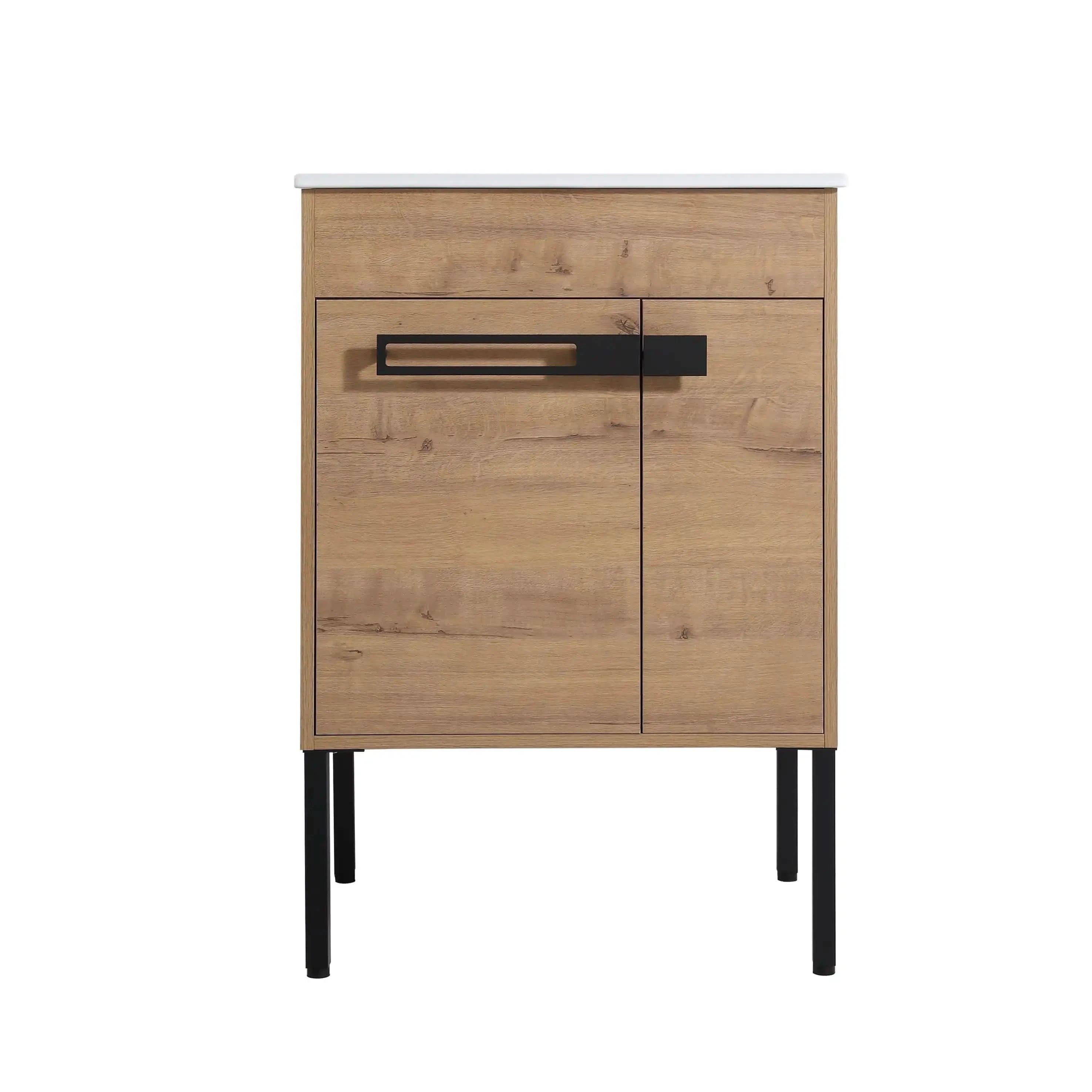
4. Choose the Right Vanity: Float, Lift, or Open It Up

In compact bathrooms, vanities do more than provide storage—they determine whether the room feels grounded and open or heavy and cramped. A bulky vanity that runs to the floor can make the footprint feel bigger than it is, especially if it's dark or has thick detailing.
Floating vanities are popular for a reason: seeing more floor instantly creates the perception of more space. If floating isn't an option, choose a vanity with legs or an open base, or at least one with a visually lighter profile.
Storage matters here too. Drawers usually beat doors because they keep everything contained and easy to access. When storage works, countertops stay clean—and clean surfaces make a small bathroom look bigger.
5. Go Bigger on the Mirror (and Frame It Strategically)

Undersized mirrors are a common mistake in small bathrooms. A larger mirror reflects more light, expands the visual width of the room, and makes the wall feel less busy. It's one of the simplest ways to "double" a space without changing the layout.
If you want maximum impact, consider a mirror that's as wide as your vanity (or wider) and mounted slightly higher to emphasize height. Framing also matters: a thin frame keeps it airy, while a thicker frame can work if it matches other elements and doesn't introduce too much contrast.
A great upgrade is a recessed medicine cabinet with a mirrored front. You get storage without adding visual bulk, which is exactly what a small bathroom needs.
6. Use Large-Format Materials to Reduce Visual Noise

This one surprises people: in many cases, larger tiles and simpler surfaces make a small bathroom look bigger than tiny mosaic does. The reason is grout lines. Too many grout lines create a grid that visually "measures" the room—like graph paper—making it feel smaller.
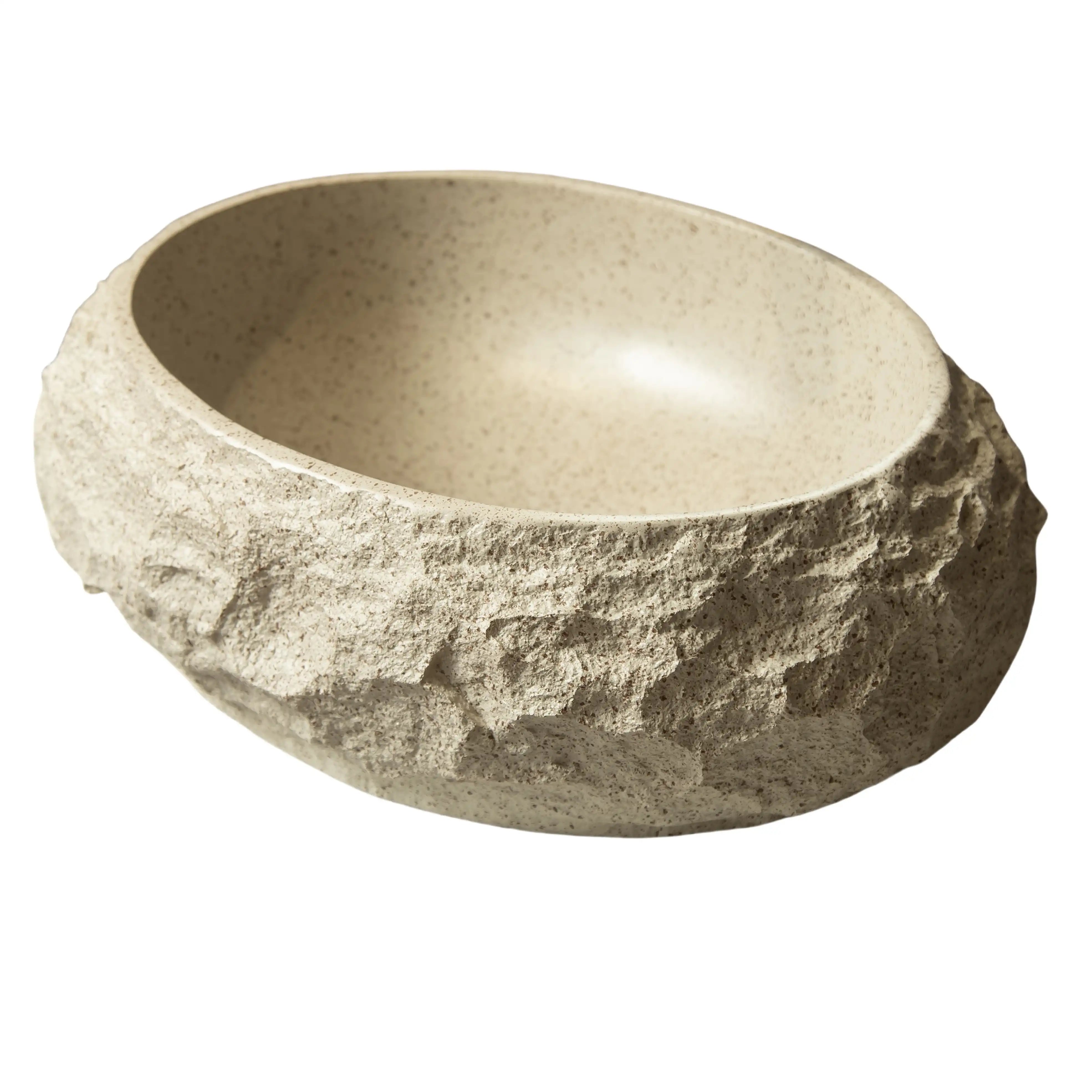
Large-format wall tile, a slab-look countertop, and a simple backsplash reduce visual breaks and let your eye glide. Even if you love texture, try to keep it in one or two places rather than everywhere at once.
If you do use smaller tile, consider choosing a grout color close to the tile color. That quiet transition keeps the surface feeling more continuous.
7. Install Tile to "Stretch" the Room (Vertical and Beyond)

Tile direction is one of the most effective optical tools you have. Vertical patterns draw the eye up, which makes ceilings feel higher. If your bathroom is narrow, running certain elements lengthwise can also make it feel longer.
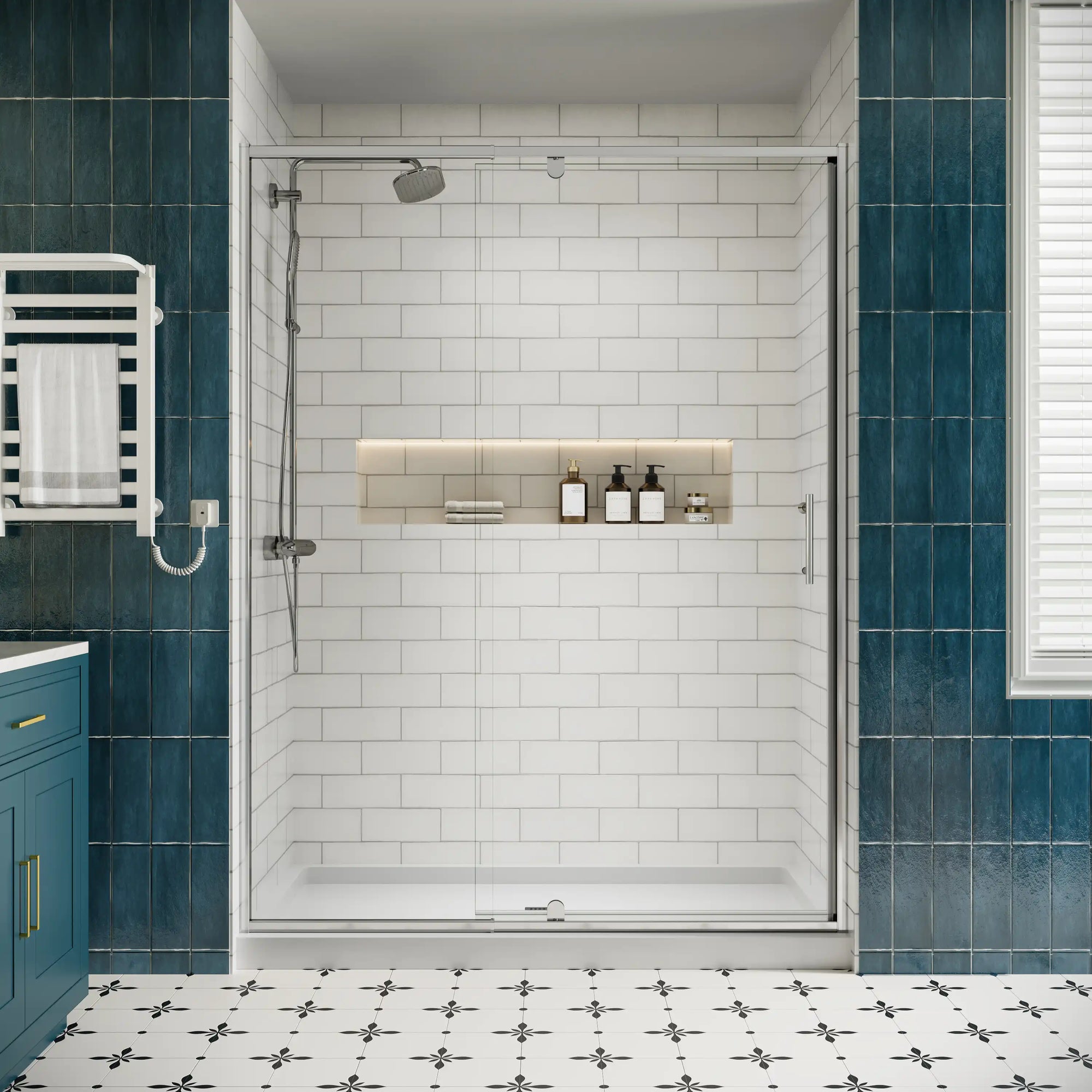
Vertical subway tile is timeless, but you can also get the "height" effect with stacked patterns, ribbed tile, or any layout that emphasizes vertical lines. Extending tile higher than you think—especially in showers—can also make walls feel taller and more architectural.
The key is consistency. A random mix of tile heights and transitions chops the room into zones. A deliberate, continuous tile plan makes it feel unified and bigger.
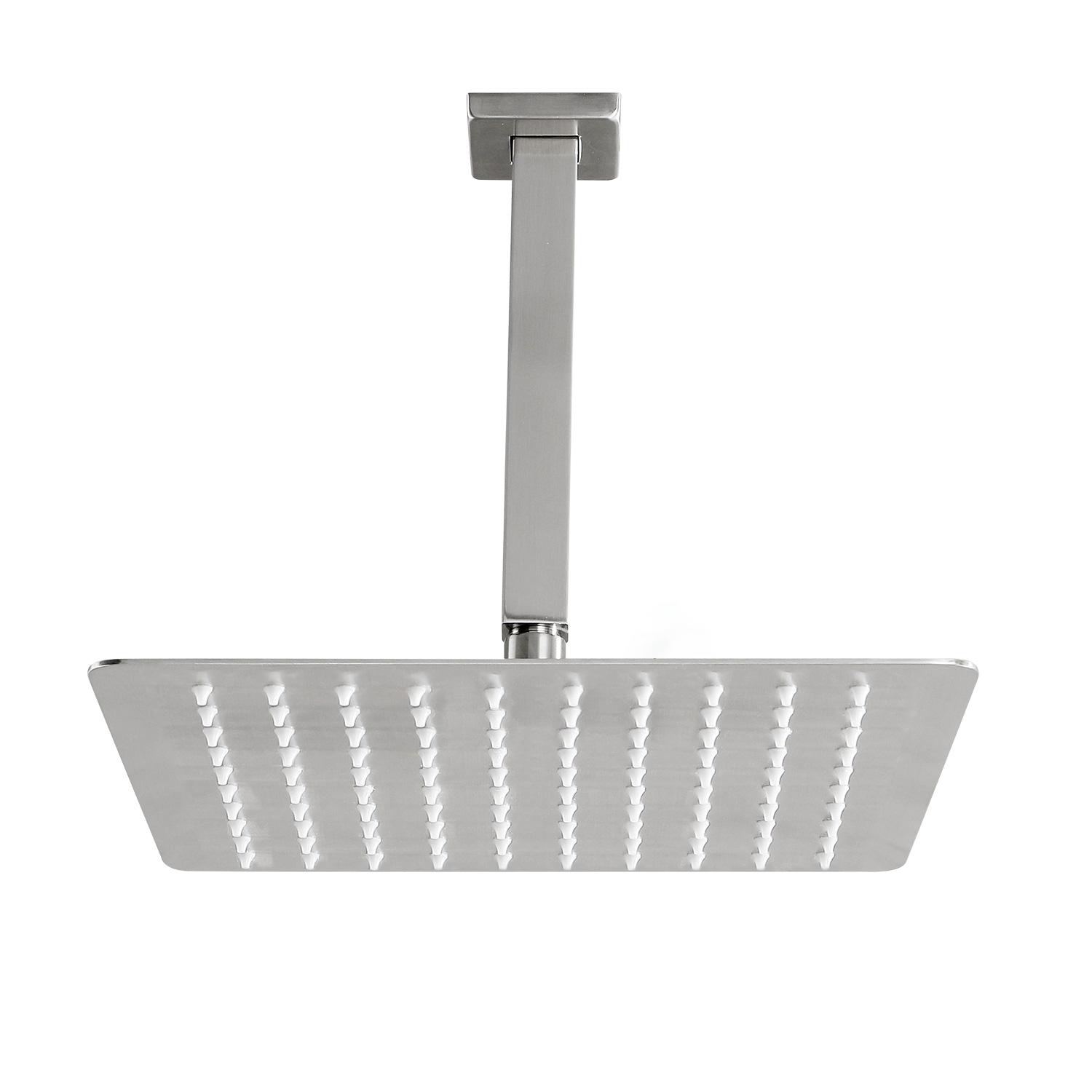
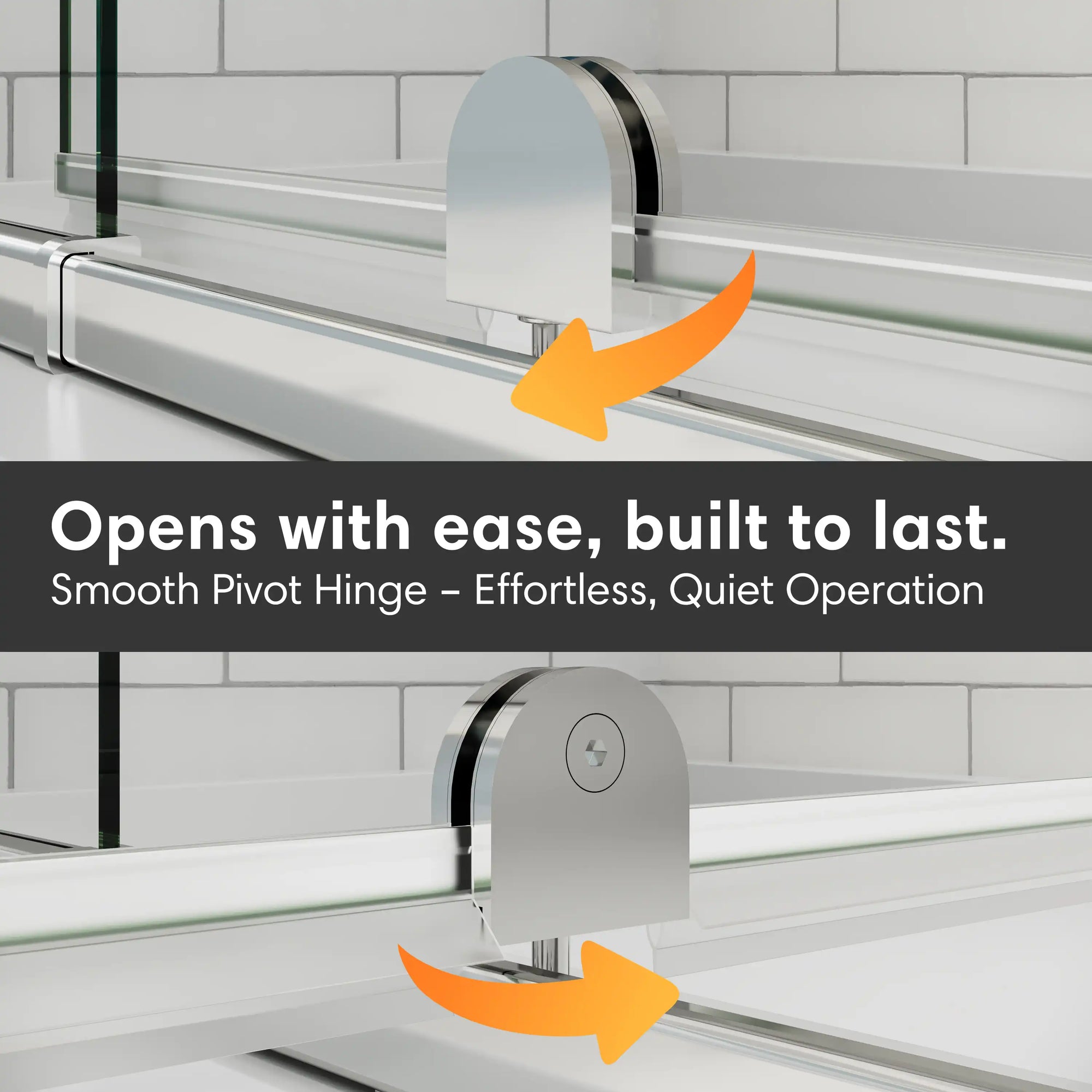
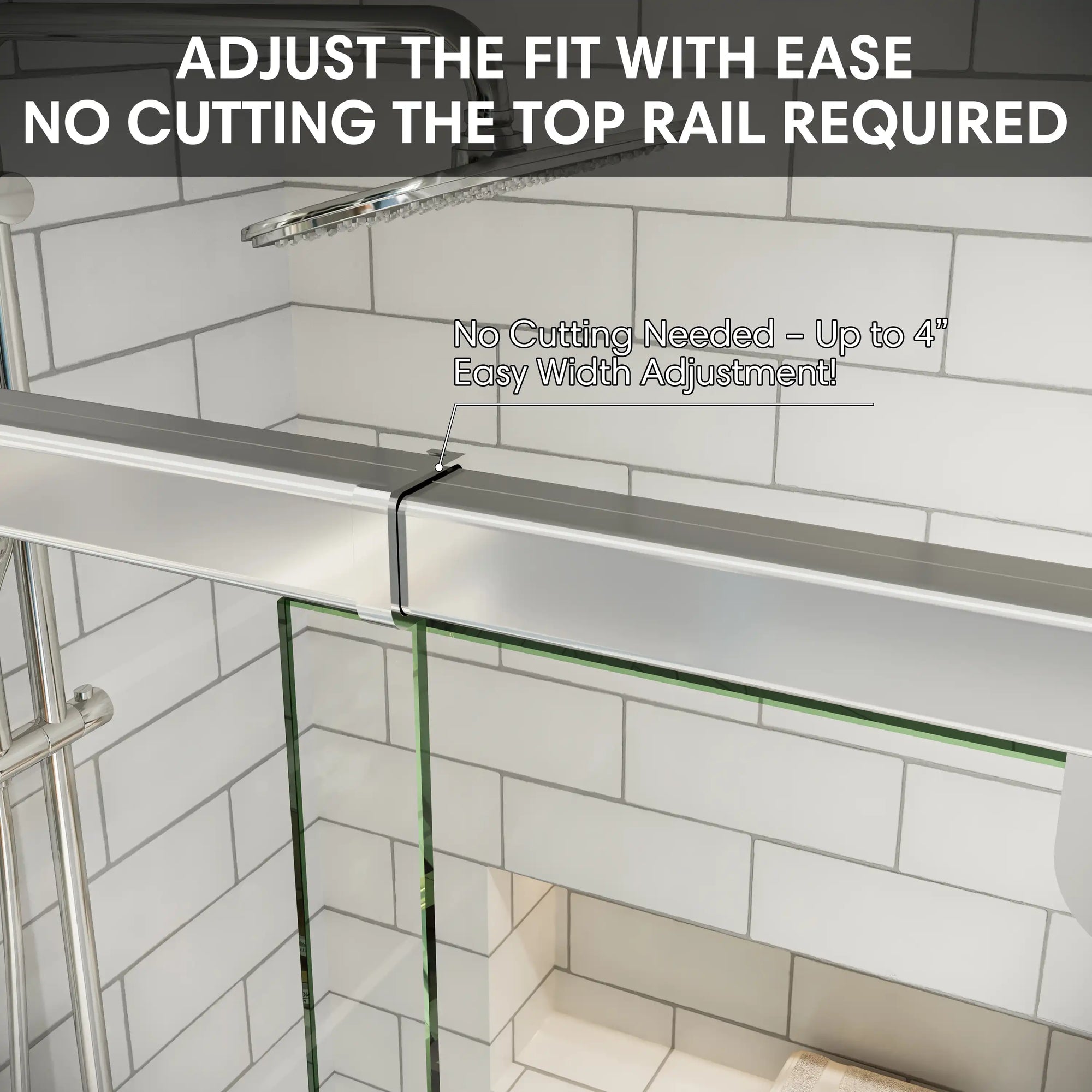
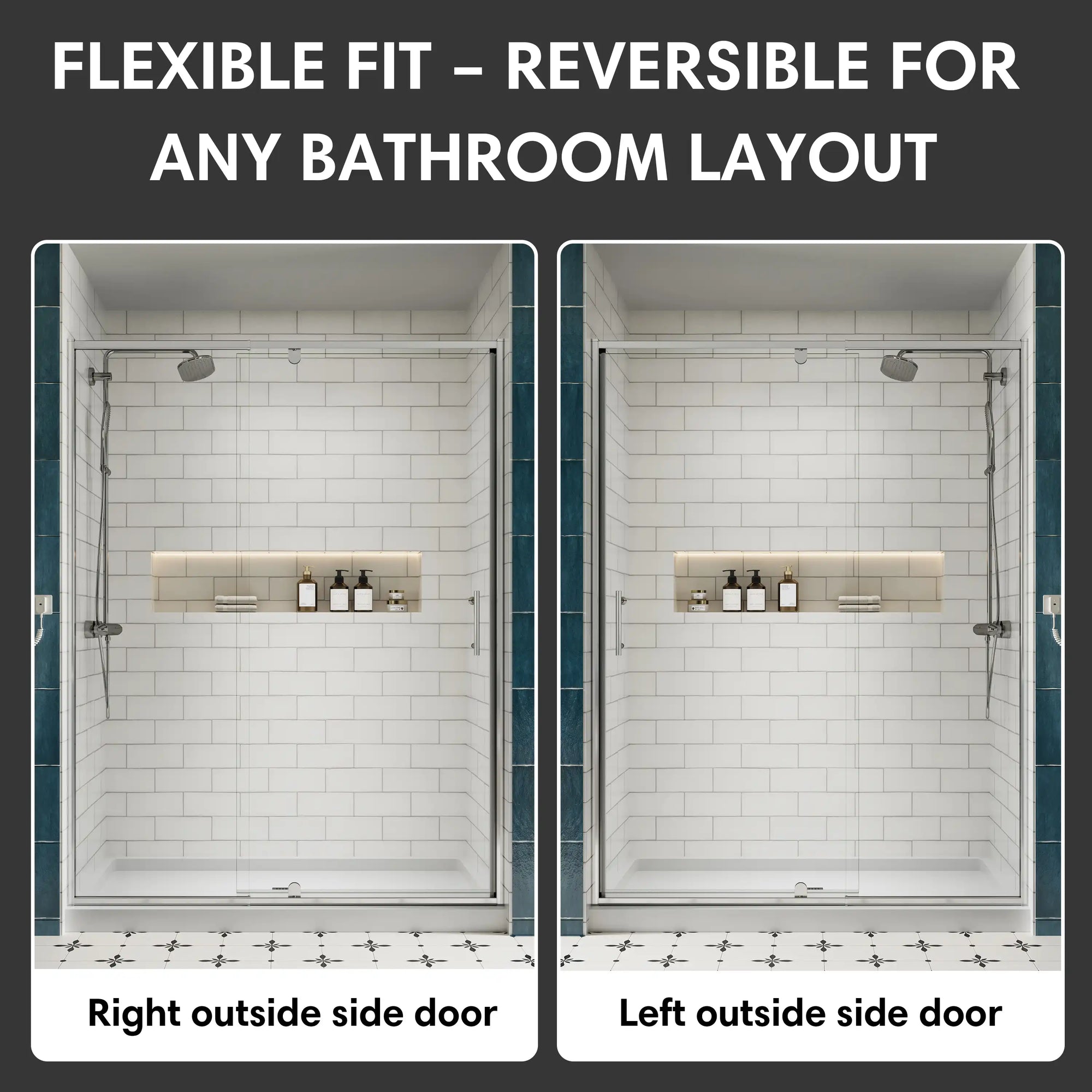
8. Pick a Shower Strategy That Doesn't Chop the Room in Half

A small bathroom usually feels smallest when the shower area becomes a visual wall. Solid shower enclosures, busy curtains, or heavily framed glass can break the room into pieces.
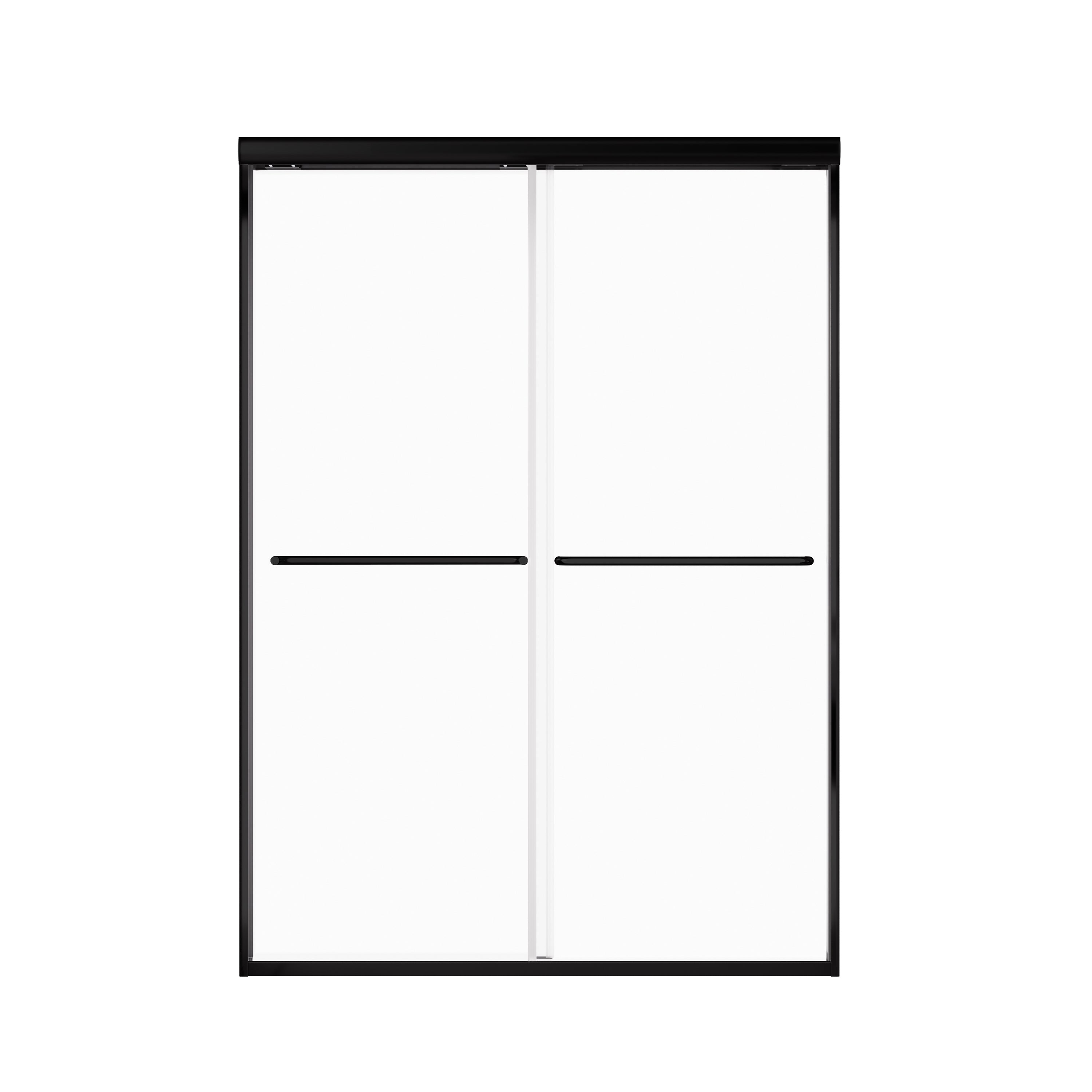
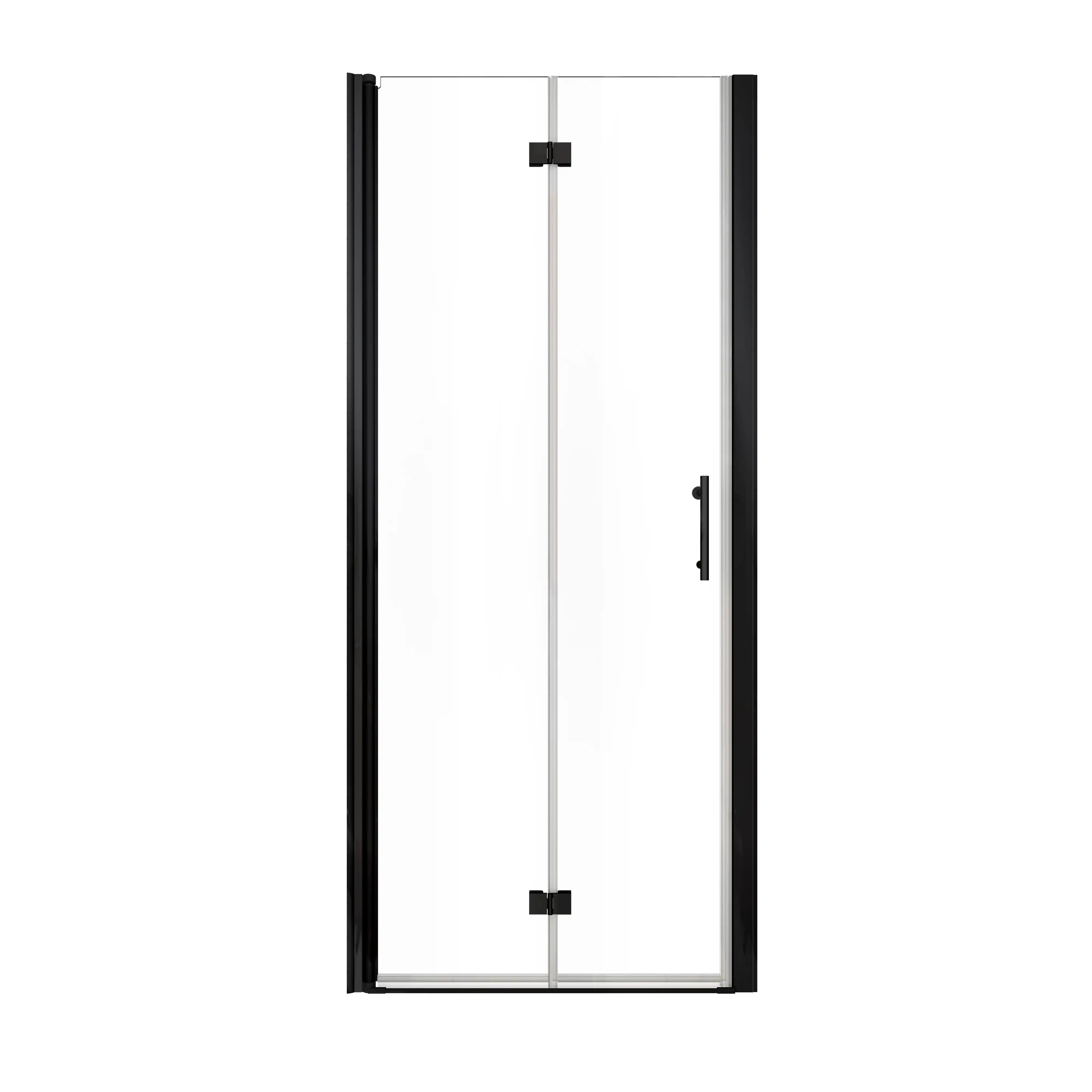
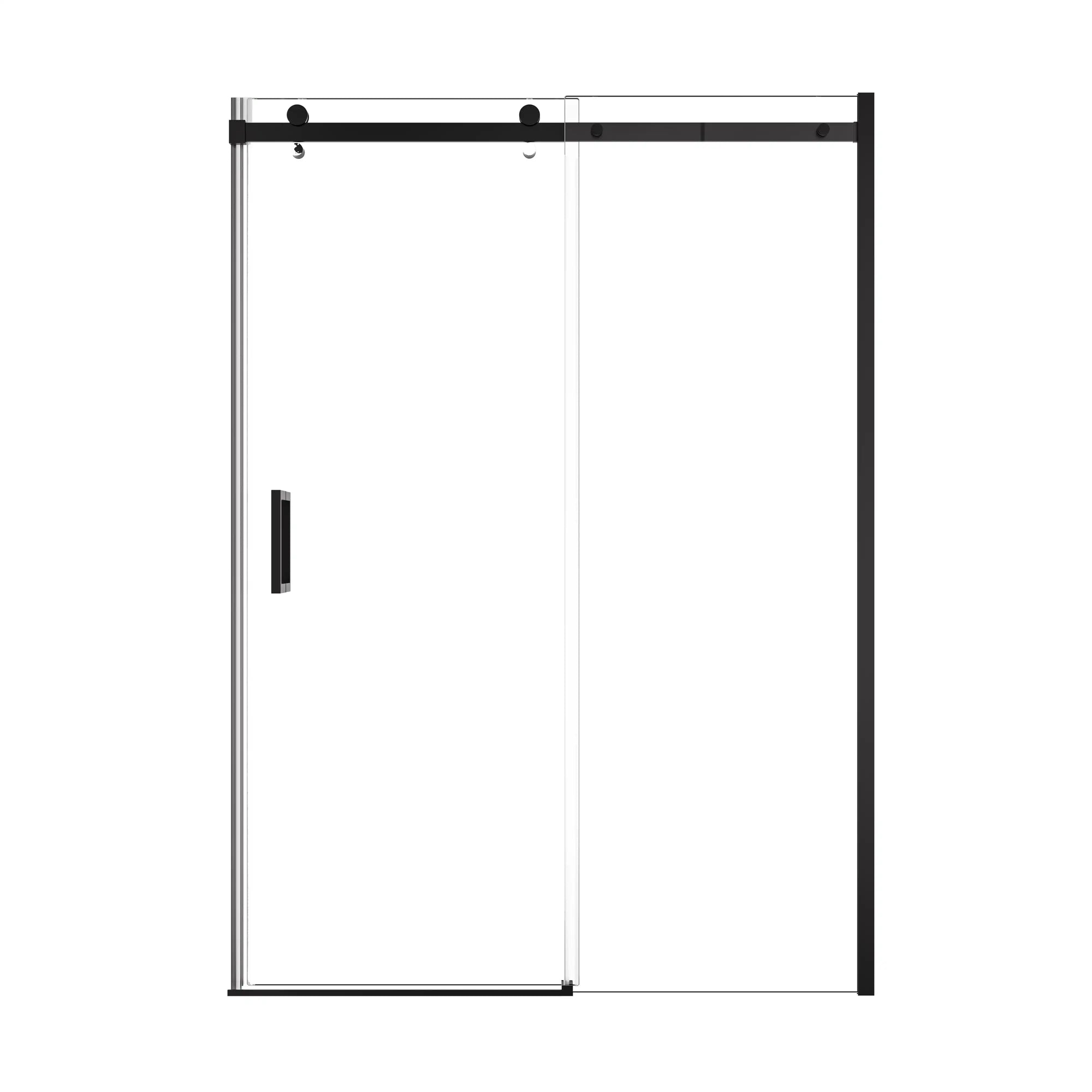
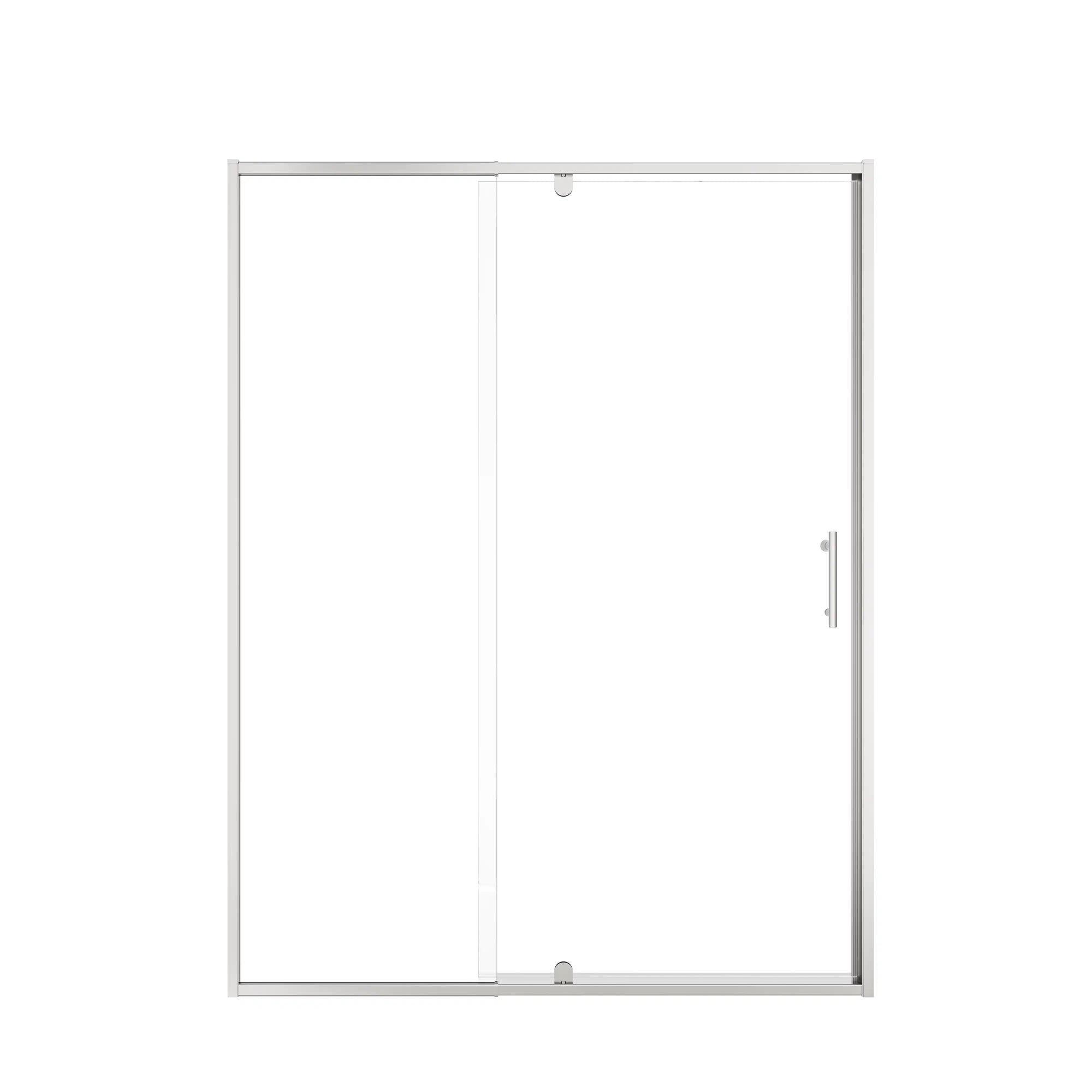
Clear glass is often the best choice because it preserves the sightline and keeps the room feeling like one space. If privacy is a concern, consider fluted or reeded glass—still light and airy, but softer. If you must use a curtain, hang it high and wide, ideally from ceiling height, and keep it open when not in use.
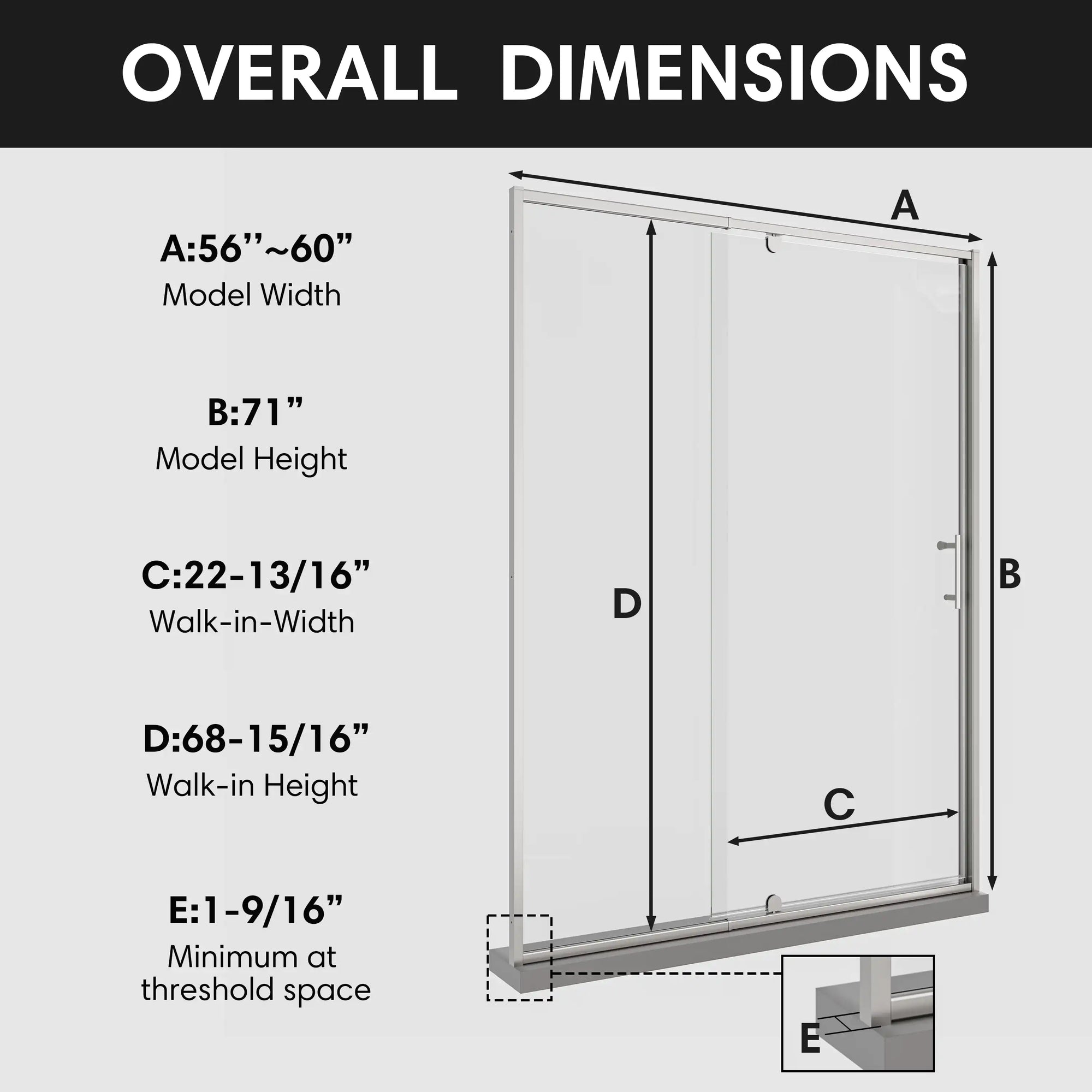
Also consider the shower curb. Curbless or low-profile entries make the floor plane feel continuous, and that continuity is a huge part of how to make a small bathroom look bigger.
9. Create Quiet Contrast, Not Harsh Contrast

Contrast can be beautiful—but harsh contrast in a small bathroom can carve it into chunks. Think bright white trim, dark walls, high-contrast tile borders, or multiple competing finishes. Those lines create visual "stops,” and stops make a space feel smaller.
Instead, aim for quiet contrast: tonal variations, soft shifts in texture, and finishes that relate to each other. A warm off-white wall with a slightly deeper ceiling, or a pale tile with matching grout, can still feel dimensional without looking busy.
If you love dramatic moments, keep them controlled. One major contrast point is usually enough.
10. Add One Bold Moment (So Size Isn't the Star)

Here's the fun part: small bathrooms are perfect for a bold detail because you can make a strong statement without committing to it across an entire home. And strategically, a focal point does something powerful—it gives your eye somewhere to go that isn't "wow, this is small.”
A bold wallpaper on one wall, striking hardware, a sculptural light fixture, or a richly colored vanity can all work. The trick is to keep the surrounding elements calm so the room still reads open.
When done well, the bathroom feels designed, not tight. People remember the style, not the square footage.
When you're figuring out how to make a small bathroom look bigger, the biggest shift is thinking less about "adding more" and more about "editing smarter.” A cohesive ceiling-and-wall color, fewer visual breaks, and materials that read as continuous surfaces will instantly make the room feel calmer and more expansive. Then, once light is layered correctly and sightlines are kept clean—through a lifted vanity, a larger mirror, and a shower setup that doesn't visually divide the space—you get that airy, open feeling people associate with a larger bathroom. The final touch is intentional personality: one bold focal point that draws attention to style, not square footage. Do those things well, and even the smallest bath can feel bright, functional, and surprisingly spacious.
FAQ
How do I add storage without making the bathroom feel crowded?
Does lighting really make that big of a difference?
What’s the easiest change to try first?
Is wallpaper a smart choice in a small bathroom?
How can I make a small shower feel larger?
Can tile layout really change the perception of space?
Related Reads
If you're planning a bathroom refresh and want ideas that feel elevated (not just "small space hacks"), these topics are worth exploring next:
- "Upgrading Your Tub? What Glass Bathtub Doors Actually Change"
- "Best Bathrooms with Grey Cabinets 2026: Top Styles, Brands & Budget Picks"
- "How to Keep Glass Shower Doors Clean: Daily Tips & Easy Fixes"
- "How to Improve Bathroom Drying Efficiency with the Shower Drying System"
- "Bathroom Counter Height Guide: How to Choose the Perfect Height for Comfort, Style & Everyday Use"
- "Beveled Mirrors for Bathroom: The Ultimate Guide to Elegance & Style"
- "How to Plan a Bathroom Layout with Tub and Shower for Style and Function"
- "Bring Nature In: The Best Shower Plants for a Spa-Like Bathroom Retreat"
- "How to Choose the Right Inset Medicine Cabinet: Understanding Quality, Features, and Value"
- "Heated Bath Towel Rails vs. Traditional Towel Racks: Are They Worth the Upgrade?"
Small bathrooms can be challenging, but they're also the fastest places to see big design payoff. When you get the lighting right, simplify the visual breaks, and choose materials that feel continuous, the room stops feeling like a compromise—and starts feeling like a little retreat.