

Table of Contents
- Romance Isn't Always Loud — Sometimes It's Comfortable
- Why Bathroom Upgrades Make Sense as a Valentine's Gift
- The Bathroom as a Shared Emotional Space
- Designed for the Moments You Share
- Long-Term Comfort Is the New Romance
- Valentine's Day Isn't Just for Couples
- Final Thought: Love Starts at Home
- Valentine's Day Bathroom Upgrade – FAQ
- Related Articles
Valentine's Day is often associated with flowers, chocolates, and short-lived romantic gestures. While these traditions have their place, they tend to focus on momentary emotion rather than lasting impact. For couples who share a home and a daily life, love is no longer defined by grand surprises alone, but by how thoughtfully that shared life is designed and experienced.
In long-term relationships, romance increasingly shows up in everyday routines. It exists in calm mornings before work, in unhurried evenings after a long day, and in spaces that support comfort rather than create friction. A home that functions well — especially the most frequently used spaces — quietly shapes how partners interact, rest, and care for one another.
That is why, this Valentine's Day, many homeowners are rethinking what a meaningful gift looks like. Instead of something that is unwrapped once and quickly forgotten, they are choosing investments that improve daily life over time. A bathroom upgrade may not look like a traditional Valentine's gift, but it reflects a deeper form of consideration: a desire to make shared moments more comfortable, more efficient, and more enjoyable every single day.
Romance Isn't Always Loud — Sometimes It's Comfortable

As relationships mature, romance naturally shifts. It becomes quieter, less performative, and more deeply tied to daily life. Instead of dramatic gestures meant to impress, love is expressed through thoughtful decisions that make shared routines smoother and more comfortable.
In a shared home, this often shows up in the bathroom — one of the most frequently used spaces, yet one of the most underestimated when it comes to emotional comfort.
Think about the small moments that happen there every day:
- Mornings that start without harsh lighting, where warm, balanced illumination makes early routines feel less rushed
- Enough counter space so both partners can get ready at the same time without tension
- A layout that feels intuitive, reducing clutter and friction rather than adding to it
- Materials that are pleasant to touch and easy to maintain, so the space stays calm instead of becoming another chore
Individually, these details may seem minor. Together, they shape how couples experience the start and end of each day. Over time, they influence mood, patience, and even how relaxed or stressed a household feels.
This is why more homeowners are choosing to upgrade shared spaces around Valentine's Day. Not because it's trendy, but because it aligns with how love is actually lived in long-term relationships — through intention, comfort, and the desire to make everyday life better for both people.
Why Comfort-Driven Upgrades Feel More Romantic Over Time
| Short-Term Gifts | Comfort-Driven Home Upgrades |
|---|---|
| Create a brief emotional high | Improve daily routines year-round |
| Enjoyed once or twice | Experienced every morning and evening |
| Personal but temporary | Shared and long-lasting |
| Focus on the moment | Focus on quality of life |
What makes these upgrades feel romantic isn't the product itself, but the message behind it: "I care about how we live together, not just how we celebrate.”
Pros
- Enhances shared daily experiences rather than a single occasion
- Reduces everyday stress in one of the most-used spaces in the home
- Signals long-term commitment and shared investment
- Continues to deliver value well beyond Valentine’s Day
Cons
- Requires planning rather than impulse buying
- Less visually “gift-like” at first glance
For many couples, those “cons” are exactly what make the gesture meaningful.
Why Bathroom Upgrades Make Sense as a Valentine's Gift

Let's be honest: bathroom upgrades are not impulse purchases. No one adds a vanity or a mirror to their cart five minutes before checkout just to mark Valentine's Day on the calendar. They require planning, budgeting, and a clear understanding of how a space is actually used. And that is precisely what makes them meaningful.
Traditional Valentine's gifts tend to focus on immediate emotional impact — the surprise, the gesture, the moment itself. A bathroom upgrade works differently. It reflects thoughtfulness not just about the holiday, but about everyday life. It asks a more mature question: How can we make our shared routines more comfortable, more efficient, and more enjoyable over time?
Unlike flowers or chocolates, a bathroom upgrade is experienced repeatedly. It shows up on busy weekday mornings, when time is tight and patience is thin. It matters in the evening, when both partners are winding down and the quality of the space influences how well they relax. Over months and years, these moments accumulate — and so does the value of the decision.
At its core, a bathroom upgrade as a Valentine's gift is defined by three qualities:
- Intentional — It requires real consideration: measuring the space, choosing materials, thinking through functionality. That effort signals care far more clearly than a last-minute purchase.
- Shared — Unlike many gifts that belong to one person, a bathroom upgrade improves life for both partners, every single day.
- Long-term — Comfort does not expire after February. The benefit continues long after the holiday has passed.
For couples who live together, investing in the bathroom becomes a quiet but powerful statement. It says, "I care about how we live, not just how we celebrate.” It reframes Valentine's Day as something more lasting — not a single evening, but an ongoing improvement to the life you're building together.
| Traditional Gifts | Bathroom Upgrades |
|---|---|
| Focus on surprise and immediacy | Focus on long-term comfort |
| Often enjoyed once | Used daily |
| Personal but temporary | Shared and enduring |
| Symbolic | Practical and meaningful |
Pros
- Improves everyday routines, not just special occasions
- Reduces friction in one of the most-used spaces in the home
- Feels intentional and mature rather than performative
- Continues to deliver value long after Valentine’s Day
Cons
- Requires planning and coordination
- Less visually “romantic” at first glance
For many couples, those drawbacks are actually the point. They reflect a shift away from surface-level romance toward decisions that support real life — the kind of love that lasts because it's built into daily experience.
The Bathroom as a Shared Emotional Space

Modern homeowners no longer see the bathroom as a purely functional room. It has quietly become one of the most emotionally influential spaces in the home — not because of how it looks, but because of how often and how personally it is used.
For millennials and Gen Z homeowners especially, the bathroom now serves multiple roles at once. It is where the day begins, where it ends, and often the only place to pause without interruption. Over time, this makes the bathroom less of a utility space and more of an emotional buffer between daily stress and personal well-being.
In shared households, the bathroom often becomes:
- A decompression zone after long workdays, where warm lighting and a calm layout help the body slow down
- A daily self-care ritual, not limited to skincare or grooming, but the feeling of having space that supports unhurried routines
- A private moment of calm in an otherwise busy household, especially for couples balancing work, family, and shared responsibilities
Because of this, shared bathrooms play a much larger role in relationship harmony than most people expect.
How Bathroom Design Impacts Daily Mood and Interaction
When a shared bathroom isn't designed with real use in mind, small inconveniences repeat themselves every day. Over time, they stop being minor annoyances and start affecting mood and communication.
Common stress points include:
- Harsh or uneven lighting that makes early mornings feel more rushed
- Insufficient storage that leads to clutter and constant negotiation over space
- Cramped layouts that force partners to wait, rush, or adjust routines
- Materials that are difficult to clean, turning upkeep into another shared burden
Individually, none of these issues seem dramatic. Together, they create friction — especially during the most time-sensitive moments of the day.
| When the Bathroom Is Only Functional | When the Bathroom Is Thoughtfully Designed |
|---|---|
| Routines feel rushed | Routines feel intentional |
| Shared space causes friction | Shared space supports cooperation |
| Clutter creates visual stress | Storage creates calm |
| Design is tolerated | Design contributes to well-being |
Why Upgrading a Shared Bathroom Improves Quality of Life
Upgrading a shared bathroom is often framed as an aesthetic decision, but its real value lies elsewhere. It improves how a household feels on a daily basis.
A better-designed bathroom:
- Reduces unnecessary decision-making and tension
- Creates personal breathing room, even in shared routines
- Supports emotional well-being through comfort and ease
- Turns everyday moments into quieter, more positive experiences
This is why bathroom upgrades resonate so strongly with couples and modern homeowners. They are not about luxury for its own sake — they are about creating an environment that supports the way people actually live.
In that sense, upgrading the bathroom you share is less about style, and more about investing in quality of life — for yourself, and for the person you live with.
| Short-Term Gifts | Comfort-Driven Home Upgrades |
|---|---|
| Create a brief emotional high | Improve daily routines year-round |
| Enjoyed once or twice | Experienced every morning and evening |
| Personal but temporary | Shared and long-lasting |
| Focus on the moment | Focus on quality of life |
Pros
- Improves everyday routines, not just special occasions
- Reduces friction in one of the most-used spaces in the home
- Feels intentional and mature rather than performative
- Continues to deliver value long after Valentine’s Day
Cons
- Requires planning and coordination
- Less visually “romantic” at first glance
For many couples, those drawbacks are actually the point. They reflect a shift away from surface-level romance toward decisions that support real life — the kind of love that lasts because it’s built into daily experience.
Designed for the Moments You Share
A well-designed bathroom doesn't announce itself. It doesn't demand attention or try to impress at first glance. Instead, it quietly adapts to the rhythms of daily life, responding to what you need before you consciously realize it.
It shows up in lighting that feels gentle in the early morning and calming at night — bright enough to be practical, but never harsh or intrusive. It's reflected in materials that feel reassuring to the touch and are easy to maintain, so the space stays pleasant without requiring constant effort. And it's embedded in layouts that acknowledge shared use, allowing two people to move through the space without feeling rushed, crowded, or in each other's way.
These details aren't about indulgence or visual drama. They're about removing small sources of friction that accumulate over time. When a bathroom works intuitively, daily routines feel smoother. Mornings start with less tension, evenings wind down more naturally, and shared moments feel less hurried.
For couples who value comfort and longevity, this kind of thoughtful design often matters far more than surface-level luxury. It reflects a deeper form of care — one that prioritizes how a space supports real life, every single day. In that sense, a well-designed bathroom becomes more than a room. It becomes a quiet partner in the life you share.
Long-Term Comfort Is the New Romance
Romantic gestures used to be defined by surprise — an unexpected bouquet, a last-minute dinner reservation, something designed to create a strong emotional reaction in a short amount of time. Those moments still have their charm, but for many homeowners today, romance has taken on a quieter, more sustainable form.
As people move into shared homes and long-term relationships, priorities begin to shift. Instead of chasing fleeting excitement, they invest in things that improve daily life in tangible ways. Products are chosen not just for how they look, but for how they perform over time. Comfort becomes something intentional, designed into everyday routines rather than reserved for special occasions. The home itself starts to feel like an extension of the relationship — a shared project that reflects care, patience, and mutual consideration.
A bathroom upgrade fits naturally into this mindset. It's not dramatic or attention-seeking, but it delivers value where it matters most: in the moments that repeat every day. A better layout makes mornings feel less rushed. Thoughtful lighting softens early starts and late nights. Durable materials remove the stress of constant upkeep. None of these details feel "romantic" on their own, yet together they create a sense of ease that lasts far beyond a single holiday.
In this way, long-term comfort becomes a daily reminder of care. It shows up quietly each morning and again at night, reinforcing the idea that love isn't only expressed through grand gestures or calendar dates. It lives in the details that make life easier, calmer, and more enjoyable — day after day.
Valentine's Day Isn't Just for Couples
Valentine's Day is no longer defined solely by romantic partnerships. For many individuals — especially women over 30 — the holiday has gradually shifted from an external celebration to a more inward, intentional moment. Rather than waiting for a gesture, they are choosing to mark the occasion in ways that feel practical, grounding, and genuinely rewarding.
This change closely mirrors how people now think about their homes. Living spaces are no longer treated as passive backdrops, but as environments that actively influence mood, energy, and emotional balance. Among all rooms in the home, the bathroom holds a unique position. It is often the only place that offers privacy, routine, and uninterrupted time — sometimes all in the same day.
Why the Bathroom Is a Natural Space for Self-Gifting
For self-gifting consumers, bathroom upgrades resonate because they deliver value on multiple levels at once:
- Emotional: a calm, orderly space creates a sense of control and reassurance
- Practical: better layouts, lighting, and materials simplify daily routines
- Long-term: the benefit is experienced repeatedly, not just once
Instead of feeling indulgent, these upgrades often feel justified — even necessary — especially for those balancing demanding work schedules, family responsibilities, and limited personal time.
| Traditional Valentine’s Treats | Comfort-Driven Self-Gifting |
|---|---|
| Focus on momentary pleasure | Focus on sustained well-being |
| Often symbolic | Highly functional |
| Enjoyed briefly | Experienced daily |
| Emotion-driven | Intention-driven |
What distinguishes self-gifting in this context is not extravagance, but alignment — choosing something that supports how one actually lives.
A Thoughtful Reminder Before You Upgrade
Self-gifting doesn't mean buying more for the sake of it. The most satisfying upgrades tend to follow a few quiet guidelines:
- Choose products that reduce effort, not add maintenance
- Prioritize comfort and usability over trends
- Invest in pieces that age well and remain relevant over time
When approached this way, upgrading a bathroom becomes less about spending and more about setting boundaries around comfort and quality of life.
What This Kind of Gift Really Says
Choosing to upgrade a bathroom for yourself is a subtle but powerful statement. It acknowledges effort, responsibility, and the reality that care doesn't always arrive from the outside. Sometimes, it's something you deliberately build into your environment.
In that sense, Valentine's Day becomes less about who the gift is from, and more about what the gift represents — a commitment to comfort, intention, and a daily life that feels considered rather than rushed.
Final Thought: Love Starts at Home
The most romantic gift is not always the one that draws the most attention. It isn't necessarily wrapped, photographed, or remembered for a single moment. Often, it's the quieter choice — the decision to improve how daily life feels, day after day.
When two people share a home, love is expressed less through grand gestures and more through the spaces that support their routines. It lives in mornings that feel a little calmer, evenings that unwind more easily, and environments that remove friction instead of adding to it. These changes may not feel dramatic, but over time, they shape how a relationship is experienced.
Choosing to upgrade a shared bathroom is a reflection of that mindset. It's a commitment to comfort, to intention, and to the idea that care doesn't have to be loud to be meaningful. It shows up in the details — better lighting, smoother routines, and moments that feel considered rather than rushed.
This Valentine's Day, instead of focusing on what fades, invest in something that stays. Upgrade the space you share. Turn everyday routines into quiet acts of care. Because when love is built into the home, it doesn't disappear after the holiday — it becomes part of daily life.
Valentine's Day Bathroom Upgrade – FAQ
Why are bathroom upgrades featured in a Valentine’s Day event instead of traditional gifts?
Are heated towel racks really a good Valentine’s gift?
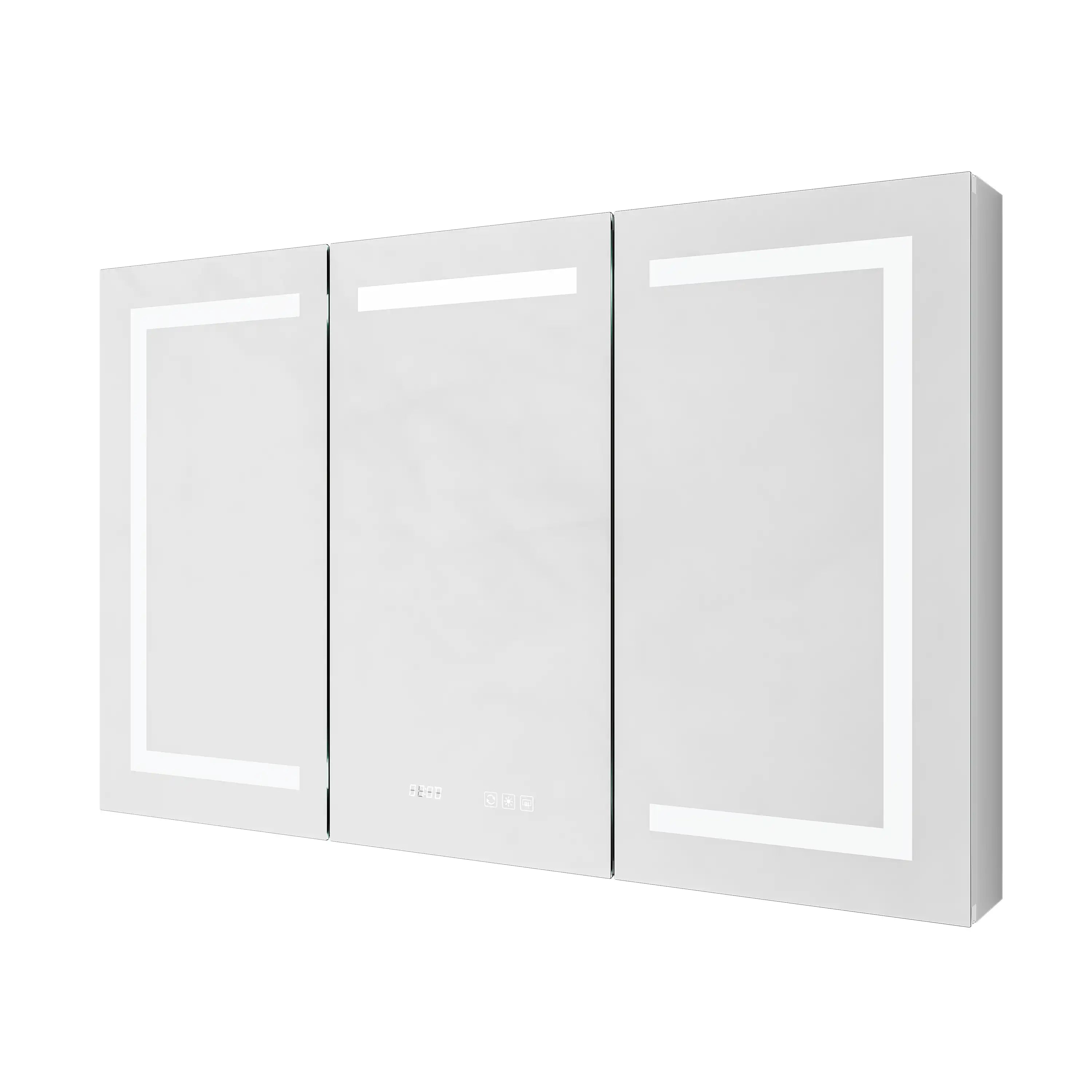
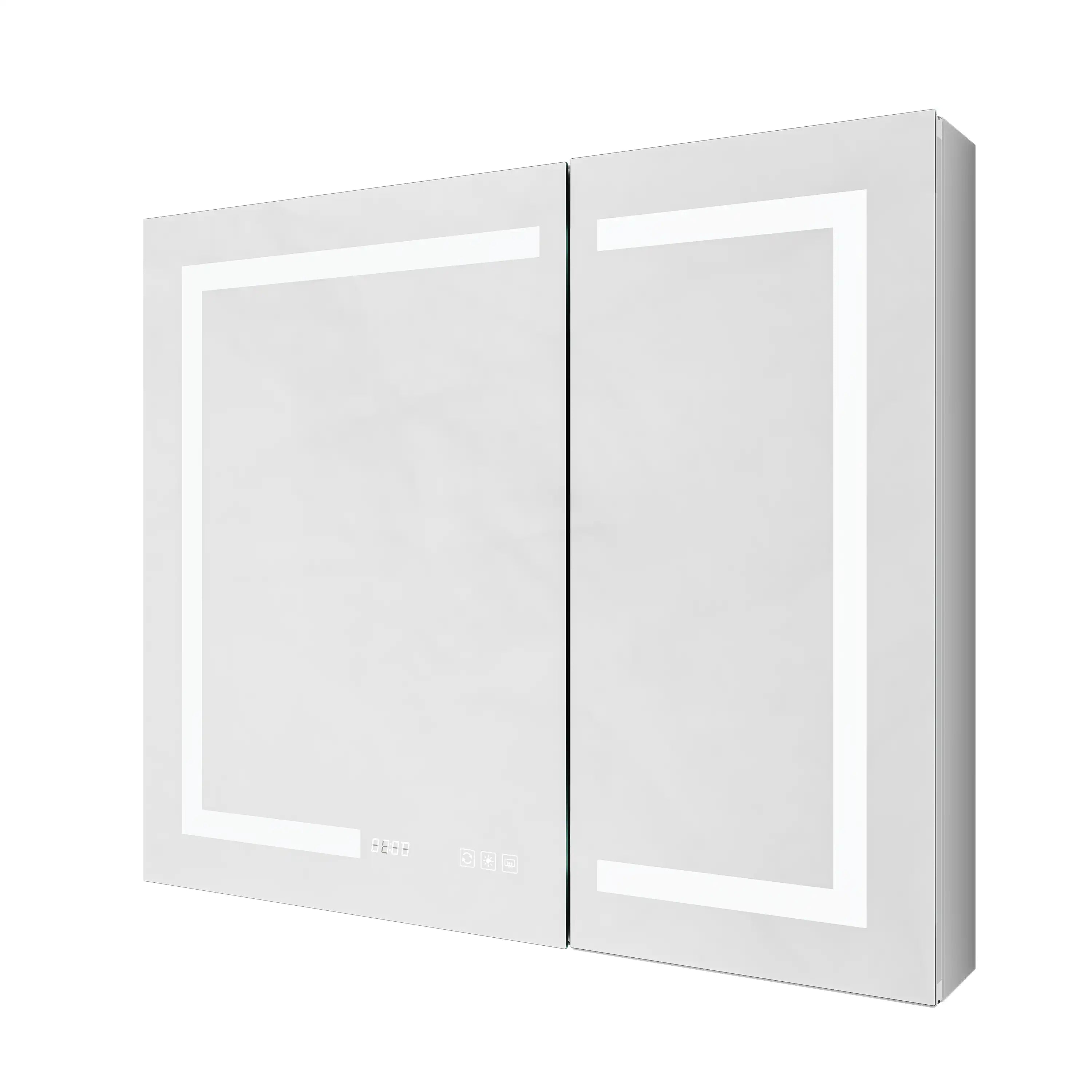
How do medicine cabinets fit into a “romantic” or comfort-focused upgrade?
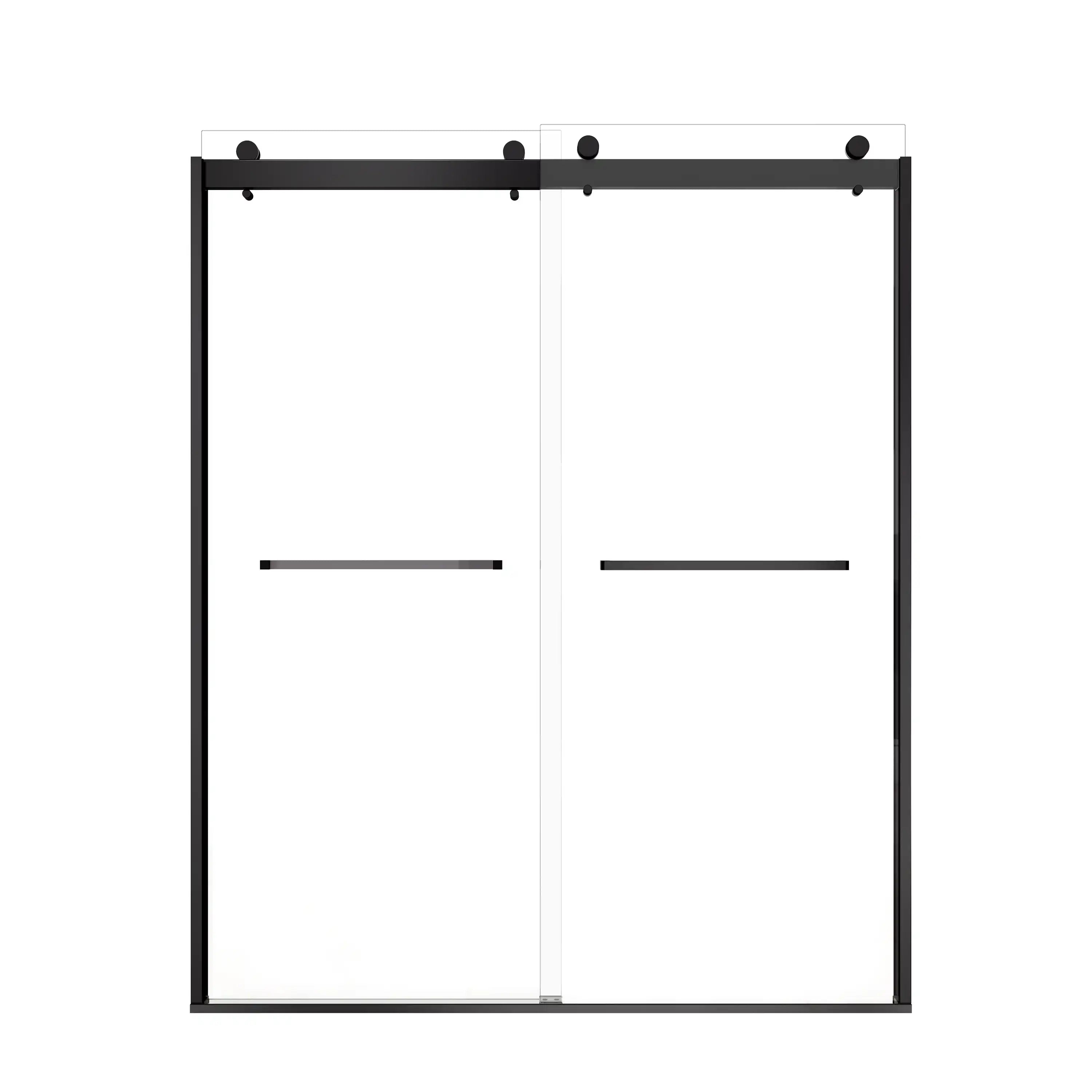
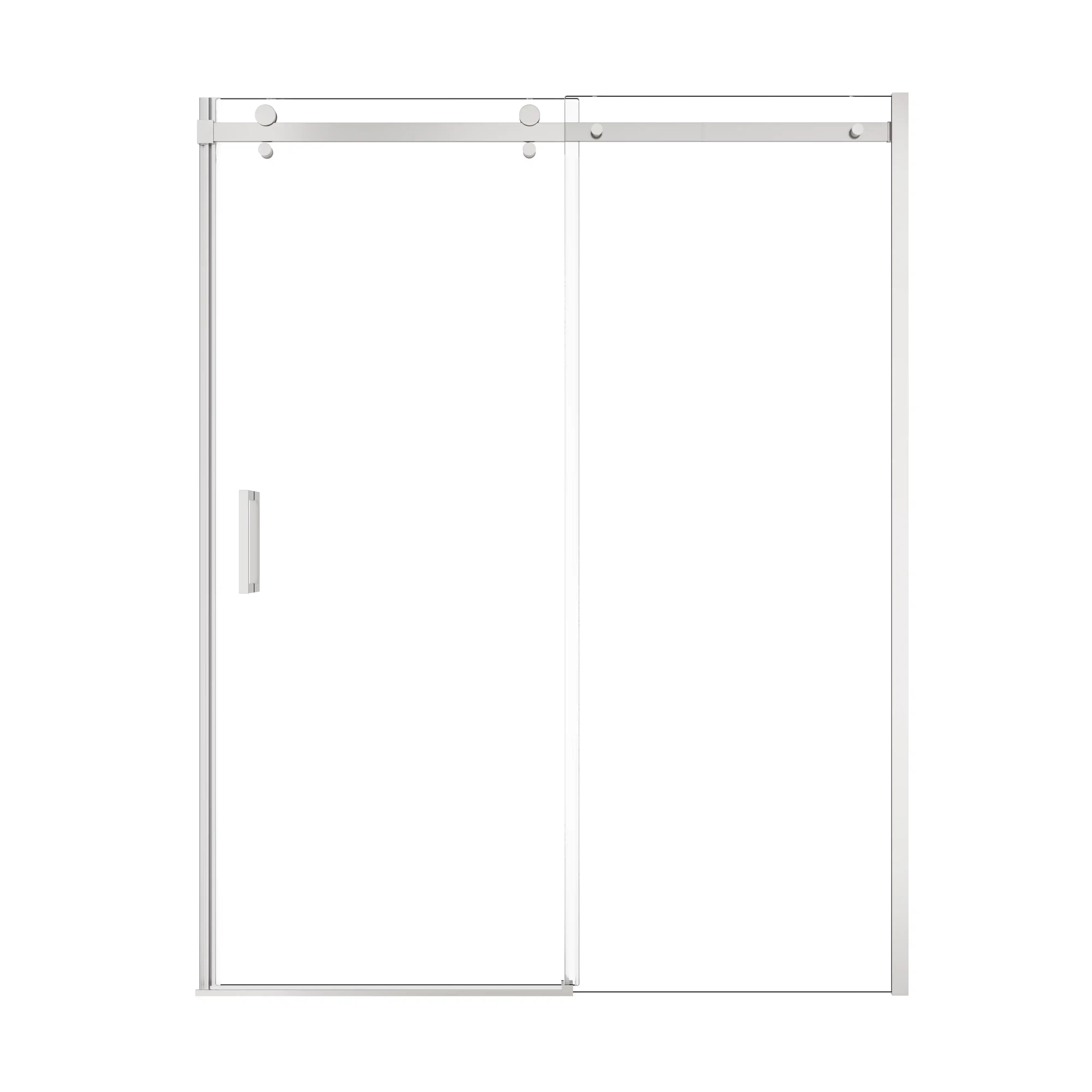
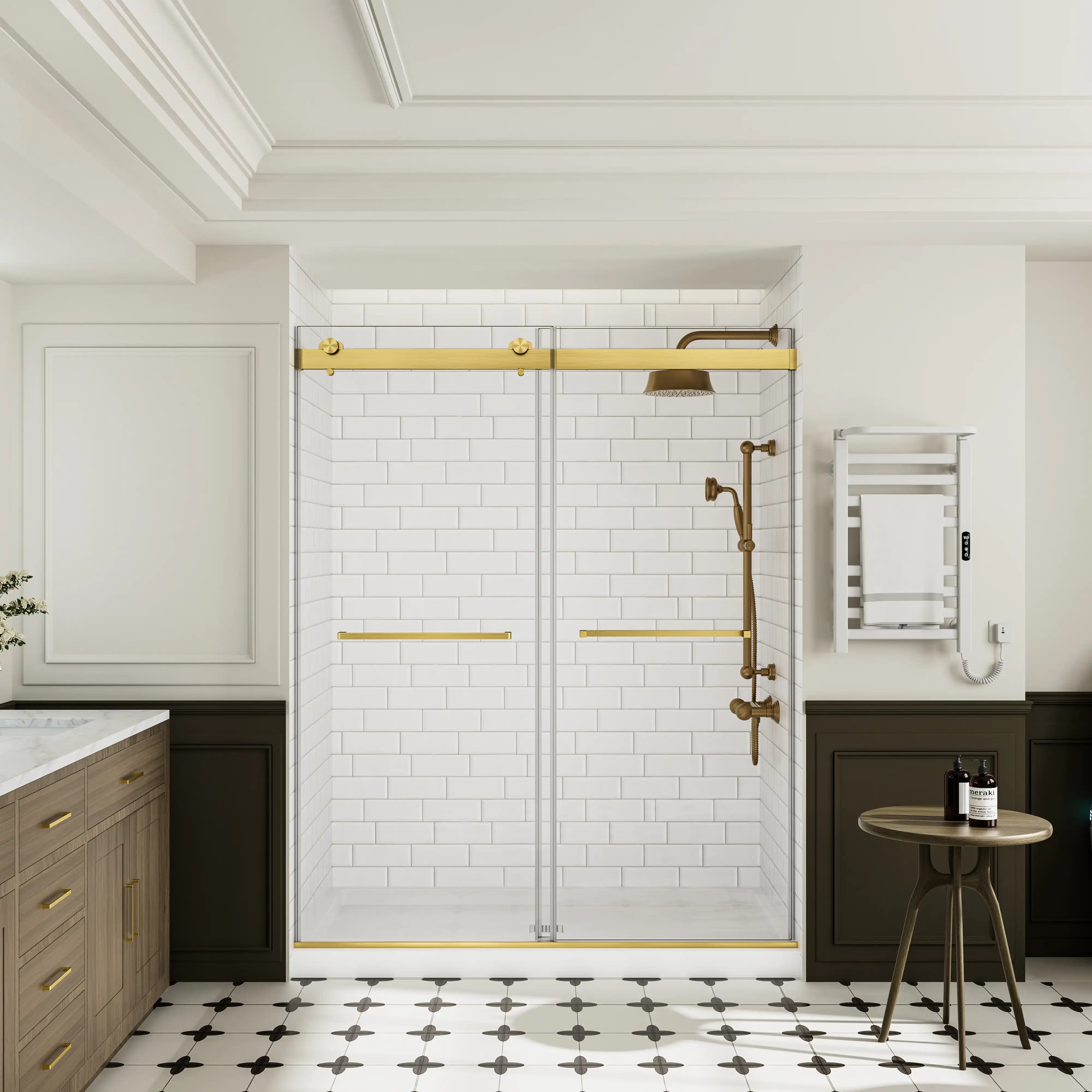
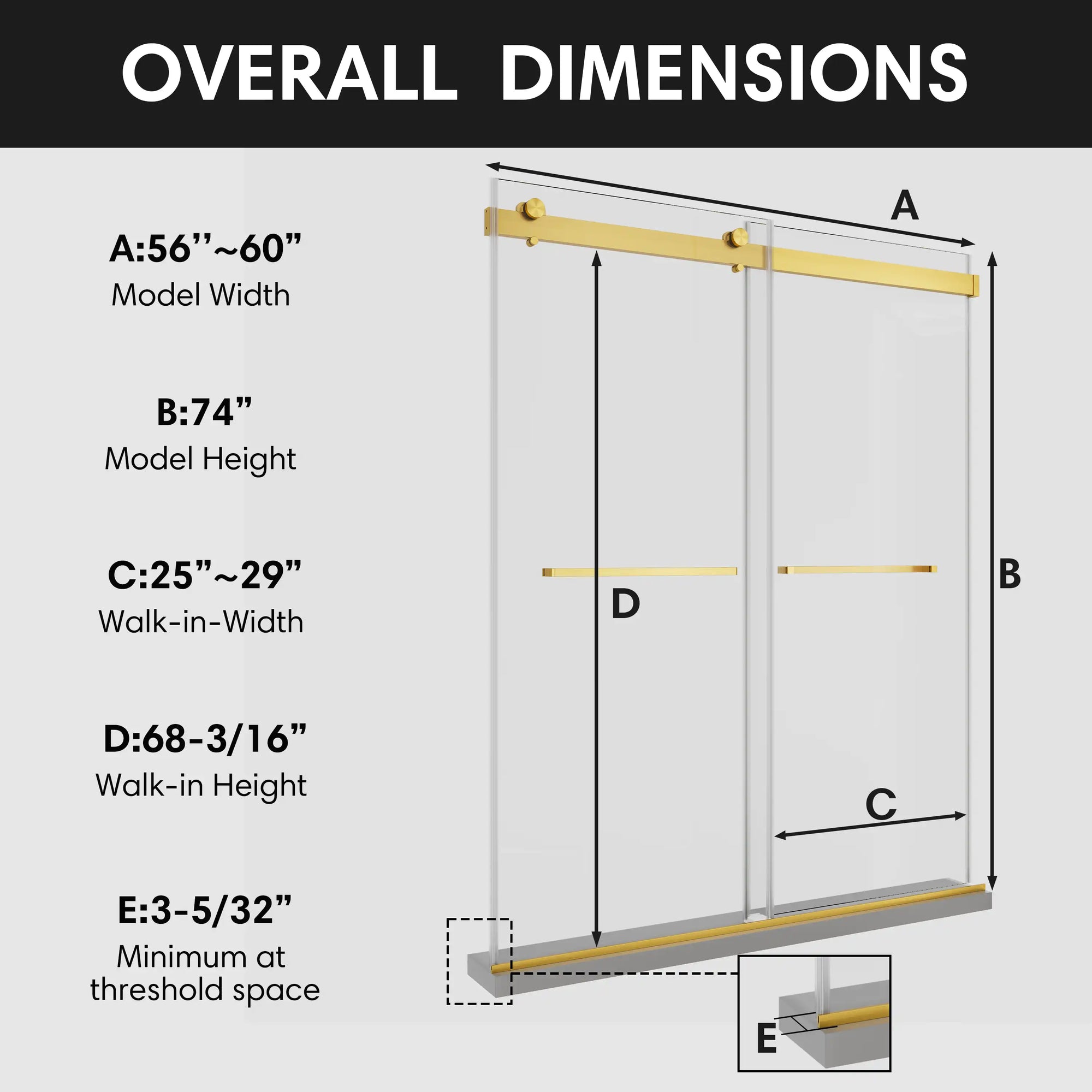
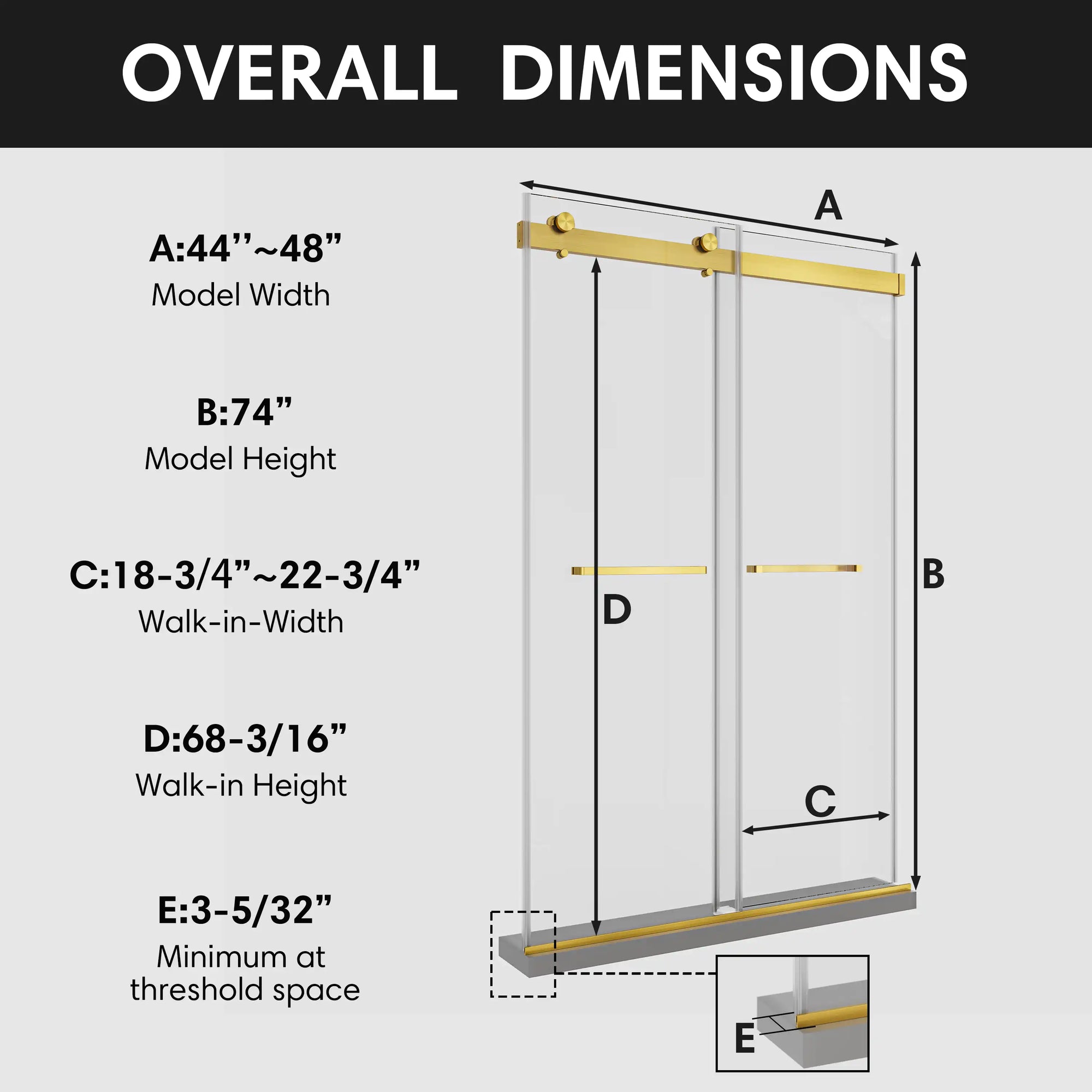
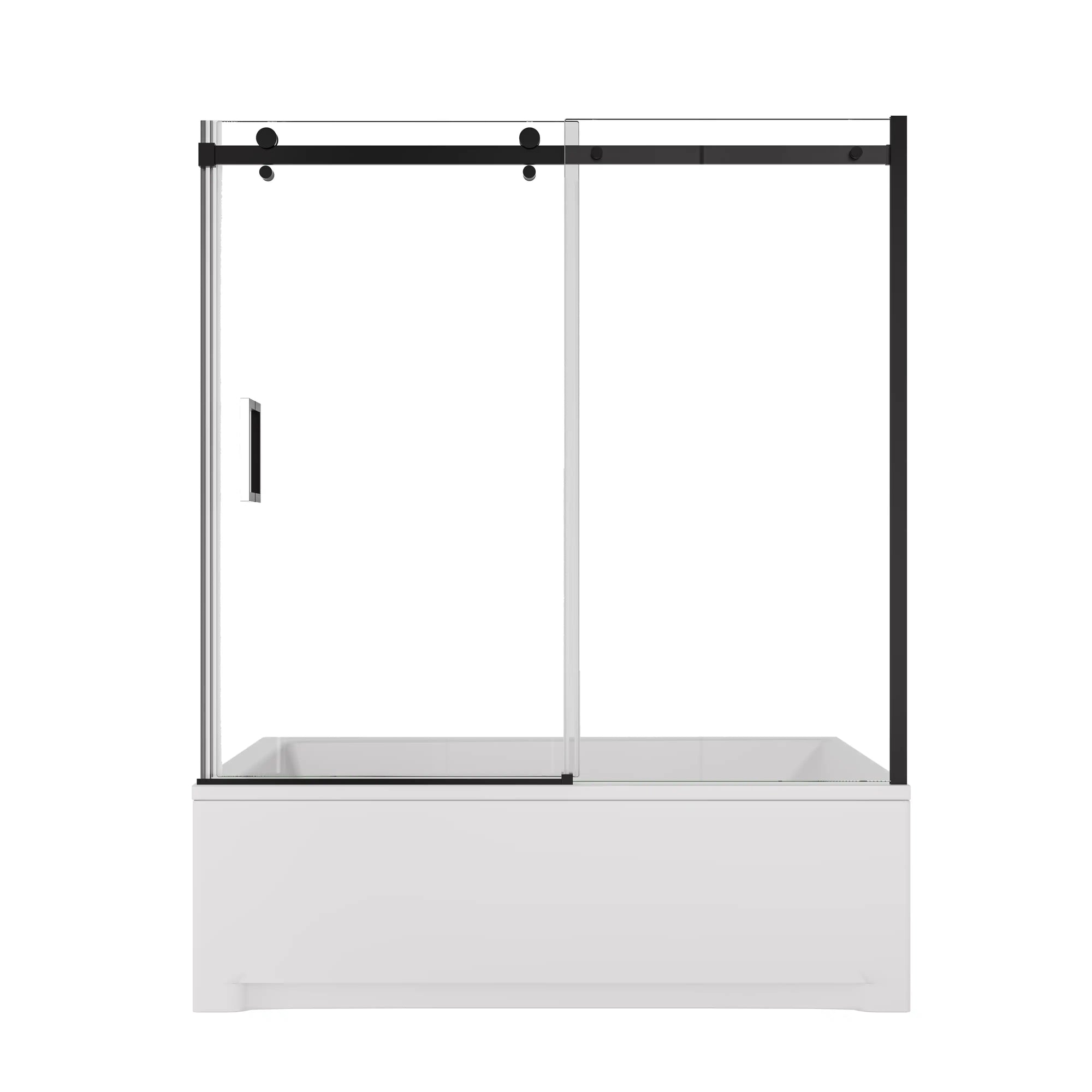
Is a shower door or shower system too “practical” for a Valentine’s purchase?
Who is this Valentine’s Day event best suited for?
- Couples living together or married, investing in a shared home
- Millennials and Gen Z homeowners upgrading their first or second home
- Self-gifting customers seeking comfort-driven, experience-based purchases
Are bathtubs and larger bathroom upgrades included in the Valentine’s discounts?
How does the Valentine’s Day discount work?
- 5% extra off orders over $500
- 10% extra off orders over $1,000
Can I combine the Valentine’s discount with coupons?
Is this event suitable for self-gifting rather than buying for a partner?
Is Valentine’s Day really a good time to start a bathroom upgrade project?
Related Articles
Here are a few related articles that explore how thoughtful bathroom upgrades can elevate everyday comfort, shared routines, and long-term living experiences—perfect for anyone looking to continue their Valentine’s Day home upgrade journey.
- "Why Choose a Bronze Vanity Faucet? The Benefits Explained"
- "Alcove Bathtubs: Why They Feel Like Home"
- "Beveled Bathroom Mirrors: A Guide to Elegance & Style"
- "Choosing the Perfect Bathroom Mirror Frame"
- "Luxury Bathtubs: Redefining At-Home Self-Care"
- "Bathtub Faucet Types: Find the Right Fit for Your Tub"
- "Walk-In Tubs with Jets & Showers: Comfort for Every Age"
- "5 Modern Bathtub Door Ideas That Elevate Function"
- "Why a Corner Bathtub Makes Sense for Your Bathroom"
- "Benefits of Wall-Mounted Floating Vanities"