

Table of Contents
- What "Best Sink Material" Actually Means for Homeowners
- Porcelain and Vitreous China: Why They Remain the Most Trusted Choice
- Ceramic Sinks: Similar Look, Slightly Different Feel
- Solid Surface Sinks: A Modern Alternative with Long-Term Appeal
- Natural Stone Sinks: Beautiful, but Not for Everyone
- Stainless Steel and Glass: Niche Options with Specific Use Cases
- So, What Is the Best Sink Material for Most Bathrooms?
- Final Thoughts from Real-World Experience
- FAQ Time: Common Questions About the Best Sink Material
- Related Articles
When planning a bathroom upgrade, many homeowners focus on cabinets, tiles, or fixtures first. The sink often comes later in the process. Yet in my experience, choosing the best sink material has a bigger impact on long-term satisfaction than most people expect.
A bathroom sink is one of the most frequently used surfaces in your home. It needs to handle daily wear, moisture, cleaning products, and occasional accidents—all while still looking good years down the road. For homeowners renovating their primary residence, especially in suburban homes, the right sink material should feel like a smart investment, not a design risk.
So what really makes the best sink material? Let's take a closer look.
What "Best Sink Material" Actually Means for Homeowners
When people search for the best sink material, they're often hoping for a single, clear-cut answer. But in reality, the right choice has much more to do with how a bathroom is actually used day to day than with any ranking list.
Think about a typical morning. The sink is used for brushing teeth, washing hands, shaving, rinsing small items, sometimes even bathing a pet or cleaning up after a quick home project. In many homes, it's shared by spouses, kids, or visiting guests. That means the best sink material needs to hold up to frequent use, water splashes, cleaning products, and the occasional accident—without showing wear too quickly.
In conversations with homeowners, the same priorities come up again and again. They want a sink that feels solid and dependable, one that's easy to wipe down at the end of the day and doesn't require special cleaners or constant care. Safety matters too—smooth edges, stable installation, and materials that don't become slippery or fragile over time. And of course, value plays a role. Most people aren't looking for the cheapest option, but they do want to feel confident that what they're paying for will last.
Style still matters, but usually in a quieter way. The best sink material should complement a modern, clean bathroom design without becoming the focal point for the wrong reasons. It should look good years from now, not just on installation day.
When you look at sink materials through this real-life lens—how they perform, how they age, and how much attention they demand—the choices become much clearer. That's when it's easier to move past trends and focus on materials that truly make sense for long-term home use.

Porcelain and Vitreous China: Why They Remain the Most Trusted Choice
Porcelain sinks—often referred to as vitreous china—have been a staple in American bathrooms for generations. And in my experience, there's a very practical reason for that. When homeowners ask me to recommend the best sink material for a primary or shared bathroom, this is usually where the conversation naturally begins.
Porcelain sinks are fired at extremely high temperatures, which creates a hard, glass-like surface that's smooth, non-porous, and resistant to everyday wear. In real-life terms, that means toothpaste, soap residue, makeup, and water spots don't easily soak in or leave lasting marks. At the end of a long day, most people can clean a porcelain sink with a quick wipe and a basic household cleaner—no special products, no extra steps.
That ease of maintenance is one of the reasons porcelain continues to feel like the best sink material for busy households. Whether it's a couple getting ready for work in the morning or a family sharing a bathroom, porcelain simply does its job quietly and reliably. It doesn't demand attention, and it doesn't punish you if you miss a cleaning day.
Of course, no material is completely indestructible. Porcelain can chip if a heavy object is dropped directly onto it. But in normal daily use—washing hands, shaving, brushing teeth—it holds up extremely well year after year. That balance between durability and comfort is what keeps it relevant, even as new materials enter the market.
Pros
- Smooth, non-porous surface that resists stains and bacteria
- Very easy to clean with standard household products
- Comfortable, familiar feel for daily use
- Excellent value for the price
- Works well with modern, transitional, and classic bathroom designs
Cons
- Can chip if struck by heavy or sharp objects
- Less visually dramatic than some statement materials
Best use cases
Porcelain and vitreous china sinks are especially well-suited for:
- Primary bathrooms
- Shared family bathrooms
- Guest bathrooms where reliability matters
- Homeowners who want long-term performance without extra maintenance
For most people upgrading their own home—not a showroom or a luxury display—porcelain remains one of the most dependable answers to the question of what is the best sink material.

Ceramic Sinks: Similar Look, Slightly Different Feel
At first glance, ceramic sinks look almost identical to porcelain ones. In fact, many homeowners don't realize there's a difference at all—and that's completely understandable. Ceramic sinks share the same clean, glossy appearance and timeless appeal that people associate with traditional bathroom design.
The key difference lies in how they're made. Ceramic sinks are typically fired at lower temperatures than vitreous china. In everyday terms, that means they still look great, but the surface isn't quite as dense or hard. For light, occasional use, this difference may never be noticeable. Over many years of heavy daily use, however, it can start to show.
In real homes, ceramic sinks tend to perform best in bathrooms that aren't constantly in use. Think of a guest bathroom that sees visitors on weekends, or a powder room that's mainly used for hand washing. In these settings, a ceramic sink offers a polished, welcoming look without pushing the budget higher than necessary.
Where ceramic sinks sometimes fall short is in high-traffic environments. With repeated exposure to heavy use, harsh cleaners, or minor impacts, the surface can show wear sooner than porcelain. That doesn't make ceramic a poor choice—it simply means it's better suited to the right context.
Pros
- Smooth, clean appearance that fits classic and transitional bathrooms
- More budget-friendly than many porcelain or solid surface options
- Wide availability in traditional shapes and sizes
- Easy to clean with standard bathroom cleaners
Cons
- Slightly less durable than vitreous china over long-term heavy use
- Surface glaze may wear down faster in busy bathrooms
- Not ideal for households with frequent, multi-user daily traffic
Best use cases for ceramic sinks
Ceramic sinks are a sensible choice if:
- The bathroom is used occasionally rather than daily
- You're renovating a guest bathroom or powder room
- You want a clean, traditional look while keeping costs under control
- Long-term heavy wear is not a major concern
In short, ceramic sinks can still be a good option—but they're not always the best sink material for every situation. When matched to the right space, they offer solid value and an attractive finish. When used beyond their comfort zone, however, homeowners may find themselves wishing they had stepped up to a more durable material.
Solid Surface Sinks: A Modern Alternative with Long-Term Appeal
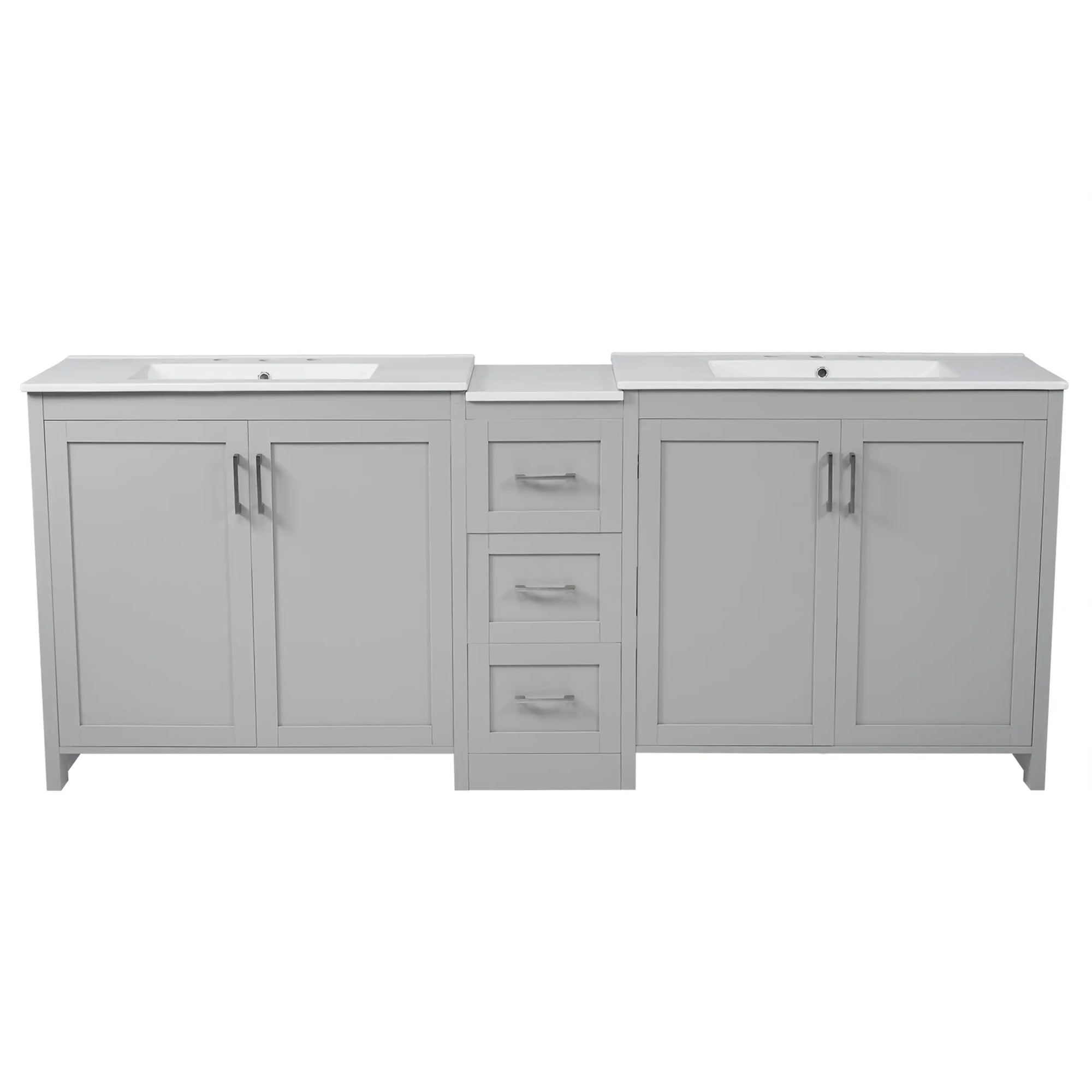
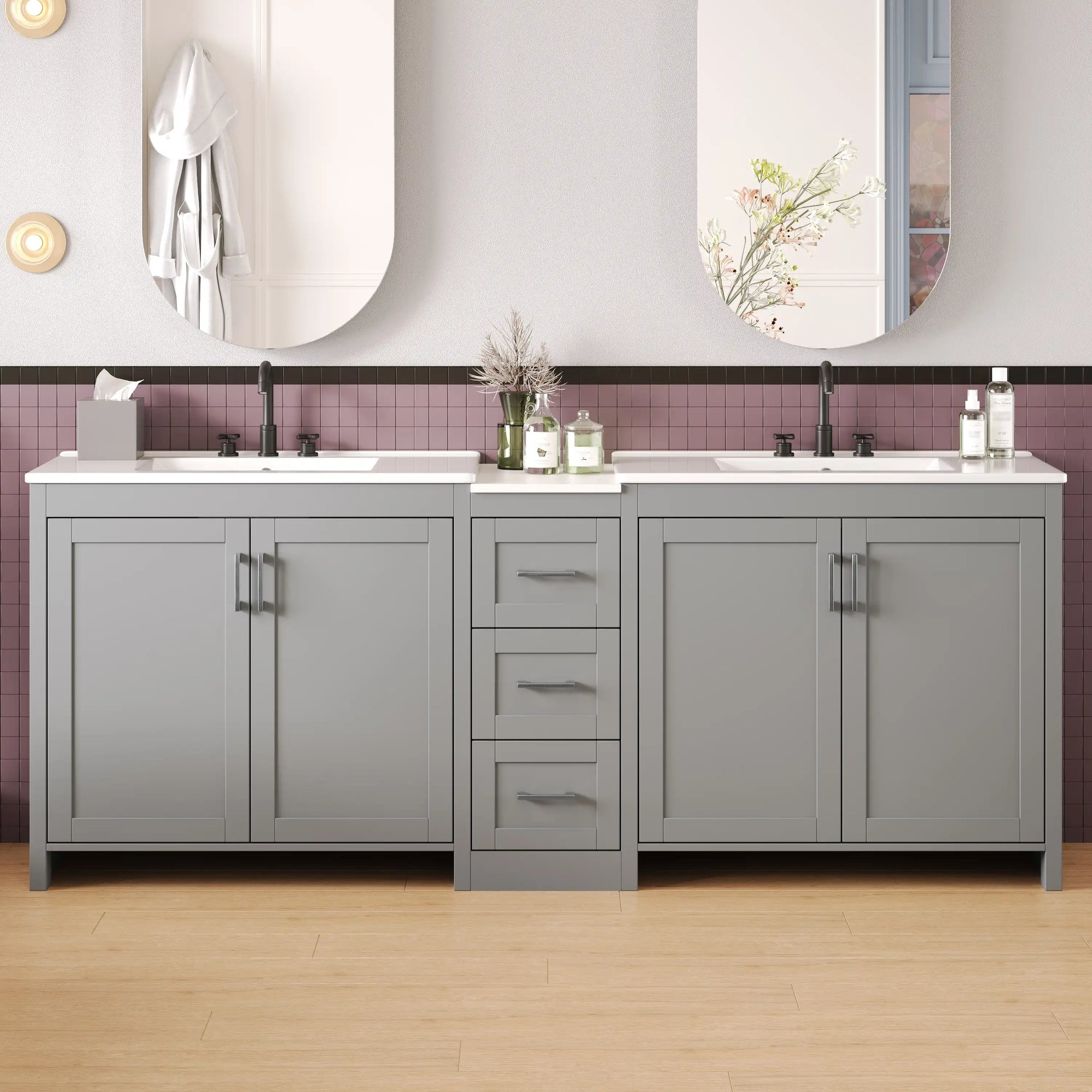
In recent years, solid surface sinks have quietly become one of the most talked-about options in modern bathroom remodels. I've seen many homeowners start out planning to use a traditional porcelain sink, only to pause once they see what a solid surface sink can offer—especially when the goal is a clean, contemporary space that still feels comfortable and practical.
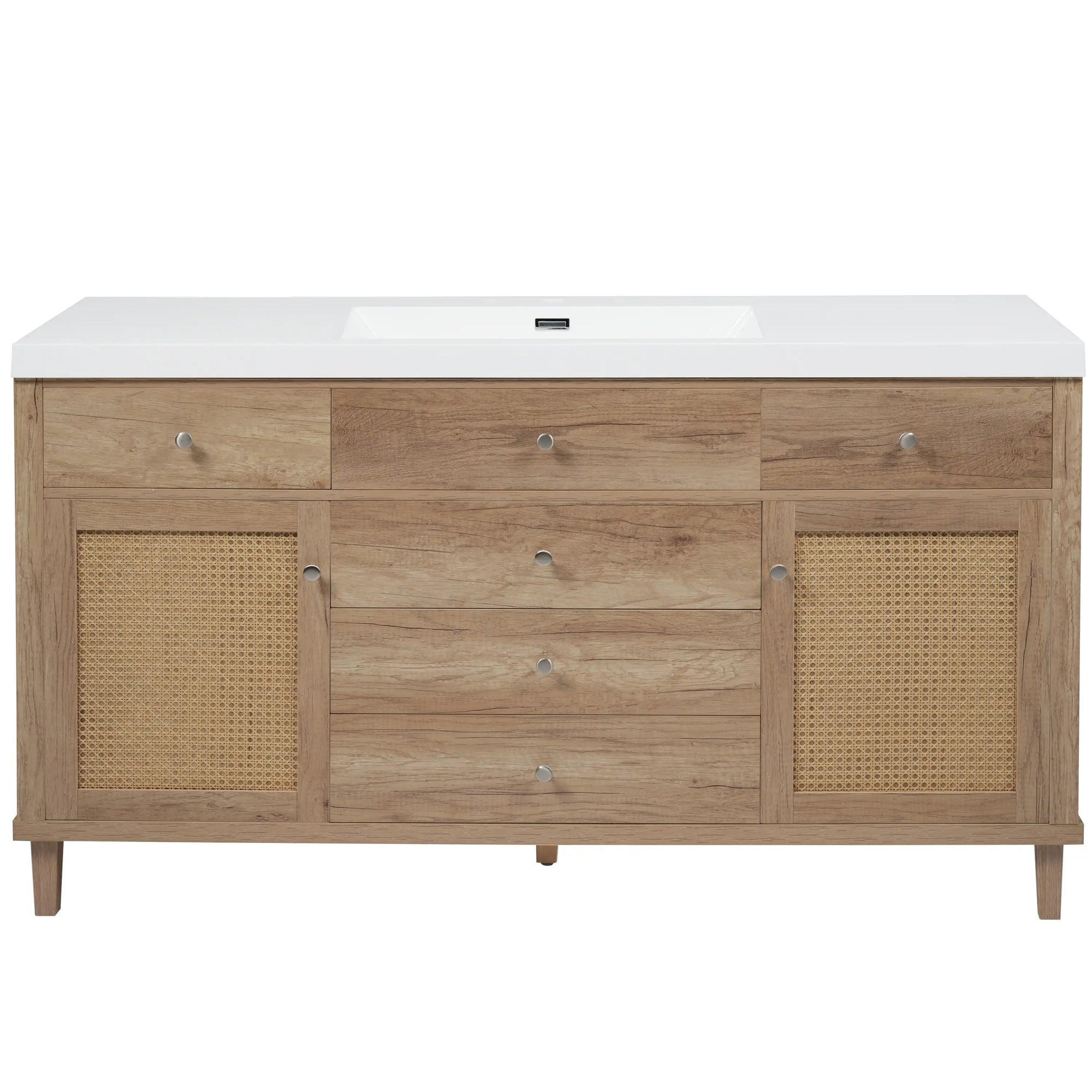
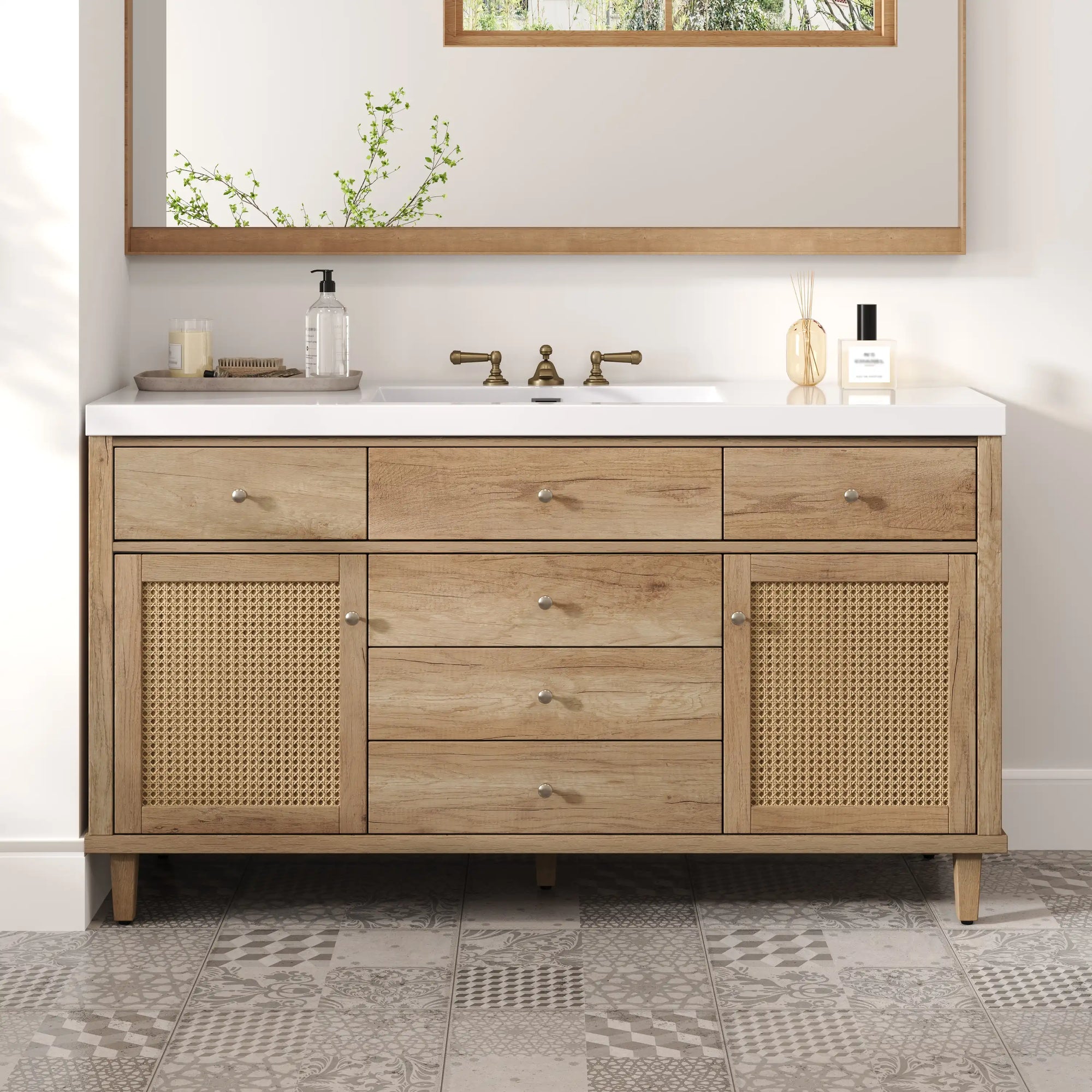
What immediately sets solid surface sinks apart is their seamless design. Because these sinks are made from engineered materials, they can be molded as a single piece with the countertop or vanity top. In everyday use, that seamless construction makes a real difference. There are fewer joints where water, soap residue, or grime can build up, which means cleaning takes less effort and the sink tends to look newer for longer.
Another detail homeowners often notice right away is how solid surface sinks feel. Compared to porcelain, the material is slightly warmer and softer to the touch. That may sound minor, but in a primary bathroom used every morning and evening, it adds to the overall comfort and sense of quality. For many people, this tactile experience is part of why solid surface starts to feel like a best sink material candidate rather than just a design upgrade.
From a durability standpoint, solid surface performs well in real-world conditions. While it isn't completely immune to scratches, minor surface marks can often be sanded or refinished instead of requiring a full replacement. That long-term repairability is something many homeowners appreciate, especially when investing in a bathroom meant to last for years.
Cost is usually the main hesitation. Solid surface sinks do require a higher upfront investment than standard porcelain options. However, for homeowners already updating vanities, countertops, and fixtures, many feel the added cost is justified by the streamlined look, ease of maintenance, and modern appeal.
Pros
- Seamless, integrated appearance with countertops or vanities
- Fewer seams and crevices, making cleaning easier
- Warm, smooth feel that adds comfort to daily use
- Minor scratches can often be repaired rather than replaced
- Excellent fit for modern and minimalist bathroom designs
Cons
- Higher upfront cost compared to porcelain or ceramic
- Can be damaged by excessive heat or harsh chemicals
- Fewer traditional styles available
Best use cases for solid surface sinks
Solid surface sinks are especially well-suited for:
- Primary bathrooms undergoing a full or partial remodel
- Homeowners seeking a modern, uncluttered aesthetic
- Bathrooms where easy cleaning and low visual maintenance matter
- Buyers who view the sink as part of a long-term investment
For homeowners who value both appearance and practicality, solid surface sinks often strike the right balance. They may not be the cheapest option, but for many modern homes, they represent a compelling answer to the question of what is the best sink material for everyday living.

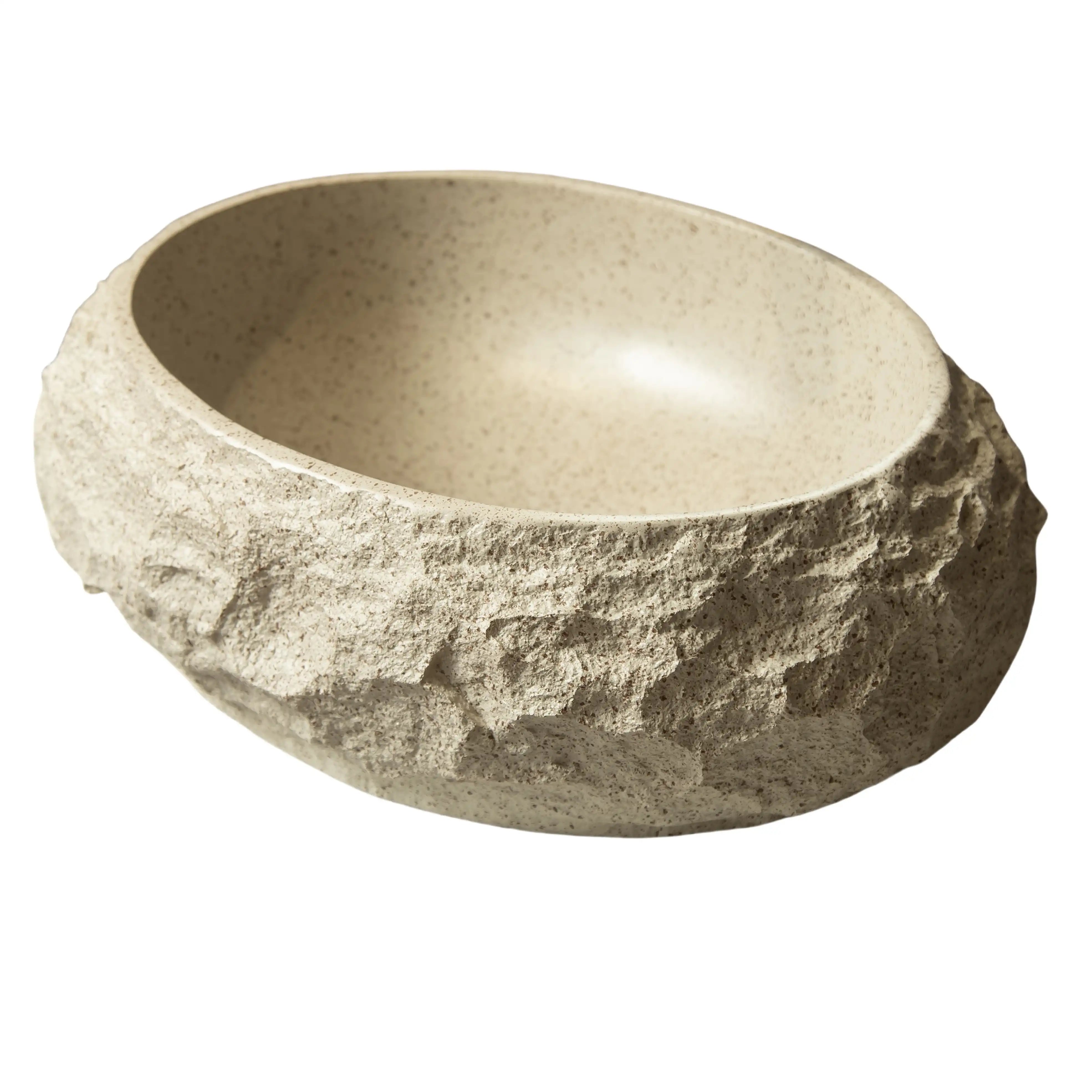
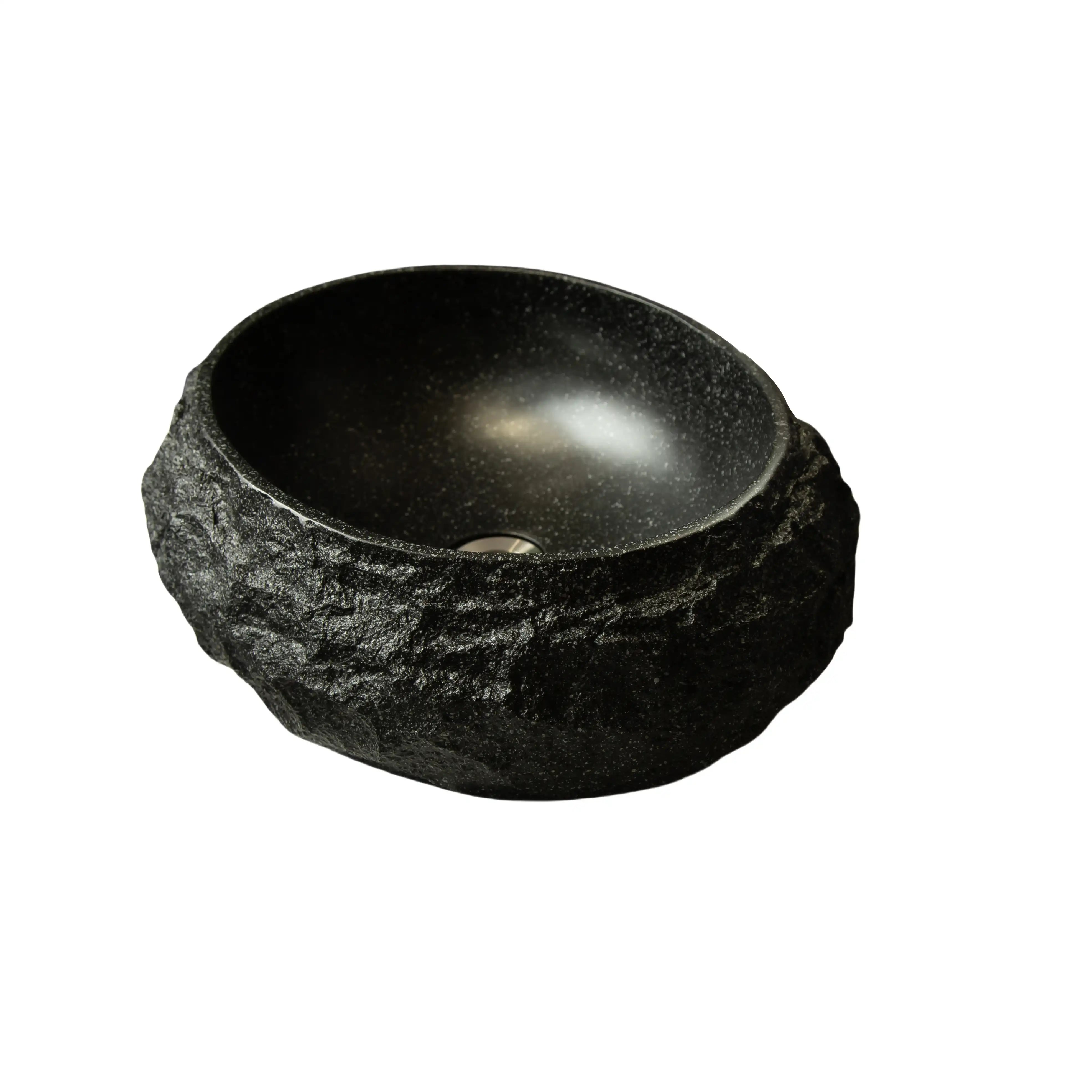
Natural Stone Sinks: Beautiful, but Not for Everyone
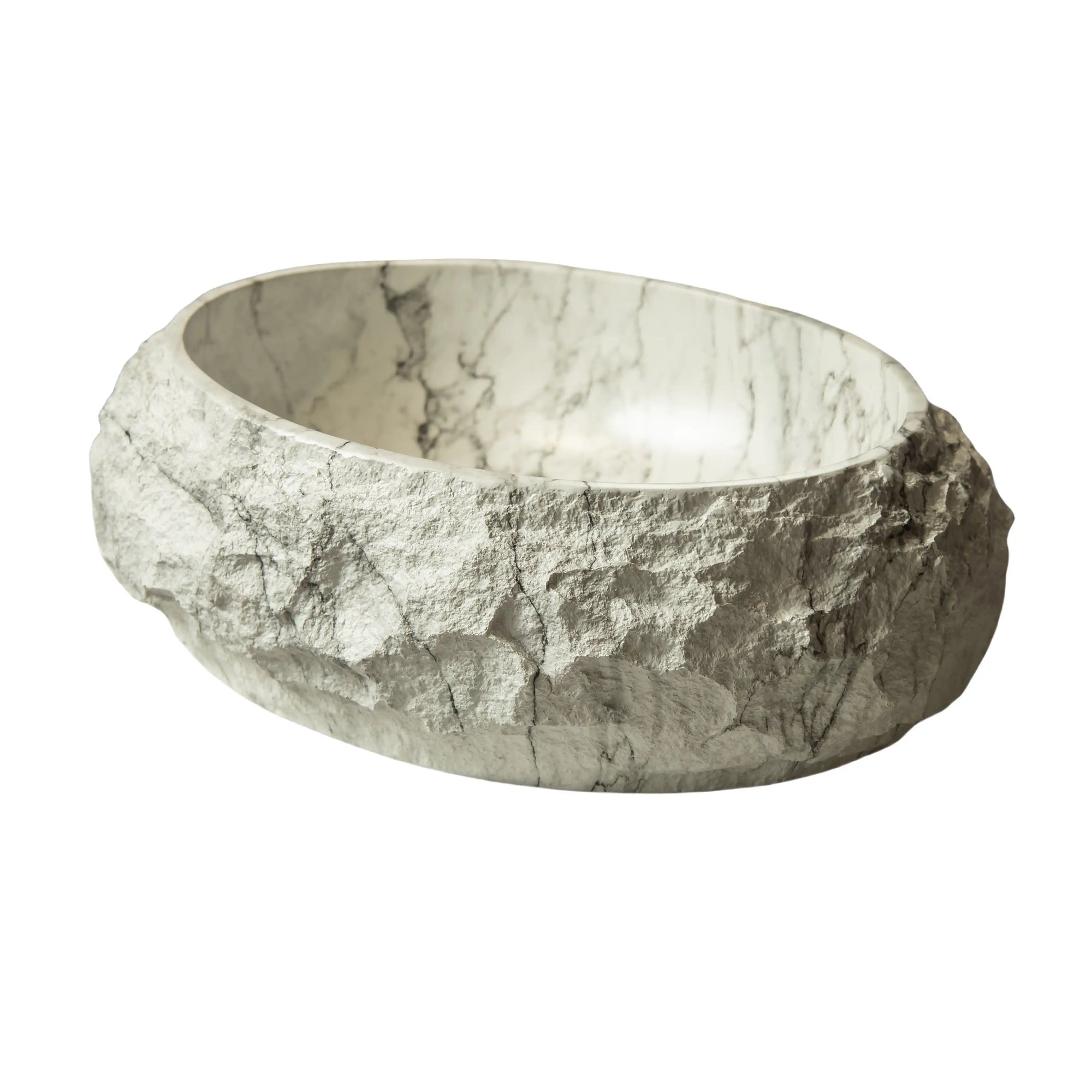
There's something undeniably striking about a natural stone sink. Whether it's marble with soft veining or granite with a more dramatic texture, stone sinks immediately convey a sense of craftsmanship and luxury. In the right bathroom, they can feel less like a fixture and more like a piece of functional art.
I've seen stone sinks work beautifully in carefully designed spaces—especially bathrooms where visual impact comes first. A powder room with soft lighting, a custom vanity, and a stone sink can leave a lasting impression on guests. In those moments, it's easy to understand why homeowners are drawn to them when searching for the best sink material.
That said, stone sinks ask for something in return.
Unlike porcelain or solid surface options, natural stone is porous by nature. Even when sealed, it requires ongoing attention. Water can sit on the surface, soaps and cosmetics can leave marks, and certain cleaners can slowly etch or dull the finish. Over time, what once looked refined can start to feel high-maintenance—especially in a bathroom that sees daily use.
For homeowners who enjoy caring for natural materials, this isn't necessarily a drawback. Some people appreciate the way stone develops character over time. But for many families renovating a bathroom for everyday convenience, stone sinks can quickly feel less practical than expected.
Pros
- Unique, one-of-a-kind appearance
- Strong visual impact and upscale feel
- Works well as a design focal point
- Pairs beautifully with custom vanities and high-end finishes
Cons
- Porous material that requires regular sealing
- More prone to staining, etching, and water marks
- Sensitive to certain cleaning products
- Higher cost, both upfront and in long-term maintenance
Best use cases for natural stone sinks
Natural stone sinks tend to make the most sense when:
- The bathroom is used occasionally rather than daily
- Design and visual impact are the top priorities
- The homeowner is comfortable with ongoing maintenance
- The sink is part of a statement or showcase space
In most primary or shared bathrooms, stone rarely qualifies as the best sink material from a practical standpoint. While it offers undeniable beauty, it often demands more care than many homeowners expect. When chosen intentionally—and placed in the right environment—it can be stunning. When chosen for the wrong reasons, it can become a source of frustration rather than enjoyment.
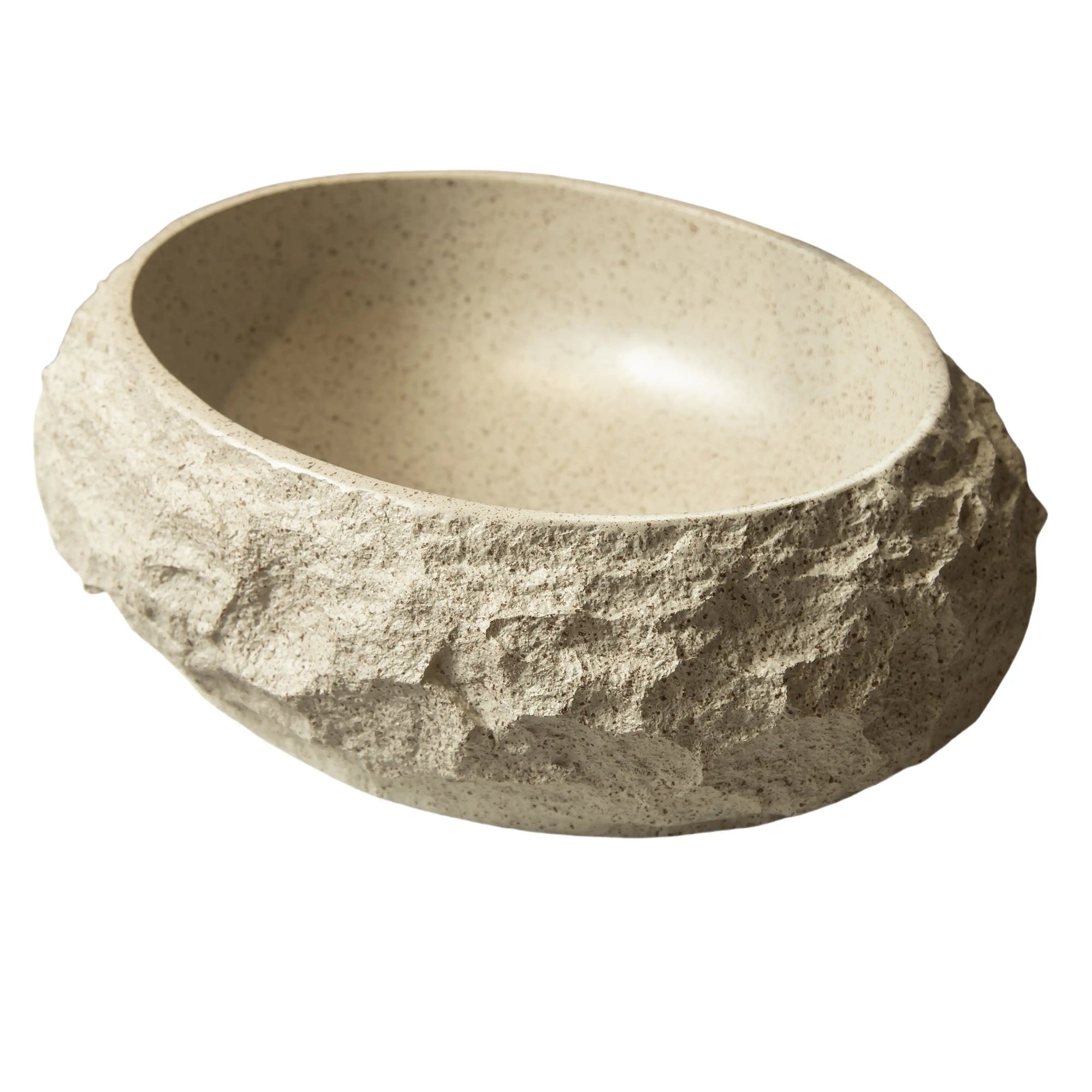
*If you love the look and feel of natural stone but want easier maintenance, our resin stone sinks offer a nearly identical appearance and tactile experience—without the extra care natural stone requires.
Stainless Steel and Glass: Niche Options with Specific Use Cases
Stainless steel sinks are often overlooked in bathroom remodels, largely because most homeowners associate them with kitchens. But from a purely functional standpoint, stainless steel is one of the toughest sink materials available. It won't crack, it handles temperature changes well, and it stands up to years of use without structural issues.
In real homes, I've seen stainless steel sinks work particularly well in secondary bathrooms, laundry rooms, or utility spaces—places where durability and ease of installation matter more than creating a soft, spa-like atmosphere. The material is lightweight, which can simplify installation, and its non-porous surface naturally resists bacteria.
That said, stainless steel has a very specific look and feel. In a primary bathroom, especially one designed to feel warm and residential, the metallic finish can come across as a bit cold or industrial. Water spots and fingerprints also tend to show more easily, which means the sink can look "messy" even when it's technically clean. For homeowners focused on creating a calm, refined space, this often becomes a deal-breaker.
Pros
- Extremely durable and impact-resistant
- Lightweight and easy to install
- Non-porous and hygienic
- Handles temperature changes well
Cons
- Shows water spots and fingerprints
- Industrial appearance doesn’t suit every bathroom
- Can feel cold or utilitarian in primary spaces
Best suited for:
Utility bathrooms, secondary bathrooms, workshops, or homes where function clearly outweighs aesthetics.

Glass sinks sit at the opposite end of the spectrum. They’re chosen almost entirely for visual impact. A glass vessel sink can immediately elevate a bathroom’s appearance, especially in modern or design-forward spaces. When styled well, it becomes a focal point rather than just a functional fixture.
However, living with a glass sink day to day is very different from admiring it in a photo. Water spots, soap residue, and fingerprints are highly visible, which means frequent cleaning is part of the deal. While tempered glass is stronger than it looks, it's still more vulnerable to cracking or chipping than porcelain or solid surface materials—particularly in shared bathrooms where multiple people use the sink daily.
For this reason, glass sinks tend to work best in low-traffic spaces where appearance takes priority and usage is predictable.
Pros
- Striking, modern appearance
- Non-porous surface
- Works well as a design statement
Cons
- Requires frequent cleaning to look its best
- More vulnerable to damage than traditional materials
- Not ideal for heavy daily use or shared bathrooms
Best suited for:
Powder rooms, guest bathrooms, or showcase spaces where style is the primary goal.
How They Compare at a Glance
| Material | Strength & Durability | Maintenance | Style Impact | Best Use Case |
|---|---|---|---|---|
| Stainless Steel | Very high | Low–Medium | Low | Utility or secondary bathrooms |
| Glass | Medium | High | High | Low-traffic, design-focused spaces |
In the context of most home remodels, neither stainless steel nor glass typically qualifies as the best sink material for everyday bathroom use. They aren't bad choices—but they are very specific ones. When matched to the right space and expectations, they can work well. When chosen simply for novelty or trend appeal, they often fall short of what homeowners need long term.
So, What Is the Best Sink Material for Most Bathrooms?
After looking at all the options side by side, one pattern becomes very clear. For the majority of homeowners renovating a primary or shared bathroom, porcelain—also known as vitreous china—continues to stand out as the best sink material overall.
This isn't because porcelain is trendy or flashy. It's because it quietly checks the boxes that matter most in everyday life. It holds up well to constant use, resists moisture and stains, feels familiar and comfortable, and doesn't demand special care. For a sink that will be used multiple times a day by different people, that reliability goes a long way.
In real homes, porcelain sinks tend to age gracefully. Years down the line, they usually still look clean and intact rather than worn out or dated. That long-term consistency is a big reason why so many homeowners feel confident choosing porcelain when they want a solution that simply works.
That said, "best" doesn't always mean "only.”
For homeowners who are aiming for a more modern, streamlined bathroom—and who are already investing in updated vanities and finishes—solid surface sinks are a compelling alternative. They offer a seamless appearance, fewer joints to clean, and a more contemporary feel. While they do come at a higher upfront cost, many people find the added comfort and visual simplicity worth the investment.
To help put this into perspective, here's how these two leading options typically compare in everyday use:
| Feature | Porcelain (Vitreous China) | Solid Surface |
|---|---|---|
| Durability | Very high for daily use | High, with repairable surface |
| Maintenance | Very low | Low |
| Feel | Smooth, familiar | Slightly warmer, softer |
| Style | Timeless, versatile | Modern, minimalist |
| Cost | More budget-friendly | Higher upfront investment |
| Best for | Most primary & shared bathrooms | Modern remodels, design-focused homes |
When you step back and look at the bigger picture, the decision often comes down to lifestyle rather than design preference alone. If you want a sink you don't have to think about—one that handles daily routines without fuss—porcelain remains the best sink material for most households. If your priority is a sleek, contemporary look and you're comfortable investing a bit more, solid surface may be the better fit.
The key is choosing a sink material that supports how you actually live in your home, not just how you want it to look on installation day. When function, comfort, and long-term value are aligned, the right choice tends to feel obvious—and it's one you're unlikely to second-guess later.
Final Thoughts from Real-World Experience
A bathroom upgrade should make daily life easier—not add new things to worry about. The best sink material is often the one you stop noticing after installation, because it simply does what it's supposed to do, day after day.
In real homes, sinks don't live in showrooms. They deal with rushed mornings, tired evenings, occasional messes, and everything in between. When homeowners look back a few years after a remodel, the sinks they're happiest with tend to share the same qualities: they still look clean, they're easy to maintain, and they haven't caused unexpected issues. No cracks, no stains that won't come out, no constant need for special care.
From my experience, the most satisfying choices usually come down to a few practical truths:
- The best sink material should fit your daily routine, not fight it
- Easy cleaning matters more over time than a dramatic first impression
- Durability and stability bring peace of mind, especially in shared bathrooms
- A timeless look ages better than a bold trend
That's why long-term reliability and straightforward maintenance matter so much. A sink isn't something most homeowners want to "manage.” It's something they want to trust.
This way of thinking is exactly how we approach bathroom vanities and sinks at Ace Decor. We focus on materials and designs that work well in real homes—offering solid value, dependable performance, and a modern, understated style that doesn't feel dated a few years down the line. Our goal is to help homeowners choose once, install with confidence, and enjoy the results without second-guessing.
When you choose the right sink material upfront, you're not just finishing a remodel—you're setting yourself up for years of everyday comfort. And in the long run, that quiet confidence is what truly defines the best sink material.
FAQ Time: Common Questions About the Best Sink Material
What is the best sink material for everyday bathroom use?
Is the best sink material always the most expensive one?
What sink material is easiest to clean and maintain?
Which sink material lasts the longest over time?
Is solid surface a better sink material than porcelain?
What is the best sink material for a guest bathroom or powder room?
Are natural stone sinks practical for daily use?
What sink material works best with modern bathroom vanities?
How do I choose the best sink material for my family?
What mistakes do homeowners make when choosing a sink material?
Related Articles
If you're planning a bathroom upgrade, the articles below explore complementary topics to help you make confident, well-informed decisions from start to finish.
- "How to Choose the Best Bathtub Pillows"
- "Gold Bathroom Mirrors: Design Ideas & Tips"
- "Exposed vs Concealed Shower Systems: Which Is Better?"
- "Deep vs. Standard Bathtubs: Which Is Right for You?"
- "Venetian Bronze vs. Oil Rubbed Bronze Explained"
- "How to Choose the Right Vanity Sink Height"
- "Improve Bathroom Drying with a Shower Drying System"
- "Pony Wall Shower Enclosures: Privacy vs. Openness"
- "How Wide Are Sliding Glass Shower Doors?"
- "Soaking Tub Dimensions: What to Know"