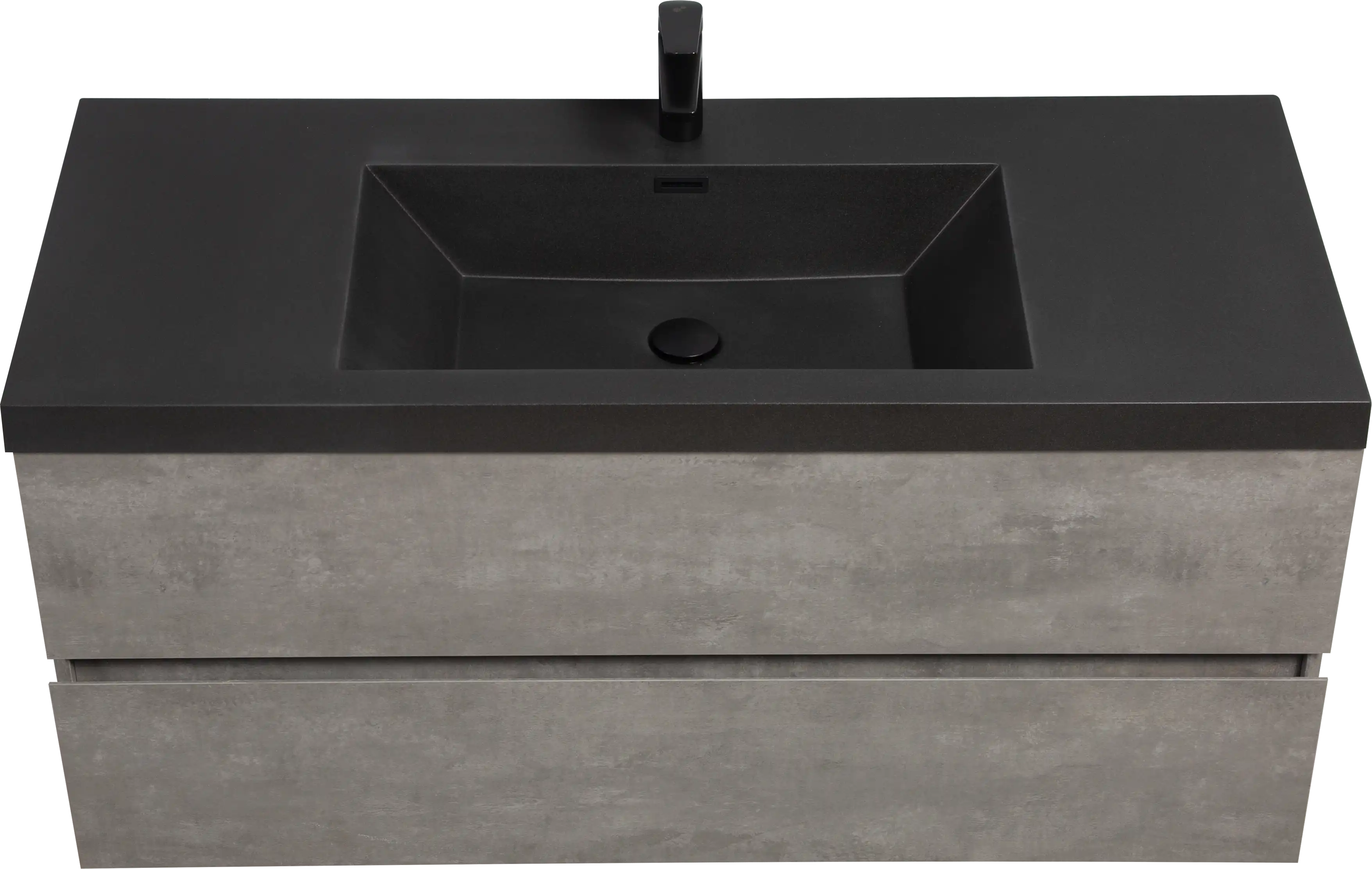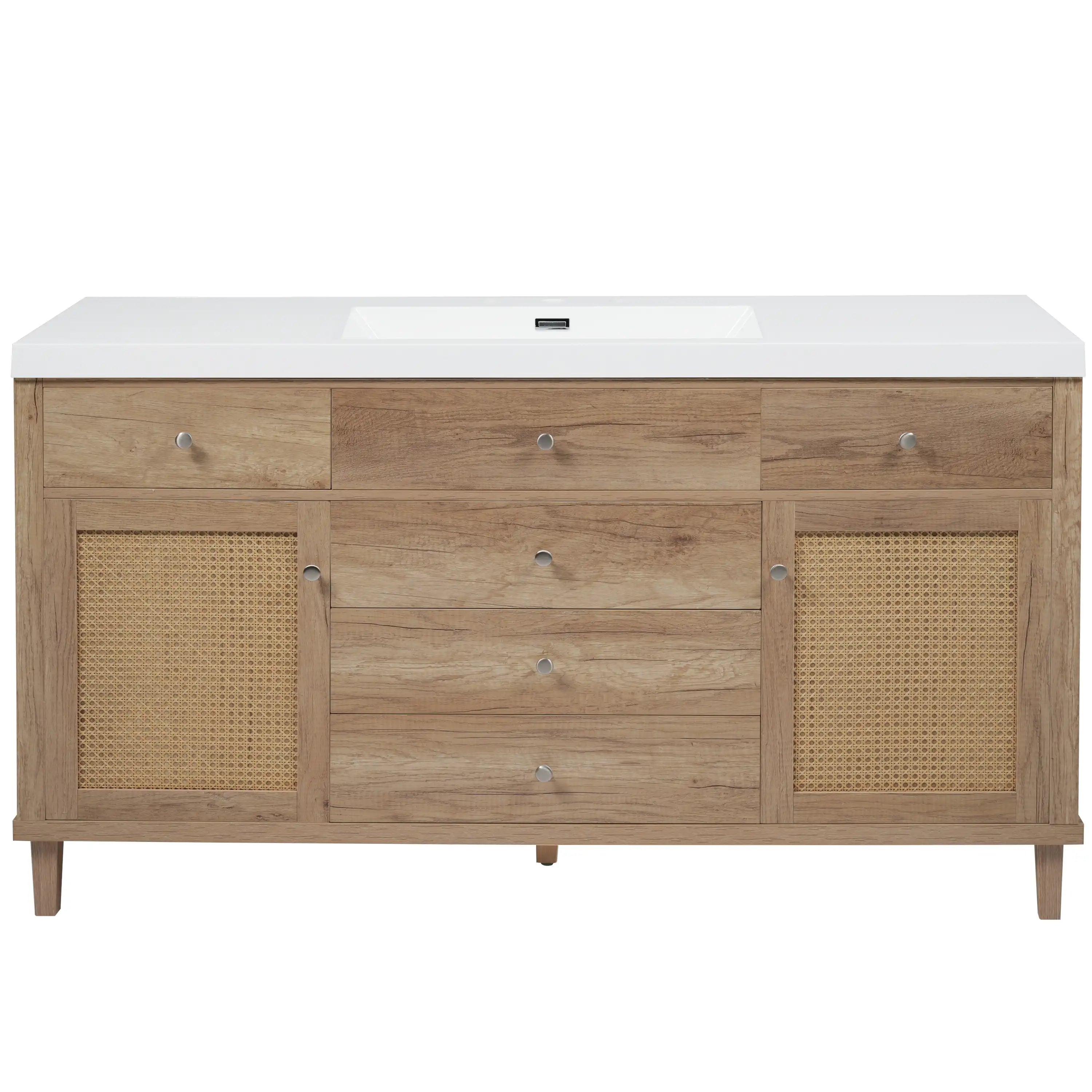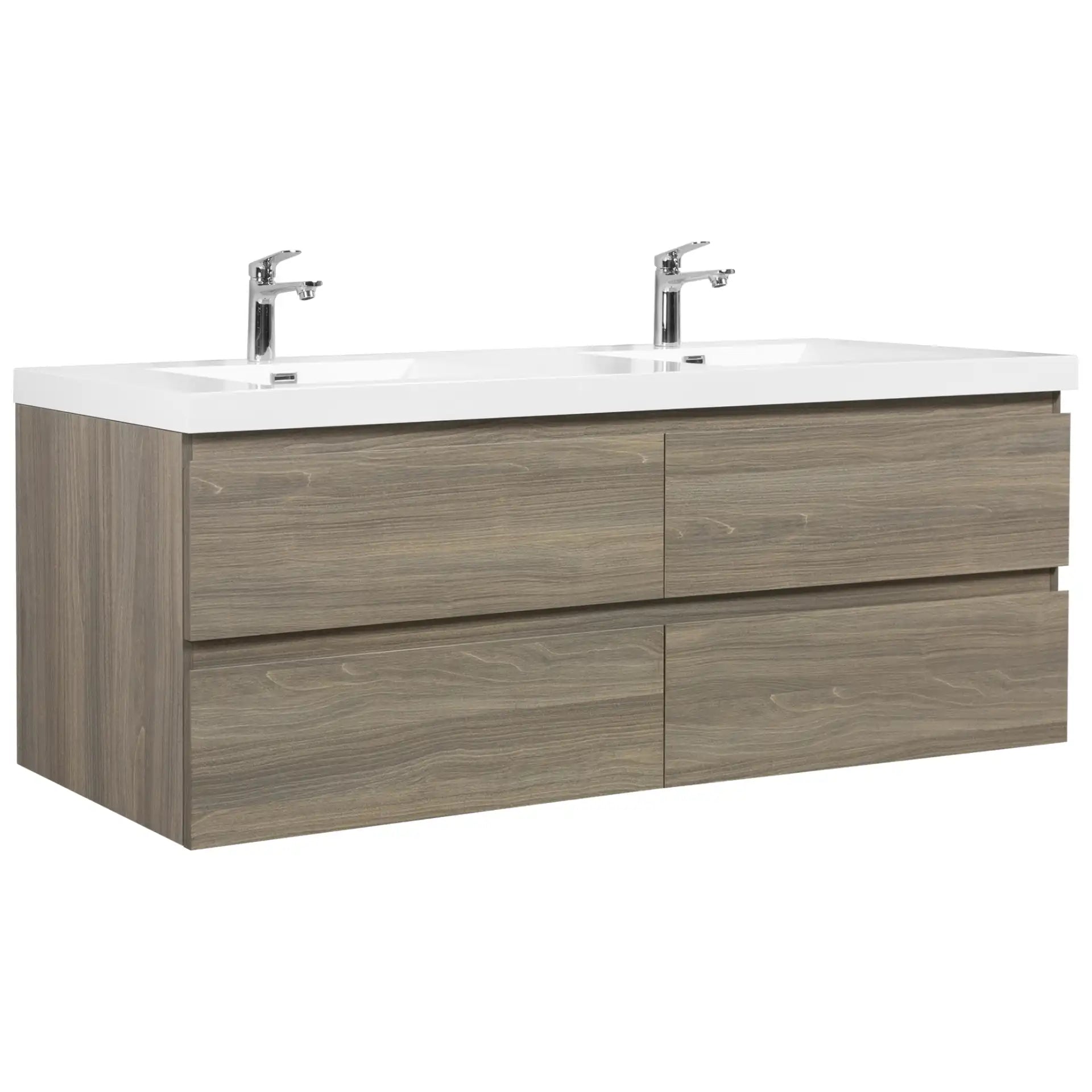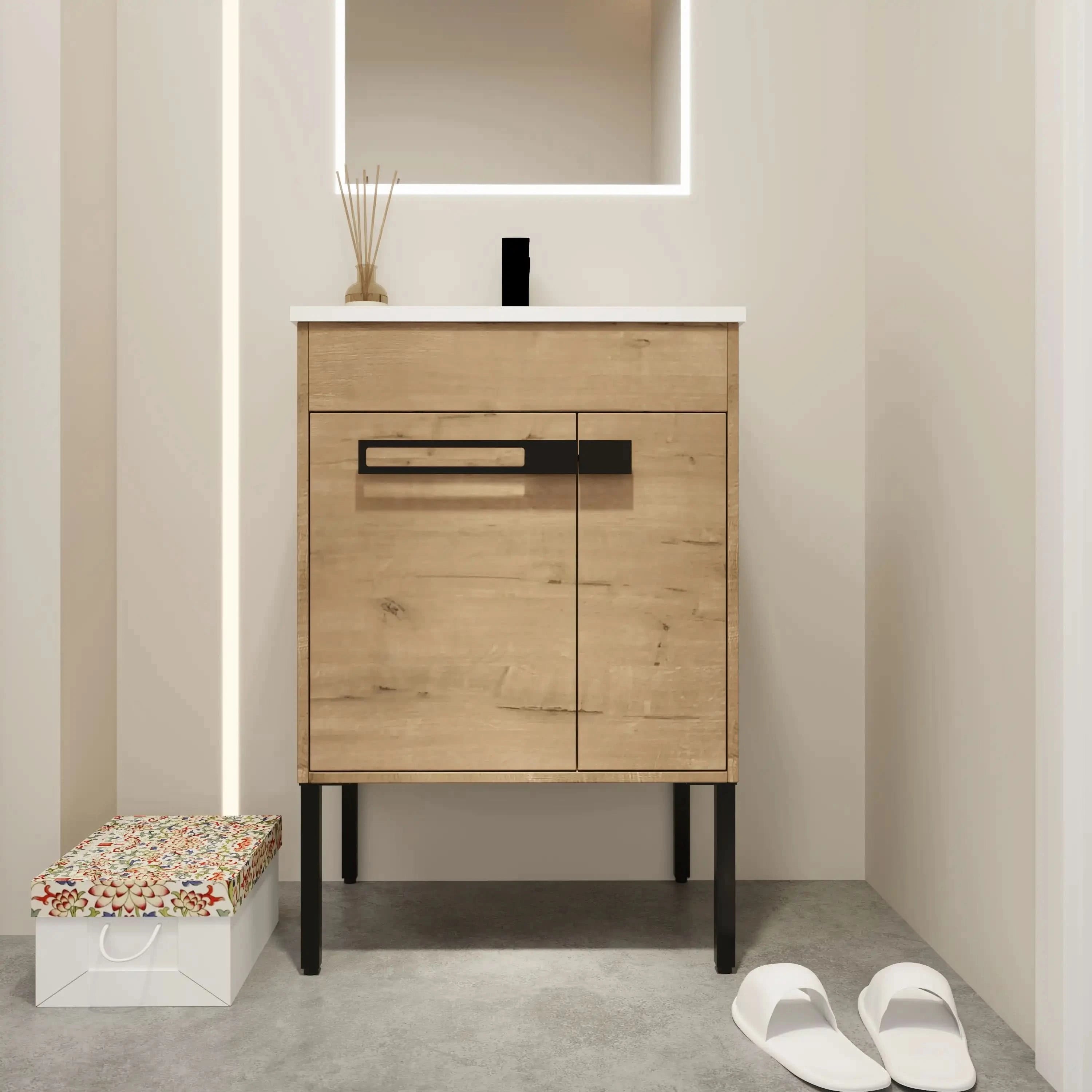


Introduction: Choosing the Right Materials for a Bathroom That Lasts
Different bathroom vanity materials offer varying levels of durability, moisture resistance, maintenance needs, and aesthetic appeal. With so many options available, from natural wood to engineered composites and metal, it can be difficult to understand which material best fits your space, your budget, and your long-term expectations.
This guide will dissect the main categories of materials you will encounter in modern bathroom vanities and outline their benefits as well as shortcomings, so you can choose wisely. We will also do a brief discussion of sink materials and the complementary aspects like mirrors and faucets that make a bathroom truly well-designed.
Table of Contents:
- Natural Wood Vanities: Warm, Timeless, and Full of Character
- Engineered Wood Options: Plywood, MDF, and Other Composites
- Metal Vanities: Durable, Hygienic, and Perfect for Minimalist or Industrial Designs
- Don’t Forget the Sink: Understanding the Materials That Shape Daily Use
- Complete the Setup: Faucets, Mirrors, and Medicine Cabinets
- Conclusion: Bringing All Bathroom Vanity Materials Together
- Frequently Asked Questions
- Related Articles
Natural Wood Vanities: Warm, Timeless, and Full of Character
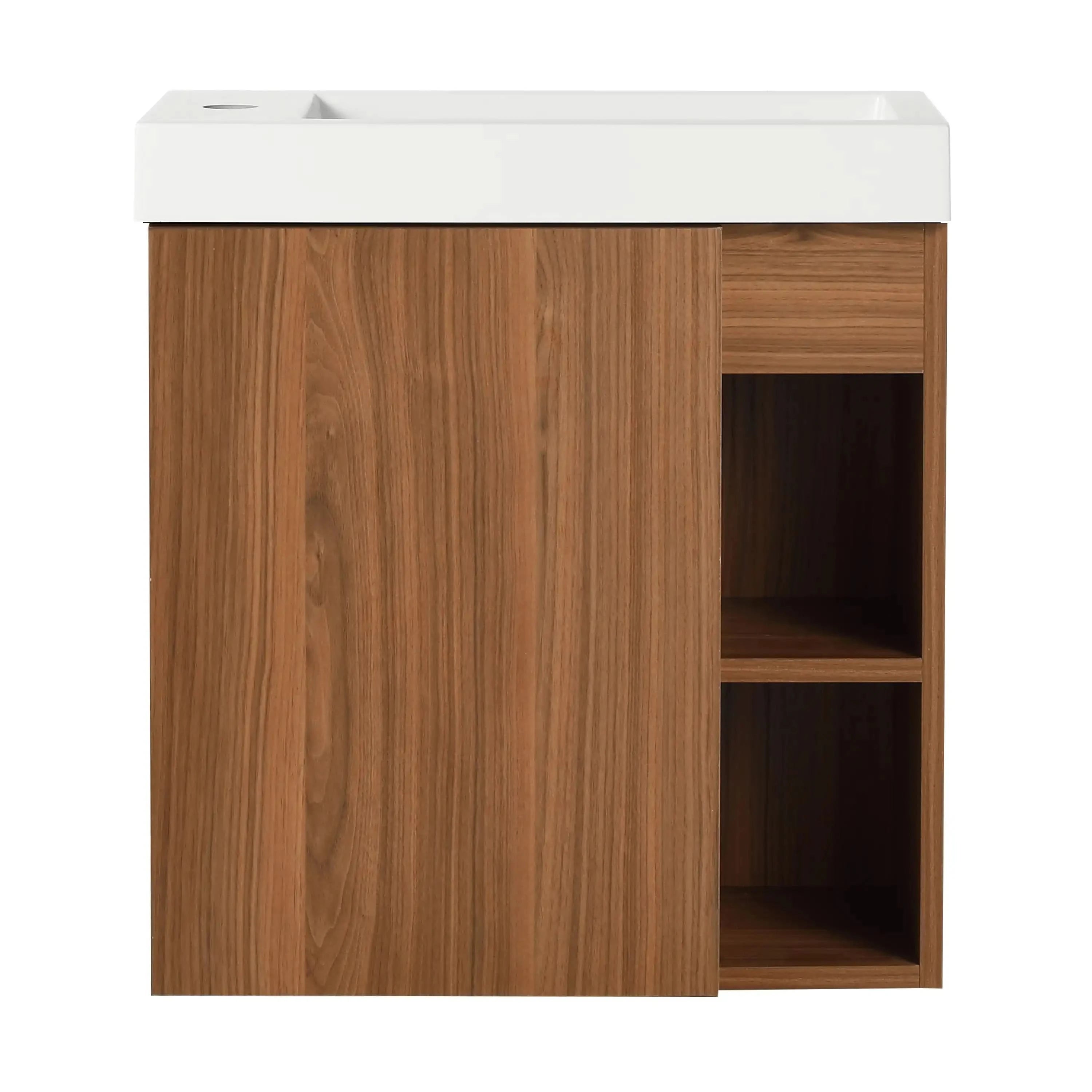
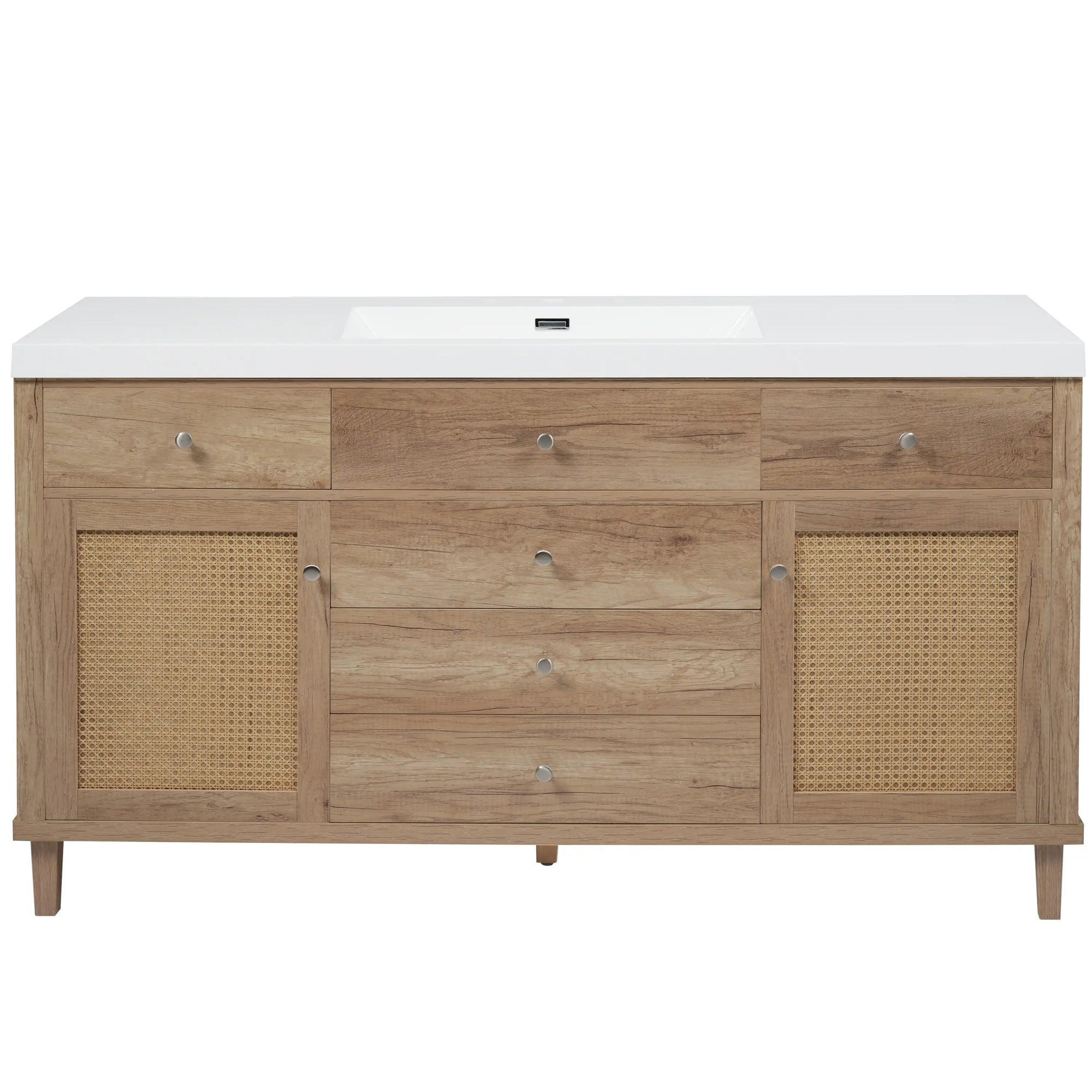
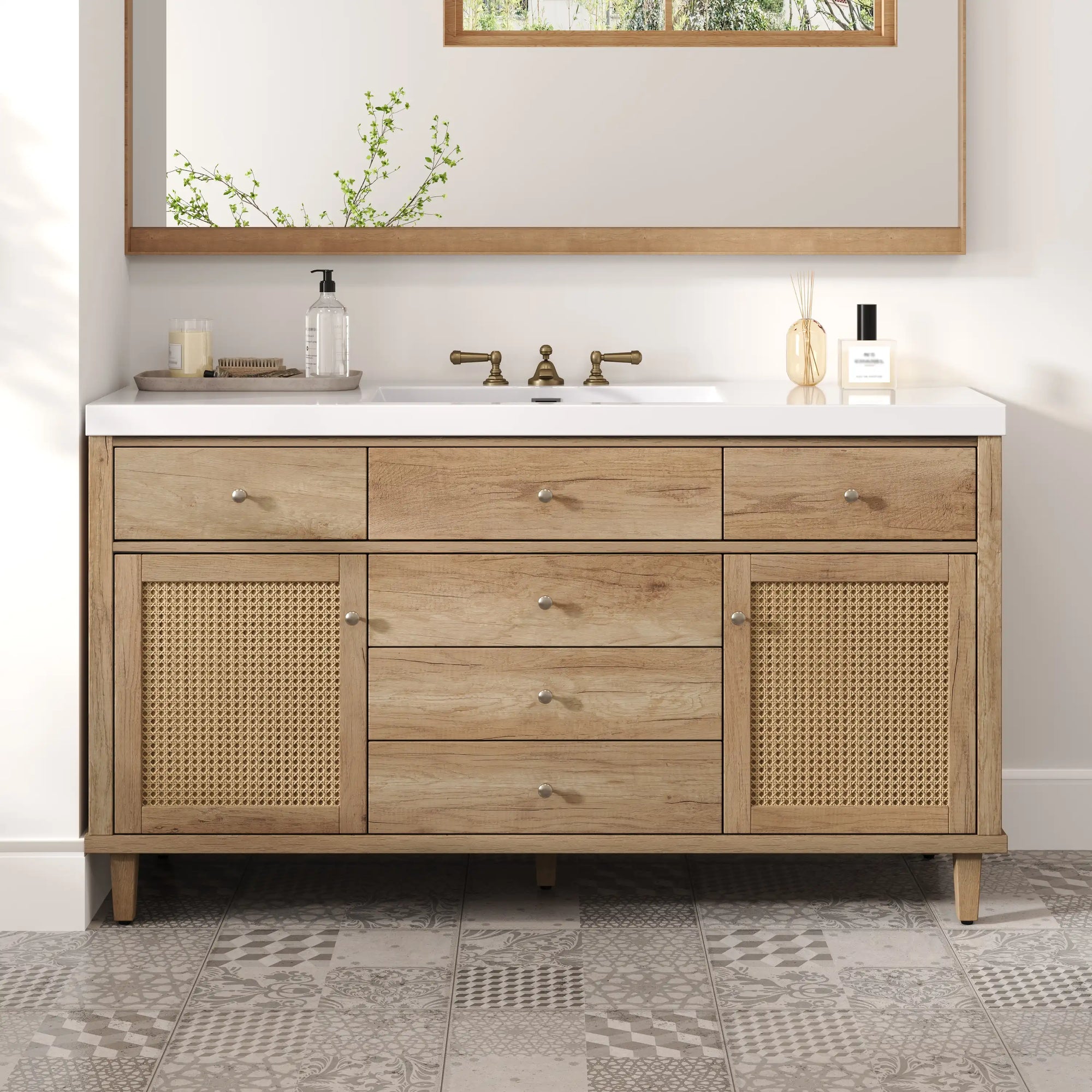
Natural wood remains one of the most coveted bathroom vanity materials for homeowners seeking warmth, authenticity, and craftsmanship. Types such as oak, maple, walnut, and birch are favored for their grain variations and inherent beauty. A solid wood vanity brings a sense of luxury and organic texture that manufactured materials cannot fully replicate.
Advantages of natural wood:
Natural wood offers exceptional strength and longevity when properly constructed and sealed. It can withstand daily use and provides a visual richness that elevates bathroom interiors. Wood’s ability to accept stains and finishes also makes it versatile—whether you're aiming for a rustic look, a Scandinavian mood, or a classic traditional style.
Limitations to consider:
Because wood is porous and responsive to temperature and humidity changes, it requires more maintenance than engineered alternatives. Poor ventilation can lead to expansion, contraction, or surface wear. Higher-quality sealed wood mitigates these issues, but the material still demands periodic care.
Best style matches:
Natural wood vanities excel in farmhouse, coastal, Japandi, and organic modern interiors. They are ideal for bathrooms where tactile, warm design elements play a central role.
If you prioritize authenticity and long-term value and you love the appeal of natural variation, solid wood is a strong option. Just be sure the bathroom environment supports it with proper ventilation and moisture control.

Engineered Wood Options: Plywood, MDF, and Other Composites
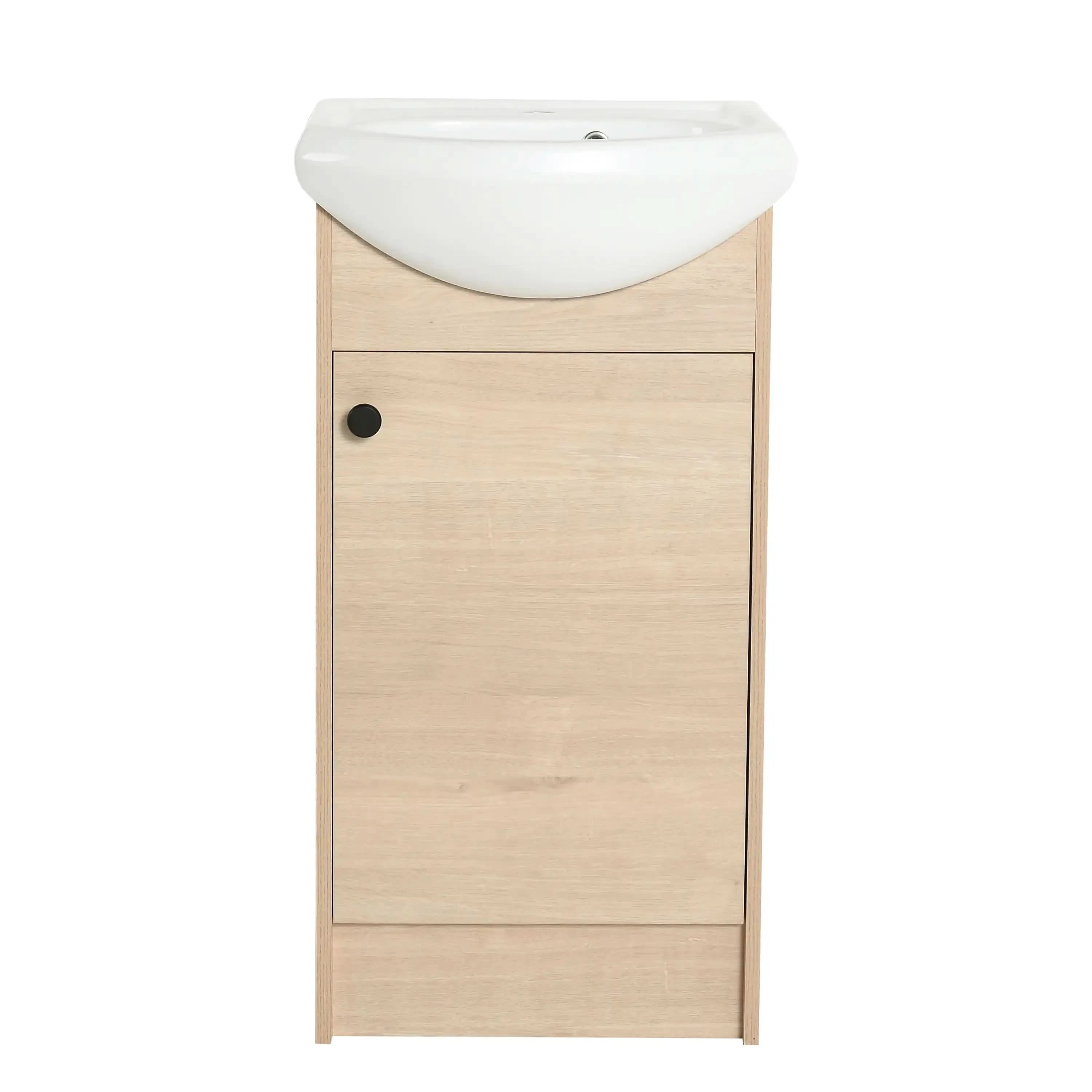
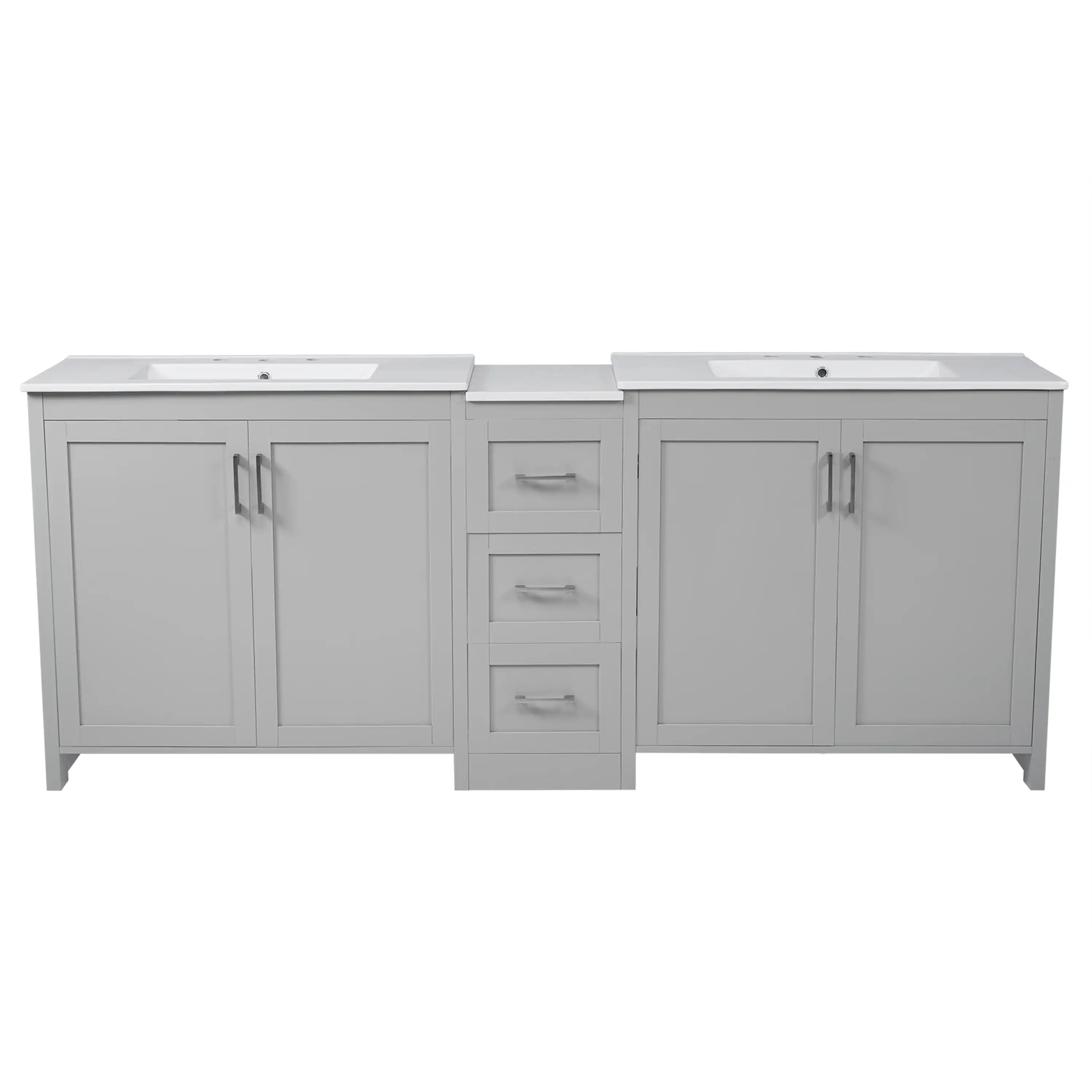
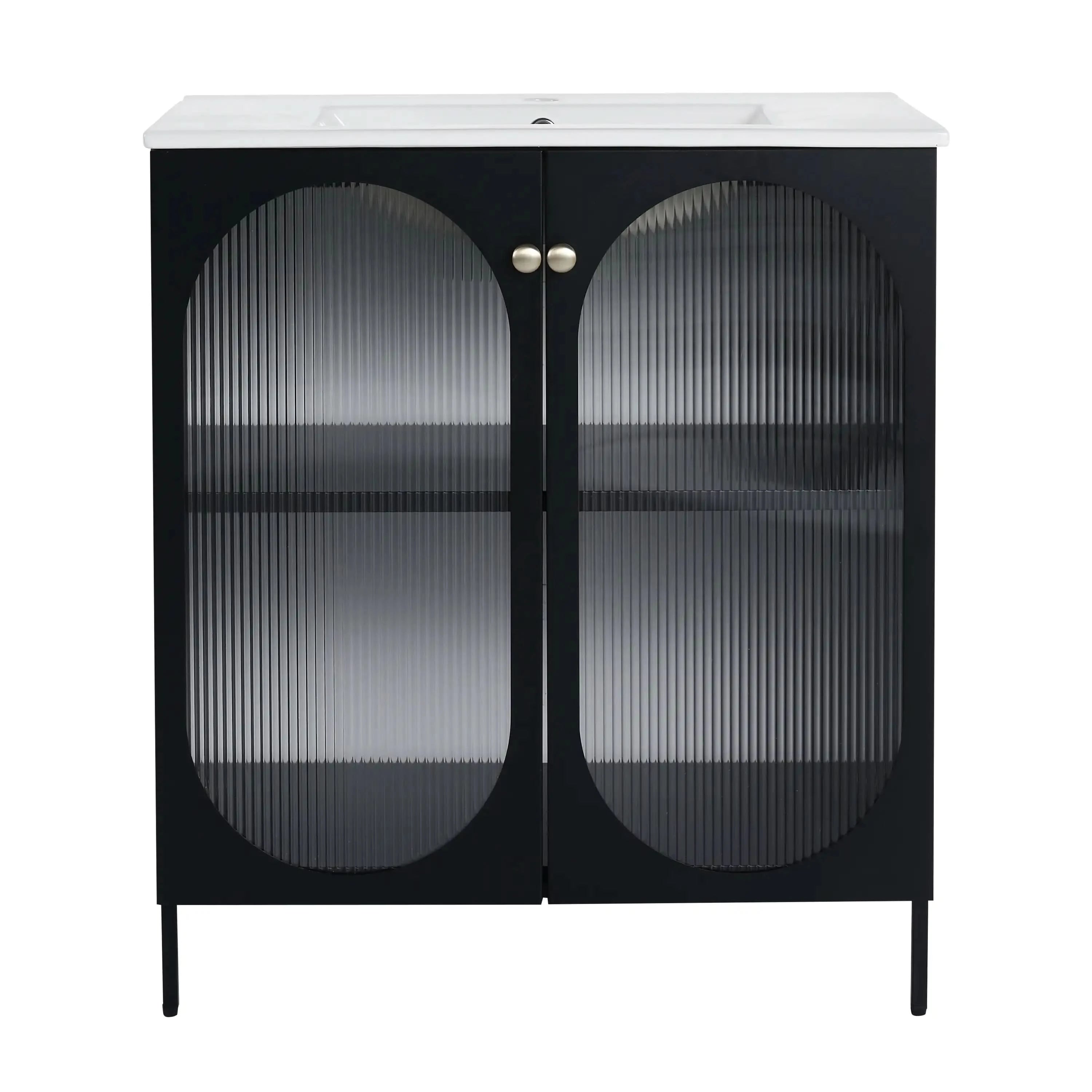
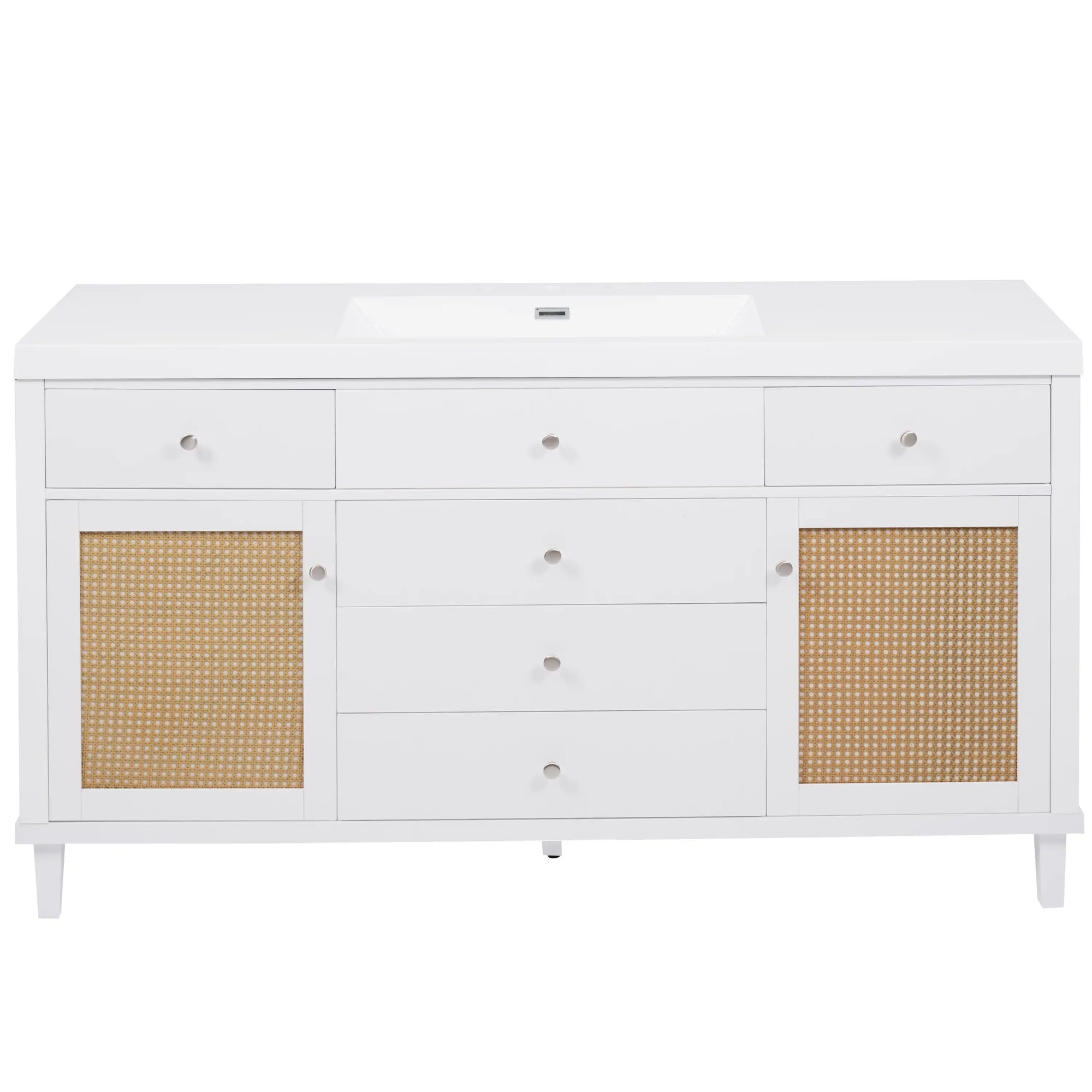
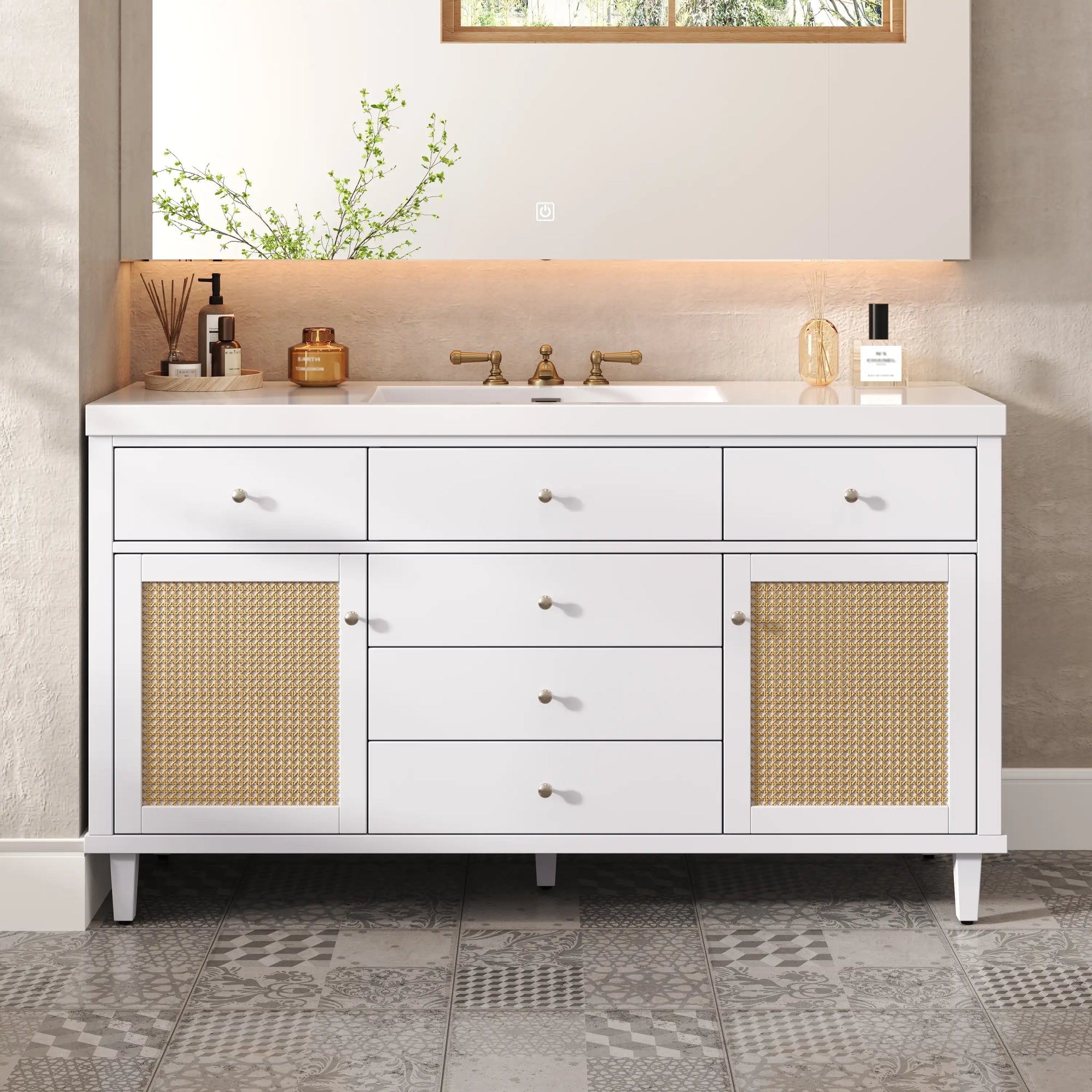
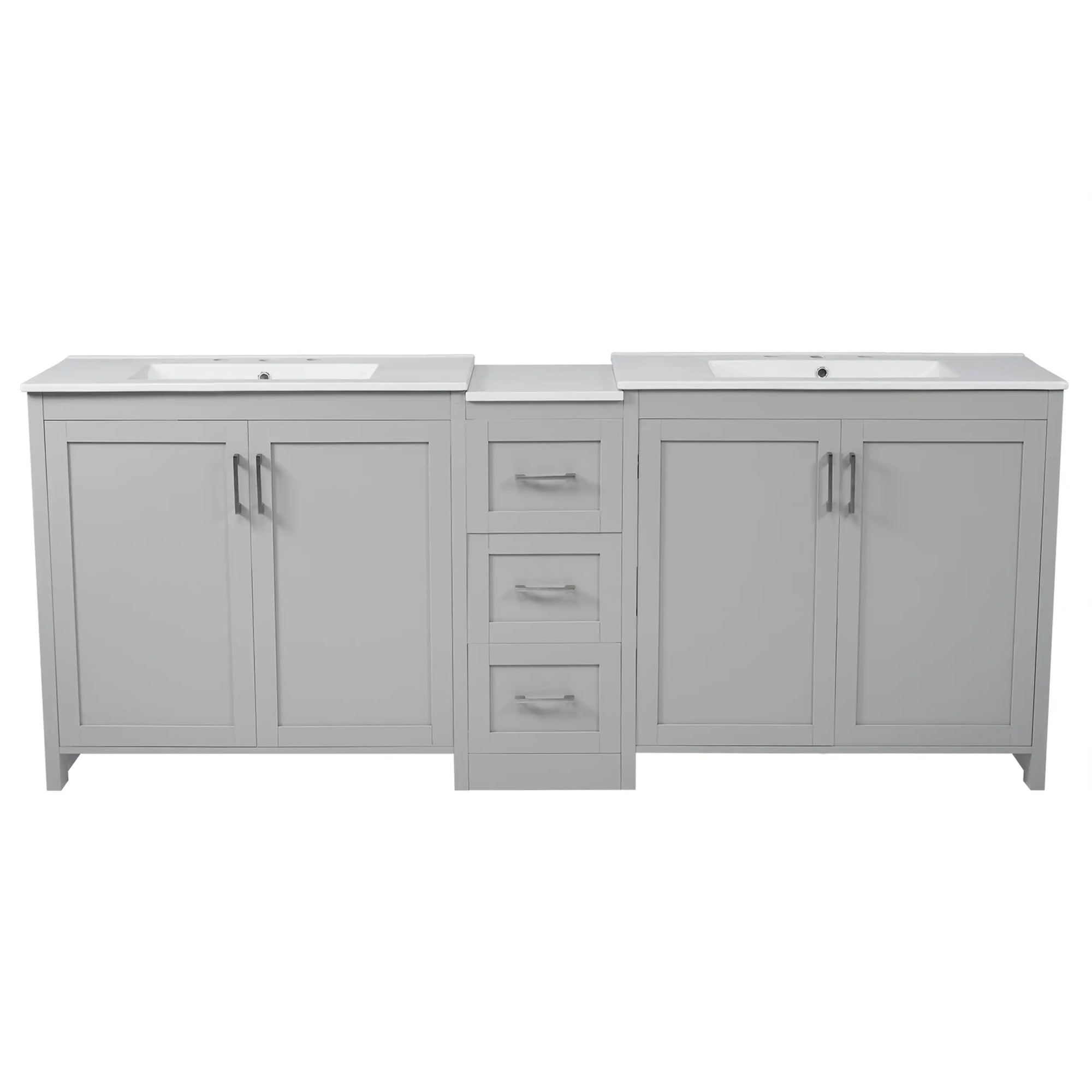
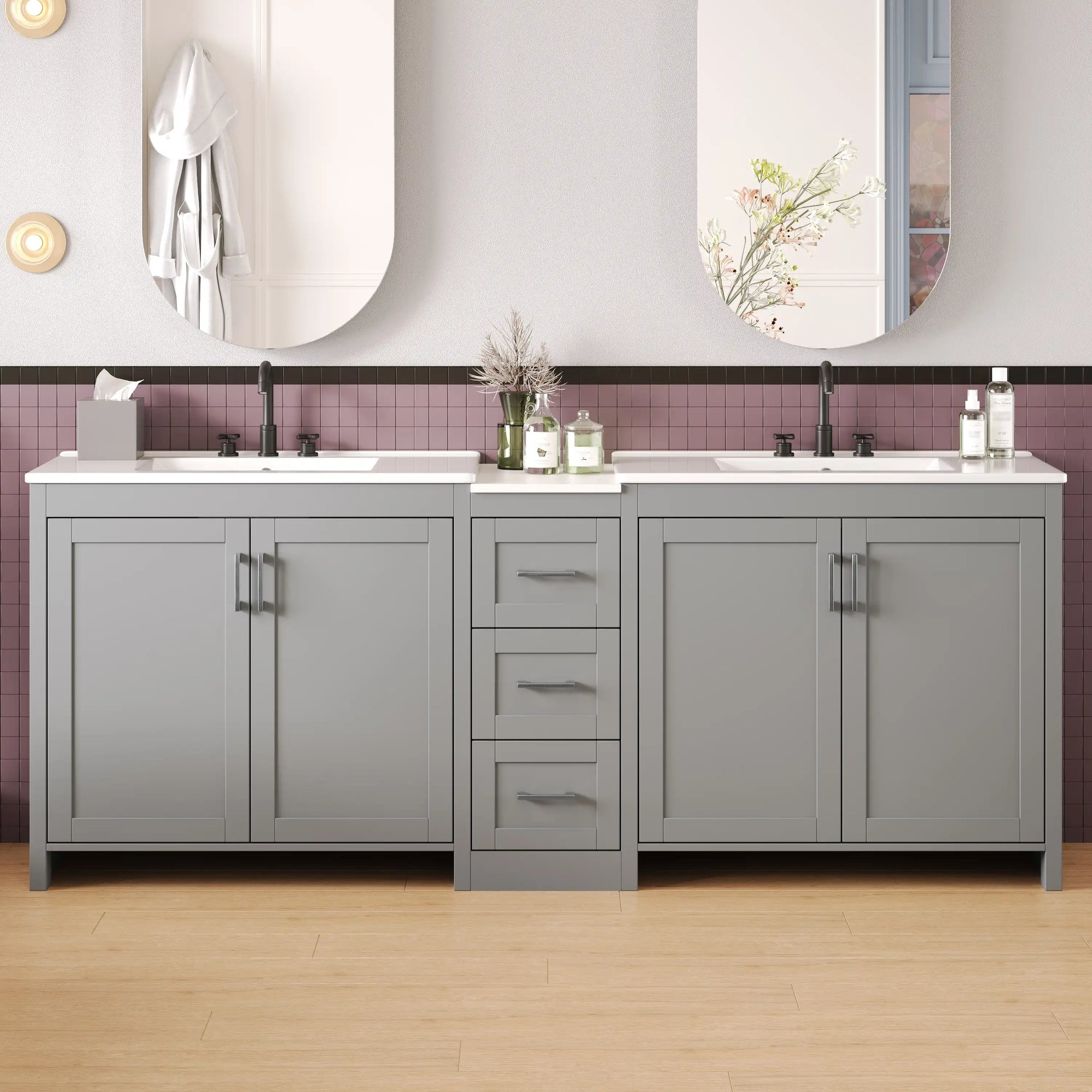
The engineered wood is one of the most popular materials option for bathroom vanities since it offers the best mix of performance, stability, and cost-effectiveness.
Plywood is created from multiple layers of wood veneer bonded together. This cross-layered construction gives plywood exceptional strength and resistance to warping. It actually handles moisture better than most people anticipate, which is why it has evolved as a go-to for quality bathroom vanities.
MDF, produced by compressing wood fibers with resin, creates a dense, smooth panel. Its smooth, uniform surface makes it excellent for painted finishes that can suit virtually any bathroom style.
Advantages of engineered materials:
-
More affordable than solid wood
-
More stable against warping/cracks
-
Excellent consistency for painted finishes
-
Comes in a plethora of designs and configurations
Limitations:
-
Lower-grade composites may swell if exposed to prolonged moisture
-
Not all engineered panels offer the same strength, quality varies widely
-
MDF can dent more easily due to its softer core
Why many homeowners choose engineered wood:
It delivers exceptional value. For most bathrooms, especially guest baths or secondary spaces, plywood or MDF vanities offer more than enough durability at a more accessible price point.
Metal Vanities: Durable, Hygienic, and Perfect for Minimalist or Industrial Designs
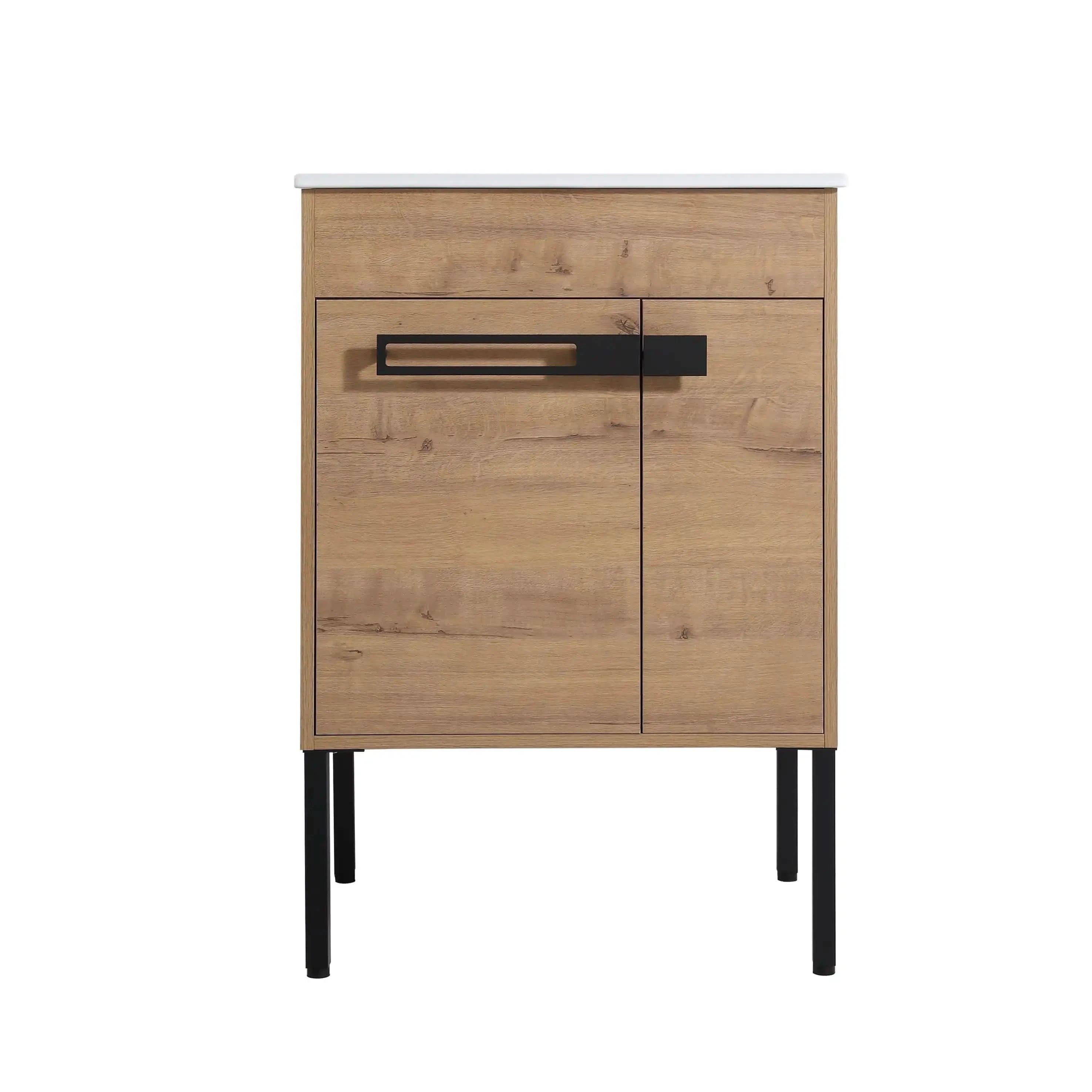
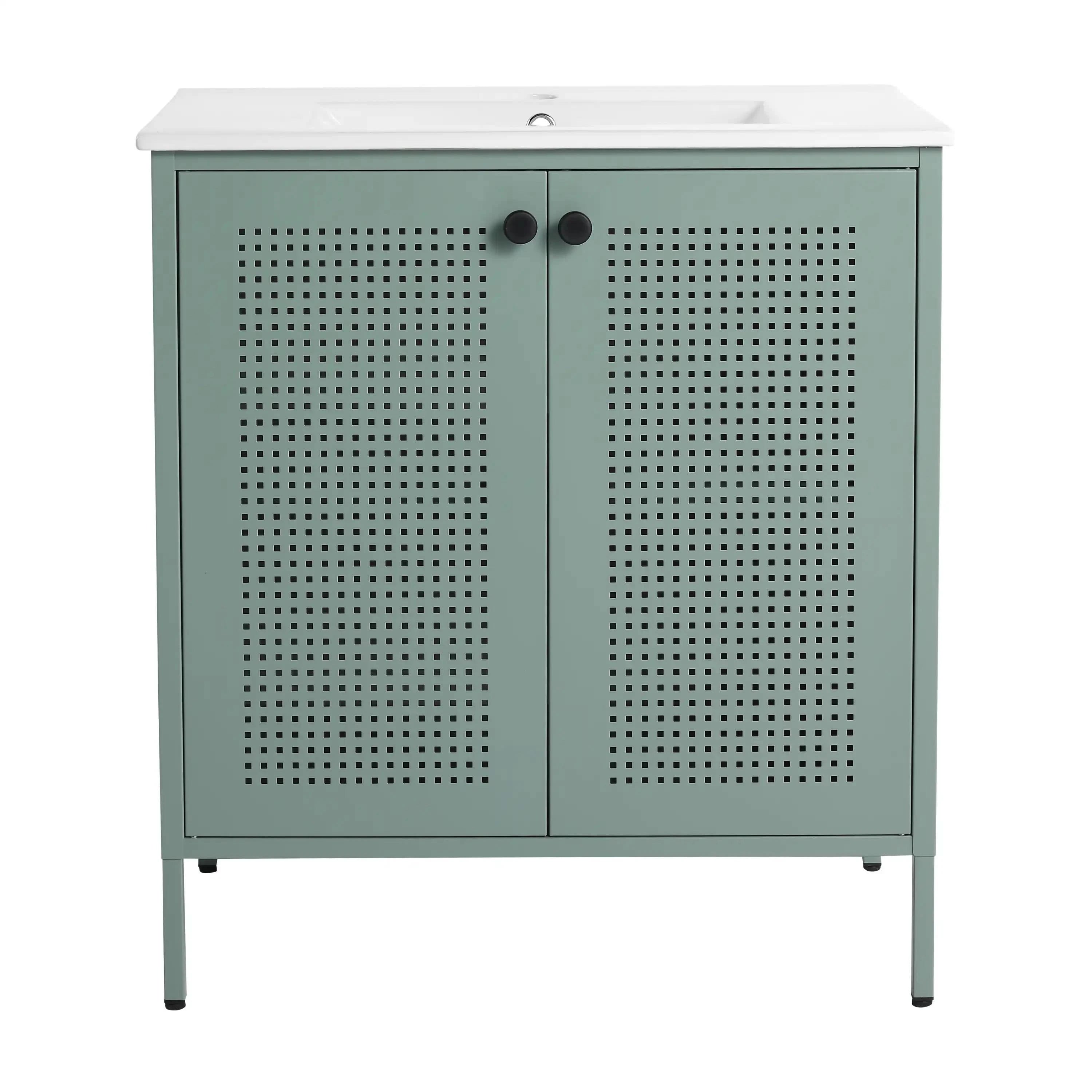
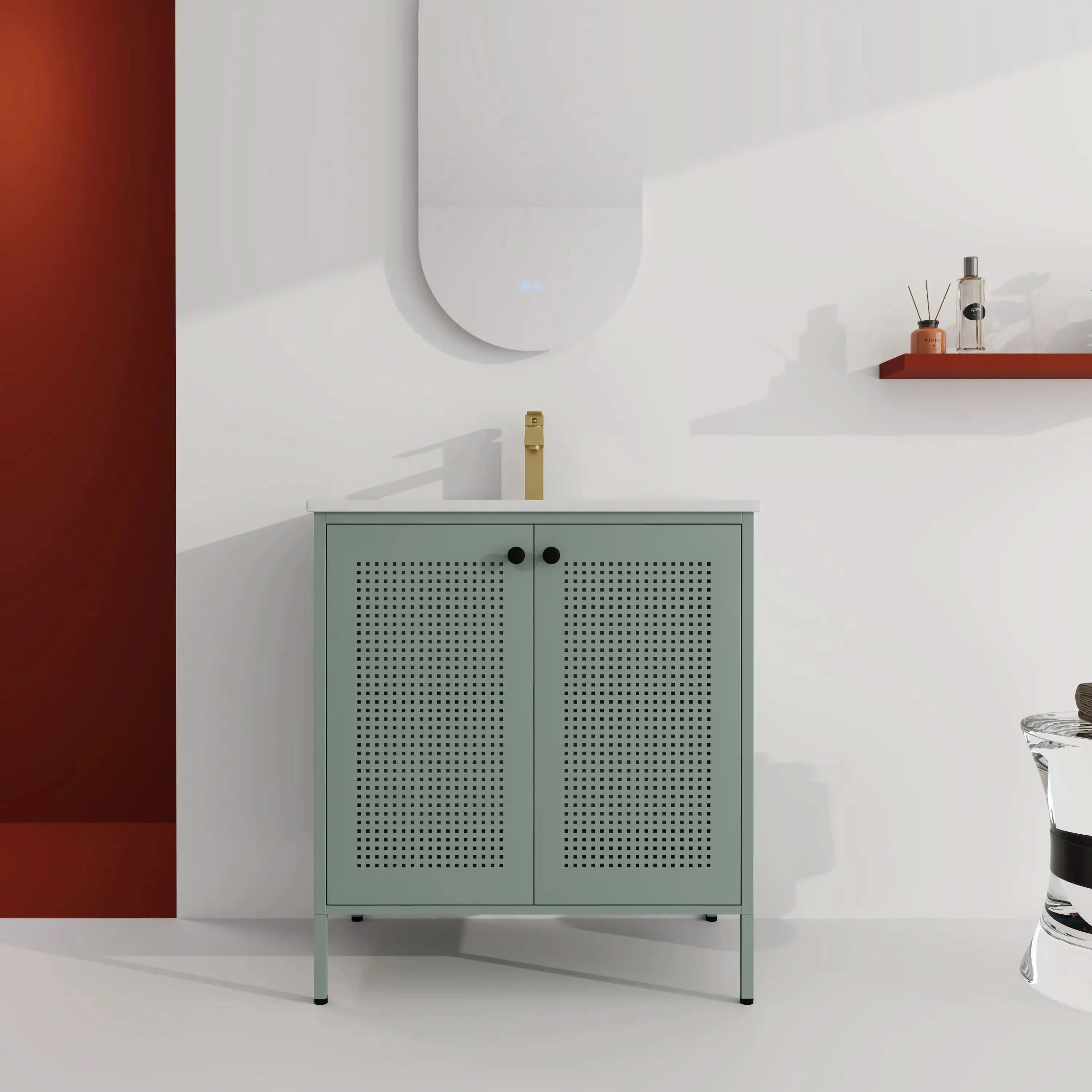
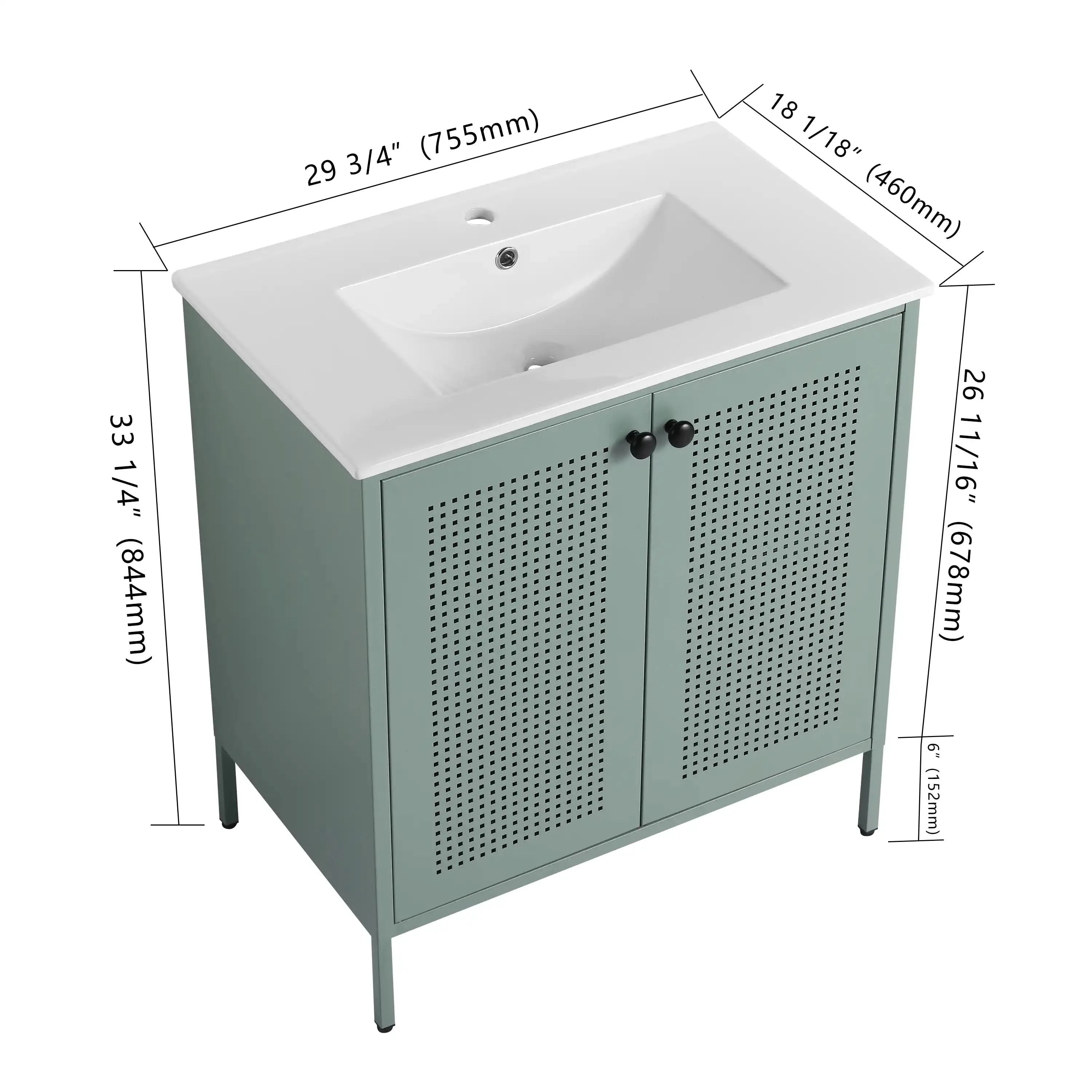
Metal vanities offer a durable and moisture-resistant alternative to traditional bathroom vanity materials. They are especially popular in modern lofts, commercial-inspired interiors, and minimalist homes where clean lines and resilient surfaces are priorities.
Advantages:
Metal vanities are exceptionally resistant to moisture, rust, and mold—three of the most common challenges in bathroom environments. Stainless steel, in particular, offers unmatched longevity and hygiene, making it ideal for humid climates, high-traffic bathrooms, or users who prefer low-maintenance materials.
Metal surfaces are also easy to wipe clean and often feature sleek brushed or matte finishes that resist staining.
Drawbacks:
While structurally robust, metal tends to show fingerprints and watermarks more easily. It also carries a cooler, industrial aesthetic that might not suit every space. Aluminum models may be lighter in weight but also more susceptible to dents.
Best style matches:
Metal bathroom vanities are ideal fit in industrial, minimalistic and even modern spa-inspired bathroom designs. They are enhanced in combination with concrete textures, stone tiles or high-contrast black-and-white palettes.
Metal is an attractive option for homeowners who want a material that is durable, hygienic, and modern.
Don’t Forget the Sink: Understanding the Materials That Shape Daily Use
While most people focus on the vanity cabinet, the sink material is equally important—affecting durability, ease of cleaning, appearance, and overall user experience. Below are the core sink materials commonly paired with today’s bathroom vanity materials, each offering distinct advantages.
Ceramic / Vitreous China
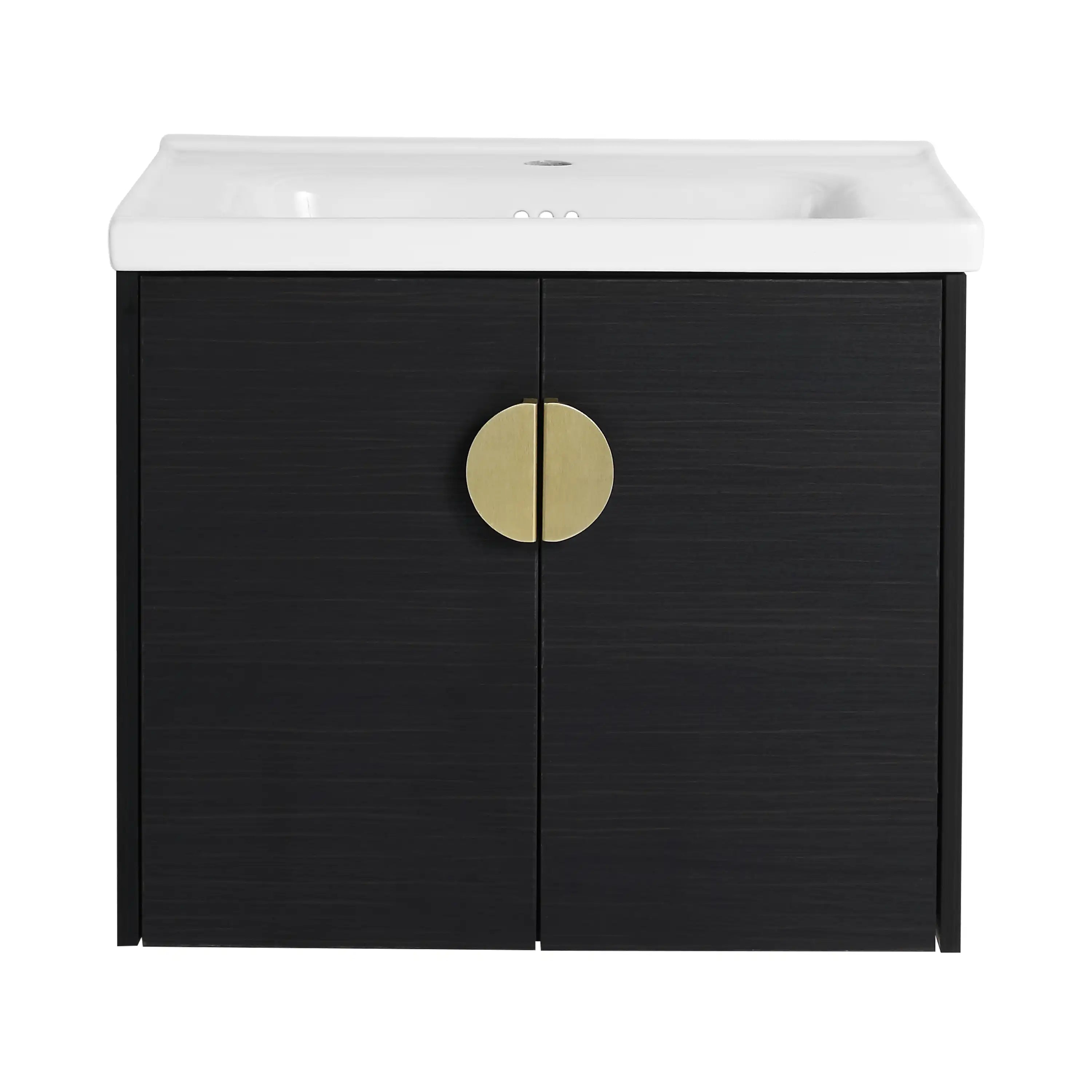
Due to its hardness, smooth surface and durability against stains and scratches, ceramic is the most popular type of sink material. It has a non-porous surface, so it is easy to clean and always looks fresh and clean, even with heavy use. If you are a homeowner looking for a low-maintenance type that works well in any bathroom, a ceramic sink is a good and tried-and-true option.
Solid Surface / Resin-Based Sinks
Solid Surface Sinks: Solid surface sinks are made from a combination of resin and mineral powders to give the sink a solid, seamless material that has a warm, elegant feel. Minor scratches can be sanded or polished out—an advantage not found in coated alternatives. These sinks are popular in modern bathrooms where a sleek, integrated aesthetic is desired.
Quartz Composite Sinks
Resin and natural quartz aggregates are melded together to create the dense and durable material that makes a quartz composite sink. With the appearance of stone but without the maintenance of natural stone, quartz sinks provide better scratch and stain resistance. Their matte textures and subtle color variations work beautifully in contemporary and high-end designs.
Natural Stone Sinks
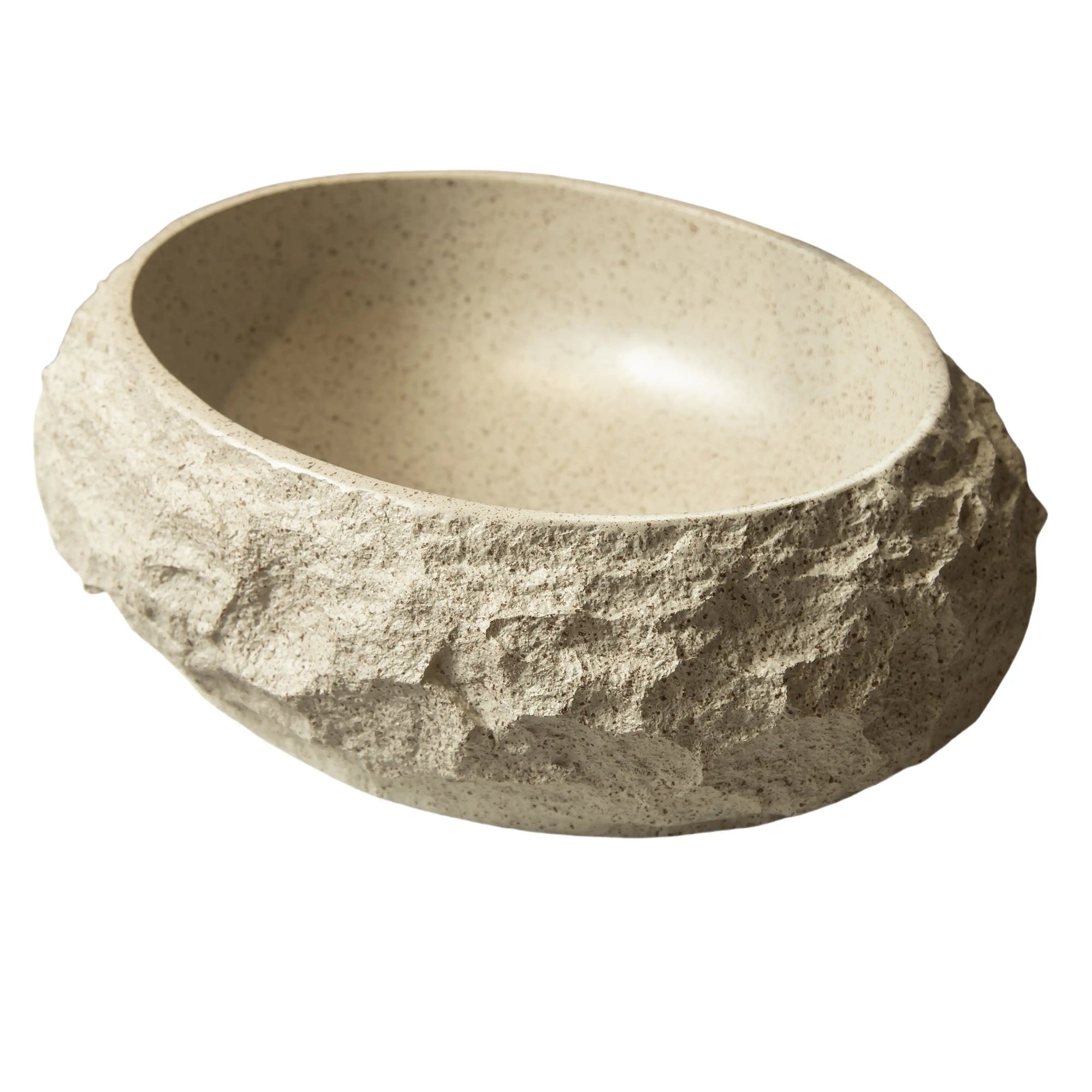
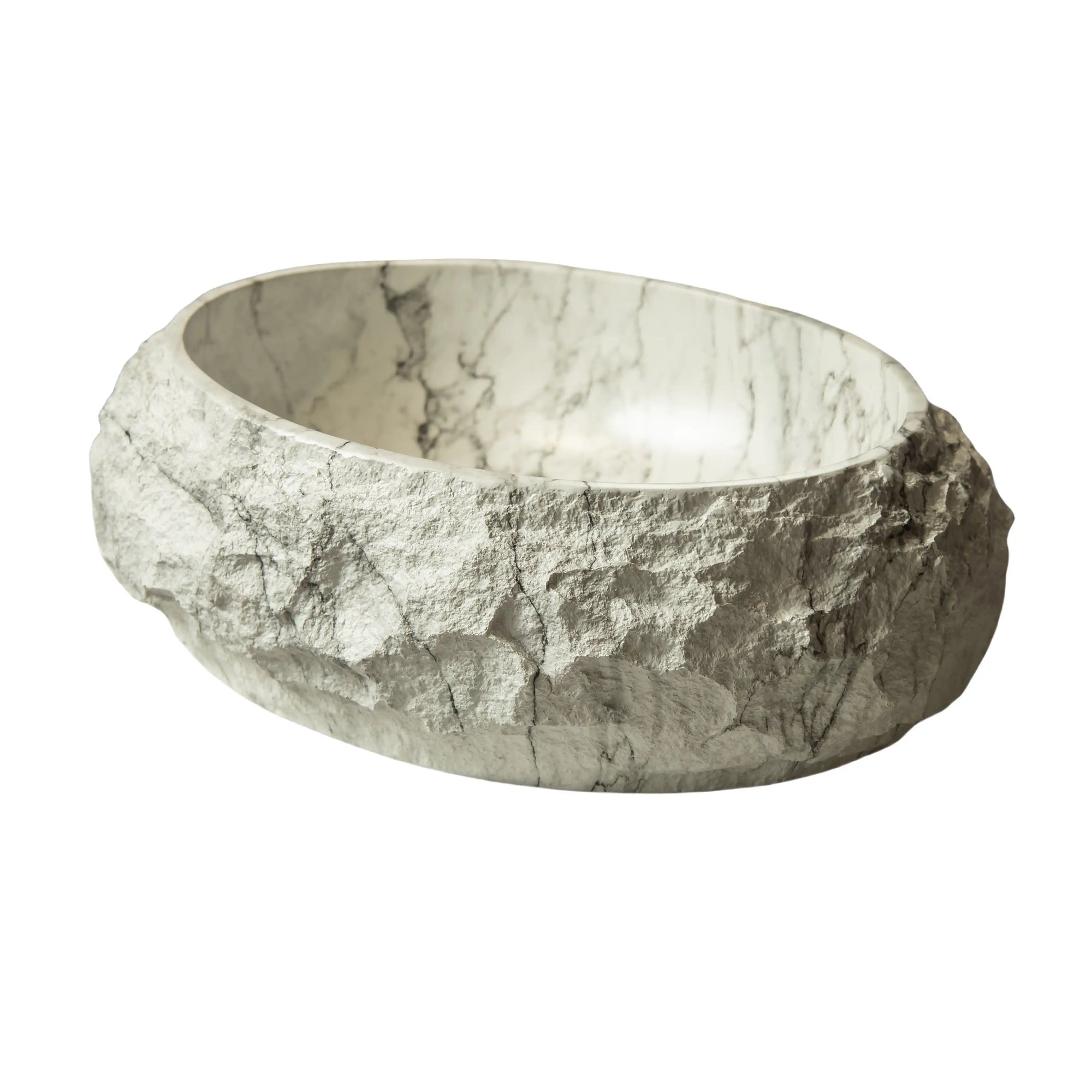
Crafted from marble, granite, travertine, or onyx, natural stone sinks provide unmatched character and luxury. Each piece carries its own unique coloration and veining, creating a statement feature within the bathroom. While stone is inherently durable, it is also porous and generally requires sealing to prevent staining or etching, especially in the case of marble.

Complete the Setup: Faucets, Mirrors, and Medicine Cabinets
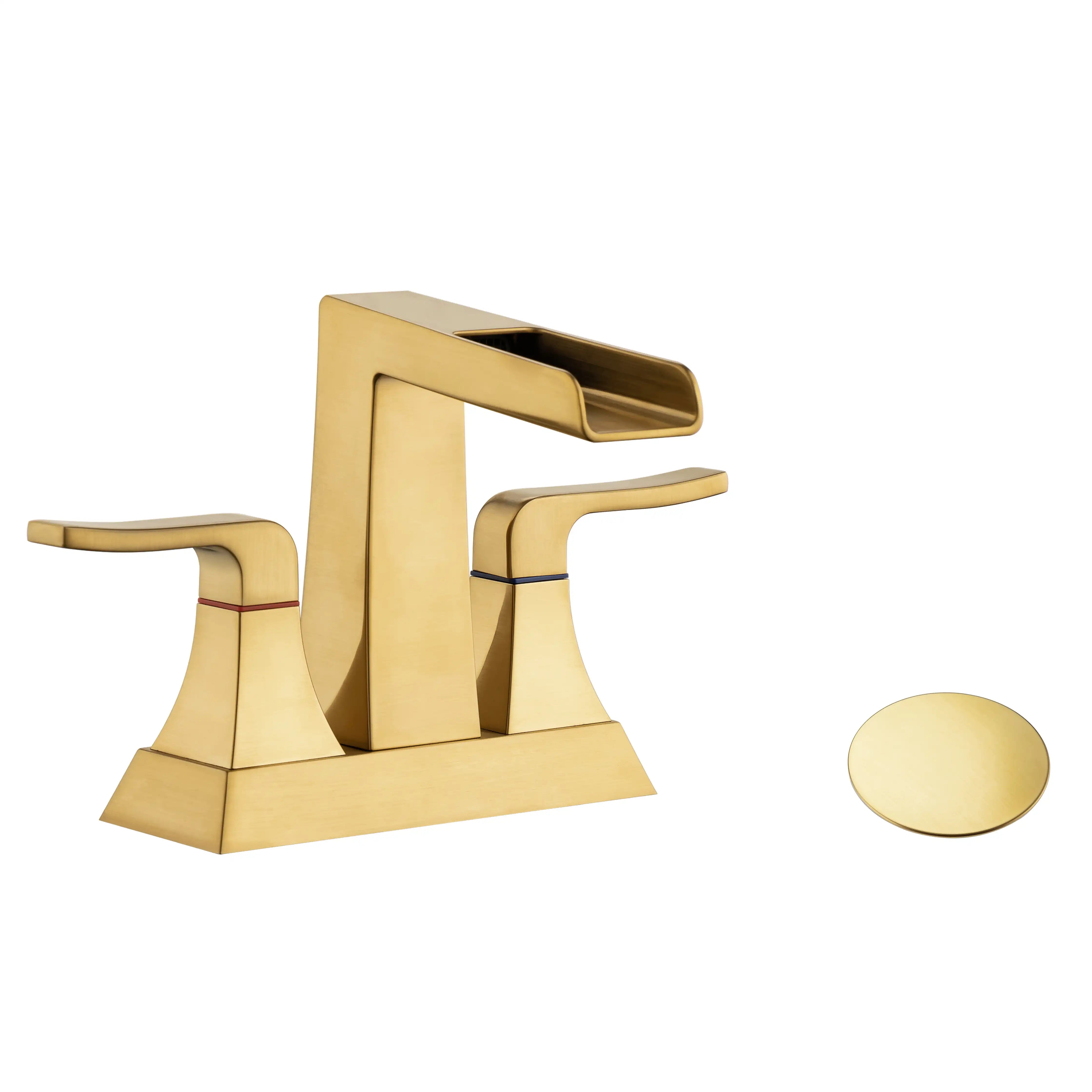
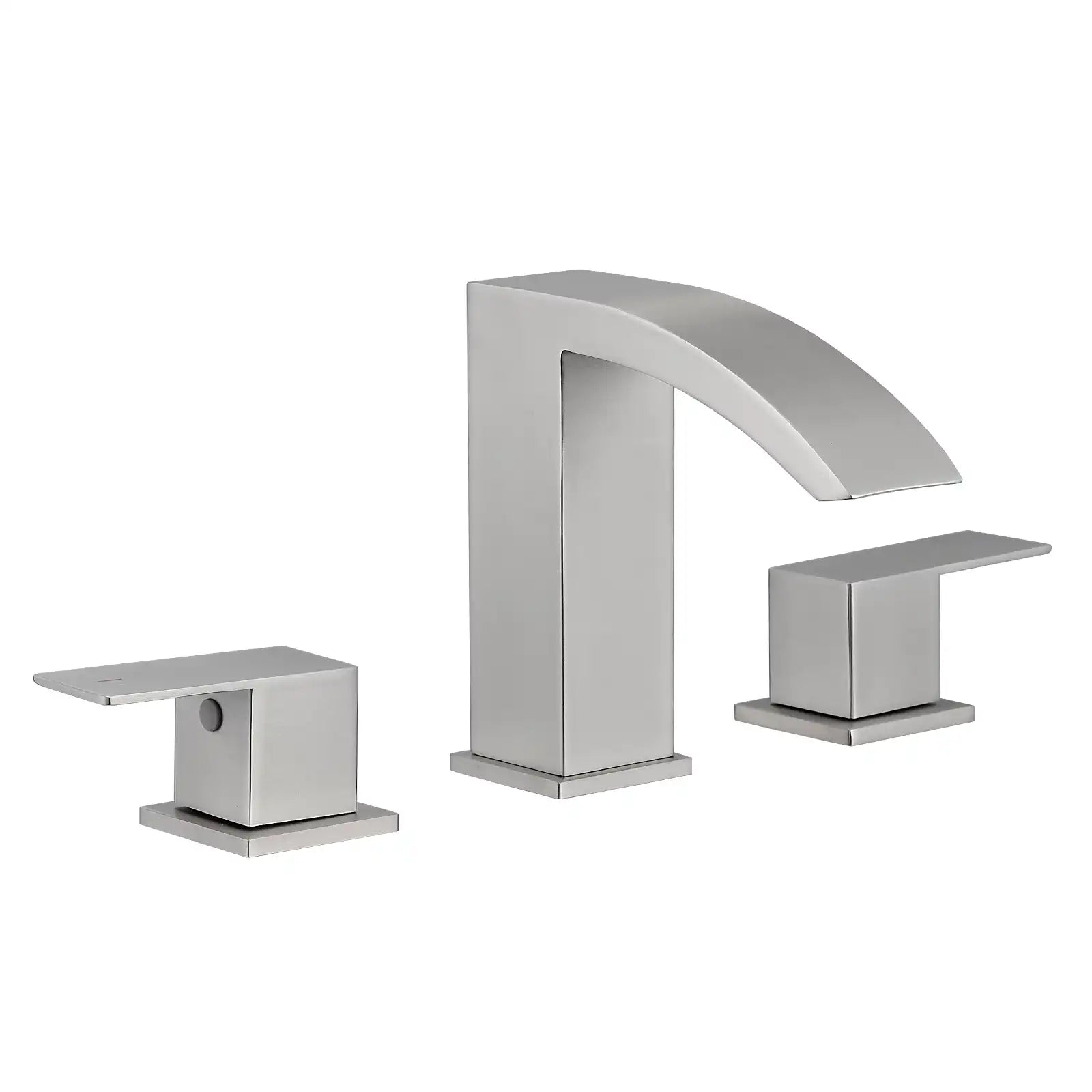
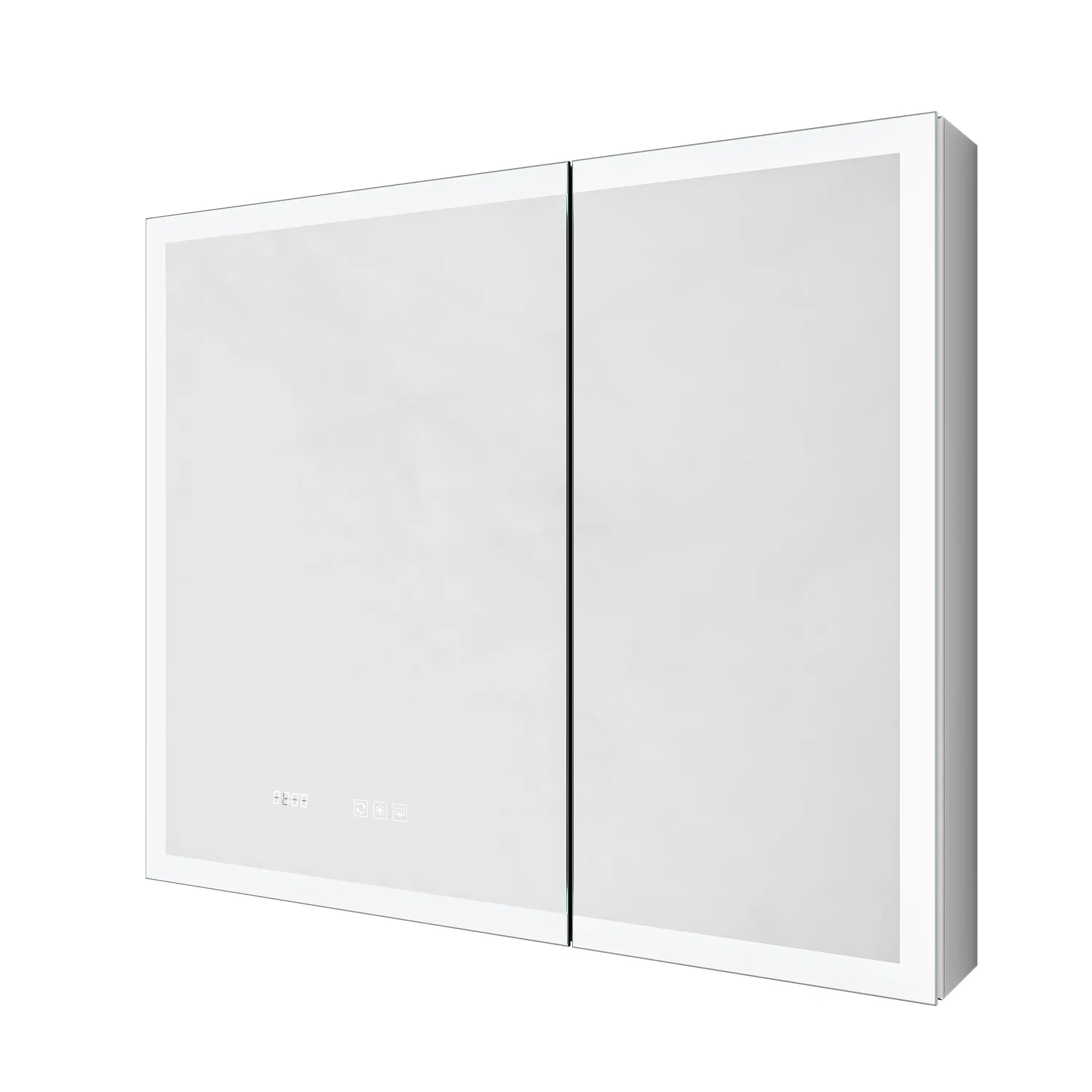
Once you’ve selected the right vanity and sink, the final step is choosing fixtures that complement both the design and functionality of your bathroom. A well-chosen faucet enhances usability, while the right mirror or medicine cabinet optimizes storage and lighting.
For more info, see our articles on how to pick the best faucet style and how to select the right mirror size for your space.
-
Vanity Mirror Size Guide: How to Choose the Perfect Round Bathroom Mirror
-
How to Choose the Right Size Round Mirror for Your Bathroom Vanity
-
How to Choose the Right Faucet for Your Bathroom Vanity: A Complete Buyer’s Guide
-
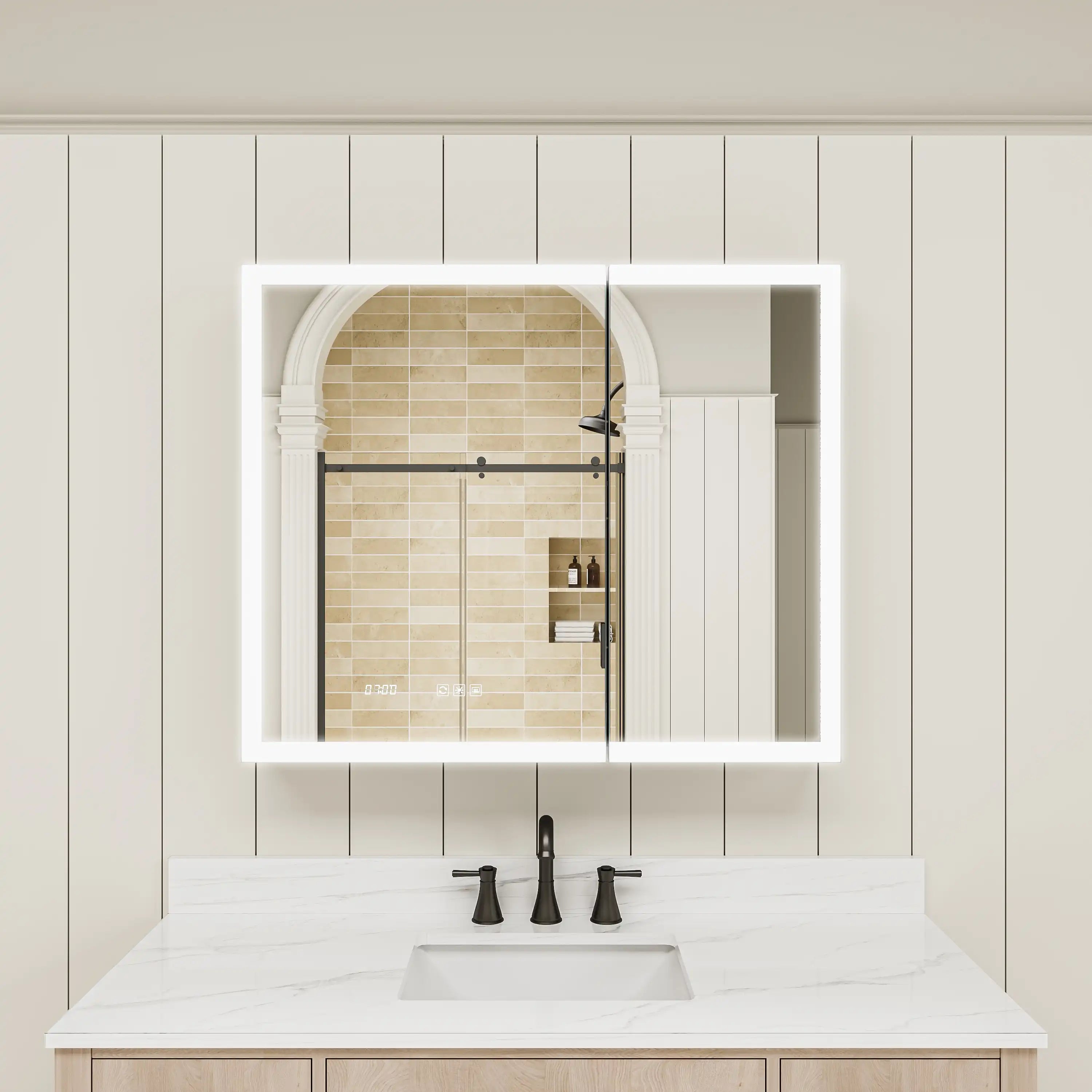
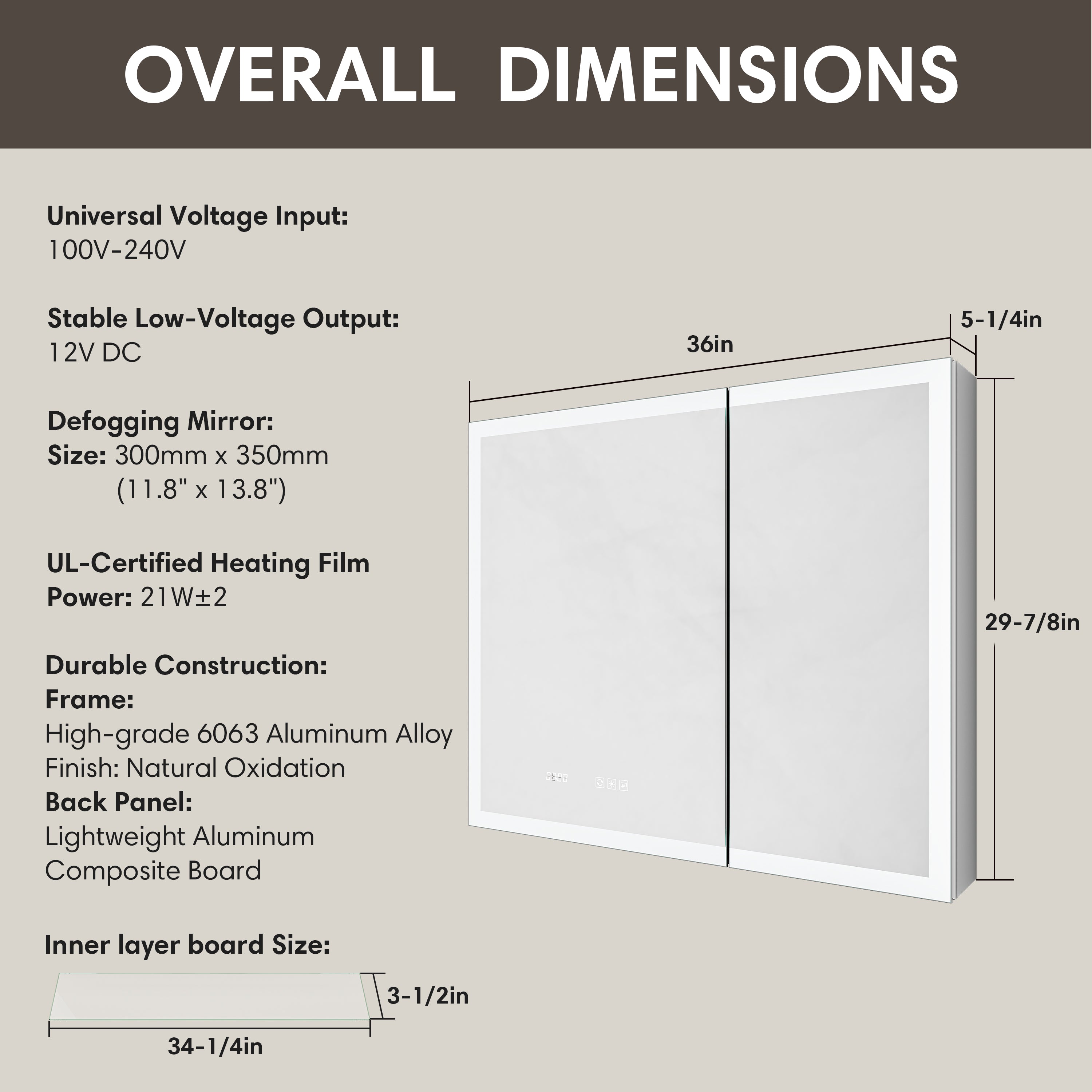
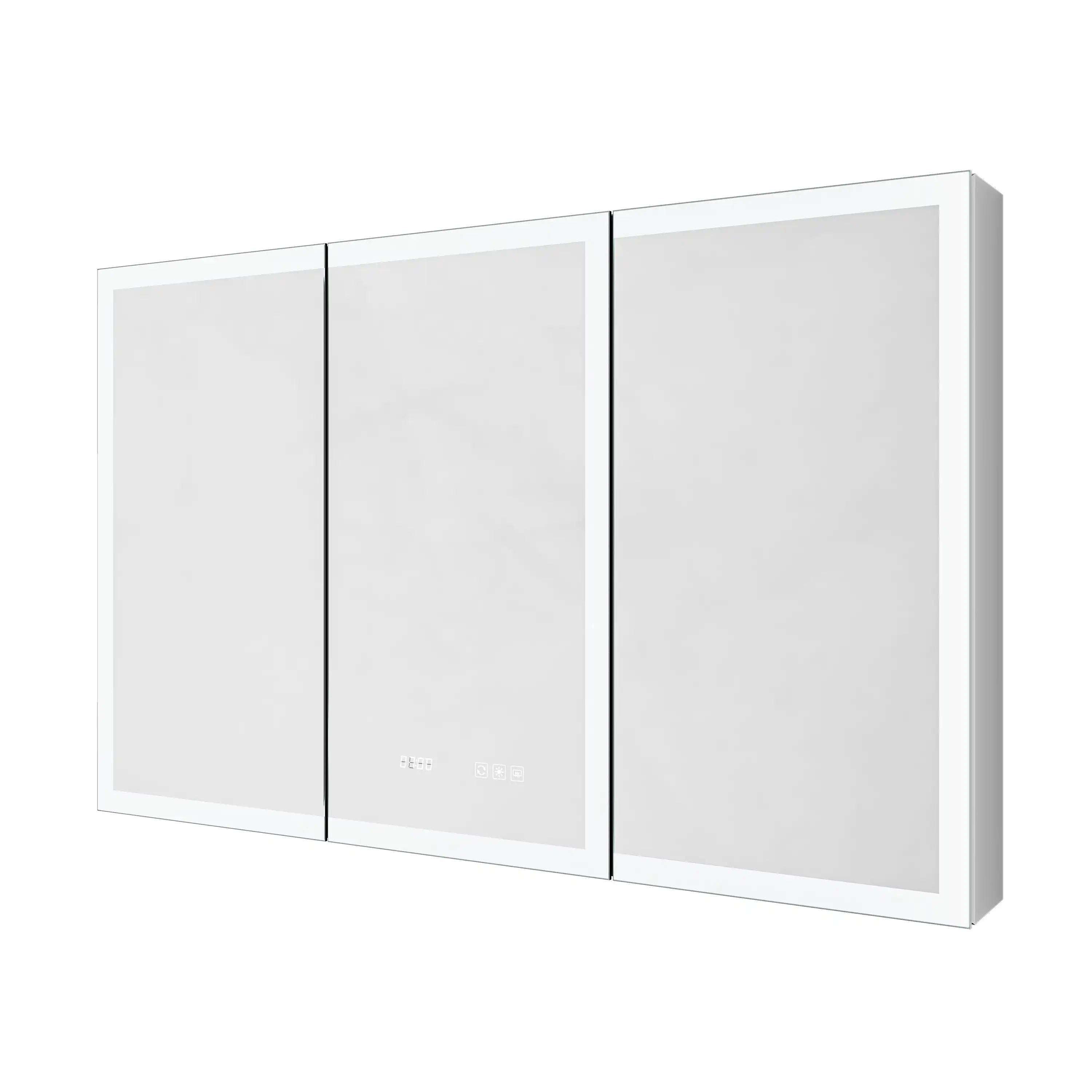
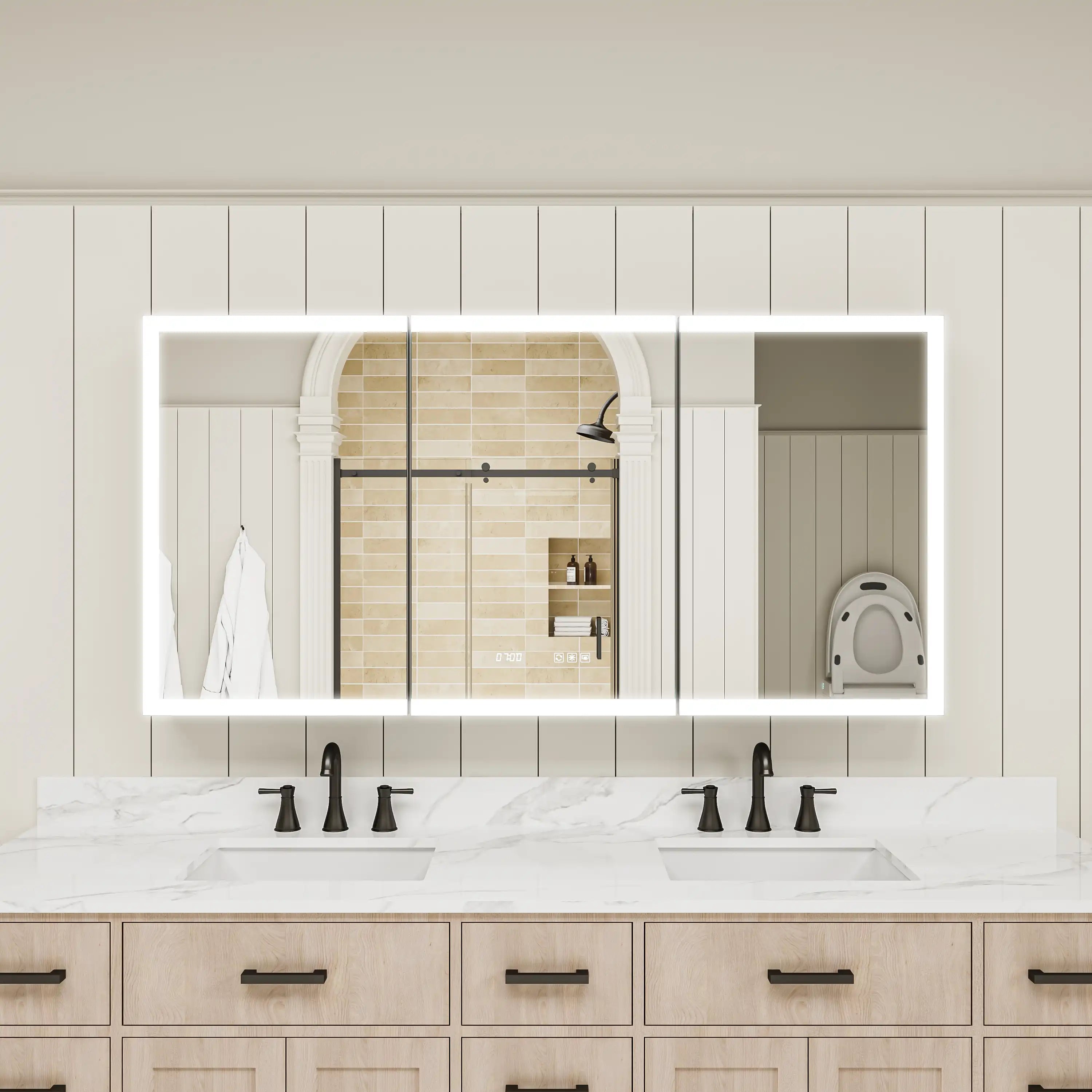
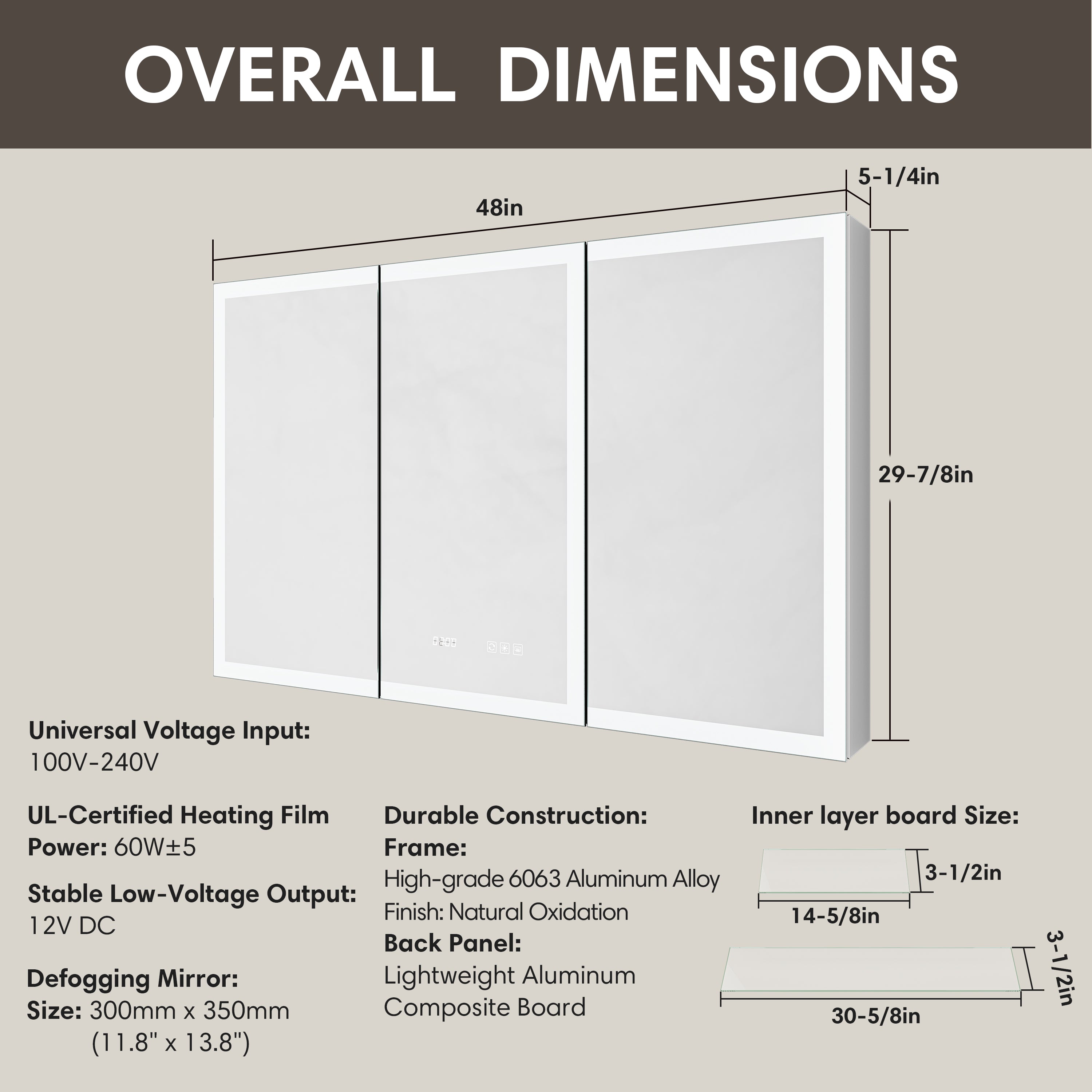
More Than Just a Mirror: The Hidden Superpowers of a Lighted Medicine Cabinet
Conclusion: Bringing All Bathroom Vanity Materials Together
The best way to start picking out the perfect vanity is to understand the pros and cons of the bathroom vanity materials available. Natural wood provides warmth and character, engineered wood provides stability and value, and metal provides strength and modern beauty. Pair these with an appropriate sink material and complete the ensemble with thoughtfully chosen fixtures.
By balancing aesthetics, cost, and long-term performance, you can create a bathroom that is not only beautiful but also built to last. Whether you're redesigning a master suite or refreshing a guest bath, material selection is the foundation of a successful and satisfying renovation.

Frequently Asked Questions
Q1. Which bathroom vanity materials last the longest?
Q2. Is solid wood better than engineered wood for bathroom vanities?
Q3. What sink material is easiest to maintain?
Q4. Can natural wood vanities be used in small, humid bathrooms?
Q5. How do I choose fixtures that match my vanity?
Related Articles
Unique Vanities vs Conventional Cabinets: The Best Investment for Your Bathroom
L-shaped Bathroom Vanities: Top Tips to Avoid Design Errors and Save Space
Cheap Bathroom Vanities: Smart Ways to Save Without Sacrificing Style