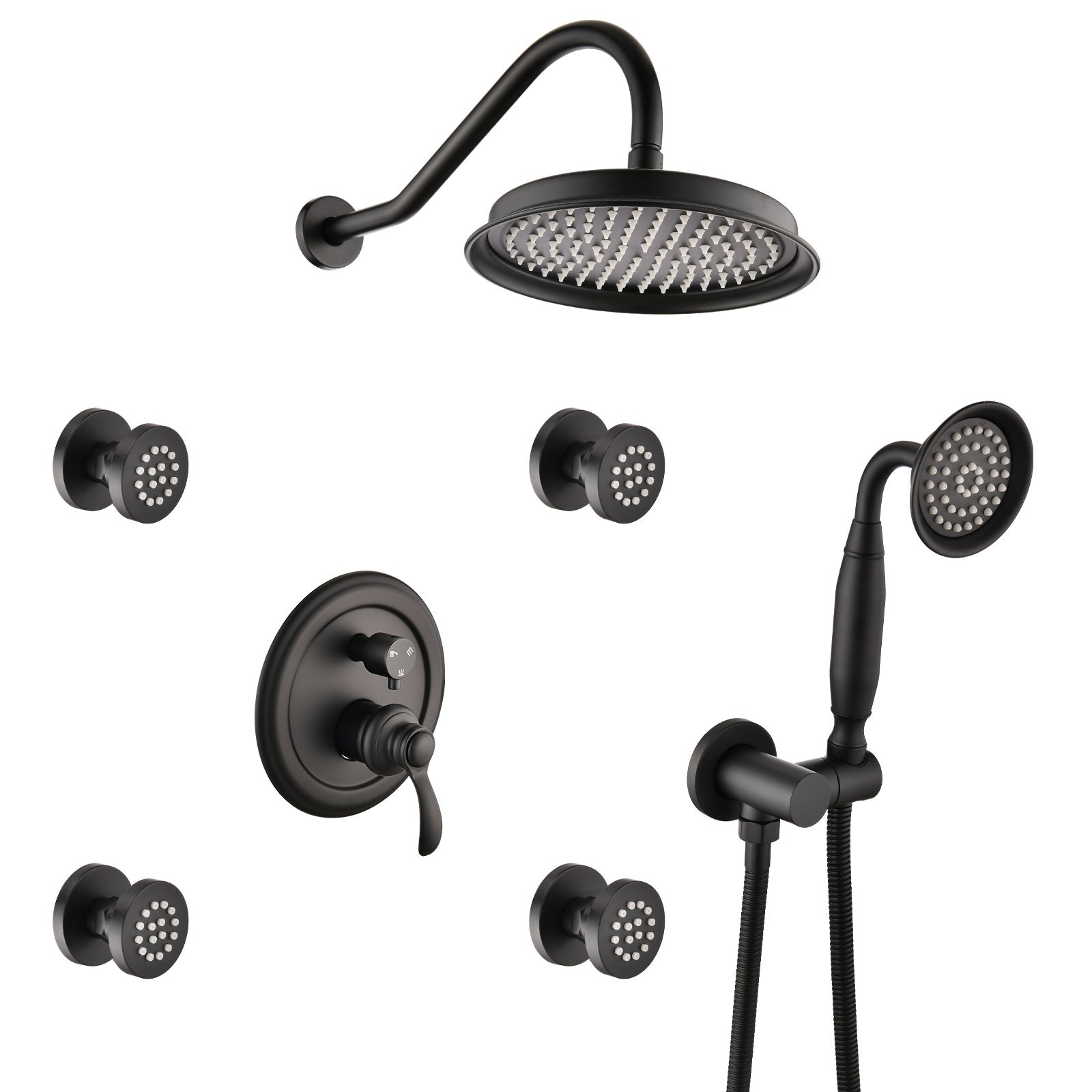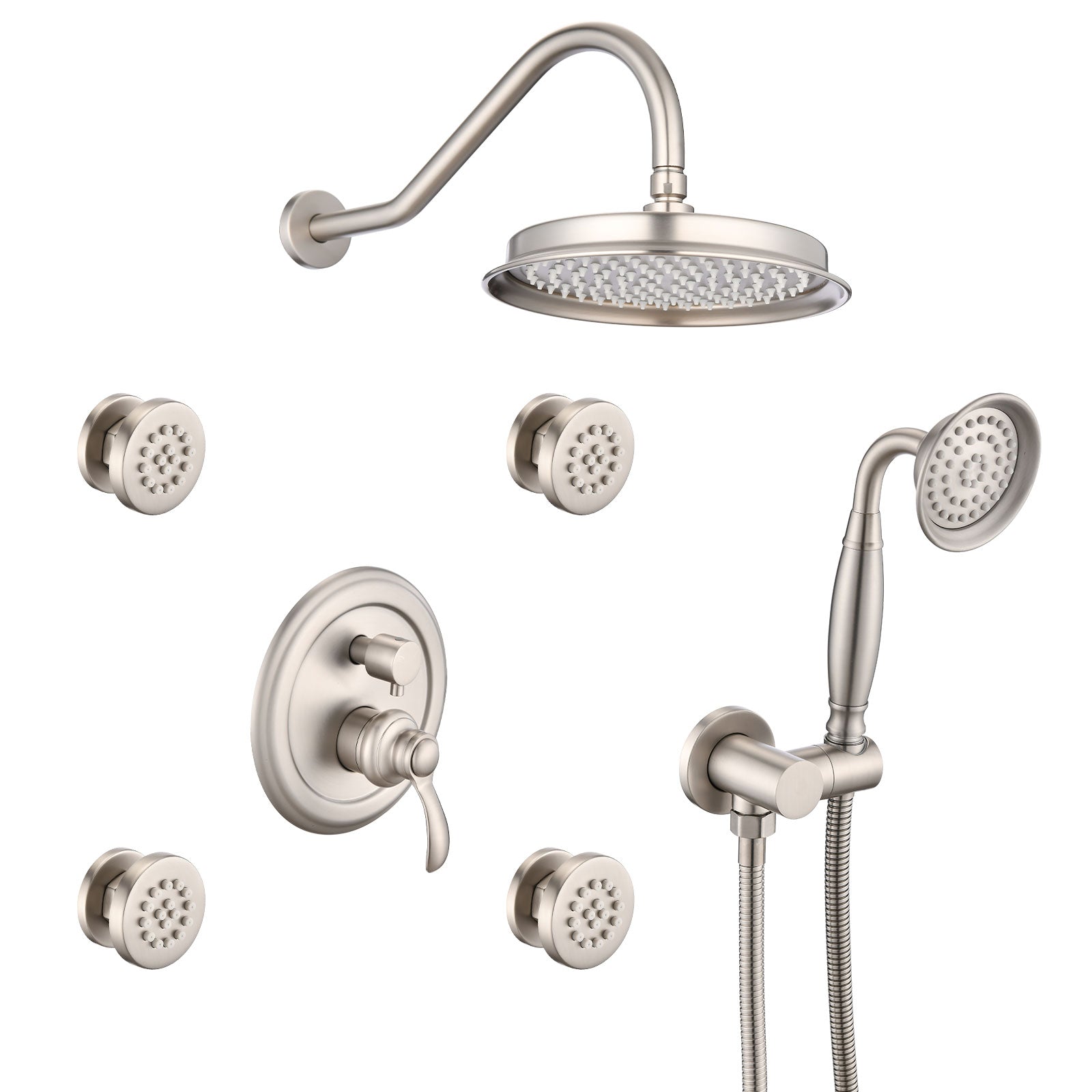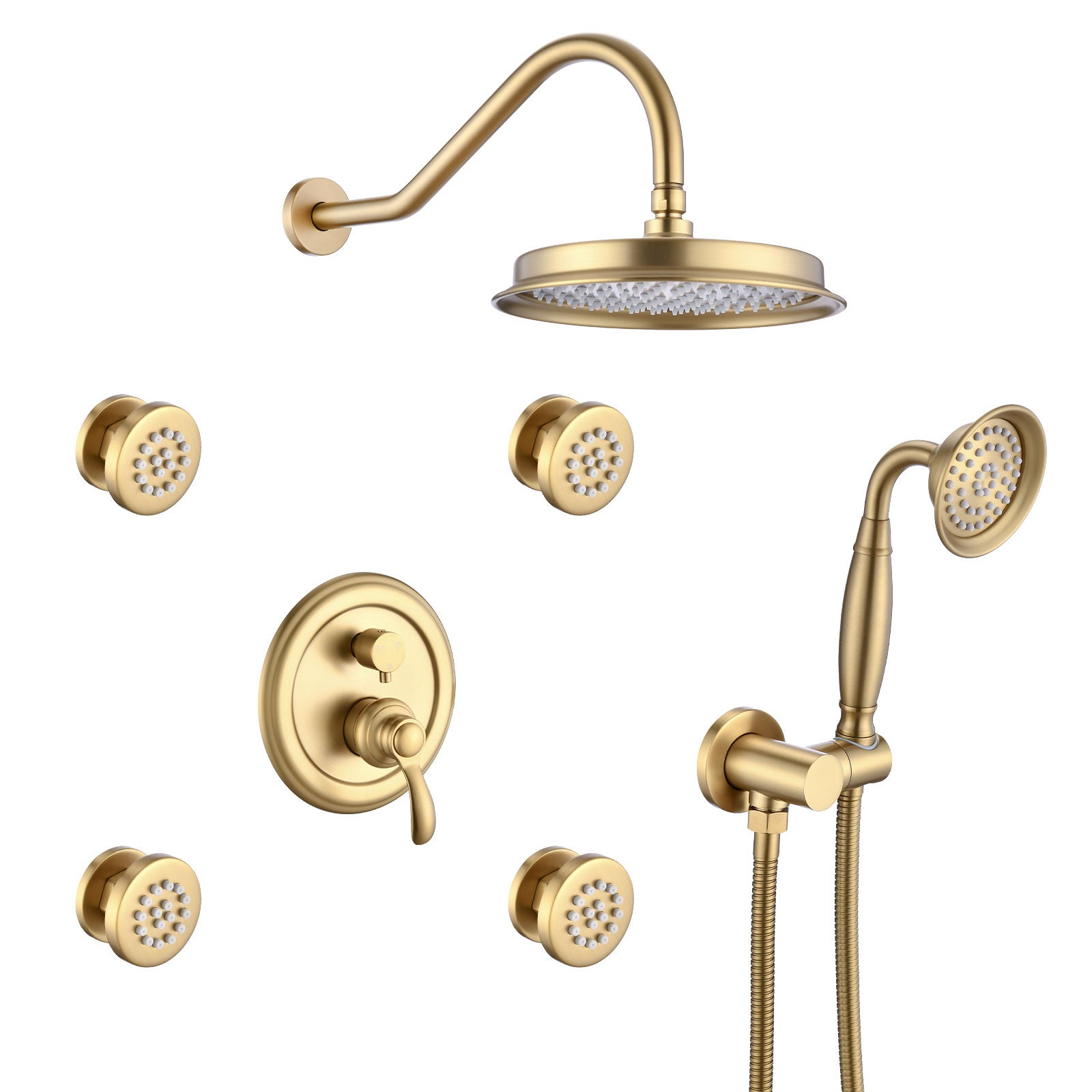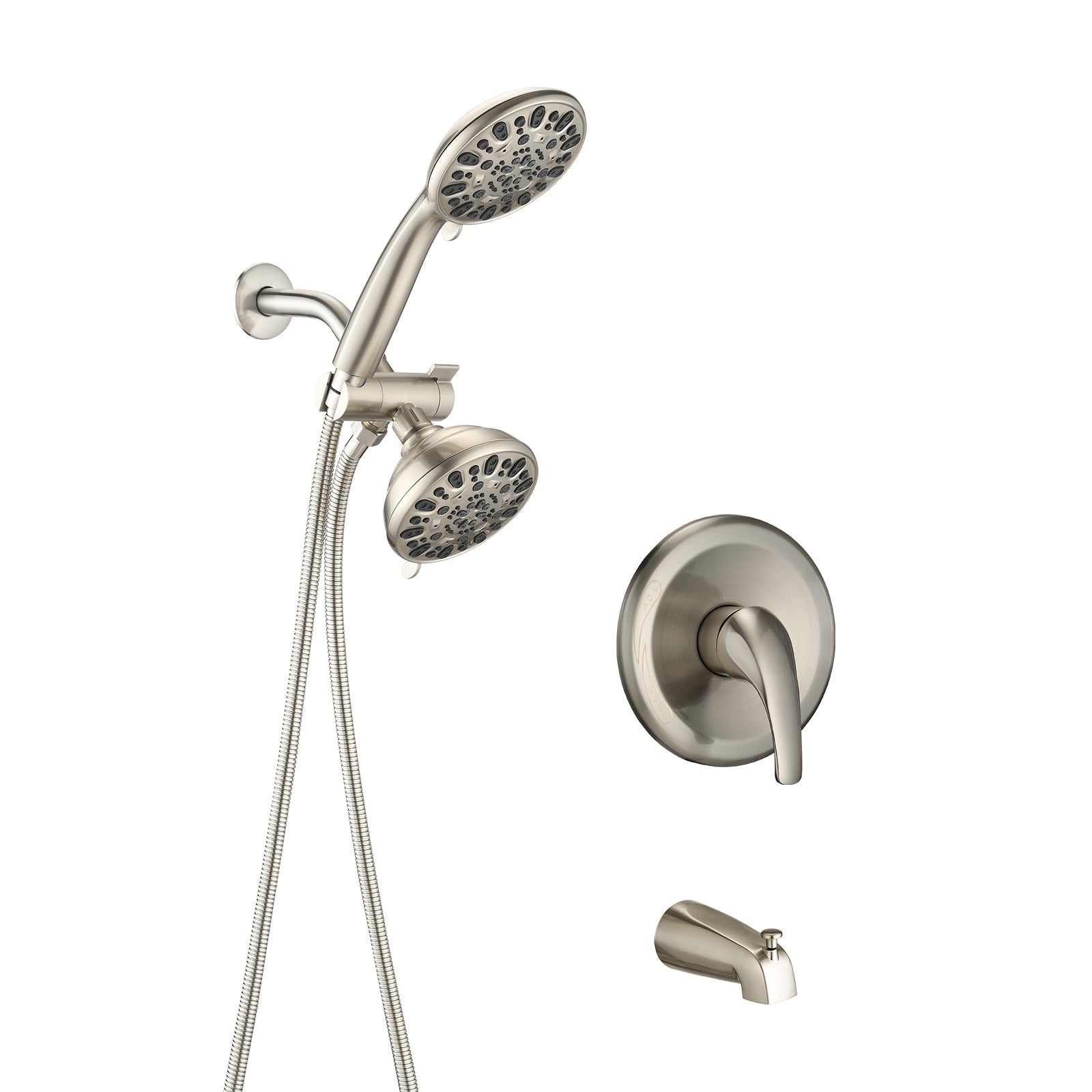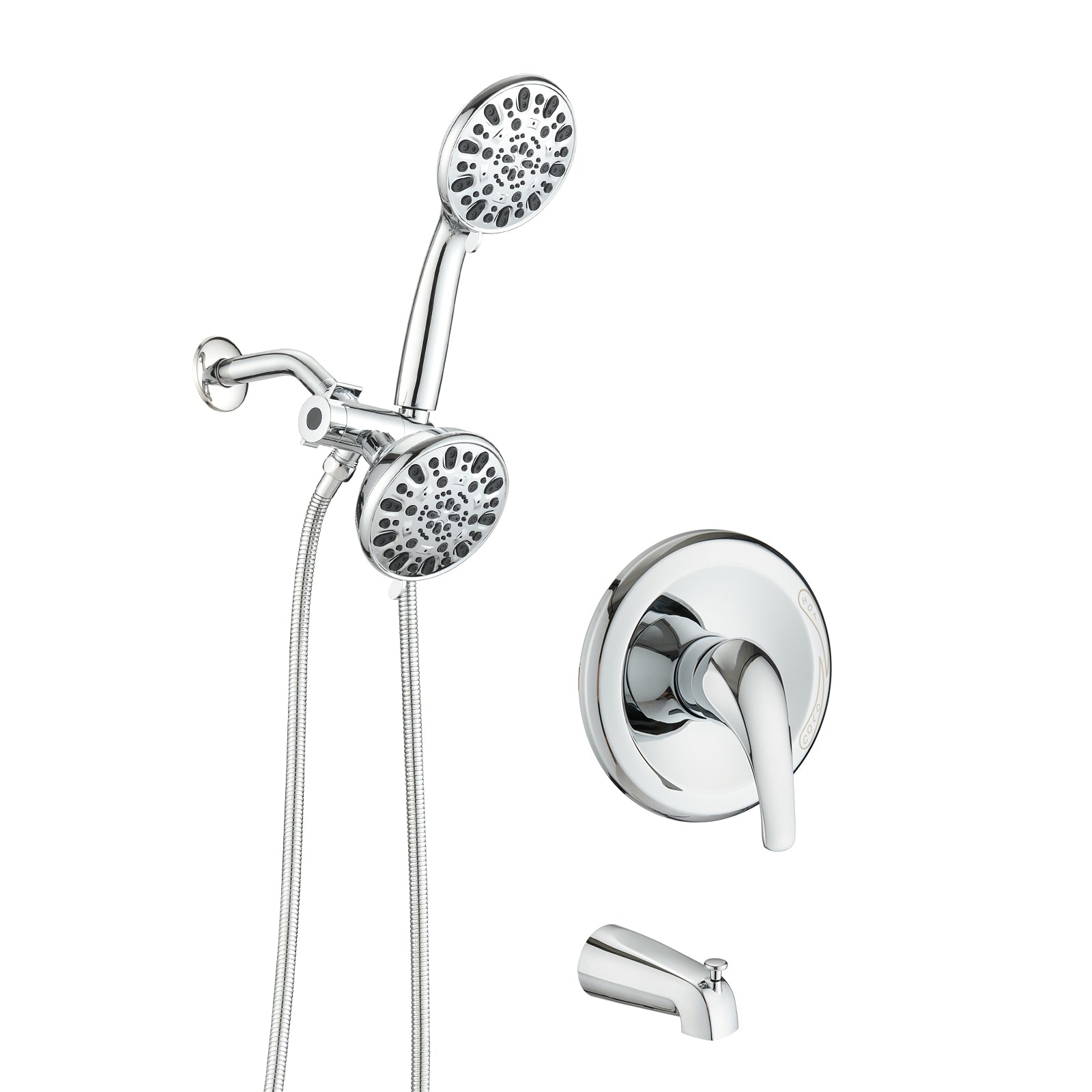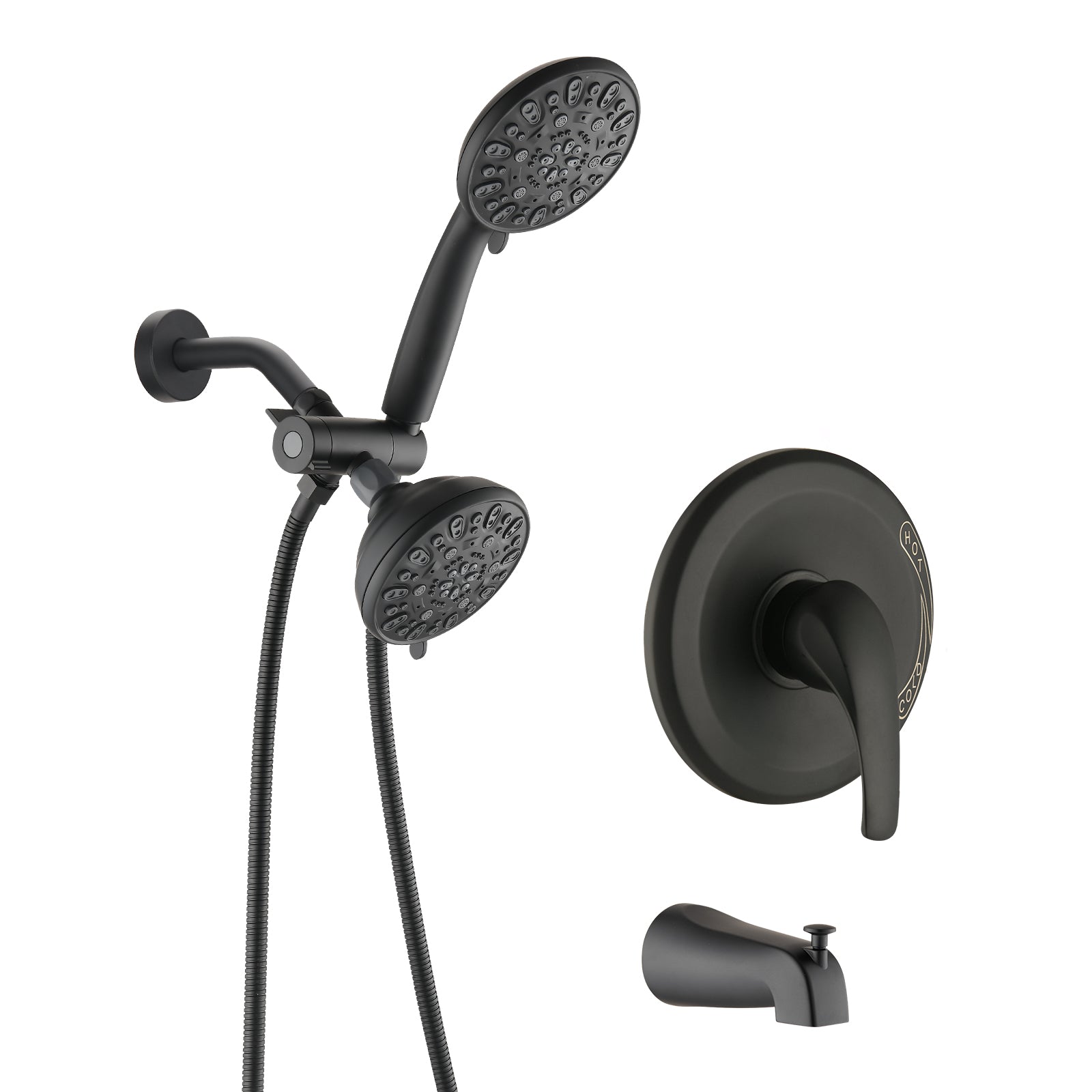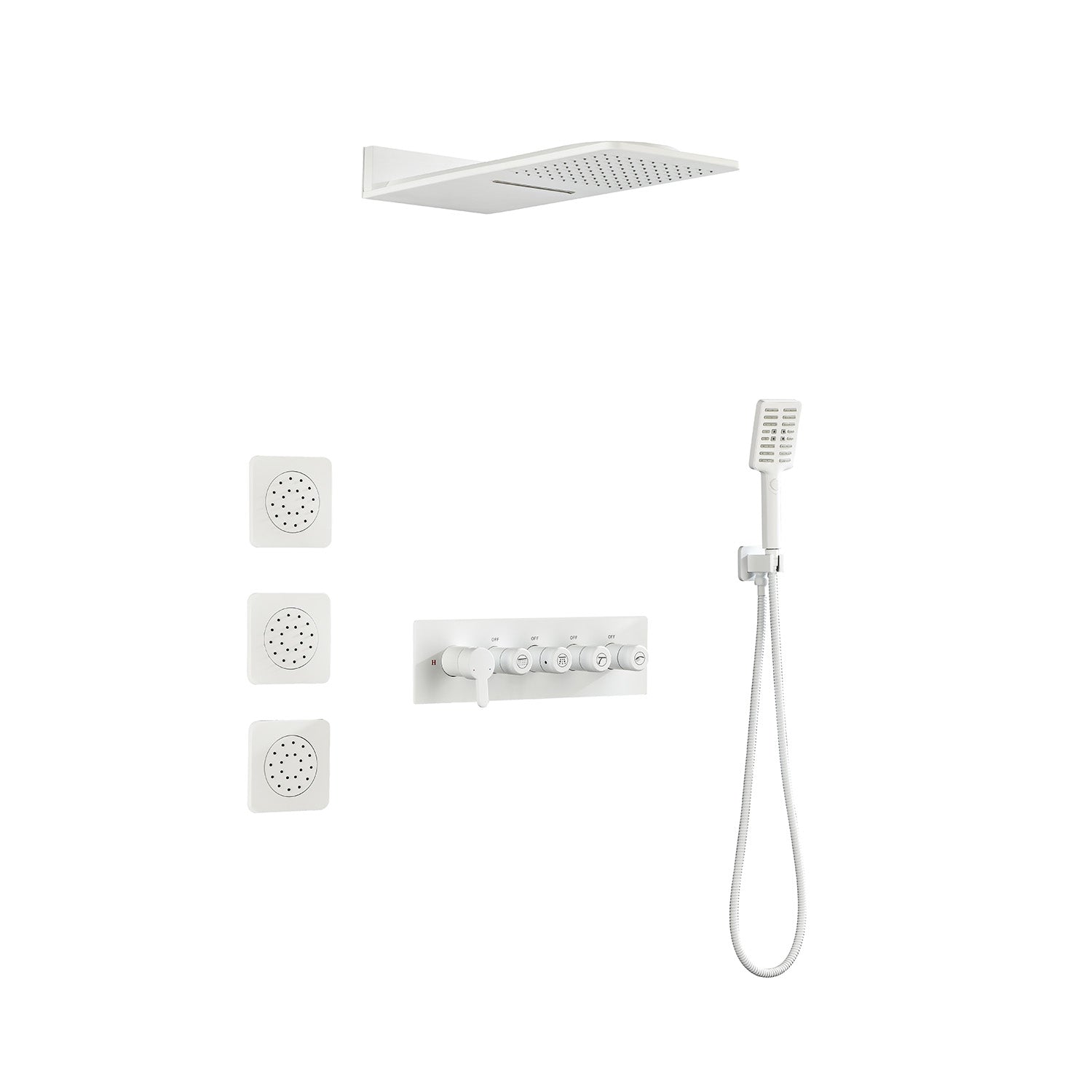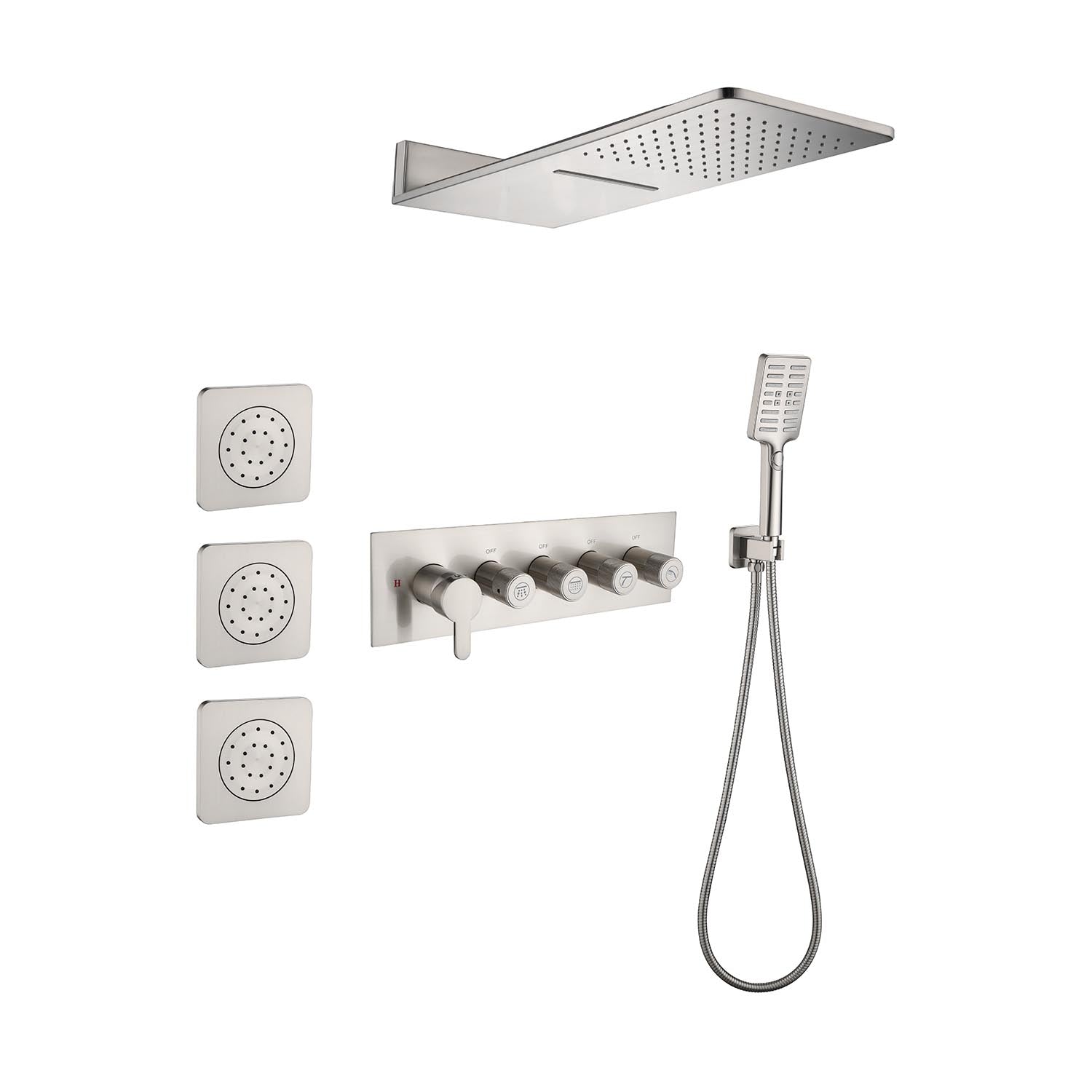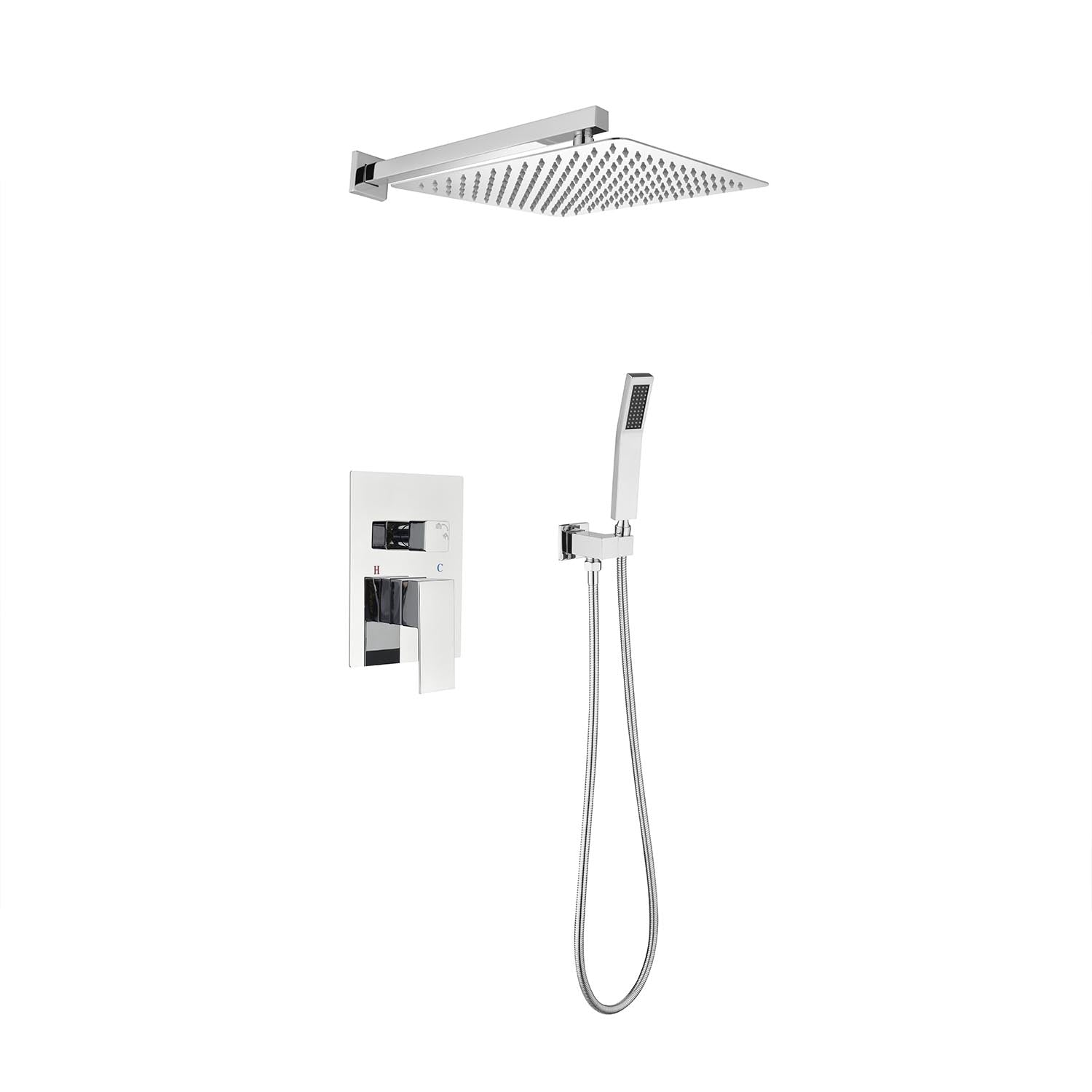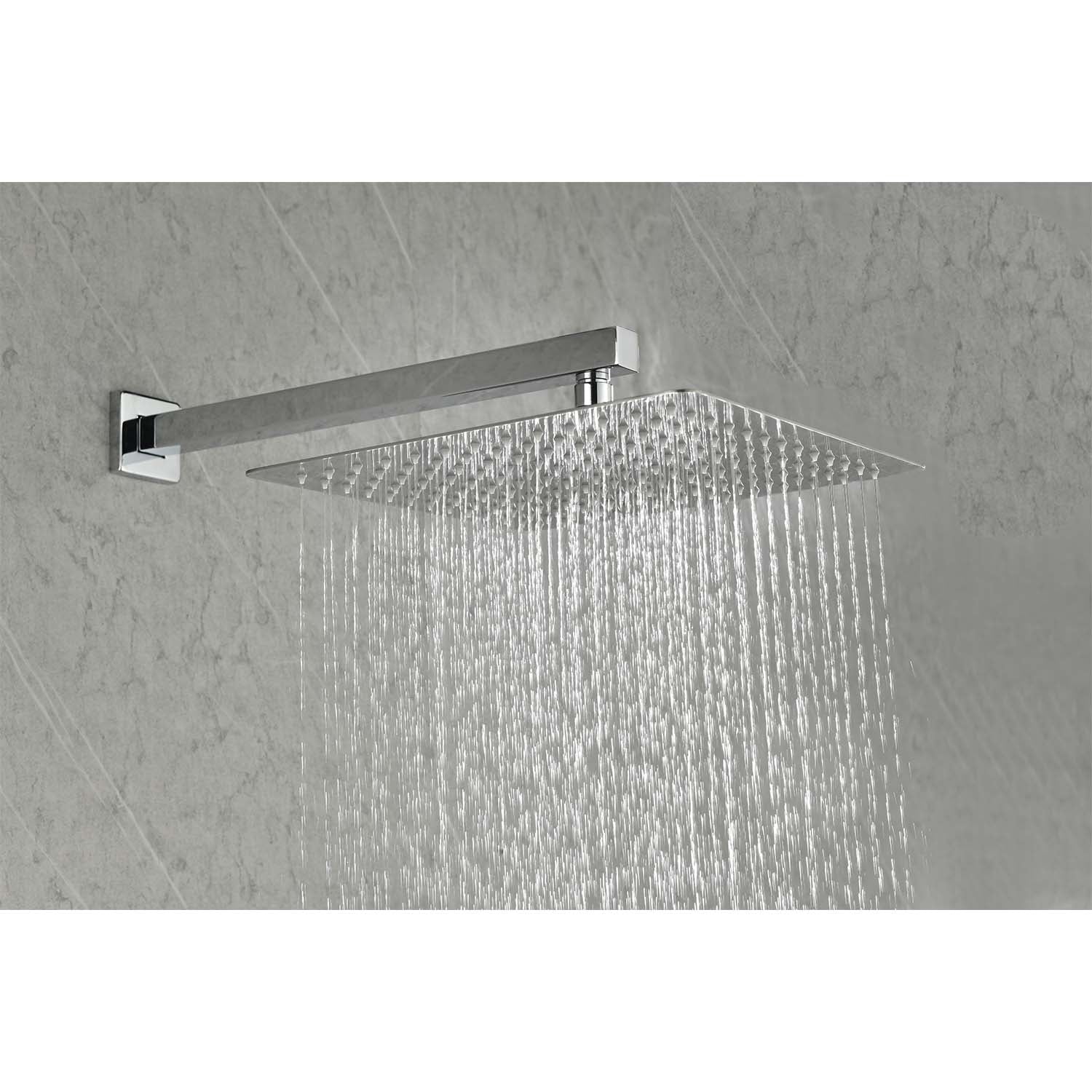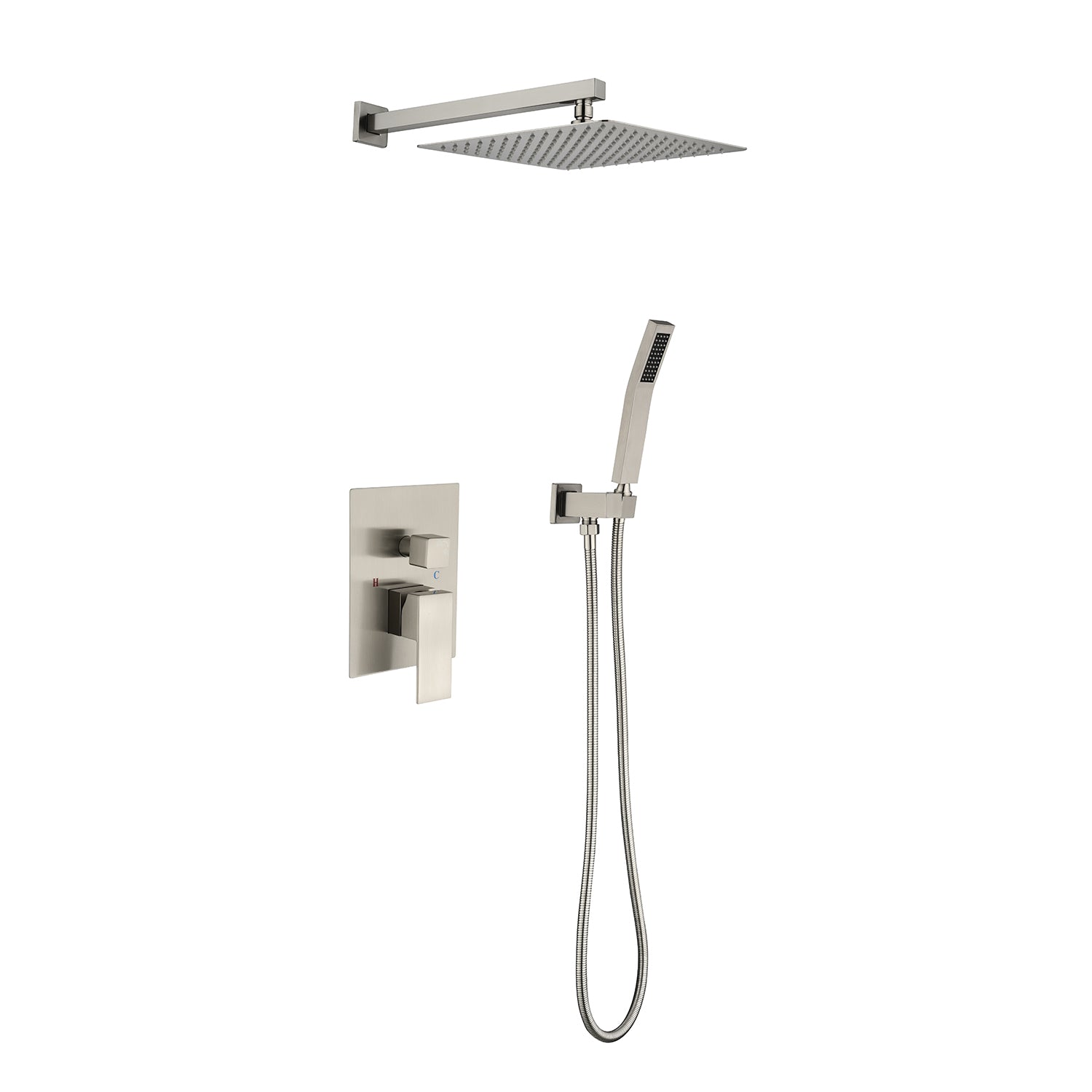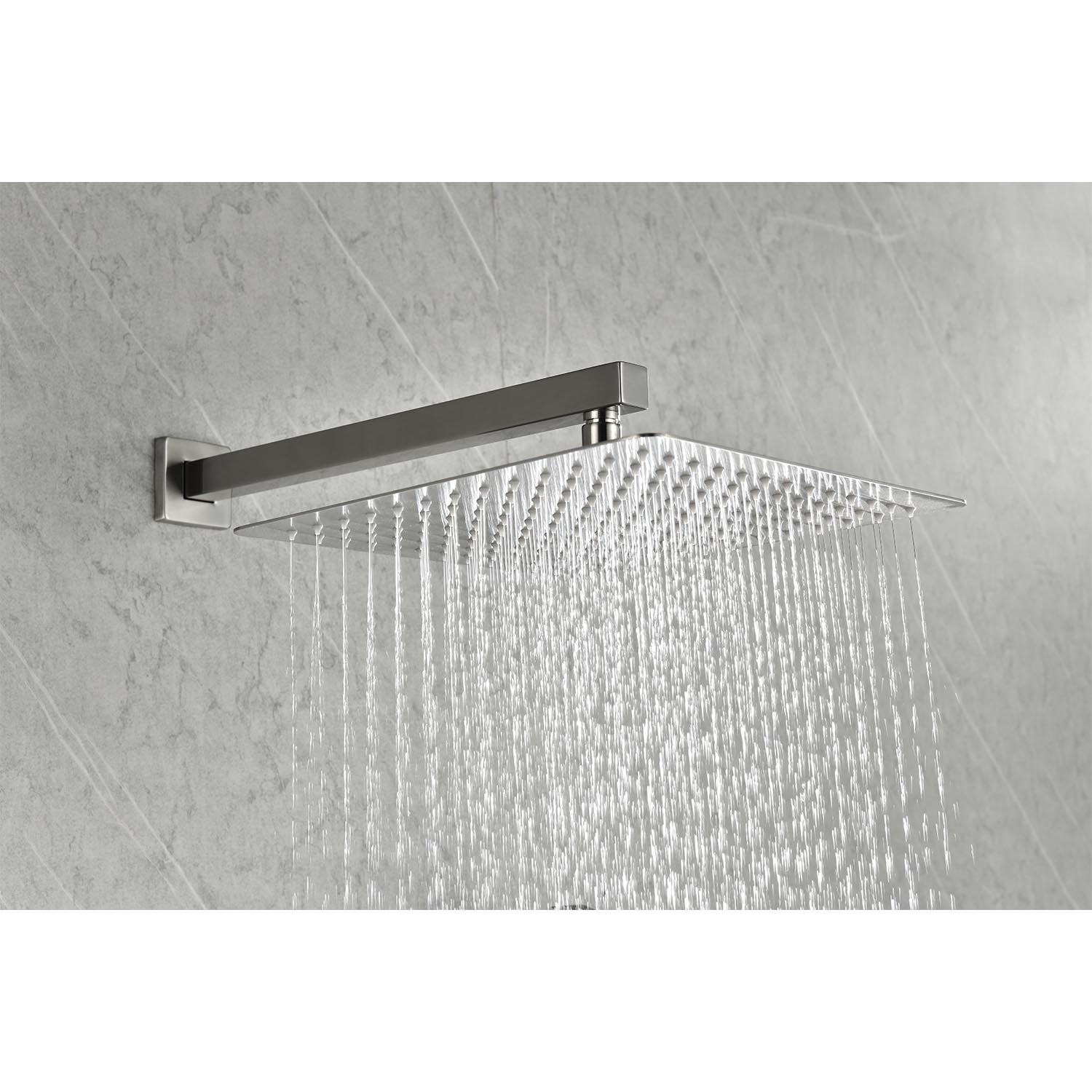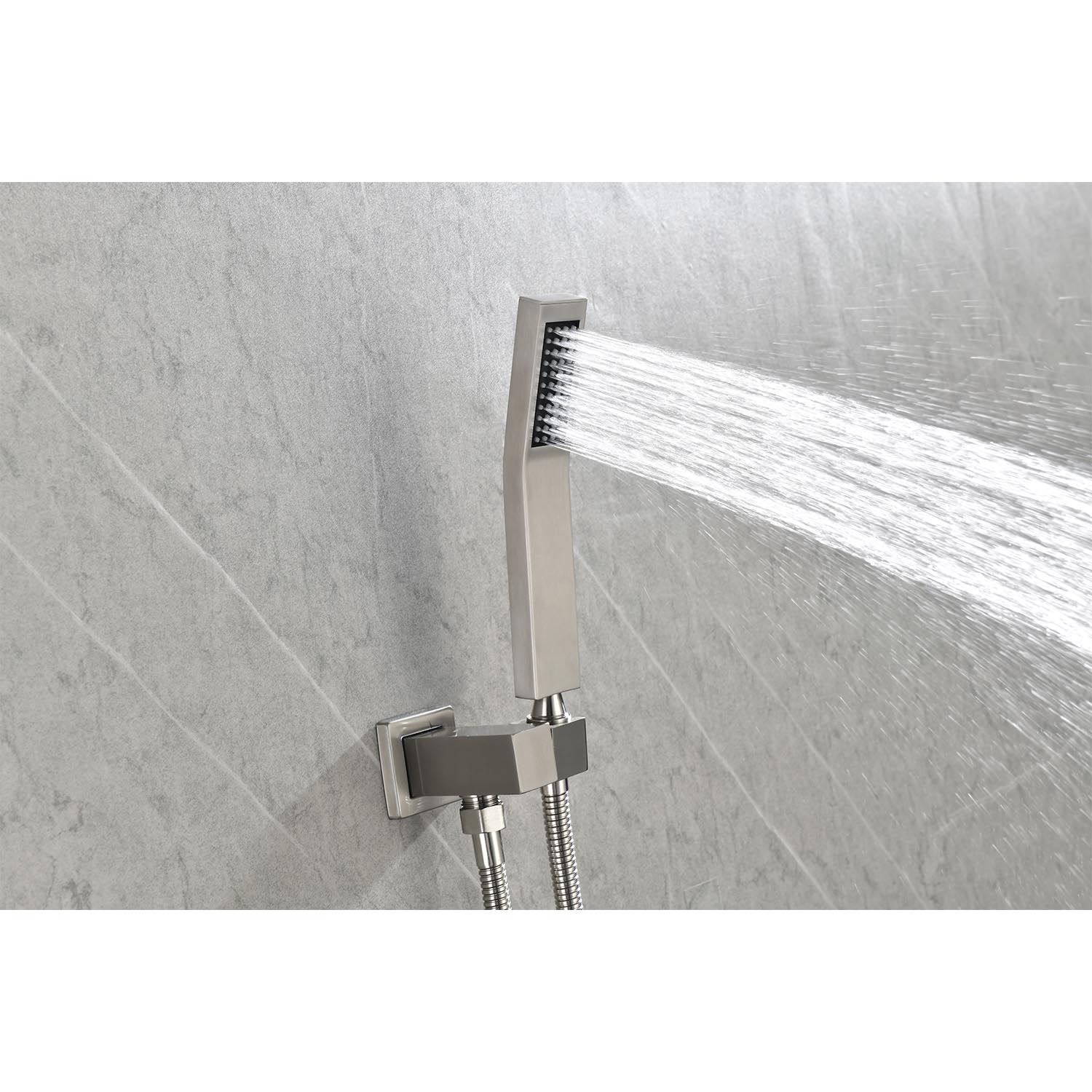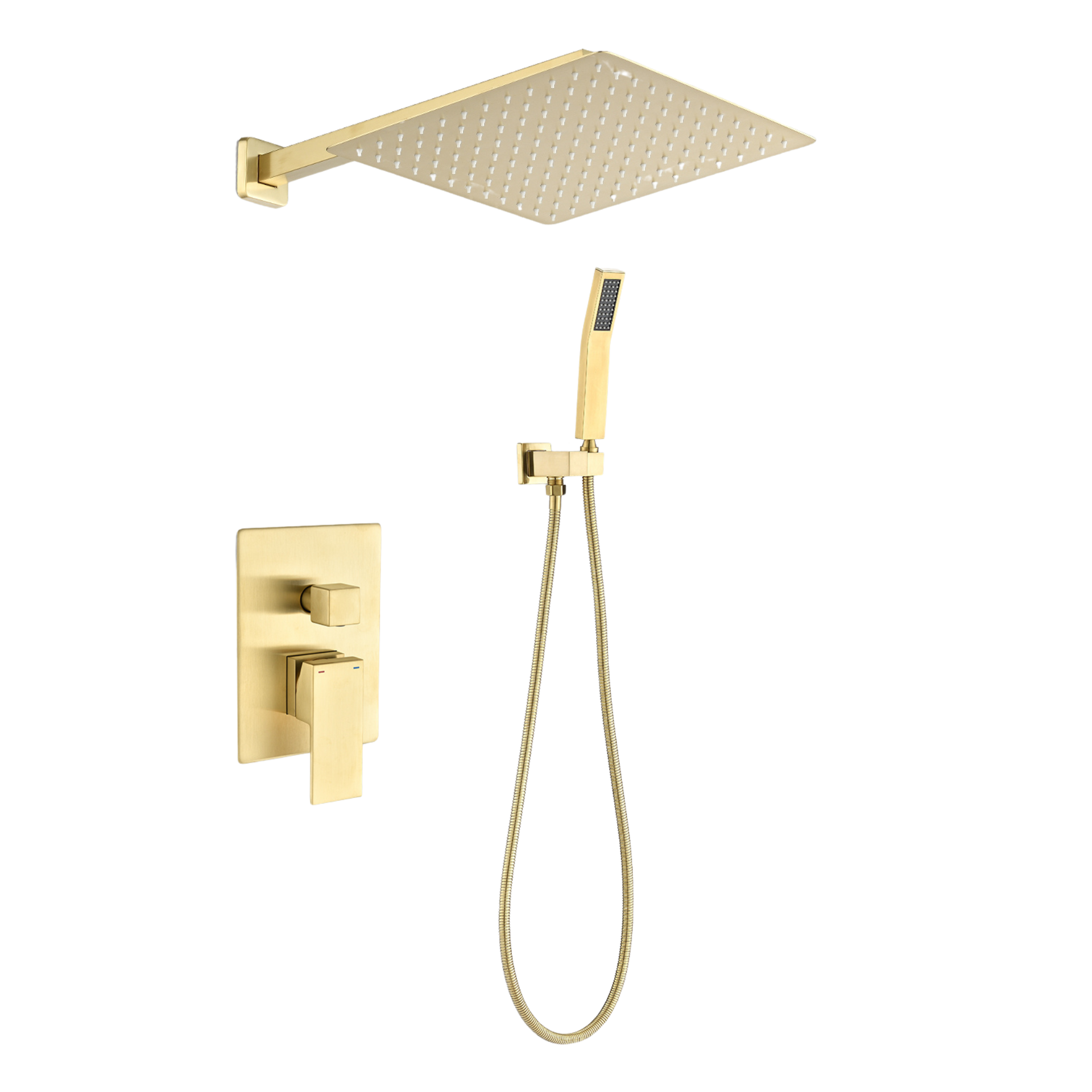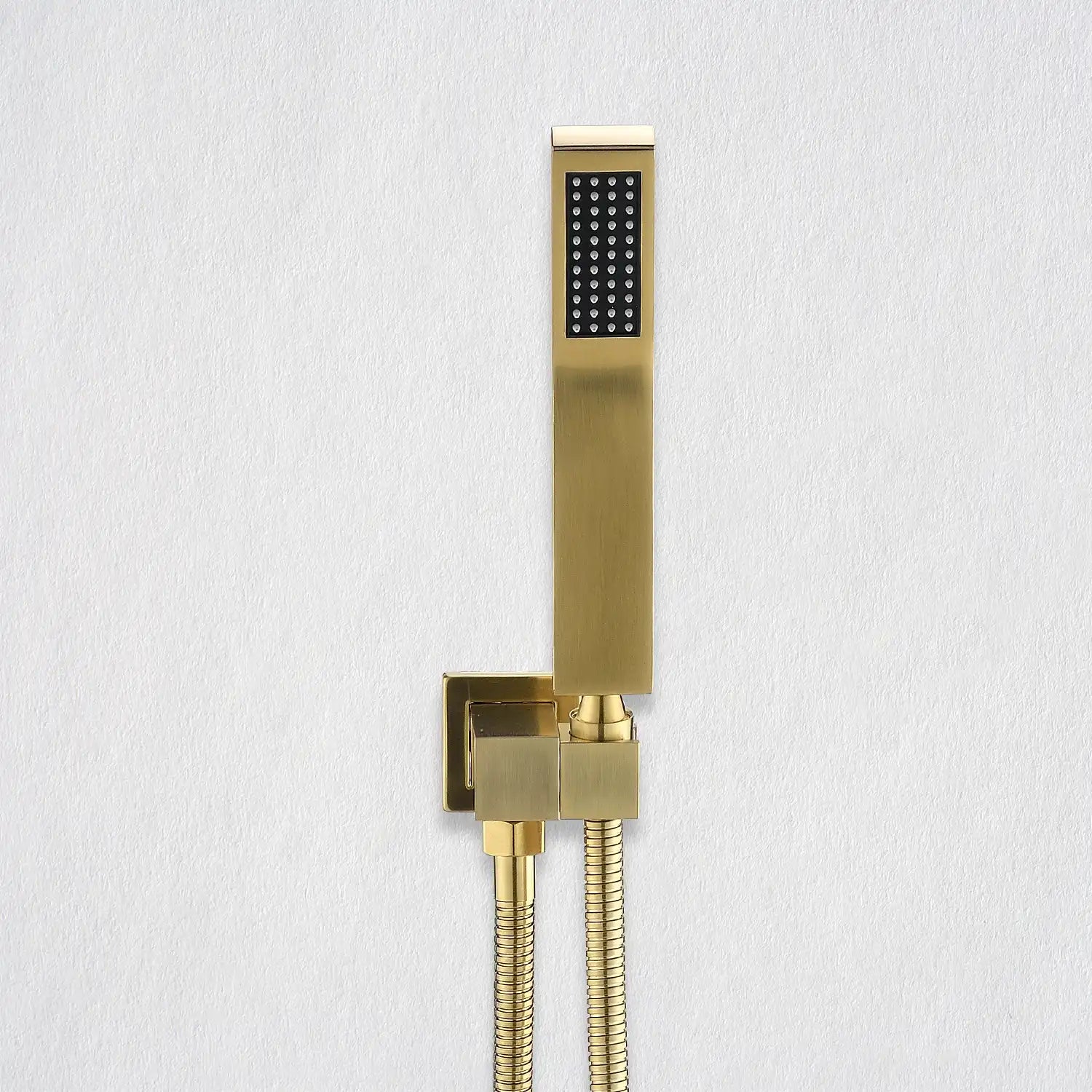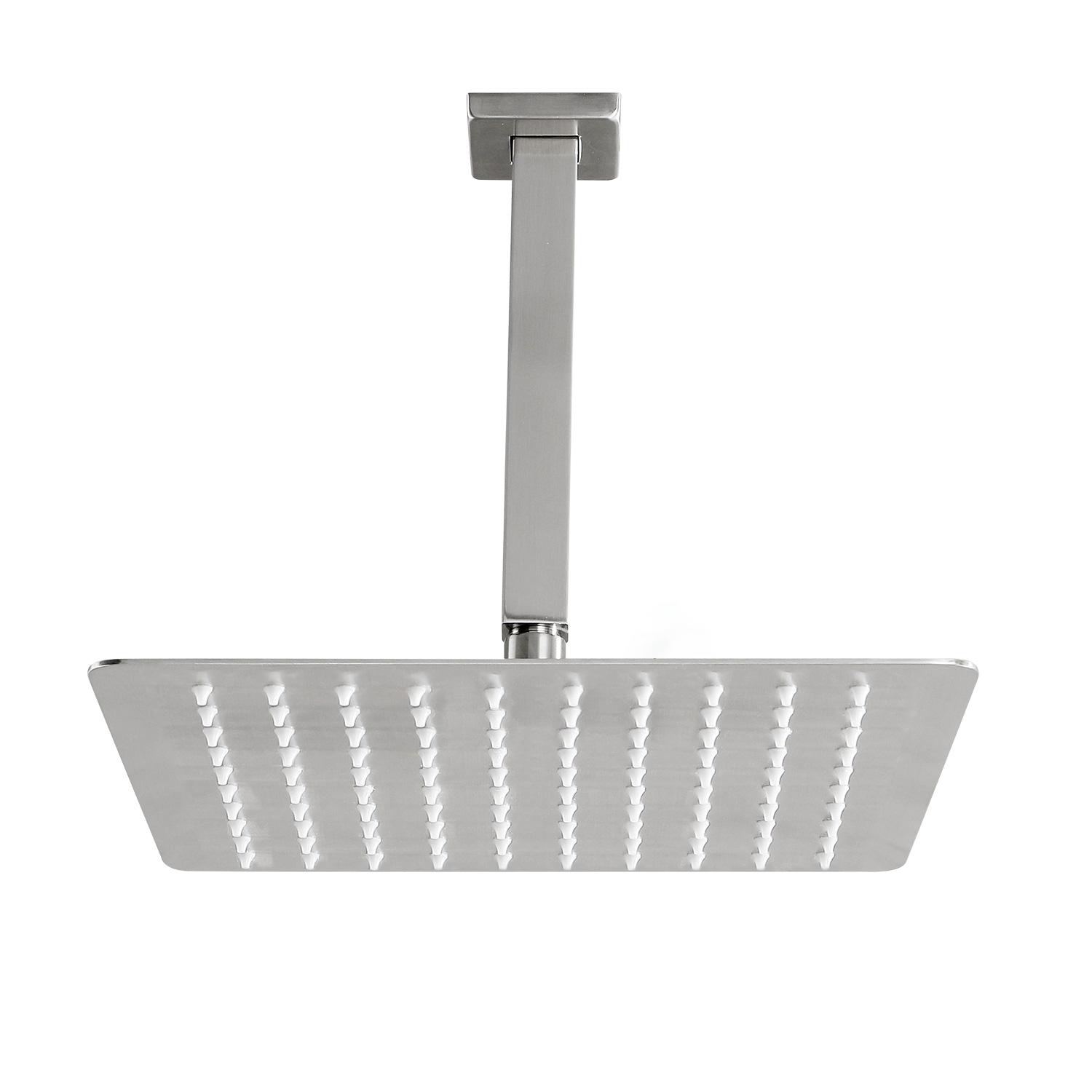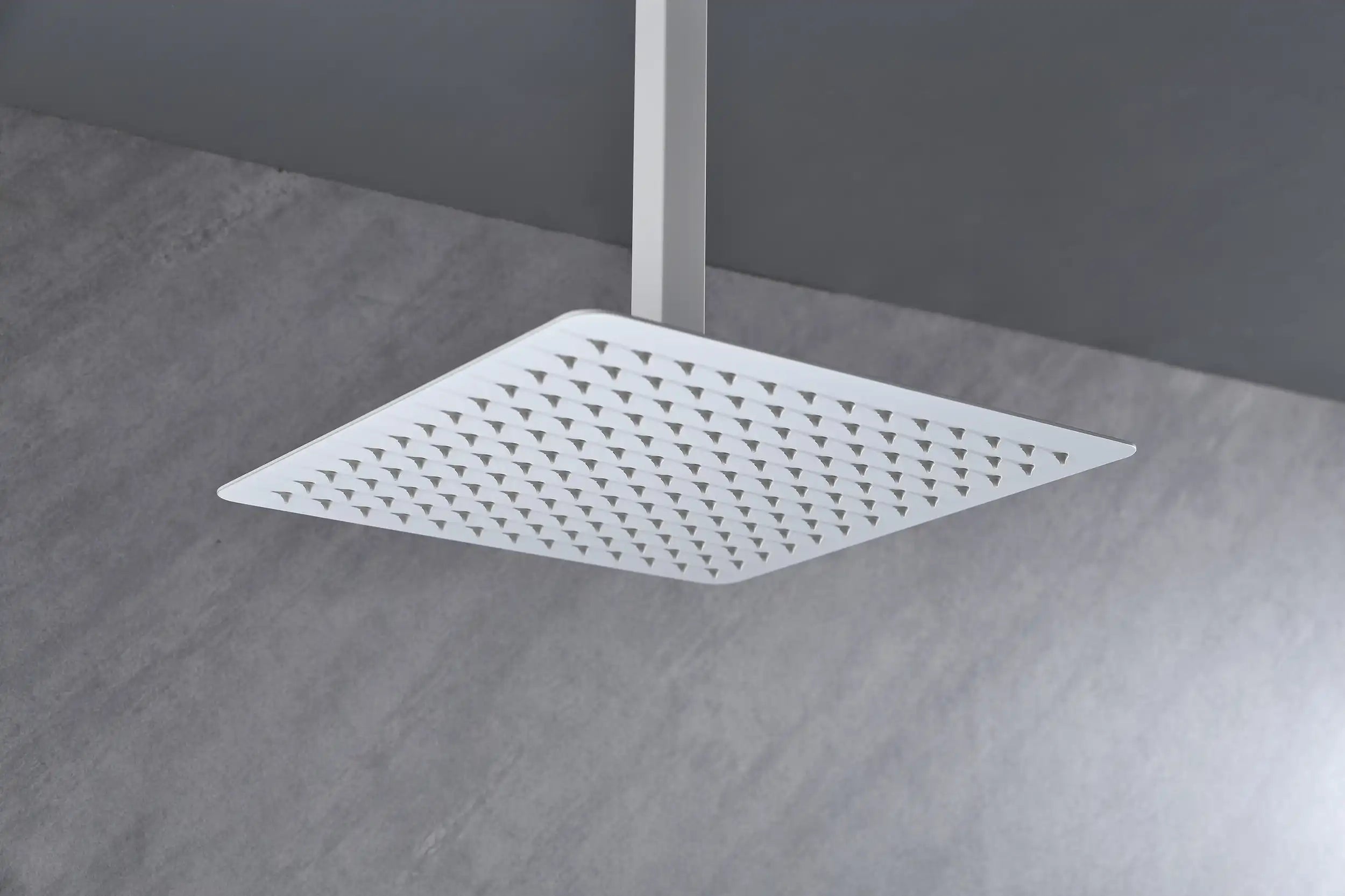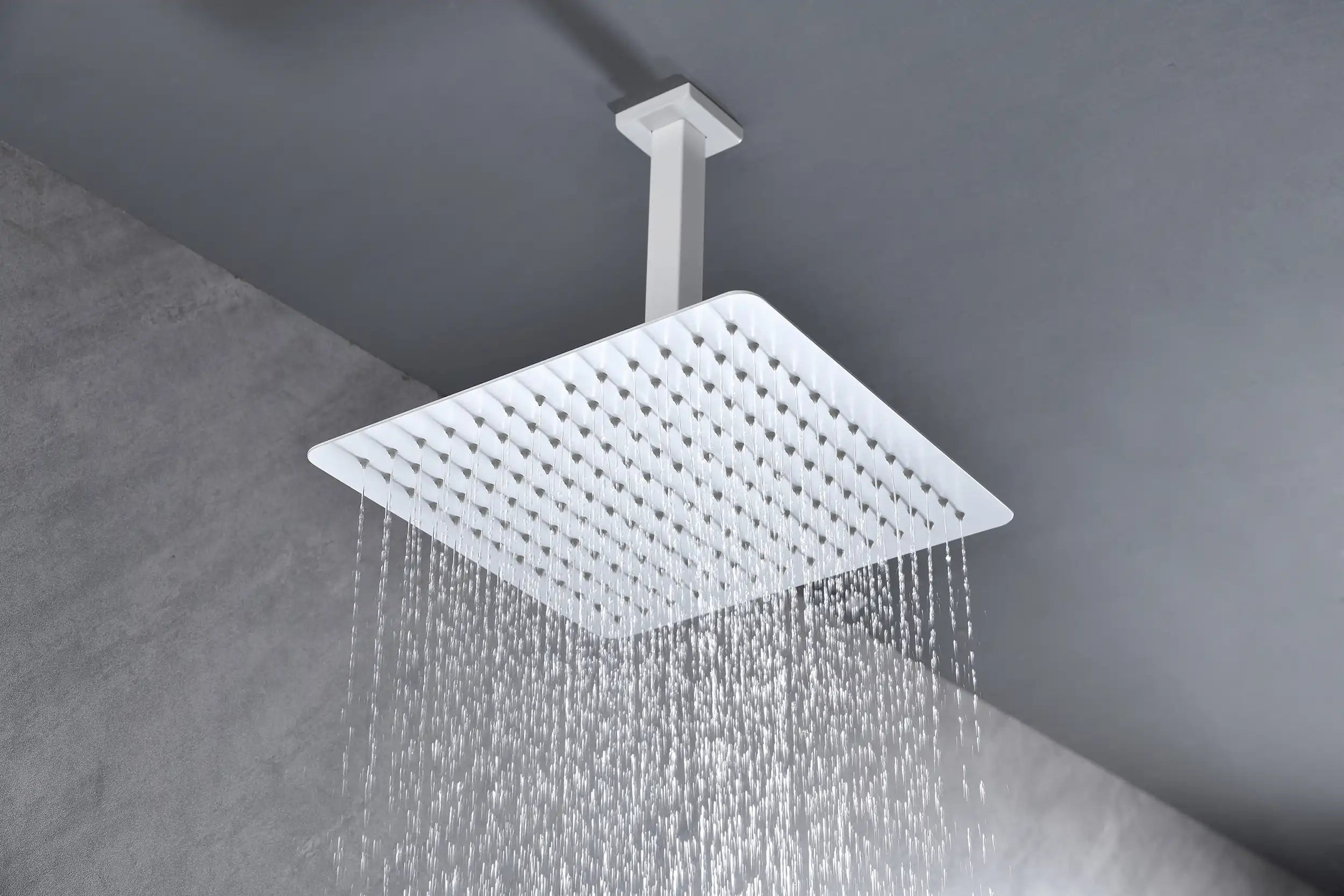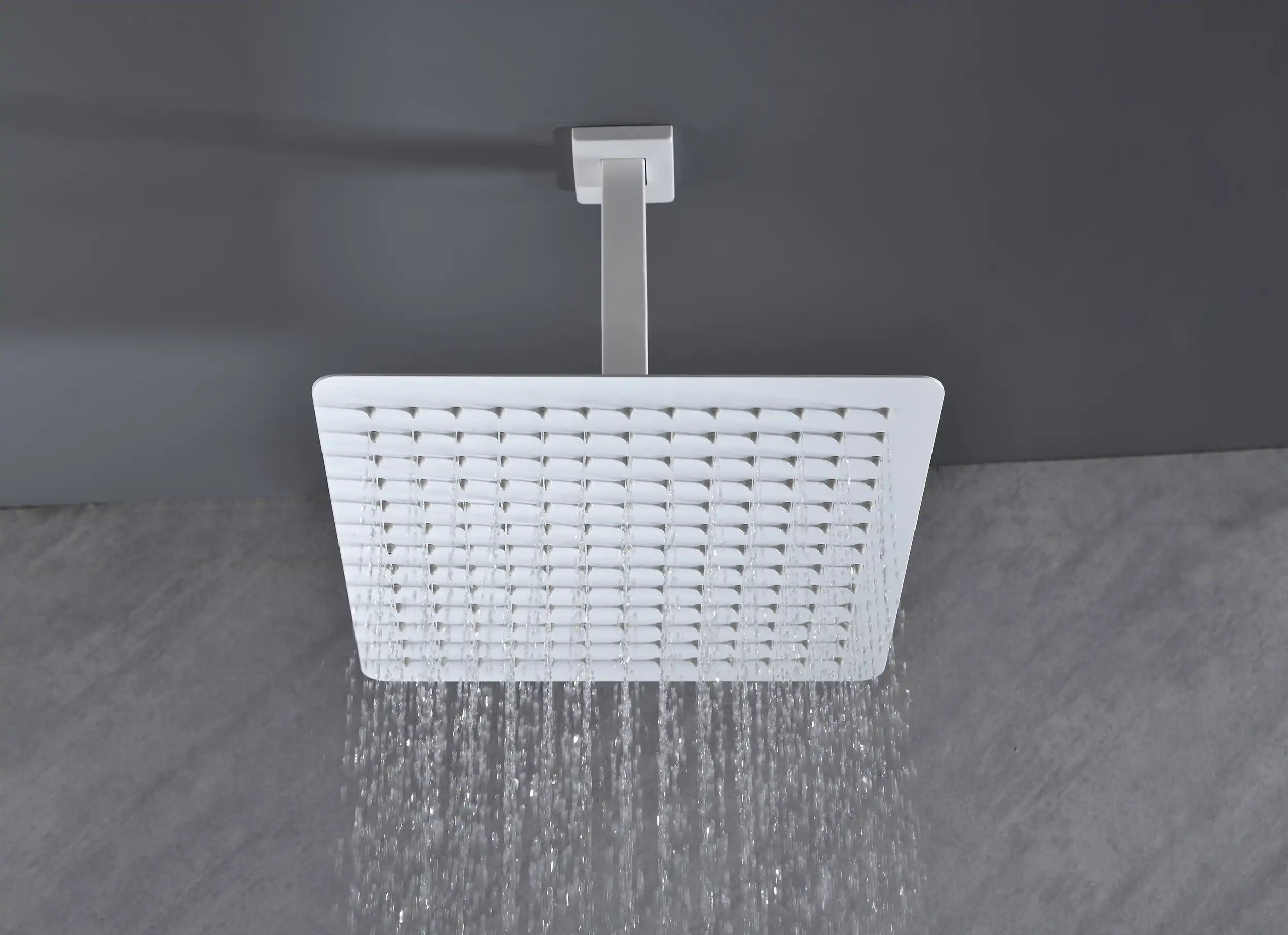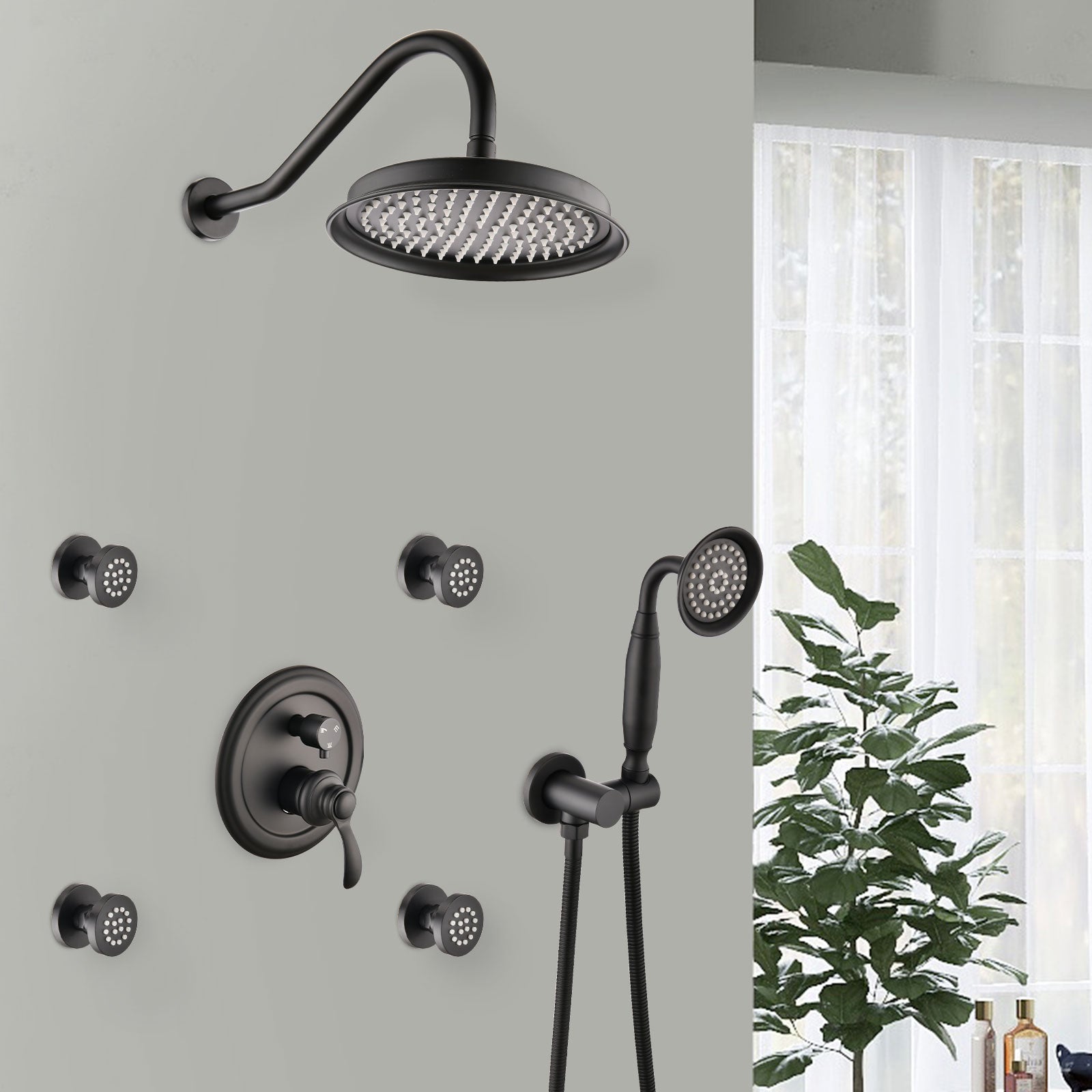


In recent years, the term high flow shower head has gained attention among consumers seeking a more immersive and comfortable shower experience. However, confusion around flow rate, pressure, efficiency, and regulations has led to misinformation. This article breaks down what “high flow” really means, its practical benefits, common misconceptions, and how to determine whether it is the right choice for your home, helping you make an informed, responsible decision.
Table of Contents:
- What GPM Qualifies as a High Flow Shower Head?
- The Real Benefits of a High Flow Shower Head
- Does High Flow Mean High Pressure?
- Does a High Flow Shower Head Waste More Water?
- Is Your Home’s Water Supply Suitable for a High Flow Shower Head?
- Shower Flow Regulations in Practice: Federal Limits, State Variations, and Design Realities
- Conclusion: Choosing Comfort with Clarity and Responsibility
- Related Articles
What GPM Qualifies as a High Flow Shower Head?
To understand what defines a high flow shower head, it is essential to start with GPM, or gallons per minute. GPM measures the volume of water delivered by a shower head within one minute and is the industry-standard metric for evaluating flow rate.
In most residential settings, shower heads fall into these general categories:
| Flow Rate (GPM) | Category | Typical Characteristics |
|---|---|---|
| 1.5–2.0 GPM | Low-flow / Water-saving | Designed for efficiency-focused households. Emphasizes reduced water usage while maintaining basic shower comfort. |
| 2.0–2.3 GPM | Standard Residential Flow | A balanced range where comfort and water conservation are both prioritized. Suitable for most households and daily use. |
| 2.3–2.5 GPM | Upper-range Residential Flow (Often called “High Flow”) | Operates near the federal maximum. Commonly referred to as “high flow” in everyday usage due to fuller coverage and stronger overall water delivery. |
From a technical standpoint, a high flow shower head delivers a greater volume of water per minute compared to standard models. However, “high” is a relative term. What feels high-flow in a small bathroom may feel average in a large, open shower enclosure.
It is also important to note that flow rate alone does not define performance. Internal channel design, spray pattern, and water distribution all influence how that flow is experienced.
The Real Benefits of a High Flow Shower Head
The primary advantage of a high flow shower head lies in the overall shower experience rather than raw technical specifications. Increased water volume creates fuller spray coverage, which many users associate with comfort and relaxation.
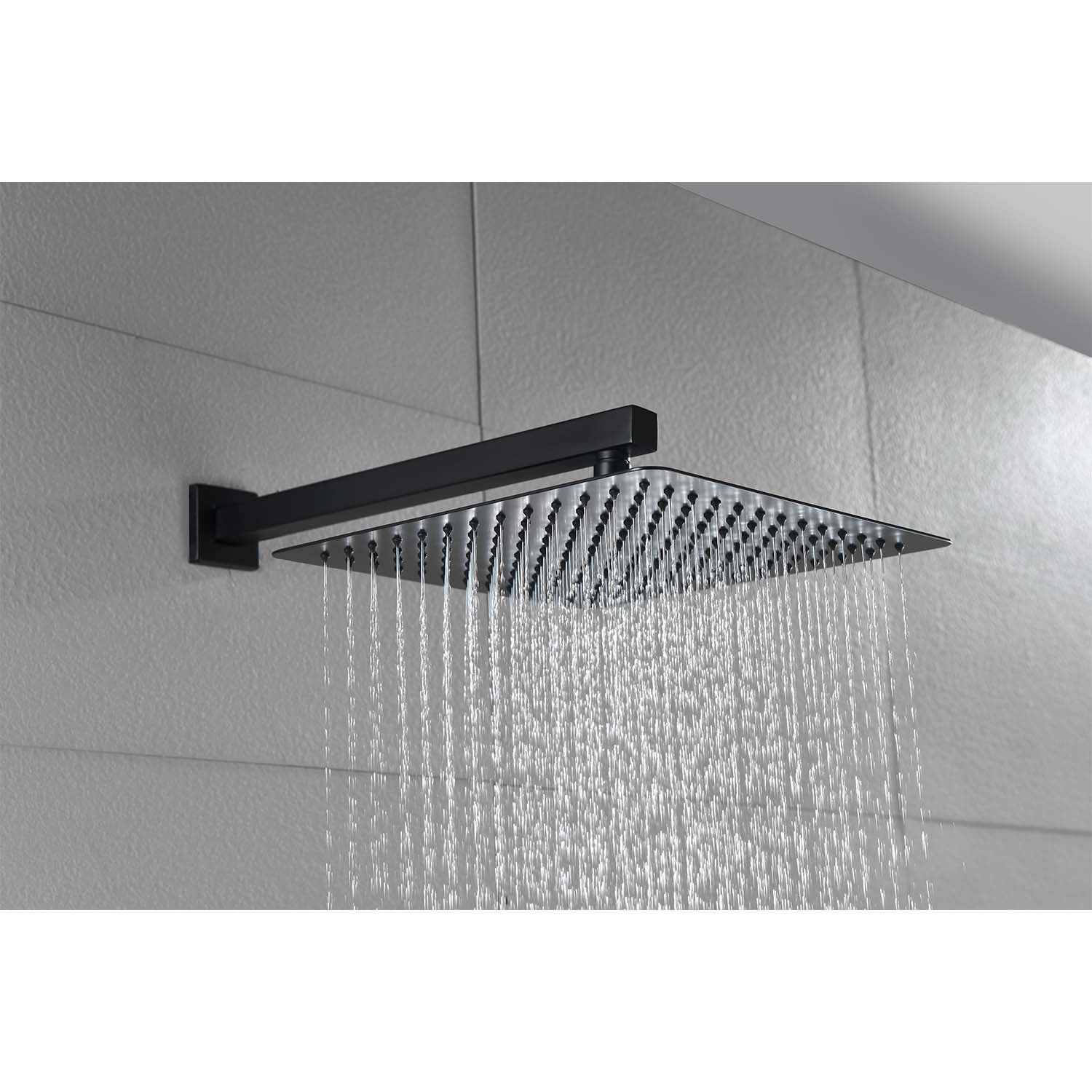
Enhanced coverage is perhaps the most obvious advantage. In bigger showers or walk-in enclosures, higher flow is desirable because it prevents water from feeling skimpy or uneven, ensuring that it all reaches the body. Particularly obvious in rain shower head configurations.
Another advantage is faster rinsing efficiency. With more water volume, shampoo, soap, and conditioner are rinsed away more quickly, potentially reducing total shower time. While the flow rate is higher at any given moment, the overall duration of use may decrease.
Thermal comfort also improves. Higher flow helps stabilize water temperature, making it easier to maintain a consistent warmth during the shower. For users who value comfort and consistency, this can significantly enhance daily routines.
Importantly, choosing a high flow shower head is about prioritizing experience—not excess. When thoughtfully selected, it supports comfort without compromising responsible use.
Does High Flow Mean High Pressure?
A very common misunderstanding is the idea that high flow immediately implies high pressure. Actually, flow rate and pressure are two different things.
-
Flow rate (GPM) refers to how much water moves through the shower head.
-
Water pressure (PSI) refers to the force pushing that water through the plumbing system.
A useful analogy is a highway: flow rate is the number of cars on the road, while pressure is how fast they are moving. You can get a lot of cars flowing at a leisurely pace or fewer cars flowing at a fast pace.
The sharp or stinging sensation that some users associate with an “overly strong” shower is usually caused by high pressure, not high flow. High pressure forces water through smaller openings at greater speed, concentrating impact on the skin. Conversely, a properly designed high flow shower head gives much more water but over a wider spray pattern. The result is often a fuller, more enveloping shower rather than a harsher one.
Does a High Flow Shower Head Waste More Water?
Water usage is a legitimate concern, and it is often assumed that higher flow automatically equals waste. However, the reality is more nuanced.
Water consumption should be evaluated based on total usage per shower, not just flow rate per minute. If a higher flow allows users to rinse more efficiently and reduce shower time, total water use may remain comparable—or even decrease.
Behavior plays a significant role. Long showers with low-flow fixtures can consume more water than shorter, efficient showers with higher flow. Additionally, modern shower design increasingly focuses on optimizing spray patterns to maximize coverage without unnecessary dispersion.
A high flow shower head is not inherently wasteful. Responsible usage, combined with thoughtful design, determines actual water consumption.
Is Your Home’s Water Supply Suitable for a High Flow Shower Head?
Before choosing a high flow shower head, it is important to consider whether your home’s plumbing system can support it effectively.
Key factors include:
-
Incoming water pressure: Homes with very low pressure may not benefit from increased flow capacity.
-
Hot water system type: Tank-based and tankless systems respond differently to higher flow demands.
-
Pipe diameter and age: Older or narrow piping can limit performance regardless of the fixture.
Apartments and multi-unit buildings may have more variable pressure compared to single-family homes. Understanding these basics helps set realistic expectations and ensures the shower performs as intended.
Rather than focusing solely on specifications, homeowners should consider how flow rate interacts with their existing infrastructure.
Shower Flow Regulations in Practice: Federal Limits, State Variations, and Design Realities
In the U.S. residential market, federal regulations set a maximum flow rate of 2.5 gallons per minute (GPM) for shower fixtures, measured per individual outlet under standardized testing conditions.
Some states adopt stricter standards based on regional water conservation needs. California, for example, enforces a lower maximum of 1.8 GPM, reflecting long-term efforts to address water scarcity. These tighter regulations further shape how shower products are designed and marketed within those regions, often prioritizing optimized spray patterns over higher volume.
It is also worth noting that in some designs, the shower head restrictors are removable, allowing the fixture to operate at a higher flow under certain conditions. While this design approach exists to accommodate varied installation scenarios and regional standards, consumers should always be aware that altering factory configurations may affect compliance with local regulations.
Conclusion: Choosing Comfort with Clarity and Responsibility
- When Is the Best Time to Shower? A Practical Guide to Choosing the Right Routine
- What is the Average Shower Temperature: Your Ideal "Heat" Setting for Life
- What Are the Different Types of Shower Heads
- How Long Should You Take a Shower? Ideal Duration for Skin and Health
- Understanding Shower Head GPM: How to Choose the Right Flow for Your Bathroom Experience