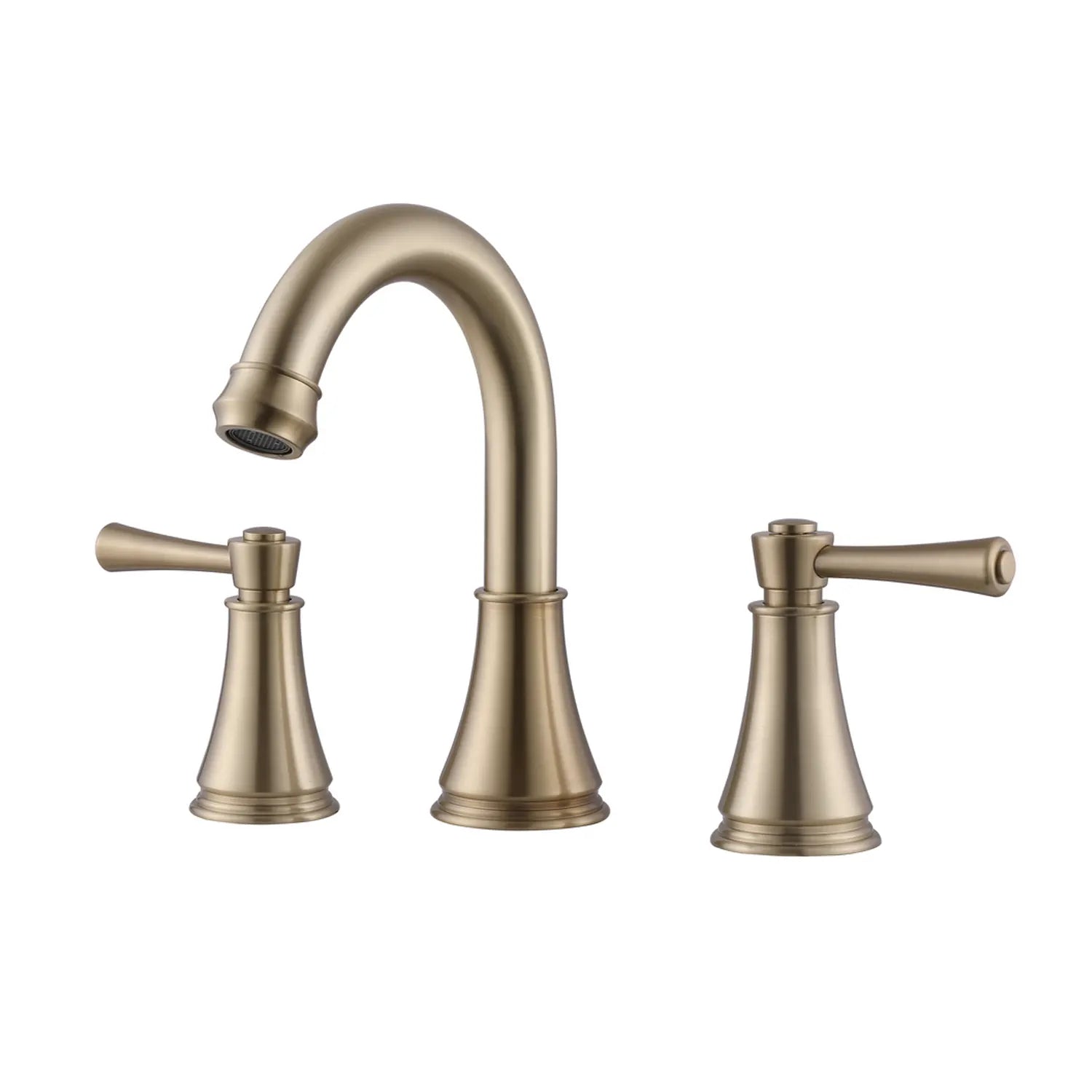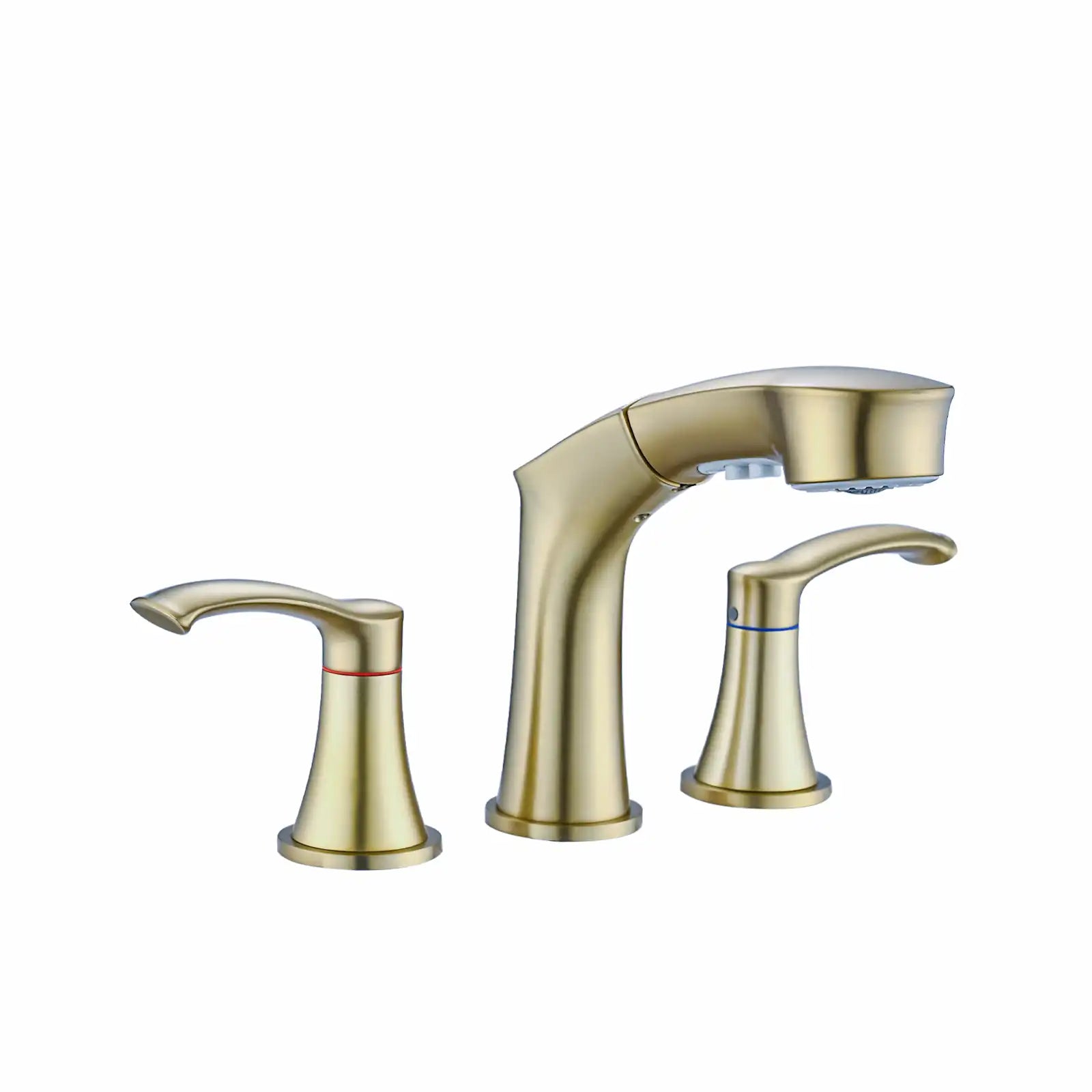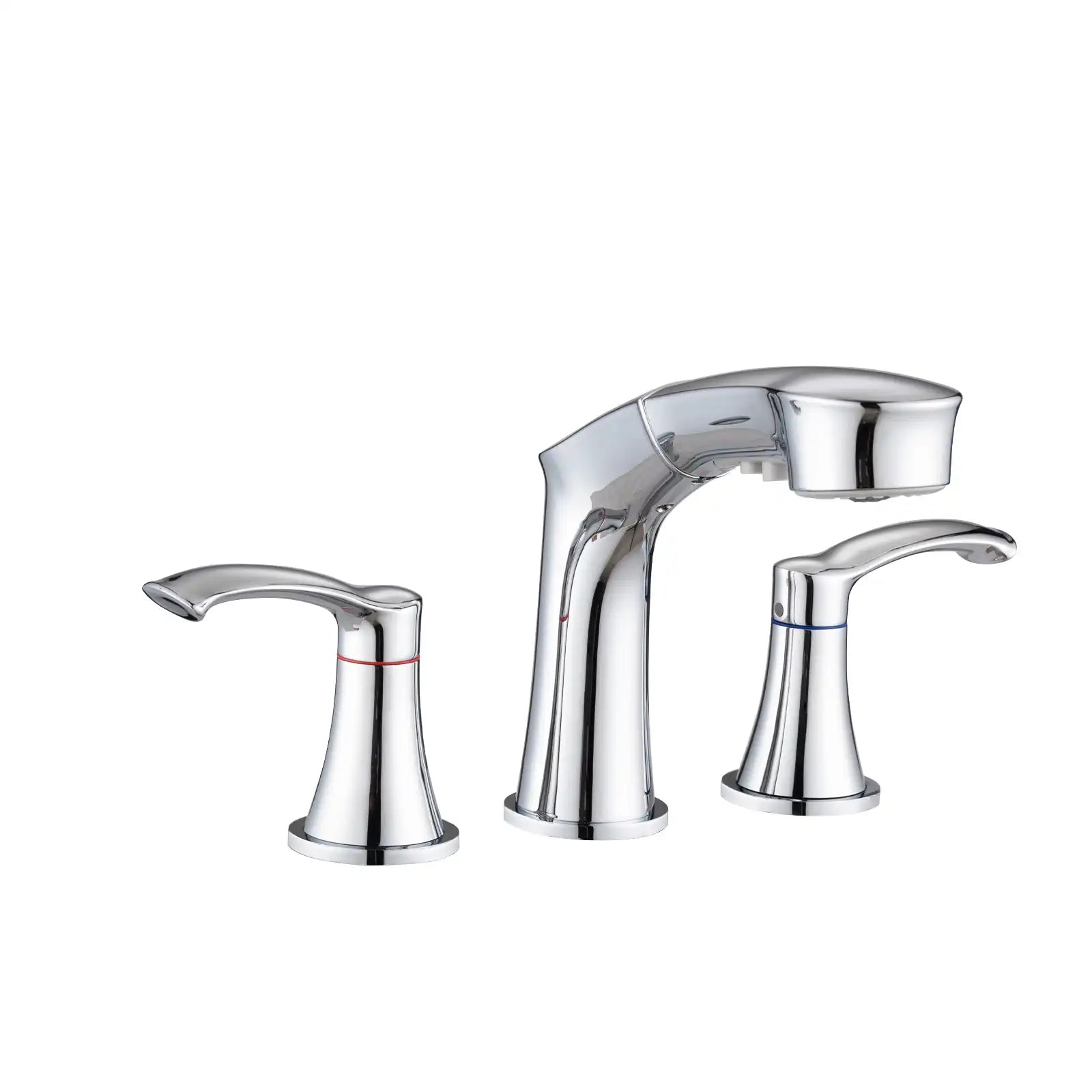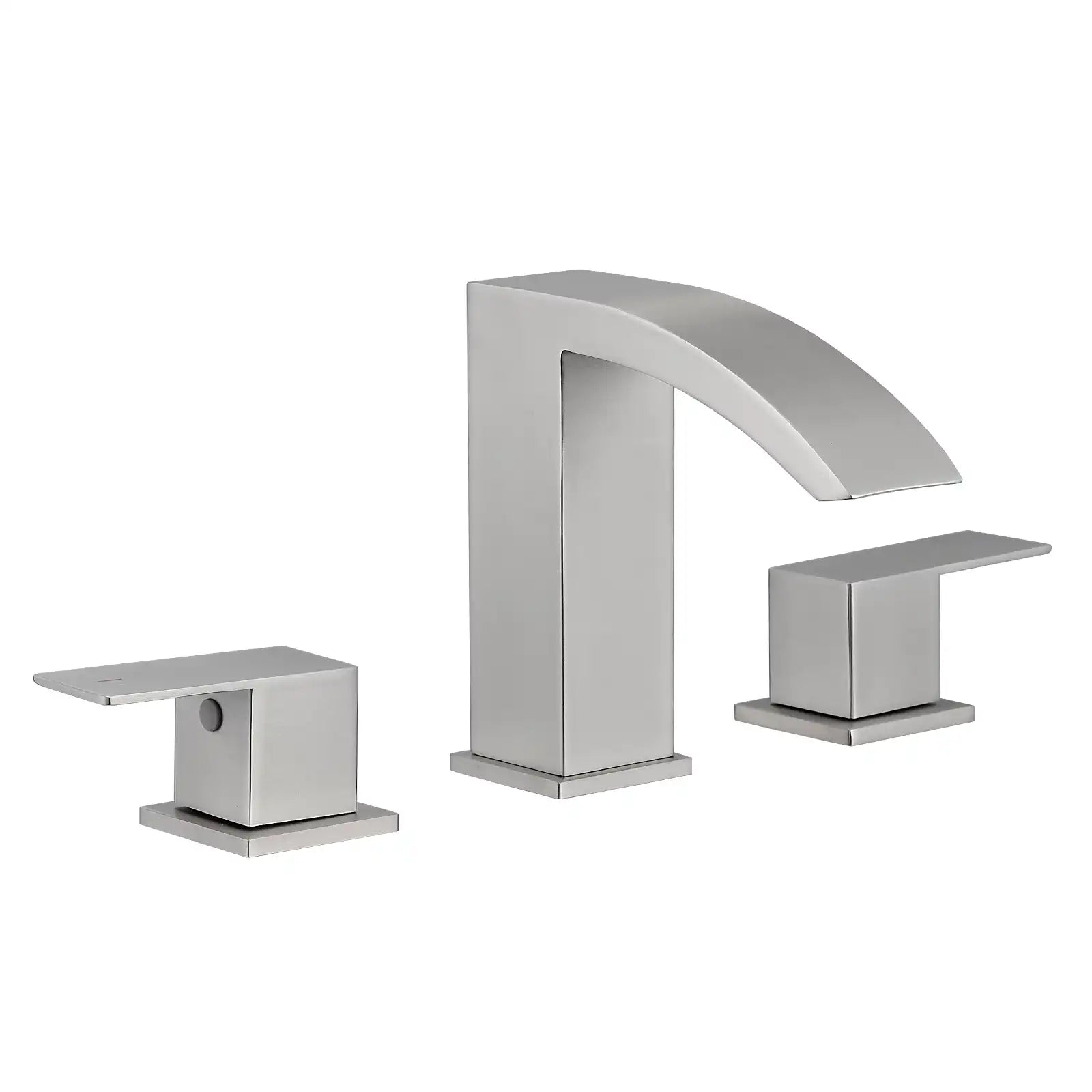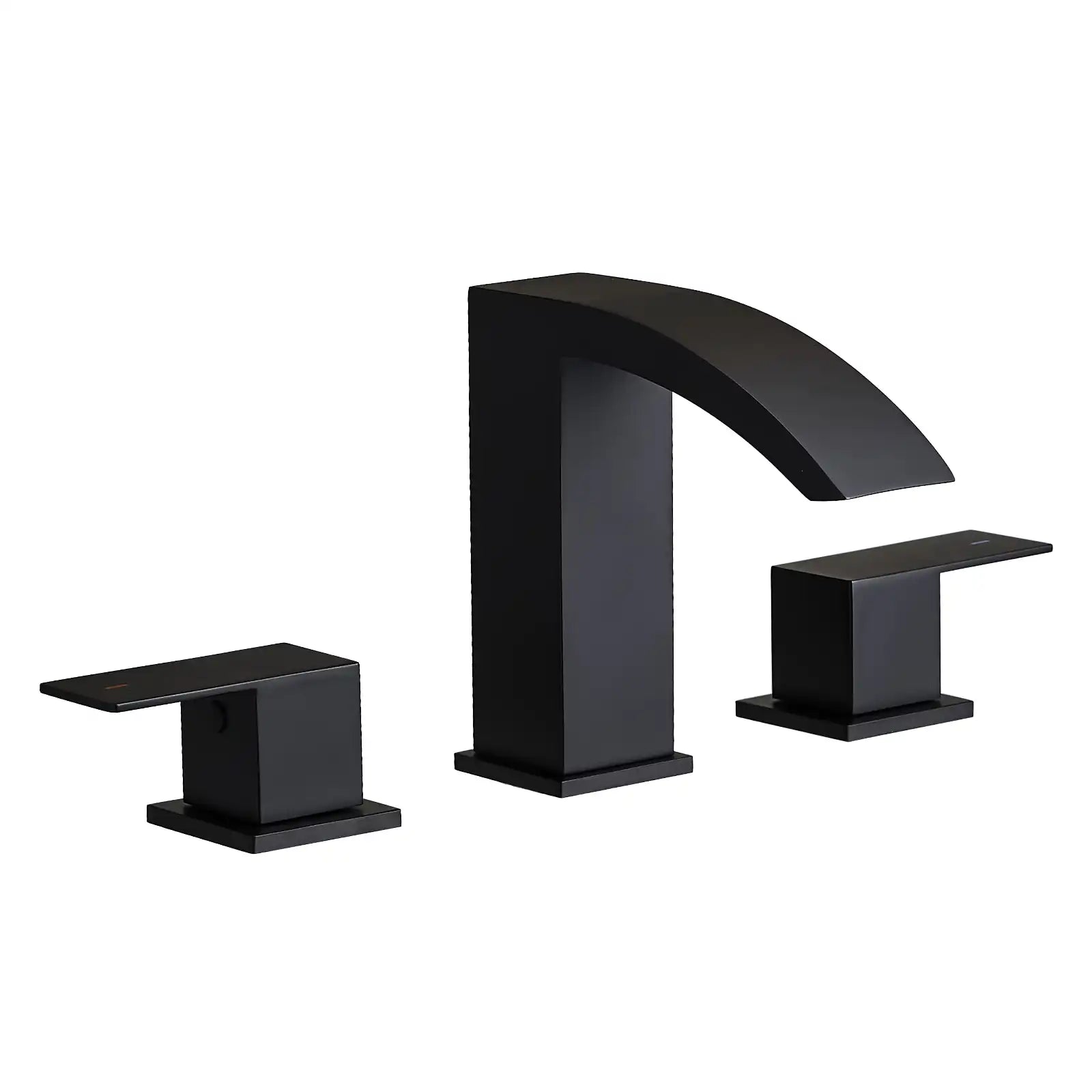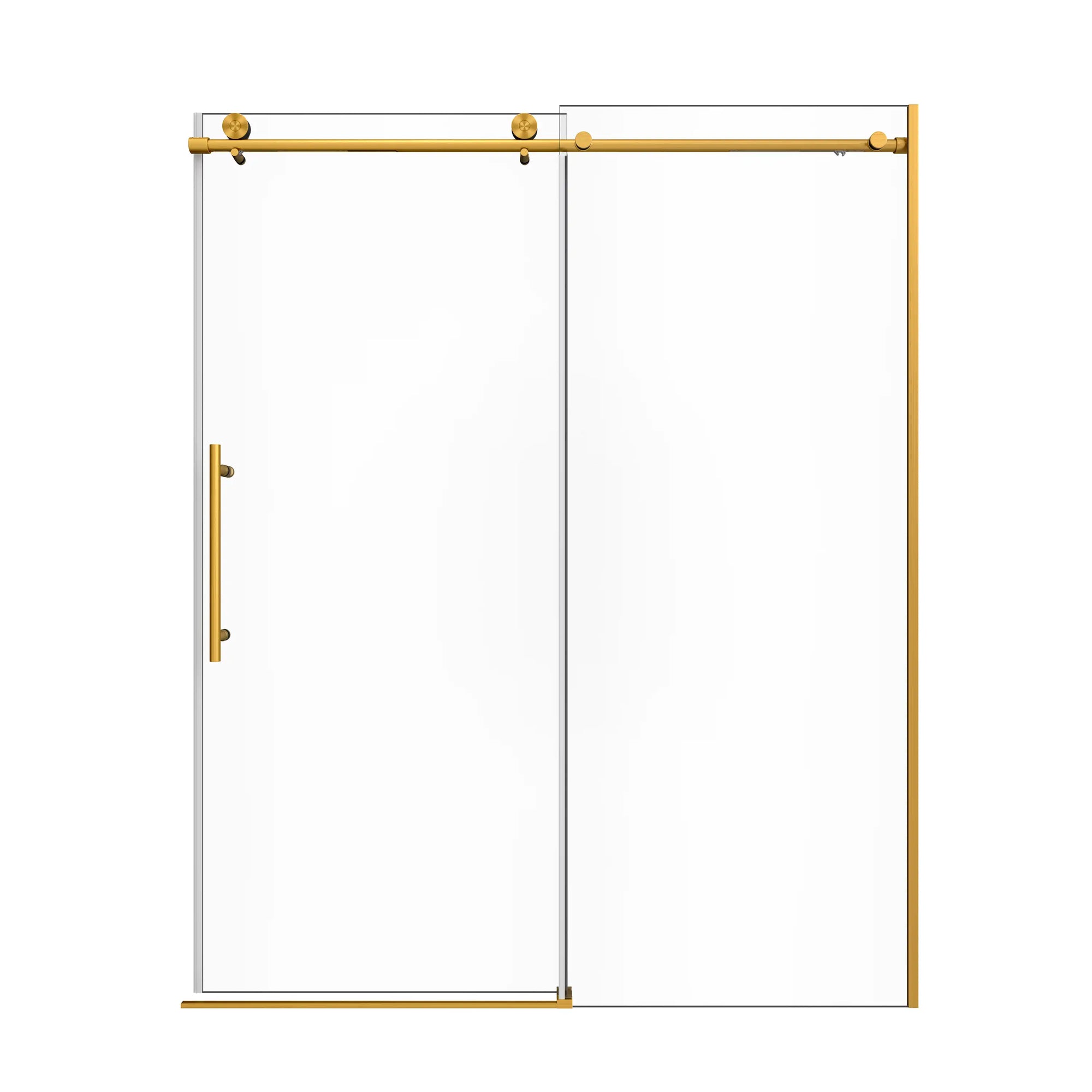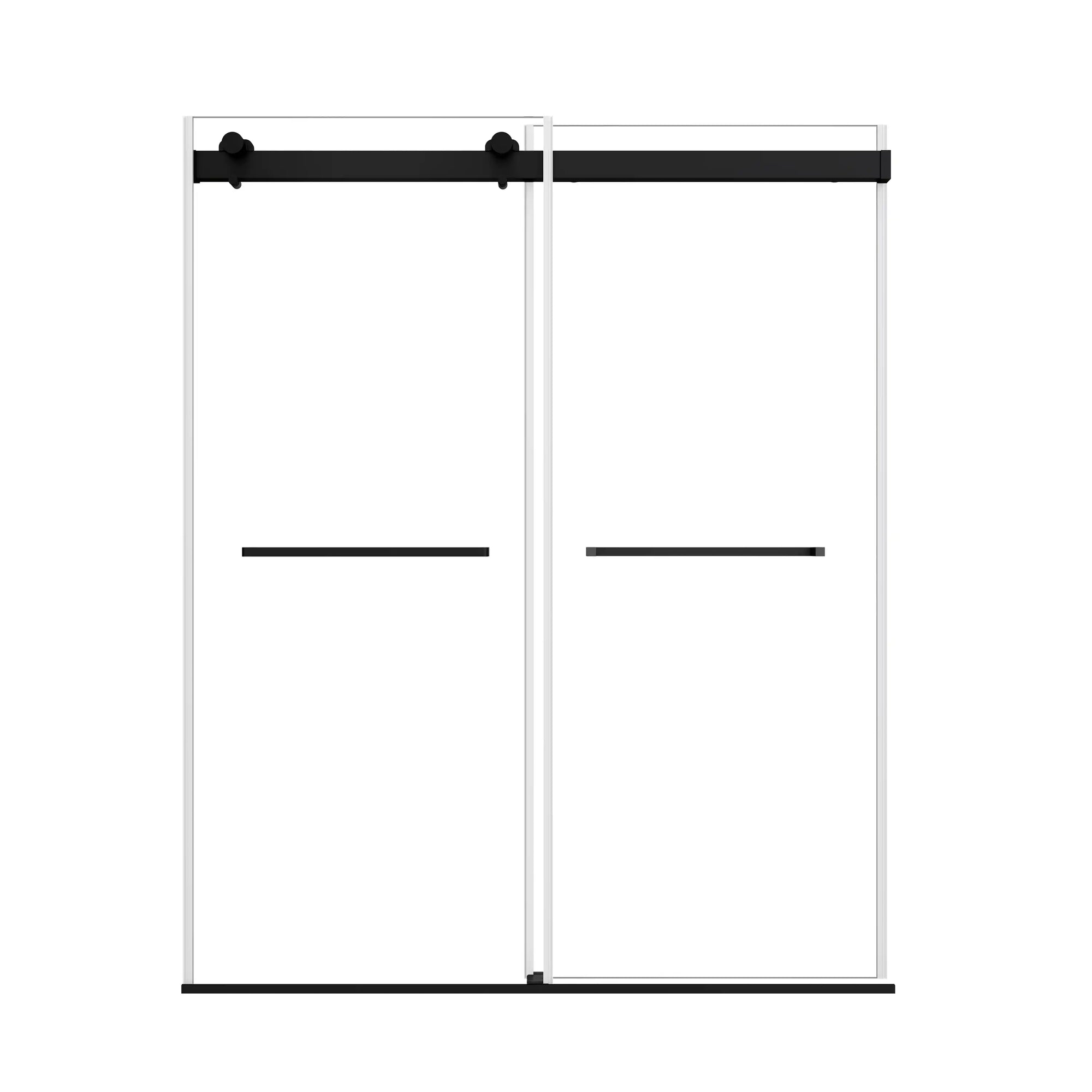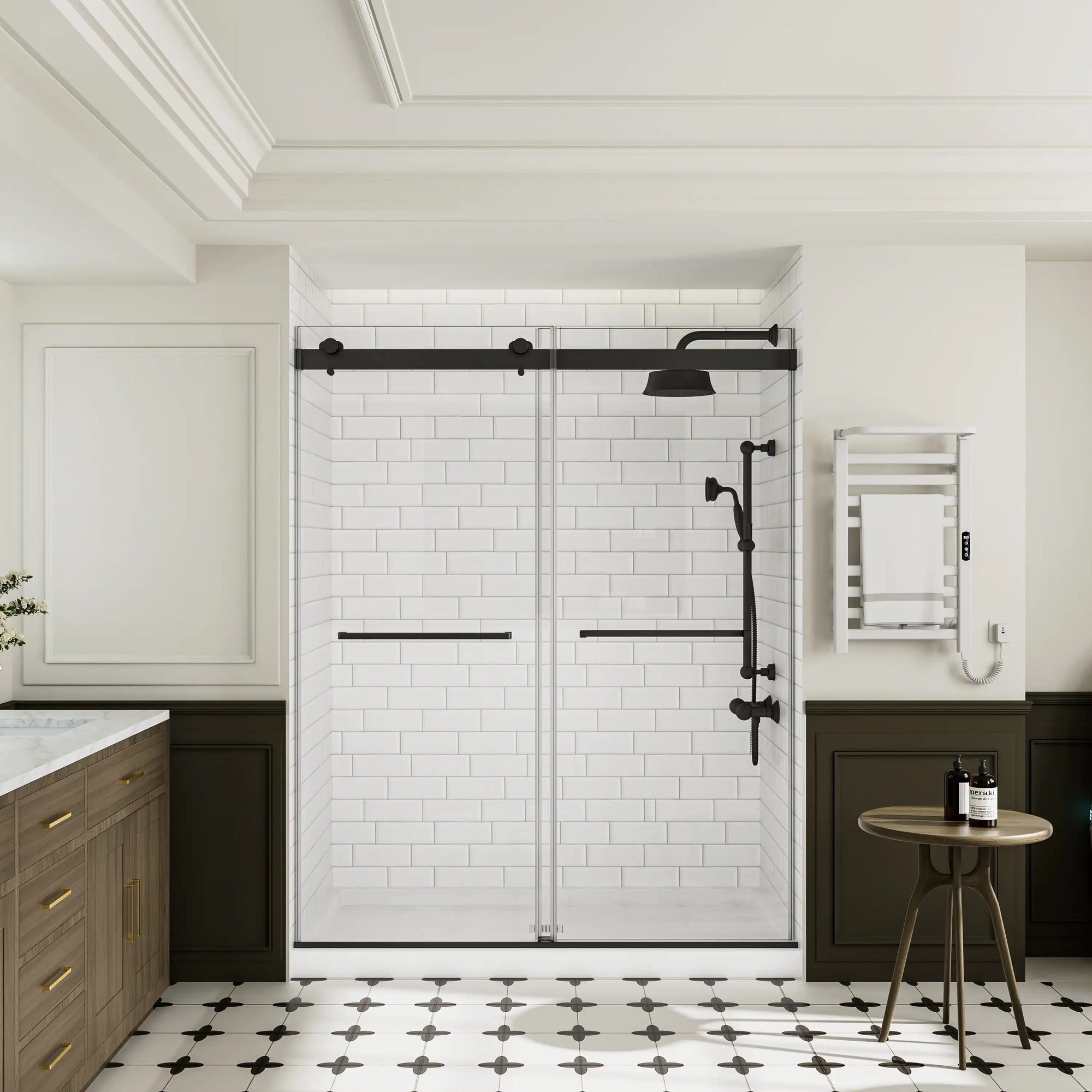


Table of Contents:
- Is Brass Out of Style?
- The Real Issue: Overused and Poorly Executed Brass
- Why Polished Nickel is Rising
- Polished Nickel vs Brass: What Actually Changes?
- Why Finish Quality Matters More Than the Metal Itself
- Mixing Metals: The Design Strategy That Actually Lasts
- Designing for Longevity (Not Just What’s Popular Now)
- Where Polished Nickel Works Best
- FAQ
- Final Thoughts
- Related Articles
In the world of home design, few details spark as much debate as metal finishes. One question keeps coming up: is brass still in style, or are we moving on?
Lately, there’s been a noticeable shift. While brass once dominated kitchens and bathrooms everywhere, a quieter, more refined finish is stepping forward—polished nickel.
This isn’t just another trend cycle. It reflects a deeper change in how homeowners approach design—less about what’s popular, more about what lasts. Let’s break it down.
Is Brass Out of Style?

Brass isn’t going anywhere. It’s a classic material with real staying power. But its peak popularity has clearly softened.
After years of widespread use, brass reached a saturation point. When a finish becomes the default choice in every remodel, it naturally starts to feel less special. That doesn’t make it outdated—it just means designers are ready for something different.
The smarter question today isn’t “Should I avoid brass?” It’s “How do I use it in a way that still feels intentional 5–10 years from now?”
The Real Issue: Overused and Poorly Executed Brass
What’s hurting brass right now isn’t the material—it’s the execution.
As demand surged, the market filled with lower-quality finishes that lack depth and authenticity. You’ve likely seen these versions before:
- overly yellow or orange tones
- flat, powdery matte surfaces
- finishes that look manufactured rather than aged
These details matter. They’re often the difference between a space that feels curated and one that feels dated.
On the other hand, well-done brass still works beautifully—especially when it leans into a more natural, aged look. The key is choosing finishes that feel real, not overly processed.
Why Polished Nickel is Rising

As designers look for alternatives, polished nickel has quietly become a favorite—not because it’s trendy, but because it solves multiple design problems at once.
First, it offers a softer alternative to chrome. Chrome can feel cold and overly reflective, especially in spaces with warm materials. Polished nickel brings a similar brightness, but with a subtle warmth that blends more naturally.
Second, it’s incredibly versatile. It works across modern, traditional, and transitional interiors without feeling out of place.
Most importantly, polished nickel has something many newer finishes lack: a proven track record. It has been used in interiors for generations, which gives it a timeless credibility rather than a trend-driven feel.
Polished Nickel vs Brass: What Actually Changes?
The difference between these two finishes goes beyond color—it affects how a space feels.
Brass tends to stand out. It adds warmth and personality, often becoming a focal point. That can be powerful, but it also means it carries more visual weight.
Polished nickel behaves differently. It reflects light and adds refinement, but it doesn’t compete with other materials. Instead, it enhances them.
In practical terms:
- Brass creates contrast and draws attention
- Polished nickel creates balance and cohesion
That subtle shift is why many designers are leaning toward polished nickel for long-term projects.
Why Finish Quality Matters More Than the Metal Itself
No matter which material you choose, the finish will ultimately determine whether it feels high-end or not.
For polished nickel, you want:
- a smooth, mirror-like surface
- a slightly warm undertone (not icy or blue)
- consistent, high-quality plating
For brass, the same principle applies—depth, variation, and authenticity are what keep it from looking cheap.
In both cases, quality is what separates timeless design from short-lived trends.
Mixing Metals: The Design Strategy That Actually Lasts
One of the biggest shifts in modern interiors is the move away from perfectly matching finishes.
Instead of choosing just one metal, designers are layering them. But the key is restraint.
A balanced approach might look like:
- polished nickel for plumbing fixtures
- antique brass for cabinet hardware
- a darker metal (like bronze) for lighting
This kind of mix creates depth without feeling chaotic. It also protects your space from feeling tied to a single trend.
Designing for Longevity (Not Just What’s Popular Now)
Trends will always come and go—there’s no way around that. But the most successful spaces are designed with a longer horizon in mind.
Before choosing a finish, it helps to ask:
- Will this still feel right in 5 years?
- Does it complement the rest of my home, not just this room?
- Am I choosing this because I love it—or because I’ve seen it everywhere?
Polished nickel often answers these questions well because it doesn’t rely on boldness to make an impact. Its strength is in its subtle, adaptable presence.
Where Polished Nickel Works Best
One of the reasons polished nickel is gaining traction is how easily it flows throughout the home.
It works particularly well in:
- kitchens, where it complements cabinetry without overpowering it
- bathrooms, where it creates a clean, elevated feel
- lighting and hardware, where consistency matters but uniformity isn’t required
Because it sits between warm and cool tones, it bridges different materials effortlessly—something brass doesn’t always do as easily.
FAQ
Is polished nickel replacing brass completely?
Will polished nickel go out of style?
Can you mix polished nickel with brass?
What’s the biggest advantage of polished nickel?
Final Thoughts
Brass isn’t gone—but it’s no longer the automatic choice it once was. In its place, polished nickel is emerging as a more balanced, versatile option.
This shift isn’t about chasing the next trend. It’s about creating homes that feel considered, layered, and built to last.
If you’re designing a space you want to love for years—not just seasons—polished nickel is one of the smartest finishes you can choose today.
Related Articles
Looking for more inspiration on timeless finishes and bathroom design? Explore the related articles below for more ideas and expert guidance.
- "Mini Bathtub Buying Guide 2026: Compact, Stylish, and Surprisingly Luxurious"
- "Standard Sink Size: The Ultimate Guide to Bathroom Sink Dimensions in 2026"
- "How to Make a Small Bathroom Look Bigger (Designer Tricks That Actually Work)"
- "Guest Bathroom Essentials: The Ultimate Guide to Creating a Hotel-Worthy Experience at Home"
- "Best Lighting for Bathroom: How to Design a Functional & Beautiful Space"
- "Top 7 Trends of Shower Enclosures For Small Bathrooms in 2026"
- "Why Everyone is Talking About Corner Tubs with Shower Enclosures in 2026?"
- "Best Sink Material: How to Choose the Right Sink for Your Bathroom?"
- "Standard Shower Head Height: A Practical Guide For Real Bathrooms"
- "More Than Just a Mirror: The Hidden Superpowers of a Lighted Medicine Cabinet"