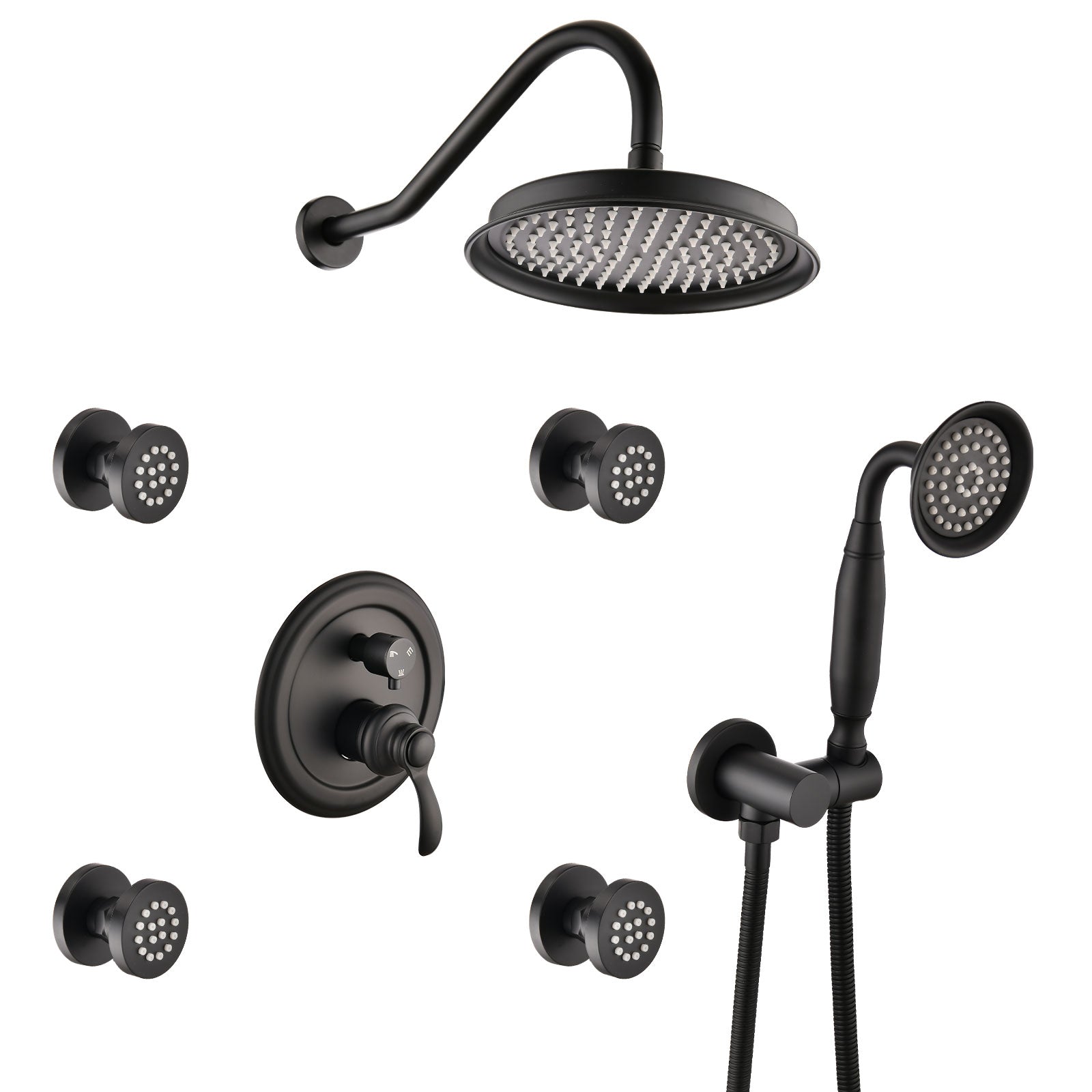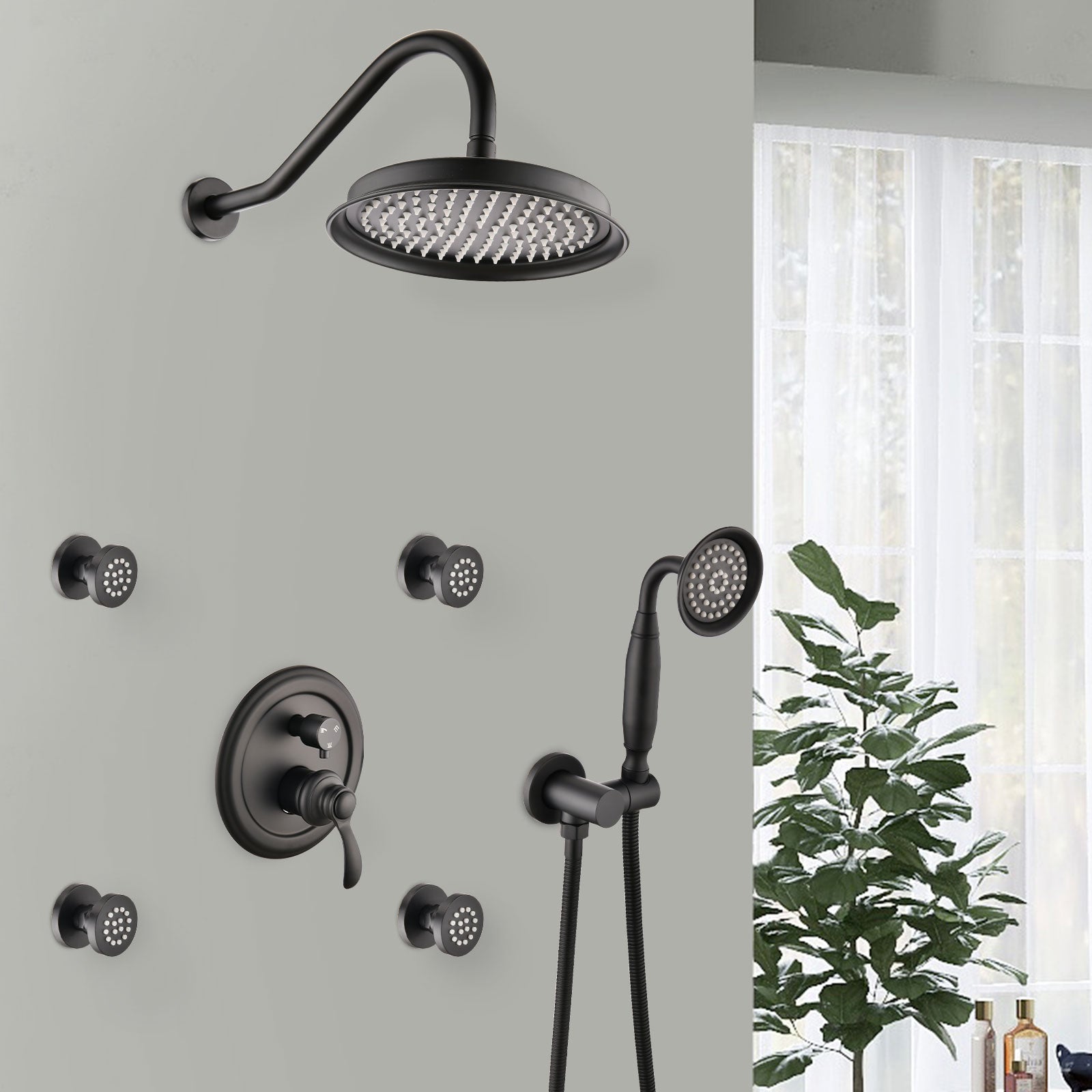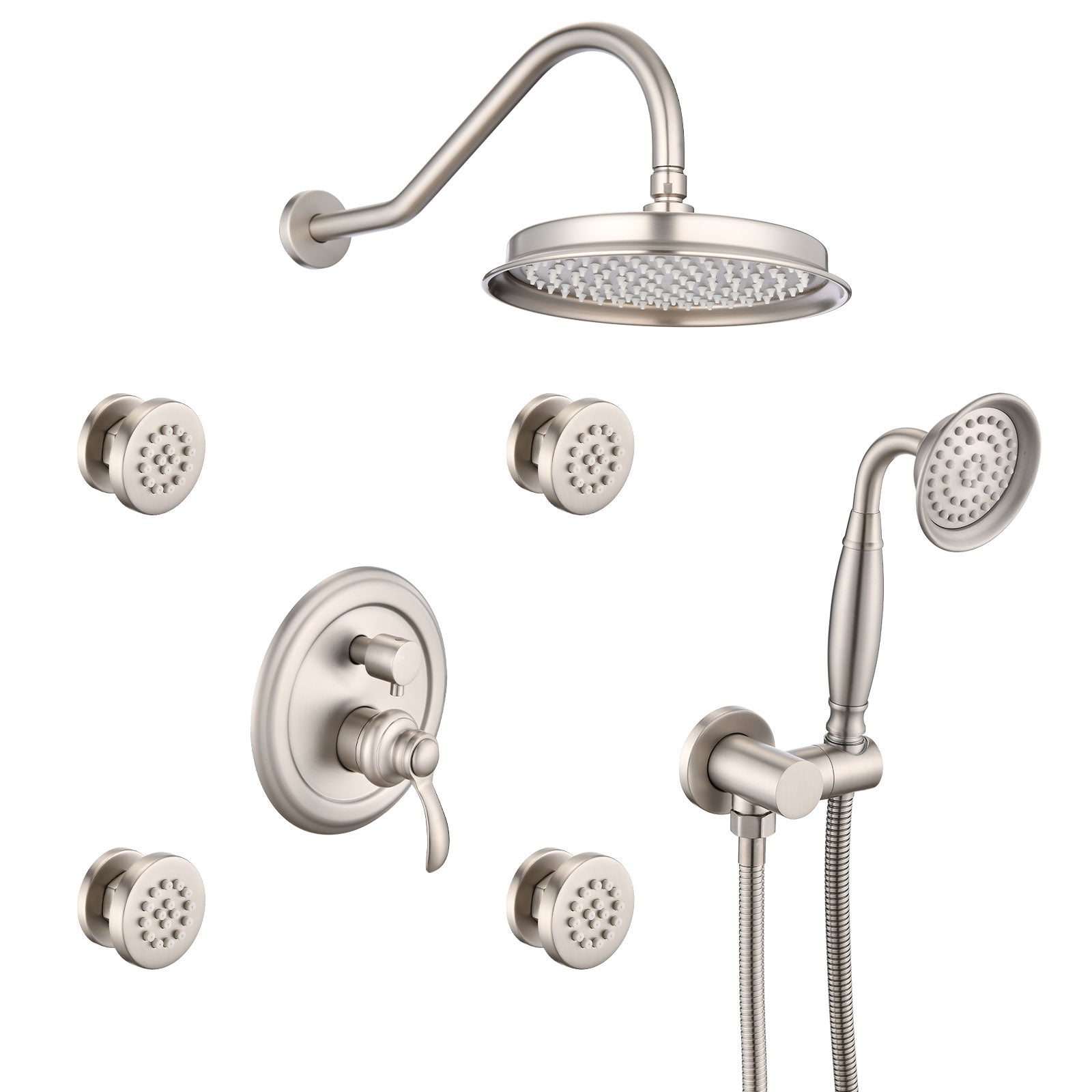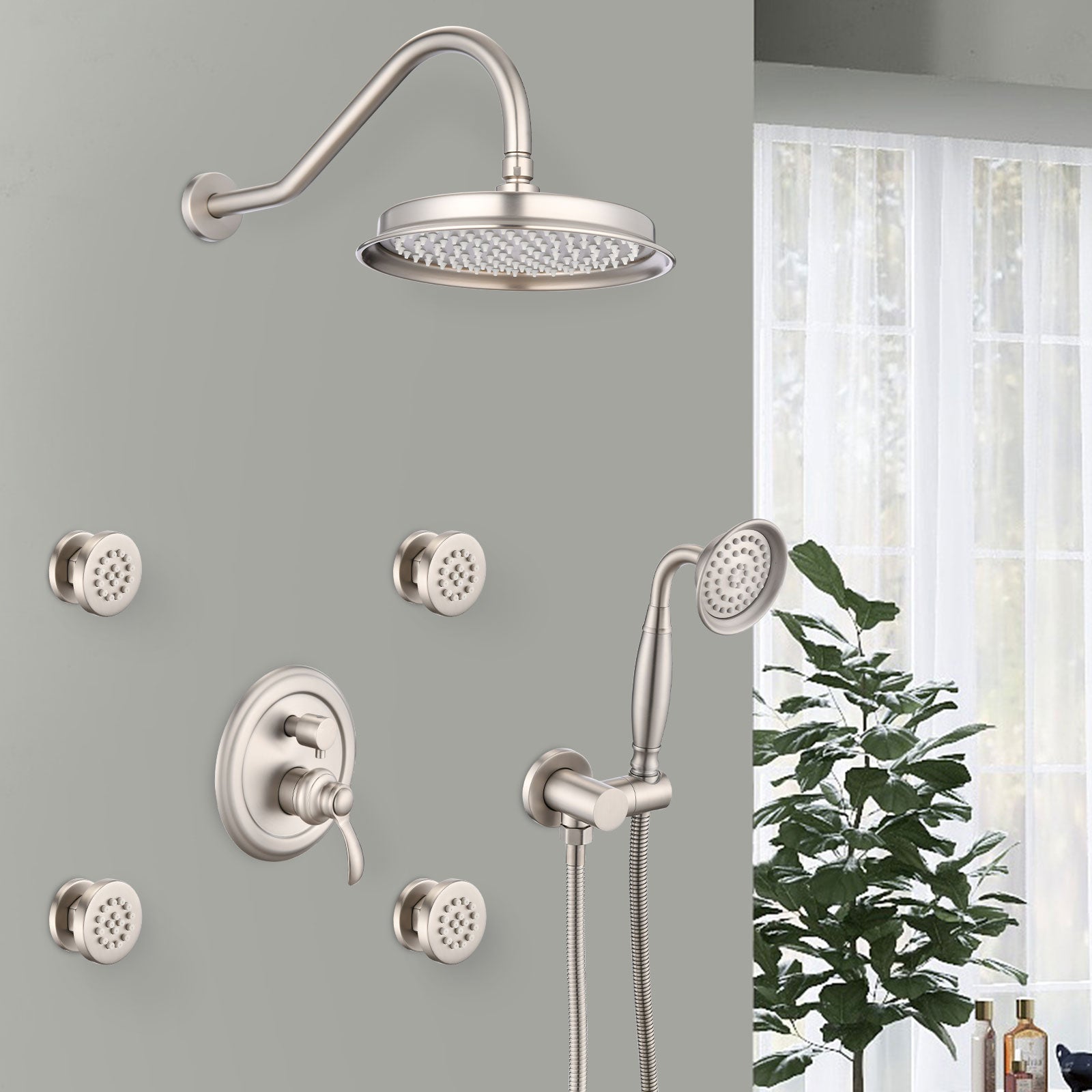


When people search for standard shower head height, they’re usually looking for a simple number—yet the reality is more nuanced than a single measurement. While many bathrooms follow a common installation height, different shower types and user needs can significantly change what feels comfortable and practical.
Table of Contents:
- What Does "Standard Shower Head Height" Really Mean?
- Standard Height for Wall-Mounted Shower Heads
- Handheld Shower Head Height and Placement Explanation
- Rain Shower Head Height from Ceiling
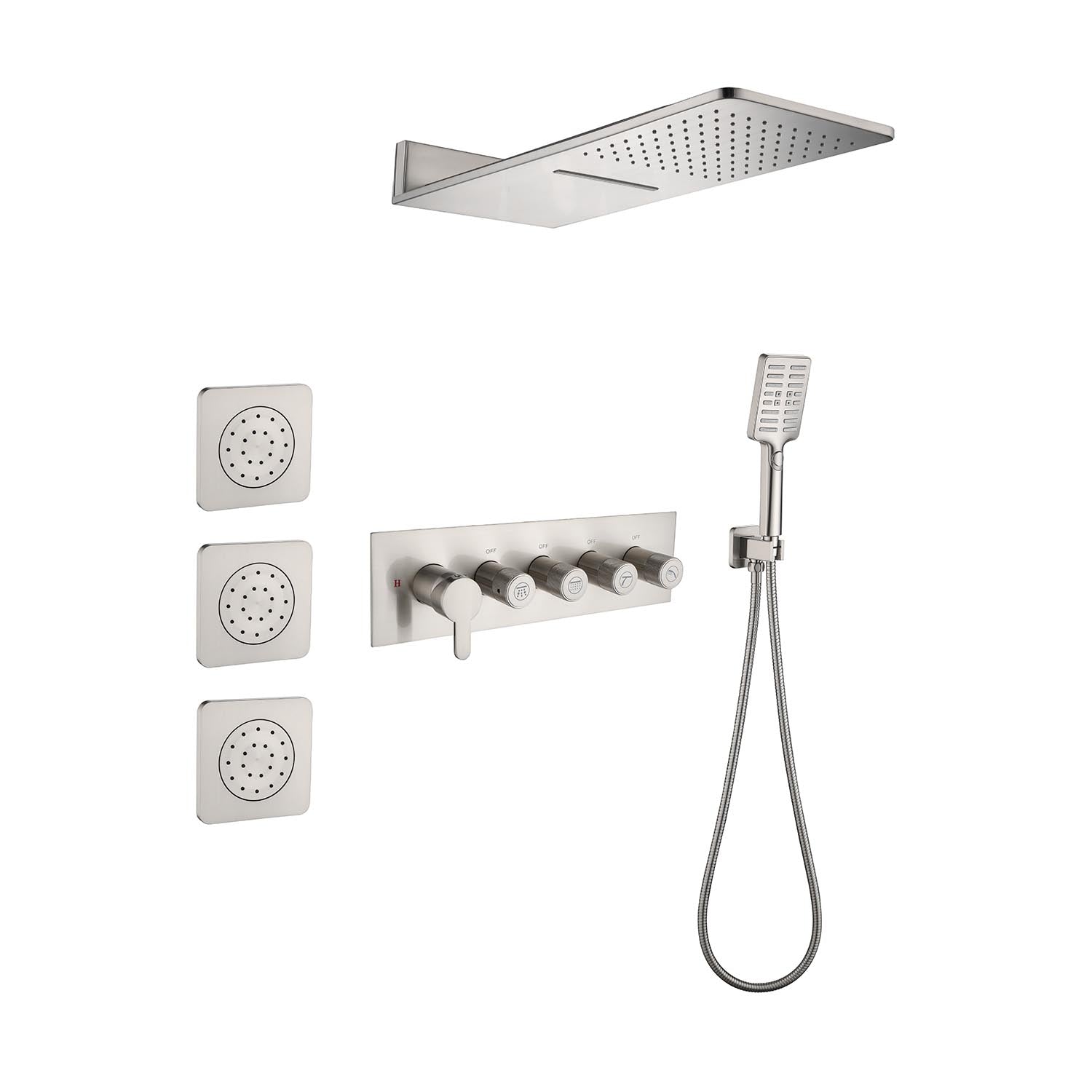
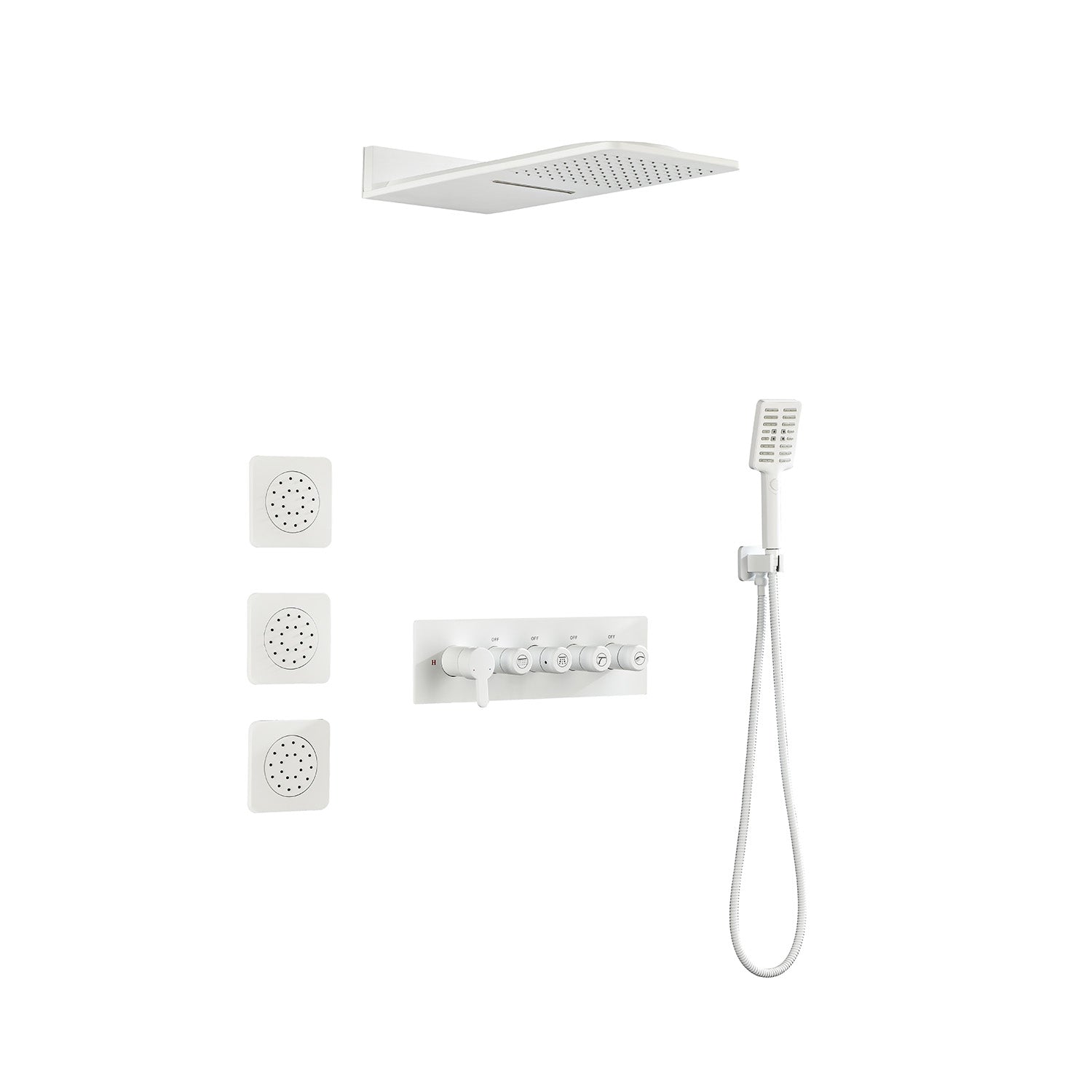
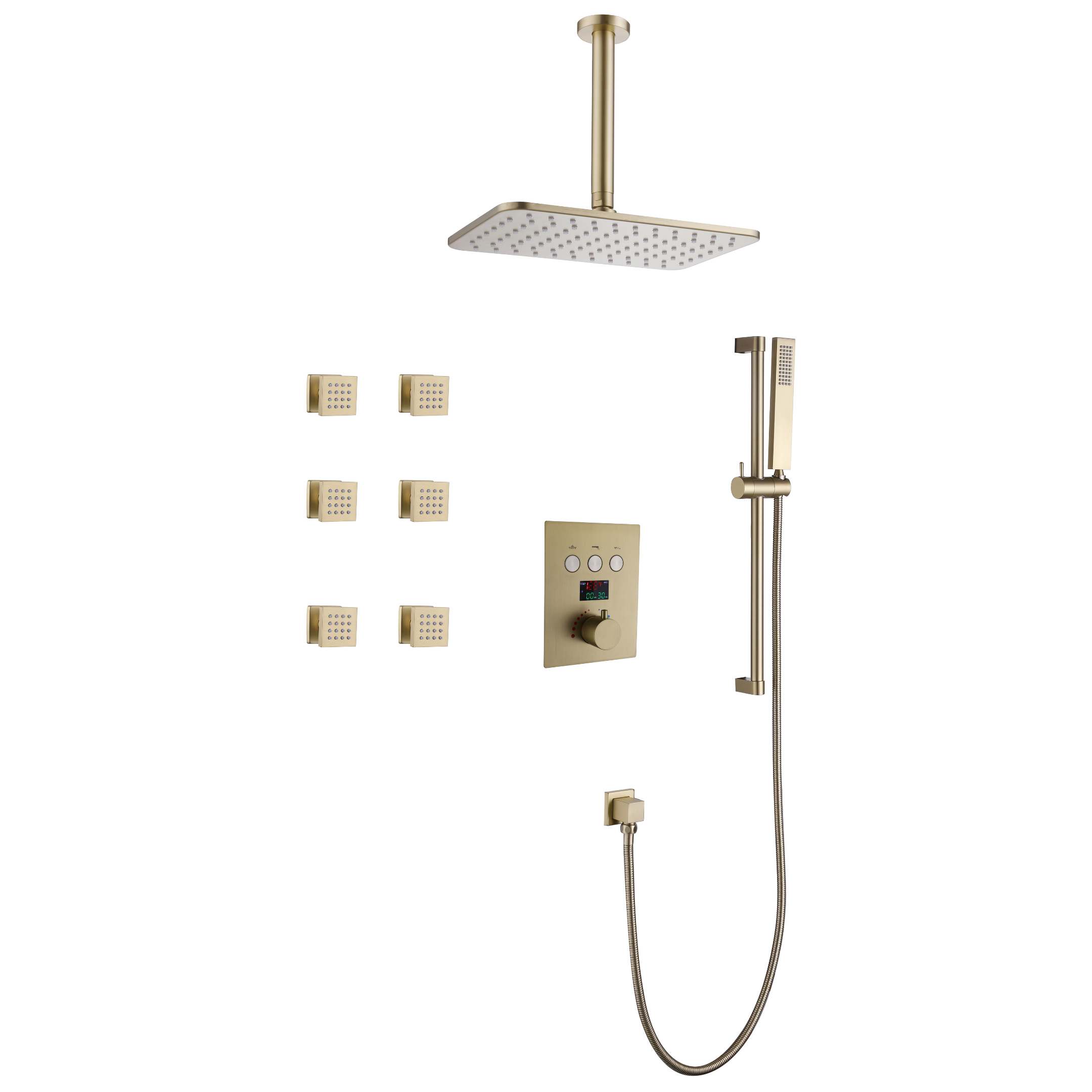
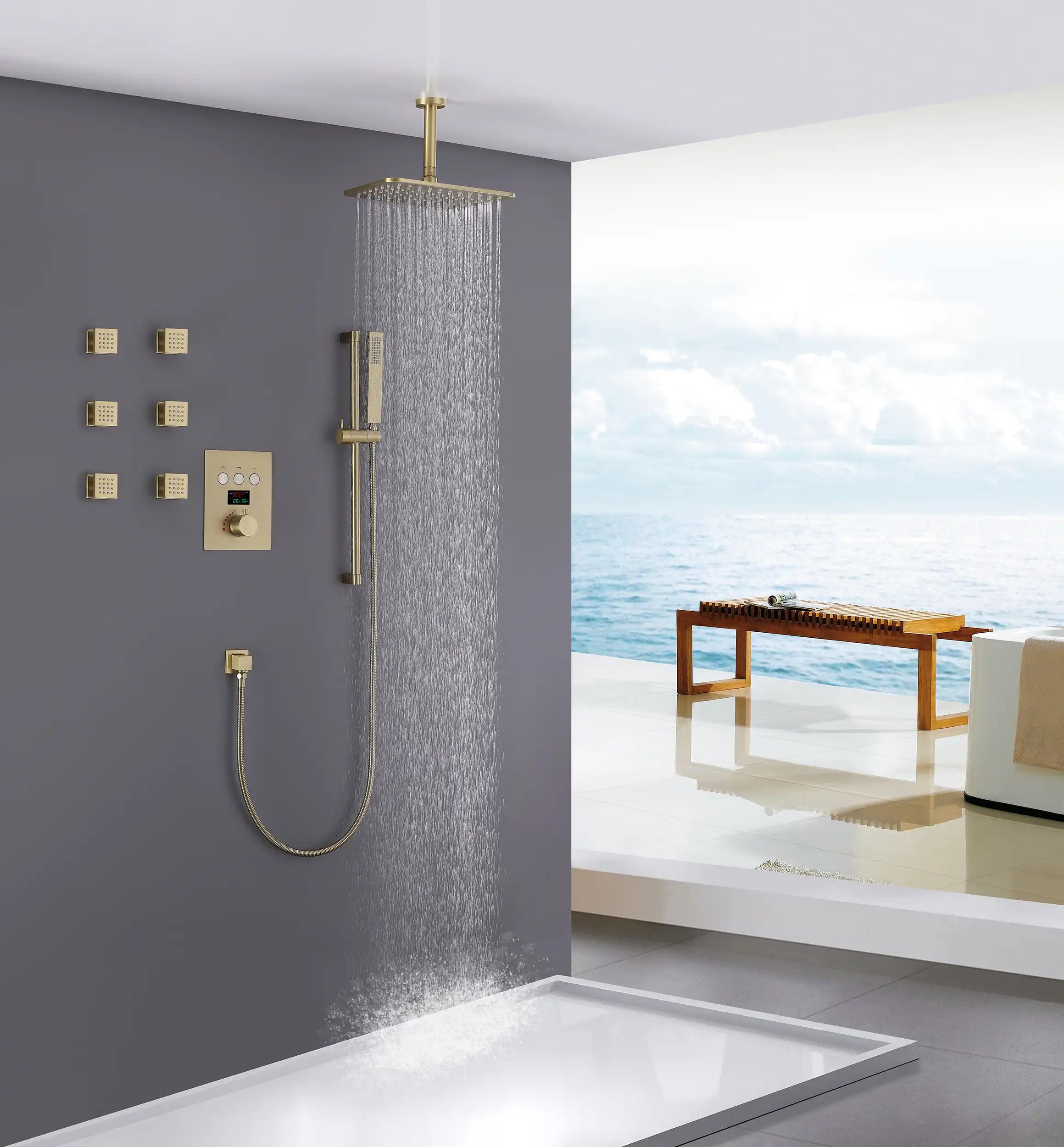
- Body Spray & Shower Jet Height Placement
- Shower Controls & Mixing Valve Height
- Adjusting Shower Head Height for Different Heights
- ADA-Compliant Shower Head Height
- Conclusion
- FAQ
- Related Articles

The standard shower head height of 80 inches (203 cm) is commonly used as a reference point in bathroom remodeling and residential plumbing, especially across North America. It’s important to note that this measurement is not dictated by building codes. Instead, it represents an industry-established norm based on decades of practical installation experience.
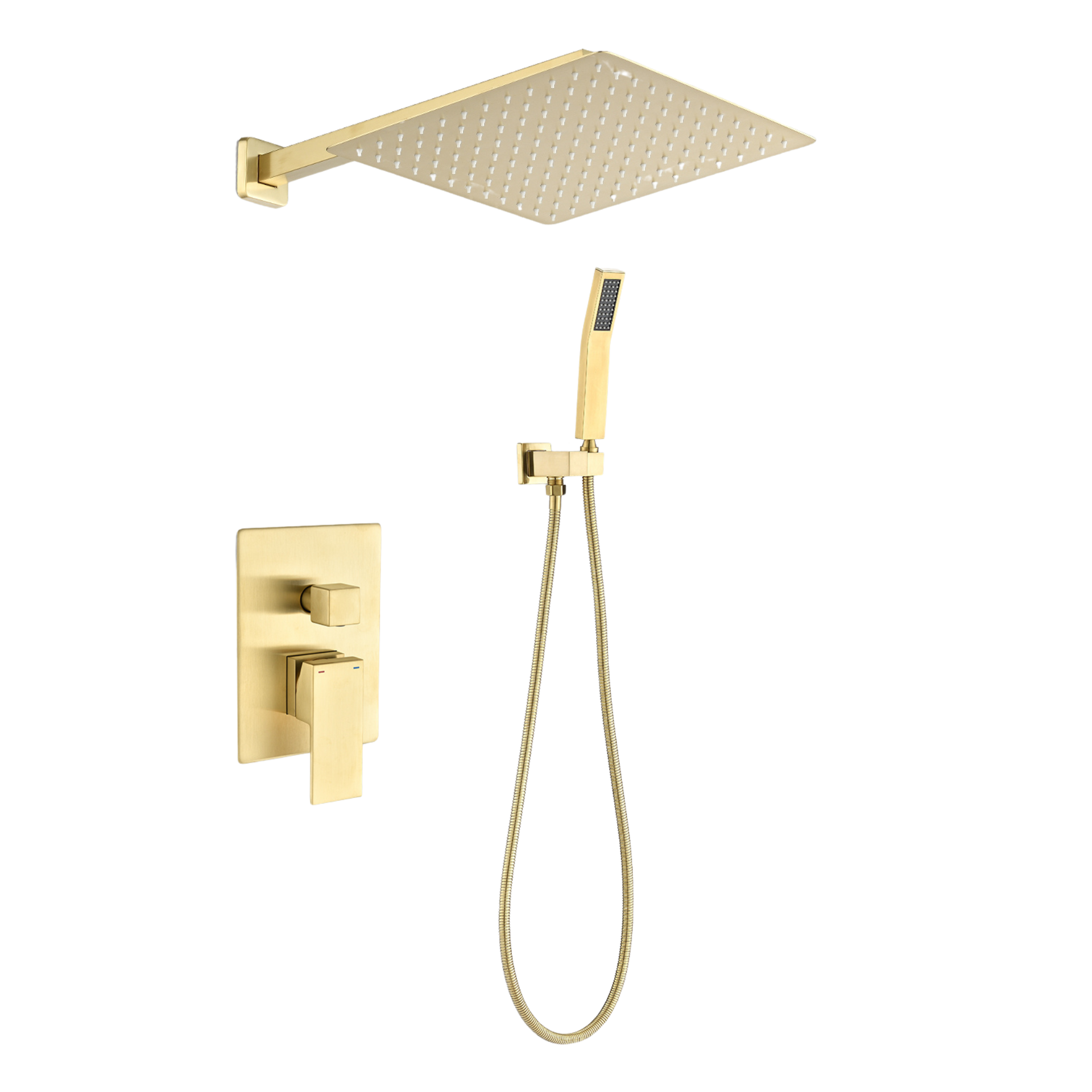
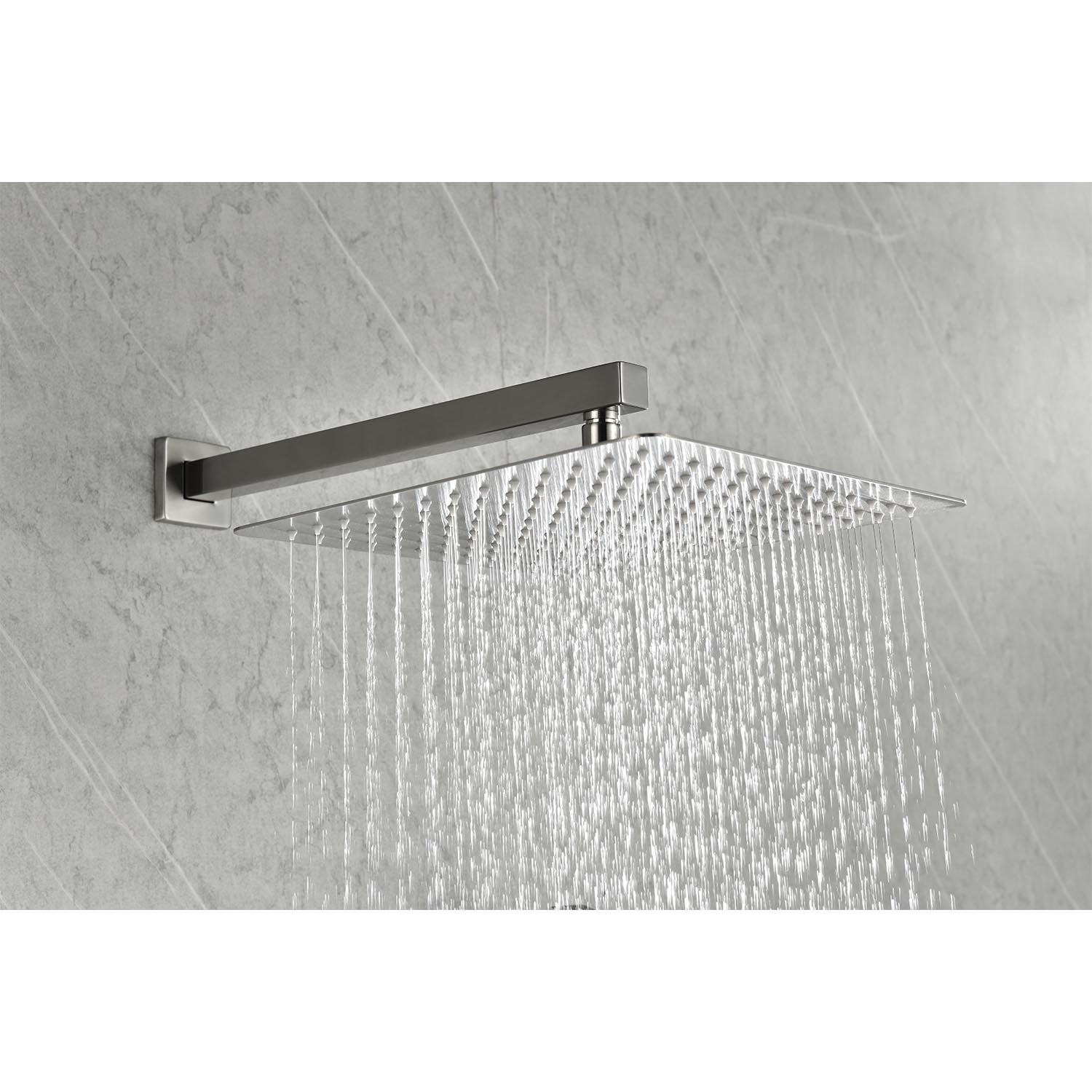
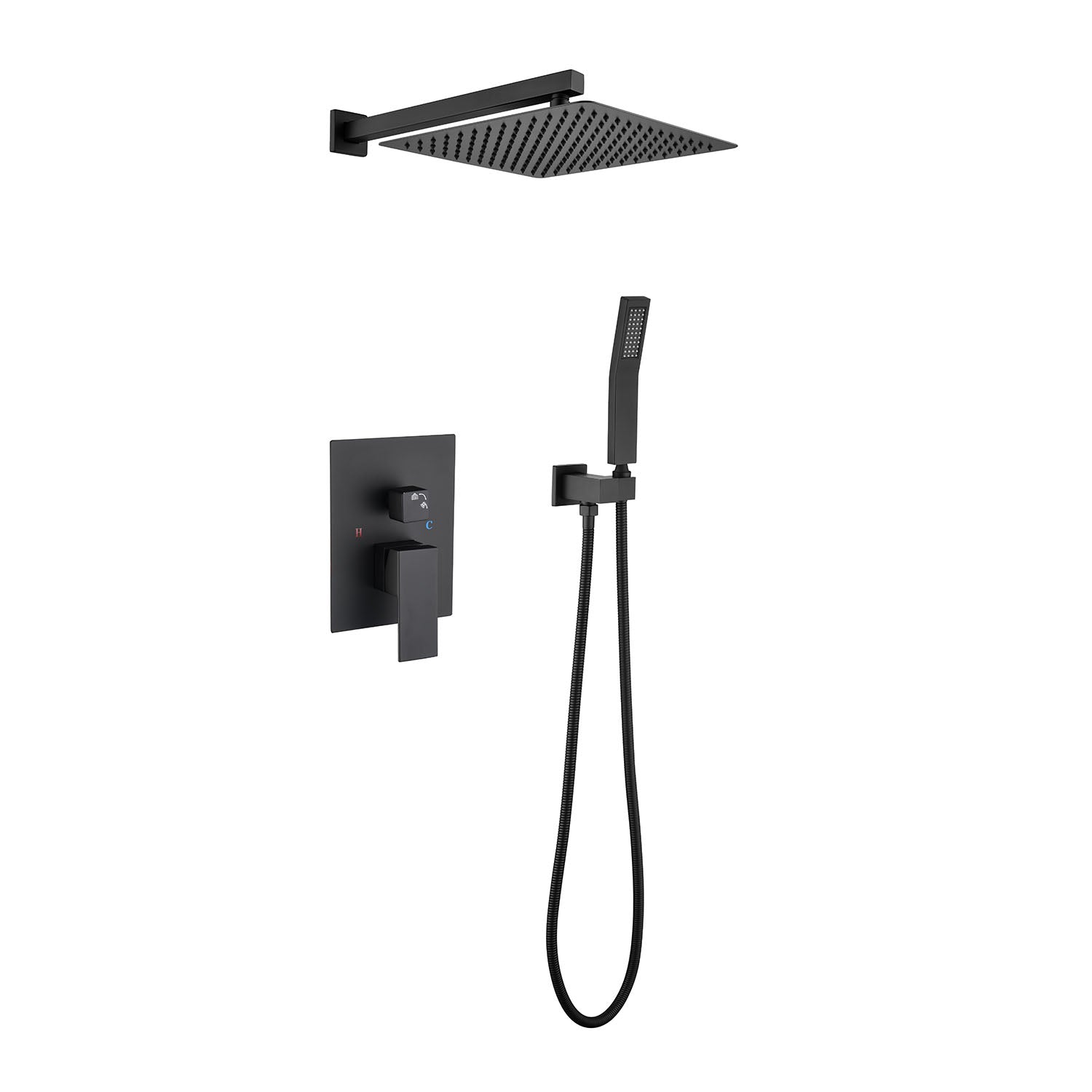
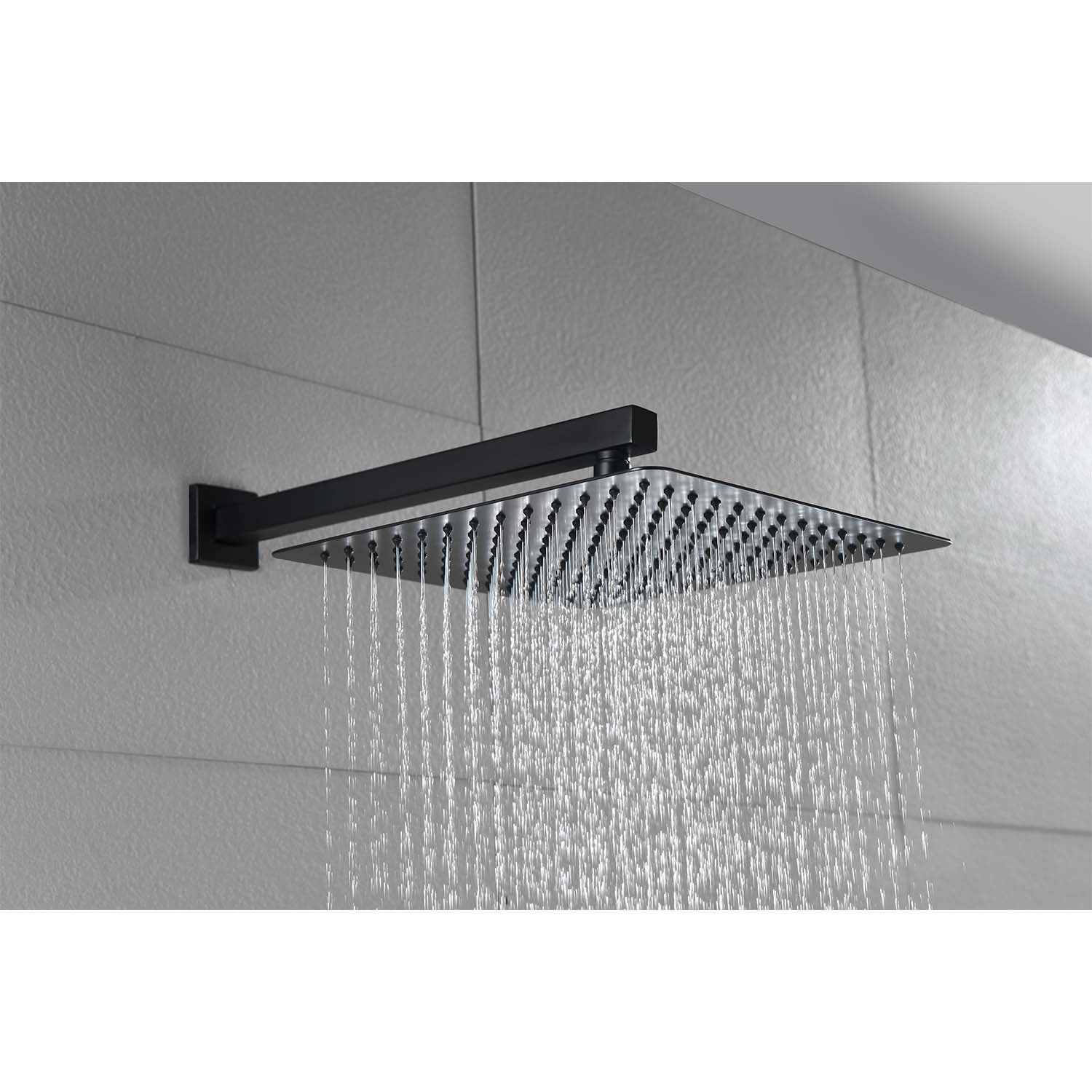
For traditional fixed wall-mounted shower heads, installers typically measure approximately 80 inches from the finished floor to the center of the shower head outlet. This height was developed to accommodate the average adult user while ensuring the water stream clears the head and shoulders comfortably without excessive splash or overspray outside the shower enclosure.

For fixed wall-mounted shower heads, the 80-inch (203 cm) benchmark serves as a practical starting point rather than a strict requirement. Once the standard height is established, the next step is adjusting it to suit the people who actually use the shower.
In households with taller users—especially those 6'2" (188 cm) or taller—raising the shower head to approximately 82–84 inches (208–213 cm) can significantly improve comfort. A slightly higher placement prevents taller users from having to duck under the spray and allows the water to fall more naturally over the shoulders.
For shorter users under 5'7" (170 cm), lowering the shower head to around 76–78 inches (193–198 cm) often provides a better experience. A lower mounting height helps maintain consistent water coverage while reducing overspray against the upper wall or shower enclosure.
Handheld Shower Head Height and Placement Explanation

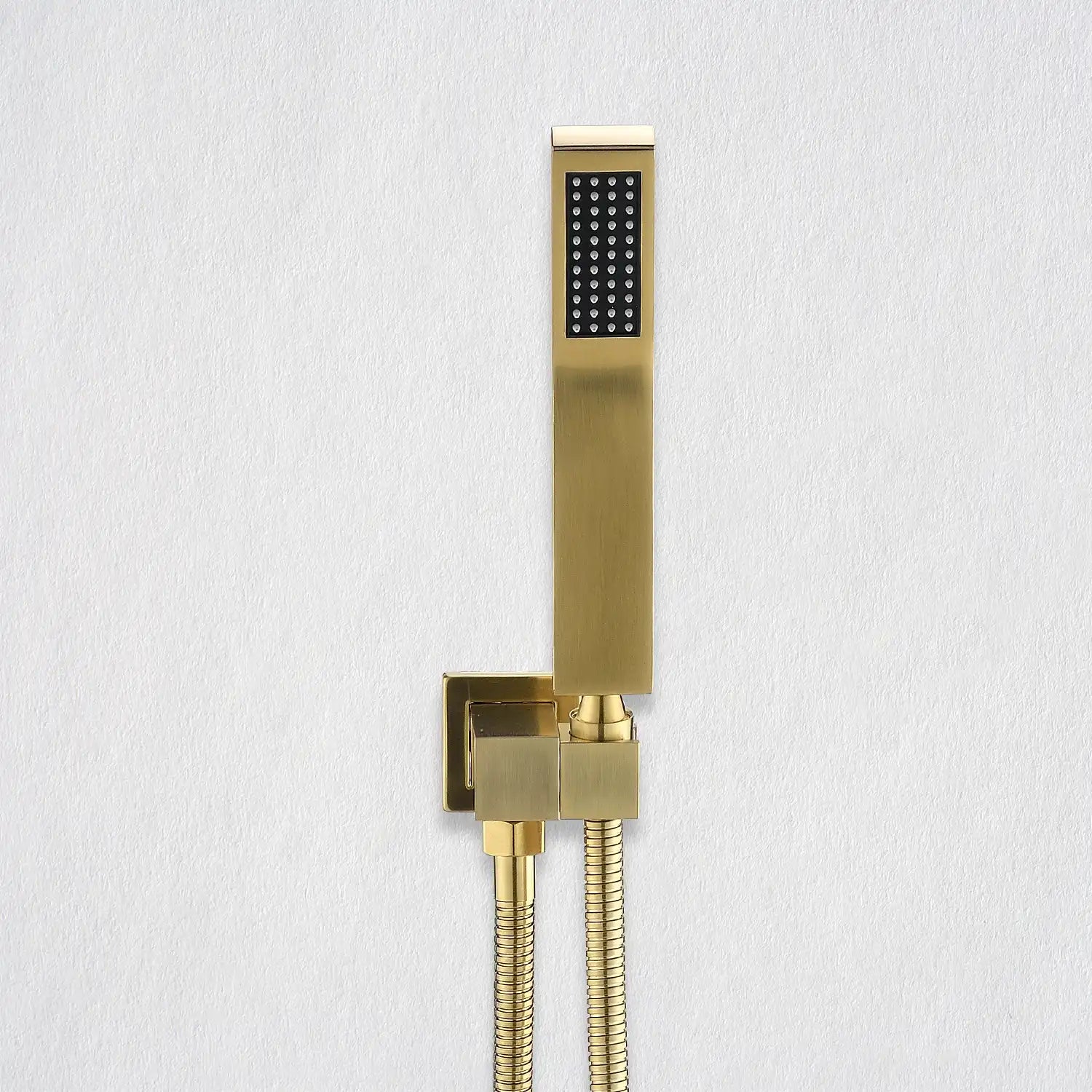
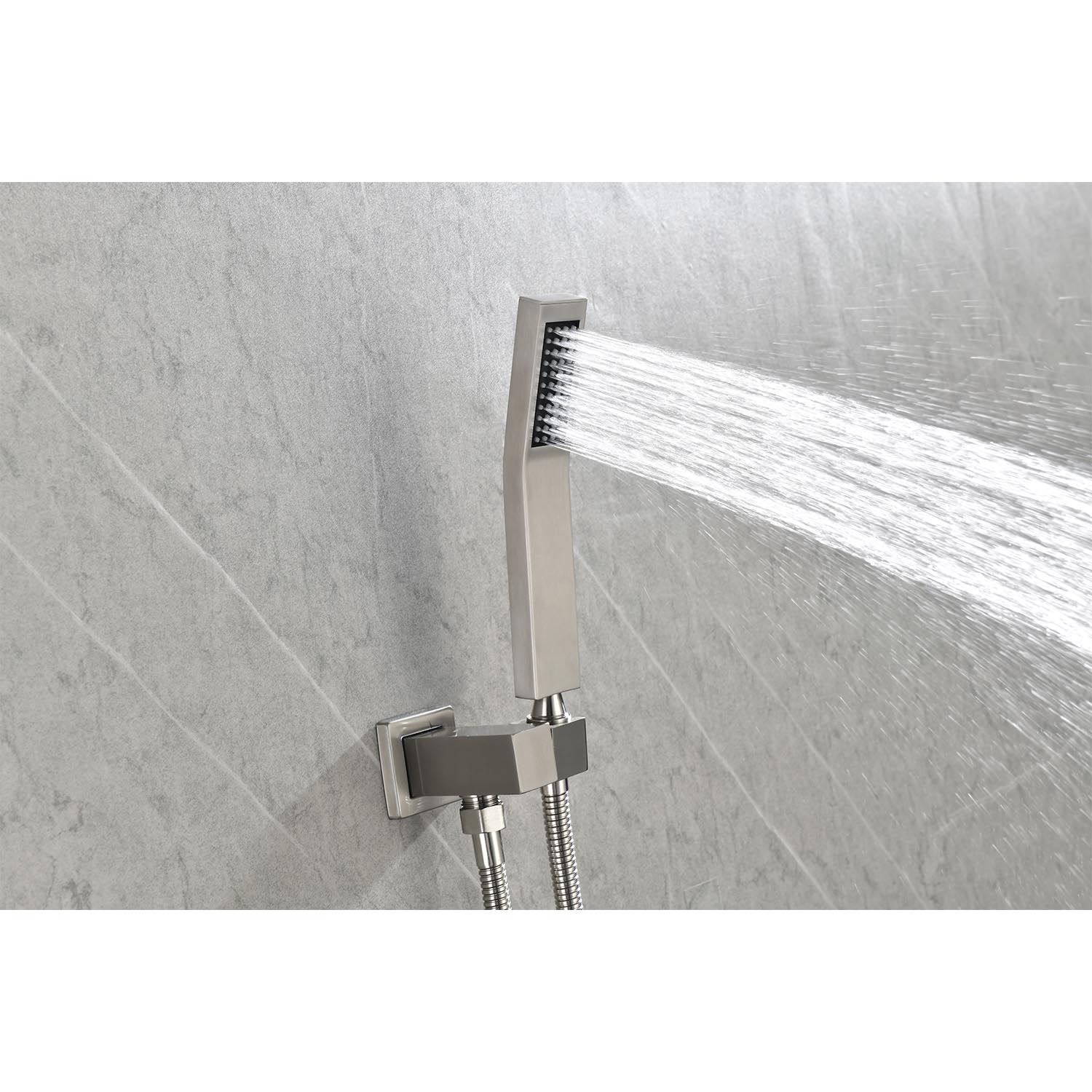
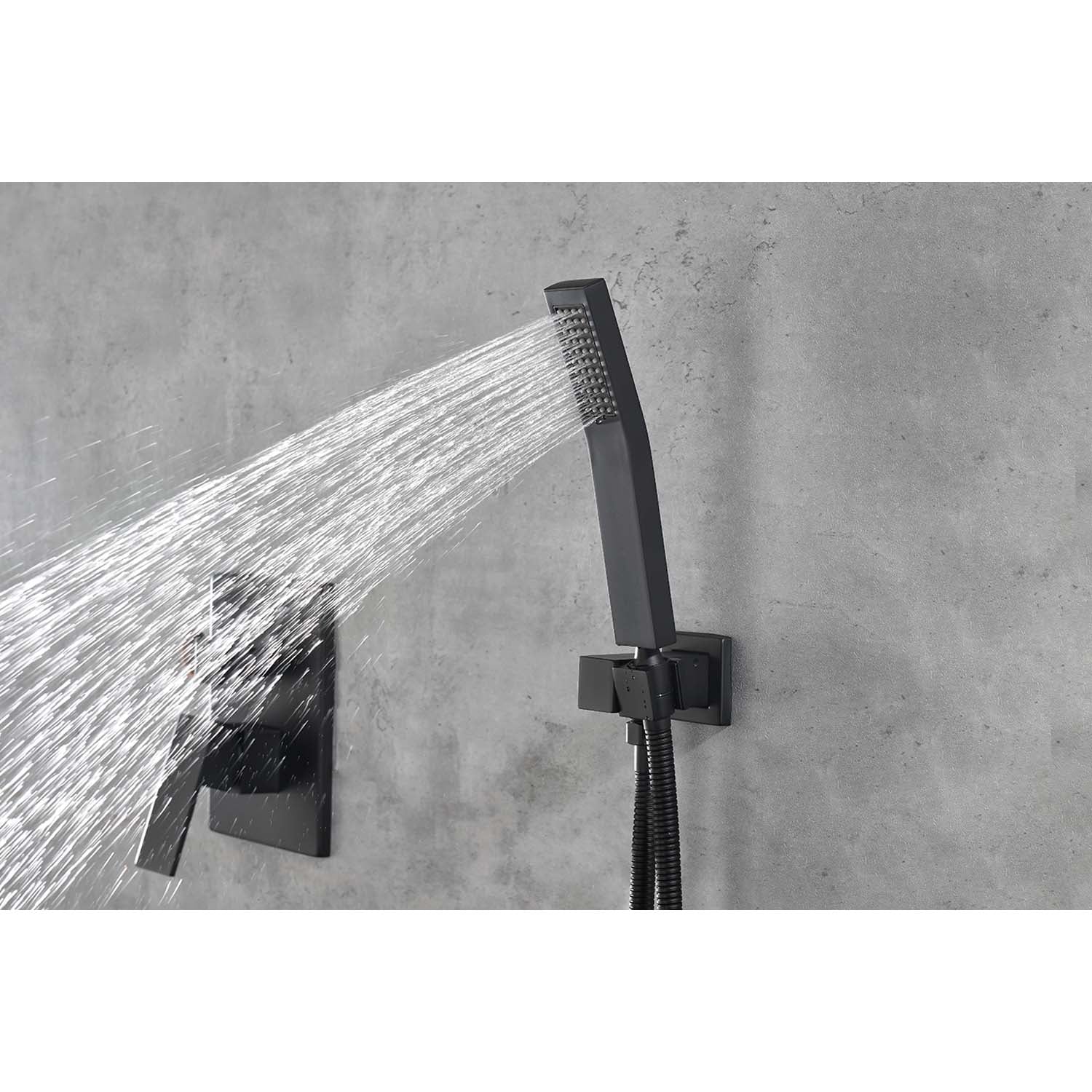
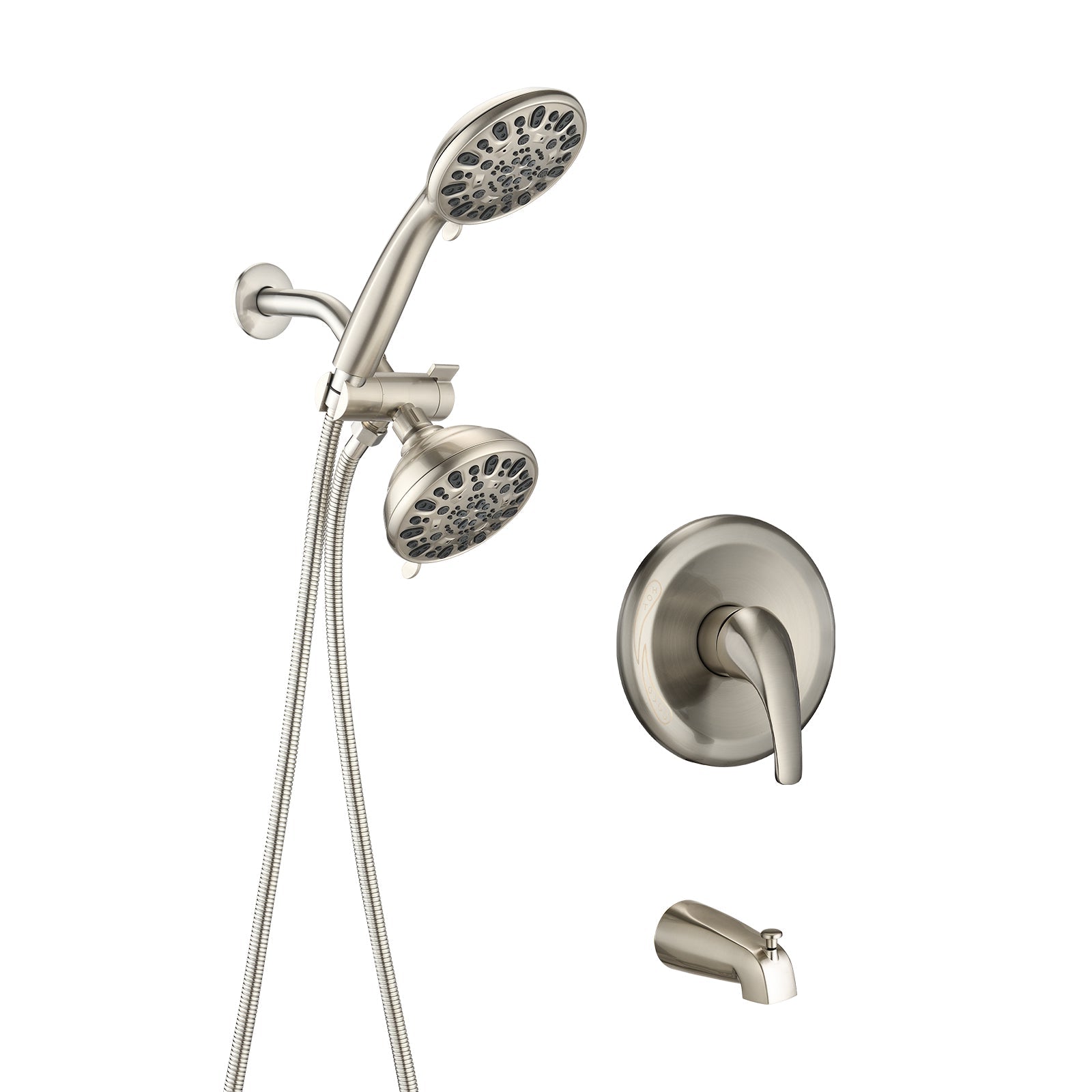
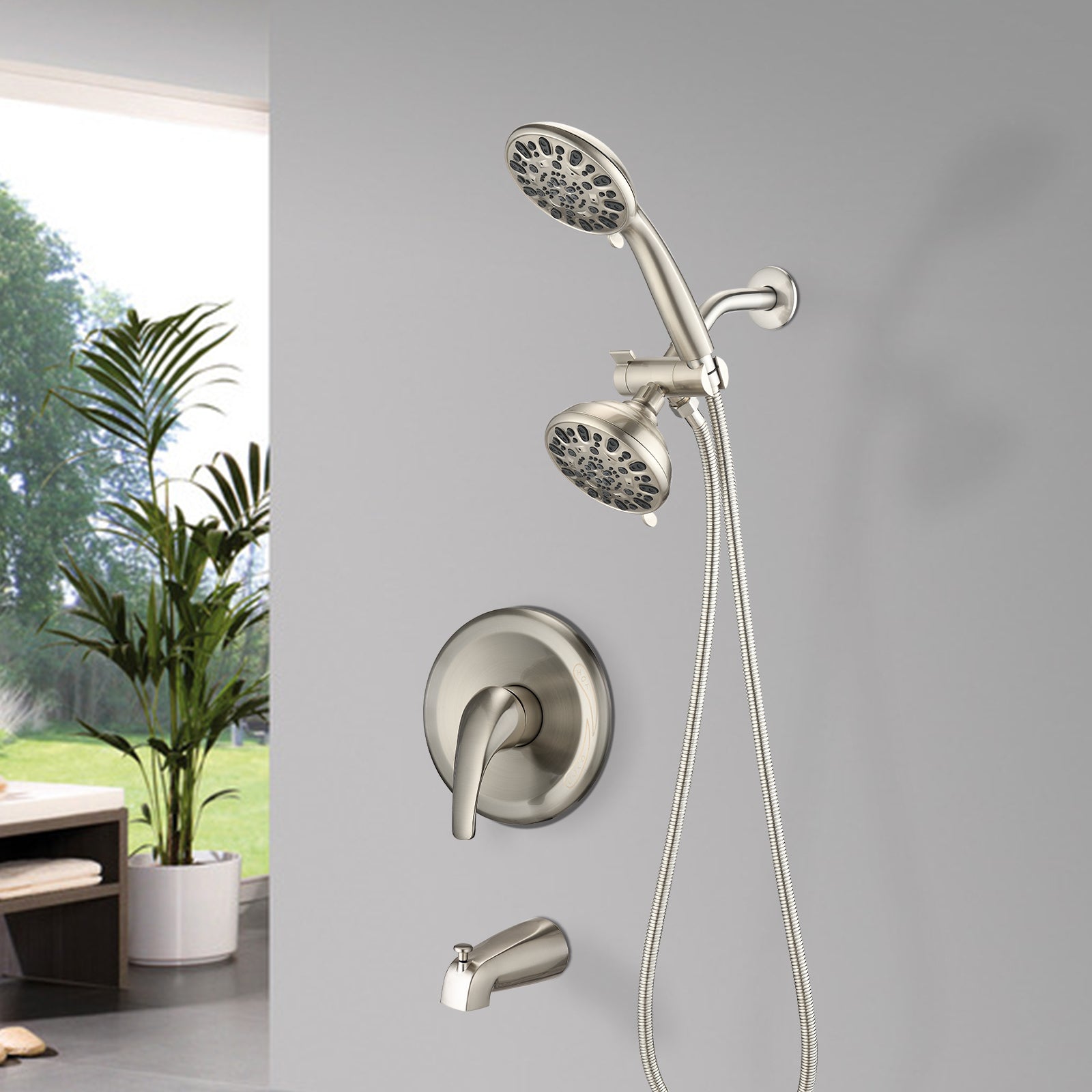
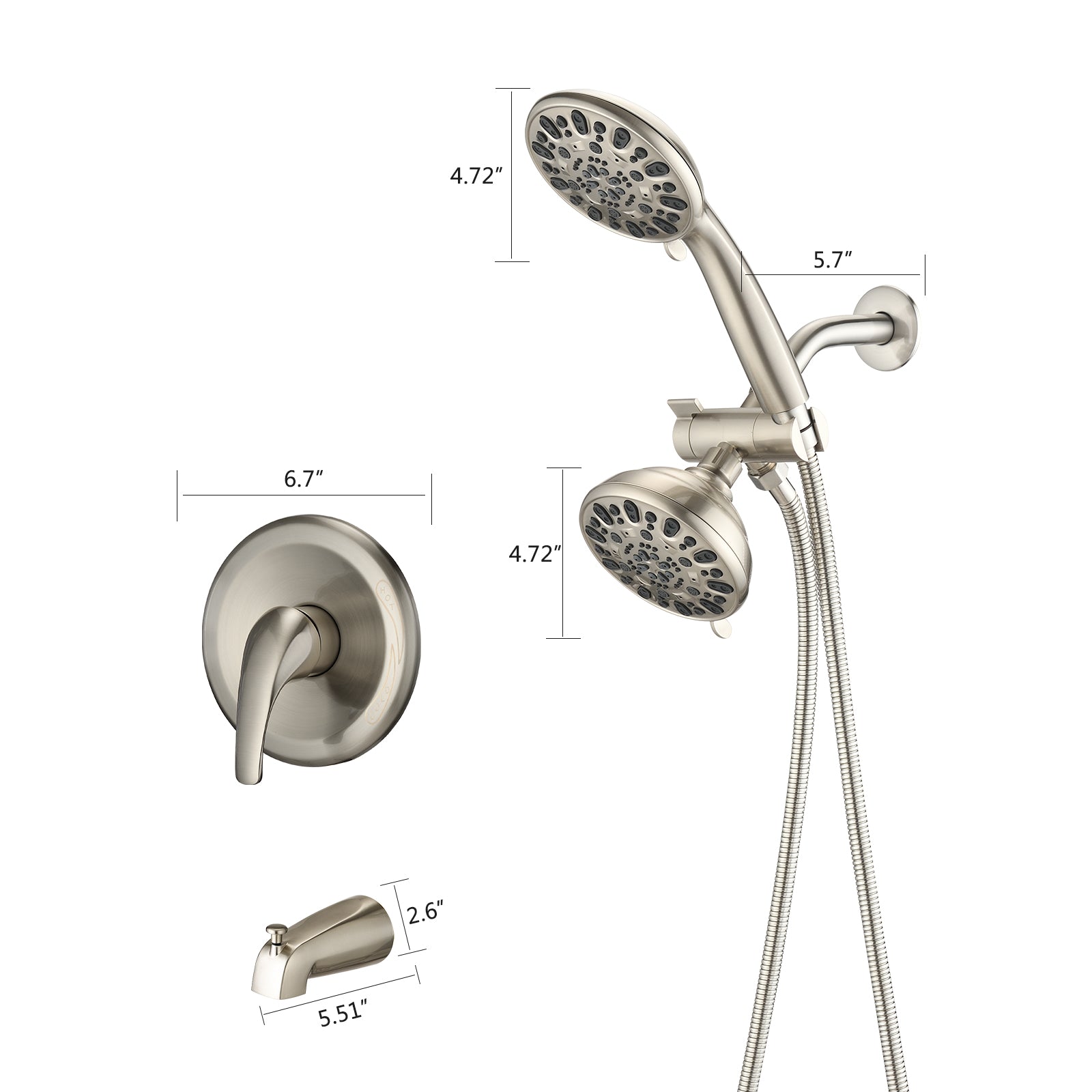
For handheld showers mounted on a slide bar, the typical usable height range falls between 48 and 78 inches (122–198 cm) from the finished floor. This wide range allows the shower head to be positioned higher for standing users or lowered for seated use, making slide bar systems especially practical for shared bathrooms and aging-in-place designs. From an accessibility standpoint, the mounting bracket should allow the shower head to be placed at or below 48 inches when needed, ensuring it remains reachable without excessive bending or stretching.
Not all handheld showers include a slide bar, however. Some designs—especially minimalist or concealed installations—use a fixed wall-mounted dock with no vertical adjustment. In these cases, height planning becomes far more critical. Because the position cannot be changed later, the dock height must be carefully chosen based on the primary user’s height, shower bench placement, and how the handheld will be used day to day.

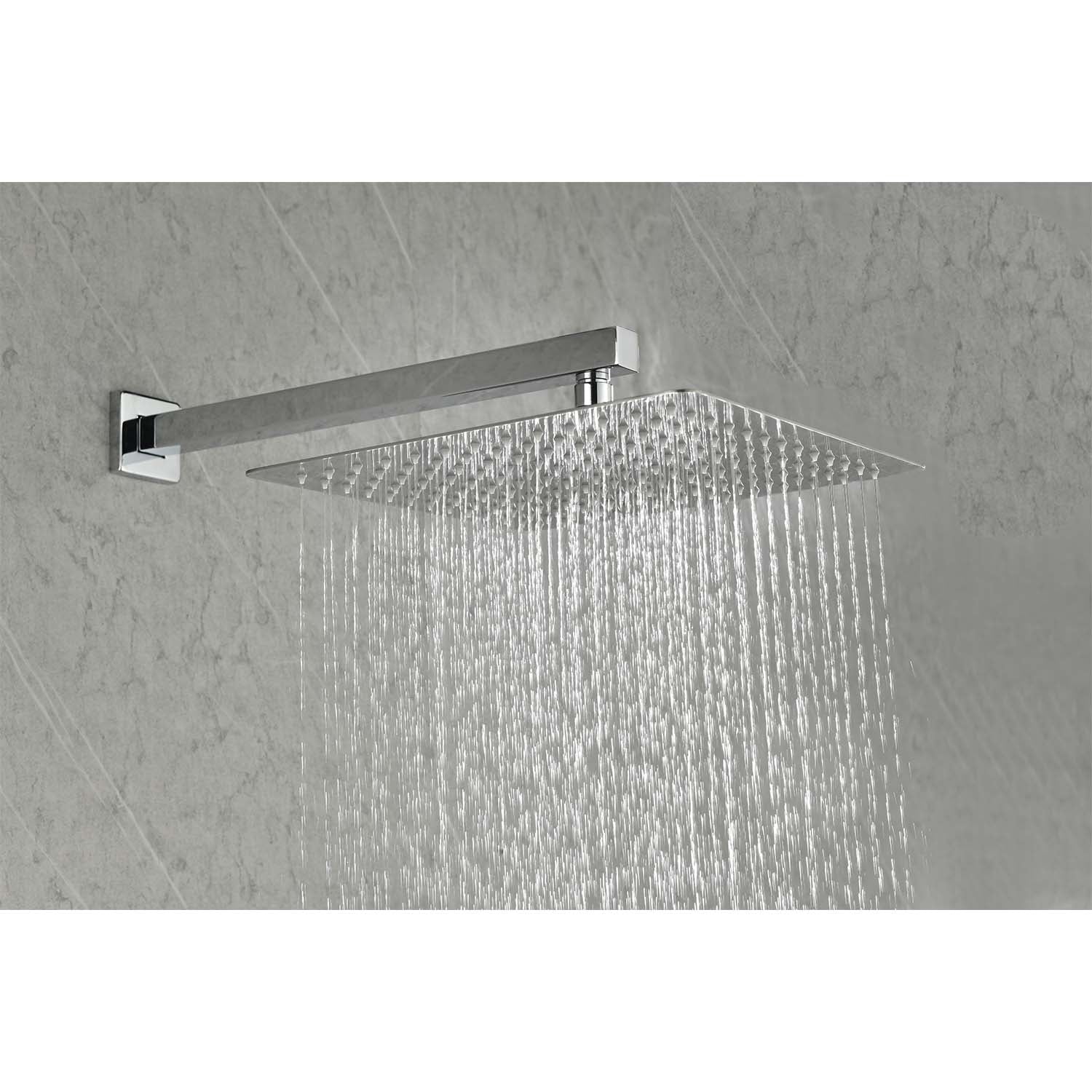
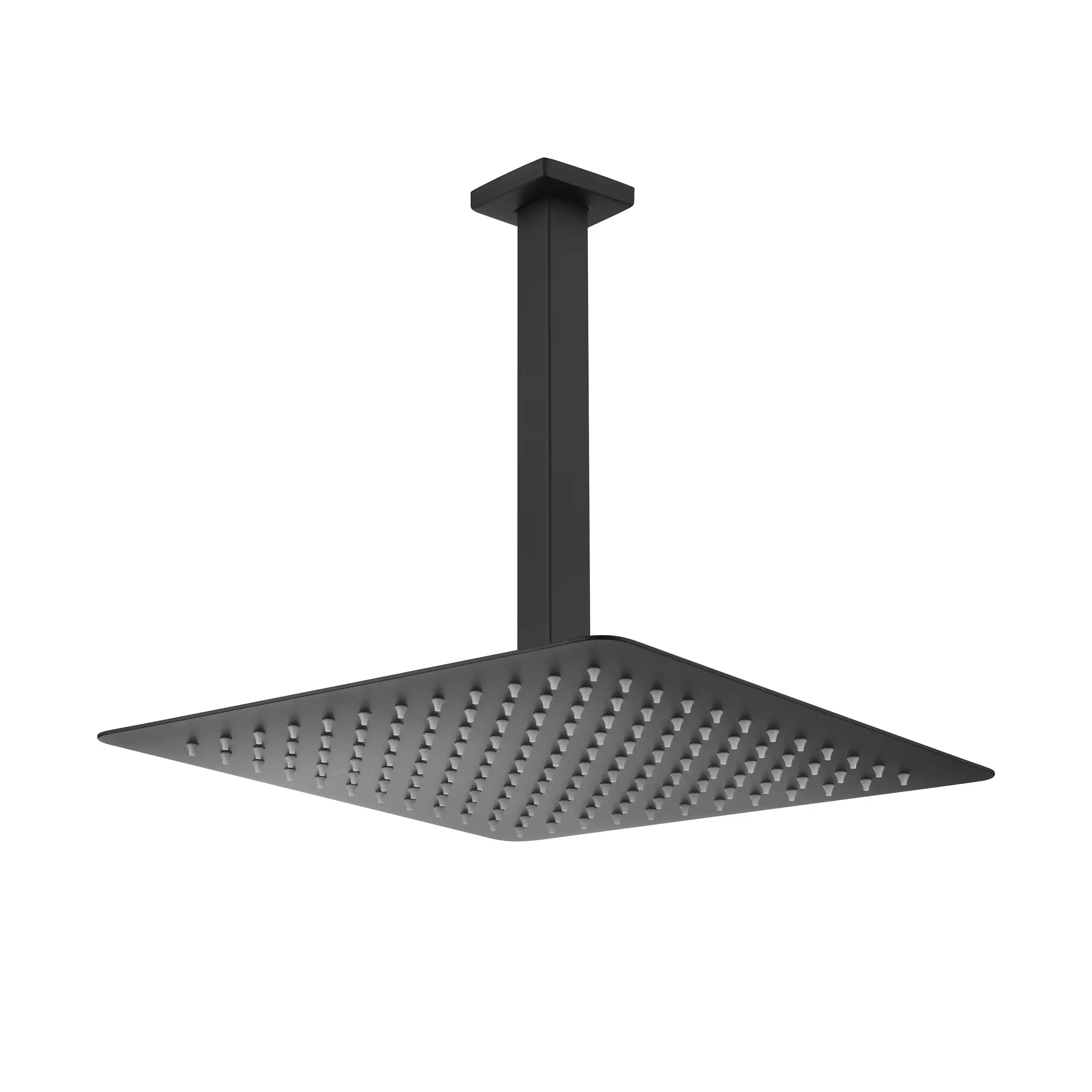
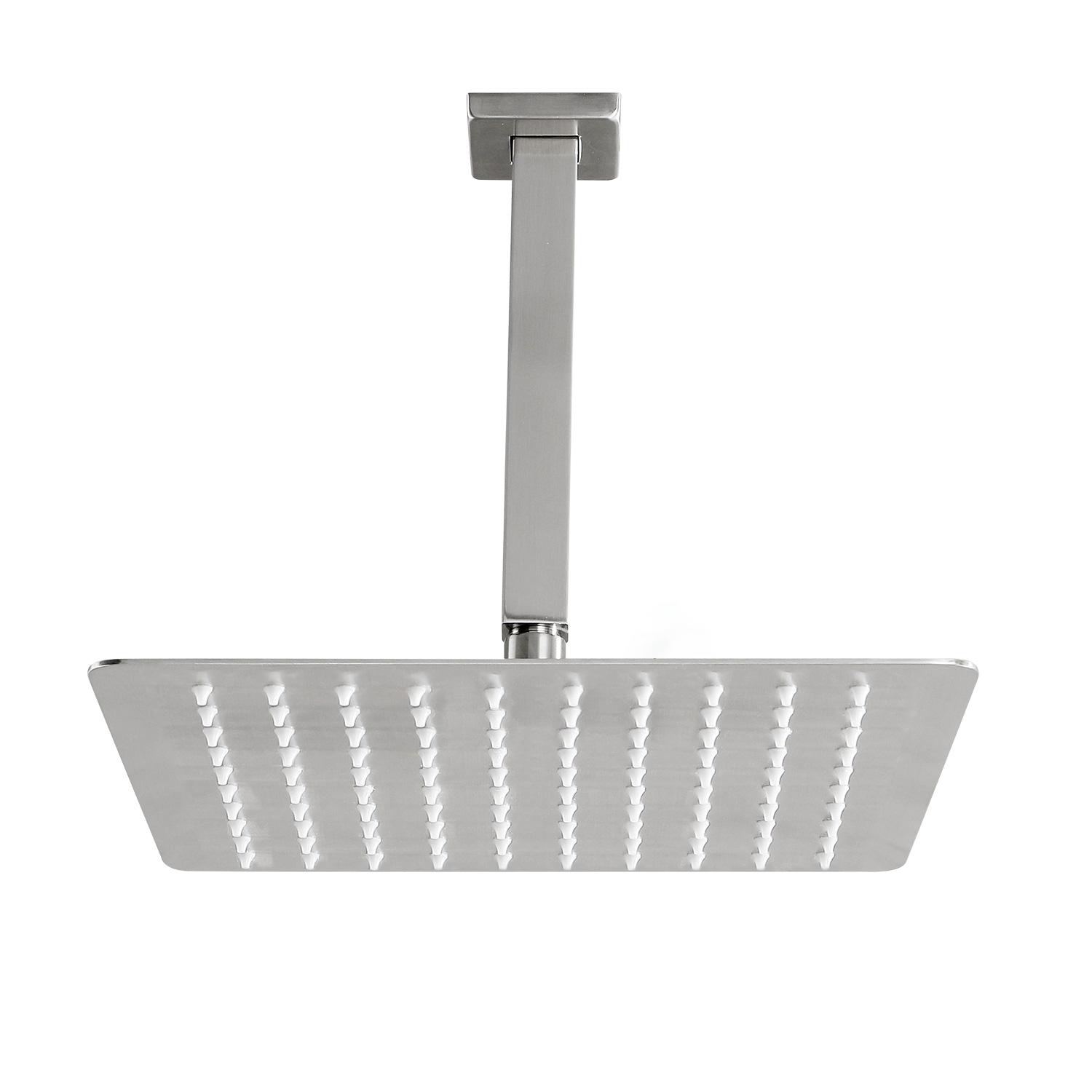
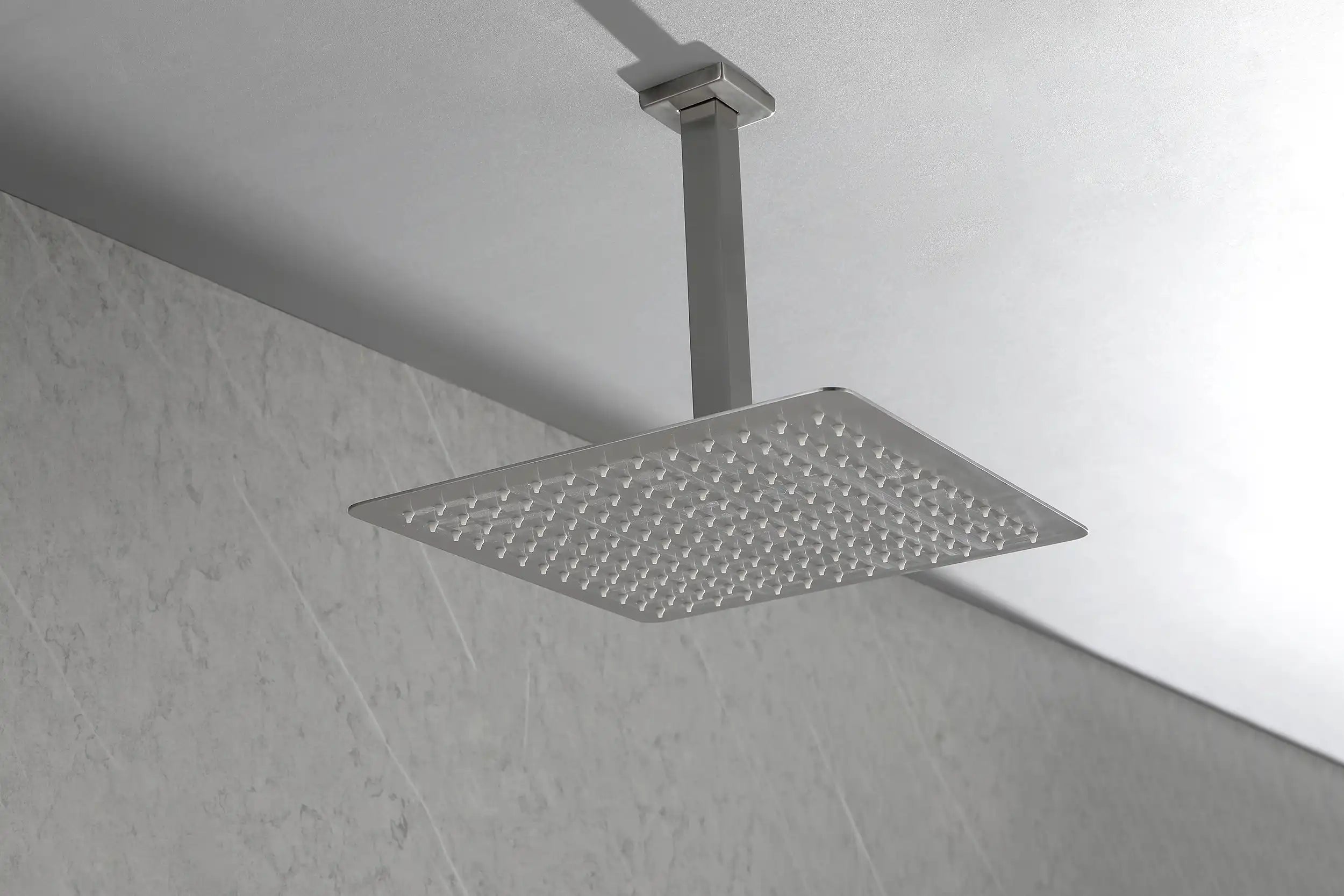
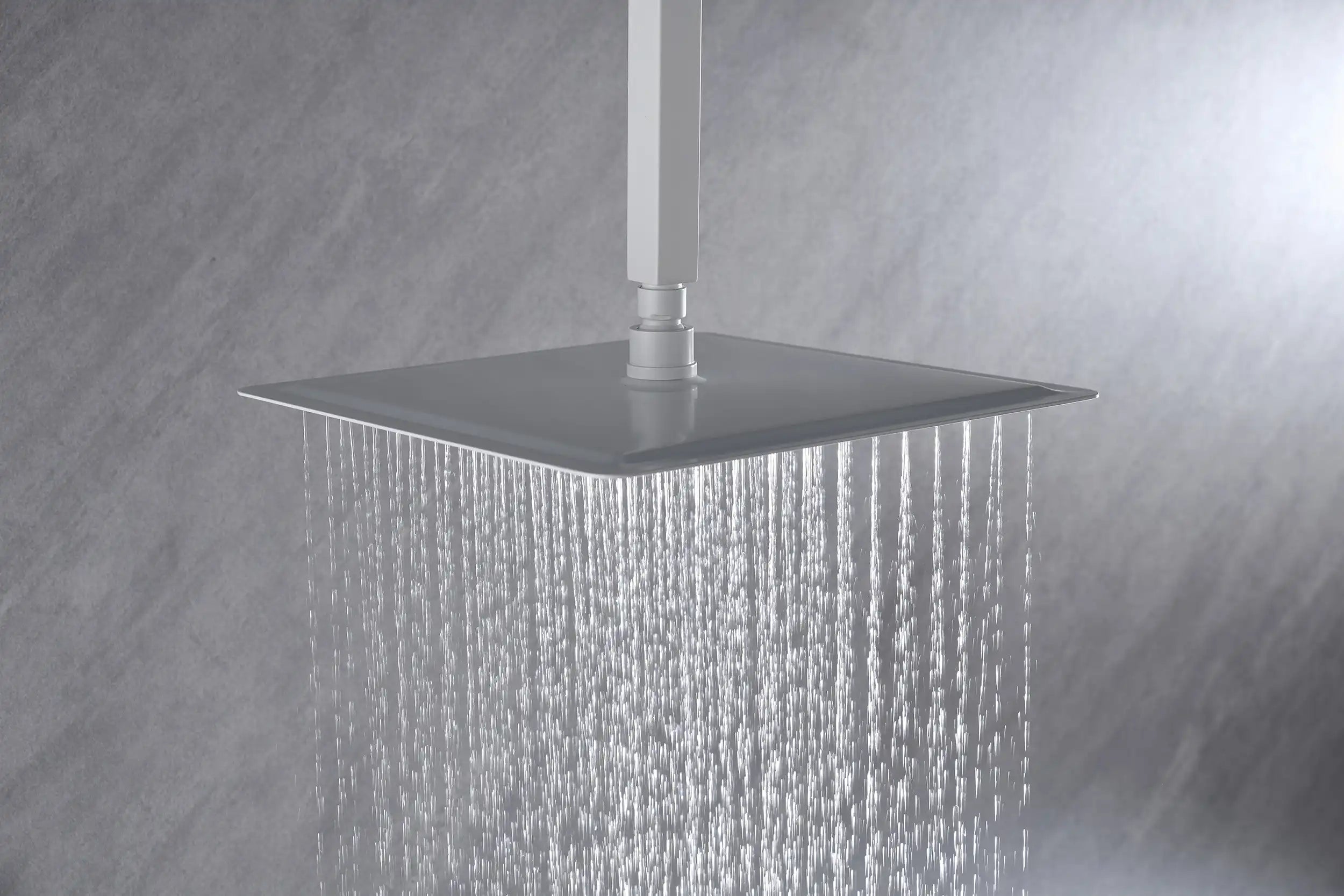
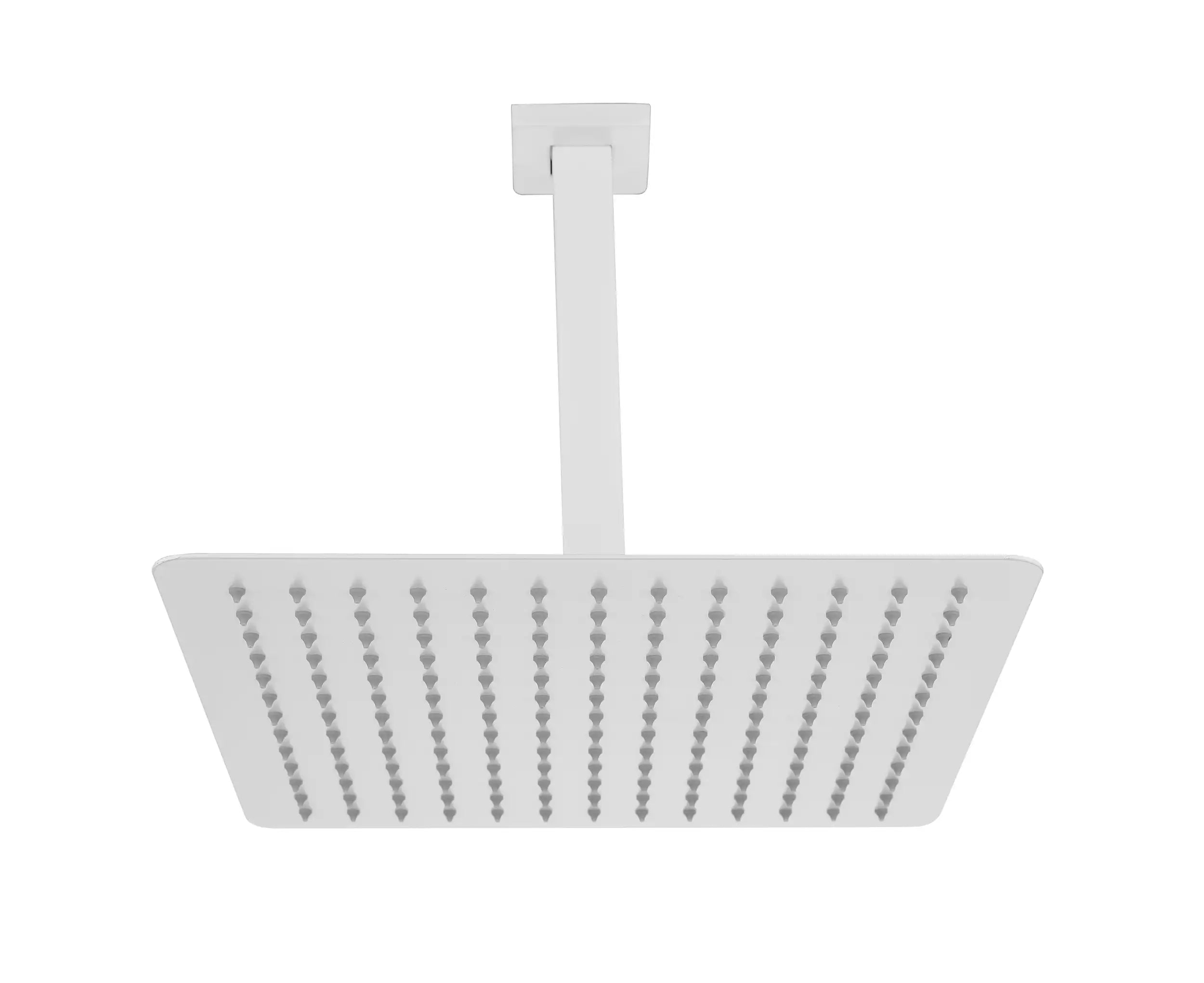
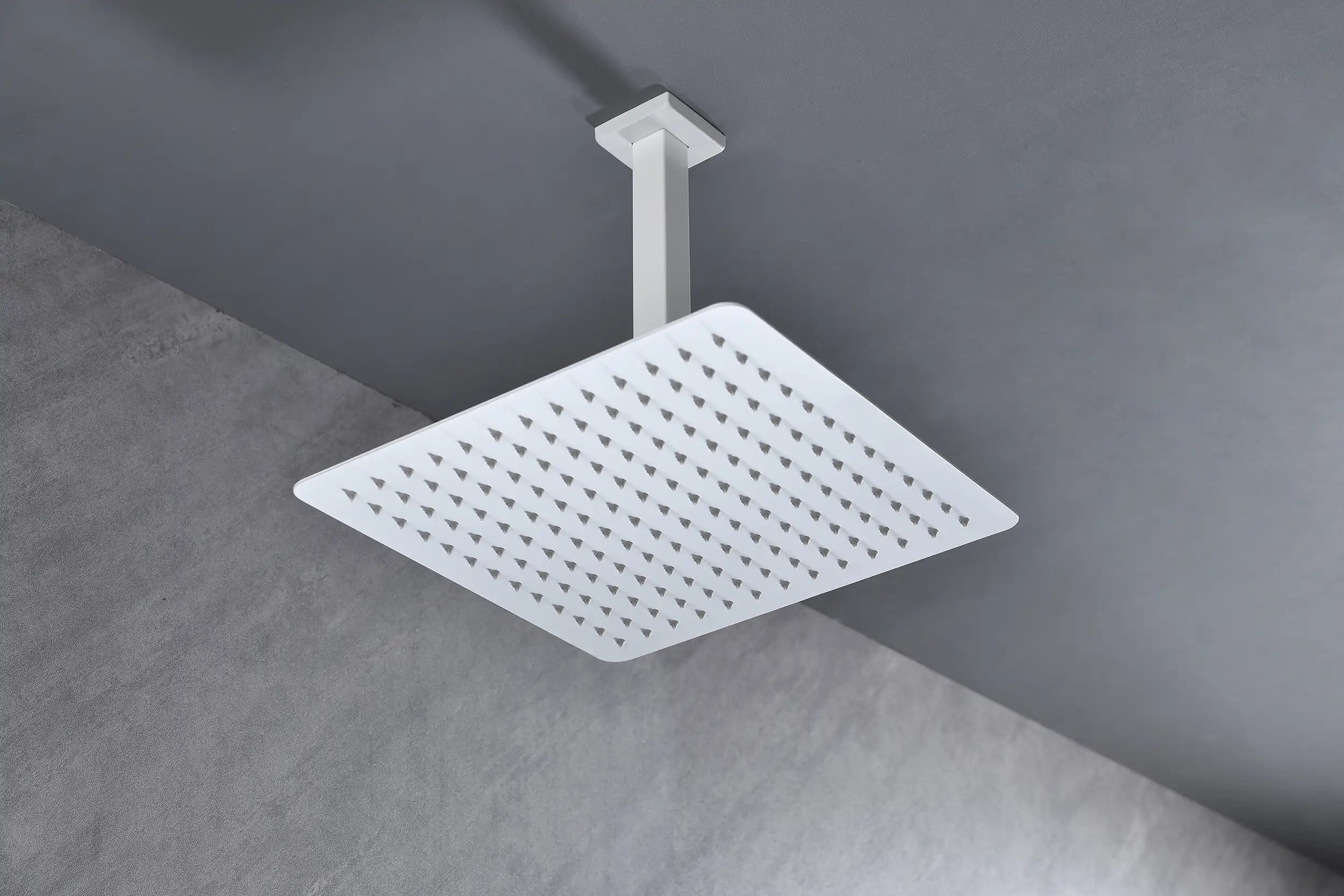
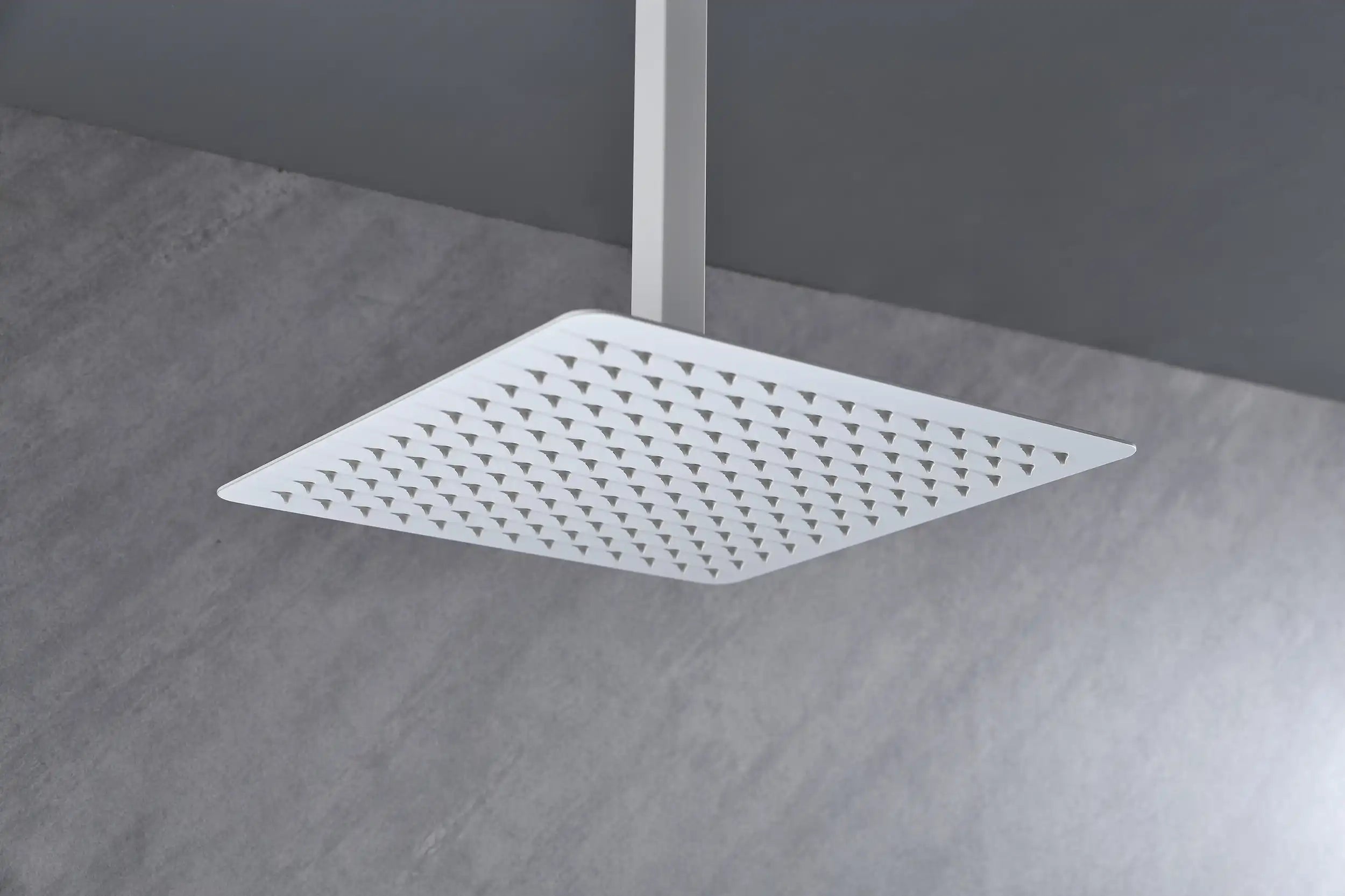
A practical rule of thumb is to install the rain shower head so it sits about 10–12 inches (25–30 cm) above the tallest regular user’s head. This clearance gives the water enough room to form a full, even spray pattern. When the clearance is reduced to less than roughly 6 inches, the flow often feels too direct or “in your face,” diminishing the rain-like effect.
In most residential bathrooms, this guideline translates to a mounting height of approximately 84–90 inches (213–229 cm) measured from the finished floor. Heights significantly above this range can reduce perceived coverage, particularly when using modern low-flow rain shower heads rated at 1.8 gpm, where excessive height allows the spray to disperse too much before reaching the user.
Body Spray & Shower Jet Height Placement

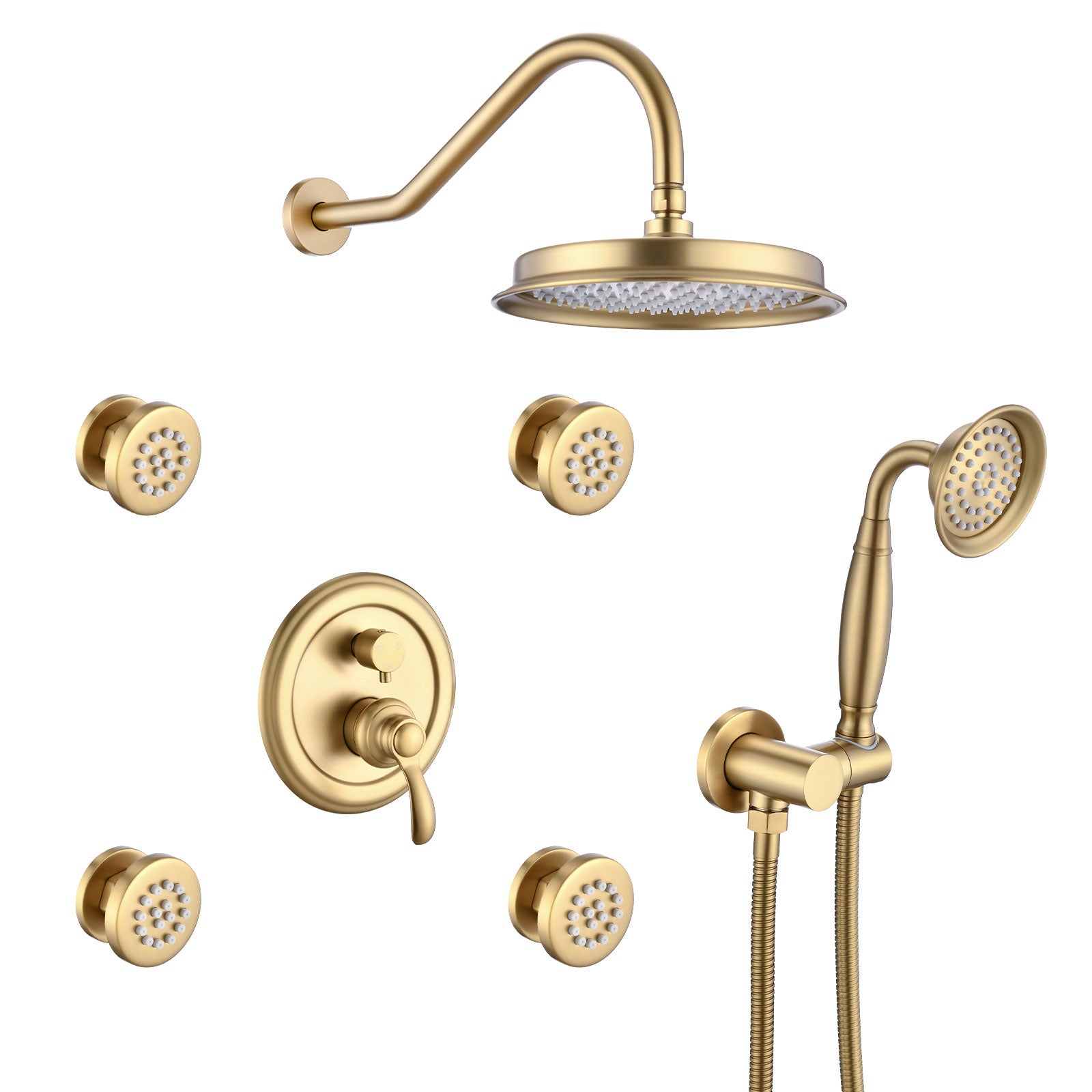
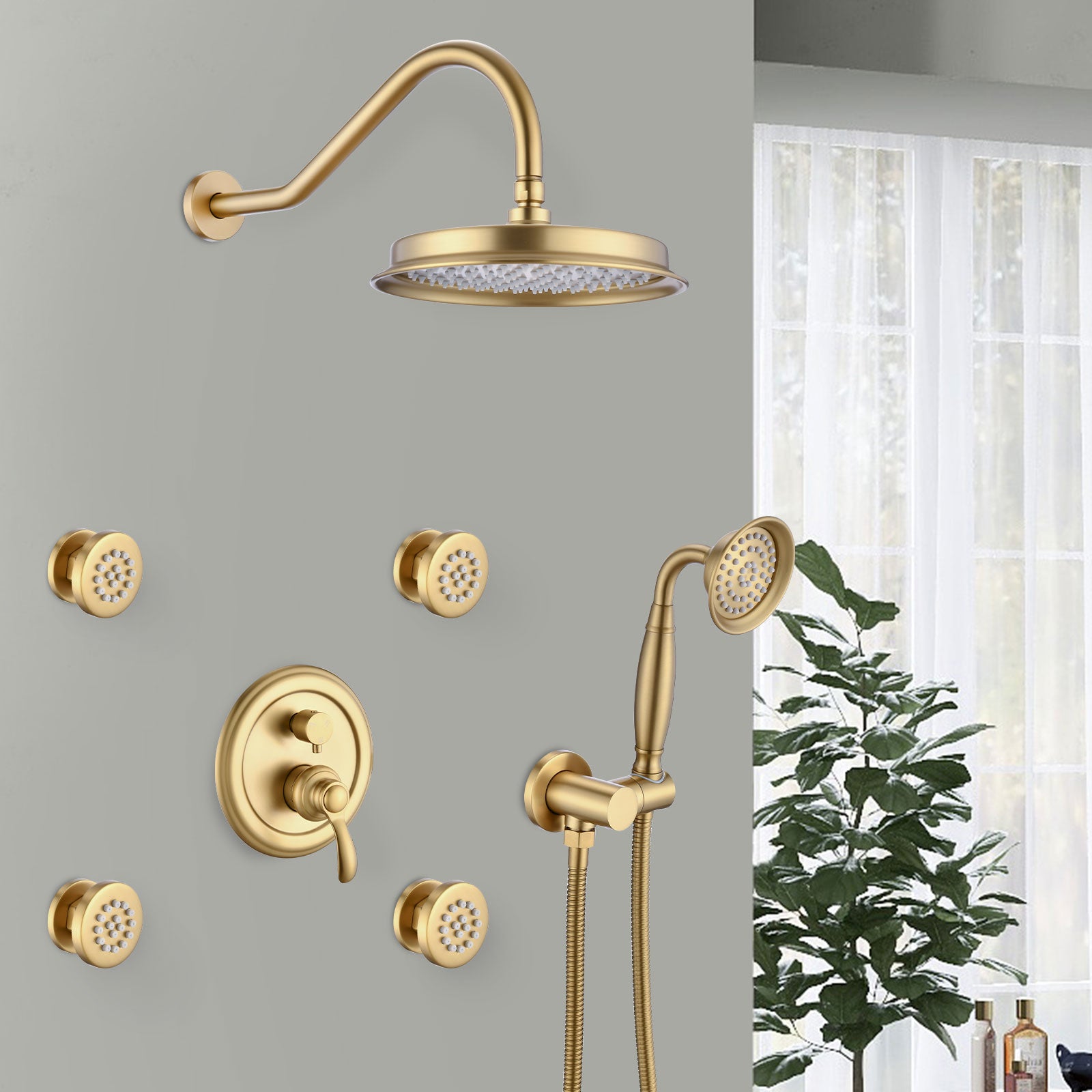
Rather than following a single "standard" height, body spray placement is usually based on body zones and intended use. In most residential showers, multiple sprays are installed vertically to create a balanced, enveloping experience. The goal is to align each jet with a natural point of contact on the body, allowing the water pressure to feel purposeful rather than random.
The table below outlines common body spray heights measured from the finished floor, along with their typical use cases:
| Body Area Targeted | Typical Height Range | Common Use Case |
|---|---|---|
| Upper shoulders / upper back | 60–65 inches (152–165 cm) | Muscle relaxation, tension relief across shoulders |
| Mid-back / torso | 48–54 inches (122–137 cm) | Full-body coverage, circulation stimulation |
| Lower back / waist | 38–44 inches (97–112 cm) | Lower back comfort, everyday rinse support |
| Thighs / upper legs | 26–34 inches (66–86 cm) | Leg rinsing, post-workout recovery |
Shower Controls & Mixing Valve Height
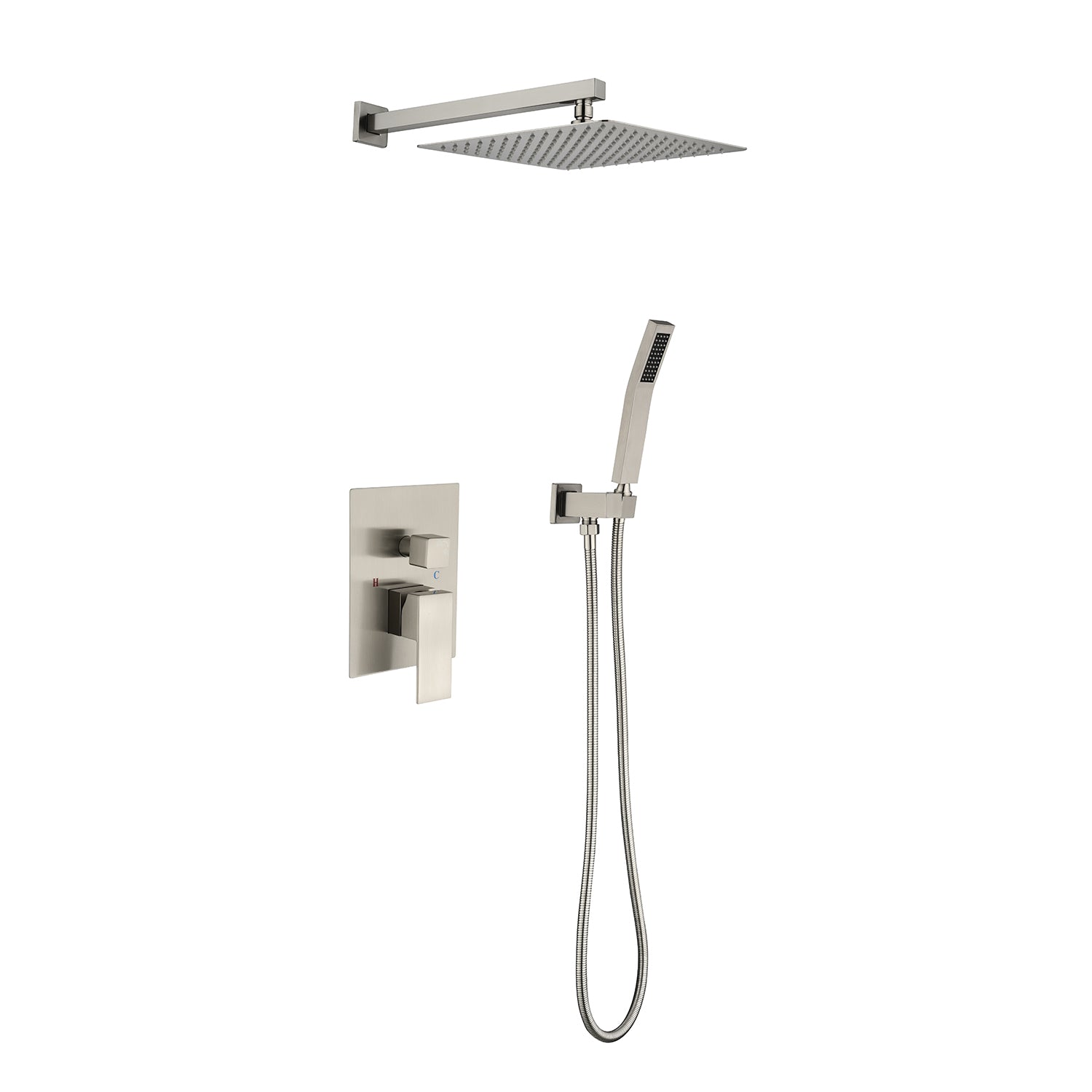
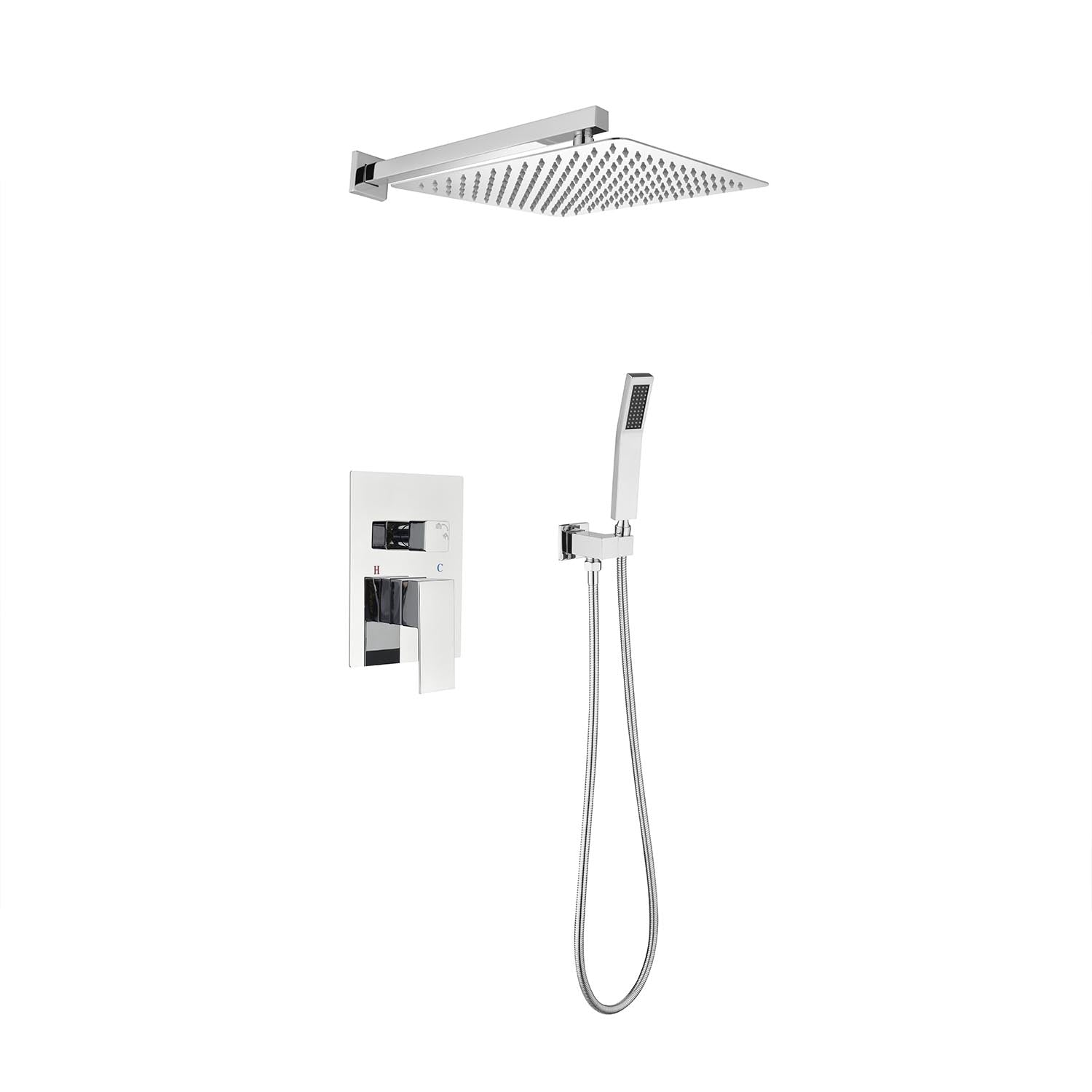
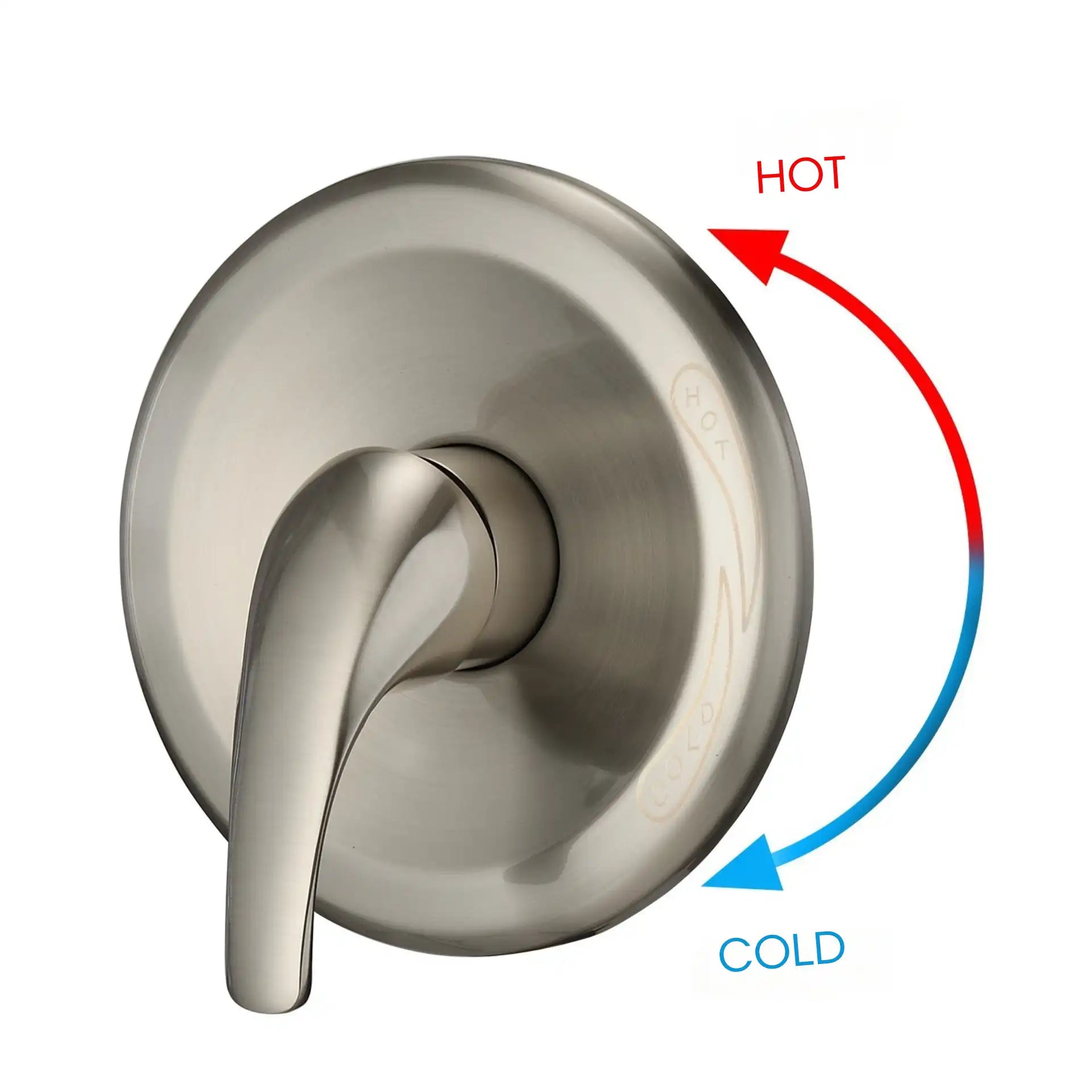
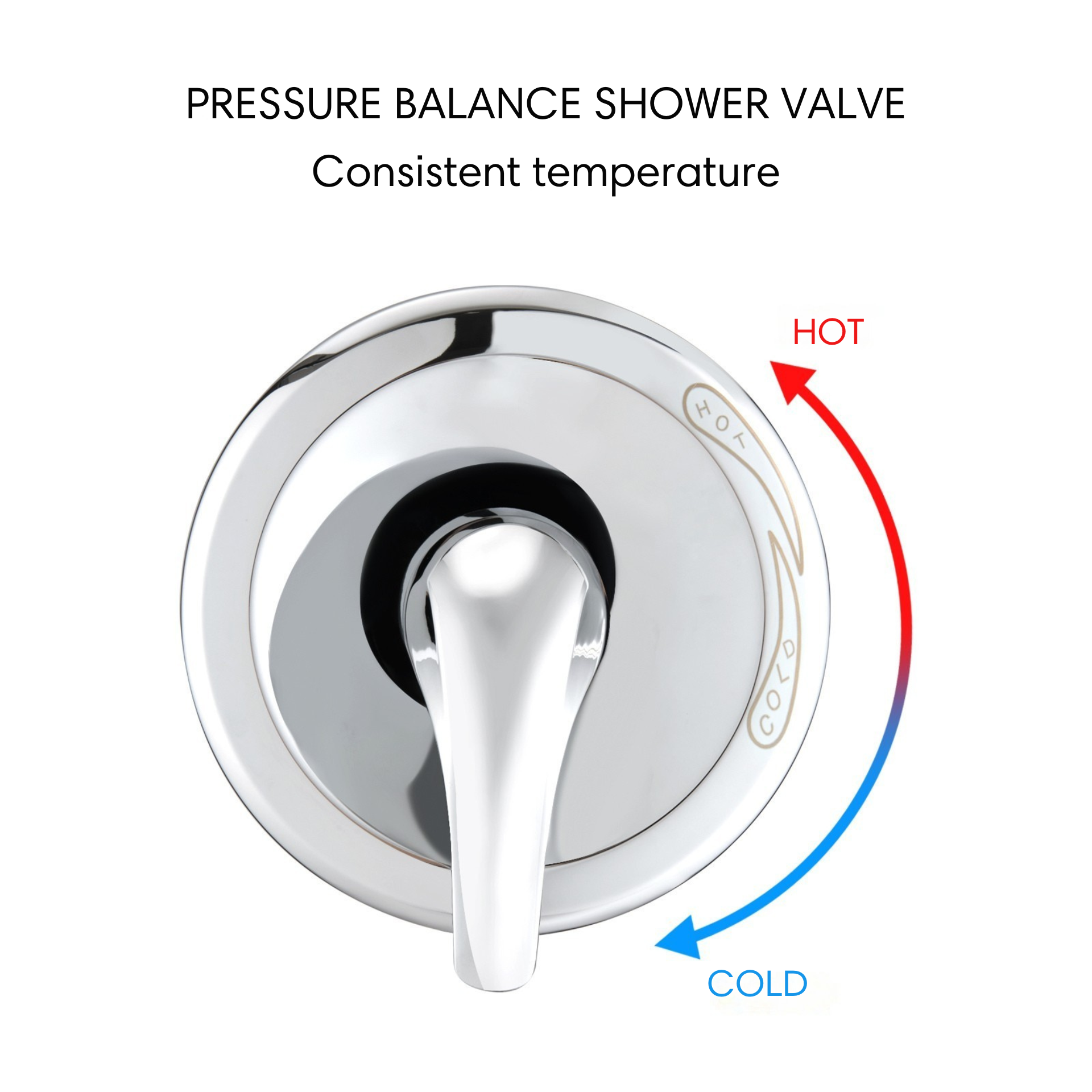
Shower controls and mixing valves are typically installed between 38 and 48 inches (97–122 cm) from the finished floor. This range allows most users to reach and operate the controls comfortably while standing, without bending down or stretching upward.
Although many shower layouts place the controls directly below the main shower head for plumbing convenience, usability often improves when they are positioned slightly to the side or closer to the shower entry. This allows the user to turn on the water and adjust temperature and flow before stepping fully under the spray, helping to avoid an initial burst of cold water.
When planning control placement, ease of reach and everyday comfort should take priority over strict symmetry. A well-positioned mixing valve makes the shower more intuitive to use and noticeably improves the daily experience, especially in shared or multi-function showers.
Adjusting Shower Head Height for Different Heights

Getting the shower head height right for everyone in the household is much easier when you take a few calibration steps before permanent installation—especially for fixed wall-mounted shower heads.
Measure:
Start by noting the tallest and shortest regular users. For a fixed shower head, begin with a target position roughly 3–6 inches above the tallest person’s head, then check how that height feels for the shortest user. Ideally, the shower head should not sit excessively high above shorter users. If it’s not possible to satisfy both ends comfortably, aim for a balanced midpoint.
Mark:
Use painter’s tape or a washable marker to mark several potential installation heights on the shower wall. Common reference points include 78, 80, and 82 inches. If you plan to add a slide bar or handheld dock, mark those positions as well.
Test:
Before drilling, simulate the spray position at each marked height. This can be done with a temporary bracket, an adjustable shower arm, or by having someone hold the shower head in place. Have different users step into the shower to evaluate spray angle, coverage, and whether water stays within the enclosure.
Adjust:
Use feedback from each test position to fine-tune the final mounting height before committing to permanent installation.
Taking these steps upfront helps ensure the final shower head height feels comfortable and practical for all users, reducing the chances of regret once the installation is complete.
ADA-Compliant Shower Head Height

The table below summarizes key ADA-related shower height and usability guidelines:
| Shower Component | ADA Guideline | Purpose |
|---|---|---|
| Handheld shower reach height | Operable at ≤48 inches (122 cm) from the floor | Allows use from a seated position |
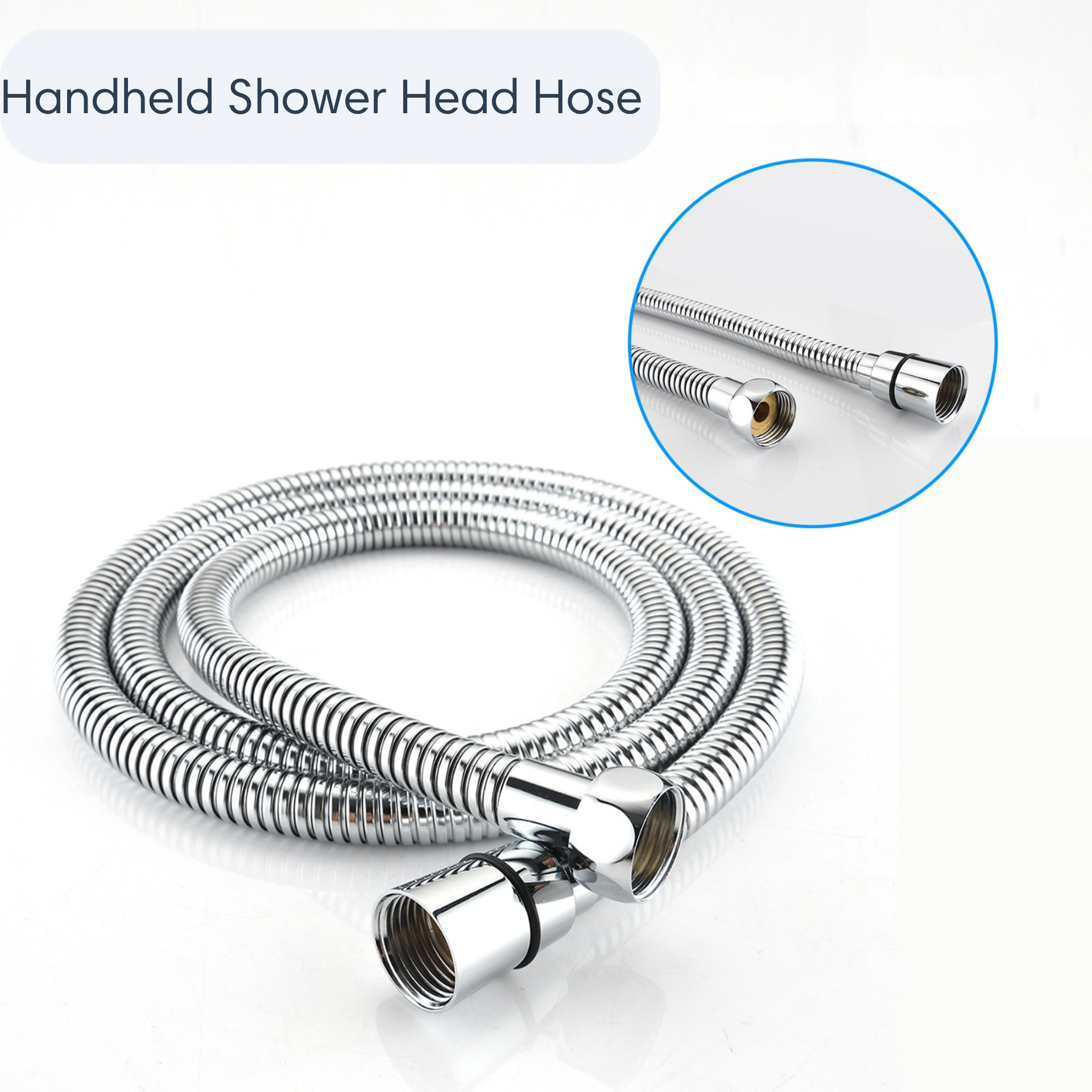
| Handheld shower hose length | Minimum 59 inches (150 cm) | Enables comfortable reach and movement when seated |
| Fixed shower head | May be installed higher when paired with a compliant handheld | Maintains accessibility while allowing overhead use |
| Shower controls & valves | ≤48 inches from the floor; operable with one hand | Ensures easy reach without bending or stretching |
| Control placement | Must not interfere with grab bars | Preserves continuous support and safety |
Choosing the right shower head height is less about following a single “standard” number and more about understanding how different shower types, user heights, and layout decisions work together. While an 80-inch wall-mounted shower head remains a reliable starting point, real comfort comes from adjusting that baseline to match how the shower is actually used.
Throughout this guide, we’ve shown how fixed wall-mounted heads, handheld showers, rain showers, body sprays, and controls each follow their own placement logic—and why planning ahead matters, especially for elements that can’t be easily adjusted after installation.
FAQ
Q1. Is 80 inches a building code requirement for shower head height?
Q2. What is the ADA-compliant height for shower controls and a handheld shower?
Q3. How high should a ceiling-mounted rain shower head be installed?
Q4. How do I choose the best wall-mounted shower head height for a tall person?
Q5. What’s the best way to avoid installing a shower head at the wrong height?
More Articles About Shower Head
- What Are the Different Types of Shower Heads
- How to Clean a Blocked Shower Head: Easy Solutions for a Better Shower Experience
- Understanding Shower Head GPM: How to Choose the Right Flow for Your Bathroom Experience
- The Science of Cleaner Showers: How Handheld Shower Heads with Multi-Stage Filters are Redefining Bathroom Hygiene and Skin Health