

Table of Contents
- Why Shower Water Pressure Drops Over Time
- The Most Overlooked Cause: Your Showerhead
- Flow Restrictors: Helpful or Harmful?
- When the Problem Isn't the Showerhead
- Whole-House Pressure vs. Shower-Specific Issues
- Is a Bathroom Upgrade the Right Time to Fix Shower Pressure?
- Final Thoughts: A Practical Approach That Actually Works
- Frequently Asked Questions About How to Get More Water Pressure in Shower
- Related Articles
Low shower water pressure is one of those problems that sounds small—until you deal with it every single morning. Many homeowners start searching "how to get more water pressure in shower" when a bathroom that looks perfectly fine simply doesn't feel right anymore.
From what I've seen working with homeowners through bathroom upgrades at Ace Decor, this issue is especially common in suburban homes across the western U.S. The good news is that low shower pressure is rarely mysterious, and it's often fixable without major renovation.
Let's walk through how to get more water pressure in shower setups the right way—starting with what's actually happening behind the wall.
Why Shower Water Pressure Drops Over Time
In most homes, weak shower pressure isn't caused by the city suddenly reducing water supply. Instead, it's usually the result of multiple small factors building up over time inside the bathroom system—often unnoticed until daily comfort starts to suffer.
For many suburban homes, especially those built 10–30 years ago, the shower system was never designed with today's usage patterns in mind. What once felt "good enough" slowly becomes frustrating as components age and water conditions change.
The most common contributors tend to fall into a few broad categories:
- Mineral buildup from hard water: In large parts of the western U.S., mineral-rich water gradually leaves scale inside showerheads, valves, and internal passages. Even a thin layer of buildup can significantly narrow water pathways, reducing flow long before anything looks visibly clogged.
- Older pressure-balancing valves limiting flow: Many homes use pressure-balancing valves designed primarily for anti-scald protection. As these valves age—or as household pressure fluctuates—they may restrict flow more aggressively than intended, making the shower feel weak even when overall pressure is adequate.
- Flow-restricting fixtures installed for compliance: Over the past decade, water-saving standards have led to lower-flow fixtures. While efficient, these fixtures can feel underwhelming in homes that already sit on the lower end of acceptable water pressure.
- Gradual internal pipe narrowing: In older plumbing systems, pipes can corrode or accumulate deposits internally. This doesn't cause leaks, so it often goes unnoticed—but it does reduce the volume of water reaching the shower.
What's important to understand is that these issues rarely appear all at once. They develop slowly, which is why many homeowners adapt without realizing how much performance they've lost. By the time they start searching "how to get more water pressure in shower", the problem usually feels sudden—but it's been years in the making.
That's also why the solution isn't about forcing more water through the system.
In practice, improving shower pressure is almost always about removing unnecessary restrictions and modernizing the weakest links, rather than increasing supply beyond safe or legal limits.
The Most Overlooked Cause: Your Showerhead
When homeowners ask how to get more water pressure in shower, they often assume the issue must be hidden deep inside the plumbing. In reality, one of the most common—and most underestimated—causes is right in front of them: the showerhead itself.
Over time, mineral deposits from hard water slowly accumulate inside the internal channels of the showerhead. This buildup doesn't always show up clearly on the outside, which is why many people overlook it. But even a small amount of scale can narrow the water pathways enough to noticeably weaken flow, even when the home's water pressure is otherwise normal.
What makes this issue particularly misleading is that it develops gradually. The shower doesn't suddenly lose pressure overnight. Instead, performance declines bit by bit, until one day the shower simply feels underwhelming—and homeowners begin searching for solutions.
In many cases, a thorough cleaning can restore much of the lost performance. Soaking the showerhead in vinegar breaks down mineral deposits and reopens clogged spray channels. For relatively new fixtures, this alone can bring back a stronger, more consistent spray.
However, cleaning has its limits. Older showerheads—especially those designed years ago—often combine mineral buildup with outdated internal designs. At that point, replacement becomes the more effective and longer-lasting solution.
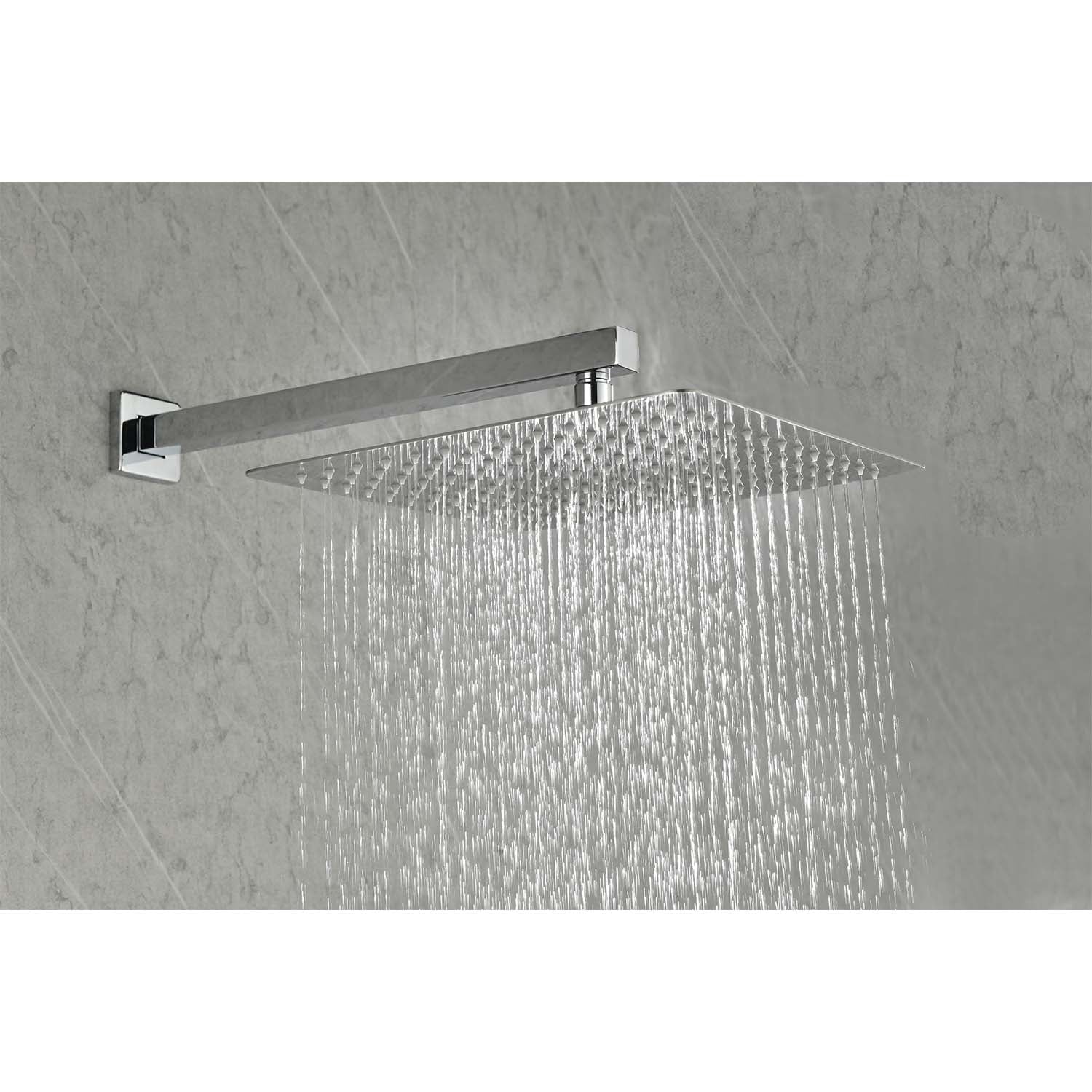
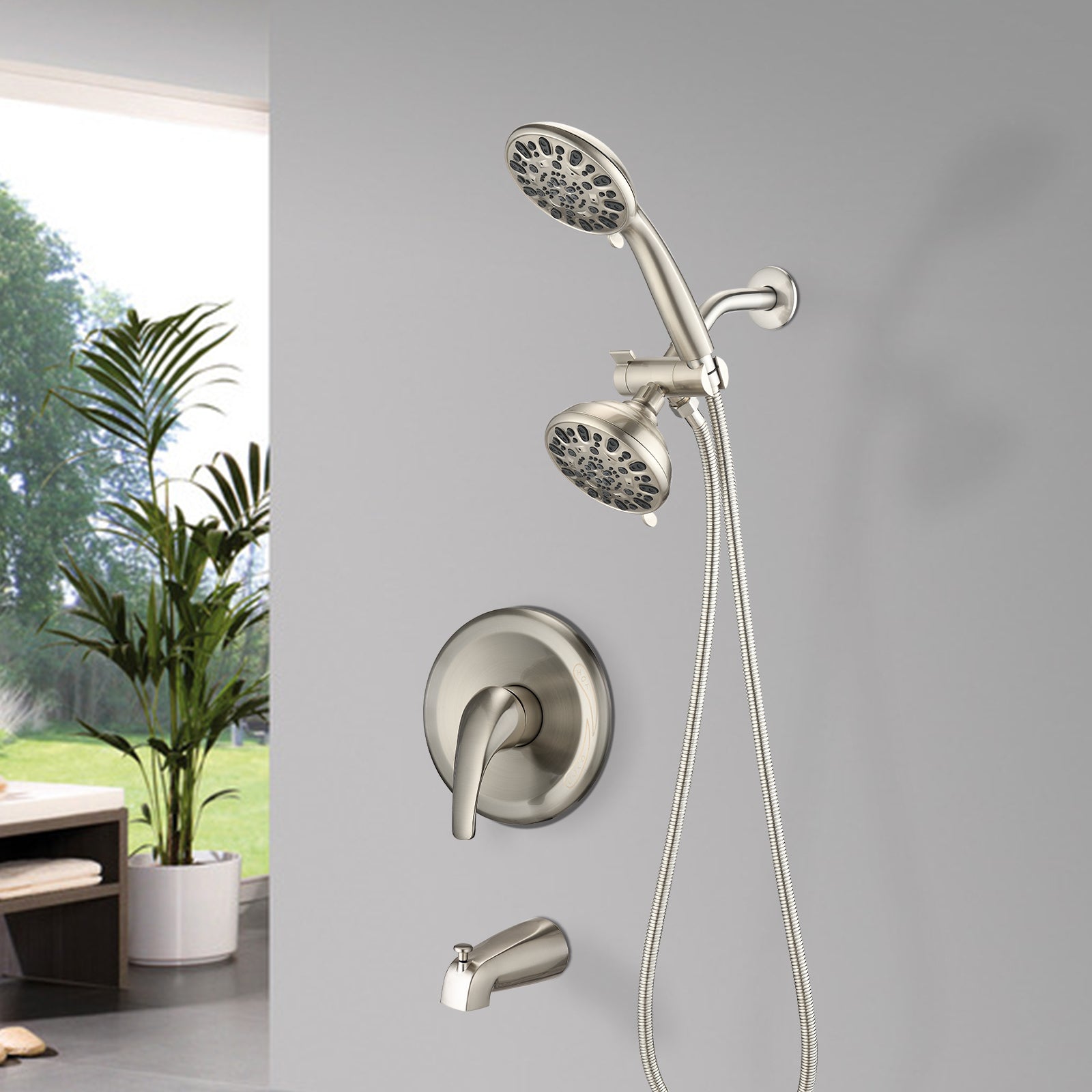
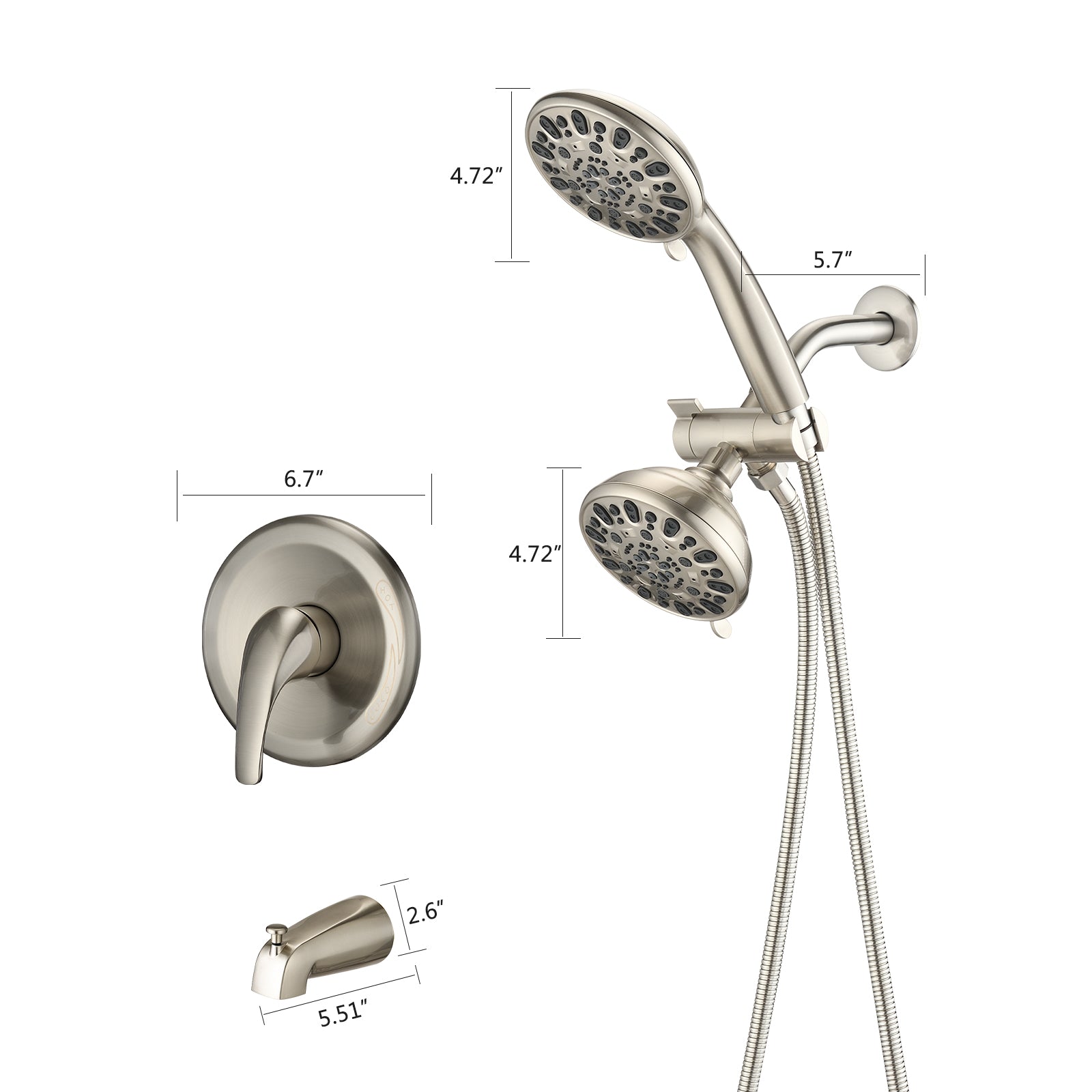
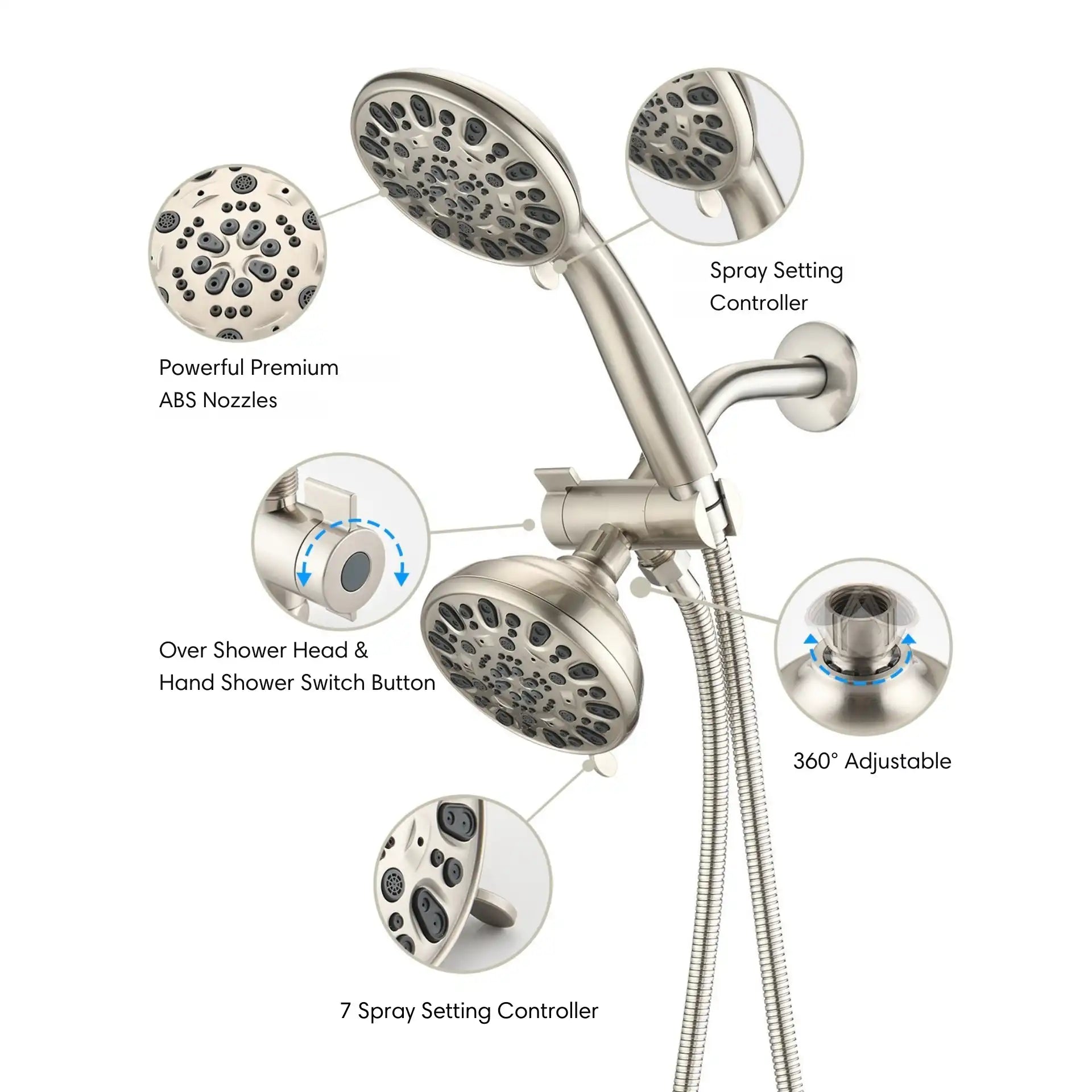
Modern high-pressure showerheads are engineered very differently. Rather than relying on raw water volume, they reshape and accelerate the flow using internal pressure-compensation or air-infusion technology. This allows them to deliver a fuller, more forceful spray without increasing water consumption, which is why they perform well even in homes with moderate or legally limited pressure.
To put it simply, this is why upgrading the showerhead is often the fastest and most cost-effective answer to how to get more water pressure in shower use—especially for homeowners who want noticeable improvement without opening walls or hiring a plumber.
Clean vs. Replace: How to Decide
Here's a quick way to think about which approach makes more sense:
| Situation | Recommended Action |
|---|---|
| Showerhead is under 3–4 years old | Deep clean and descale |
| Visible mineral buildup but no corrosion | Clean first, then reassess |
| Showerhead is 5+ years old | Replace with modern high-pressure model |
| Pressure feels weak despite cleaning | Replacement is likely more effective |
For homeowners focused on value, durability, and ease of installation, this step checks all the right boxes. It’s affordable, low-risk, and immediately improves daily comfort—making it an ideal starting point before considering more involved solutions.
In my experience, many people are surprised by how much better their shower feels after this single change. And often, once the showerhead is no longer the bottleneck, it becomes much easier to tell whether any deeper pressure issues actually exist.

Flow Restrictors: Helpful or Harmful?
Flow restrictors are one of the most misunderstood components when homeowners search how to get more water pressure in shower. In theory, they're designed to do something reasonable: limit water usage to meet efficiency standards while maintaining acceptable performance. In practice, the results can be mixed—especially in homes where water pressure is already on the lower end.
Most modern showerheads sold in the U.S. include a small plastic or rubber insert inside the connection point. This insert narrows the opening through which water flows, reducing the total volume delivered per minute. In homes with strong municipal pressure, the restrictor often goes unnoticed. But in many suburban neighborhoods—particularly those with older infrastructure—the same restrictor can make a shower feel weak or inconsistent.
What's important to understand is that a flow restrictor doesn't reduce pressure in the technical sense. Instead, it limits flow rate, which strongly affects how forceful the shower feels. That's why removing or modifying a restrictor can sometimes create a dramatic improvement, even though the home's PSI hasn't changed at all.
That said, this isn't a one-size-fits-all solution.
In some cases, removing the restrictor simply exposes other limitations in the system. For example, if mineral buildup or an aging valve is already restricting flow, removing the insert may produce only a modest improvement—or none at all. This is why flow restrictors are best considered one potential bottleneck, not automatically the problem.
There's also the question of legality and long-term practicality. Water efficiency regulations vary by state and municipality, and while many homeowners do choose to remove restrictors, it's always wise to check local plumbing guidelines first. Beyond compliance, there's also personal preference to consider. Some homeowners find that unrestricted flow feels less controlled or less comfortable, especially in shared family bathrooms.
A balanced way to approach this is to evaluate the restrictor in context:
- If your showerhead is new, clean, and well-designed but still feels weak, the restrictor may be contributing to the issue.
- If your showerhead is older or already underperforming, replacing it with a modern high-pressure model often delivers better results than simply removing the insert.
- If water conservation is a priority in your household, newer pressure-optimized showerheads can improve spray strength without bypassing efficiency features.
When done responsibly, adjusting or upgrading around flow restrictors can be an effective step toward solving the larger question of how to get more water pressure in shower use, especially during a bathroom refresh or fixture upgrade.

When the Problem Isn't the Showerhead
If cleaning or replacing the showerhead doesn't make a meaningful difference, it's usually a sign that the real limitation isn't at the fixture—it's behind the wall.
In many U.S. family homes, especially those built or remodeled in the past 15–25 years, showers are equipped with pressure-balancing valves. These valves are designed primarily for safety. Their job is to prevent sudden temperature spikes when someone elsewhere in the house turns on a sink, dishwasher, or washing machine.
Over time, however, these valves can become an unexpected bottleneck.
As internal components wear or accumulate mineral deposits, the valve may begin to restrict flow more aggressively than intended. The shower still functions, temperature control feels normal, and nothing appears "broken"—but the volume of water reaching the showerhead is quietly reduced. This is one of the reasons homeowners often struggle to understand how to get more water pressure in shower use when everything looks fine on the surface.
What makes this issue particularly tricky is that it rarely announces itself clearly. Instead, homeowners notice subtle signs:
- The shower feels weaker than it used to, even with a new showerhead
- Pressure drops noticeably when another faucet is used
- Hot and cold balance feels fine, but overall flow never feels strong
Because the valve is hidden, it's easy to assume the problem must lie elsewhere.
In my experience, this limitation is most often discovered during partial bathroom upgrades, not full remodels. A homeowner might plan to replace a vanity, update fixtures, or refresh finishes—without intending to touch the plumbing at all. But once the wall is open, the condition of the existing valve becomes obvious, and upgrading it suddenly makes sense.
This is where many people have an "aha" moment.
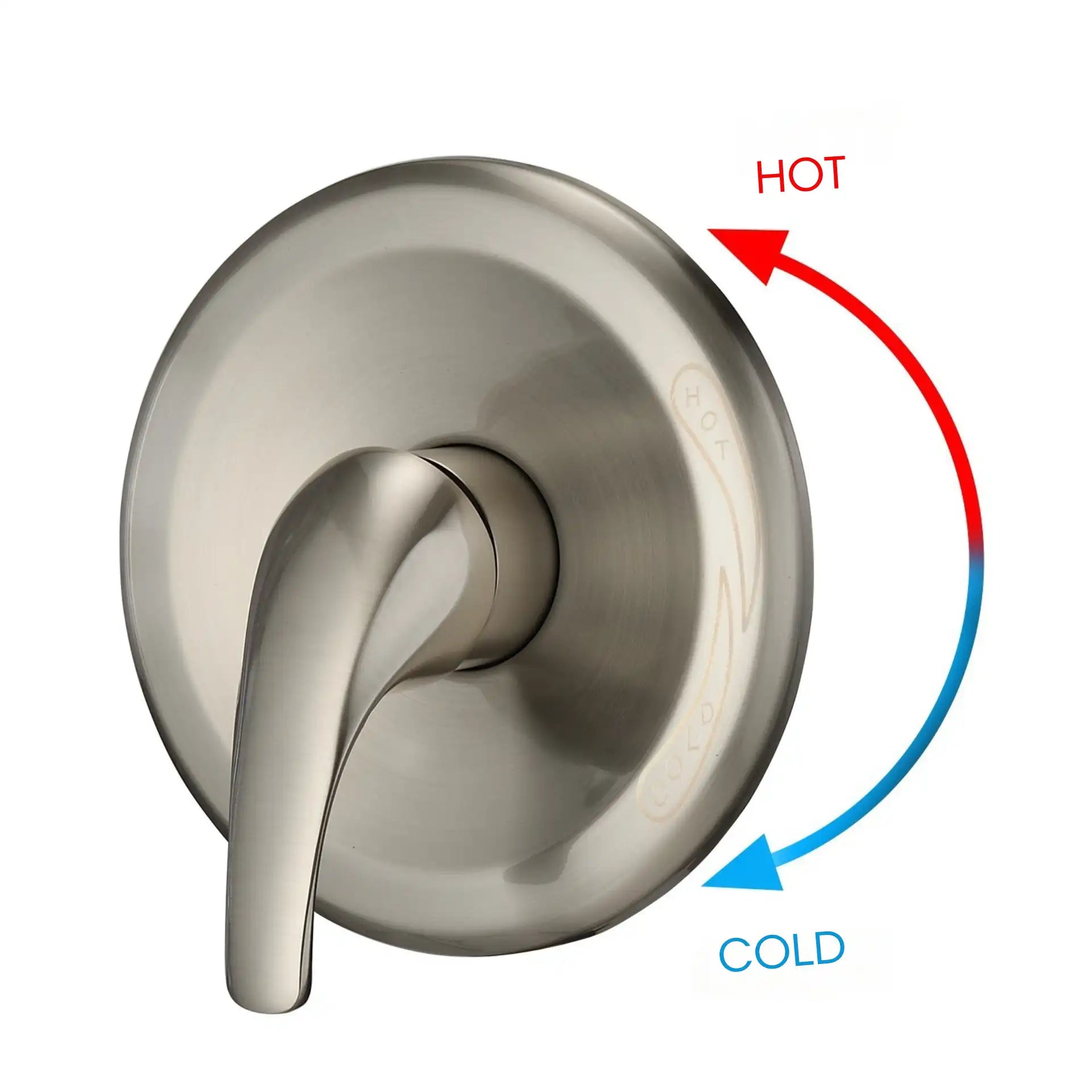
After installing a modern shower valve—designed with improved internal flow and smoother pressure regulation—the difference is immediate. The same water supply suddenly feels stronger, more consistent, and more comfortable. It's also why homeowners often say they didn't realize how poor their shower pressure was until after the valve was replaced.
Importantly, this doesn't mean every low-pressure shower needs invasive work. But it does mean that when surface-level fixes fail, the valve is often the next logical place to look—especially if the home is already due for a modest bathroom refresh.
From a cost-versus-benefit perspective, addressing the valve at the right moment is usually a low-regret decision. It improves daily comfort, supports long-term durability, and avoids reopening walls later just to solve a problem that was already accessible.
And in the broader context of bathroom upgrades, it reinforces an important idea: sometimes the most effective answer to how to get more water pressure in shower isn't about adding pressure at all—but about removing the quiet restrictions that built up over time.

Whole-House Pressure vs. Shower-Specific Issues
One of the most common points of confusion when homeowners search how to get more water pressure in shower is whether the problem is isolated—or whether the entire house is affected.
At first glance, weak shower pressure feels like a big issue, and it's natural to assume something is wrong with the home's water supply. In reality, most shower pressure problems are localized, not whole-house failures.
A simple way to think about it is this: your shower is only one endpoint in a much larger system. If that system is generally healthy, but one endpoint performs poorly, the cause is usually close to the shower itself.
How to Tell If the Issue Is Localized
In many homes, the answer becomes clear once you step back and compare fixtures.
If kitchen sinks, bathroom faucets, and outdoor hose bibs all deliver strong, steady flow, your municipal water supply and main pressure are doing their job. In that case, the shower is almost always being limited by something specific—such as the showerhead, valve, or internal restrictions discussed earlier.
On the other hand, if water flow feels weak throughout the house, that points to a broader pressure issue that no shower-specific fix can fully solve.
Here's a practical comparison homeowners often find helpful:
| What You Notice Around the House | What It Usually Means |
|---|---|
| Sinks and hose bibs feel strong | Shower-specific restriction |
| Pressure drops only in the shower | Valve, showerhead, or fixture issue |
| All fixtures feel weak | Whole-house pressure problem |
| Pressure varies by time of day | Municipal or neighborhood supply issue |
Understanding Whole-House PSI (Without Getting Technical)
Whole-house water pressure is typically measured in PSI (pounds per square inch). For most U.S. homes, 40–60 PSI is considered the ideal operating range. Below that, showers tend to feel weak and slow, no matter how good the fixtures are.
Testing PSI doesn't require specialized tools. A basic pressure gauge attached to an outdoor spigot can give a clear reading in seconds. If the number consistently falls below 40 PSI, the issue is likely upstream from the bathroom.
In suburban neighborhoods—especially those with older infrastructure—low PSI can be caused by:
- Aging municipal supply lines
- Pressure regulators set too conservatively
- Elevation differences within the neighborhood
- Shared demand during peak usage hours
In these situations, improving shower pressure usually requires professional adjustment or regulation, not fixture changes alone.
Why This Distinction Matters Before You Upgrade
This is where many homeowners make costly mistakes.
If the problem is whole-house pressure, replacing showerheads or valves may improve things slightly—but never fully solve the issue. Conversely, if pressure is strong everywhere except the shower, jumping straight to system-wide solutions wastes money and effort.
From my experience, homeowners get the best results when they diagnose first, upgrade second. Understanding whether you're dealing with a localized restriction or a supply-level limitation shapes every decision that follows—especially during a bathroom refresh.
It also explains why so many people feel frustrated after trying one fix after another. They're solving the wrong problem.
Once you've clarified whether the issue is shower-specific or house-wide, the path forward becomes much clearer—and the search for how to get more water pressure in shower finally turns into a solution, not guesswork.

Is a Bathroom Upgrade the Right Time to Fix Shower Pressure?
For many homeowners, the search for how to get more water pressure in shower begins right in the middle of a bathroom refresh—and that's rarely a coincidence.
In practice, shower pressure issues often become more noticeable when you start paying closer attention to how the bathroom actually functions. Maybe the vanity is being replaced, finishes are being updated, or the layout is being improved for long-term use. As everything else starts to feel newer and more intentional, a weak shower stands out even more.
This is also the moment when fixing pressure makes the most sense.
When a bathroom upgrade is already underway, access is easier, decisions are more flexible, and the incremental cost of addressing underlying issues—like valves or outdated shower components—is significantly lower than doing it later as a standalone project. Homeowners who wait often end up reopening walls or paying for labor twice just to solve a problem they already knew existed.
From a practical standpoint, this is why combining a pressure fix with a bathroom update is usually the most efficient approach:
- Better access with less disruption: Even a partial upgrade often involves opening walls or removing fixtures. That makes it far easier to inspect or replace shower valves and related components without turning the project into a full remodel.
- Modern systems are designed for performance, not just efficiency: Today's shower systems are engineered to deliver a stronger, more consistent experience while still meeting water-use standards. When paired with updated valves and fixtures, they often feel dramatically better than older setups—without increasing water usage.
- Improved comfort now, not "someday": Shower pressure isn't a cosmetic detail; it affects daily routines. Addressing it during an upgrade ensures the finished bathroom doesn't just look better, but genuinely feels better to use every day.
This approach is especially appealing to homeowners who prioritize durability, safety, and long-term value over short-lived trends. Rather than chasing the latest look, they focus on making sure the bathroom works well for years to come—something that matters even more in shared family households.
In my experience, homeowners who solve shower pressure issues as part of a planned upgrade almost never regret it. Those who postpone it often wish they hadn't.
Seen this way, improving shower pressure isn't an extra upgrade—it's part of doing the upgrade right. And for anyone already thinking about refreshing their bathroom, it's often the most logical moment to finally resolve the question of how to get more water pressure in shower use once and for all.

Final Thoughts: A Practical Approach That Actually Works
If there's one takeaway I'd emphasize after helping countless homeowners think through this issue, it's this: most shower pressure problems don't require drastic solutions—but they do require the right order of thinking.
One of the biggest frustrations I see comes from people jumping straight to the most complex fix. They replace fixtures randomly, consider major plumbing work too early, or assume their home simply "has bad pressure.” In reality, low shower pressure is usually the result of layered, manageable issues—not a single catastrophic failure.
A more practical approach is to work from the outside in.
Start with what's visible and easiest to change. Showerheads, flow characteristics, and basic maintenance often restore more performance than expected. From there, move to what's accessible—valves, fixture compatibility, and components that may have aged quietly over time. Only after those steps should you begin thinking about what's behind the wall or upstream in the system.
This progression matters for a few reasons:
- It keeps costs under control, especially for homeowners focused on value and long-term durability
- It reduces disruption, avoiding unnecessary wall work or repeat labor
- It leads to clearer decisions, because each step reveals whether deeper action is actually needed
Just as importantly, it aligns well with how most homeowners approach bathroom improvements in real life. Very few people plan a renovation just to fix water pressure—but many discover pressure issues while upgrading fixtures, improving layout, or refreshing finishes. When addressed thoughtfully at that moment, shower performance becomes part of a smarter, more complete upgrade rather than an afterthought.
From my perspective, the goal isn't simply to "increase pressure.” It's to create a shower that feels consistent, comfortable, and reliable every day—without wasting money or compromising safety. That's especially true for shared family bathrooms, where usability matters far more than chasing maximum output.
When you look at it this way, learning how to get more water pressure in shower use isn't about forcing more water through the system. It's about removing friction, modernizing where it counts, and making informed decisions in the right sequence.
Done correctly, the result isn't just a stronger shower—it's a bathroom that feels better to live with, day after day.
Frequently Asked Questions About How to Get More Water Pressure in Shower
Why does my shower have low water pressure but the sink feels fine?
Can a new showerhead really improve water pressure?
Is removing the flow restrictor the best solution?
How can I tell if the shower valve is causing low pressure?
Will increasing shower pressure raise my water bill?
What water pressure is considered normal for a home?
Does low shower pressure mean my plumbing is bad?
Is a bathroom remodel a good time to fix shower pressure?
Can a plumber legally increase shower water pressure?
What’s the biggest mistake homeowners make when fixing shower pressure?
Related Articles
Here are a few related articles that dive deeper into bathroom upgrades, plumbing performance, and practical ways to improve everyday comfort—perfect if you'd like to continue exploring solutions beyond how to get more water pressure in the shower.
- "Standard Shower Head Height: A Practical Guide For Real Bathrooms"
- "High Flow Shower Heads Explained: Flow Rate, Benefits, and What You Should Know Before Choosing One"
- "How to Remove a Faucet Aerator: The Complete 2026 DIY Guide for Homeowners"
- "What Is a Shower Valve? A Complete 2026 Guide to How It Works, Types, Installation & Replacement Tips"
- "Exposed vs Concealed Shower System 2026 – Which One Fits Your Bathroom Better?"
- "10 Modern Shower Ideas That Feel Effortlessly Luxurious"
- "The Complete Guide to Pressure Balance Shower Valves: How to Keep Your Shower Comfortable and Safe"
- "Why Your Next Bathroom Upgrade Needs a 3-Way Shower System (and How It'll Totally Change Your Mornings)"
- "Adjustable Shower Heads vs. Traditional Models: 5 Surprising Ways Modern Technology Reduces Daily Stress"
- "Stop the Drips & Squeaks! How Proper Shower Door Hinge Adjustment Can Extend Your Door's Life"