

As bathroom design continues to evolve toward cleaner lines, improved functionality, and long-term durability, the often-overlooked shower drain has become a more important part of overall shower performance. However, a shower drain does not merely mean draining wastewater—it provides protection from water pooling, subfloor moisture damage, bacterial growth, and ultimately, keeping your shower functional and hygienic for daily use.
Modern shower drains consist of several core components: the drain body, grate or cover, trap, and sealing system. These elements work together to ensure quick drainage while preventing odors from traveling back through the plumbing. With the rise of curbless showers, larger tiles, and barrier-free bathrooms in recent years, understanding the types of shower drains available, along with their installation requirements and performance characteristics—has become essential for both homeowners and contractors.
This guide explores the most common shape- and style-based drain categories, additional ways shower drains can be classified, key factors to consider before purchasing, and practical tips for installation and maintenance. Whether you're renovating an older bathroom or building a modern space from the ground up, this 2026 guide will help you make an informed decision.
Table of Contents:
- Shape & Style-Based Types of Shower Drains
- Additional Ways to Classify Shower Drains
- Key Factors to Consider When Choosing a Shower Drain
- Installation Considerations
- Maintenance & Cleaning
- Shower Base Options for a Complete Shower System
- Conclusion
- FAQ
- Related Articles
1. Shape & Style-Based Types of Shower Drains
Round or Square Point Drains
Circular and square point drains are possibly the most common types of shower drains used in residential bathrooms. They work by having a central drainage point, usually located at the fridges in the middle of the shower floor. Water is directed into the drain by means of a grate which may include holes of different sizes, slotted patterns, or various decorative geometric patterns.
One advantage of point drains is their straightforward installation, making them a standard choice for many builders and remodelers. They are compatible with traditional tile sizes and require the shower floor to slope from all four directions toward the drain. Because of their simplicity and long-standing reliability, point drains remain a cost-effective solution for most households.
However, the multi-directional slope requirement can limit tile layout options, especially when using large-format tiles. Point drains perform best in showers with consistent water flow and do not typically require custom waterproofing techniques. They remain an excellent option for those seeking dependable performance without added installation complexity.

Linear Drains
Linear drains, or trench drains—have become a trendy fixture in contemporary bathrooms. Unlike a central round grate, linear drains have a long and narrow opening that goes across a section of the shower floor, usually at one end of the shower or at the entrance of the shower.
This is their biggest advantage in slope design: the floor only has to slope in one direction, towards the drain. This allows for easy installation of large tiles, enhances accessibility, and gives a clean and modern appearance.
From a performance standpoint, linear drains often provide higher drainage capacity and wider filtering surfaces. They can handle high-flow shower systems with ease. While the upfront cost is higher, the improved aesthetics and enhanced drain performance make linear drains a preferred choice for upscale projects.

Tile-in Drains
Tile-in drains are designed to blend seamlessly into the shower floor by allowing a piece of matching tile to sit directly on top of the drain cover. The surface is almost seamless, with only a narrow perimeter gap where the water enters the drainage system, instead of an open grating or perforated plate. As such, tile-in drains are one of the most visually discreet solutions available, making them perfect for minimalism and clean architectural lines in the bathroom.
Functionally, tile-in drains perform similarly to standard point or linear drains, depending on the specific design. They may be square, rectangular, or even linear in shape. For homeowners seeking a sleek, integrated look without interrupting the floor pattern, tile-in drains offer an elegant and practical solution.

Perimeter or Edge Drains
Perimeter drains run along the edge or around the entire perimeter of the shower floor. These systems collect water from the outer boundaries rather than the center, allowing for completely level shower bases in many cases.
Best for barrier-free shower layouts, this style is ideal for accessibility-oriented designs where a level floor is critical. High volume tiles are also well suited to perimeter drains, which work especially well with large-format tiles. They also need to be planned ahead of time as the drain system should be built into the edge of the shower pan. These trench shower solutions are less commonly seen but can provide strong performance and unique design flexibility.
2. Additional Ways to Classify Shower Drains
By Placement: Center, Side, Wall, or Perimeter
Placement significantly affects the performance and installation method of different types of shower drains.
-
Center drains are simple to set up and fit best for areas with symmetrical layout.
-
Side drains simplify tiling and allow water to collect away from the main standing area.
-
Wall drains create the cleanest visual result by placing the drain against the wall behind a long cover.
-
Perimeter drains offers total flat floors—great for mobility or deluxe spa designs.
Each type of placement possess it own slope and waterproofing requirement for proper drainage.
By Material: Stainless Steel, Brass, Plastic
The choice of material has an impact on durability, corrosion resistance, maintenance frequency, and the total lifetime cost.
-
Due to its high level of resistance against corrosion and high life cycle, stainless steel is ideal for modern bathrooms.
-
While brass can need some periodic polishing, it does have superior structural integrity and durability, particularly in hard water environments.
-
Plastic drains are made of PVC or ABS and are economical and lightweight, ideal for general installations or hidden drain bodies.
However, quality matters here as well — whatever the material, in order to be trustworthy and to make a solid move when buying a lantern, it must have a good seal and quality.
By Structural Integration: Integrated vs. Independent Systems
Shower drains may be either integrated into a prefabricated shower base or installed independently within a custom-tiled floor.
-
Integrated drains are pre-installed with the base and aligned to be sealed with it. While they make installation easier, they can reduce design freedom.
-
Independent drains allow for more customization of tile size, layout, and design. They require precise installation but suit custom shower builds perfectly.

3. Key Factors to Consider When Choosing a Shower Drain
Drainage Capacity
A drain’s flow capacity must match the type of shower system being used. Standard showerheads may require moderate drainage, while rainfall systems and multi-jet fixtures demand higher volume removal—usually measured in gallons per minute (GPM). Choosing a drain with insufficient capacity may lead to standing water and long-term flooring damage.
Trap and Seal Performance
A correctly functioning trap will stop sewer gases coming in to the bathroom. Drains typically use either:
-
P-traps block smells by using standing water
-
Dry traps or self sealing traps which incorporate mechanical valves that close in the event of backflow
High-performance trap systems are crucial in bathrooms with infrequent use or where water evaporation is common.
Compatibility with Existing Plumbing
Before selecting any type of drain, ensure compatibility with:
-
Pipe diameter (commonly 2 inches in showers)
-
Drain outlet height
-
Direction of drainage flow
-
Local plumbing codes
This is especially important in remodels, where retrofitting a linear or slot drain into an older structure may require additional flooring or plumbing adjustments.
Slope, Waterproofing, and Tile Layout
Different drain types require different slope angles:
-
Point drains need four-way slopes
-
Linear drains need a single-direction slope
-
Perimeter drains may allow nearly flat floors
Improper slope is one of the leading causes of water pooling and tile failures. Additionally, waterproofing membranes must be installed carefully around the drain body to prevent leaks.

4. Installation Considerations
The installation complexity of different types of shower drains varies widely. Point drains are typically the easiest, as they work well with standard shower pans. Linear and slot drains often require adjustments to floor structure, customized waterproofing layers, and careful alignment to ensure smooth water flow. For new construction, the flexibility is much greater. In renovations, the existing plumbing height and drainpipe location may dictate what’s feasible. Here are several practical Installation tips for shower drains:
• Verify Subfloor Strength Before Installation
Shower drains—especially linear or perimeter styles—may require partial floor modification. Ensuring the subfloor is structurally sound helps prevent flexing, cracking, or drain misalignment over time.
• Perform a Water Test Before Tiling
Next, once the drain and waterproofing membrane have been installed, fill the shower area with a thin layer of water. The membrane is well sealed and no slow leaks around the drain body, as confirmed with a 24-hour flood test.
• Maintain a Consistent Slope (Minimum 1/4 inch per Foot)
Improper slope is the root cause of most drainage complaints. Maintaining the recommended gradient ensures water flows efficiently toward the drain without puddling.
• Protect the Drain Cover During Tile Installation
Debris, mortar, or grout can clog drain openings. Covering the drain area with tape or a temporary protective plate preserves both appearance and functionality.

5. Maintenance & Cleaning
Regular cleaning extends the life of any drain and prevents clogging. Key maintenance steps include:
-
Taking out the hair catchers or strainers weekly
-
Flushing the drain with warm water to break down soap residue
-
When cleaning the metal surfaces, use non-corrosive cleaning agents.
-
Inspecting seals and traps periodically
-
Keep the drain cover and slots clear
Minimal-maintenance designs, such as linear drains with removable grates, make cleaning easier and reduce long-term issues.

6. Shower Base Options for a Complete Shower System
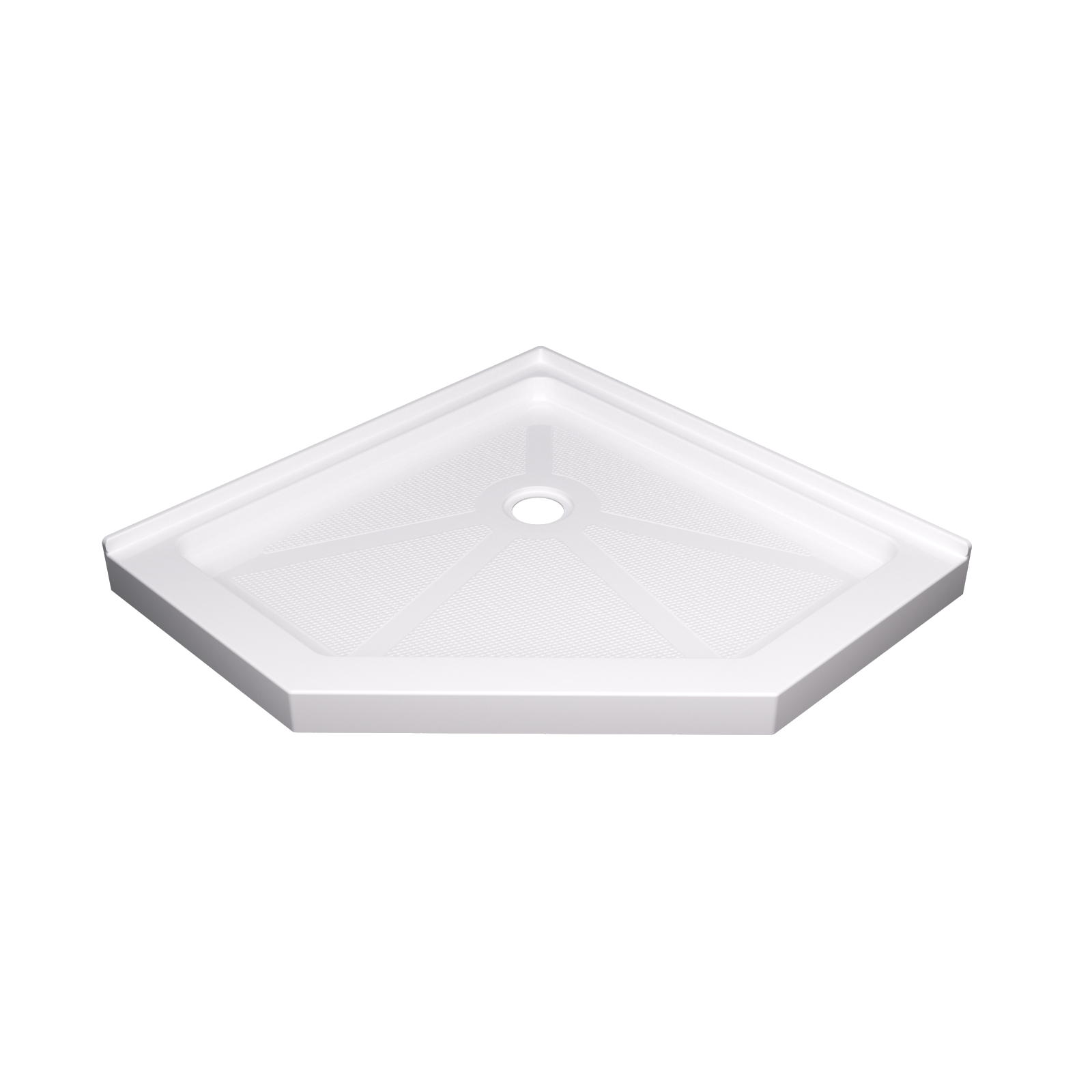
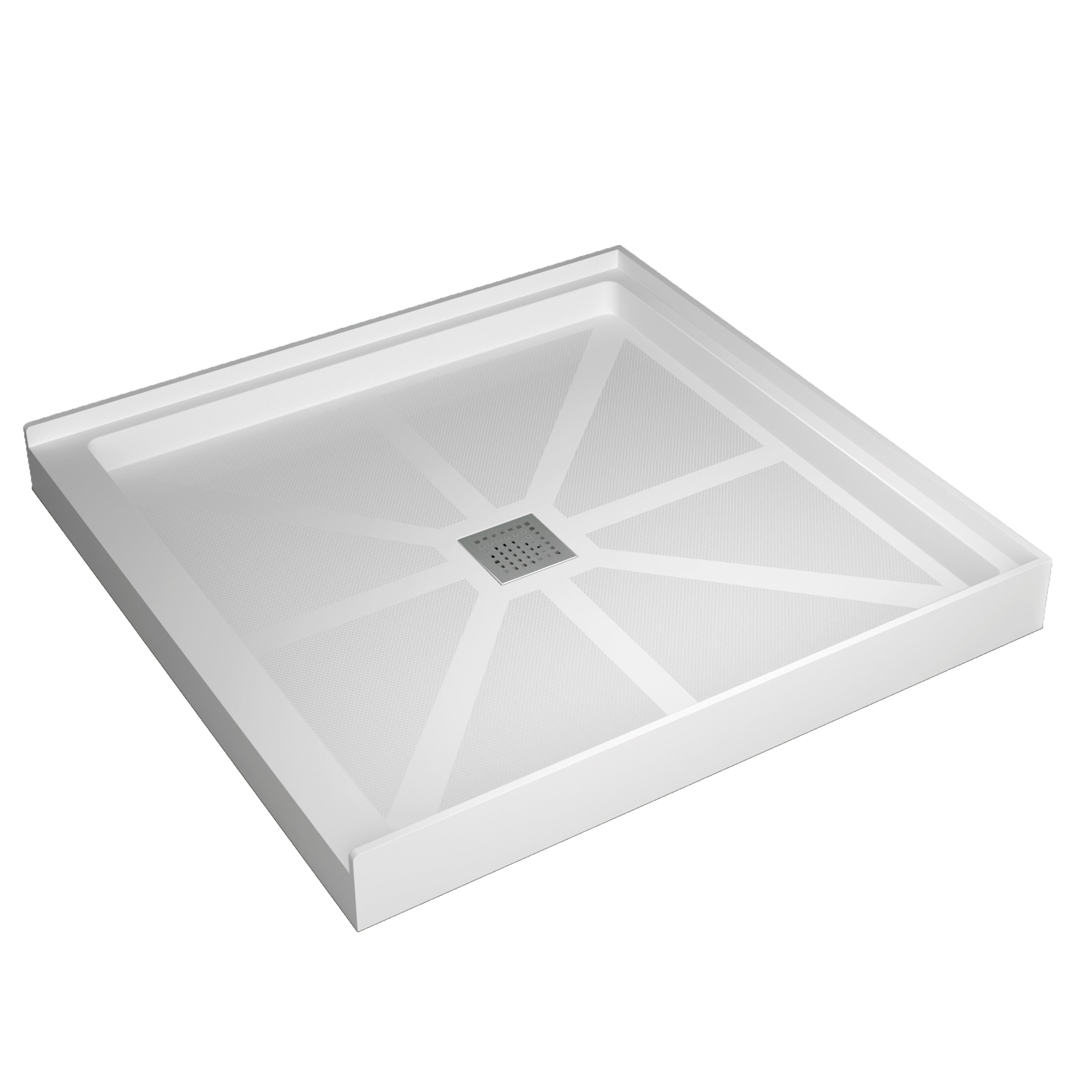
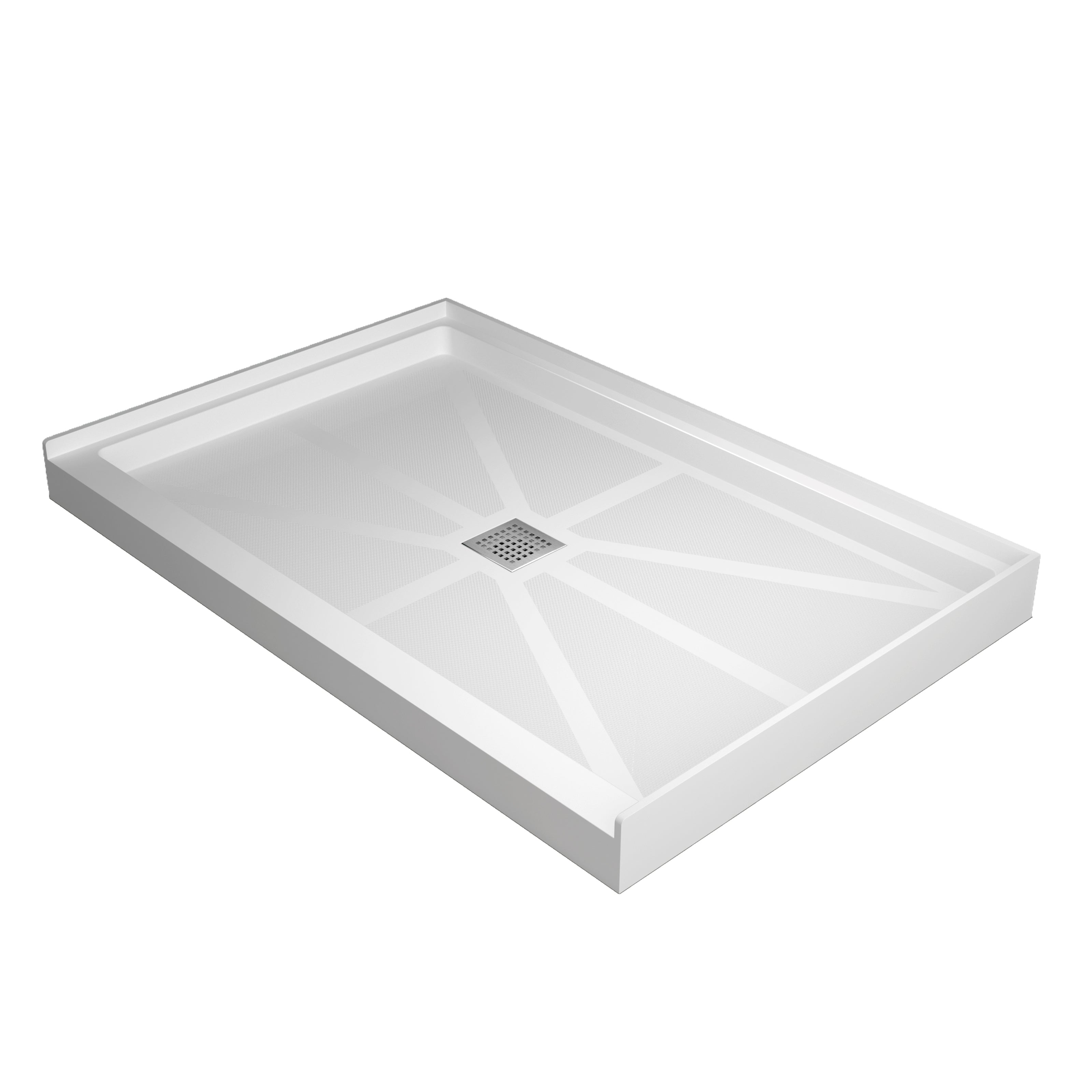
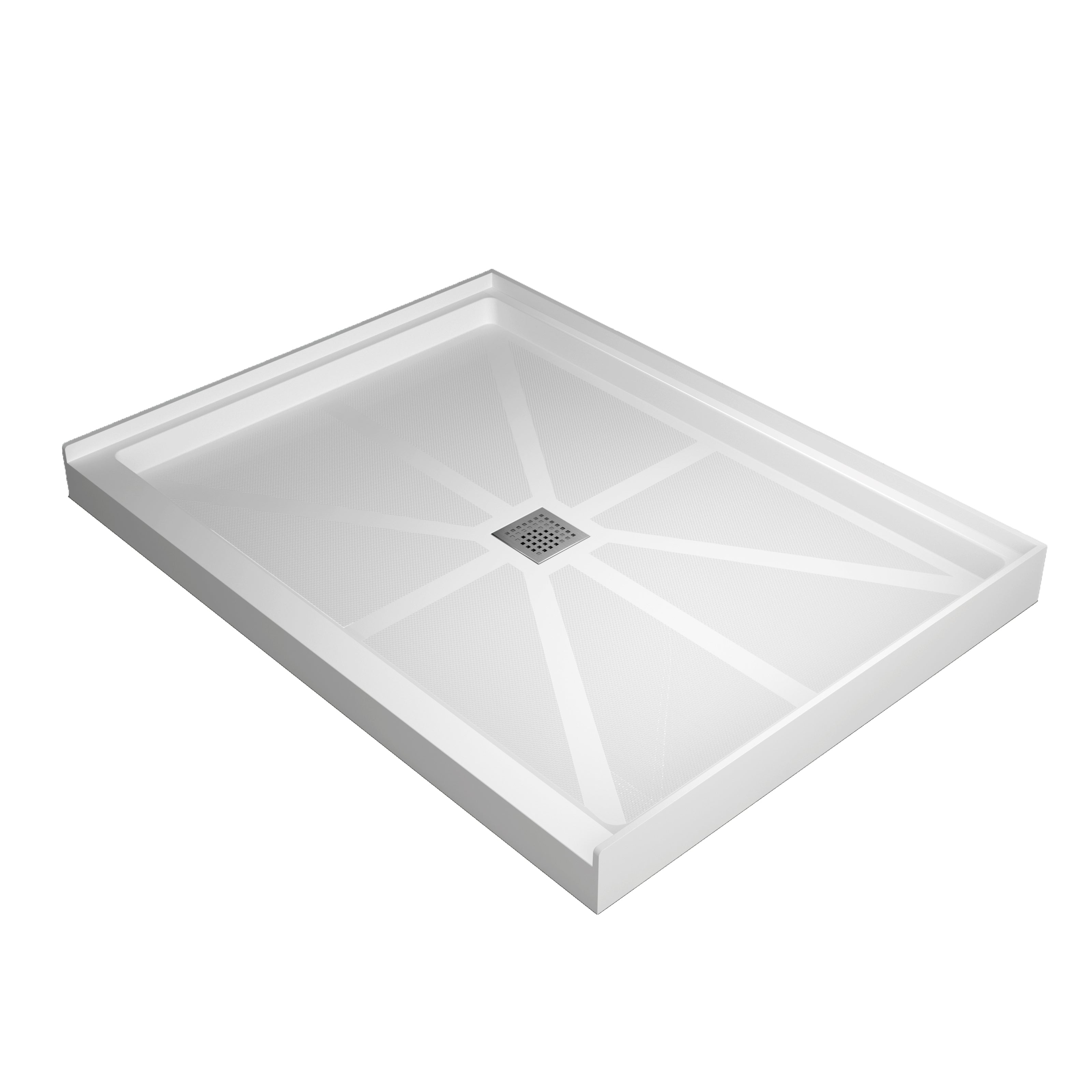
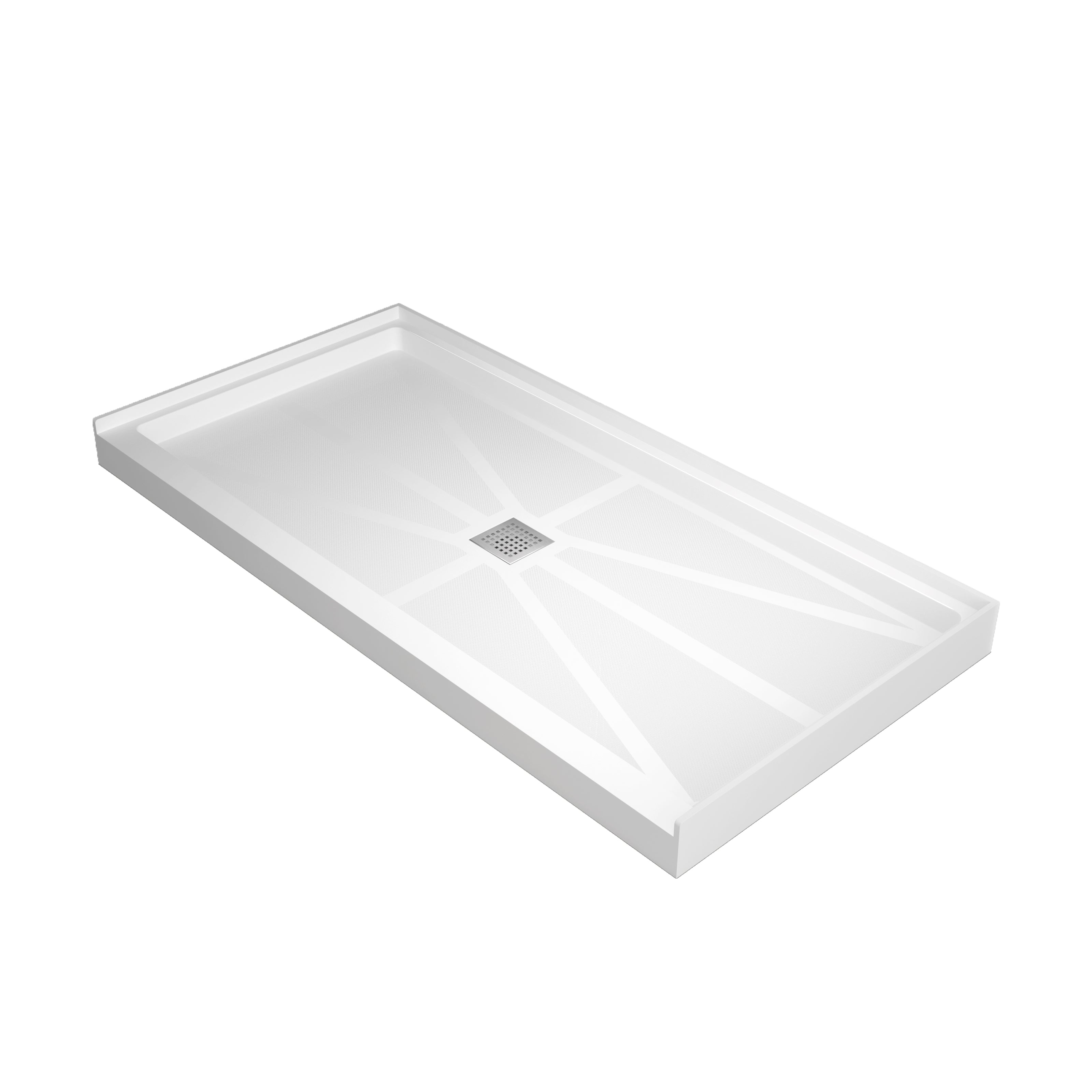
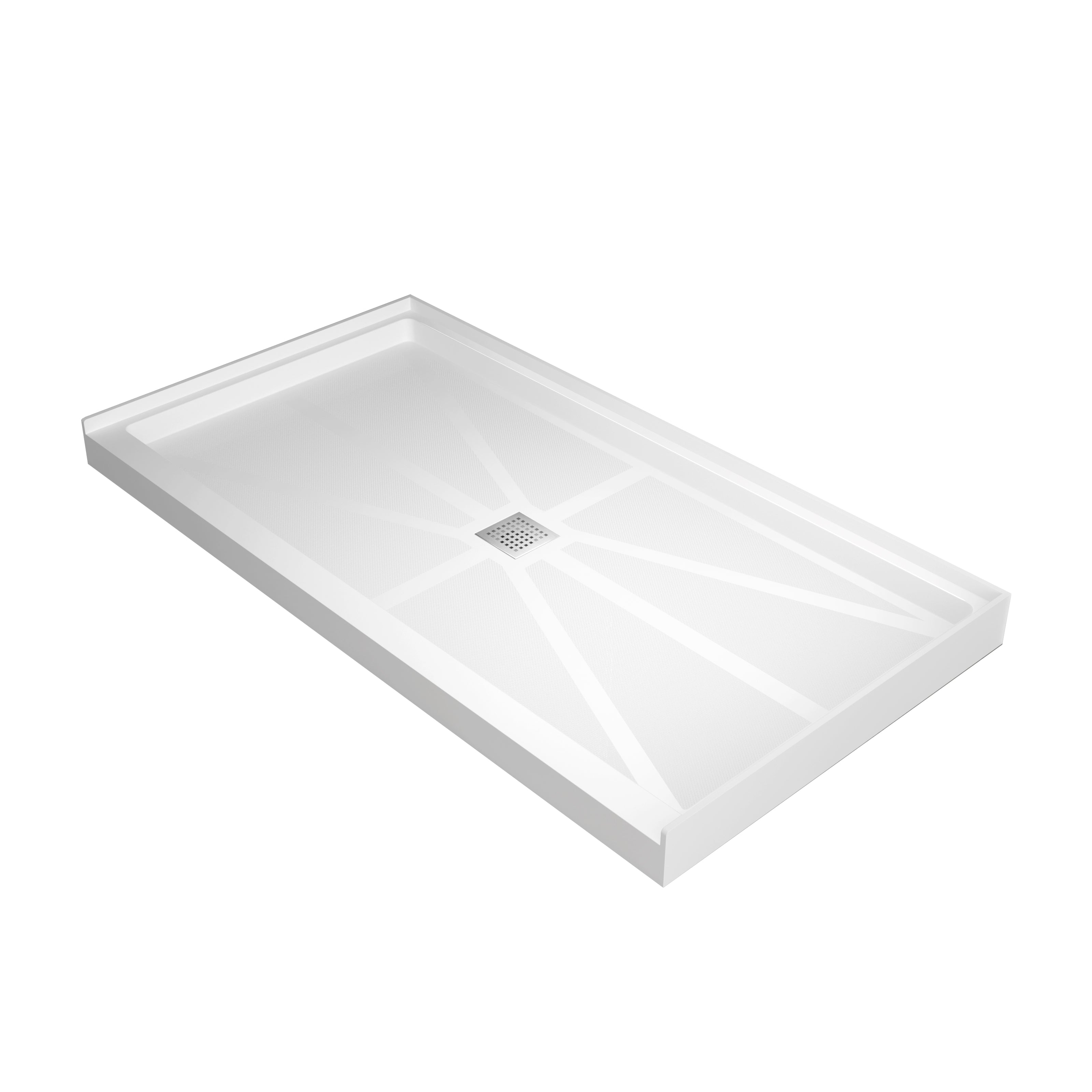
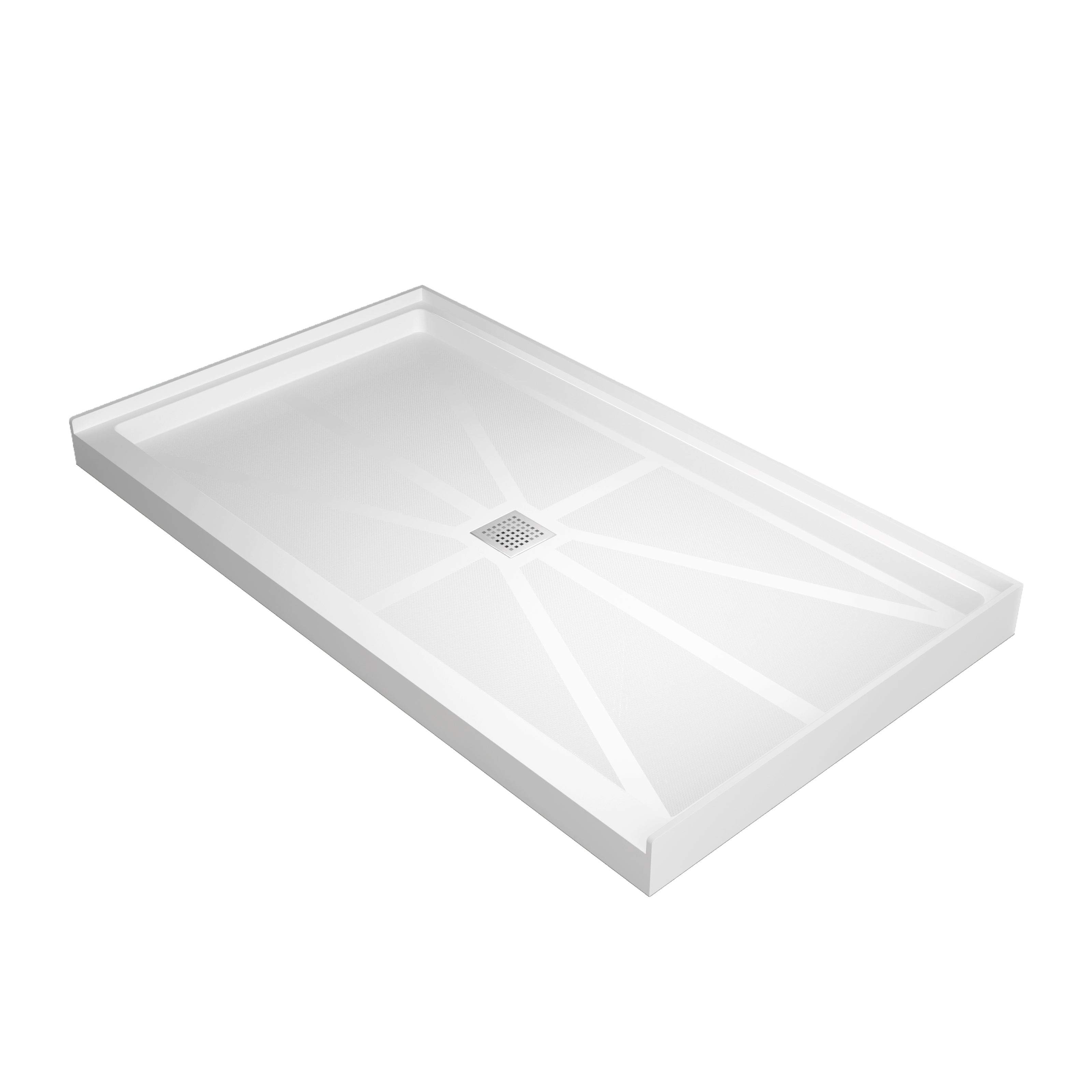
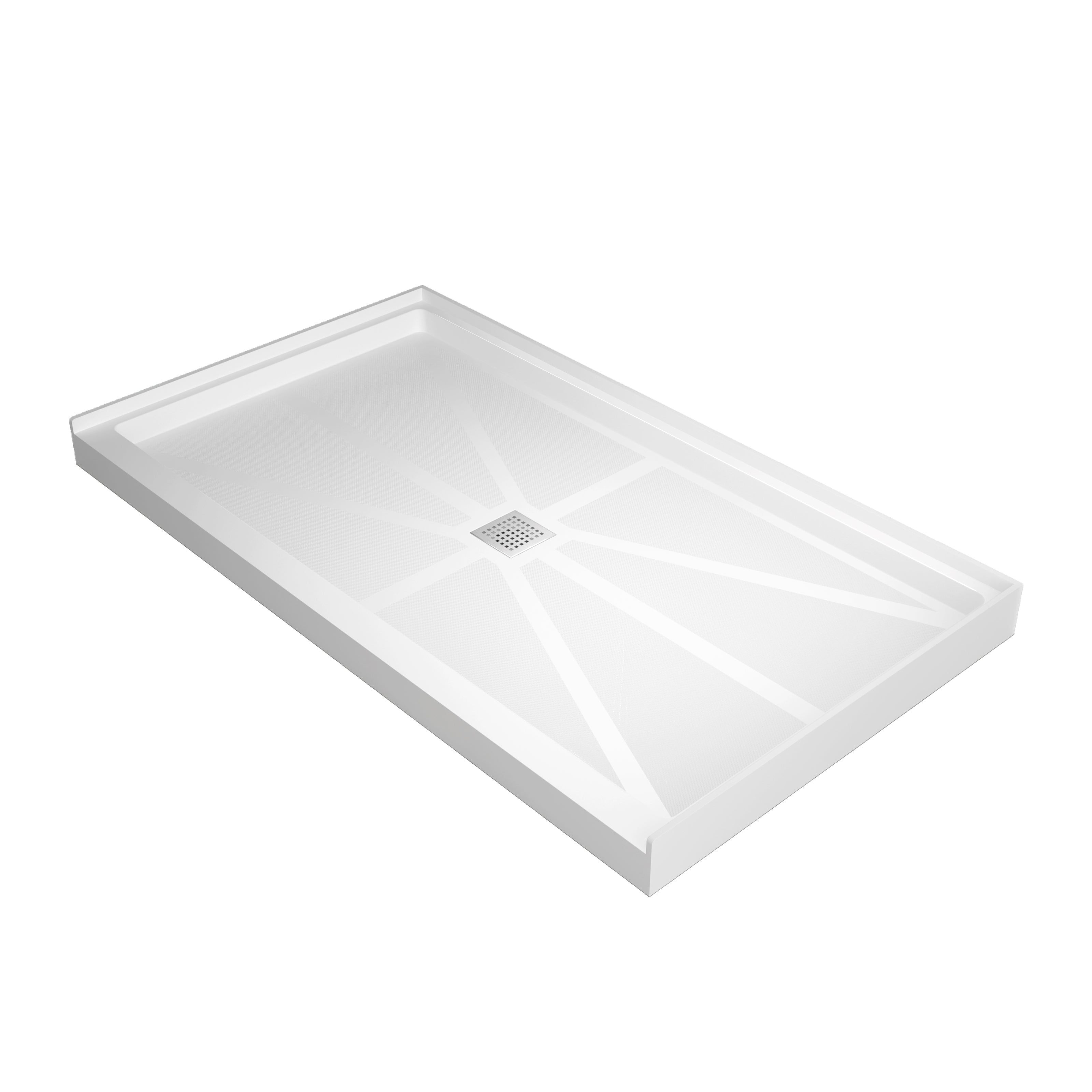
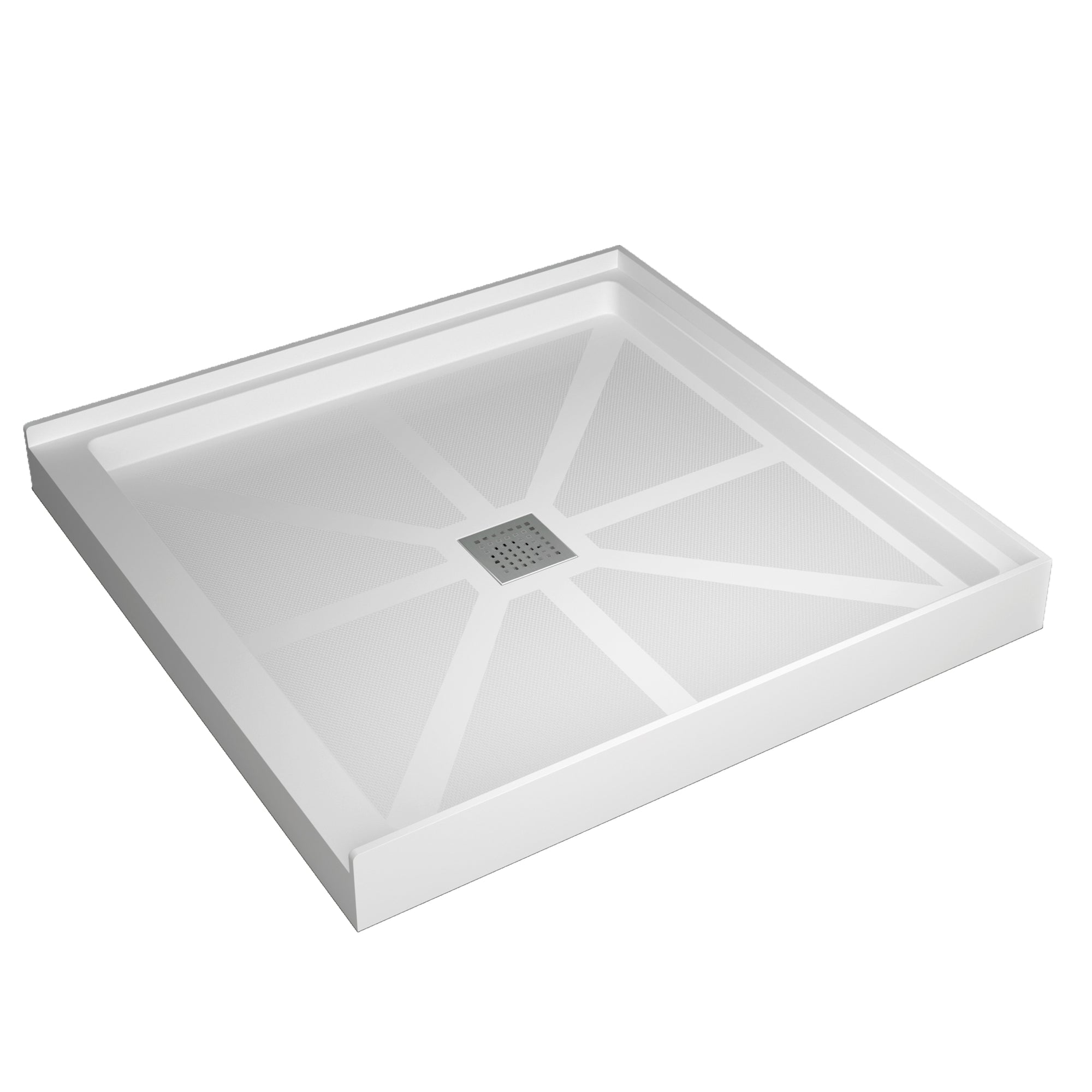
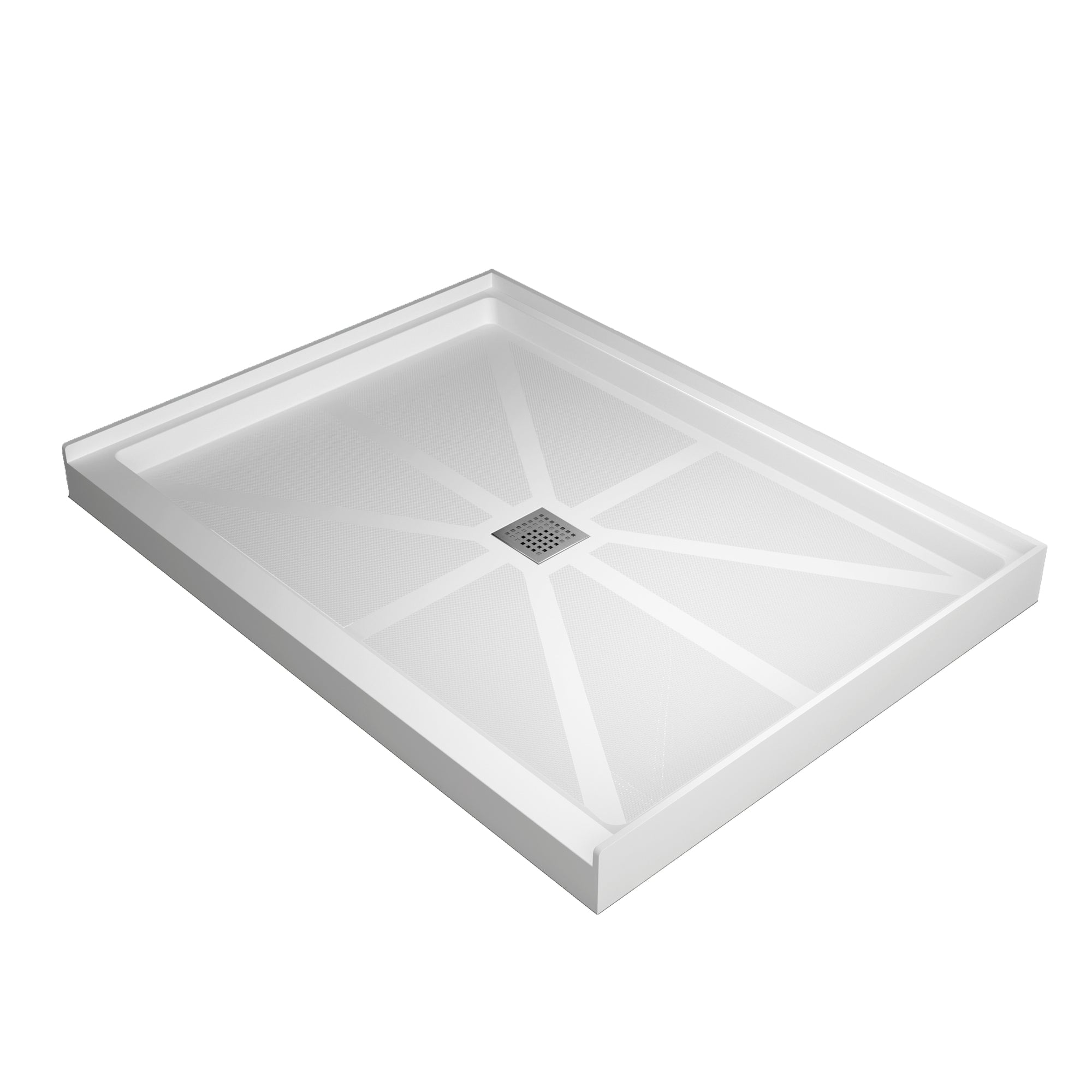
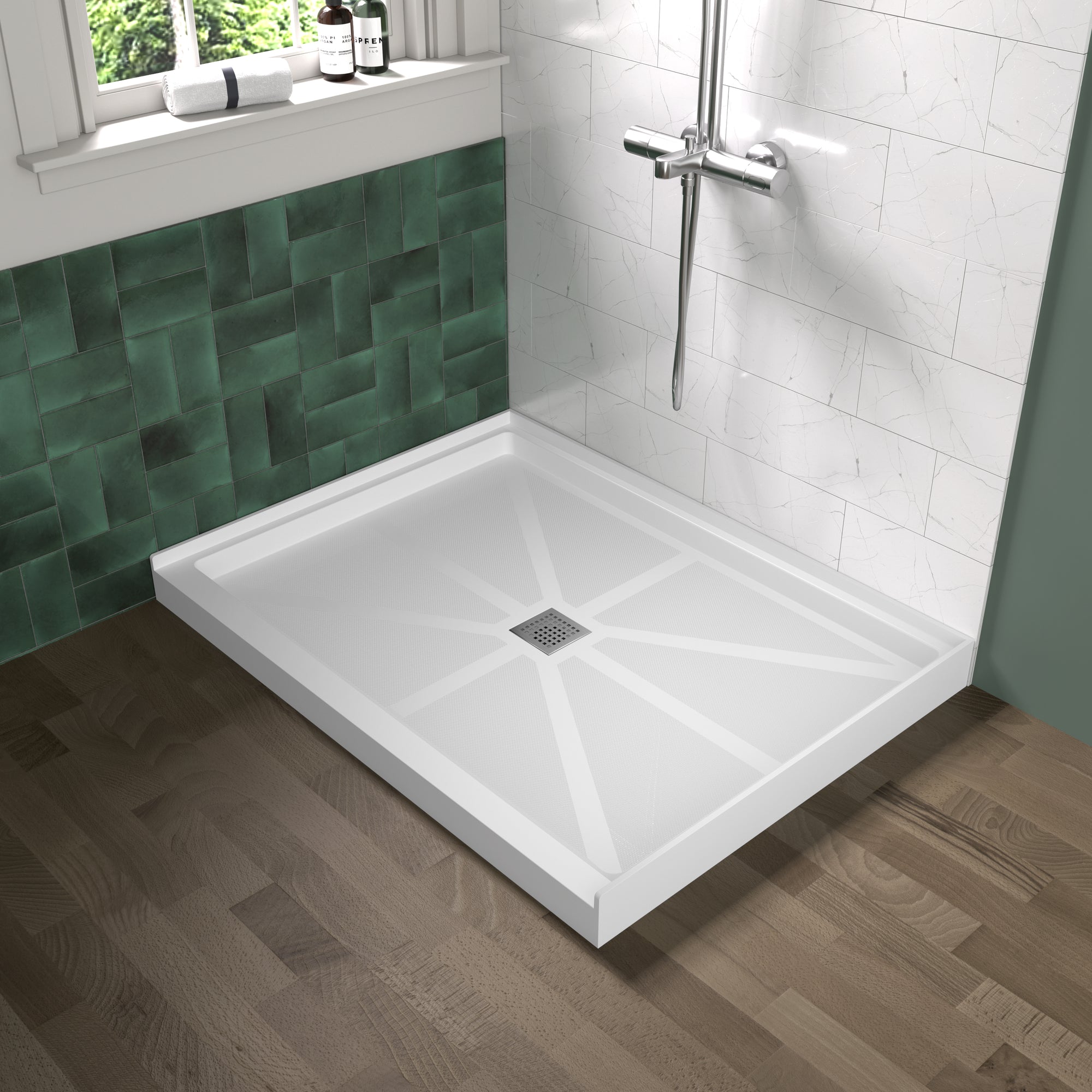
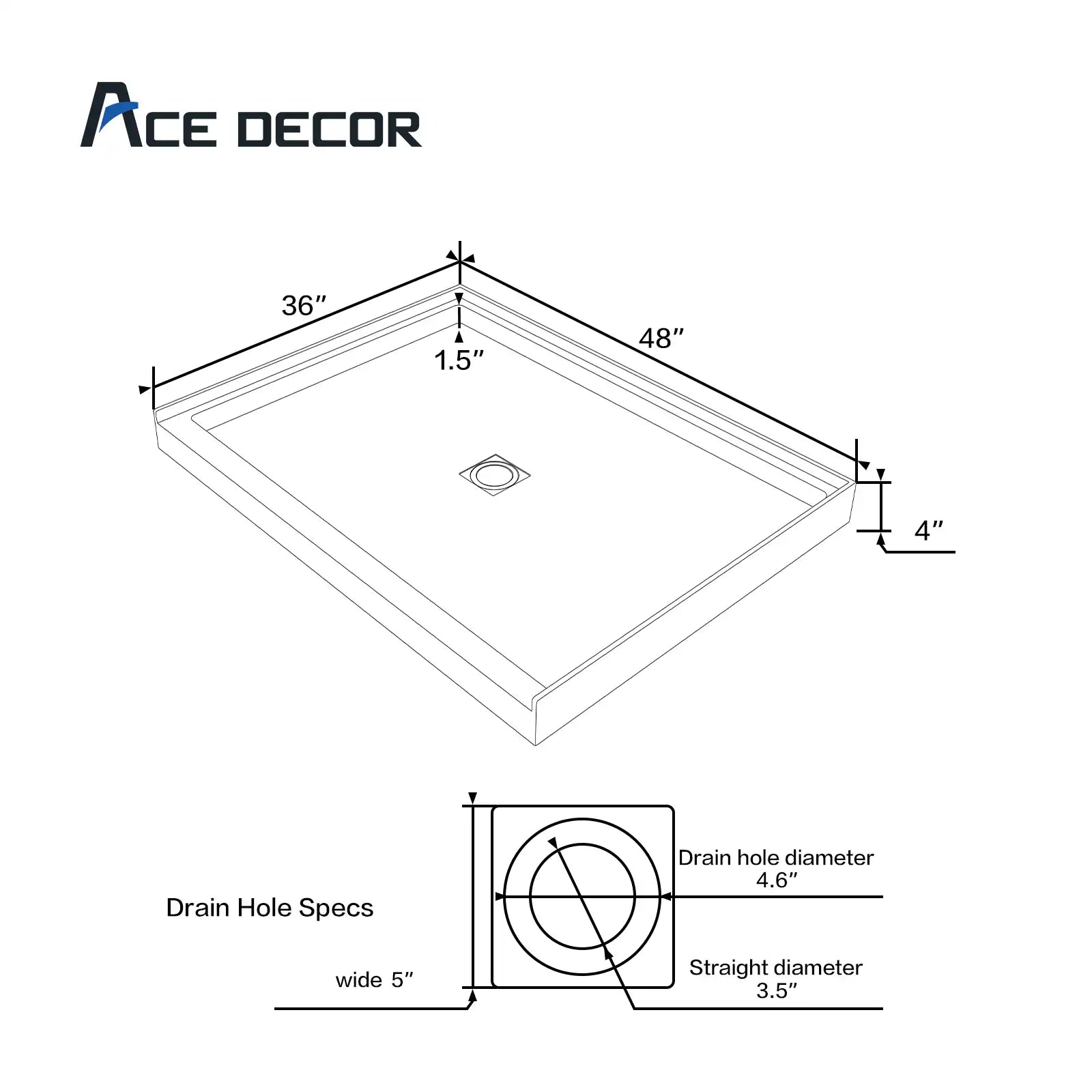
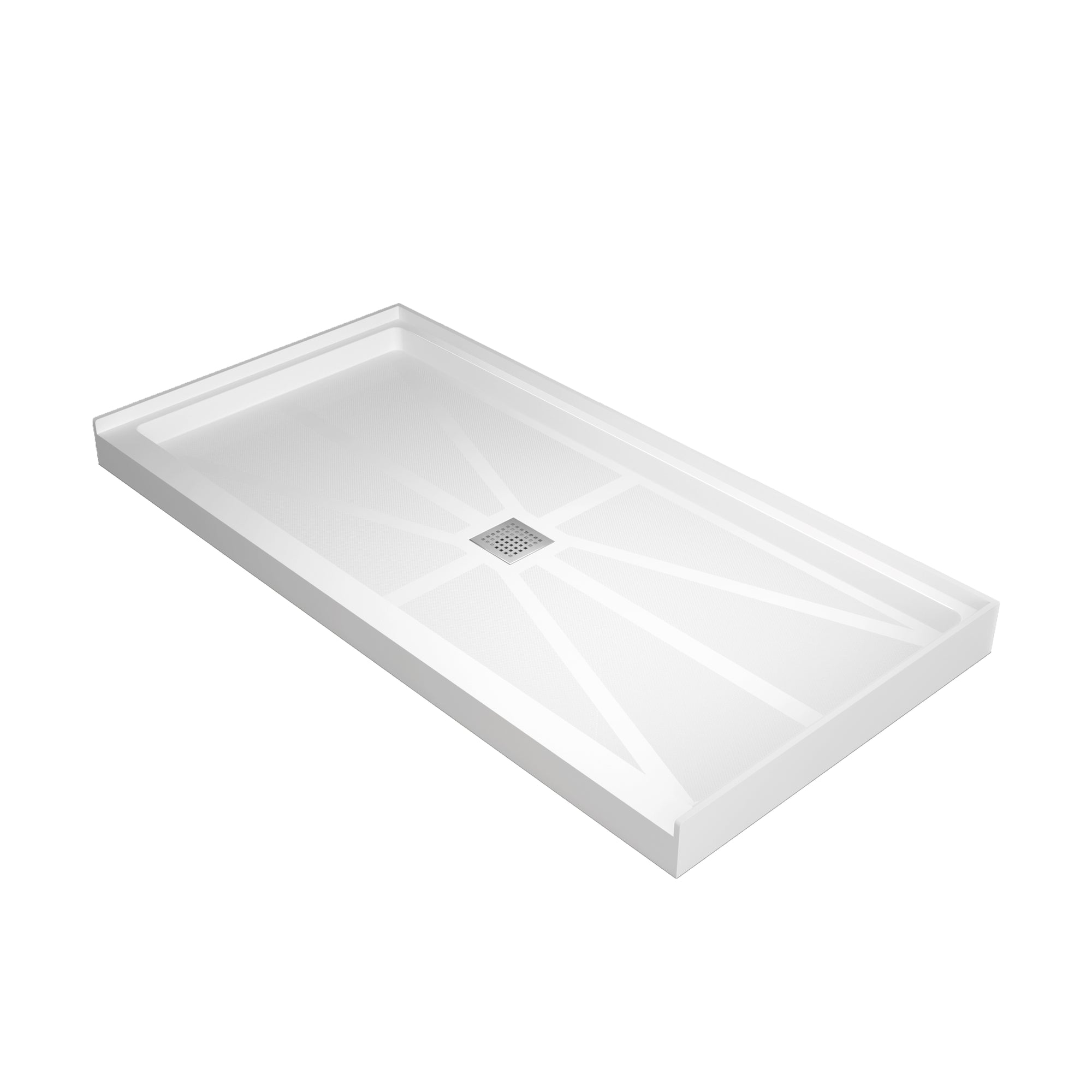
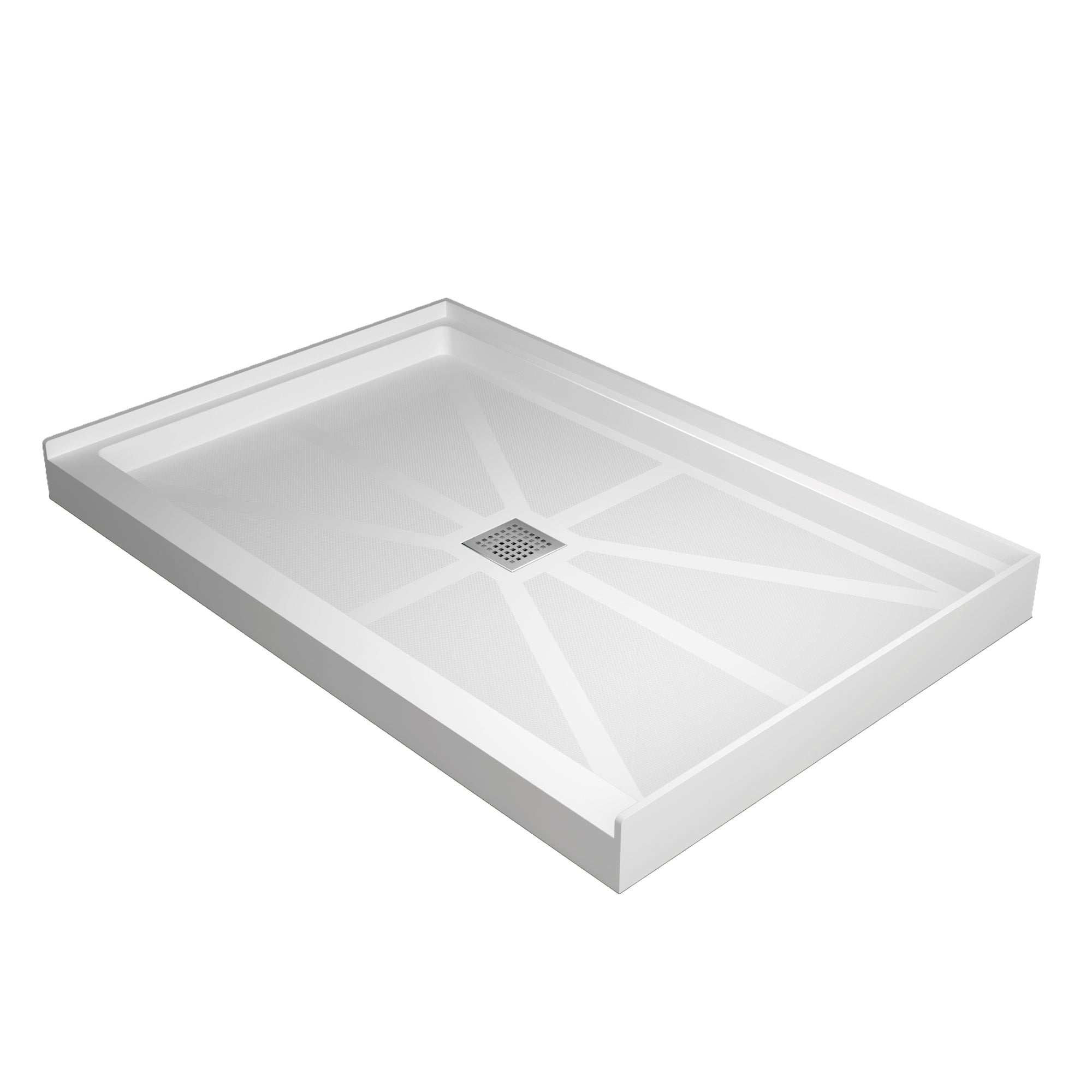
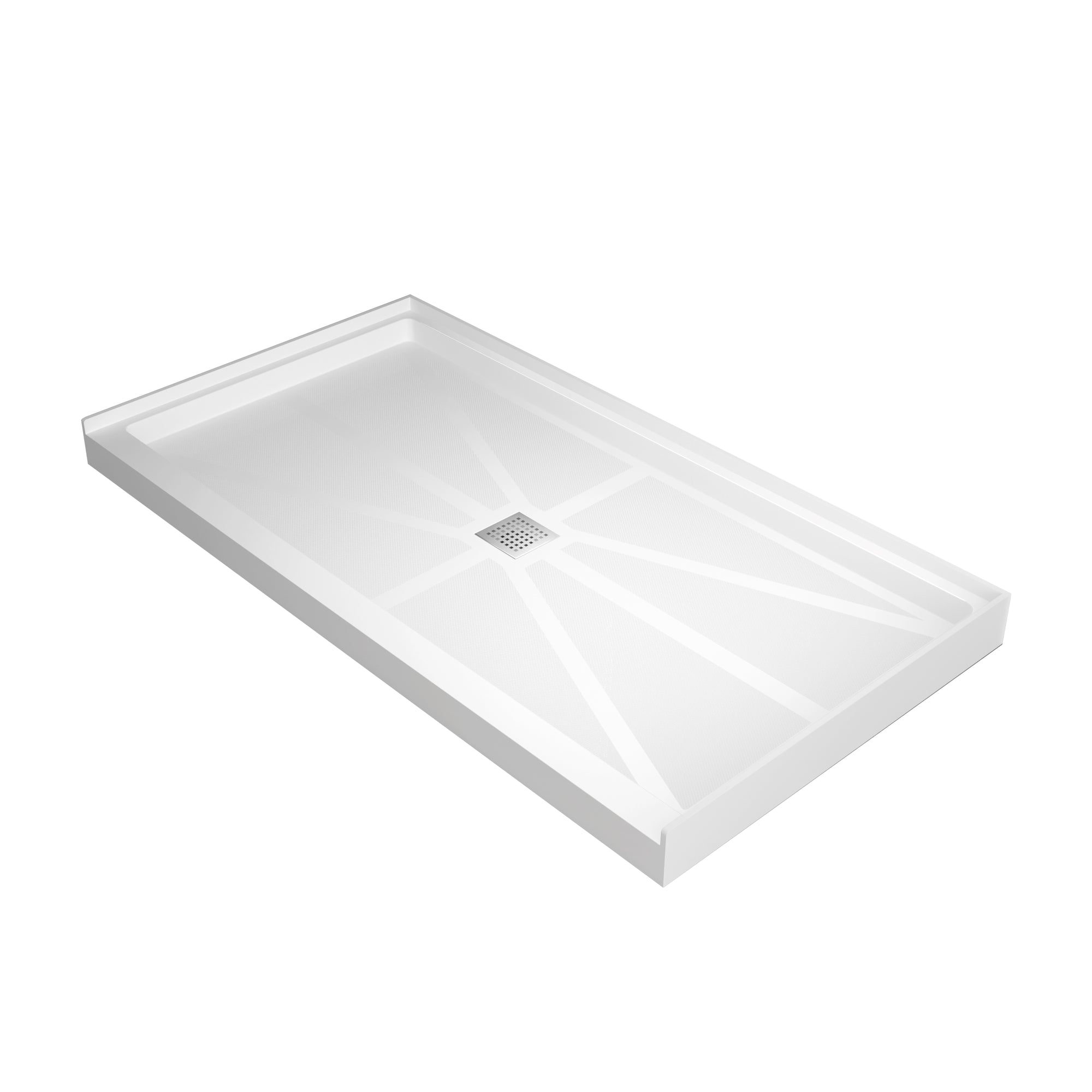
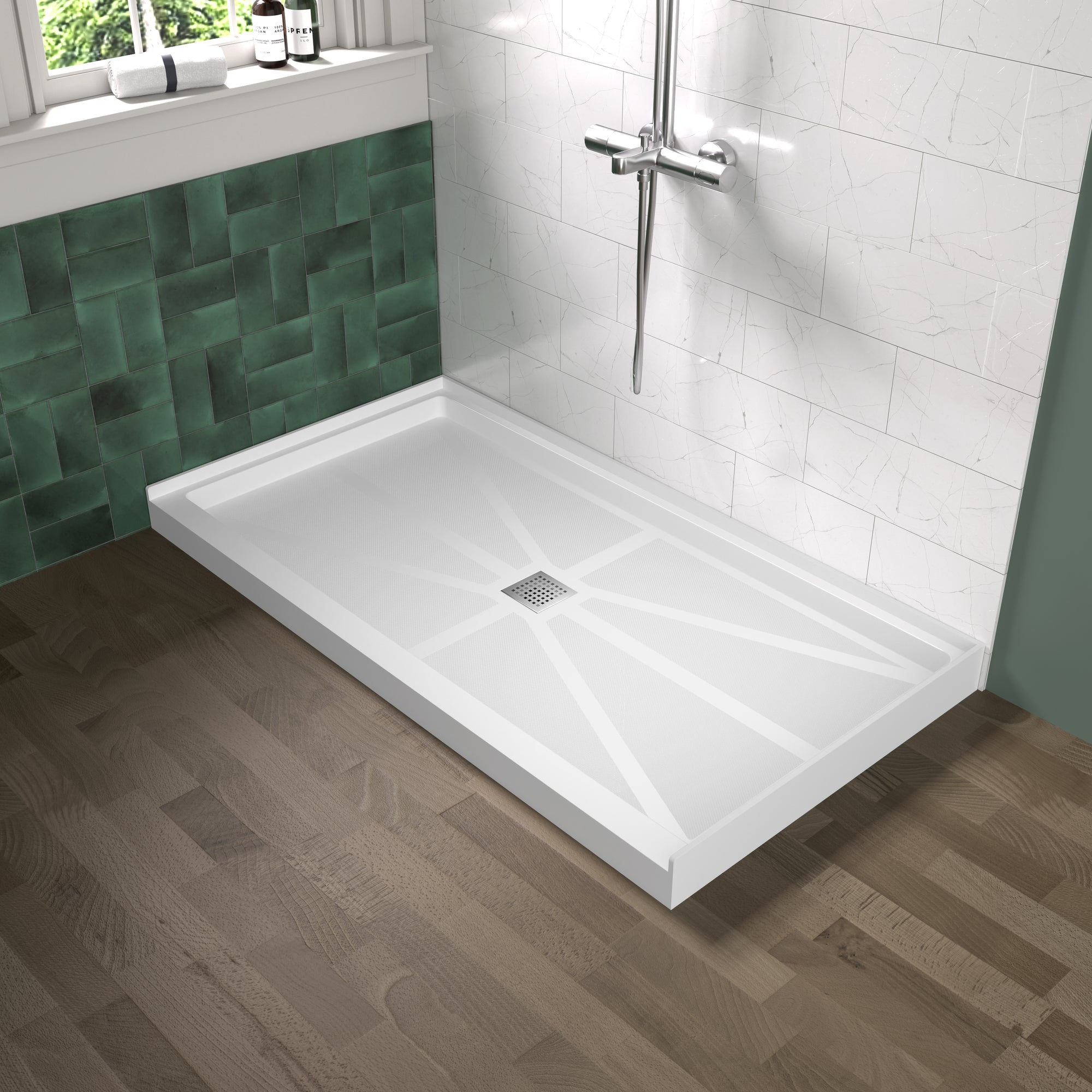
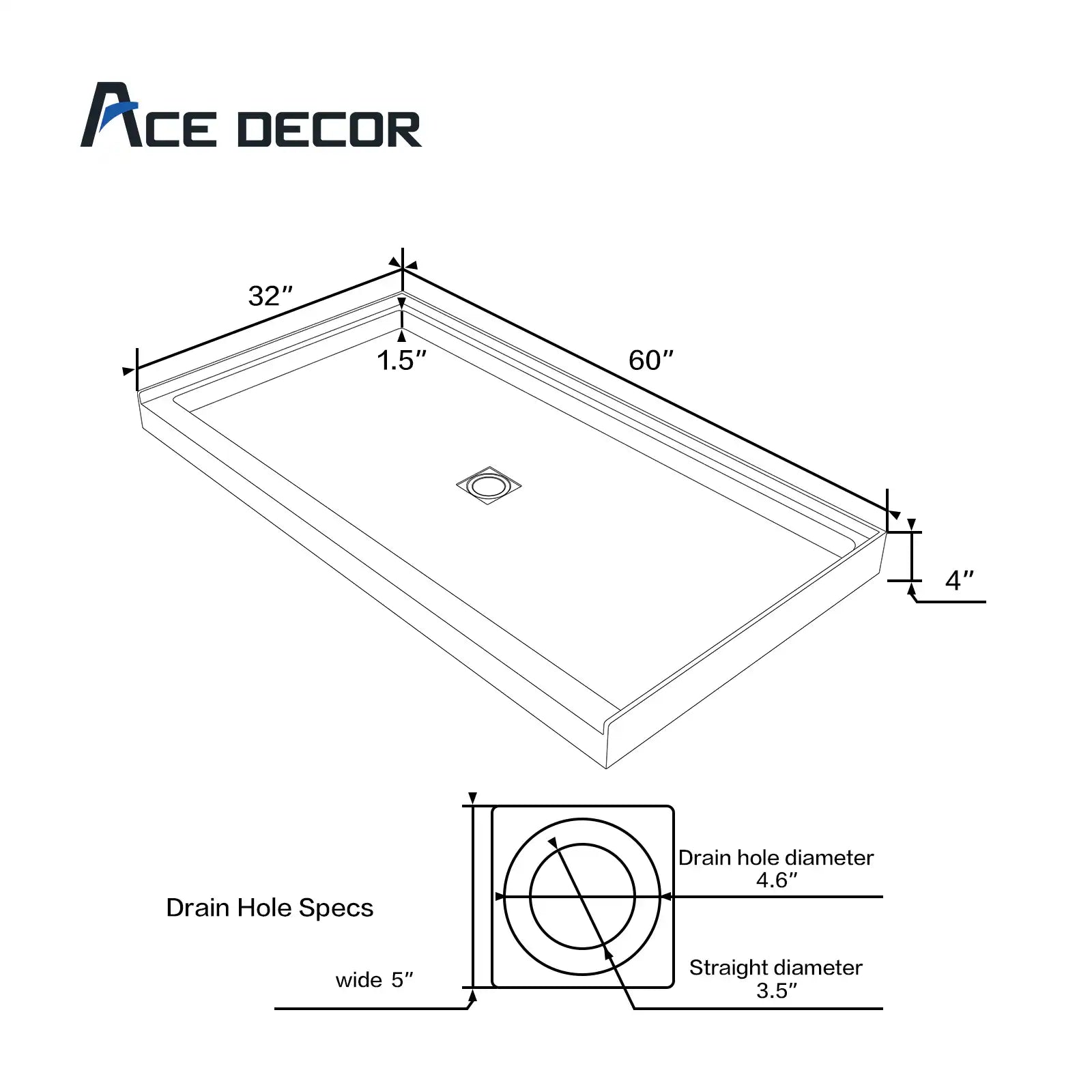
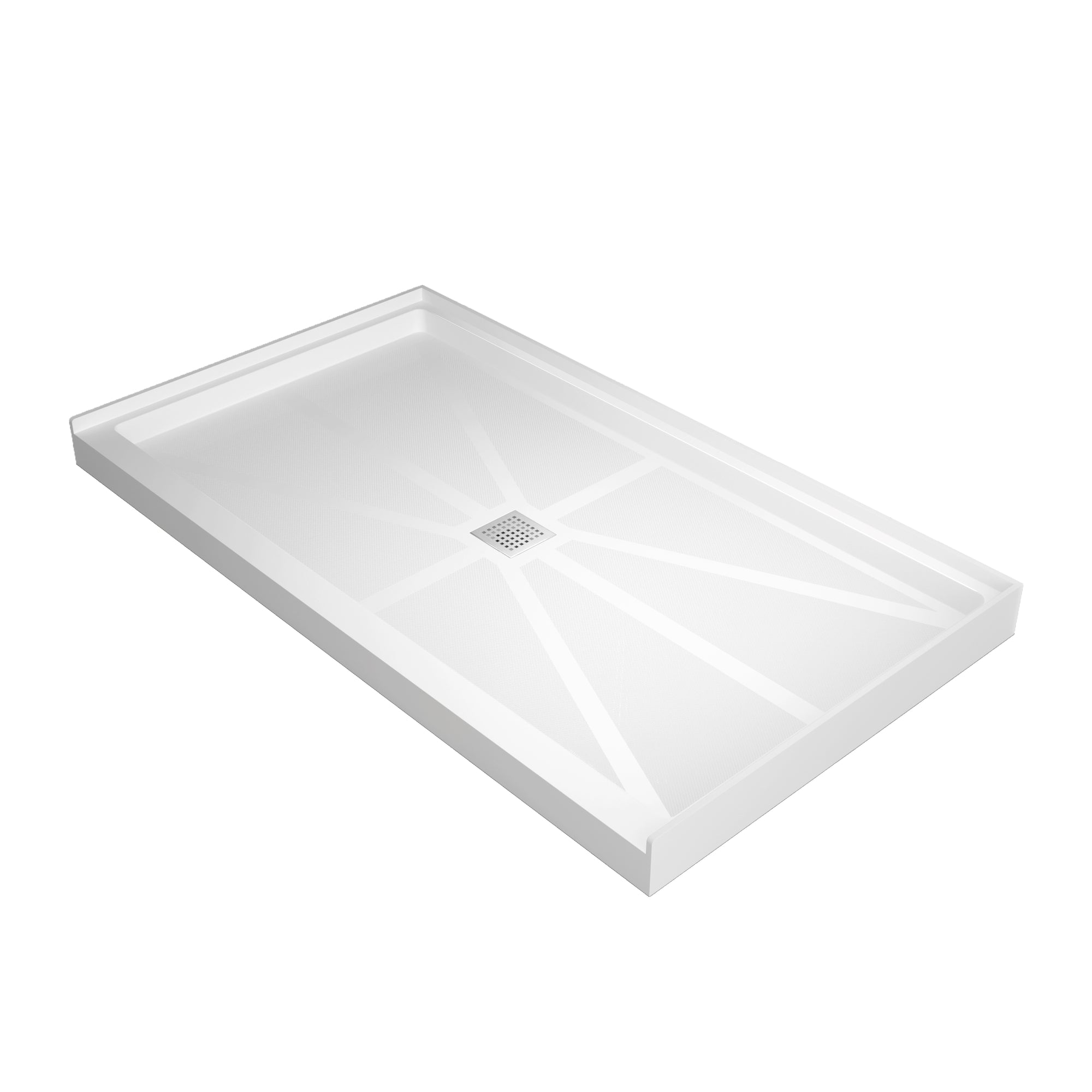
Ace Decor offers shower bases in 36-inch, 48-inch, and 60-inch sizes, each designed with a central drain opening and matching drain cover. This configuration provides a clean, finished look while allowing installers to connect to the existing plumbing system below according to project requirements.
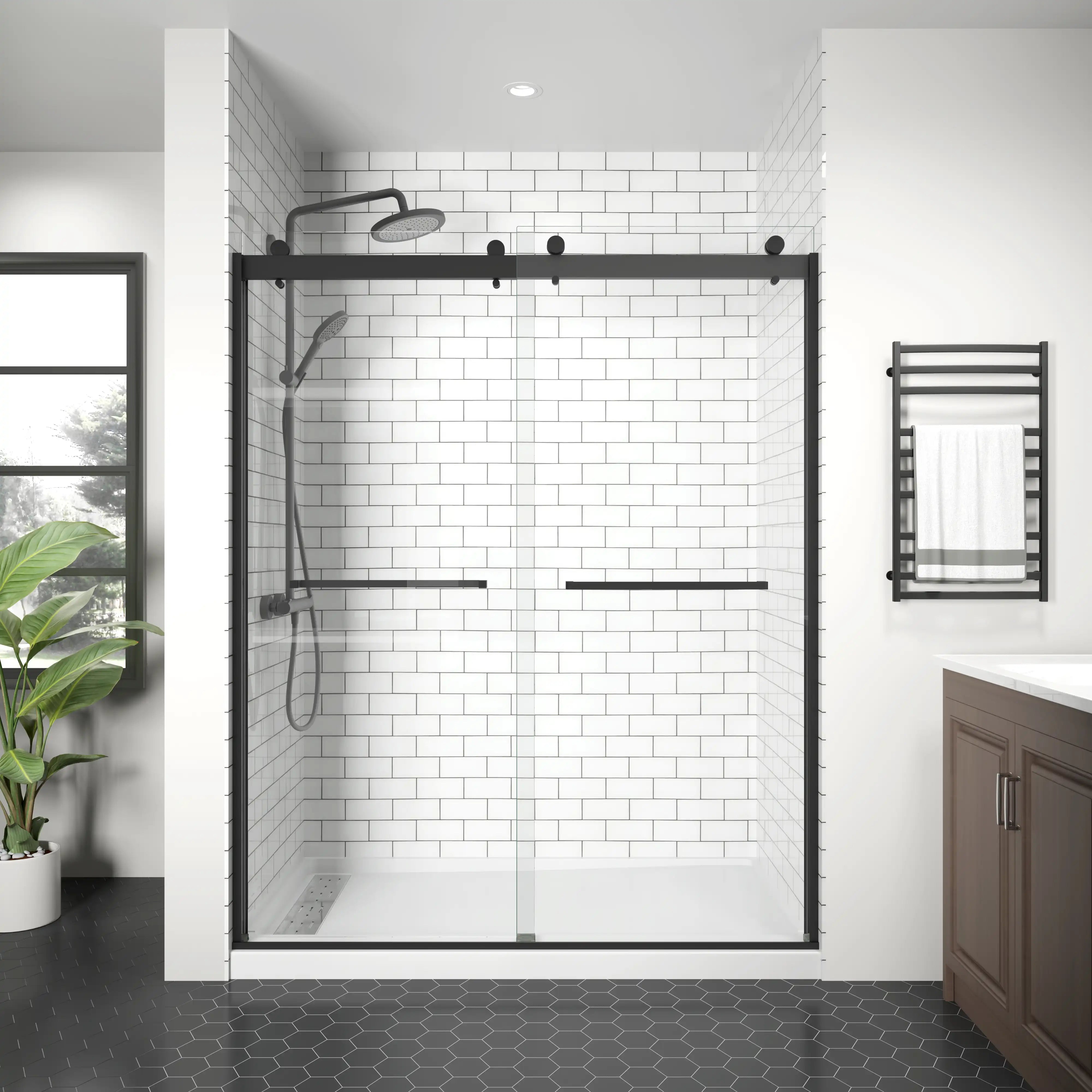
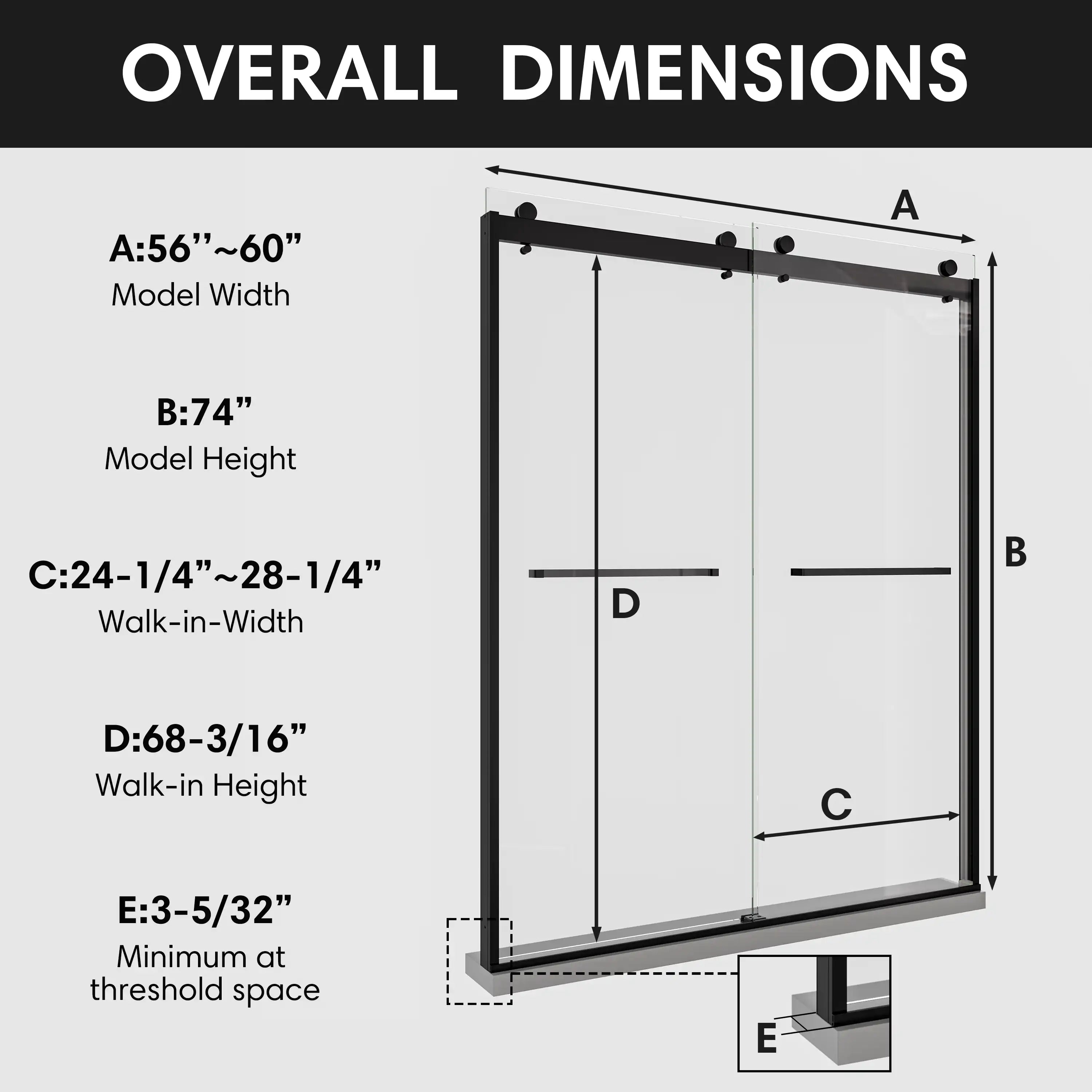
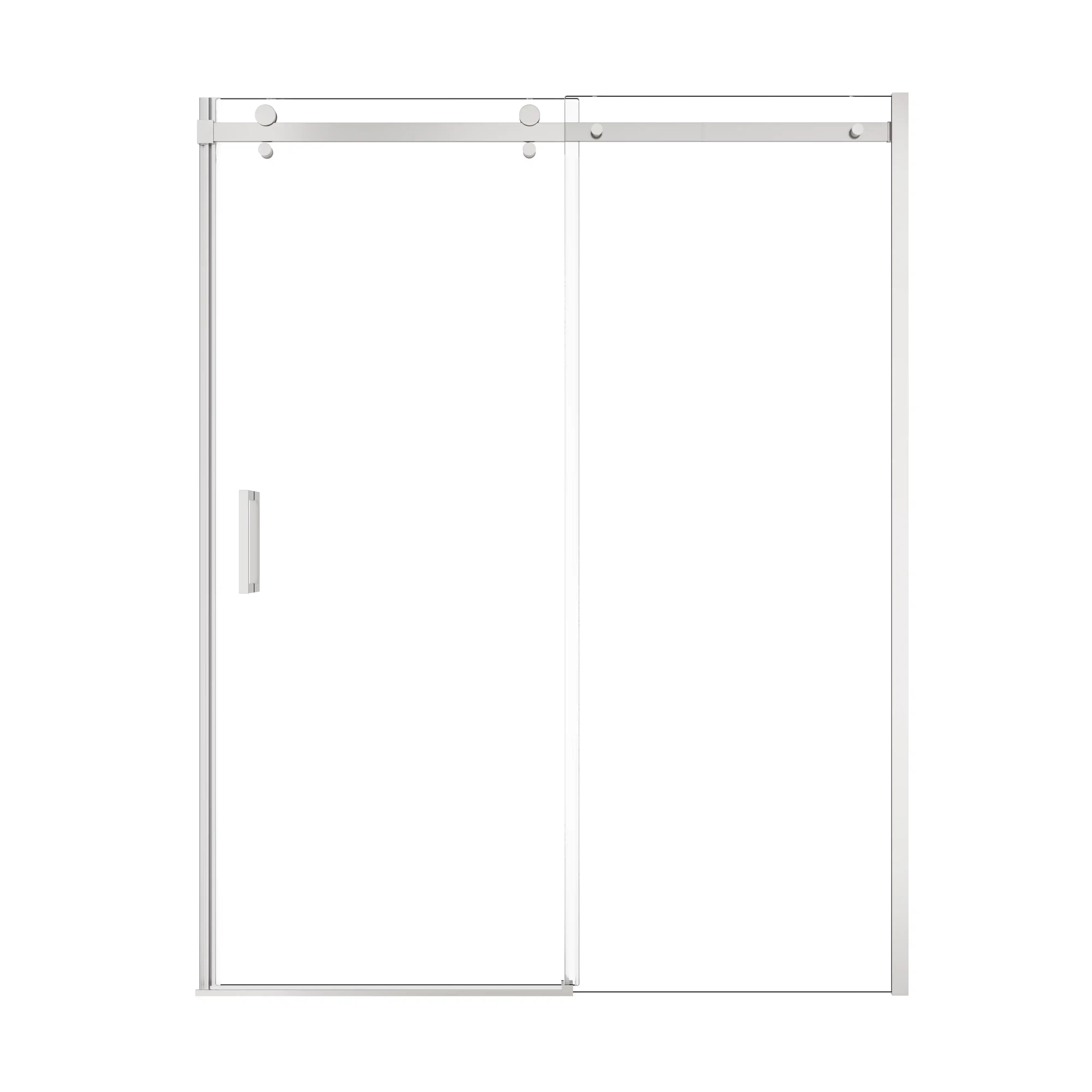
When paired with Ace Decor shower doors—available in various finishes and glass styles—they create a cohesive and well-balanced shower environment that supports both modern and traditional bathroom designs.
Conclusion
Understanding the different types of shower drains available in 2026—point drains, linear drains, slot drains, and perimeter systems—helps homeowners and professionals create functional, durable, and visually cohesive shower environments. Beyond aesthetics, a suitable drain should match your shower’s water flow, tile plan, installation needs, and long-term maintenance preferences.
A well-chosen drain enhances both performance and comfort, preventing drainage issues and protecting your bathroom investment for years to come. As modern shower design continues to advance, selecting the right drainage solution is essential for achieving both style and functionality.
FAQ
Q1. Which shower drain type is best for small bathrooms?
Q2. Do linear drains require more complicated installation?
Q3. Are hidden slot drains harder to maintain?
Q4. Can I switch from a point drain to a linear drain during renovation?
Q5. How often should I clean my shower drain?
Related Articles
Standard Shower Pan Sizes Comparison: Find the Best Fit for Your Bathroom
Tile on Shower Base vs Acrylic Base: Which Is Best for Your Bathroom?
Shower Base Colors: How to Choose the Best Base Colors for Your Bathroom