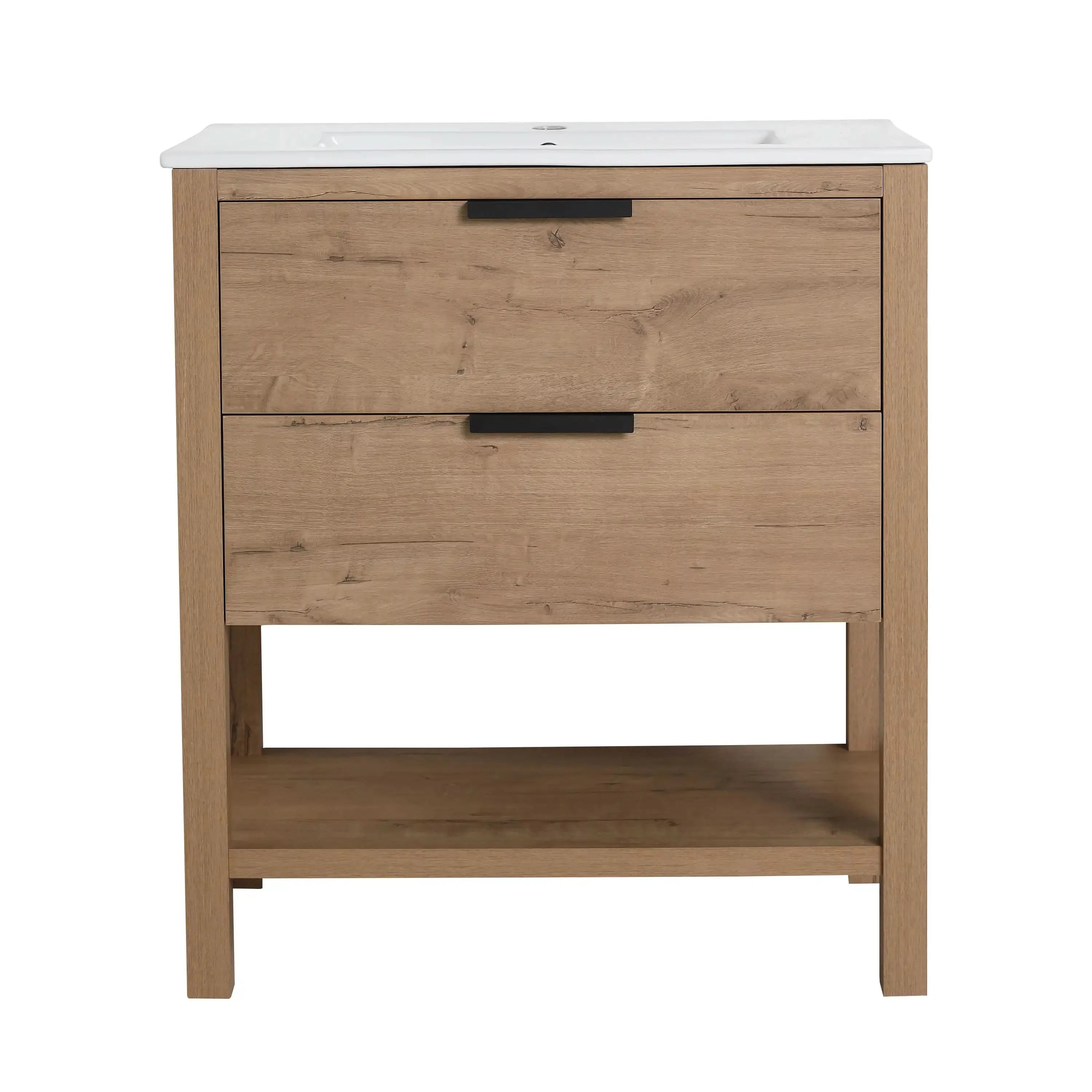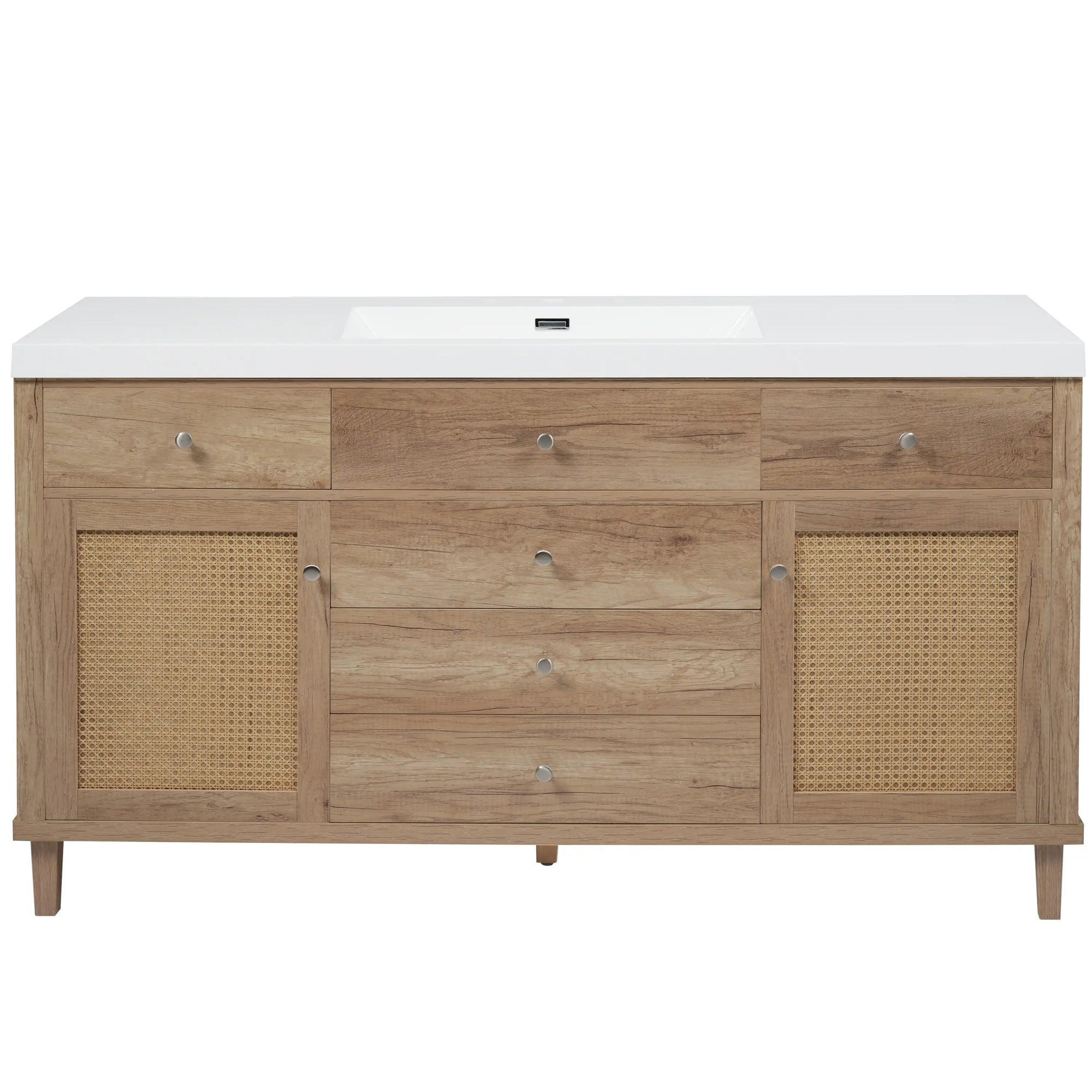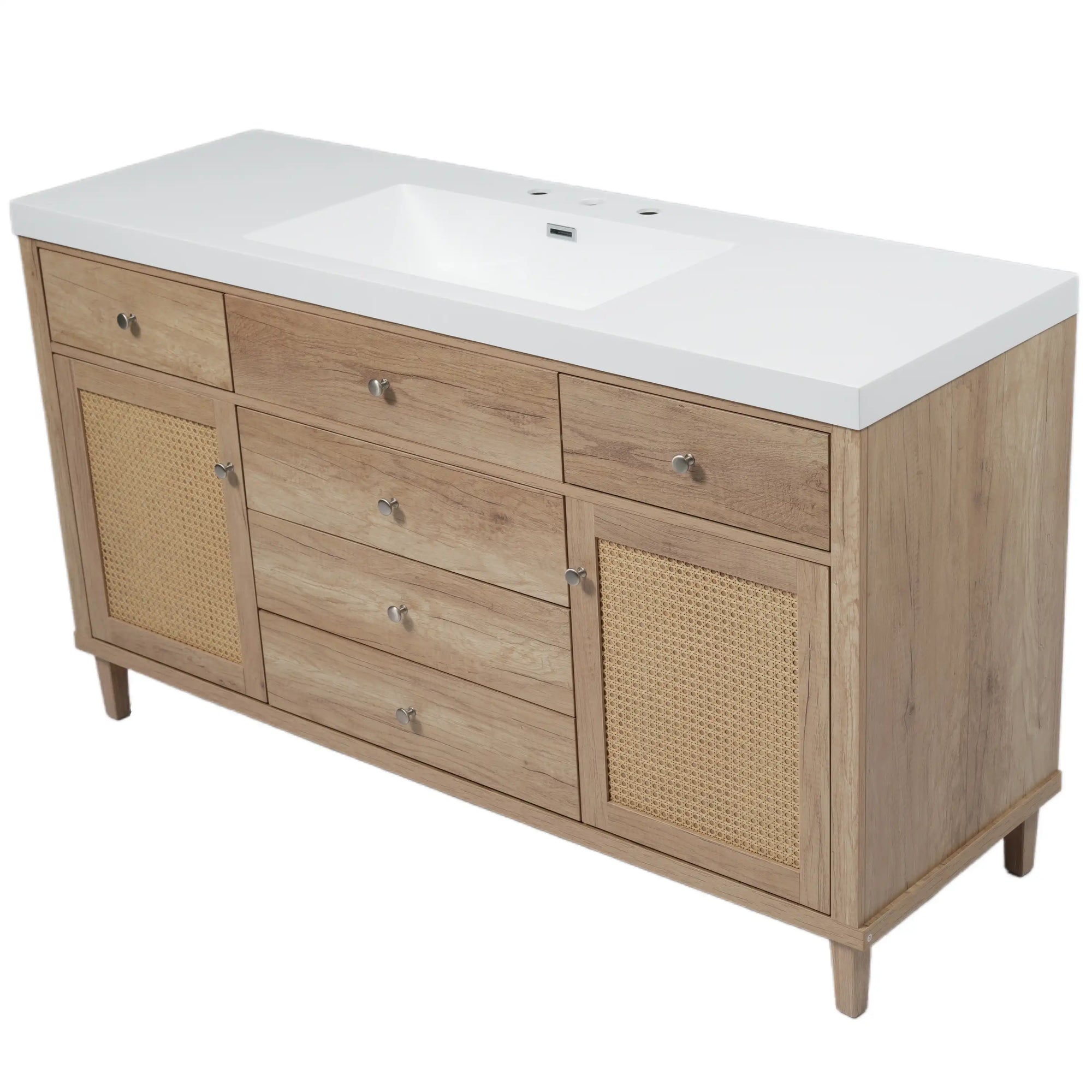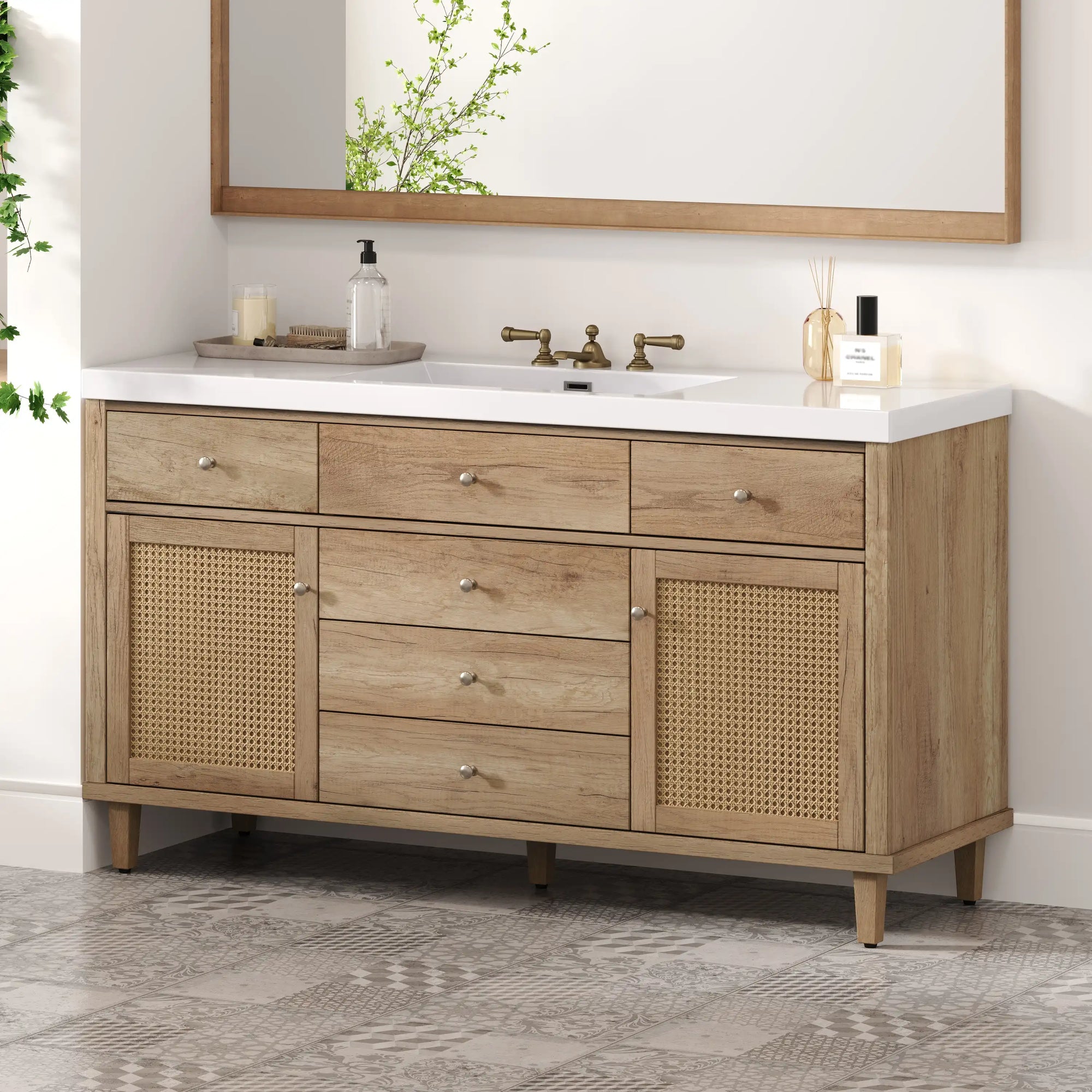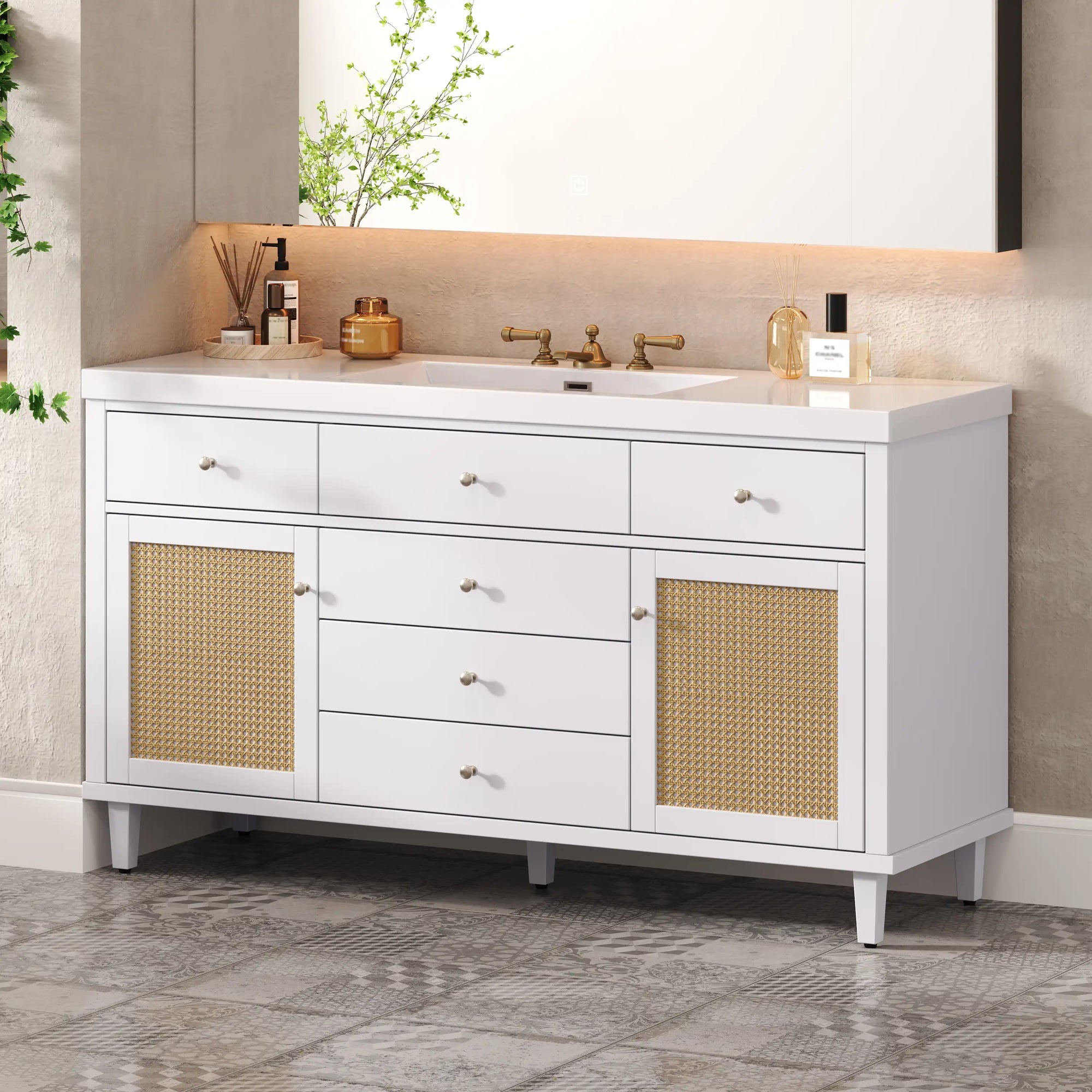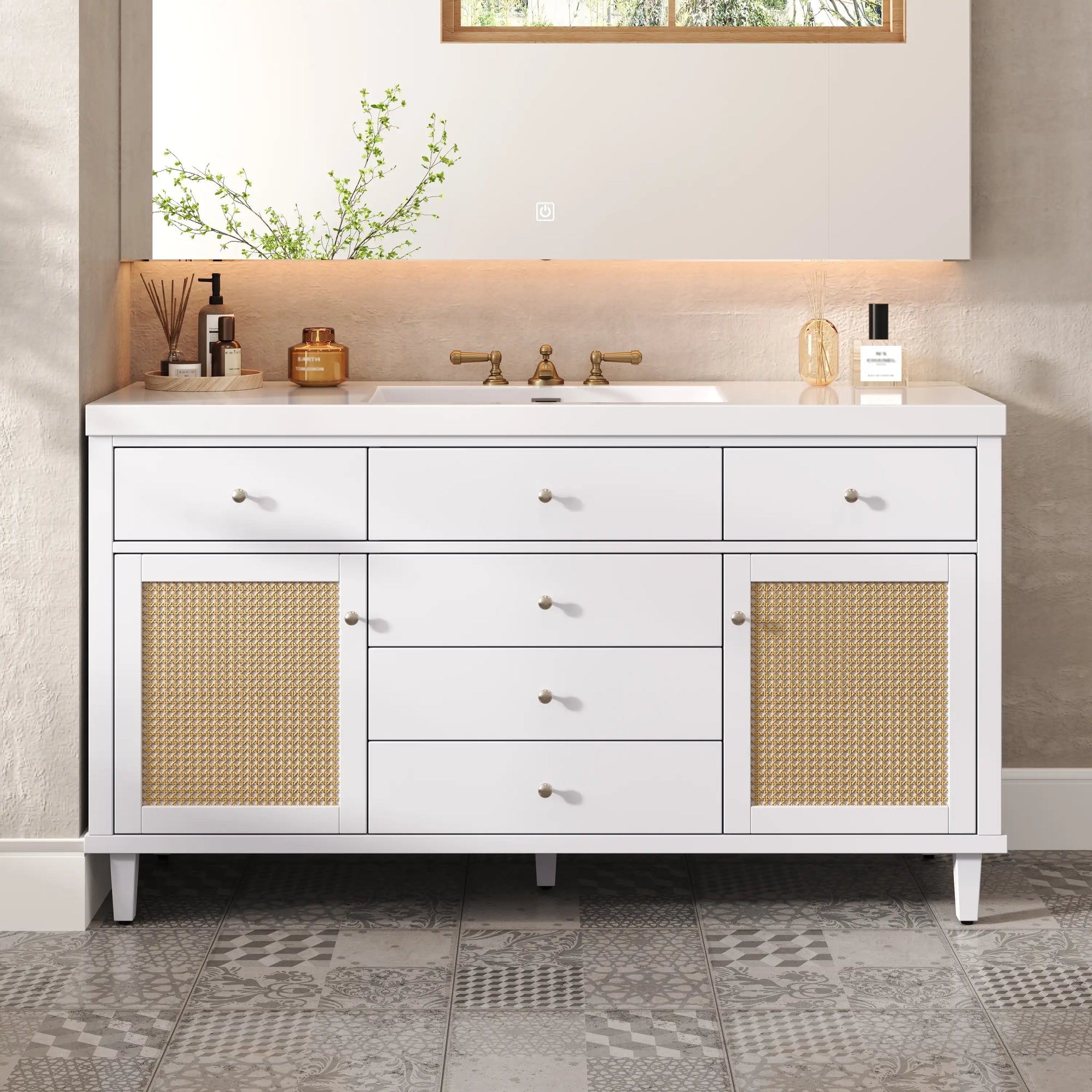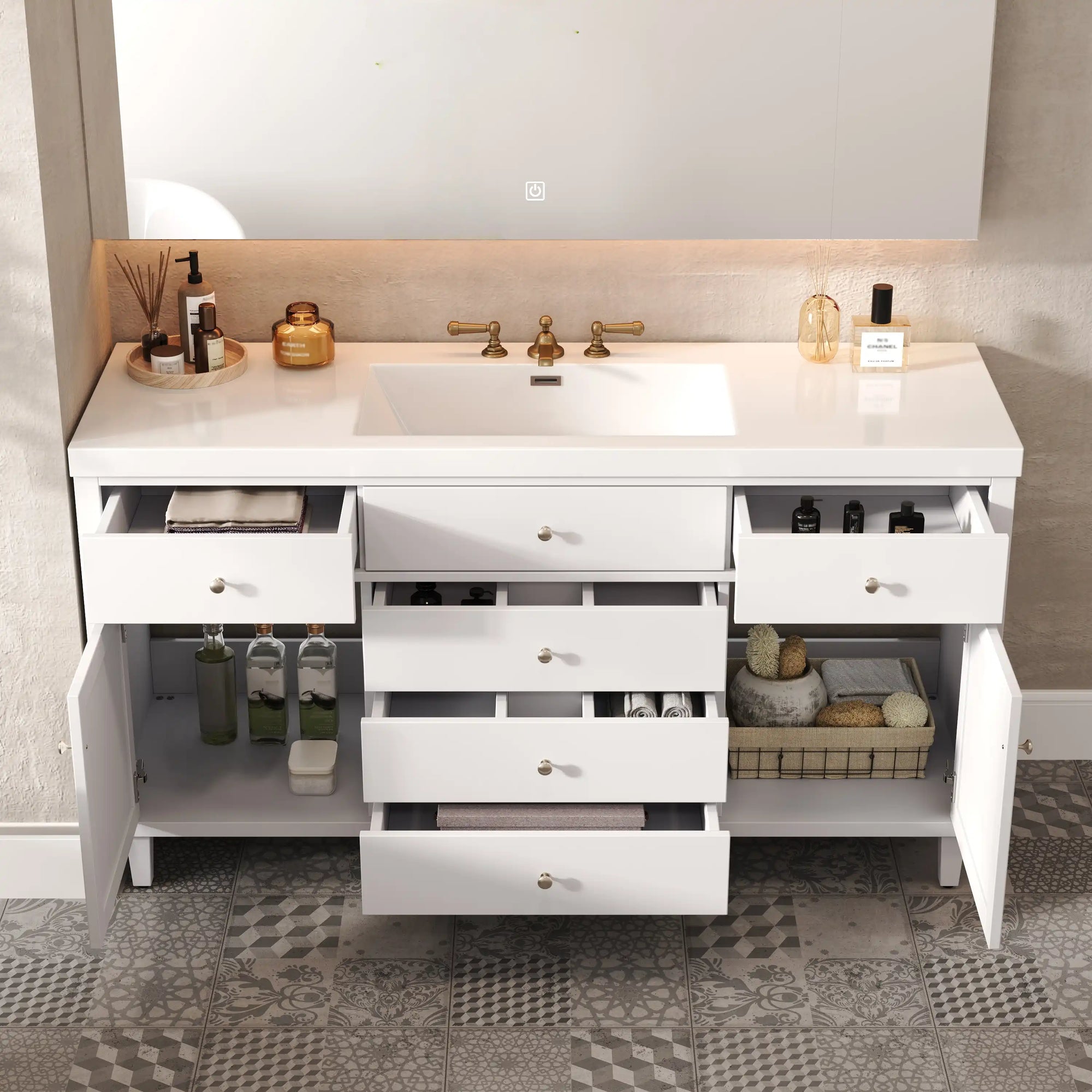


Table of Contents
- Why Teak Works So Well in Bathrooms
- Solid Teak vs. Teak Veneer: What's the Difference?
- Is a Teak Bathroom Vanity Right for Your Remodel?
- Wall-Mounted vs. Freestanding Teak Bathroom Vanity
- Maintenance: What Living With a Teak Bathroom Vanity Is Really Like
- Common Questions Homeowners Ask About Teak Bathroom Vanity
- Final Thoughts: A Practical, Long-Term Choice
- Related Articles
When you're planning a bathroom upgrade, the vanity is rarely just a cabinet—it's one of the most used, most visible, and most moisture-exposed pieces in the room. That's why many homeowners start looking into a teak bathroom vanity once they realize standard materials don't always hold up well over time.
Based on real-world use and long-term performance, this guide explains what teak does exceptionally well, what to pay attention to before buying, and how to decide whether a teak bathroom vanity truly fits your home and lifestyle.
Why Teak Works So Well in Bathrooms

Bathrooms are one of the most demanding spaces in any home. Unlike living areas or bedrooms, bathroom furniture is exposed to daily humidity, frequent water splashes, temperature fluctuations, cleaning products, and constant use. Over time, these factors are exactly what cause many vanities to swell, peel, loosen at joints, or simply look worn long before homeowners expect.
Teak stands apart because it wasn't originally valued for looks alone—it earned its reputation through performance in harsh environments. That same durability is why a teak bathroom vanity performs so reliably in residential bathrooms.
Natural Resistance to Moisture and Humidity
Teak wood is naturally rich in oils and dense fibers. This internal structure allows it to repel moisture rather than absorb it, which is critical in a bathroom setting.
In practical, everyday terms, this means a teak bathroom vanity is far less likely to:
- Swell around sink cutouts
- Warp at cabinet joints
- Delaminate or soften over time
- Develop surface bubbling or finish failure
This moisture resistance is especially valuable in:
- Primary bathrooms used multiple times a day
- Homes with limited ventilation or older exhaust fans
- Households where the vanity sees frequent splashing
For homeowners investing in a long-term upgrade, this built-in resilience reduces the risk of having to replace or repair the vanity years earlier than planned.
Structural Stability You Can Feel Over Time
Beyond surface performance, teak offers exceptional structural stability. Its dense grain and strength help cabinets maintain alignment—doors stay square, drawers glide smoothly, and hardware remains secure.
Compared to lower-grade wood composites, a teak bathroom vanity:
- Holds screws and hardware more securely
- Resists joint separation
- Maintains consistent door and drawer gaps
This stability becomes noticeable after years of daily use, particularly in family homes where the bathroom is shared and heavily used.
A Warm, Balanced Look That Works With Modern Design
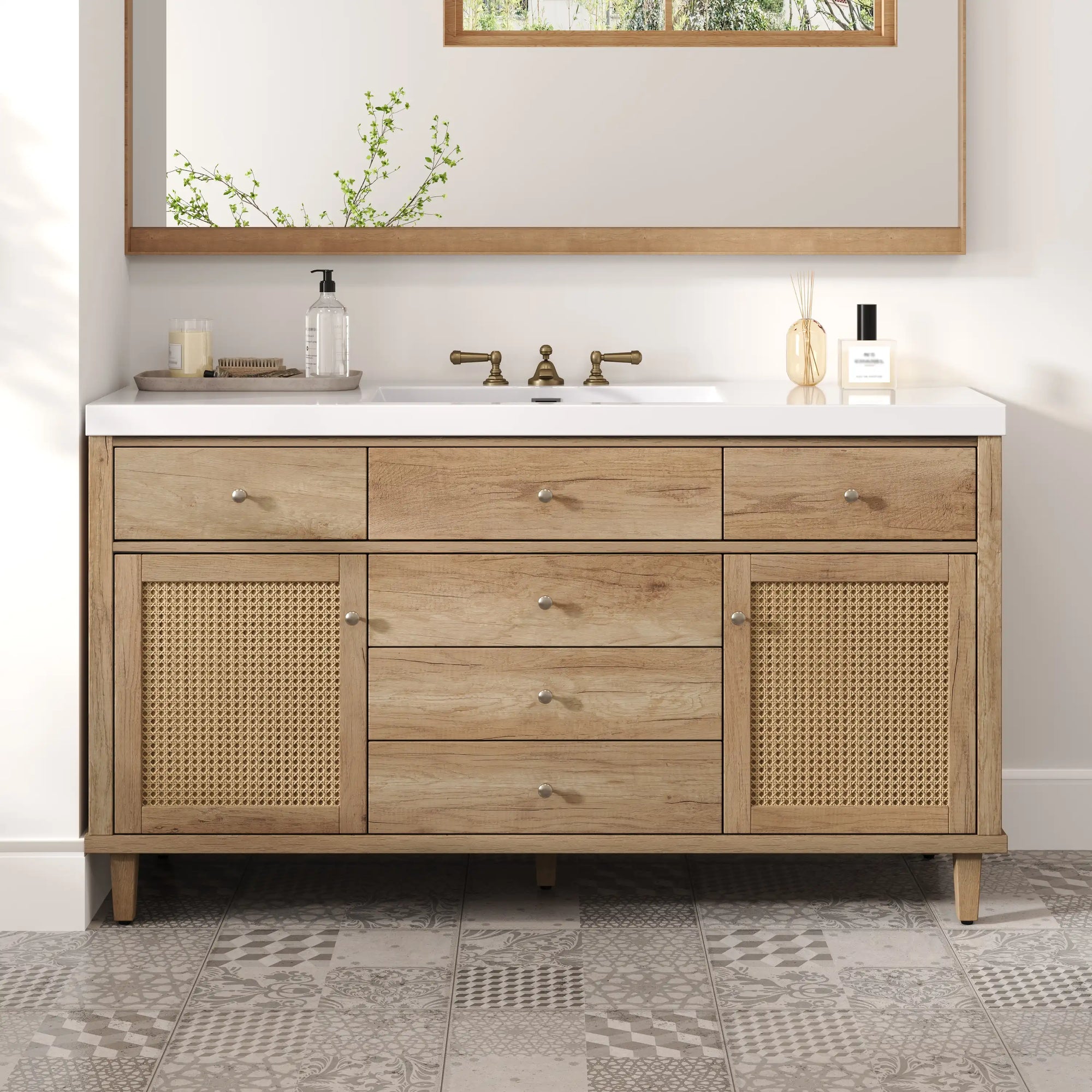
Many homeowners today prefer clean, modern bathrooms—but an all-white or stone-heavy space can sometimes feel cold or sterile. A teak bathroom vanity introduces warmth without overwhelming the design.
The natural grain and tone of teak work particularly well with:
- White, cream, or light gray countertops
- Marble, quartz, or solid-surface vanity tops
- Matte black, brushed nickel, or chrome fixtures
Instead of competing with modern elements, teak softens the space and creates balance. The result feels intentional and lived-in, not overly styled or trendy.
Ages Gracefully Instead of Looking "Worn"
Another overlooked advantage of a teak bathroom vanity is how it ages. Many materials look good when new but show wear quickly—scratches, fading, or peeling finishes stand out immediately.
Teak behaves differently. Minor changes over time tend to:
- Blend into the natural grain
- Add subtle character rather than visible damage
- Maintain a consistent, high-quality appearance
For homeowners who plan to stay in their home long-term, this graceful aging is a major reason teak remains a preferred material for bathrooms.
A Material That Supports Real-Life Use
Ultimately, teak works well in bathrooms not because it's fashionable, but because it aligns with real homeowner needs:
- Less worry about moisture damage
- Fewer maintenance concerns
- A look that stays relevant over time
For a primary bathroom or frequently used family bath, a teak bathroom vanity offers a combination of durability, stability, and visual warmth that few materials can match.
Solid Teak vs. Teak Veneer: What's the Difference?
When homeowners search for a teak bathroom vanity, one of the most common assumptions is that "teak is teak.” In reality, the construction method behind the teak finish has a major impact on durability, cost, weight, and long-term performance.
Understanding the difference between solid teak and teak veneer helps you make a decision that aligns with how long you plan to stay in your home, how heavily the bathroom is used, and what level of maintenance you're comfortable with.

Solid Teak Bathroom Vanity
A solid teak bathroom vanity is constructed primarily from teak wood throughout the cabinet structure, not just on the surface. This means the visible panels, doors, drawer fronts, and often the cabinet frame itself are made from real teak.
What This Means in Real-Life Use
Because teak is dense and naturally stable, solid teak vanities tend to perform exceptionally well over time—especially in bathrooms with frequent moisture exposure.
Homeowners often notice that solid teak bathroom vanities:
This makes solid teak especially suitable for primary bathrooms and shared family bathrooms where the vanity is used multiple times every day.
Natural Character and Visual Depth
One of the biggest visual advantages of solid teak is authenticity. Each piece of wood has its own grain pattern and tone variation, which creates depth that can’t be fully replicated with surface layers.
For homeowners who appreciate natural materials, solid teak offers:
Rather than looking uniform or manufactured, the vanity feels like a permanent fixture in the home.
Cost and Installation Considerations
Solid teak bathroom vanities typically come with:
However, many homeowners view this as a long-term investment. When spread over years of use, the durability often offsets the initial price difference compared to lower-grade materials that may need replacement sooner.
Best for homeowners who:

Teak Veneer Bathroom Vanity
A teak veneer bathroom vanity uses a thin layer of real teak wood applied over a stable engineered core, such as high-quality plywood or moisture-resistant composite.
It’s important to note: veneer itself is not a negative—the quality of what’s underneath matters just as much.
Where Teak Veneer Makes Sense
When properly constructed and sealed, a teak veneer bathroom vanity can perform very well in residential bathrooms. The engineered core often provides:
For many homeowners, this makes veneer a practical and cost-effective option—especially for bathrooms that see moderate use.
Visual Consistency and Design Control
Teak veneer offers a more uniform appearance than solid teak. This can be an advantage if you prefer:
In contemporary bathroom designs, this visual consistency often works well with minimalist layouts.
What to Pay Attention To
Not all teak veneer bathroom vanities are created equal. Performance depends heavily on:
A well-made teak veneer vanity should not feel flimsy or hollow. When done right, it offers a strong balance between durability, appearance, and price.
A good option if:
Solid Teak or Teak Veneer: How to Choose
The right choice ultimately depends on how the bathroom fits into your daily life.
- Primary bathroom, long-term home: Solid teak is often worth the investment
- Guest bathroom or budget-conscious remodel: High-quality teak veneer is a practical solution
- Wall-mounted vanity: Veneer can reduce weight while maintaining appearance
- Design-focused renovation: Either option works, depending on the look you prefer
Both solid teak and teak veneer can be excellent choices when built correctly. The key is understanding what you're paying for—and choosing a teak bathroom vanity that matches your expectations for longevity, performance, and everyday use.
Is a Teak Bathroom Vanity Right for Your Remodel?

Whether a teak bathroom vanity is the right choice really depends on how you use the bathroom—and how long you expect the renovation to last.
In homes where the bathroom is used every day, sometimes by more than one person, material performance matters just as much as appearance. A teak bathroom vanity tends to make the most sense in primary bathrooms and shared family bathrooms, where humidity, frequent handwashing, and regular cleaning put constant stress on cabinetry. In these spaces, teak's natural resistance to moisture and structural stability help reduce the kinds of long-term issues homeowners often experience with lower-grade materials, such as swelling panels, peeling finishes, or misaligned doors.
Teak is also well suited for homeowners who prefer upgrades that age gracefully. Instead of showing wear quickly or looking "tired" after a few years, a well-finished teak bathroom vanity tends to maintain its appearance with minimal upkeep. This appeals to homeowners who value durability and practicality over short-term savings, especially when the goal is to remodel once and enjoy the results for years.
That said, teak is not automatically the right choice for every project. In bathrooms that are rarely used—such as a small powder room—or in short-term renovations where budget is the primary concern, a teak bathroom vanity may offer more durability than the space truly requires. In those cases, other materials may meet the need just as well at a lower cost.
For most long-term home upgrades, however, teak earns its place through real-world performance. It's less about making a design statement and more about choosing a material that quietly holds up to daily life.
Wall-Mounted vs. Freestanding Teak Bathroom Vanity
Once homeowners decide that teak is the right material, the next question is often about layout. A teak bathroom vanity can work equally well as a wall-mounted or freestanding unit—the better option depends on space, installation conditions, and how the bathroom is used day to day.
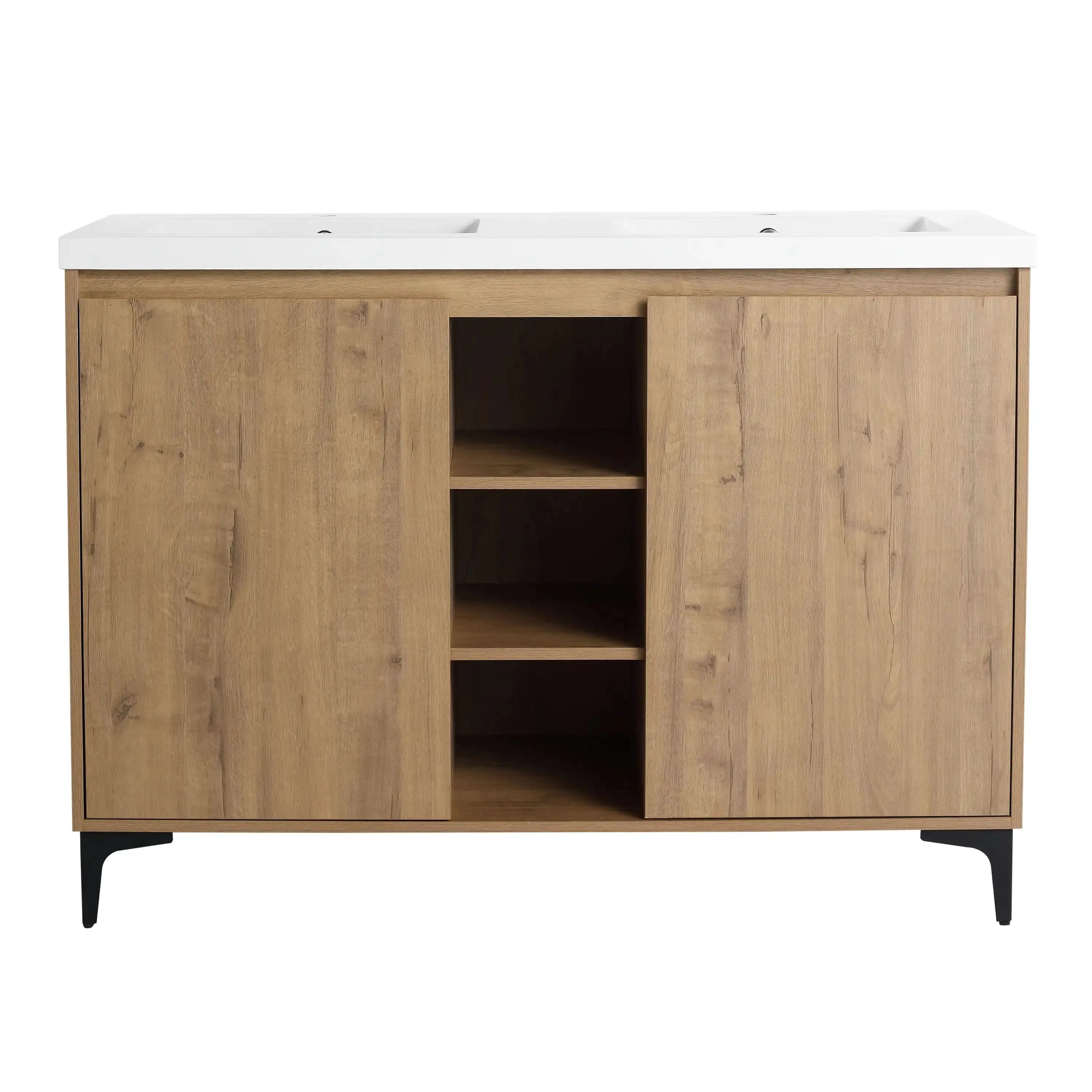
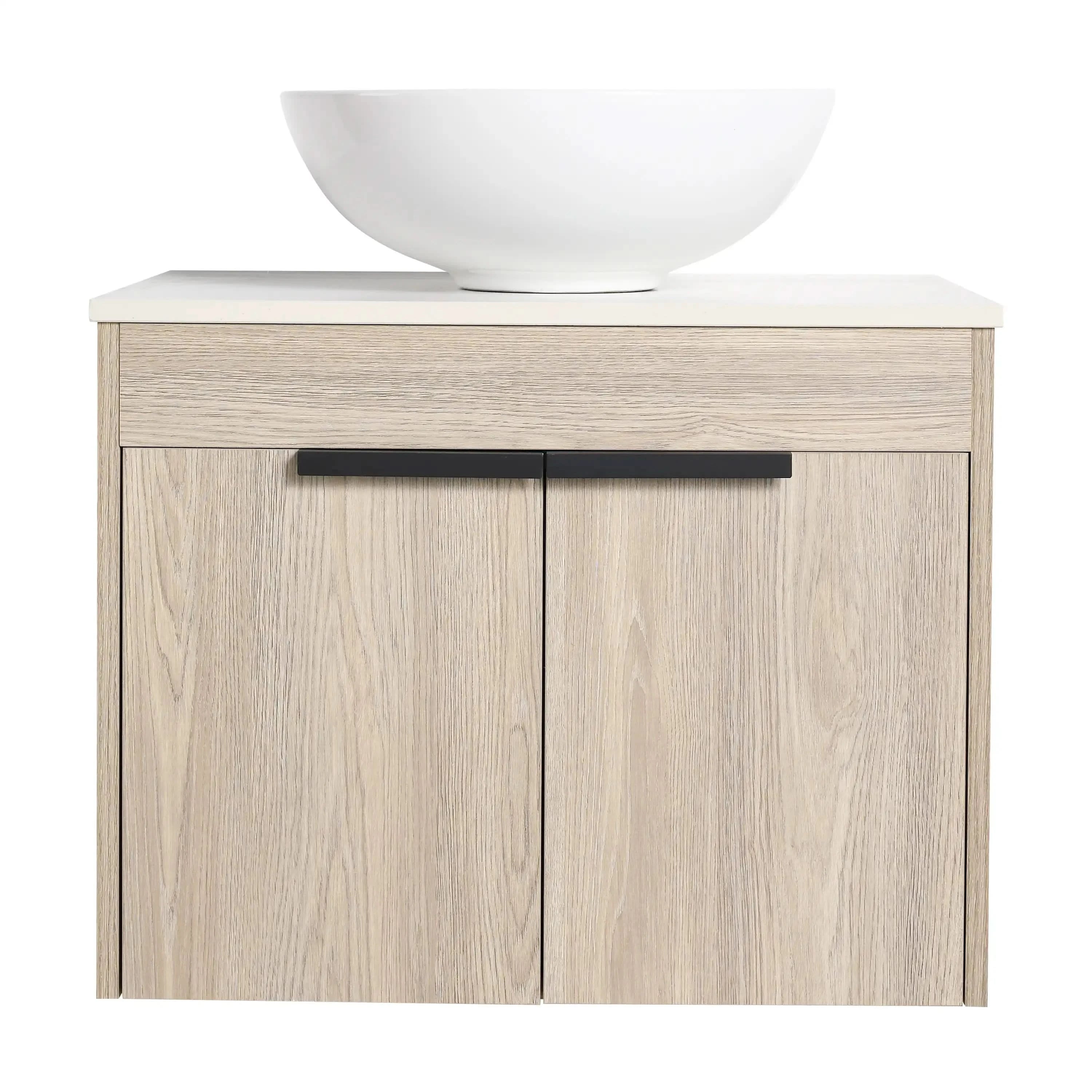
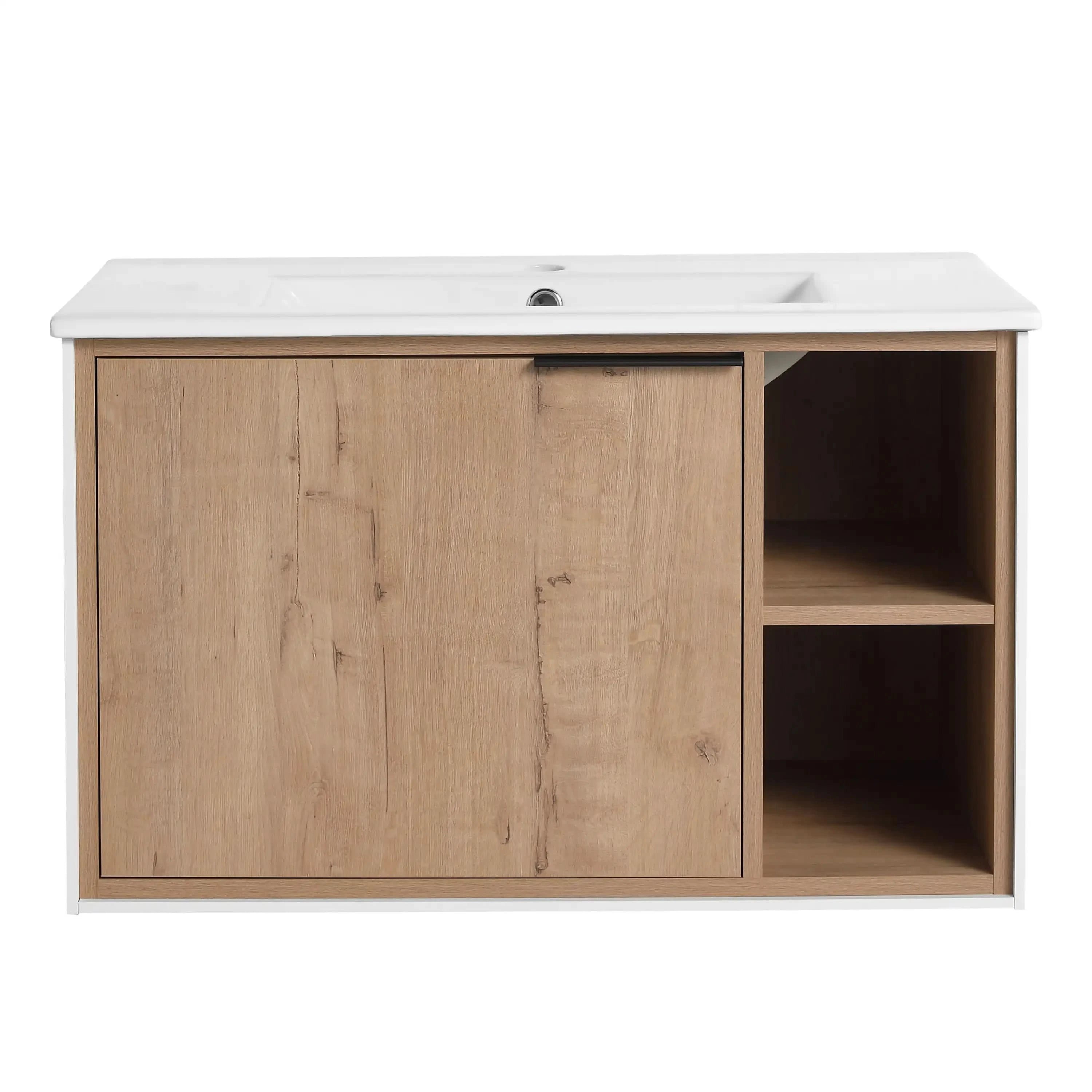
A wall-mounted (floating) teak bathroom vanity is often chosen for modern renovations and smaller bathrooms. By lifting the cabinet off the floor, the space feels more open and visually lighter, which can make a noticeable difference in tighter layouts. This design also simplifies floor cleaning and helps reduce the feeling of clutter around the vanity area. In primary bathrooms with contemporary styling, a floating teak vanity combines the warmth of natural wood with clean, modern lines.
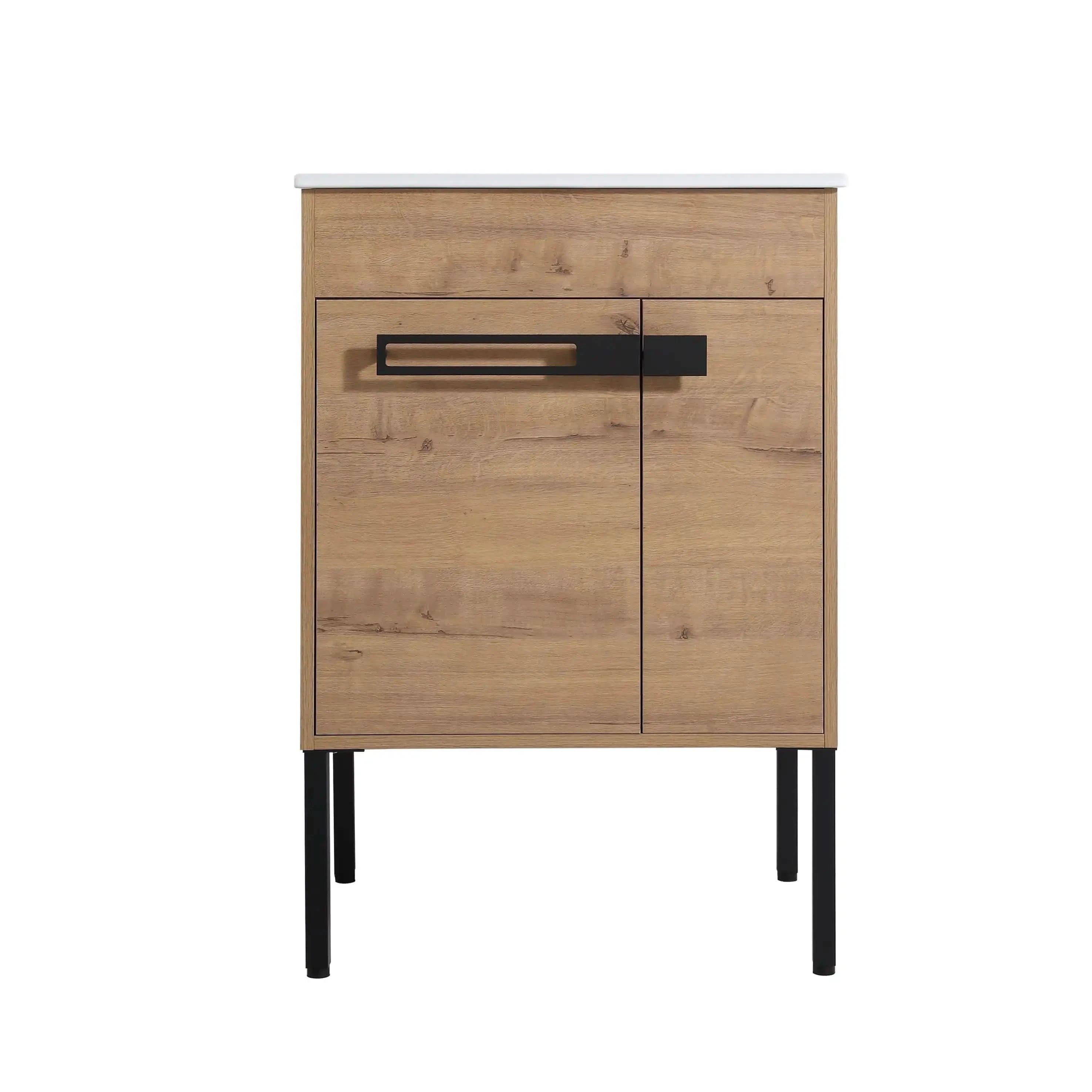
A freestanding teak bathroom vanity, on the other hand, offers a more traditional and grounded presence. It sits directly on the floor, which can make installation simpler—especially in homes replacing an existing floor-mounted vanity. Many homeowners also appreciate the slightly more substantial feel and, in some designs, the additional storage space that comes with a freestanding cabinet. This style works well in bathrooms where a classic layout or a furniture-inspired look is preferred.
Both configurations perform well when built properly. The right choice ultimately comes down to your bathroom's dimensions, existing plumbing, and whether you value a lighter, more open feel or a more traditional, anchored look. Teak adapts well to either approach, which is part of what makes it such a versatile material for bathroom vanities.
Maintenance: What Living With a Teak Bathroom Vanity Is Really Like
One of the most common questions homeowners ask before choosing a teak bathroom vanity is not about how it looks on day one, but how it will feel to live with year after year. Many people worry that natural wood in a bathroom automatically means extra work, frequent treatments, or constant attention. In reality, a teak bathroom vanity is often easier to maintain than people expect, especially when compared to other wood or wood-look materials.
In everyday use, teak does not demand special routines or careful handling. Normal habits—wiping the sink area after use and keeping standing water from sitting too long—are usually enough to keep the vanity in good condition. Because teak naturally resists moisture, small splashes or humidity from showers are far less likely to cause damage than they would with lower-grade woods or composite materials. This makes teak particularly forgiving in busy households where the bathroom is used multiple times a day.
Cleaning is also straightforward. Mild, non-abrasive cleaners work well for routine maintenance, and there is no need for aggressive chemicals. In fact, harsh cleaners or bleach are more likely to harm the surface finish than improve cleanliness. Most homeowners find that simple, gentle cleaning keeps the vanity looking consistent and well cared for without much effort.
Over time, many teak bathroom vanities develop subtle changes in tone. Instead of looking worn or tired, the wood tends to gain a soft, natural character that blends into the grain. This gradual aging is one of the reasons teak is often described as "graceful" rather than fragile. Minor marks or shifts in color don't stand out the way they do on painted or high-gloss surfaces; they become part of the wood's natural story.
Some homeowners choose to apply teak oil once or twice a year, especially if they prefer a richer, deeper wood tone. This step is optional and largely aesthetic. It is not required for structural integrity or daily performance, and many people are perfectly happy with how their teak bathroom vanity looks without any additional treatment. The flexibility to maintain it at your own comfort level is a major advantage.
For homeowners who value durability, low stress, and materials that don't demand constant attention, a teak bathroom vanity fits well into real life. It's not a piece you have to "manage.” It's one you simply use—day after day—while it quietly holds up to the environment it was chosen for.
Common Questions Homeowners Ask About Teak Bathroom Vanity
Will a teak bathroom vanity change color over time?
Is teak a safe material for family bathrooms?
Does a teak bathroom vanity work with modern bathroom design?
Is a teak bathroom vanity hard to maintain?
Will moisture or steam damage a teak bathroom vanity?
Is a teak bathroom vanity suitable for primary bathrooms?
Does a teak bathroom vanity scratch or dent easily?
Can a teak bathroom vanity support modern hardware and fixtures?
Is teak a good option for wall-mounted (floating) bathroom vanities?
Is a teak bathroom vanity worth the investment?
Final Thoughts: A Practical, Long-Term Choice
Choosing a teak bathroom vanity is rarely about following a short-lived design trend. In most cases, it's a decision rooted in practicality—how a bathroom actually functions day after day, and how well the materials will hold up over time. Bathrooms place constant demands on furniture, from moisture and temperature changes to daily contact, cleaning, and wear. Teak has earned its reputation because it consistently performs under those conditions, not because it looks good in photos alone.
For homeowners planning a thoughtful renovation, especially in a primary or frequently used bathroom, teak offers a sense of confidence. It's the kind of material that doesn't require constant attention or worry. Once installed, a well-made teak bathroom vanity simply does its job: it stays stable, maintains its appearance, and continues to feel solid years after the remodel is finished. That reliability is often what homeowners appreciate most, even if it's not something they consciously think about every day.
There's also a quiet satisfaction in choosing materials that age naturally instead of deteriorating. Rather than peeling, swelling, or looking tired after a few years, teak tends to develop subtle character while retaining its overall quality. For many homeowners, this aligns well with the goal of renovating once and enjoying the results long term, rather than planning for another replacement down the line.
From a design perspective, teak fits comfortably into modern homes without feeling overly styled. Its warmth balances clean lines, neutral palettes, and contemporary fixtures, making it versatile enough to adapt as tastes evolve. Whether paired with minimalist elements or more transitional details, a teak bathroom vanity rarely feels out of place.
Ultimately, a teak bathroom vanity makes the most sense for homeowners who value durability, everyday usability, and materials that perform quietly in the background. If your goal is a bathroom upgrade that still looks good, functions smoothly, and feels dependable years into daily use, teak remains one of the most practical and rewarding choices you can make.
Related Articles
If you're still exploring materials, layouts, or long-term bathroom upgrade options, these related articles offer practical guidance to help you compare choices and plan with confidence.
- "How to Keep Glass Shower Doors Clean: Daily Tips & Easy Fixes"
- "Standard Shower Head Height: A Practical Guide For Real Bathrooms"
- "How to Choose the Right Vanities for Vessel Sinks: Size, Style, and Installation Guide"
- "Gold Bathroom Mirrors: How to Incorporate Golden Elements into Your Bathroom Design"
- "Soaking Tub vs Regular Tub: How to Choose the Right Bathtub for Your Bathroom"
- "A Complete Guide to Bathroom Vanity Materials: Choosing the Right Vanity for Your Space"
- "Pony Wall Half-Wall Shower Enclosure: How to Balance Privacy and Transparency?"
- "The Ultimate 2026 Guide to Choosing a Shower Curtain for a Clawfoot Tub: Materials, Styles & Tips"
- "Basement Toilet and Shower Pump System Installation: Solve Drainage Problems Easily"
- "Soak & Settle In: What Is an Alcove Bathtub + Why It Feels Like Home"