

Table of Contents:
- #1 // Upgrade Your Flooring for Real Warmth Underfoot
- #2 // Choose a Vanity That Adds Visual and Physical Warmth
- #3 // Layer in Textiles for Instant Comfort
- #4 // Install a Towel Warmer for Everyday Luxury
- #5 // Use Warm Finishes to Shift the Entire Look
- #6 // Rethink Your Lighting and Color Temperature
- #7 // Address Drafts and Insulation Where Possible
- #8 // Add Small Personal Touches That Invite You In
- Final Thoughts
Does your bathroom always feel a little too cold—no matter the season? You’re not alone. Many homeowners, especially in suburban homes or older properties, deal with bathrooms that never quite feel comfortable. Whether it’s a basement layout, a north-facing window, or simply poor insulation, some bathrooms just seem to hold onto that chilly, unwelcoming atmosphere.
I’ve experienced this firsthand. In one of our recent renovation projects, the bathroom looked great on paper—but stepping into it felt like walking into a cold, lifeless space. It wasn’t a place you wanted to linger, and definitely not a space that felt relaxing at the start or end of your day.
The good news? You don’t need a full gut renovation to fix this. With a few thoughtful upgrades—both functional and design-focused—you can transform a cold bathroom into a warm, inviting retreat. Below are practical, homeowner-friendly strategies that balance comfort, durability, and style.
#1 // Upgrade Your Flooring for Real Warmth Underfoot

Cold tile floors are one of the biggest reasons bathrooms feel uncomfortable. The moment your feet hit that icy surface, the entire experience changes—and not in a good way.
One of the most effective upgrades you can make is installing radiant heated flooring. It doesn’t just warm the surface beneath your feet—it gently raises the overall room temperature, making the entire space feel more comfortable. Modern systems are more accessible than ever, and many are designed for straightforward installation during a remodel.
If heated flooring isn’t in your current plan, consider pairing high-quality tile with layered solutions like bath mats or runners in key areas. The goal is simple: eliminate that cold shock when you step out of the shower or approach the vanity.
#2 // Choose a Vanity That Adds Visual and Physical Warmth

Your vanity plays a bigger role than you might think. A poorly designed or overly sterile vanity can make a bathroom feel colder, while the right one adds both warmth and functionality.
Consider a freestanding vanity unit base in natural wood tones or warm finishes. Unlike wall-mounted options that can feel more minimal and airy, a freestanding design grounds the space and creates a more substantial, cozy presence. It also offers practical storage—helping reduce clutter, which contributes to a calmer, more inviting environment.
Look for durable materials, soft-close hardware, and finishes that resist moisture while still delivering that warm, lived-in look. A well-chosen vanity becomes both a visual anchor and a daily-use upgrade.
#3 // Layer in Textiles for Instant Comfort
If you want a quick, budget-friendly way to warm up your bathroom, start with textiles. Soft materials instantly change how a space feels—both visually and physically.
Add a plush rug in front of your vanity, ideally made from materials like wool or cotton blends that hold warmth and feel comfortable underfoot. Upgrade your towels to thicker, high-quality options that feel soft and substantial. Even small changes—like adding a fabric shower curtain or upholstered stool—can soften the overall atmosphere.
Think beyond appearance. Ask yourself: does this space feel comfortable to touch? That sensory layer is what turns a cold bathroom into a cozy one.
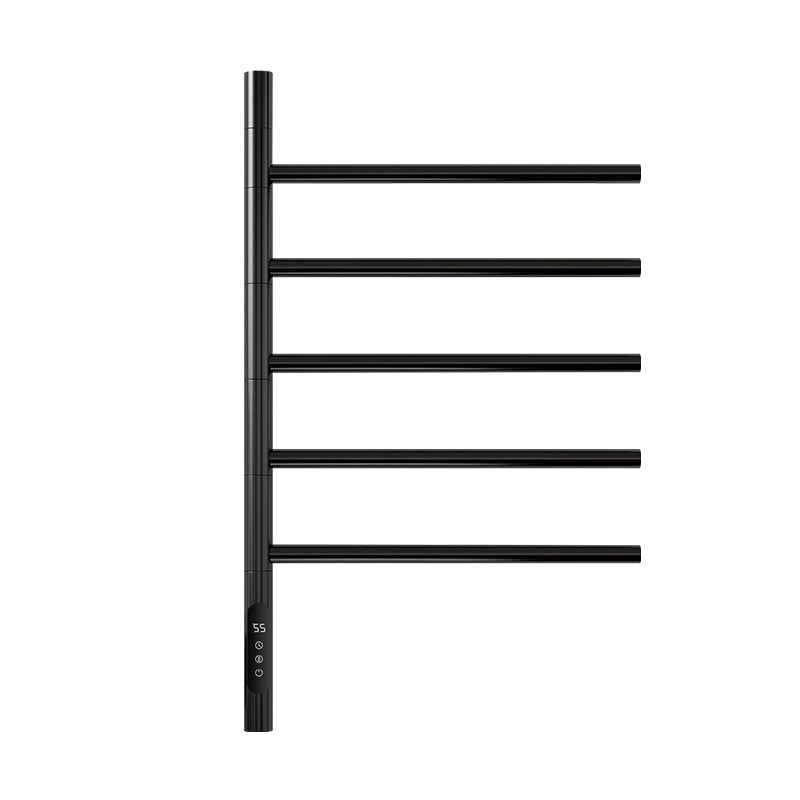
#4 // Install a Towel Warmer for Everyday Luxury
A towel warmer might seem like a luxury—but it’s one of the most practical upgrades for a cold bathroom.
Stepping out of a shower into a warm towel completely changes your experience. Beyond comfort, towel warmers also help reduce moisture buildup and can subtly raise the ambient temperature in the room.
Many modern units are energy-efficient and easy to install, whether hardwired or plug-in. For homeowners upgrading their bathroom, this is a small addition that delivers a noticeable daily benefit—especially during colder months.
#5 // Use Warm Finishes to Shift the Entire Look

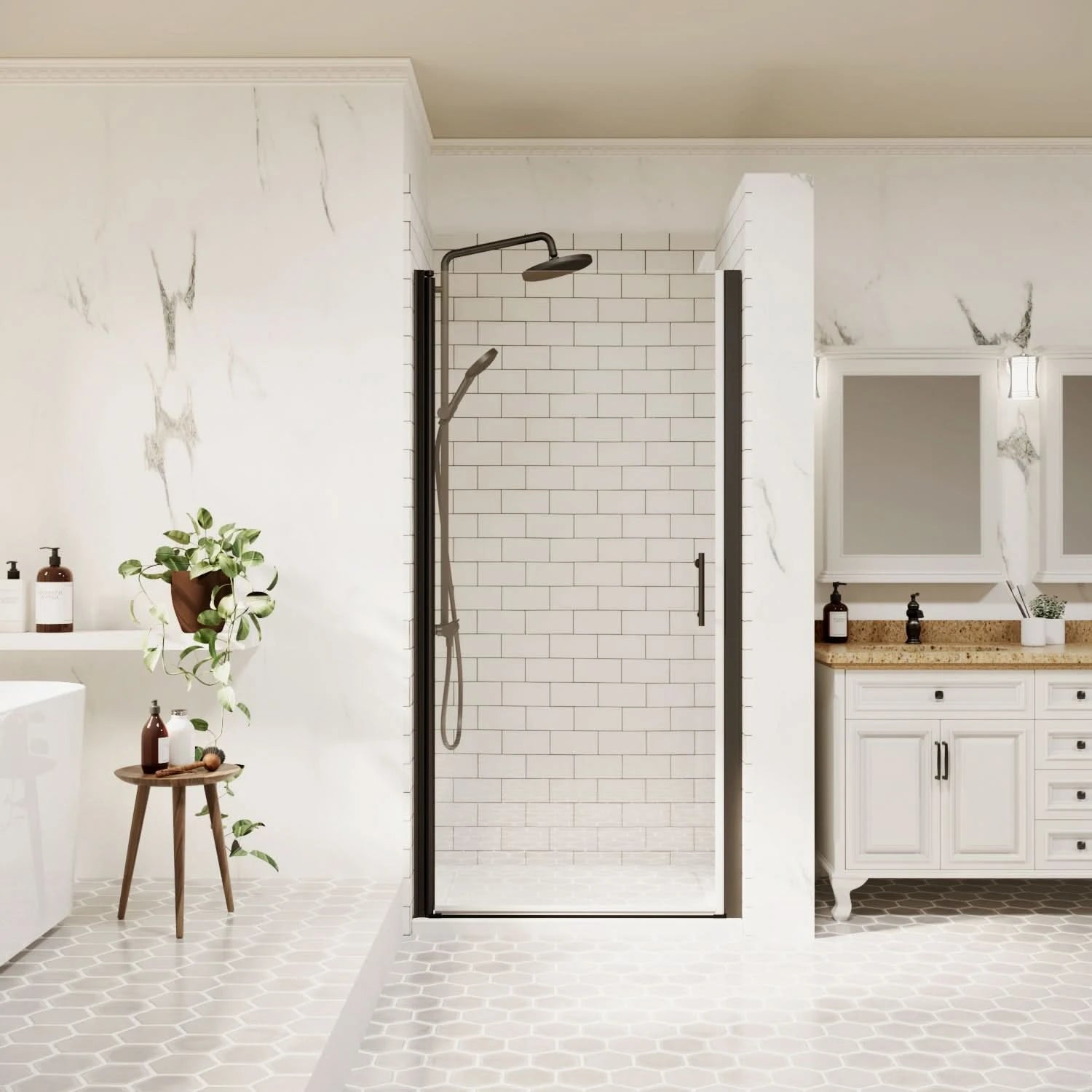
Sometimes, the issue isn’t just temperature—it’s perception. A bathroom filled with cool-toned materials like chrome, stark white, or matte black can feel colder than it actually is.
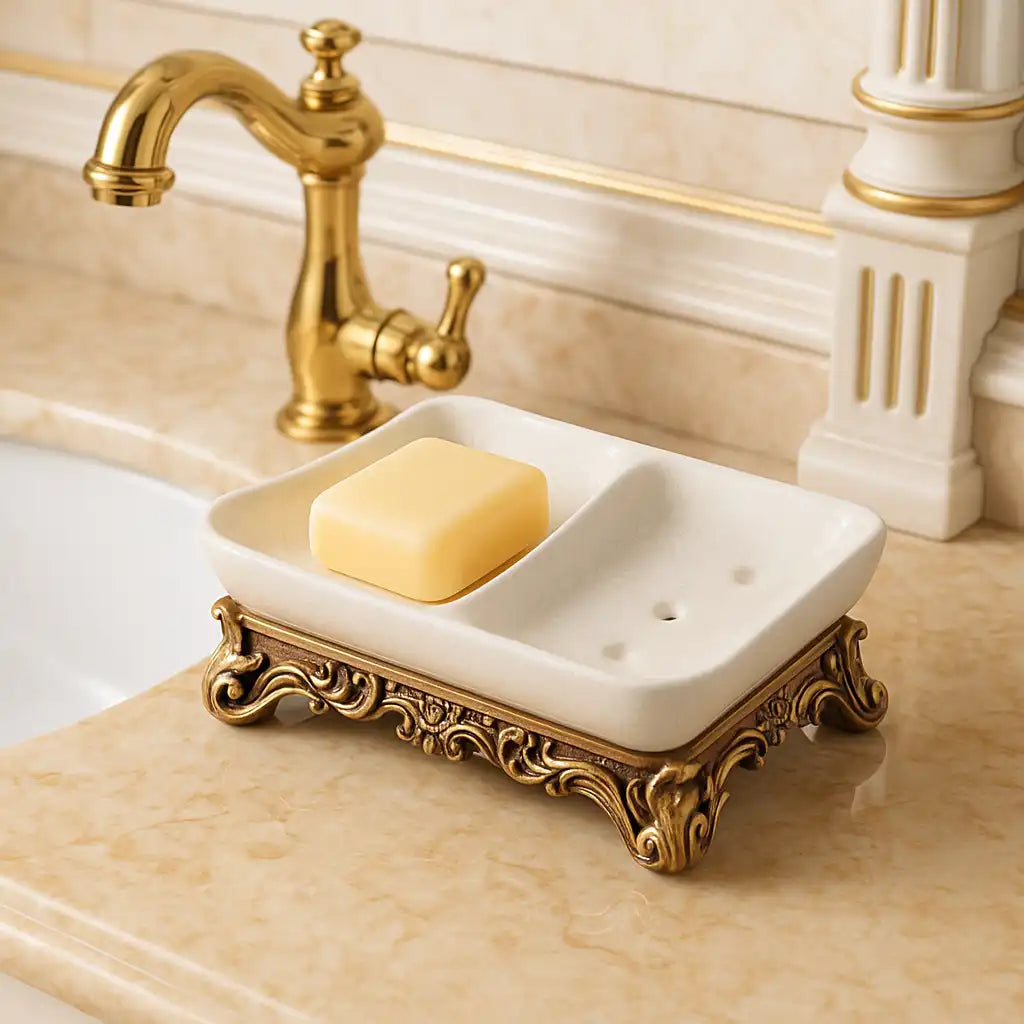
Switching to warmer finishes—such as brushed nickel, champagne bronze, or brass—can instantly make the space feel more inviting. These finishes reflect light differently and add subtle warmth without overwhelming the design.
Pair these fixtures with complementary elements like wood cabinetry or warm-toned accessories. The goal is cohesion: when every element leans slightly warmer, the entire room feels more balanced and comfortable.
#6 // Rethink Your Lighting and Color Temperature

Lighting plays a huge role in how warm—or cold—a bathroom feels. Even a well-designed space can feel sterile under harsh, cool-toned lighting.
Opt for soft white or warm white bulbs (typically in the 2700K–3000K range). These create a more relaxing, natural glow that flatters both the space and your daily routine. Avoid overly bright, blue-toned lighting, which can make surfaces feel colder and less inviting.
Wall color also matters. Warm neutrals—like soft beige, creamy whites, or muted earth tones—help counterbalance colder materials like tile or stone. Even if you prefer a modern look, introducing warmth through paint can dramatically change the feel of the room.
#7 // Address Drafts and Insulation Where Possible
Sometimes, no amount of styling can compensate for actual heat loss. If your bathroom consistently feels cold, it’s worth checking for drafts, poor window sealing, or insufficient insulation.
Simple fixes—like sealing gaps, upgrading weather stripping, or adding insulated window treatments—can make a noticeable difference. If you’re already remodeling, consider improving insulation in exterior walls or upgrading ventilation systems to better regulate temperature.
Comfort isn’t just about design—it’s also about performance.
#8 // Add Small Personal Touches That Invite You In

Finally, don’t underestimate the power of personal details. A bathroom should feel like part of your home—not just a functional space.
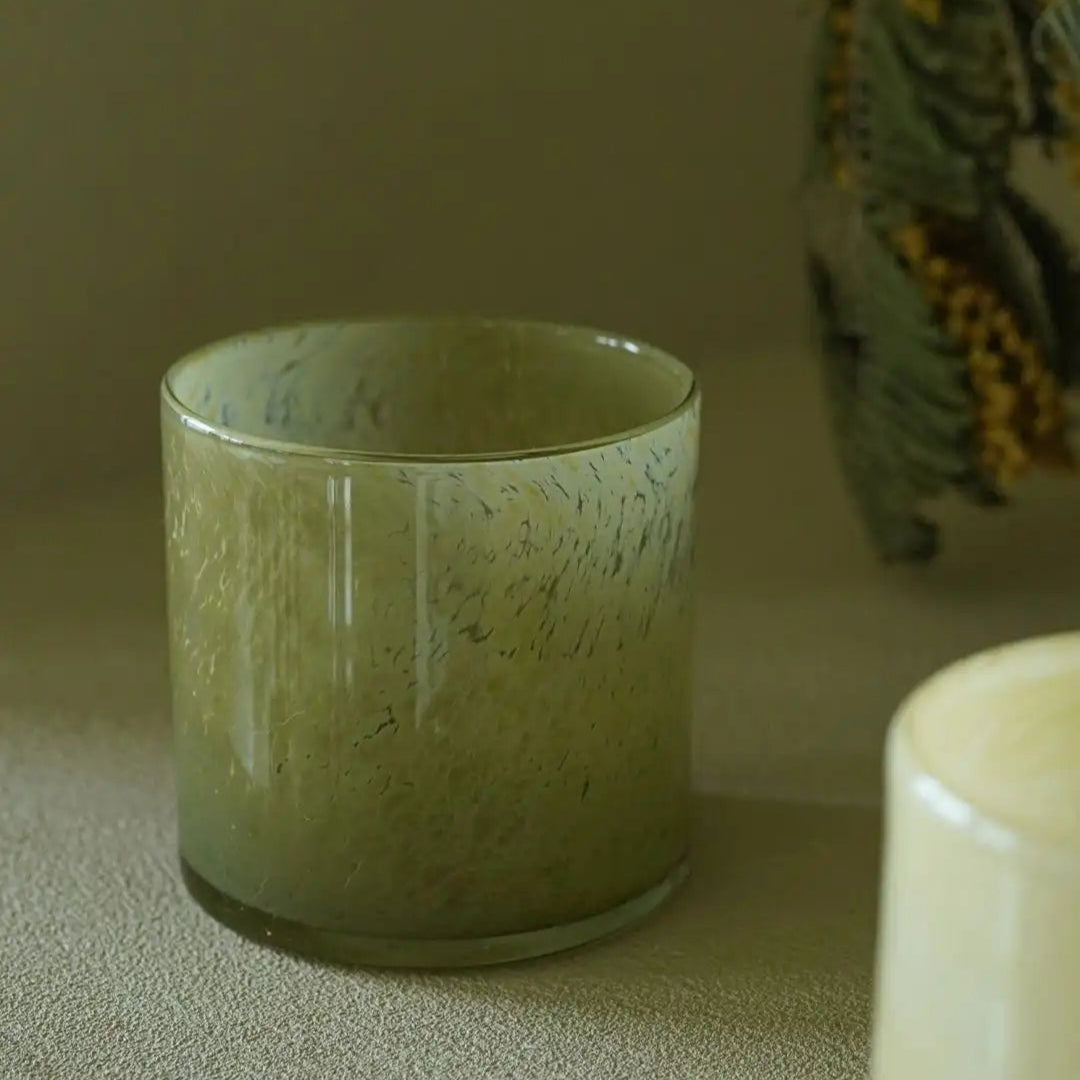
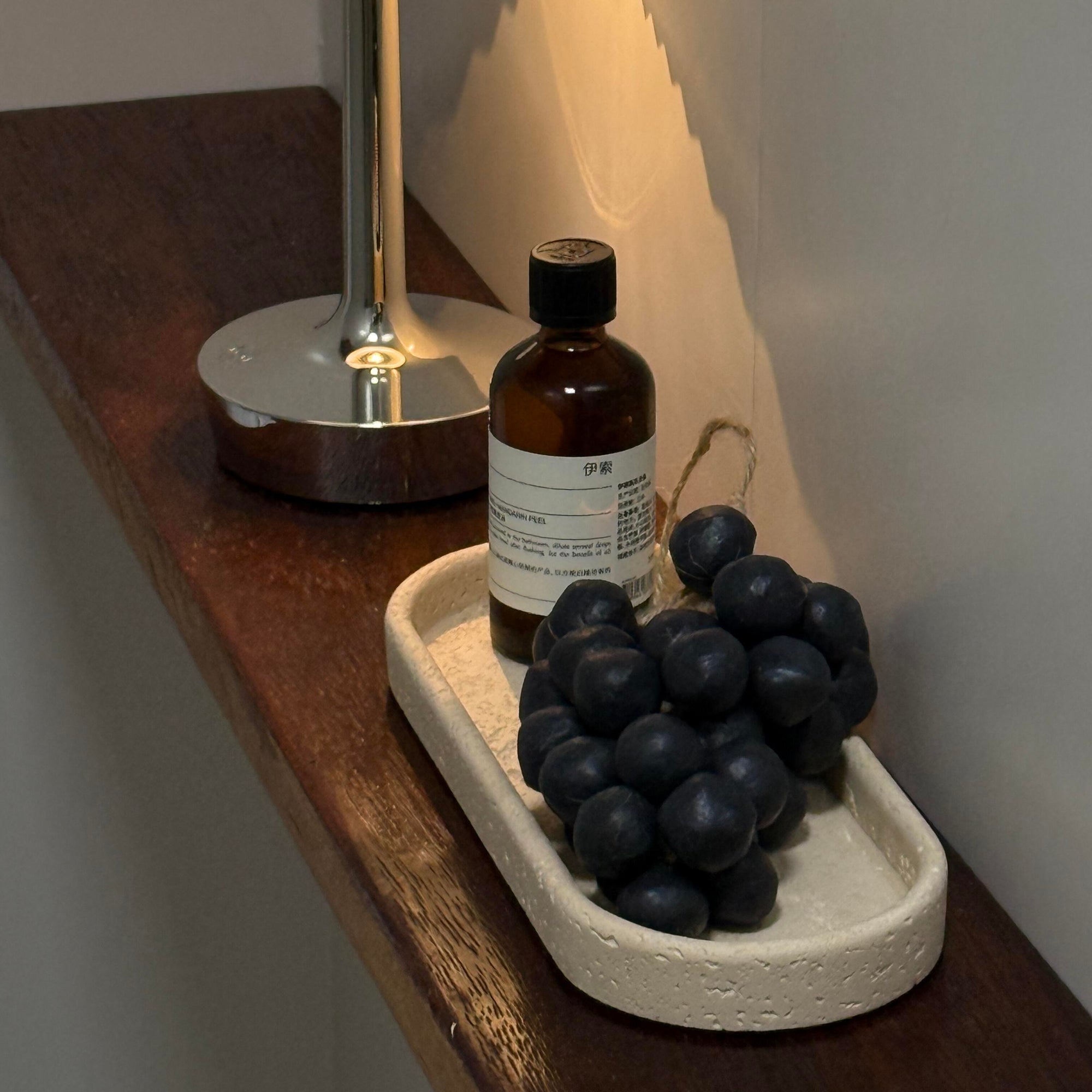
Incorporate elements that make you want to spend time there: a small plant, a piece of artwork, or even a tray with everyday essentials neatly arranged. These touches don’t just decorate the room—they humanize it.
When a space feels lived-in and intentional, it naturally feels warmer.
Final Thoughts
Creating a cozy bathroom isn’t about one single upgrade—it’s about layering multiple small improvements that work together. From heated flooring and a thoughtfully chosen freestanding vanity unit base, to warm lighting and soft textiles, each decision contributes to a space that feels more comfortable, functional, and welcoming.
The best part? Most of these changes are achievable without a full-scale renovation. With the right approach, you can turn even the coldest bathroom into a place that feels warm, relaxing, and genuinely enjoyable to use—every single day.
Related Articles
Looking for more ideas to upgrade your bathroom? Explore the articles below for practical tips, design inspiration, and smart solutions to create a space that feels both comfortable and functional.
- "How to Keep Glass Shower Doors Clean: Daily Tips & Easy Fixes"
- "How to Get More Water Pressure in Shower: What Actually Works in Real Homes"
- "High Flow Shower Heads Explained: Flow Rate, Benefits, and What You Should Know Before Choosing One"
- "A Complete Guide to Bathroom Vanity Materials: Choosing the Right Vanity for Your Space"
- "Medicine Cabinet Mirror Replacement: A Practical Guide for Modern Bathroom Upgrades"
- "How Often Should You Replace Your Loofah? The Hygiene Habit You May Be Missing"
- "10 Modern Shower Ideas That Feel Effortlessly Luxurious"
- "Half Wall Shower No Door – A Complete Overview of Design and Function"
- "Finding the Perfect Fit: A Guide to 2 Person Walk-In Shower Dimensions"
- "Acrylic Shower Enclosures vs. Other Options: What Homeowners Need to Know"